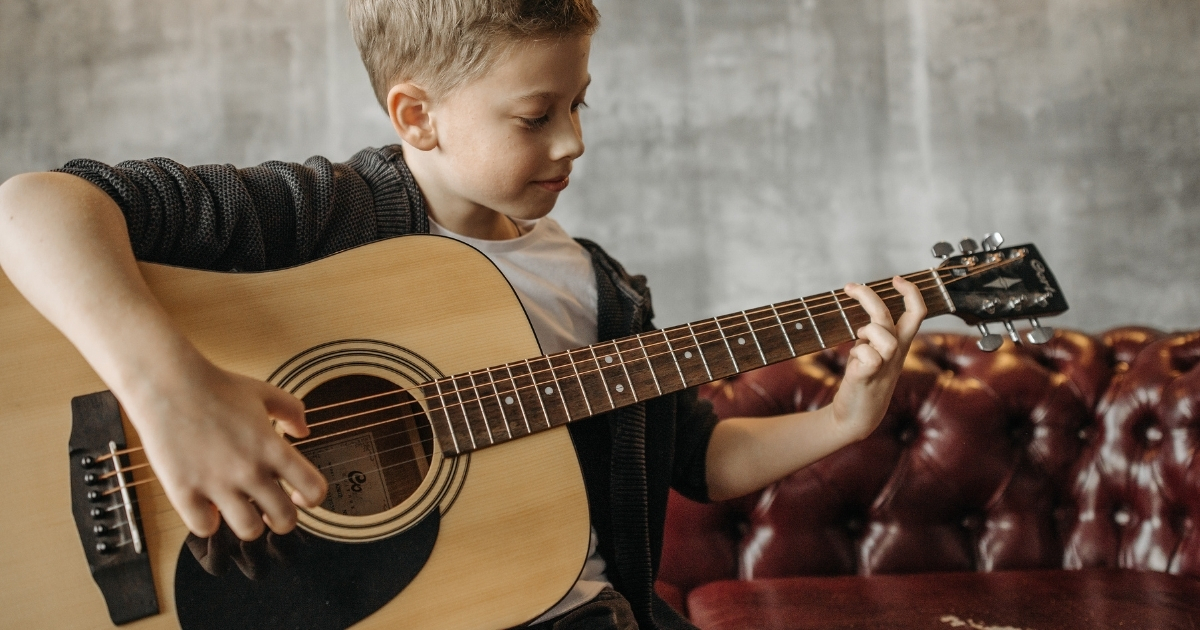
Music Class: Should You Stick To The Classics Or Teach Modern Music?

You’re staring at your carefully color-coded homeschool planner, and there it is, glaring at you from Tuesday afternoon: Music Appreciation. Do you pull out the dusty vinyl of Beethoven’s Fifth you found at a thrift store, or do you queue up the latest Taylor Swift album on Spotify? It’s the great debate of Classical vs modern music education, and honestly, it’s enough to make any parent want to hide in the pantry with a bag of chocolate chips. We all want our kids to be well-rounded, culturally literate humans who can appreciate a symphony, but we also want them to actually enjoy learning without groaning every time the lesson starts.

So, do you stick to the strict masters of the 18th century, or do you lean into the beats dropping on the radio today? Let’s figure this out together without turning your living room into a battleground.

Why We Cling To The Classics (And Why It Still Matters)

There is a reason why Mozart, Bach, and Chopin haven’t faded into obscurity. Classical music is often viewed as the vegetable of the music world—we know it’s good for us, it builds strong bones (or brains), but sometimes it’s hard to chew. The “Mozart Effect” might have been a bit overblown by the media back in the 90s, but the underlying principle stands: complex musical structures do interesting things to a developing brain.

When you teach classical music, you aren’t just teaching notes; you are teaching history, discipline, and emotional depth. Think about it. A symphony lasts forty minutes. In a TikTok world where attention spans are measured in seconds, sitting through a full movement of a concerto is practically a superpower. It forces a kind of active listening that is becoming increasingly rare.

But let’s be real—it can be dry. If you approach it with a “eat your broccoli” attitude, your kids will treat it like broccoli. The trick is to find the stories behind the music. Did you know Mozart had a bizarre sense of humor? Or that Beethoven continued to compose masterpieces while completely deaf? When you humanize these marble busts, the music suddenly becomes a soundtrack to a real person’s life.

Beyond the stories, the sheer technical proficiency required to play classical music sets a high bar. It teaches patience. You can’t fake your way through a Bach fugue. For homeschoolers focusing on character development alongside academics, the rigor of classical training offers a tangible lesson in the value of persistence. It’s not about becoming a concert pianist; it’s about learning that hard things are worth doing.

Classical vs Modern Music Education: Finding The Balance

Classical vs Modern Music Education: Finding The Balance

Here is the secret that might save your sanity: you don’t actually have to choose. The binary choice of Classical vs modern music education is a false one. In fact, the most robust music education creates a bridge between the two. Music is a language, and just like English, it evolves. We read Shakespeare to understand the roots of our language, but we read modern novels to understand our current world. Music should be treated the same way.

When you mix the two, you create a rich tapestry of understanding. You can show your kids how the chord progressions in a modern pop ballad are virtually identical to Pachelbel’s Canon. Suddenly, that “boring old music” is the great-great-grandfather of the song they can’t stop humming.

Consider this approach to blending them:

  • Compare and Contrast: Play a classical piece and a modern film score. Ask your kids to find the similarities. John Williams (Star Wars) borrows heavily from Holst and Wagner. Let them hear the connection.
  • The Remix Method: Find modern artists who sample classical music. Hip-hop is famous for this. It’s a fantastic “aha!” moment for a teenager to realize the beat they love came from a 100-year-old record.
  • Genre Hopping: Dedicate one month to the Baroque period and the next to the Blues. Show how music migrated and changed across continents and centuries.

By refusing to pick a side, you validate your child’s natural interests while stretching their palate. You are telling them, “Yes, the music you love is valid, and here is where it came from.” This respect for their taste buys you a lot of goodwill when it’s time to listen to an opera aria.

Homeschool Music Class Ideas That Won’t Bore Everyone To Tears

Okay, we’ve covered the philosophy, now let’s talk logistics. You are a busy parent, not a conservatory director. You need homeschool music class ideas that are easy to implement, affordable, and engaging. The goal isn’t to raise a prodigy (unless that happens accidentally, in which case, congrats on your retirement fund), but to foster a love for sound and rhythm.

One of the biggest mistakes we make is thinking music class has to mean expensive private lessons. While those are great if you can swing them, they aren’t the only way to learn. In fact, for many kids, the pressure of weekly performance reviews kills the joy before it even starts. Let’s look at some lower-stakes ways to bring music into your home.

Try these practical activities to spice up your week:

  1. The “Kitchen Percussion” Jam Session: You don’t need a drum kit. You need wooden spoons, plastic bowls, and a willingness to tolerate noise for 20 minutes. Teach basic rhythms (quarter notes, eighth notes) using pots and pans. It’s visceral, it’s loud, and it teaches timing perfectly.
  2. Soundtrack Your Life: Have your kids curate a playlist for a specific book you are reading aloud. If you are reading a history book about the Civil War, have them find music from that era. If you are reading a fantasy novel, ask them to find instrumental music that fits the mood of a scary chapter or a heroic chapter.
  3. The “Foley Artist” Challenge: Watch a clip of a cartoon with the sound off. Have your kids use instruments or household objects to create the sound effects and background music. This teaches them how music influences emotion and storytelling.
  4. Lyrics as Poetry: Take a modern song they love (screen the lyrics first, obviously!) and print them out. Analyze the rhyme scheme, the metaphors, and the message. Then, compare it to a classical art song or a folk ballad.
  5. Build Your Own Instrument: This doubles as a science lesson. Rubber bands on a tissue box for a guitar, water in glass jars for a xylophone. Understanding the physics of sound—vibration, pitch, volume—makes the abstract concept of music concrete.

Remember, the best curriculum is often the one you create yourself based on what your kids are currently obsessed with. If they are into video games, study the evolution of 8-bit music to full orchestral game scores. If they love dance, explore the history of rhythm from the waltz to breakdancing. Meet them where they are.

Teaching Music To Homeschoolers: A Practical Toolkit

When it comes to teaching music to homeschoolers, having the right tools makes all the difference. You don’t need a degree in music theory, but you do need resources that do the heavy lifting for you. We live in a golden age of digital education, so take advantage of it. You are the facilitator, not necessarily the lecturer.

Don’t feel like you have to grade everything. Music is an art form. While theory worksheets have their place, the primary goal should be appreciation and expression. If your child can tell you why a song makes them feel sad, or identify the beat in a song on the radio, you are winning.

Here is a list of resource types and strategies to build your toolkit:

  • YouTube is Your Best Friend: Channels like “San Francisco Symphony’s Kids” or “Classic FM” have amazing, bite-sized videos explaining instruments and composers. For modern music theory, channels like “12tone” or “Adam Neely” break down pop songs in fascinating (albeit sometimes complex) ways.
  • Gamify the Theory: Apps like Note Rush or Rhythm Cat turn reading sheet music into a video game. If you have a tablet, use it. There is no shame in letting an app teach your kid to read the treble clef while you fold laundry.
  • Live Performances (Virtual counts!): Many orchestras stream performances for free. Watch one together with popcorn. Make it an event. If you can get to a local park concert or a high school musical, do it. Seeing live musicians is transformative.
  • Podcasts for Kids: There are wonderful podcasts designed for kids about music history. “Classics for Kids” is a staple. Put it on in the car while you’re driving to soccer practice. It’s passive learning that sticks.
  • The “Composer of the Month” Club: Pick one composer (or modern artist/band) each month. Print a picture of them. Listen to their top 5 hits. Read a short biography. By the end of the year, you’ve covered 9-10 major musical figures with minimal effort.

Music shouldn’t be the subject you dread. It should be the release valve for your homeschool day. It’s the subject where there are no wrong answers when you ask, “How does this make you feel?” Whether you are blasting Bach or The Beatles, the important thing is that your home is filled with music. The debate isn’t about which is “better”—it’s about giving your kids the keys to unlock the entire world of sound.

Keep The Rhythm Going

We hope this helps you navigate the noisy, wonderful world of music education. Remember, there is no single “right” way to homeschool, and that applies to music, too. Trust your instincts, have fun with it, and maybe buy some earplugs just in case the drum solo phase lasts longer than expected.

Ready for more practical tips? Check out our other blogs for homeschool advice and resources to keep your curriculum fresh and your coffee cup full! We have got plenty more ideas to help you survive and thrive on this homeschooling journey.

Winter Art Class: How To Capture The Spirit Of The Season With Your Child

When the days get shorter and a chill fills the air, it’s the perfect time to bring learning indoors and get a little messy. Winter offers a unique and beautiful canvas for creativity, making it an ideal season to weave art into your homeschool routine. Finding engaging winter art projects for kids can transform a dreary afternoon into a vibrant, hands-on learning experience. It’s about more than just glitter and glue; it’s about capturing the magic of the season, exploring new textures, and making memories together.

These seasonal crafts for your homeschool don’t need to be complicated or require a trip to a specialty store. Many of the best projects use materials you already have or can find right in your backyard. From frosty window paintings to cozy yarn creations, winter is bursting with inspiration. Let’s dive into some creative winter activities that will delight your children and add a splash of color to your homeschool curriculum.

Easy and Fun Winter Art Projects for Kids

Getting started with seasonal art is all about simplicity and fun. The goal is to spark imagination, not to create a museum-worthy masterpiece (though you might be surprised by what your little artists produce!). Here are some fantastic and accessible winter art projects to try with your homeschoolers.

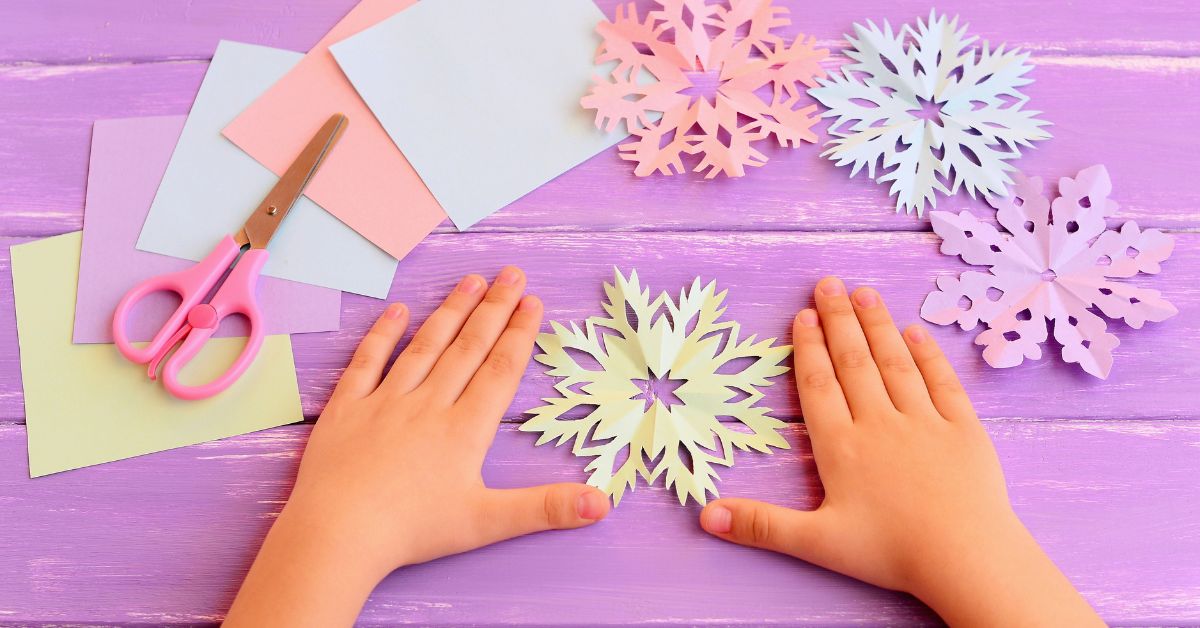
  • Coffee Filter Snowflakes: A classic for a reason! This project is perfect for all ages. Flatten a round coffee filter and have your child fold it in half, then in half again, and one more time into a small wedge. Let them snip away at the folded edges, creating their own unique designs. When you unfold it, a beautiful, one-of-a-kind snowflake appears. For a colorful twist, give your child a spray bottle with water and a few watercolor paints or food coloring drops. Let them spray the snowflake to see the colors bleed and blend in beautiful patterns.
  • Salt Painting Snow Scenes: This project combines art and a bit of science. On a piece of dark-colored cardstock or construction paper, have your child draw a winter scene with white school glue. Think snow-covered trees, a snowman, or falling snowflakes. Before the glue dries, generously sprinkle table salt over the entire design. Shake off the excess salt. Now for the magic: using a paintbrush and watercolors, gently touch the paint to the salt lines. Watch as the color instantly travels along the salt, creating a stunning, crystallized effect.
  • Cotton Ball Penguins: Who can resist a cute penguin? This simple craft is great for younger children. Start by cutting out a penguin body shape from black construction paper. Then, cut a smaller oval from white paper for the belly and glue it on. Use cotton balls to give the penguin a fluffy, white tummy. Add googly eyes and a small orange paper triangle for the beak. You can create a whole colony of them and set them up on a “snowy” surface made of more cotton or white felt.

Using Nature's Supplies for Seasonal Crafts

Using Nature’s Supplies for Seasonal Crafts

One of the best parts of homeschooling is the ability to use the world around you as a classroom. Winter nature walks can be more than just a way to get fresh air; they can be a mission to gather art supplies. Sending your kids out to find pinecones, twigs, and evergreen sprigs connects them with the season and provides a wonderful, free source of materials for your next art session. It encourages observation and appreciation for the subtle beauty of the winter landscape.

These nature-based crafts bring a rustic, authentic feel to your home. They smell like winter and offer a tactile experience that plastic and paper can’t replicate. A pinecone can become a tiny owl with the addition of some felt and googly eyes, or it can be painted white and sprinkled with glitter to look like it’s been kissed by frost. Bare twigs can be arranged and glued onto paper to form the trunks and branches of a winter forest scene. The possibilities are as limitless as your child’s imagination.

Creative Winter Activities Beyond the Paintbrush

Art isn’t just about painting and drawing. Creative expression can take many forms, and winter is a great time to explore different mediums. These activities encourage different skills, from fine motor development to storytelling.

  1. DIY Snow Globes: Recycle a clean glass jar with a tight-fitting lid. Help your child glue a small waterproof figurine (like a small plastic animal or a laminated photo) to the inside of the lid. Fill the jar almost to the top with water, a few drops of glycerin (to help the “snow” fall slowly), and a spoonful of glitter or fake snow. Screw the lid on tightly—you might want to add a line of hot glue around the rim for extra security. Turn it upside-down and watch the snow fall on your winter scene!
  2. Ice Suncatchers: This is a beautiful outdoor project for a freezing day. Fill a pie tin or a plastic container lid with about an inch of water. Arrange natural treasures inside—things like cranberries, orange slices, evergreen needles, or small flowers. Lay a loop of twine or ribbon in the water with one end hanging over the edge of the tin. Leave it outside overnight to freeze solid. In the morning, you can pop the ice disk out of its mold and hang your stunning, temporary suncatcher from a tree branch. The winter sun shining through the ice is truly magical.
  3. Yarn-Wrapped Snowmen and Trees: Cut out cardboard shapes, like a snowman or a simple triangle for a tree. Give your child a ball of white or green yarn and show them how to wrap it around and around the cardboard until it’s completely covered. You can secure the end with a dab of glue. This is a fantastic activity for developing fine motor skills and patience. Once wrapped, they can decorate their creations. Add button eyes to the snowman or glue pom-poms onto the tree as ornaments.

The Educational Value of Seasonal Art

While these projects are undoubtedly fun, they are also packed with educational benefits that fit seamlessly into a homeschool plan. Art is a natural vehicle for teaching concepts across multiple subjects. A simple snowflake craft can lead to a science lesson on the water cycle or the unique geometry of ice crystals. Mixing paint colors to get the perfect winter sky blue is a hands-on lesson in color theory. Following the steps to build a cotton ball penguin teaches sequencing and the importance of following directions.

Moreover, art is essential for developing critical thinking and problem-solving skills. When a child’s twig tree doesn’t stand up, they have to figure out how to create a more stable base. When their salt painting doesn’t absorb the color, they might experiment with adding more salt or using more water. This process of trial, error, and discovery builds resilience and confidence. It teaches them that there is often more than one right way to do something—a valuable lesson in both art and life.

Explore More Homeschool Resources

We hope these ideas have sparked your imagination and given you some fun new ways to embrace the winter season in your homeschool. Art is a powerful tool for learning, connection, and joy. Watching your child proudly display their salt-painted snowman or hang an ice suncatcher outside is a special kind of homeschool magic.

For more practical advice, curriculum reviews, and creative learning ideas, be sure to explore the other posts on our blog. DKM Homeschool Resource is here to support you on every step of your educational journey.

Art and Music Appreciation in Charlotte Mason Homeschooling

Fostering a love for beauty through art and music forms a key pillar of the Charlotte Mason philosophy. Known for its holistic approach to education, this method highlights the importance of enriching children’s minds with great works of art and music to cultivate both creativity and character. For homeschooling families, this can seem like a daunting task at first. However, with the right resources and strategies, introducing Charlotte Mason art appreciation and music appreciation into your homeschool curriculum becomes a rewarding experience—for both you and your child. 

This blog will explore practical ways to integrate art and music appreciation into your Charlotte Mason homeschool, provide curriculum tips, and discuss how these subjects nurture emotional and intellectual growth. 

The Role Of Art And Music In The Charlotte Mason Philosophy 

Charlotte Mason emphasized the value of “feasting upon ideas,” and the arts are a crucial part of that feast. Introduced early, they awaken a sense of wonder in children and help them form connections with beauty and creativity. From leafing through picture books of famous paintings to listening to classical symphonies, these experiences foster lifelong habits of paying attention to detail, feeling deeply, and thinking critically. 

Why Art Appreciation Matters 

Charlotte Mason believed that exposure to art improves observation skills, widens cultural understanding, and nurtures imagination. Art appreciation teaches children to notice patterns, colors, and stories within paintings. Over time, they come to respect and enjoy works by great masters like Monet, Van Gogh, or Rembrandt. 

For homeschool families, this process doesn’t require expensive classes. Instead, it’s about creating regular opportunities to enjoy art together. For instance:

  • Picture Study: Select a single painting and observe it for an extended period. Encourage your child to absorb the details and later describe it from memory. 
  • Art History Context: Share the backstory of the artist and the era in which the painting was created. 
  • Museum Visits: If possible, visit local art museums to see these masterpieces in person. This brings historical context alive and enriches the experience. 

The Importance of Music Appreciation 

Music appreciation is equally significant within the Charlotte Mason approach. According to this method, studying the works of great composers like Bach or Mozart enhances children’s capacity for concentration, deep thought, and creativity. Music connects auditory learning with pattern recognition, emotional expression, and a sense of rhythm. 

Much like art, music should be a joyful, immersive experience. Charlotte Mason emphasizes the enjoyment of great music over formal technical training in the beginning. Families can incorporate composer studies, live performances, or at-home listening sessions to help children connect with music at a personal level while building their knowledge base. 

How To Integrate Charlotte Mason Art Appreciation Into Your Homeschool 

How To Integrate Charlotte Mason Art Appreciation Into Your Homeschool 

If you’re wondering how to build Charlotte Mason art appreciation into your homeschool day, here are practical tips to get started. 

Picture Study – A Core Practice 

Picture study is a mainstay of the Charlotte Mason approach. It’s simple, effective, and requires minimal materials. Follow these steps to begin this practice with your child:

  1. Select a Single Artist for a Term: This could be someone like Picasso, Vermeer, or Cassatt. Ideally, choose six works from the artist to study over six weeks. 
  2. Observe Without Judgment: Have your child observe one painting at a time for several minutes, guiding them to notice as much as possible without critique. 
  3. Set Aside Weekly Time: Commit to spending one short session per week on picture study. 
  4. Narration: Ask them to tell what they observed after viewing. This further promotes their attention to detail. 
  5. Art Recreation: Allow your children to recreate parts of the painting in their own style. This not only ignites creativity but deepens their connection to the artwork. 

Setting an Ambience 

Creating an environment that supports art appreciation doesn’t mean redesigning your home. Small touches can make a big difference:

  • Rotate prints of famous paintings around your house. 
  • Use books like Discovering Great Artists to introduce new masters and their techniques. 
  • Keep sketching materials like pencils and paper within easy reach for spontaneous creative expression. 

Teaching Beyond the Paintings 

Include age-appropriate discussions about artistic movements, innovations in technique, or specific moments in art history. You could explore the Italian Renaissance one semester, Impressionism another, and so on. By linking this to other subjects like history, your children gain a well-rounded view. 

Creating A Homeschool Music Appreciation Program 

Unlike formal music lessons, music appreciation is about learning to love music organically. Here’s how to weave it easily into your curriculum

Composer Study 

Charlotte Mason homeschoolers often choose one composer to study over several weeks or months. This allows children to gradually become familiar with their unique style and contributions. Here’s a practical approach:

  • Six Weeks per Composer: Select works by Beethoven, Handel, or Chopin, dedicating one term to each. 
  • Listen Weekly: Spend 10-15 minutes listening to a piece, encouraging quiet attentiveness. 
  • Story Context: Research a few anecdotes from the composer’s life to share with your child. This can include events that inspired specific compositions. 
  • Music Narration: After listening, encourage children to narrate their impressions of the piece or describe what emotions the music inspired in them. 

Build a Listening Schedule 

Music appreciation thrives with consistency. Consider creating a simple schedule to ensure it becomes a daily or weekly habit. For example:

  • Mondays can focus on lyrical classical music (e.g., Vivaldi’s “Four Seasons”). 
  • Fridays may involve exploring modern instrumental works or jazz-infused classics to diversify exposure. 

Live Music Experiences 

Whether it’s an outdoor concert or a local symphony, live performances offer an unforgettable way to connect with music. They allow children to witness the dynamics of real instruments, ensemble cooperation, and the impact of acoustics. 

Tools and Resources for Music Study 

Several resources make it easier to integrate music into your day:

  • Streaming Services: Platforms like Spotify, YouTube, or Apple Music often have curated playlists dedicated to specific composers or periods. 
  • Books: Lives of the Musicians by Kathleen Krull provides engaging stories about famous composers. 
  • Apps: Tools like “Classics for Kids” bring interactive music education directly to your homeschooling toolbox. 

Encourage Hands-On Musical Creativity 

While music appreciation focuses on listening, experiment with hands-on creativity to deepen the connection. Simple activities like playing percussion, composing tunes, or experimenting with basic instruments can unlock musical potential. 

The Benefits Of Incorporating Art And Music Appreciation 

While both art and music appreciation nurture a love for beauty, they also teach discipline, sharpen intellect, and deepen emotional intelligence. The benefits go far beyond the classroom and enrich your children’s development. 

Emotional Growing Points 

Art and music give children access to deep, universal emotions. For example, observing the swirling skies of Van Gogh’s Starry Night or hearing the emotional highs of Beethoven’s symphonies teaches empathy. These lessons on human values and feelings can build compassion and self-awareness. 

Developmental Advantages 

  • Improved Focus: Both art and music teach children to observe or listen deeply, which translates to better attention spans in other academic areas. 
  • Cultural Literacy: Exposure to famous works helps children understand and appreciate global history and culture. 
  • Enhanced Critical Thinking Skills: When analyzing art or music themes, kids develop the ability to notice nuance and interpret broader meanings. 

Cultivating Lifelong Learners 

Both fields encourage curiosity. A child engaged in art or music asks questions, seeks inspiration from the world around them, and continues to grow. This unquenchable thirst for learning becomes a lifelong gift. 

By introducing Charlotte Mason art appreciation and music appreciation into your homeschool, you open a world of beauty, emotion, and creativity for your family to share. These practices teach children that education is not limited to books or lectures—it’s found in the vivid brushstrokes of a painting and the harmonious chords of a piano.

How To Get Kids Interested In Music

Music is an incredible, enriching way to engage your child’s creativity and boost their overall development. For homeschooling parents, incorporating music education into daily routines opens up fun and engaging opportunities for kids to explore rhythm, melody, and self-expression. 

Whether you’re looking to teach music actively or simply inspire an interest in it, this guide provides practical tips you can apply at home. By fostering interest through enjoyable activities and hands-on experience, you’ll be helping your child build a strong connection to music. 

Create A Musical Space At Home 

One of the most effective ways to introduce kids to music is by creating a home environment where music feels natural and accessible. Kids are naturally curious, and when music is woven into their day-to-day lives, it can help stimulate their interest and make learning enjoyable. 

Play a Wide Range of Music 

Expose your child to a variety of musical genres to spark their curiosity and broaden their minds. Building musical knowledge starts with exploration, and the more types of music your child encounters, the more opportunities they’ll find to connect with styles they enjoy. 

  • Classical melodies: Introduce calm, soothing pieces during study or reading times. Composers like Mozart, Bach, or Beethoven can help kids focus while stimulating their creativity. 
  • Energetic tunes: Play lively music to accompany activities like cleaning, dancing, or crafting. Songs with catchy beats make movement fun and show the joy music can bring. 
  • World music: Highlight cultural diversity by playing traditional music from various regions, such as African drumming, Indian sitar tunes, or Latin American samba rhythms. 

Some streaming platforms and apps offer curated playlists specifically for kids, making it easy to provide diverse options for listening. 

Make Instruments Accessible 

Having instruments prominently displayed at home plants the seed for spontaneous exploration. Accessible, kid-friendly instruments encourage curiosity and give children tactile ways to experiment with sounds. 

  • Start with beginner-friendly options like maracas, tambourines, hand drums, or ukuleles. 
  • Budget-conscious families can invest in toy versions of instruments without losing educational value. 
  • Keep instruments in common areas where kids naturally spend their time, such as living rooms or playrooms. 

The simple act of providing tools for experimentation allows children to develop their natural musical instincts while playing. 

Be a Musical Role Model 

Children mirror the behaviors they see, so showing your personal enjoyment of music can inspire their interest. It doesn’t matter if you’re a professional musician or someone who sings off-key—enthusiasm is contagious! 

  • Sing songs together during daily routines like cooking or bath time. 
  • Share your own favorite songs or childhood tunes that have special meaning to you. 
  • Play an instrument yourself, even if it’s just for fun—they’ll see it’s okay to make mistakes and just enjoy the process. 

By modeling happiness and confidence in musical activities, you’ll teach your kids that music is something to be explored without fear or pressure. 

Engage Kids With Hands-On Musical Activities 

Engage Kids With Hands-On Musical Activities 

Music education for kids thrives on interactive, playful approaches. Rather than teaching music as an abstract subject, focus on hands-on experiences that make learning fun and relatable. Transforming lessons into activities helps build enthusiasm while introducing basic concepts effortlessly. 

Weave Music Into Everyday Learning 

Integrating music with other subjects can keep lessons engaging while reinforcing academic concepts. Creativity comes alive when you combine music with areas like math, science, or language arts. 

  • Explore language through music: Use rhyming songs or sing spelling words to strengthen vocabulary. Lyrics help with memorization while improving pronunciation. 
  • Science experiments with sound: Demonstrate pitch by plucking rubber bands stretched over boxes or study vibrations using a tuning fork and water. 

By fusing music with everyday learning, students can discover how music connects to other areas of life in practical ways. 

Make and Play DIY Instruments 

Engaging kids in creating their own instruments is not only fun but also introduces foundational concepts about sound. Load up on household items to organize your own DIY instrument-making session. 

  • Rice-filled containers become shakers. 
  • A shoebox or tissue box acts as the base for a rubber-band guitar. 
  • Glass jars filled with varying amounts of water transform into a glass xylophone that teaches about pitch. 

Kids can decorate their creations, combining art and music into a single hands-on project. It’s a memorable way to introduce children to instrument families and sound production while strengthening problem-solving skills. 

Use Technology as a Music Tool 

Modern tools like apps and online platforms have revolutionized how kids learn music. Interactive games and programs create an engaging space for kids to explore music theory while having fun. 

  • Explore apps like “GarageBand” for creating music or “Simply Piano” for piano tutorials. These apps often feature game-like interfaces that reward progress. 
  • For younger children, apps like “Baby Mozart” or “Kids Music Factory” introduce sounds and instruments in age-appropriate methods. 
  • Online video content, such as kid-friendly tutorial channels, provides interactive lessons on rhythms, singing, or beginner-level instruments. 

Technology complements traditional learning techniques by offering an interactive approach, perfect for engaging modern learners. 

Promote Imaginative Storytelling 

Combine music and creativity by encouraging your kids to use soundtracks in storytelling activities. Whether it’s recreating the sound of a storm using drums or interpreting the rustle of leaves with shakers, kids love merging imagination and auditory expression. 

Ask them to write a short story first and compose accompanying sounds, or propose improvisational scenarios where music tells the tale on its own. This fuels both creative thinking and hands-on music exploration. 

Foster Participation Through Music-Making 

Active participation is one key to making music exciting. When kids have roles to play—whether they’re humming along enthusiastically or leading a song—they feel connected and inspired. Participation blurs the line between fun and education while cultivating collaboration and confidence. 

  • Family sing-alongs: Singing together, even for simple nursery rhymes or karaoke, strengthens bonds and boosts memory. 
  • Clap along to rhythms: Drumming out beats using body percussion introduces foundational rhythm skills while keeping things playful. 
  • Family band nights: Set aside one evening per week to jam together. Assign each family member an instrument and rotate playing roles. Silly, spontaneous music sessions often become cherished traditions. 

If you’re not musically trained, don’t worry. The goal is to foster fun and connection while encouraging kids to actively engage in the creation of music. 

Introduce Formal Music Lessons 

If your child shows deeper interest in music, structured lessons can take their learning to the next level. While exploration and play spark passion, developing advanced skills may eventually involve lessons in music theory or specific instruments. 

Start With Age-Appropriate Lessons 

Younger children benefit from casual, playful approaches rather than strict practice routines. Introduce rhythm exercises, simple note reading, or familiar songs they can master easily. Rhythm games like clapping or using drumsticks are also great for younger learners since they focus on foundational skills. 

Older kids, on the other hand, may be ready for more structured instruction. Instruments like keyboards, guitars, or violins are excellent entry points. Helping them choose an instrument that excites them is crucial for maintaining long-term motivation. 

Explore Teaching Resources 

Parents without musical backgrounds still have many ways to facilitate music education. Accessible resources allow even homeschooling families with no prior experience to give their children high-quality musical instruction. 

  • YouTube provides countless beginner-level tutorials for instruments and voice training. 
  • Online platforms like “Outschool” host live, interactive group lessons for kids. 
  • Music apps and software can teach concepts ranging from piano to composition. 

Whether through self-guided online resources or private tutors, customizing instruction ensures deeper engagement with whatever resonates most with your child’s interests. 

Encourage Consistency 

Structured learning thrives on practice and patience. Dedicate time weekly for lessons and set manageable goals. Create a lighthearted schedule—ten minutes daily will suffice for young kids. Avoid overwhelming them early on, and mix structured sessions with unstructured doodling or freestyle composition time. 

Homeschooling music education is an opportunity to nurture your child’s creative development while providing essential life skills like discipline, coordination, and confidence. Whether through making homemade instruments, hosting jam sessions, or introducing formal lessons, there’s no shortage of ways to encourage musical exploration. By creating a supportive environment, offering hands-on activities, and sparking curiosity, you’ll transform your child’s early encounters with music into a lifelong appreciation filled with growth, learning, and joy.

High School Art Class: How To Study The Greats

When homeschooling a high school student, the art curriculum presents a unique opportunity to explore creativity while also teaching history, culture, and critical thinking. Focusing on studying famous artists can bring a fresh perspective, making art history both exciting and meaningful. This blog explores homeschool high school art ideas centered on the study of renowned artists, with actionable tips to create a well-rounded curriculum. 

Whether you are an art enthusiast or new to the subject, these strategies can help craft a fulfilling art experience for your students.

Why Study Famous Artists In Your Homeschool Art Curriculum? 

Studying the masters of art—like Da Vinci, Van Gogh, or Georgia O’Keeffe—provides more than just an appreciation of their work. It introduces students to different art movements, ignites creativity, and fosters critical thinking. But where do you start? Here are some compelling reasons to include famous artists in your homeschool high school art curriculum:

  • Creative Inspiration 

Exposure to a variety of styles and techniques encourages students to explore their own artistic voice. Students can follow exercises inspired by famous works, like replicating Picasso’s cubism and then creating their interpretations.

  • Understanding History Through Art 

Famous artists often reflect the values, struggles, and culture of their time. Examining works like Diego Rivera’s murals or Kara Walker’s silhouettes can spark discussions about history, politics, and society.

  • Building Analytical Skills 

Critiquing artwork builds observational and analytical skills. Students learn to think critically, understanding not just the “what” of an artwork, but also the “why” and “how.”

Structuring An Engaging High School Art Curriculum 

Organizing an effective art curriculum for high school requires a plan that balances creativity and academic focus. Below are key steps to design a homeschool art course that incorporates studying the greats. 

Determine Learning Objectives 

Start by defining what you want your teen to achieve by the end of their art course. Objectives might include: 

  • Mastery of basic art techniques (drawing, painting, sculpture)
  • Familiarity with various art periods like Renaissance, Impressionism, or Modernism
  • The ability to create original works inspired by famous artists 

Create a Flexible Art Schedule 

Homeschooling allows for a level of flexibility that traditional classrooms can’t provide. To make the most of this, structure your art schedule to include a variety of activities. 

  • Artist Spotlight Days 

Dedicate specific days to studying one famous artist. Focus on understanding their techniques, reviewing their work, and creating art inspired by their style. 

  • Museum or Virtual Museum Days 

If you can, visit local art museums or online collections for deeper exposure. The Smithsonian’s online galleries and Google Art & Culture are excellent free resources. 

  • Independent Art Practice 

Encourage your student to apply learned techniques in their unique projects, whether it’s replicating Van Gogh’s Starry Night or exploring abstract art like Kandinsky. 

Mix Hands-On Projects With Academic Study 

Not every day has to be about producing art. Incorporate art history readings, video tours, and discussions. Set assignments such as analyzing the use of color in a Monet painting or identifying symbolism in works by Frida Kahlo. Limit academic tasks to a few times a week to strike a balance with creative hands-on projects.

Use Milestone Projects to Track Progress 

One idea is to create milestone assignments where students recreate a masterpiece or design an art project based on a specific period or movement. This could culminate in an “art show” where the student presents their work, tying together the art techniques and historical influences they’ve studied. 

Practical Tips For Studying Famous Artists At Home 

Practical Tips For Studying Famous Artists At Home 

Introducing students to famous artists can seem daunting, but breaking it into manageable steps makes it enjoyable and accessible. The following tips focus on creating a structured yet creative environment where teens can thrive artistically.

Start With “Art Movements” Instead of Individual Artists 

Instead of beginning with a single artist, introduce broader art movements first. For example, explore the Impressionist period before narrowing down to Monet or Degas. This helps students contextualize an artist’s work within the larger framework of evolving styles and societal influences. 

Incorporate Multimedia Learning 

Here’s how to make art history come alive with modern resources: 

  • Videos and Documentaries 

Platforms like YouTube and PBS offer excellent free resources on artist biographies and movements. Consider assigning a documentary viewing as homework. 

  • Podcasts or Online Courses 

Educational podcasts on art history offer great insight into an artist’s background, influences, and lesser-known works. 

  • Digital Tools for Art Practice 

Give students access to digital drawing applications like Procreate or Adobe Fresco so they can experiment with recreating famous works using modern tools. 

Tie Artists to Other Subjects 

  • History 

Delve into how history shaped the works of artists like Francisco Goya during the Napoleonic Wars or Jacob Lawrence during the civil rights movement. 

  • Math/Geometry 

Explore the geometric precision in styles like the Renaissance, where artists incorporated the Golden Ratio into their designs. 

Focusing on interdisciplinary connections reinforces learning and broadens students’ understanding of art in a real-world context. 

Teaching Art Appreciation Without Formal Training

Many homeschooling parents worry about teaching art because they lack formal artistic training. The good news is, you don’t have to be an expert to guide your teen in exploring art. 

Focus on developing an appreciation for individuality in creative expression. Start by asking open-ended questions like, “How does this painting make you feel?” or, “What do you notice about how the artist uses light and shadow?” This type of questioning veers away from technical critique and opens the door to deeper exploration.

Additionally, encourage leveraging community resources. 

  • Collaborate With Local Artists or Teachers 

Reach out to independent artists offering workshops. These sessions can enrich your student’s technical skills in painting, drawing, or digital mediums. 

  • Consider Online Art Classes 

Platforms such as Skillshare or Udemy host accessible art tutorials, suitable for various age groups. Some even specialize in teaching homeschool students. 

  • Join Homeschool Groups 

Many parents build art clubs or collaborations where families work together on portfolio projects or major art exhibitions. 

How To Evaluate Your Student’s Progress In Art 

Unlike subjects with clear right and wrong answers, art can feel more subjective when it comes to evaluation. However, you can measure progress through a mix of qualitative assessments and personal reflections. 

Review Technical Growth 

Focus on measurable skills such as their ability to replicate shapes, their use of proportion, and their application of shading or perspective over time. Compare their earliest sketches with their latest work to showcase tangible improvement. 

Assess Engagement and Effort 

Art isn’t always about producing perfect results. Does your student enjoy exploring various mediums? Are they curious about learning more? A consistent level of enthusiasm often reflects an effective curriculum. 

Encourage Self-Reflection 

Ask students to reflect on what they’ve learned from their studies so far. Have them keep an “art journal” to document their observations about different artists, as well as notes about their own progress or ideas for future projects. 

By focusing on these areas, you’re not only guiding students toward artistic mastery but also building their confidence in expressing themselves through art.

High school is the perfect time to introduce your homeschool students to the world of famous artists. It’s more than just a study of techniques; it’s an exploration of culture, history, and creativity. By integrating structured lessons, hands-on activities, and flexible learning materials, you can craft a personalized art curriculum that inspires your teen to explore their unique artistic voice.

Fun Summer Learning: Art Projects For Hot Days

Summer is the perfect time to channel your child’s creativity while keeping the learning momentum going at home. When temperatures soar, indoor activities become an appealing option, and summer art projects for kids are an excellent way to combine fun, creativity, and education. Not only do these projects keep children engaged, but they also help develop fine motor skills, encourage self-expression, and spark curiosity about the world around them. 

Below, you’ll find practical and exciting ideas for art-based homeschool activities, ensuring a vibrant summer filled with learning and laughter.

Watercolor Wonders

Exploring painting techniques with watercolors offers endless creative possibilities and serves as an easy clean-up project for hot days. Here, children can enjoy experimenting with colors and brush techniques while discovering how water interacts with paint in beautiful ways.

Set up an art station near a window or outside under the shade, equipped with watercolor paper, paint sets, and brushes. Give your child the freedom to paint landscapes, animals, or even abstract patterns. You can also make it an educational activity by incorporating art history, such as teaching them about famous watercolor artists like John Singer Sargent. 

If your child enjoys science, take it further by creating watercolor-resistant art! Use white crayons or candle wax to draw designs on the paper before painting. The wax resists the paint, unveiling a magical design. This simple activity also introduces basic concepts like surface tension and absorption—a win for learning.

DIY Nature Art

Nature-inspired art offers twofold benefits during homeschooling. First, it encourages kids to explore the outdoors and gather materials, which fosters an appreciation for nature. Second, it helps translate that experience into tangible, artistic creations.

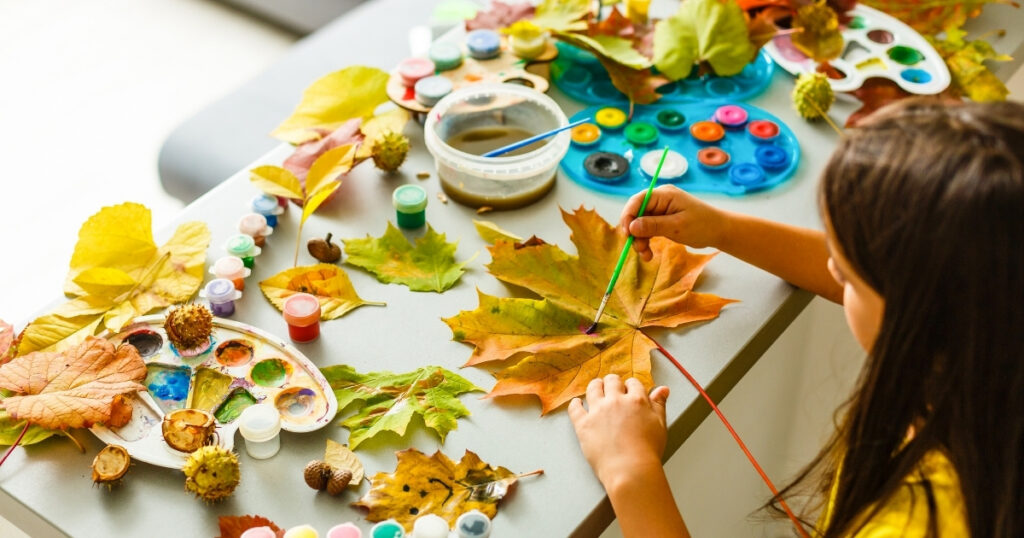
Encourage your kids to collect leaves, flowers, stones, or twigs from your garden or neighborhood. Once they have their materials, try these creative projects:

  • Leaf Rubbings: Place leaves under paper and rub crayons or pencils over them to reveal intricate patterns.
  • Nature Collages: Use glue sticks to arrange collected items onto cardstock to create detailed collages.
  • Painting Stones: Smooth stones can be transformed into mini masterpieces using acrylic paint. They can create colorful paperweights, garden markers, or decorative art pieces.

Integrating nature into your art projects connects kids to the world beyond screens while giving their creations a personal and unique touch. 

DIY Nature Art

Ice Art Creations 

When the weather is scorching, what’s better than using ice to cool off while creating art? Ice art projects are both sensory and educational, providing an ideal solution for sweltering summer afternoons. 

To set this up, freeze water mixed with food coloring in various containers like ice trays or silicone molds. Once the ice is ready, encourage your little artists to paint with the colorful ice blocks on thick paper. The melting ice results in stunning watercolor-like effects that evolve as the project progresses.

This activity also delivers lessons in science—kids witness how heat melts ice and how colors blend, creating new hues before their eyes.

Crafting With Recyclables

Re-used materials are an eco-friendly and budget-conscious alternative for creative homeschool projects. From cereal boxes to empty paper towel rolls, almost anything can be transformed into imaginative crafts.

Here are some ideas to get you started:

  • Cardboard Creations:
    • Build miniature towns or spaceships using cardboard boxes, tape, and markers.
    • Create shadow puppets with cardboard cutouts, chopsticks, and a blanket fort.
  • Plastic Bottle Planters:
    • Turn empty bottles into cheerful planters by cutting them, painting them, and planting small herbs or flowers inside.
  • Paper Towel Roll Creatures:
    • Turn simple rolls into animals, monsters, or characters using googly eyes, paint, and paper accessories.

By encouraging kids to upcycle, you also introduce sustainability in a hands-on, meaningful way—teaching an important lesson about caring for the planet.

Salt Dough Sculpting 

One timeless and tactile activity for the summer is making salt dough sculptures. You’ll need just three easy-to-find ingredients—flour, salt, and water. Mix them into a dough and shape it into whatever your child’s imagination dreams up. Once sculpted, the dough can be left to air dry or baked for sturdier creations.

Children can use this medium to create anything from mini figurines to keepsake handprints. Once dry, provide them with paints or markers to decorate their masterpieces. This project is a fantastic way to polish fine motor skills while engaging in hands-on fun.

Salt dough crafts are an enduring hit. Kids love the freedom to mold with their hands, and parents appreciate the simplicity of the process.

Collaborative Mural Making

If you’re homeschooling multiple kids, collaborative art fosters teamwork alongside creativity. A summer mural project is an excellent example of this.

Start by taping a large piece of butcher paper on an empty wall or the ground. Offer a theme—like underwater worlds, jungles, or the solar system—and encourage each child to contribute. Provide tools like markers, stickers, and stamps to make group creativity seamless.

Murals help children practice cooperative problem-solving skills and spur imaginative conversations about the selected theme. Plus, the final product is a shared accomplishment everyone can admire.

Storytelling With Shadow Art 

Bring art and storytelling together with shadow drawing. This activity transforms shadows from natural sunlight or a flashlight into creative sketches.

Here’s how it works:

  1. Set up toys, figurines, or household objects on paper with sunlight or a lamp casting their shadow.
  2. Have your kids trace the outlines of the shadows.
  3. Encourage them to turn the traced shapes into illustrated characters or imaginative scenes.

Add a literacy component by asking your children to write short stories inspired by their shadow art. Combining writing with visual creativity reinforces multiple skills while igniting their imaginations.

Suncatchers and Summer Glow 

Suncatchers are a bright, cheerful way to bring a bit of the outside in while decorating your home with summer vibes. This craft teaches basic color theory as children mix and match hues to create vibrant designs.

To make suncatchers, you’ll need transparent contact paper or small, clear plastic lids, tissue paper cutouts, and glue. Kids arrange their designs on the surface and hang them near windows. The sunlight streaming through transforms the creations into colorful displays of light, beautifying your home with their efforts.

Additionally, this activity doubles as an exercise in discussing topics like transparency, reflection, and light. Summer learning doesn’t get more illuminating than this!

Learning Meets Creativity On Hot Days

Art projects are more than just a way to pass the time—they’re opportunities to teach, inspire, and grow your child’s skills. From painting with ice to assembling suncatchers, each of these summer art projects for kids is designed to entertain while encouraging hands-on learning. Whether you’re using materials from nature, recyclables, or your pantry, these activities will ensure the homeschooling experience remains vibrant, engaging, and filled with opportunities for discovery.

Exploring World Cultures Through Art and Music

Teaching world cultures through art offers homeschool families an exciting way to foster creativity while introducing children to global perspectives. By combining hands-on projects with musical exploration, parents can create dynamic, immersive learning experiences. These activities not only teach geography and history but also nurture an appreciation for cultural diversity. 

Below are practical ideas and projects to incorporate art and music from around the world into your homeschooling routine.

Why Use Art and Music to Explore Cultures? 

Art and music are powerful ways to connect with different cultures. They bring abstract concepts to life and make learning memorable. Children naturally gravitate toward creative activities, making art and music effective tools for exploring traditions, beliefs, and stories from around the globe. Both mediums spark curiosity and provide opportunities for discussion, whether through studying indigenous painting techniques or playing instruments from specific regions. 

By focusing on creative expression, these activities encourage children to empathize with other cultures and understand their own place in a global community. For homeschool families, this approach offers the added benefit of adaptability. Lessons can be customized to fit specific interests, grade levels, and learning styles. 

Cultural Music Activities for Homeschool 

Cultural Music Activities for Homeschool 

Music serves as an auditory gateway to the world’s cultures. Incorporating music into your homeschool curriculum not only makes lessons more engaging but also helps children develop listening skills and rhythm. Try the following practical activities to teach cultural awareness through music. 

  • Create a Homemade Instrument 

Choose an instrument from a specific culture, such as maracas from Latin America or the shekere from West Africa. Gather simple materials like beads, recycled containers, or string to build the instrument at home. After constructing it, explore the instrument’s cultural significance and demonstrate how it’s traditionally played. This hands-on activity engages creativity while teaching about craftsmanship and sound production. 

  • Listen and Analyze Music from Different Cultures 

Spend time listening to music from diverse regions, such as traditional Japanese koto music or Aboriginal didgeridoo tunes. Encourage your children to notice the differences in rhythm, instruments, and melodies. Discuss what these musical elements reveal about the culture. For example, upbeat rhythms in African music often serve as the foundation for dance, while slow, harmonic melodies in Northern European folk songs convey themes of nature and storytelling. 

  • Make a Cultural Playlist 

Create a playlist featuring songs from around the world. Include genres like Indian classical, Flamenco from Spain, and Brazilian Samba. To deepen the experience, research the context of each track—who traditionally performs the music, and for what events or ceremonies? Encourage your children to share their thoughts on why the music appeals to them or how it feels relevant to their own lives. 

  • Learn a Song in Another Language 

Teaching children songs in another language is both a musical and linguistic adventure. Start with simple pieces like French nursery rhymes or Caribbean call-and-response songs. Singing introduces children to new vocabulary while also allowing them to experience linguistic patterns that may differ greatly from their own. 

Global Art Projects to Inspire Creativity 

Art-making celebrates the physical, visual, and tactile qualities of culture. Through global art projects, students engage directly with various traditions, techniques, and symbols. These activities foster respect and curiosity, encouraging children to interact with global cultures in a meaningful way. 

  • Mosaic Art from Ancient Rome and the Middle East 

Introduce your children to mosaic art, a technique found in both Roman and Middle Eastern cultures. Gather colorful paper, tiles, or beads to create their own mosaics. Start with simple patterns, and explain the historical significance of mosaics in public artwork and architecture. This activity is ideal for discussing how similar art techniques can appear in vastly different geographical regions. 

  • Paint Using Aboriginal Dot Art Techniques 

Aboriginal art from Australia uses intricate dot-painting methods to represent stories and natural landscapes. To replicate this, provide children with cotton swabs or brushes to create their dots. Explain the symbolic meanings behind certain colors and shapes in Aboriginal culture, and encourage them to use colors with intent in their project. 

  • Make African Patterned Textiles 

Explore African cultures by creating textiles inspired by kente cloth from Ghana or mud cloth from Mali. Use markers, stencils, or fabric paint to design patterns that mimic traditional symbols. Pan out the lesson by discussing the meaning behind each pattern and its connection to heritage or community. 

  • Create Japanese Calligraphy 

Help children learn some basic Japanese kanji characters, then practice writing them using calligraphy brushes and ink or markers. This immersive activity teaches patience, fine motor control, and cultural respect. Share the importance of calligraphy in Japanese culture and connect it to the broader theme of disciplined artistic practice. 

Exploring Culture Through Storytelling 

Across many cultures, stories are integral to the communication of values and history. Homeschool families can use storytelling as a means of exploring these narratives while tying art and music into the experience. Many cultures pair storytelling with activities like puppet shows or shadow plays, which your child can replicate at home. For instance, some Southeast Asian countries use shadow puppets to act out folklore, while Native American tribes incorporate music into their storytelling ceremonies. These activities provide valuable insights into how art, music, and oral traditions intertwine. 

Seasonal Focus for Festivals and Celebrations 

Link cultural exploration to seasonal events to keep lessons timely and engaging. For example, during fall, study Mexico’s Day of the Dead by creating papel picado (paper cutouts) and assembling altars as a family. Design sugar skulls using craft supplies like glitter and markers, and discuss the importance of honoring ancestors. 

Another option is to spotlight Indian culture during Diwali. Use chalk or colored sand to create rangoli, a traditional art form displayed during the festival. Tie in music by listening to Bollywood soundtracks or traditional Indian ragas played during holiday celebrations. 

Focusing on festivals helps children learn that cultural traditions are often deeply connected to seasonal cycles, food, and community bonding. 

Resources for Expanding Art and Music Exploration 

The internet provides countless ways to discover new cultural art and music projects for homeschool. Utilize the following tools to elevate your lessons. 

Websites like the Louvre or the British Museum offer online exhibits and virtual walkthroughs. Many of these tours include global art collections and can be used to introduce children to various cultural artifacts. 

  • YouTube Channels 

Seek channels that focus on world music or cultural art tutorials. For example, watch professional musicians play traditional instruments and share the videos with your kids. 

  • Children’s Craft Books 

Invest in craft books that highlight international projects. Look for age-appropriate resources that outline step-by-step instructions and offer historical context. 

  • Local Cultural Festivals 

Research multicultural festivals held in your area, where you might find art demonstrations or live musical performances. Bringing children to these events offers them firsthand experience of different cultural practices. 

Thinking Big About Cultural Diversity 

Teaching world cultures through art and music is more than a creative endeavor—it’s a step toward cultivating global understanding in your homeschooling practice. By balancing fun projects with meaningful discussion, you’re preparing your children to appreciate diversity and think critically about how cultures connect and differ. Activities like building instruments or creating artwork become gateways to discovering history, geography, and sociocultural traditions. 

Engaging with global art and music can turn homeschooling from a classroom-like setting into an imaginative, open-ended exploration of the world—helping children grow into more conscientious and curious citizens.

Nature Journaling: Combining Science, Art, and Writing

Nature journaling for homeschoolers is a powerful way to spark curiosity, nurture creativity, and deepen a love of learning. By blending science, art, and writing, nature journaling allows children to engage with the natural world in a meaningful way. This multifaceted activity doesn’t just teach observation skills—it also encourages critical thinking, creativity, and an appreciation for the environment. 

Below, we’ll explore how to incorporate nature journals into your homeschooling routine, allowing your children to grow in science and the arts while developing strong writing skills.

Why Nature Journaling Matters in Homeschooling

Nature journaling combines hands-on exploration with reflective learning. It’s more than just sketching or taking notes; it’s an opportunity to observe the world closely, document experiences, and connect with the environment. By incorporating science, art, and writing into this practice, children can develop:

  • Observation Skills: Recording details improves attention to small details that often go unnoticed.
  • Creativity: Drawing and writing creatively about nature helps children explore their artistic and linguistic abilities.
  • Critical Thinking: Analyzing patterns and behaviors in the natural world teaches problem-solving skills and encourages questions.
  • Connection to Nature: Engaging directly with plants, animals, and ecosystems fosters respect for the environment.

Nature journaling is highly flexible, making it ideal for homeschooling families seeking to tailor learning to their child’s interests and abilities.

Science Through Observation

Science Through Observation

One of the greatest benefits of nature journaling for homeschoolers is the way it promotes scientific exploration. Encouraging children to look closely at their surroundings teaches them to notice patterns and behaviors in nature, which are foundation skills for biology, ecology, and other sciences.

Here’s how you can incorporate science into nature journaling:

  • Observe and Identify: Teach your children to identify plants, insects, animals, and fungi they encounter. You can use field guides or apps like Seek or iNaturalist for help.
  • Monitor Changes Over Time: Encourage kids to revisit the same location to observe seasonal changes, weather effects, or how plants grow and bloom.
  • Record Data: Include temperature, weather conditions, or other measurable information in the journal. This can help older children understand the importance of data collection in science.
  • Sketch Scientific Diagrams: Support your child in drawing detailed anatomy of a leaf, flower, or bug. Pair the sketches with labels noting key features.

To take it further, you can guide them in asking questions and making hypotheses based on their observations. For example, “Why do we see more squirrels at this time of year?” or “What changes in the environment might explain these patterns?”

Fostering Creativity Through Art

Art is another core component of nature journaling. Sketching what is observed not only enhances a child’s artistic abilities but also solidifies their understanding of the subject. This creative process is essential for teaching children how to visually interpret and communicate ideas.

Getting started with art in nature journals doesn’t require extensive supplies. Simple tools like pencils, colored pencils, or watercolor sets are enough. Here are some ways to focus on the artistic side of nature journaling:

  • Sketch Regularly: Encourage your child to draw something new every time they journal. It could be as simple as a pinecone or as intricate as a butterfly.
  • Focus on Details: Teach them to look for textures, symmetry, and shapes, helping them sketch as accurately as possible.
  • Add Splashes of Color: Using colors makes the journal more vibrant and helps children engage with the subject. You could even help them mix matching colors found in nature.
  • Try Different Styles: Whether it’s realistic drawings, cartoon-like sketches, or abstract patterns inspired by nature, experimenting with various artistic approaches makes journaling more exciting.

Artistic nature journaling also encourages mindfulness. Taking the time to look at objects closely and recreate them on the page helps children slow down and appreciate tiny details.

Writing to Document and Reflect

The writing component allows children to articulate their thoughts, describe their observations, and reflect on their experiences. This enhances language skills while supporting scientific and creative growth. Nature journaling presents a unique opportunity for kids to develop their voice and practice descriptive writing.

When working on writing in nature journals, consider these ideas:

  • Describe the Scene: Prompt your child to write vivid descriptions of their surroundings. Use all five senses as a guide—what do they see, hear, smell, feel, and perhaps even taste?
  • Tell a Story: Use the observations as inspiration for storytelling. For instance, a chipmunk scurrying for food could inspire a short story about wildlife.
  • Write Questions: Encourage curiosity by helping your child write down questions about what they see (e.g., “Why are there mushrooms growing here?”).
  • Reflect on Experiences: Have your children write about how the experience made them feel—joy, surprise, curiosity, or even frustration when something wasn’t easy to draw.

Adding writing ensures that journals are not just visual but also intellectual tools that grow with your child’s thinking and learning abilities.

Ideas to Bring Nature Journaling Into Your Homeschool

Homeschooling offers the flexibility to integrate nature journaling into your day-to-day routine. Here are some practical and actionable ways to get started:

Explore Your Backyard or Local Park

You don’t need an expansive forest to engage with nature journaling. Start by observing the plants, insects, or birds outside your home or at a nearby park. Regular visits to the same spots allow children to see small changes they might otherwise miss.

Create Specific Themed Activities

Themes can help keep your journaling sessions fresh and focused. For example:

  • Observe pollinators like bees or butterflies and document their activity.
  • Study the different types of clouds over a week and sketch examples.
  • Focus on one type of tree and journal its features, including leaves, bark, and seeds.

Incorporate Seasonal Projects

Seasons offer natural opportunities to study unique phenomena:

  • Spring: Watch for blooming flowers and emerging insects.
  • Summer: Journal about sunlight patterns, plants in full bloom, or wildlife activity.
  • Fall: Focus on changing leaves and migrating birds.
  • Winter: Look at how animals adapt or study bare trees and frosty patterns.

Use Journaling as a Science Lesson

Turn journaling into a natural science project. For example, conduct a study on how rainfall affects plant growth or track animal movement over time. Keep all findings in the nature journal alongside sketches and reflections.

Practical Tips for Success

To ensure nature journaling becomes a treasured part of your homeschool experience, keep these tips in mind:

  • Make It Fun: Allow creativity and exploration to take center stage. This isn’t about perfection, but curiosity and learning.
  • Keep Supplies Simple: A sturdy notebook, pencils, and basic coloring tools are all you need to get started.
  • Adapt to Your Child’s Interests: If your child loves insects, focus on them; if they prefer flowers, make that the centerpiece.
  • Create Habits: Dedicate time each week to go outside and work on journals. Even just 30 minutes can make a difference.
  • Celebrate Progress: Review completed journal pages together, praising their effort and growth.

Building Lifelong Skills Through Nature Journaling

Nature journaling is more than just an educational practice; it’s a lifelong skill that fosters curiosity and appreciation for the world. This simple activity allows children to view science, art, and writing not as separate subjects but as interconnected ways of learning. For homeschoolers, nature journaling is an opportunity to build creativity, observation skills, and confidence in self-expression—all while enjoying the great outdoors.

Encourage your children to pick up a pencil and explore. Before long, you may find them developing a deeper understanding of the natural world, one page at a time.

Teaching Music at Home: Resources and Activities for All Ages

Teaching music at home can be an incredibly rewarding experience for both parents and children. Music is a universal language that nurtures creativity, discipline, and emotional expression. For homeschooling families, it offers a unique opportunity to customize learning while bonding through shared discoveries. Whether your child is a budding musician or simply curious about music, you can create a robust music curriculum using accessible resources and engaging activities. 

This guide will walk you through practical tips and tools for teaching music at home, as well as activities that work for all ages and skill levels.

Homeschool Music Resources To Get Started

Building a strong foundation for teaching music at home begins with having the right resources. Luckily, homeschooling parents have access to a wealth of tools, both online and offline. Here are some suggestions to help you create a well-rounded music curriculum:

  • Online Courses and Platforms
    Many online platforms provide comprehensive music instruction suitable for homeschoolers. Look for beginner-friendly courses that focus on fundamentals like reading sheet music, understanding rhythm, and basic ear training. Some popular choices include:

    • YouTube Channels like Hoffman Academy (piano) and Justin Guitar (guitar) offer free step-by-step tutorials.
    • Music Learning Apps, such as Yousician, Simply Piano, or Melodics, use interactive tools to teach different instruments.
    • Virtual Music Schools, like Udemy or TakeLessons, allow students to learn at their own pace with structured lessons.
  • Books and Workbooks
    Incorporate printed resources into your child’s music education. Some excellent books for beginners are:

    • “Alfred’s Basic Piano Library” for piano students.
    • “Progressive Guitar Method for Young Beginners” for kids starting guitar.
    • “Music for Little Mozarts” series, which combines music theory with fun activities for younger learners.
  • Local Libraries
    Many libraries have a music section with resources like sheet music, DVDs, and instructional books. Some even host free programs like beginner guitar lessons.
  • Instrument Rentals
    If you’re unsure whether your child will commit to a particular instrument, renting is a great option. Local music stores often offer rental programs at minimal cost. Start small with a keyboard, ukulele, or recorder before progressing to more expensive instruments like violins or drum kits.
  • Homeschool Music Co-Ops and Tutors
    Check if your homeschool community has a music co-op. Group lessons and local tutors are fantastic resources for supplementing your teaching efforts.

With these resources, you’ll be equipped to begin teaching music at home with both structure and flexibility.

Fun And Creative Music Activities For Homeschoolers

Fun And Creative Music Activities For Homeschoolers

Once you have the basics in place, keeping your child’s interest alive through engaging activities is key. Here are several ideas that work across a range of ages and abilities:

Rhythm Games

Rhythm forms the backbone of music. Teach your child the basics of timing and beats with exciting hands-on activities:

  • Clap-Along Games
    Play clapping games by picking a song with a steady beat. Have your child match the rhythm or create their own clapping sequence.
  • DIY Drums
    Use household items like pots, pans, or empty containers to make simple percussion instruments. Have your child experiment with creating different patterns and tempos.
  • Metronome Challenge
    Using a free online metronome, challenge your child to keep time with the beats. Start slow and gradually increase the speed as their rhythm improves.

Musical Composition

Encourage creativity by giving your child opportunities to compose their own tunes:

  • Songwriting
    Ask your child to write their own lyrics and set them to a melody. Simple instruments like ukuleles or keyboards can be used to create tunes.
  • Storytelling Through Sound
    Have younger children use instruments to create sounds that represent characters, animals, or moods in a story they make up.
  • Compose with Technology
    Explore apps like GarageBand or Noteflight, which make it easy for kids to create professional-sounding music tracks even without formal training.

Active Listening

Active listening teaches children to recognize elements of music like melody, dynamics, and mood:

  • Music Journals
    Create a listening log. Each week, introduce your child to a new genre or composer and have them write down how the music makes them feel, along with details they notice (e.g., tempo or instruments).
  • Comparison Games
    Play two different versions of the same song and have them compare the styles. For example, how does an acoustic version differ from one played by an orchestra?
  • Identify the Instrument
    Play snippets of songs and challenge your child to identify the instruments used. This activity sharpens listening skills and exposes them to a variety of sounds.

Group Activities

Music gets even more exciting when shared with others:

  • Family Jam Sessions
    Dedicate a weekly music night where each family member picks a simple instrument to play together. Even kazoos or tambourines can add to the fun.
  • Homeschool Choir or Band
    Team up with other homeschooling families to start a choir or informal band. You can even perform for friends and relatives during special occasions.
  • Musical Games
    Games like musical chairs or freeze dance are classics for teaching rhythm and coordination to younger children.

Tips For Teaching Music To Young Learners

Teaching music to preschool and elementary-aged kids can be both exciting and challenging. These young learners often have shorter attention spans but are full of curiosity and energy. Use this to your advantage by creating a playful learning environment.

For very young students, start with nursery rhymes and simple songs that involve hand motions. Introduce instruments like shakers, bells, or xylophones that are safe and easy to use. Make learning interactive by incorporating storytelling into music lessons. For example, ask your child to tap a drum quietly when a character is sneaking or shake a bell merrily during a celebratory scene.

Consistency is also crucial. Short, daily music sessions are more effective than occasional, long lessons. Use repetition to help them memorize songs or grasp basic concepts, but keep it fun and avoid turning music time into a chore. Children in these early stages thrive on positive feedback, so celebrate every small victory, whether it’s singing on key or keeping a steady beat.

Expanding Music Education for Teens

Teaching music to teens often involves guiding them toward more advanced skills like performing, composition, and understanding music theory. At this stage, your role as a homeschool educator will likely shift to that of a facilitator, supporting their growth while allowing greater independence.

Encourage your teen to pick an instrument they’re genuinely interested in—it’s much easier to practice something they love. Sports enthusiasts might enjoy drums or electric guitar, while quieter, introspective students may prefer piano or violin. Give them access to sheet music or tabs for songs they already know; familiar tunes boost motivation while improving technical skills.

Teens are also ready to explore music history and theory in-depth. Introduce core concepts like scales, harmony, and rhythm through engaging methods. There are plenty of interactive apps like Tenuto or even YouTube tutorials focusing on these topics. Advanced learners may benefit from opportunities to join professional music groups or audition for community orchestras or youth bands.

Performance is a vital part of music education for teens. Whether they’re singing a solo or playing in a duo, performing in front of others fosters confidence and provides a tangible sense of accomplishment. Host a casual recital or help your teen set up a social media account where they can share their music with family and peers.

Teaching music at home is not just a curriculum subject; it’s a doorway to lifelong creativity and joy. With thoughtful resources and imaginative activities, you can cultivate your child’s love for music while enriching their homeschool experience. So grab an instrument, pick a song, and start your family’s musical adventure today.

Incorporating Art into Your Homeschool Routine

Art is a powerful tool for enhancing homeschooling experiences. It creates meaningful learning opportunities, encourages self-expression, and helps children develop critical thinking and problem-solving skills. By weaving art into your daily or weekly homeschool routine, you can make lessons more engaging and memorable. 

Below, we’ll share creative homeschool art activities, discuss how to integrate art into your curriculum, and provide actionable tips to help you bring the beauty of art into your homeschool classroom.

Why Art Is Essential In A Homeschool Curriculum

Art often takes a backseat in education because it’s sometimes seen as “less practical” than subjects like math or science. But in reality, art is incredibly valuable. It’s not just about painting or drawing. Art promotes creativity, improves motor skills, and helps children process emotions and ideas in new ways.

Building an art component into your homeschool curriculum allows kids to think outside the box. For instance, younger children improve fine motor skills through hands-on crafting like cutting, gluing, and sculpting. Older kids, on the other hand, can explore storytelling through digital art or photography. And for all ages, art enhances emotional intelligence by encouraging self-reflection and exploration of feelings.

What’s more, art naturally integrates with other subjects. A history lesson comes alive through historical costume design, while geometry becomes tangible through patterns and symmetry in art. The possibilities are endless, and incorporating art is easier than you might think.

Creative Homeschool Art Activities To Enrich Learning

Sometimes it’s hard to know where to start with art projects, especially if you’re not someone who identifies as “artsy.” But the good news is, homeschool art activities don’t have to be complicated. Here are some ideas to help spark creativity and make art part of your homeschool day:

  1. Open-Ended Art Projects for All Ages
  • Abstract Painting: Give kids a variety of paint colors and encourage them to experiment with shapes, textures, and color blending. There’s no “right” or “wrong” result with abstract art, which helps foster creativity and confidence.
  • Collages: Gather old magazines, newspapers, fabric scraps, or natural materials like leaves and twigs. Arrange them into collages that represent a theme or personal story.
  • 3D Sculpting: Use air-dry clay, salt dough, or even recyclable materials like cardboard and toilet paper rolls to build imaginative sculptures.
  1. Art that Connects to Other Subjects
  • Science: Create models of the solar system using paper mâché or clay. Study plant biology through flower pressing or leaf art.
  • History: Research historical art movements, then imitate the style. For example, try painting like the Impressionists or creating tribal art inspired by ancient cultures.
  • Literature: Illustrate a scene from a favorite book, or design a new book cover. Older students might enjoy creating graphic novel panels based on a story they’ve read.
  1. Seasonal and Holiday Art
  • Make decorations for holidays with homemade ornaments, handprint crafts, or themed watercolor projects.
  • For seasonal art, try creating pressed-flower bookmarks in springtime or building snowflake sculptures during winter.
  1. Group Art Activities
  • Host a “family art night” where everyone participates in the same project, such as painting on canvas or creating a giant mural together.
  • For homeschool co-ops, organize a collaborative art show. Each child can showcase one or two projects, providing a platform for kids to share their creativity with peers.
  1. Digital Art and Technology
  • Teach older children to use graphic design tools like Canva or Procreate. These skills are practical in today’s world and allow teens to explore their interests in areas like game design or digital illustration.

Making Art A Routine Part Of Your Homeschool

Making Art A Routine Part Of Your Homeschool

Now that you have some ideas for homeschool art activities, the next step is to integrate them into your schedule. The key is to prioritize art just like you would any other subject. This might mean setting aside an hour once a week for art or breaking larger projects into smaller steps that can be done over several days.

Here are practical tips for making art a consistent part of your homeschool:

  • Keep Supplies Accessible: Set up an “art corner” where kids can freely access materials like paper, crayons, glue, scissors, and paint. When art tools are within reach, creativity tends to flow more naturally.
  • Rotate Themes and Techniques: Focus on a different medium or theme every month. For example, experiment with printmaking in May, collage in June, and photography in July.
  • Combine Art with Outdoor Time: Nature walks provide endless inspiration for art. Collect leaves, flowers, or interesting stones and have kids create art pieces inspired by their finds.
  • Use Free Resources: Many websites offer printable art worksheets, technique tutorials, and creative prompts. You don’t need an art degree to guide your kids through meaningful projects!

When art is part of the weekly rhythm, it becomes a natural and rewarding element of your homeschool culture.

Art on a Budget: Affordable and Innovative Approaches

Creating meaningful art experiences doesn’t have to break the bank. Many homeschoolers worry about the cost of fancy materials, but affordable art activities are abundant if you know where to look.

For instance, you can use upcycled household items as art supplies. Old cardboard boxes can be transformed into puppet theaters, while toilet paper rolls become rocket ships or animal figurines. You might even turn kitchen scraps into eco-friendly dye for tie-dye projects (think beet juice for pink or turmeric for yellow).

Libraries are also great places to find free or low-cost inspiration. Many public libraries loan out craft books or instructional art guides, and some even offer free art classes for children.

Additionally, explore the digital world for free tools and resources. Platforms like YouTube offer excellent tutorials on painting, drawing, and crafting. Pinterest is another goldmine of art project ideas across a range of skill levels.

Finally, don’t hesitate to shop secondhand when restocking supplies. Thrift stores or donation centers often have affordable art kits, fabric remnants, and craft tools. You can also connect with other homeschoolers to swap or share supplies.

Evaluating The Role Of Art In Your Child’s Learning Journey

Art serves more than a decorative or leisure purpose; it is a mode of learning. As you integrate art into your homeschool curriculum, you’ll start noticing its profound effects on your child’s development. Art projects improve focus, patience, and the ability to deal with frustration. Through collaborative projects, they gain teamwork skills. And when presenting their finished pieces, your child builds confidence and learns how to communicate visually.

These benefits extend far beyond childhood. Whether kids grow up to pursue creative careers or use their artistic skills as hobbies, they carry the ability to think creatively and approach problems innovatively.

It’s worth checking in regularly to evaluate how art fits into your homeschool routine. Are your children excited about art projects, or do they feel uninspired by the current plan? Adjust based on their feedback and interests, and don’t be afraid to experiment with new techniques or topics. Art is all about exploration and fun, so keep the focus on enjoyment rather than perfection.