Homeschool Crafts: How To Use Creativity To Enhance Mindfulness

Homeschooling is a beautiful opportunity to tailor your child’s education to fit their needs, interests, and personal growth. Part of this can involve helping kids develop mindfulness—a skill that promotes focus, emotional regulation, and calmness. One of the best ways to teach mindfulness in a fun and accessible way? Through art! Mindfulness crafts for kids combine creativity and focus, allowing them to express themselves while becoming more present in the moment.

Whether you’re a homeschooling parent or just looking for ways to slow down and connect with your child, these ideas for mindful art activities and exercises can help bring a sense of peace and focus into your day.

What Is Mindfulness and Why Does It Matter?

Mindfulness is the practice of being fully present in the moment. For kids, this means learning how to slow down, focus on one thing at a time, and notice what’s happening around them without judgment. The benefits are huge. Studies have shown that practicing mindfulness can improve concentration, boost emotional resilience, and lower anxiety—even for children.

But here’s the challenge. Teaching mindfulness to kids can feel a bit abstract, especially when their minds are racing from one thought (or activity) to the next. That’s where mindful art activities come in. Arts and crafts encourage kids to be present and engaged, using their senses and creativity to stay in the here and now.

Incorporating Mindfulness Crafts Into Your Homeschool Routine

Adding mindfulness crafts to your homeschool schedule doesn’t have to be complicated. The key is to create a welcoming, relaxing environment where your child can explore without pressure or a need for perfection. Set aside 20–30 minutes a few times a week as “Creative Quiet Time.” This can be a break from academics while still being a valuable learning experience.

You don’t need fancy supplies! Simple materials like paper, crayons, glue, and paint can work wonders. Before starting a craft, take a couple of deep breaths together to set a calming tone. You could also play soft instrumental music in the background to enhance the experience.


Mindful Art Activities Kids Will Love

Here are some easy, hands-on activities you can try at home. Each one promotes mindfulness while letting your child’s creativity shine.

  1. Nature Mandalas

Ask your child to step outside and collect natural items like leaves, flowers, sticks, or stones. Once they’re back inside, have them arrange the materials into a circular mandala pattern. Mandalas are a traditional symbol of mindfulness because of their repetitive and calming nature.

Encourage your child to focus on the textures, colors, and shapes of the items as they work. Discuss with them how nature makes them feel, and ask them to notice how their minds and bodies relax as they create.

  1. Gratitude Collages

For this activity, gather old magazines, newspapers, or even printed photos. Ask your child to cut out pictures or words that represent things they’re grateful for—family, favorite foods, fun hobbies, pets, or anything else.

Once they’ve collected their images, they can glue them onto a piece of construction paper to create a gratitude collage. While crafting, have a conversation about why those things are meaningful to them. This activity nurtures a sense of thankfulness and helps kids focus on the good in their lives.

  1. Mindful Doodling

Mindful doodling is perfect for kids who think they’re “not good” at art—because there’s no right or wrong way to do it! Provide your child with paper and markers or pens, and encourage them to draw repetitive patterns, shapes, or even random swirls. This repetitive motion can be very soothing.

If they feel frustrated or stuck, remind them that mindfulness is about being in the moment—not creating something perfect. You can make it a family activity by sitting down with your own paper and doodling alongside them.

  1. Paint Your Feelings

This activity is all about emotional awareness. Give your child a blank sheet of paper and some watercolor or acrylic paints. Ask them to pause for a moment and notice how they’re feeling. Are they happy, excited, nervous, or tired? Then, encourage them to express those feelings through colors, shapes, or abstract designs.

Don’t worry about creating a masterpiece. The goal is for them to connect with their emotions and learn how to communicate them through art.
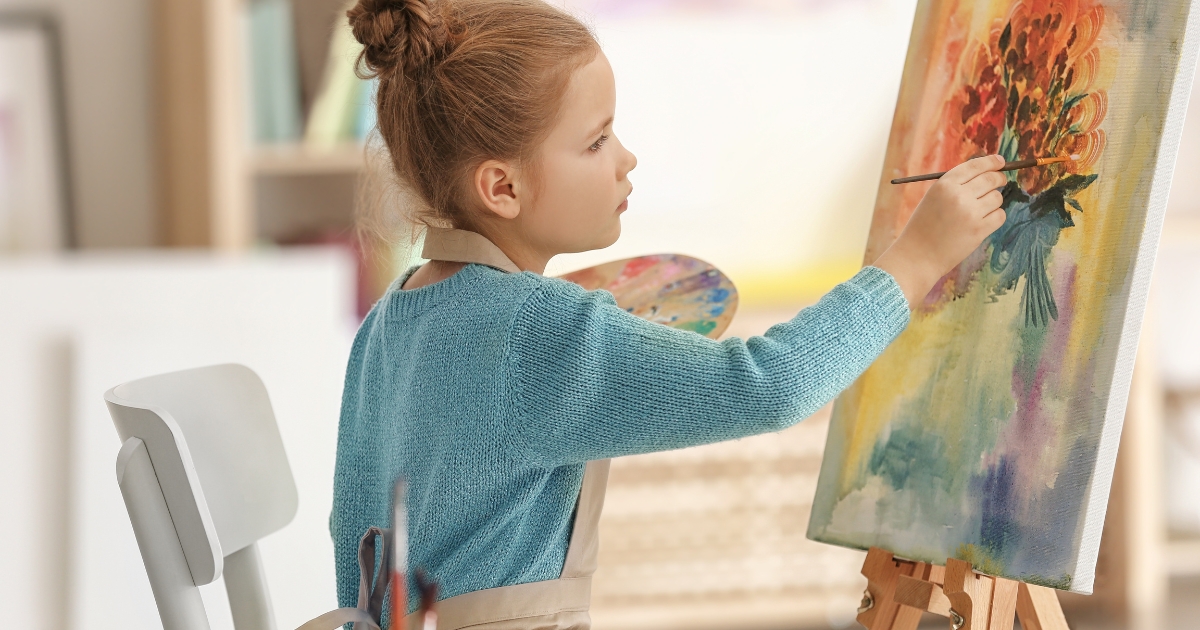
Child painting a bird on canvas as part of a homeschool mindfulness art activity.

  1. Sensory Play With Clay

Working with clay or playdough has a natural, calming effect on kids. The tactile experience of rolling, squishing, and molding the material helps them stay grounded and present. Encourage them to create simple shapes, figures, or even imaginary creatures.

While working with clay, ask open-ended questions like, “What does the clay feel like?” or “What color/style/shape will you make next?” This helps them stay focused on the process instead of the final product.

Mindfulness Exercises to Pair With Crafts

Combining art activities with mindfulness exercises can deepen your child’s experience. Here are a few simple practices you can weave into your homeschool day.

  1. Breathing Break

Before starting a craft project, take a couple of minutes to do a short breathing exercise. Have your child sit comfortably and close their eyes. Together, take slow breaths in through your nose for a count of four, and then exhale through your mouth for a count of six. This helps settle their mind and prepare them for a focused activity.

  1. Mindful Observation

During an art project, encourage your child to notice the little details. If they’re painting, ask them to observe the way the colors mix. If they’re working with natural items, have them explore the textures and scents. This practice builds their attention to detail while grounding them in the present.

  1. Body Scan Exercise

After finishing a craft, guide your child through a quick body scan. Ask them to close their eyes and slowly “check in” with different parts of their body. How do their hands feel after gluing and painting? Do their shoulders feel relaxed? This simple practice connects them to their body and helps them recognize how creative activities can promote relaxation.

Mindfulness Benefits for You, Too!

Mindfulness isn’t just great for kids—it’s helpful for parents, too. If homeschooling has felt overwhelming (hello, lesson plans and endless to-do lists), slowing down for an art activity can bring you some much-needed peace. Join in on the crafts! Allow yourself to doodle, paint, or sculpt without judgment. It’s a wonderful way to model mindfulness for your child while taking a break from the daily hustle.

Sometimes, the best homeschool lessons don’t come from textbooks or worksheets. They happen in those small, quiet moments you share together.

A Tool For Homeschoolers

Mindfulness and creativity go hand in hand, making art a fantastic tool for homeschoolers. Mindfulness crafts for kids teach them how to slow down, focus, and connect with the world around them, all while having fun with paint, glue, and paper.

From nature mandalas to gratitude collages, these activities aren’t just about being creative. They’re a way for your child to develop emotional resilience and learn how to handle stress—all while building memories together as a family.

You don’t need hours of prep or fancy materials to bring mindfulness into your homeschool routine. You just need a little time, an open mind, and a willingness to get creative. And who knows? You might find that crafting together helps you both feel a little calmer, happier, and more connected. Now, doesn’t that sound like a lesson worth teaching?
Mind and Body: Integrating Yoga and Mindfulness in Homeschool P.E.

In today’s fast-paced world, homeschooling parents often seek innovative ways to integrate physical education into their children’s curriculum. While traditional P.E. activities like running and team sports have their place, there’s a growing trend toward incorporating holistic practices like yoga and mindfulness. These practices not only benefit the body but also nurture the mind, offering a comprehensive approach to physical education. This blog post aims to explore how integrating yoga and mindfulness into your homeschool P.E. program can enhance your child’s physical and mental well-being. We’ll discuss the benefits, provide practical tips for implementation, and share insights on making these practices an enriching part of your daily routine.

Why Yoga And Mindfulness?

Yoga and mindfulness offer a unique blend of physical exertion and mental focus, making them ideal for homeschool P.E. Unlike traditional sports, which often emphasize competition and physical prowess, yoga and mindfulness encourage self-awareness, emotional regulation, and a sense of inner peace. This dual focus on mind and body is particularly beneficial for children who are still developing their emotional and cognitive skills. By incorporating yoga and mindfulness into your homeschool P.E. curriculum, you can create a balanced program that supports all aspects of your child’s development.

One of the most significant benefits of yoga for children is its ability to improve flexibility, strength, and coordination. Unlike other forms of exercise that may be too intense or competitive, yoga offers a gentle yet effective way to build physical skills. Additionally, the practice of yoga encourages children to listen to their bodies and respect their limits, fostering a sense of self-awareness and self-care. This is particularly important for children, who may be more susceptible to pushing themselves too hard in competitive sports. By incorporating yoga into your homeschool P.E. program, you can help your child develop a healthy relationship with their body and physical activity. In addition to its physical benefits, yoga also offers significant mental health benefits. The

practice of yoga encourages mindfulness, which has been shown to reduce stress, improve focus, and enhance emotional regulation. For children who may struggle with managing their emotions and attention, this can be particularly beneficial. By teaching mindfulness through yoga, you can help your child develop essential life skills that will serve them well beyond their homeschooling years. Furthermore, the practice of yoga provides a safe and supportive environment for children to explore their emotions and build resilience.

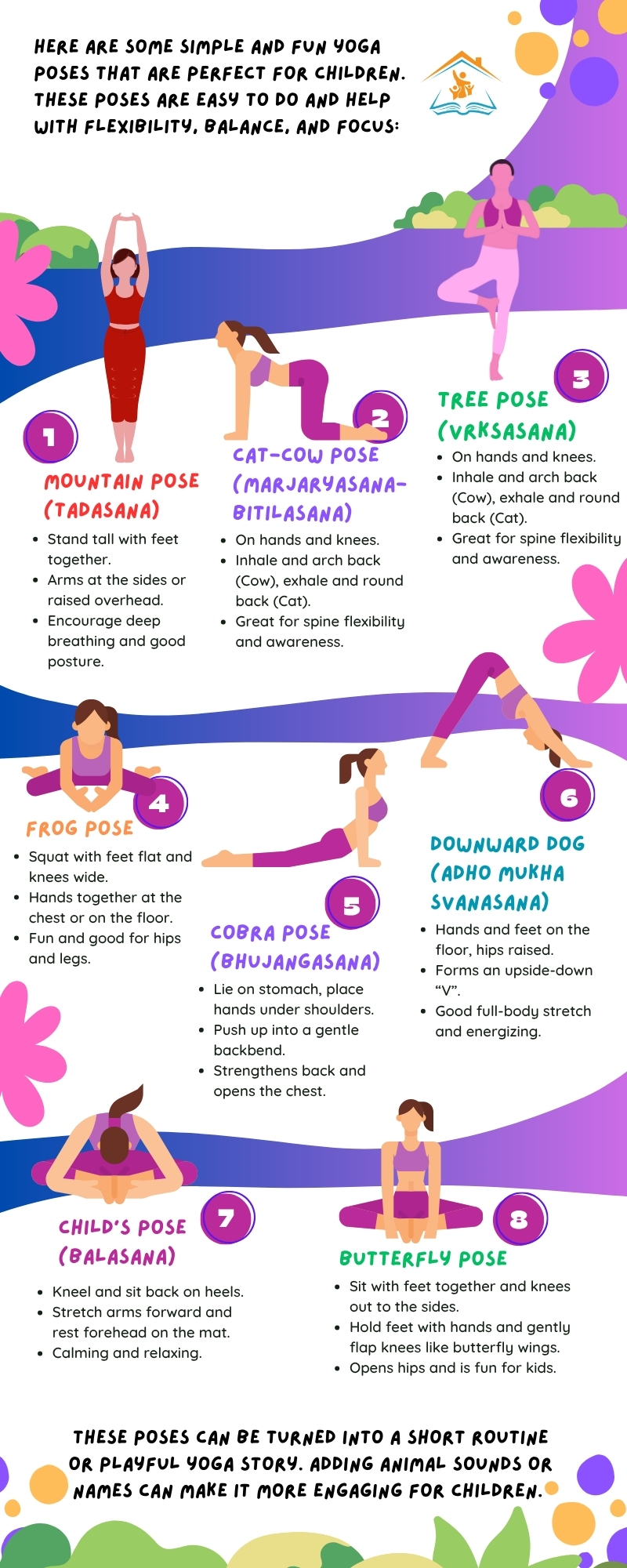
Yoga Steps Infographic

Practical Tips For Integrating Yoga And Mindfulness

Integrating yoga and mindfulness into your homeschool P.E. program doesn’t have to be complicated or time-consuming. With a few simple strategies, you can create a routine that fits seamlessly into your homeschooling day. One of the easiest ways to get started is by setting aside a specific time each day for yoga and mindfulness practice. This could be first thing in the morning to start the day off on a positive note or in the afternoon as a way to unwind and relax after a busy day of learning. Consistency is key, so try to stick to the same time each day to help establish a routine.

When it comes to teaching yoga and mindfulness to kids, it’s important to keep things fun and engaging. Children are more likely to stick with a practice if they enjoy it, so try to incorporate games, stories, and music into your sessions. For example, you could create a yoga story where each pose represents a different character or part of the plot. This not only makes the practice more enjoyable but also helps to develop creativity and imagination. Additionally, using props like yoga mats, blocks, and straps can make the practice more accessible and enjoyable for children of all ages and abilities.

Another important aspect of teaching mindfulness and yoga to children is to lead by example. Children learn best by watching and imitating, so make sure to join in on the practice and model the behaviors you want to see. This not only provides a positive example but also reinforces the idea that yoga and mindfulness are valuable practices for everyone, regardless of age. Additionally, practicing together can strengthen the bond between you and your child, creating a shared experience that you can both enjoy and look forward to each day.

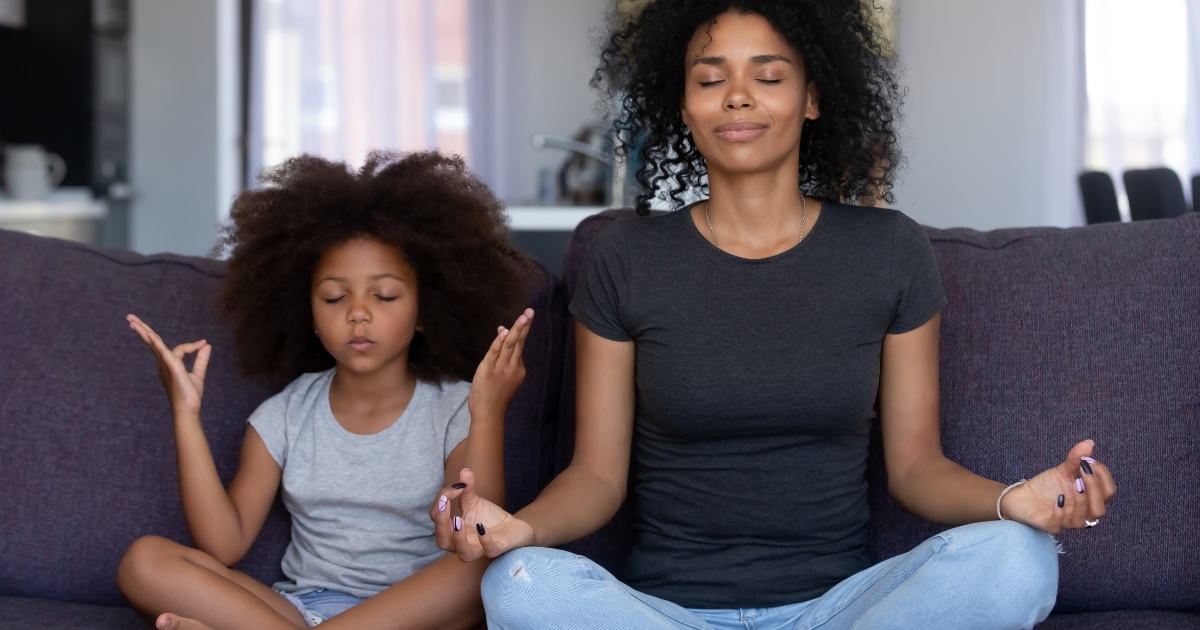
A mother and her young daughter sitting cross-legged on a sofa, practicing mindfulness and meditation with their eyes closed and hands in a meditative gesture, in a serene home setting

Creating A Supportive Environment

Creating a supportive environment for yoga and mindfulness practice is essential for fostering a positive experience. This starts with choosing a quiet, comfortable space where your child can practice without distractions. This could be a dedicated room in your home, a corner of the living room, or even an outdoor space if the weather permits. Make sure the area is free from clutter and has enough room for your child to move freely without feeling confined. Additionally, providing a comfortable yoga mat and any necessary props can help create a welcoming and supportive environment.

In addition to the physical environment, it’s also important to create a supportive emotional environment. Encourage your child to approach their practice with an open mind and a positive attitude. Remind them that yoga and mindfulness are not about perfection or competition but rather about self-exploration and personal growth. Provide plenty of positive reinforcement and celebrate their efforts, no matter how small. This can help build confidence and motivation, making the practice more enjoyable and rewarding. Finally, consider incorporating a sense of community into your yoga and mindfulness practice. This could involve joining a local yoga class or group for children, participating in online classes or forums, or simply connecting with other homeschooling families who share an interest in yoga and mindfulness. Building a community can provide additional support, encouragement, and inspiration, making the practice more enjoyable and sustainable in the long run. Additionally, it can provide opportunities for social interaction and connection, which are essential for your child’s overall well-being.

Integrating yoga and mindfulness into your homeschool P.E. program offers a wealth of benefits for both the mind and body. By teaching mindfulness through yoga, you can help your child develop essential life skills, improve their physical health, and foster a sense of inner peace and balance. With a few simple strategies and a supportive environment, you can create a routine that fits seamlessly into your homeschooling day and provides lasting benefits for your child’s well-being. Remember, the key to success is consistency, patience, and a positive attitude. Don’t be discouraged if your child doesn’t take to the practice right away. Like any new skill, it takes time and practice to develop. Keep things fun and engaging, lead by example, and provide plenty of encouragement and support. With time and dedication, you and your child can enjoy the many benefits of yoga and mindfulness together.

Ready to get started? Set aside a specific time each day for yoga and mindfulness practice, choose a quiet and comfortable space, and approach the practice with an open mind and a positive attitude. Join a local yoga class or group, participate in online classes or forums, and connect with other homeschooling families who share an interest in yoga and mindfulness. Together, you can create a supportive community that fosters growth, connection, and well-being for all.