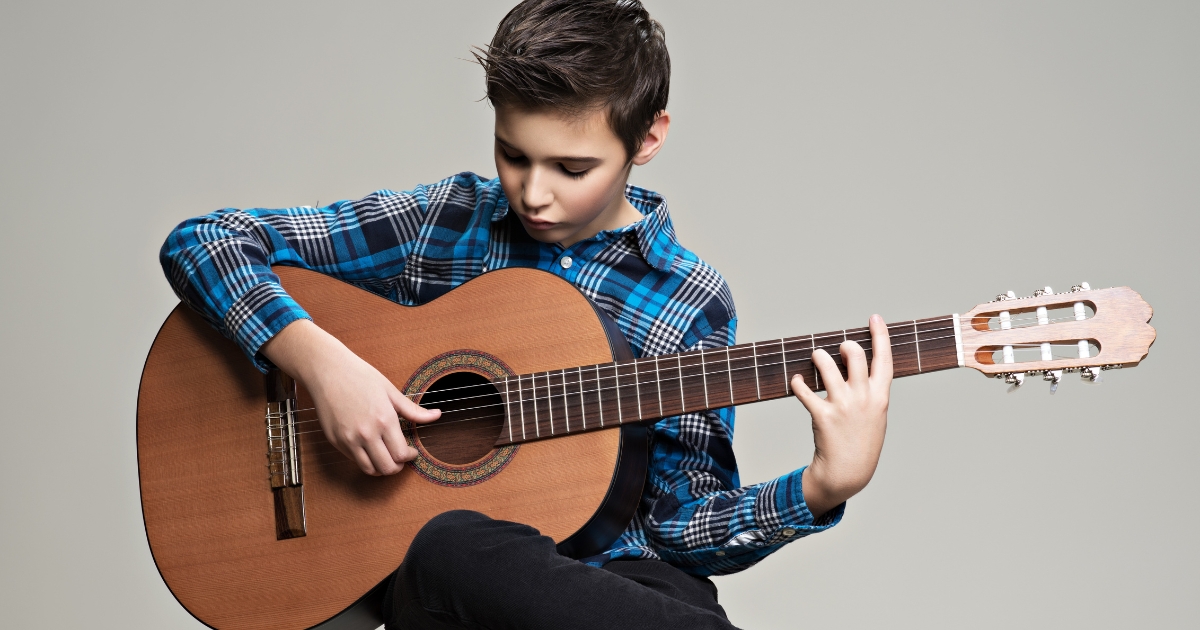
Art and Music Documentaries That Inspire Creativity in Kids

Art and music documentaries can absolutely inspire creativity in kids—and they’re one of the easiest tools homeschooling parents can use. When children see real artists, musicians, and creators at work, it helps them imagine what’s possible and try it themselves.

Can Documentaries Help Kids Learn Creativity?

Absolutely—and not just in a passive way.

When kids watch a great documentary about art or music, they’re not just “watching TV.” They’re stepping into someone else’s creative world. They see how ideas form, how mistakes happen, and how persistence leads to something meaningful.

Here’s what documentaries do especially well:

  • Show process over perfection
  • Introduce kids to different styles and cultures
  • Normalize creative struggle and failure
  • Spark curiosity: “Could I try that?”

Think of it this way: if a textbook tells your child about creativity, a documentary shows it in action.

And for homeschool families, that’s gold.

Why Documentaries Work So Well In Homeschool Learning

One of the biggest challenges homeschooling parents face is keeping learning engaging without feeling like they need to constantly “perform” as the teacher. Documentaries take some of that pressure off while still delivering meaningful education. They allow kids to absorb information visually and emotionally, which is often far more memorable than worksheets or lectures.

Another reason documentaries are powerful is that they create shared learning moments. You can sit down and watch together, Situs naga169 when something interesting happens, and naturally start conversations. These moments often lead to deeper discussions about creativity, effort, and personal expression—things that are hard to teach directly but easy to explore together.

They also help bridge the gap between subjects. A music documentary can turn into a history lesson, a geography discussion, or even a science exploration about sound. This kind of natural cross-learning is exactly what many parents are hoping to achieve when they start homeschooling.

7 Inspiring Art And Music Documentaries For Kids

You don’t need a huge library—just a few high-quality options can make a big impact.

Here are some family-friendly documentaries (or documentary-style films) that consistently inspire creativity:

1. The Secret of Kells (Art + storytelling inspiration)

  • Beautiful animation inspired by Celtic art
  • Encourages kids to explore drawing patterns and storytelling
  • Great for ages 7+

2. Exit Through the Gift Shop (Street art)

  • Introduces graffiti and modern art
  • Sparks conversations about “What is art?”
  • Best for older kids/teens

3. Abstract: The Art of Design (Netflix series)

  • Episodes on illustrators, designers, architects
  • Shows real creative careers
  • Easy to watch one episode at a time
Inspiring Art And Music Documentaries For Kids

4. Song Exploder (Music creativity)

  • Musicians break down how they made a song
  • Helps kids understand music structure
  • Inspiring for kids learning instruments

5. Alive Inside (Music and emotion)

  • Shows how music impacts the brain
  • Powerful emotional connection to music
  • Great for empathy and discussion

6. Mr. Rogers & Me (Creative kindness)

  • Focuses on creativity through communication and care
  • Encourages kids to create with purpose

7. Great Artists Series (YouTube/free platforms)

  • Short documentaries on artists like Van Gogh or Picasso
  • Easy to integrate into short homeschool days

Quick Tip: Start with shorter documentaries or episodes (20–45 minutes) if your child is new to this format.

How To Turn A Documentary Into A Creative Lesson (Simple Steps)

Watching is just the beginning. The real magic happens after.

Here’s a simple structure you can use this week:

Step 1: Watch together (or nearby)

  • Sit with your child if possible
  • Pause occasionally and ask: “What do you notice?”

Step 2: Ask 3 easy questions

Keep it simple:

  1. What did you like most?
  2. What surprised you?
  3. What would you want to try?

Step 3: Do a quick creative activity (15–30 minutes)

Match it to what you watched:

  • Art documentary → draw or paint
  • Music documentary → experiment with rhythm or instruments
  • Design documentary → build something simple

Step 4: Keep expectations low

This is key.

You’re not aiming for a masterpiece—you’re building a habit of creativity.

Common Mistakes Parents Make (And How To Avoid Them)

Let’s make this easier for you by skipping the frustration.

Mistake #1: Treating documentaries like school assignments

If kids feel like they’re being “tested,” they’ll disengage.

Fix: Keep it conversational, not formal.

Mistake #2: Watching without follow-up

If you just press play and move on, you miss the creative spark.

Fix: Even 10 minutes of discussion or drawing makes a difference.

Mistake #3: Choosing content that’s too advanced

Some documentaries are made for adults and can overwhelm kids.

Fix: Preview or start with shorter, kid-friendly options.

Mistake #4: Expecting instant creativity

Creativity builds over time, not overnight.

Fix: Focus on exposure, not results.

Real-Life Homeschool Examples (How This Looks In Action)

A homeschool mom we worked with recently shared how her 9-year-old struggled with art. Every time she pulled out supplies, her child would say, “I’m not good at this.” Instead of pushing more practice, she introduced a short documentary about a famous painter. They watched it together one afternoon with no expectations.

The next day, her child picked up colored pencils and started experimenting with styles they had seen. There was no pressure, no assignment—just curiosity. Over a few weeks, those small moments turned into regular creative time, and the resistance slowly disappeared.

Another parent used music documentaries with their middle schooler who was losing interest in piano. Watching musicians talk about how songs were created helped shift their child’s mindset. Instead of seeing music as practice and repetition, they began to see it as expression. Within a month, they were experimenting with their own simple compositions.

These changes didn’t come from forcing creativity—they came from showing it in action.

Free And Low-Cost Resources To Get Started

You don’t need expensive subscriptions or programs to make this work.

Here are easy places to start:

  • YouTube
    • Search: “artist documentary for kids”
    • Many museums and creators share free content
  • Public libraries
    • DVDs and streaming access (like Kanopy or Hoopla)
    • Often include art and music documentaries
  • PBS
    • High-quality, educational content
    • Many free episodes online
  • Netflix / streaming platforms
    • Look for series like Abstract or Song Exploder
  • Museum websites
    • The Met, MoMA, and others offer free videos and virtual tours

Pro Tip: Save a small playlist so you’re not scrambling to find something during your homeschool day.

Making Homeschooling Feel Doable!

Helping your child grow in creativity doesn’t have to be complicated, expensive, or time-consuming. Sometimes it starts with something as simple as watching the right documentary and having a short conversation afterward. Those small moments can lead to big changes in how your child sees learning, art, and their own abilities.

If you take one step this week, let it be this: pick one documentary, watch it together, and follow it with a simple creative activity. That’s it. No pressure, no perfection—just progress.

At DKM Homeschool Resource, we’re here to make homeschooling feel doable, encouraging, and even enjoyable on the busiest days. Keep exploring our blog for more practical tips, creative ideas, and real-life strategies that fit your family.

Art And Music FAQs

FAQ: What are the best documentaries for homeschool art lessons?
Great options include Abstract: The Art of Design, short artist documentaries on YouTube, and museum-produced videos. These homeschooling resources are engaging, flexible, and easy to pair with hands-on art activities for kids.

FAQ: How often should kids watch educational documentaries?
1–3 times per week is a great balance for most homeschool schedules. Educational documentaries should support learning, not replace active creativity, so always pair them with discussion or a simple project.

FAQ: Can documentaries replace art or music curriculum in homeschooling?
Not entirely, but they are powerful supplements. Homeschool art curriculum and music education benefit from hands-on practice, while documentaries provide inspiration, context, and real-world examples that deepen understanding.
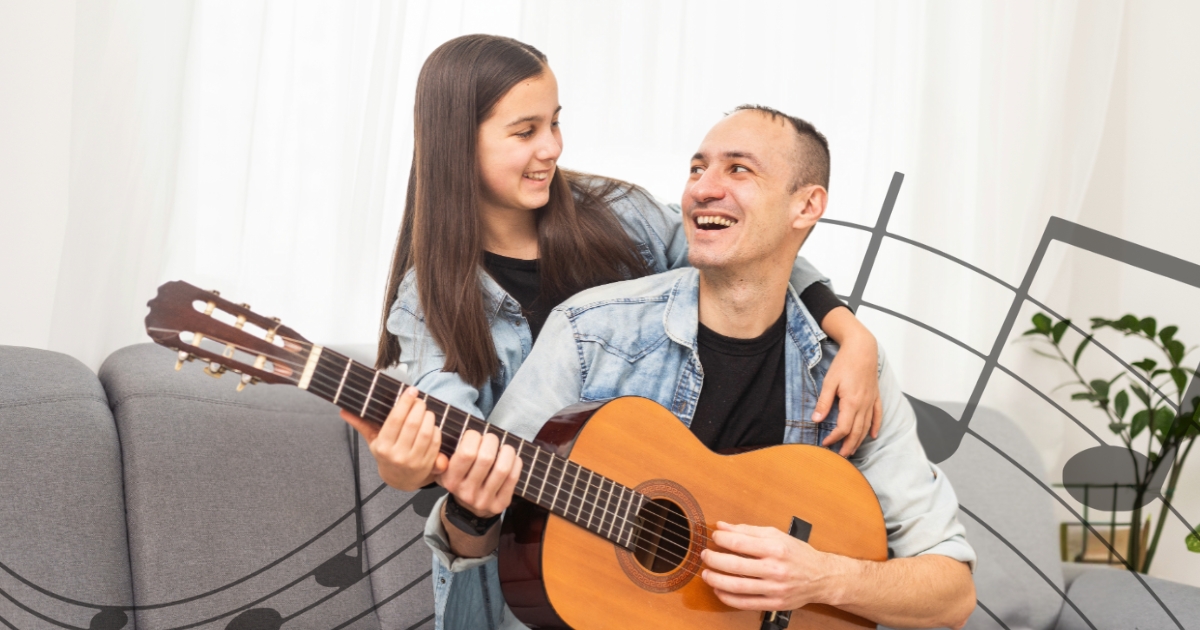
Teaching Music at Home: Resources and Activities for All Ages

Teaching music at home can be an incredibly rewarding experience for both parents and children. Music is a universal language that nurtures creativity, discipline, and emotional expression. For homeschooling families, it offers a unique opportunity to customize learning while bonding through shared discoveries. Whether your child is a budding musician or simply curious about music, you can create a robust music curriculum using accessible resources and engaging activities. 

This guide will walk you through practical tips and tools for teaching music at home, as well as activities that work for all ages and skill levels.

Homeschool Music Resources To Get Started

Building a strong foundation for teaching music at home begins with having the right resources. Luckily, homeschooling parents have access to a wealth of tools, both online and offline. Here are some suggestions to help you create a well-rounded music curriculum:

  • Online Courses and Platforms
    Many online platforms provide comprehensive music instruction suitable for homeschoolers. Look for beginner-friendly courses that focus on fundamentals like reading sheet music, understanding rhythm, and basic ear training. Some popular choices include:

    • YouTube Channels like Hoffman Academy (piano) and Justin Guitar (guitar) offer free step-by-step tutorials.
    • Music Learning Apps, such as Yousician, Simply Piano, or Melodics, use interactive tools to teach different instruments.
    • Virtual Music Schools, like Udemy or TakeLessons, allow students to learn at their own pace with structured lessons.
  • Books and Workbooks
    Incorporate printed resources into your child’s music education. Some excellent books for beginners are:

    • “Alfred’s Basic Piano Library” for piano students.
    • “Progressive Guitar Method for Young Beginners” for kids starting guitar.
    • “Music for Little Mozarts” series, which combines music theory with fun activities for younger learners.
  • Local Libraries
    Many libraries have a music section with resources like sheet music, DVDs, and instructional books. Some even host free programs like beginner guitar lessons.
  • Instrument Rentals
    If you’re unsure whether your child will commit to a particular instrument, renting is a great option. Local music stores often offer rental programs at minimal cost. Start small with a keyboard, ukulele, or recorder before progressing to more expensive instruments like violins or drum kits.
  • Homeschool Music Co-Ops and Tutors
    Check if your homeschool community has a music co-op. Group lessons and local tutors are fantastic resources for supplementing your teaching efforts.

With these resources, you’ll be equipped to begin teaching music at home with both structure and flexibility.

Fun And Creative Music Activities For Homeschoolers

Fun And Creative Music Activities For Homeschoolers

Once you have the basics in place, keeping your child’s interest alive through engaging activities is key. Here are several ideas that work across a range of ages and abilities:

Rhythm Games

Rhythm forms the backbone of music. Teach your child the basics of timing and beats with exciting hands-on activities:

  • Clap-Along Games
    Play clapping games by picking a song with a steady beat. Have your child match the rhythm or create their own clapping sequence.
  • DIY Drums
    Use household items like pots, pans, or empty containers to make simple percussion instruments. Have your child experiment with creating different patterns and tempos.
  • Metronome Challenge
    Using a free online metronome, challenge your child to keep time with the beats. Start slow and gradually increase the speed as their rhythm improves.

Musical Composition

Encourage creativity by giving your child opportunities to compose their own tunes:

  • Songwriting
    Ask your child to write their own lyrics and set them to a melody. Simple instruments like ukuleles or keyboards can be used to create tunes.
  • Storytelling Through Sound
    Have younger children use instruments to create sounds that represent characters, animals, or moods in a story they make up.
  • Compose with Technology
    Explore apps like GarageBand or Noteflight, which make it easy for kids to create professional-sounding music tracks even without formal training.

Active Listening

Active listening teaches children to recognize elements of music like melody, dynamics, and mood:

  • Music Journals
    Create a listening log. Each week, introduce your child to a new genre or composer and have them write down how the music makes them feel, along with details they notice (e.g., tempo or instruments).
  • Comparison Games
    Play two different versions of the same song and have them compare the styles. For example, how does an acoustic version differ from one played by an orchestra?
  • Identify the Instrument
    Play snippets of songs and challenge your child to identify the instruments used. This activity sharpens listening skills and exposes them to a variety of sounds.

Group Activities

Music gets even more exciting when shared with others:

  • Family Jam Sessions
    Dedicate a weekly music night where each family member picks a simple instrument to play together. Even kazoos or tambourines can add to the fun.
  • Homeschool Choir or Band
    Team up with other homeschooling families to start a choir or informal band. You can even perform for friends and relatives during special occasions.
  • Musical Games
    Games like musical chairs or freeze dance are classics for teaching rhythm and coordination to younger children.

Tips For Teaching Music To Young Learners

Teaching music to preschool and elementary-aged kids can be both exciting and challenging. These young learners often have shorter attention spans but are full of curiosity and energy. Use this to your advantage by creating a playful learning environment.

For very young students, start with nursery rhymes and simple songs that involve hand motions. Introduce instruments like shakers, bells, or xylophones that are safe and easy to use. Make learning interactive by incorporating storytelling into music lessons. For example, ask your child to tap a drum quietly when a character is sneaking or shake a bell merrily during a celebratory scene.

Consistency is also crucial. Short, daily music sessions are more effective than occasional, long lessons. Use repetition to help them memorize songs or grasp basic concepts, but keep it fun and avoid turning music time into a chore. Children in these early stages thrive on positive feedback, so celebrate every small victory, whether it’s singing on key or keeping a steady beat.

Expanding Music Education for Teens

Teaching music to teens often involves guiding them toward more advanced skills like performing, composition, and understanding music theory. At this stage, your role as a homeschool educator will likely shift to that of a facilitator, supporting their growth while allowing greater independence.

Encourage your teen to pick an instrument they’re genuinely interested in—it’s much easier to practice something they love. Sports enthusiasts might enjoy drums or electric guitar, while quieter, introspective students may prefer piano or violin. Give them access to sheet music or tabs for songs they already know; familiar tunes boost motivation while improving technical skills.

Teens are also ready to explore music history and theory in-depth. Introduce core concepts like scales, harmony, and rhythm through engaging methods. There are plenty of interactive apps like Tenuto or even YouTube tutorials focusing on these topics. Advanced learners may benefit from opportunities to join professional music groups or audition for community orchestras or youth bands.

Performance is a vital part of music education for teens. Whether they’re singing a solo or playing in a duo, performing in front of others fosters confidence and provides a tangible sense of accomplishment. Host a casual recital or help your teen set up a social media account where they can share their music with family and peers.

Teaching music at home is not just a curriculum subject; it’s a doorway to lifelong creativity and joy. With thoughtful resources and imaginative activities, you can cultivate your child’s love for music while enriching their homeschool experience. So grab an instrument, pick a song, and start your family’s musical adventure today.

Incorporating Art into Your Homeschool Routine

Art is a powerful tool for enhancing homeschooling experiences. It creates meaningful learning opportunities, encourages self-expression, and helps children develop critical thinking and problem-solving skills. By weaving art into your daily or weekly homeschool routine, you can make lessons more engaging and memorable. 

Below, we’ll share creative homeschool art activities, discuss how to integrate art into your curriculum, and provide actionable tips to help you bring the beauty of art into your homeschool classroom.

Why Art Is Essential In A Homeschool Curriculum

Art often takes a backseat in education because it’s sometimes seen as “less practical” than subjects like math or science. But in reality, art is incredibly valuable. It’s not just about painting or drawing. Art promotes creativity, improves motor skills, and helps children process emotions and ideas in new ways.

Building an art component into your homeschool curriculum allows kids to think outside the box. For instance, younger children improve fine motor skills through hands-on crafting like cutting, gluing, and sculpting. Older kids, on the other hand, can explore storytelling through digital art or photography. And for all ages, art enhances emotional intelligence by encouraging self-reflection and exploration of feelings.

What’s more, art naturally integrates with other subjects. A history lesson comes alive through historical costume design, while geometry becomes tangible through patterns and symmetry in art. The possibilities are endless, and incorporating art is easier than you might think.

Creative Homeschool Art Activities To Enrich Learning

Sometimes it’s hard to know where to start with art projects, especially if you’re not someone who identifies as “artsy.” But the good news is, homeschool art activities don’t have to be complicated. Here are some ideas to help spark creativity and make art part of your homeschool day:

  1. Open-Ended Art Projects for All Ages
  • Abstract Painting: Give kids a variety of paint colors and encourage them to experiment with shapes, textures, and color blending. There’s no “right” or “wrong” result with abstract art, which helps foster creativity and confidence.
  • Collages: Gather old magazines, newspapers, fabric scraps, or natural materials like leaves and twigs. Arrange them into collages that represent a theme or personal story.
  • 3D Sculpting: Use air-dry clay, salt dough, or even recyclable materials like cardboard and toilet paper rolls to build imaginative sculptures.
  1. Art that Connects to Other Subjects
  • Science: Create models of the solar system using paper mâché or clay. Study plant biology through flower pressing or leaf art.
  • History: Research historical art movements, then imitate the style. For example, try painting like the Impressionists or creating tribal art inspired by ancient cultures.
  • Literature: Illustrate a scene from a favorite book, or design a new book cover. Older students might enjoy creating graphic novel panels based on a story they’ve read.
  1. Seasonal and Holiday Art
  • Make decorations for holidays with homemade ornaments, handprint crafts, or themed watercolor projects.
  • For seasonal art, try creating pressed-flower bookmarks in springtime or building snowflake sculptures during winter.
  1. Group Art Activities
  • Host a “family art night” where everyone participates in the same project, such as painting on canvas or creating a giant mural together.
  • For homeschool co-ops, organize a collaborative art show. Each child can showcase one or two projects, providing a platform for kids to share their creativity with peers.
  1. Digital Art and Technology
  • Teach older children to use graphic design tools like Canva or Procreate. These skills are practical in today’s world and allow teens to explore their interests in areas like game design or digital illustration.

Making Art A Routine Part Of Your Homeschool

Making Art A Routine Part Of Your Homeschool

Now that you have some ideas for homeschool art activities, the next step is to integrate them into your schedule. The key is to prioritize art just like you would any other subject. This might mean setting aside an hour once a week for art or breaking larger projects into smaller steps that can be done over several days.

Here are practical tips for making art a consistent part of your homeschool:

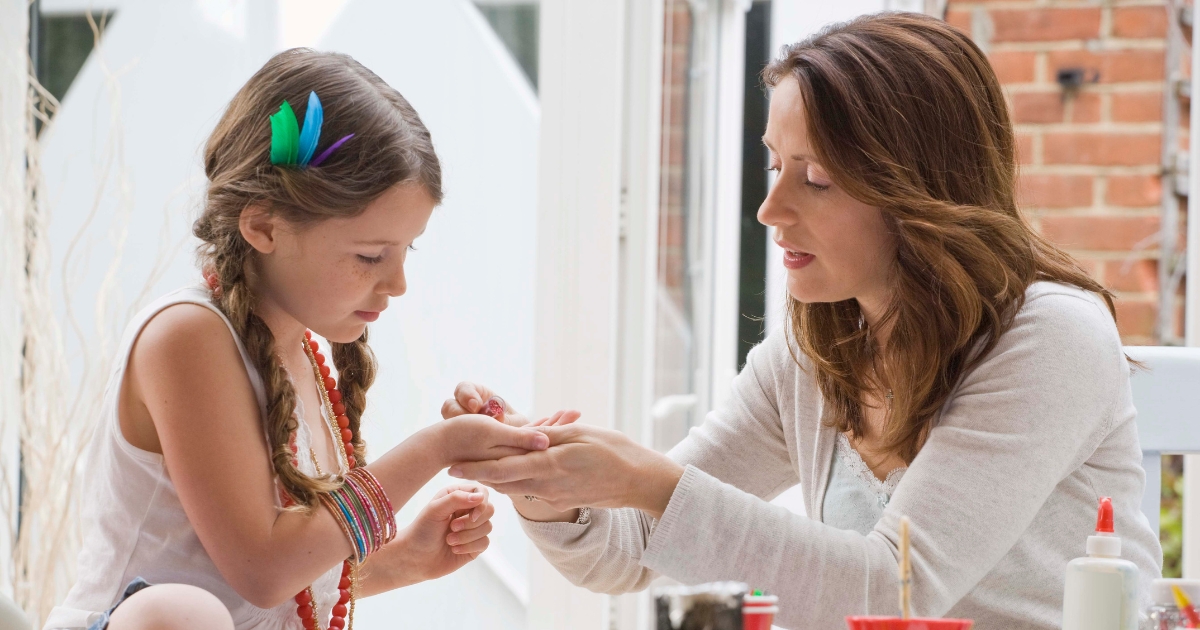
  • Keep Supplies Accessible: Set up an “art corner” where kids can freely access materials like paper, crayons, glue, scissors, and paint. When art tools are within reach, creativity tends to flow more naturally.
  • Rotate Themes and Techniques: Focus on a different medium or theme every month. For example, experiment with printmaking in May, collage in June, and photography in July.
  • Combine Art with Outdoor Time: Nature walks provide endless inspiration for art. Collect leaves, flowers, or interesting stones and have kids create art pieces inspired by their finds.
  • Use Free Resources: Many websites offer printable art worksheets, technique tutorials, and creative prompts. You don’t need an art degree to guide your kids through meaningful projects!

When art is part of the weekly rhythm, it becomes a natural and rewarding element of your homeschool culture.

Art on a Budget: Affordable and Innovative Approaches

Creating meaningful art experiences doesn’t have to break the bank. Many homeschoolers worry about the cost of fancy materials, but affordable art activities are abundant if you know where to look.

For instance, you can use upcycled household items as art supplies. Old cardboard boxes can be transformed into puppet theaters, while toilet paper rolls become rocket ships or animal figurines. You might even turn kitchen scraps into eco-friendly dye for tie-dye projects (think beet juice for pink or turmeric for yellow).

Libraries are also great places to find free or low-cost inspiration. Many public libraries loan out craft books or instructional art guides, and some even offer free art classes for children.

Additionally, explore the digital world for free tools and resources. Platforms like YouTube offer excellent tutorials on painting, drawing, and crafting. Pinterest is another goldmine of art project ideas across a range of skill levels.

Finally, don’t hesitate to shop secondhand when restocking supplies. Thrift stores or donation centers often have affordable art kits, fabric remnants, and craft tools. You can also connect with other homeschoolers to swap or share supplies.

Evaluating The Role Of Art In Your Child’s Learning Journey

Art serves more than a decorative or leisure purpose; it is a mode of learning. As you integrate art into your homeschool curriculum, you’ll start noticing its profound effects on your child’s development. Art projects improve focus, patience, and the ability to deal with frustration. Through collaborative projects, they gain teamwork skills. And when presenting their finished pieces, your child builds confidence and learns how to communicate visually.

These benefits extend far beyond childhood. Whether kids grow up to pursue creative careers or use their artistic skills as hobbies, they carry the ability to think creatively and approach problems innovatively.

It’s worth checking in regularly to evaluate how art fits into your homeschool routine. Are your children excited about art projects, or do they feel uninspired by the current plan? Adjust based on their feedback and interests, and don’t be afraid to experiment with new techniques or topics. Art is all about exploration and fun, so keep the focus on enjoyment rather than perfection.

The Role of Music in Enhancing Mathematical Understanding

Homeschooling offers the flexibility to explore creative teaching methods that make learning engaging and effective. One approach that has gained significant attention is integrating music into mathematics education. Using music to teach math is a dynamic and accessible strategy that connects abstract mathematical concepts to patterns, rhythms, and melodies, making them easier for students to grasp. 

Below, you’ll discover how music can deepen understanding, alongside actionable tips for incorporating it into your homeschool routine.

The Connection Between Music And Math

Music and math might seem like two completely different subjects, but they share a deep, inherent connection. Both disciplines are rooted in patterns, structure, and logical reasoning. Exploring this connection can provide valuable insights into how music can enhance mathematical understanding.

Patterns and Sequences

At its core, math is about recognizing patterns and sequences, just like music. For example:

  • Rhythms and Beats: Musical rhythms are essentially patterns of sound, similar to number patterns in mathematics. Counting beats in a measure mirrors the process of identifying numerical sequences.
  • Musical Scales: Scales in music are ordered sequences of notes, which can be related to mathematical concepts like intervals and ratios.

By identifying patterns in music, children can improve their ability to spot patterns in math, strengthening skills like sequencing, prediction, and organization.

Fractions and Division

Many elements of music naturally involve fractions. For instance:

  • Breaking a musical measure into halves, quarters, or eighths aligns with understanding fractions in math.
  • Counting beats in time signatures, like 4/4 or 3/4, introduces students to division and how parts make up a whole.

When children explore these concepts through music, the visual and auditory representation can make fractions and division less intimidating.

Spatial-Temporal Reasoning

Playing and listening to music has been shown to improve spatial-temporal reasoning, a key skill in understanding geometry and problem-solving in mathematics. For instance:

  • Reading sheet music requires the brain to interpret spatial relationships between notes and translate them into timing and pitches.
  • This process is similar to solving geometry problems, where the brain visualizes spatial relationships between shapes and lines.

Memory and Retention

Music has the power to make learning stick. Memorizing mathematical formulas, multiplication tables, or sequences often becomes easier when paired with a melody or rhythm. This is why children learn the ABCs through a song; the same principle can be applied to math.

Math Learning Through Music

Math Learning Through Music

Once parents understand the deep connection between math and music, they can use this powerful combination in their homeschool curriculum. Here are some practical ways to integrate music into math lessons.

Counting with Rhythms

Rhythm-based activities are excellent for teaching counting and sequencing. Here’s how:

  • Clap and Count: Have your child clap along to a rhythm as they count aloud. For example, you can clap a beat and count up by twos to practice skip counting.
  • Percussion Instruments: Use simple instruments like tambourines or drums to represent numbers. For example, play four beats for “4,” and then divide them into two groups of two to demonstrate multiplication or division.

Rhythm-based counting is especially effective for younger children who are still developing foundational math skills.

Learning Multiplication Tables with Songs

Songs are a fantastic way to memorize multiplication tables. There are plenty of multiplication songs available online, but you can also create your own:

  • Simple Tunes: Pair multiplication tables with familiar melodies like “Twinkle, Twinkle, Little Star” to make them memorable.
  • Rhythmic Repetition: Adding a drumbeat or clapping pattern while reciting multiplication facts can make the process more engaging.

By turning rote memorization of times tables into a musical activity, students are more likely to retain the information long-term.

Exploring Fractions with Music

Fractions can feel abstract, but music makes them tangible and fun. Try these hands-on activities:

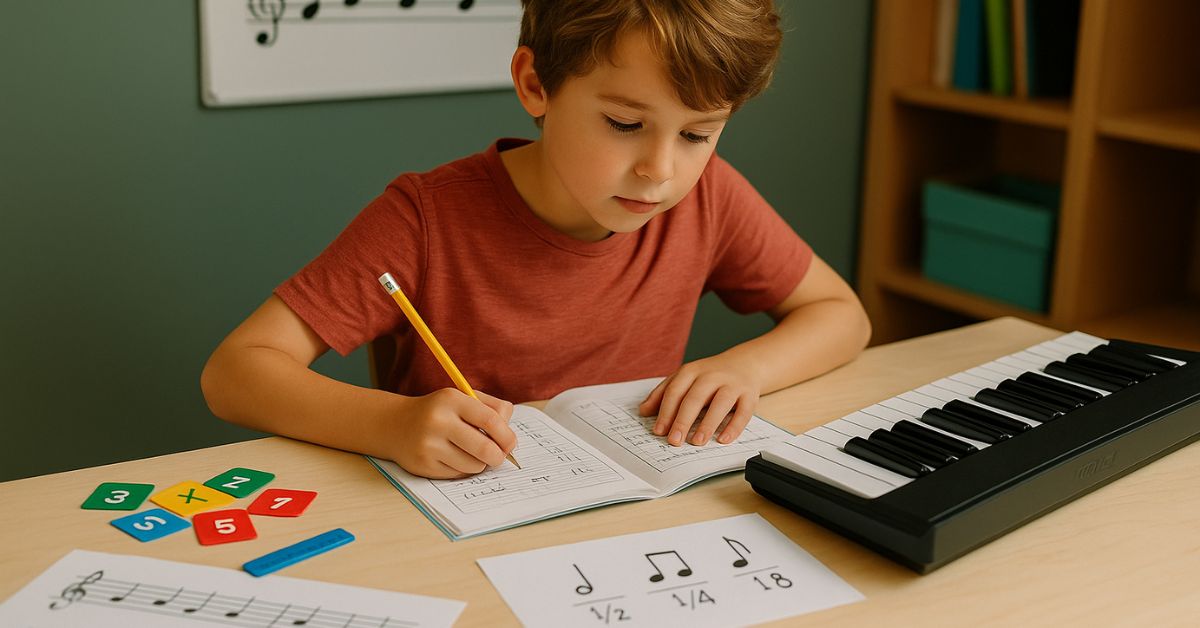
  • Rhythmic Breakdown: Use a piano or app to demonstrate different note types (e.g., whole, half, quarter notes). Explain how two quarter notes equal one-half note, and so on.
  • Fraction Drumming: Write simple rhythms using fractions—for example, one whole note equals four quarter beats. Encourage your child to drum these patterns while saying the corresponding fractions.

These activities make fractions come alive, helping students understand their practical applications.

Incorporating Music Theory into Math Lessons

Music theory offers plenty of opportunities to teach core math concepts. For older children or those interested in playing an instrument, music theory can deepen their understanding of math.

  • Frequency and Pitch: Musical notes correspond to specific sound frequencies. Experimenting with these can help students understand concepts like ratios and proportions.
  • Intervals and Scales: Discuss how intervals between notes are mathematically related. For example, the relationship between notes in a major scale can be described using simple ratios (2:1, 3:2).
  • Music Composition: Composing music introduces concepts like symmetry, balance, and proportionality, all of which are foundational to advanced mathematics.

These approaches allow children to appreciate the overlap between creative and logical thinking, making math feel less abstract and more interconnected with their daily lives.

Benefits of Music-Integrated Math Instruction

When music becomes part of a math lesson plan, students reap multiple rewards. These benefits extend beyond academics and can positively impact their emotional and social development as well.

  • Enhanced Engagement: Music captivates attention, making math lessons feel like an enjoyable activity rather than a chore.
  • Improved Focus: Listening to or playing music before math sessions can prime the brain for better concentration and clarity.
  • Reduced Anxiety: For students who feel intimidated by math, music serves as a stress-reliever, creating a more relaxed learning environment.
  • Collaboration Skills: Group activities like singing math songs or performing rhythm exercises encourage teamwork and communication skills.

Integrating music isn’t just about improving math scores; it’s about fostering a love for learning in a well-rounded way.

How To Start Using Music To Teach Math

Getting started with using music to teach math doesn’t require any advanced musical training. Here are some actionable steps to bring this approach into your homeschool routine:

Build a Musical Math Toolkit

Start by gathering simple resources you can use repeatedly:

  • Instruments like xylophones, drums, or even household items for percussion activities.
  • Musical math videos or apps that offer interactive lessons.
  • Songbooks or playlists of educational math songs.

Create Themed Lesson Plans

Design lessons around specific math topics, integrating music into each session. For example:

  • Fractions Day: Focus on fractions through rhythm and note values.
  • Multiplication Party: Dedicate a session to singing and clapping multiplication tables.

Consistency is key, so incorporate music into your schedule regularly.

Encourage Hands-On Activities

Hands-on experiences reinforce connections between music and math. Encourage activities like:

  • Building simple musical instruments to explore vibrations and patterns.
  • Singing math-related songs together to create a shared and memorable experience.
  • Using free online tools or apps for guided musical math games.

Music as a Long-Term Learning Tool

Using music to teach math isn’t only beneficial in the short term. It instills skills like pattern recognition, memory, and creative thinking that extend across all areas of learning and life. Whether you’re teaching a pre-K learner to count with a rhythm or helping a high schooler explore the relationship between music theory and geometry, music offers an adaptable, meaningful way to approach math education.

When parents incorporate music into their homeschool math routines, they aren’t just teaching numbers and equations; they are cultivating critical thinking, problem-solving, and a lifelong love for learning. Music teaches the beauty of patterns, the value of practice, and the joy of discovery, all of which underpin every mathematical concept your child will encounter.

Incorporating Art and Music into Your Homeschool Curriculum

When homeschooling, it’s easy to focus on core subjects like math, science, and language arts. But integrating art and music into your homeschool curriculum is just as important. These subjects provide countless benefits, from fostering creativity to improving problem-solving skills. Most importantly, they bring joy and variety to your child’s day. 

If you’ve been wondering how to include homeschool art and music in creative and practical ways, this guide offers ideas and tips to get started.

The Importance of Art and Music in Education

Art and music aren’t just extracurricular activities; they are vital for a child’s development. Creativity is a fundamental skill that transcends any one subject, and both art and music encourage it in unique ways.

Art fosters self-expression and emotional resilience. For example, drawing or painting can help children process emotions and develop fine motor skills. When they practice creating shapes, mixing colors, or experimenting with textures, they also build spatial reasoning and problem-solving abilities.

Music plays a similar role in cognitive and emotional development. Studies show that learning an instrument strengthens memory, enhances mathematical skills, and teaches discipline. Singing, rhythm games, and listening to different kinds of music can improve auditory processing and language development. Introducing your children to a wide variety of music can even expand their understanding of history and culture.

Both art and music give children a creative outlet to explore the world while developing skills that will benefit them for years to come. The goal is to make these subjects just as intentional as academics in your homeschool routine.

How to Create a Balanced Homeschool Art and Music Curriculum

A thoughtful homeschool curriculum blends both structured learning and open-ended exploration. Here are some actionable steps to incorporate art and music into your homeschool:

  1. Dedicate Time in Your Schedule
  • Incorporate art and music as part of your daily or weekly plans. Even 30 minutes a day can make a big difference.
  • Rotate subjects if time is a concern; spend one week focusing on art and the next on music.
  • Combine related subjects. For example, pair an art project with a history lesson or study a composer alongside a science concept.
  1. Use Online Resources and Curriculum
  • Explore programs like Draw Write Now or Artistic Pursuits, which mix step-by-step art instruction with history or nature themes.
  • Look into music apps or online resources like Simply Piano, Hoffman Academy, or YouTube tutorials for learning instruments or music theory.
  • Download printables or purchase homeschool-friendly curriculum sets designed for hands-on learning.
  1. Employ a Hands-On Approach
  • For art, try hands-on projects like sculpting clay, building collages from recyclable materials, or painting canvas.
  • Integrate STEM into art by creating geometric drawings or experimenting with color mixing using light.
  • For music, encourage your child to clap rhythms, experiment with household items as percussion instruments, or invent songs about their lessons.
  1. Stay Flexible and Child-Led
  • Observe what art and music activities your child is drawn to. Do they love to doodle? Start offering sketchbooks and pencils. Are they obsessed with a specific band? Introduce them to instruments from that genre.
  • Don’t stress about perfection. Celebrate effort and experimentation over flawless results.
  1. Include Family Collaboration
  • Organize a family art night where everyone contributes to a collaborative mural.
  • Have a family “jam session” where everyone grabs an instrument or makes music together using kitchen tools.
  • Share art and music activities with other homeschool families to build community.

Incorporate Art and Music

Affordable Ways to Incorporate Art and Music

Homeschooling can get expensive, but incorporating art and music doesn’t have to break the bank. Here are some budget-friendly ideas to nurture creativity without overspending:

Thrifty Art Supplies

  • Buy second-hand art supplies or starter kits from thrift stores, craft clearance sales, or dollar stores.
  • Use household materials. Old magazines, cardboard boxes, and fabric scraps are excellent for mixed-media art projects.
  • Make your own art supplies like homemade playdough, DIY watercolor paints, or salt dough for sculpting.

Free Musical Resources

  • Access free sheet music and tutorials online based on your child’s skill level.
  • Borrow instruments such as keyboards or guitars from family or friends instead of purchasing them.
  • Explore community programs where children can try instruments or attend workshops at no cost.

Library and Community Connections

  • Borrow instructional books or CDs about drawing, painting, or playing instruments from your local library.
  • Many libraries also offer free access to art and music classes, or they host concert series to expose children to musical performances.

Project Ideas to Spark Creativity

Sometimes inspiration is all you need to jump-start a hands-on art or music lesson. Here are some specific project ideas to help your child explore these areas:

Art Projects

  • Nature Study Drawings: Take a nature walk and have your children collect interesting leaves, flowers, or textures to sketch.
  • Famous Artists at Home: Recreate works by van Gogh, Monet, or Frida Kahlo using affordable art supplies.
  • Story Illustrations: After reading a favorite book, encourage your child to illustrate a scene or create an alternate book cover.

Music Activities

  • Musical Storytelling: Have your child compose simple tunes to tell a narrative. They can use a recorder, guitar, or even a xylophone.
  • World Music Exploration: Listen to music from different countries and create projects inspired by different cultures, such as African drumming or traditional harp music from Ireland.
  • Family Soundtrack: Put together a playlist that represents your family’s personalities or specific memories and discuss why certain songs are meaningful.

Building Connections Through Art and Music

When introduced thoughtfully, homeschool art and music can spark meaningful conversations and connections between you and your child. A shared art project allows you to witness their developing creativity firsthand and understand their perspective. Music can become a shared experience, where family members bond through dancing, singing, or exploring new genres together.

Over time, incorporating these subjects into your homeschool will not only teach your child valuable skills but also create countless moments of joy. By taking their interests and abilities into account, you can design a curriculum that feels uniquely theirs. Art and music are not just add-ons; they are tools for lifelong learning and creativity. Start small and see where your family’s artistic adventure leads!

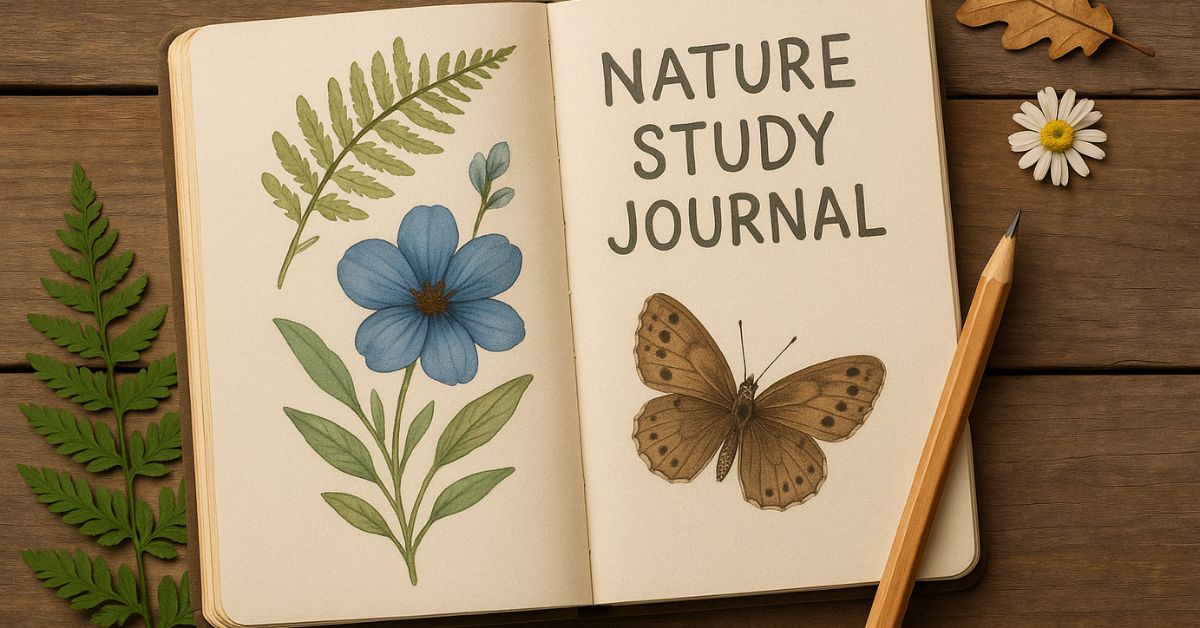
How to Create a Charlotte Mason Inspired Nature Study Journal

Charlotte Mason, a prominent 19th-century British educator, emphasized the importance of letting children learn through experience, especially in nature. Her philosophy encourages students to observe and document the natural world as a way to foster curiosity, creativity, and an appreciation for the outdoors. A nature study journal is a centerpiece of this approach, offering a way to integrate art, science, and storytelling into your homeschool day.

If you’re intrigued by the idea of combining hands-on learning with time outdoors, a Charlotte Mason nature study journal is a wonderful place to start. This post will guide you through creating your own nature journal, share journal ideas, and offer practical homeschool nature activities to make your studies more engaging.

What is a Charlotte Mason Nature Study Journal?

A Charlotte Mason-inspired nature study journal is a personal record where children document their outdoor observations. It’s usually a combination of sketches, notes, and reflections about the plants, animals, weather, and other natural phenomena they encounter. This tool not only helps develop scientific observation skills but also teaches children mindfulness and an appreciation for God’s creation.

These journals are informal and do not need to meet rigid standards, making them accessible to homeschoolers of all ages. Whether your child has a knack for drawing detailed insects or loves writing imaginative stories about trees, a nature journal is a flexible, multi-purpose record of their interactions with the world.

Materials to Get Started

To create a nature study journal, you don’t need an extensive supply list. Start with simple tools, and expand as your homeschool routine allows. Here’s a basic list of supplies:

  • A sturdy journal or notebook (preferably with thick, unlined pages to allow for artwork and writing)
  • Colored pencils or markers for drawings
  • Watercolor paints for more vibrant, artistic entries
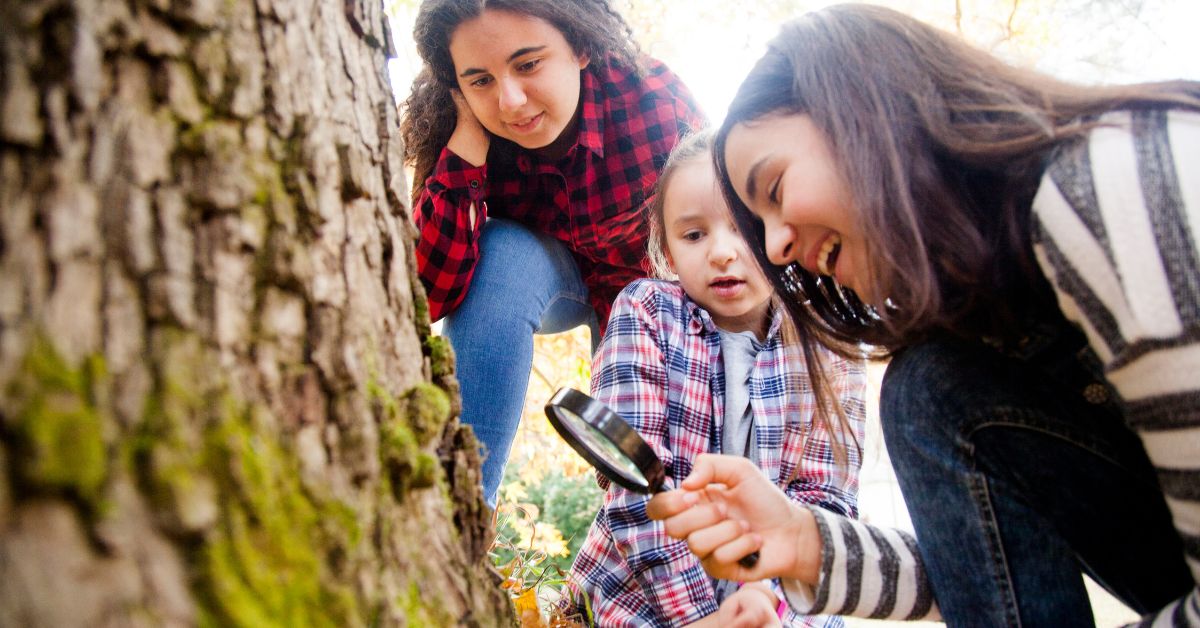
  • A magnifying glass for closer looks at plants, insects, and other natural objects
  • Glue or tape to attach small items like pressed flowers or leaves
  • Field guides for identifying flora, fauna, and other environmental elements
  • A pencil pouch to keep all supplies easily accessible for outdoor journaling
  • Weather-proof bag for nature walks to protect the journal from the elements

These tools are all you need to begin. Since journaling is organic and personal, feel free to add or eliminate materials based on your child’s preferences.

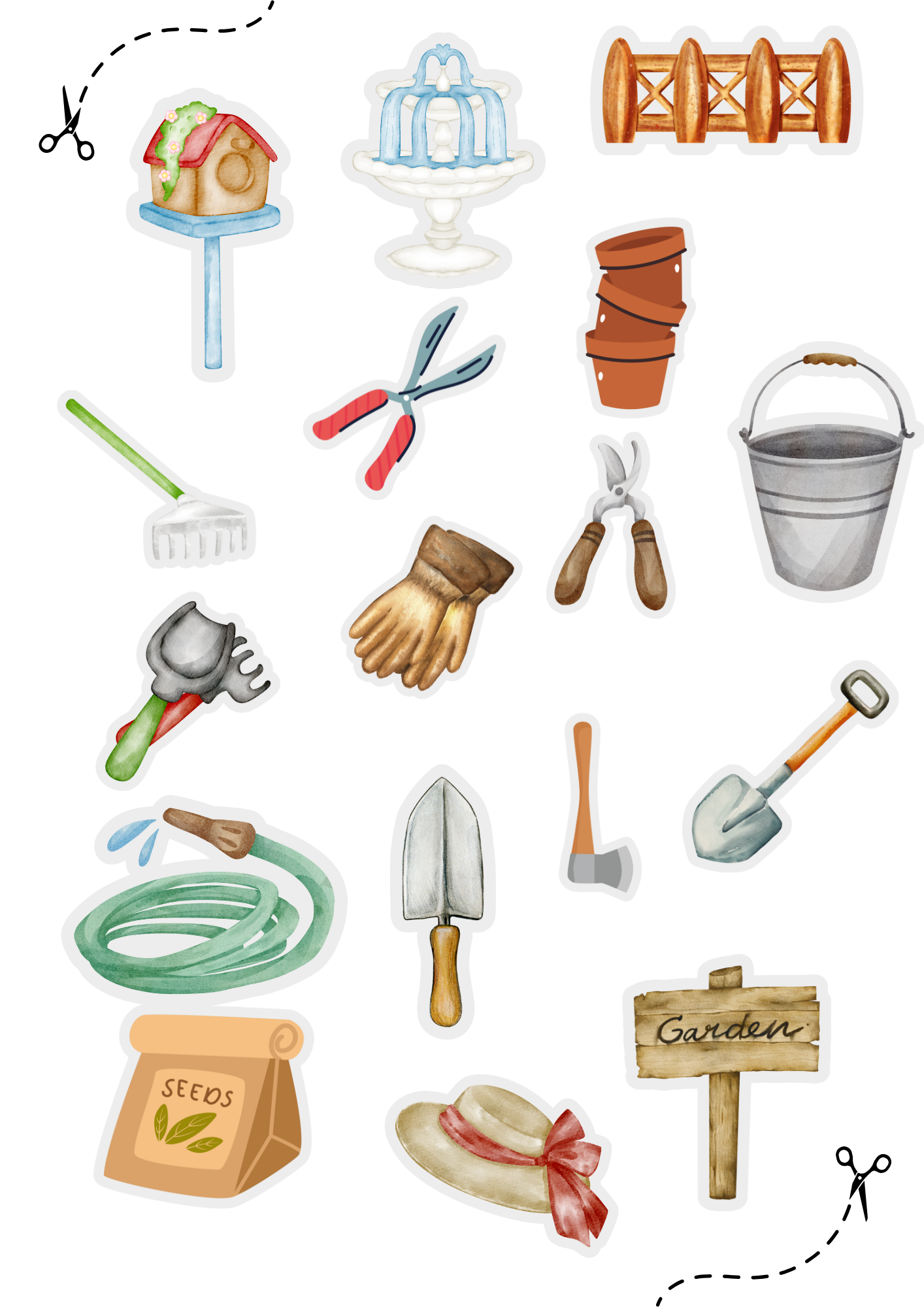
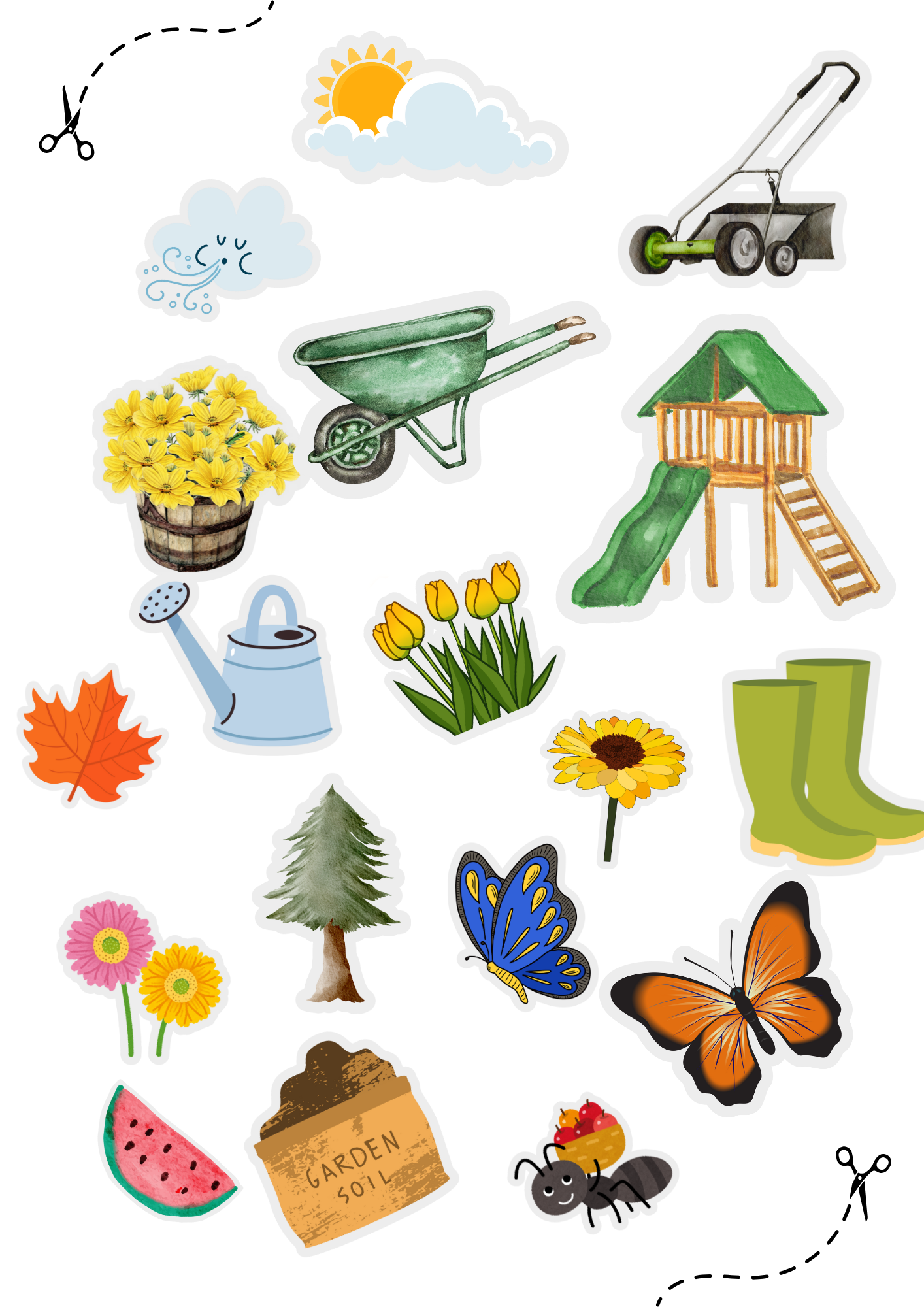
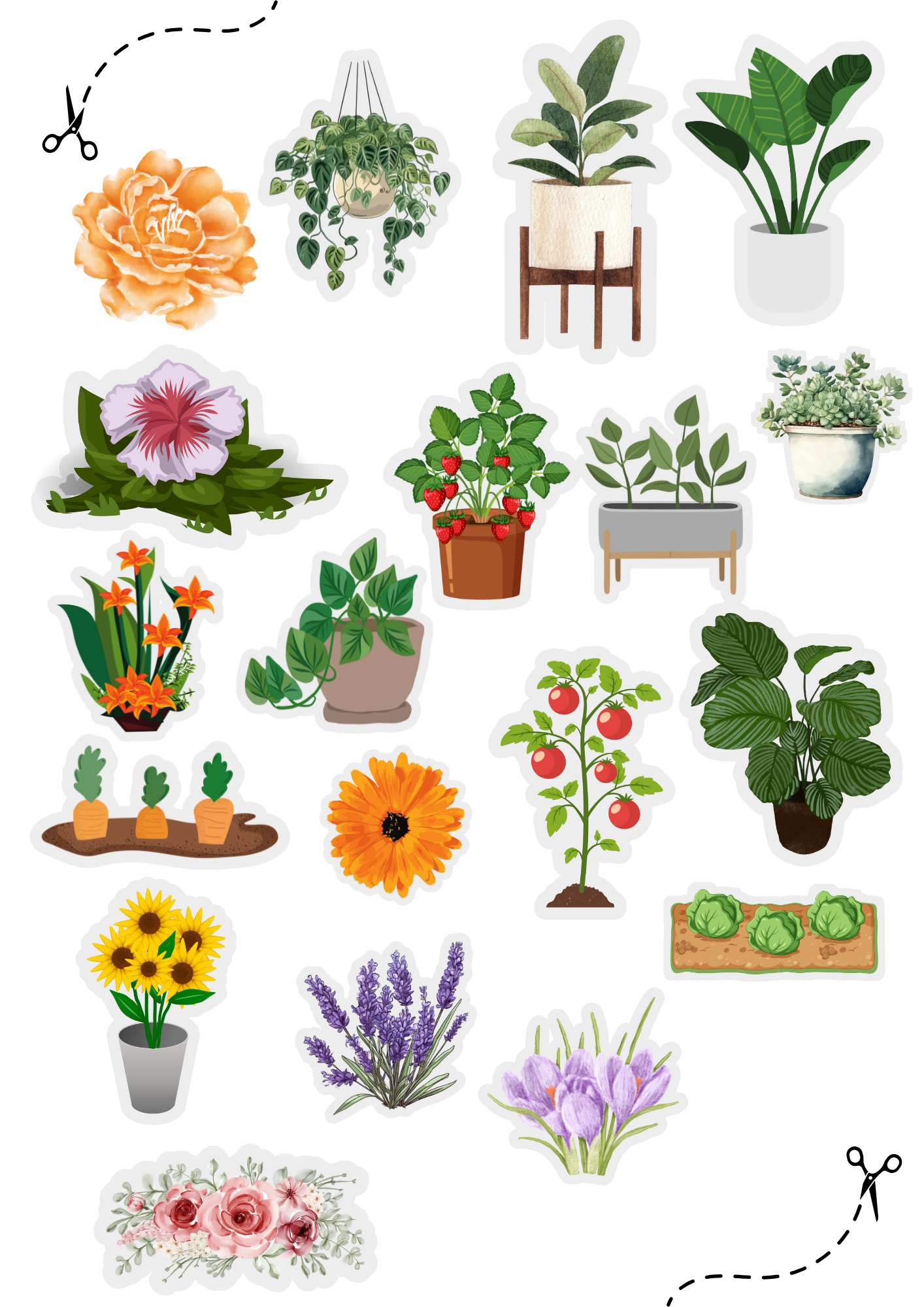
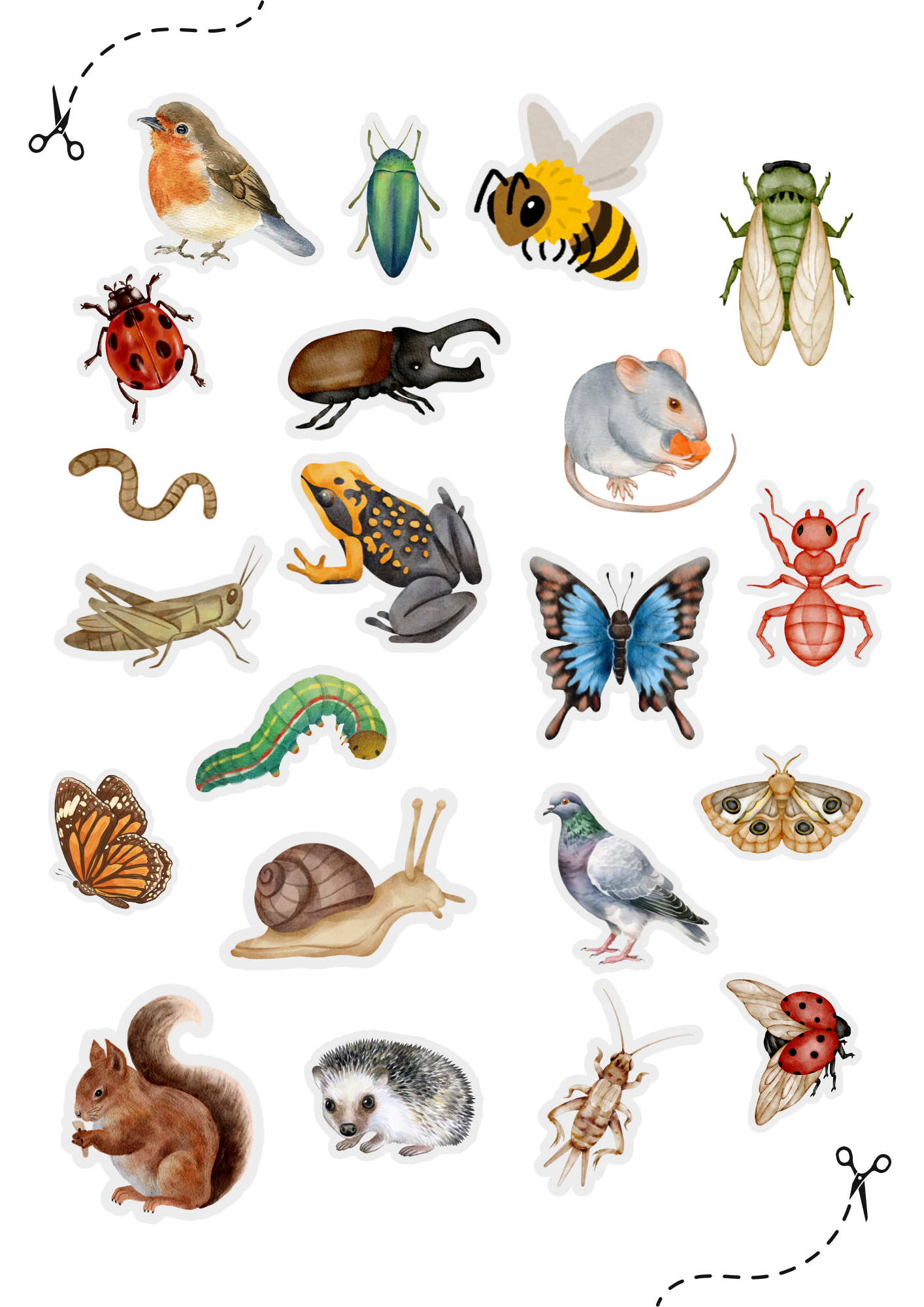
Transform your nature study journal with these delightful printable stickers! Just print, snip, and stick to bring your pages to life with a touch of creativity and charm!

Top Left
Top Right
Bottom Left
Bottom Right

Nature Journal Ideas

When it comes to journaling, there’s no one “right” way to do it. Each child will develop their own style over time. Here are a few Charlotte Mason nature study journal ideas to inspire your homeschool adventures:

  • Sketch and label plants: Take a walk in your backyard or garden and have your child draw flowers, leaves, or interesting plants. Encourage them to label each one and write down a quick description about where they found it.
  • Record weather patterns: Dedicate one section of the journal to observations about the clouds, rainfall, or temperature. Older students can even sketch cloud types like cirrus or cumulus and compare them to a weather guide.
  • Draw animal tracks: On muddy or sandy paths, look for evidence of animals that have passed through. Your child can sketch the tracks they see and hypothesize which creatures made them.
  • Leaf rubbings: If your child enjoys hands-on activities, teach them how to do leaf rubbings. Place a leaf under a page, lightly color over it with crayons, and watch the leaf’s veins and structure appear.
  • Seasonal studies: Have your child journal about how their surroundings change with the seasons. They can draw budding trees in spring or write a descriptive paragraph about autumn leaves.
  • Nature poems: Encourage creativity by adding short poems or haikus inspired by what they observe. This blends language arts with nature study beautifully.

Experiment with these ideas to find what resonates most with your child, and remember that the journal evolves over time.

Homeschooling with a Nature Study Journal

Benefits of Homeschooling with a Nature Study Journal

Charlotte Mason nature study doesn’t just expose children to the outdoors; it builds skills that stay with them for life. Journaling, in particular, offers a meaningful way to combine academic subjects while keeping learning dynamic and fun.

For younger children, creating a nature notebook helps develop fine motor skills through drawing and writing. It encourages a sense of wonder as they learn to notice the smallest details of a flowerpetal or bird feather. Meanwhile, for older students, nature journaling fosters critical thinking as they analyze patterns, make observations, and conduct simple nature experiments.

Another fantastic benefit is how this practice can establish a meaningful family rhythm. Nature study often means stepping away from screens, slowing down, and being fully present. Sharing journals as a family also adds layers of bonding and encourages even parents to reconnect with nature.

The Role of Outdoor Exploration

At the heart of a Charlotte Mason nature journal is the act of being outdoors. Nature study doesn’t happen in a vacuum, and you’ll gain the most value by spending regular time outside with your children.

Start incorporating outdoor exploration into your homeschool routine once or twice a week if possible. Visiting local parks, hiking trails, or even your backyard can offer plenty of opportunities to observe the natural world. Some parents enjoy setting seasonal or monthly themes to guide these walks, such as focusing on birds in the spring or wildflowers in the summer. Encourage observation skills by asking questions like, “What do you think this bird is doing?” or, “Why do you think the leaves on this tree are shaped this way?”

While exploring, try to approach nature in a gentle, curious way without rushing through observations. Building emotional connections to the natural environment helps develop not only scientific knowledge but also a child’s sense of stewardship for the world around them.

Fun Homeschool Nature Activities

Adding hands-on activities to your nature study will enrich your homeschool experience. Here are a few ideas that align with Charlotte Mason’s philosophy and work well alongside journaling:

Set up a bird feeder in your yard and record details about visiting species in the journal. Your child can sketch their feather colors, note the type of seeds they eat, and even name the birds!

Go on scavenger hunts where children search for specific items like acorns, pine cones, or different shades of green. Create a list in advance to make the activity structured yet flexible.

Conduct a tree study by selecting one tree in your yard or nearby park. Encourage your child to observe its changes over time, sketch its leaves or bark, and write about any animals or birds that rely on it for shelter.

Press flowers and leaves using a heavy book and wax paper. Once dried, your child can tape these into their journal and label them with plant names, making it a mini herbarium.

Build a mini insect habitat in a jar and observe how insects crawl, eat, and interact. (Be sure to release them safely when the activity is done.)

Track the moon phases over a month and create corresponding sketches or notes.

With these activities, your child engages their senses while learning biology, geography, and other natural sciences.

Implementing a Routine

Consistency is key to making nature journaling a sustained part of your homeschooling experience. Ideally, try to set aside one day each week as “nature study day.” After spending some time outside, transition into journaling while your child’s observations are still fresh.

Create a quiet, inviting space for journal entries. Place all art supplies nearby, and give your child ample time to explore their creativity. If you have multiple children, encourage everyone to share their journals at the end of the session.

It’s also helpful to model interest in journaling by creating your own entries. When children see you involved, they’re more likely to enjoy it themselves.

By integrating these ideas into your homeschool routine, you’ll nurture a love for learning while instilling an appreciation for the beauty of the natural world. A Charlotte Mason nature study journal is not just a tool for education but a keepsake of your child’s personal growth and exploration.

How To Teach Music If You Don’t Know How To Play An Instrument

Teaching music can feel intimidating if you don’t know how to play an instrument. However, you don’t need to be a professional musician to introduce children to the joy of music. With the right approach, tools, and techniques, you can create a music education program that inspires creativity and builds musical skills. Here’s how to do it with vocal music education, digital tools, and body percussion methods.

Vocal Music Education

Vocal music is one of the most accessible ways to teach music. Everyone has a voice, and kids can explore melody, rhythm, and dynamics through singing. Here’s how to build vocal skills:

  1. Start With Simple Songs
  • Choose songs with repetitive lyrics and simple melodies. Nursery rhymes and folk songs are excellent options. Songs like “Twinkle, Twinkle, Little Star” or “Row, Row, Row Your Boat” encourage children to sing confidently.
  • Make these songs interactive by including fun actions or singing games.
  1. Teach Vocal Warm-Ups
  • Encourage kids to take care of their voices by introducing simple warm-ups. Practice humming, lip trills, and scales.
  • Use imagery like “pretend you’re an ambulance” or “buzz like a bee” to make warm-ups entertaining.
  1. Focus on Rhythm and Pitch
  • Clap out rhythms and have children repeat them. This helps them internalize tempo and timing.
  • Use a xylophone app or a pitch pipe (there are free digital versions) to introduce pitch and help kids match tones.
  1. Try Call-and-Response Songs
  • Call-and-response patterns make singing interactive. One person sings a phrase, and the group responds. Songs like “Oh, My Darling Clementine” or “Kum Ba Yah” work well for this.
  • This method builds listening and coordination skills.
  1. Encourage Creativity
  • Create opportunities for kids to make up their own lyrics or melodies. They’ll feel ownership of the learning process and build confidence.
  • Offer prompts like “sing about your favorite animal” or “create a song about today’s weather.”
  1. Sing Along to Recordings
  • Play familiar songs and have kids sing along. This gives them a model to mimic and provides exposure to different musical styles.
  • Consider incorporating songs in other languages to introduce cultural variety.

Benefits of Vocal Music

Focusing on vocal music doesn’t just teach children about melody and rhythm. It also improves listening skills, boosts memory, and builds confidence. Even if you feel you’re not the world’s greatest singer, modeling enthusiasm encourages kids to participate.

Digital Music Tools for Teaching

Modern technology makes music education easier for those who lack formal training. By using digital tools, you can set up engaging lessons while broadening what students can learn. Here are some tools and strategies to try:

  1. Music Apps
  • Apps like GarageBand, Chrome Music Lab, and Simply Piano are user-friendly and designed for learners of all ages. GarageBand lets kids experiment with composing and arranging music. Chrome Music Lab introduces concepts like rhythm, tempo, and sound waves in a hands-on way.
  • Many apps are free or have free versions, making them budget-friendly for homeschoolers.
  1. Online Video Tutorials
  • Platforms like YouTube have countless tutorials on rhythm, basic singing techniques, and beginner music theory. Channels like Hoffman Academy or MusicK8 provide child-friendly lessons.
  • Follow along with videos together so you can learn alongside your homeschoolers.
  1. Digital Instruments
  • Even if you don’t own physical instruments, digital keyboards, drum pads, or guitar simulators can replicate the experience. Apps like Virtual Piano allow children to practice on a digital keyboard.
  • Pair these digital tools with tutorials or sheet music to guide structured practice.
  1. Looping and Layering Music
  • Show kids how to create loops (repeating patterns) and layer tracks using apps like Soundtrap or Loopimal. These apps can teach how different instruments work together to build a song.
  • Start with simple loops like creating a drumbeat or a short melody, then add more complexity as they gain confidence.
  1. Interactive Games
  • Gamified learning apps like Rhythm Trainer help kids build skills by turning practice into play. With challenges and rewards, these apps make it enjoyable to master beat patterns or solve musical puzzles.
  • Games like “NoteWorks” teach basic note reading through fun interactive exercises.
  1. Record and Playback
  • Many digital tools allow you to record and playback what you create. This gives kids a chance to hear their progress and identify areas to improve.
  • You can also guide discussions on how certain sounds or rhythms evoke emotions in their compositions.

Why Use Digital Tools?

Digital tools break down complex musical concepts into manageable parts. They foster experimentation, which makes the learning process exciting while keeping it structured. Even without traditional instruments, kids can practice composing, rhythm, and listening skills.

Body Percussion Techniques

Body Percussion Techniques

Teaching body percussion is an excellent way to develop rhythm skills without any instruments. It connects movement and sound, creating a fun and interactive experience for kids. Here’s how to use it effectively:

  1. Explore Basic Movements
  • Start with simple techniques like clapping, snapping fingers, and patting thighs. These actions are easy for kids to follow.
  • Combine movements into patterns. For example, tap thighs twice, clap once, then snap.
  1. Create Rhythmic Chants
  • Pair rhythmic patterns with chants or poems. For example, chant a line like “Feel the beat, move your feet” while clapping or tapping in time.
  • Chants improve coordination between speech and movement, boosting rhythm awareness.
  1. Layer Rhythms
  • Divide kids into small groups and have each group perform a different pattern. For instance, some may clap a steady beat while others tap a syncopated rhythm.
  • Layering builds teamwork and allows children to experience how rhythms interact.
  1. Imitate Sounds in Nature
  1. Use Existing Songs
  • Teach kids how to add body percussion to familiar songs. For example, they can clap on every beat of “You Are My Sunshine” or stomp to the rhythm of “The Ants Go Marching.”
  • Have them experiment by replacing one kind of movement with another to create variety.
  1. Make It a Game
  • Play games like “Body Percussion Simon Says,” where you act as the leader, performing a rhythm for them to copy.
  • Add challenges by speeding up, slowing down, or introducing more complex patterns as they improve.

Why Choose Body Percussion?

Body percussion is low-pressure and fun, making it an effective way to teach rhythm without specialized equipment. It also helps kids develop coordination and spatial awareness while tapping into their natural sense of rhythm.

Tips for a Well-Rounded Music Program

  • Combine Methods: Mix vocal music, digital tools, and body percussion so that children experience both traditional and modern approaches to music learning.
  • Be Consistent: Dedicate regular time to music education in your homeschool schedule. Even 10–15 minutes a day will show results over time.
  • Encourage Exploration: Foster curiosity by introducing a variety of music genres, from classical to jazz to world music. Play recordings or use YouTube to expose them to different styles.
  • Celebrate Progress: Celebrate accomplishments, no matter how small. Whether it’s singing on pitch, creating a rhythm pattern, or composing a short song, positive reinforcement builds confidence.
  • Invite Family Participation: Get siblings or parents involved. Singing together or creating rhythms as a group makes music learning a shared experience.

Teaching music without knowing how to play an instrument is a challenge, but it’s also a rewarding experience. Through these approaches, you’ll be able to guide your children as they discover the beauty and joy of music. By focusing on vocal education, integrating digital tools, and exploring the world of body percussion, you can foster a love for music that will last a lifetime.