Spring Art Projects Inspired by Flowers and Nature

Spring art projects inspired by flowers and nature are one of the easiest ways to bring creativity into your homeschool day. You don’t need expensive supplies or a perfect plan—just a willingness to explore, observe, and let your child create freely.

How Can Parents Encourage Progress Instead Of Perfection?

Encouraging progress instead of perfection starts with shifting your mindset as a parent. Your child doesn’t need to produce a “Pinterest-perfect” masterpiece to learn and grow—they need space to try, experiment, and even mess up a little.

Here are practical ways to make that shift happen:

  • Praise effort, not results
    Say: “I love how you tried different colors” instead of “That looks perfect.” 
  • Normalize mistakes
    Share your own imperfect drawings or projects. Let them see that learning is messy. 
  • Set time limits, not outcome goals
    “Let’s create for 20 minutes” instead of “Let’s make something beautiful.” 
  • Display all work equally
    Hang up their scribbles next to their “best” pieces to show all effort matters. 
  • Ask open-ended questions
    “Tell me about your artwork” instead of “What is it supposed to be?” 

When kids feel safe to create without pressure, they naturally improve over time. That’s where real learning happens.

Easy Spring Art Projects Using Flowers And Nature

You don’t need a full art curriculum to make meaningful projects. Nature gives you everything you need.

Here are simple, low-prep ideas you can start this week:

1. Flower Press Art

  • Collect flowers and leaves during a nature walk 
  • Press them between books for a few days 
  • Glue them onto paper to create designs or bookmarks 

2. Nature Collage

  • Use sticks, petals, grass, and leaves 
  • Glue onto cardboard or construction paper 
  • Let your child design freely (no template needed!) 

3. Painted Flower Prints

  • Dip flowers or leaves in paint 
  • Press onto paper for unique patterns 
  • Experiment with colors and layering 

4. Outdoor Sketching

  • Sit outside with a notebook 
  • Draw what you see—trees, flowers, insects 
  • No pressure for accuracy—just observation 

5. Mud Painting (Yes, really!)

  • Mix dirt and water 
  • Paint on cardboard or paper 
  • Add small natural elements for texture 

Quick tip: Keep a small “nature basket” at home where kids can store their collected items for future projects.

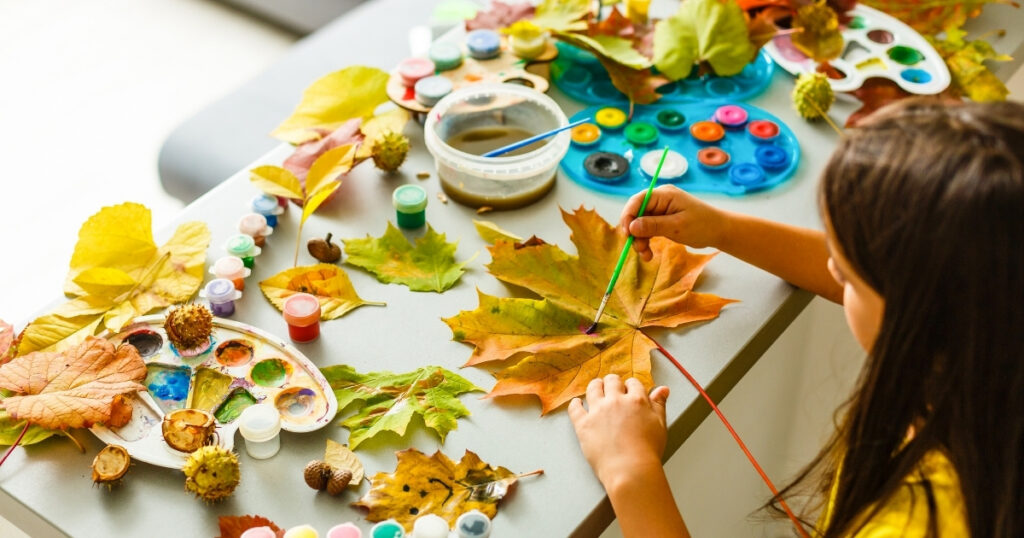
Child with blonde hair paints a circular floral mandala on a wooden board, colorful jars of paint nearby, as a woman watches in the background.

Making Art Part Of Your Homeschool Routine

Many parents feel like art has to be a separate subject—but it doesn’t. The easiest way to stay consistent is to weave it into what you’re already doing.

Try this:

  • Science + Art
    Draw plant life cycles or label flower parts 
  • Reading + Art
    Illustrate scenes from books set in spring 
  • Writing + Art
    Create nature journals with drawings and short descriptions 
  • Math + Art
    Count petals, measure leaves, or create patterns 

You don’t need extra hours in your day—just a little creativity in how you use the time you already have.

Spring has a way of slowing things down just enough for families to reconnect with simple routines. When you step outside with your child, even for a few minutes, learning starts to feel natural instead of forced. The colors, textures, and smells of the season invite curiosity without you having to plan every detail.

One of the biggest mindset shifts we encourage at DKM Homeschool Resource is letting go of control during creative time. When parents loosen their expectations, children often surprise them with ideas they would have never planned themselves. That freedom builds confidence much faster than strict instruction ever could.

It’s also worth remembering that creativity develops over time. The child who scribbles today may be sketching detailed flowers in a few months—not because they were pushed, but because they were given room to grow. Progress in art, just like any homeschool subject, happens quietly and gradually.

Common Mistakes Parents Make (And How To Avoid Them)

Even with the best intentions, it’s easy to fall into habits that limit creativity.

Here are a few to watch for:

Mistake 1: Over-directing the project

Fix: Give general guidance, then step back.

Mistake 2: Comparing siblings or other kids

Fix: Focus only on your child’s growth.

Mistake 3: Expecting finished-looking results

Fix: Embrace unfinished, messy, or abstract work.

Mistake 4: Doing the project for them

Fix: Let their work look like theirs, not yours.

Mistake 5: Skipping art because it feels “extra”

Fix: Treat art as part of learning, not a bonus activity.

Simple rule to remember: If your child is engaged and experimenting, the project is successful.

Simple Weekly Plan You Can Start Right Now

If you’re overwhelmed, start small. Here’s a realistic plan that fits into a busy homeschool schedule:

Day 1: Nature Walk + Collect Items

Keep it short—15–20 minutes is enough.

Day 2: Observation Drawing

Draw what you collected (no pressure for detail).

Day 3: Creative Project

Use items for collage, printing, or painting.

Day 4: Journal Reflection

Write or dictate a few sentences about what they made.

Day 5: Display + Share

Hang artwork or share with family.

This structure keeps things simple while building consistency.

There’s something powerful about repetition in a gentle routine like this. Kids begin to expect creative time, and instead of resisting it, they start looking forward to it. That anticipation is a sign you’re building something sustainable, not just checking a box for the week.

Parents often tell us they feel pressure to do more, add more, or improve faster. But what we’ve seen time and time again is that consistency beats intensity. A few small, meaningful art sessions each week will have a bigger impact than an occasional, overplanned project that leaves everyone exhausted.

When you keep things simple, you also create space for connection. These moments—painting together, laughing at messy hands, talking about what you see outside—are often the parts of homeschooling your child will remember most.

Low-Cost Supplies And Resource Ideas

You don’t need to spend much to create a rich art experience.

Here are budget-friendly options:

  • Dollar store paints, brushes, and paper 
  • Recycled materials (cardboard, egg cartons, newspaper) 
  • Old magazines for collages 
  • Backyard or park nature finds 
  • Free printable nature journals online 

Helpful tip: Create a small “art bin” so supplies are easy to grab anytime.

FAQs About Spring Art Projects

FAQ: What are the best spring art projects for homeschoolers?
Simple projects like flower pressing, nature collages, and outdoor sketching work best. These hands-on homeschool art activities are easy to set up, low-cost, and encourage creativity without pressure. They also tie naturally into seasonal learning.

FAQ: How do I teach art at home if I’m not creative?
You don’t need to be artistic to guide spring art projects. Focus on providing materials and encouragement rather than instruction. Let your child explore freely, and use nature as inspiration—it takes the pressure off both of you.

FAQ: How often should we include art in our homeschool schedule?
Aim for 2–3 short sessions per week to keep things consistent without overwhelm. Regular exposure to homeschool art activities builds confidence and skills over time. Even 15–20 minutes makes a difference.

Simple Ideas You Can Actually Use

Spring art projects inspired by flowers and nature are about more than just creativity, they’re about building confidence, curiosity, and connection in your homeschool. When you focus on progress instead of perfection, you give your child the freedom to grow in ways that truly matter.

You don’t need complicated plans or expensive supplies to create meaningful learning experiences. Start small, stay consistent, and enjoy the process alongside your child.

If you’re looking for more practical homeschool tips, encouragement, and simple ideas you can actually use, keep exploring DKM Homeschool Resource. We’re here to make homeschooling feel doable, and even enjoyable, one step at a time.

How Art and Music Support Learning in Waldorf Homeschooling

Art and music aren’t extras in Waldorf homeschooling—they’re essential tools that help children understand, remember, and enjoy what they learn. When used intentionally, they support deeper thinking, emotional development, and even academic skills like reading and math.

What Is The Waldorf Music Theory?

Waldorf music theory focuses on teaching music through experience before explanation. Instead of starting with notes and rules, children first learn through singing, movement, and rhythm. They feel music in their bodies before analyzing it intellectually.

In early years, this might look like:

  • Singing simple pentatonic songs 
  • Clapping rhythms together 
  • Moving or dancing to music 
  • Listening to live or recorded instruments 

As children grow, theory is introduced gradually:

  1. Middle grades: basic notation, intervals, and scales 
  2. Later grades: harmony, composition, and music history 

The key idea is developmental readiness. Children absorb musical patterns naturally first—just like language—before learning formal theory.

Quick tip: If your child struggles with traditional music lessons, try stepping back. Focus on singing together daily instead of jumping straight into sheet music.

Why Art And Music Matter So Much In Waldorf Homeschooling

In Waldorf education, art and music are not separate subjects—they are woven into everything. A history lesson might include painting a scene, while math might involve rhythmic counting or drawing geometric forms.

This approach works because:

  • It engages multiple parts of the brain 
  • It makes abstract concepts concrete 
  • It builds emotional connection to learning 

Think about it this way:
A Situs naga169 who draws a story understands it more deeply than one who only reads it. A child who sings multiplication tables remembers them faster than one who drills worksheets.

Practical example:
Instead of just reading about seasons, your child could:

  • Paint seasonal colors 
  • Sing songs about weather changes 
  • Draw a nature journal weekly 

This turns passive learning into active discovery.

Common mistake to avoid:
Trying to “add” art and music on top of an already packed schedule. In Waldorf homeschooling, they replace traditional methods—not add to them.

Simple Ways To Use Art Daily (Even If You’re Not Artistic)

Let’s be honest—many parents feel intimidated by art. You don’t need to be “good” at it. You just need to create space for it.

Here are easy ways to start this week:

1. Main Lesson Drawings

After reading or teaching a topic, have your child draw what they learned.

  • Science: draw a plant lifecycle 
  • History: sketch a historical scene 
  • Language arts: illustrate a story 

2. Form Drawing

This is a Waldorf staple and incredibly simple.

  • Draw lines, curves, spirals 
  • Practice symmetry 
  • Repeat patterns 

It builds focus, handwriting skills, and spatial awareness.

3. Watercolor Painting

Start with just 2–3 colors.

  • Let colors blend naturally 
  • No pressure for “perfect” results 
  • Focus on mood and feeling 

Quick win:
Set a 10-minute art time daily. Consistency matters more than complexity.

Woman sits by a sunny window, playing a wooden flute while three children paint at a round table with art supplies nearby.

Bringing Music Into Your Homeschool Routine

Music can feel overwhelming if you think it requires instruments or formal training. It doesn’t.

Start small and build naturally.

Easy ways to include music:

  • Sing a morning song to start the day 
  • Use rhythm clapping for memorization 
  • Play soft background music during quiet work 
  • Learn one simple folk song per week 

Weekly music rhythm idea:

  • Monday: learn a new song 
  • Tuesday–Thursday: practice and repeat 
  • Friday: perform together (even just for fun) 

No-instrument options:

  • Body percussion (clapping, stomping) 
  • Simple hand drums 
  • Recorder (a common Waldorf instrument) 

Common mistake to avoid:
Jumping into formal lessons too early. Waldorf education emphasizes experience before structure.

This is where many parents notice a shift in their homeschool. When music becomes part of daily life, learning feels lighter and more connected. Children begin to anticipate lessons instead of resisting them, because the experience feels engaging rather than forced. Even simple routines like singing together can change the tone of your entire day.

Over time, you may notice improvements that go beyond academics. Children often become more patient, more attentive, and more expressive. These changes happen gradually, but they are powerful. Music gives children a way to process emotions and experiences that they may not yet have words for.

Parents often tell us they were surprised by how much music helped with memory and retention. Concepts that once required repetition suddenly “stick” when paired with rhythm or melody. This is one of the quiet strengths of Waldorf homeschooling—it works with how children naturally learn, not against it.

How This Approach Builds Stronger Learners (Not Just Creative Kids)

It’s easy to assume art and music are just about creativity. In Waldorf homeschooling, they actually support core academic skills.

Here’s how:

1. Improved Memory

Rhythm and imagery help children retain information longer.

Example:
A child who sings spelling words will remember them faster than one who writes them repeatedly.

2. Better Focus

Art requires attention to detail and patience.

  • Completing a painting builds endurance 
  • Repeating a song strengthens concentration 

3. Emotional Development

Children process feelings through creative expression.

  • Drawing helps with storytelling 
  • Music supports mood regulation 

4. Stronger Thinking Skills

Art encourages observation and interpretation.

  • What colors represent this feeling? 
  • How does this shape connect to math concepts

Simple step for this week:
Pick one subject you already teach and add either:

  • a drawing activity, OR 
  • a song or rhythm exercise 

Keep it simple. Don’t overcomplicate.

Low-Cost Resources To Get Started

You don’t need expensive materials to do this well.

Affordable art supplies:

  • Basic watercolor set 
  • Beeswax crayons or colored pencils 
  • Sketchbook or plain paper 

Free or low-cost music resources:

  • YouTube folk songs or children’s songs 
  • Library CDs or playlists 
  • Free recorder tutorials online 

DIY ideas:

  • Make your own rhythm instruments (rice in jars, etc.) 
  • Use nature (sticks, stones) for creative play 
  • Create a family songbook 

Helpful mindset shift:
It’s not about having the “right” materials—it’s about creating consistent experiences.

There’s something special that happens when art and music become part of your homeschool rhythm. The home feels calmer, more intentional, and even joyful. Lessons stop feeling like tasks to complete and start becoming moments you share together. This shift is often what keeps families committed to homeschooling long-term.

You may also notice your child becoming more confident in unexpected ways. A quiet child might begin to sing freely, or a hesitant learner might express ideas through drawing before speaking them aloud. These small breakthroughs are signs that learning is happening on a deeper level.

As a parent, it can feel refreshing too. Instead of constantly managing behavior or pushing through resistance, you begin to guide and observe. The pressure eases, and homeschooling becomes something you experience alongside your child—not something you have to control every minute.

FAQs

FAQ: How does Waldorf homeschooling use music in early education?
Waldorf homeschooling uses music through singing, rhythm, and movement rather than formal instruction. Young children learn through imitation and repetition, which builds strong foundations for later music theory. This approach supports both creativity and early childhood learning.

FAQ: Do I need to be artistic to teach Waldorf art at home?
Not at all. Waldorf homeschooling focuses on the process, not perfection. Simple activities like drawing, painting, and coloring are enough to support learning. Many homeschooling parents find that their own confidence grows alongside their child’s creativity.

FAQ: What are the benefits of art and music in homeschooling?
Art and music improve memory, focus, and emotional development in homeschooling environments. They make lessons more engaging and help children retain information naturally. These methods are especially effective in Waldorf education and creative homeschooling approaches.

Explore More Articles

Art and music aren’t just “nice extras”—they are powerful tools that can completely transform your homeschool experience. By weaving creativity into your daily routine, you’re not only helping your child learn more effectively, you’re building a learning environment that feels calm, connected, and meaningful.

Start small this week. Add one song. Try one drawing activity. Keep it simple and consistent. That’s where the magic begins.

If you’re looking for more practical homeschooling tips, encouragement, and step-by-step guidance, explore more articles here at DKM Homeschool Resource. You don’t have to figure this out alone, we’re here to help you every step of the way.

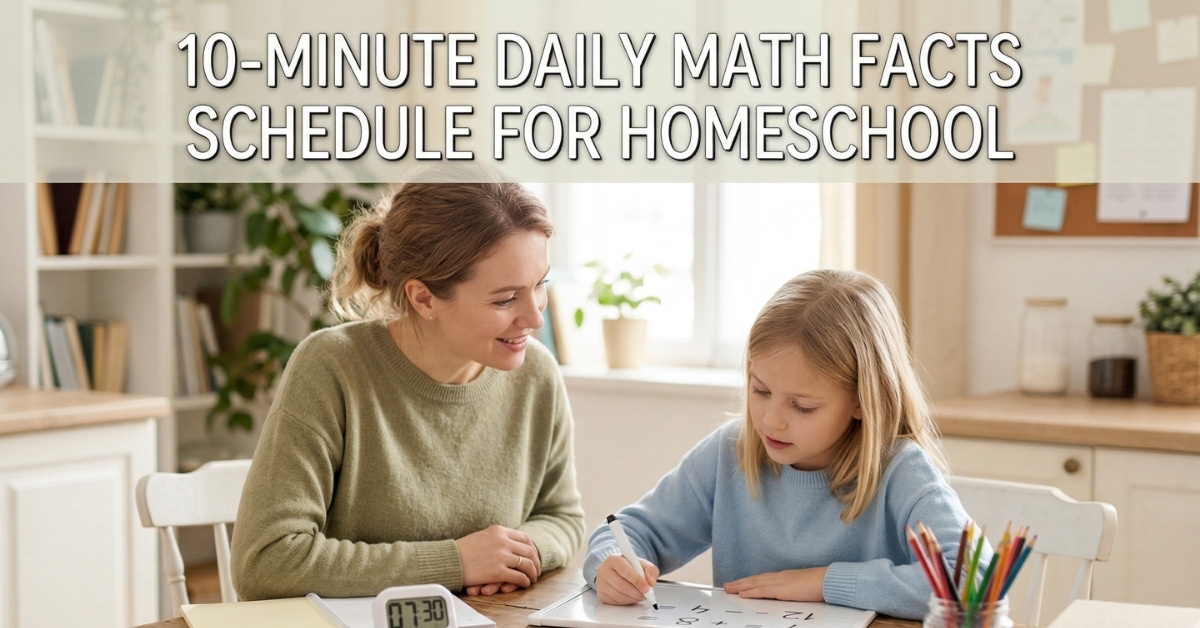
10-Minute Daily Math Facts Schedule for Homeschool

Yes, you really can build strong math fact fluency in just 10 minutes a day. The key isn’t longer lessons — it’s consistency, structure, and a simple routine that works with your homeschool rhythm instead of against it.

Many parents think math facts require endless drills or expensive programs. They don’t. With a focused daily plan, your child can gain confidence, speed, and accuracy without tears (yours or theirs).

How To Build Math Fact Fluency At Home?

Building math fact fluency at home doesn’t require a full curriculum overhaul. It requires small, focused practice every day. When math facts become automatic, your child frees up brain space for higher-level problem-solving.

Here’s the simple truth: fluency is built through short, repeated exposure — not marathon math sessions.

A practical 10-minute structure looks like this:

  1. 2–3 minutes: Warm-up review
    • Oral practice of previously mastered facts
    • Flashcards (fast-paced, no pressure)
    • Skip counting together
  2. 3–4 minutes: Focus practice
    • One fact family at a time
    • Small set (like +6 facts only)
    • Write or say answers quickly
  3. 2–3 minutes: Fun reinforcement
    • Math facts card game
    • Timed “beat your own score” challenge
    • Whiteboard race
    • Dice or domino practice

That’s it. Ten minutes. Done.

The most important part? Daily consistency.

If you do 10 minutes five days a week, you’ll see more progress than one long 45-minute session once a week.

Now let’s make it even more practical.

The Simple 10-Minute Daily Schedule (Step-By-Step)

Busy homeschool parents need clarity. Here’s exactly what you can start this week.

Step 1: Pick One Operation at a Time

Don’t mix addition, subtraction, multiplication, and division all at once.

Focus like this:

  • Addition until fluent
  • Then subtraction
  • Then multiplication
  • Then division

If your child struggles, narrow it even more:

  • Only +5 facts for one week
  • Only x7 facts for several days

Narrow focus builds faster confidence.

Step 2: Use the “Mastery Loop”

Here’s how the loop works:

  • Introduce 5–10 new facts.
  • Practice daily.
  • When accuracy hits about 90%, move them to review.
  • Add a new small set.

Keep cycling old facts back in.

This prevents the classic homeschool frustration:

“They knew this last month… what happened?”

What happened is simple — no spaced repetition. The loop fixes that.

Step 3: Keep It Light (Avoid the Drill Trap)

Many parents accidentally turn math facts into a battle.

Here’s what to avoid:

  • Forcing speed too early
  • Long timed tests
  • Shaming slow answers
  • Practicing 30 minutes “until you get it right”

Fluency grows from confidence. Confidence grows from manageable success.

If your child melts down during timed drills, remove the timer for a week. Bring it back later as a personal challenge — not a threat.

Why 10 Minutes Works Better Than 30

Why 10 Minutes Works Better Than 30

Parents often assume longer equals better. In reality, longer often equals burnout.

Children’s brains love:

  • Short bursts
  • Predictable routines
  • Quick wins

A 10-minute block feels doable. It doesn’t overwhelm the day. It doesn’t derail the schedule.

And because it’s short, parents actually stick with it.

Consistency beats intensity every time.

When math fact practice becomes a calm daily rhythm rather than a dreaded event, children begin to approach math differently. They stop bracing for frustration. They begin expecting success. Over time, that emotional shift becomes just as important as the academic gains, especially in early elementary years.

You might even notice something surprising: your child starts answering facts casually throughout the day. In the car. At the grocery store. During board games. That’s fluency taking root.

Real-Life Homeschool Examples

Let’s make this practical.

Example 1: Second Grader Learning Addition

Sarah, age 7:

Within three weeks, +8 facts were automatic.

Example 2: Fourth Grader Struggling with Multiplication

Daniel, age 9:

  • Week 1–2: x3 facts only
  • Used a whiteboard speed race
  • Friday: “Beat your score” challenge

After narrowing focus, frustration dropped dramatically.

Example 3: Large Family Homeschool

Mom with four kids:

  • 10-minute math block after breakfast
  • Each child rotates independently
  • Older kids self-time

Math facts no longer dragged across the morning.

The key pattern in every example?
Short. Focused. Repeatable.

Common Mistakes Homeschool Parents Make

Common Mistakes Homeschool Parents Make

Let’s gently fix these.

Mistake #1: Waiting Too Long to Start

Even kindergarteners can begin:

  • Counting
  • Skip counting
  • Simple addition facts

Early exposure makes later fluency easier.

Mistake #2: Mixing Too Many Facts

When everything is practiced at once, nothing sticks.

Small batches = stronger retention.

Mistake #3: Only Practicing on “Math Days”

Math facts are foundational. They should happen most homeschool days — even during light weeks.

Mistake #4: Assuming Memorization Is “Bad”

Some parents fear rote memory.

Here’s the reality:
Automatic recall frees up working memory. It doesn’t replace understanding — it supports it.

When a child doesn’t have to think about 7 + 8, they can focus on solving multi-step problems later.

Building math fact fluency is less about finding the perfect homeschool math curriculum and more about building a repeatable habit. Parents often search for the magic workbook or subscription program, but in truth, fluency comes from consistent exposure. Even simple tools like index cards or a free printable can be powerful when used daily.

Children also respond strongly to predictable routines. If math facts always happen right after breakfast or right before lunch, resistance decreases over time. The brain begins to expect that short effort window, and because it’s brief, it rarely feels overwhelming. This predictability is especially helpful for new homeschool families trying to establish structure.

Easy Resources (Free And Low-Cost)

You do NOT need to overspend.

Here are simple options:

Free

  • Printable math fact worksheets online
  • Printable flashcards
  • DIY index card flashcards
  • Skip counting songs on YouTube

Low-Cost

  • Math fact card games
  • Dice sets
  • Dry-erase boards
  • Basic timer

Simple Games to Try

  • War (using flashcards)
  • Roll two dice and multiply
  • “Around the World” with siblings
  • Speed write on a whiteboard

You can rotate games weekly to keep it fresh.

Simple Action Plan For This Week

Let’s keep this practical.

Here’s what you can do in the next 7 days:

  1. Choose one operation.
  2. Pick one small fact group.
  3. Print or write flashcards.
  4. Schedule 10 minutes after breakfast.
  5. Track progress for one week.

That’s it.

Don’t overcomplicate it.

After one week, assess:

  • Is accuracy improving?
  • Is resistance decreasing?
  • Is confidence growing?

If yes — keep going.

If no — reduce the batch size.

Small wins build momentum in homeschool math faster than dramatic changes.

Sometimes parents feel discouraged because progress feels slow. Remember, math fact fluency builds like layers of paint. Each day adds a thin coat. You may not see dramatic change after three days, but after three weeks, the transformation becomes obvious.

Your homeschool doesn’t need to look like a classroom. It can look like a kitchen table, a couch, or even five minutes on the floor with flashcards. What matters most is the rhythm you create. Ten focused minutes a day compounds into real mastery over time.

Got Questions? We Have Answers!

FAQ: How long does it take to build math fact fluency?
Most children show noticeable improvement within 3–6 weeks of consistent daily practice. Full mastery of an operation can take 2–3 months depending on the child and the operation. A structured homeschool math schedule with spaced repetition accelerates progress.

FAQ: Should I use timed tests in our homeschool math routine?
Timed tests can help build speed, but they should be introduced gently. Start without pressure and focus on accuracy first. In a healthy homeschool math routine, timers are tools for growth — not stress triggers.

FAQ: What’s the best homeschool math curriculum for teaching math facts?
No single homeschool math curriculum guarantees fluency. Even the best program works better when paired with short daily math facts practice. Consistency and repetition matter more than brand names.

Providing Practical Quidance

Building math fact fluency doesn’t require stress, tears, or complicated systems. It requires consistency, focus, and a manageable plan that fits your homeschool life.

Ten minutes a day may feel small — but it’s powerful. Over weeks and months, those minutes add up to confidence, speed, and real academic growth.

If you’re feeling overwhelmed in your homeschool journey, you’re not alone. At DKM Homeschool Resource, we’re here to provide practical guidance, encouragement, and realistic solutions that actually work for busy families.

Explore more of our homeschool advice, planning tips, and curriculum support articles to keep building a homeschool routine that feels calm, confident, and sustainable.

An Easter Theme Homeschool Plan of Reading, Writing, Math, and Crafts

An Easter theme homeschool plan makes learning feel fresh, meaningful, and fun without adding more to your plate. By weaving Easter-themed reading, writing, math, and crafts into your regular routine, you can cover core subjects while keeping kids engaged.

If you’re feeling overwhelmed, take a deep breath. You do not need Pinterest-level perfection. You just need a simple structure and a few intentional activities.

How To Structure A Homeschool Day?

The best way to structure a homeschool day is to start with core subjects in short, focused blocks, add one themed activity for engagement, and keep the schedule flexible. Prioritize reading, writing, and math first, then layer in hands-on projects like crafts or themed lessons to reinforce learning naturally.

When building your Easter homeschool plan, think in terms of:

  1. Morning Focus (Core Skills)
    • Reading
    • Writing
    • Math
  2. Midday Creativity
    • Crafts
    • Science tie-ins
    • Cooking or baking
  3. Afternoon Flex Time

Keep lessons between 15–30 minutes per subject for younger kids. Older elementary students may handle 30–45 minutes. The key is momentum, not marathon sessions.

Common mistake to avoid: trying to cram every cute Easter idea into one week. Pick 1–2 activities per subject and do them well.

Now let’s break it down into a practical Easter theme homeschool plan you can start this week.

Easter-Themed Reading Activities

Reading is the easiest subject to theme. You simply swap in seasonal books while practicing the same skills: fluency, comprehension, vocabulary, and narration.

Book Ideas (Library-Friendly & Affordable):

  • The Story of the Easter Bunny by Katherine Tegen
  • The Berenstain Bears and the Easter Story by Mike Berenstain
  • The Tale of Peter Rabbit by Beatrix Potter
  • The Country Bunny and the Little Gold Shoes by DuBose Heyward
  • Bible accounts from Matthew, Mark, Luke, or John (for Christian families)

If you’re not religious, focus on spring themes like new life, gardens, and animals.

Easter-Themed Reading Activities

Simple Reading Plan for the Week:

  • Monday: Read aloud + narration (child retells the story)
  • Tuesday: Vocabulary hunt (find 5 spring-themed words)
  • Wednesday: Character traits discussion
  • Thursday: Compare two Easter stories
  • Friday: Independent reading + drawing favorite scene

For early readers:

  • Practice sight words using Easter word cards (egg, hop, lamb, spring, basket).
  • Create a simple “Easter Emergent Reader” booklet.

For upper elementary:

One of our DKM moms once told us she dreaded read-aloud time because her kids squirmed and argued. When she added a simple “color while listening” basket with crayons and spring printables, everything changed. The kids stayed engaged, listened longer, and actually remembered the story details. Sometimes the solution isn’t complicated. It’s just meeting your kids where they are developmentally and giving their hands something to do.

Free or low-cost tip: Check your local library’s seasonal display. Many libraries also offer free printable discussion guides online.

Easter Writing Prompts And Creative Assignments

Writing can feel intimidating in homeschool settings. Easter themes make it lighter and more creative.

Start with short, manageable tasks.

K–2 Writing Ideas:

  • “If I were the Easter Bunny for a day…”
  • Label parts of a bunny.
  • Write 3 sentences about spring.
  • Create a thank-you note for a family member.

3–5 Writing Ideas:

  • Explain the meaning of Easter (religious or cultural).
  • Compare Easter traditions in two countries.
  • Write a fictional story about a runaway Easter egg.
  • Create instructions: “How to Host an Easter Egg Hunt.”

To structure writing time:

  1. Brainstorm together (5–10 minutes).
  2. Write independently (15–20 minutes).
  3. Edit one thing only (capital letters, punctuation, or spelling).

Common mistake: over-correcting everything. If you mark every single error, writing becomes discouraging. Pick one focus area per assignment.

You can also combine writing with art:

  • Write a short poem inside a paper egg.
  • Create a mini Easter book with folded printer paper.
  • Make scripture copywork pages for handwriting practice.

One of the biggest mindset shifts for new homeschooling parents is realizing that writing doesn’t have to happen at a desk with perfect posture and silence. Some of the best writing sessions happen at the kitchen table while muffins bake, or outside under a tree with a clipboard. When writing feels connected to real life instead of “school,” children produce more thoughtful work and resist less. The theme simply gives them something concrete to imagine and describe.

This week, try just one creative writing prompt and keep it short. Momentum builds confidence.

Easter Math Activities That Feel Like Play

Math is where themes really shine. You can sneak in review while kids think they’re just having fun.

Here are practical Easter math ideas you can implement immediately:

1. Easter Egg Addition & Subtraction (K–2)

  • Write math problems on plastic eggs.
  • Hide them.
  • Child solves each problem before collecting the egg.

2. Fractions with Jelly Beans (2–4)

  • Sort by color.
  • Create fraction problems (¼ are pink, ½ are yellow).
  • Graph the results.

3. Budget an Easter Basket (3–5)

  • Give a pretend budget of $25.
  • Look at store flyers.
  • Add prices and stay under budget.

4. Measurement Practice

  • Measure plastic eggs using rulers.
  • Compare lengths.
  • Weigh candy on a kitchen scale.

5. Multiplication with Egg Cartons

  • Use a 12-egg carton to model arrays.
  • Show 3 x 4 or 2 x 6 visually.

Quick structure tip:

  • 10 minutes review
  • 15 minutes themed activity
  • 5 minutes verbal explanation (child explains what they learned)

Common mistake: letting the theme completely replace skill practice. Make sure your child is actually solving math problems, not just sorting candy.

If you want a no-cost option, print free Easter math worksheets from reputable homeschool blogs or Teachers Pay Teachers (free section).

Math anxiety often melts away when it becomes tangible. A child who resists worksheets may eagerly divide jelly beans into equal groups. When they see math as a tool instead of a test, confidence grows. And confidence is half the battle in elementary math.

Easter Crafts That Reinforce Learning

Crafts are not “extra.” They can reinforce fine motor skills, creativity, and even academic concepts.

Keep it simple.

Easy Easter Crafts:

  • Paper plate bunny (cutting and gluing practice)
  • Watercolor Easter eggs (color mixing lesson)
  • Resurrection garden (science + symbolism)
  • Spring nature collage (outdoor scavenger hunt)

To avoid overwhelm:

  • Choose 2 crafts for the week.
  • Prep supplies Sunday night.
  • Store materials in one bin.

You can connect crafts directly to academics:

  • Write spelling words on egg cutouts.
  • Glue math facts inside eggs.
  • Create a timeline of Holy Week (upper elementary).

Another common mistake is overcomplicating crafts. If it requires a specialty item you must order online, skip it. Construction paper, glue, markers, and scissors are enough.

We’ve seen families transform their homeschool atmosphere simply by ending Fridays with a themed craft and hot chocolate. It becomes a ritual. Kids look forward to it all week. The craft doesn’t need to be museum-worthy. It just needs to signal celebration and creativity, which reinforces that homeschool is not just about checking boxes but building family culture.

More Seasonal Homeschooling Ideas

An Easter-themed homeschool plan works because it blends structure with joy. You’re still covering reading, writing, math, and fine motor skills. You’re just wrapping them in a seasonal package that captures attention.

Start small this week:

  • Choose one Easter book.
  • Assign one writing prompt.
  • Do one themed math activity.
  • Plan one simple craft.

That’s it.

You don’t need a perfectly color-coded homeschool planner. You need consistency, warmth, and a willingness to try.

At DKM Homeschool Resource, we believe homeschooling should feel doable. If this Easter homeschool plan helped you, explore our other practical homeschool routines, curriculum guides, and seasonal unit ideas designed for busy families just like yours.

You are capable of creating meaningful learning at home — even during busy seasons.

Answering Your Questions

FAQ: How long should an Easter homeschool unit last?
A simple Easter homeschool unit can last one week or stretch to two weeks depending on your child’s age. For younger students, 5 focused days are usually perfect. Keep your homeschool schedule balanced by covering core subjects daily while rotating themed activities.

FAQ: Can I use an Easter theme in a secular homeschool setting?
Absolutely. You can focus on spring themes like animals, gardening, and cultural traditions around the world. Many homeschool curriculum plans allow flexibility, so you can adapt the Easter theme to align with your family’s beliefs while still practicing reading, writing, and math skills.

FAQ: What if my child gets distracted during themed activities?
Structure is key. Start with core academics before crafts or games, and set clear time limits for each activity. A predictable homeschool routine helps children stay focused while still enjoying creative seasonal learning experiences.

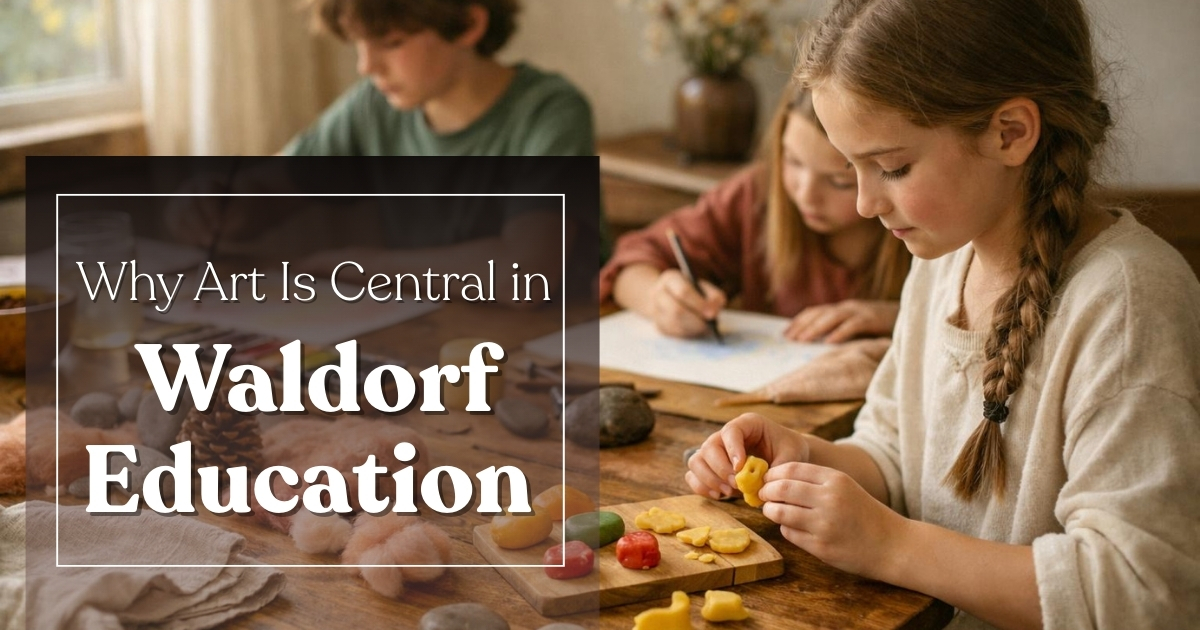
Why Art Is Central in Waldorf Education

Have you ever wondered what makes the Waldorf approach to education so unique? If you peek into a Waldorf-inspired homeschool or classroom, you won’t see kids just sitting at desks staring at a whiteboard. Instead, you’ll find a vibrant world of color, movement, and creativity. From painting and sculpting to music and drama, art isn’t just a subject—it’s woven into the very fabric of learning. The connection between Waldorf education and art is fundamental, creating an environment where children don’t just learn facts, but experience them with their whole being. It’s about educating the head, heart, and hands in unison.

This approach believes that engaging a child’s artistic senses is key to unlocking their full potential. Instead of memorizing multiplication tables through rote drills, a child might learn them by clapping rhythmic patterns or creating colorful geometric drawings. History isn’t just a series of dates in a textbook; it’s brought to life through storytelling, plays, and drawings that capture the spirit of an era. By integrating art into every subject, Waldorf education makes learning a joyful, meaningful, and deeply personal journey. 

This method nurtures not just academic knowledge, but also emotional intelligence, imagination, and a lifelong love for discovery.

The Role Of Art In A Child’s Development

In a Waldorf setting, art is far more than a fun Friday afternoon activity. It’s seen as an essential tool for holistic development, touching every aspect of a child’s growth—intellectually, emotionally, and physically. The focus is less on producing a perfect, frame-worthy masterpiece and more on the process of creation itself. This “process over product” philosophy is liberating for children, as it removes the pressure to perform and frees them to explore, experiment, and express themselves authentically.

This creative journey helps children develop crucial skills that extend far beyond the art table. When a child works with clay, they are not just making a sculpture; they are developing fine motor skills, learning about cause and effect, and experiencing the physical properties of the material. When they paint with watercolors, they learn about color theory, harmony, and how to work with fluidity and unpredictability. It’s a hands-on, sensory-rich way to understand the world.

Here are a few ways art supports a child’s development in a Waldorf framework:

  • Emotional Expression: Art provides a safe and healthy outlet for feelings that children may not have the words to express. A stormy painting or a gentle melody can communicate joy, frustration, or sadness, helping children process their inner world.
  • Sensory Integration: Activities like finger painting, working with beeswax, and knitting engage multiple senses. This sensory input helps build neural pathways in the brain, which is fundamental for all other learning.
  • Building Will and Perseverance: Completing an artistic project, whether it’s a simple drawing or a complex woodworking piece, requires focus and determination. Children learn to stick with a task, work through challenges, and experience the satisfaction of bringing an idea to life. This cultivates what Waldorf educators call “will.”
  • Developing Imagination: Waldorf education places immense value on nurturing a child’s imagination. Through storytelling, dramatic play, and visual arts, children are encouraged to create their own mental images rather than being given pre-packaged ones. This is the foundation for abstract thinking and problem-solving later in life.
Waldorf Education And Art: A Practical Approach

Waldorf Education And Art: A Practical Approach

So, how does this integration of Waldorf education and art look in a practical, day-to-day homeschool setting? It’s about seeing the artistic potential in every subject. Instead of teaching subjects in isolated blocks, the Waldorf method connects them through a central, thematic story or concept, with art as the bridge. This creates a cohesive and immersive learning experience.

For example, a main lesson block on ancient Greece wouldn’t just involve reading myths and memorizing names. It would be a multi-sensory exploration. A child might listen to the epic tales of gods and heroes, then draw them in their main lesson book. They might learn about Greek architecture by modeling a temple out of clay or create their own version of an Olympic games event through movement and eurythmy. The learning is active, not passive.

Here’s a breakdown of how you can integrate art across different subjects in your homeschool:

  1. Mathematics: Instead of just worksheets, use art to explore mathematical concepts.
  • Form Drawing: Practice symmetrical and geometric forms to improve handwriting and understand spatial relationships.
  • Number Gnomes: Create charming gnome characters for each number to help young children build a personal connection to them.
  • Geometric String Art: Explore angles, polygons, and patterns by creating beautiful string art on a board with nails.
  1. Language Arts: Bring stories and letters to life through artistic expression.
  • Pictorial Letters: Introduce letters of the alphabet by telling a story where the shape of the letter emerges from an image (e.g., ‘S’ from a slithering snake).
  • Main Lesson Books: Instead of notebooks, children create their own beautiful textbooks. They write summaries of lessons and create detailed illustrations to accompany them.
  • Puppetry and Drama: Act out stories, poems, or historical events to deepen comprehension and develop public speaking skills.
  1. Science: Experience the natural world through observation and artistic rendering.
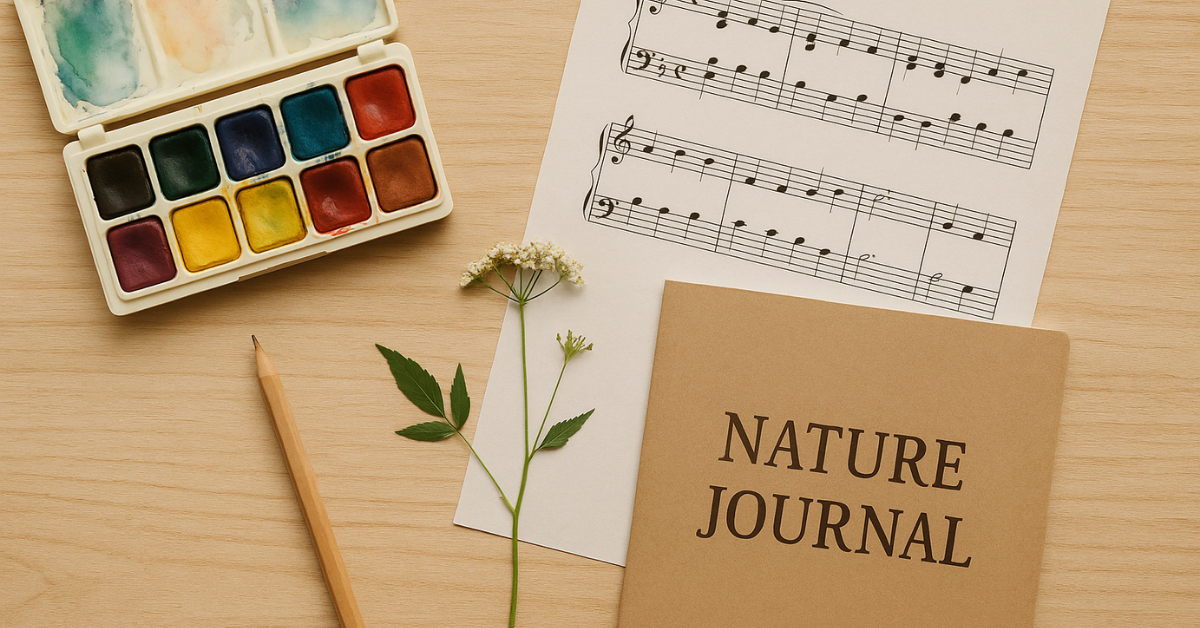
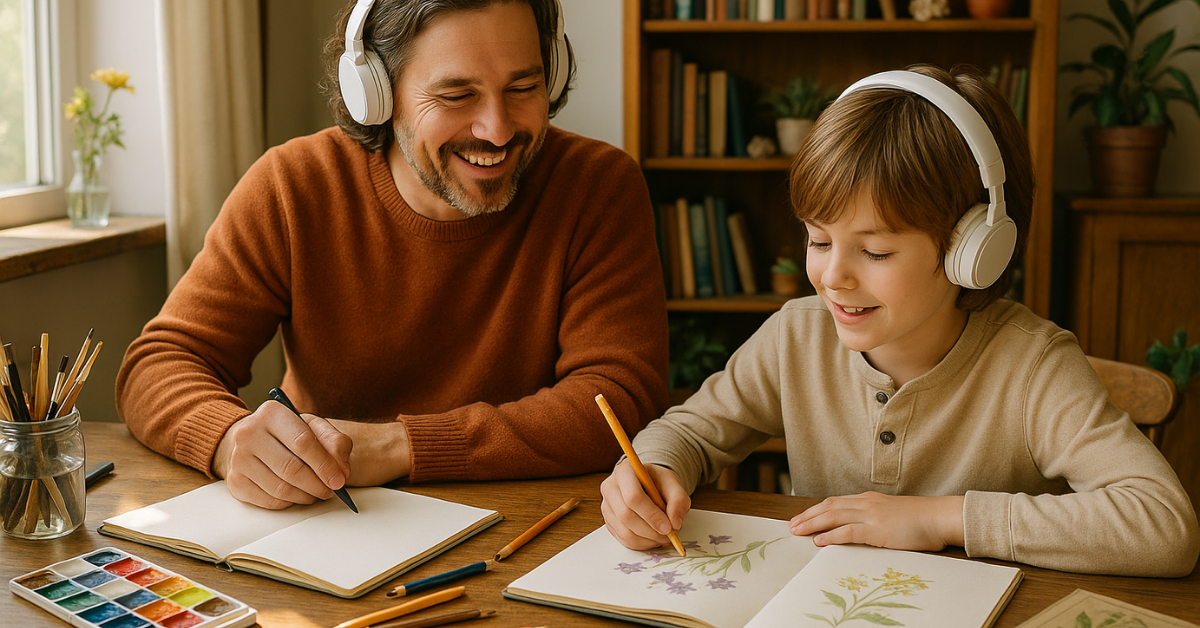
  • Nature Journaling: Go on nature walks and have your child draw or paint the plants, animals, and weather they observe. This hones their observation skills.
  • Wet-on-Wet Watercolor Painting: Explore the properties of water and color while painting landscapes, seasons, or scientific phenomena like the water cycle.
  • Beeswax Modeling: Model animals, plants, or the planets out of warm, pliable beeswax to connect with the subject in a tactile way.

Creative Learning: Fostering Imagination And Intellect

The goal of creative learning in the Waldorf philosophy is not to train every child to become a professional artist. Rather, it is to use the artistic process to cultivate flexible thinking, emotional resilience, and a deep connection to the subject matter. When a child learns through creative engagement, the knowledge becomes part of them. They don’t just know that a plant needs sunlight; they have felt the warmth of the sun while painting a flower and observed its petals opening. This kind of embodied knowledge sticks.

This approach directly counters the trend toward standardized testing and rote memorization, which can stifle a child’s natural curiosity. Creative learning encourages children to ask “what if?” and to find multiple solutions to a problem. It teaches them that there is more than one right answer and that mistakes are valuable opportunities for discovery. By fostering this imaginative capacity, we are preparing them for a future that will require innovation, adaptability, and creative problem-solving.

This method also honors the different developmental stages of childhood. In the early years, the focus is on imitation and imaginative play. As children grow, the curriculum introduces more complex artistic techniques and challenges that meet their budding intellectual and emotional capacities. For instance, a third grader might learn about building shelters by constructing a small model, while a middle schooler studying the Renaissance might try their hand at perspective drawing. The art always evolves with the child, providing the right challenge at the right time to nurture their growth.

Explore More Homeschooling Resources

Embracing the Waldorf philosophy of art and creativity can transform your homeschool from a simple place of instruction into a vibrant hub of discovery and joy. By weaving art into every lesson, you provide your child with a rich, multi-sensory education that nurtures their head, heart, and hands. You are not just teaching them subjects; you are helping them develop into well-rounded, imaginative, and engaged human beings.

If you are inspired to learn more about holistic homeschooling methods and find practical resources for your family, we invite you to explore more of our articles. Our blog is filled with advice, inspiration, and support to help you on your homeschooling journey.

Art Class: Important Or A Waste Of Time In Homeschool?

If you’ve ever looked at your homeschool schedule and wondered whether art class really deserves a spot, you’re not alone. Between math lessons, reading practice, science experiments, and life skills, art can feel like an “extra.” But the importance of art in homeschool goes far beyond filling time with paint and crayons. Art plays a powerful role in how kids learn, think, and express themselves—and it might be one of the most valuable parts of your homeschool day.

Homeschool art education isn’t about producing museum-worthy masterpieces. It’s about creative learning for kids, building confidence, and developing skills that support every other subject you teach. Let’s dig into whether art class is truly worth your time (spoiler: it is) and how to make it practical and stress-free in your homeschool.

Why Art Often Gets Pushed Aside in Homeschool

Many parents start homeschooling with the best intentions, including art. Then real life happens. Art gets skipped when the day runs long or when energy runs low.

Common reasons art is dropped include:

  • Fear that it’s not “academic enough”
  • Limited time in the homeschool day
  • Mess concerns (paint spills are real)
  • Feeling unqualified to teach art
  • Pressure to focus on tested subjects

Here’s the thing: art doesn’t compete with academics—it supports them. When you understand the role art plays in learning, it becomes easier to prioritize.

The Importance of Art in Homeschool Learning

Art isn’t just about creativity. It directly supports how children think, learn, and process information. The importance of art in homeschool shows up in ways you may not even notice at first.

Art helps kids:

  • Strengthen fine motor skills
  • Improve focus and attention
  • Build problem-solving abilities
  • Practice decision-making
  • Develop emotional expression
  • Boost self-confidence

When kids create, they’re making choices, experimenting, and learning from mistakes. These skills transfer directly to writing, math, science, and even social skills.

Homeschool Art Education Builds Whole-Brain Learning

Creative learning for kids activates parts of the brain that traditional worksheets don’t always reach. Art encourages kids to think visually, emotionally, and spatially—all critical for well-rounded learning.

Art supports other subjects by:

  • Reinforcing math through patterns, symmetry, and geometry
  • Supporting reading comprehension with visual storytelling
  • Enhancing science lessons through drawing observations
  • Strengthening history lessons with timelines, maps, and crafts
  • Encouraging descriptive writing through art-inspired prompts

When kids draw, paint, sculpt, or design, they’re connecting ideas in deeper ways. That connection makes learning stick.

Art Encourages Emotional Expression and Mental Health

Art Encourages Emotional Expression and Mental Health

This is one of the biggest (and often overlooked) benefits of homeschool art education.

Kids don’t always have the words to explain their feelings, especially younger children. Art gives them a safe outlet to express emotions without pressure. A child who struggles with frustration, anxiety, or big emotions may find relief through creative work.

Regular art time can:

  • Reduce stress and anxiety
  • Improve mood and emotional regulation
  • Help kids process experiences
  • Encourage mindfulness and calm focus

In a homeschool setting, art can become a powerful tool for emotional well-being, not just education.

Creative Learning for Kids Builds Confidence

Art doesn’t have one “right” answer. That alone makes it incredibly valuable.

When kids realize they can create something unique and personal, they build confidence. They learn that their ideas matter. This confidence often spills into other areas of learning.

Art helps kids:

  • Take healthy risks
  • Learn from mistakes
  • Accept imperfection
  • Develop a growth mindset
  • Feel proud of their work

In homeschooling, where learning is personal and flexible, art fits beautifully into that philosophy.

Does Art Really Count as School?

Short answer: yes.

Long answer: homeschool art education meets real educational goals. Many states even recognize art as part of required instruction.

Art teaches:

  • Critical thinking
  • Observation skills
  • Cultural awareness
  • History and appreciation
  • Creativity and innovation

Art doesn’t need to look formal to be educational. A sketchbook, sidewalk chalk, recycled crafts, or digital art all count.

Easy Ways to Add Art to Your Homeschool (Without Overwhelm)

You don’t need an art degree or fancy supplies. Keep it simple and consistent.

Try these practical ideas:

  • Set aside one dedicated art day each week
  • Keep a basic art supply bin accessible
  • Rotate mediums (drawing, painting, collage, sculpture)
  • Use online art tutorials or videos
  • Combine art with other subjects
  • Let kids choose projects sometimes

Even 20–30 minutes of art can make a big impact.

Low-Stress Art Supplies That Go a Long Way

You don’t need a full art studio. Start with basics and build slowly.

Great starter supplies include:

  • Paper (construction, sketch, printer paper)
  • Crayons, colored pencils, markers
  • Watercolor paints
  • Glue, scissors, tape
  • Recycled materials (boxes, tubes, magazines)
  • Modeling clay or play dough

Keeping supplies simple removes pressure and makes art more inviting.

Art for Different Homeschool Ages

Art grows with your child. The goals shift as kids develop.

Younger Kids

Focus on:

  • Exploration
  • Sensory play
  • Process over product
  • Color, shape, and texture

Elementary Kids

Encourage:

  • Skill-building
  • Trying new techniques
  • Art history basics
  • Creative storytelling

Middle and High School

Introduce:

  • More advanced techniques
  • Art appreciation and critique
  • Personal style development
  • Digital art or design
  • Portfolio-building

Art doesn’t stop being valuable as kids get older—it becomes even more meaningful.

What If Your Child “Doesn’t Like Art”?

This happens more often than parents expect. Usually, it’s not that kids dislike art—they dislike being told how their art should look.

To help reluctant artists:

  • Avoid correcting their work
  • Focus on fun, not perfection
  • Offer choices instead of assignments
  • Try different mediums
  • Let them work independently

Sometimes stepping back is the best way to spark creativity.

Art as a Life Skill, Not Just a Subject

Creative learning for kids prepares them for real life. Creativity is valuable in nearly every career—from engineering to entrepreneurship to healthcare.

Art teaches kids how to:

  • Think creatively
  • Communicate ideas
  • Adapt to challenges
  • Innovate and problem-solve

These skills don’t disappear after childhood. They grow into lifelong strengths.

Art Class Is Never a Waste of Time

Art isn’t filler. It’s foundational.

When you include art in your homeschool, you’re giving your child tools that support learning, emotional health, and personal growth. The importance of art in homeschool isn’t about producing artists—it’s about raising confident, creative thinkers.

Some days art will be messy. Some days it will be quiet and reflective. Some days it will be chaotic and loud. All of it counts.

Keep Growing Your Homeschool Journey With Us

Homeschooling is full of choices, and you don’t have to figure them all out alone. If you’re looking for encouragement, practical tips, and trusted homeschool resources, keep exploring DKM Homeschool Resource. We’re here to help you build a homeschool that works for your family—art class included.

Music Class: Should You Stick To The Classics Or Teach Modern Music?

You’re staring at your carefully color-coded homeschool planner, and there it is, glaring at you from Tuesday afternoon: Music Appreciation. Do you pull out the dusty vinyl of Beethoven’s Fifth you found at a thrift store, or do you queue up the latest Taylor Swift album on Spotify? It’s the great debate of Classical vs modern music education, and honestly, it’s enough to make any parent want to hide in the pantry with a bag of chocolate chips. We all want our kids to be well-rounded, culturally literate humans who can appreciate a symphony, but we also want them to actually enjoy learning without groaning every time the lesson starts.

So, do you stick to the strict masters of the 18th century, or do you lean into the beats dropping on the radio today? Let’s figure this out together without turning your living room into a battleground.

Why We Cling To The Classics (And Why It Still Matters)

There is a reason why Mozart, Bach, and Chopin haven’t faded into obscurity. Classical music is often viewed as the vegetable of the music world—we know it’s good for us, it builds strong bones (or brains), but sometimes it’s hard to chew. The “Mozart Effect” might have been a bit overblown by the media back in the 90s, but the underlying principle stands: complex musical structures do interesting things to a developing brain.

When you teach classical music, you aren’t just teaching notes; you are teaching history, discipline, and emotional depth. Think about it. A symphony lasts forty minutes. In a TikTok world where attention spans are measured in seconds, sitting through a full movement of a concerto is practically a superpower. It forces a kind of active listening that is becoming increasingly rare.

But let’s be real—it can be dry. If you approach it with a “eat your broccoli” attitude, your kids will treat it like broccoli. The trick is to find the stories behind the music. Did you know Mozart had a bizarre sense of humor? Or that Beethoven continued to compose masterpieces while completely deaf? When you humanize these marble busts, the music suddenly becomes a soundtrack to a real person’s life.

Beyond the stories, the sheer technical proficiency required to play classical music sets a high bar. It teaches patience. You can’t fake your way through a Bach fugue. For homeschoolers focusing on character development alongside academics, the rigor of classical training offers a tangible lesson in the value of persistence. It’s not about becoming a concert pianist; it’s about learning that hard things are worth doing.

Classical vs Modern Music Education: Finding The Balance

Classical vs Modern Music Education: Finding The Balance

Here is the secret that might save your sanity: you don’t actually have to choose. The binary choice of Classical vs modern music education is a false one. In fact, the most robust music education creates a bridge between the two. Music is a language, and just like English, it evolves. We read Shakespeare to understand the roots of our language, but we read modern novels to understand our current world. Music should be treated the same way.

When you mix the two, you create a rich tapestry of understanding. You can show your kids how the chord progressions in a modern pop ballad are virtually identical to Pachelbel’s Canon. Suddenly, that “boring old music” is the great-great-grandfather of the song they can’t stop humming.

Consider this approach to blending them:

  • Compare and Contrast: Play a classical piece and a modern film score. Ask your kids to find the similarities. John Williams (Star Wars) borrows heavily from Holst and Wagner. Let them hear the connection.
  • The Remix Method: Find modern artists who sample classical music. Hip-hop is famous for this. It’s a fantastic “aha!” moment for a teenager to realize the beat they love came from a 100-year-old record.
  • Genre Hopping: Dedicate one month to the Baroque period and the next to the Blues. Show how music migrated and changed across continents and centuries.

By refusing to pick a side, you validate your child’s natural interests while stretching their palate. You are telling them, “Yes, the music you love is valid, and here is where it came from.” This respect for their taste buys you a lot of goodwill when it’s time to listen to an opera aria.

Homeschool Music Class Ideas That Won’t Bore Everyone To Tears

Okay, we’ve covered the philosophy, now let’s talk logistics. You are a busy parent, not a conservatory director. You need homeschool music class ideas that are easy to implement, affordable, and engaging. The goal isn’t to raise a prodigy (unless that happens accidentally, in which case, congrats on your retirement fund), but to foster a love for sound and rhythm.

One of the biggest mistakes we make is thinking music class has to mean expensive private lessons. While those are great if you can swing them, they aren’t the only way to learn. In fact, for many kids, the pressure of weekly performance reviews kills the joy before it even starts. Let’s look at some lower-stakes ways to bring music into your home.

Try these practical activities to spice up your week:

  1. The “Kitchen Percussion” Jam Session: You don’t need a drum kit. You need wooden spoons, plastic bowls, and a willingness to tolerate noise for 20 minutes. Teach basic rhythms (quarter notes, eighth notes) using pots and pans. It’s visceral, it’s loud, and it teaches timing perfectly.
  2. Soundtrack Your Life: Have your kids curate a playlist for a specific book you are reading aloud. If you are reading a history book about the Civil War, have them find music from that era. If you are reading a fantasy novel, ask them to find instrumental music that fits the mood of a scary chapter or a heroic chapter.
  3. The “Foley Artist” Challenge: Watch a clip of a cartoon with the sound off. Have your kids use instruments or household objects to create the sound effects and background music. This teaches them how music influences emotion and storytelling.
  4. Lyrics as Poetry: Take a modern song they love (screen the lyrics first, obviously!) and print them out. Analyze the rhyme scheme, the metaphors, and the message. Then, compare it to a classical art song or a folk ballad.
  5. Build Your Own Instrument: This doubles as a science lesson. Rubber bands on a tissue box for a guitar, water in glass jars for a xylophone. Understanding the physics of sound—vibration, pitch, volume—makes the abstract concept of music concrete.

Remember, the best curriculum is often the one you create yourself based on what your kids are currently obsessed with. If they are into video games, study the evolution of 8-bit music to full orchestral game scores. If they love dance, explore the history of rhythm from the waltz to breakdancing. Meet them where they are.

Teaching Music To Homeschoolers: A Practical Toolkit

When it comes to teaching music to homeschoolers, having the right tools makes all the difference. You don’t need a degree in music theory, but you do need resources that do the heavy lifting for you. We live in a golden age of digital education, so take advantage of it. You are the facilitator, not necessarily the lecturer.

Don’t feel like you have to grade everything. Music is an art form. While theory worksheets have their place, the primary goal should be appreciation and expression. If your child can tell you why a song makes them feel sad, or identify the beat in a song on the radio, you are winning.

Here is a list of resource types and strategies to build your toolkit:

  • YouTube is Your Best Friend: Channels like “San Francisco Symphony’s Kids” or “Classic FM” have amazing, bite-sized videos explaining instruments and composers. For modern music theory, channels like “12tone” or “Adam Neely” break down pop songs in fascinating (albeit sometimes complex) ways.
  • Gamify the Theory: Apps like Note Rush or Rhythm Cat turn reading sheet music into a video game. If you have a tablet, use it. There is no shame in letting an app teach your kid to read the treble clef while you fold laundry.
  • Live Performances (Virtual counts!): Many orchestras stream performances for free. Watch one together with popcorn. Make it an event. If you can get to a local park concert or a high school musical, do it. Seeing live musicians is transformative.
  • Podcasts for Kids: There are wonderful podcasts designed for kids about music history. “Classics for Kids” is a staple. Put it on in the car while you’re driving to soccer practice. It’s passive learning that sticks.
  • The “Composer of the Month” Club: Pick one composer (or modern artist/band) each month. Print a picture of them. Listen to their top 5 hits. Read a short biography. By the end of the year, you’ve covered 9-10 major musical figures with minimal effort.

Music shouldn’t be the subject you dread. It should be the release valve for your homeschool day. It’s the subject where there are no wrong answers when you ask, “How does this make you feel?” Whether you are blasting Bach or The Beatles, the important thing is that your home is filled with music. The debate isn’t about which is “better”—it’s about giving your kids the keys to unlock the entire world of sound.

Keep The Rhythm Going

We hope this helps you navigate the noisy, wonderful world of music education. Remember, there is no single “right” way to homeschool, and that applies to music, too. Trust your instincts, have fun with it, and maybe buy some earplugs just in case the drum solo phase lasts longer than expected.

Ready for more practical tips? Check out our other blogs for homeschool advice and resources to keep your curriculum fresh and your coffee cup full! We have got plenty more ideas to help you survive and thrive on this homeschooling journey.

Winter Art Class: How To Capture The Spirit Of The Season With Your Child

When the days get shorter and a chill fills the air, it’s the perfect time to bring learning indoors and get a little messy. Winter offers a unique and beautiful canvas for creativity, making it an ideal season to weave art into your homeschool routine. Finding engaging winter art projects for kids can transform a dreary afternoon into a vibrant, hands-on learning experience. It’s about more than just glitter and glue; it’s about capturing the magic of the season, exploring new textures, and making memories together.

These seasonal crafts for your homeschool don’t need to be complicated or require a trip to a specialty store. Many of the best projects use materials you already have or can find right in your backyard. From frosty window paintings to cozy yarn creations, winter is bursting with inspiration. Let’s dive into some creative winter activities that will delight your children and add a splash of color to your homeschool curriculum.

Easy and Fun Winter Art Projects for Kids

Getting started with seasonal art is all about simplicity and fun. The goal is to spark imagination, not to create a museum-worthy masterpiece (though you might be surprised by what your little artists produce!). Here are some fantastic and accessible winter art projects to try with your homeschoolers.

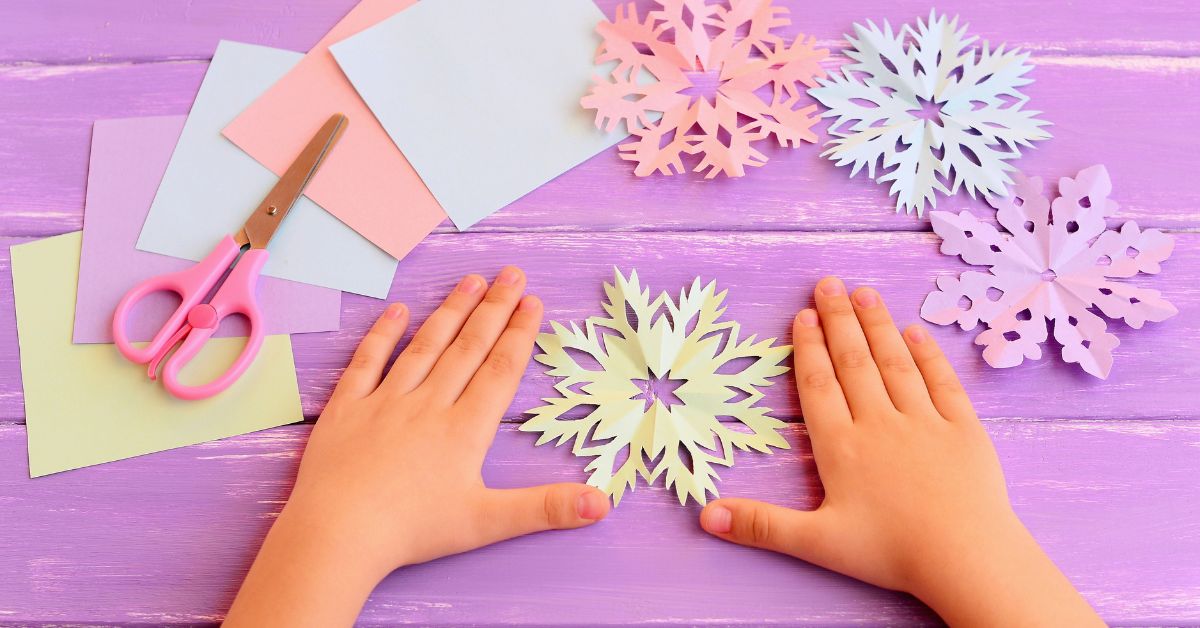
  • Coffee Filter Snowflakes: A classic for a reason! This project is perfect for all ages. Flatten a round coffee filter and have your child fold it in half, then in half again, and one more time into a small wedge. Let them snip away at the folded edges, creating their own unique designs. When you unfold it, a beautiful, one-of-a-kind snowflake appears. For a colorful twist, give your child a spray bottle with water and a few watercolor paints or food coloring drops. Let them spray the snowflake to see the colors bleed and blend in beautiful patterns.
  • Salt Painting Snow Scenes: This project combines art and a bit of science. On a piece of dark-colored cardstock or construction paper, have your child draw a winter scene with white school glue. Think snow-covered trees, a snowman, or falling snowflakes. Before the glue dries, generously sprinkle table salt over the entire design. Shake off the excess salt. Now for the magic: using a paintbrush and watercolors, gently touch the paint to the salt lines. Watch as the color instantly travels along the salt, creating a stunning, crystallized effect.
  • Cotton Ball Penguins: Who can resist a cute penguin? This simple craft is great for younger children. Start by cutting out a penguin body shape from black construction paper. Then, cut a smaller oval from white paper for the belly and glue it on. Use cotton balls to give the penguin a fluffy, white tummy. Add googly eyes and a small orange paper triangle for the beak. You can create a whole colony of them and set them up on a “snowy” surface made of more cotton or white felt.

Using Nature's Supplies for Seasonal Crafts

Using Nature’s Supplies for Seasonal Crafts

One of the best parts of homeschooling is the ability to use the world around you as a classroom. Winter nature walks can be more than just a way to get fresh air; they can be a mission to gather art supplies. Sending your kids out to find pinecones, twigs, and evergreen sprigs connects them with the season and provides a wonderful, free source of materials for your next art session. It encourages observation and appreciation for the subtle beauty of the winter landscape.

These nature-based crafts bring a rustic, authentic feel to your home. They smell like winter and offer a tactile experience that plastic and paper can’t replicate. A pinecone can become a tiny owl with the addition of some felt and googly eyes, or it can be painted white and sprinkled with glitter to look like it’s been kissed by frost. Bare twigs can be arranged and glued onto paper to form the trunks and branches of a winter forest scene. The possibilities are as limitless as your child’s imagination.

Creative Winter Activities Beyond the Paintbrush

Art isn’t just about painting and drawing. Creative expression can take many forms, and winter is a great time to explore different mediums. These activities encourage different skills, from fine motor development to storytelling.

  1. DIY Snow Globes: Recycle a clean glass jar with a tight-fitting lid. Help your child glue a small waterproof figurine (like a small plastic animal or a laminated photo) to the inside of the lid. Fill the jar almost to the top with water, a few drops of glycerin (to help the “snow” fall slowly), and a spoonful of glitter or fake snow. Screw the lid on tightly—you might want to add a line of hot glue around the rim for extra security. Turn it upside-down and watch the snow fall on your winter scene!
  2. Ice Suncatchers: This is a beautiful outdoor project for a freezing day. Fill a pie tin or a plastic container lid with about an inch of water. Arrange natural treasures inside—things like cranberries, orange slices, evergreen needles, or small flowers. Lay a loop of twine or ribbon in the water with one end hanging over the edge of the tin. Leave it outside overnight to freeze solid. In the morning, you can pop the ice disk out of its mold and hang your stunning, temporary suncatcher from a tree branch. The winter sun shining through the ice is truly magical.
  3. Yarn-Wrapped Snowmen and Trees: Cut out cardboard shapes, like a snowman or a simple triangle for a tree. Give your child a ball of white or green yarn and show them how to wrap it around and around the cardboard until it’s completely covered. You can secure the end with a dab of glue. This is a fantastic activity for developing fine motor skills and patience. Once wrapped, they can decorate their creations. Add button eyes to the snowman or glue pom-poms onto the tree as ornaments.

The Educational Value of Seasonal Art

While these projects are undoubtedly fun, they are also packed with educational benefits that fit seamlessly into a homeschool plan. Art is a natural vehicle for teaching concepts across multiple subjects. A simple snowflake craft can lead to a science lesson on the water cycle or the unique geometry of ice crystals. Mixing paint colors to get the perfect winter sky blue is a hands-on lesson in color theory. Following the steps to build a cotton ball penguin teaches sequencing and the importance of following directions.

Moreover, art is essential for developing critical thinking and problem-solving skills. When a child’s twig tree doesn’t stand up, they have to figure out how to create a more stable base. When their salt painting doesn’t absorb the color, they might experiment with adding more salt or using more water. This process of trial, error, and discovery builds resilience and confidence. It teaches them that there is often more than one right way to do something—a valuable lesson in both art and life.

Explore More Homeschool Resources

We hope these ideas have sparked your imagination and given you some fun new ways to embrace the winter season in your homeschool. Art is a powerful tool for learning, connection, and joy. Watching your child proudly display their salt-painted snowman or hang an ice suncatcher outside is a special kind of homeschool magic.

For more practical advice, curriculum reviews, and creative learning ideas, be sure to explore the other posts on our blog. DKM Homeschool Resource is here to support you on every step of your educational journey.

Art and Music Appreciation in Charlotte Mason Homeschooling

Fostering a love for beauty through art and music forms a key pillar of the Charlotte Mason philosophy. Known for its holistic approach to education, this method highlights the importance of enriching children’s minds with great works of art and music to cultivate both creativity and character. For homeschooling families, this can seem like a daunting task at first. However, with the right resources and strategies, introducing Charlotte Mason art appreciation and music appreciation into your homeschool curriculum becomes a rewarding experience—for both you and your child. 

This blog will explore practical ways to integrate art and music appreciation into your Charlotte Mason homeschool, provide curriculum tips, and discuss how these subjects nurture emotional and intellectual growth. 

The Role Of Art And Music In The Charlotte Mason Philosophy 

Charlotte Mason emphasized the value of “feasting upon ideas,” and the arts are a crucial part of that feast. Introduced early, they awaken a sense of wonder in children and help them form connections with beauty and creativity. From leafing through picture books of famous paintings to listening to classical symphonies, these experiences foster lifelong habits of paying attention to detail, feeling deeply, and thinking critically. 

Why Art Appreciation Matters 

Charlotte Mason believed that exposure to art improves observation skills, widens cultural understanding, and nurtures imagination. Art appreciation teaches children to notice patterns, colors, and stories within paintings. Over time, they come to respect and enjoy works by great masters like Monet, Van Gogh, or Rembrandt. 

For homeschool families, this process doesn’t require expensive classes. Instead, it’s about creating regular opportunities to enjoy art together. For instance:

  • Picture Study: Select a single painting and observe it for an extended period. Encourage your child to absorb the details and later describe it from memory. 
  • Art History Context: Share the backstory of the artist and the era in which the painting was created. 
  • Museum Visits: If possible, visit local art museums to see these masterpieces in person. This brings historical context alive and enriches the experience. 

The Importance of Music Appreciation 

Music appreciation is equally significant within the Charlotte Mason approach. According to this method, studying the works of great composers like Bach or Mozart enhances children’s capacity for concentration, deep thought, and creativity. Music connects auditory learning with pattern recognition, emotional expression, and a sense of rhythm. 

Much like art, music should be a joyful, immersive experience. Charlotte Mason emphasizes the enjoyment of great music over formal technical training in the beginning. Families can incorporate composer studies, live performances, or at-home listening sessions to help children connect with music at a personal level while building their knowledge base. 

How To Integrate Charlotte Mason Art Appreciation Into Your Homeschool 

How To Integrate Charlotte Mason Art Appreciation Into Your Homeschool 

If you’re wondering how to build Charlotte Mason art appreciation into your homeschool day, here are practical tips to get started. 

Picture Study – A Core Practice 

Picture study is a mainstay of the Charlotte Mason approach. It’s simple, effective, and requires minimal materials. Follow these steps to begin this practice with your child:

  1. Select a Single Artist for a Term: This could be someone like Picasso, Vermeer, or Cassatt. Ideally, choose six works from the artist to study over six weeks. 
  2. Observe Without Judgment: Have your child observe one painting at a time for several minutes, guiding them to notice as much as possible without critique. 
  3. Set Aside Weekly Time: Commit to spending one short session per week on picture study. 
  4. Narration: Ask them to tell what they observed after viewing. This further promotes their attention to detail. 
  5. Art Recreation: Allow your children to recreate parts of the painting in their own style. This not only ignites creativity but deepens their connection to the artwork. 

Setting an Ambience 

Creating an environment that supports art appreciation doesn’t mean redesigning your home. Small touches can make a big difference:

  • Rotate prints of famous paintings around your house. 
  • Use books like Discovering Great Artists to introduce new masters and their techniques. 
  • Keep sketching materials like pencils and paper within easy reach for spontaneous creative expression. 

Teaching Beyond the Paintings 

Include age-appropriate discussions about artistic movements, innovations in technique, or specific moments in art history. You could explore the Italian Renaissance one semester, Impressionism another, and so on. By linking this to other subjects like history, your children gain a well-rounded view. 

Creating A Homeschool Music Appreciation Program 

Unlike formal music lessons, music appreciation is about learning to love music organically. Here’s how to weave it easily into your curriculum

Composer Study 

Charlotte Mason homeschoolers often choose one composer to study over several weeks or months. This allows children to gradually become familiar with their unique style and contributions. Here’s a practical approach:

  • Six Weeks per Composer: Select works by Beethoven, Handel, or Chopin, dedicating one term to each. 
  • Listen Weekly: Spend 10-15 minutes listening to a piece, encouraging quiet attentiveness. 
  • Story Context: Research a few anecdotes from the composer’s life to share with your child. This can include events that inspired specific compositions. 
  • Music Narration: After listening, encourage children to narrate their impressions of the piece or describe what emotions the music inspired in them. 

Build a Listening Schedule 

Music appreciation thrives with consistency. Consider creating a simple schedule to ensure it becomes a daily or weekly habit. For example:

  • Mondays can focus on lyrical classical music (e.g., Vivaldi’s “Four Seasons”). 
  • Fridays may involve exploring modern instrumental works or jazz-infused classics to diversify exposure. 

Live Music Experiences 

Whether it’s an outdoor concert or a local symphony, live performances offer an unforgettable way to connect with music. They allow children to witness the dynamics of real instruments, ensemble cooperation, and the impact of acoustics. 

Tools and Resources for Music Study 

Several resources make it easier to integrate music into your day:

  • Streaming Services: Platforms like Spotify, YouTube, or Apple Music often have curated playlists dedicated to specific composers or periods. 
  • Books: Lives of the Musicians by Kathleen Krull provides engaging stories about famous composers. 
  • Apps: Tools like “Classics for Kids” bring interactive music education directly to your homeschooling toolbox. 

Encourage Hands-On Musical Creativity 

While music appreciation focuses on listening, experiment with hands-on creativity to deepen the connection. Simple activities like playing percussion, composing tunes, or experimenting with basic instruments can unlock musical potential. 

The Benefits Of Incorporating Art And Music Appreciation 

While both art and music appreciation nurture a love for beauty, they also teach discipline, sharpen intellect, and deepen emotional intelligence. The benefits go far beyond the classroom and enrich your children’s development. 

Emotional Growing Points 

Art and music give children access to deep, universal emotions. For example, observing the swirling skies of Van Gogh’s Starry Night or hearing the emotional highs of Beethoven’s symphonies teaches empathy. These lessons on human values and feelings can build compassion and self-awareness. 

Developmental Advantages 

  • Improved Focus: Both art and music teach children to observe or listen deeply, which translates to better attention spans in other academic areas. 
  • Cultural Literacy: Exposure to famous works helps children understand and appreciate global history and culture. 
  • Enhanced Critical Thinking Skills: When analyzing art or music themes, kids develop the ability to notice nuance and interpret broader meanings. 

Cultivating Lifelong Learners 

Both fields encourage curiosity. A child engaged in art or music asks questions, seeks inspiration from the world around them, and continues to grow. This unquenchable thirst for learning becomes a lifelong gift. 

By introducing Charlotte Mason art appreciation and music appreciation into your homeschool, you open a world of beauty, emotion, and creativity for your family to share. These practices teach children that education is not limited to books or lectures—it’s found in the vivid brushstrokes of a painting and the harmonious chords of a piano.

How To Get Kids Interested In Music

Music is an incredible, enriching way to engage your child’s creativity and boost their overall development. For homeschooling parents, incorporating music education into daily routines opens up fun and engaging opportunities for kids to explore rhythm, melody, and self-expression. 

Whether you’re looking to teach music actively or simply inspire an interest in it, this guide provides practical tips you can apply at home. By fostering interest through enjoyable activities and hands-on experience, you’ll be helping your child build a strong connection to music. 

Create A Musical Space At Home 

One of the most effective ways to introduce kids to music is by creating a home environment where music feels natural and accessible. Kids are naturally curious, and when music is woven into their day-to-day lives, it can help stimulate their interest and make learning enjoyable. 

Play a Wide Range of Music 

Expose your child to a variety of musical genres to spark their curiosity and broaden their minds. Building musical knowledge starts with exploration, and the more types of music your child encounters, the more opportunities they’ll find to connect with styles they enjoy. 

  • Classical melodies: Introduce calm, soothing pieces during study or reading times. Composers like Mozart, Bach, or Beethoven can help kids focus while stimulating their creativity. 
  • Energetic tunes: Play lively music to accompany activities like cleaning, dancing, or crafting. Songs with catchy beats make movement fun and show the joy music can bring. 
  • World music: Highlight cultural diversity by playing traditional music from various regions, such as African drumming, Indian sitar tunes, or Latin American samba rhythms. 

Some streaming platforms and apps offer curated playlists specifically for kids, making it easy to provide diverse options for listening. 

Make Instruments Accessible 

Having instruments prominently displayed at home plants the seed for spontaneous exploration. Accessible, kid-friendly instruments encourage curiosity and give children tactile ways to experiment with sounds. 

  • Start with beginner-friendly options like maracas, tambourines, hand drums, or ukuleles. 
  • Budget-conscious families can invest in toy versions of instruments without losing educational value. 
  • Keep instruments in common areas where kids naturally spend their time, such as living rooms or playrooms. 

The simple act of providing tools for experimentation allows children to develop their natural musical instincts while playing. 

Be a Musical Role Model 

Children mirror the behaviors they see, so showing your personal enjoyment of music can inspire their interest. It doesn’t matter if you’re a professional musician or someone who sings off-key—enthusiasm is contagious! 

  • Sing songs together during daily routines like cooking or bath time. 
  • Share your own favorite songs or childhood tunes that have special meaning to you. 
  • Play an instrument yourself, even if it’s just for fun—they’ll see it’s okay to make mistakes and just enjoy the process. 

By modeling happiness and confidence in musical activities, you’ll teach your kids that music is something to be explored without fear or pressure. 

Engage Kids With Hands-On Musical Activities 

Engage Kids With Hands-On Musical Activities 

Music education for kids thrives on interactive, playful approaches. Rather than teaching music as an abstract subject, focus on hands-on experiences that make learning fun and relatable. Transforming lessons into activities helps build enthusiasm while introducing basic concepts effortlessly. 

Weave Music Into Everyday Learning 

Integrating music with other subjects can keep lessons engaging while reinforcing academic concepts. Creativity comes alive when you combine music with areas like math, science, or language arts. 

  • Explore language through music: Use rhyming songs or sing spelling words to strengthen vocabulary. Lyrics help with memorization while improving pronunciation. 
  • Science experiments with sound: Demonstrate pitch by plucking rubber bands stretched over boxes or study vibrations using a tuning fork and water. 

By fusing music with everyday learning, students can discover how music connects to other areas of life in practical ways. 

Make and Play DIY Instruments 

Engaging kids in creating their own instruments is not only fun but also introduces foundational concepts about sound. Load up on household items to organize your own DIY instrument-making session. 

  • Rice-filled containers become shakers. 
  • A shoebox or tissue box acts as the base for a rubber-band guitar. 
  • Glass jars filled with varying amounts of water transform into a glass xylophone that teaches about pitch. 

Kids can decorate their creations, combining art and music into a single hands-on project. It’s a memorable way to introduce children to instrument families and sound production while strengthening problem-solving skills. 

Use Technology as a Music Tool 

Modern tools like apps and online platforms have revolutionized how kids learn music. Interactive games and programs create an engaging space for kids to explore music theory while having fun. 

  • Explore apps like “GarageBand” for creating music or “Simply Piano” for piano tutorials. These apps often feature game-like interfaces that reward progress. 
  • For younger children, apps like “Baby Mozart” or “Kids Music Factory” introduce sounds and instruments in age-appropriate methods. 
  • Online video content, such as kid-friendly tutorial channels, provides interactive lessons on rhythms, singing, or beginner-level instruments. 

Technology complements traditional learning techniques by offering an interactive approach, perfect for engaging modern learners. 

Promote Imaginative Storytelling 

Combine music and creativity by encouraging your kids to use soundtracks in storytelling activities. Whether it’s recreating the sound of a storm using drums or interpreting the rustle of leaves with shakers, kids love merging imagination and auditory expression. 

Ask them to write a short story first and compose accompanying sounds, or propose improvisational scenarios where music tells the tale on its own. This fuels both creative thinking and hands-on music exploration. 

Foster Participation Through Music-Making 

Active participation is one key to making music exciting. When kids have roles to play—whether they’re humming along enthusiastically or leading a song—they feel connected and inspired. Participation blurs the line between fun and education while cultivating collaboration and confidence. 

  • Family sing-alongs: Singing together, even for simple nursery rhymes or karaoke, strengthens bonds and boosts memory. 
  • Clap along to rhythms: Drumming out beats using body percussion introduces foundational rhythm skills while keeping things playful. 
  • Family band nights: Set aside one evening per week to jam together. Assign each family member an instrument and rotate playing roles. Silly, spontaneous music sessions often become cherished traditions. 

If you’re not musically trained, don’t worry. The goal is to foster fun and connection while encouraging kids to actively engage in the creation of music. 

Introduce Formal Music Lessons 

If your child shows deeper interest in music, structured lessons can take their learning to the next level. While exploration and play spark passion, developing advanced skills may eventually involve lessons in music theory or specific instruments. 

Start With Age-Appropriate Lessons 

Younger children benefit from casual, playful approaches rather than strict practice routines. Introduce rhythm exercises, simple note reading, or familiar songs they can master easily. Rhythm games like clapping or using drumsticks are also great for younger learners since they focus on foundational skills. 

Older kids, on the other hand, may be ready for more structured instruction. Instruments like keyboards, guitars, or violins are excellent entry points. Helping them choose an instrument that excites them is crucial for maintaining long-term motivation. 

Explore Teaching Resources 

Parents without musical backgrounds still have many ways to facilitate music education. Accessible resources allow even homeschooling families with no prior experience to give their children high-quality musical instruction. 

  • YouTube provides countless beginner-level tutorials for instruments and voice training. 
  • Online platforms like “Outschool” host live, interactive group lessons for kids. 
  • Music apps and software can teach concepts ranging from piano to composition. 

Whether through self-guided online resources or private tutors, customizing instruction ensures deeper engagement with whatever resonates most with your child’s interests. 

Encourage Consistency 

Structured learning thrives on practice and patience. Dedicate time weekly for lessons and set manageable goals. Create a lighthearted schedule—ten minutes daily will suffice for young kids. Avoid overwhelming them early on, and mix structured sessions with unstructured doodling or freestyle composition time. 

Homeschooling music education is an opportunity to nurture your child’s creative development while providing essential life skills like discipline, coordination, and confidence. Whether through making homemade instruments, hosting jam sessions, or introducing formal lessons, there’s no shortage of ways to encourage musical exploration. By creating a supportive environment, offering hands-on activities, and sparking curiosity, you’ll transform your child’s early encounters with music into a lifelong appreciation filled with growth, learning, and joy.