Understanding the 5 Pillars of Math and Their Importance

Math is more than memorizing formulas or solving equations. It’s a way of thinking, reasoning, and solving problems. When teaching your kids math at home, understanding the foundation of what they need to learn can make a significant difference. These foundational ideas can be grouped into what educators call the 5 pillars of math. They are algebraic reasoning, proportional reasoning, number sense, and operational sense. A strong grasp of these pillars equips students with the tools they need to tackle not only math problems but real-world challenges too.

This article will break down these five pillars, explain why they are so important, and help you integrate them into your homeschooling practices effectively.

1. Algebraic Reasoning

Algebraic reasoning is all about recognizing patterns, understanding relationships, and solving problems using equations. It lays the groundwork for advanced math topics like algebra and calculus, but it’s also incredibly practical for everyday life.

Why It Matters:

  • Algebraic reasoning helps kids make connections between numbers and operations.
  • It enables problem-solving by teaching them to use symbols and variables.
  • Skills in this area are critical for careers in STEM fields, but they also offer tools for thinking logically in any field.

How to Build Algebraic Reasoning at Home:

  • Use patterns and sequences: Introduce puzzles, games, or activities that focus on patterns. These can include arranging objects by specific rules or using online algebra games.
  • Focus on real-world examples: Show your kids how algebra applies to their lives. For instance, you can use algebra to calculate savings when items are discounted during shopping.
  • Practice with word problems: Incorporate problems that require setting up and solving equations to develop critical thinking.

2. Proportional Reasoning

Proportional reasoning involves understanding relationships between quantities and using ratios, rates, and proportions to solve problems. This pillar is key to understanding fractions, decimals, percentages, and even scaling recipes in the kitchen.

Why It Matters:

  • Proportional reasoning is foundational for many areas of science, including biology and chemistry.
  • It is essential for practical life skills, such as understanding interest rates or comparing prices at the store.
  • Mastering this concept supports the ability to reason logically in many areas of life.
Activities to Strengthen Proportional Reasoning

Activities to Strengthen Proportional Reasoning:

  • Cook together: Double or halve recipes to teach kids how proportions work in real life.
  • Play unit conversion games: Use gallons, liters, miles, and kilometers to give them practice converting units and understanding ratios.
  • Explore maps: Use map scales to show how real distances are represented proportionally.

Learning proportional reasoning isn’t just about math lessons. It’s also about noticing these relationships in everyday tasks.

3. Number Sense

Number sense involves understanding and working with numbers fluently. It is the foundation for every other area of math and includes skills such as estimating, recognizing number patterns, and performing basic calculations mentally.

Why It Matters:

Developing number sense helps children:

  • Quickly estimate and judge whether an answer makes sense.
  • Grasp the size and role of numbers in their environment.
  • Lay a strong foundation for more complex topics in math, like algebra and geometry.

Unlike rote memorization of math facts, number sense focuses on understanding and intuition.

Building Number Sense in Everyday Life:

  • Encourage mental math exercises; challenge your child to add or multiply numbers in their head during car rides or while shopping.
  • Use visual aids like number lines, counters, and charts to help younger children see how numbers relate to each other.
  • Discuss numbers often. Whether you’re talking about age, time, or money, make conversations about numbers part of your daily routine.

4. Operational Sense

Operational sense is about understanding how basic mathematical operations work together, such as addition, subtraction, multiplication, and division. Just as grammar enables communication in language, operational sense enables children to accurately handle calculations and solve problems.

Unlike simply memorizing math facts, operational sense involves understanding the “why” of math. For example, children learn why subtracting a negative number is the same as adding.

Why It Matters:

  • Builds problem-solving skills.
  • Teaches kids to approach more complex problems with logical steps.
  • Helps them understand different methods to reach the same solution.

Strategies to Develop Operational Sense:

  • Teach strategies, not just answers: Show how to break problems into smaller steps, like splitting 12 x 15 into (12 x 10) + (12 x 5).
  • Explore all operations regularly: While multiplication and division often come later, they’re just as important as addition and subtraction. Integrate all four into practice problems.
  • Reflect on answers: Ask your child to explain their answer to reinforce understanding.

Why Are the 5 Pillars of Math Critical?

Math skills don’t exist in a vacuum. They provide tools to interpret the world, from budgeting household finances to measuring ingredients for a recipe. By focusing on the 5 pillars of math, you’re not just teaching abstract concepts. You’re building problem-solving skills and confidence.

Beyond their immediate application, these pillars prepare students for future learning. For example, algebraic reasoning unlocks paths to advanced math, while number sense sets the stage for performing calculations effortlessly. Likewise, proportional reasoning helps children grow into adults who can assess situations logically and make informed decisions.

Homeschoolers often have the unique opportunity to bring math concepts to life. Instead of sticking strictly to formulas and textbooks, you can use tools like manipulatives, games, and real-world applications to make these pillars tangible and engaging.

How to Make Math Come Alive at Home

Many parents wonder how to make these concepts stick. Teaching math at home offers incredible flexibility to adapt lessons to your child’s interests and pace.

Ideas to Incorporate the 5 Pillars in Daily Life:

  • Create a math corner with physical tools like base-ten blocks, measuring tapes, and graphing paper.
  • Combine math with other subjects. For example, during science experiments, use proportional reasoning to mix chemicals or measure reaction rates.
  • Include board games and apps that encourage problem-solving and reasoning, such as multiplication games or logic puzzles.

When children see math as something they do instead of something they memorize, they are more likely to enjoy it and retain what they learn.

Final Thoughts

When homeschooling, understanding the 5 pillars of math is essential to build a strong foundation for your child’s education. Always remember that these pillars are interconnected. For instance, without strong number sense, proportional reasoning becomes a struggle. Similarly, algebraic reasoning builds on operational sense.

The good news is you don’t need to tackle all of these at once. Focus on building each skill incrementally by incorporating activities they can relate to. With patience, practice, and creativity, your child will gain not just math skills but confidence and curiosity that lasts a lifetime.


Incorporating Art and Music into Your Homeschool Curriculum

When homeschooling, it’s easy to focus on core subjects like math, science, and language arts. But integrating art and music into your homeschool curriculum is just as important. These subjects provide countless benefits, from fostering creativity to improving problem-solving skills. Most importantly, they bring joy and variety to your child’s day. 

If you’ve been wondering how to include homeschool art and music in creative and practical ways, this guide offers ideas and tips to get started.

The Importance of Art and Music in Education

Art and music aren’t just extracurricular activities; they are vital for a child’s development. Creativity is a fundamental skill that transcends any one subject, and both art and music encourage it in unique ways.

Art fosters self-expression and emotional resilience. For example, drawing or painting can help children process emotions and develop fine motor skills. When they practice creating shapes, mixing colors, or experimenting with textures, they also build spatial reasoning and problem-solving abilities.

Music plays a similar role in cognitive and emotional development. Studies show that learning an instrument strengthens memory, enhances mathematical skills, and teaches discipline. Singing, rhythm games, and listening to different kinds of music can improve auditory processing and language development. Introducing your children to a wide variety of music can even expand their understanding of history and culture.

Both art and music give children a creative outlet to explore the world while developing skills that will benefit them for years to come. The goal is to make these subjects just as intentional as academics in your homeschool routine.

How to Create a Balanced Homeschool Art and Music Curriculum

A thoughtful homeschool curriculum blends both structured learning and open-ended exploration. Here are some actionable steps to incorporate art and music into your homeschool:

  1. Dedicate Time in Your Schedule
  • Incorporate art and music as part of your daily or weekly plans. Even 30 minutes a day can make a big difference.
  • Rotate subjects if time is a concern; spend one week focusing on art and the next on music.
  • Combine related subjects. For example, pair an art project with a history lesson or study a composer alongside a science concept.
  1. Use Online Resources and Curriculum
  • Explore programs like Draw Write Now or Artistic Pursuits, which mix step-by-step art instruction with history or nature themes.
  • Look into music apps or online resources like Simply Piano, Hoffman Academy, or YouTube tutorials for learning instruments or music theory.
  • Download printables or purchase homeschool-friendly curriculum sets designed for hands-on learning.
  1. Employ a Hands-On Approach
  • For art, try hands-on projects like sculpting clay, building collages from recyclable materials, or painting canvas.
  • Integrate STEM into art by creating geometric drawings or experimenting with color mixing using light.
  • For music, encourage your child to clap rhythms, experiment with household items as percussion instruments, or invent songs about their lessons.
  1. Stay Flexible and Child-Led
  • Observe what art and music activities your child is drawn to. Do they love to doodle? Start offering sketchbooks and pencils. Are they obsessed with a specific band? Introduce them to instruments from that genre.
  • Don’t stress about perfection. Celebrate effort and experimentation over flawless results.
  1. Include Family Collaboration
  • Organize a family art night where everyone contributes to a collaborative mural.
  • Have a family “jam session” where everyone grabs an instrument or makes music together using kitchen tools.
  • Share art and music activities with other homeschool families to build community.

Incorporate Art and Music

Affordable Ways to Incorporate Art and Music

Homeschooling can get expensive, but incorporating art and music doesn’t have to break the bank. Here are some budget-friendly ideas to nurture creativity without overspending:

Thrifty Art Supplies

  • Buy second-hand art supplies or starter kits from thrift stores, craft clearance sales, or dollar stores.
  • Use household materials. Old magazines, cardboard boxes, and fabric scraps are excellent for mixed-media art projects.
  • Make your own art supplies like homemade playdough, DIY watercolor paints, or salt dough for sculpting.

Free Musical Resources

  • Access free sheet music and tutorials online based on your child’s skill level.
  • Borrow instruments such as keyboards or guitars from family or friends instead of purchasing them.
  • Explore community programs where children can try instruments or attend workshops at no cost.

Library and Community Connections

  • Borrow instructional books or CDs about drawing, painting, or playing instruments from your local library.
  • Many libraries also offer free access to art and music classes, or they host concert series to expose children to musical performances.

Project Ideas to Spark Creativity

Sometimes inspiration is all you need to jump-start a hands-on art or music lesson. Here are some specific project ideas to help your child explore these areas:

Art Projects

  • Nature Study Drawings: Take a nature walk and have your children collect interesting leaves, flowers, or textures to sketch.
  • Famous Artists at Home: Recreate works by van Gogh, Monet, or Frida Kahlo using affordable art supplies.
  • Story Illustrations: After reading a favorite book, encourage your child to illustrate a scene or create an alternate book cover.

Music Activities

  • Musical Storytelling: Have your child compose simple tunes to tell a narrative. They can use a recorder, guitar, or even a xylophone.
  • World Music Exploration: Listen to music from different countries and create projects inspired by different cultures, such as African drumming or traditional harp music from Ireland.
  • Family Soundtrack: Put together a playlist that represents your family’s personalities or specific memories and discuss why certain songs are meaningful.

Building Connections Through Art and Music

When introduced thoughtfully, homeschool art and music can spark meaningful conversations and connections between you and your child. A shared art project allows you to witness their developing creativity firsthand and understand their perspective. Music can become a shared experience, where family members bond through dancing, singing, or exploring new genres together.

Over time, incorporating these subjects into your homeschool will not only teach your child valuable skills but also create countless moments of joy. By taking their interests and abilities into account, you can design a curriculum that feels uniquely theirs. Art and music are not just add-ons; they are tools for lifelong learning and creativity. Start small and see where your family’s artistic adventure leads!

How to Create a Charlotte Mason Inspired Nature Study Journal

Charlotte Mason, a prominent 19th-century British educator, emphasized the importance of letting children learn through experience, especially in nature. Her philosophy encourages students to observe and document the natural world as a way to foster curiosity, creativity, and an appreciation for the outdoors. A nature study journal is a centerpiece of this approach, offering a way to integrate art, science, and storytelling into your homeschool day.

If you’re intrigued by the idea of combining hands-on learning with time outdoors, a Charlotte Mason nature study journal is a wonderful place to start. This post will guide you through creating your own nature journal, share journal ideas, and offer practical homeschool nature activities to make your studies more engaging.

What is a Charlotte Mason Nature Study Journal?

A Charlotte Mason-inspired nature study journal is a personal record where children document their outdoor observations. It’s usually a combination of sketches, notes, and reflections about the plants, animals, weather, and other natural phenomena they encounter. This tool not only helps develop scientific observation skills but also teaches children mindfulness and an appreciation for God’s creation.

These journals are informal and do not need to meet rigid standards, making them accessible to homeschoolers of all ages. Whether your child has a knack for drawing detailed insects or loves writing imaginative stories about trees, a nature journal is a flexible, multi-purpose record of their interactions with the world.

Materials to Get Started

To create a nature study journal, you don’t need an extensive supply list. Start with simple tools, and expand as your homeschool routine allows. Here’s a basic list of supplies:

  • A sturdy journal or notebook (preferably with thick, unlined pages to allow for artwork and writing)
  • Colored pencils or markers for drawings
  • Watercolor paints for more vibrant, artistic entries
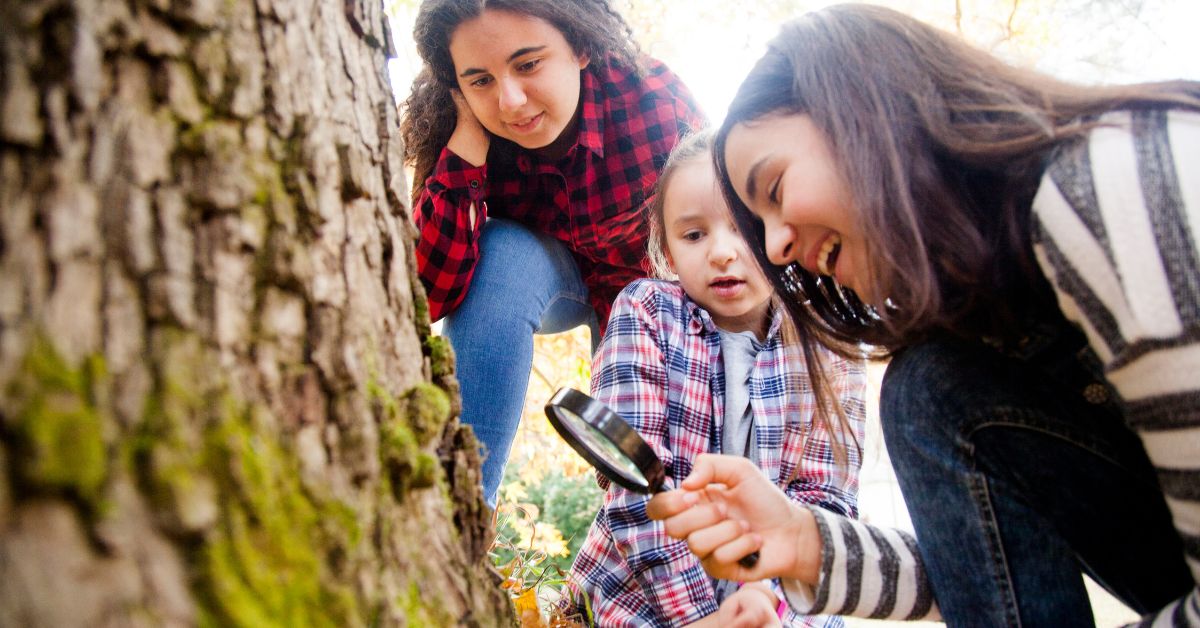
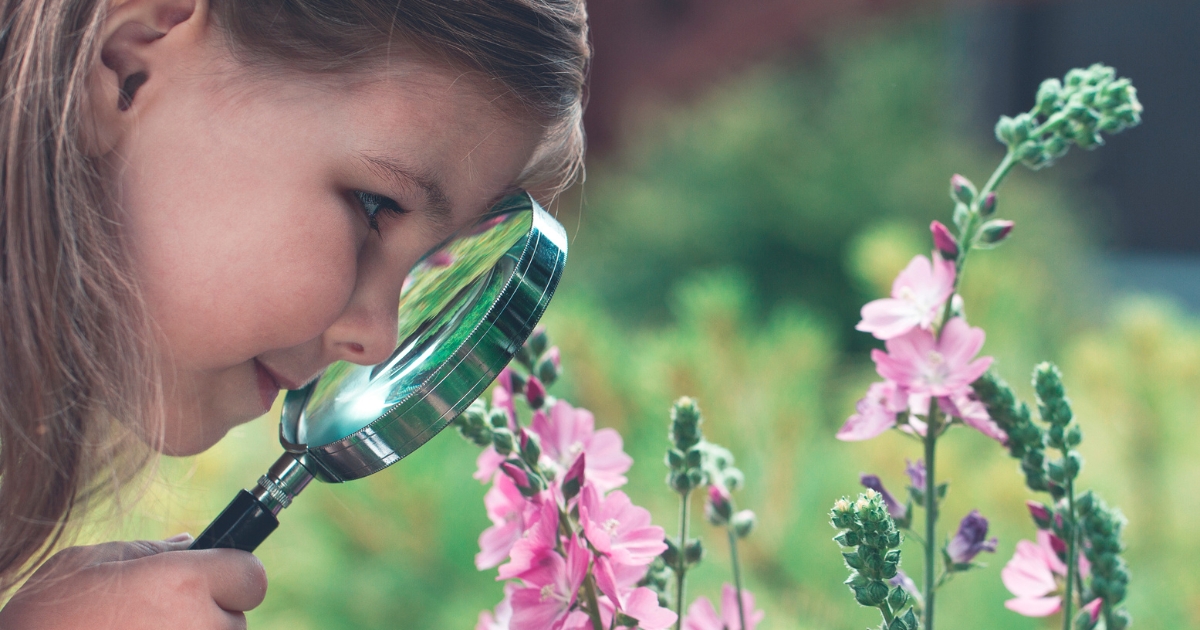
  • A magnifying glass for closer looks at plants, insects, and other natural objects
  • Glue or tape to attach small items like pressed flowers or leaves
  • Field guides for identifying flora, fauna, and other environmental elements
  • A pencil pouch to keep all supplies easily accessible for outdoor journaling
  • Weather-proof bag for nature walks to protect the journal from the elements

These tools are all you need to begin. Since journaling is organic and personal, feel free to add or eliminate materials based on your child’s preferences.

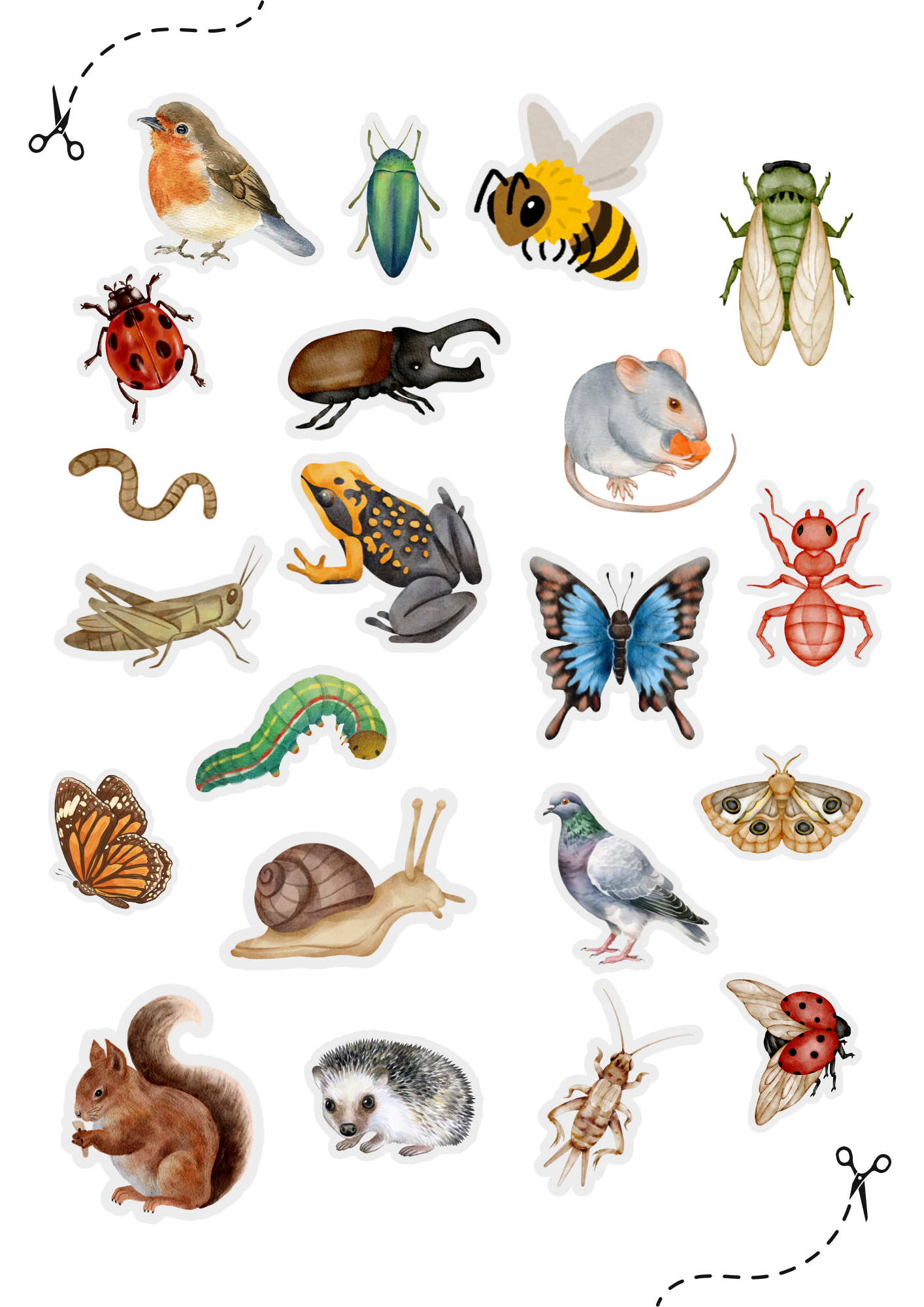
Transform your nature study journal with these delightful printable stickers! Just print, snip, and stick to bring your pages to life with a touch of creativity and charm!

Top Left
Top Right
Bottom Left
Bottom Right

Nature Journal Ideas

When it comes to journaling, there’s no one “right” way to do it. Each child will develop their own style over time. Here are a few Charlotte Mason nature study journal ideas to inspire your homeschool adventures:

  • Sketch and label plants: Take a walk in your backyard or garden and have your child draw flowers, leaves, or interesting plants. Encourage them to label each one and write down a quick description about where they found it.
  • Record weather patterns: Dedicate one section of the journal to observations about the clouds, rainfall, or temperature. Older students can even sketch cloud types like cirrus or cumulus and compare them to a weather guide.
  • Draw animal tracks: On muddy or sandy paths, look for evidence of animals that have passed through. Your child can sketch the tracks they see and hypothesize which creatures made them.
  • Leaf rubbings: If your child enjoys hands-on activities, teach them how to do leaf rubbings. Place a leaf under a page, lightly color over it with crayons, and watch the leaf’s veins and structure appear.
  • Seasonal studies: Have your child journal about how their surroundings change with the seasons. They can draw budding trees in spring or write a descriptive paragraph about autumn leaves.
  • Nature poems: Encourage creativity by adding short poems or haikus inspired by what they observe. This blends language arts with nature study beautifully.

Experiment with these ideas to find what resonates most with your child, and remember that the journal evolves over time.

Homeschooling with a Nature Study Journal

Benefits of Homeschooling with a Nature Study Journal

Charlotte Mason nature study doesn’t just expose children to the outdoors; it builds skills that stay with them for life. Journaling, in particular, offers a meaningful way to combine academic subjects while keeping learning dynamic and fun.

For younger children, creating a nature notebook helps develop fine motor skills through drawing and writing. It encourages a sense of wonder as they learn to notice the smallest details of a flowerpetal or bird feather. Meanwhile, for older students, nature journaling fosters critical thinking as they analyze patterns, make observations, and conduct simple nature experiments.

Another fantastic benefit is how this practice can establish a meaningful family rhythm. Nature study often means stepping away from screens, slowing down, and being fully present. Sharing journals as a family also adds layers of bonding and encourages even parents to reconnect with nature.

The Role of Outdoor Exploration

At the heart of a Charlotte Mason nature journal is the act of being outdoors. Nature study doesn’t happen in a vacuum, and you’ll gain the most value by spending regular time outside with your children.

Start incorporating outdoor exploration into your homeschool routine once or twice a week if possible. Visiting local parks, hiking trails, or even your backyard can offer plenty of opportunities to observe the natural world. Some parents enjoy setting seasonal or monthly themes to guide these walks, such as focusing on birds in the spring or wildflowers in the summer. Encourage observation skills by asking questions like, “What do you think this bird is doing?” or, “Why do you think the leaves on this tree are shaped this way?”

While exploring, try to approach nature in a gentle, curious way without rushing through observations. Building emotional connections to the natural environment helps develop not only scientific knowledge but also a child’s sense of stewardship for the world around them.

Fun Homeschool Nature Activities

Adding hands-on activities to your nature study will enrich your homeschool experience. Here are a few ideas that align with Charlotte Mason’s philosophy and work well alongside journaling:

Set up a bird feeder in your yard and record details about visiting species in the journal. Your child can sketch their feather colors, note the type of seeds they eat, and even name the birds!

Go on scavenger hunts where children search for specific items like acorns, pine cones, or different shades of green. Create a list in advance to make the activity structured yet flexible.

Conduct a tree study by selecting one tree in your yard or nearby park. Encourage your child to observe its changes over time, sketch its leaves or bark, and write about any animals or birds that rely on it for shelter.

Press flowers and leaves using a heavy book and wax paper. Once dried, your child can tape these into their journal and label them with plant names, making it a mini herbarium.

Build a mini insect habitat in a jar and observe how insects crawl, eat, and interact. (Be sure to release them safely when the activity is done.)

Track the moon phases over a month and create corresponding sketches or notes.

With these activities, your child engages their senses while learning biology, geography, and other natural sciences.

Implementing a Routine

Consistency is key to making nature journaling a sustained part of your homeschooling experience. Ideally, try to set aside one day each week as “nature study day.” After spending some time outside, transition into journaling while your child’s observations are still fresh.

Create a quiet, inviting space for journal entries. Place all art supplies nearby, and give your child ample time to explore their creativity. If you have multiple children, encourage everyone to share their journals at the end of the session.

It’s also helpful to model interest in journaling by creating your own entries. When children see you involved, they’re more likely to enjoy it themselves.

By integrating these ideas into your homeschool routine, you’ll nurture a love for learning while instilling an appreciation for the beauty of the natural world. A Charlotte Mason nature study journal is not just a tool for education but a keepsake of your child’s personal growth and exploration.

6 Fun Math Games to Boost Number Sense

Helping your child develop strong number sense is one of the best ways to set them up for success in math. Number sense is the ability to understand numbers, their relationships, and how they work together. It’s more than just rote memorization of facts; it’s about real comprehension. 

Luckily, incorporating fun math games into your homeschooling routine can make building these skills both engaging and educational. Here are six exciting games that can boost number sense and transform math lessons into fun, interactive experiences.

1. Build-a-Tower with Dice

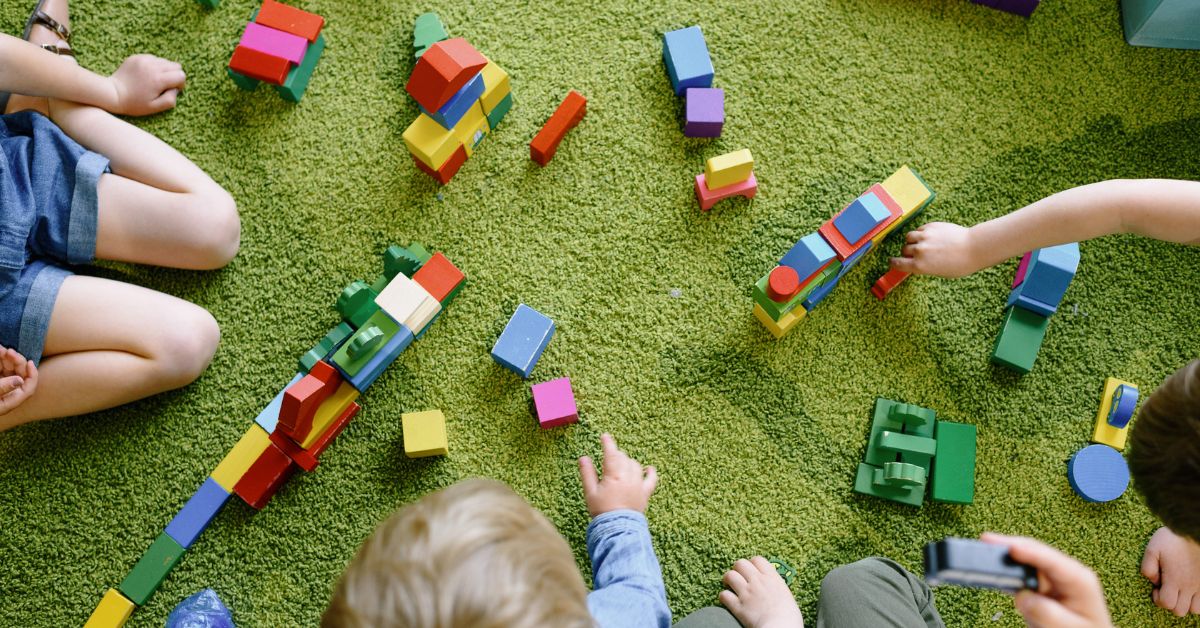
Dice games are a quick and easy way to make math more hands-on. For this game, all you need are dice, some small building blocks or LEGOs, and a flat surface.

How to Play:

  • Each player rolls two dice.
  • Add the two numbers together to get the sum. This reinforces addition skills and the relationship between numbers.
  • The player builds a tower using the same number of blocks as the sum. For example, if they roll a 5 and a 3, they build an 8-block tower.
  • Take turns adding to your tower. The first person to reach an agreed-upon height wins.

Why It Helps:
This game helps kids visualize quantities and practice addition in a tactile way. It’s also great for showing how numbers combine to make bigger totals. To simplify, use just one die at first. Or, to challenge older kids, have them multiply the dice!

2. Number Line Treasure Hunt

Create an engaging math scavenger hunt that works on number sense and spatial reasoning. You’ll need some paper strips, markers, and small objects like coins or toys to use as “treasures.”

How to Play:

  • Create a large number line on the floor using paper strips. Write numbers (positive, negative, or fractions, depending on your child’s level) on each strip.
  • Hide treasures near certain numbers. For example, “the treasure is at the number that’s 5 more than 8” or “find the number that is half of 20.”
  • Give your child the clues as they search and solve.

Why It Works:
This game encourages kids to think critically about how numbers relate to one another, reinforcing skills like skip counting, addition, subtraction, and even fractions.

3. Estimation Jars Challenge

Estimation is a key part of number sense. Preparing this activity takes just a few minutes and can keep kids entertained for hours.

How to Play:

  • Fill a clear jar with small objects, like marbles, candies, or buttons.
  • Ask your child to estimate how many are inside.
  • For older kids, add more complexity by creating categories like “estimate how many red candies are in the jar” or calculating ratios.
  • After writing down predictions, count the items together for the exact answer.

Why It’s Valuable:
This game hones your child’s ability to visually gauge numbers and refine their guesses. Plus, it introduces concepts like greater-than and less-than in a natural way.

  1. Card Wars

This card game is an excellent way to work on mental math and comparison skills. You’ll need one deck of cards, with face cards removed.

How to Play:

  • Divide the deck equally between players.
  • Each player flips over two cards and adds (or multiplies, for older kids) the numbers together.
  • The player with the higher total keeps all the flipped cards.
  • Continue until the deck is gone, then count cards to determine the winner.

Why It’s Effective:
“Card Wars” reinforces quick mental math with addition, multiplication, and comparison. It’s also endlessly customizable—for example, players could subtract instead or use three cards for more complexity.

5. Guess My Number

This classic game is simple and helps kids think logically about number relationships. Best of all, you don’t need any materials!

How to Play:

  • One person (the “host”) picks a number within a certain range (for instance, 1-100).
  • Players take turns guessing the number.
  • After each guess, the host gives a clue such as “higher” or “lower” to guide them closer to the correct number.

Why It Matters:
“Guess My Number” teaches kids to narrow down possibilities and think strategically. For older children, you can limit the number of guesses, teaching efficiency as well.

A Deeper Look at Number Sense and Math Games

A Deeper Look at Number Sense and Math Games

Playing math games isn’t just about having fun; it’s a vital part of learning. Children often understand math better when they can explore it playfully. Games like these give them the chance to experience numbers in context, rather than seeing them as abstract symbols on a worksheet.

For example, number sense encompasses skills like estimating, recognizing patterns, and mentally manipulating numbers. Whether they’re estimating how many bricks will fill a toy bin or strategizing who will win in “Card Wars,” kids are naturally practicing these skills. Such activities help them feel more comfortable with numbers, making what might otherwise seem intimidating feel approachable and engaging.

Parents might notice that children who play math-focused games often have fewer struggles transitioning to formal mathematical concepts. Games provide opportunities to see math as useful in the real world and encourage persistence—even when problems require multiple steps to solve. With regular practice, kids not only build number sense but also gain the confidence to tackle more advanced concepts down the line.

Customizing Math Games for Different Ages

Not every fun math game is a perfect fit for every child. Younger kids may feel overwhelmed by games with multiple rules or big numbers, while older kids might get bored with overly simple challenges. With some small adjustments, though, these games can work for any age.

For preschoolers, focus on basic skills like counting and identifying numbers. Games like “Building Towers” can be simplified to use just one die instead of two. Children at this stage benefit from seeing and touching objects as they learn to connect numbers to real-life quantities.

For older kids, try introducing higher-level concepts into games they already love. For example, instead of just multiplying numbers in “Card Wars,” challenge them to solve multi-step problems to win a round. You could even incorporate decimals or fractions to make games more advanced.

Adapting games ensures that math feels doable and enjoyable for every child, no matter their starting point.

6. Math Relay Race

Turn math practice into a high-energy activity with a relay race that tests quick number sense and teamwork. You’ll just need a whiteboard, chalk, or even some paper taped to the wall.

How to Play:

  • Write a series of math problems (addition, subtraction, multiplication, or division) on separate sheets of paper. You can mix simpler and harder questions.
  • Divide your family into teams. Each team forms a line.
  • One player from each team races to the board, solves a problem, and runs back to tag the next teammate.
  • The game continues until all problems are solved. The team with the fewest total mistakes wins!

Why It’s a Winner:
A math relay race introduces speed, critical thinking, and collaboration, showing kids that math doesn’t always have to happen at a desk. Additionally, it adds an exciting physical element that some kids thrive on.

An Important Math Skill

Building number sense is one of the most important math skills you can nurture in your homeschooling routine. These fun math games don’t just teach the basics; they encourage deeper understanding while engaging your child in exciting and interactive ways. Whether you’re organizing a number line treasure hunt, competing in “Card Wars,” or solving clues in “Guess My Number,” you’re helping your child connect with math in ways that go beyond rote memorization.

Try rotating these games into your schedule and watch as your child grows more confident, capable, and curious about numbers. Homeschooling math just got a whole lot more fun!

Spelling Woes: How To Teach Your Child Even If You Can’t Spell

Not being confident in your own spelling skills shouldn’t hold you back from teaching your child how to succeed in spelling. Homeschooling gives you the chance to use creative methods to teach your child, even if you feel like spelling has always been a challenge for you. Effective spelling instruction doesn’t rely on memorization alone or require you to be a spelling expert. Instead, it’s about using the right tools and strategies, like phonics instruction, word study techniques, and multisensory learning, to help your child build a solid foundation.

Here’s how you can confidently teach spelling at home, step by step, using methods that are both fun and effective.

The Importance of Phonics Instruction

Phonics instruction is one of the most effective ways to teach spelling, especially for young learners or those just starting to spell. It focuses on the relationship between letters and the sounds they make, so your child can decode unfamiliar words and recognize patterns. Phonics instruction is essential because it provides the logic behind spelling. Instead of memorizing a long list of words, your child will learn the why and how of spelling.

For example, once your child knows that the “ch” sound is often spelled with the letters ch and sometimes tch, they can independently apply this rule to new words like “choose” or “stretch.” This understanding creates a sense of confidence while writing, even without a perfect memory for how every word looks.

Phonics instruction can begin with simple sound-letter correspondences and gradually build to more complex concepts, like vowel teams, consonant blends, or syllable patterns. Break spelling lessons into manageable steps that match your child’s skill level and pace.

Word Study Techniques That Actually Work

Word study allows children to explore the building blocks of language, such as patterns, root words, prefixes, and suffixes. Unlike rote memorization, it invites kids to discover why words are spelled the way they are. Here are some practical word study techniques you can try at home:

Sort Words By Patterns
Write out words on flashcards and group them by patterns, such as words ending in -ed or words with long vowel sounds. For example, have your child sort words like played, jumped, and baked. Seeing the patterns makes it easier for your child to predict how unfamiliar words might be spelled.

Highlight Morphology
Teach your child how root words, prefixes, and suffixes come together. Words like unhappy, happiness, and happily share a root (happy) but gain new meanings with prefixes (un-) or suffixes (-ness, -ly). Understanding morphemes not only develops spelling skills but also boosts vocabulary.

Use Word Hunts
Turn your child’s curiosity into an activity by having them “hunt” for specific spelling patterns in their reading books. For example, ask them to find three words with the ai vowel pair or any word ending in -tion. This technique reinforces spelling concepts while connecting them to actual text.

Practice With Dictation
Read short sentences aloud and have your child write them down. Include words that follow the patterns they’re currently learning. Correct together afterward, using mistakes as teaching opportunities rather than points of frustration.

These techniques help children become problem-solvers when it comes to spelling. Instead of feeling bewildered by tricky words, they’ll develop useful tools to work through challenges.

The Power of Multisensory Learning

Multisensory learning engages multiple senses at once to help reinforce spelling. This approach is particularly effective for kids who struggle with traditional methods. When more senses are involved, the brain creates stronger connections, making it easier for your child to remember and apply what they’ve learned.

Here are some ways to incorporate multisensory techniques into spelling lessons:

  • Write It Out With Texture
    Provide options like sand, shaving cream, or salt trays for your child to trace out letters and words. The tactile experience works wonders for memory.
  • Use Movement
    Try “air writing,” where your child uses their finger to write words in the air. For a kinesthetic twist, challenge them to spell words by hopping from one letter (written on the ground) to the next.
  • Color-Code Phonics Rules
    Assign colors to vowels, consonants, or common patterns like blends and digraphs. For example, write words like green or steam with the vowel team in a bright color.
  • Clap It Out
    When teaching syllables, help your child physically identify them by clapping out the beats. For instance, “chocolate” becomes “choc-o-late,” with a clap for each part.

The beauty of multisensory techniques is their versatility. Your child’s learning preferences will guide how you use these methods, and there are endless ways to combine fun with education.

How To Practice Every Day

#image_title

How To Practice Every Day

Consistency is key when teaching spelling, but that doesn’t mean you have to schedule long, dull lessons every day. Instead, small daily practices can make a big impact. Here are some easy ways to build spelling into your routine:

  • Real-Life Writing Practice
    Ask your child to create grocery lists, write letters to relatives, or label their drawings. These activities put spelling into a meaningful context.
  • Play Games
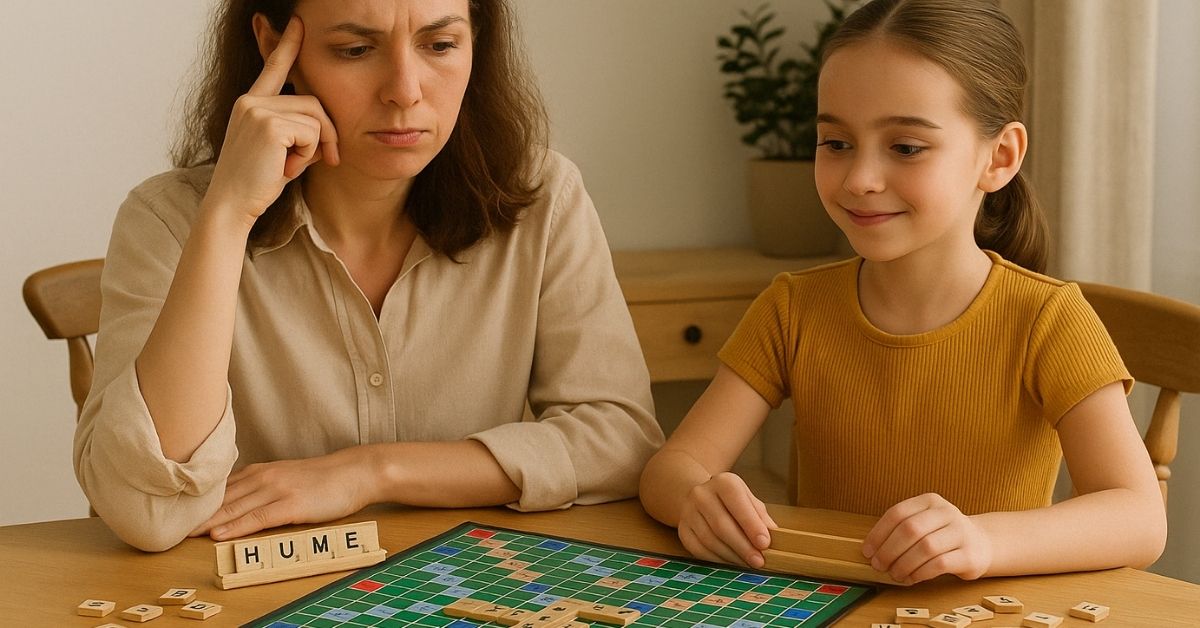
    Use classic board games like Scrabble or Boggle to practice spelling. If you don’t have these, try creating your own word puzzles or playing a hangman-style game.
  • Utilize Technology
    There are plenty of apps and tools that make spelling practice interactive. Look for spelling-focused games or dictation programs to reinforce skills.
  • Reinforce With Read-Alouds
    Read to your child regularly (even after they’ve become independent readers). Hearing and discussing words enriches vocabulary and exposes them to correct spellings in context.

The goal is to integrate spelling practice into your child’s daily life so it feels natural rather than forced.

What To Do When You Encounter Spelling Roadblocks

Sometimes your child will hit a wall and struggle to grasp a particular concept or pattern. That’s okay. This doesn’t mean they’re “bad” at spelling; it simply means they need more time or a different approach to build their understanding.

When this happens, step back and reassess. Is the current lesson too advanced? If so, backtrack until you both feel confident again. Revisiting simpler concepts helps reinforce a solid foundation.

Another strategy is to approach the difficult concept from a different angle. For instance, if your child struggles with vowel teams, you could try using songs or rhymes they can memorize. Alternatively, use multisensory tools like magnets or manipulatives to make abstract ideas more concrete.

Mistakes are an important part of the learning process. Encourage your child to celebrate progress rather than focusing on perfection.

Encouraging Independence

Ultimately, the goal is to help your child become an independent speller. One way to do this is by teaching them how to use resources like dictionaries or spell-check tools.

Encourage them to sound out words or take an educated guess rather than always relying on someone else for the correct spelling. Over time, they’ll develop confidence in their abilities and become more self-sufficient.

At the same time, model your own learning process. You don’t have to hide the fact that you occasionally misspell words. Show your child how you problem-solve, whether it’s by looking something up or using phonics rules yourself.

Spelling success isn’t about always having the perfect answer but about knowing how to approach challenges thoughtfully.

With phonics instruction, word study techniques, and multisensory learning, you’ll be well-equipped to teach spelling effectively—even if it hasn’t been your strong suit.

How To Teach Music If You Don’t Know How To Play An Instrument

Teaching music can feel intimidating if you don’t know how to play an instrument. However, you don’t need to be a professional musician to introduce children to the joy of music. With the right approach, tools, and techniques, you can create a music education program that inspires creativity and builds musical skills. Here’s how to do it with vocal music education, digital tools, and body percussion methods.

Vocal Music Education

Vocal music is one of the most accessible ways to teach music. Everyone has a voice, and kids can explore melody, rhythm, and dynamics through singing. Here’s how to build vocal skills:

  1. Start With Simple Songs
  • Choose songs with repetitive lyrics and simple melodies. Nursery rhymes and folk songs are excellent options. Songs like “Twinkle, Twinkle, Little Star” or “Row, Row, Row Your Boat” encourage children to sing confidently.
  • Make these songs interactive by including fun actions or singing games.
  1. Teach Vocal Warm-Ups
  • Encourage kids to take care of their voices by introducing simple warm-ups. Practice humming, lip trills, and scales.
  • Use imagery like “pretend you’re an ambulance” or “buzz like a bee” to make warm-ups entertaining.
  1. Focus on Rhythm and Pitch
  • Clap out rhythms and have children repeat them. This helps them internalize tempo and timing.
  • Use a xylophone app or a pitch pipe (there are free digital versions) to introduce pitch and help kids match tones.
  1. Try Call-and-Response Songs
  • Call-and-response patterns make singing interactive. One person sings a phrase, and the group responds. Songs like “Oh, My Darling Clementine” or “Kum Ba Yah” work well for this.
  • This method builds listening and coordination skills.
  1. Encourage Creativity
  • Create opportunities for kids to make up their own lyrics or melodies. They’ll feel ownership of the learning process and build confidence.
  • Offer prompts like “sing about your favorite animal” or “create a song about today’s weather.”
  1. Sing Along to Recordings
  • Play familiar songs and have kids sing along. This gives them a model to mimic and provides exposure to different musical styles.
  • Consider incorporating songs in other languages to introduce cultural variety.

Benefits of Vocal Music

Focusing on vocal music doesn’t just teach children about melody and rhythm. It also improves listening skills, boosts memory, and builds confidence. Even if you feel you’re not the world’s greatest singer, modeling enthusiasm encourages kids to participate.

Digital Music Tools for Teaching

Modern technology makes music education easier for those who lack formal training. By using digital tools, you can set up engaging lessons while broadening what students can learn. Here are some tools and strategies to try:

  1. Music Apps
  • Apps like GarageBand, Chrome Music Lab, and Simply Piano are user-friendly and designed for learners of all ages. GarageBand lets kids experiment with composing and arranging music. Chrome Music Lab introduces concepts like rhythm, tempo, and sound waves in a hands-on way.
  • Many apps are free or have free versions, making them budget-friendly for homeschoolers.
  1. Online Video Tutorials
  • Platforms like YouTube have countless tutorials on rhythm, basic singing techniques, and beginner music theory. Channels like Hoffman Academy or MusicK8 provide child-friendly lessons.
  • Follow along with videos together so you can learn alongside your homeschoolers.
  1. Digital Instruments
  • Even if you don’t own physical instruments, digital keyboards, drum pads, or guitar simulators can replicate the experience. Apps like Virtual Piano allow children to practice on a digital keyboard.
  • Pair these digital tools with tutorials or sheet music to guide structured practice.
  1. Looping and Layering Music
  • Show kids how to create loops (repeating patterns) and layer tracks using apps like Soundtrap or Loopimal. These apps can teach how different instruments work together to build a song.
  • Start with simple loops like creating a drumbeat or a short melody, then add more complexity as they gain confidence.
  1. Interactive Games
  • Gamified learning apps like Rhythm Trainer help kids build skills by turning practice into play. With challenges and rewards, these apps make it enjoyable to master beat patterns or solve musical puzzles.
  • Games like “NoteWorks” teach basic note reading through fun interactive exercises.
  1. Record and Playback
  • Many digital tools allow you to record and playback what you create. This gives kids a chance to hear their progress and identify areas to improve.
  • You can also guide discussions on how certain sounds or rhythms evoke emotions in their compositions.

Why Use Digital Tools?

Digital tools break down complex musical concepts into manageable parts. They foster experimentation, which makes the learning process exciting while keeping it structured. Even without traditional instruments, kids can practice composing, rhythm, and listening skills.

Body Percussion Techniques

Body Percussion Techniques

Teaching body percussion is an excellent way to develop rhythm skills without any instruments. It connects movement and sound, creating a fun and interactive experience for kids. Here’s how to use it effectively:

  1. Explore Basic Movements
  • Start with simple techniques like clapping, snapping fingers, and patting thighs. These actions are easy for kids to follow.
  • Combine movements into patterns. For example, tap thighs twice, clap once, then snap.
  1. Create Rhythmic Chants
  • Pair rhythmic patterns with chants or poems. For example, chant a line like “Feel the beat, move your feet” while clapping or tapping in time.
  • Chants improve coordination between speech and movement, boosting rhythm awareness.
  1. Layer Rhythms
  • Divide kids into small groups and have each group perform a different pattern. For instance, some may clap a steady beat while others tap a syncopated rhythm.
  • Layering builds teamwork and allows children to experience how rhythms interact.
  1. Imitate Sounds in Nature
  1. Use Existing Songs
  • Teach kids how to add body percussion to familiar songs. For example, they can clap on every beat of “You Are My Sunshine” or stomp to the rhythm of “The Ants Go Marching.”
  • Have them experiment by replacing one kind of movement with another to create variety.
  1. Make It a Game
  • Play games like “Body Percussion Simon Says,” where you act as the leader, performing a rhythm for them to copy.
  • Add challenges by speeding up, slowing down, or introducing more complex patterns as they improve.

Why Choose Body Percussion?

Body percussion is low-pressure and fun, making it an effective way to teach rhythm without specialized equipment. It also helps kids develop coordination and spatial awareness while tapping into their natural sense of rhythm.

Tips for a Well-Rounded Music Program

  • Combine Methods: Mix vocal music, digital tools, and body percussion so that children experience both traditional and modern approaches to music learning.
  • Be Consistent: Dedicate regular time to music education in your homeschool schedule. Even 10–15 minutes a day will show results over time.
  • Encourage Exploration: Foster curiosity by introducing a variety of music genres, from classical to jazz to world music. Play recordings or use YouTube to expose them to different styles.
  • Celebrate Progress: Celebrate accomplishments, no matter how small. Whether it’s singing on pitch, creating a rhythm pattern, or composing a short song, positive reinforcement builds confidence.
  • Invite Family Participation: Get siblings or parents involved. Singing together or creating rhythms as a group makes music learning a shared experience.

Teaching music without knowing how to play an instrument is a challenge, but it’s also a rewarding experience. Through these approaches, you’ll be able to guide your children as they discover the beauty and joy of music. By focusing on vocal education, integrating digital tools, and exploring the world of body percussion, you can foster a love for music that will last a lifetime.

Getting Outside: Science Class in the Backyard

Homeschooling offers the flexibility to make learning engaging, and one of the best ways to combine education with fun is by carrying out outdoor science activities. The backyard is an ideal space for students to observe, experiment, and develop a deep connection with nature while exploring scientific concepts. With just a few supplies and some curiosity, kids can transform ordinary backyard experiments into valuable lessons in biology, physics, chemistry, and more.

Why Outdoor Science Activities Are Valuable

Outdoor science activities go beyond textbooks, encouraging hands-on learning and fostering vital skills such as critical thinking, problem-solving, and creativity. Working outside stimulates the senses, keeps kids physically active, and makes lessons memorable. Plus, children gain an appreciation for the world around them as they explore patterns, cycles, and interactions found in nature.

With minimal preparation, you can turn your backyard into a science lab. Below are practical, easy-to-implement activity ideas to inspire your homeschool science lessons.

Exploring Plant Life

Understanding plant biology becomes exciting when students can see and touch plants in their natural setting.

Leaf Identification

  • Collect leaves from various plants in the backyard.
  • Compare their colors, shapes, edges, and sizes.
  • Use a field guide or app to identify each plant species.
  • Discuss the function of leaves and how they help plants thrive.

Photosynthesis in Action

  • Choose a shady spot and a sunny spot in your backyard.
  • Place two identical plants in each location.
  • Observe for a week to compare how plants grow depending on their exposure to sunlight.
  • Explain the concept of photosynthesis and how light affects growth.

Seed Dissection

  • Gather seeds from fruits, flowers, or trees.
  • Carefully open the seeds to examine their structure.
  • Identify the parts, such as the seed coat, embryo, and endosperm.
  • Discuss how seeds germinate and turn into new plants.

Investigating Nature’s Creatures

Wildlife observation is an exciting way to introduce young learners to ecosystems.

Bug Safari

  • Search for insects around the backyard, like ants, beetles, or butterflies.
  • Use a magnifying glass to observe their body parts and movements.
  • Identify the roles bugs play, such as pollinators, decomposers, or predators.
  • Create a simple insect journal to sketch what you find and jot down observations.

Bird Watching

  • Set up a feeder with seeds to attract local birds.
  • Record their behavior, such as eating habits or interactions with other birds.
  • Use a pair of binoculars to take a closer look.
  • Discuss adaptations like beak shapes and feather types that help birds survive.

Earthworm Experiments

  • Dig gently in damp soil to find earthworms.
  • Observe how they move and react to light or touch.
  • Set up a simple experiment to test their response to different soil conditions (add dry or wet soil to see their preference).
  • Discuss how earthworms contribute to soil health and plant growth.

Hands-On Physics Experiments

Outdoor science activities can also help kids understand basic principles of physics.

Gravity in Action

  • Create a ramp using a plank of wood.
  • Roll items like balls, toy cars, and stones down the ramp.
  • Measure which items roll faster or farther.
  • Discuss how gravity and friction affect motion.

Paper Airplanes

  • Have kids fold paper airplanes in different designs.
  • Test each design to see how they fly.
  • Measure the distance and experiment with adjustments to improve flight.
  • Link the activity to concepts like aerodynamics and thrust.

Water Balloon Drop

  • Fill small balloons with water.
  • Drop them from different heights to see how impact changes.
  • Test this with various surfaces like grass, sand, or concrete.
  • Explain how momentum and surface type influence the outcome.

Chemistry in the Backyard

Chemistry in the Backyard

Simple backyard activities can introduce kids to chemical reactions.

Baking Soda Volcano

  • Build a small “volcano” using dirt or playdough.
  • Pour baking soda into the crater.
  • Add vinegar to simulate an eruption.
  • Explain the reaction between the acid in vinegar and the baking soda base.

Solar-Powered Melting

  • Place an ice cube in sunlight and another in the shade.
  • Track how long each takes to melt.
  • Use a thermometer to measure the temperatures in both areas.
  • Discuss how heat energy works and how it influences the state of matter.

Chalk Art and Erosion

  • Draw with chalk on a sidewalk or driveway.
  • Spray water over the chalk drawings with a hose or spray bottle.
  • Observe how chalk dissolves and spreads.
  • Relate the experiment to natural erosion caused by rain and wind.

Weather Observation

Your backyard is also a perfect setting for studying the weather.

DIY Rain Gauge

  • Cut the top off a plastic bottle and place it upside-down as a funnel inside the base.
  • Mark measurements on the bottle to track rainfall each day.
  • Compare the rain collected each week and chart the results.

Wind Exploration

  • Build a wind vane using a straw, cardboard arrow, and stick or pencil.
  • Use the wind vane to determine wind direction.
  • Discuss how wind is created and its role in weather patterns.

Cloud Spotting

  • Lie on a blanket outdoors and watch the clouds.
  • Identify different types of clouds like cumulus, cirrus, and stratus.
  • Create a cloud diagram or painting after the activity to reinforce learning.

Encourage Creativity and Curiosity

Outdoor science activities often lead to new questions and ideas. Encourage kids to take ownership of experiments by brainstorming their own hypotheses, testing their ideas, or adding creative elements like art and storytelling to their projects.

Keep a science notebook or portfolio for documenting findings, writing reflections, or even sketching objects they discover. Revisiting these notes will not only reinforce learning but also show students their progress over time.

Every backyard is filled with educational potential. With these ideas, science class will move from being a stationary activity to an exciting, hands-on adventure that sparks curiosity and critical thinking. Grab some supplies, head outside, and start exploring!

How Many Subjects Should You Be Teaching in a Day?

Finding the right balance in your homeschool daily schedule can be challenging, especially when deciding how many subjects to cover. Too much, and you risk overwhelming both you and your children. Too little, and you might worry about not meeting educational goals. Here’s a guide to help you create a practical and effective daily routine.

Key Factors to Consider

Before deciding how many subjects to tackle each day, consider the following:

  • Your Child’s Age and Attention Span
    Young children have shorter attention spans and don’t need the same amount of structured learning time as older students. For example:

    • Preschoolers may only need 1-2 subjects a day for short periods of time.
    • Elementary-aged kids might work on 3-4 subjects but in short, engaging sessions.
    • Middle and high schoolers can typically handle 5-6 subjects, with some requiring deeper focus.
  • Family Priorities
    Every family has unique values and goals. Some may emphasize academic rigor, while others prioritize creativity, physical activity, or faith-based studies. Incorporate what matters most to your family into your daily schedule.
  • State Requirements
    Check your state’s homeschooling laws. Some states require a set number of subjects or hours of instruction. These guidelines can help shape your schedule.
  • Individual Learning Styles
    Every child learns differently. Some may thrive on variety and enjoy switching between subjects, while others benefit from focusing on fewer areas each day.

Structuring Your Homeschool Daily Schedule

Creating a flexible yet structured schedule is the key to a successful homeschool day. To determine how many subjects to teach each day, use these strategies:

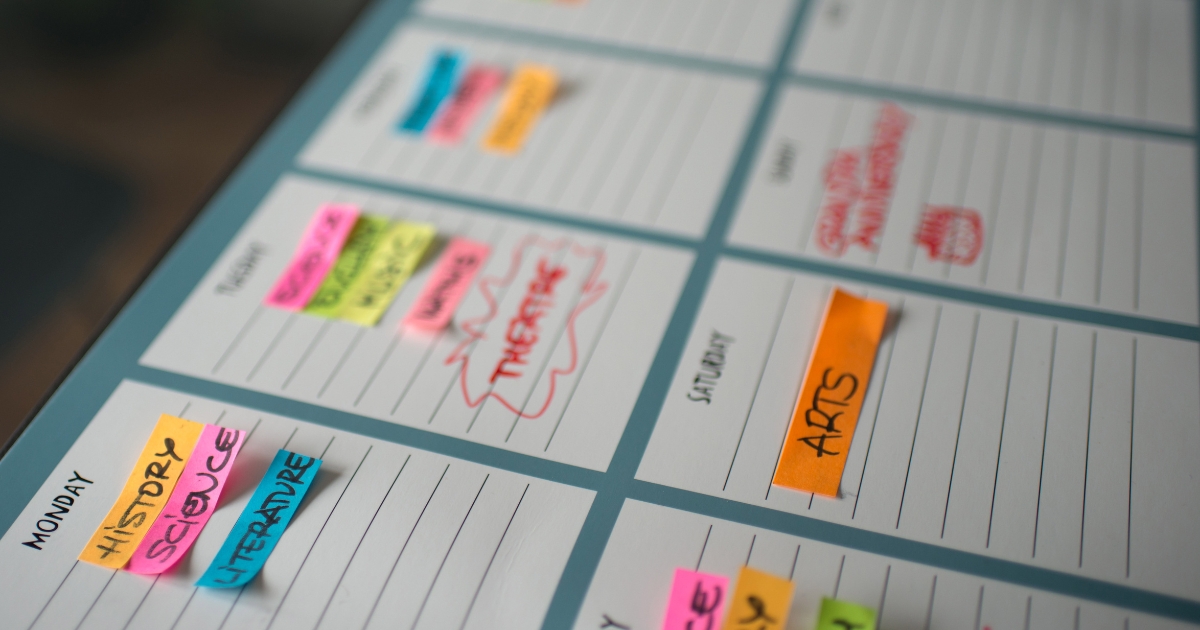
Group Subjects by Type

Not all subjects require daily instruction. Break your curriculum into categories and rotate less essential subjects throughout the week. For example:

  • Core Subjects (Daily):
    These are foundational subjects like math, reading, and writing. They usually benefit from consistent daily practice.
  • Ancillary Subjects (Rotate Weekly):
    Subjects like history, science, and geography can be taught a few times a week instead of daily.
  • Enrichment Subjects (Flexible):
    Music, art, physical education, and foreign languages can be rotated or scheduled as once-a-week activities.

Use Multi-Subject Activities

You can combine subjects to save time and make learning more engaging:

  • Literature-based unit studies can cover reading, writing, history, and even art.
  • Science experiments can incorporate math, writing (through lab reports), and research skills.
  • Family read-aloud sessions might introduce history, geography, or character-building discussions.

This integration helps cover more subjects without overloading your schedule.

Assess Core Time Blocks

Look at your available hours each day and allocate blocks for learning, breaks, and family time. For example:

  • Morning sessions (1-2 hours) might focus on math, reading, and writing.
  • Afternoon sessions (1-2 hours) could rotate subjects like history, science, or art.
  • Leave room for breaks, outdoor play, or free reading to keep energy levels up.

Sample Homeschool Daily Schedules

Sample Homeschool Daily Schedules

When deciding how many subjects to teach, the structure of your day matters. Here are sample schedules to guide you:

Preschool and Kindergarten (Ages 3-6)

Focus on short, engaging activities. Kids this age need a lot of play and exploration.

  • Daily Subjects:
    • Reading aloud (15-20 minutes)
    • Early math (15 minutes using hands-on tools)
  • Occasional Subjects (1-2 times weekly):
    • Art, music, sensory activities, science exploration
    • Nature walks for physical activity and curiosity-based learning

Elementary School (Ages 7-11)

At this stage, start building a broader foundation while keeping lessons short and interactive.

  • Daily Subjects:
    • Math (30 minutes)
    • Reading (20-30 minutes)
    • Writing or grammar (20-30 minutes)
  • Rotating Subjects (2-3 times weekly):

Middle School (Ages 12-14)

Older students can handle more structure but still benefit from variety.

  • Daily Subjects:
    • Math (45 minutes)
    • Literature/Reading (30 minutes)
    • Writing or Grammar (30 minutes)
    • Science (30-45 minutes)
  • Rotating Subjects (1-2 times weekly):
    • History or geography
    • Electives like coding, cooking, or art
    • Choose activities that build on their personal interests.

High School (Ages 15-18)

High schoolers need to meet graduation and college prep requirements. Many subjects will require deeper, daily focus.

  • Daily Subjects:
    • Math (1 hour)
    • Literature/English (45 minutes)
    • Writing/Research (30-45 minutes)
    • Sciences like biology or chemistry (1 hour)
  • Rotating Electives:

Adjusting Your Schedule

Be open to making adjustments as you discover what works best for your family. For instance:

  • Shift the heaviest academic subjects to your child’s most alert time of day.
  • Allow for flexibility on days when your child needs more hands-on or outdoor experiences.
  • End the day with something enjoyable like art or storytelling to wind things down.

Avoid Overloading Your Day

Teaching every subject, every day, is neither practical nor beneficial. Here are ways to avoid burnout:

  • Prioritize Active Engagement: Short, focused lessons are more effective than drawn-out sessions.
  • Use Resources Wisely: Consider online courses, co-op classes, or educational apps to supplement your teaching.
  • Establish Mastery over Coverage: Don’t rush through material just to “cover” it. Spend time mastering foundational concepts instead.

Tips for Success

To maintain a regular routine while keeping enthusiasm high, try these tips:

  • Keep lessons short and engaging for younger kids.
  • Incorporate movement and brain breaks to refresh focus.
  • Use a planner or checklist to track daily goals and progress.
  • Include your child in planning to make them feel more involved.
  • Reflect weekly on what’s working and what needs adjustment.

By focusing on key subjects, rotating extras, and including flexibility in your homeschool daily schedule, you can create a plan that suits your child’s needs without overwhelming either of you. A thoughtful, balanced approach will help everyone stay productive and happy while learning.

History Lessons: How To Tie in Recent Events to Important Times Throughout History

Teaching history doesn’t have to be about memorizing endless dates and names. It’s about understanding the human experience, the decisions people have made, and the ripple effects that shaped the world we live in today. That’s why connecting current events to history is such a powerful tool—it helps students see history as alive, relevant, and interconnected with their everyday lives.

If you’re a homeschooling parent or instructor, weaving modern-day events into past occurrences can spark curiosity and make lessons stick. Students naturally grasp concepts better when they can relate them to something familiar. Here’s how to teach history through a modern lens, with actionable tips to connect current events to historical parallels.

Why Connecting Current Events to History Matters

By relating past events to what’s happening now, you create a bridge between abstract concepts and real-world understanding. Here’s what makes this approach essential:

  • It builds critical thinking skills. Students learn to analyze patterns, spot recurring themes, and question the motivations and outcomes of events across eras.
  • It shows the relevance of history today. This method answers the perennial question, “Why does this matter to me?” It makes history personal and meaningful.
  • It deepens understanding. Examining parallels helps students see cause and effect, understand complex systems, and appreciate how history shapes the present and the future.

Plus, this approach turns history from a dry list of facts into a dynamic story—one they’re a part of.

Start With Themes and Patterns

The easiest way to connect modern events to historical periods is by identifying recurring themes. Here are a few ideas to get you started, based on timeless patterns that pop up throughout history:

  1. Leadership and Power Struggles
    • Compare controversial leaders from history with modern figures. For instance, discuss how Julius Caesar’s rise to power mirrors certain political movements today.
    • Study revolts, like the American Revolution, alongside contemporary protests or large movements for change.
  2. Technological Advancements and Societal Change
    • Look at technological leaps like the Industrial Revolution and discuss how today’s AI boom might have similar impacts on labor and society.
    • Connect the introduction of the printing press to how social media shapes public discourse now.
  3. Social Justice Movements
    • Link the Civil Rights Movement to recent conversations about equity and inclusion.
    • Compare women’s suffrage efforts to modern debates around gender equality.
  4. Pandemics and Public Response
    • Use the 2020 COVID-19 pandemic to explore earlier pandemics like the Spanish Flu in 1918, and look for patterns in how society reacts to health crises.

By framing history through topics students can relate to, you make it easier for them to engage and see patterns themselves.

Use Today’s News to Spark Discussion

When news breaks, seize the opportunity to make connections. Here’s how to use current events as a doorway into history:

  • Find news stories that resonate. Look for issues like climate change, global conflicts, or economic shifts. These stories are ripe for drawing comparisons to similar events in history.
  • Ask the right questions. Encourage students to think critically with questions like:
    • What does this remind you of from the past?
    • What decisions are being made today that might mirror past choices?
    • What were the outcomes of similar situations in history? Did they succeed or fail?

Example Idea: When discussing global conflicts, compare a modern crisis (such as the war in Ukraine) to earlier conflicts, like World War I or the Cold War. Highlight similar causes, turning points, and attempts at resolution.

Pro Tip: Keep resources handy, like a reliable history timeline or database, to quickly connect events. High-quality news summaries and historical timelines can work wonders for making quick connections.

Help Students Identify Historical Echoes

Help Students Identify Historical Echoes

To solidify those connections, show students how to spot “echoes” of history in the present. This method teaches them to notice patterns, even outside of formal lesson time. Here’s how to approach it:

Step 1. Break Down Events

Teach students to dissect events into their components:

  • Who are the main players?
  • What are the goals, conflicts, or turning points?
  • What systems or values are at play?

Step 2. Find the Context

Discuss what was happening globally or locally during a historical era and ask:

  • How might societal factors affect the decisions made then? How does that compare to today?

Step 3. Examine Outcomes

  • Did the choices of the past work out well or not? Why?
  • How are similar decisions playing out today?

This process turns students into detectives, giving them the tools to explore both history and current events critically.

Focus on Storytelling to Make it Stick

History is all about stories, and so are modern events. Highlighting the human elements behind events can make these connections more vivid and relatable. For example:

  • Follow a specific individual or group. Compare historical figures to their modern counterparts. This could mean looking at activism by Martin Luther King Jr. alongside today’s social activists.
  • Use personal stories or narratives. Discuss how average people lived through significant historical times, like the Great Depression, and relate it to financial hardships today.

When you frame history as a collection of people’s stories instead of abstract facts, it becomes much more relatable and engaging.

Use Visual Aids to Deepen Understanding

Visuals can make a world of difference when connecting past events to present ones. Try these tools:

  • Timelines. Build parallel timelines that show overlapping events from history and modern times side by side.
  • News clippings. Compare historic newspaper headlines to online news today.
  • Maps. Show how territorial changes or border disputes in history compare to modern conflicts.

Interactive tools like drawing charts or graphs together can also reinforce the connections you’re making. You don’t need anything fancy—simple pen-and-paper activities work just as well as digital tools.

Tap Into Pop Culture

Modern TV shows, movies, and music are brimming with historical references. By tapping into pop culture, you can put historical concepts into a format that students are already enthusiastic about. For instance:

  • Compare the political intrigue of popular shows (like The Crown or Hamilton) with actual historical events they’re based on.
  • Discuss dystopian movies or books, like The Hunger Games, and relate them to historical protests or authoritarian regimes.
  • Bring up current songs or social media trends that reflect ongoing social or political movements, and trace those themes back in time.

Pop culture makes history more tangible while tying lessons into students’ daily lives.

Practical Tips for Homeschooling Parents

If you’re ready to bring history lessons to life, here’s a quick roadmap for making meaningful connections between past and present:

  1. Stay flexible. Adjust lesson plans as new events unfold. Use breaking news as a jumping-off point for discussions.
  2. Encourage conversation. Instead of lecturing, spark debates and open-ended questions to help students think for themselves.
  3. Create projects. Assign tasks like comparing historical and modern speeches, charting timelines, or even creating mock debate scenarios based on historical dilemmas.
  4. Leverage local history. Look at how your community has changed over time, and use it to connect with national or global events.

When you give students hands-on ways to explore historical themes, their learning becomes even more personal and impactful.

The Bigger Picture

Connecting current events to history turns abstract lessons into something vibrant, relatable, and deeply meaningful. It helps students see the big picture of humanity—our struggles, triumphs, and lessons learned (or sometimes ignored). History isn’t just about the past; it’s a lens to understand where we’ve been and where we might be headed.

By weaving today’s events into yesterday’s narratives, you’re not just teaching history. You’re giving students the framework to think critically, empathize, and engage with the world around them—an invaluable skillset that will serve them far beyond the classroom.

How Teaching About The Classic Composers Can Ignite A Love For Music in Your Child

Music creates connections. It sparks emotions, stirs curiosity, and has a unique way of staying with us. Introducing classical music for kids, especially through teaching about classic composers, is a fantastic way to nurture a love for music in your child while broadening their understanding of history, culture, and creativity. Whether you’re a seasoned homeschooler or just starting out, incorporating music appreciation into your lessons can be both simple and impactful.

Here’s why it matters and how you can get started.

Why Classical Music Matters for Kids

Classical music is timeless. It serves as the foundation for much of the music we enjoy today. Beyond its beauty and complexity, listening to and learning about classical music offers children a host of benefits:

  • Boosts Cognitive Development
    Research suggests that classical music helps develop areas in the brain related to problem-solving, spatial reasoning, and memory. Listening to and engaging with classical music can make learning easier across other subjects, too.
  • Encourages Emotional Awareness
    Classical music often evokes strong emotions that words can’t describe. Pieces like Beethoven’s “Moonlight Sonata” or Tchaikovsky’s “Nutcracker Suite” provide children with opportunities to explore feelings of joy, sadness, curiosity, or excitement.
  • Improves Focus and Discipline
    The structure and complexity of classical compositions encourage kids to pay close attention. If your child learns to play an instrument or follow sheet music, it teaches patience, discipline, and perseverance.
  • Connects History and Culture
    Studying composers like Bach, Mozart, or Chopin introduces kids to the eras and societies that shaped their work. This can make history lessons come alive and encourage an appreciation for different cultures and time periods.

By connecting children to both the music and the lives of the composers, homeschooling parents can give kids more than just an appreciation for beautiful melodies—they also gain a deeper understanding of human creativity and resilience.

Teaching Music Appreciation to Your Kids

Music appreciation begins by simply listening—but there’s so much more you can do to bring classical music to life. Here’s how to foster excitement about this genre with your child, even if you’re not a music expert yourself.

1. Start by Listening to the Classics

Introduce your child to well-known classical pieces. Create a playlist that spans a variety of styles, eras, and composers.

Here are some child-friendly classics to try:

  • “The Four Seasons” by Vivaldi – Perfect for describing the changing moods of the seasons.
  • “Peter and the Wolf” by Prokofiev – A narrated piece that introduces children to how instruments tell a story.
  • “Carnival of the Animals” by Saint-Saëns – A fun, playful programmatic piece that paints pictures of animals through music.
  • “Ode to Joy” by Beethoven – A joyful, uplifting composition kids can easily connect with.

Encourage your child to listen actively. Use questions to prompt engagement, like, “What do you think this song is about?” or “How does this music make you feel?”.

2. Tell the Stories Behind the Composers

Classic composers often lived fascinating lives, providing plenty of material to captivate young learners. Share the stories behind the music to help your child connect with it emotionally and intellectually.

  • Mozart’s Childhood Prodigy – Kids love learning how Mozart started writing music at such a young age and was already performing for royalty as a child.
  • Beethoven’s Resilience – His ability to compose incredible works despite losing his hearing is a tale of perseverance.
  • Tchaikovsky’s Imagination – From composing dramatic symphonies to creating ballet masterpieces like “The Nutcracker,” Tchaikovsky’s creativity can inspire young minds.

Integrate these stories with social studies lessons. Explore the time periods these composers lived in, what was happening in the world, and how it influenced their music.

3. Make It Hands-On

Kids learn best when they can actively engage. Incorporate hands-on activities to help them connect with classical music more deeply.

  • Create Art Inspired by the Music
    Play a piece of music and ask your child to draw or paint what they imagine as they listen. This makes the music more personal and gets their creativity flowing.
  • Use Movement and Dance
    Encourage your child to move or dance to the music. For example, they can create sweeping hand gestures for “Swan Lake” or stomp along to the dramatic sections of “The Ride of the Valkyries.”
  • Recreate Instruments
    Have a craft day where you make mini versions of instruments used in orchestras. From tissue-box guitars to coffee-can drums, kids enjoy making and “playing” their creations.

4. Visit Musical Performances (or Watch Online)

Nothing compares to the experience of a live performance. If possible, take your child to a symphony orchestra or a school concert that features classical music. Many towns offer family-friendly performances.

If attending in person isn’t an option, stream live performances or watch recordings online. Many orchestras provide free content for kids, such as virtual tours of concert halls or musician insights into specific pieces of music.

Visit Musical Performances

5. Composing and Playing Music

Children gain a deeper appreciation for classical music when they try composing or playing it themselves.

  • Piano or Keyboard Students
    Teach kids simple classical pieces first, like “Für Elise” by Beethoven, before exploring more challenging songs.
  • Experiment with Composition
    Encourage your child to create short pieces inspired by styles they’ve listened to. They can hum, clap, or use a free music app to experiment with melodies and rhythms.

Even if your child doesn’t currently play an instrument, you can introduce digital tools like GarageBand or other beginner-friendly apps to explore composing music.

6. Use Educational Resources

Leverage fun learning tools tailored to teaching kids about classical music. Some resources include:

  • Books for Kids About Composers
    Biographies like “Who Was Wolfgang Amadeus Mozart?” or picture books such as “The Story Orchestra” series are a great way to spark interest.
  • Interactive Apps and Games
    Apps like Classics for Kids introduce young learners to composers through interactive storytelling, trivia, and music samples.
  • YouTube Channels
    Channels such as “Classics for Kids Radio” or animated videos explaining classical music concepts offer kid-friendly insights.

Benefits of Classical Music Education

When children explore classical music in depth—or even just for fun—it supports various areas of their academic and personal lives. Here’s how it helps them grow:

  • Builds a Lifelong Love for Music
    Early exposure to classic masterpieces can instill an enduring appreciation of the arts. Kids may even go on to explore other genres and create music of their own.
  • Strengthens Listening Skills
    Active listening to classical music fosters better focus and attentiveness. These skills are helpful when following instructions or tackling complex problems in school and daily life.
  • Promotes Creativity
    Hearing the stories of imaginative compositions plants seeds of creativity in young minds. Kids might be inspired to write stories, paint, or even compose their own music.
  • Fosters a Sense of Achievement
    Learning about something as intricate and meaningful as classical music encourages a sense of accomplishment. It reinforces the idea that music can be both enjoyable and a meaningful part of their education.

Spark Inspiration Through Classical Music

Teaching your child about classic composers and their timeless works opens doors to endless learning opportunities. It blends creativity, discipline, history, and emotional intelligence—all through the power of music.

Whether you’re weaving classical tunes into your morning routine, telling stories about Mozart’s brilliance, or simply letting your child explore music hands-on, every small step counts. Classical music for kids isn’t just about teaching them to appreciate the art form. It’s about giving them tools to better understand themselves and the world around them.

Start small, experiment with fun activities, and watch as music becomes an inspiring part of your child’s life. You might even find yourself falling in love with classical music all over again.