

Using Simulations and Role-Playing to Teach Political Science

Are you a homeschooling parent looking for innovative methods to keep your child engaged while teaching complex subjects? Look no further. Integrating simulations and role-playing into your political science curriculum can be both fun and educational. These interactive techniques not only make learning exciting but also offer practical insights into the intricate world of politics. With the right approach, you can make political science a memorable subject for your homeschooler. In this blog post, we’ll explore how simulations and role-playing can revolutionize your approach to teaching homeschool. We will discuss the benefits of these methods, provide practical examples of how to implement them, and offer tips to ensure you’re making the most out of this engaging teaching strategy. Whether you’re new to homeschooling or a seasoned pro, you’ll find valuable resources for parents keen on enriching their political science lessons.

Why Choose Simulations And Role-Playing?

Simulations and role-playing bring real-world applications into your homeschooling environment. Unlike traditional lecture-based methods, these interactive approaches make political science for homeschool students engaging and interactive. By immersing students in simulated political situations, they can better understand complex concepts and develop critical thinking skills. Not only do they learn about governmental structures and processes, but they also experience the implications of political decisions first-hand. For example, simulating a parliamentary debate or a United Nations meeting allows students to take on roles, make decisions, and see the consequences. This form of experiential learning is invaluable because it teaches students how to apply theoretical knowledge in real-world scenarios. Furthermore, these activities often require collaborative problem-solving and negotiation, essential skills for any budding political scientist.

The benefits don’t stop at academic understanding. Role-playing fosters a range of soft skills like public speaking, teamwork, and empathy. By stepping into someone else’s shoes, students gain a deeper understanding of multiple perspectives, which is crucial for developing well-rounded future citizens. For homeschooling parents, this method provides an excellent opportunity to cover a lot of ground while keeping their child’s interest piqued.

Getting Started With Political Simulations

Before you jump into the world of simulations and role-playing, it’s essential to have a clear plan. Start by identifying the key concepts you want to cover in your political science curriculum. Are you focusing on the structure of government, electoral processes, or international relations? Once you have your objectives in place, you can choose or design simulations that align with those goals.

One accessible way to begin is by using existing simulation resources. Websites like iCivics offer free games and activities designed to teach various aspects of political science. These can serve as a gateway to more complex simulations as your child becomes more comfortable with the format. iCivics covers topics ranging from the judicial system to the intricacies of legislative processes, making it a valuable resource for parents. If you prefer something more customized, consider designing your own simulations tailored to your child’s interests and learning level. For instance, you could simulate a local election where your child runs for office, develops a campaign, and addresses issues important to their community. This kind of tailored approach not only makes the learning experience relevant but also more personal and engaging.

Role-Playing In Political Science

Role-playing is another powerful tool for teaching political science in a homeschool setting. Like simulations, role-playing involves students taking on specific roles and acting out scenarios. However, role-playing can be a bit more flexible and less structured, allowing for creativity and deeper exploration of individual perspectives. This method is particularly effective for exploring historical events, ethical dilemmas, and the motivations behind political decisions.

Consider starting with simple role-playing exercises. For example, you could recreate a historical debate, such as the Federalist vs. Anti-Federalist arguments during the founding of the United States. Assign roles to your child and yourself, and perhaps even other homeschooling peers if available. Encourage your child to research their assigned position thoroughly and present their arguments convincingly. This not only enhances their understanding of the historical context but also sharpens their research and public speaking skills.

Another engaging activity is to role-play contemporary political issues. Select a current event that interests your child and assign roles based on the different stakeholders involved. For instance, if discussing climate change policies, assign roles such as a government official, an environmental activist, and an industry representative. This exercise helps students see the complexity of policy-making and the various factors that influence decisions. To make role-playing even more effective, incorporate elements of storytelling. Create a narrative framework around the scenarios you’re exploring. For example, if you’re discussing the Civil Rights Movement, set the stage by describing the social and political atmosphere of the time. This approach helps students connect emotionally with the material, making the learning experience more profound and memorable.

A cheerful young girl outdoors giving a thumbs-up, wearing a green shirt with a recycling symbol, symbolizing positivity and environmental awareness. The background is lush and blurred, creating a bright and natural atmosphere.

Practical Tips For Successful Implementation & Resources For Parents To Enhance Learning

Implementing simulations and role-playing in your homeschool curriculum may seem daunting at first, but with a few practical tips, you can ensure a smooth and rewarding experience. First and foremost, preparation is key. Take time to thoroughly plan your activities, ensuring they align with your learning objectives and are appropriate for your child’s age and skill level. Start small and gradually increase the complexity of your simulations and role-plays. Begin with short, simple activities to build your child’s confidence and familiarity with the format. As they become more comfortable, you can introduce more intricate scenarios that require deeper critical thinking and problem-solving. Encourage active participation and reflection throughout the process. After each simulation or role-playing activity, take time to debrief and discuss what was learned. Ask open-ended questions to prompt critical thinking and self-reflection. What did your child find challenging? What strategies worked well? How can they apply what they’ve learned to real-life situations? This reflective practice reinforces the learning experience and helps solidify key concepts.

Numerous resources are available to support homeschooling parents in incorporating simulations and role-playing into their political science curriculum. Online platforms like iCivics, as mentioned earlier, offer a wide range of ready-made activities and games. Additionally, educational websites such as Edutopia and TeachThought provide valuable articles and lesson plans on experiential learning and role-playing techniques. Books and guides on teaching political science can also be invaluable resources for parents. Titles like “Teaching Civic Engagement Across the Disciplines” by Elizabeth C. Matto and “The Civic Mission of Schools” by Judith Torney-Purta offers practical insights and strategies for fostering civic knowledge and engagement in students. Don’t overlook the power of community support. Join homeschooling groups or forums where you can connect with other parents who are also incorporating simulations and role-playing into their curriculum. Sharing experiences, ideas, and resources can provide valuable inspiration and guidance on your homeschooling journey.

Incorporating simulations and role-playing into your political science curriculum can transform the way your homeschooler engages with the subject. These interactive methods make learning dynamic, immersive, and deeply impactful. By bringing political concepts to life, you can foster critical thinking, empathy, and a deeper understanding of the world around us. Remember, you don’t have to be an expert in political science to successfully implement these techniques. Start small, utilize available resources for parents, and tap into the power of your homeschooling community. With a bit of creativity and enthusiasm, you can create a rich and engaging learning experience that will leave a lasting impression on your child.

If you’re ready to take your political science lessons to the next level, start by exploring some of the resources mentioned in this post. And don’t forget to share your experiences and insights with other homeschooling parents. Together, we can create a vibrant community of learners passionate about understanding and shaping the world through political science for homeschool.
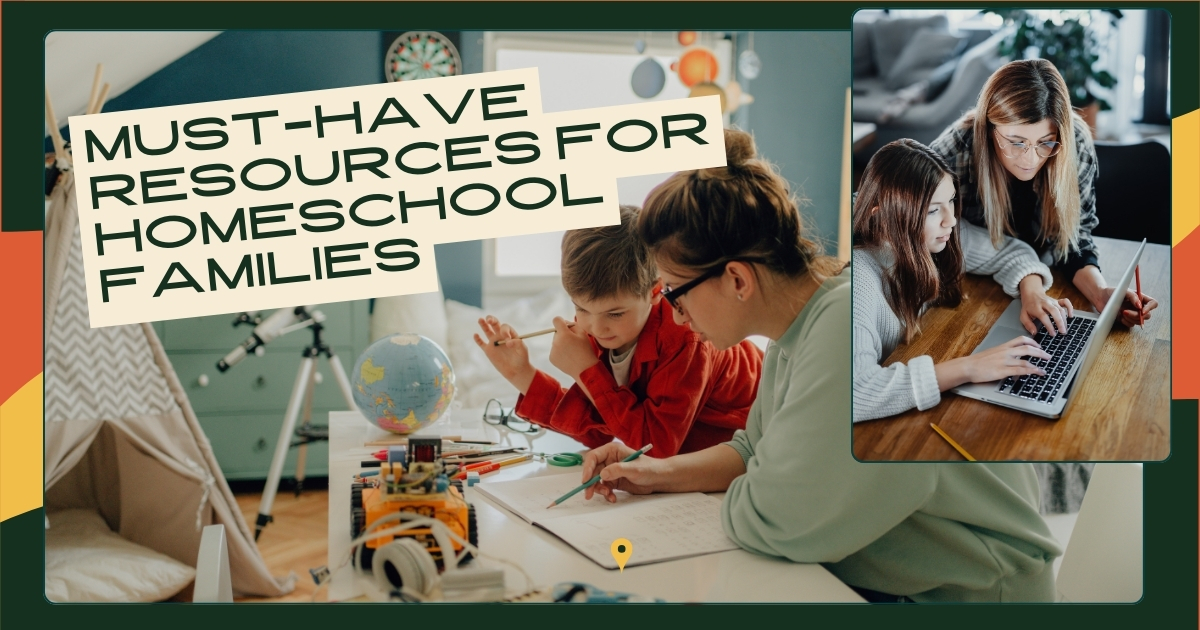

10 Must-Have Resources for New Homeschooling Families

As the trend of homeschooling continues to grow, many families are discovering the benefits of this educational approach. Homeschooling allows parents to tailor their children’s learning experiences to fit their individual needs, interests, and learning styles. However, starting this journey can feel overwhelming for new homeschooling families. With a wealth of available information and choices, it is crucial to have the right tools and resources to facilitate a smooth learning process.

In this guide, we will outline ten must-have resources for new homeschooling families. These resources cover a broad range of needs, from curriculum options to community support, ensuring that parents are well-equipped to provide an enriching educational experience at home. By utilizing these homeschool resources, families can foster a nurturing learning environment that encourages curiosity and knowledge. Whether you are just beginning or looking to enhance your current setup, these essential tools will help you confidently navigate the homeschooling landscape.

Homeschool Resources For Parents

Homeschooling can be a rewarding experience for both parents and children when equipped with the right resources. This section will introduce key materials and tools that can support parents in creating effective learning strategies, helping to make homeschooling a fulfilling journey that promotes academic growth and personal development.

1. Curriculum Guides

When selecting curriculum resources, it’s essential to choose materials that accommodate diverse learning styles and age groups. For visual learners, programs featuring videos, infographics, and interactive elements can enhance comprehension. Auditory learners may thrive with podcasts and audiobooks that stimulate learning through sound. Kinesthetic learners benefit from hands-on activities and practical experiments. Popular comprehensive curriculum options, such as Khan Academy and Time4Learning, offer adaptive learning paths that adjust to each child’s pace. Additionally, many resources include assessments to track progress, ensuring that parents can evaluate understanding and skills effectively. By carefully selecting a balanced curriculum, parents can better cater to their children’s unique educational needs.

2. Online Learning Platforms

Online learning platforms provide an engaging environment for homeschooling families by offering a variety of courses and interactive experiences. Websites like Coursera and edX feature university-level courses across numerous subjects, allowing students to learn from esteemed educators. Platforms such as Khan Academy and IXL offer customized practice exercises and instructional videos, catering to different learning styles. For collaborative experiences, platforms like Google Classroom enable students to work together on projects and assignments. Additionally, platforms like Outschool present live classes on diverse topics, fostering a sense of community and real-time engagement. By utilizing these online resources, parents can enhance their child’s educational journey with flexibility and fun.

3. Homeschooling Communities

Connecting with other homeschooling families is vital for support and sharing resources. Online forums such as the Homeschooling subreddit or the Well-Trained Mind forum offer virtual spaces where parents can exchange advice, tips, and experiences regarding homeschooling challenges and successes. These platforms allow for the discussion of curriculum choices, teaching strategies, and daily routines, creating a collaborative environment. Locally, many communities host homeschooling groups that organize meet-ups, field trips, and co-op classes. Joining local organizations can help families build friendships and foster a sense of belonging, as well as provide children with social interactions that are essential for their growth and development.

4. Educational Apps

A selection of high-quality educational apps can make learning both enjoyable and effective for students of all ages. Apps like Duolingo offer gamified language learning, making it interactive and motivating to master new languages. For younger students, ABCmouse introduces foundational skills through games and stories, ensuring a well-rounded learning experience. Additionally, apps like Khan Academy Kids provide engaging lessons in math and reading for early learners. Older students can benefit from platforms like Quizlet, which offers study tools, flashcards, and interactive quizzes to reinforce knowledge. By integrating these educational apps, families can enrich their homeschooling journey, encouraging children to be active participants in their learning.

5. Books and Literature

A well-rounded reading list can significantly enhance the homeschooling experience by exposing students to diverse ideas and perspectives. Classic literature, such as works by Mark Twain, Jane Austen, or Harper Lee, provides students with not only compelling narratives but also insight into historical contexts and moral dilemmas. In addition to fiction, educational reference books are invaluable tools for parents, offering essential information on subjects like science, history, and mathematics. Titles like “The World Book Encyclopedia” or “A Child’s History of the World” make complex topics accessible. By incorporating a mix of literary genres, parents can foster a love of reading and critical thinking skills in their children.

6. Science Kits and Experiments

Hands-on science kits and experiments play a crucial role in enhancing students’ understanding of scientific concepts through practical application. Resources such as Snap Circuits provide engaging experiences in electronics, allowing students to build circuits while learning about electricity. Brands like National Geographic and Little Passports offer science kits that focus on topics like geology, chemistry, and astronomy, making learning dynamic and interactive. Additionally, experimenting with common household items for science experiments can foster creativity and inquiry. Websites like Science Buddies also feature a wealth of project ideas, ensuring that students can explore varying scientific principles while developing critical thinking and problem-solving skills.

7. Assessment Tools

Assessment tools are essential for evaluating student progress and understanding in a homeschooling environment. Standardized tests can provide measurable insights into a student’s academic performance, helping parents identify areas of strength and weakness. Additionally, formative assessments such as quizzes, essays, and projects offer ongoing feedback about a student’s comprehension. Portfolios, which compile a student’s best work over time, allow for reflection on growth and development. Using rubrics can also help clarify expectations and provide structured feedback. Finally, regular discussions between parents and students about goals and progress encourage self-assessment and promote a growth mindset, making assessment a valuable part of the learning journey.

8. Time Management Tools

Effective time management is vital for homeschooling families to balance educational commitments and daily responsibilities. Various apps and planners can serve as essential tools for parents, helping them organize schedules and track tasks. For instance, apps like Trello and Todoist allow families to create task lists, set deadlines, and prioritize assignments, making it easier to keep everyone on track. Additionally, Google Calendar can be used to schedule lessons, activities, and important events, ensuring that no deadlines are overlooked. Physical planners also offer a tactile alternative, enabling families to visually map out their weeks, fostering a sense of accountability and clarity in managing their homeschooling journey.

9. Creative Arts and Crafts

Exploring resources that promote creativity through arts and crafts is essential for enriching the homeschooling experience. Websites like Pinterest and YouTube offer a plethora of tutorials and project ideas, allowing students to engage in a variety of artistic activities, from painting to DIY crafts. Local community centres often host workshops or classes that focus on different art forms, giving children the opportunity to learn new skills in a social setting. Additionally, subscription boxes such as KiwiCo provide curated arts and crafts projects, delivering supplies and instructions right to your doorstep. These resources not only foster creativity but also enhance fine motor skills and problem-solving abilities.

10. Field Trip Ideas

Educational field trips offer valuable opportunities to connect classroom lessons with real-world experiences. Consider visiting local museums, such as a science or history museum, where students can engage with exhibits that enhance their understanding of the subjects. Nature reserves or botanical gardens can provide hands-on learning about ecosystems and plant biology, aligning with science curricula. Additionally, trips to historical landmarks or living history farms can bring past events to life, enriching lessons in history and social studies. Engaging in community service projects, like volunteering at a local shelter, can also foster social responsibility and teamwork skills, making learning impactful and memorable.

Personalizing Your Homeschooling Experience

Homeschooling offers a unique and flexible approach to education that can be tailored to meet each child’s individual needs. By incorporating a variety of tools such as educational apps, hands-on science kits, and engaging literature, parents can create a rich learning environment that fosters curiosity and critical thinking. The diverse homeschool resources available today can help families turn everyday learning into an enriching and enjoyable experience, paving the way for academic success and personal growth.

As you embark on your homeschooling journey, consider exploring the various methods and materials discussed in this blog. Embrace the opportunity to learn alongside your child, adapting your approach as their interests and needs evolve. Remember, every family’s learning experience is unique, so find what works best for you. To further enhance your homeschooling experience, seek out additional resources and connect with other homeschooling families. Together, you can share tips, support one another, and continue to explore the endless possibilities of education outside traditional classrooms.