Transitioning from Public School to Homeschool: A Step-by-Step Guide

Transitioning your child from public school to a homeschooling environment is a significant decision that will undoubtedly impact your family’s routine, dynamics, and educational outlook. For many parents, the idea of homeschooling can be both exhilarating and daunting. Nonetheless, with careful planning and the right approach, this transition can become a rewarding experience for both you and your child. In this guide, we’ll walk you through every step of how to switch from public school to homeschool seamlessly.

Understanding & Preparing For The Transition

Many parents consider homeschooling for various reasons. Some seek a more tailored educational experience that aligns with their child’s unique learning style, while others may have concerns about the social environment or educational standards in public schools. Whatever your reason, transitioning from public school to homeschooling comes with its own set of challenges. By understanding these challenges, you can better prepare yourself and your child for a smoother transition. One common challenge is the adjustment to a new learning environment, which can be a significant shift for children accustomed to the structure and social interactions of a public school.

Parents might also find it challenging to balance their roles as educators and caregivers. The key to overcoming these hurdles is to approach the transition with an open mind and a well-thought-out plan. It’s essential to communicate openly with your child about why you’re making this change and what they can expect. This will help them feel more involved and less anxious about the switch.

Another important aspect of understanding the transition is recognizing that your approach to homeschooling will likely evolve. Initially, you might try to replicate a traditional school day, but over time, you’ll discover what works best for your family. Flexibility is crucial during this period. Allow yourselves the freedom to experiment with different schedules, teaching methods, and learning environments. By doing so, you’ll find a rhythm that suits your family’s needs and preferences.

Preparation is the foundation of a successful homeschooling experience. Start by researching state homeschooling laws, as regulations can vary significantly depending on where you live. Some states require formal notification to the local school district, while others have specific guidelines on curriculum and assessment. Understanding these laws will ensure that you’re compliant and provide your child with a legitimate educational experience. Once you’ve familiarized yourself with the legal requirements, the next step is to communicate with your child’s current public school. Reach out to the school administration to inform them of your decision and complete any necessary paperwork. This is also an excellent opportunity to request your child’s academic records, which can be helpful when planning your homeschooling curriculum.

Creating a dedicated learning space at home is another crucial aspect of preparation. Choose a quiet, comfortable area where your child can focus on their studies without distractions. This space should be equipped with all the necessary supplies, such as a desk, chair, bookshelves, and educational materials. Personalize the area to make it inviting and conducive to learning. Having a designated learning space helps establish a routine and signals to your child that it’s time to focus on their studies. Selecting a curriculum is perhaps one of the most exciting yet overwhelming aspects of homeschooling.

There are numerous resources available, ranging from pre-packaged curriculums to online courses and unit studies. Consider your child’s learning style, interests, and educational goals when choosing a curriculum. Don’t be afraid to mix and match different resources to create a customized learning plan. Additionally, many homeschooling communities offer co-ops and group activities, providing opportunities for social interaction and collaborative learning.

Setting Up The Homeschool Environment

Creating an effective homeschooling environment goes beyond setting up a physical space. It’s about establishing a routine and mindset that fosters a love for learning. Start by developing a consistent daily schedule that includes time for academics, physical activities, and creative pursuits. A well-balanced routine helps maintain structure and ensures that all aspects of your child’s development are addressed. Incorporate a variety of teaching methods to keep your child engaged and motivated. While traditional textbooks and worksheets have their place, don’t underestimate the value of hands-on learning experiences, field trips, and interactive projects. These activities not only make learning more enjoyable but also help reinforce concepts and develop critical thinking skills.

Flexibility is one of the greatest advantages of homeschooling. Unlike public schools, you have the freedom to adapt your schedule and curriculum based on your child’s needs and interests. If your child is particularly interested in a specific topic, take the time to explore it in-depth. Conversely, if they’re struggling with a particular subject, you can slow down and provide additional support. This personalized approach allows your child to learn at their own pace and fosters a deeper understanding of the material.

Building a supportive homeschooling community is essential for both you and your child. Join local homeschooling groups or online forums where you can connect with other homeschooling families. These communities offer valuable resources, support, and opportunities for socialization. Participating in group activities, co-ops, and field trips not only enriches your child’s learning experience but also helps them build friendships and develop social skills.

Transitioning from Public School to Homeschool_ A Step-by-Step Guide

Transitioning from public school to homeschool requires time and patience as you and your child adjust to the new routine. Initially, it may take some trial and error to find a schedule that works best for your family. Start with a basic structure and be open to making adjustments as needed. Remember, homeschooling offers the flexibility to tailor the routine to fit your lifestyle and preferences. Establishing clear expectations is crucial for maintaining a productive homeschooling environment. Set specific goals for each day, week, and month to ensure that your child stays on track academically. Communicate these goals with your child and involve them in the planning process. When children feel involved in their education, they are more likely to take ownership of their learning and stay motivated.

Balancing homeschooling with other responsibilities can be challenging, especially if you have multiple children or work from home. Create a schedule that allocates time for both teaching and personal activities. Utilize tools such as planners, calendars, and timers to stay organized and manage your time effectively. Additionally, consider incorporating independent study periods where your child can work on assignments while you attend to other tasks.

Challenges are an inevitable part of the homeschooling transition, but with the right strategies, they can be effectively managed. One common challenge is maintaining motivation and engagement, especially if your child is accustomed to the social environment of public school. To address this, incorporate a variety of learning activities and encourage your child to pursue their interests. Celebrate their achievements and provide positive reinforcement to keep them motivated. Another challenge is managing the balance between academic and social development.

While homeschooling offers the advantage of personalized education, it’s essential to provide opportunities for social interaction. Join homeschooling co-ops, participate in community events, and arrange playdates with other homeschooling families. These activities help your child develop social skills and build lasting friendships. It’s important to remember that homeschooling is a continuous learning process for both you and your child. Be patient with yourself and stay open to feedback and improvement. Seek support from experienced homeschooling parents, attend workshops, and read books on homeschooling techniques. By continuously educating yourself, you can provide a more enriching and effective learning experience for your child.

Planning, Dedication And Flexibility

Transitioning from public school to homeschool is a significant decision that requires careful planning, dedication, and flexibility. By understanding the challenges, preparing thoroughly, and creating a supportive learning environment, you can ensure a successful and rewarding homeschooling experience for your child. Remember, the goal of homeschooling is not just academic achievement but also fostering a love for learning and personal growth. We encourage you to share your homeschooling journey with others and engage with the homeschooling community. Your experiences and insights can provide valuable support and inspiration to other parents considering or currently navigating the homeschooling transition. Join us in our mission to provide quality education and a nurturing learning environment for every child.

Homeschooling Special Needs Children: Strategies and Resources

Homeschooling a child with special needs can feel like a daunting task, but it also offers unique rewards and opportunities that traditional schooling may not provide. For parents who choose this path, understanding the distinct challenges and developing effective strategies is crucial. This post aims to guide you through the process, offering practical tips and resources to make homeschooling a fulfilling and successful experience for both you and your child.

Homeschooling special needs children comes with its own set of challenges, but the rewards can be immense. The personalized attention you can offer will help your child learn at their own pace while focusing on their unique strengths and needs. This blog post will provide you with strategies and resources to help you create an effective homeschool environment that supports your child’s education and overall well-being.

Strategies For Homeschooling Special Needs Children

Every child has a unique way of learning, and this is especially true for children with special needs. Some may be visual learners, while others may grasp concepts better through auditory or kinesthetic methods. Understanding your child’s learning style is the first step in creating a homeschool curriculum for special needs. Observe how your child interacts with different types of materials and activities to determine their preferred learning mode. This insight will help you tailor lessons that make learning more effective and enjoyable for your child. Additionally, it’s important to recognize that your child’s learning style might evolve over time. Regularly reassessing how they respond to different teaching methods can help you adapt your approach as needed. Consultation with educational psychologists or specialists can also provide valuable insights into your child’s unique learning needs.

The environment in which your child learns plays a significant role in their educational success. Creating a dedicated, distraction-free space for homeschooling can help your child focus better. Ensure that the area is well-lit, organized, and equipped with all the necessary materials. Incorporating elements that your child finds comforting, such as sensory toys or calming colors, can also make the space more conducive to learning. Flexibility is key when setting up your homeschool environment. While a structured space is important, allowing for occasional changes in scenery, such as outdoor learning or a cozy reading corner, can keep your child engaged. The goal is to create a versatile environment that can adapt to your child’s evolving needs and preferences.

Technology can be a powerful ally in homeschooling special needs children. From interactive apps to specialized software, there are numerous tools designed to address various learning challenges. For instance, speech-to-text programs can assist children with dyslexia, while visual scheduling apps can help those with autism manage their time effectively. The key is to find tools that align with your child’s specific needs and integrate them seamlessly into your homeschool curriculum for special needs. Educational websites and apps tailored for special needs can offer additional support. Resources like Khan Academy, ABCmouse, and Prodigy provide engaging and interactive lessons that cater to different learning styles. These platforms often include adaptive features that adjust the difficulty level based on your child’s progress, ensuring a personalized learning experience.

Close-up of a young child using a computer keyboard, focused on an educational activity on a desktop screen.

Consistency is crucial for children with special needs, making a well-structured schedule an essential component of your homeschool plan. A predictable routine helps your child understand what to expect each day, reducing anxiety and promoting focus. Design a daily schedule that includes time for lessons, breaks, physical activities, and leisure. Be sure to incorporate flexibility to accommodate your child’s energy levels and attention span. Using visual schedules can be particularly beneficial for children with autism or ADHD. These tools provide a clear visual representation of the day’s activities, helping your child transition smoothly from one task to the next. Over time, following a consistent routine can improve your child’s ability to manage their time and complete tasks independently.

Breaks and physical activities are vital for maintaining your child’s overall well-being and enhancing their ability to focus. Incorporating short breaks between lessons allows your child to recharge and prevents burnout. Activities like stretching, jumping jacks, or a quick walk can help release pent-up energy and improve concentration. For children with sensory processing issues, sensory breaks that involve activities like swinging, bouncing, or deep pressure can be particularly beneficial. Physical activities also play a role in your child’s social and emotional development. Group activities, such as joining a sports team or participating in community events, provide opportunities for social interaction and teamwork. Encouraging your child to engage in physical activities they enjoy can foster a positive attitude towards exercise and contribute to their overall health.

Resources For Homeschooling Special Needs Children

Connecting with other parents who homeschool their special needs children can provide invaluable support and encouragement. Online communities and support groups offer a platform to share experiences, exchange tips, and seek advice. Websites like Homeschooling Special Needs and Facebook groups dedicated to special needs homeschooling near me can help you find like-minded individuals who understand your challenges and triumphs. These communities often host webinars, virtual meetups, and workshops that provide additional learning opportunities. Participating in these events can broaden your knowledge, introduce you to new strategies and resources, and help you build a supportive network.

In today’s digital age, there is no shortage of educational resources designed to support special needs homeschooling. Websites like Understood and Learning Ally offer a wealth of information, including articles, videos, and toolkits tailored to various learning disabilities. Apps like Proloquo2Go and Dragon Dictation provide assistive technology that can enhance communication and learning for children with speech and language difficulties. It’s important to regularly explore and update your list of resources to keep your child’s learning experience fresh and engaging. Many educational platforms offer free trials or discounted memberships for homeschooling families, allowing you to test different tools and find the best fit for your child’s needs.

Ensuring that your child has access to educational materials that cater to their specific needs is crucial for their success. Adaptive resources, such as large print books, audiobooks, and tactile learning aids, can make learning more accessible and enjoyable. Organizations like the National Library Service and Bookshare provide a wide range of accessible materials for children with visual impairments or reading disabilities. Additionally, incorporating multisensory learning materials into your homeschool curriculum can help reinforce concepts and improve retention. Hands-on activities, such as using manipulatives for math or conducting science experiments, engage multiple senses and make learning more interactive and fun.

Customizing Homeschooling Plans

One of the greatest advantages of homeschooling is the ability to tailor your child’s education to their unique needs and strengths. Customizing your homeschool curriculum for special needs allows you to focus on your child’s interests, address their challenges, and pace their learning according to their capabilities. This personalized approach fosters a love of learning and helps your child develop confidence and self-awareness. Custom plans also provide the flexibility to incorporate therapies and interventions that support your child’s development. Whether it’s speech therapy, occupational therapy, or social skills training, integrating these services into your homeschool routine ensures a holistic approach to your child’s education.

Creating a personalized homeschool curriculum involves understanding your child’s learning style, setting realistic goals, and selecting appropriate materials and activities. Start by identifying your child’s strengths, interests, and areas that need improvement. Use this information to set short-term and long-term goals that are achievable and measurable. When selecting materials, consider incorporating a mix of textbooks, digital resources, and hands-on activities to cater to different learning styles. Be open to experimenting with different approaches and adjusting your plan based on your child’s progress and feedback. Regularly reviewing and updating your curriculum ensures that it remains relevant and effective.

Flexibility is a key component of successful homeschooling. While having a structured plan is important, it’s equally crucial to be adaptable and responsive to your child’s needs. Monitor your child’s progress regularly and make adjustments as needed. If a particular approach isn’t working, don’t hesitate to try something new. Remember, the goal is to create a positive and supportive learning environment that fosters growth and development. Being open to change also means recognizing when it’s time to seek additional support. Whether it’s consulting with specialists, joining support groups, or enrolling in supplementary programs, leveraging external resources can enhance your homeschooling experience and provide valuable assistance.

A Rewarding And Enriching Experience

Homeschooling special needs children can be a rewarding and enriching experience for both parents and children. By understanding your child’s unique learning style, creating a supportive environment, and utilizing available resources, you can provide a tailored education that meets their needs and nurtures their potential. Remember, you’re not alone on this journey—there are many communities and resources available to support you along the way.

Personalized Learning: Tailoring Homeschooling to Fit Your Child’s Needs

Homeschooling is becoming an increasingly popular choice for parents who want to take a more active role in their child’s education. One of the main advantages of homeschooling is its flexibility, which allows for personalized learning tailored to each child’s unique needs and interests. Personalized learning in homeschooling means adapting teaching methods, schedules, and curricula to fit a child’s specific learning style, pace, and preferences.

In this blog post, we’ll explore the importance of personalized learning in homeschooling and how it can significantly benefit your child. We’ll also provide practical advice for homeschooling, tips for setting up an efficient homeschool environment, and guidance on creating custom homeschooling plans. By the end of this post, you’ll have a comprehensive understanding of how to tailor your child’s education to ensure they thrive academically and personally.

Understanding Your Child’s Learning Style & Incorporating Hands-On Learning Experiences

Every child learns differently, and understanding your child’s learning style is crucial to providing effective, personalized learning. Some children are visual learners who process information best through images and diagrams, while others are auditory learners who benefit from listening to explanations and discussions. There are also kinesthetic learners who need hands-on activities to grasp concepts fully. Observing your child’s behavior during learning activities can give you valuable insights into their preferred learning style. Pay attention to how they respond to different types of instruction and which activities they engage with the most. This understanding will help you choose the right teaching methods and materials that cater to their strengths and preferences.

Once you have identified your child’s learning style, you can tailor your homeschooling approach accordingly. For visual learners, incorporate visual aids like charts, videos, and flashcards. For auditory learners, consider using audiobooks, podcasts, and interactive discussions. For kinesthetic learners, prioritize hands-on activities, experiments, and physical movement. By aligning your teaching methods with your child’s learning style, you can enhance their engagement and retention of information.

Hands-on learning experiences are a powerful way to engage your child’s curiosity and creativity while reinforcing academic concepts. These activities allow children to explore, experiment, and apply their knowledge in practical ways. By incorporating hands-on learning into your homeschooling routine, you can make education more dynamic and enjoyable. There are countless opportunities for hands-on learning, regardless of the subject. For science, consider conducting simple experiments at home or creating a small garden to study plant growth. For math, use everyday objects like cooking ingredients or building blocks to teach concepts like measurement and geometry. For history, encourage your child to create dioramas or timelines to visualize historical events.

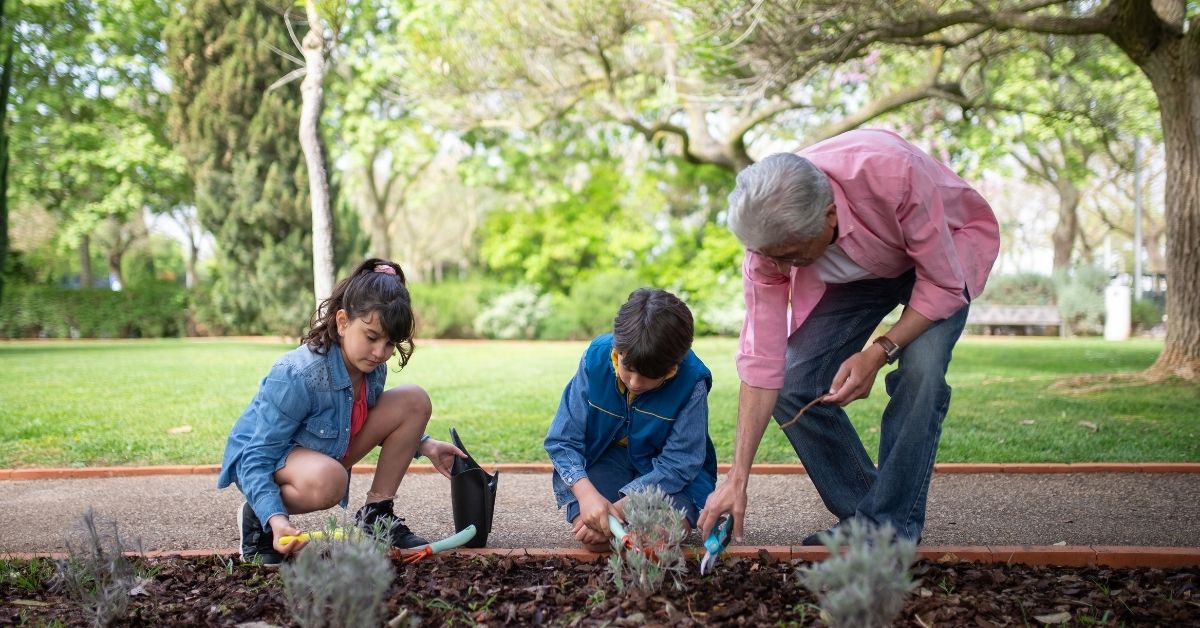
An elderly man and two children engaged in a hands-on gardening activity in a lush green park, using small tools to plant and nurture plants together.

Art and crafts are also excellent avenues for hands-on learning. Projects like painting, sculpting, and crafting can help develop fine motor skills and creativity. Additionally, involving your child in household tasks like cooking, sewing, or woodworking can teach valuable life skills while reinforcing concepts learned in other subjects. The key is to make learning interactive and immersive. Encourage your child to ask questions, make predictions, and draw conclusions based on their observations. Hands-on learning not only enhances understanding but also fosters a love for discovery and exploration.

Designing A Dedicated Homeschool Setup Space

Creating a dedicated homeschooling space is essential for maintaining focus and organization. While homeschooling allows for flexibility, having a designated area for learning can help establish a routine and minimize distractions. Choose a quiet and well-lit space where your child can concentrate without interruptions. A spare room, a corner of the living room, or even a section of their bedroom can work well. Ensure that the area is equipped with comfortable seating, a sturdy desk, and adequate storage for books, supplies, and materials.

Personalize the space to make it inviting and conducive to learning. Decorate with educational posters, artwork, and motivational quotes. Organize supplies and materials in labeled bins or shelves for easy access. Keep the area tidy and clutter-free to create a positive and productive learning environment. Incorporate elements that reflect your child’s interests and learning style. For example, if your child is a visual learner, include a whiteboard or corkboard for displaying charts, diagrams, and visual aids. If they enjoy hands-on activities, set up a designated area for experiments, crafts, and projects. By designing a space that caters to their needs, you can enhance their learning experience and make homeschooling more enjoyable.

Keeping your homeschool area organized is essential for maintaining a productive and stress-free learning environment. Clutter and disorganization can lead to distractions and make it challenging to find materials and resources when needed. Here are some tips to keep your homeschool area tidy and efficient. First, invest in storage solutions that work for your space and needs. Use shelves, bins, and baskets to store books, supplies, and materials. Label containers clearly so that everything has a designated place, and encourage your child to put items back where they belong after use. This will help prevent clutter from accumulating and make it easier to find what you need. Create a filing system for organizing paperwork, assignments, and important documents. Use folders or binders to keep everything in order and easily accessible. Consider color-coding or labeling different subjects or categories to simplify retrieval. Establish a routine for regularly sorting and filing papers to prevent them from piling up. Establish a daily or weekly cleaning routine to maintain tidiness. Encourage your child to take responsibility for keeping their homeschool area clean and organized. Set aside a few minutes each day to tidy up, put away materials, and wipe down surfaces. Regular maintenance will help prevent clutter from becoming overwhelming and create a pleasant learning environment. Lastly, declutter regularly and get rid of items that are no longer needed. Donate or recycle materials that are no longer relevant or have been outgrown. By keeping only what is necessary and useful, you can create a streamlined and efficient homeschool space that supports your child’s learning.

How To Develop A Curriculum & Evaluating And Adjusting The Plan

One of the significant advantages of homeschooling is the ability to customize the curriculum to meet your child’s interests and pace. Unlike traditional schooling, where a one-size-fits-all approach is often used, homeschooling allows you to tailor the content and delivery to suit your child’s unique needs and preferences. Start by identifying your child’s interests and passions. Consider their hobbies, favorite subjects, and areas where they excel. Use this information to guide your curriculum planning and incorporate topics that will engage and motivate them. For example, if your child loves animals, integrate animal-related themes into science, reading, and art lessons. Next, determine your child’s learning pace and adjust the curriculum accordingly. Some children may need more time to grasp certain concepts, while others may be ready to move ahead quickly. Flexibility is key to ensuring that your child remains challenged and engaged without feeling overwhelmed. Use a combination of structured lessons and self-directed learning to accommodate their pace.

Utilize a variety of resources to create a well-rounded curriculum. Combine textbooks, online courses, educational videos, and hands-on activities to provide a diverse and engaging learning experience. Take advantage of local libraries, museums, and community resources to supplement your curriculum and provide real-world learning opportunities. Regularly evaluate and adjust the curriculum to meet your child’s evolving needs and interests. As they grow and develop, their preferences and learning styles may change. Stay attuned to their feedback and progress, and be willing to make modifications as necessary. This ongoing flexibility will ensure that your child’s education remains relevant and meaningful.

Homeschooling is a dynamic and evolving process that requires regular evaluation and adjustment. As your child grows and learns, their needs, interests, and abilities will change. It’s essential to continuously assess your custom homeschooling plan and make necessary modifications to ensure it remains effective and relevant. Start by establishing a routine for evaluating your child’s progress. Set aside regular intervals—such as monthly or quarterly—to review their academic achievements, strengths, and areas for improvement. Use a combination of assessments, observations, and feedback to gain a comprehensive understanding of their development. Encourage your child to be an active participant in the evaluation process. Ask them about their learning experiences, what they enjoy, and what challenges they face. Their input can provide valuable insights into their needs and preferences. Use this information to make informed decisions about adjusting the curriculum, teaching methods, and learning activities.

Be open to experimenting with new approaches and resources. If a particular method or material isn’t working, don’t be afraid to try something different. Flexibility is one of the key advantages of homeschooling, so take advantage of it. Explore alternative teaching strategies, incorporate new subjects, or introduce innovative tools and technologies to keep learning fresh and engaging. Finally, celebrate your child’s achievements and milestones. Recognize their hard work and progress, and acknowledge the unique strengths and talents they bring to their learning journey. Celebrating successes can boost their confidence and motivation, making learning a positive and rewarding experience.

A Unique Opportunity

Personalized learning in homeschooling offers a unique opportunity to tailor education to fit your child’s individual needs, interests, and pace. By understanding their learning style, creating a flexible schedule, incorporating hands-on experiences, and designing a dedicated homeschooling space, you can create an enriching and enjoyable learning environment. Developing a custom curriculum that aligns with your child’s passions and utilizing resources and support from the homeschool community can further enhance their educational experience. Regularly evaluating and adjusting the custom plan ensures that your child’s education remains relevant and effective as they grow and learn.

Homeschooling is a dynamic and rewarding journey that allows you to be actively involved in your child’s education. By embracing personalized learning, you can help your child thrive academically, personally, and creatively. Share your experiences and advice within the homeschool community to inspire and support fellow homeschool parents. Your insights and stories can make a meaningful difference in the lives of others on this incredible educational adventure.