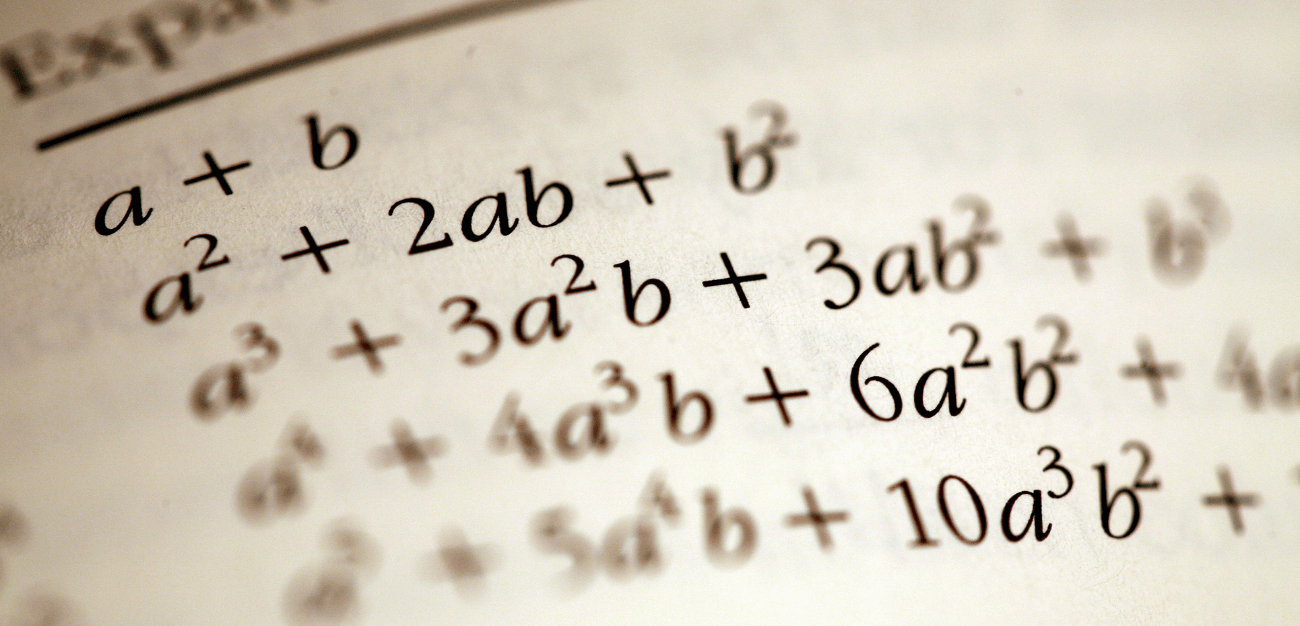
Why Is Algebra So Scary?

Algebra can be a scary subject for some students, but it doesn’t have to be. With a little help and encouragement from an algebra tutor, students can learn to love algebra and all of the opportunities it provides for problem-solving and critical thinking. In this post, we’ll explore some of the reasons why algebra is seen as being so difficult, and we’ll offer tips for making the learning process a little less daunting. So if your child is struggling with algebra, read on for some helpful guidance.

Math Anxiety

When we ask the question, “Why is algebra so scary?” the real question should be, “Why are so many people afraid of math?” Math anxiety is a very real phenomenon that can affect both young and old, making many feel nervous about trying to do math.  

But math anxiety is more than just a feeling of nervousness when facing problems. Anxiety can cause physical symptoms such as a racing heart or sweating. With such physical reactions, many people who have math anxiety tend to avoid situations in which they have to do math. Children with math anxiety will often have poor math skills because their first instinct is to avoid the problem. Adults with math anxiety are less likely to succeed in careers relating to science, technology, engineering, and mathematics.

Until recently, educators thought that math anxiety first appeared when children learned complicated mathematics (such as algebra). So this would mean that young children who do not yet do complex math would not experience math anxiety. However, recent research shows that some children as young as six years old say that they feel anxious about math. Therefore, it is essential to address math anxiety when it is first noticed in a child. 

The Language Used To Express Ideas

It’s common for algebra to be seen as a subject that primarily involves memorizing formulas and number crunching. However, when we look closer, algebra is all about logical thinking and problem-solving. When we approach algebra problems, instead of simply plugging numbers into pre-existing formulas, we can think about what the unknown variable represents and how it relates to the other elements in the equation. 

Many students struggle with algebra, assuming it’s just a bunch of new and confusing information. However, algebra is actually the language we use to express ideas and relationships that we already know from real-life experience. Take the concept of “variable,” for example. Variables are just values or objects that can change – like a person’s height or the number of candy bars in a bag. 

We see variables everywhere in daily life, but algebra gives us a way to quantify and communicate those changes more precisely. So the next time your child feels overwhelmed by algebra equations, try to identify the underlying concept they already understand and apply it to solve the problem. Remember, algebra isn’t about learning something new – it’s about putting language into concepts we encounter daily.

This shift in perspective can help students learn to tackle algebra problems with greater creativity and confidence. It’s important to remember that algebra is not just about obtaining the right answer but also understanding its underlying concepts and reasoning. So next time your child is facing an algebra challenge, have them focus on the logic rather than just blindly plugging in numbers.

Why Is Algebra Important?​

Algebra is a crucial foundation for higher-level math and science courses. In algebra, students learn how to solve for variables in equations, representing real-world situations mathematically. This skill is used in all sciences, as well as in engineering and finance. 

Without a basic understanding of algebra, it would be virtually impossible to progress to more advanced math and science courses in college or in certain careers. Therefore, it is important to have a solid grasp of algebraic concepts and techniques. Additionally, learning algebra can help improve critical thinking skills and overall problem-solving abilities that are applicable in many aspects of life beyond academics. Ultimately, studying algebra helps lay the groundwork for future success in various fields.

Making Algebra Fun!​

Algebra can often be challenging for students, but at Dropkick Math Academy, we believe in making learning fun. Through game-based activities and interactive lessons, algebra becomes much more engaging. Students become engaged in problem-solving and critical thinking as they work their way through the game levels, quickly improving their algebra skills without even realizing it. Our approach helps to demystify algebra and make it a less intimidating subject for students. So if algebra has been a struggle for you or your child, come check out Dropkick Math Academy and see how we can make learning enjoyable.

We recently added three new programs to our class list centred around algebra. The Darkness of Algebra Trilogy offers three separate modules that will take children on an adventure as they navigate through the darkness of algebra with the help of Dropkick Lee.

The first in the series will have children battling through the underground world of darkness, where they will explore and review concepts connected to linear and nonlinear visual patterns. The follow-up to Vision Quest builds on the concepts developed in Part 1 by providing students with opportunities to explore and review concepts connected to linear and nonlinear situations and real-life contexts. For the third module, students will battle it out in the dark world and have opportunities to explore and review concepts connected to abstract representations and linear and nonlinear relationship models.

At Dropkick Math Academy, we understand that algebra can be a scary subject, but we take those thoughts and turn them upside down to make it fun! Our programs are taught by certified Ontario teachers who can spot any gaps in learning and get to the root of any misunderstandings.

If you have been searching for algebra tutoring online, look no further. Dropkick Math Academy offers programs that will make your child want to learn! We offer a different take from online math tutors and make learning algebra fun and interactive. 

Check out our programs, and register your child today!

How To Encourage Your Child’s Thinking And Give Them Challenges

As parents, it’s important to encourage our child’s natural curiosity and critical thinking skills. One way to do this is by actively handing them challenges and allowing them to solve problems independently. This could be in the form of simple activities like puzzles or games, but it can also involve real-life tasks such as helping with grocery shopping or planning a family outing

It’s important for us to resist the urge to take over and solve their problems for them, giving them room to figure things out on their own and experience the rewards and challenges that come with it. In addition, fostering an open and curious mindset in our children can lead to increased confidence and creativity in their thought processes. So next time your child presents you with a math operation they can’t figure out, why not give them a chance to find the solution themselves? However, if they seem to struggle too much, investing in some math tutoring may be helpful. It will surely lead to valuable learning experiences for both of you.

Playing Math Games

At Dropkick Math Academy, we believe in game-based learning as a means to engage and motivate students. Research has shown that game-based learning can improve problem-solving skills, critical thinking, and memory retention. In addition, playing math games can also help build students’ confidence in their abilities and make them more excited about learning math. And best of all, game-based learning ensures that students have fun while also mastering essential mathematical concepts and skills. 

That’s why game-based learning is at the core of our curriculum at Dropkick Math Academy. We are committed to making math education engaging and enjoyable for all types of learners. With our games, students may find themselves embarking on an adventure in the Seas of Perseverance and taking on the dreaded Math Pirates. Or, they may be travelling to the year 2094 and preparing to take part in the yearly event called “The Great Race.” No matter their program, they will learn math through fun and engaging games

While we focus all of our learning on games at Dropkick Math, students can also play games at home to strengthen their math skills. Dominos, Uno Flip, Monopoly, and Money Bags are some of the best at home games that your child can play to make learning math more fun! Try turning off the tv in the evening and playing a game with your child. They will have fun and won’t even know it is helping them learn. 

Incorporating Math Into Everyday Life

Math may seem like an abstract concept to young children, but making real-life connections can help them understand its importance and usefulness. For example, grocery shopping provides a great opportunity to practice counting, estimating, and adding prices. Kids can also learn about subtraction by helping to divide a budget or splitting a bill at a restaurant. 

While playing outside, math skills can come into play when estimating the number of steps or measuring the height of a tree. Even simple daily tasks such as setting the table or folding laundry involve math concepts like sorting and arranging objects in equal groups. Showing children how math applies to their everyday lives can make it a more relevant and engaging subject for them.

Just don’t make it too easy for them. Children need to be able to make mistakes and learn from them to move forward. Mistakes can not only be learning opportunities, but as students consider their mistakes, it can also be a time when their brains grow. So, next time you find a situation where you can incorporate some math learning in real life, ask your child a question you know they may find challenging. Once they are able to work it out, their confidence will rise, along with their eagerness to learn more.

The Encouragement Your Child Needs

At Dropkick Math Academy, we believe some of the best encouragement you can give your child is by learning alongside them. Our programs encourage parents/guardians to get involved and are tailored specifically for students and their guardians to work together on understanding the building blocks of mathematics. 

We understand that your child isn’t learning the same math you may have been taught. This is why our specialized programs create an environment where both parent and child can better understand the fundamentals, creating a fun and engaging learning environment. 

Over three decades of research have found that parent involvement positively impacts student success regardless of socioeconomic status, background, or parent’s level of education.  When you learn alongside your child, you are setting an example while strengthening your relationship. Your child will see your confidence building in mathematics, which will also help build them up. Your attitude about learning can directly influence your child’s educational success. 

Make It Challenging

As I mentioned earlier, while encouraging your child through games or everyday life, it is vital to also make it challenging. It may be tempting for parents to make math easy for children, but it’s important to remember that challenge is essential for learning. Just as a muscle grows stronger with resistance, our brains also need difficult tasks in order to strengthen and learn new skills. 

Giving children math problems that require critical thinking and problem-solving helps them develop their math abilities, rather than simply memorizing formulas or numbers. In addition, being challenged in math can help improve overall academic performance and increase self-confidence in the subject. So instead of offering kids what may seem like an easier learning experience, try pushing them to stretch their math abilities and solve challenging problems. It may be initially difficult, but they’ll thank you in the long run.

The Dropkick Math Way Of Learning

At Dropkick Math Academy, we believe in encouraging growth while challenging children. Our math help services offer a fun way for them to practice math operations and learn from their mistakes. 

We believe in not only the importance of education but also effort and self-motivation. That’s why we offer a rewards system for students who demonstrate a consistent and dedicated effort to learn. This could include participating in class discussions or taking on extra assignments. 

We want to emphasize that learning is not just about receiving good grades but about actively engaging with the material and investing in one’s own education. We hope this reward system will encourage students to embrace the learning process and strive for personal growth and improvement. Ultimately, we believe that the most important reward is the knowledge and skills they will gain throughout their time with us at Dropkick Math Academy. 

To learn more about our math tutoring programs, visit our website today!

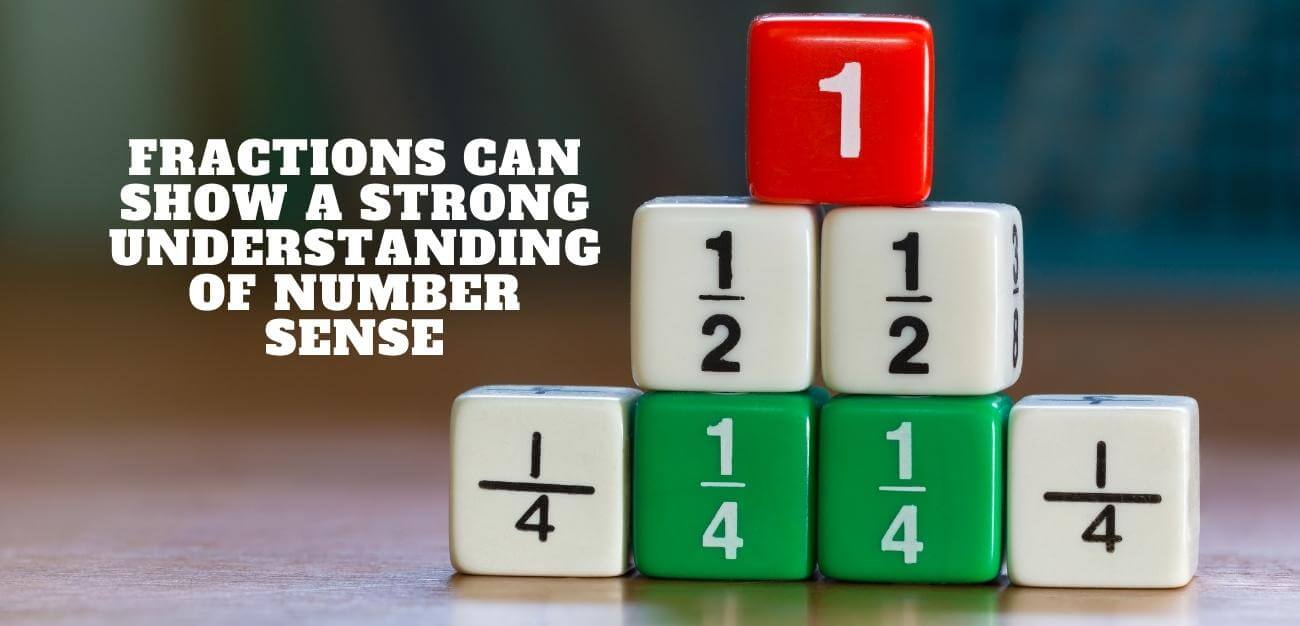
How Learning Fractions Can Show A Strong Understanding Of Number Sense

We all know that fractions are a big part of mathematics, but how many of us really understand why? In this blog post, we’ll explore what fractions represent and how mastering them can show a strong understanding of number sense. We’ll also take a look at our programs for helping kids learn fractions in a way that makes sense to them. So read on if you are looking to help kids with their fraction skills or simply want to understand this important mathematics concept better!

Fractions Can Be Scary!

Fractions can often seem like a daunting concept, especially at a young age when fractions are first introduced. However, fractions are actually just a way to represent parts of a whole or ratio between two quantities. When broken down into smaller steps, fractions become much easier to work with and understand. 

First, it is important to have a solid understanding of basic arithmetic operations such as addition, subtraction, multiplication, and division. From there, fractions can be thought of as “special” divisions where the bottom number represents the total number of equal parts the whole has been divided into, and the top number represents how many of those parts we are dealing with. 

Understanding fractions is essential in further studying mathematics and real-world applications such as cooking measurements and financial budgets. Don’t let fractions deflate your child’s confidence – with some practice, they can become just another tool in their mathematical toolkit.

Math Builds Upon Itself

If your child seems to enjoy learning fractions and grasping the concepts, they will most likely have a strong understanding of number sense. However, if they are struggling to understand the concept of fractions, they may need to take a step back and revisit number sense. 

Many assume that math is a subject where individual concepts can be easily isolated and learned without prior knowledge. However, this assumption ignores the fact that much of math builds upon itself – number sense, for example, is crucial for understanding fractions. The intuitive understanding of numbers and their relationships lays the foundation for learning about fractions and how to manipulate them. Without this foundation, it can be difficult for a student to grasp the concept of a fraction and how it relates to whole numbers. 

It is important for educators not only to identify and address gaps in a student’s number sense understanding but also to consistently reinforce these basic skills throughout all levels of math education. A student may struggle with more advanced mathematical concepts without number sense as the foundational basis.

At Dropkick Math Academy, our programs are focused around the four pillars of math (number sense, operational sense, algebraic reasoning, and proportional reasoning). This allows our teachers to ensure every child understands the root of all math operations.  

What Is Number Sense?

As we mentioned, if your child is struggling with fractions, they are most likely experiencing a gap in learning in number sense. But what exactly is number sense?

Number sense is understanding the quantity represented by a number. It is not the same as numeracy, which is the ability to do calculations. Number sense develops gradually. For example, a baby starts by recognizing that they see one person or two people. By the time they start school, they can count up to 20 or more. They learn what numbers mean in terms of amounts and quantities. This knowledge forms the foundation for learning more complex math concepts later on. 

Understanding Fractions

Research has shown that children build on their number sense by learning connections among whole numbers, percentages, decimals, and fractions. This can ultimately deepen their understanding of ratio and proportionality. 

An extensive study from The College Student Achievement Project found that understanding fractions is one of the most critical skills needed for college mathematics in both technology and business. However, it was noted that fractions are one of the main areas where students lacked the necessary understanding. This shows a significant gap in learning and missed opportunities for students in their math education. 

Dropkick Math Fraction Programs

Learning fractions and number sense go hand in hand, which is why we offer programs like Fractions & Knights of the Whole Table. This program centers around improving a child’s number sense and proportional reasoning skills with fractions.

We understand that fractions are one of the greatest barriers to math success and one of children’s leading causes of math anxiety. Our goal is to improve your child’s understanding, skills and confidence when using fractions. By giving them the confidence they need to battle the knights and sorcerers, they can overcome the stress of learning mathematics.

Once your child masters the basics of fractions, they can move on to the next program, Becoming A Fraction Hero with Operations. Here, they will work specifically with adding and subtracting fractions with like and unlike denominators. They will also work with multiplying and dividing fractions with whole numbers. 

With the help of heroes like Captain Struggle, your child will master the four pillars (number sense, operational sense, algebraic reasoning, proportional reasoning) using fractions all the way along. In this program, turning your child’s uncertainty into confidence will save the world and make homework struggles a thing of the past!

We Take Fractions Seriously!

As you can tell, we take learning fractions seriously! We want all children to succeed in mathematics and understand that the four pillars of math are at the root of understanding all math concepts. All of our programs address gaps in learning in these four pillars to ensure a child’s success as they learn future equations. 

One of the key ways to achieve success is to give your children a strong foundation in education. In our math help services, our certified Ontario teachers will work with your child to ensure they understand math concepts and don’t just memorize one way of accomplishing them. 

All of our programs are virtual, and we have new classes starting regularly. Learn more about our math tutoring services today by visiting our website

Why Do We Need Math?

Math. We all had to learn it at some point, but why do we need it? While it may seem like a difficult and pointless subject for many students, it is actually necessary for everyday life. Without math, a lot of things would be very confusing! So when your child asks why they need to learn math (which is inevitable), you will want to know how to explain to them why it is so important. In this blog post, we will discuss why we need math and how to explain to your child that it will help them out in the long run!

Is Math Misrepresented?

Many children don’t like math because of the way it is misrepresented in school. As a math teacher myself, I try to make my classes as fun and enjoyable as possible while showing children why they need math. However, everyone has a different way of teaching, and some children may do well in some teachers’ classes and not in others. How math is presented can either get children excited about learning or deter them from wanting to learn.  

A book called What is Mathematics, Really? By Mathematician Reuban Hersh explored how math is taught in school. It turns out that millions of students experience a depleted version of math which has little resemblance to the mathematics that is practiced in the real world. This may be why so many children believe math is just a subject they must suffer through in school and why they question why they even need to learn mathematics. In our math tutoring at Dropkick Math Academy, we ensure that students are focused on why they need math, making it easier for them to understand and more eager to learn. 

Why Math Is Important

If your child is struggling, suffering from low confidence in math or questioning why they need to learn math, it is vital to help them understand how important math is in the real world. The following are the top reasons why math is important, and everyone needs to learn math to be successful in everyday life.

  1. Math Helps Us Make Sense of the World Around Us

Math is often seen as a dry and abstract subject, but its applications are all around us. In fact, math is essential for understanding the world around us. To take just one example, consider the field of physics. Physics is the study of the physical world and relies heavily on math. The equations that physicists use to describe the behaviour of matter and energy are all based on math. Without math, physicists would be unable to make any sense of the physical world. This is just one example of how math helps us make sense of the world around us

Think about it—everything in the world can be broken down into numbers. From the amount of money in our bank accounts to the dimensions of the rooms in our homes, numbers are a part of everything we do. Math helps us make sense of those numbers and understand how they relate to the world around us. So next time your child is struggling with a math problem, help remind them that they are just trying to make sense of the world around them. 

  1. Math Helps Us Make Decisions

Math can seem a little less daunting if we apply it to real life. So, if children are taught that math is needed to help them make decisions as they go through life, they may think of problem-solving differently. 

To help your child understand, tell them to pretend they are going to get their first car. But first, they need to decide whether to buy it or lease it. They will need to consider the cost of the car, the interest rate on the loan, the length of the loan, their trade-in value, and the monthly budget. With a basic understanding of math, they can plug all of this information into an equation and calculate which option is best for them. Of course, math can also help them with more everyday decisions, whether they should buy the item on sale or wait until later. Or maybe they will need to decide how to divide up a bill between themselves and their friends. In both cases, math could help them make the best decision by giving them all the information they need to weigh their options.

  1. Math Teaches Us How to Think Logically

Many people believe that math is nothing more than a set of boring rules and equations. However, math is actually all about thinking logically. At its heart, math is all about logically solving problems. This process of thinking things through step-by-step can be applied to any number of scenarios outside of math class, from cooking dinner to fixing a broken appliance. Whenever we encounter a problem, we can use our math skills to think through it logically and find a solution.

To do this, we need to be able to identify patterns, make deductions, and spot potential errors. In other words, we need to think like detectives. This process of logical reasoning can be applied to any area of life, from everyday decision making to solving complex problems at work. When a child learns how to think logically, they can develop powerful problem-solving skills that will serve them well in all areas of their lives.

  1. Math Helps Us Develop Critical Thinking Skills

In addition to teaching us how to think logically, math also helps us develop our critical thinking skills. This is done in several ways. First, math provides a structured way of thinking about problems and solutions. By learning to break down problems into smaller steps, we can more effectively identify the key issues and brainstorm possible solutions. Additionally, math encourages us to think logically and systematically about problems. We learn to look for patterns and relationships and to use deductive reasoning to arrive at conclusions. These skills are essential not only in math class but in everyday life as well. Whenever we encounter a problem, whether it’s something as simple as deciding which route to take to work or something more complex, we use critical thinking skills. So next time your child is struggling with a math problem, don’t worry. Just remember that they are actually developing an important life skill and help them brainstorm possible solutions. 

An Important Part Of Everyday Life

Children may not realize it yet, but math is actually an essential part of our everyday lives. It helps us make sense of the world around us, make decisions, think logically, and develop critical thinking skills—skills that are valuable in all aspects of life. So next time your child struggles with a math problem, it could be a great time to point out why we need to learn math. Let’s face it, no one wants to learn something if they don’t know the point behind it!

At Dropkick Math Academy, we use every opportunity in our math tutoring to help children understand why mathematics is important to learn. By also focusing on the foundational concepts (number sense, operational sense, algebraic reasoning, and proportional reasoning), our engaging, innovative programs help students fully understand critical concepts that are the base fundamentals of mathematics. 

We also address deficiencies while correcting any underlying misconceptions about mathematics. All instructors are qualified Ontario Certified Teachers who can offer differentiated approaches, making them accessible for all learning needs.  

Learn more about our math help services by clicking here today!

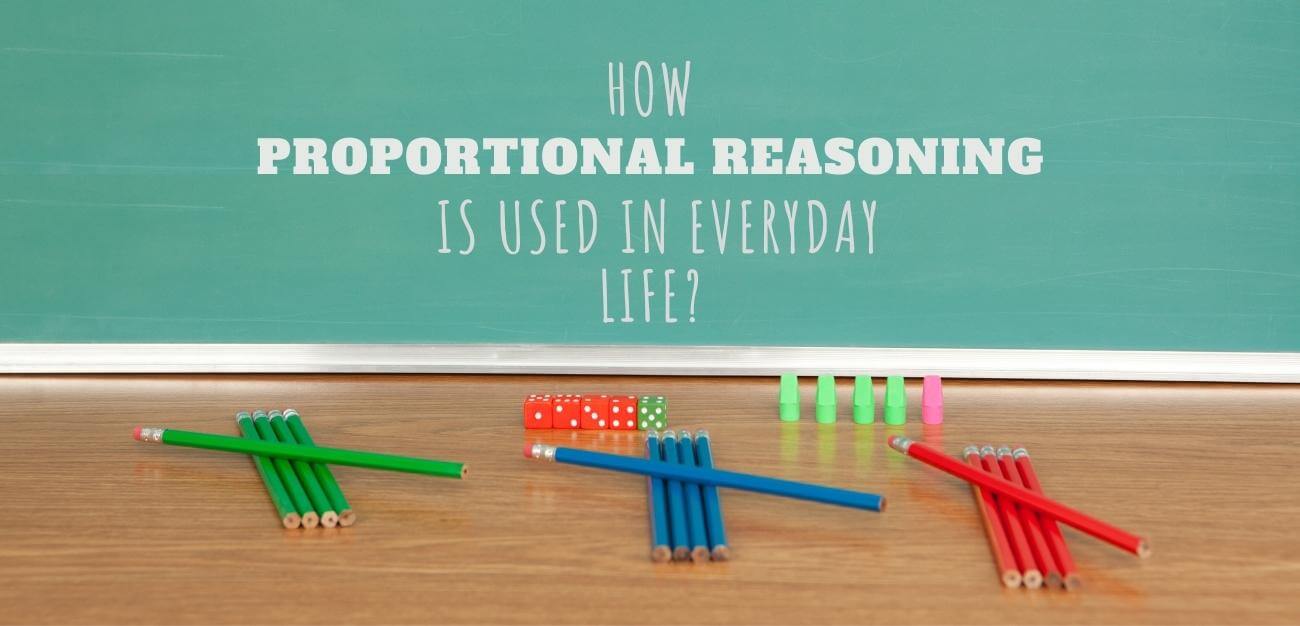
How Proportional Reasoning Is Used In Everyday Life

As a parent, you might wonder what mathematical concepts your child is learning in school and how they will be used in everyday life. Today, we’re going to take a look at proportional reasoning and how it’s used daily.

Proportional reasoning is the ability to understand that two quantities are in proportion if they change at the same rate. For example, if we know that there are 2 apples for every 3 oranges, then we can also say that there are 6 apples for every 9 oranges. This is because both ratios are equivalent (2:3 = 6:9). This math concept is just one of the four pillars (number sense, operational sense, proportional reasoning, algebraic reasoning) that we focus on at Dropkick Math tutoring company. 

Understanding The World Around Us

Too often, children see math as a dull and difficult subject that has no relevance to their lives. However, they are more inclined to want to learn when they understand why math is important in everyday life. After all, math is more than just a set of arbitrary rules. It helps us to understand the world around us and make sense of the patterns we see. 

In fact, math is a vital tool in many different fields, from medicine and engineering to finance and architecture. By showing children how math is used in the real world, we can help them to see its value and appreciate its importance. Only then will they be motivated to learn math and develop the skills they need for success in school and beyond.

What Are Some Examples Of Proportional Reasoning?

When we speak about proportional reasoning, it is essential to help children understand how it can be used in everyday life. If your child is struggling with math concepts, let them know that they have probably already been using proportional reasoning without even knowing it! If they hear that they already know how to do something, it can help boost their confidence and willingness to learn more. 

Some examples of everyday proportional reasoning include:

-When we’re trying to figure out how much shampoo to use, we usually start with a small amount and then add more if we need it. This is because we know that the amount of shampoo is directly proportional to the amount of hair we have.

-When we’re cooking, we often need to double or halve recipes depending on how many people we’re feeding. This requires us to understand that the ingredients are proportional to the number of people we’re serving.

-When we’re driving, we need to constantly adjust our speed based on the flow of traffic. We know that if the traffic is moving faster, we need to speed up; if it’s moving slower, we need to slow down. This is because our speed is directly proportional to the speed of traffic around us.

Why Is Proportional Reasoning Important?

As you can see, proportional reasoning is a useful skill that we use all the time without even realizing it! So next time your child does something where they need to make a quick calculation, let them know that they are using their proportional reasoning skills. 

Proportional reasoning is a skill that allows us to interpret graphs and charts accurately, make comparisons between quantities, and solve problems efficiently. In fact, many algebraic equations can even be solved using proportional reasoning skills. Without these abilities, it would be nearly impossible to navigate daily life tasks effectively. Proportional reasoning is a vital skill that should be developed and honed throughout our education and career.

Building Upon Math Concepts

Mathematics is often considered a series of isolated concepts, each to be memorized and applied to specific problems. However, this view overlooks the fact that mathematics constantly evolves and builds upon itself. One concept can lead to the discovery or development of another, leading to a deeper understanding of the underlying principles at play. 

For example, students who are developing proportional reasoning skills can also improve overall mathematical thinking and problem-solving abilities. Building upon previous concepts is central to the very nature of mathematics and helps explain its power as a problem-solving tool. Without this foundation, Mathematics would not be nearly as effective or versatile. So next time your child struggles with a complex math problem, remember that it may just be laying the groundwork for an even greater discovery in the future. Encourage them to work through the problems using proportional reasoning and demonstrate the equation in a real-life situation to make it more relatable to them. 

About The Four Pillars Of Math

At Dropkick Math Academy, we focus our curriculum on the four pillars of math. As one of the main pillars, we believe that the ability to reason and think proportionally is critical in developing an individual’s ability to understand mathematics. While students may have memorized how to solve a proportion problem, this does not mean they can think proportionally.

As one of the essential understandings of mathematics, all students must acquire good proportional reasoning skills to take them through school and later in life. If your child is struggling with mathematics, it is essential to understand where they need extra help. Our certified Ontario teachers can help your child with any gaps in education and help them catch up with their learning. 


Why All Students Have The Capacity To Think Algebraically

Most people think that only good math students can think algebraically. This, however, is not true. Algebraic thinking is a skill that all students can learn. In fact, all students have the capacity to think algebraically if they are given the opportunity to do so. Algebraic thinking allows students to see patterns and relationships in data, which can help them make better decisions in school and life. 

If you want your child to be able to think critically and solve complex problems, then you should encourage them to learn how to think algebraically. Luckily, plenty of resources can help them do this, including online math help from Dropkick Math Academy! So don’t wait any longer; start encouraging your child today! They will thank you for it later.

What Is Algebra?

Algebra is a mathematical subject that deals with symbols and the rules governing how they interact. It is considered a universal language, as it helps us understand and describe patterns we see in the world around us. Algebra is used in many fields, such as physics, engineering, and economics. 

While many people view algebra as a dry and difficult subject, it is very useful in everyday life. For example, algebra can help us to solve problems such as finding the lowest price for a product or working out how long it will take to travel a certain distance. Algebra is an important tool that can be used to solve real-world problems. 

Online Math Help For Algebra

Algebra can seem difficult to some students because it requires the ability to think abstractly. This can be difficult for some students because it is not intuitive. It is based on symbols and variables rather than numbers, so students need to be able to manipulate these symbols to solve equations. 

While this may seem daunting, for many people, algebra is simply a matter of practice makes perfect. The more a student does it, the better they will become at it. Of course, students will be at different places when starting out, but that is ok. All students can think algebraically and do so quite often! 

These students might benefit from working with a tutor or taking an algebra class. With a little extra help, most students can overcome their struggles with algebra.

How To Think Algebraically

Thinking algebraically can seem scary for many people. Everyone has heard jokes about algebra and how it is virtually impossible to learn. But that simply isn’t true. Every student has the capacity to learn how to think algebraically if given the right instruction and tools. 

The first step to start when learning how to think algebraically is learning the definition. By learning the definition of what it means to think algebraically, a student can then begin to use algebraic thinking skills to make sense of different situations. 

The focus of algebraic thinking should begin with operations and processes rather than numbers and computations. When algebra is studied this way, the rules for manipulating numbers and letters in equations aren’t confusing but are instead a natural extension of what students know about the equation. 


Grade 4: Is Your Child Where They Should Be?

As a parent, you want your child to succeed in school. Unfortunately, the COVID-19 pandemic has caused many students to miss crucial learning opportunities, especially in reading and mathematics. As a result, some may fall behind their peers this school year. With the academic rigours becoming more challenging each year, making sure your child is keeping up is essential. 

It can be difficult to know if your child is falling behind in school. Many children are good at hiding their struggles, and you may not find out until the report card comes home. There are, however, some signs that your child may be falling behind. If they suddenly seem disinterested in school or have difficulty with assignments, they may be struggling. Additionally, if they begin receiving lower grades or acting out in class, it could be a sign that they need more help. If you suspect your child is falling behind, don’t hesitate to reach out to their teacher or school counsellor. They can help you determine if there is a problem and put together a plan to get your child back on track.

Where Your Child Should Be

In grade four, children continue to build upon the reading, writing, and math skills they have developed in previous years. At this stage, students should be able to read independently for long periods of time and write clearly and fluidly. In terms of mathematics, fourth graders should be able to perform complex operations with large numbers and understand basic geometry concepts. 

The following are some specific skills that your child should be working on mastering by the end of fourth grade in Ontario: 

  • Be able to use more than one way to solve problems
  • Recall and demonstrate multiplication facts for 1 x 1 to 10 x 10
  • Use mental math strategies to multiply whole numbers by 10, 100 and 1000 and divide whole numbers by 10
  • Start applying math concepts to the real world
  • Compare numbers up to 10 000 using greater and less than symbols
  • Complete long division, with or without remainders
  • Represent and compare fractions and decimal tenths and put them in order on a number line
  • Start two-and three-digit multiplication and division with single digits

The First Step

Even if you have noticed some signs that your child may be falling behind, you may be unsure of how far of an education gap they may be experiencing. If you have noticed any signs, the first step is to reach out to your child’s teacher. They will be able to guide you and give you some insight into your child’s current level of understanding. You can then work with your child’s teacher to identify any gaps in learning and create a plan to address them. 

Good communication between parents and teachers is essential for ensuring that children thrive in school. Even if a child is doing well in math and seems to be having no trouble in school, it is still generally recommended that parents communicate with teachers regularly to build a support system for the child.

How To Supplement Education

If you have determined that your child may be missing some milestones for their grade, it is important to supplement their education at home. There are many ways you can do this, such as: 

– Providing additional resources, such as books, games, and apps that focus on academic skills 

– Encouraging daily routines that include dedicated time for academic work 

– Talking with your child regularly about their schoolwork and how they’re progressing 

– Encouraging your child to articulate what they don’t understand and ask clarifying questions

– Get tutoring support

Taking these steps can help your child make up for lost learning and prevent them from falling even farther behind. Math builds upon the concepts learned the previous year, so before your child reaches a new milestone, they must first accomplish the task currently at hand. Academic success is within reach – it just takes a little effort on your part!

Math Tutoring

One of the best ways to help your child if they are not reaching the milestones they should be in grade 4 is to get a math tutor. However, math tutoring companies come in all shapes and sizes and may not work for all children. 

Here at Dropkick Math Academy, we offer an alternative to math tutors. We understand that keeping math for grade 4 fun and exciting can be challenging, so we have created engaging games that will boost your child’s confidence and make them want to learn more! 

Our math help services are all taught by certified Ontario Teachers who are passionate about helping children overcome gaps in learning. During the pandemic, many children fell behind in math, but our programs use the four pillars of math to help target any misconceptions they may have.

We also differ from traditional tutoring services because we involve the parent in the learning process. We understand that math may be taught completely differently from when they were in school, and we want parents to learn along with their children. At the end of each class, we invite parents to have a discussion with the teacher so they also understand the math concepts we are teaching. 

Helping Your Child Stay On Track

As a parent, you play an important role in ensuring your child’s success in school. By keeping track of their progress and providing they are mastering fundamental skills, you can help them stay on track and set them up for success in the future. If you have any concerns about your child’s progress, talk to their teacher or contact us for more guidance.

Learn more about our programs today!

Why Is Number Sense Important In Early Childhood Education

The construct of number sense refers to a child’s fluidity and flexibility with numbers. It helps children understand what numbers mean, improves their mental mathematics performance, and gives them the tools to look at math in the outside world and make comparisons. In short, number sense is essential for developing a foundation in mathematics that will last a lifetime. 

Why Number Sense Is So Important

Number sense is critical for mathematical success for several reasons. First, it is difficult for students to understand what numbers mean without number sense. They may be able to recite numerals and count objects, but they cannot fully grasp the magnitude or quantity of those numbers. Second, students who lack number sense often have difficulty with mental mathematics. This includes recalling addition and subtraction facts, estimating answers to problems, and solving word problems. Finally, students need number sense in order to make connections between mathematics and the world around them. For example, they need to be able to use mathematics to measure objects, compare quantities, and understand Venn diagrams. 

Problem Solving Skills

One of the most important reasons for understanding number sense is for children to acquire problem-solving skills. When children can work flexibly with numbers, they can solve problems both inside and outside of the classroom. For example, if your child knows that 10 + 4 = 14, they will be able to quickly solve the problem 10 + 7 = __ by adding 3 to the known sum of 10 + 4. This type of flexible thinking is an important problem-solving skill that will serve your child well both now and in the future. 

What Can You Do To Help? 

You can do many things as a parent to help your child develop strong number sense skills. One of the best things you can do is give your child frequent opportunities to practice counting and performing simple addition and subtraction problems. You can incorporate math into everyday activities such as cooking, baking, shopping, and even laundry! 

You can also support your child’s understanding of numbers by frequently talking about numbers throughout the day. For example, point out numbers when you see them on clocks, street signs, buildings, or bills. You can also ask your child questions such as “How many socks did you put in your laundry basket?” or “If there are 5 cookies left and we each want 2 cookies, how many cookies will be left?” Asking questions like these regularly will help your child develop a deeper understanding of numbers and how they are used in everyday life. 

You can help track your child’s number sense progress by checking for the following:

  1. An awareness of the relationship between number and quantity
  2. An understanding of number symbols, vocabulary, and meaning
  3. The ability to engage in systematic counting
  4. An understanding of different representations of number
  5. Competence with simple mathematical operations
  6. An awareness of number patterns, including recognizing missing numbers

What Poor Number Sense Looks Like

As an elementary school teacher, I often had parents proudly tell me their child could count to 50. They were right – the child could recite the number names from one to 50. Impressive? Yes! But meaningful? No. 

The ability for a child to recite numbers in order is only one level of oral counting. It doesn’t necessarily mean they understand number sense. Unless a child has learned the basic building blocks early on, they will struggle to understand math concepts later on, such as fractions and decimals. 

Children with poor number sense tend to rely on methods they feel secure with and will focus on procedure. They often apply immature strategies to calculations and fail to spot links and connections that could help them get to the answer more quickly and easily. 

Those with poor number sense may also prefer to use pen and paper rather than working things out in their heads. They may be reluctant to estimate an answer before working it out and may accept whatever answer they get without questioning whether it is reasonable. Ironically children with poor number sense often do a more challenging version of math that relies upon remembering and applying procedures, with little understanding of underlying math concepts. 

Setting Up For Success!

Number sense is a critical foundation skill for success in mathematics and problem-solving. As a parent, there are many things that you can do to support your child in developing strong number sense skills, such as providing opportunities for practice and talking about numbers regularly throughout the day. By taking some time to focus on developing strong number sense skills with your child, you will be setting them up for success both inside and outside the classroom!

At Dropkick Math Academy, we include number sense as one of the four pillars of math that our curriculum is based around. As children improve their abilities with the four math pillars, they will strengthen their sense of place value and proportional reasoning skills. With our support in learning the building blocks of mathematics, your child will begin to thrive.  

If you have been searching for “math tutor near me,” look no further. Our fun, educational learning style will help boost your child’s confidence in math and set them up for mathematical success for years to come!

Learn more about our programs today and how we can help your child with number sense.

Understanding Fact Families

Many parents remember learning about fact families when they were in first grade. But let’s face it, for many of us, that was long ago! So, for those who don’t remember, fact families establish the relationship between numbers and aid in understanding the logic behind addition and subtraction. 

While fact families are typically introduced in the early years, they are important throughout schooling. By understanding fact families, students can see that there is more than one way to solve a problem and they will use this knowledge as they encounter more complex math operations. However, if an older child has any misunderstandings about fact families, it may hinder their math advancement. So, going back and revisiting fact families may be advantageous. 

Fact Families and Addition & Subtraction Facts

One of the reasons fact families are so important is because they help children learn their addition and subtraction facts. When children first learn these facts, it can be difficult to keep track of all the combinations. However, by grouping them into fact families, children can more easily see the relationships between the different facts. 

A fact family is made up of three numbers and can be made up of at least four math facts. For example, if a child knows that 3 + 4 = 7 then they can also deduce that 4 + 3 = 7 and 7 – 4 = 3 and 7 – 3 = 4. 

You can see that each number bond fact is related to two other facts in the family. In other words, they share two of the same numbers. 

Subtraction can be especially difficult for some students than addition, but fact families can often help. Overall, fact families can be a helpful way for children to remember their facts, especially in the early stages of learning them.

Fact Families and Multiplication & Division Facts

In addition to helping children learn addition and subtraction facts, fact families can also help with multiplication and division. This is because multiplication and division are actually just inverse operations of each other. In other words, if you know one multiplication fact from a fact family, you also know the corresponding division fact. 

For example, if you know that 3 x 4 = 12 then you also know that 12 / 3 = 4 and 4 x 3 = 12 and 12 / 4 = 3. So, by learning one multiplication or division fact from a fact family, a child actually learns three facts! As students see that they can use known facts to find unknown facts quickly, they will increase their fact fluency.

Flexible Thinking

Fact families help children learn to think flexibly about numbers because they see that there is more than one way to make a number using addition or subtraction (or multiplication and division). This is an important skill because it helps children understand that there are often different ways to solve problems. It also helps them learn that numbers can be decomposed and recomposed differently. 

When children understand how fact families work, they can use them to solve problems in different ways. For example, if a child knows that 6 + 4 = 10 then they can also work out that 4 + 6 = 10. So, if they are given the problem ‘find three numbers that add up to ten’ they could list 6 + 4 + 0, 5 + 5 + 0 or 4 + 3 + 3 as solutions, among others. Understanding Fact Families also helps children develop fluency in mental calculation because they can recall part of one fact family to help them solve another problem from the same family. 

Many math learning techniques can help children with mathematics, but combining fact families and mental math is an excellent way to help children succeed in their future. When children can use their knowledge of fact families and solve problems mentally, they are forced to think about the mathematical principles involved in the problem. This helps them to develop a deeper understanding of the concept

The Importance Of Fact Families

As you can see, there are many reasons why children need to learn about fact families. If your child is struggling with math, working on memorizing some of the basic addition and subtraction facts from different fact families could be a helpful way to help them improve their skills. Additionally, watching for opportunities to point out related multiplication and division facts will help your child make connections between different concepts which is beneficial for their overall understanding of mathematics.

How To Teach Your Child About Fact Families

Now that you understand more about fact families, it will be easier to help your child understand them. Math manipulatives are a great way to help children better understand fact families. Manipulatives are objects that can be moved or manipulated to help children learn. They come in various shapes and sizes and can be used to help explain everything from basic addition and subtraction to more complex concepts. 

Two-Sided Counters

Two-Sided Counters

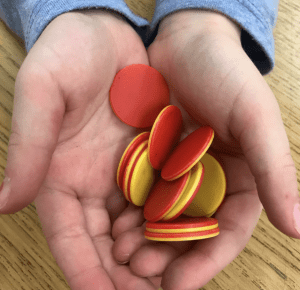
Two-sided counters are easy to use and can help explain fact families to younger children. Start by setting out 8 of them. Flip over 3 of them so 3 are yellow and 5 are red. Then, ask your child how much that makes. Write the equation 3+5=8. Continue this with the subtraction equations and other numbers and equations. Ask your child what patterns they see, and help to recognize the fact family. 

At Dropkick Math, we understand the need for students to develop an understanding of fact families. Our math help services allow students to learn foundational math skills and fill in any misunderstandings in mathematics while enabling them to discover new ways of learning. Through proven strategies and manipulatives combined with an accelerated learning approach, we help students master math operations while boosting their confidence. 

We offer an alternative to traditional online math tutors, as all of our classes are taught by certified Ontario teachers who make learning fun. We focus on the root of any mathematical misunderstandings and work with children and their parents to boost confidence in math and understand relationships. 

Learn more about our programs today!

Why Your Child Should Practice Mental Math

As a parent, you want your child to excel in school. You may not realize it, but one of the best ways to help them improve their math grades is to encourage them to practice mental math. Mental math is simply solving math problems in their head without needing paper and a pencil. By using mental math practices, children can understand mathematics better. Here are three reasons why your child should practice mental math.

Greater Understanding

Many math learning techniques can help children with mathematics, but understanding how to do math mentally is one of the top practices to help children succeed in their future. When children can solve problems mentally, they are forced to think about the mathematical principles involved in the problem. This helps them to develop a deeper understanding of the concept. 

For example, when adding two numbers mentally, children must understand that they are combining two groups of objects and that the answer will be the total number of objects in both groups. This understanding is critical for more complex concepts such as multiplication and division.

Become Better Problem-Solvers

Mental math requires children to find creative ways to solve problems. For example, when confronted with a difficult division problem, children may have to think of creative ways to break down the problem into smaller pieces that they can then solve mentally. 

By working through a problem mentally, children can see how the various parts of a problem fit together. This deep understanding will allow them to tackle more complicated problems in the future and will serve them well in all areas of their lives, not just mathematics.

Improve Memory And Concentration

Mental math requires children to remember mathematical principles and formulas while also concentrating on the problem at hand. This focus and concentration will help them remember information better and improve their ability to concentrate on tasks for extended periods of time. All of these skills are important not just for school but for life in general. 

The Research Behind Mental Math

Mental math has been recognized through various studies as a way to help children get a better understanding of mathematics. One such study was published in the journal Cogent Education which analyzed 118 students in grade 5, exploring how mental computation and mathematical reasoning affect each other.

Researchers found a significant positive correlation between mental computation and mathematical reasoning. It was noted that rather than exposing students to familiar math problems, students need to be encouraged to do mental computing on non-routine problems in order to develop their skills. 

Another interesting study from Duke University looked at mental math from a health perspective. All participants in the study had brain scans done after performing mental math. It was found that mental math engages the brain’s prefrontal cortex which has been linked to better emotional health. 

Practicing Mental Math

Practicing mental math with your child is an easy and effective way of learning. When a child is taught rounding, estimating and fact fluency, as well as having them remember and reproduce steps and solutions, they are performing mental math. So, you may already be practicing mental math with your child and not even realize it!

If you are having trouble getting your child motivated to practice mental math, the key may be to make it fun. For example, math problems based on real-life situations can engage students by providing clear, tangible ways to apply knowledge. 

A great way to involve your child and use their mental math skills is by taking them to the grocery store. There are multiple ways they can test their mental math skills by calculating discounts on products, estimating the weight of fruits and vegetables, and even calculating how much meat it will take to feed the family dinner. Not only will your child find the lesson more interesting, but they will understand why it is worth knowing. 

A Valuable Skill

Mental math is a valuable skill that all children should learn. It has been proven to help children better understand mathematical concepts, become better problem-solvers, and improve memory and concentration skills. So encourage your child to put away the calculator and start practicing mental math today!

Mental Math At Dropkick Math Academy

At Dropkick Math, we are an alternative to an online math tutor as we don’t just address the child’s issues at the time. Our certified Ontario teachers get to the root of the misunderstanding and help fill in any educational gaps a child may be experiencing. Part of our curriculum identifies the importance of practicing mental math, and our teachers encourage their students to use mental math skills.

Our programs offer a fun and engaging way of learning, which has been proven to keep children interested and wanting to learn more. By focusing on the four pillars of math (number sense, operational sense, proportional reasoning, and algebraic reasoning) our students learn the fundamentals of mathematics and build upon their knowledge. 

Dropkick Math Academy offers math programs in Toronto and the surrounding areas. All of our programs offer small-group virtual programming taught by certified Ontario teachers. This allows your child to learn in a comfortable and familiar setting while receiving the individualized attention they need to succeed. Learn more about our programs today!