Want To Travel With Your Kids? Try Roadschooling!

Homeschooling opens up a world of flexibility for families, and that freedom can include something extraordinary: roadschooling. If you’ve dreamed of hitting the road, exploring new places, and teaching your kids along the way, roadschooling might be for you. Combining travel and education, roadschooling provides unique benefits for families, fostering meaningful connections, real-world learning, and unforgettable experiences.

Here’s how to make the most of the benefits roadschooling offers to families, with practical advice on keeping things simple and educational while exploring new horizons.

Why Roadschooling Works For Families

Roadschooling combines the flexibility of homeschooling with the adventure of travel. It empowers families to shift their classroom to wherever the road takes them. Here’s why this approach works so well for families:

  • Hands-On Learning Opportunities: Traveling allows kids to engage with subjects in real, tangible ways. Visiting historical landmarks, touring science museums, or exploring natural wonders makes lessons come alive in ways no textbook can. For example, studying U.S. history while touring Washington, D.C., offers kids a deeper understanding of the nation’s past through firsthand experiences.
  • Fostering Global Awareness: Kids develop a broader perspective on cultures, customs, and worldviews by visiting different states or countries. This immersive exposure helps them appreciate diversity and understand global connections.
  • Flexible Schedules: Homeschooling already has the benefit of customized schedules, but roadschooling takes that a step further, letting families design their educational routines around destinations and experiences. For instance, mornings can be spent on math lessons, while afternoons are reserved for exploring National Parks.
  • Strengthened Family Bonds: Time spent traveling promotes stronger connections. Roadschooling families often find that shared adventures bring them closer as they experience new places, solve problems together, and create lifetime memories.
  • Teaches Adaptability: Traveling naturally exposes kids to change, whether it’s navigating a new city, adjusting to an unfamiliar environment, or learning to plan on the go. These experiences teach resilience and flexibility, valuable life skills for any child.

By combining travel and education, roadschooling makes learning immersive and fun. Families unlock a new level of freedom while fostering curiosity and growth in their children.

Traveling And Homeschooling Made Easy

Traveling And Homeschooling Made Easy

Venturing into roadschooling may feel daunting at first, but with a little preparation, it’s easier than it seems. The key is to keep things organized and prioritize both learning and fun. Here’s how to simplify the process:

  • Invest in Portable Learning Tools: Look for lightweight and portable homeschooling essentials like a laptop, e-reader, or compact whiteboard. Digital resources, such as online curriculums and educational apps, are a lifesaver for parents on the move. Programs like Khan Academy or Duolingo can cover various subjects without requiring heavy books.
  • Plan Around Educational Destinations: Choose destinations that align with your kids’ current curriculum. If they’re studying marine biology, visit aquariums or coastal areas. If they’re learning about the Civil War, seek out battlefields and historical reenactments. Educational trips and family vacations can overlap beautifully.
  • Create a Workspace System: Even in small spaces like an RV or hotel room, it’s important to have a defined learning area to help kids focus. Portable desks, trays, or fold-down tables can create instant workspaces.
  • Stick to a Routine: While the flexibility of roadschooling is wonderful, having a loose daily routine ensures kids stay on track academically. Mornings might involve structured lessons, while afternoons are for exploring. Consistency helps maintain momentum.
  • Utilize Library Cards and Museums: Get library cards at local stops to borrow books and resources. Many libraries also offer free Wi-Fi, workspace, and helpful librarians who can guide you toward educational events in the area. Cultural passes from libraries can even grant free admission to museums and other attractions.
  • Practice Minimalism: When you’re packing for travel, less really is more. Stick to multi-use items and focus on essentials for both school and leisure. A well-organized educational tote or backpack ensures quick access to all the learning materials you need.
  • Stay Connected With Homeschool Communities: Many families are taking the roadschooling path today. Online homeschooling forums or local Facebook groups can help you connect with other roadschoolers, share tips, and arrange meetups.

By taking manageable steps and being flexible, your family can move from a beginner’s mindset to confident roadschooling pros in no time.

Educational Travel Tips For Homeschooling Parents

Combining travel with education may seem overwhelming at first, but a few practical strategies can make all the difference. Here’s how to make the most of your roadschooling experience:

  • Leverage Free or Affordable Attractions: Look for national parks, local nature centers, or government-funded historical sites that offer free or discounted entry. Consider the America the Beautiful National Park Pass, which gives families unlimited access to thousands of sites.
  • Use Travel Time for Audiobooks and Podcasts: Long drives are the perfect opportunity for passive learning. Audiobooks related to history, science, or literature allow students to soak up knowledge on the go. Age-appropriate podcasts can spark curiosity, too.
  • Turn Vacations Into Deep Dives: When visiting a specific place, incorporate full learning units around it. For example, a trip to Arizona’s Grand Canyon could include lessons on geology, natural erosion, westward expansion, and Native American cultures. Research these topics ahead of time for meaningful teaching moments during your visit.
  • Document the Journey: Having your kids keep travel logs or journals enhances their writing skills, encourages reflection, and creates a lifelong memento. They can jot down observations about each place, draw what they saw, or even pen fictional stories inspired by their travels.
  • Make Financial Literacy Fun: Traveling provides a unique opportunity to teach budgeting, currency exchange, or cost comparisons. Getting kids involved in planning expenses for a trip allows lessons about math and money to naturally unfold.
  • Capture Learning With “Education Kits”: Consider packing kits tailored for subjects like science or art. A small magnifying glass, notebook, and field guide can spark the study of insects or plants while hiking. Art kits with sketchbooks and colored pencils let kids draw what they observe in different environments.
  • Tap Into Local Experts: Some of the best lessons come from interacting with locals who can provide unique insights. Park rangers, museum guides, or cultural performers may have entertaining and educational anecdotes to share. Be sure to ask questions and engage fully in these experiences.

By carefully planning educational activities alongside your travel plans, you can transform every trip into a rich learning experience.

Making The Most Of Roadschooling For Families

A big part of what makes roadschooling special is how it blends education with exploration in a way that feels seamless. For parents, it’s about finding that balance between structure and spontaneity. For children, it can ignite a lifelong passion for learning and adventure.

Roadschooling helps kids experience history in motion, science in nature, and culture through engagement. When lessons are tied directly to their travels, kids internalize knowledge more deeply. Imagine discussing the physics of geysers at Yellowstone or learning geometry by measuring the angles of ancient structures. These moments bring out the best in learning by making it relatable.

Additionally, this lifestyle lets parents create invaluable memories with their kids. Travel builds shared stories and teaches teamwork. Whether it’s navigating a map together, preparing meals in a campervan, or solving an unexpected challenge on the road, each moment becomes part of the family’s collective learning experience.

When families leave behind the confines of a classroom, they gain the freedom to explore at their own pace. The result? Children who are curious, informed, and better prepared for the world. That’s the true benefit of roadschooling.

Getting Dirty: Fun And Filthy Science Experiments For Your Child

Homeschooling opens doors to hands-on learning experiences that can turn your kitchen or backyard into a bustling science lab. When it comes to science, some of the best lessons involve getting messy. From bubbling concoctions to gooey creations, getting a little dirty can make learning not only effective but also unforgettable. 

Below, you’ll find practical, actionable ideas for fun science experiments for kids, with a special emphasis on hands-on, slightly messy activities perfect for your homeschool curriculum.

1. The Messy Power Of Chemistry

Chemistry experiments are some of the most exciting for young learners. Watching different substances interact can spark critical thinking and curiosity about the scientific principles behind them. The best part? Many great experiments can be done using everyday items from your home.

Explosive Volcano Experiment

This classic activity is as fun as it is messy. It’s a great way to teach kids about chemical reactions while offering a spectacle of fizzing lava pouring out of a homemade volcano.

What you need:

  • Baking soda
  • White vinegar
  • Dish soap
  • Red food coloring
  • A large tray to contain the mess
  • Modeling clay or a small plastic bottle

What to do:

  1. Shape the modeling clay around the plastic bottle to form a volcano. Place it on the tray to catch any overflow.
  2. Add a couple of tablespoons of baking soda to the opening of the bottle.
  3. Mix vinegar, a drop of dish soap, and red food coloring in a separate cup.
  4. Pour this mixture into the volcano and watch the lava erupt!

This experiment not only covers chemical reactions but also introduces geology if you discuss real-world volcanoes while recreating an eruption.

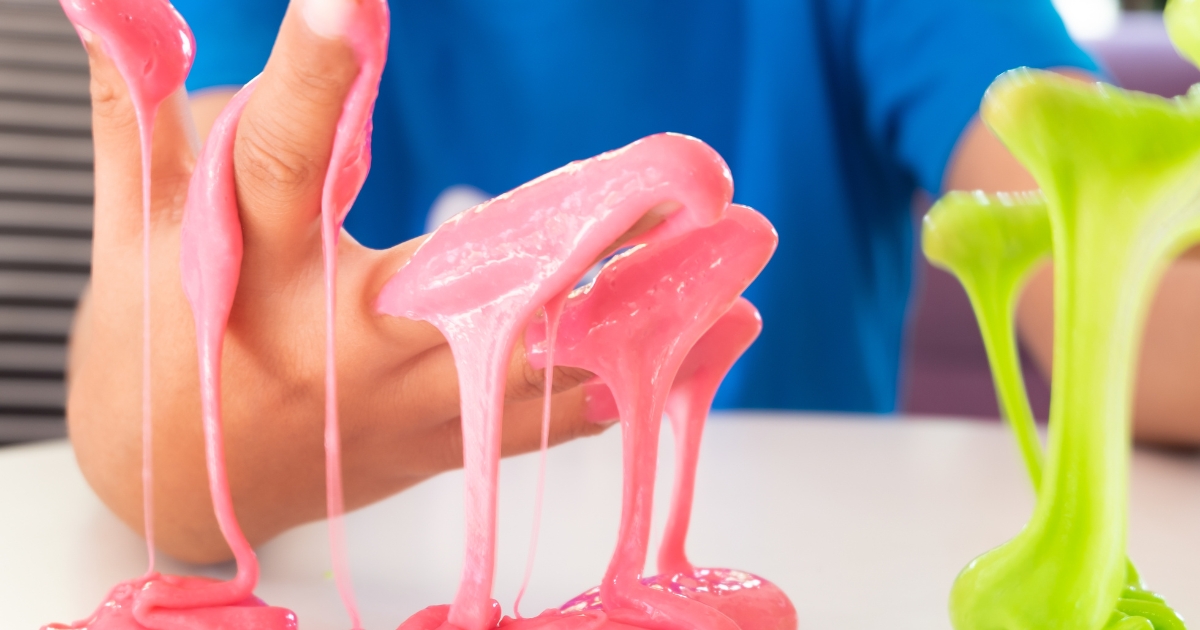
Slime-Making Extravaganza

Few things excite kids as much as making their own slime. It’s gooey, stretchy, and entertaining enough that they won’t even notice they’re learning about polymers.

What you need:

  • School glue (clear or white)
  • Baking soda
  • Contact lens solution
  • Food coloring or glitter (optional)

What to do:

  1. Mix about 4 ounces of glue and ½ teaspoon of baking soda in a bowl.
  2. Add a small amount of food coloring or glitter if desired.
  3. Slowly stir in contact lens solution (start with one tablespoon). You’ll see the slime forming as the solution reacts with the glue.
  4. Knead the mixture until it reaches the perfect slimy texture.

Talk with your child about polymer chains and why the slime stretches as it does. Encourage creativity by experimenting with textures and colors.

Fizzy Lemon Volcano

Want a kitchen-friendly experiment? Create a fizzy lemon volcano to explore chemical reactions.

What you need:

  • A few lemons
  • Baking soda
  • Food coloring
  • Spoon or knife

What to do:

  1. Cut off the top of a lemon and hollow it out slightly.
  2. Add a few drops of food coloring to the lemon’s hollowed-out portion.
  3. Sprinkle baking soda inside.
  4. Watch as the acid from the lemon juice reacts with the baking soda, creating a fizzy, colorful eruption.

Kids will love the tactile experience of squeezing the lemon to release more juice and keep the reaction going.

Filthy And Fun Nature-Based Projects

2. Filthy And Fun Nature-Based Projects

Exploring nature gets kids outdoors, encourages curiosity, and sometimes gets them covered in mud. The natural world is a treasure trove of opportunities for slightly dirty but highly educational science experiments.

Mud Painting in the Name of Earth Science

Gather some dirt from the yard and transform it into a creative and scientific activity. This project teaches your child about soil composition and encourages artistic expression.

What you need:

  • Different types of soil or dirt from various locations
  • Water
  • Paintbrushes
  • Paper

What to do:

  1. Collect soil from different locations and compare their textures and colors.
  2. Mix water into each sample to create mud paint.
  3. Use paintbrushes to create mud paintings on paper.
  4. Discuss why soils differ in color and texture.

This activity will spark conversations about the importance of soil in growing plants, erosion, and biodiversity.

Worm Habitat Observation

Creating a worm habitat is one of the dirtiest yet most rewarding hands-on experiences. It teaches kids about decomposers and nutrient cycling in the ecosystem.

What you need:

  • A large clear container or jar
  • Soil
  • Sand
  • Dead leaves or food scraps
  • Earthworms

What to do:

  1. Layer the container with alternating layers of sand and soil.
  2. Add some dead leaves or small vegetable scraps on top.
  3. Gently place the earthworms into their new home.
  4. Observe how the worms burrow, mix soil layers, and break down organic material.

You’ll want to place the habitat in a cool, dark place and check on it daily. Have your child take notes about changes in the dirt’s appearance or how quickly the food scraps disappear.

3. Mess-Free Learning With A Purpose

Not every science project needs to involve a massive mess to be fun and engaging. Here are some ideas where the “filthy” factor is more controlled, perfect for days when you’d rather have minimal cleanup.

Soda Geyser Extravaganza

This high-impact activity lets your kids observe just how volatile carbonation can be.

What you need:

  • A 2-liter bottle of diet soda
  • A pack of mentos candy

What to do:

  1. Take the soda bottle outside and place it on a flat surface.
  2. Drop a row of 5–7 mentos candies into the soda at lightning speed.
  3. Step back and watch the geyser reach for the sky!

Discuss how carbon dioxide that’s trapped in soda reacts with mentos to escape quickly.

Plant Lifecycle Dirt-Free Investigation

If you want to bring science indoors and keep things clean, try growing seeds in jars without soil. This experiment teaches kids about plant biology without getting their hands muddy.

What you need:

  • A few clear jars or plastic cups
  • Paper towels
  • Seeds (beans or peas work best)
  • Water

What to do:

  1. Line the inside of a jar with damp paper towels.
  2. Between the paper towel and the wall of the jar, insert seeds.
  3. Place the jar in a sunny spot and add water to keep the paper towel moist.

Over the next few weeks, your child can observe how roots grow downward while stems stretch upward. Use this as a lead-in to topics like photosynthesis and plant anatomy.

4. Messy Science Meets Physics

Physics experiments often involve motion, forces, and energy, giving kids plenty of opportunities to get their hands dirty while learning key principles.

Oobleck Obstacle Course

Oobleck, a mix of cornstarch and water, acts like a liquid under slow pressure and a solid under quick pressure. It’s a sensory-rich way to teach kids about non-Newtonian fluids.

What you need:

  • 2 cups of cornstarch
  • 1 cup of water
  • A large mixing bowl

What to do:

  1. Mix the cornstarch and water in the bowl. You’ll know it’s ready when it starts to harden under pressure but feels like a liquid when you stop pressing.
  2. Pour the Oobleck into a shallow tray and create small obstacles like toy cars or marbles.
  3. Challenge your child to move things across the surface and observe how they behave differently when they roll slowly versus quickly.

This experiment combines physical properties with fine motor skills and plenty of messy fun.

Homemade Parachutes

Designing and testing parachutes allows kids to explore gravity, air resistance, and engineering concepts.

What you need:

  • Coffee filters, plastic bags, or lightweight fabric
  • String
  • Small toys or action figures

What to do:

  1. Attach strings to the edges of the coffee filter or fabric and tie them to a toy.
  2. Toss the parachute from an elevated space (a balcony or stairs works great).
  3. Experiment with different materials, weights, and designs to see which parachute works best.

It’s a perfect opportunity to discuss how air resistance helps slow an object’s fall.

No matter the level of mess, these experiments turn science into an adventure for both you and your child. Learning by doing, failing, and trying again enriches their understanding of the natural world while building curiosity, creativity, and a little resilience.

Igniting Curiosity And Creativity

Science gets so much better when it’s hands-on, and messy experiments are the perfect way to ignite your child’s curiosity and creativity! From gooey concoctions to muddy adventures, these activities bring science to life in a way that books and screens just can’t. We hope you’ll roll up your sleeves, have a blast trying these ideas, and make plenty of joyful memories along the way.

Got a favorite experiment or a hilarious messy moment? Share it with us—we can’t wait to hear all about your child’s filthy fun in the name of learning!

5 World Geography Projects For Highschool Homeschoolers

Teaching high school geography in a homeschool setting offers parents and students the chance to explore the world in creative and meaningful ways. By incorporating hands-on projects, teens can deeply engage with cultures, landmarks, and global systems, fostering both knowledge and curiosity. 

Below, we explore five effective and fun world geography projects for homeschoolers that emphasize critical thinking, creativity, and practical learning.

1. Create A Physical Geography Map Model

High school students learn best when they can see and interact with what they’re studying. A physical geography map model project allows teens to explore landforms, water bodies, and elevation through a tactile experience. The goal is for them to create a three-dimensional map of a selected region or country.

Steps to Implement:

  • Choose a Region: Select a specific region, such as a continent, country, or even a single state, depending on the focus of your curriculum.
  • Gather Materials: Use items like clay, salt dough, foam board, or even recycled cardboard for the base. For differentiation in elevation, students can layer or sculpt these materials. Paints, markers, and labels help add detail.
  • Identify Key Features: Have students research major landforms like mountains, plains, rivers, and deserts in their selected area.
  • Design and Build: Encourage creativity during the building process, using various colors and textures for terrain features.
  • Add Context: Label physical features and create a legend for the map to enhance its educational value.

This project emphasizes essential skills like research, spatial thinking, and artistic expression. Additionally, it makes an excellent collaborative project for siblings or homeschool co-ops.

2. Host A “Cultural Day” Presentation

Understanding human geography is just as important as studying physical geography. Hosting a “Cultural Day” presentation at home allows students to explore traditions, languages, and lifestyles from around the world. This project can be tailored to suit your child’s interests and learning goals.

How to Organize the Project:

  • Research a Country or Culture: Each student (or a group if in a co-op) selects a culture they want to study in-depth. Encourage them to focus on topics like traditional clothing, food, history, and language.
  • Create a Visual Presentation: Teens can create a slideshow, display board, or even make a short video about the culture they’ve studied. Include visuals such as photos, maps, and art that represent the chosen culture.
  • Prepare a Demonstration: Bring the research to life. For example:
    • Cook a traditional meal together and explain its cultural significance.
    • Showcase apparel or crafts that are iconic to the region.
    • Learn a few simple phrases in the language spoken there.
  • Present to an Audience: Whether it’s just family, a homeschool pod, or through a virtual video call with extended relatives and friends, provide your student the opportunity to share these presentations.

By exploring diverse ways of life, teens not only enhance their knowledge of global cultures but also improve public speaking and networking skills.

Build A History And Geography Time Capsule For A Country

3. Build A History And Geography Time Capsule For A Country 

A time capsule is a unique way to combine historical and geographical learning. For this project, students will create an imaginary “time capsule” that represents a specific country at a chosen point in history. Ask your child to research what their chosen country was like during a particular era, such as 18th-century France, the Age of Exploration, or modern Japan.

Inside their time capsule, they might include mini artifacts, replicas, or descriptions of specific items that symbolize important aspects of that period. For example, an Ancient Egyptian time capsule might feature a handmade scroll detailing farming practices, a drawing of the pyramids, and a model of a canopic jar. Encourage students to explain the “significance” of each item in a written format or a small presentation. This project teaches historical context while anchoring that information to the physical geography of the area, making it easier for your teen to connect the two concepts.

4. Design An Interactive Global Trade Map

Global trade is a dynamic topic that helps high school students understand how countries interact and depend on one another economically. An interactive trade map allows students to explore trade relationships worldwide, tracking the flow of goods and resources between nations.

Steps to Build the Project:

  • Choose Key Resources: Start by identifying a type of resource or product to focus on, such as oil, coffee, textiles, or electronics.
  • Research Trade Routes: Using online resources, homeschoolers can research where the resource is commonly produced and which nations import it the most.
  • Create a Map: Use a physical world map (or print one out) and outline trade routes using string, yarn, or markers. Use different colors to represent the export and import routes.
  • Add Context: Along the trade routes, create small write-ups explaining the significance of trading relationships. For instance, if focusing on coffee, explain why Colombia is a major exporter or examine the environmental impact of transporting goods around the globe.
  • Make it Interactive: Build a quiz or trivia element related to the trade map. For example, students could challenge family members to trace specific routes or guess which countries are involved in trading certain products.

This project makes abstract ideas about global economics tangible and teaches students critical skills in data analysis, research, and map reading.

5. Explore Biomes Through A Digital Presentation Or Creative Diorama 

Studying biomes is a fascinating way to connect geography and environmental science. Assign each student a specific biome, such as tundra, rainforest, savanna, or desert, and have them create an in-depth study. Teens can choose to present their findings through a digital presentation or a hands-on diorama model.

For the digital version, students can put together a slideshow using photos, data, and short write-ups about the climate, wildlife, and natural resources found in each biome. Alternatively, a diorama offers a highly creative and tactile approach; they can use everyday materials like cardboard, cotton balls, and craft supplies to recreate the biome’s landscape. This project highlights the connections between geography and biodiversity, helping students understand ecosystems on a global scale.

Tips for Success with Geography Projects at Home

To make world geography projects truly successful in your homeschool, it’s essential to create an environment where learning is engaging, organized, and efficient. Here are some practical tips to help ensure your geography activities thrive:

  • Establish a Plan:
    Before starting a project, outline goals and expectations. Decide on the specific geography skills or topics you want your child to learn. Break the project into manageable steps and set a realistic timeline for completion.
  • Use Quality Resources:
    Invest in diverse resources such as atlases, globes, online geography tools, and educational apps. Reference videos, documentaries, and interactive websites that complement your chosen project. Platforms like Google Earth and National Geographic are valuable for visual and interactive learning.
  • Stay Hands-On:
    Encourage active participation by incorporating hands-on activities. Whether it’s building 3D maps, creating travel brochures, or cooking traditional dishes from different cultures, these activities make learning memorable and fun.
  • Encourage Independent Research:
    Foster critical thinking and research skills by allowing your high schooler to gather information on their own. Guide them in using trustworthy sources, but also give them space to explore topics that capture their curiosity.
  • Incorporate Group Work:
    If possible, collaborate with other homeschooling families on larger projects. Group activities provide opportunities for social interaction, teamwork, and new perspectives.
  • Set Up a Geography Workspace:
    Dedicate a specific area in your home for geography projects. Have materials like maps, colored pencils, pins, and rulers readily available to minimize interruptions during project time.
  • Integrate Technology:
    Use apps like Kahoot for geography quizzes, or explore VR tools that offer virtual tours of famous landmarks. Technology can turn a standard project into an interactive experience that boosts engagement.
  • Celebrate Milestones and Accomplishments:
    Acknowledge your child’s efforts and progress throughout the project. Host an end-of-project celebration to showcase their work, whether it’s presenting maps, sharing written reports, or displaying artwork inspired by their studies.
  • Encourage a Global Mindset:
    Inspire discussions about world cultures, current events, and global challenges. This adds depth to geography projects and connects academic learning to the real world.

By emphasizing practical and creative approaches, these projects not only teach geography but also inspire curiosity and a lifelong interest in the world. High school geography becomes far more engaging when students can explore it in ways they find exciting and meaningful.

Making Learning Engaging

Exploring world geography through hands-on projects not only makes learning more engaging but also helps your high schooler connect with the world around them. These five activities are designed to spark curiosity, foster creativity, and deepen your student’s understanding of geography in meaningful ways. We encourage you to try these projects and see the difference they can make in your homeschool. 

Don’t forget to share your experiences with us—we’d love to hear how these ideas come to life in your home! Keep exploring, learning, and making connections with the world.

The Best Toys and Games For Math Exploration

Homeschooling creates an incredible opportunity to tailor learning to kids’ individual needs. Math, however, can be a challenging subject to make engaging for some children. The key? Incorporating toys and games into your homeschooling routine can transform abstract math concepts into enjoyable, hands-on learning experiences.

This guide explores the best math toys for kids, specifically chosen to help parents engage their young learners in fun and meaningful math exploration. From educational games that sharpen critical thinking skills to hands-on tools designed for tactile learning, these recommendations will inspire your child’s natural curiosity while strengthening math fluency.

1. Educational Math Games That Teach Through Play

Game-based learning is an effective way to help kids absorb and retain mathematical concepts. Many educational games combine logic, numbers, and strategy to make math fun and interactive.

Here are some of the top educational math games to consider:

Board Games Focused on Numbers

  • Sum Swamp
    This popular board game is perfect for early learners. It uses addition and subtraction to guide players through a swamp full of friendly creatures. Kids practice foundational math while enjoying fast-paced gameplay.
  • Prime Climb
    Aimed at older children, Prime Climb introduces multiplication and division through a colorful, strategy-based board game. It’s a fantastic tool for building number sense and learning about prime numbers.
  • Monopoly Junior
    While not exclusively math-focused, Monopoly Junior reinforces counting, addition, and simple financial concepts. Younger kids will love learning with its playful design and relatable themes.

Card Games For Quick Math Practice

  • Math War
    This card game builds fluency with basic operations like addition, subtraction, multiplication, and division. Since it’s fast-paced, it keeps children motivated and engaged.
  • 24 Game
    This intriguing game challenges kids to combine four numbers to make 24 using a mix of operations. It’s an excellent way to promote mental math and creative problem-solving.

Interactive Digital Math Games

  • DragonBox Series
    Loved by educators, the DragonBox series introduces algebra and geometry concepts in a highly visual and game-like format. These apps break down intimidating math topics into engaging puzzles for kids.
  • Prodigy Math
    Prodigy takes math practice into an adventurous world where solving equations unlocks new levels and powers. Parents can even customize the skills their child is working on so it aligns with their curriculum.

Educational games foster a healthy competitive spirit, making learning not only effective but also memorable. Introducing one or two game nights into your homeschool schedule can make a big impact!

Hands-On Math Tools For Homeschoolers

2. Hands-On Math Tools For Homeschoolers

For kinesthetic learners who thrive on tactile experiences, manipulating physical objects can make abstract math concepts more tangible and accessible. These tools encourage exploration, helping kids gain confidence in their abilities.

Best Tools for Counting and Number Recognition

  • Counting Bears with Pattern Cards
    This set of colorful bears helps young learners practice counting, sorting, and patterns. Including cards that suggest activities or challenges makes it perfect for ages 3-6.
  • Abacus
    A classic tool for enhancing basic arithmetic skills, the abacus is ideal for visualizing addition, subtraction, and even multiplication. Its sliding beads turn simple computations into a satisfying experience for kids.
  • Hundred Board
    A hundred board allows kids to explore concepts such as counting by tens, sequences, and basic operations. It provides a clear layout, making it easier for children to grasp the patterns in numbers.

Tools for Fractions and Geometry

  • Fraction Circles and Bars
    Understanding fractions is more intuitive when kids can see different units in action. Fraction circles are great for visual learners, while bars help with comparing values.
  • Geoboards
    Geoboards use rubber bands and pegs to explore geometric shapes, symmetry, and spatial reasoning. Kids can follow templates or create their own designs to develop a deeper understanding of geometry.
  • Tangrams
    Tangrams promote problem-solving as kids rearrange geometric pieces to form specific shapes. Tangram puzzles improve spatial reasoning while connecting geometry to creative play.

Tools for Advanced Math

  • Base Ten Blocks
    A staple in homeschooling, these blocks illustrate numerical values and allow kids to explore place value, addition, and subtraction with hands-on building.
  • Algebra Tiles
    Algebra tiles provide a visual way to simplify expressions, solve equations, and factor polynomials. Introducing these tiles early can demystify pre-algebra concepts for growing learners.

Hands-on tools are small but mighty additions to your homeschool library. These manipulatives not only encourage creative exploration but also help reinforce the “why” behind math processes.

3. STEM Construction Sets That Bring Math To Life

Math and engineering go hand in hand, and many construction sets allow kids to explore both simultaneously. These STEM-based toys encourage problem-solving, logical reasoning, and spatial awareness.

Magnetic Building Kits

Magnetic sets like Magformers or Geomag introduce geometry and structure. Children learn as they build 3D shapes and connect magnetic pieces. They can explore concepts like symmetry, angles, and shapes in a hands-on way, sparking curiosity about how objects fit together.

LEGO Technic

Legos extend beyond creative play. The Technic line includes gear systems, pivots, and beams that allow kids to explore engineering alongside math. Whether constructing a functional crane or designing a model vehicle, kids naturally interact with measurement, proportions, and balance.

Marble Runs

Marble runs, like GraviTrax, offer lessons in velocity, gravity, and spatial planning. Kids must use trial and error to construct pathways that guide marbles toward specific endpoints. The focus here is on reasoning through cause and effect, a skill highly relevant to mathematics.

Wooden Block Sets

Classic wooden blocks might look simple, but they’re foundational for exploring measurement, balance, and symmetry. Sets like Kapla Planks enable intricate designs, requiring precision and planning.

By blending math skills with creativity, STEM construction sets create immersive and rewarding learning opportunities for kids of all ages.

4. Exploring Math Concepts With Everyday Toys

Sometimes, the most effective tools for math learning aren’t labeled as “educational” at all. Everyday toys can provide natural and entertaining ways to explore math concepts.

Play Money and Cash Registers

Pretend cash registers with toy coins and bills offer hands-on opportunities for practicing addition, subtraction, and basic financial literacy. Kids can role-play as shopkeepers while learning real-world applications of math.

Puzzles

Look for puzzles with numbers, shapes, or spatial patterns. Puzzles help children develop logic skills, pattern recognition, and visual-spatial awareness, all of which are critical to mathematical thinking.

Art Supplies

Creative activities like making patterns with beads, crafting symmetrical designs, or folding origami are excellent examples of math hidden within art. These tasks allow kids to explore symmetry, proportions, and fractions without even realizing they’re doing “math.”

Cooking Tools

Measuring cups and spoons are valuable real-world tools for teaching fractions and proportions. Baking activities can do double duty as a math lesson, making it both practical and delicious. The versatility of everyday toys often means you already have these items at home. Using them as learning tools reinforces the idea that math is part of daily life, making the subject feel more accessible to kids.

Sparking Curiosity

Mathematics doesn’t live in isolation from the real world. When kids use toys and tools that involve decision-making, collaboration, or creative problem-solving, they develop additional skills, such as logical reasoning and persistence. For example, using a fraction bar to divide “pizzas” fairly among friends brings math alive in personal and meaningful ways. Similarly, playing board games teaches not only numerical fluency but also patience, strategy, and social connection.

The most successful math exploration involves sparking curiosity, not pushing perfection. When children approach math as a game or puzzle to solve, they’re more likely to persevere through challenges and apply the same mindset to other subjects and problems.

With the right mix of educational games, hands-on tools, and STEM toys, math becomes more than just a subject in your homeschool curriculum. By introducing these engaging resources, you can transform how your child learns, helping them approach math with confidence and curiosity. Whether through colorful fraction circles, strategic board games, or creative construction kits, every activity adds value to their math fluency and problem-solving skills.

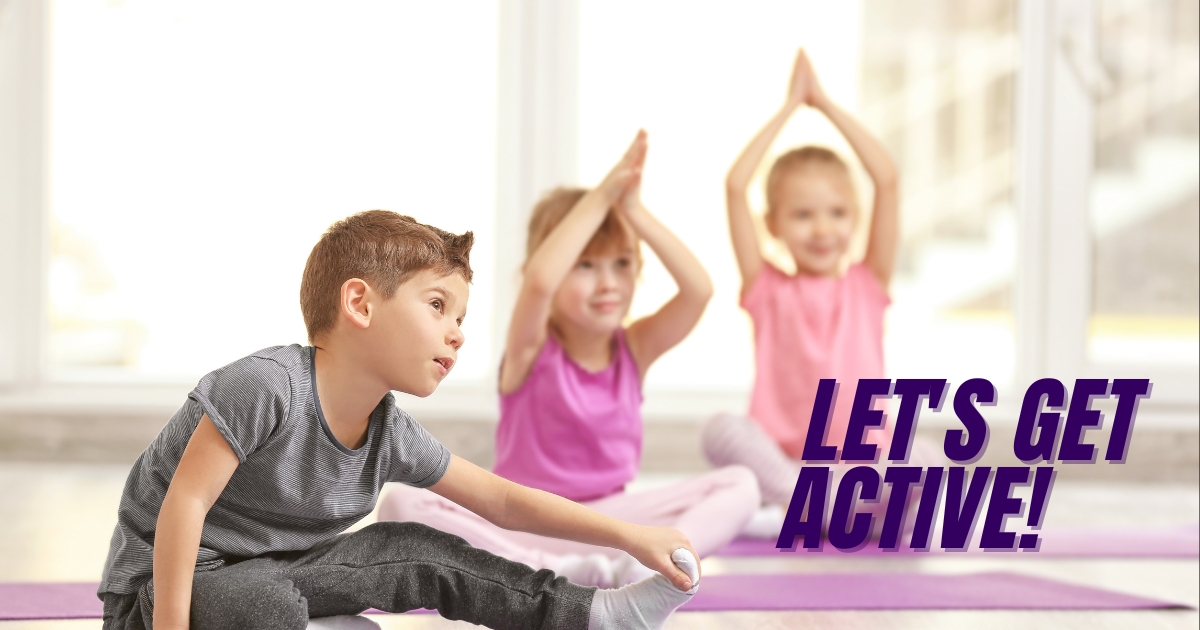
Let’s Get Active: How To Get Your Kids Moving During Phys Ed

Physical education may often take a back seat in homeschooling schedules, but it’s vital for well-rounded child development. Beyond improving physical fitness, movement plays a big role in boosting mental clarity and emotional well-being. Homeschool parents have the unique opportunity to make PE engaging, fun, and adaptable to their family’s needs. From creative games to skill-building exercises, there are countless ways to help kids stay active and energized throughout their homeschooling day.

Including physical education in your homeschool routine isn’t just about meeting a checklist requirement. Regular physical activity can improve your child’s overall health, from building muscle strength to improving heart health. It also sharpens cognitive skills. Many studies show that active kids perform better academically and have longer attention spans.

PE isn’t just beneficial physically and mentally; it helps teach key life lessons. Activities focused on teamwork, perseverance, and goal-setting prepare kids for real-world challenges. Homeschooling gives you the flexibility to tailor PE to your family’s specific goals, creating a program that feels less like a chore and more like an adventure.

How To Set Up A P.E. Routine At Home

Building a routine for physical education doesn’t require expensive gym equipment or a designated sports field. With a little creativity, you can design a program that works perfectly within your home setup and available resources.

  • Consistency Is Key
    Dedicate specific times to PE, such as mornings or afternoons, and stick to the schedule. Whether it’s 20 minutes every day or three longer sessions per week, having a consistent plan will help kids establish fitness as part of their routine.
  • Activities That Evolve Over Time
    Younger kids may enjoy games like tag or hopscotch, while older children might prefer skill-based challenges like basketball or yoga. Adapt as your kids grow and their interests change.
  • Set Mini Goals
    Collaboratively create goals with your kids, like learning a new sport or increasing the number of push-ups they can do. Goals encourage them to stay motivated and track their progress.
  • Monitor Effort, Not Perfection
    Physical activity is about growth and effort, not necessarily achieving athletic perfection. Celebrate milestones, no matter how small.
  • Rotate Activities
    Regularly switching up PE tasks keeps things fresh and fun. Incorporate cardio, strength training, stretching, and games so no two days feel the same.

Fun And Effective Activities For Active Kids

Fun And Effective Activities For Active Kids

Making physical education a highlight of your homeschool day is easy with activities that entertain while keeping kids moving. Here are some practical options suited for any space.

Indoor-Friendly Ideas

  • DIY Obstacle Courses: Arrange pillows, chairs, and other household items into fun obstacles where kids can crawl, jump, or balance. Time them to see if they can beat their own records.
  • Dance Parties: Crank up the music and encourage kids to freestyle or copy choreographed dance moves. Apps like Just Dance offer guided fun.
  • Yoga for Beginners: Use kid-friendly yoga videos to teach your children fun poses. It’s great for calmness, flexibility, and balance.
  • Exercise Challenges: Ask questions like, “How long can you hold a plank?” or “How many sit-ups can you do in two minutes?” and turn physical skills into mini-competitions.

Outdoor Ideas for All Weather

  • Nature Walks and Runs: Take to the local park or trail for a family jog or nature exploration. Incorporate learning by identifying plants or tracking distances.
  • Backyard Sports: Soccer matches, badminton games, and throwing Frisbees are enjoyable ways to improve coordination and get the heart rate up.
  • Hiking Adventures: Choose trails that match your kids’ abilities, and make the experience interactive by finding landmarks or completing a trail checklist.

Solo and Team Fitness Challenges

  • Relay Races: Create a relay-style course where kids pass a baton while completing mini-challenges like jumping rope or dribbling a soccer ball.
  • Wall Ball Games: Encourage coordination by having kids aim for marks on a wall using tennis or rubber balls.
  • Balance and Agility Courses: Use logs, jumping mats, or marked lines to challenge your kids to maintain their balance as they move.

Encouraging Play And Natural Movement 

While structured physical education has its value, free play is equally important. Play allows kids to explore their natural abilities, build creativity, and find joy in movement without the constraints of rules or directions. Regardless of their age, provide your children with daily pockets of unstructured time where they can run, climb, or play pretend outdoors.

Consider investing in some simple backyard equipment like swings, a small trampoline, or a balance beam to encourage additional movement. However, even without equipment, freedom to roam and explore can spark endless fun. Activities like creating chalk obstacle courses on the driveway or building pretend forts in the yard promote active imagination and exercise at the same time. Remember, play doesn’t have to look productive. The goal is simply to keep them active and happy.

Tips for Staying Consistent with PE

Staying consistent with homeschool PE requires motivation and a little bit of planning. Here are tips to help you maintain fitness as a priority for your children:

  • Integrate Movement Breaks
    Add energizing breaks between lessons. Five minutes of jumping jacks, stretches, or silly dancing can help refocus your kids for the next subject.
  • Create Visual Incentives
    Use a whiteboard or chart to track completed PE sessions or milestones. Add stickers or other motivators to reward progress and consistency.
  • Keep It Fun
    Forget the drill-sergeant approach. Spontaneous challenges, varied activities, and plenty of giggles create positive PE experiences.
  • Explore Local Opportunities
    If you’re part of a homeschool network, look into nearby collaborations like fitness groups, swim classes, or community yoga sessions designed for kids.
  • Be Flexible
    If it’s raining, swap the soccer field for an indoor game of Simon Says. If kids are restless, try higher-energy activities like tag or jumping challenges.

Why Movement Is A Long-Term Investment 

Physical education isn’t just about fulfilling a subject requirement; it’s about creating habits that promote wellness for life. When kids learn that movement is fun and rewarding, they’re more likely to pursue active lifestyles as adults. Skills they build during homeschool PE, like discipline, persistence, and goal-setting, also translate into other areas of life, from academics to relationships.

Homeschool parents have the advantage of making this process personal. Tailoring activities to suit your child’s personality means you’re creating a foundation for lifelong health. Teach them that physical education isn’t just another “to-do” item on their schedule. Instead, it’s an opportunity to connect with themselves, challenge their limits, and discover new abilities.

Simple Tools and Resources to Enhance PE

You don’t need a fancy gym setup to make your homeschool PE effective. Here’s a list of simple and affordable tools that offer versatility in physical activities:

  • Jump ropes for cardio and coordination.
  • Hula hoops for fun, energy-burning exercises.
  • Lightweight balls for soccer or kicking drills.
  • Yoga mats for low-impact stretching and flexibility sessions.
  • Resistance bands to introduce light strength training.

Having these on hand ensures that your PE choices adapt to energy levels, space constraints, and varying preferences.

Creating Positive Experiences Around PE

Positive reinforcement and creativity make homeschool PE less about “working out” and more about joyful movement. Setting goals as a family, like completing a nature trail or trying a new exercise together, inspires teamwork. Keeping the tone upbeat ensures your children will approach fitness with laughter rather than reluctance.

Your role as both their educator and workout buddy helps shape their perception of health and activity in the years to come. Whether it’s creating a family kickball league or participating in an online fitness challenge as a unit, the shared experience enriches family relationships while keeping everyone active.

Between structured plans, playful moments, and resourceful tools, homeschool physical education can be as enriching and enjoyable as any academic subject. By exploring multiple ways to keep your kids moving, you’re teaching them one of life’s most important lessons—that staying active can be both fun and fulfilling.

Kindergarten Books: Our Picks For The Top 5

Picking the best kindergarten books for kids is more than just choosing colorful pages or fun stories. It’s about laying the groundwork for literacy and fostering a love for learning that will last a lifetime. For homeschooling parents, quality book choices can enrich your curriculum while filling your days with shared exploration and discovery.

Every parent wants their child to get the most out of their reading experiences, and the right books can make that happen. Here’s a deeper look at why early reading is so crucial and our top recommendations to help your kindergartener thrive.

Why Early Reading Matters

Early reading plays a key role in your child’s development. It goes beyond language skills, helping with cognitive development, empathy, and even problem-solving. For young learners, books open up new worlds. Whether it’s a story about a trip to the moon or a backyard adventure, these little glimpses of creativity foster imagination while teaching critical thinking.

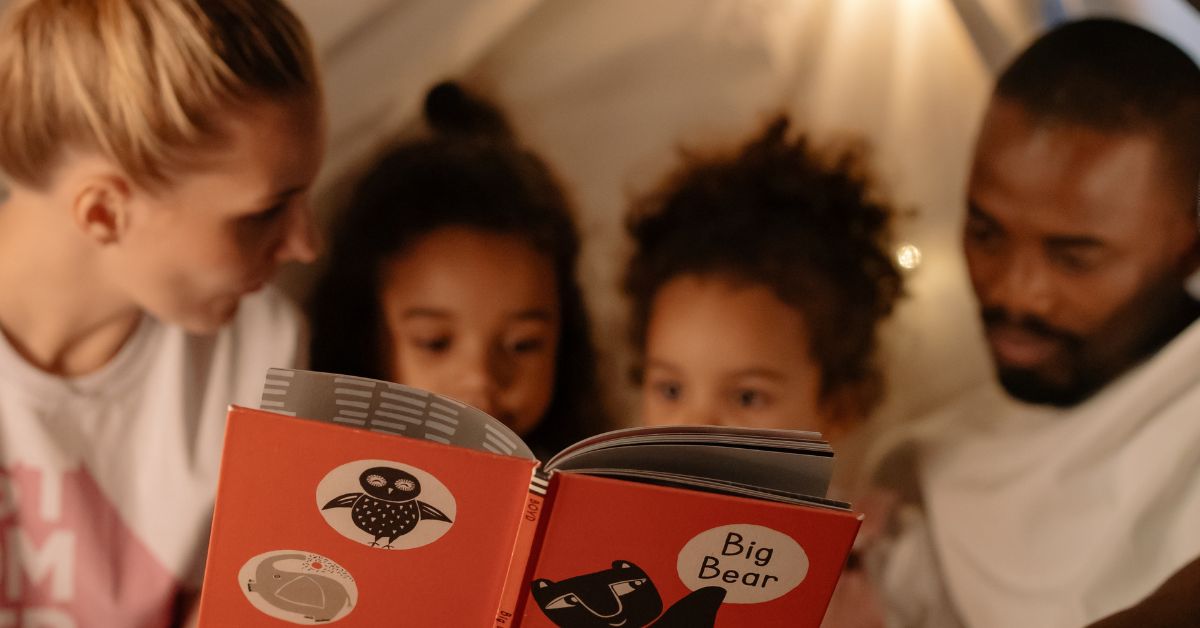
Reading together also strengthens family bonds. Sharing stories creates opportunities to connect, especially during the preschool and kindergarten years when children are forming their first learning habits. Plus, listening to stories helps build vocabulary and comprehension while introducing sentence structure in a natural way. Setting aside dedicated read-aloud time is just as significant as math or science lessons in shaping a well-rounded homeschool experience.

If you’re new to curating a library for a kindergartener, here’s where to start. We’ve broken it into early childhood reading picks and top must-haves for young learners.

Top 5 Best Kindergarten Books For Kids

Top 5 Best Kindergarten Books For Kids

Here are our carefully selected recommendations, thoughtfully chosen for their ability to engage, educate, and entertain young readers.

  1. “The Very Hungry Caterpillar” by Eric Carle

Few books have withstood the test of time like this classic. Eric Carle’s vibrant illustrations paired with the caterpillar’s engaging transformation story captivate young readers while teaching them about days of the week, counting, and even science concepts like metamorphosis. This book offers plenty of room for interactive learning.

Ways to use it:

  1. “Brown Bear, Brown Bear, What Do You See?” by Bill Martin Jr. and Eric Carle

This rhythmic and repetitive text makes it ideal for early readers. The predictable pattern allows budding readers to feel confident as they listen and try out reading on their own. What makes this book unique is its ability to teach colors and objects while nurturing critical pre-reading skills.

How you can extend learning:

  • Practice identifying colors with objects around your home.
  • Encourage your child to predict what comes next on each page.
  • Create a craft activity where they draw their favorite animal from the book.
  1. “Where the Wild Things Are” by Maurice Sendak

One of the most beloved picture books for young learners, this story combines a fantastic adventure with emotional depth. Follow Max as he explores the land of the Wild Things, learning about emotions, friendships, and decision-making along the way.

Here’s how to make it interactive:

  • Act out the story with simple costumes.
  • Talk about managing emotions, using Max’s story as a starting point.
  • Challenge your child to illustrate their own “wild thing.”
  1. “If You Give a Mouse a Cookie” by Laura Numeroff

Laura Numeroff’s entertaining cause-and-effect tale is an absolute hit with kindergarten-aged kids. The playful scenarios keep children engaged while teaching how actions can lead to consequences in everyday life. The humor and whimsical illustrations make it an irresistible read.

Teaching opportunities:

  • Spark discussions about actions and consequences.
  • Create a sequencing chart so they can match events from the story.
  • Bake cookies for a tasty extension activity tied to the book.
  1. “Chicka Chicka Boom Boom” by Bill Martin Jr. and John Archambault

When it comes to introducing the alphabet, it doesn’t get much better than this. “Chicka Chicka Boom Boom” combines vibrant illustrations, rhyming text, and a silly story of letters climbing up a coconut tree. It’s an instant favorite for teaching the ABCs.

How to bring it to life:

  • Sing along to the rhythmic verses.
  • Practice recognizing and tracing letters after reading.
  • Use magnetic letters or foam cutouts to climb a “coconut tree.”

What Makes A Great Book For Kindergartners?

When building your child’s reading list, think about their developmental stage. Books for kindergartners should:

  • Encourage interaction: Whether tapping, flipping flaps, or singing along, books designed for engagement make learning fun.
  • Be visually appealing: Bold illustrations are fantastic for sparking an interest in reading.
  • Introduce basic concepts: Look for books about shapes, colors, numbers, the alphabet, or storytelling basics such as beginning, middle, and end.
  • Foster connection: Heartwarming stories, funny situations, or tales your child can relate to lead to lasting impressions.

Stocking your home library with books that meet these criteria ensures you have tools to fuel your child’s growth across multiple domains of learning.

Encouraging a Love for Reading

It’s not always about choosing the right book; it’s also about making reading special. Here are simple ways to instill the joy of reading in your little one:

  • Set aside daily reading time: Whether it’s bedtime stories or a morning routine, consistency makes reading a joyful habit.
  • Get creative: Turn storytime into an event. Use silly voices, act out scenes, or use props to bring books alive.
  • Blend books into life: Reference stories throughout the day. For example, after reading “The Very Hungry Caterpillar,” talk about what the caterpillar might eat if he came into your kitchen.
  • Model reading: Kids are more likely to love reading if they see you enjoying it too. Whether it’s a novel, recipe, or magazine, take time to read alongside them.

Why These Picks Work For Homeschooling Families

The books we’ve chosen aren’t just fun to read; they complement various homeschooling strategies. For example, “Where the Wild Things Are” can form the basis of a unit study on feelings, while “Chicka Chicka Boom Boom” can drive alphabet-based lessons and activities. Many titles also lend themselves to co-learning, acting as the bridge between reading comprehension and hands-on projects.

Your role as a parent-educator gives you the chance to guide these lessons while tailoring discussions to your child’s curiosity. What does your child naturally gravitate toward? Caterpillar crafts, animal games, or planting a coconut tree might just become their new favorite thing!

Adding Variety to Your Library

While our top five lists are fantastic starting points, every child has unique tastes. To keep their library fresh and exciting:

  • Rotate books regularly. Borrow some from the library, or trade with fellow homeschooling families.
  • Include diverse authors and stories to expose your child to a wider range of characters and experiences.
  • Mix genres. Try adding nonfiction books like “National Geographic Little Kids First Big Book of Dinosaurs” or poetry collections for variety.

Getting your child involved in choosing books can also make them feel invested in their reading. Encourage them to pick a book that looks interesting during your next library trip.

By offering a mix of classic and contemporary reads, fostering daily reading habits, and injecting creativity into storytime, you’re giving your kindergartener the foundation they need to become enthusiastic, lifelong readers. Keep reading a priority in your homeschool routine, and watch their love for learning skyrocket!

The Role of Music in Enhancing Mathematical Understanding

Homeschooling offers the flexibility to explore creative teaching methods that make learning engaging and effective. One approach that has gained significant attention is integrating music into mathematics education. Using music to teach math is a dynamic and accessible strategy that connects abstract mathematical concepts to patterns, rhythms, and melodies, making them easier for students to grasp. 

Below, you’ll discover how music can deepen understanding, alongside actionable tips for incorporating it into your homeschool routine.

The Connection Between Music And Math

Music and math might seem like two completely different subjects, but they share a deep, inherent connection. Both disciplines are rooted in patterns, structure, and logical reasoning. Exploring this connection can provide valuable insights into how music can enhance mathematical understanding.

Patterns and Sequences

At its core, math is about recognizing patterns and sequences, just like music. For example:

  • Rhythms and Beats: Musical rhythms are essentially patterns of sound, similar to number patterns in mathematics. Counting beats in a measure mirrors the process of identifying numerical sequences.
  • Musical Scales: Scales in music are ordered sequences of notes, which can be related to mathematical concepts like intervals and ratios.

By identifying patterns in music, children can improve their ability to spot patterns in math, strengthening skills like sequencing, prediction, and organization.

Fractions and Division

Many elements of music naturally involve fractions. For instance:

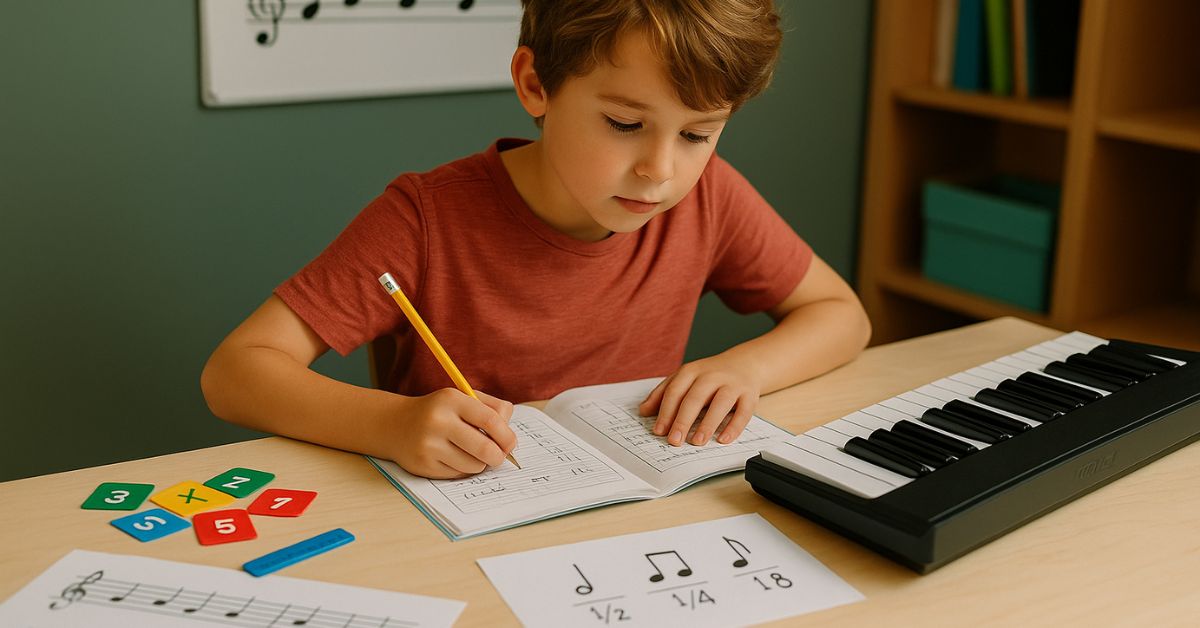
  • Breaking a musical measure into halves, quarters, or eighths aligns with understanding fractions in math.
  • Counting beats in time signatures, like 4/4 or 3/4, introduces students to division and how parts make up a whole.

When children explore these concepts through music, the visual and auditory representation can make fractions and division less intimidating.

Spatial-Temporal Reasoning

Playing and listening to music has been shown to improve spatial-temporal reasoning, a key skill in understanding geometry and problem-solving in mathematics. For instance:

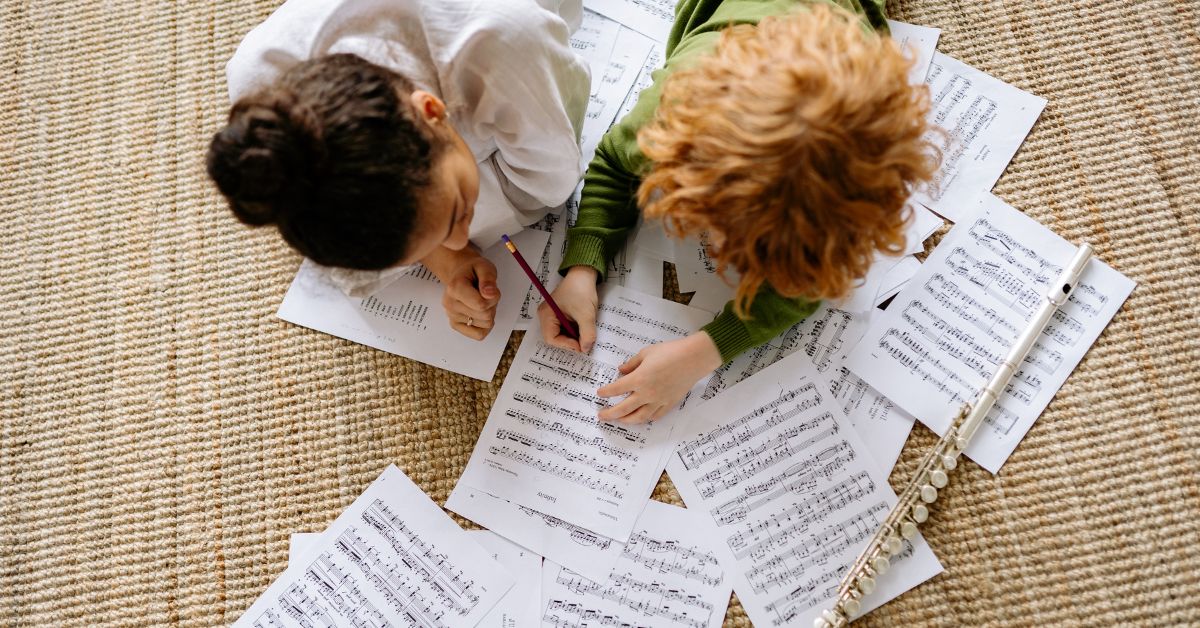
  • Reading sheet music requires the brain to interpret spatial relationships between notes and translate them into timing and pitches.
  • This process is similar to solving geometry problems, where the brain visualizes spatial relationships between shapes and lines.

Memory and Retention

Music has the power to make learning stick. Memorizing mathematical formulas, multiplication tables, or sequences often becomes easier when paired with a melody or rhythm. This is why children learn the ABCs through a song; the same principle can be applied to math.

Math Learning Through Music

Math Learning Through Music

Once parents understand the deep connection between math and music, they can use this powerful combination in their homeschool curriculum. Here are some practical ways to integrate music into math lessons.

Counting with Rhythms

Rhythm-based activities are excellent for teaching counting and sequencing. Here’s how:

  • Clap and Count: Have your child clap along to a rhythm as they count aloud. For example, you can clap a beat and count up by twos to practice skip counting.
  • Percussion Instruments: Use simple instruments like tambourines or drums to represent numbers. For example, play four beats for “4,” and then divide them into two groups of two to demonstrate multiplication or division.

Rhythm-based counting is especially effective for younger children who are still developing foundational math skills.

Learning Multiplication Tables with Songs

Songs are a fantastic way to memorize multiplication tables. There are plenty of multiplication songs available online, but you can also create your own:

  • Simple Tunes: Pair multiplication tables with familiar melodies like “Twinkle, Twinkle, Little Star” to make them memorable.
  • Rhythmic Repetition: Adding a drumbeat or clapping pattern while reciting multiplication facts can make the process more engaging.

By turning rote memorization of times tables into a musical activity, students are more likely to retain the information long-term.

Exploring Fractions with Music

Fractions can feel abstract, but music makes them tangible and fun. Try these hands-on activities:

  • Rhythmic Breakdown: Use a piano or app to demonstrate different note types (e.g., whole, half, quarter notes). Explain how two quarter notes equal one-half note, and so on.
  • Fraction Drumming: Write simple rhythms using fractions—for example, one whole note equals four quarter beats. Encourage your child to drum these patterns while saying the corresponding fractions.

These activities make fractions come alive, helping students understand their practical applications.

Incorporating Music Theory into Math Lessons

Music theory offers plenty of opportunities to teach core math concepts. For older children or those interested in playing an instrument, music theory can deepen their understanding of math.

  • Frequency and Pitch: Musical notes correspond to specific sound frequencies. Experimenting with these can help students understand concepts like ratios and proportions.
  • Intervals and Scales: Discuss how intervals between notes are mathematically related. For example, the relationship between notes in a major scale can be described using simple ratios (2:1, 3:2).
  • Music Composition: Composing music introduces concepts like symmetry, balance, and proportionality, all of which are foundational to advanced mathematics.

These approaches allow children to appreciate the overlap between creative and logical thinking, making math feel less abstract and more interconnected with their daily lives.

Benefits of Music-Integrated Math Instruction

When music becomes part of a math lesson plan, students reap multiple rewards. These benefits extend beyond academics and can positively impact their emotional and social development as well.

  • Enhanced Engagement: Music captivates attention, making math lessons feel like an enjoyable activity rather than a chore.
  • Improved Focus: Listening to or playing music before math sessions can prime the brain for better concentration and clarity.
  • Reduced Anxiety: For students who feel intimidated by math, music serves as a stress-reliever, creating a more relaxed learning environment.
  • Collaboration Skills: Group activities like singing math songs or performing rhythm exercises encourage teamwork and communication skills.

Integrating music isn’t just about improving math scores; it’s about fostering a love for learning in a well-rounded way.

How To Start Using Music To Teach Math

Getting started with using music to teach math doesn’t require any advanced musical training. Here are some actionable steps to bring this approach into your homeschool routine:

Build a Musical Math Toolkit

Start by gathering simple resources you can use repeatedly:

  • Instruments like xylophones, drums, or even household items for percussion activities.
  • Musical math videos or apps that offer interactive lessons.
  • Songbooks or playlists of educational math songs.

Create Themed Lesson Plans

Design lessons around specific math topics, integrating music into each session. For example:

  • Fractions Day: Focus on fractions through rhythm and note values.
  • Multiplication Party: Dedicate a session to singing and clapping multiplication tables.

Consistency is key, so incorporate music into your schedule regularly.

Encourage Hands-On Activities

Hands-on experiences reinforce connections between music and math. Encourage activities like:

  • Building simple musical instruments to explore vibrations and patterns.
  • Singing math-related songs together to create a shared and memorable experience.
  • Using free online tools or apps for guided musical math games.

Music as a Long-Term Learning Tool

Using music to teach math isn’t only beneficial in the short term. It instills skills like pattern recognition, memory, and creative thinking that extend across all areas of learning and life. Whether you’re teaching a pre-K learner to count with a rhythm or helping a high schooler explore the relationship between music theory and geometry, music offers an adaptable, meaningful way to approach math education.

When parents incorporate music into their homeschool math routines, they aren’t just teaching numbers and equations; they are cultivating critical thinking, problem-solving, and a lifelong love for learning. Music teaches the beauty of patterns, the value of practice, and the joy of discovery, all of which underpin every mathematical concept your child will encounter.

How to Teach Public Speaking Skills to Homeschool Students

Public speaking is an essential skill that can have a lifelong impact. It teaches confidence, self-expression, and the ability to connect with audiences. For homeschool families, the flexible and tailored nature of homeschooling creates a perfect environment to teach public speaking. With the right strategies, parents can guide their children through mastering this invaluable skill from the comfort of home.

Public speaking helps children develop confidence, articulate their ideas, and effectively communicate with others. These skills are valuable beyond academic settings; they’re essential in personal relationships, job interviews, and leadership roles. For homeschoolers, it’s crucial to prioritize communication skills to ensure they thrive in all areas of life.

A common misconception is that public speaking requires a formal stage or audience. On the contrary, teaching public speaking at home can range from simple conversations to more structured practice. The key is to make it engaging and relevant to the child’s interests and needs.

Teaching Communication Skills At Home

One of the biggest advantages of homeschooling is the opportunity to incorporate foundational communication skills into everyday life. Developing these skills doesn’t require fancy curriculum or expensive programs. You can create a strong communication foundation by implementing some of the following strategies:

  • Encourage Active Listening
    Great speakers are great listeners. Teach children to actively listen when others speak. This includes maintaining eye contact, processing the information, and asking thoughtful questions. You can model this behavior during family discussions or while reading aloud together.
  • Practice Daily Conversations
    Regular, meaningful conversations teach children how to express themselves clearly. Ask open-ended questions during meals or car rides to inspire dialogue. For example, instead of asking, “Did you like the movie?” try “What made the movie interesting to you?”
  • Create a Safe Space for Opinions
    Every child needs to feel that their thoughts and ideas are valid. Foster a judgment-free zone at home where your child can share opinions without fear of criticism. This empowers them to speak up in other settings, too.
  • Introduce New Vocabulary
    Building a rich vocabulary helps children express themselves effectively. Incorporate new words into your daily interactions and ask your child to explain things in different ways.
  • Read Aloud Together
    Reading aloud strengthens diction, pacing, and expression. Take turns reading stories or poems together. For younger children, use animated voices to make it fun. For older students, focus on tone and clarity.

Teaching communication skills is an ongoing process. By weaving these practices into your daily routines, your child will grow into an articulate and confident communicator.

How to Teach Public Speaking Skills

Homeschool Public Speaking Tips

Once your child has a foundation in everyday communication, it’s time to take their skills to the next level. Public speaking can feel intimidating at first, but with consistent practice and creativity, your child can develop confidence and poise. Here are some tips to get started:

  • Start Small
    Begin with low-pressure scenarios such as family presentations or storytelling. Ask your child to talk about their favorite book, demonstrate a skill, or share a recipe step-by-step. Keep the audience limited to family members to reduce fear.
  • Join Group Activities
    Look for homeschool cooperatives or local clubs that offer opportunities for group presentations or debate. Participating in group settings helps children practice speaking in front of peers while building teamwork and social skills.
  • Introduce Video Practice
    Record your child giving a short presentation, then watch it together. Offer constructive feedback on volume, tone, and body language. Seeing themselves on video can help children identify areas of improvement.
  • Set Up a “Speech Night” at Home
    Plan a family speech night where everyone gives a short presentation. Choose fun topics like “My Dream Vacation” or “Three Things I Love About Science.” This is an exciting way to normalize public speaking and celebrate each speaker’s effort.
  • Focus on Body Language
    Teach your child how to stand confidently, make eye contact, and gesture naturally. These nonverbal cues are as important as spoken words and can significantly enhance their delivery.
  • Use Technology to Your Advantage
    Online tools like teleprompter apps or speech-writing software can be helpful. Additionally, programs like Toastmasters offer workshops and tutorials for students learning public speaking.
  • Break Down the Speech Process
    Writing a speech can feel overwhelming, so simplify it into smaller steps. Help your child brainstorm ideas, outline main points, and craft a strong opening and closing. Encourage revisions and practice sessions so they feel fully prepared.
  • Reward Effort, Not Perfection
    Public speaking can be nerve-wracking, especially for beginners. Celebrate your child’s effort and growth, even if their first attempts aren’t flawless. Confidence builds over time with positive reinforcement.

The goal is to make public speaking an enjoyable and rewarding experience. A combination of encouragement, practice, and constructive feedback can work wonders.

Overcoming Stage Fright

Many children (and adults) feel nervous about speaking in front of others. Stage fright is completely normal, but it doesn’t have to hold your child back. To help them overcome anxiety, focus on breathing exercises and visualization techniques. Teach them to take a few deep breaths before speaking to calm their nerves.

Another strategy is rehearsal. The more prepared your child feels, the less anxious they’re likely to be. Encourage them to practice their speech multiple times in front of different audiences. By becoming comfortable with their material, they’ll feel more confident when it’s time to perform.

Remind your child that mistakes are part of the process. Encourage them to view small missteps as learning opportunities rather than failures. With time, their fear of messing up will diminish, and they’ll focus on sharing their message instead.

How To Make Public Speaking Fun

Learning is most effective when it’s enjoyable. Turn public speaking exercises into games and challenges that your child will look forward to. Here are some ideas to keep it entertaining:

  • Word Games
    Choose a “word of the day” and challenge your child to include it in a short speech. For example, if the word is “harmony,” they could talk about how music creates harmony in emotions.
  • Impromptu Speech Jar
    Write different topics or questions on slips of paper, place them in a jar, and have your child pick one at random. Give them 1-2 minutes to prepare a quick speech.
  • Storytelling Competitions
    Ask your child to create a story based on a given prompt. Encourage them to add humor, suspense, or a surprising twist to make it engaging.
  • Persuasion Challenges
    Give your child a fun task like convincing you why dessert should come before dinner or why weekends should be three days long. This builds improvisation and critical thinking skills.
  • Public Speaking Bingo
    Create bingo cards with items like “make eye contact” or “use three gestures” in each square. During their speech, they can check off items as they accomplish them.

Injecting humor and creativity into your public speaking lessons prevents the process from becoming tedious. It also connects the skill to positive memories, making your child more eager to practice.

Examples of Public Speaking Opportunities

Public speaking doesn’t have to take place on a big stage. Homeschoolers can develop and showcase their skills in many settings, including:

The key is to provide your child with various opportunities to speak in front of different audiences. This diversity helps them adapt to different scenarios and boosts their versatility as a speaker.

Public speaking for homeschoolers is not only achievable but can be incredibly rewarding. With thoughtful planning and consistent practice, you can equip your child with communication skills that will serve them for the rest of their lives. The best part? You’ll strengthen your homeschooling experience in the process.

Creating a Love for Reading: Tips for Reluctant Readers

Reading forms the foundation of learning, but helping a reluctant reader can be one of the most challenging tasks for parents who homeschool. The reasons behind a child’s resistance to reading vary—from a lack of confidence to limited interest in books—but the goal remains the same. Fostering a love of reading can open a world of imagination, curiosity, and lifelong learning.

With some creativity, patience, and these focused tips for fostering reading habits, you can help even the most reluctant readers discover the joy of books. Here’s how you can address their hesitation while nurturing a love for reading in your homeschool environment.

Reluctance to read often stems from multiple factors. Identifying these roadblocks is the first step toward addressing them effectively.

  • Reading Challenges
    Many children struggle with decoding words, fluency, or comprehension. These difficulties make reading feel more like hard work than an enjoyable activity.
  • Lack of Interest
    If the books available don’t align with a child’s passions or hobbies, their motivation for reading often wanes.
  • Negative Associations
    If a child has had past experiences where reading led to frustration or criticism, their reluctance can increase.

By recognizing the root cause of resistance, your approach becomes more empathetic and targeted.

How To Encourage Reluctant Readers

With some thoughtful approaches, you can introduce reading in a way that feels fun and accessible.

  1. Start with Their Passions

Your child’s interests can serve as the perfect doorway to reading. For instance:

  • A child who loves building things may enjoy books about architecture or engineering.
  • Animal enthusiasts might gravitate toward wildlife books or heartwarming animal tales.
  • Sports fans could find biographies of famous athletes inspiring.

When a child connects with the content, they’re far more likely to pick up a book independently.

  1. Offer the Right Books

The right book can make all the difference. Select texts that match your child’s reading level and curiosity.

  • Explore high-interest, low-level (Hi-Lo) readers designed for older children who need age-appropriate yet accessible content.
  • Graphic novels also provide vibrant visuals alongside text, making them less daunting for hesitant readers.

Offer the Right Books

  1. Read Aloud with Enthusiasm

Reading aloud together turns the experience into a collaborative activity. It doesn’t have to be formal:

  • Take turns reading sections out loud.
  • Add dramatic flair by using unique voices for different characters.
    Shared reading helps develop fluency and makes the process enjoyable rather than solitary.
  1. Create a Welcoming Reading Space

Setting up a special reading nook can entice your child to spend more time with books. Add:

  • Comfy seating and good lighting.
  • Shelves stocked with a variety of books.
  • Cozy blankets or beanbags to make it inviting.
    Creating an environment that feels safe and fun encourages exploration.
  1. Introduce Audiobooks

Combining audiobooks with regular reading offers a guided transition for hesitant readers. Listening to a professional narrator helps children understand pacing, emotion, and inflection. Have them follow along in the physical book to reinforce literacy skills while easing their reluctance.

  1. Focus on Small Achievements

Encourage progress in small steps. Instead of setting ambitious goals, break the experience into manageable parts.

  • Start with a paragraph, then gradually increase to a full page.
  • Celebrate milestones like finishing a chapter, no matter how long it takes.

Acknowledging their effort, even if progress is slow, builds self-assurance over time.

Building Enjoyment Into Reading

Helping reluctant readers often requires transforming reading from a task into an enjoyable activity. Infuse fun into your approach using these creative ideas.

Turn Reading into an Adventure

  • Bring stories to life through dramatic play, costumes, or props.
  • Invent voices and accents for characters when reading aloud.
  • Ask imaginative questions about the story, such as “What do you think happens next?”

Interactive reading sparks engagement by immersing children in the story.

Create a Reward System

Setting up a reward chart can provide additional motivation. For example:

  • Add stickers for each completed task, chapter, or book.
  • Offer rewards like choosing a family activity or extra time for a favorite game.
    By framing reading as an achievement, you provide a fun incentive for progress.

Start Family Reading Traditions

Reading isn’t just an activity to tackle independently; it can become a shared tradition. Form a family book club where each member reads the same book and discusses it together. This builds a sense of camaraderie and deepens their connection to storytelling.

Celebrate Effort, Not Just Success

It’s crucial to recognize the effort behind your child’s reading. Whether they’ve read a challenging passage or finished a short book, call attention to their progress. A positive environment encourages them to keep pushing forward.

Fostering a Lifelong Love for Reading 

Once you’ve begun addressing reluctance, the next step is to nurture a lifelong love for reading. Lifelong readers aren’t just people who enjoy books; they associate reading with a deep sense of joy, discovery, and personal growth.

One powerful strategy is embedding reading into your child’s daily life. By establishing reading routines, like a cozy storytime before bed or a reading break during homeschooling hours, books become a natural part of their lifestyle. The key is consistency—not long intervals but regular, manageable sessions that instill a routine.

It’s also vital to model reading as an enjoyable activity. Kids often look to their parents for cues. Sitting down with a book yourself, sharing highlights of what you’ve read, or even laughing out loud at funny passages reinforces the value of reading. When children see it as a family norm, their perspective shifts.

Broadening Horizons Through Stories 

Books are windows to worlds beyond our own. They offer unique opportunities to learn about different cultures, experiences, and perspectives. From fantastical adventures to informative biographies, the variety available ensures that every child can find something to spark their interest.

Introduce children to a range of genres, including fiction, nonfiction, poetry, and history. If your child loves fantasy but struggles with nonfiction, consider mixing the two by choosing a biography with illustrations or a nonfiction book told in story form. This variety helps children see books as more than just school material; they become sources of adventure, knowledge, and personal enrichment.

Encourage discussions after finishing stories, sparking meaningful conversations about the themes or lessons they feature. When books become tools for exploration and understanding rather than just educational requirements, children naturally gravitate toward them more often.

Overcoming Difficulties Along The Way

For children facing reading challenges, you may need to explore additional solutions tailored to their needs.

  • Identify Learning Barriers
    If learning differences like dyslexia are present, consult specialists for tailored strategies. Understanding your child’s unique obstacles enables more effective assistance.
  • Gradually Increase Focus
    Reading in short, frequent intervals keeps your child engaged without feeling overwhelmed. A session before breakfast and another before bedtime may integrate reading into their day seamlessly.
  • Use Tools to Track Progress
    Create personalized tools like journals or progress boards where they can track accomplishments. Seeing their growth visually helps children build confidence and pride.

Patience is critical. Every reader develops at their own pace, but with consistent support and positive reinforcement, even reluctant readers can thrive.

Empowering Lifelong Readers

Reading is more than just an academic skill; it’s the spark that opens endless doors to understanding, creativity, and personal growth. By implementing practical tips for fostering reading habits, you can empower your child to overcome their reservations and form a positive, lasting relationship with books.

Through your guidance, encouragement, and a touch of patience, you can help your child see books not as daunting tasks but as exciting gateways to new worlds. These habits, once established, will accompany them far beyond homeschooling, enriching their lives—in whatever adventure they choose to pursue.

Strategies for Homeschooling Children with Special Needs

Homeschooling offers parents the freedom to tailor education to their child’s unique needs. For children with special needs, this approach can be a game-changer. By providing a personalized and flexible learning environment, parents can create a space where their children can thrive academically, emotionally, and socially. 

Below, we’ll explore effective strategies for homeschooling children with special needs and practical techniques to support their individualized education.

Understanding Your Child’s Needs

Before crafting a homeschooling plan, it’s essential to understand your child’s specific strengths, challenges, and learning preferences. Knowing what works best for your child allows you to build an individualized education plan that meets their special needs.

Conduct a Professional Assessment: Engage with therapists, special educators, or medical professionals to get a clear picture of your child’s needs. This can help you map out accommodations or strategies your child may require.

Identify Learning Styles: Does your child learn best through visual aids, hands-on activities, or verbal instructions? Understanding their preferred learning style can make lessons more effective.

Monitor Progress Regularly: Keep an eye on what’s working and what isn’t. Adjust your strategies as needed to keep pace with your child’s development and emerging needs.

Special Needs Homeschooling Strategies

Homeschooling children with disabilities requires a creative and flexible approach. Here are strategies you can incorporate to provide effective individualized education for special needs homeschoolers:

Create a Structured Routine

A consistent daily routine helps children with special needs feel secure and know what to expect. However, keep it flexible enough to adapt to your child’s energy levels or unexpected needs.

  • Set Clear Expectations: Use visual schedules, timers, or daily checklists so your child knows what comes next.
  • Offer Frequent Breaks: Children with special needs often benefit from frequent physical or mental breaks. Use these as a chance for movement, relaxation, or sensory activities.
  • Allow for Flexibility: While structure is important, don’t be afraid to modify plans if your child is having an off day or needs extra time to process a topic.

Special Needs Homeschooling Strategies

Break Down Lessons into Small Steps

Some children with special needs may feel overwhelmed by large tasks. Breaking lessons into manageable chunks makes learning more accessible.

  • Use Step-By-Step Instructions: Teach new concepts in smaller increments, gradually building on previous knowledge.
  • Focus on One Task at a Time: Avoid multitasking to keep their attention on a single subject or concept.
  • Provide Immediate Feedback: Reinforce efforts and correct mistakes right away so they understand the connection between their actions and results.

Incorporate Multi-Sensory Learning

Many children with special needs benefit from a multi-sensory approach to education, which engages different senses during the learning process.

  • Hands-On Activities: Integrate activities like arts and crafts, puzzles, or building models to reinforce concepts.
  • Visual Aids: Use picture cards, diagrams, or videos to help explain ideas in a way that’s easy to grasp.
  • Auditory Cues: Include songs, rhymes, or verbal repetition to build memory and understanding.

Adapt Curriculum and Materials

You don’t have to stick with conventional methods or materials. Tailoring your resources can make all the difference for children with disabilities.

  • Simplify Complex Concepts: Break down advanced topics into language your child can understand.
  • Use Assistive Technology: Speech-to-text programs, audiobooks, or learning apps designed for special needs learners can enhance engagement.
  • Choose Customized Curricula: Plenty of homeschool curricula are specifically designed for children with learning differences or disabilities. Explore your options and find the materials that align best with your child’s needs.

Overcoming Practical Challenges

Homeschooling always has challenges, but these can be more pronounced when dealing with special needs. Many parents worry about balancing caregiving responsibilities with education, managing difficult days, or ensuring their child’s social development. To address these, consider the following:

Dealing with Behavioral Challenges

Some children with special needs might struggle with attention, frustration, or emotional regulation. Addressing these behaviors calmly and consistently can make both teaching and learning smoother.

Create a Calm Learning Environment: Keep distractions like loud noises or clutter to a minimum. A dedicated, quiet workspace can be helpful.

Use Positive Reinforcement: Reward your child’s efforts, whether through praise, stickers, or extra playtime, to encourage positive behaviors.

Teach Coping Strategies: Show them techniques like deep breathing, counting to ten, or using sensory tools like stress balls to handle challenging moments.

Building Social Skills

Homeschooling doesn’t mean your child has to miss out on socialization. Intentional efforts can help them develop key social skills in ways that align with their capabilities:

Join Homeschool Co-Ops: Many groups offer opportunities for your child to interact with peers in structured activities.

Plan Playdates: Coordinating one-on-one or small group playdates with children your kid feels comfortable with can gently build their social confidence.

Practice Life Skills: Use everyday activities, like ordering at a restaurant or writing thank-you notes, as opportunities to teach communication and interaction.

Keeping Track of Progress

Tracking your child’s progress is critical, especially if you’re homeschooling a child with special needs. Regular reviews of their development will ensure that their education remains effective and meaningful.

Instead of relying solely on test scores, adopt a more holistic view. Observe how they’re applying knowledge in real life, such as solving a problem independently or showing more confidence in social settings. Write down these achievements and use them as inspiration to celebrate milestones, no matter how small they may seem.

Journaling can also help you identify patterns. Did your child struggle with reading but excel with math? Does their energy dip after certain lessons? Recording these observations makes it easier to adjust your teaching style accordingly.

Finding Support As A Homeschooling Parent

Homeschooling a child with special needs can feel overwhelming at times. However, you don’t have to do it alone. Seek out resources, communities, and experts to take some of the weight off your shoulders.

Build a Support Network

Connecting with other homeschoolers or special needs parents can provide encouragement, practical advice, and fresh ideas.

  • Online Forums and Groups: Join social media groups or forums tailored to homeschooling parents.
  • Local Parent Groups: Check with community centers or libraries for parent support meetings or gatherings.
  • Faith-Based Organizations: Many churches or religious groups offer resources for homeschooling families, including those with special needs.

Take Advantage of Resources

Specialized programs and materials can ease the homeschooling process while catering to your child’s unique needs.

  • Therapy Services: Speech therapists, occupational therapy, or behavioral specialists can work with your child on specific skills, complementing your efforts at home.
  • Community Programs: Libraries, museums, and recreation centers often offer inclusive programs designed for learners with special needs.
  • Legal Knowledge: Research your state’s homeschooling laws for children with disabilities. Some states provide financial support or extra resources to families in need.

The Bigger Picture

Homeschooling children with special needs isn’t about sticking to rigid models or traditional standards. It’s about fostering their growth at their own pace, in an environment that supports their individuality. Every day will come with its ups and downs, but each success builds on those before it, creating a pathway for lifelong learning. By continuously striving to adapt, explore, and support your child, you can create a homeschooling experience that sets them up to thrive.

Remember, you’re not just teaching your child math or reading. You’re showing them how to be curious, resilient, and confident in who they are. That, above all else, is the true value of individualized education for special needs homeschoolers.