When you think about the advantages of homeschooling, customization often comes to mind. One area where this flexibility shines is foreign language instruction. Language learning for homeschoolers not only meets academic benchmarks but also opens the door to a lifetime of benefits. From boosting cognitive abilities to fostering cultural appreciation, teaching a second language at home is a gift that keeps on giving.
Let’s explore how you can implement effective practices and make language learning a cherished part of your homeschool routine.
Why Learning A Foreign Language Matters
Foreign language instruction goes beyond just memorizing new vocabulary. Bilingual education helps children develop mental and social skills that serve them in nearly every field of life. For homeschoolers, these lessons can extend far beyond the classroom.
Cognitive Benefits of Being Bilingual
- Improved Memory: Studies show that learning a second language strengthens the brain’s memory capabilities. Children practicing vocabulary, sounds, and grammar engage their brains in unique ways.
- Enhanced Problem-Solving Skills: Switching between languages encourages mental flexibility, making bilingual students better at solving complex problems.
- Better Academic Performance: Research has consistently found that bilingual children perform better in areas like reading comprehension, math, and standardized testing.
- Delayed Brain Aging: Speaking more than one language has been shown to slow cognitive decline later in life, offering a long-term benefit.
Social and Cultural Advantages
- Cultural Awareness: Learning a new language often involves learning about the culture where it’s spoken, promoting empathy and broadening your child’s worldview.
- Communication Skills: Being bilingual makes it easier to connect with a wider range of people. This can lead to fulfilling friendships or professional advantages later in life.
- Confidence Boost: Accomplishing the challenge of becoming conversational in another language builds self-esteem and motivation in children.
For homeschoolers, these perks represent a significant opportunity to educate beyond the basics. Adding a foreign language to your curriculum introduces subjects like geography, literature, and global history from fresh perspectives.
How To Teach Foreign Language In Your Homeschool
If foreign language learning feels intimidating, you’re not alone. Many parents worry they lack the expertise or resources to teach languages. However, there are plenty of tools and strategies available to make the process manageable and enjoyable for your family.
Homeschool Foreign Language Tips
- Start Young
Younger children absorb languages more easily because their brains are primed for language learning. Even if your kids are older, beginning as soon as possible will set them up for progress. - Choose the Right Language
Consider which language will benefit your child the most. Spanish, French, and Mandarin are popular options because of their widespread use. Your family’s cultural background or personal interest can also help narrow down the decision. - Use Multiple Learning Tools
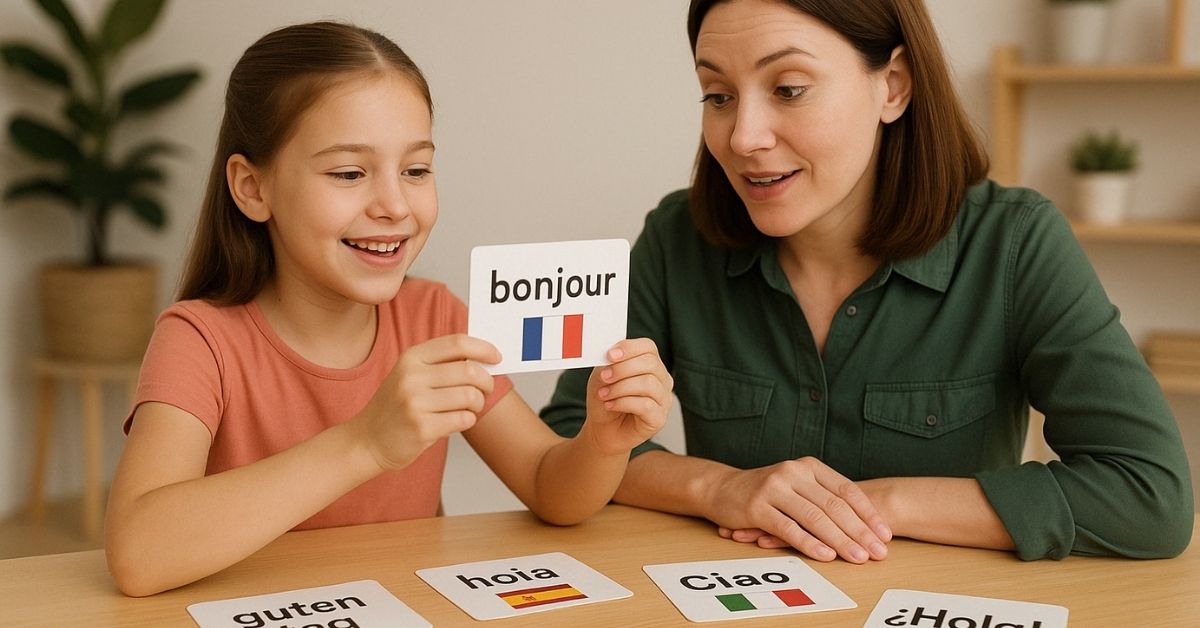
Keep the lessons engaging by mixing resources. Combine textbooks with apps like Duolingo or Rosetta Stone. Use storybooks, flashcards, or even YouTube channels for interactive activities. Tailor the materials to your child’s learning style. - Immerse Your Child in the Language
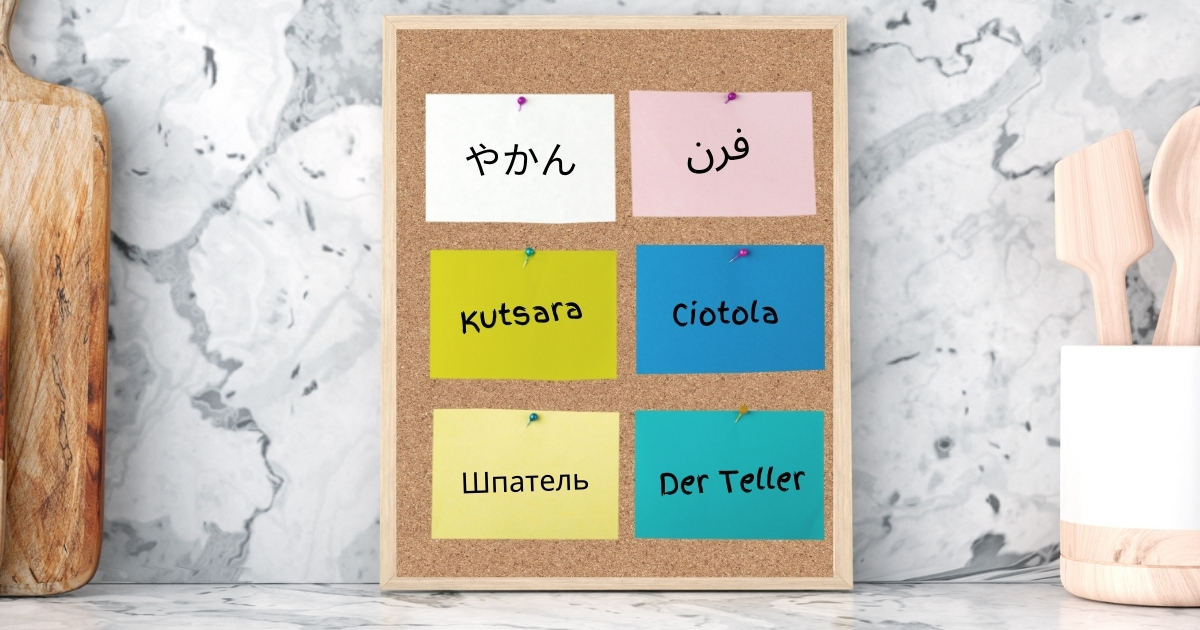
Immersion creates the most effective language-learning environment. Try incorporating the target language into everyday life:- Label household items in the language.
- Watch cartoons, movies, or TV shows in the language with subtitles.
- Listen to songs or audiobooks.
- Host “language days” where you only speak and write in the foreign language for a few hours.
- Set Realistic Goals
Break down your child’s progress into achievable steps. Whether it’s learning 10 new vocabulary words a week or mastering key phrases, realistic goals make the process less overwhelming. - Practice Daily
Consistency is key to language acquisition. Dedicate 15–30 minutes each day to learning. Encourage regular speaking and listening practice to build fluency over time. - Leverage Online Community Classes
Platforms like Outschool or iTalki offer affordable classes taught by native speakers. These are helpful for building pronunciation and conversational skills. - Make It Fun
Gamify the process. Create challenges, quizzes, or vocabulary scavenger hunts. Turning learning into play keeps kids engaged and motivated.
Flexibility Is Your Advantage
Homeschooling allows for the ultimate tailored education. If something isn’t working, change directions. Some children thrive with structured curricula, while others prefer using games or informal conversation.
The Benefits Of Bilingual Education In Homeschool
Bilingual education provides a unique edge when compared to traditional single-language instruction. For homeschool families especially, it becomes a tool for enriching both academic and personal growth.
Opens Career Possibilities
Globalization has made fluency in multiple languages a valuable professional asset. Whether your child grows up to work in international business, travel, healthcare, or the arts, knowing a second language can provide a distinct advantage. Employers are often more eager to hire bilingual candidates due to their communication skills and proven ability to learn.
Enriches Family Education
Homeschooling a language doesn’t mean only the student learns. Parents often end up brushing up their skills or learning alongside their children. This collaborative approach deepens family bonds and creates shared goals. For families with diverse ethnic or cultural backgrounds, teaching a heritage language is an opportunity to connect with family traditions.
Adapts to Diverse Learning Styles
Some children are visual learners, while others excel through auditory or kinesthetic instructions. Language learning has the flexibility to cater to every preference. Flashcards appeal to visual learners, while audiobooks can support auditory learners. Kinesthetic learners might find drama or role-play exercises especially helpful.
Encourages Lifelong Learning
Once children master the mindset and methods for learning a new language, they tend to apply those habits to other areas of study. This fosters an intrinsic love for learning that lasts a lifetime. Bilingual education doesn’t only teach grammar or pronunciation; it develops discipline and adaptability.
Making Language Learning a Family Affair
One of the most rewarding aspects of teaching a language at home is how the experience can bring the whole family together. Younger kids, teens, and even parents can participate. There’s no need for formal fluency either. Simply practicing greetings, songs, or basic phrases as a family helps to reinforce lessons in an organic, low-pressure way.
By scheduling family “language nights,” you can:
- Cook a traditional meal from a country where the language is spoken.
- Watch family movies with subtitles in the second language.
- Play games with translated vocabulary cards or storytelling prompts.
These activities create a fun, shared environment where children can see the practical joys of speaking another language. They emphasize how even small steps toward fluency can be rewarding.
Overcoming Common Challenges
Homeschooling a foreign language isn’t without its hurdles, but most challenges can be addressed with planning and creativity.
- Parent Confidence: If you’re unsure of your own language skills, lean on resources like online tutors or apps to fill the gaps.
- Retaining Motivation: When kids lose interest, mix up the routine with new formats like games or multimedia tools.
- Time Management: A busy homeschool schedule can make daily language practice difficult, but even short bursts of practice are effective if done consistently.
The goal isn’t perfection. It’s progress. Keep that in mind as you tailor your approach to fit your family’s needs.
Teaching a foreign language in your homeschool isn’t just about academics. It’s a way to foster open-mindedness, creativity, and personal growth in your child. Language learning for homeschoolers is an opportunity to go beyond books and textbooks, exploring the world from home. With a little patience and consistent effort, these lessons can transform your children’s education and provide them with skills that will last a lifetime.
Try it out with your family. Start simple, stay consistent, and watch as a whole new world of communication and connection opens for your homeschoolers.