The Best Books We Are Loving For 2026 Homeschool Kids

Choosing books is one of the most enjoyable parts of homeschooling, and as we head into a new year, many families are already planning their reading lists. If you’re searching for the best homeschool books 2026 has to offer, you’re not alone. Books shape how our kids learn, think, imagine, and connect ideas across subjects. A strong, thoughtful book list can make your homeschool days smoother, richer, and more engaging for every age.

Homeschool book lists today go far beyond textbooks. Parents are blending classic literature, modern stories, nonfiction, educational books for children, and interest-led reading to create a well-rounded learning experience. Below, we’re sharing how to think about book choices for different ages, why variety matters, and how to build a homeschool library your kids will actually want to use.

Why Book Lists Matter in a Homeschool

Books do a lot of heavy lifting in a homeschool environment. They teach core subjects, spark curiosity, and help kids develop independence as learners. A solid book list gives structure without locking you into a rigid plan.

A well-balanced homeschool book list can:

  • Support reading, writing, and comprehension skills across subjects
  • Encourage independent learning and curiosity
  • Expose kids to new ideas, cultures, and perspectives
  • Provide natural discussion starters for family learning time
  • Make lesson planning easier for parents

Instead of scrambling week to week, having a flexible reading plan helps you stay focused while still allowing room for rabbit trails and spontaneous interests.

Best Homeschool Books 2026: What We’re Seeing This Year

The best homeschool books 2026 families are loving share a few common traits. They’re engaging, age-appropriate, flexible, and often work across multiple subjects. Parents are choosing books that can be read aloud, used independently, or revisited year after year.

Here are some trends we’re seeing in homeschool book choices this year:

  • More interest-based nonfiction paired with hands-on activities
  • Literature that includes diverse characters and real-world themes
  • Educational books for children that explain complex ideas simply
  • Series-based reading to encourage consistency and confidence
  • Books that blend storytelling with science, history, or geography

This shift helps kids see learning as connected rather than divided into isolated subjects.

Building a Well-Rounded Homeschool Book Collection

A strong homeschool library includes many types of books, not just curriculum-required ones. Variety keeps kids engaged and supports different learning styles.

When building your collection, aim to include:

  • Fiction and nonfiction
  • Short reads and longer chapter books
  • Visual-heavy books and text-rich books
  • Read-alouds and independent readers
  • Educational books and just-for-fun books

Rotating books throughout the year keeps things fresh and helps kids rediscover interests as they grow.

Building a Well-Rounded Homeschool Book Collection

Books for Early Learners (Ages 4–7)

For younger homeschool kids, books should feel inviting, playful, and manageable. This is the stage where reading confidence and positive associations really form.

Great book types for early learners include:

  • Picture books with rich vocabulary
  • Early readers with repetitive language
  • Rhyming books and poetry
  • Simple nonfiction with real photos
  • Educational books for children that explain basic science or nature topics

At this age, reading aloud together is just as important as independent reading. Repetition is a good thing, and favorite books often get reread many times.

Books for Elementary Homeschool Kids (Ages 8–11)

Elementary-aged kids are ready to explore deeper stories and more detailed information. This is a great time to introduce chapter books, biographies, and subject-based reading.

Consider including:

  • Classic children’s literature
  • Historical fiction tied to history lessons
  • Science and nature books with experiments or activities
  • Math storybooks that explain concepts through narrative
  • Series books to build reading stamina

Many families use literature as a springboard for writing prompts, art projects, or simple research assignments.

Books for Middle School Homeschoolers (Ages 12–14)

Middle school is where reading really expands. Kids can handle complex themes, longer texts, and more responsibility for choosing their own books.

Helpful book choices include:

  • Historical fiction and primary source adaptations
  • Nonfiction on science, technology, and current events
  • Literature that encourages critical thinking
  • Educational books for children that bridge into teen-level topics
  • Skill-building books for writing, logic, or study habits

Giving kids some control over their reading list at this stage builds motivation and ownership.

Why Variety in Reading Is So Important

Reading only one type of book limits learning, even if that book type is educational. Variety helps kids develop empathy, problem-solving skills, and flexible thinking.

Different genres support different skills:

  • Fiction builds imagination and emotional intelligence
  • Nonfiction strengthens comprehension and research skills
  • Poetry improves rhythm, language awareness, and creativity
  • Biographies show real-life problem solving and perseverance
  • Reference books encourage curiosity-driven learning

When kids see reading as multifaceted, they’re more likely to stick with it long-term.

Educational Books for Children Beyond Textbooks

Educational books don’t have to feel dry or overwhelming. Many of today’s educational books for children are designed to be engaging, visually appealing, and easy to understand.

Look for educational books that:

  • Break topics into short, readable sections
  • Include diagrams, charts, and illustrations
  • Use storytelling to explain concepts
  • Encourage hands-on activities or experiments
  • Can be used across multiple grade levels

These books often become favorites because kids can flip through them at their own pace without pressure.

Using Books Across Multiple Subjects

One of the biggest advantages of homeschooling is flexibility, and books make cross-subject learning easy.

You can use one book to cover:

  • Reading and comprehension
  • Writing and vocabulary
  • History or science topics
  • Art or project-based learning
  • Discussion and critical thinking

For example, a historical novel can spark map work, research projects, journaling, and creative writing—all from one resource.

Creating a Reading Routine That Works

Even the best book list won’t help if reading feels stressful or rushed. The goal is consistency, not perfection.

Simple ways to build reading into your homeschool rhythm:

  • Set aside a daily read-aloud time
  • Keep books easily accessible around the house
  • Allow audiobooks as part of reading time
  • Let kids choose some of their own books
  • Revisit favorite books throughout the year

Small habits add up, and over time, reading becomes a natural part of your homeschool day.

When Kids Don’t Love Reading (Yet)

It’s completely normal for kids to go through phases where reading feels hard or uninteresting. This doesn’t mean you’re doing anything wrong.

Sometimes all it takes is:

  • Switching genres
  • Adding graphic novels or visual books
  • Reading together instead of independently
  • Connecting books to personal interests
  • Removing pressure and focusing on enjoyment

Reading confidence grows at different speeds for different kids.

Encouraging Lifelong Readers at Home

Books create shared experiences in a homeschool family. They give you common language, inside jokes, and meaningful conversations. When kids see parents valuing reading, they’re more likely to do the same.

Keeping your homeschool book list flexible and interest-driven helps reading feel like an opportunity, not a chore.

Keep Learning With DKM Homeschool Resource

Looking for more homeschool tips, book recommendations, and practical guidance? DKM Homeschool Resource is here to support you every step of the way. Browse our blog for ongoing advice, curated homeschool resources, and encouragement for building a homeschool that works for your family. Books are just the beginning, and we’re excited to learn alongside you.

How To Foster Your Child’s Immagination Through Literature

Homeschooling gives you the freedom to shape learning around your child’s curiosity, and one of the most powerful tools you have is literature-based learning. Stories open doors to new worlds, ideas, and possibilities—often without kids even realizing they’re “learning.” When children are immersed in rich books, their imaginations stretch, creativity grows, and thinking becomes more flexible and curious.

For homeschool families, literature isn’t just something to squeeze in after math. It can be the heartbeat of your homeschool days, quietly fueling creativity, empathy, and a lifelong love of learning.

Why Imagination Matters More Than Ever

Imagination isn’t just about make-believe games or wild stories. It’s a foundational skill that helps children:

  • Solve problems creatively
  • Think beyond “right answers”
  • Develop empathy by seeing the world through others’ eyes
  • Build confidence in their own ideas
  • Engage more deeply with learning

When kids imagine, they experiment. They ask “what if?” They connect ideas. Literature gives them endless material to work with—characters, conflicts, worlds, and choices that stretch their thinking in ways worksheets never can.

How Literature-Based Learning Nurtures Creativity

Literature-Based Learning as a Gateway to Imagination

One of the biggest strengths of literature-based learning is that it invites children into stories instead of presenting information in isolation. Through books, kids experience ideas emotionally and visually, not just intellectually.

When children read or listen to stories, they:

  • Visualize scenes and characters in their own unique way
  • Predict outcomes and imagine alternate endings
  • Internalize language patterns that fuel creative expression
  • Absorb ideas naturally, without forced memorization

Stories don’t tell children what to think—they give them space to think.

Reading Aloud: A Simple Practice with Big Impact

Reading aloud is one of the easiest and most effective ways to spark imagination, especially in homeschool settings. It works for all ages, from preschoolers to teens.

Benefits of reading aloud include:

  • Shared imagination between parent and child
  • Exposure to richer vocabulary and storytelling styles
  • Natural discussion opportunities
  • Stronger emotional connection to books

You don’t need to overthink it. Grab a book, get comfortable, and read. Let the story do the heavy lifting.

 Choosing Books That Spark Imagination

Choosing Books That Spark Imagination

Not all books inspire imagination equally. While any reading is helpful, some types of literature are especially powerful for creative growth.

Look for books that include:

  • Strong, memorable characters
  • Open-ended or layered themes
  • Rich descriptions and world-building
  • Moral dilemmas or meaningful choices
  • Humor, wonder, or a sense of adventure

Great Genres to Explore

  • Fantasy: Encourages world-building and creative thinking
  • Historical fiction: Helps children imagine life in another time
  • Mythology and folklore: Introduces symbolism and timeless themes
  • Poetry: Sparks creative language and imagery
  • Classic literature: Offers depth, nuance, and complex ideas

Rotating through genres keeps imagination fresh and prevents reading from feeling stale.

Let Kids Interact with Stories, Not Just Consume Them

Imagination grows when children engage with stories beyond the page. After reading, give them opportunities to play with the ideas they encountered.

Try activities like:

  • Retelling the story in their own words
  • Drawing scenes or characters from the book
  • Acting out favorite moments
  • Writing a letter from one character to another
  • Imagining what happens after the book ends

These activities don’t need to feel like assignments. Think of them as invitations to explore the story further.

Create a Literature-Rich Homeschool Environment

Your homeschool space can quietly encourage imagination just by how books are presented.

Simple ideas include:

  • Keeping books easily accessible, not locked away on high shelves
  • Rotating book displays to spark curiosity
  • Letting kids choose some of their own reading materials
  • Creating cozy reading spots with pillows or blankets

When books feel inviting, kids are more likely to reach for them on their own—and that’s when imagination really takes off.

Stories help children process emotions, explore fears, and understand the world in a safe way. A child who reads about brave characters facing challenges often internalizes that bravery. Through literature, children practice being resilient, kind, curious, and thoughtful—without being lectured about it.

This emotional engagement is part of what makes imagination so powerful. Kids don’t just imagine dragons and castles; they imagine courage, compassion, and possibility.

Encouraging Creative Thinking Through Discussion

Talking about books doesn’t have to feel like a formal book report. Casual conversations can spark deep imaginative thinking.

Ask open-ended questions like:

  • What would you have done differently than the main character?
  • Which character do you relate to most, and why?
  • What do you think happened off-page?
  • How would the story change if it took place today?

There are no wrong answers here. The goal is to let children explore ideas freely.

Use Literature as a Launchpad for Other Subjects

One of the joys of homeschooling is seeing how subjects connect naturally—and literature makes those connections easy.

You can extend imagination across subjects by:

  • Exploring science concepts found in stories
  • Mapping the geography of fictional or historical settings
  • Studying art styles inspired by books
  • Writing creative responses tied to literature

This approach keeps learning fluid and imaginative instead of compartmentalized.

Imagination thrives when children aren’t rushed. Sometimes the most meaningful learning moments happen when a child stares out the window, lost in thought after finishing a chapter. Those quiet moments matter. They’re signs that ideas are forming, connections are being made, and creativity is growing.

In homeschooling, giving children permission to linger in stories is a gift.

Balance Structure with Freedom

While routines are helpful, imagination needs breathing room. Try not to turn every book into a lesson plan.

A healthy balance might include:

  • Some guided discussions
  • Some free reading time
  • Some creative activities
  • Some days where you simply enjoy the story

When kids don’t feel pressured to “perform,” they’re more willing to imagine boldly.

Read Together, Dream Together

Books create shared experiences that stay with families for years. Many adults still remember stories read aloud in childhood, complete with voices, laughter, and cozy moments.

Those shared memories reinforce the idea that learning is joyful, relational, and meaningful.

Keep Growing with DKM Homeschool Resource

Fostering your child’s imagination through literature doesn’t require expensive programs or elaborate planning. It starts with good books, open conversations, and the willingness to let stories shape your homeschool days.

At DKM Homeschool Resource, we’re passionate about supporting parents with practical homeschool advice, literature-inspired learning ideas, and resources that make homeschooling feel doable and joyful. Keep exploring our blog for more tips, encouragement, and tools to help your homeschool thrive—one great story at a time.

Creative Writing Prompts to Inspire Young Writers

Cultivating a love for writing at home is one of the most rewarding parts of homeschooling. Creative writing gives your child the tools to explore their imagination, express their emotions, and build essential communication skills. With the right prompts and guidance, you can turn writing time into an exciting adventure. Here are creative writing prompts for kids and practical ideas to make homeschool writing activities something your child looks forward to.

Why Creative Writing Matters in Homeschooling

Creative writing plays a vital role in building a strong foundation for language and communication. It teaches kids to think critically and articulate their thoughts with clarity. When writing becomes a regular part of your homeschool curriculum, children not only improve their grammar and vocabulary but also learn to explore emotions and solve problems in new ways. 

For homeschool parents, introducing creative writing is an opportunity to foster independence and curiosity. Children who practice daily writing often become more confident in their ability to articulate ideas, which translates to stronger academic performance across subjects like history, science, and even math.

Simple Writing Prompts to Ignite Young Imaginations

Using prompts is a great way to help your child start writing without feeling overwhelmed. The right prompts can spark their creativity and encourage them to explore topics they wouldn’t typically choose. Here are some easy-to-implement options:

1. If you could invent a new holiday, what would it be like?

  • Encourage details like traditions, food, and activities.

2. Write a letter to your future self 10 years from now.

  • Ask them to imagine their aspirations and advice they’d give themselves.

3. Describe a world where animals can talk.

  • How would humans and animals interact? 

4. What would happen if your favorite toy came to life?

  • Create a story about their adventures and challenges.

5. If you had a time machine, where would you go?

For reluctant writers, start with drawing or brainstorming ideas aloud. Young children might prefer to dictate their stories for you to write down, and that’s okay too.

Establishing a Regular Writing Routine

Establishing a Regular Writing Routine

Establishing consistency is key to fostering growth in budding writers. Regular exposure to creative writing activities will help children develop both skill and confidence over time. One effective strategy is to incorporate short, daily writing sessions into your homeschooling schedule. 

Start with as little as 10 minutes a day to make writing a habit. Create a comfortable, distraction-free space where your child feels relaxed and ready to explore ideas. You might pair writing time with fun rituals, such as lighting a candle or playing calming music, to signal that this is a special part of the day.

Visual prompts, such as photos or illustrations, can also break the monotony and inspire creativity. For example, you could show your child a snapshot of a serene beach and challenge them to write what might happen there under a magical sunset. 

Writing Games and Activities for Homeschoolers

Creative writing doesn’t have to feel like work. By turning it into a game, you can make it something your child actively enjoys. Below are a few ideas to elevate the fun:

  • Story Cubes Game 

Use dice featuring illustrations (or make your own!). Roll them and challenge your child to write a story based on the pictures that show up. 

  • Dialogue Challenge 

Write a short scene that must feature two unique characters. Encourage your child to write their conversation using only dialogue, building life-like interactions. 

  • Writing Scavenger Hunt 

Create a list of words or objects and challenge your child to write a story incorporating all of them. For example, include words like “pirate,” “chocolate,” and “spaceship.”

  • Write the Ending 

Start a story for them and have them write how it ends. This works particularly well for kids who feel more comfortable when given a structure to build upon.

Making writing interactive and playful takes the pressure off and helps children realize their stories are uniquely valuable.

Cultivating a Positive Writing Environment

Creating the right environment for writing is just as important as the prompt itself. A positive, judgment-free space encourages kids to experiment without fear of making mistakes. Remember, the goal isn’t always about perfect grammar or spelling—it’s about getting their ideas onto the page. Praising the effort rather than focusing on technical flaws will nurture a love for learning.

Keep a dedicated notebook or journal for their creative projects. This gives your child a physical representation of their progress, which can motivate them to keep going. Another bonus is allowing them to decorate or personalize their notebook as a way to take ownership of their writing. 

Set aside time to talk about their work. Ask thoughtful questions about their stories, such as, “What inspired you to include this character?” or “How did you come up with that plot twist?” Showing interest in their creativity reinforces the idea that their voice matters.

Longer Writing Challenges to Build Stamina

Once daily warm-ups become second nature, your child may be ready to try longer projects. Writing challenges help young learners develop stamina while teaching them how to organize their ideas. Here are some engaging ways to keep them writing:

  • Create a Fictional Diary 

Have your child imagine the diary of a historical figure or fictional character. Ask them to write daily entries describing significant moments in that person’s life. 

  • Write a Short Story Series 

Encourage young writers to create a collection of stories. If they love mysteries, they could invent their own detective and write about new adventures every week.

  • Plan a Family Newsletter 

Combine creative and practical writing by drafting a family newsletter. Include sections for fun updates, fictional features, and even silly gossip about pets or toys. 

Over time, these types of projects motivate kids to explore complex narratives and experiment with new genres—without losing the joy of creating.

Encouraging Feedback and Revision

Teaching kids that writing is a process—one that improves over time—is a valuable lesson. Guide them gently through revising their work by pointing out what they’re doing well alongside areas that could use improvement. 

For example, if your child writes a sentence like “The forest was dark and scary,” you might encourage them to expand with sensory details. What sounds do they hear? How do they feel? This approach makes writing richer without discouraging their effort. 

Revisiting earlier writings months later is another way to show improvement. Kids are often surprised and proud of how far they’ve come, realizing they have untapped potential to grow.

Final Thoughts on Inspiring Young Writers

The joys of writing extend far beyond the page. By encouraging your child to express their imagination through storytelling, you’re helping them develop skills they’ll carry with them for the rest of their lives. Whether it’s through quick writing prompts, dynamic games, or longer challenges, there are countless ways to make writing captivating and fun. Keep the activities regular, stay engaged, and, most importantly, celebrate the unique voice your child brings to every blank page.


How to Foster a Love of Reading in Your Homeschool

Creating a homeschool environment where reading flourishes is one of the most enriching things you can do for your child’s education. Reading exposes children to new ideas, strengthens their vocabulary, and builds critical thinking skills. But fostering a love of reading doesn’t happen by accident—it requires deliberate strategies and a touch of creativity. 

Below, we’ll explore practical homeschool reading strategies to encourage your child to read more and help you design a daily reading routine that works.

Create a Dedicated Reading Space

Children thrive in environments designed for focus and engagement. A dedicated reading space in your homeschool can make reading feel like a welcoming activity instead of a chore. The goal is to make that space inviting and free of distractions.

Tips for Setting Up a Reading Corner:

  • Choose a cozy spot: A window seat, corner nook, or a comfy chair with soft lighting can make a huge difference.
  • Stock it with books: Organize books within arm’s reach using a shelf or basket. Include a variety of genres, like classic literature, fantasy, and biographies.
  • Add accessories: Use items like a small blanket, beanbags, or even fairy lights to make the space fun.
  • Limit distractions: Keep toys, electronics, and other potential distractions away from this area.

When the reading area becomes your child’s favorite place, you’ll quickly notice them gravitating there more often.

Build a Homeschool Reading Routine 

Building a consistent routine around reading is a powerful way to normalize the activity in your homeschool. A structured reading schedule ensures frequent reading time while also preventing other commitments from crowding out this valuable habit.

Start by assigning a specific time each day for reading. This could be a quiet hour before bedtime, after lunch, or during the mornings when their minds are fresh and focused. Combine independent reading slots with read-aloud sessions where you sit together and explore stories as a family. Rotate the type of reading material each week to keep things fresh. For example, focus on fiction novels one week and explore scientific articles or historical texts the next.

Consistency is key. Over time, your child will look forward to these daily reading moments, and the habit will become second nature.

Choose Books That Spark Interest 

Choose Books That Spark Interest 

One of the essential homeschool reading strategies is curating books and materials that resonate with your child’s personal interests. When children enjoy the content, they’re far more likely to engage enthusiastically with reading.

Ideas for Choosing the Right Books:

  • Follow their passions: If your child enjoys dinosaurs, include picture books or novels about prehistoric adventures.
  • Offer variety: Mix genres such as poetry, mystery, graphic novels, and non-fiction.
  • Use book series: Series like Magic Tree House or The Chronicles of Narnia encourage continued interest in reading.
  • Visit the library: Regular library visits allow kids to explore books they might not have access to at home.
  • Ask for their input: Give your child the option to pick books themselves to boost their confidence in making reading-related choices.

Variety and personalization are key. When the material aligns with their preferences, kids will experience reading as an enjoyable adventure.

Read Aloud Daily 

Reading aloud may sound simple, but it’s one of the most effective ways to foster a love of reading. It introduces children to the rhythm and sound of language, expands their vocabulary, and creates memorable bonding moments between you and your child.

While some parents might associate read-aloud sessions with younger children, they’re equally impactful for older kids. Choose a mix of captivating stories and challenging literature that can spark deeper discussions or introduce new ideas. Listening to you read helps kids grasp pronunciation, comprehension, and storytelling techniques, even as they begin to read independently. Besides, read-aloud sessions also allow you to share your passion for books with your child, adding a layer of engagement they won’t forget.

Incorporate Fun Reading Activities

Reading doesn’t need to feel like work. By introducing creative and interactive activities, you can help your child associate reading with fun and excitement.

Fun Ways to Make Reading Interactive:

  • Create a book club: Set up a family book club where everyone reads the same book and discusses it together.
  • Turn books into art: Have your kids draw, act out, or craft projects inspired by the stories they’ve read.
  • Make reading-themed games: Play trivia based on books or do scavenger hunts where each clue is a passage from a book.
  • Roleplay characters: Have your kids dress up as their favorite characters and perform scenes from the book.

These activities not only make reading exciting but also help children process and retain the story’s content more effectively.

Model a Love of Reading 

Children mimic what they see, so your attitude toward reading can profoundly influence theirs. If you want your kids to grow up loving books, show them what that looks like in action.

Set an example by making reading a visible part of your own routine. It doesn’t matter whether it’s a novel, magazine, or online article—seeing you read for pleasure sends a powerful message. Share your thoughts about books you’re enjoying or mention something interesting you’ve learned from your own reading. When kids witness your enthusiasm, they’re more likely to feel inspired to pick up a book themselves.

Leverage Audiobooks and Podcasts

Sometimes, reading doesn’t have to be limited to traditional books. Audiobooks and podcasts can make reading accessible and enjoyable, especially for kids who might struggle with sitting still or decoding text on the page.

Benefits of Alternative Reading Formats:

  • Improves listening skills: Listening to a story sharpens focus and comprehension.
  • Fuels imagination: Hearing a story allows kids to visualize characters and settings independently.
  • Encourages multitasking: Audiobooks can be enjoyed during car rides or while kids complete quiet activities like drawing.
  • Offers variety: Podcasts on topics like science, history, or storytelling can introduce kids to new subjects.

Ensure these formats are seen as complementary, rather than replacements for traditional reading. Offer choices between audiobooks and printed versions of the same story to bridge the gap.

Cultivate a Growth Mindset Around Reading 

If your child views reading as difficult or uninteresting, shifting their mindset can make all the difference. Teach them to approach reading as a skill that improves with practice over time.

Explain that it’s okay to struggle with certain words or stories and that everyone’s reading level develops at its own pace. Celebrate small milestones—like finishing a chapter or reading aloud without stumbling—as these wins help build confidence. Frame reading as an opportunity to explore exciting topics rather than something they “have to” do. When kids see the value in the activity itself, they’re much more likely to engage willingly.

By encouraging a growth mindset, you’ll help your child feel empowered to tackle reading challenges head-on.

Fostering A Love Of Reading

Fostering a love of reading in your homeschool involves intention, creativity, and consistency. By creating a reading-friendly environment, building a routine, offering personalized book selections, and modeling enthusiasm, you’ll provide your child with the tools and mindset to enjoy reading for a lifetime. Use these homeschool reading strategies to nurture curious, confident readers, and watch your child’s world expand page by page.

Creating a Love for Reading: Tips for Reluctant Readers

Reading forms the foundation of learning, but helping a reluctant reader can be one of the most challenging tasks for parents who homeschool. The reasons behind a child’s resistance to reading vary—from a lack of confidence to limited interest in books—but the goal remains the same. Fostering a love of reading can open a world of imagination, curiosity, and lifelong learning.

With some creativity, patience, and these focused tips for fostering reading habits, you can help even the most reluctant readers discover the joy of books. Here’s how you can address their hesitation while nurturing a love for reading in your homeschool environment.

Reluctance to read often stems from multiple factors. Identifying these roadblocks is the first step toward addressing them effectively.

  • Reading Challenges
    Many children struggle with decoding words, fluency, or comprehension. These difficulties make reading feel more like hard work than an enjoyable activity.
  • Lack of Interest
    If the books available don’t align with a child’s passions or hobbies, their motivation for reading often wanes.
  • Negative Associations
    If a child has had past experiences where reading led to frustration or criticism, their reluctance can increase.

By recognizing the root cause of resistance, your approach becomes more empathetic and targeted.

How To Encourage Reluctant Readers

With some thoughtful approaches, you can introduce reading in a way that feels fun and accessible.

  1. Start with Their Passions

Your child’s interests can serve as the perfect doorway to reading. For instance:

  • A child who loves building things may enjoy books about architecture or engineering.
  • Animal enthusiasts might gravitate toward wildlife books or heartwarming animal tales.
  • Sports fans could find biographies of famous athletes inspiring.

When a child connects with the content, they’re far more likely to pick up a book independently.

  1. Offer the Right Books

The right book can make all the difference. Select texts that match your child’s reading level and curiosity.

  • Explore high-interest, low-level (Hi-Lo) readers designed for older children who need age-appropriate yet accessible content.
  • Graphic novels also provide vibrant visuals alongside text, making them less daunting for hesitant readers.

Offer the Right Books

  1. Read Aloud with Enthusiasm

Reading aloud together turns the experience into a collaborative activity. It doesn’t have to be formal:

  • Take turns reading sections out loud.
  • Add dramatic flair by using unique voices for different characters.
    Shared reading helps develop fluency and makes the process enjoyable rather than solitary.
  1. Create a Welcoming Reading Space

Setting up a special reading nook can entice your child to spend more time with books. Add:

  • Comfy seating and good lighting.
  • Shelves stocked with a variety of books.
  • Cozy blankets or beanbags to make it inviting.
    Creating an environment that feels safe and fun encourages exploration.
  1. Introduce Audiobooks

Combining audiobooks with regular reading offers a guided transition for hesitant readers. Listening to a professional narrator helps children understand pacing, emotion, and inflection. Have them follow along in the physical book to reinforce literacy skills while easing their reluctance.

  1. Focus on Small Achievements

Encourage progress in small steps. Instead of setting ambitious goals, break the experience into manageable parts.

  • Start with a paragraph, then gradually increase to a full page.
  • Celebrate milestones like finishing a chapter, no matter how long it takes.

Acknowledging their effort, even if progress is slow, builds self-assurance over time.

Building Enjoyment Into Reading

Helping reluctant readers often requires transforming reading from a task into an enjoyable activity. Infuse fun into your approach using these creative ideas.

Turn Reading into an Adventure

  • Bring stories to life through dramatic play, costumes, or props.
  • Invent voices and accents for characters when reading aloud.
  • Ask imaginative questions about the story, such as “What do you think happens next?”

Interactive reading sparks engagement by immersing children in the story.

Create a Reward System

Setting up a reward chart can provide additional motivation. For example:

  • Add stickers for each completed task, chapter, or book.
  • Offer rewards like choosing a family activity or extra time for a favorite game.
    By framing reading as an achievement, you provide a fun incentive for progress.

Start Family Reading Traditions

Reading isn’t just an activity to tackle independently; it can become a shared tradition. Form a family book club where each member reads the same book and discusses it together. This builds a sense of camaraderie and deepens their connection to storytelling.

Celebrate Effort, Not Just Success

It’s crucial to recognize the effort behind your child’s reading. Whether they’ve read a challenging passage or finished a short book, call attention to their progress. A positive environment encourages them to keep pushing forward.

Fostering a Lifelong Love for Reading 

Once you’ve begun addressing reluctance, the next step is to nurture a lifelong love for reading. Lifelong readers aren’t just people who enjoy books; they associate reading with a deep sense of joy, discovery, and personal growth.

One powerful strategy is embedding reading into your child’s daily life. By establishing reading routines, like a cozy storytime before bed or a reading break during homeschooling hours, books become a natural part of their lifestyle. The key is consistency—not long intervals but regular, manageable sessions that instill a routine.

It’s also vital to model reading as an enjoyable activity. Kids often look to their parents for cues. Sitting down with a book yourself, sharing highlights of what you’ve read, or even laughing out loud at funny passages reinforces the value of reading. When children see it as a family norm, their perspective shifts.

Broadening Horizons Through Stories 

Books are windows to worlds beyond our own. They offer unique opportunities to learn about different cultures, experiences, and perspectives. From fantastical adventures to informative biographies, the variety available ensures that every child can find something to spark their interest.

Introduce children to a range of genres, including fiction, nonfiction, poetry, and history. If your child loves fantasy but struggles with nonfiction, consider mixing the two by choosing a biography with illustrations or a nonfiction book told in story form. This variety helps children see books as more than just school material; they become sources of adventure, knowledge, and personal enrichment.

Encourage discussions after finishing stories, sparking meaningful conversations about the themes or lessons they feature. When books become tools for exploration and understanding rather than just educational requirements, children naturally gravitate toward them more often.

Overcoming Difficulties Along The Way

For children facing reading challenges, you may need to explore additional solutions tailored to their needs.

  • Identify Learning Barriers
    If learning differences like dyslexia are present, consult specialists for tailored strategies. Understanding your child’s unique obstacles enables more effective assistance.
  • Gradually Increase Focus
    Reading in short, frequent intervals keeps your child engaged without feeling overwhelmed. A session before breakfast and another before bedtime may integrate reading into their day seamlessly.
  • Use Tools to Track Progress
    Create personalized tools like journals or progress boards where they can track accomplishments. Seeing their growth visually helps children build confidence and pride.

Patience is critical. Every reader develops at their own pace, but with consistent support and positive reinforcement, even reluctant readers can thrive.

Empowering Lifelong Readers

Reading is more than just an academic skill; it’s the spark that opens endless doors to understanding, creativity, and personal growth. By implementing practical tips for fostering reading habits, you can empower your child to overcome their reservations and form a positive, lasting relationship with books.

Through your guidance, encouragement, and a touch of patience, you can help your child see books not as daunting tasks but as exciting gateways to new worlds. These habits, once established, will accompany them far beyond homeschooling, enriching their lives—in whatever adventure they choose to pursue.

Exploring World History Through Literature: A Reading List

For homeschooling families, incorporating world history into your curriculum can feel like a challenge. How do you make it more engaging than memorizing dates and events? One answer lies in a literature-based history curriculum. By using historical fiction and nonfiction, you can transport your children to distant times and places, helping them experience history in a personal and meaningful way. This post will guide you through the benefits of teaching world history through literature and provide a curated reading list to support your homeschool.

Why Choose Historical Fiction For Teaching World History?

Historical fiction combines storytelling with factual events, making it an excellent tool for teaching history. It allows students to connect with historical figures and grasp the complexities of different eras by seeing them through the eyes of relatable characters.

Here are some reasons historical fiction works so well for homeschoolers:

  • Brings history to life: This genre humanizes history by showing the thoughts, fears, and dreams of people who lived through significant events.
  • Builds empathy: By seeing events from different perspectives, students can understand the social, cultural, and political factors that influenced historic decisions.
  • Encourages critical thinking: Talk with your kids about what parts of the story are factual and which are fictionalized. This learning activity helps develop research and analysis skills.
  • Piques interest in new topics: Stories set during pivotal periods often spark curiosity. Your child might want to learn more about ancient Egypt after reading a novel about pharaohs, for instance.

If you’re crafting a literature-based history curriculum, focusing on historical fiction is an excellent way to begin. Once they’re hooked on narratives, learning the factual context and timeline becomes much easier.

Tips For Using Literature In World History Lessons

To maximize the benefits of literature-based learning, keep these tips in mind:

  • Match reading levels: Choose books that align with your child’s age and comprehension level. Struggling readers may get discouraged with dense narratives, while advanced readers might crave more detail or complexity.
  • Use discussion questions: After finishing a book, pose questions about the characters, setting, and historical events. Why did certain characters act as they did? How did the historical setting impact their choices?
  • Pair fiction with nonfiction: For a rounded understanding, consider using nonfiction resources to back up what you’ve read in fiction. For instance, if you’re reading about World War II, complement it with maps, primary source documents, or biographies about key figures.
  • Encourage creative projects: Ask your child to illustrate scenes, create timelines, or write letters as if they were a character in the story.
  • Diversify perspectives: World history is rich with stories from different cultures and regions. Use books that show voices from a variety of backgrounds to give your child a more inclusive view of history.

A World History Reading List

A World History Reading List

Here’s a curated reading list to help you begin exploring world history with a literature-based approach. It includes historical fiction and nonfiction selections from different time periods and regions, perfect for homeschooling families:

Ancient Civilizations

  • “The Golden Goblet” by Eloise Jarvis McGraw
    This novel immerses readers in ancient Egypt through the eyes of Ranofer, a young boy dreaming of becoming a goldsmith while uncovering a surprising mystery.
  • “The Eagle of the Ninth” by Rosemary Sutcliff
    Set in Roman Britain, this timeless story follows a young Roman officer as he tries to recover his family’s lost honor.
  • “Gilgamesh the Hero” by Geraldine McCaughrean
    Introduce your children to one of the oldest recorded stories in history. This retelling of the classic epic makes ancient Mesopotamia come alive.

Middle Ages

  • “The Door in the Wall” by Marguerite de Angeli
    This story captures life in medieval England with the story of a young boy learning to adapt to life’s challenges.
  • “Good Masters! Sweet Ladies!” by Laura Amy Schlitz
    A collection of monologues that vividly portray medieval village life through various characters, from peasant children to nobleman’s sons.
  • “The King’s Fifth” by Scott O’Dell
    Exploring the Spanish conquest of the Americas, this novel follows a young mapmaker and the moral dilemmas he faces.

Renaissance and Exploration

  • “The Shakespeare Stealer” by Gary Blackwood
    This entertaining story follows a boy tasked with stealing one of William Shakespeare’s plays, offering a glimpse into Renaissance England’s theatrical world.
  • “I, Juan de Pareja” by Elizabeth Borton de Treviño
    Set in 17th-century Spain, the story captures the bond between the famous artist Diego Velázquez and his enslaved assistant Juan.
  • “Girl with a Pearl Earring” by Tracy Chevalier
    Although aimed at slightly older students, this imaginative work captures life in 17th-century Holland while exploring the art world.

Revolutionary Periods

  • “Chains” by Laurie Halse Anderson
    This gripping tale of a young enslaved girl during the American Revolution provides a unique look at the period through her struggles for freedom.
  • “A Tale of Two Cities” by Charles Dickens
    A literary classic suitable for dedicated readers, this novel dives into the French Revolution and its personal and collective costs.
  • “Sophia’s War” by Avi
    Set in revolutionary New York, the story follows a young girl’s daring work as a spy.

20th Century Conflicts

  • “All Quiet on the Western Front” by Erich Maria Remarque
    A profound story of World War I, giving readers insight into the experiences of German soldiers. Suitable for older teens.
  • “Number the Stars” by Lois Lowry
    Perfect for younger readers, this story follows a Danish family’s efforts to protect their Jewish friends during World War II.
  • “The Diary of a Young Girl” by Anne Frank
    An essential personal narrative chronicling life as a Jewish girl hiding during the Holocaust.

Diverse Global Perspectives

  • “Long Walk to Water” by Linda Sue Park
    Set in Sudan, this dual-perspective novel captures the struggles of a boy fleeing civil war and the determination of a young girl securing water for her family.
  • “When My Name Was Keoko” by Linda Sue Park
    Focusing on Japanese-occupied Korea during World War II, this novel highlights themes of resistance and resilience.
  • “Inside Out and Back Again” by Thanhha Lai
    This touching story in verse chronicles a Vietnamese girl’s experience fleeing to the U.S. after the fall of Saigon.

How To Build A Well-Rounded Curriculum Around Literature

Building a literature-based history curriculum goes beyond just assigning books. Thoughtful planning and integration are key. For a complete approach, consider the following strategies:

Combine Different Perspectives

Choose books representing various cultures, ethnicities, and ideologies. For example, learning about World War II? Pair “The Diary of a Young Girl” with “When My Name Was Keoko” to explore both European and Asian perspectives. Similarly, contrasting works like “Chains” (focused on the American Revolution) with stories from Britain or indigenous cultures of the same period will provide a fuller understanding.

Incorporate Hands-On Activities

Enrich your child’s learning with interactive elements. While reading about the Middle Ages, try building a model castle or preparing a medieval recipe with your child. For the Renaissance, have them create art inspired by the era’s techniques.

Leverage Audiobooks and Read-Alouds

Audiobooks are an excellent alternative for reluctant readers or families with busy schedules. Listening together also opens up opportunities for family discussions about the narrative and historical themes.

Keep a History Journal

Encourage your child to document historical timelines, reflections, and insights based on the books they read. This can include sketches, journal-style entries, or even responses written as if they were a character living at the time. Over time, this journal becomes a treasured record of their historical exploration.

Why Literature Fosters Lifelong Learning

Studying world history through literature doesn’t just teach dates and events; it builds a foundational understanding of humanity’s stories. These books shape compassionate, curious learners who approach the modern world with a deeper appreciation for its complexity. 

By integrating historical fiction into your homeschooling routine, you’re not just teaching curriculum standards; you’re nurturing a lifelong love for storytelling, understanding, and exploration. Engage your child with these compelling stories and watch as the past takes on a vivid, unforgettable life.

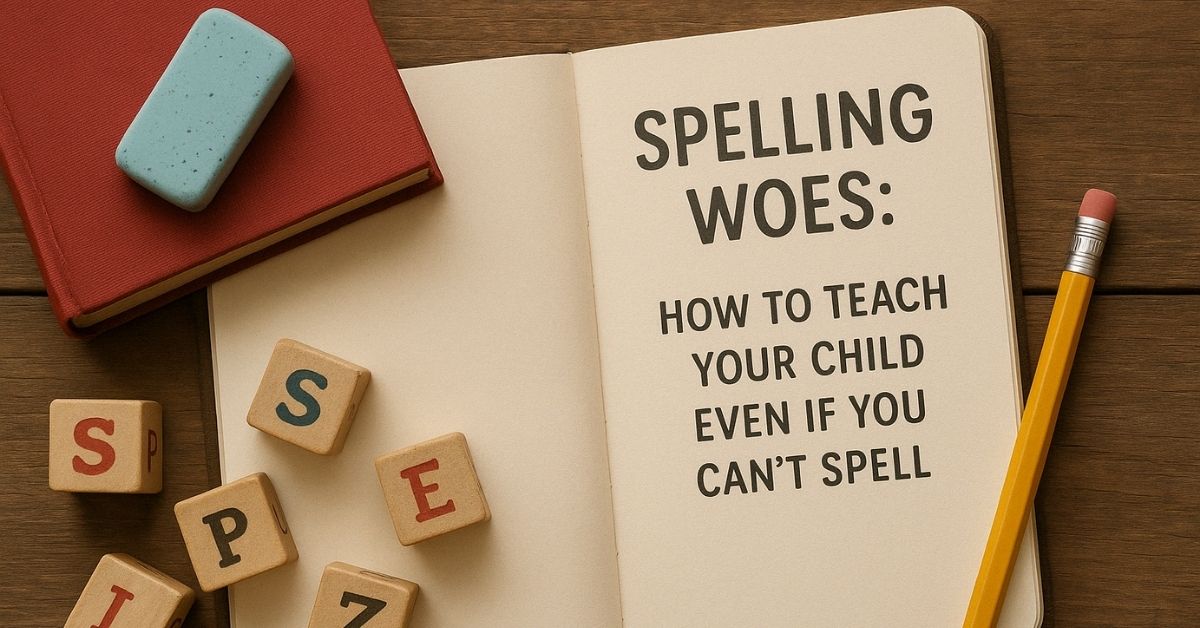
Spelling Woes: How To Teach Your Child Even If You Can’t Spell

Not being confident in your own spelling skills shouldn’t hold you back from teaching your child how to succeed in spelling. Homeschooling gives you the chance to use creative methods to teach your child, even if you feel like spelling has always been a challenge for you. Effective spelling instruction doesn’t rely on memorization alone or require you to be a spelling expert. Instead, it’s about using the right tools and strategies, like phonics instruction, word study techniques, and multisensory learning, to help your child build a solid foundation.

Here’s how you can confidently teach spelling at home, step by step, using methods that are both fun and effective.

The Importance of Phonics Instruction

Phonics instruction is one of the most effective ways to teach spelling, especially for young learners or those just starting to spell. It focuses on the relationship between letters and the sounds they make, so your child can decode unfamiliar words and recognize patterns. Phonics instruction is essential because it provides the logic behind spelling. Instead of memorizing a long list of words, your child will learn the why and how of spelling.

For example, once your child knows that the “ch” sound is often spelled with the letters ch and sometimes tch, they can independently apply this rule to new words like “choose” or “stretch.” This understanding creates a sense of confidence while writing, even without a perfect memory for how every word looks.

Phonics instruction can begin with simple sound-letter correspondences and gradually build to more complex concepts, like vowel teams, consonant blends, or syllable patterns. Break spelling lessons into manageable steps that match your child’s skill level and pace.

Word Study Techniques That Actually Work

Word study allows children to explore the building blocks of language, such as patterns, root words, prefixes, and suffixes. Unlike rote memorization, it invites kids to discover why words are spelled the way they are. Here are some practical word study techniques you can try at home:

Sort Words By Patterns
Write out words on flashcards and group them by patterns, such as words ending in -ed or words with long vowel sounds. For example, have your child sort words like played, jumped, and baked. Seeing the patterns makes it easier for your child to predict how unfamiliar words might be spelled.

Highlight Morphology
Teach your child how root words, prefixes, and suffixes come together. Words like unhappy, happiness, and happily share a root (happy) but gain new meanings with prefixes (un-) or suffixes (-ness, -ly). Understanding morphemes not only develops spelling skills but also boosts vocabulary.

Use Word Hunts
Turn your child’s curiosity into an activity by having them “hunt” for specific spelling patterns in their reading books. For example, ask them to find three words with the ai vowel pair or any word ending in -tion. This technique reinforces spelling concepts while connecting them to actual text.

Practice With Dictation
Read short sentences aloud and have your child write them down. Include words that follow the patterns they’re currently learning. Correct together afterward, using mistakes as teaching opportunities rather than points of frustration.

These techniques help children become problem-solvers when it comes to spelling. Instead of feeling bewildered by tricky words, they’ll develop useful tools to work through challenges.

The Power of Multisensory Learning

Multisensory learning engages multiple senses at once to help reinforce spelling. This approach is particularly effective for kids who struggle with traditional methods. When more senses are involved, the brain creates stronger connections, making it easier for your child to remember and apply what they’ve learned.

Here are some ways to incorporate multisensory techniques into spelling lessons:

  • Write It Out With Texture
    Provide options like sand, shaving cream, or salt trays for your child to trace out letters and words. The tactile experience works wonders for memory.
  • Use Movement
    Try “air writing,” where your child uses their finger to write words in the air. For a kinesthetic twist, challenge them to spell words by hopping from one letter (written on the ground) to the next.
  • Color-Code Phonics Rules
    Assign colors to vowels, consonants, or common patterns like blends and digraphs. For example, write words like green or steam with the vowel team in a bright color.
  • Clap It Out
    When teaching syllables, help your child physically identify them by clapping out the beats. For instance, “chocolate” becomes “choc-o-late,” with a clap for each part.

The beauty of multisensory techniques is their versatility. Your child’s learning preferences will guide how you use these methods, and there are endless ways to combine fun with education.

How To Practice Every Day

#image_title

How To Practice Every Day

Consistency is key when teaching spelling, but that doesn’t mean you have to schedule long, dull lessons every day. Instead, small daily practices can make a big impact. Here are some easy ways to build spelling into your routine:

  • Real-Life Writing Practice
    Ask your child to create grocery lists, write letters to relatives, or label their drawings. These activities put spelling into a meaningful context.
  • Play Games
    Use classic board games like Scrabble or Boggle to practice spelling. If you don’t have these, try creating your own word puzzles or playing a hangman-style game.
  • Utilize Technology
    There are plenty of apps and tools that make spelling practice interactive. Look for spelling-focused games or dictation programs to reinforce skills.
  • Reinforce With Read-Alouds
    Read to your child regularly (even after they’ve become independent readers). Hearing and discussing words enriches vocabulary and exposes them to correct spellings in context.

The goal is to integrate spelling practice into your child’s daily life so it feels natural rather than forced.

What To Do When You Encounter Spelling Roadblocks

Sometimes your child will hit a wall and struggle to grasp a particular concept or pattern. That’s okay. This doesn’t mean they’re “bad” at spelling; it simply means they need more time or a different approach to build their understanding.

When this happens, step back and reassess. Is the current lesson too advanced? If so, backtrack until you both feel confident again. Revisiting simpler concepts helps reinforce a solid foundation.

Another strategy is to approach the difficult concept from a different angle. For instance, if your child struggles with vowel teams, you could try using songs or rhymes they can memorize. Alternatively, use multisensory tools like magnets or manipulatives to make abstract ideas more concrete.

Mistakes are an important part of the learning process. Encourage your child to celebrate progress rather than focusing on perfection.

Encouraging Independence

Ultimately, the goal is to help your child become an independent speller. One way to do this is by teaching them how to use resources like dictionaries or spell-check tools.

Encourage them to sound out words or take an educated guess rather than always relying on someone else for the correct spelling. Over time, they’ll develop confidence in their abilities and become more self-sufficient.

At the same time, model your own learning process. You don’t have to hide the fact that you occasionally misspell words. Show your child how you problem-solve, whether it’s by looking something up or using phonics rules yourself.

Spelling success isn’t about always having the perfect answer but about knowing how to approach challenges thoughtfully.

With phonics instruction, word study techniques, and multisensory learning, you’ll be well-equipped to teach spelling effectively—even if it hasn’t been your strong suit.

How Literature Can Help Make Sense Of Math Operations

Math problems present a unique challenge for many students who are good at computations, as they must bridge the gap between math theory and math application. Comfort with math computations does not necessarily guarantee fluency in math problem-solving – in fact, applying those same skills can require quite different strategies than the ones that capture a calculation.

Understanding the underlying structure of math operations, analyzing an equation’s components, and developing a plan for a solution can be daunting tasks for even technically adept math students. This is one reason why so many parents often head online to search for a “math tutor near me.”  

At Dropkick Math Academy, we understand that tackling math problems one step at a time while breaking down each challenge and understanding the process are great steps toward mastering math application. We are an alternative to math tutoring that makes learning about math concepts and applying them in real-life situations fun and rewarding. We use game-based learning in our programs, but another great way to help your child understand math problem-solving is with literature. 

Gaining A Deeper Understanding

Solving math problems requires more than just memorized formulas and procedures. As we previously mentioned, it requires students to develop a deeper understanding of math operations and recognize the connection between an actual problem and the math needed to solve it. This can often be challenging, especially when students have gaps in understanding particular math concepts. 

However, with proper instruction and guidance, they can learn how to make these connections between contextual math problems and the algorithms needed to solve them. Students who can do this will be better equipped to approach math problems proactively rather than relying solely on memorizing procedures.

Problem-Solving

Through problem-solving, students can develop an operational sense – an understanding of addition, subtraction, multiplication, and division. As they connect relationships and different meanings to these four operations, students can more accurately apply these operations to real-world settings. 

One of the best ways that children can learn about problem-solving is through children’s literature, as it provides an excellent way for students to engage with math in a unique and exciting way. Through reading stories, they can encounter math-related events, characters, and data that bring the subject to life in an accessible, memorable way. 

Not only do these books give young math enthusiasts a chance to explore mathematics through interesting stories and characters, but the context of these stories serves as excellent starting points for math practice. Children’s literature is highly beneficial for math learning, allowing children to develop an appreciation for math and gain experience in understanding math concepts within stimulating environments.

Math-Focused Stories

Math-focused stories can be a great way for students to dive deeper into addition and subtraction operations. These stories, or children’s literature, allow young learners to explore multiple scenarios without the pressure of traditional math activities. Through story time discussions with teachers or parents, students are able to work through solving math problems while being more heavily engaged in their learning by putting math into perspective. 

When math is presented in a meaningful way, such as through storytelling, it allows students to take ownership of their understanding of math concepts, helping them develop a much deeper understanding than ever before.

Utilizing literature to explore math topics doesn’t have to only be reserved for young students. Upper-grade math classes can also benefit from a little narrative structure. Studies show that math becomes far more meaningful and applicable when it’s engaged in through storytelling and reading. Reading aloud important math-related stories to an upper-grade math class can instill a sense of context for math problems and higher-level math concepts. Furthermore, engaging with math via literature also allows students to make connections between the math principles they’re studying with their own lives and experiences, adding an empowering layer to their mathematical journey.

Understanding Over Memorization

Telling a math-related story is an effective way to introduce operations, as it encourages students to understand the operation being discussed rather than simply memorizing how to perform the calculation. By giving the math problem a narrative context, the student can better visualize and comprehend the math task at hand, engaging with it on a more meaningful level. Additionally, this approach connects math concepts to other literature they may be studying in class and is especially useful for students who may not have a natural math talent. Providing students with stories that connect multiple subjects creates opportunities for them to learn the material more quickly and effectively.

Using literature is a creative and effective way to help children visualize math concepts as they are used in real life. For example, in a story, maybe the characters share food. This would cause students to think about division situations. Try reading to your child and asking math questions when appropriate. In this example, If Mr. Patrick brings food in the story, you could ask your child if he brought 24 candies to his 6 friends, how many would each get?

This not only makes reading more interactive but also stimulates their mathematical brain!

Research has shown that giving students a context, a real-world or imaginary situation to help illustrate math operations has real benefits. These include:

  • Increasing engagement 
  • Deepening an understanding of operations
  • Strengthening skills in creating equations to represent problem situations
  • Getting students talking about their math reasoning

Our Favourite Stories

Some of our favourite stories that can help children better understand mathematical ideas include:

The Doorbell Rang

This fun story has a mathematical twist. After reading, children should be encouraged to mathematically represent what happens on each page and then discuss this representation. The story’s final page creates a new math challenge to be represented.

Hutchins, P. 1986. The doorbell rang. New York: Mulberry.

You can name 100 dinosaurs!

This book is a treat for dinosaur lovers! It focuses on exploring dinosaurs by historical periods while using illustrations to help children develop higher-number concepts. It also encourages labelling, categorizing, and scientific investigations.

Chewning, R. 1994. You can name 100 dinosaurs! New York: Scholastic.

One watermelon seed

This entertaining story deals with the concepts of multiples of 10 within the context of gardening. Children can follow along and count how many seeds are planted and how many fruits and vegetables they will harvest as a result.

Lotteridge, C.B. 1986. One watermelon seed. Toronto: Oxford University Press.

Communicating Ideas

Writing and mathematics are both useful ways of communicating ideas and understanding relationships. A mathematician uses special symbols and operations to express a sequence of instructions or to construct a relationship between two values. This type of communication is like the language used to create equations that can be solved for an answer or evaluated for its properties. Meanwhile, a writer might use verbs to describe the same action, expressing how someone might go about fulfilling the process without providing any numerical value. While writers and mathematicians use different tools, their end goal is the same; to provide a clear explanation of an event or relationship.

Making Learning Fun!

Math is much more than just working with figures and solving equations; math is a powerful way to interpret, understand, and describe the world around us. At Dropkick Math Academy, we understand math is much more than boring numbers and equations. We make learning math fun. Just like using literature to learn math concepts, we use game-based learning to make it more enjoyable and interactive. 

Students love our games and continue practicing even outside of class. We flip math around and help students fight back against their fear of math. In our programs, students can earn rewards, making it even more tempting to keep practicing their math skills!

Learn more about our programs today and how your child can boost their confidence in math!