
As the holiday season approaches, it’s easy to get swept up in a whirlwind of tinsel, carols, and festive cheer. For many families, this is a wonderful time of year. But what about the rest of the world? Exploring non-Christmas cultural traditions with your children offers a fantastic opportunity to broaden their horizons and enrich your homeschool curriculum. It’s a chance to journey across the globe from the comfort of your living room, discovering the beautiful and diverse ways people celebrate, connect, and mark important moments. This isn’t about replacing your own traditions, but about adding a new layer of understanding and appreciation for the global community we all share.
Teaching your kids about global holidays and celebrations is more than just a fun social studies lesson. It builds empathy, sparks curiosity, and helps them see the world through a more inclusive lens. It’s a powerful way to show them that while traditions may differ, the core values of family, community, and joy are universal. When children learn that their way isn’t the only way, they develop a more nuanced and respectful view of others. This global perspective is one of the greatest gifts you can give them in their education.
These multicultural homeschool lessons can be as simple or as elaborate as you like. You can spend a day learning about a single holiday or dedicate a whole month to exploring a new culture. The goal is to make learning engaging and memorable. By incorporating stories, crafts, food, and music, you transform abstract concepts into tangible experiences. This hands-on approach helps children connect with the material on a deeper level, creating lasting memories and a genuine appreciation for cultural diversity.
Exploring Non-Christmas Cultural Traditions
Ready to take a trip around the world? Expanding your family’s understanding of global celebrations is an exciting adventure. You can introduce your children to a rich tapestry of festivals that are just as meaningful and vibrant as the holidays they already know. Here are a few fascinating celebrations to get you started on your journey.
- Diwali: The Festival of Lights
This five-day festival is one of the most significant holidays in India and is celebrated by Hindus, Jains, and Sikhs worldwide. It symbolizes the spiritual victory of light over darkness, good over evil, and knowledge over ignorance.- Activities: Create your own diyas (small clay lamps) out of air-dry clay and paint them in bright colors. Make colorful rangoli patterns on your driveway with sidewalk chalk or on paper with colored sand or rice.
- Food: Try making a simple sweet treat like gulab jamun or savory snacks like samosas.
- Learning: Read stories about the epic Ramayana, which is closely linked to the origins of Diwali.
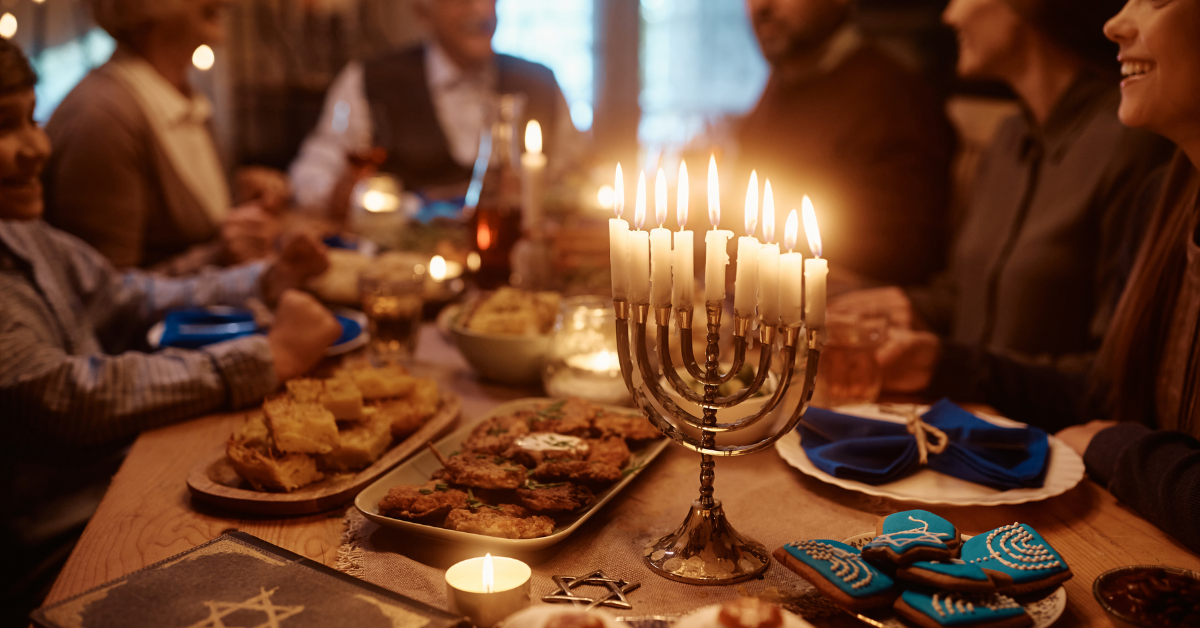
- Hanukkah: The Festival of Dedication
Often called the Festival of Lights, this eight-day Jewish holiday commemorates the rededication of the Second Temple in Jerusalem. It’s a story of perseverance and miracles.- Activities: Play the dreidel game with chocolate coins (gelt). Make your own menorah out of craft supplies like toilet paper rolls or wood blocks.
- Food: Since the holiday celebrates the miracle of oil, fried foods are traditional. Try making latkes (potato pancakes) or sufganiyot (jelly-filled donuts).
- Learning: Share the story of the Maccabees and the miracle of the oil that lasted for eight days.
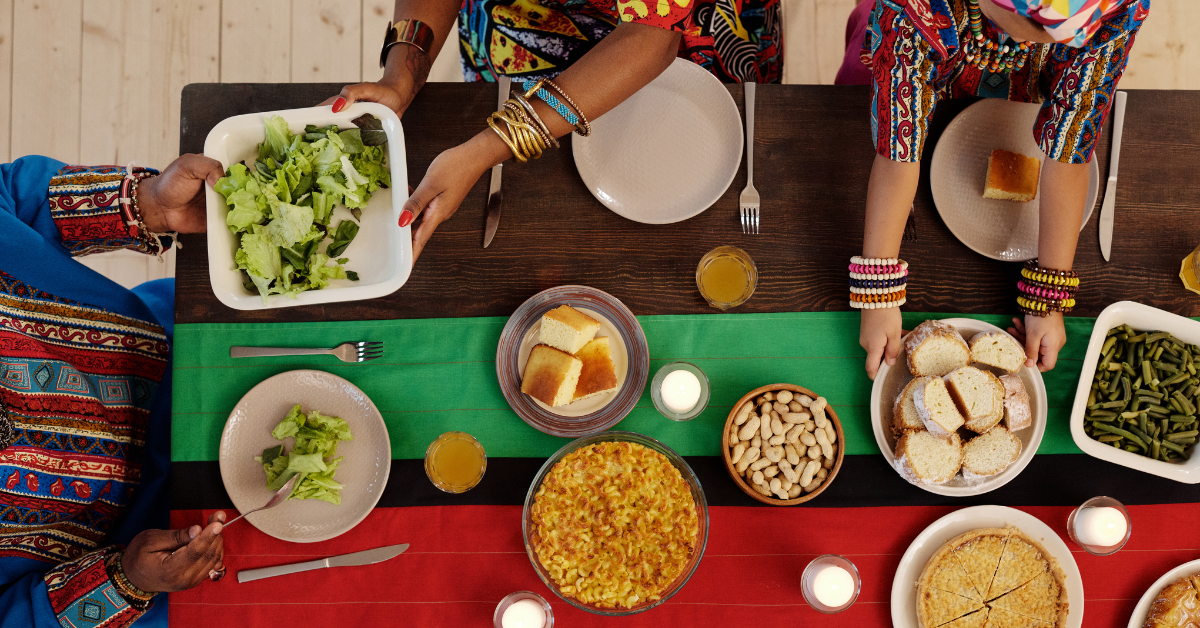
- Kwanzaa: A Celebration of African-American Heritage
This week-long celebration, observed from December 26th to January 1st, honors African heritage in African-American culture. Kwanzaa is centered around the Nguzo Saba, or the seven principles: Umoja (Unity), Kujichagulia (Self-Determination), Ujima (Collective Work and Responsibility), Ujamaa (Cooperative Economics), Nia (Purpose), Kuumba (Creativity), and Imani (Faith).- Activities: Make a kinara (candle holder) and discuss one principle each day as you light the corresponding candle. Create a unity cup or weave a placemat in the colors of Kwanzaa (black, red, and green).
- Food: Explore recipes from different African countries or cook a soulful meal together that represents family and community.
- Learning: Read books by African-American authors or learn about influential figures in black history.
How To Weave These Lessons Into Your Homeschool
Integrating multicultural homeschool lessons into your existing routine doesn’t have to be complicated. The key is to find natural connections and make it feel like a special exploration rather than another to-do list item. You can tie these holidays into geography, history, art, and even math. For example, when studying Diwali, you can find India on a map, learn about its history, and count the days of the festival. This interdisciplinary approach reinforces learning and shows children how different subjects are connected in the real world.
Think of it as unit studies centered around a celebration. A unit study on the Lunar New Year could involve a wide range of activities that touch every subject. You could research the zodiac animals (science and culture), create red paper lanterns (art), learn a few words in Mandarin (language arts), and cook dumplings together (life skills and math, by measuring ingredients). This method makes learning feel dynamic and holistic. It moves beyond textbooks and worksheets to create an immersive educational experience that caters to different learning styles, ensuring every child can find something that sparks their interest.
Remember to approach these topics with respect and authenticity. Look for resources created by people from that culture, whether it’s books, videos, or recipes. This ensures you are presenting an accurate and respectful portrayal of the traditions. It’s a great opportunity to teach your children about the importance of listening to and learning from diverse voices. Frame it as being a respectful guest, learning about someone else’s special celebration with an open heart and mind.
Beyond The Holidays: A Year-Round Approach
While focusing on major festivals is a great start, fostering a multicultural perspective is most effective when it becomes a year-round practice. Don’t wait for a specific time of year to explore the world. Make cultural discovery a regular part of your homeschool rhythm. This continuous exposure helps normalize diversity and prevents the “tourist” approach, where cultures are only studied as special, isolated topics. It integrates global awareness into the very fabric of your children’s education.
Here are some ideas for keeping the multicultural spirit alive all year long:
- Global Kitchen: Dedicate one night a week or month to trying a recipe from a different country. Let your kids help pick the country, find a recipe, and prepare the meal.
- World Music Playlist: Create a playlist of music from around the globe. Listen to it during art time, while doing chores, or in the car. Talk about the different instruments and rhythms you hear.
- International Movie Night: Seek out family-friendly films from other countries. Many streaming services have international sections, offering a window into different cultures and storytelling styles.
- Pen Pal Program: Connect with a family in another country through a reliable pen pal service. Exchanging letters or emails is a personal and powerful way to learn about daily life elsewhere.
- Library Adventures: Make it a habit to check out books that feature characters from diverse backgrounds or are set in different countries. Look for both fiction and non-fiction to get a well-rounded view.
Find More Homeschool Inspiration Here
Building a rich, inclusive, and engaging homeschool environment is a journey, not a destination. Exploring the world’s diverse celebrations is a wonderful piece of that puzzle. It opens up conversations, builds empathy, and makes learning an adventure for the whole family. As you plan your lessons, remember that every small step you take toward a more global perspective makes a big difference in your child’s education.
For more practical tips, curriculum reviews, and creative homeschooling ideas, be sure to explore the other articles on our blog. We are here to support you with resources and encouragement every step of the way. From math to multiculturalism, DKM Homeschool Resource is your partner in creating a learning experience that inspires a lifelong love of learning.