Living Books: The Heart of Charlotte Mason Homeschooling

The Charlotte Mason method of homeschooling emphasizes living books as a core component of its philosophy. These books are engaging, inspiring, and written by authors passionate about their subject matter. Unlike dry textbooks that list facts, living books bring subjects to life, spark curiosity, and leave a lasting impression. For parents exploring the Charlotte Mason approach, incorporating living books can transform the homeschooling experience, making it more enriching and enjoyable for both children and parents.

Below, we’ll explore the role of living books in homeschooling, provide tips for choosing the right ones, and share a curated list of books ideal for the Charlotte Mason method.

Understanding Living Books And Their Role In Homeschooling

Living books are an integral part of the Charlotte Mason method because they go beyond merely sharing information. They aim to engage both the mind and heart of the reader. A good way to identify a living book is by asking this simple question: Does the book make the subject come alive? Here are the key characteristics of living books and why they are so effective:

Defining Features of Living Books

  • Narrative Style: Living books are often written in a conversational tone, as if the author is speaking directly to the reader. This makes them more relatable and engaging.
  • Authorship by Experts: The authors of these books are deeply passionate and knowledgeable about their subjects, allowing their enthusiasm to engage young minds.
  • Rich in Ideas: Instead of focusing solely on facts, living books deal with ideas, presenting them in a way that inspires reflection and imagination.
  • Timeless Appeal: Many of the best living books are considered classics because they capture universal truths and enduring themes.

Benefits of Using Living Books

  • Personal Connection: Because living books are so engaging, children develop a personal connection with the material, retaining knowledge better than they might with a traditional textbook.
  • Encourages Independent Thinking: Living books foster curiosity, critical thinking, and an appreciation for learning.
  • Holistic Learning: Subjects like history, science, and literature become deeply integrated, offering a fuller understanding rather than isolated facts.

For example, instead of memorizing dates and events from a dry textbook, children reading a book like The Story of the World gain a vivid sense of history through stories that connect them to the past.

Practical Tips For Homeschooling With Living Books

Homeschooling with living books can be overwhelming at first because the options are endless. Here are some practical tips to make the process smoother and more effective.

Create a Book Rotation Schedule

Organizing your living books into a manageable schedule is key. Here’s how to approach it:

  1. Divide Books by Subject: Start by grouping books into categories like history, geography, nature study, literature, and the arts.
  2. Balance Reading Time: Allocate time throughout the week for reading from each subject. For instance, history might be read twice per week, while nature study can be done daily.
  3. Use Short Lessons: Stick to short, focused lessons. Charlotte Mason emphasized the importance of maintaining a child’s attention by keeping lessons brief and stimulating.

Incorporate Narration

Narration is another signature Charlotte Mason technique that complements living books. After your child reads or listens to a book, ask them to narrate what they’ve learned. This is simple but highly effective:

  • Oral Narration: Young children can explain a passage in their own words as a way to process and remember.
  • Written Narration: Older children might write a brief summary or reflection to develop their analytical skills.

Combine with Hands-On Activities

Engage other senses and bring living books to life with creative activities:

  • Map Work: After reading a history or geography book, have your children locate relevant countries, regions, or landmarks on a map.
  • Nature Journals: After exploring a living book on nature, encourage journaling with drawings and notes on observed plants, animals, or phenomena.
  • Art Experiments: Pair a book about an artist’s life with craft projects inspired by their techniques or themes.

Build a Home Library

Collecting living books doesn’t have to break the bank. Use these strategies:

  • Public Libraries: Many classics recommended in Charlotte Mason circles can be found in local libraries.
  • Thrift Stores and Used Book Sales: Look for gently used copies of well-loved books at a fraction of the price.
  • Digital Libraries: Explore free digital libraries like Project Gutenberg for public domain works.

A Charlotte Mason Living Book List

A Charlotte Mason Living Book List

To help you get started, here’s a curated list of beginner-friendly living books that align with the Charlotte Mason philosophy. These are grouped by subject and offer something for children of various ages.

History

  • Our Island Story by H.E. Marshall – A beautifully narrated history of England that reads like a collection of captivating stories.
  • The Story of the World series by Susan Wise Bauer – An accessible introduction to world history written as narrative stories for children.
  • Across Five Aprils by Irene Hunt – A compelling novel that brings the American Civil War to life through the eyes of a young boy.

Nature Study and Science

  • The Burgess Bird Book for Children by Thornton W. Burgess – A charming storybook packed with engaging facts about bird species.
  • Pagoo by Holling Clancy Holling – Follows the fascinating life of a hermit crab while teaching about marine biology.
  • Seedfolks by Paul Fleischman – An inspiring tale about gardening and community, perfect for encouraging outdoor exploration.

Geography

  • Paddle-to-the-Sea by Holling Clancy Holling – Tracks the adventures of a small wooden canoe as it journeys through the Great Lakes.
  • Children Just Like Me by Barnabas and Anabel Kindersley – Introduces children to global cultures by profiling kids from different countries.

Literature

  • Aesop’s Fables – Timeless moral tales that are short yet full of meaning for young readers.
  • Heidi by Johanna Spyri – A heartwarming story about a young girl’s life in the Swiss Alps and her connection with nature.
  • Little Women by Louisa May Alcott – A classic story of family life, courage, and the value of personal growth.

Art and Music

  • Lives of the Artists by Giorgio Vasari – A collection of stories about renowned artists, perfect for older students.
  • The Annotated Mona Lisa by Carol Strickland – A visual exploration of art history.
  • Beethoven Lives Upstairs by Barbara Nichol – A moving tale of Beethoven’s life told through imaginative storytelling.

Why Parents Love Living Books

Parents are often surprised by how quickly children respond to living books, and the change is almost always positive. Kids who previously dreaded certain subjects suddenly find themselves intrigued. Here’s why: Living books captivate children because they tap into their natural curiosity and desire to explore ideas. When kids feel connected to the material, they’re more likely to invest their attention and energy into learning. And because these books are often written in a memorable, story-driven style, they stick with readers long after the lessons are over.

Parents also love how versatile living books can be. Whether you’re teaching multiple ages or accommodating various learning needs, living books provide flexibility. Younger children can gain exposure by listening, while older kids might engage with deeper reflections and projects stemming from a single book. Adding living books to your homeschool also deepens the parent-child bond. Reading meaningful stories together can spark conversations that go beyond academics, fostering mutual understanding and enjoyment.

Transform A Lesson Into An Unforgettable Experience

Charlotte Mason homeschooling with living books is so much more than an academic formula—it’s a way of nurturing a love for lifelong learning. By choosing books filled with passion and meaning, incorporating thoughtful practices like narration and hands-on activities, and curating a rich home library, parents can build a homeschooling experience that isn’t just educational but also joyful and inspiring. 

Consider the power of one thoughtfully chosen living book to transform a lesson into an unforgettable experience. That’s the beauty of homeschooling done the Charlotte Mason way. Why settle for rote memorization when you can share the gift of living ideas with your children?


How To Choose A Homeschool Math Curriculum

Choosing the best homeschool math curriculum is a critical decision for many parents. Mathematics forms the backbone of various academic disciplines and real-world problem-solving skills, so finding the right program for your child can make a profound difference. With so many homeschool math programs available, it’s easy to feel overwhelmed. 

This guide will help you explore practical factors, review popular programs, and make informed choices that fit your family’s unique needs.

Factors To Consider When Choosing A Math Curriculum

When selecting a math curriculum, several important points should guide your decision. Rather than simply picking what’s highly rated, consider your child’s specific learning needs, your teaching preferences, and your overall homeschooling goals. Below are some essential factors to keep in mind:

  1. Learning Style

Every child has a unique way of understanding and retaining mathematical concepts. Does your child excel with visual aids? Do they benefit from hands-on activities? Or are they quick learners who thrive with structured, textbook-based approaches? Matching the teaching style of the homeschool math program to your child’s preferred learning style can accelerate progress and reduce frustration.

  • For tactile or kinesthetic learners: Look for programs that incorporate manipulatives, such as blocks or counting rods, to make abstract concepts more concrete. 
  • For visual learners: Choose curricula with colorful diagrams, videos, and plenty of visual explanations. 
  • For auditory learners: Focus on programs that include audio lessons or rely heavily on verbal instruction. 
  1. Parent’s Role in Teaching 

Homeschool math programs vary significantly in how much they depend on parental involvement. Are you looking for a self-paced program where your child works independently, or do you prefer a curriculum that requires active teaching from you? Consider your own comfort level and availability. 

  • High parental involvement needed: Textbook-based curricula or hands-on programs often require parents to guide lessons. 
  • Low parental involvement needed: Digital programs and online platforms often allow for independent learning with minimal intervention.
  1. Alignment with Educational Goals 

What are your long-term academic goals for your child? For example, if you plan to transition them to traditional schooling at some point, it’s crucial to choose a curriculum that aligns closely with national or state academic standards. 

  • For younger learners, focus on establishing a strong foundation in numeracy and basic problem-solving.
  1. Budget 

Homeschool math programs span a wide range of price points. Before making a decision, evaluate your budget and weigh the benefits of costly versus economical options. Keep in mind that some free or low-cost options can still be very effective if they meet your child’s needs.

  1. Online vs. Offline Curriculum 

Technology-based math programs can offer engaging, interactive learning experiences, while offline, traditional approaches may better suit families seeking a screen-free environment. Hybrid systems that combine both options are also available. Consider which method works best for your homeschool schedule and personal preferences.

  1. Adaptability and Progress Tracking 

The best homeschool math curriculum allows for flexibility in pacing and comprehensive tracking of your child’s progress. Many programs are designed with built-in assessments and customized pathways to help learners excel without overwhelming them. Look for curricula with pre-tests or diagnostic tools that adapt lessons based on performance.

Top Recommended Homeschool Math Programs 

Top Recommended Homeschool Math Programs 

Picking from the best homeschool math curriculum options involves understanding what sets specific programs apart. Here are a few standout options along with their main attributes:

  1. Math-U-See 

Overview: Math-U-See uses a hands-on, visual approach to reinforce foundational math concepts. It emphasizes mastery before moving on to new topics, ensuring students truly grasp the material. 

Best For: Tactile and visual learners, students needing a slower, mastery-focused pace. 

What Parents Say: Many parents appreciate the manipulatives included with this program. However, it may not be ideal for families looking for fast-paced progression.

  1. Teaching Textbooks 

Overview: Designed as a self-directed program, Teaching Textbooks offers engaging, interactive lessons online. It provides automatic grading, which is a time-saver for parents. 

Best For: Families seeking a balance between technology and independence. 

What Parents Say: The animated lessons and humorous approach generally keep kids interested. However, some advanced learners may find the program too basic at higher levels.

  1. Saxon Math 

Overview: Known for its rigorous, spiral approach, Saxon Math focuses on incremental learning with frequent reviews to reinforce retention. 

Best For: Students who thrive with repeated practice and traditional textbook methods. 

What Parents Say: Saxon is a go-to for many families who value structure. However, parents should anticipate a significant role in teaching younger levels.

  1. Life of Fred 

Overview: A highly unconventional program, Life of Fred teaches math concepts through storytelling. Each book presents scenarios where characters apply math lessons in real-world contexts. 

Best For: Students who prefer creative, narrative-based learning and dislike repetitive drills. 

What Parents Say: Families enjoy the humor and unique delivery. However, its playful tone may not appeal to everyone, and supplemental work is often required.

  1. Khan Academy 

Overview: A completely free, online resource, Khan Academy provides video tutorials, practice exercises, and progress tracking for a range of math topics. 

Best For: Independent learners and families on a tight budget. 

What Parents Say: It’s easy to use and comprehensive, but parental guidance can be necessary to build a structured routine for younger kids.

Benefits And Limitations Of Various Resources 

Evaluating all available homeschool resources requires understanding their benefits and drawbacks. Digital platforms such as Khan Academy shine in their flexibility and affordability. Parents can easily introduce advanced concepts at their child’s pace, leveraging interactive quizzes to assess skills. However, the absence of tactile elements may be a drawback for younger children who benefit from using physical objects to develop an intuitive sense of numbers. 

On the other hand, textbook-based programs like Saxon Math excel in providing a well-rounded, traditional experience. These materials often align closely with school curricula, ensuring a solid academic foundation. For some families, however, the rigidity of this method and the time commitment it demands may make it an impractical option. Story-driven approaches like Life of Fred break away from conventional methods, bringing joy to learning, but these methods often require additional resources to address gaps in structured practice. 

Practical Tips For Selecting The Right Math Program

Here are a few actionable steps to help narrow down your options and choose the best homeschool math curriculum.

  • Step 1: Reflect on your child’s strengths, challenges, and learning preferences. Take note of their reactions to past math lessons or activities—this can guide you toward appropriate teaching styles.
  • Step 2: Research and compare curricula by reading detailed reviews, watching program demonstrations, or requesting sample materials where available. 
  • Step 3: Set a realistic budget, factoring in potential additional expenses like manipulatives, online subscriptions, or print materials. 
  • Step 4: Consider blending resources. For instance, you might rely on a rigorous textbook approach while supplementing with educational apps or videos. 
  • Step 5: Stay flexible. If a chosen curriculum doesn’t work well, don’t hesitate to pivot to something that better meets your child’s needs.

Why Flexibility Matters in Homeschooling Math 

One of the greatest advantages of homeschooling is the ability to customize lessons to suit individual needs. Unlike traditional classrooms where rigid schedules govern progress, homeschooling offers room to switch curricula when necessary. Flexibility also allows parents to integrate real-world experiences into math lessons, such as budgeting during shopping trips or measuring ingredients during cooking. 

However, with this freedom comes responsibility. Monitoring progress and adjusting the curriculum requires consistent effort, communication, and adaptability from parents. If one method isn’t working, another approach can be tried without disrupting the overall flow of learning. Ultimately, maintaining a growth mindset allows both parents and children to remain motivated, ensuring a positive and productive homeschooling experience. 

By keeping these factors in mind, parents can confidently choose the best homeschool math curriculum tailored to their child’s success. With so many excellent options available, there’s a solution for every type of learner and family dynamic.

High School Art Class: How To Study The Greats

When homeschooling a high school student, the art curriculum presents a unique opportunity to explore creativity while also teaching history, culture, and critical thinking. Focusing on studying famous artists can bring a fresh perspective, making art history both exciting and meaningful. This blog explores homeschool high school art ideas centered on the study of renowned artists, with actionable tips to create a well-rounded curriculum. 

Whether you are an art enthusiast or new to the subject, these strategies can help craft a fulfilling art experience for your students.

Why Study Famous Artists In Your Homeschool Art Curriculum? 

Studying the masters of art—like Da Vinci, Van Gogh, or Georgia O’Keeffe—provides more than just an appreciation of their work. It introduces students to different art movements, ignites creativity, and fosters critical thinking. But where do you start? Here are some compelling reasons to include famous artists in your homeschool high school art curriculum:

  • Creative Inspiration 

Exposure to a variety of styles and techniques encourages students to explore their own artistic voice. Students can follow exercises inspired by famous works, like replicating Picasso’s cubism and then creating their interpretations.

  • Understanding History Through Art 

Famous artists often reflect the values, struggles, and culture of their time. Examining works like Diego Rivera’s murals or Kara Walker’s silhouettes can spark discussions about history, politics, and society.

  • Building Analytical Skills 

Critiquing artwork builds observational and analytical skills. Students learn to think critically, understanding not just the “what” of an artwork, but also the “why” and “how.”

Structuring An Engaging High School Art Curriculum 

Organizing an effective art curriculum for high school requires a plan that balances creativity and academic focus. Below are key steps to design a homeschool art course that incorporates studying the greats. 

Determine Learning Objectives 

Start by defining what you want your teen to achieve by the end of their art course. Objectives might include: 

  • Mastery of basic art techniques (drawing, painting, sculpture)
  • Familiarity with various art periods like Renaissance, Impressionism, or Modernism
  • The ability to create original works inspired by famous artists 

Create a Flexible Art Schedule 

Homeschooling allows for a level of flexibility that traditional classrooms can’t provide. To make the most of this, structure your art schedule to include a variety of activities. 

  • Artist Spotlight Days 

Dedicate specific days to studying one famous artist. Focus on understanding their techniques, reviewing their work, and creating art inspired by their style. 

  • Museum or Virtual Museum Days 

If you can, visit local art museums or online collections for deeper exposure. The Smithsonian’s online galleries and Google Art & Culture are excellent free resources. 

  • Independent Art Practice 

Encourage your student to apply learned techniques in their unique projects, whether it’s replicating Van Gogh’s Starry Night or exploring abstract art like Kandinsky. 

Mix Hands-On Projects With Academic Study 

Not every day has to be about producing art. Incorporate art history readings, video tours, and discussions. Set assignments such as analyzing the use of color in a Monet painting or identifying symbolism in works by Frida Kahlo. Limit academic tasks to a few times a week to strike a balance with creative hands-on projects.

Use Milestone Projects to Track Progress 

One idea is to create milestone assignments where students recreate a masterpiece or design an art project based on a specific period or movement. This could culminate in an “art show” where the student presents their work, tying together the art techniques and historical influences they’ve studied. 

Practical Tips For Studying Famous Artists At Home 

Practical Tips For Studying Famous Artists At Home 

Introducing students to famous artists can seem daunting, but breaking it into manageable steps makes it enjoyable and accessible. The following tips focus on creating a structured yet creative environment where teens can thrive artistically.

Start With “Art Movements” Instead of Individual Artists 

Instead of beginning with a single artist, introduce broader art movements first. For example, explore the Impressionist period before narrowing down to Monet or Degas. This helps students contextualize an artist’s work within the larger framework of evolving styles and societal influences. 

Incorporate Multimedia Learning 

Here’s how to make art history come alive with modern resources: 

  • Videos and Documentaries 

Platforms like YouTube and PBS offer excellent free resources on artist biographies and movements. Consider assigning a documentary viewing as homework. 

  • Podcasts or Online Courses 

Educational podcasts on art history offer great insight into an artist’s background, influences, and lesser-known works. 

  • Digital Tools for Art Practice 

Give students access to digital drawing applications like Procreate or Adobe Fresco so they can experiment with recreating famous works using modern tools. 

Tie Artists to Other Subjects 

  • History 

Delve into how history shaped the works of artists like Francisco Goya during the Napoleonic Wars or Jacob Lawrence during the civil rights movement. 

  • Math/Geometry 

Explore the geometric precision in styles like the Renaissance, where artists incorporated the Golden Ratio into their designs. 

Focusing on interdisciplinary connections reinforces learning and broadens students’ understanding of art in a real-world context. 

Teaching Art Appreciation Without Formal Training

Many homeschooling parents worry about teaching art because they lack formal artistic training. The good news is, you don’t have to be an expert to guide your teen in exploring art. 

Focus on developing an appreciation for individuality in creative expression. Start by asking open-ended questions like, “How does this painting make you feel?” or, “What do you notice about how the artist uses light and shadow?” This type of questioning veers away from technical critique and opens the door to deeper exploration.

Additionally, encourage leveraging community resources. 

  • Collaborate With Local Artists or Teachers 

Reach out to independent artists offering workshops. These sessions can enrich your student’s technical skills in painting, drawing, or digital mediums. 

  • Consider Online Art Classes 

Platforms such as Skillshare or Udemy host accessible art tutorials, suitable for various age groups. Some even specialize in teaching homeschool students. 

  • Join Homeschool Groups 

Many parents build art clubs or collaborations where families work together on portfolio projects or major art exhibitions. 

How To Evaluate Your Student’s Progress In Art 

Unlike subjects with clear right and wrong answers, art can feel more subjective when it comes to evaluation. However, you can measure progress through a mix of qualitative assessments and personal reflections. 

Review Technical Growth 

Focus on measurable skills such as their ability to replicate shapes, their use of proportion, and their application of shading or perspective over time. Compare their earliest sketches with their latest work to showcase tangible improvement. 

Assess Engagement and Effort 

Art isn’t always about producing perfect results. Does your student enjoy exploring various mediums? Are they curious about learning more? A consistent level of enthusiasm often reflects an effective curriculum. 

Encourage Self-Reflection 

Ask students to reflect on what they’ve learned from their studies so far. Have them keep an “art journal” to document their observations about different artists, as well as notes about their own progress or ideas for future projects. 

By focusing on these areas, you’re not only guiding students toward artistic mastery but also building their confidence in expressing themselves through art.

High school is the perfect time to introduce your homeschool students to the world of famous artists. It’s more than just a study of techniques; it’s an exploration of culture, history, and creativity. By integrating structured lessons, hands-on activities, and flexible learning materials, you can craft a personalized art curriculum that inspires your teen to explore their unique artistic voice.

How To Make Middle School History Meaningful

For many homeschooling families, historical study can feel like a difficult balancing act—combining facts, dates, and events with storytelling that actually sticks with students. However, history doesn’t have to be a dry retelling of facts. It can be vibrant, emotional, and even fun. By using engaging middle school history lessons that spark curiosity and encourage critical thinking, you can transform the subject into an enjoyable and meaningful experience. 

Whether you’re homeschooling your tween or looking for ways to enhance their understanding, here are practical strategies for teaching history effectively.

Bring History To Life Through Storytelling 

History becomes far more interesting when it’s taught as a story rather than a boring list of facts. Narratives, complete with relatable characters, plot twists, and compelling conflicts, resonate deeply with middle school learners. At this age, students are primed to engage with rich stories that create emotional connections. Here are ways to build impactful history lessons into an exciting storytelling experience. 

  1. Share the stories of real people: 

Focus on the lives of individuals who experienced the events you’re teaching. Highlight figures like Anne Frank, Harriet Tubman, or Joan of Arc to humanize historical eras and add depth to what might otherwise feel abstract. 

1. Integrate historical fiction: 

Incorporating novels or short stories that reflect the time period you’re teaching can expand your child’s sense of the past. For example, Number the Stars by Lois Lowry offers a glimpse into World War II through an accessible lens for middle school readers. 

2. Use multimedia to tell stories: 

Immersive documentaries, historical dramas, or podcasts on history engage kids in ways textbooks often can’t. Resources like the “Liberty’s Kids” animated series or episodes from history-focused YouTube channels bring the past alive right at home. 

3. Encourage imaginative thinking: 

Ask questions like, “What would it have been like to live during this era?” or “How would you have approached this challenge?” These questions prompt your child to put themselves in the shoes of historical figures. 

4. Explore multicultural perspectives: 

Historical narratives often exclude diverse experiences. Make an effort to incorporate stories from other cultures, countries, and social groups to provide a balanced view of world events. 

Through storytelling, your child will absorb lessons in empathy, learn critical thinking, and foster a much deeper personal connection to history. 

Incorporate Hands-On History Activities 

Incorporate Hands-On History Activities 

History becomes even more meaningful when students experience it on an interactive level. Tactile, hands-on learning not only brings lessons to life but also helps middle schoolers process and retain information better. 

  • Design creative timelines: 

A timeline can visually map out important periods and events while exercising creative expression. Use online tools or physical resources like colored pens and poster boards to design a living representation of historical progress. 

  • Recreate historical artifacts: 

Explore the material culture of history by recreating items like ancient pottery, medieval shields, or handmade journals inspired by early explorers. This kind of activity blends art into your history lesson. 

  • Build dioramas or models: 

Encourage your child to create scale models of historical landmarks, such as the Roman Colosseum, pyramids of Giza, or castles of Europe. These projects solidify a physical understanding of history’s architectural achievements. 

  • Plan historical recipe sessions: 

Cooking can transport you to the past. Bake traditional breads, make stews inspired by early settlers, or look up recipes from historical cookbooks. Discuss how food was tied to economics, agriculture, and trade during different periods. 

  • Engage in heritage crafts: 

Recreate crafts that were central to the livelihood of specific time periods, like weaving, quilting, or woodcarving. 

  • Visit historical locations or museums: 

Field trips to history museums, battleground sites, or reconstructed villages can make history tangible. Many museums even offer virtual tours, which makes it accessible from anywhere. 

By involving multiple senses in the learning process, hands-on activities break through the monotony of lessons built solely on reading and writing. 

Intertwine History With Other Subjects 

Breaking down barriers between subjects allows students to see how interconnected the humanities really are. History meshes naturally with literature, science, art, and even math. Incorporating an interdisciplinary approach enhances understanding and creates well-rounded learners. 

  • History and art: 

Teach art history alongside major historical movements. When studying the Renaissance era, guide your child to recreate simple sketches inspired by Leonardo da Vinci. 

  • History and science: 

Discuss how science impacts historical outcomes. You could examine how advancements during the Industrial Revolution transformed societies or how medical breakthroughs changed the course of wars. 

  • History and economics: 

Compare economic systems across history, from feudalism to capitalism. Look into events like the stock market crash of 1929 to better understand the relationship between financial policies and societal shifts. 

  • History and math: 

Numbers can tell their own historical stories. Use statistical data for population growth, economic trends, or military projections. For example, you might analyze how the metric system influenced global trade. 

  • History and literature: 

Adapt your child’s reading list to include works written during or about the historical eras you study. Novels, speeches, and autobiographies give history a powerful narrative context. 

Making these connections reinforces the idea that history isn’t isolated—it’s part of a broader tapestry of human achievement and experience. 

Foster Independent Historical Exploration 

Middle school marks the transitional period where students crave some autonomy, and this is a golden opportunity to foster independent learning. Giving your child the freedom to pursue history at their own pace not only builds confidence but also deepens their curiosity. 

Encourage them to choose a point in history that intrigues them and develop a special project around that interest. For example, they might create a PowerPoint on the Age of Exploration, build a model Viking boat, or write an essay about women’s roles during the Civil War. 

Here are a few creative project ideas based on independent exploration for middle school historians:

  • Digital presentations: Design a slideshow or mini-documentary featuring images, statistics, and personal commentary.
  • Creative storytelling: Write a fictional diary entry from the point of view of a child during the American Revolution or a passenger on the Titanic.
  • Mapping history: Research and design an interactive map showcasing trade routes, migration paths, or territorial expansion during different eras. 

Provide resources like online tools, local libraries, and history-based board games that will ignite their interest further. When kids engage with history in ways that feel open-ended, they’ll gain confidence in self-directed learning. 

Encourage Reflection And Application 

History means more when students take the time to reflect and apply what they’ve learned to the world around them. Discussions based on major themes, comparing historical struggles to modern events, or debating historical decisions can expand a student’s world view. 

  • Encourage debates: Present a historical controversy or dilemma and challenge your child to discuss possible outcomes. What is their opinion on decisions made through history? How would they have chosen to act differently? 
  • Compare and contrast eras: What has remained constant, and what has changed? Discuss examples such as the evolution of civil rights or technological advancements. 

Reflection ensures history lessons don’t end in a vacuum. Instead, they become tools for critical thinking and a source of empathy toward different cultures and experiences. 

By implementing these strategies, you’ll help your child discover that history is more than just dates and events. It’s a layered exploration of humanity’s successes, struggles, and ongoing evolution. Engaging middle school history lessons aren’t just about the past—they’re about empowering students to connect that past to their present and future.

What Makes A Good Social Studies Curriculum?

Choosing a homeschool social studies curriculum can feel overwhelming, given the wide variety of options available. Parents often seek a program that helps children understand history, geography, cultures, and citizenship in a way that connects to the real world. A solid social studies curriculum equips students with knowledge, critical thinking skills, and the ability to see themselves as part of a broader global story. But how do you know which curriculum is the best fit for your family? 

Here, we’ll explore what makes a great social studies curriculum, how to choose one, and provide a simple guide to make your decision process less stressful. 

The Foundations Of The Best Social Studies Curriculum 

Most social studies programs aim to incorporate four core elements, and these are essential for developing well-rounded learners. 

  1. Comprehensive Content Coverage 

A good social studies curriculum should go beyond basic memorization of names, dates, and places. Instead, it should focus on broader concepts that help children gain a deep understanding of how societies function and evolve. Here’s what to look for in terms of content coverage:

  • History: Includes exploration of key historical events, both national and global, with context around cause and effect.
  • Geography: Develops map-reading skills, understanding of physical and cultural landscapes, and environmental awareness.
  • Civics: Teaches the principles of government, citizenship duties, and the democratic process.
  • Economics: Covers the basics of trade, markets, resources, and personal finance in an age-appropriate way. 

Avoid programs that present only one cultural or national perspective. A balanced curriculum introduces multiple points of view, fostering social awareness and promoting empathy. 

  1. Age-Appropriate Materials 

Social studies topics range from simple concepts like community helpers to complex discussions on global conflicts. It’s important for the curriculum to align with your child’s developmental stage:

  • Early Elementary: These years should emphasize basic social structures—family, community, and local geography. Stories and hands-on activities that encourage curiosity are ideal.
  • Upper Elementary: At this stage, children can handle broader discussions on national history, simple economics, and civics. Timelines and basic research projects work well.
  • Middle and High School: Curriculums should encourage students to analyze primary sources, compare historical interpretations, and engage in debates about ethics and leadership. 

Interacticity and Skill Building 

  1. Interacticity and Skill Building 

The best social studies curriculums encourage active learning. Look for programs that include:

  • Group discussions or project work, even if your child is homeschooled solo—this can be done via co-ops or online partnerships. 
  • Critical thinking exercises such as analyzing current events, comparing historical perspectives, or evaluating how geography impacts culture. 
  • Writing and research assignments, like essays or creating presentations, build higher-level skills that carry into other subjects. 
  1. Flexibility to Align with Personal Values 

Every family is different. Some may prioritize faith-based curriculums, while others seek secular options. A flexible social studies curriculum allows parents to emphasize topics that reflect their family’s worldview while ensuring that children are exposed to a balanced set of ideas. 

A Simple Guide To Choosing A Homeschool Social Studies Curriculum 

Now that you know what a strong curriculum should include, how do you select the one that’s best for your family? Below is a step-by-step guide to help you make the choice. 

Step 1: Identify Your Goals 

Ask yourself what you hope your child will learn and achieve with the curriculum. Consider questions like:

  • Do I want a faith-based or secular program? 
  • Should the curriculum focus more strongly on critical thinking, hands-on projects, or memorization?
  • Are there specific topics (e.g., Black history, world religions, environmental issues) that I want the program to cover deeply?

Step 2: Assess Your Preferred Learning Style 

Every homeschool family operates differently. Some prefer structured, textbook-driven learning, while others lean toward relaxed, project-based methods. Here’s a quick breakdown of curriculum formats and who they work best for:

  • Textbooks are ideal for parents who value a linear, structured learning plan. 
  • Unit studies, which integrate multiple subjects into thematic lessons, work well for hands-on learners or those who enjoy creative projects. 
  • Online curriculums provide multimedia content and are great for tech-savvy families seeking interactive lessons. 
  • Co-op-based programs work best for families searching for group-oriented learning opportunities.

Step 3: Consider Your Budget 

Homeschool curriculums can range from extremely affordable to relatively expensive. Factor in additional costs for supplemental materials, such as books, maps, and project supplies. 

Step 4: Read Reviews and Sample Lessons 

Reputable homeschool curriculum providers often offer free sample lessons or previews. Reviewing these can give you a sense of whether a program’s tone, presentation, and level of rigor align with your expectations. 

Step 5: Align Curriculum with State Standards (If Needed) 

Though homeschooling offers flexibility, some parents prefer or are required to align their curriculum with state education standards. Check if the social studies curriculum you’re considering meets these requirements, especially for middle and high school students approaching graduation. 

Adapting The Curriculum To Make It Work For You 

The beauty of homeschooling lies in your ability to adapt a curriculum to meet the needs of your family and child. Once you have chosen a solid program, consider these simple adaptations to enhance the learning experience. 

  • Mix in books beyond the curriculum. Whether it’s historical fiction, biographies, or graphic novels, a wide range of reading materials can help bring social studies to life. 
  • Leverage real-world experiences like museum visits, heritage trips, or political events (e.g., city council meetings during civic studies). 
  • Utilize multimedia tools, such as documentaries, podcasts, or guided YouTube lessons.
  • Adjust pacing based on your child’s mastery of topics. If they breeze through civics but struggle with geography, you can slow down to ensure comprehension. 

Homeschooling doesn’t have to be rigid. Flexibility is your friend! 

Why Critical Thinking Should Be A Core Focus 

Social studies isn’t just about learning facts—it’s about shaping informed, thoughtful citizens. Teaching critical thinking as part of the social studies curriculum prepares children to approach the world with curiosity and a willingness to question ideas. 

For example, when studying U.S. history, rather than memorizing key dates of the Civil Rights Movement, students should evaluate how those events shaped the country’s current political and social landscape. This bridges the gap between academic studies and real-world applications. 

Promoting critical thinking can be as simple as encouraging your child to ask questions like:

  • “Why did this happen?”
  • “What might have been a better solution?”
  • “What could this mean for the future?” 

It’s these skills, rather than rote memorization, that help children grow into engaged members of society. 

Ultimately, the best social studies curriculum is one that resonates with your family’s educational goals, fits seamlessly into your daily routines, and engages your child’s curiosity. It should not only teach about the world but also inspire a sense of self-awareness and responsibility toward it. 

Homeschooling offers incredible opportunities to explore this subject in a way that fosters lifelong learning, critical thinking, and global understanding. With a thoughtful approach, you can ensure that social studies becomes one of the most enriching and inspiring parts of your child’s education. 

Top 5 Physical Education Practices For Your Elementary School Homeschool Child

Physical education doesn’t just build strong bodies—it also supports better focus, emotional well-being, and lifelong healthy habits. For homeschool families, prioritizing fitness can sometimes seem like an added challenge, but it doesn’t have to be. With thoughtful planning, physical education can become one of the most enjoyable parts of your daily routine. 

Below, we’ve outlined the top five PE practices to help you develop a fun, effective fitness program tailored to your elementary-aged homeschooler. 

1. Build A Flexible And Varied Weekly PE Schedule

Creating a consistent schedule for physical education ensures regular activity and helps your child develop a range of physical skills. A varied routine also keeps kids engaged and less likely to see exercise as a chore. Homeschool physical education ideas should blend indoor and outdoor activities to match your space, resources, and even the weather. 

Suggested Steps for Building a Weekly Routine:

  • Mix Activity Types 

Introduce different forms of movement throughout the week. Examples include stretching, aerobic activities, and strength training. This variety ensures your child works on multiple physical aspects, such as flexibility, endurance, and coordination. 

  • Set Time for Free Play 

While structure is useful, free play is equally important. It allows children to explore physical movement creatively, which can build confidence and motor skills. 

  • Adjust to Age and Skills 

Tailor activities to your child’s current abilities, and always include challenges that push them just the right amount outside their comfort zone.

Here’s a sample beginner-friendly routine you can adapt:

  • Monday: 30 minutes of yoga or stretching in the morning, paired with a 15-minute walk later.
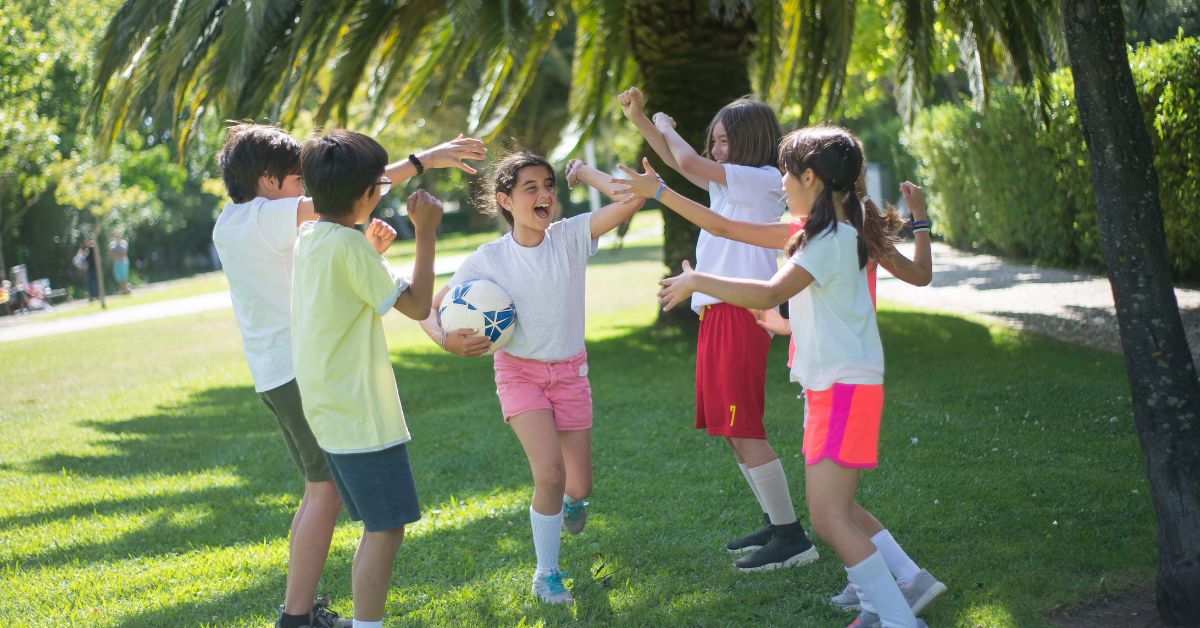
  • Wednesday: Outdoor play at the park for 40 minutes, focusing on games like soccer or tag. 
  • Friday: A mix of indoor dance, skipping rope, and basic strength exercises like squats.

Experiment with different combinations until you find what works best for your child’s energy levels and interests. 

2. Introduce Backyard And Outdoor Games For Dynamic Cardio

Cardio is essential for improving heart health, endurance, and energy levels. Elementary-age kids often respond enthusiastically to activities that feel more like play than structured exercise. Taking fitness outside provides space to move freely, fresh air, and sunshine, which are great for overall well-being.

Ideas for Outdoor Games:

  • Scavenger Hunts with Movement 

Design scavenger hunts using natural elements like leaves, rocks, or flowers if you’re in a park or backyard. Add physical tasks such as running between clue points, hopping before picking up items, or crawling under obstacles for added fun. 

  • Obstacle Courses 

Use items like cones, hula hoops, chairs, or ropes to create an obstacle course. Challenge your child to jump, climb, crawl, and sprint through it. For extra engagement, you can time them and encourage improvement over sessions. 

  • Parachute Games for Groups 

If you have other homeschooling families nearby, incorporate games using a large parachute. These games promote teamwork while ensuring participants continually use their upper body and core muscles.

Outdoor games like these provide a fun way to get essential cardio while also working on motor skills, cooperation with peers, and quick decision-making. Even simple equipment like balls, frisbees, or jump ropes can create hours of movement-filled entertainment. 

Use Reward-Based Fitness Challenges 

3. Use Reward-Based Fitness Challenges 

One of the best ways to maintain your child’s motivation during physical education is by introducing fitness challenges. These create excitement, offer a sense of achievement, and model the importance of setting and reaching goals. Fitness challenges work particularly well when tied to gradual progress or rewards. Plus, they offer measurable outcomes, which can boost a child’s self-esteem. 

Keep the challenges age-appropriate and focused on positive reinforcement. Here are a few you could try:

  • Mini Strength Challenges 

Begin small with tasks like ten push-ups or five minutes of wall sits. Track progress over several weeks and slowly increase intensity. Create a colorful chart to mark milestones, which motivates younger children visually. 

  • Step Counting Goals 

A step tracker (or even an affordable pedometer) can add fun to daily walks or jogs. Set a friendly competition within the family to see who reaches the most steps in a week! 

  • Skill Mastery 

Encourage your child to focus on a specific skill for improvement, such as shooting basketball hoops, achieving cartwheels, or mastering a new yoga pose. Celebrate their achievements with small rewards like a sticker or a trip to the park.

Challenges help instill perseverance and personal accountability, both of which are vital qualities for fitness and life. 

4. Incorporate Activities For Physical And Emotional Balance 

Children need more than just physical movement—they also benefit greatly from activities that foster emotional well-being and mindfulness. Fitness is not solely about intense exercises; it’s also about teaching your child the value of taking care of their mind and body as a unit

Free-Form Dance for Joyful Movement 

Free dance sessions can bring a sense of freedom and delight. Play your child’s favorite upbeat songs and allow them to move however they want. Alternatively, work on co-creating simple choreographies to improve rhythm, coordination, and memory. 

Yoga and Stretching for Relaxation and Flexibility 

Yoga is especially effective for elementary-age children. Not only does it enhance flexibility, but it also boosts focus and reduces stress. Start with basic poses like cat-cow, butterfly pose, or tree pose. Select playful, kid-friendly yoga videos to keep them engaged while teaching valuable breathing techniques.

These practices ensure that your child learns early how to reflect, release built-up energy, and return to lessons or other tasks refreshed. Incorporating slower-paced, mindful elements alongside cardio and strength-based efforts teaches balance—essential for both physical and mental harmony. 

5. Connect With Community-Based Sports And Resources 

Although homeschooling allows flexibility, there’s no reason to forgo traditional group sports or social fitness opportunities. Getting involved in community sports programs gives your child essential social interactions while learning teamwork, resilience, and discipline. These activities also provide experience beyond the at-home setting. 

Explore These Community Options:

  • Local Homeschool Leagues 

Many cities now offer homeschool-specific sports leagues for soccer, basketball, or baseball. These leagues operate during school hours, which makes enrollment more flexible for homeschool parents. 

  • Martial Arts or Dance Studios 

Most martial arts or dance studios have lesson options by age and experience. Activities like taekwondo or ballet are fantastic for building discipline, strength, and focus. 

  • Swimming Classes 

Swimming is a life-saving skill and a full-body workout. Consider enrolling your child in swimming lessons at your local pool for benefits ranging from lung capacity improvement to social growth through team swim classes. 

  • Nature Clubs or Outdoor Groups 

Joining a group that focuses on nature hikes, gardening, or outdoor clean-ups will help your child stay physically active while also instilling environmental awareness. 

The sense of inclusion and friendly competition these programs provide will encourage your child to explore recreational interests and develop fitness habits they enjoy. 

Physical education in homeschooling doesn’t have to feel like another daunting task on your to-do list—these homeschool physical education ideas make it accessible, flexible, and enjoyable. By involving kids in a mix of dynamic activities, goal-driven challenges, and mindful movement, you’re setting them up for a lifetime of health and active living.

Starting A New Homeschool Year! How To Prepare

Whether you’re brand new to homeschooling or you’ve been at it for years, the start of a new homeschool year brings the same mix of excitement and jitters. If you’re new to homeschooling, welcome—this can be a rewarding, flexible way to teach your kids and build a family rhythm that fits your life. And if you’re a seasoned pro, this is your reminder to refresh what works, toss what doesn’t, and add a little fun to your routine. 

Let’s walk through practical steps to set up a year that feels organized, joyful, and sustainable.

Set Your Vision and Goals

Before you order a single book or print a single schedule, take a step back. What do you want this year to feel like? What are your big-picture goals for each child and for your family as a whole? Picture the daily vibe you want—calm and steady, adventurous and outdoorsy, creative and hands-on. Then list three to five goals per child. Keep them short and measurable.

  • Academic goals: Finish Math Level 4, read 10 historical fiction books, complete a science fair project.
  • Life skills: Learn to cook three dinners, practice weekly chores, manage their own planner.
  • Character and habits: Build perseverance, practice kindness with siblings, start a gratitude journal.
  • Family goals: Take one field trip per month, host a book club with friends, have Friday game school.

Post these goals where you can see them. When plans get messy—and they will—this list helps you reset and prioritize.

Homeschool Styles: Find Your Fit

There’s no single “right” way to homeschool. Your style might shift as your kids grow, and that’s normal. Here are the most common styles and who they tend to fit best:

  • Traditional/School-at-Home: Uses structured curricula, textbooks, and clear daily plans. Great for families who like predictability and strong benchmarks.
  • Classical: Focuses on the trivium (grammar, logic, rhetoric), memory work, and rich literature. Good for structured, language-loving learners.
  • Charlotte Mason: Short lessons, living books, nature study, narration, and art/music appreciation. Lovely for families who value gentle rhythms and outdoor time.
  • Unit Studies: Combines subjects around a theme (e.g., oceans, ancient Egypt). Excellent for teaching multiple ages together and hands-on learning.
  • Montessori: Child-led, practical life skills, and prepared environments. Best for independent, tactile learners.
  • Unschooling: Interest-led learning guided by curiosity. Works for families who trust organic learning and flexibility.
  • Eclectic: Mix-and-match. Honestly, most of us land here eventually.

If you’re unsure, try a hybrid. For example, use a structured math program, Charlotte Mason books for history, and unit studies for science.

Choosing Curriculum Without Overwhelm

Choosing Curriculum Without Overwhelm

Curriculum shopping can feel like falling into a rabbit hole. Keep your goals front and center and choose tools that support them. Ask yourself:

  • Does it match my child’s learning style?
  • Can I realistically teach and stick with it?
  • Is it open-and-go, or does it require prep I don’t have time for?
  • Does it align with our values and budget?

Practical tips:

  • Start with core subjects: math, language arts, history, science. Add extras later.
  • If teaching multiple kids, consider family-style subjects for history, science, and read-alouds.
  • Borrow or sample when possible. Many publishers offer free trials or sample lessons.
  • Buy used or swap with local groups to save money.

Curriculum is a tool, not a master. If it’s causing tears (yours or theirs), pivot.

Schedule Options That Actually Work

A good schedule gives you structure without strangling your day. Build around your family’s energy patterns and commitments. Popular models include:

  • 4-day week: Teach core subjects four days, save one day for nature walks, co-op, or catch-up.
  • Loop scheduling: Instead of daily assignments, rotate a list (e.g., history, art, science) so missed days don’t derail you.
  • Block scheduling: Focus deeply on one or two subjects per day (e.g., science on Tuesdays, history on Thursdays).
  • Morning time: Start together with read-alouds, memory work, poetry, or faith studies, then split for independent work.
  • Time anchors: Set start/stop times for key blocks (9–11 a.m. academics, 1–2 p.m. quiet reading), not for every minute.

Plan margin. Life happens—sickness, field trips, surprise playdates. Build in space for real life.

New To Homeschooling: Your First 30 Days

If this is your first year, keep it simple. Use the first month to set routines, learn how your kids work best, and test your materials.

  • Week 1: Ease in with morning time, math, and reading. Practice transitions and your start-of-day routine.
  • Week 2: Add writing and one content subject (history or science). Try short lessons to build stamina.
  • Week 3: Introduce hands-on projects or nature study. Start independent reading time.
  • Week 4: Adjust what isn’t working. Swap a curriculum if needed. Celebrate wins with a special outing or treat.

Journal small notes daily: what worked, what dragged, where they lit up. Use that to tweak next month.

Create Learning Spaces That Invite Focus

You don’t need a Pinterest-perfect schoolroom. You do need a space that supports focus and easy cleanup. Think zones:

  • Work zone: Table or desk with good light, comfy chair, pencil cup, timer.
  • Supplies zone: Bins for each child, plus shared bins for art, science, and math manipulatives.
  • Book zone: Shelf or rolling cart for current reads and reference books.
  • Display zone: Whiteboard or corkboard for schedules, checklists, and kids’ work.

Keep it portable with baskets or carts if you move between rooms. A tidy start sparks smoother mornings.

Build Routines That Stick

Routines beat motivation every time. Keep them short and predictable. Consider:

  • Morning start: Breakfast, quick tidy, morning time.
  • Independent work: 20–30 minute blocks with a checklist.
  • Movement: Brain breaks every 30–45 minutes—jumping jacks, outside lap, yoga cards.
  • Afternoon: Quiet reading, projects, or co-op.
  • End-of-day reset: Clean-up song, set out tomorrow’s books, glance at the plan.

Use timers, visual schedules for younger kids, and simple checklists for older ones. Independence is the long-term goal.

Make Assessment Simple and Helpful

You don’t need constant tests to know what your kids learned. Use light-touch tools that guide instruction:

  • Narration: Ask kids to retell what they read or learned.
  • Exit tickets: One question at the end of a lesson to check understanding.
  • Weekly review: Quick quiz or oral review for math facts or vocabulary.
  • Portfolios: Keep samples of work monthly to track growth.
  • Conferences: One-on-one chats about what felt easy, hard, interesting, or boring.

Keep records that meet your state’s requirements. A simple binder or digital folder works.

Teach Multiple Ages Without Losing Your Mind

Homeschooling a mix of ages is common—and doable. Combine where you can, split where you must.

  • Pair up: Older kids read aloud to younger ones, or help with flashcards.
  • Family-style subjects: Do read-alouds, history timelines, and science demos together, then assign age-appropriate follow-ups.
  • Staggered starts: Give independent work to older kids first, then sit with a younger child for 1:1 time.
  • Quiet bins: Keep special toys, puzzles, and audiobooks for little ones during lesson time.

Short, focused lessons beat long, scattered ones. Aim for progress, not perfection.

Socialization and Community

Your kids can get plenty of social time while homeschooling. Look for co-ops, sports, music groups, library clubs, church groups, or park days. Start small. One or two regular activities each week can be more than enough. For you, find a supportive mom group—online or local—where you can ask questions and share wins. Community keeps you steady when self-doubt creeps in.

Budgeting and Smart Shopping

Homeschool can be affordable with a little planning. Set a yearly budget, then allocate by subject. Prioritize non-negotiables like a solid math program and phonics. Use your library, free printables, and thrift stores. Watch for publisher sales. Buy used from homeschool groups, and resell what you’re done with to offset costs. Keep a running list of wants versus needs so impulse buys don’t derail your plan.

Planning Your Year, Month, and Week

Think in layers. Sketch the year, then plan by month, then set flexible weekly goals.

  • Year: Note start/end dates, breaks, holidays, trips, and testing windows.
  • Month: Choose a theme or focus (fractions, ecosystems, poetry). List field trips or projects.
  • Week: Write must-dos for each subject. Use pencil. Life will change the plan.

Batch-plan on Sunday night or Friday afternoon. Aim for “good enough” planning, not perfect.

Make Room for Delight

Joy fuels learning. Build in time for the quirky, beautiful, and fun.

  • Poetry teatime, nature walks, stargazing nights.
  • Cooking history recipes, building LEGO models of landmarks.
  • Music mornings with composer playlists while sketching.

If the day goes sideways, drop the worksheet and read on the couch. Connection beats checkboxes.

Dealing With Resistance

Every child has off days. So do we. When you hit a wall, try a reset.

  • Switch locations: move outside, to the floor, or a cozy chair.
  • Change format: read aloud instead of silent reading, use whiteboards instead of worksheets.
  • Shorten the task: do even numbers only, set a 10-minute timer, or chunk into tiny pieces.
  • Offer choice: pick which subject first, choose between two assignments.

If resistance becomes a pattern, ask what’s underneath—too hard, too easy, bored, hungry, tired. Adjust accordingly.

Tech, Screens, and Digital Tools

Screens can support learning when used with intention. Choose a few high-quality tools instead of twenty.

  • Math practice apps and adaptive platforms to fill gaps.
  • Audiobooks and read-aloud apps for busy days or carschooling.
  • Research tools with kid-friendly search engines and note-taking apps.
  • Parental controls and clear time limits to keep balance.

Post screen rules. Protect your core learning windows, then enjoy tech as a helper, not a driver.

Self-Care for the Homeschool Mom

You set the tone. Protect your energy. Sleep, water, and a real lunch matter. Build tiny anchors for yourself: a 10-minute morning stretch, a quiet cup of coffee before kids wake, a weekly walk with a friend. Plan one thing each week that fills your tank—book club, hobby time, a solo errand run with a podcast. A cared-for mom is a calmer teacher.

Keep Records the Easy Way

Simple systems win. Choose one:

  • Paper planner with daily checklists and a monthly attendance tracker.
  • Digital spreadsheet with tabs by subject and links to resources.
  • Photo journal: snap pictures of projects, field trips, and finished pages, then store by month.

Add a quarterly summary for each child: strengths, struggles, next steps. This makes reports or evaluations painless.

When to Pivot

It’s okay to change course. Signs it’s time:

  • Chronic tears or dread over a subject.
  • You’re avoiding a program because it’s too complex.
  • Your child is bored or racing ahead.
  • Your life circumstances shifted (new baby, job change).

Choose one change at a time. Swap math or adjust the schedule, then give it two weeks before changing anything else.

First-Day Ideas Kids Remember

Make the first day special without overplanning.

  • School-year breakfast with favorite pancakes.
  • First-day photos with grade signs or favorite book props.
  • Gift a new book, art supplies, or a fun unit study kit.
  • Start with a field trip or nature scavenger hunt.
  • Create a “Yes Day” for reading: forts, snacks, and stacks of books.

A little ritual sets a joyful tone for the months ahead.

Starting a new homeschool year is a chance to build a rhythm that fits your family and a learning plan that sparks curiosity. Keep your goals simple, your schedule flexible, and your heart open to what your kids show you. You don’t need to do it all—just the next right thing for your family, one day at a time. You’ve got this.

What Your Kids Can Learn While Playing In The Swimming Pool

Homeschooling opens the door to creative and flexible ways of teaching, and the swimming pool is no exception. The pool can be your classroom, gym, and science lab all rolled into one. Through structured activities and freestyle play, children can explore subjects like physics, mathematics, science, and even creative problem-solving while also staying active. 

Below, we outline engaging, educational pool activities that make a splash in your homeschooling routine.

1. Learning Through Play In Water

Water play provides a natural sensory environment for children, enhancing their ability to focus and learn. The feeling of buoyancy, resistance, and movement in the water creates a tactile experience that encourages curiosity and experiential learning. Here are some ways water activities lead to valuable lessons:

Experimenting with Basic Physics

The swimming pool is a simple way to explain foundational physics concepts in a hands-on way. Children can experience the principles of buoyancy, resistance, and hydrodynamics through fun experiments:

  • Does It Sink or Float? Give your kids a variety of objects such as a spoon, toy boat, and rubber duck. Encourage them to predict which will float and then test their hypotheses. This fosters critical thinking and introduces buoyancy.
  • Resistance Challenge: Have children move their hands slowly and then quickly through the water to feel the varying resistance. You can extend the activity by having them try swimming with their fingers spread versus closed to see how water resistance affects movement.

Developing Gross Motor Skills

Water activities naturally promote physical growth and coordination. Encouraging movement through play builds strength and balance:

  • Relay Races: Organize swim races where kids retrieve floating toys. They’ll develop motor skills and spatial awareness while swimming and tracking their goals.
  • Underwater Diving: Drop weighted sticks or rings into the pool and ask your child to retrieve them. This helps strengthen their lung capacity and enhances focus.

Strengthening Numeracy Skills

Water games can turn abstract math into something tangible and fun:

  • Counting and Patterns: Ask children to count laps, strokes, or the number of objects collected. You can introduce patterns by having them complete tasks in sequences like swim, grab, and toss.
  • Addition and Subtraction in Play: If you toss four floating toys in the pool and remove one, ask, “How many are left?” You can extend this to multiplication when working with multiples of objects.

Social Interaction and Emotional Learning

If multiple children are involved, the pool becomes a space for teamwork and communication. Cooperative activities such as forming swim routines or playing catch in the water build essential social skills. Kids learn to take turns, compromise, and cheer each other on, boosting their emotional intelligence.

Water play becomes a multisensory adventure that makes learning memorable and enjoyable.

Homeschool Water Science Experiments

2. Homeschool Water Science Experiments

The swimming pool sets the perfect stage for exciting science experiments that can bring the homeschool curriculum to life. Through interactive activities, children can explore real-world applications of scientific principles. Here are some simple science experiments to integrate into pool time:

Surface Tension and Soap

Teach your kids about surface tension with this easy experiment:

  • What to Do: Place a paperclip gently on the water’s surface and observe how it floats. Then, add a drop of dish soap and watch the clip sink as the soap alters the surface tension.
  • Learning Point: Discuss how surface tension works and why the soap disrupts it, demonstrating the role of molecular bonds.

Water Displacement and Volume

Show them how volume relates to water displacement:

  • Activity: Provide a floating container and have them push it down into the water, then measure how much the water level rises. This visualizes the principle of displacement they’ll encounter in physics and engineering studies.

Exploring Water Pressure

Create experiments that emphasize water pressure. For instance:

  • What You Need: Two plastic bottles with holes in them. Seal one with tape before submerging both bottles in the pool.
  • Activity: Submerge the bottles, remove the tape from one, and note how water rushes in. Explain how pressure differences cause this effect.

Temperature Testing

Pools offer excellent opportunities for understanding how heat affects water:

  • Use thermometers to measure water temperature in the sunlit shallow end versus deeper shaded areas. Discuss how the sun warms water and what this teaches about heat absorption and energy transfer.

Salt and Ice Experiment

Demonstrate how salt changes the melting process of ice:

  • What You Need: Ice cubes and salt buckets.
  • Activity: After observing ice melt in water, sprinkle salt on it and see the noticeably faster melting. Explain how salt disrupts the freezing point of water molecules.

These activities integrate theoretical understanding with hands-on practice, cementing scientific concepts in an engaging and absorbing way.

3. Encouraging Creativity And Problem-Solving Skills

The pool is a fantastic space for letting kids explore their creativity and critical thinking through imaginative games and challenges. Introducing problem-solving games not only entertains but also develops cognitive skills. Here are some activities that inspire creative thinking:

Start with scavenger hunts in the water. Place objects at varying depths and locations in the pool, then set up obstacles such as floating toys and noodles. Pose questions like:

  • “Can you find the ring without touching the floating noodle?”
  • “What’s the fastest way to return with all five objects?”

Encouraging children to optimize their approach fosters problem-solving and decision-making capabilities. They might work on conserving energy by floating between trips or finding clever ways to collect items while navigating obstacles.

Another excellent idea is water-based storytelling. Kids can pretend to be explorers in search of underwater treasures or marine biologists tagging fascinating creatures. Encourage them to weave elaborate stories around their tasks, fostering their narrative and imaginative skills.

Problem-solving aligns perfectly with creativity when tasked with open-ended challenges. For example, ask your child to “construct” a makeshift pool bridge using floating materials. How can they stabilize it without letting it collapse? These activities combine STEM, resourcefulness, and innovation—all while being fun.

4. Structuring Pool Learning For Success

To make the most of pool time, plan activities thoughtfully. Structure will keep sessions engaging and productive while ensuring your children maximize the educational opportunities. Here’s how you can create a winning routine for educational pool activities:

  • Set Clear Learning Objectives: Start by deciding what you want to accomplish. Whether it’s reinforcing math, introducing basic physics, or sparking creativity, having a plan will focus the session.
  • Designate Pool Days: Create consistency with planned pool learning days, such as “Monday Science Splash” or “Floating Fridays.” Having a set schedule helps kids look forward to learning without feeling overwhelmed.
  • Combine Warm-Ups with Learning: Begin each session with simple warm-up games to ease into the learning activities. Toss a ball back and forth or play tag in the water—these games double as physical activities to get their muscles moving.
  • Safety Considerations: Always prioritize safety. Have younger children wear floaties or vests, and always supervise. Use pool toys with non-toxic materials to ensure safety during water games.
  • Encourage Documentation: Take photos of their science experiments or record their lap-swimming progress. Not only does this allow you to keep track of achievements, but revisiting documented milestones can also boost motivation for future pool sessions.

A little preparation can go a long way in turning the pool into a dynamic learning hub.

Swimming pools offer much more than recreation—they are an invaluable resource for hands-on homeschool education. From learning buoyancy to solving scavenger hunt puzzles, the pool provides a space where lessons and fun intersect seamlessly. By thoughtfully incorporating structured activities alongside open play, you can teach your kids science, math, problem-solving, and cooperative skills while making cherished memories. These educational pool activities fit kids of all ages, making it the perfect addition to any homeschooling routine.

Making Learning Fun: How To Incorporate Play-Doh In Your Homeschool

When it comes to homeschooling, finding ways to keep lessons engaging and interactive can feel like a challenge. Play-Doh, a simple and versatile tool, can transform your learning space by encouraging hands-on exploration and creativity. Whether you’re teaching math, science, language arts, or even social studies, incorporating Play-Doh into your activities makes it easier for kids to grasp concepts while having fun. 

This post will explore Play-Doh learning activities that foster problem-solving, fine motor skills, and active engagement.

Why Choose Play-Doh As A Learning Tool?

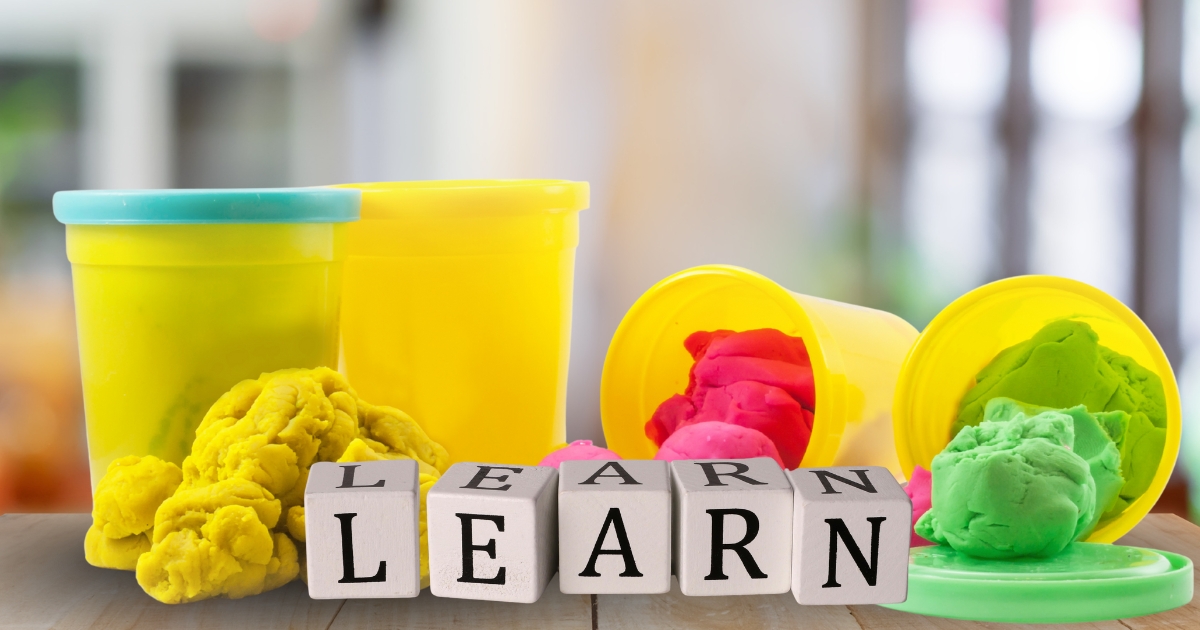
Play-Doh isn’t just about rolling out colorful shapes—it’s a powerful tool for hands-on education. Children inherently love tactile learning, where they manipulate objects to understand new concepts. Play-Doh provides a safe, reusable material that’s perfect for promoting creative problem-solving and critical thinking. Plus, it fits seamlessly into a wide range of subjects. 

Here are some reasons why Play-Doh stands out as an ideal homeschool resource:

  • Affordable and accessible: Play-Doh is cost-effective and widely available.
  • Reusable material: Unlike workbooks or printouts, Play-Doh can be used repeatedly for various lessons.
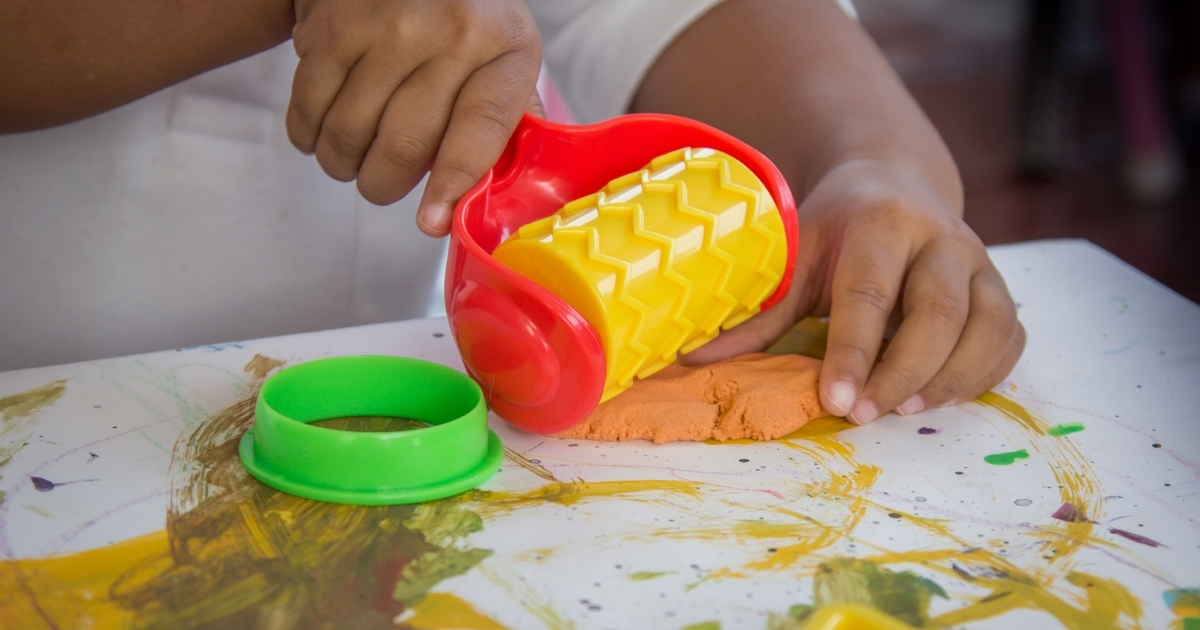
  • Strengthens fine motor skills: Pressing, molding, and rolling Play-Doh helps develop hand muscles, preparing young learners for writing and other tasks.
  • Engages multiple senses: Kids learn best when multiple senses are engaged. Play-Doh involves touch, sight, and sometimes even smell (with DIY scented Play-Doh!).

Now, let’s explore practical ways to incorporate it across different homeschooling subjects.

Creative Play-Doh Learning Activities For Key Subjects

Math Made Fun 

Mathematics often becomes a stumbling block for many young learners, but Play-Doh transforms dull calculations into enjoyable activities. Here are some math-related Play-Doh ideas:

  • Number recognition and counting: Roll out Play-Doh into small balls to demonstrate counting. For instance, if learning numbers 1 through 10, kids can group and count the balls accordingly.
  • Shape identification: Create basic geometrical shapes like circles, triangles, and squares to teach shape recognition. Flatten the shapes to discuss sides and angles.
  • Addition and subtraction: Use Play-Doh pieces to illustrate basic addition or subtraction problems. For example, combine three pieces with two more to visually represent 3 + 2.
  • Fractions and division: Make a pizza slice out of rolled-out Play-Doh and cut it into halves, quarters, etc. This helps kids understand concepts like ½ or ¼.
  • Measurement and comparison: Create worms or lines of different lengths and ask kids to compare which is longest or shortest.

These activities don’t just teach math—they help kids see how numbers live in the physical world around them.

Language Arts With a Creative Twist 

Language Arts With a Creative Twist 

Play-Doh and language arts might seem like an unusual combination, but this dynamic duo can significantly enhance literacy skills. These activities allow children to engage with words and letters in a tactile way:

  • Letter formation: Kids can roll Play-Doh into “snakes” and form letters of the alphabet, reinforcing recognition and creating a fun precursor to handwriting.
  • Spelling practice: Challenge your child to spell out simple words using Play-Doh letters. Reinforce their understanding by sounding out each word together.
  • Storytelling prompts: Encourage imaginative storytelling by sculpting a few objects or characters (e.g., animals, cars, or trees) and asking your child to create a story about them.
  • Rhyming words: Shape objects out of Play-Doh and identify rhymes associated with them. For example, make a “cat” and think of words like “hat” and “bat.”
  • Punctuation practice: Create punctuation marks (like question marks or commas) and discuss their different roles in sentences.

These hands-on activities promote early literacy while making language arts a memorable subject.

Science Experiments and Explorations 

Science opens the door to discovery, and Play-Doh makes experiments even more exciting. Here are ways to use Play-Doh for scientific learning:

  • Human anatomy models: Mold out body parts like a heart or a brain while learning anatomy alongside your little learner.
  • Life cycles: Create a visual representation of a life cycle, such as a butterfly’s transformation from caterpillar to chrysalis to adult stage.
  • Ecosystems and habitats: Build miniature models of ecosystems, such as forests or deserts, to discuss topics like plant and animal adaptations.
  • Gravity experiments: Roll Play-Doh into balls of varying sizes and drop them from different heights. Discuss how size and weight influence the speed at which they fall.

Through these activities, kids not only have fun but also gain a solid understanding of scientific concepts.

Incorporating Play-Doh In Creative Arts And History

Integrating Play-Doh into art and history lessons opens up endless possibilities. These two subjects often involve storytelling and expression, and Play-Doh serves as an excellent medium for both.

For art, encourage children to mix colors by blending Play-Doh and discussing primary and secondary hues. They can even recreate famous artworks like van Gogh’s swirling skies in Starry Night. During history lessons, Play-Doh helps bring ancient cultures to life. For example:

  • Sculpt ancient landmarks like the Egyptian pyramids or the Great Wall of China. 

Rather than depending on textbooks, Play-Doh makes abstract lessons tangible and meaningful, increasing retention and sparking curiosity.

Practical Tips For Using Play-Doh In Your Homeschool

For busy homeschooling parents, here are some tips to make Play-Doh an effective teaching tool:

  • Storage solutions: Keep your Play-Doh fresh by storing it in airtight containers. Label containers by color to reduce confusion.
  • Set clear boundaries: Define “Play-Doh time” to avoid messes spilling over into other parts of your day.
  • DIY recipes: If you prefer homemade options, make your Play-Doh using flour, water, salt, and food coloring. This can double as a science or cooking lesson!
  • Create learning bins: Assemble specific bins for each subject with tools like cookie cutters, rolling pins, and shape molds to go along with your lessons.
  • Focus on multi-sensory learning: Pair Play-Doh activities with songs, videos, or books to enrich each lesson.

By planning ahead, you’ll maximize the benefits without stress or frustration.

The Non-Tangible Benefits Of Play-Doh In Homeschooling 

Beyond structured lessons, Play-Doh provides developmental benefits that parents and educators value deeply. Because it’s a hands-on medium, children develop problem-solving skills while working on open-ended projects. They can experiment, make mistakes, and try again—building resilience and patience.

Additionally, incorporating Play-Doh fosters creativity. Children aren’t just limited to structured activities; they can come up with their own imaginative creations. Even free play with Play-Doh serves an educational purpose, encouraging abstract thinking and exploration. Finally, Play-Doh promotes cooperative learning. When used with siblings or fellow homeschooling families, it sets the stage for teamwork and discussions, which are vital parts of social and emotional learning.

Play-Doh is more than a child’s toy; it’s a versatile and powerful tool for homeschooling. When you incorporate Play-Doh learning activities into your lessons, you provide children with tactile, hands-on experiences that nurture both intellect and creativity. From teaching math to recreating history, Play-Doh’s potential is limited only by your imagination.Try some of the ideas in this post, and watch as homeschooling transforms into a joyful, engaging adventure for you and your children.

Summer Days: How To Learn And Have Fun This Summer

Summer is the perfect time for parents and kids to explore new ways of learning and having fun together. With the right mix of activities, you can keep your children engaged, curious, and ready to tackle new challenges, all while building joyful memories. Whether you’re a homeschooling parent or simply looking for ways to make summer meaningful, incorporating learning into your daily routine can be a seamless and rewarding experience. 

Below, we outline practical summer learning activities and homeschool tips to make this season both educational and exciting.

1. Creative Outdoor Learning Adventures

Spending time outside during the summer isn’t just invigorating—it provides a wealth of opportunities to learn and explore. Outdoor environments are full of natural lessons that bring school subjects to life. 

Here are a few creative outdoor learning activities to try:

  • Nature Scavenger Hunts: Design a scavenger hunt by creating a checklist of items like leaves, different shapes of rocks, or insect species. As kids find these items, discuss their traits, habitats, or lifecycles. This simple activity introduces science concepts in a hands-on way.
  • Garden Classrooms: Start a small vegetable or flower garden. Gardening encourages responsibility, patience, and teamwork. Plot growth stages on a calendar for a lesson in time management and plant biology.
  • Animal Watching: Visit a nearby park, pond, or forest to observe animals in their natural habitat. Challenge your children to identify what they see and research their behavior or ecosystem later.
  • Outdoor Problem Solving: Use sidewalk chalk to create large math problems, hopscotch spelling games, or obstacle courses that require critical thinking to complete.

Creative Outdoor Learning Adventures

Being outdoors not only enhances physical well-being but also opens the mind to endless possibilities for learning. These simple yet effective activities ensure your kids have fun while sharpening their skills.

2. Fun Indoor Learning Projects For Rainy Days

Not every day will lend itself to sunshine and outdoor play, but that doesn’t mean the learning has to stop. Indoor activities can offer structured yet flexible ways to keep kids curious and engaged. Here are some enjoyable projects to spice up rainy summer days:

  • Kitchen Chemistry: Turn your kitchen into a science lab! Encourage your kids to make slime, bake bread to explore how yeast works, or observe the chemical reactions of baking soda and lemon juice. Explain the experiments using simplified scientific concepts.
  • Mini Makerspaces: Dedicate a part of your home to creativity and innovation. Stock up on craft supplies, recycled materials, glue, and tape. Kids can design and build things like bridges, marble runs, or even simple robots using kits.
  • Themed Movie Nights: Pick a theme like space, history, or animal life and choose educational movies to match it. Follow up with discussions or mini projects tied to the topic (e.g., craft a star map after watching a space documentary).
  • Board and Strategy Games: Games like Scrabble, chess, or even trivia games are fantastic for boosting logic, vocabulary, and problem-solving skills. Adapt the level of complexity based on your child’s age and keep it competitive but lighthearted.
  • Home Science Labs: Build your own weather station to study climate, construct a small solar oven to explore renewable energy, or test different household items’ buoyancy to learn about density.

Rain or shine, engaging indoor activities can make summer days feel exciting and rewarding without needing to leave the house. They also help build skills in unexpected and delightful ways.

3. Everyday Learning Through Adventures

While structured activities are important, so are those spontaneous, unplanned moments of discovery. Making learning part of everyday tasks can help children grasp real-world applications of the skills they’ve learned. Here are some ideas on how to turn ordinary activities into extraordinary teaching moments:

  • Cooking and Baking Together: Cooking teaches a range of skills, from math (measuring ingredients) and science (understanding reactions) to geography (researching recipes from around the world). Get your kids involved in meal planning and ask them to help calculate costs and portions. 
  • Library Visits with a Purpose: Many libraries offer summer reading challenges or theme-specific programs. Encourage your child to explore different genres or find books related to topics they love. 
  • Supermarket “Math Missions”: Challenge your child to estimate the total of your grocery bill, identify unit prices, or compare the nutritional content of different products. These games can boost their arithmetic and analytical skills.
  • Home Organizing Challenges: Redesigning or organizing bedrooms, for example, involves spatial planning and creativity. It’s a great way to teach them about problem-solving while working together on a shared goal.

By weaving learning into daily routines, you’re not only making education more accessible but also fostering independence and a love for discovery.

4. Homeschooling Tips For A Productive And Relaxing Summer 

For dedicated homeschooling families, summer doesn’t have to mean a complete halt to learning. It’s simply a time to rethink how you approach teaching. The flexibility of homeschooling allows for a more relaxed but still goal-oriented schedule that balances fun and academics. Here are practical tips for maintaining a productive homeschool environment during summer:

  • Create a Flexible Routine: Instead of a strict curriculum, establish a relaxed schedule that revolves around a mix of learning activities and downtime. For example, mornings could involve light academic reading, and afternoons could be devoted to creative projects or outdoor play.
  • Focus on Interests: Use summer as a chance to explore topics your child is passionate about, whether it’s dinosaurs, robotics, or creative writing. Tailoring lessons around their enthusiasm keeps them motivated.
  • Keep Learning Fun: Inject games, hands-on projects, or storytelling into every lesson to keep the energy high and the stress low. Kids will retain the information better when the experience is enjoyable.
  • Plan Social Learning Opportunities: Coordinate group activities with other homeschool families in your area. Host educational playdates that include structured activities like science experiments or collaborative art projects.
  • Set Realistic Goals: Summer is the time to focus on broader goals rather than tying yourself to strict academic achievements. Introduce subjects like financial literacy, mindfulness, or coding at a relaxed pace.
  • Reflect and Revise: Use the slower pace of summer as an opportunity to review what worked or didn’t work over the school year and make adjustments for when formal lessons resume.

Homeschooling during the summer is less about pressing academic rigor and more about cultivating a love for growth and learning. By balancing structure with flexibility, you can set your child up for success in both academics and their overall development.

Summer doesn’t need to be dominated by screen time or idle days. With these activities and tips, you can create a dynamic and nurturing environment where your kids can explore, think critically, and thrive while having endless fun. Whether you’re homeschooling full-time or just looking to introduce extra educational experiences, this summer can be a season of unforgettable growth.