
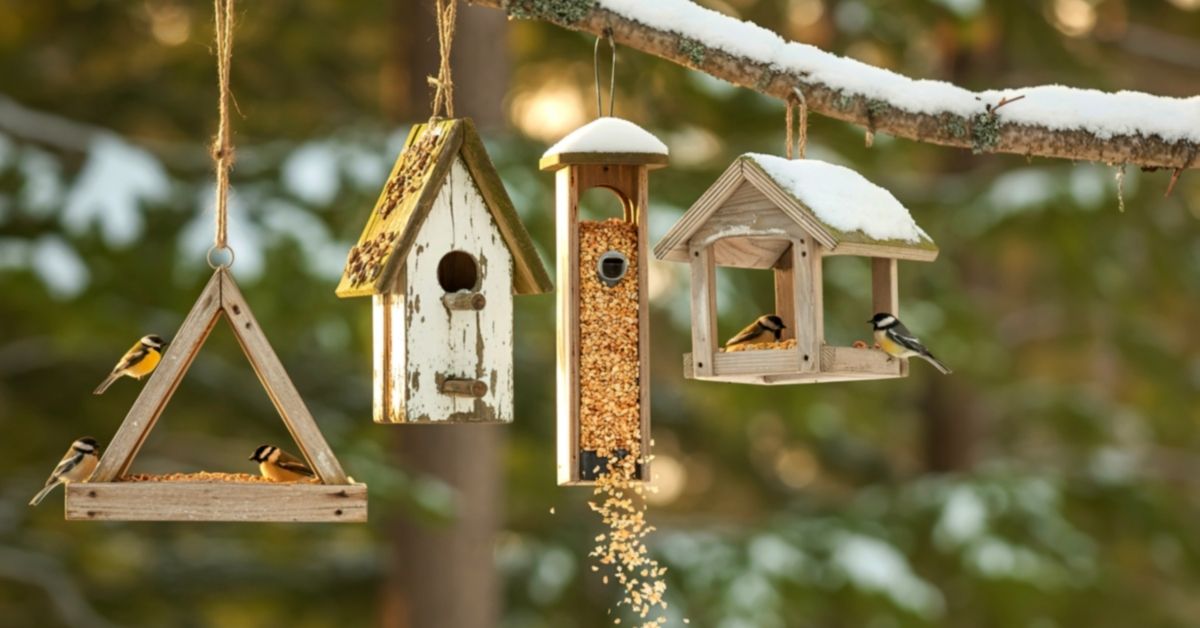
Looking for a hands-on project that combines creativity, nature, and a little bit of science? Making DIY birdfeeders for kids is one of those classic childhood activities that never gets old. It’s a wonderful way to get your elementary schoolers away from screens and engaged with the world right outside their window. This project is more than just a craft; it’s an open door to countless learning opportunities, from understanding local ecosystems to practicing fine motor skills. Plus, you get to enjoy the cheerful sight of birds flocking to your yard, knowing you and your little ones made them feel welcome. It’s a simple, rewarding activity that perfectly complements a flexible homeschool curriculum.
This project is fantastic because it can be as simple or as complex as you want it to be, making it suitable for a wide range of ages and skill levels. You can use everyday household items, which means you might not even need a trip to the store. The real magic happens after the feeder is hung. Your children will feel a sense of pride and ownership as they watch their creation become a bustling hub for local birdlife. This connection to their environment is a powerful teaching tool, sparking curiosity and a lifelong appreciation for nature.
Beyond the initial fun of building, maintaining a birdfeeder teaches responsibility. Your child will learn about the importance of keeping the feeder clean and filled, understanding that the birds begin to rely on the food source they provide. This simple chore becomes a lesson in stewardship and care for other living creatures. The daily ritual of checking the feeder can become a cherished part of your homeschool routine, offering a moment of quiet observation and connection before the day’s lessons begin.
Simple And Fun DIY Birdfeeders For Kids
Getting started with birdfeeders doesn’t require a master’s degree in engineering or a trip to a specialty craft store. Some of the most effective and charming feeders can be made with items you likely already have in your kitchen or recycling bin. Here are a few tried-and-true ideas for educational birdfeeder crafts that are perfect for elementary-aged children.
- The Classic Pinecone Feeder
This one is a favorite for a reason—it’s easy, a little messy (which kids love), and uses natural materials.
- Materials: Large, open pinecones; twine or string; peanut butter (or sunflower seed butter for nut allergies); birdseed.
- Instructions:
-
- Go on a nature walk to find the perfect pinecones. Look for ones that are fully open, giving you plenty of nooks and crannies to work with.
- Cut a piece of twine about 12-18 inches long and tie it securely around the top of the pinecone, creating a loop for hanging.
- Using a butter knife or a spatula, let your child spread peanut butter all over the pinecone, pushing it into the gaps between the scales.
- Pour birdseed onto a plate or into a shallow dish. Roll the peanut butter-covered pinecone in the seeds until it’s completely coated.
- Hang your new feeder from a tree branch and wait for your feathered friends to arrive!
- The Recycled Bottle Feeder
This project is a great way to teach a lesson about recycling and upcycling. It’s a bit more involved, making it a good challenge for older elementary students.
- Materials: An empty plastic bottle (a 1-liter or 2-liter soda bottle works well); two wooden spoons or small dowels; a craft knife (for adult use only); twine; birdseed.
- Instructions:
-
- Thoroughly wash and dry the plastic bottle. Remove any labels.
-
-
- Adult step: Carefully use the craft knife to cut small holes in the sides of the bottle for the wooden spoons to pass through. You’ll want to make two sets of holes, staggering them on opposite sides. One hole in each set should be slightly larger to allow seeds to spill onto the spoon.
-
-
- Push the wooden spoons through the holes. The spoon end will act as a perch, and seeds will flow out of the larger hole onto the spoon.
-
-
- Adult step: Poke a few small drainage holes in the bottom of the bottle to prevent water from collecting and spoiling the seed.
-
-
- Wrap twine securely around the neck of the bottle, creating a strong loop for hanging.
-
- Use a funnel to fill the bottle with birdseed, screw the cap back on, and hang it up outside.
- The Cheerful Orange Cup Feeder
A biodegradable and colorful option, this feeder is simple to make and will naturally break down over time.
- Materials: An orange; a knife (adult use); a spoon; birdseed; twine.
- Instructions:
-
- Adult step: Cut the orange in half.
-
- Let your child use a spoon to scoop out the pulp, leaving the empty orange peel “cup.” (Enjoy the fresh orange as a snack!)
-
- Adult step: Carefully poke four small, evenly spaced holes around the rim of the orange cup.
-
- Cut two pieces of twine, each about 12 inches long. Thread one piece through two opposite holes and the other piece through the remaining two holes, creating a crisscross support.
-
- Tie the four ends of the twine together at the top to form a hanger.
-
- Fill the orange cup with birdseed and hang it from a low branch.
Turning Bird Feeding Into A Learning Adventure
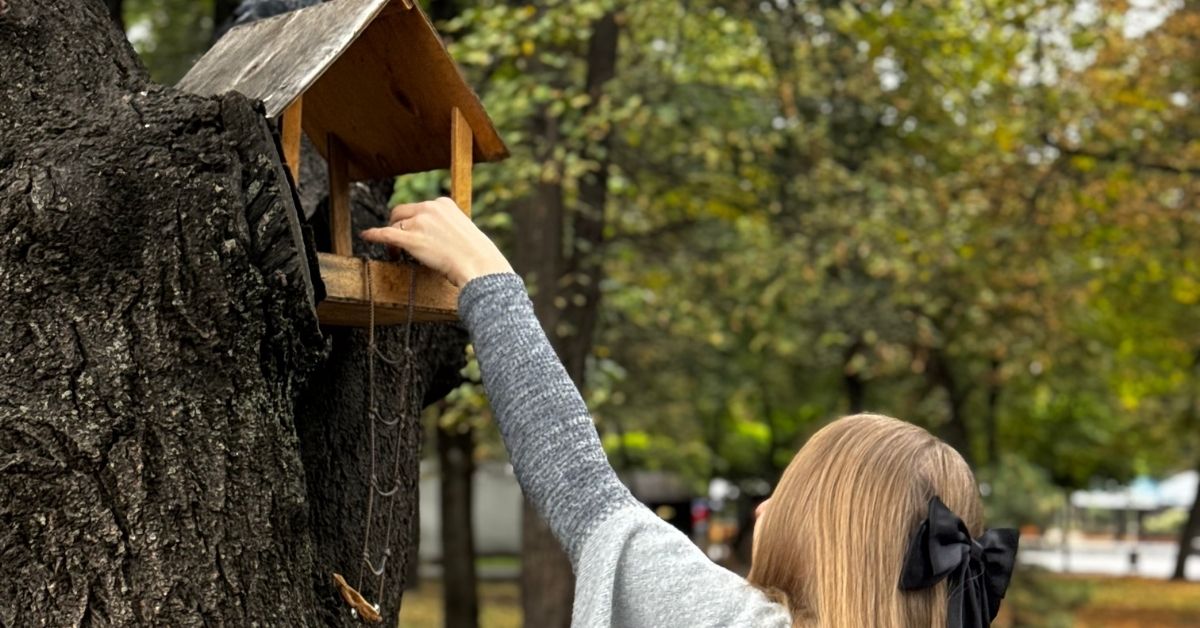
The educational value of your DIY birdfeeder extends far beyond the crafting table. Once your feeder is up, a whole new world of birdwatching activities for children opens up. This is where the project transforms from a simple craft into an engaging, long-term science lesson. You can integrate birdwatching into your daily homeschool schedule, fostering skills in observation, data collection, and scientific inquiry. It’s a living laboratory right in your own backyard.
Encourage your child to become a junior ornithologist. Start a “Birding Journal” where they can document their observations. For younger children, this might mean drawing pictures of the birds they see and noting their colors. Older children can take a more scientific approach, recording the date, time, weather, and species of each bird that visits. They can note behaviors, such as what seeds a bird prefers or how different species interact with one another. This simple act of journaling builds crucial skills in observation, writing, and data organization.
To take it a step further, invest in a simple field guide for local birds or use a free bird identification app. This introduces your child to the concept of taxonomy and scientific names. Challenge them to identify each visitor and learn a few facts about them. Where do they migrate from? What kind of nests do they build? What are their calls? This turns passive viewing into an active investigation. You can even set up a chart near the window to tally how many times each type of bird visits, creating a fun, visual representation of your backyard’s biodiversity and introducing basic graphing skills.
What Birdwatching Teaches: More Than Just Species ID
The lessons learned from watching birds at a feeder go surprisingly deep, covering a wide range of academic subjects and life skills. It’s a perfect example of how a single interest can branch out into a rich, multidisciplinary study. A simple project can become the foundation for lessons in science, math, art, and even language arts, all driven by your child’s natural curiosity.
- Science and Biology: Children learn about local ecosystems, food chains, and animal behavior. They can observe adaptations firsthand—like the shape of a beak and what it’s used for. They learn about migration patterns, seasonal changes, and the life cycles of birds.
- Math: Counting birds, tracking the frequency of visits, and charting the data are all practical math applications. You can calculate how quickly the birds consume the seed and budget for “refills,” teaching concepts of measurement, rates, and basic economics.
- Art and Creativity: Encourage your child to draw, paint, or sculpt the birds they see. This hones their observation skills and artistic expression. They can try to mimic bird calls, which is a fun lesson in sound and mimicry.
- Patience and Quiet Observation: In a world of instant gratification, birdwatching teaches the value of being still and patient. Children learn to wait quietly and observe without disturbing the environment, a skill that is valuable in all areas of life.
- Responsibility and Empathy: As mentioned, maintaining the feeder teaches responsibility. It also fosters empathy as children learn to care for the well-being of the birds that depend on their feeder, especially during harsh weather.
Keep Exploring With DKM Homeschool Resource
Making a birdfeeder is just one of the countless ways you can make learning an interactive and joyful experience for your child. It’s a project that keeps on giving, offering new lessons with each passing season and each new feathered visitor. The pride your child feels in creating something that nurtures wildlife is a reward in itself.
We believe that the best education happens when children are engaged and inspired by the world around them. For more hands-on project ideas, curriculum advice, and homeschooling support, continue exploring the resources here at DKM Homeschool Resource. We are dedicated to helping you make your family’s educational journey a success.