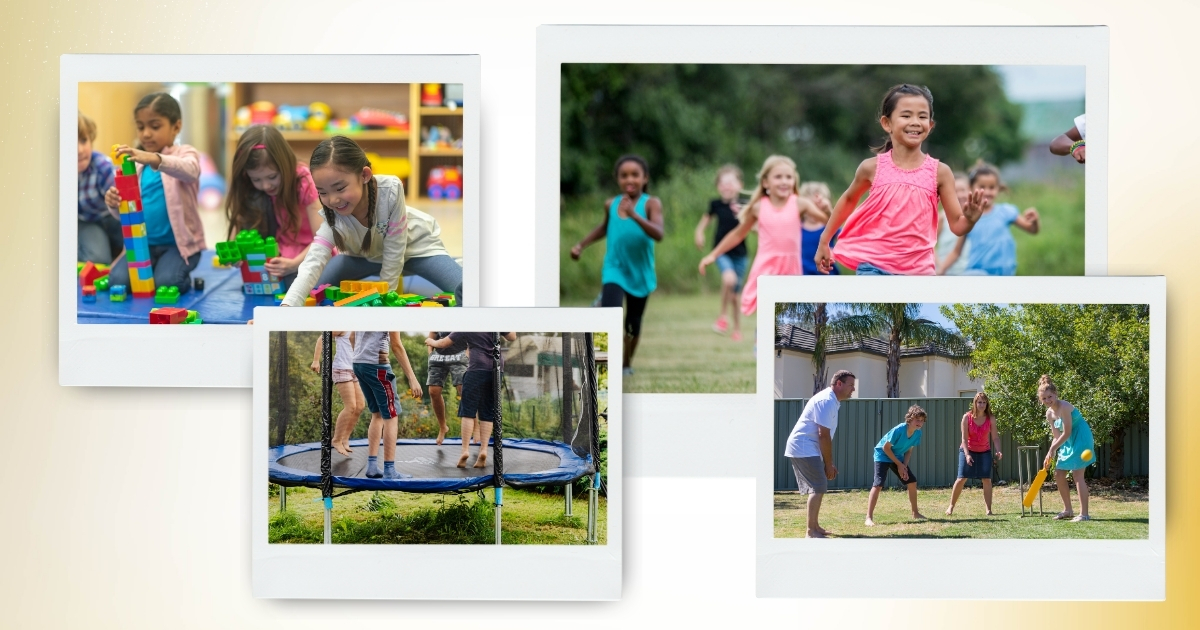

Taking your homeschool lessons outside is a fantastic way to break up the routine and engage your kids in a hands-on way. Getting out into nature provides a multi-sensory learning experience that just can’t be replicated in a classroom. If you’re looking for fresh nature walk ideas for homeschool, you’ve come to the right place. Sometimes, just saying “let’s go for a walk” doesn’t have the educational punch you’re hoping for. The solution? Themes! By giving your walk a specific focus, you can transform a simple stroll into a full-blown unit study packed with learning opportunities.
Themed nature walks for kids are a simple but brilliant concept. Instead of just wandering, you and your children become detectives, scientists, and artists on a mission. This focused approach helps children pay closer attention to their surroundings, notice details they might otherwise miss, and connect what they see to broader educational concepts. These outdoor learning activities can cover science, art, language arts, and even math. The best part is that it requires very little prep work from you but delivers a huge educational return.
Getting Started With Themed Nature Walks
Before you even step out the door, a little preparation can go a long way. This doesn’t have to be complicated or time-consuming. The goal is to set the stage for discovery and make sure you have the tools to capture the learning moments as they happen. Think of it as packing a field kit for your little explorers.
A basic nature walk toolkit might include:
- A “Nature Bag”: A reusable tote or child-sized backpack is perfect for this. This bag will hold all your supplies and any treasures you collect along the way.
- Collection Jars or Bags: Small, clear containers are great for observing insects or holding delicate items like seeds or petals. Small paper or cloth bags work well for collecting leaves, rocks, or pinecones.
- Magnifying Glass: This simple tool is pure magic for a child. It reveals the intricate patterns on a leaf, the tiny hairs on a caterpillar, or the crystals within a rock.
- Nature Journal and Pencils: A blank notebook is a canvas for your child’s observations. They can draw what they see, write down questions, or even compose a poem about a flower.
- Field Guides: Depending on your theme, a simple, picture-heavy field guide for local birds, trees, or wildflowers can be incredibly helpful. Don’t worry about getting a highly scientific one; a children’s version is perfect.
- A Camera: A smartphone camera works perfectly. Encourage your kids to be the photographers, capturing their favorite finds. This is great for documenting things you can’t take with you, like a spiderweb or a bird’s nest.
Once you have your kit ready, it’s time to choose a theme. The themes below are designed to be simple, adaptable for various ages, and packed with potential for fun and learning. You can use them as-is or as a springboard for your own unique ideas. The key is to keep it light and follow your child’s lead. If they get fascinated by a trail of ants, lean into it! The best learning often happens in those unplanned moments of wonder.

Our Top 5 Nature Walk Ideas For Homeschool
Here are five simple themes to get you started. Each one can be a single day’s activity or expanded into a week-long unit study. Feel free to adapt them to your specific location, whether it’s a forest trail, a local park, or your own backyard.
- The Color Hunt
This is one of the simplest yet most engaging themes, especially for younger children. The goal is to find as many different colors in nature as you can. You can make it a simple scavenger hunt or add layers for older kids.
- For Toddlers and Preschoolers: Give them a simple list of colors to find: green, brown, yellow, red. You can create a color card by coloring blocks on a piece of paper for them to match.
- For Elementary Students: Challenge them to find different shades of a single color. How many different greens can you find? There’s the dark green of a pine needle, the bright green of new grass, and the olive green of lichen.
- Activity Extension: Collect a few small, colorful items (a yellow dandelion, a red leaf, a brown twig). Back at home, sort them by color. You can also use these items as “natural paint” by crushing petals and leaves to see what pigments they release onto paper.
- The Shape & Texture Expedition
This walk is all about observing the physical properties of natural objects. It encourages kids to use their senses of sight and touch. It’s a wonderful way to introduce geometry and descriptive vocabulary in a natural context.
- Shape Search: Look for specific shapes. Can you find circles (a flower head, a cross-section of a twig), triangles (a pointed leaf), and spirals (a snail shell, a tendril)? You can also look for letters of the alphabet formed by branches or roots.
- Texture Rubbings: This is a classic for a reason! Place a thin piece of paper over a textured surface like tree bark, a rough stone, or a veiny leaf. Rub the side of a crayon over the paper to reveal the texture.
- Vocabulary Builder: As you touch different objects, introduce descriptive words. Is the bark rough or smooth? Is the moss spongy or soft? Is the rock gritty or slick? Keep a running list of your texture words in your nature journal.
- The Superpowers of Seeds
Fall and spring are perfect seasons for this theme, but you can find seeds year-round. This theme turns your nature walk into a botany lesson, exploring how plants travel and reproduce. Focus on how different seeds are designed for survival and dispersal.
- Find the Flyers: Look for seeds that travel by air. These are the fluffy seeds of dandelions and milkweed or the “helicopter” seeds from maple trees. Toss them in the air and watch them fly.
- Spot the Hitchhikers: Find seeds that are designed to stick to fur (or your socks!). Burrs are the most common example. Examine them with a magnifying glass to see the tiny hooks that allow them to travel.
- Discover the Droppers and Poppers: Look for plants with pods, like beans or jewelweed. Some plants simply drop their heavy seeds (like acorns from an oak tree) to the ground. Others, like jewelweed, have pods that pop open when touched, flinging their seeds far away.
- Activity Extension: Collect different types of seeds. At home, sort them by their “superpower” (flyers, hitchhikers, etc.). You can glue them onto a chart or try planting a few to see what grows.
- The Bird Detective Agency
This theme encourages kids to look and listen carefully. You don’t need to be a birding expert to have fun with this. The mission is simply to observe bird behavior and habitats.
- Listen for Calls: Before you even see a bird, you’ll likely hear it. Stop for a minute of silence and just listen. How many different bird calls can you hear? Try to mimic them. Can you tell if a call is close or far away?
- Look for Nests: Look high and low for bird nests. You can often spot old nests in deciduous trees during the winter. Discuss what materials the birds used. Did they use twigs, grass, mud, or even bits of string?
- Observe Behavior: What are the birds doing? Are they hopping on the ground looking for worms? Are they perched high on a wire, singing? Are they chasing each other? Watching their behavior is a great introduction to animal science.
- The Decomposer Discovery
This might sound a little gross, but kids are often fascinated by the “icky” side of nature. Decomposers are nature’s recycling team, and this walk is all about finding them at work. It’s a perfect theme for exploring life cycles and ecosystems.
You can look for mushrooms and fungi growing on fallen logs, which are master decomposers breaking down tough wood. Lift a rotting log or a large rock carefully to see what’s underneath. You’ll likely find a world of activity with worms, slugs, and countless insects all doing their part to break down dead material and return nutrients to the soil. This is a great opportunity to talk about the food web and explain how nothing in nature goes to waste. Remember to be gentle and return the log or rock exactly as you found it to protect this tiny habitat.
More Homeschool Tips And Resources
These themed nature walks are just the beginning. They are powerful outdoor learning activities that build observation skills, foster a love for science, and create lasting memories. The most important thing is to have fun and let curiosity be your guide. Each walk can be a springboard for deeper learning. A bird walk might lead to a unit study on flight, while a decomposer discovery could inspire research on ecosystems.
Don’t let the learning stop when you get back home. We encourage you to explore our other blog posts for more homeschool advice, curriculum reviews, and practical resources. Our goal at DKM Homeschool Resource is to support you on your unique educational journey, providing the tools and inspiration you need to make learning an adventure.