
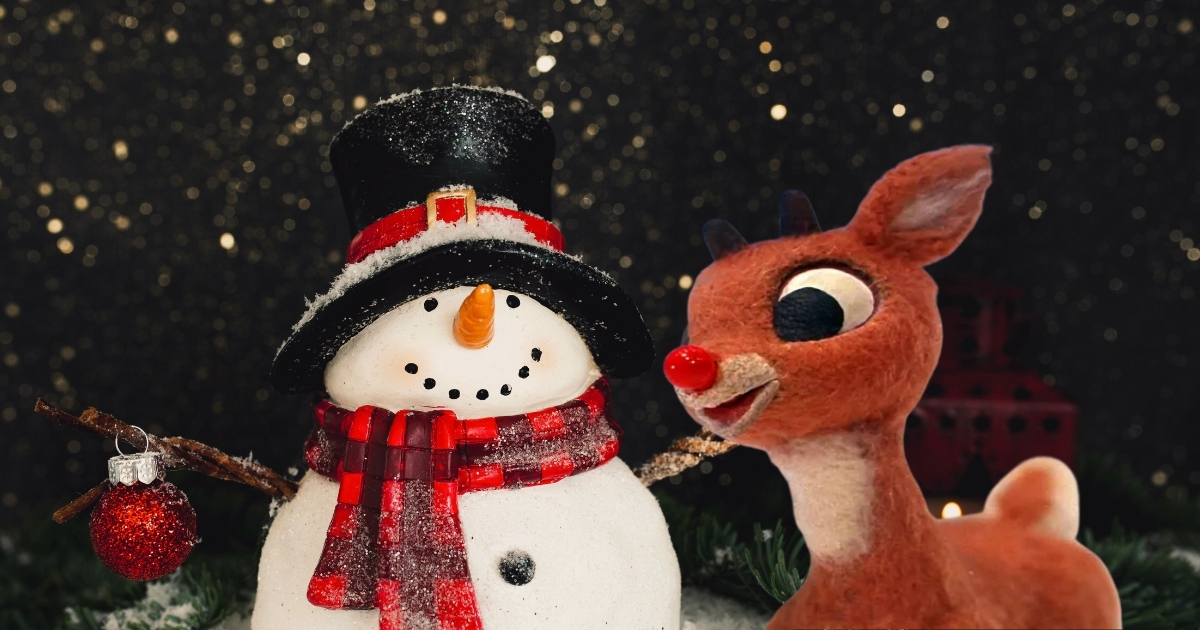
The holiday season is filled with magic, twinkling lights, and cozy movie nights. As the familiar opening credits of those beloved stop-motion specials begin to roll, it’s easy to get swept up in the nostalgia. But what if those annual viewings of Rudolph the Red-Nosed Reindeer and Frosty the Snowman could be more than just entertainment? For homeschooling families, learning with Christmas classics offers a unique opportunity to blend festive fun with meaningful educational moments. These stories are packed with lessons on science, language arts, social skills, and more, making them the perfect addition to your holiday-themed homeschool lessons.
This year, when you gather the kids for these timeless tales, you can extend the experience long after the credits roll. It’s a chance to see these stories through a new lens—one that reveals the surprising educational value hidden within the enchanting animation and catchy songs. From exploring the physics of a magical snowman to discussing the social dynamics of the Reindeer Games, you can create activities that are both engaging and enriching. This approach transforms passive screen time into an active, hands-on learning adventure that your kids will remember for years to come.
Educational Activities For Rudolph The Red-Nosed Reindeer
Rudolph the Red-Nosed Reindeer is more than just a story about a glowing nose; it’s a powerful tale of overcoming adversity, celebrating differences, and finding your unique purpose. The story provides a fantastic springboard for lessons across multiple subjects.
One of the most prominent themes in Rudolph is the idea of being different and facing exclusion. This opens the door for a heartfelt discussion about empathy, bullying, and acceptance. You can talk with your children about how Rudolph and Hermey the Elf felt when they were made fun of for their unique qualities. Use this as a moment to build social-emotional skills by asking questions like, “How do you think it felt to be left out of the Reindeer Games?” and “What could the other reindeer have done differently?” This conversation can be extended to real-life situations, encouraging children to think about how they treat others and the importance of kindness.
Here are some practical activities you can try after watching the special:
- Science & Biology: Dive into the world of reindeer (or caribou). Research their natural habitats, diet, and unique adaptations. You can create a diorama of the arctic tundra or draw a diagram of a reindeer, labeling its different body parts. For older children, explore the science of bioluminescence—the phenomenon that makes Rudolph’s nose glow. While a glowing reindeer nose isn’t real, you can study real-life creatures like fireflies and jellyfish that produce their own light.
- Geography: Get out the globe or a world map and locate the North Pole. Discuss the arctic climate, the concept of the polar ice caps, and the types of animals that live there. You can even track Santa’s (and Rudolph’s) journey on a map, calculating distances and learning about different time zones.
- Language Arts: The story of Rudolph is perfect for creative writing prompts.
- Write a diary entry from the perspective of Rudolph, Hermey, or even Yukon Cornelius. What were they thinking and feeling during their adventure to the Island of Misfit Toys?
- Create an alternate ending to the story. What if the fog hadn’t rolled in on Christmas Eve? How else could Rudolph have proven his worth?
- Write a short story about a new character who arrives on the Island of Misfit Toys. What makes them a “misfit,” and how do they find their place?
- Arts & Crafts: Get hands-on with some Rudolph-themed crafts. Make your own reindeer puppets from paper bags, create ornaments using pinecones and googly eyes, or even bake some reindeer-shaped cookies. For a fun sensory activity, make “reindeer food” by mixing oats and edible glitter.
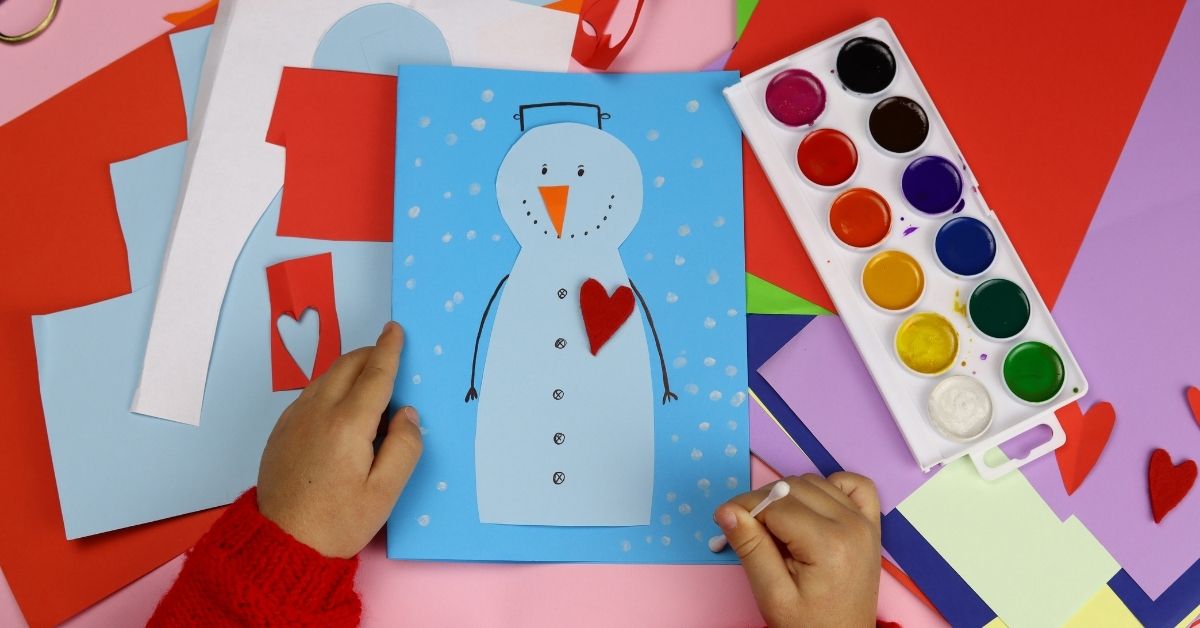
Holiday-Themed Homeschool Lessons From Frosty The Snowman
Frosty the Snowman is a simple, sweet story about friendship and the fleeting magic of winter. While lighter on complex themes than Rudolph, it offers plenty of opportunities for learning, especially for younger children. The story is a celebration of imaginative play and the simple joys of a snow day.
The narrative itself is a great tool for teaching sequencing and storytelling. After watching, ask your kids to recount the main events of the story in order. What happened first? What happened after the children put the hat on Frosty’s head? Where did they go next? This helps build comprehension and logical thinking skills. You can create story cards with pictures of key scenes and have your children arrange them in the correct order to retell the tale.
Here are a few ways to turn Frosty’s adventure into a lesson:
- Science Fun: Frosty’s very existence is a science lesson waiting to happen!
- The Water Cycle: Frosty melting is a perfect, gentle introduction to the states of matter. Explain how the solid snow (ice) turns into liquid water when it gets warm. You can take it a step further by boiling the water to show evaporation (gas) and then collecting the condensation to show how it turns back into a liquid. Create a simple chart to illustrate the water cycle: evaporation, condensation, and precipitation.
- Weather and Temperature: Talk about why snow forms. Use a thermometer to measure the temperature inside and outside. Discuss what freezing temperature is and why Frosty had to worry about the greenhouse. This can lead to a broader lesson on different seasons and climates.
- Math & Logic:
- Counting & Shapes: Build your own Frosty out of cotton balls or playdough and count the pieces. Count his button nose, two eyes made out of coal, and so on. Identify the shapes used to make him—spheres for his body, a cone for his nose, and a cylinder for his hat.
- Problem-Solving: Professor Hinkle is constantly trying to get Frosty’s hat. Challenge your children to think of clever and kind ways that Karen and her friends could have protected Frosty from him. This encourages creative problem-solving and critical thinking.
- Music & Movement: The song “Frosty the Snowman” is incredibly catchy and easy to learn. Sing it together! You can add movements for different parts of the song, like marching around the room during the parade through town. Learning the lyrics helps with memory and rhythm. You could even try making your own simple instruments, like shakers made from rice in a plastic bottle, to play along with the music.
Learning With Christmas Classics: Expanding The Universe
Beyond the main characters and plots, these Christmas specials create entire worlds ripe for educational exploration. The settings and secondary characters offer rich material for deeper learning. For instance, the Island of Misfit Toys is a goldmine for discussions about empathy, inclusion, and the value of things (and people) that don’t fit a standard mold. You could have your children invent their own misfit toy, explaining what makes it unique and why it deserves a home. This fosters creativity and reinforces the message that everyone has value.
Similarly, the character of Yukon Cornelius in Rudolph can inspire a mini-unit on economics and geology. He’s a prospector searching for silver and gold. This can lead to a lesson on precious metals, why they are valuable, and the history of prospecting rushes. You could even do a simple “mining” activity by hiding “gold” nuggets (painted rocks or chocolate coins) in a sandbox for your kids to find, count, and “sell” at a pretend market. These extensions take the core story and branch out in exciting new directions, showing how one simple piece of media can fuel a wide range of academic pursuits.
Find More Homeschooling Inspiration Here
Turning holiday traditions into learning opportunities is one of the great joys of homeschooling. It shows children that education isn’t confined to workbooks and scheduled lessons; it’s a dynamic part of everyday life. By weaving lessons into activities they already love, you can foster a genuine passion for learning that lasts well beyond the holiday season. The magic of Rudolph and Frosty isn’t just in their stories, but in the connections and discoveries they inspire.
We are passionate about providing resources that make your homeschooling journey easier and more joyful. If you enjoyed these ideas, be sure to explore our other blog posts for more practical tips, creative lesson plans, and supportive advice. From curriculum reviews to organizational hacks, we are here to help you create an enriching and successful educational experience for your family.