
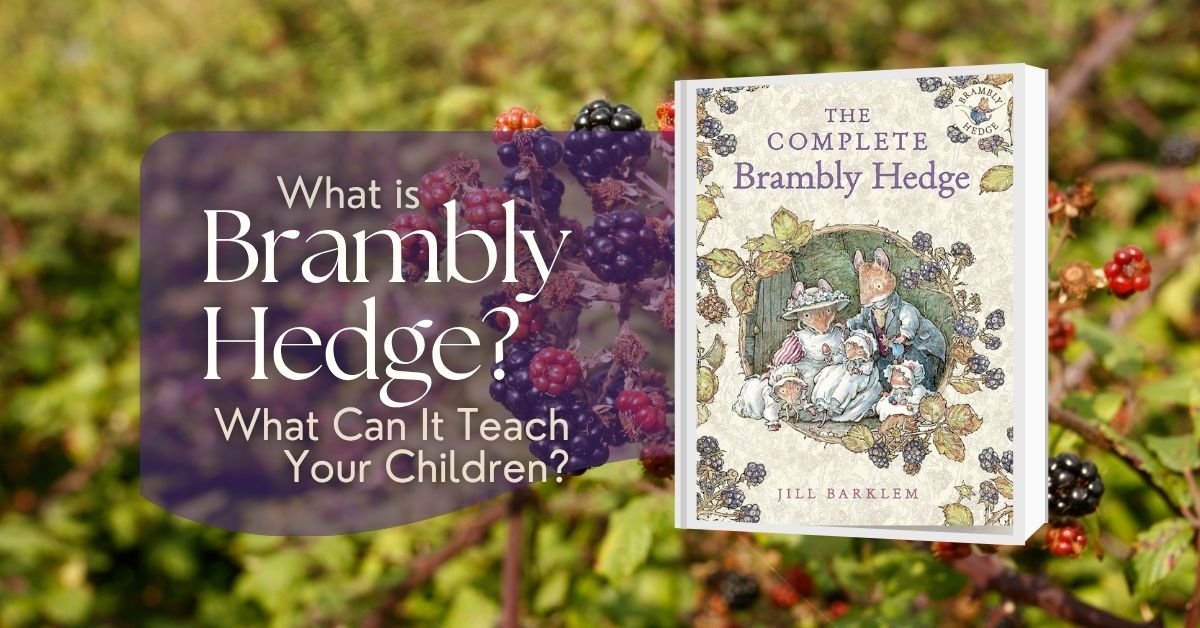
As homeschooling parents, we are always on the lookout for materials that are not just educational, but also beautiful, wholesome, and engaging for our children. It’s a delightful bonus when a single resource can span multiple subjects, from literature and science to art and life skills. If you’re searching for a charming series to weave into your curriculum, you’ll find that incorporating Brambly Hedge homeschool lessons can bring a special kind of magic to your learning environment. These classic stories offer a gentle, yet profound, way to explore nature, community, and creativity with your kids.
Brambly Hedge is a series of illustrated children’s books written by British author and artist Jill Barklem. First published in 1980, the stories are set in a whimsical, pastoral community of mice living in the English countryside. The mice of Brambly Hedge reside in intricate homes carved into the roots and trunks of trees, and their lives revolve around the changing seasons. They gather berries in the autumn, keep cozy by the fire in winter, celebrate new life in the spring, and enjoy picnics in the summer. Jill Barklem’s stunningly detailed illustrations bring this miniature world to life, inviting readers to peer into the cozy kitchens, bustling storerooms, and sun-dappled paths of the hedgerow. The series includes eight storybooks, each one a self-contained adventure that captures a specific seasonal event or celebration.
What makes these books so special is their timeless appeal. They don’t rely on flashy action or modern gimmicks. Instead, they draw their power from the quiet beauty of nature, the strength of community, and the joy found in simple, everyday tasks. The mice work together, care for one another, and celebrate life’s small moments with gratitude and enthusiasm. This gentle narrative, combined with the incredibly detailed artwork, creates a rich and immersive world that children and adults find equally captivating. For a homeschool setting, these books are a treasure trove of learning opportunities waiting to be discovered.
Using Brambly Hedge Homeschool Lessons Across Subjects
One of the greatest strengths of using Brambly Hedge in your homeschool is its versatility. The stories and illustrations can serve as a jumping-off point for a huge range of subjects, creating a cohesive and delightful unit study. Instead of teaching subjects in isolation, you can connect them all through the charming world of these industrious mice. Here are just a few ideas for integrating Brambly Hedge into your daily lessons:
- Language Arts:
-
- Reading & Comprehension: The books themselves are perfect for read-alouds. Their rich vocabulary and descriptive language help expand your child’s lexicon. You can create comprehension questions for each story, asking about the plot, characters, and setting.
-
- Narration: After reading a story, have your child narrate it back to you in their own words. This is a classic Charlotte Mason technique that builds memory, sequencing skills, and public speaking confidence.
-
- Creative Writing: The world of Brambly Hedge is ripe with inspiration. Encourage your children to write their own stories about the mice. What other adventures might they have? Have them invent a new mouse family or describe a celebration not covered in the books.
-
- Poetry: The books often feature songs and rhymes. You can study these as poems or use them as inspiration to write your own nature-themed poetry.
- Science & Nature Study:
-
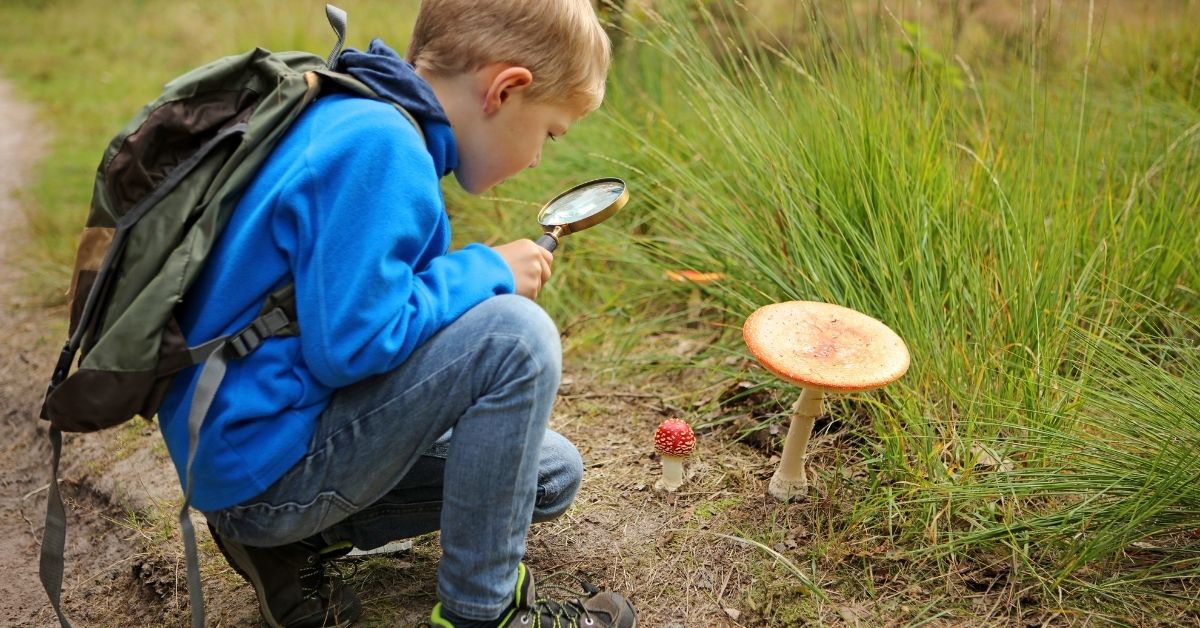
- Seasonal Changes: The series is structured around the four seasons. Use the books to launch a study of what happens in nature during autumn, winter, spring, and summer. Go on nature walks to observe these changes firsthand in your own backyard.
-
- Botany: The illustrations are filled with accurate depictions of wildflowers, trees, berries, and mushrooms. Create a nature journal where your child can draw and identify the plants mentioned in the stories, such as crabapples, blackberries, and primroses.
-
- Zoology: While the main characters are mice, other woodland creatures make appearances. This can lead to lessons on animal habitats, diets, and behaviors. Study the life cycle of a field mouse or learn about other animals that live in a hedgerow ecosystem.
- Art & Handicrafts:
-
- Illustration Study: Jill Barklem’s artwork is a lesson in itself. Study her use of color, detail, and perspective. Encourage your children to replicate her style or draw their own detailed scenes from the stories.
-
- Map-Making: At the beginning of each book, there is a detailed map of Brambly Hedge. Use this to teach basic cartography skills. Have your child create their own map of a fictional place or even your own neighborhood.
-
- Handicrafts: The mice are always busy with practical crafts. Try some of them yourself! You can weave baskets, make jam from fresh berries, bake bread, or sew simple costumes. These activities build fine motor skills and provide a tangible connection to the stories.
Teaching Values With Brambly Hedge
Beyond the academic subjects, Brambly Hedge provides a wonderful foundation for teaching important life values and character traits. The stories are filled with gentle moral lessons that are shown, not just told. The mice of Brambly Hedge embody qualities that we all hope to cultivate in our children. Their world is not free from problems—they face shortages, get lost, and have to work hard—but they always face these challenges with a positive spirit and a helping hand for their neighbors.
These books are a powerful tool for character education because the values are seamlessly woven into the narrative. Children learn by observing the actions of Poppy, Dusty, Wilfred, and the other mice. They see firsthand the rewards of hard work when the storerooms are full for winter. They feel the warmth of community when everyone comes together for a wedding or a birthday. This narrative-based approach to teaching values is often more effective than direct lectures, as it allows children to absorb the lessons in a natural and heartfelt way.
Some of the key values you can explore with your children through these stories are hospitality, resourcefulness, and courage. The mice frequently open their homes to one another, sharing food and fellowship without a second thought. They are incredibly resourceful, using what nature provides to create everything they need, from acorn cups to woven blankets. And they show courage, whether it’s young Wilfred exploring a new part of the hedgerow or all the mice working together to prepare for a coming storm. Discussing these themes after reading can lead to meaningful conversations about how you can practice these values within your own family and community.
Find More Homeschool Inspiration Here
The world of children’s literature is a vast and wonderful resource for any homeschool family. Classics like Brambly Hedge offer a unique opportunity to blend education with beauty, creating lessons that are both memorable and meaningful. By exploring the seasons, crafts, and community of the hedgerow, you can teach a wide array of subjects while gently instilling timeless values in your children. It’s an approach to learning that feels less like school and more like a shared adventure.
We hope this gives you some great ideas for bringing the magic of Brambly Hedge into your home. For more practical tips, curriculum reviews, and encouragement on your homeschooling journey, be sure to explore more articles on our DKM Homeschool Resource blog. We are dedicated to helping you find the tools you need to make your homeschool a thriving and joyful place of learning.