

The days are getting shorter, the air is crisp (or downright freezing depending on where you live), and the cozy vibes are calling. If you are an unschooling family, this shift in seasons often means a shift in rhythm. While traditional schools might be gearing up for holiday concerts and finals, we get to lean into the natural flow of winter. This is the perfect time to explore Winter unschooling project ideas that don’t feel like forced assignments but rather like genuine, cozy fun. Whether you are buried under three feet of snow or just dealing with a bit more rain than usual, winter offers a unique canvas for child-led learning.
Let’s be honest: sometimes the “winter slump” is real. We all want to hibernate. But hibernation doesn’t mean our brains turn off. It just means our learning might look a little different—more hot cocoa, more blankets, and perhaps a bit more introspection. The beauty of unschooling is that we don’t have to fight the season; we can work with it. So, grab a warm mug of something delicious, and let’s dive into some ways to make this winter full of wonder and discovery.
Embracing Seasonal Learning For Unschoolers
Winter has a way of slowing us down, doesn’t it? The frantic energy of summer and the transitional bustle of autumn settle into something quieter. For unschoolers, this is a golden opportunity. Seasonal learning isn’t about printing out a snowflake worksheet; it’s about observing the world as it changes right outside your window. It is about noticing the dormant trees, the change in animal behavior, and the physics of ice on the sidewalk.
When we talk about seasonal learning, we are really talking about connection. It is connecting our daily lives to the earth’s cycles. You might find your kids naturally sleeping later or wanting to read more. That is okay! It is biology. Unschooling allows us to respect those biological urges rather than fighting them with a 6:00 AM alarm clock.
We can use this time to dive deep into subjects that require focus and stillness. Maybe summer was for running wild in the woods, but winter is for figuring out how those woods survive the cold. It is a time for longer stories, more complex board games, and projects that might take days or weeks to complete because we aren’t rushing out the door to the park every five minutes.
Science In The Snow (And Ice)
You don’t need a textbook to learn thermodynamics; you just need a freezing day. Winter is practically a giant science lab waiting to happen. If you live in a snowy area, the possibilities are endless. If you don’t, you can still explore the concepts of cold, insulation, and weather patterns.
Here are some ways to spark scientific curiosity this season:
- Snow Crystal Photography: Did you know you can photograph snowflakes with a macro lens on a smartphone? It is incredibly cool. Have your kids catch flakes on a black piece of paper and zoom in. This naturally leads to questions about crystal structures, symmetry, and why no two flakes are alike.
- The Great Ice Experiment: Fill various containers with water and leave them outside (or in the freezer). Add salt to one, sugar to another, and maybe food coloring to a third. Ask questions. Which one freezes first? Why does the salt melt the ice? This is chemistry in action without a single flashcard.
- Animal Tracking: Fresh snow is the best storyteller. Go for a walk and see who has been visiting your yard. Is that a rabbit? A deer? A neighborhood cat? Identifying tracks teaches observation skills and biology. You can even make plaster casts of the tracks if you are feeling ambitious.
- Bird Watching Station: Winter is tough for birds. Building a bird feeder isn’t just a craft; it’s an ecology lesson. Identify the local birds that stick around for winter. What do they eat? How do they stay warm? You might find your kids becoming little ornithologists by February.
These activities aren’t “lessons” in the traditional sense. They are experiences. And for unschoolers, experiences are the best teachers. You are simply providing the environment and the tools; the kids provide the curiosity.
Creative Winter Unschooling Project Ideas
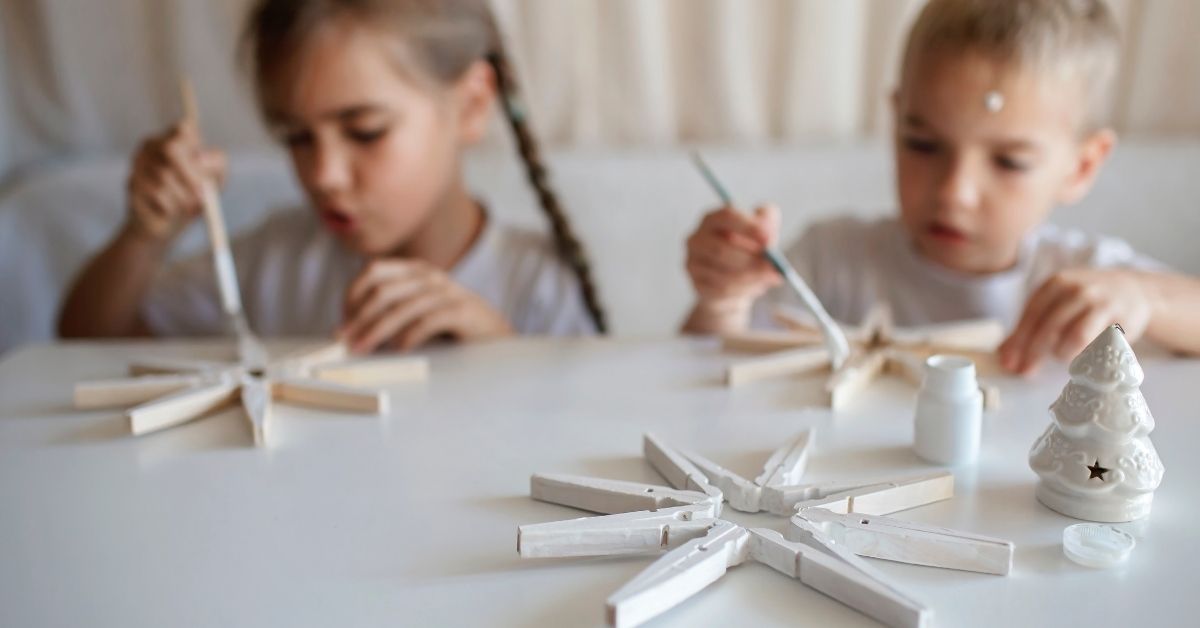
When the weather outside is frightful, the creativity inside can be delightful. Winter is the ultimate season for makers. With fewer outdoor distractions, kids often find themselves drawn to building, painting, knitting, or cooking. This is where child-led learning really shines. You aren’t assigning a diorama; you are facilitating a creative explosion.
Maybe your child has been obsessed with The Lord of the Rings. Why not spend the winter building a scale model of Helm’s Deep out of cardboard and papier-mâché? Or perhaps they love video games. Could they learn to code their own simple winter-themed game? The key is to follow their lead and offer support where needed.
We often underestimate how much learning happens during “play.” A child building a fort is learning engineering. A child knitting a scarf is learning patterns and math. A child writing a story is learning literacy and narrative structure. Our job is to strew interesting materials around and see what sticks.
Here are some hands-on project starters to leave around the house:
- The “Write Your Own Book” Challenge: Buy some blank hardcover books (they are cheap online). Leave them out with good markers and maybe some story prompts. “What if a dragon woke up in the middle of a blizzard?” You might get a graphic novel, a cookbook, or a diary.
- Stop Motion Animation Studio: All you need is a tablet or phone with a free stop-motion app and some LEGOs or clay. Winter afternoons are long and perfect for the tedious-but-rewarding work of animation. It teaches patience, storytelling, and technology skills.
- Textile Arts: There is something primal about working with wool in winter. Finger knitting, crochet, or even simple weaving can be very meditative. Plus, at the end of it, they have a hat! That is practical life skills 101.
- Map Making: Since we are inside, why not map imaginary worlds? Get big sheets of butcher paper. Draw coastlines, mountain ranges, and cities. This can turn into a geology discussion (where do rivers usually flow?) or a political science discussion (who rules this land?).
The Kitchen As A Classroom
Let’s talk about the kitchen. It is the heart of the home, especially in winter. It is also the best place for stealth math and science. Cooking is unschooling gold. You have fractions, chemistry, history (if you explore cultural recipes), and art all rolled into one delicious package.
If your kids are interested, hand over the reins for a meal or a specific dish. “Child-led” can mean they choose the recipe, make the shopping list (budgeting!), and do the actual cooking.
Here is how to turn the kitchen into a winter workshop:
- Baking Bread from Scratch: Yeast is fascinating. It’s alive! Watching dough rise is a biology experiment. Kneading dough is great sensory work. And the smell? Unbeatable.
- International Winter Solstice Feast: Research how different cultures celebrate winter. Do they eat Yule logs in France? What about dumplings for Lunar New Year? Pick a culture, learn about it, and try to cook a traditional dish. It connects geography and culture to taste.
- The Hot Chocolate Bar: This is pure fun, but it requires planning. Let the kids set up a hot cocoa station. They can experiment with flavors—peppermint, chili powder (Aztec style!), caramel. They can make homemade marshmallows (chemistry again!).
- Preserving and Canning: If you did any gardening in the fall, or if you buy seasonal produce like citrus, making jams or dried fruit slices is a great project. It teaches about food preservation and planning for the future.
Navigating The “I’m Bored” Moments
It is going to happen. It is inevitable. The shine of the snow wears off, the internet goes down, or they are just sick of being inside. “I’m bored” echoes through the hallway. Do not panic. As unschooling parents, we often feel the pressure to become the cruise director, instantly providing entertainment. Resist that urge!
Boredom is actually a vital part of the creative process. It is the uncomfortable space before a new idea is born. When we rush to fill that space with screens or structured activities, we rob our kids of the chance to stretch their own imaginative muscles.
When the complaints start, try to see it as a reset button. It usually means they have consumed enough and need to create, or they need a change of sensory input. Sometimes, the solution is as simple as a bath, a wrestling match on the living room rug, or putting on some loud music and having a dance party.
Here are a few low-pressure ways to handle the mid-winter slump without taking over:
- Strewing: This is an unschooling classic. Leave interesting things out without saying a word. A puzzle on the coffee table. A magnet kit on the fridge. A book about spies open on the couch. Curiosity often kills boredom.
- Audiobooks and Podcasts: Sometimes their eyes are tired, but their ears are hungry. Put on a gripping audiobook (Harry Potter is a classic for a reason, but try non-fiction too!) while they draw or play with LEGOs. It changes the atmosphere of the room instantly.
- The “Boredom Jar”: Okay, this is a bit more structured, but it works. Have a jar filled with slips of paper. Some are chores (“Empty the dishwasher”—risky, but effective!), some are fun challenges (“Build a pillow fort”), and some are weird (“Walk backward around the house three times”).
- Screen Time with Purpose: Screens aren’t the enemy. If they are bored, challenge them to learn a specific skill on YouTube. “Bet you can’t learn to juggle in an hour.” “Can you figure out how to draw a realistic eye?” Turn consumption into creation.
Getting Cozy with Hygge
Have you heard of Hygge? It’s the Danish concept of coziness and contentment. It is practically made for unschooling families. Winter shouldn’t just be endured; it should be enjoyed. Integrating Hygge into your home creates an atmosphere where learning feels safe and inviting.
This isn’t about buying expensive candles. It is about lighting. It is about soft textures. It is about presence. When the environment is calm, children are more likely to engage in deep play and deep thought.
Try dimming the overhead lights and using lamps. Build a reading nook with every pillow in the house. Make tea time a daily ritual where you just sit and talk. These aren’t “educational activities,” but they build the emotional security that is the foundation of all learning. When kids feel safe, warm, and connected, their brains are open.
You might find that your best conversations happen by candlelight or while huddled under a blanket fort. You might find that your teenager opens up about their fears or dreams when you are just sitting quietly watching the snow fall. That emotional intelligence and family bonding? That is the most important curriculum of all.
More Homeschooling Inspiration Awaits
Winter doesn’t have to be a time of stagnation. It can be a season of deep roots and quiet growth. By embracing the natural rhythm of the season and following your child’s lead, you can turn these cold months into a time of warmth and discovery.
If you are looking for more tips on how to navigate the unschooling life, or need specific resources for different subjects, don’t stop here. Check out our other blog posts on DKM Homeschool Resource for advice on everything from curriculum reviews (for those who dabble) to managing household chaos. We have got plenty more ideas to keep you inspired all year round!