

The forecast was right! You peek out the window, and a thick, white blanket covers everything. School is officially canceled… except when you homeschool, the classroom is just a few steps away. While it’s tempting to declare a free-for-all pajama day, a surprise snow day offers a unique opportunity to break from the usual curriculum. With a little creativity, you can lean into the winter wonderland outside and create a day full of fun and learning. These educational snow day activities blend hands-on discovery with cozy indoor projects, ensuring the day is both memorable and enriching.
So, how do you turn a day of frosty fun into a valuable lesson? It’s all about perspective. Instead of seeing the snow as a disruption to your lesson plan, view it as the lesson plan itself. Nature has just delivered the ultimate interactive science lab, art studio, and physical education course right to your doorstep. The key is to have a few snow day homeschool ideas ready to go. This way, you can seamlessly pivot from your planned algebra lesson to an impromptu study of crystallization or thermodynamics. It’s about embracing spontaneity and showing your children that learning happens everywhere, not just in a textbook.
Outdoor Educational Snow Day Activities
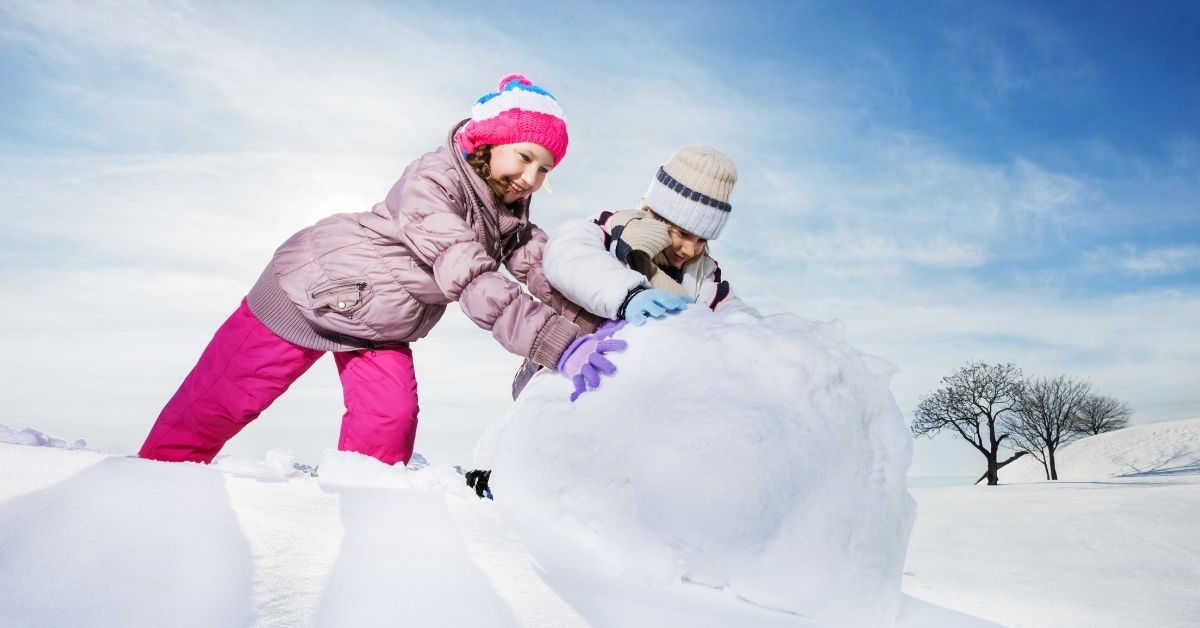
Before the cabin fever sets in, bundle everyone up and head outside. The fresh, cold air and shimmering landscape are an invitation to explore. This is where the magic happens, turning playtime into a dynamic, multi-sensory learning session. You can cover science, math, and physical education without your kids even realizing they’re “doing school.” The trick is to guide their natural curiosity with a few simple prompts and tools. Prepare a small “explorer kit” with a ruler, a measuring tape, a magnifying glass, and a jar for collecting samples.
- Snowfall Measurement and Data Collection: This is a fantastic real-world math and science lesson. Start by placing a snowboard or a flat, dark-colored mat outside in an open area before the snow begins, if you can. Then, have your kids go out every hour to measure the accumulation.
- Task: Use a ruler to measure the depth of the snow in centimeters or inches.
- Learning: Record the measurements on a chart. Older kids can create a line graph to track the rate of snowfall over time. You can discuss concepts like averages, rates of change, and data visualization. Ask questions like, “During which hour did it snow the most?” or “Can we predict how much snow we’ll have by evening?”
- Examine Snowflakes: Every kid learns that no two snowflakes are alike, but have they ever seen one up close? This activity brings that abstract concept into focus.
- Task: Take a piece of dark-colored construction paper and chill it in the freezer for about 15 minutes. Take it outside and use a magnifying glass to catch and observe individual snowflakes as they land on the paper.
- Learning: Discuss the concept of symmetry. Kids can try to count the points on each snowflake (they’ll always find six!). This is a perfect entry point to talk about how ice crystals form in the atmosphere, introducing vocabulary like “crystallization” and “water vapor.”
- Winter Wildlife Tracking: The snow creates a perfect canvas for observing the secret lives of neighborhood animals. Your backyard can become a detective scene.
- Task: Go on a walk around your yard or a nearby park and look for animal tracks. Can you identify them? You might see prints from squirrels, rabbits, birds, or even a neighborhood cat.
- Learning: Take photos of the tracks or have your kids sketch them in a nature journal. Later, you can look them up online or in a field guide to identify the animal. This is a great biology lesson about local ecosystems, animal behavior in winter, and concepts like hibernation and adaptation.
Cozy Indoor Winter Learning Fun
After you’ve all had your fill of the cold, it’s time to head inside, shed the wet layers, and warm up with some hot cocoa and continued learning. The snow day theme doesn’t have to end at the door. You can bring the winter inspiration inside for some quiet, focused activities that touch on language arts, history, and culinary skills. This is a great time to transition from large-motor-skill activities to fine-motor skills and creative thinking.
One of the best ways to extend the learning is through storytelling and writing. Have your children write a creative story about the snow day. It could be a fictional tale about a snowman who comes to life or an adventurous story about being a polar explorer who gets caught in a blizzard. For younger kids, you can act as their scribe, writing down the story as they tell it. Encourage them to use descriptive words to explain what the snow looks, sounds, and feels like. This not only builds their vocabulary but also helps them practice narrative structure. You can even turn their stories into small, illustrated books.
Another fantastic indoor activity is to research the science behind snow. Why is snow white? How do blizzards form? What is an avalanche? Let your child’s curiosity guide the research. You can find answers in encyclopedias, science books, or through supervised internet searches. This can lead to a deeper understanding of meteorology, physics, and chemistry. For a hands-on component, you can make your own “blizzard in a jar” with baby oil, white paint, water, and an effervescent tablet to demonstrate weather patterns in a safe, contained way. These activities foster research skills and show children how to independently find answers to their questions.
Get Creative In The Kitchen
The kitchen is a wonderful classroom, and a snow day provides the perfect excuse for some culinary chemistry. Baking or cooking together isn’t just about making a tasty treat; it’s a hands-on lesson in math, science, and following directions. The warmth of the oven and the delicious smells are an added bonus that makes the learning experience feel cozy and rewarding.
- Measure and Mix: Baking bread, cookies, or even making soup from scratch requires precise measurements. This is a practical application of fractions and volumes. Let your kids do the measuring. Doubling a recipe or cutting one in half provides a real-world math challenge.
- Kitchen Science: Discuss the chemical reactions happening. Why does bread rise? (Yeast and fermentation!) What makes cookies turn golden brown? (The Maillard reaction!) You can even make rock candy on a string to demonstrate the process of crystallization, tying it back to the snowflakes you observed earlier.
- Historical Recipes: Take the opportunity to explore history through food. Research what people might have eaten during winter in different historical periods or cultures. Try making a simple recipe like hardtack to understand what sailors or soldiers ate, or make a hearty stew that pioneers might have cooked over a fire. This connects food to culture and history in a tangible way.
Explore More Homeschool Resources
A snow day is a gift—a chance to slow down, connect, and see the world through a different lens. By embracing the unexpected, you can create a day of learning that your children will remember far longer than another worksheet. The most important thing is to have fun and model a love of learning in all circumstances. The curiosity and joy sparked by a day of exploring snowflakes and tracking animals are the building blocks of a lifelong education.
Are you looking for more ways to make homeschooling engaging, effective, and enjoyable? Our blog is filled with practical advice, curriculum reviews, and creative ideas to support you on your journey. Browse our articles to discover new strategies and resources to help your family thrive.