
5 World Geography Projects For Highschool Homeschoolers

Teaching high school geography in a homeschool setting offers parents and students the chance to explore the world in creative and meaningful ways. By incorporating hands-on projects, teens can deeply engage with cultures, landmarks, and global systems, fostering both knowledge and curiosity. 

Below, we explore five effective and fun world geography projects for homeschoolers that emphasize critical thinking, creativity, and practical learning.

1. Create A Physical Geography Map Model

High school students learn best when they can see and interact with what they’re studying. A physical geography map model project allows teens to explore landforms, water bodies, and elevation through a tactile experience. The goal is for them to create a three-dimensional map of a selected region or country.

Steps to Implement:

  • Choose a Region: Select a specific region, such as a continent, country, or even a single state, depending on the focus of your curriculum.
  • Gather Materials: Use items like clay, salt dough, foam board, or even recycled cardboard for the base. For differentiation in elevation, students can layer or sculpt these materials. Paints, markers, and labels help add detail.
  • Identify Key Features: Have students research major landforms like mountains, plains, rivers, and deserts in their selected area.
  • Design and Build: Encourage creativity during the building process, using various colors and textures for terrain features.
  • Add Context: Label physical features and create a legend for the map to enhance its educational value.

This project emphasizes essential skills like research, spatial thinking, and artistic expression. Additionally, it makes an excellent collaborative project for siblings or homeschool co-ops.

2. Host A “Cultural Day” Presentation

Understanding human geography is just as important as studying physical geography. Hosting a “Cultural Day” presentation at home allows students to explore traditions, languages, and lifestyles from around the world. This project can be tailored to suit your child’s interests and learning goals.

How to Organize the Project:

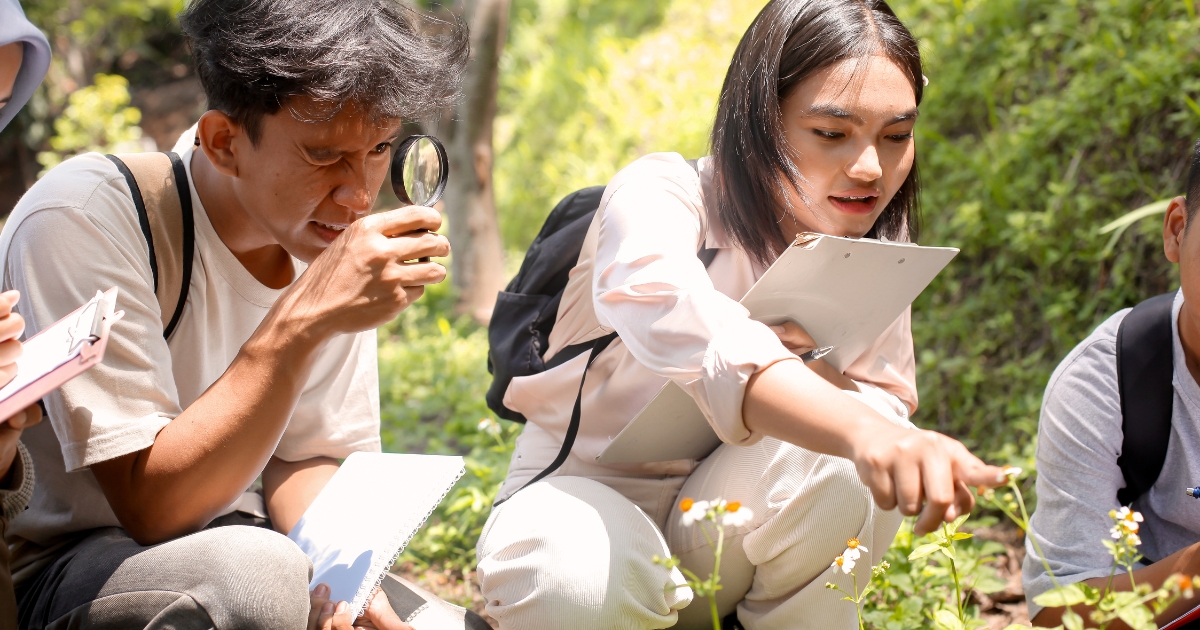
  • Research a Country or Culture: Each student (or a group if in a co-op) selects a culture they want to study in-depth. Encourage them to focus on topics like traditional clothing, food, history, and language.
  • Create a Visual Presentation: Teens can create a slideshow, display board, or even make a short video about the culture they’ve studied. Include visuals such as photos, maps, and art that represent the chosen culture.
  • Prepare a Demonstration: Bring the research to life. For example:
    • Cook a traditional meal together and explain its cultural significance.
    • Showcase apparel or crafts that are iconic to the region.
    • Learn a few simple phrases in the language spoken there.
  • Present to an Audience: Whether it’s just family, a homeschool pod, or through a virtual video call with extended relatives and friends, provide your student the opportunity to share these presentations.

By exploring diverse ways of life, teens not only enhance their knowledge of global cultures but also improve public speaking and networking skills.

Build A History And Geography Time Capsule For A Country

3. Build A History And Geography Time Capsule For A Country 

A time capsule is a unique way to combine historical and geographical learning. For this project, students will create an imaginary “time capsule” that represents a specific country at a chosen point in history. Ask your child to research what their chosen country was like during a particular era, such as 18th-century France, the Age of Exploration, or modern Japan.

Inside their time capsule, they might include mini artifacts, replicas, or descriptions of specific items that symbolize important aspects of that period. For example, an Ancient Egyptian time capsule might feature a handmade scroll detailing farming practices, a drawing of the pyramids, and a model of a canopic jar. Encourage students to explain the “significance” of each item in a written format or a small presentation. This project teaches historical context while anchoring that information to the physical geography of the area, making it easier for your teen to connect the two concepts.

4. Design An Interactive Global Trade Map

Global trade is a dynamic topic that helps high school students understand how countries interact and depend on one another economically. An interactive trade map allows students to explore trade relationships worldwide, tracking the flow of goods and resources between nations.

Steps to Build the Project:

  • Choose Key Resources: Start by identifying a type of resource or product to focus on, such as oil, coffee, textiles, or electronics.
  • Research Trade Routes: Using online resources, homeschoolers can research where the resource is commonly produced and which nations import it the most.
  • Create a Map: Use a physical world map (or print one out) and outline trade routes using string, yarn, or markers. Use different colors to represent the export and import routes.
  • Add Context: Along the trade routes, create small write-ups explaining the significance of trading relationships. For instance, if focusing on coffee, explain why Colombia is a major exporter or examine the environmental impact of transporting goods around the globe.
  • Make it Interactive: Build a quiz or trivia element related to the trade map. For example, students could challenge family members to trace specific routes or guess which countries are involved in trading certain products.

This project makes abstract ideas about global economics tangible and teaches students critical skills in data analysis, research, and map reading.

5. Explore Biomes Through A Digital Presentation Or Creative Diorama 

Studying biomes is a fascinating way to connect geography and environmental science. Assign each student a specific biome, such as tundra, rainforest, savanna, or desert, and have them create an in-depth study. Teens can choose to present their findings through a digital presentation or a hands-on diorama model.

For the digital version, students can put together a slideshow using photos, data, and short write-ups about the climate, wildlife, and natural resources found in each biome. Alternatively, a diorama offers a highly creative and tactile approach; they can use everyday materials like cardboard, cotton balls, and craft supplies to recreate the biome’s landscape. This project highlights the connections between geography and biodiversity, helping students understand ecosystems on a global scale.

Tips for Success with Geography Projects at Home

To make world geography projects truly successful in your homeschool, it’s essential to create an environment where learning is engaging, organized, and efficient. Here are some practical tips to help ensure your geography activities thrive:

  • Establish a Plan:
    Before starting a project, outline goals and expectations. Decide on the specific geography skills or topics you want your child to learn. Break the project into manageable steps and set a realistic timeline for completion.
  • Use Quality Resources:
    Invest in diverse resources such as atlases, globes, online geography tools, and educational apps. Reference videos, documentaries, and interactive websites that complement your chosen project. Platforms like Google Earth and National Geographic are valuable for visual and interactive learning.
  • Stay Hands-On:
    Encourage active participation by incorporating hands-on activities. Whether it’s building 3D maps, creating travel brochures, or cooking traditional dishes from different cultures, these activities make learning memorable and fun.
  • Encourage Independent Research:
    Foster critical thinking and research skills by allowing your high schooler to gather information on their own. Guide them in using trustworthy sources, but also give them space to explore topics that capture their curiosity.
  • Incorporate Group Work:
    If possible, collaborate with other homeschooling families on larger projects. Group activities provide opportunities for social interaction, teamwork, and new perspectives.
  • Set Up a Geography Workspace:
    Dedicate a specific area in your home for geography projects. Have materials like maps, colored pencils, pins, and rulers readily available to minimize interruptions during project time.
  • Integrate Technology:
    Use apps like Kahoot for geography quizzes, or explore VR tools that offer virtual tours of famous landmarks. Technology can turn a standard project into an interactive experience that boosts engagement.
  • Celebrate Milestones and Accomplishments:
    Acknowledge your child’s efforts and progress throughout the project. Host an end-of-project celebration to showcase their work, whether it’s presenting maps, sharing written reports, or displaying artwork inspired by their studies.
  • Encourage a Global Mindset:
    Inspire discussions about world cultures, current events, and global challenges. This adds depth to geography projects and connects academic learning to the real world.

By emphasizing practical and creative approaches, these projects not only teach geography but also inspire curiosity and a lifelong interest in the world. High school geography becomes far more engaging when students can explore it in ways they find exciting and meaningful.

Making Learning Engaging

Exploring world geography through hands-on projects not only makes learning more engaging but also helps your high schooler connect with the world around them. These five activities are designed to spark curiosity, foster creativity, and deepen your student’s understanding of geography in meaningful ways. We encourage you to try these projects and see the difference they can make in your homeschool. 

Don’t forget to share your experiences with us—we’d love to hear how these ideas come to life in your home! Keep exploring, learning, and making connections with the world.


The Best Toys and Games For Math Exploration

Homeschooling creates an incredible opportunity to tailor learning to kids’ individual needs. Math, however, can be a challenging subject to make engaging for some children. The key? Incorporating toys and games into your homeschooling routine can transform abstract math concepts into enjoyable, hands-on learning experiences.

This guide explores the best math toys for kids, specifically chosen to help parents engage their young learners in fun and meaningful math exploration. From educational games that sharpen critical thinking skills to hands-on tools designed for tactile learning, these recommendations will inspire your child’s natural curiosity while strengthening math fluency.

1. Educational Math Games That Teach Through Play

Game-based learning is an effective way to help kids absorb and retain mathematical concepts. Many educational games combine logic, numbers, and strategy to make math fun and interactive.

Here are some of the top educational math games to consider:

Board Games Focused on Numbers

  • Sum Swamp
    This popular board game is perfect for early learners. It uses addition and subtraction to guide players through a swamp full of friendly creatures. Kids practice foundational math while enjoying fast-paced gameplay.
  • Prime Climb
    Aimed at older children, Prime Climb introduces multiplication and division through a colorful, strategy-based board game. It’s a fantastic tool for building number sense and learning about prime numbers.
  • Monopoly Junior
    While not exclusively math-focused, Monopoly Junior reinforces counting, addition, and simple financial concepts. Younger kids will love learning with its playful design and relatable themes.

Card Games For Quick Math Practice

  • Math War
    This card game builds fluency with basic operations like addition, subtraction, multiplication, and division. Since it’s fast-paced, it keeps children motivated and engaged.
  • 24 Game
    This intriguing game challenges kids to combine four numbers to make 24 using a mix of operations. It’s an excellent way to promote mental math and creative problem-solving.

Interactive Digital Math Games

  • DragonBox Series
    Loved by educators, the DragonBox series introduces algebra and geometry concepts in a highly visual and game-like format. These apps break down intimidating math topics into engaging puzzles for kids.
  • Prodigy Math
    Prodigy takes math practice into an adventurous world where solving equations unlocks new levels and powers. Parents can even customize the skills their child is working on so it aligns with their curriculum.

Educational games foster a healthy competitive spirit, making learning not only effective but also memorable. Introducing one or two game nights into your homeschool schedule can make a big impact!

Hands-On Math Tools For Homeschoolers

2. Hands-On Math Tools For Homeschoolers

For kinesthetic learners who thrive on tactile experiences, manipulating physical objects can make abstract math concepts more tangible and accessible. These tools encourage exploration, helping kids gain confidence in their abilities.

Best Tools for Counting and Number Recognition

  • Counting Bears with Pattern Cards
    This set of colorful bears helps young learners practice counting, sorting, and patterns. Including cards that suggest activities or challenges makes it perfect for ages 3-6.
  • Abacus
    A classic tool for enhancing basic arithmetic skills, the abacus is ideal for visualizing addition, subtraction, and even multiplication. Its sliding beads turn simple computations into a satisfying experience for kids.
  • Hundred Board
    A hundred board allows kids to explore concepts such as counting by tens, sequences, and basic operations. It provides a clear layout, making it easier for children to grasp the patterns in numbers.

Tools for Fractions and Geometry

  • Fraction Circles and Bars
    Understanding fractions is more intuitive when kids can see different units in action. Fraction circles are great for visual learners, while bars help with comparing values.
  • Geoboards
    Geoboards use rubber bands and pegs to explore geometric shapes, symmetry, and spatial reasoning. Kids can follow templates or create their own designs to develop a deeper understanding of geometry.
  • Tangrams
    Tangrams promote problem-solving as kids rearrange geometric pieces to form specific shapes. Tangram puzzles improve spatial reasoning while connecting geometry to creative play.

Tools for Advanced Math

  • Base Ten Blocks
    A staple in homeschooling, these blocks illustrate numerical values and allow kids to explore place value, addition, and subtraction with hands-on building.
  • Algebra Tiles
    Algebra tiles provide a visual way to simplify expressions, solve equations, and factor polynomials. Introducing these tiles early can demystify pre-algebra concepts for growing learners.

Hands-on tools are small but mighty additions to your homeschool library. These manipulatives not only encourage creative exploration but also help reinforce the “why” behind math processes.

3. STEM Construction Sets That Bring Math To Life

Math and engineering go hand in hand, and many construction sets allow kids to explore both simultaneously. These STEM-based toys encourage problem-solving, logical reasoning, and spatial awareness.

Magnetic Building Kits

Magnetic sets like Magformers or Geomag introduce geometry and structure. Children learn as they build 3D shapes and connect magnetic pieces. They can explore concepts like symmetry, angles, and shapes in a hands-on way, sparking curiosity about how objects fit together.

LEGO Technic

Legos extend beyond creative play. The Technic line includes gear systems, pivots, and beams that allow kids to explore engineering alongside math. Whether constructing a functional crane or designing a model vehicle, kids naturally interact with measurement, proportions, and balance.

Marble Runs

Marble runs, like GraviTrax, offer lessons in velocity, gravity, and spatial planning. Kids must use trial and error to construct pathways that guide marbles toward specific endpoints. The focus here is on reasoning through cause and effect, a skill highly relevant to mathematics.

Wooden Block Sets

Classic wooden blocks might look simple, but they’re foundational for exploring measurement, balance, and symmetry. Sets like Kapla Planks enable intricate designs, requiring precision and planning.

By blending math skills with creativity, STEM construction sets create immersive and rewarding learning opportunities for kids of all ages.

4. Exploring Math Concepts With Everyday Toys

Sometimes, the most effective tools for math learning aren’t labeled as “educational” at all. Everyday toys can provide natural and entertaining ways to explore math concepts.

Play Money and Cash Registers

Pretend cash registers with toy coins and bills offer hands-on opportunities for practicing addition, subtraction, and basic financial literacy. Kids can role-play as shopkeepers while learning real-world applications of math.

Puzzles

Look for puzzles with numbers, shapes, or spatial patterns. Puzzles help children develop logic skills, pattern recognition, and visual-spatial awareness, all of which are critical to mathematical thinking.

Art Supplies

Creative activities like making patterns with beads, crafting symmetrical designs, or folding origami are excellent examples of math hidden within art. These tasks allow kids to explore symmetry, proportions, and fractions without even realizing they’re doing “math.”

Cooking Tools

Measuring cups and spoons are valuable real-world tools for teaching fractions and proportions. Baking activities can do double duty as a math lesson, making it both practical and delicious. The versatility of everyday toys often means you already have these items at home. Using them as learning tools reinforces the idea that math is part of daily life, making the subject feel more accessible to kids.

Sparking Curiosity

Mathematics doesn’t live in isolation from the real world. When kids use toys and tools that involve decision-making, collaboration, or creative problem-solving, they develop additional skills, such as logical reasoning and persistence. For example, using a fraction bar to divide “pizzas” fairly among friends brings math alive in personal and meaningful ways. Similarly, playing board games teaches not only numerical fluency but also patience, strategy, and social connection.

The most successful math exploration involves sparking curiosity, not pushing perfection. When children approach math as a game or puzzle to solve, they’re more likely to persevere through challenges and apply the same mindset to other subjects and problems.

With the right mix of educational games, hands-on tools, and STEM toys, math becomes more than just a subject in your homeschool curriculum. By introducing these engaging resources, you can transform how your child learns, helping them approach math with confidence and curiosity. Whether through colorful fraction circles, strategic board games, or creative construction kits, every activity adds value to their math fluency and problem-solving skills.

Can You Have A Full Time Job And Teach Homeschooling?

Balancing a full-time job while homeschooling your children might seem like an overwhelming proposition, but with the right strategies, it’s an entirely achievable goal. Homeschooling for working parents requires a blend of careful planning, creativity, and flexibility to align your family’s educational needs with your professional responsibilities. When approached thoughtfully, this dual endeavor becomes not only manageable but deeply rewarding for both you and your children.

Balancing Work And Homeschooling

The foundation for balancing homeschooling with full-time work lies in planning and prioritization. Successfully managing both responsibilities means taking proactive steps to create a system that works for your family.

Here are some practical strategies to help you find balance:

  • Set Clear Work and Homeschooling Boundaries: Define specific hours for your work and for homeschooling. For example, if you work remotely, designate blocks of time when you’re fully engaged with professional tasks and others when you are solely focused on teaching.
  • Communicate Your Schedule: If your children are old enough, share your daily schedule with them. Explain when you’re available and when you need uninterrupted focus on work. Visual schedules, like charts or whiteboards, can be a helpful reference.
  • Team Up: Share homeschooling duties with a partner, spouse, or extended family. If one parent has a more flexible job, they might take responsibility for specific subjects or activities.
  • Leverage Technology: Use online resources, apps, and platforms that support self-paced learning. Platforms with video lessons, lectures, or interactive tutorials can act as surrogate teachers while you handle work tasks.
  • Plan Lessons Strategically: Map out your child’s curriculum weekly or even monthly. If possible, use pre-made curricula or online programs that require minimal prep time.
  • Be Intentional with Down Time: During moments when you’re not working or homeschooling, focus on connecting and relaxing with your family. This can help everyone recharge and stay motivated.

Balancing isn’t about doing everything perfectly at the same time. Instead, it’s about making small adjustments to accommodate the needs of both work and education.

Adapting Homeschooling Schedules To Fit Your Lifestyle

Adapting Homeschooling Schedules To Fit Your Lifestyle

One of the greatest benefits of homeschooling is its flexibility. Unlike the rigid schedules of traditional schools, homeschooling lets you craft an education plan that aligns with your professional and personal commitments. Here are some approaches to building a homeschooling schedule that works for you:

  • Non-Traditional School Days: If weekdays are packed with work, consider alternative school schedules. For example, your homeschool week could run Wednesday through Sunday or focus on afternoons instead of mornings.
  • Chunk Scheduling: Instead of covering all subjects every day, focus on one or two areas intensively. For instance, dedicate Mondays to math and science, and Tuesdays to language arts and history.
  • Micro-Learning Sessions: Some families find success in breaking up lessons into smaller, focused chunks throughout the day. A 20-minute math lesson in the morning, a science experiment at lunch, and reading time in the evening can add up to a complete school day.
  • Weekend Flexibility: Use weekends for hands-on lessons, field trips, or focused projects, giving your weekdays more leeway.
  • Reverse Schedules: Families with night owls or parents working non-traditional hours might shift lessons later in the evening after work hours are done.

Homeschooling for working parents revolves around adaptability. What works for one family might not work for another, so experiment with different schedules to find what feels most natural for your household.

Teaching Independence and Responsibility

Teaching your child to be independent in their learning is a game changer for busy parents. It not only fosters crucial life skills in your children but also allows you to focus on your work or other responsibilities without constant interruptions. Independence doesn’t develop overnight, so start small and refine the process as you go.

Here’s how to build your child’s ability to take ownership of their education:

  • Clear Expectations: Provide a checklist or daily goals so children know what needs to be accomplished each day. Whether handwritten or digital, this keeps them focused.
  • Accessible Materials: Create a dedicated learning space with all necessary supplies within reach. This minimizes disruptions like asking for a pencil or worksheet.
  • Encourage Problem-Solving: Teach your child to try multiple solutions before asking for help. This builds resilience and critical thinking.
  • Use Age-Appropriate Tools: Depending on their age, you might introduce planners, timers, or apps to help your children stay organized and accountable.
  • Create Project-Based Learning Opportunities: Self-directed projects, like building a model or writing a story, allow kids to work independently for extended periods.

Older kids, especially, can often take ownership of significant parts of their learning. For instance, middle and high schoolers can follow online courses, complete assignments, and even teach themselves advanced topics with the right curriculum and resources.

Time Management Strategies

Time management is crucial when you’re balancing professional and homeschooling responsibilities. You only have so many hours in a day, so it’s important to maximize their value. Small changes to how you use your time can yield big rewards for your productivity and peace of mind.

Some effective time management techniques include:

  • Batch Prep for the Week: Take an hour or two over the weekend to prepare lesson plans, meals, and household chores for the coming week. This cuts down on decision fatigue during busy workdays.
  • Set Work and School Priorities Each Morning: Begin each day by identifying top priorities for both work and homeschooling. This ensures critical tasks are completed first.
  • Maximize Transition Times: Use time gaps like waiting rooms, commuting, or meal prep to work through small tasks, like reviewing assignments or planning lessons.
  • Simplify Household Responsibilities: Delegate chores to family members, use meal delivery services, or adopt practices like cleaning one room a day to maintain efficiency at home.
  • Combine Activities: Multitask by involving your children in household duties as part of their learning. Cooking dinner can double as a science or math lesson, while folding laundry can be a vocabulary review session.

If you treat time as a resource and use it creatively, you’ll see just how much you can get done without feeling overburdened.

Building a Support Network

Homeschooling while working full-time doesn’t mean you have to go it alone. Having a solid support system can make all the difference, lightening your load while providing new educational opportunities for your child.

Consider these ways to grow your support network:

  • Join Local Homeschool Groups: Many communities offer homeschool co-ops or meetups where parents share teaching responsibilities, organize social outings, and exchange advice.
  • Utilize Online Communities: Social media and homeschool-specific forums are treasure troves of resources, tips, and camaraderie from other parents in the same boat.
  • Ask for Help from Family and Friends: Grandparents, older siblings, or trusted friends can step in to help with specific subjects, activities, or childcare.
  • Hire Tutors or Enroll in Enrichment Programs: If there’s one subject you struggle to teach or find time for, hiring a tutor or enrolling your child in an online class can provide relief. This is especially helpful for more advanced or specialized subjects like calculus or science labs.
  • Collaborate with Other Parents: Find another working homeschool parent and see if you can share teaching duties or swap assistance during especially busy work periods.

Relying on community resources reminds you that you’re not alone in this endeavor.

Nurturing Family Bonds

Amidst busy schedules, maintaining strong family connections is essential. Homeschooling offers the silver lining of weaving family time into your daily routine. Unlike traditional education, where children generally spend most of the day away, homeschooling allows families to grow closer.

Here’s how to nurture family relationships:

  1. Celebrate Milestones Together: Acknowledge small wins in homeschool progress with a family movie night, dinner out, or game night.
  2. Plan Learning Adventures: Incorporate field trips to museums, historical sites, or nature trails that double as memorable family outings.
  3. Schedule Rest Periods: Prevent burnout by scheduling downtime when everyone can unwind together, whether it’s a lazy morning or an afternoon at the park.
  4. Encourage Collaborative Projects: Build a family garden, create a scrapbook, or cook themed dinners to combine creativity with teamwork.

Homeschooling doesn’t just educate your child academically; it also strengthens bonds across your household.

By reimagining traditional definitions of school and work, parents can blend both worlds seamlessly. Today, homeschooling for working parents is more feasible than it has ever been. Through efficient schedules, external help, and an attitude of adaptability, this balance can become a reality that benefits both career and family life.

What Is The Best Curriculum For Gifted Children

Selecting the right curriculum for gifted children can be challenging for homeschooling parents. Gifted learners often require more advanced, varied, and stimulating educational resources to keep them engaged and help them thrive. This post explores some of the best homeschooling curriculums and approaches for advanced learners, along with resources that help nurture their unique abilities. 

Whether your child excels in math, reading, the arts, or critical thinking, there are options to meet their needs.

Characteristics Of Gifted Children And Their Educational Needs

Gifted children are those who demonstrate above-average intelligence, exceptional creativity, or advanced skills in specific areas. While these characteristics sound exciting, how you approach homeschooling can make a massive difference.

Gifted learners:

  • Grasp concepts quickly and need less repetition.
  • Exhibit intense curiosity with a passion for exploring topics in depth.
  • Require flexibility to learn at their own pace.
  • Often have asynchronous development, meaning their intellectual abilities may not align with their emotional or social maturity.

A one-size-fits-all curriculum may fail to meet these complex needs. This is why using tailored programs or resources for homeschooling gifted children is vital.

Homeschooling Programs For Advanced Learners

Homeschooling parents often seek structured programs that cater to gifted learners. Here are some of the most popular and effective options to consider:

  1. Online Curriculums

For families seeking flexibility, online homeschooling platforms are a blessing. Many of them include self-paced courses, interactive lessons, and challenging material designed for gifted students.

Examples include:

  • CTY Online Programs (Johns Hopkins Center for Talented Youth): These offer advanced courses in subjects such as computer science, math, and literature for K-12 learners.
  • Khan Academy: Although free, its lessons in advanced math, science, and computing challenge even the brightest students.
  • Time4Learning: Their curriculum spans PK-12 and allows kids to work at their level, whether ahead or behind in certain subjects.

Homeschooling Programs For Advanced Learners

  1. Classical Education Approach

Classical education breaks learning into three phases:

  • The Grammar Phase focuses on foundational knowledge through memorization.
  • The Logic Phase introduces critical thinking.
  • The Rhetoric Phase emphasizes articulation and reasoned expression.

Many gifted children thrive in this rigorous and structured model. Programs like Memoria Press and The Well-Trained Mind are great options for homeschoolers interested in classical education.

  1. Project-Based Learning (PBL)

Some gifted learners excel in hands-on environments where they can apply knowledge creatively. PBL emphasizes student-driven projects on topics that motivate them. For instance:

  • Building a bridge for an engineering-focused lesson.
  • Writing and producing a play to combine language arts with performance.
  1. Customizable Curriculums

Curriculums like Moving Beyond the Page and Oak Meadow cater specifically to advanced learners. They allow for adjustment of activities and depth based on the student’s abilities, balancing academics with enrichment.

  1. Subject-Specific Programs

Sometimes, a child’s giftedness lies in one specific subject. Specialized curriculums, such as Beast Academy for math or Brave Writer for creative writing, allow parents to hone these strengths while addressing other areas with a more generalized approach.

Education Resources for Gifted Kids

Beyond curriculums, many additional resources can help gifted children. Access to supplementary materials and community tools enriches the homeschool experience. For example, libraries offer free access to complex texts, inspiring young readers. Likewise, museum memberships can create opportunities to experience hands-on scientific or historical learning.

Many parents of gifted children look for classes, camps, or clubs where their kids can interact with peers who share their interests and talents. From robotics teams to coding camps, these settings allow kids to develop friendships while continuing to explore the subjects they love. Local homeschooling co-op groups or online communities (like Mensa Kids) are excellent platforms to connect with other families on the same educational path. When combined with a strong curriculum, these resources provide balance and depth to a gifted child’s learning environment.

Enrichment Activities to Complement Your Curriculum

Gifted children thrive when their education includes a mix of academics, creativity, and experiential learning. Enrichment activities keep homeschooling engaging and open new doors for exploration.

Here are ideas to integrate enrichment activities into your homeschooling routine:

  • Nature Exploration: Encourage science learning through outdoor activities like bird watching, gardening, or studying ecosystems.
  • Creative Endeavors: Support your child’s artistic or musical interests by introducing painting, sculpture, or learning an instrument.
  • Language Immersion: Use apps or online resources such as DuoLingo or Rosetta Stone to start learning a new language.
  • Competitions: Provide opportunities to participate in math competitions, spelling bees, or coding challenges.
  • Book Clubs: Organize reading circles to expose them to classic literature or contemporary novels and encourage critical thinking.

Balancing academic excellence with creativity ensures a well-rounded development for your advanced learner.

Social And Emotional Considerations For Gifted Kids 

The social and emotional needs of gifted children are equally critical as their academic requirements. Many gifted learners struggle with feelings of isolation or frustration because their peers may not understand their advanced thinking. This is one reason a parent’s approach to socialization is so important.

Look for mentors, role models, and educators who recognize and celebrate your child’s intellectual and emotional uniqueness. Coaching them into teamwork during homeschool co-op activities, group science experiments, or debate clubs helps them learn collaborative skills while navigating different dynamics. Active listening and creating safe zones for them to express frustrations or anxieties also build confidence.

Understanding and addressing these emotional nuances ensures that your gifted child feels valued, supported, and socially connected.

Key Features To Look For In A Curriculum

When shopping for the best curriculum for gifted children, keep these features top of mind:

Flexibility

A curriculum needs to allow your child the freedom to pick subjects of interest, accelerate through familiar topics, and pause to explore challenging areas.

Depth

Gifted learners often enjoy deeper dives into concepts that extend into specialized knowledge. Look for curriculums offering optional extensions and extra materials.

Assessment Tools

Advanced learners may need formative assessments that track mastery rather than basic proficiency. Programs with adaptive assessments are ideal for meeting this need.

Student-Led Learning Opportunities

Some of the best programs enable students to follow their curiosity by integrating research projects, experiments, or independent study units.

Multi-Age Adaptability

Many gifted children aren’t at the same educational level across all subjects. Curriculums that allow cross-level learning help address their asynchronous development.

Balancing Independence and Guidance in Homeschooling

Gifted children often crave independence, but even the brightest learners benefit from parental guidance. Striking a balance is crucial. Give your child the space to explore topics at their pace, but also provide structure and encouragement when needed.

Try strategies like:

  • Setting Weekly Goals: Allow your child to help craft their schedule to feel ownership of their learning.
  • Offering Checkpoints: Regularly review progress so that challenges or misunderstandings can be addressed.
  • Encouraging Research: For independent thinkers, encourage online research or reading beyond the scope of curricula.
  • Stretch Assignments: Challenge them with tasks slightly outside their comfort zone to maintain momentum.

When children feel supported yet empowered, their confidence, curiosity, and love of learning will grow tremendously.

Final Thoughts on Choosing the Right Curriculum

No single curriculum works equally for every gifted child, and that’s okay. The beauty of homeschooling is that you can adapt based on your child’s needs. Whether you lean into online courses, project-based learning, or specialized academic tracks, the key lies in remaining flexible and open to experimentation.

Pairing a strong base curriculum with resources, tools, and your child’s passions creates a learning environment where they can flourish. Gifted learners are full of potential, and as parents, you have the unique opportunity to guide them toward becoming lifelong learners and confident individuals.

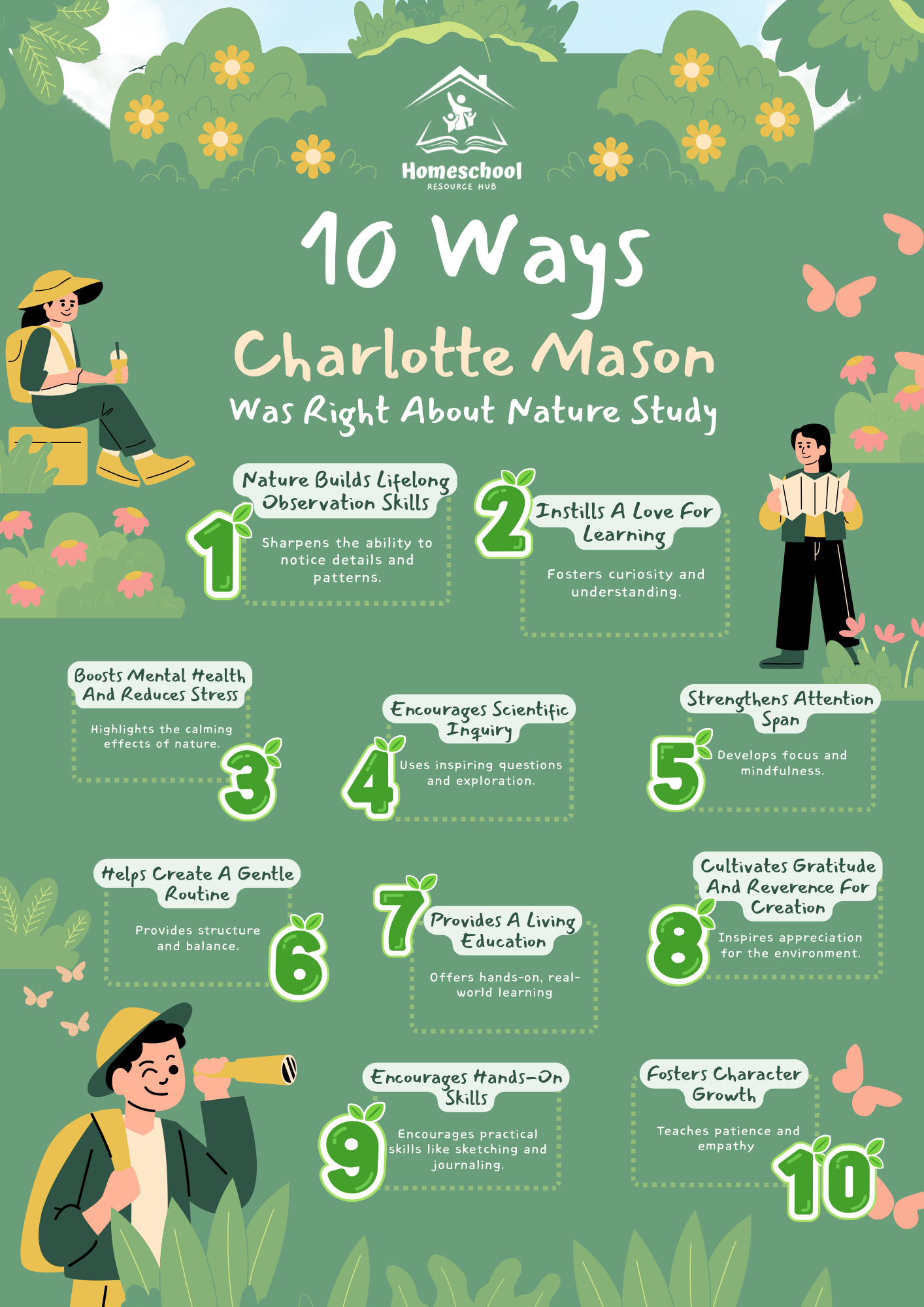
10 Ways Charlotte Mason Was Right About Nature Study

Nature is more than a backdrop for family hikes or a playground for kids. For homeschool families, it’s one of the most effective and overlooked educational tools. Charlotte Mason, a 19th-century educator who profoundly influenced modern homeschooling, believed deeply in the power of nature to shape minds, character, and curiosity. Her ideas remain as relevant today as they were in her time, offering countless benefits to contemporary homeschooling methods. 

Here are 10 ways Charlotte Mason’s nature study methods can benefit your homeschool.

1. Nature Builds Lifelong Observation Skills

Charlotte Mason advocated for getting children outdoors regularly, where they could develop keen observation skills. The goal was simple but profound—to train children to carefully notice the world around them. This practice aligns perfectly with modern homeschooling. Observation encourages critical thinking and attention to detail, which are essential for many academic disciplines like science, art, and even history.

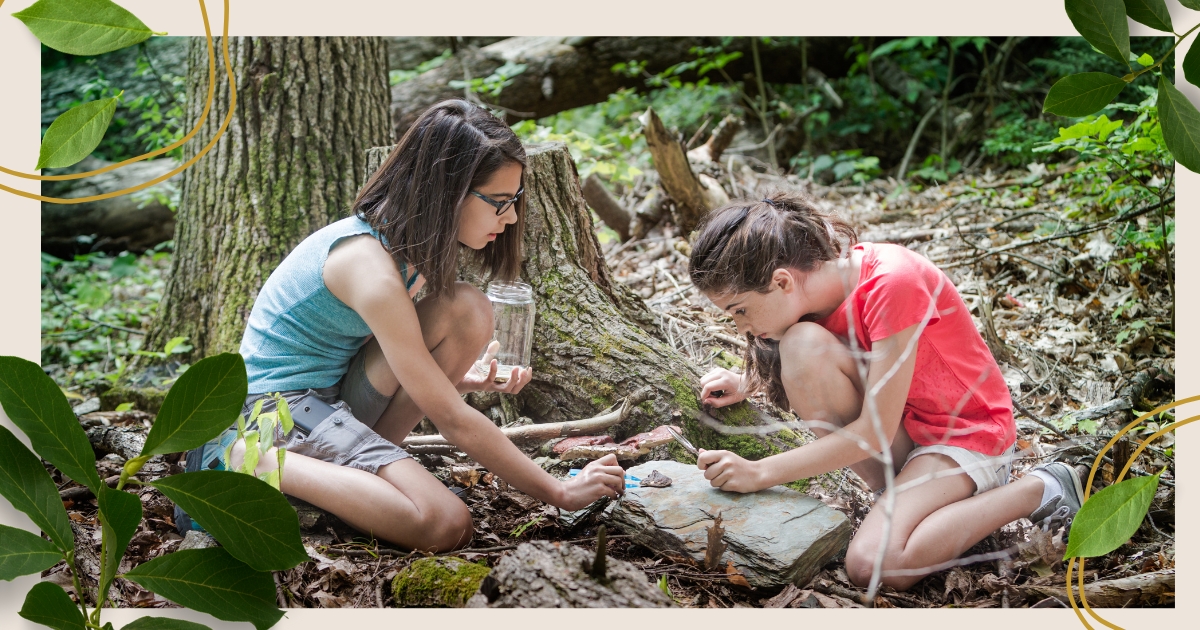
  • How to Incorporate This: Take outdoor walks where children are encouraged to notice small details like the veins on a leaf, the texture of bark, or the songs of birds. Keep the walks short with younger children but increase the time as they grow.
  • Practical Tip: Provide magnifying glasses or binoculars for closer exploration. You’ll be amazed at how many questions naturally arise when kids look closely.

2. Instills A Love For Learning

Charlotte Mason’s nature study methods are not about memorizing botanical terms or completing worksheets. Instead, this approach fosters a love for discovery. By simply observing and interacting with the natural world, children learn organically, often without realizing they’re “studying.”

  • How to Incorporate This: Designate a regular “nature study day” and treat it as an adventure instead of a lesson. Encourage exploration of a stream, collecting wildflowers, or identifying insects while letting curiosity take the lead.
  • Practical Tip: Show excitement yourself. When your enthusiasm for nature is apparent, your children will mimic that same energy.

Boosts Mental Health And Reduces Stress

3. Boosts Mental Health And Reduces Stress

Homeschooling families often juggle academics while securing strong emotional bonds. This can sometimes lead to stress—for both parents and kids. Mason’s emphasis on nature helps alleviate this. Studies show that spending time outdoors reduces cortisol levels and improves mood, which indirectly benefits learning.

Taking a break from indoor routines and textbooks to enjoy the fresh air can rejuvenate everyone, making lessons indoors more productive.

  • How to Incorporate This: Plan your outdoor time during transitions between challenging subjects. For instance, spend 15 minutes outside after math before moving on to reading.
  • Practical Tip: Even urban families can benefit by visiting nearby parks or using their backyard for quick mental resets.

4. Encourages Scientific Inquiry

Charlotte Mason believed that spending time in nature naturally kindled curiosity about the sciences. A child who watches ants carrying food to their colony may begin asking questions about ecosystems, teamwork, or biology. With gentle guidance, these observations become springboards for deeper learning.

  • How to Incorporate This: Use questions like, “Why do you think the soil here is different from the park?” or “What might happen to this pond in winter?” Treat observations as gateways to topics like earth science, biology, or meteorology.
  • Practical Tip: Keep basic tools on hand, such as field guides, sketching notebooks, and a small microscope to encourage deeper exploration.

5. Strengthens Attention Span

Unlike fast-paced screens or toys with flashing lights, nature engages children in a slower, sustained form of attention. Mason understood this, appreciating how nature study could help children build patience and concentration. These skills are invaluable, both for higher learning and daily life.

  • How to Incorporate This: Encourage kids to sit quietly and observe a specific spot for a few minutes. Can they spot the changes, like a bird moving or a flower shifting in the wind?
  • Practical Tip: Challenge older kids to sketch plants or animals they encounter in order to train focus and attention.

Charlotte Mason Nature Study

6. Helps Create A Gentle Routine

Charlotte Mason valued rhythm and structure but believed strongly in allowing for flexibility. Nature study offers the perfect balance. By incorporating daily, weekly, or seasonal nature walks into your homeschool, you create a calming routine that fosters a sense of stability for your children.

It’s not about forcing kids to clock hours outside every day. Even small, consistent moments add up to a rich educational experience.

7. Provides A Living Education

Mason often spoke of a “living education,” where real experiences trumped canned lessons. Nature epitomizes this. Rather than reading about river ecosystems in a textbook, students can experience a riverbank firsthand. Seeing the flow of water, observing fish and plant life, and feeling wet soil teaches more than any diagram could.

  • How to Incorporate This: Turn local parks, gardens, or even your backyard into your classroom. Observe animals and plants as they truly function.
  • Practical Tip: Use nature excursions as jumping-off points for other subjects. For example, a study on tree rings could inspire math (counting growth years) or art (creating tree-inspired crafts).

8. Cultivates Gratitude And Reverence For Creation

One of Charlotte Mason’s most cherished ideas was using nature to inspire awe and gratitude. Observing the beauty and complexity of the natural world fosters an appreciation for the Earth and its Creator. This quality is often lifelong, shaping children into adults who value and protect nature.

  • How to Incorporate This: Help your children keep gratitude journals specifically for nature. They can list moments or things they’ve appreciated during their outdoor time.
  • Practical Tip: Engage in scavenger hunts to discover hidden beauties, like spotting dew drops on spiderwebs or counting shades of green in a meadow.

9. Encourages Hands-On Skills

Nature study goes beyond observation when children engage with the environment in hands-on ways. For example, gathering leaves, building simple bird feeders, or planting a small garden. These moments make learning tactile and rooted in reality, which reinforces deeper understanding.

Spending time handling nature also nurtures a scientific mindset. Kids learn to classify objects, notice patterns, and use hypotheses, solid foundations for STEM learning.

10. Fosters Character Growth

Perhaps one of the most overlooked benefits of nature study is the way it shapes character. Mason saw outdoor education as a way to nurture qualities like humility, perseverance, and resourcefulness. Whether it’s patiently waiting for a butterfly to land or persisting on a long hike, nature allows kids to face small challenges that build resilience.

It also teaches stewardship. When kids recognize the beauty and fragility of an ecosystem, they instinctively care more about protecting the environment, which says a lot about the adults they will grow to become.

Take moments to celebrate each character milestone you notice. Whether your child overcomes a fear of picking up a worm or successfully grows vegetables in a garden bed, these lessons extend beyond academics.

Homeschooling with nature-based learning offers a world of possibilities for both you and your children. Every observation, every question, and every outdoor minute strengthens your homeschool experience while instilling a lifelong love of learning. The beauty of Charlotte Mason’s methods lies in their simplicity and adaptability. With small efforts, you’ll find that your children begin to notice the first blooms of spring, sketch birds they see in winter, and rekindle your own appreciation for the natural world.

If you’re new to nature study, start small. Create a schedule, grab a few basic supplies, and introduce structured activities like nature journaling or photography challenges. With these strategies, you’ll see firsthand how nature study sparks curiosity, builds patience, and lays a solid foundation for learning, memories, and character formation.

How To Use Movies In Your Homeschooling

Homeschooling opens the door to creative and personalized ways of learning. Adding movies to your homeschool routine is a fantastic way to enhance lessons, make learning more engaging, and appeal to different learning styles. Whether you’re exploring history, science, literature, or critical thinking, using films as teaching tools can bring concepts to life while keeping your kids excited about their studies. 

Here’s how to incorporate movies into your homeschooling for maximum benefit.

Benefits Of Using Films As Teaching Tools

Movies can offer more than just entertainment. Here are some key benefits of integrating them into your homeschool curriculum:

  • Engaging visual learning: Movies present information in a way that’s visually stimulating, making it easier for kids to understand and remember ideas.
  • Context for abstract concepts: Sometimes, textbooks can’t quite capture the emotional or social nuances of a concept. Films help children see real-world applications, such as historical events or scientific principles in action.
  • Cultural exploration: Movies expose students to different cultures, traditions, and historical periods, fostering empathy and global awareness.
  • Critical thinking development: Analyzing characters, themes, and storytelling elements in movies gives students the chance to sharpen their critical thinking and discussion skills.
  • Breaks from traditional learning: A movie day can be a welcome change from textbooks and worksheets while still being an educational experience.

By making movies a part of your homeschool strategy, you’re not just filling time; you’re adding depth and engagement to your teaching.

Educational Movies For Homeschooling

Educational Movies For Homeschooling

The key to successfully using movies is choosing the right ones. Plenty of educational films are available that cater to different subjects and grade levels. Below are some recommendations organized by topic to get you started.

History and Social Studies

  • “Hidden Figures” (2016): A gripping look at the African American women who worked behind the scenes at NASA during the Space Race.
  • “The Boy in the Striped Pajamas” (2008): A heartfelt perspective on World War II and the Holocaust.
  • “Harriet” (2019): This inspiring film tells the story of Harriet Tubman’s brave fight for freedom and justice.
  • “The Patriot” (2000): A dramatic depiction of the American Revolution that can open discussions about perspective in history.

Science and Nature

  • “March of the Penguins” (2005): Learn about the life cycle of emperor penguins, narrated in a way that captivates all ages.
  • “The Theory of Everything” (2014): Introduces older students to the life of physicist Stephen Hawking, along with big scientific ideas.
  • “Cosmos” (2014): This documentary series (available in episodes) dives into astronomy, physics, and the mysteries of the universe.
  • “Our Planet” (2019): Stunning visuals and thorough explanations of ecosystems and conservation. Perfect for nature studies.

Literature and Storytelling

  • “The Chronicles of Narnia” series (2005, 2008, 2010): Based on C.S. Lewis’s beloved fantasy books, these movies help students draw connections between literature and film.
  • “To Kill a Mockingbird” (1962): A dramatic adaptation of Harper Lee’s classic, providing opportunities for discussions on morality and justice.
  • “The Secret Garden” (2020): A touching story to pair with the corresponding book for younger kids.
  • “Les Misérables” (2012): While more appropriate for older students, this film (or stage musical) is an engaging complement to 19th-century literature studies.

Art and Creativity

  • “Frida” (2002): A colorful glimpse into the life of artist Frida Kahlo, fostering a discussion about her art, resilience, and influence.
  • “Ratatouille” (2007): Fun for all ages, this Pixar classic touches on themes of creativity, perseverance, and following one’s passions.
  • “Singin’ in the Rain” (1952): A family-friendly introduction to filmmaking and the transition from silent movies to talkies.

Other Great Picks by Age

  • Elementary: “Charlotte’s Web” (2006), “The Magic School Bus” Series, “The Peanuts Movie” (2015)
  • Middle School: “The Martian” (2015), “Wonder” (2017), “Apollo 13” (1995)
  • High School: “Good Will Hunting” (1997), “Schindler’s List” (1993), “Dead Poets Society” (1989)

Taking the time to match a movie to your teaching goals ensures both entertainment and education.

Movie-Based Learning Activities For Homeschoolers

While watching a movie on its own is already beneficial, you can deepen the learning experience with proactive, movie-based activities. These ideas will encourage your kids to think critically, apply what they’ve learned, and engage with the material in fresh ways.

Before Watching

  • Introduce the context
    Share some background about the film’s topic, whether it’s the historical timeline, the setting of a novel, or the scientific concept. This can include a short reading, a map, or a related video clip.
  • Set learning goals
    Ask your kids to think of questions they want answered during the movie. For example, “What was life like in the 1800s?” or “Why did the main character make certain choices?”

During Watching

  • Note-taking prompts
    Give your child a list of items to observe, such as key events, characters’ decisions, or dialogue that reveals themes. For younger children, focus on simple prompts like identifying colors, animals, or songs.
  • Pause for discussions
    Stop the movie occasionally to discuss what’s happening and how it connects to your lesson. For example, pause during a historical film to analyze whether the portrayal is accurate.

After Watching

  • Creative projects
    Have your child develop something inspired by the movie. For younger kids, this could be drawing a favorite scene or character. Older students could create posters, build dioramas, or record short presentations analyzing the film’s impact.
  • Discussion and reflection
    Ask open-ended questions to encourage deeper thinking:

    • What did you learn from this movie?
    • How did the filmmakers convey emotion or tension?
    • Was there anything that challenged your opinions or surprised you?
  • Writing assignments
    Use the movie as a writing springboard:

    • Summarize the movie or rewrite its ending.
    • Compare it to a book it’s based on.
    • Write a movie review critiquing performances, visuals, and accuracy.
  • Research and comparisons
    Encourage older kids to research the events or themes from the movie. Did the filmmakers take creative liberties? How does the story differ from real life? Comparing the movie to other depictions of the same subject can also be illuminating.

Additional Activities That Pair Well with Movies

  • Map work
    Track where events in the movie happen. For instance, after watching “Around the World in 80 Days,” map out Phileas Fogg’s route.
  • Timeline creation
    For historical movies, create a timeline of events to provide more context and clarity.
  • STEM experiments
    Bring movies like “The Martian” or “Apollo 13” to life with related science experiments, such as replicating space travel concepts.

These activities help cement what your kids learn through movies and push them to explore topics from different angles.

Practical Tips for Using Movies Effectively

Using films as teaching tools is most effective when it’s intentional. Here’s how to get the most out of your movie lessons:

  • Screen the movie in advance
    Watch the movie yourself before showing it to your kids to ensure it’s age-appropriate and aligns with your learning objectives.
  • Limit screen time
    Avoid overloading your kid with movies. Instead, pick one or two a week that complement your curriculum.
  • Create a balance
    Supplement movies with readings, hands-on activities, and discussions to help your child connect the concepts.
  • Consider subtitles
    For language learners or younger kids, add subtitles to promote vocabulary skills. For international movies, they’re essential for understanding cultural nuances.
  • Engage the whole family
    Turn movie time into a family event where everyone participates and discusses the themes afterward.

Using Movies to Foster Curiosity

At its heart, homeschooling is about planting seeds of curiosity. Movies are more than just a way to deliver information; they’re a way to spark big questions, build empathy, and inspire creativity. They can transport your kids to places they’ve never imagined, challenge their perspectives, and provide memorable experiences tied to their education. By equipping your homeschool toolbox with thoughtful movie choices and complementary activ

Why Play Time Is Important For Homeschooling

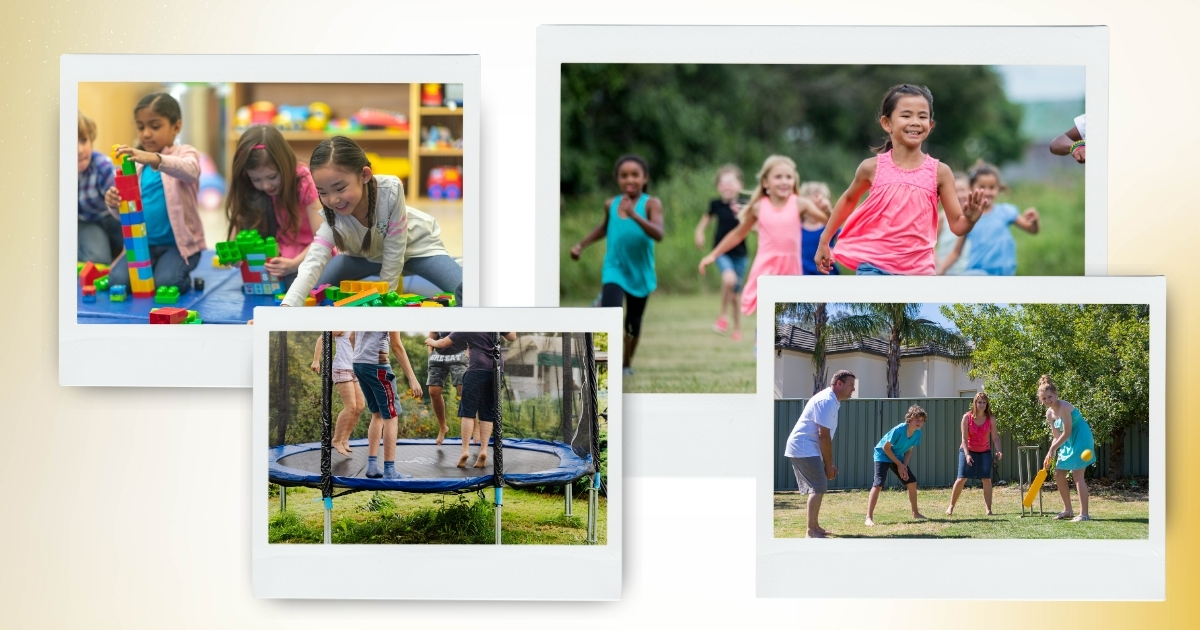
Homeschooling often brings unique challenges and opportunities. One of the biggest advantages is the ability to integrate play into learning. Play-based learning in homeschooling allows children to engage deeply, explore their interests, and experience joy while building essential skills. 

Offering both intentional play and free play during the homeschooling day can transform education for kids of all ages and abilities.

The Benefits Of Play For Homeschool Education

Play isn’t just about having fun; it’s a critical part of a child’s development. When integrated into homeschooling, it supports emotional, physical, and cognitive growth. Here’s why play is essential for homeschoolers:

  • Boosts Cognitive Development
    During play, children encounter challenges, solve problems, and test new ideas. Whether building with blocks or acting out a story, these activities promote creativity, critical thinking, and decision-making.
  • Encourages Social Skills
    Playing with siblings or peers helps children learn to communicate, share, negotiate, and cooperate. These skills are vital for relationships and future success in group settings.
  • Supports Emotional Well-Being
    Through imaginative play, children express emotions, practice self-regulation, and work through fears or anxieties. Play provides a safe space for them to explore their feelings and develop confidence.
  • Enhances Physical Health
    Active play improves motor skills, builds strength, and boosts cardiovascular health. Learning through movement, like games or outdoor scavenger hunts, also helps kids expend energy and stay focused during quieter study times.
  • Strengthens Parent-Child Relationships
    Shared playtime creates joyful moments of connection. When homeschooling parents participate in play, they build trust and foster a positive learning environment.
  • Fosters Long-Term Learning
    Children are more likely to retain information when they actively engage with it. For example, playing a game about world geography is more memorable than passively reading a textbook.

How Play-Based Learning Works in Homeschooling

How Play-Based Learning Works in Homeschooling

Play-based learning integrates playful activities with educational objectives. This approach doesn’t set play and learning as opposites; instead, it weaves them together to create meaningful learning experiences. Here are some examples:

  • Imaginative Role-Playing
    A lesson on history can come alive when children dress as historical figures and reenact key events.
  • Building Challenges
    Use building blocks or household materials to solve math or engineering problems, like constructing a bridge or designing a small-scale house.
  • Story-Play
    After reading a book, kids can act out the story or create alternative endings, building language skills and comprehension.
  • Games for Learning Basics
    Use board games or online games to teach math, spelling, or geography. Bingo, card games, and trivia quizzes can combine competition with learning.

Ways to Incorporate Play in Homeschooling

Bringing more play into your homeschool doesn’t require an overhaul of your current routines. Here are practical and easy-to-apply strategies to make play-based learning an integral part of your day:

  • Start with Free Play
    Allow time for unstructured play each day. This could mean playing outside, painting, building with blocks, or engaging in imaginative games. Giving your children this space fosters creativity and lets them lead their own learning.
  • Theme Your Lessons Around Play
    Organize play around subjects or themes. For instance, a study unit on space can include creating model rockets, building constellations out of string and pins, or role-playing as astronauts on a mission.
  • Set Up Learning Stations
    Dedicate corners of your homeschool area to different kinds of play. For example, one corner might host sensory play materials like sand or dough, while another focuses on puzzles and strategic games.
  • Rotate Educational Toys and Resources
    To keep play engaging, periodically switch out the toys and materials you use. This keeps resources fresh and prevents boredom.
  • Integrate Nature Play
    Outdoor play is excellent for both physical and cognitive development. Turn a science lesson into a nature walk, exploring plants, insects, or weather. Build outdoor forts, or host water balloon math games in the yard.
  • Create Collaborative Play Activities
    Encourage teamwork by planning group tasks, like building a giant LEGO structure as a family or organizing a scavenger hunt.
  • Use Story-Based Play for Writing
    Have children create their own storylines or plays and perform them. This combines creative writing with public speaking and teamwork.
  • Turn Chores into Fun Activities
    Household tasks can also become play-based learning activities. Turn cooking into a math lesson by measuring ingredients or washing dishes into a race against a timer.

Creating A Good Balance Between Structured And Free Play 

Striking the right balance between guided play and free play ensures your children benefit fully. Structured play activities are led by parents or educators with specific learning goals in mind, while free play is directed by children themselves.

Structured play, like a math-based board game, helps kids focus on learning objectives. At the same time, free play allows children to explore their interests, practice independence, and recharge emotionally. Both forms of play are valuable, and alternating between them can keep your homeschool day dynamic and engaging.

For example, you might start your morning with a structured language game, such as a word hunt, and then offer space for your kids to play creatively with their toys or dress-up clothes. Sprinkle structured activities throughout the day but always leave room for unscheduled, open-ended play.

Common Obstacles to Play-Based Homeschooling

Homeschooling parents sometimes feel pressure to focus on formal academics at the expense of play. However, integrating play doesn’t have to detract from your core curriculum. Addressing these common concerns can help homeschool parents feel more confident making time for play:

  • Time Management
    It may seem like there’s not enough time in the day to balance academics and play. The key is to combine them. Turn spelling drills into scrabble games or add math problems to a game of hopscotch.
  • Feeling Unequipped
    Some parents worry they don’t have enough tools or experience to create meaningful play opportunities. Get started with simple activities like hide-and-seek with flashcards or storytelling with puppets.
  • Mess and Chaos
    Play can sometimes get messy, especially with younger kids. Set up easy-to-clean areas for messy play or keep an arsenal of quick clean-up supplies to make the aftermath manageable.
  • Older Kids Refusing to Play
    Teenagers may resist playful activities, viewing them as “kid stuff.” Appeal to their interests by incorporating themes like strategy games, design challenges, or collaborative debates into their play.

The Role Of Parents In Play-Based Learning 

For play-based learning to succeed, parents play a crucial guiding role. While kids lead during free play, structured play relies on parents to set the stage, provide materials, and offer encouragement. By observing your child’s play, you can also gain insight into their interests and learning styles, helping you shape future activities.

Parents also model behaviors like creative problem-solving, teamwork, or critical thinking during shared play. For example, in a family board game, pausing the game to strategize or talk through decision-making can show children how to think critically. Lastly, participating in play yourself demonstrates that you value it, encouraging kids to see it as an essential part of their homeschooling.

Useful Tools and Resources for Play-Based Homeschooling

Simplify your planning and maximize play opportunities with these tools and resources:

  • Online Edutainment Platforms
    Websites offering interactive educational games, quizzes, and activities make structured play easy to integrate.
  • STEM Kits and Sets
    Invest in science, technology, engineering, and math kits to bring hands-on activities into your learning space.
  • Art Supplies
    Keep an assortment of markers, paint, clay, and crafting tools for creative free play.
  • Printable Game Templates
    Find and download templates for bingo, scavenger hunts, or flashcard games.
  • Parks and Nature Centers
    Safe outdoor spaces are perfect for exploration, discovery, and movement-based learning.
  • DIY Play Ideas
    Craft your own play activities with everyday household materials. For example, create an obstacle course with furniture, string, and tape.

Play-based learning in homeschooling is a gift to children and parents alike. It transforms education into an experience that’s not just academic, but joyful, memorable, and family-centered.

Why Unit Schooling Is Great For Large Families

For homeschooling parents of large families, finding strategies that work for everyone can feel overwhelming. Each child has their own needs, interests, and learning styles, which can complicate lesson planning. Enter unit schooling, a flexible and inclusive strategy ideal for big families. By teaching multiple children using a single theme or topic, this approach simplifies your day while boosting collaboration, creativity, and engagement.

Unit schooling involves building lessons and activities around a central theme or topic. For example, instead of teaching math, science, and history as separate, unrelated subjects, you weave them together under one theme like ancient Egypt, outer space, or environmental conservation. Within this approach, every subject connects to the theme, creating a holistic and immersive learning experience.

For families with multiple learners in different age groups, unit schooling is a game-changer. It encourages children of various levels to explore the same topic, while parents adapt the lessons to suit each child’s ability. Younger kids might color maps of ancient Egypt while older ones analyze pyramid construction techniques, fostering a balance of individual learning and family-wide collaboration.

Benefits Of Unit Schooling For Large Families

Unit schooling aligns naturally with the needs of large families. Its structure offers both efficiency and flexibility, making your homeschool days smoother and more rewarding. Here’s why it works so well:

  • Simplified Planning
    Instead of juggling separate curriculums for every child, you create a single unit that incorporates all subjects. This eliminates unnecessary duplication and streamlines the planning process.
  • Strengthened Family Bonds
    Learning together as a family builds shared knowledge and experiences. A group lesson on space exploration, for instance, sparks conversations and connections that extend far beyond the classroom.
  • Customizable for Different Ages
    A well-designed unit can include lessons for toddlers to teens. Younger children might focus on tactile activities, like building models, while older kids tackle research projects or advanced experiments.
  • Less Overlap, More Depth
    Planning a single theme in-depth means you’re not rushing through unrelated topics. With unit schooling, you can dig deep into fascinating subjects, enabling kids to develop critical thinking and a richer understanding.
  • Encourages Leadership
    Older siblings often take on mentoring roles during collaborative lessons, helping younger ones with activities or reading aloud. This nurtures leadership skills and strengthens sibling relationships.
  • Suits Varied Learning Styles
    By incorporating a range of activities—from hands-on projects to writing assignments and discussions—unit schooling accommodates visual, kinesthetic, and auditory learners alike.

Benefits Of Unit Schooling

Designing a Unit-Based Curriculum for Large Families

Creating a unit-based curriculum for your homeschool requires thoughtful planning and organization. With a little upfront effort, you can reap the rewards of an efficient, engaging system that works for all your children.

  • Pick Themes That Spark Interest
    Choose topics that excite your kids. Animal habitats, world cultures, or famous inventions are all great options.
  • Tie Subjects Together
    For any theme, consider how to weave in various subjects. If the theme is “oceans,” you can study marine biology (science), shipping routes (geography), nautical myths (literature), and oceanic trade economics (math).
  • Adjust for Age and Skill Level
    Provide scaffolded assignments suited to each child’s level. Younger kids could draw sea creatures, while older ones write essays on coral reef ecosystems.
  • Schedule Collaborative and Independent Work
    Balance group learning (like watching a documentary together) with independent tasks suited to each child’s pace.
  • Include Creative Projects
    Hands-on activities like building dioramas, painting murals, or cooking theme-based meals make learning fun and memorable.

Strategies for Managing Large Family Homeschooling

Homeschooling big families comes with logistical challenges, but the right strategies can make your day run smoothly. These tips help you foster a productive, balanced environment:

  • Use Rotational Activities
    While older kids work on independent tasks, you can focus on guiding younger ones through their activities. Rotational schedules ensure everyone gets individualized attention.
  • Encourage Peer Learning
    Pair children together for group activities that suit their strengths. Older siblings can help younger ones with reading or share skills, like map-making or model-building.
  • Set Up a Shared Workspace
    Create a central learning area stocked with supplies like pencils, paper, glue sticks, and books. This eliminates wasted time searching for materials and keeps everyone in one place.
  • Establish a Daily Routine
    A predictable schedule helps children know what to expect and keeps transitions between subjects smooth. For instance, start each day with a family read-aloud, followed by themed activities.
  • Delegate Household Tasks
    Large families often mean a busy household. Assign age-appropriate chores to your children to create time in your day for teaching and planning.
  • Celebrate Achievements Together
    End each unit with a family celebration, like a themed party, group presentation, or display of completed projects.

Collaborative Learning In Homeschooling 

One of the standout features of unit schooling is its emphasis on collaborative learning. When children of different ages work together on common activities, they learn to communicate, share ideas, and solve problems as a team. This mirrors real-world dynamics, helping them develop interpersonal skills from an early age.

For example, during a unit on ancient civilizations, older kids might research the daily life of the Romans while younger children construct a model of a Roman villa. At the end of the unit, everyone presents their work to the family. This shared experience fosters unity while instilling confidence in each participant.

Through collaboration, children also gain an appreciation for differing perspectives. Younger siblings learn from the expertise of older ones, while the older children develop patience and empathy. These group dynamics not only enhance education but create lifelong memories.

Overcoming Challenges in Large-Family Homeschooling

Homeschooling a big family can sometimes feel chaotic, but with patience and adaptability, you can overcome the challenges. Here’s how:

  • Set Realistic Expectations
    Understand that not every day will go perfectly. Flexibility and a sense of humor go a long way in navigating the unexpected.
  • Create Clear Boundaries
    Establish rules about noise levels, shared supplies, and taking turns during group activities. Clear guidelines create smoother days.
  • Take Breaks
    Allow time for recess, play, or simply relaxing. Over-scheduling can lead to burnout—for both parents and kids.
  • Prioritize Self-Care
    With a large family, finding time for yourself might feel impossible, but it’s essential. Take small moments to recharge, whether that’s a quick walk or enjoying your favorite book.
  • Use Technology Wisely
    While homeschooling often emphasizes hands-on learning, don’t shy away from educational apps and online programs as tools for supplemental teaching.

A Family-Centered Education 

Unit schooling thrives because it reflects the importance of family. Learning together, solving problems as a group, and exploring different ideas builds deeper relationships. This family-centered focus strengthens more than academics; it reinforces respect, collaboration, and a sense of belonging.

When you share the joy of discovery through unit schooling, you create lasting experiences that go beyond textbooks. Cooking an ancient-recipe stew, trekking through a forest to search for native plants, or simply reading historical novels aloud are all examples of ways this approach creates shared culture within the family. These moments remind us that homeschool education isn’t just about grades or standards but about nurturing bonds that last a lifetime.

Tools and Resources for Simplifying Unit Schooling

Having the right tools can make planning and implementing unit schooling easier. Here are some resources to consider:

  • Library Books and Documentaries
    Your library is a treasure trove for unit-based learning. Borrow books, DVDs, and magazines on your chosen topics.
  • Notebooking and Lapbooks
    Encourage your kids to record their lessons creatively. Whether it’s writing journal entries or creating foldable lapbooks, these methods foster retention and creativity.
  • Printable Unit Studies
    Explore online platforms offering ready-made unit studies. These save you planning time while covering various interests and academic levels.
  • Local Field Trips
    Museums, science centers, and historical sites are amazing supplements to themed learning. Search for local spots that tie into your units.
  • Hands-On Experiment Kits
    Science kits, gardening supplies, and art materials make lessons come alive and leave a stronger impression.

Unit schooling offers a uniquely versatile, engaging, and family-focused approach to education. For large homeschooling families, this method turns challenges into opportunities for connection, creativity, and growth. With thoughtful planning, you can make it work seamlessly for every member of your family.


Let’s Get Active: How To Get Your Kids Moving During Phys Ed

Physical education may often take a back seat in homeschooling schedules, but it’s vital for well-rounded child development. Beyond improving physical fitness, movement plays a big role in boosting mental clarity and emotional well-being. Homeschool parents have the unique opportunity to make PE engaging, fun, and adaptable to their family’s needs. From creative games to skill-building exercises, there are countless ways to help kids stay active and energized throughout their homeschooling day.

Including physical education in your homeschool routine isn’t just about meeting a checklist requirement. Regular physical activity can improve your child’s overall health, from building muscle strength to improving heart health. It also sharpens cognitive skills. Many studies show that active kids perform better academically and have longer attention spans.

PE isn’t just beneficial physically and mentally; it helps teach key life lessons. Activities focused on teamwork, perseverance, and goal-setting prepare kids for real-world challenges. Homeschooling gives you the flexibility to tailor PE to your family’s specific goals, creating a program that feels less like a chore and more like an adventure.

How To Set Up A P.E. Routine At Home

Building a routine for physical education doesn’t require expensive gym equipment or a designated sports field. With a little creativity, you can design a program that works perfectly within your home setup and available resources.

  • Consistency Is Key
    Dedicate specific times to PE, such as mornings or afternoons, and stick to the schedule. Whether it’s 20 minutes every day or three longer sessions per week, having a consistent plan will help kids establish fitness as part of their routine.
  • Activities That Evolve Over Time
    Younger kids may enjoy games like tag or hopscotch, while older children might prefer skill-based challenges like basketball or yoga. Adapt as your kids grow and their interests change.
  • Set Mini Goals
    Collaboratively create goals with your kids, like learning a new sport or increasing the number of push-ups they can do. Goals encourage them to stay motivated and track their progress.
  • Monitor Effort, Not Perfection
    Physical activity is about growth and effort, not necessarily achieving athletic perfection. Celebrate milestones, no matter how small.
  • Rotate Activities
    Regularly switching up PE tasks keeps things fresh and fun. Incorporate cardio, strength training, stretching, and games so no two days feel the same.

Fun And Effective Activities For Active Kids

Fun And Effective Activities For Active Kids

Making physical education a highlight of your homeschool day is easy with activities that entertain while keeping kids moving. Here are some practical options suited for any space.

Indoor-Friendly Ideas

  • DIY Obstacle Courses: Arrange pillows, chairs, and other household items into fun obstacles where kids can crawl, jump, or balance. Time them to see if they can beat their own records.
  • Dance Parties: Crank up the music and encourage kids to freestyle or copy choreographed dance moves. Apps like Just Dance offer guided fun.
  • Yoga for Beginners: Use kid-friendly yoga videos to teach your children fun poses. It’s great for calmness, flexibility, and balance.
  • Exercise Challenges: Ask questions like, “How long can you hold a plank?” or “How many sit-ups can you do in two minutes?” and turn physical skills into mini-competitions.

Outdoor Ideas for All Weather

  • Nature Walks and Runs: Take to the local park or trail for a family jog or nature exploration. Incorporate learning by identifying plants or tracking distances.
  • Backyard Sports: Soccer matches, badminton games, and throwing Frisbees are enjoyable ways to improve coordination and get the heart rate up.
  • Hiking Adventures: Choose trails that match your kids’ abilities, and make the experience interactive by finding landmarks or completing a trail checklist.

Solo and Team Fitness Challenges

  • Relay Races: Create a relay-style course where kids pass a baton while completing mini-challenges like jumping rope or dribbling a soccer ball.
  • Wall Ball Games: Encourage coordination by having kids aim for marks on a wall using tennis or rubber balls.
  • Balance and Agility Courses: Use logs, jumping mats, or marked lines to challenge your kids to maintain their balance as they move.

Encouraging Play And Natural Movement 

While structured physical education has its value, free play is equally important. Play allows kids to explore their natural abilities, build creativity, and find joy in movement without the constraints of rules or directions. Regardless of their age, provide your children with daily pockets of unstructured time where they can run, climb, or play pretend outdoors.

Consider investing in some simple backyard equipment like swings, a small trampoline, or a balance beam to encourage additional movement. However, even without equipment, freedom to roam and explore can spark endless fun. Activities like creating chalk obstacle courses on the driveway or building pretend forts in the yard promote active imagination and exercise at the same time. Remember, play doesn’t have to look productive. The goal is simply to keep them active and happy.

Tips for Staying Consistent with PE

Staying consistent with homeschool PE requires motivation and a little bit of planning. Here are tips to help you maintain fitness as a priority for your children:

  • Integrate Movement Breaks
    Add energizing breaks between lessons. Five minutes of jumping jacks, stretches, or silly dancing can help refocus your kids for the next subject.
  • Create Visual Incentives
    Use a whiteboard or chart to track completed PE sessions or milestones. Add stickers or other motivators to reward progress and consistency.
  • Keep It Fun
    Forget the drill-sergeant approach. Spontaneous challenges, varied activities, and plenty of giggles create positive PE experiences.
  • Explore Local Opportunities
    If you’re part of a homeschool network, look into nearby collaborations like fitness groups, swim classes, or community yoga sessions designed for kids.
  • Be Flexible
    If it’s raining, swap the soccer field for an indoor game of Simon Says. If kids are restless, try higher-energy activities like tag or jumping challenges.

Why Movement Is A Long-Term Investment 

Physical education isn’t just about fulfilling a subject requirement; it’s about creating habits that promote wellness for life. When kids learn that movement is fun and rewarding, they’re more likely to pursue active lifestyles as adults. Skills they build during homeschool PE, like discipline, persistence, and goal-setting, also translate into other areas of life, from academics to relationships.

Homeschool parents have the advantage of making this process personal. Tailoring activities to suit your child’s personality means you’re creating a foundation for lifelong health. Teach them that physical education isn’t just another “to-do” item on their schedule. Instead, it’s an opportunity to connect with themselves, challenge their limits, and discover new abilities.

Simple Tools and Resources to Enhance PE

You don’t need a fancy gym setup to make your homeschool PE effective. Here’s a list of simple and affordable tools that offer versatility in physical activities:

  • Jump ropes for cardio and coordination.
  • Hula hoops for fun, energy-burning exercises.
  • Lightweight balls for soccer or kicking drills.
  • Yoga mats for low-impact stretching and flexibility sessions.
  • Resistance bands to introduce light strength training.

Having these on hand ensures that your PE choices adapt to energy levels, space constraints, and varying preferences.

Creating Positive Experiences Around PE

Positive reinforcement and creativity make homeschool PE less about “working out” and more about joyful movement. Setting goals as a family, like completing a nature trail or trying a new exercise together, inspires teamwork. Keeping the tone upbeat ensures your children will approach fitness with laughter rather than reluctance.

Your role as both their educator and workout buddy helps shape their perception of health and activity in the years to come. Whether it’s creating a family kickball league or participating in an online fitness challenge as a unit, the shared experience enriches family relationships while keeping everyone active.

Between structured plans, playful moments, and resourceful tools, homeschool physical education can be as enriching and enjoyable as any academic subject. By exploring multiple ways to keep your kids moving, you’re teaching them one of life’s most important lessons—that staying active can be both fun and fulfilling.

On The Road This Summer: How To Homeschool In The Car

For families who love to travel, the idea of homeschooling on the road, also known as “roadschooling,” offers incredible flexibility and a chance to integrate learning into real-world experiences. While the idea of teaching your kids in a moving car might seem challenging, it can be an enjoyable and enriching experience with the right preparation and mindset. 

From organizing a mobile curriculum to keeping your kids engaged with car-friendly activities, roadschooling opens up a whole new way of education.

Why Consider Roadschooling?

Roadschooling allows families to combine education with an adventurous lifestyle. It’s an excellent opportunity to make learning more engaging and practical. Visiting historical landmarks, national parks, museums, and various cultural sites can stimulate your child’s curiosity and deepen their understanding of what they’ve learned from books.

Additionally, it brings a flexibility that traditional homeschooling might not always offer. Stuck in the rush-hour traffic or waiting for dinner at a roadside diner? You can transform those idle moments into productive learning sessions. With some preparation, roadschooling helps you adapt to any situation and ensures continuity in your child’s education.

Getting Organized For Learning On The Road

Success in teaching while traveling often comes down to planning. A bit of preparation can save you a lot of frustration and make the experience smoother for both you and your kids.

Tips for Keeping Organized:

  • Portable Curriculum: Opt for digital resources, workbooks, and materials that are easy to store and carry. Tablets loaded with educational apps, e-books, and audiobooks offer a compact way to bring a whole library with you.
  • Roadschooling Binder: Create a homeschooling binder where you store lesson plans, progress records, and travel schedules. A well-organized binder helps you keep track of subjects and topics completed.
  • Offline Learning: Even in off-grid areas, you can stay productive. Pack small whiteboards, flashcards, and creative games that don’t rely on Wi-Fi or devices.

Having everything prepared and accessible ensures your children spend more time learning than waiting around for materials.

Car-Friendly Educational Activities For Kids

Car-Friendly Educational Activities For Kids

Long road trips provide uninterrupted blocks of time that are perfect for learning. However, keeping kids engaged might seem tough when confined to a car. The key is to mix traditional learning with creative activities that capture their attention. Here are some educational ideas to make the miles fly by:

  1. Audiobooks and Podcasts
  • Choose age-appropriate books or educational podcasts focused on science, history, or literature.
  • Many streaming platforms offer titles that align with topics your child might be studying.
  • Encourage kids to discuss what they’ve learned after listening; it’s a great way to check their comprehension.
  1. Travel Journaling
  • Provide notebooks and art supplies for kids to document their travel experiences.
  • Younger children could draw or use stickers, while older kids can write detailed journal entries.
  • Help them include interesting facts about the places you visit, such as geography, local customs, or historical significance.
  1. Geography Guessing Games
  • Use a map or road atlas to quiz your kids about the states, countries, or landmarks you pass.
  • Apps like Google Earth can provide a more interactive and in-depth look at the world around you.
  1. Math Made Fun
  • Print travel-themed math worksheets or create simple word problems based on the trip. For example, calculate how long you’ll take to reach the next stop based on your speed or figure out gas mileage.
  • Play mental math games to keep them sharp without requiring paper or pencils.
  1. Science on the Road
  • Incorporate nature as part of science lessons. Observe local flora and fauna from car windows or during pit stops.
  • Bring along a magnifying glass or small collection kits to examine items they pick up during outdoor breaks.

These activities not only supplement their education but also bring an element of fun to each lesson, making the roadschooling experience richer.

Balancing Learning and Fun

While these activities help with structured learning, part of what makes roadschooling unique is its ability to blur the lines between education and play. Roadschooling lets you take a more flexible approach, so take advantage of breaks to explore interesting spots, try new local foods, or simply relax.

For parents, it’s important to maintain realistic expectations. Kids might not spend hours every day doing lessons in the car, and that’s okay. Roadschooling is about quality learning moments that happen naturally, whether in planned lessons or organic conversations.

The Challenges of Roadschooling and How To Overcome Them

Traveling and teaching bring unique challenges beyond the typical homeschooling hurdles. One of the most common ones is time management. With roadschooling, there’s always a temptation to focus entirely on the travel experience while pushing lessons aside. The key is striking a balance between exploration and education.

Another challenge is keeping kids focused during lessons. Without a physical school setting, it’s easy for distractions to creep in. To overcome this, limit their screen time for entertainment and encourage meaningful, interactive learning on gadgets, such as educational apps and virtual tours.

Parental burnout can also occur when balancing too much at once. Share the teaching load with your partner or older children, and make time for your own rest and hobbies. Roadschooling works best when it’s enjoyable for everyone involved.

Easy-To-Pack Essentials For Roadschooling

Part of being well-prepared for roadschooling is making sure you have the right tools. Here’s a list of essentials to include:

  • Tablets or Laptops: Use them for e-learning platforms, virtual classrooms, or digital resources.
  • Workbooks/Notebooks: Provide offline options for activities like writing, math problems, and illustrating concepts.
  • Whiteboard and Markers: A portable whiteboard can be reused for various subjects.
  • Educational Games: Bring compact card games and puzzles for hands-on learning during stops.
  • Art Supplies: Small sets of crayons, colored pencils, and sketchbooks work wonders to occupy creative minds.
  • Snacks and Drinks: Keeping everyone hydrated and well-fed during long study or travel sessions is essential for focus.

Packing smart ensures smooth day-to-day operations and avoids the chaos that may come with an unorganized car.

Incorporating the Surroundings Into Learning

One of roadschooling’s biggest advantages is your ability to weave real-world experiences into daily lessons. Use your surroundings as an evolving classroom.

For instance, visiting a national park can double as a science lesson about ecosystems or geography. A historical monument or battlefield brings history texts to life. Small moments, like reading menus in a different language at a restaurant, can become impromptu language lessons. Encourage your kids to ask questions, take notes, and share observations to maximize their learning.

If your route includes museums or cultural sites, research ahead to involve kids in planning. This inspires them to take ownership of their learning and also build decision-making skills.

Making Lifelong Memories

Roadschooling goes beyond academics. It focuses on enriching your child’s perspective of the world while allowing your family to bond in relevant, productive ways. Whether it’s a history lesson at a famous landmark or solving word problems during pit stops, the experiences leave lasting impressions.

Take plenty of photos, encourage your kids to write postcards, or capture their roadschooling adventures in a scrapbook. Road trips often move quickly, but holding onto these memories will remind them of the joy that learning can bring when integrated naturally into life’s adventures.

Ultimately, roadschooling isn’t just about keeping up with lessons while traveling. It’s a lifestyle that combines education, practical skills, and precious moments as a family on the open road, ensuring that no stretch of time or space is wasted.