
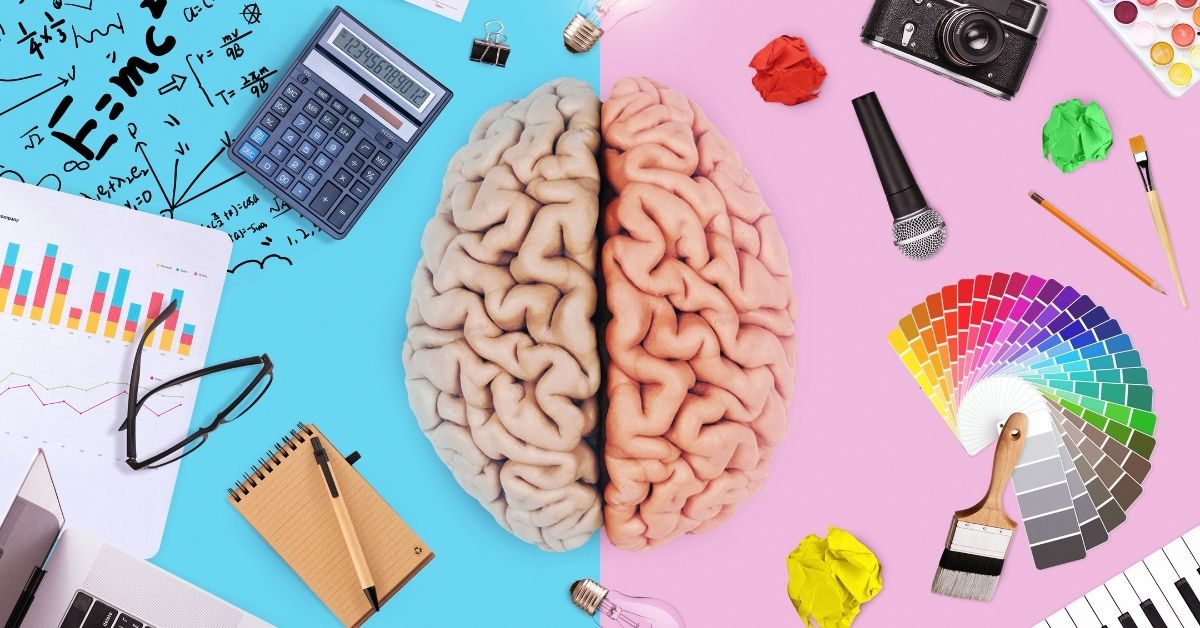
Left Brain vs Right Brain Learning: What Is The Difference?

In the world of homeschooling, understanding how your child learns best can be a game-changer. This brings us to the fascinating theory of left-brain versus right-brain learning. While it has sparked much debate, as a homeschooling parent, exploring these concepts can equip you with insights to tailor a homeschool curriculum that fits like a glove for your child.

In this blog, we’ll dissect the roles of each hemisphere, debunk myths, and offer practical applications to enrich your homeschooling experience.

Explanation Of Left Brain Functions And Learning Styles

Education has long been intrigued by the idea of left-brain versus right-brain dominance. This theory suggests that each side of the brain controls different types of thinking. For homeschooling parents, this concept can provide a framework to understand and nurture your child’s unique learning style. But what does it all mean, and how can you apply it to your homeschool curriculum?
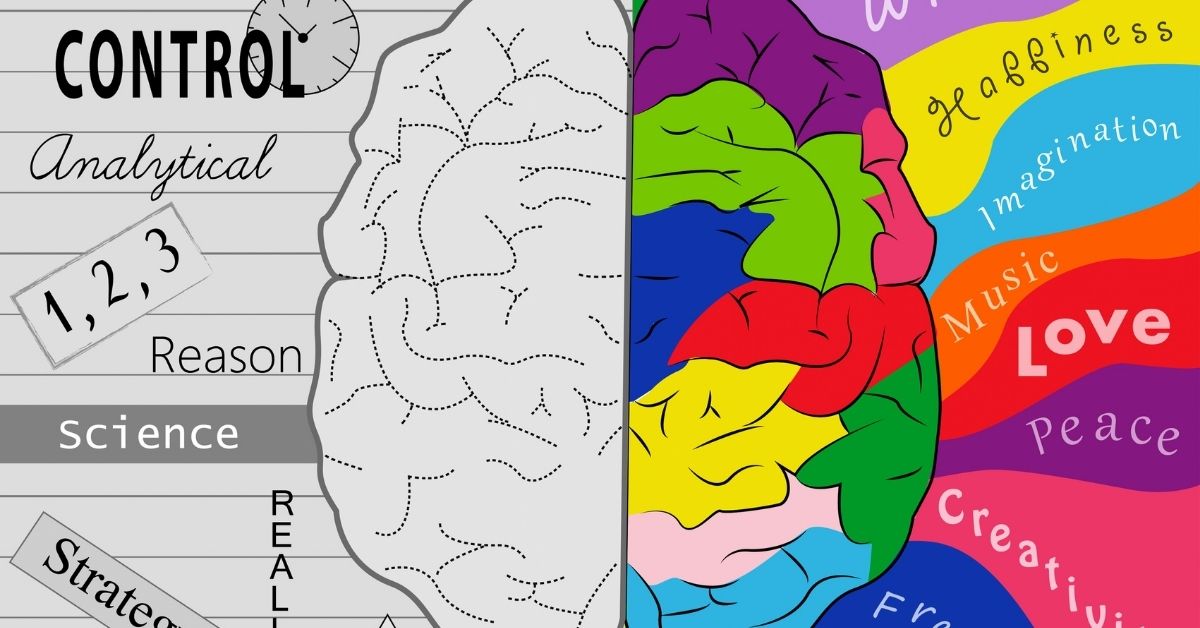
Left brain vs. right brain functions: Analytical vs. creative thinking illustrated

The left hemisphere of the brain is often associated with logical reasoning, analytical thinking, and structured processes. Think of it as the side that thrives on order and precision. On the flip side, the right brain is thought to be the seat of creativity, intuition, and holistic thought. It embraces imagination and the big picture rather than minute details. Understanding these differences can help you recognize whether your child leans toward left-brain or right-brain learning styles, allowing you to adapt your approach accordingly. But before we dive deeper, it’s essential to note that while some may identify more with one hemisphere’s functions, everyone uses both sides of the brain. It’s not about fitting into strict categories; it’s about recognizing tendencies and using that knowledge to enhance learning.

The left brain is traditionally associated with logic and objective analysis. It’s the realm where language, mathematics, and factual recall reside. Children who show strong left-brain learning styles often excel in areas requiring step-by-step reasoning. When it comes to learning styles in children, those with a left-brain orientation might prefer lessons that are structured and sequential. They enjoy working with numbers, engaging in problem-solving activities, and thriving in environments with clear rules and expectations.

Such learners often find comfort in traditional teaching methods, where lessons are laid out concisely, making them predictable and easy to follow. In your homeschool curriculum, you can cater to left-brain learners by incorporating activities that involve lists, categorization, and patterns. These children may enjoy word games, math puzzles, and tasks that require sorting or organizing. By aligning your teaching methods with their strengths, you create an environment where they can flourish naturally.

Switching gears, let’s explore the vibrant world of the right brain. Known for its creativity and intuition, the right hemisphere plays a crucial role in processing visual and spatial information. It thrives on expressiveness and innovation, making it the domain of artists and dreamers.

Children who resonate more with right-brain learning styles often exhibit a preference for visual learning. They gravitate towards colors, pictures, and spatial awareness. These learners are imaginative and flourish in activities that allow them to visualize, create, and explore new concepts dynamically. To support right-brain learners in your homeschool curriculum, consider incorporating art projects, storytelling, and open-ended problem-solving tasks.

Hands-on activities, like building models or engaging in dramatic play, can also stimulate their creativity and help them grasp abstract concepts. By nurturing their natural inclinations, you encourage a love for learning that is both deep and enduring.

While the notion of being either left-brained or right-brained is popular, it’s largely a myth. Neuroscience tells us that the brain is an interconnected organ where both hemispheres work together seamlessly. The idea of strict hemispheric dominance can be misleading when considering learning styles in children.

Research has shown that while certain tasks might engage one hemisphere more than the other, most cognitive processes involve networks across both sides. For instance, language processing requires the left hemisphere, but understanding humor and intonation taps into the right. This integrated use underscores the importance of a balanced approach when designing a homeschool curriculum.

For homeschooling parents, this means recognizing that while your child might show a tendency toward certain styles, they benefit from experiences that engage both hemispheres. It’s about creating a rich, varied learning environment that allows them to develop holistically. By doing so, you unlock their full potential, making them versatile learners ready to tackle diverse challenges.

Practical Applications For Homeschooling Parents

Understanding the interplay between left-brain and right-brain learning can profoundly impact your approach as a homeschooling parent. By observing your child’s preferences and behaviors, you can tailor your teaching methods to suit their unique needs. Start by creating a flexible homeschool curriculum that incorporates elements appealing to both learning styles. For instance, science experiments (right brain) can be integrated with detailed lab reports (left brain). Use storytelling to introduce historical facts, allowing for creativity while ensuring factual learning. Encourage your child to express their thoughts through both written essays and artistic endeavors.

Incorporating activities that require collaboration between both hemispheres can also be powerful. Games that involve strategy and creativity, such as chess or building with Legos, engage multiple cognitive processes. This balanced approach not only supports your child’s current learning style but also helps develop new skills, creating a well-rounded educational experience.

To further support your child’s cognitive growth, consider incorporating a wide range of activities that stimulate both hemispheres of the brain simultaneously. Physical activities such as sports, dance, or martial arts can enhance coordination and spatial awareness while fostering discipline and strategic thinking.

Encourage musical activities, such as playing an instrument or singing, which involves complex auditory processing, rhythmic coordination, and emotional expression, engaging both sides of the brain. Additionally, language learning is a powerful tool for brain development. Introducing a new language not only enhances left-brain language skills but also right-brain pattern recognition and cultural understanding.

This holistic learning experience can improve your child’s problem-solving abilities and creativity. Another effective approach is project-based learning, where children tackle real-world problems that require critical thinking, collaboration, and innovation. These projects allow them to apply their knowledge across various subjects, ensuring they use both analytical and creative skills. By blending diverse educational experiences, you nurture a versatile and robust learning environment, preparing your child for a wide range of future endeavors.

In the quest to understand left-brain versus right-brain learning, remember the ultimate goal is to foster an environment where your child feels supported and motivated. By recognizing their natural tendencies, you can design a homeschool curriculum that plays to their strengths while gently challenging them to grow in other areas.

Balance is key. Provide opportunities that engage both the analytical and creative aspects of their minds. Celebrate their individuality, and encourage exploration in areas they might not naturally gravitate towards. This holistic approach to education prepares them for the complexities of the world beyond homeschooling.

Finally, keep in mind that as a homeschooling parent, you have the unique advantage of flexibility. Use it to your advantage by experimenting with different methods, observing what works best, and being willing to adjust as needed. Together with your child, you can craft a personalized learning path that is both fulfilling and effective. Whether your child is more left-brained or right-brained, the most important thing is that you are there to guide and support them. With these insights, you’re now equipped to make learning an enriching experience that nurtures your entire being.

Study Tips for Different Learning Styles Across All Subjects

In the world of homeschooling, understanding your child’s unique learning style is a game-changer. It’s not just about delivering information but doing so in a way that resonates with how they naturally process and retain knowledge. This blog post uncovers the secrets to enhancing education by aligning teaching methods with the three primary learning styles—visual, auditory, and kinesthetic. We will provide practical study tips for each type, ensuring your child excels across all subjects. Homeschooling parents will gain insights into customizing lessons and creating an enriching learning environment that nurtures their children’s strengths.

Identifying Learning Styles For Effective Homeschooling

Learning styles refer to the preferred way a person absorbs, processes, and retains information. The three primary styles are visual, auditory, and kinesthetic. Recognizing these can significantly impact a homeschooling parent’s approach, making lessons more effective and enjoyable. Visual learners thrive on images, diagrams, and written instructions. They understand concepts better when they can see them, making visuals a powerful tool in their learning arsenal.

Auditory learners, on the other hand, benefit from listening. They excel in environments where they can hear information, discuss ideas, and engage in verbal exchanges. Kinesthetic learners prefer a hands-on approach. They learn best through doing, moving, and touching—activities that involve direct interaction with materials.

By identifying your child’s homeschooling learning style, you can create a more tailored educational experience. This personalization can lead to higher engagement levels, better knowledge retention, and a deeper love for learning. Observing how your child reacts in different scenarios can offer clues to their preferred style, allowing you to adjust your methods accordingly.

A young boy sitting at a table writing in a notebook while his father, smiling, looks at a laptop. The mother stands nearby eating a salad, creating a warm homeschooling environment in a modern kitchen.

Implementing learning style-based strategies benefits not only the child but also the educator. It fosters a supportive and adaptive environment where both parent and child feel confident in the homeschooling process. Ultimately, understanding learning styles serves as a foundation for a more effective and fulfilling educational experience.

Crafting Study Tips For Visual, Auditory, And Kinesthetic Learners

Study Tips for Visual Learners:

Visual learners absorb information best through sight. They appreciate order and clarity in their learning materials, often finding visual aids instrumental in grasping complex concepts. In homeschooling, visual learners can benefit greatly from strategies that incorporate strong visual elements. For subjects like history, maps and timelines can be particularly effective. These learners can visualize events spatially and chronologically, which helps them see the bigger picture. Creating colorful mind maps and charts to summarize key points encourages them to organize information methodically. Using color-coded notes, highlighters, and flashcards also enhances their learning by making it easier for them to categorize and recall information.

Incorporating technology can further enhance a visual learner’s experience. Educational videos and interactive software offer dynamic ways to engage with the material, providing a rich tapestry of visual stimuli. These resources can make abstract concepts more tangible, particularly in subjects like science or mathematics, where visual demonstrations can clarify complex ideas. Creating a visually appealing study space can also support a visual learner’s focus. A tidy, well-organized area with minimal distractions allows them to concentrate better on their tasks. Incorporating a whiteboard or bulletin board where they can display important information or artwork can also inspire creativity and reinforce learning.

Study Tips for Auditory Learners: 

Auditory learners excel when they can hear and discuss information. These learners benefit from strategies that emphasize listening and speaking, making auditory engagement a crucial part of their homeschooling experience. One effective technique for auditory learners is reading aloud. Whether it’s a textbook or a story, hearing the words spoken helps them process and retain information. Audiobooks and recorded lectures provide additional opportunities to absorb content through listening. Engaging in group discussions, even if it’s just with family members, can help reinforce learning as they articulate their thoughts and hear others’ perspectives. Music and rhymes can also play a significant role in an auditory learner’s education. Incorporating songs or melodies related to the subject matter can aid memorization and understanding. For instance, using mnemonics set to music can help them remember formulas or facts more easily.

Encouraging auditory learners to teach back what they’ve learned can further solidify their understanding. This technique not only boosts their confidence but also reinforces their knowledge as they verbalize concepts in their own words. Recording themselves speaking or explaining subjects can also be a useful tool for review and reflection.

Study Tips for Kinesthetic Learners:

Kinesthetic learners learn best through movement and hands-on activities. They thrive in environments where they can physically interact with materials, making active engagement essential for their educational success. In homeschooling, incorporating interactive projects and experiments can captivate kinesthetic learners. For instance, in science subjects, conducting experiments or building models allows them to explore concepts in a tangible way. Field trips and outdoor activities provide real-world experiences that enhance their understanding and retention of information. Creating a dynamic learning environment is key for these learners. Allowing them to move around while studying, like using standing desks or taking short breaks to stretch or walk, can help maintain their focus and energy levels.

Incorporating physical objects, such as manipulatives or craft supplies, in lessons can also facilitate a more hands-on approach. Kinesthetic learners often benefit from role-playing or dramatizations. Acting out historical events or scientific processes can turn abstract ideas into memorable experiences. Encouraging them to use gestures or movements while explaining concepts can also help reinforce their learning.

Adapting Learning Styles To Various Subjects In Homeschooling

Applying these strategies across different homeschool subjects can enhance the educational experience for all types of learners. By integrating visual, auditory, and kinesthetic techniques, homeschooling parents can create a versatile and inclusive curriculum. In subjects like language arts, visual learners can benefit from graphic organizers to outline essays or stories, while auditory learners might prefer discussing plot developments or listening to literature. Kinesthetic learners could engage in writing through interactive activities, such as storytelling through playdough or acting out scenes. Mathematics offers unique opportunities to tailor learning styles. Visual learners can use diagrams and visual aids to understand geometric concepts, while auditory learners might benefit from verbal problem-solving discussions. Kinesthetic learners can use physical objects to represent numbers or engage in activities that involve measuring or constructing.

Science subjects can be enriched through experiments and hands-on projects. Visual learners can benefit from detailed diagrams and videos, auditory learners from recorded explanations or discussions, and kinesthetic learners from conducting experiments or building models. These methods ensure a comprehensive understanding of scientific principles. In social studies, visual learners can create visual timelines of historical events, auditory learners can listen to historical podcasts or engage in debates, and kinesthetic learners can reenact historical scenes or visit relevant sites. By adapting teaching methods to each learning style, homeschooling parents can equip their children with a well-rounded education.

Empowering Homeschooling Success Through Understanding Learning Styles

Understanding and applying different learning styles in homeschooling can significantly impact a child’s educational experience. By tailoring study tips to visual, auditory, and kinesthetic learners, parents can create a more engaging and effective learning environment. Recognizing and catering to individual preferences allows children to thrive academically and develop a lifelong love for learning. The key is observing your child’s natural inclinations and adapting lessons to suit their style. By doing so, you’ll foster a deeper connection to the material and create a positive, supportive atmosphere for their growth. Remember, there is no one-size-fits-all approach in education—embracing diversity in learning styles ensures that every child has the opportunity to shine.

We encourage you to explore these strategies and observe the transformation in your child’s learning experience. With dedication and creativity, homeschooling can become a rewarding and successful endeavor for both parent and child. If you’re eager to learn more or seek personalized guidance, consider reaching out to homeschooling communities and resources for additional support.

Learning Styles in Science: Tailoring Lessons for Visual, Auditory, and Kinesthetic Learners

In the vibrant world of homeschooling, tapping into each child’s unique learning style can be the key to unlocking their potential. With science as a core subject, it’s crucial that lessons are engaging, accessible, and tailored to meet the needs of visual, auditory, and kinesthetic learners. This comprehensive guide will help homeschooling parents recognize and adapt to these varied learning styles, ensuring that each child can thrive in their scientific explorations.

Homeschool Styles Explained: Understanding Learning Style Diversity 

Learning styles refer to the different ways individuals process information. While some children grasp concepts better with images, others may prefer listening or hands-on activities. By understanding these styles, parents can effectively tailor lessons for optimal absorption and retention. Visual learners absorb information best when it’s presented in a format they can see. This could be through diagrams, charts, and videos. They tend to love color-coding and often visualize concepts in their mind’s eye. Recognizing a visual learner can be as simple as noticing their penchant for doodling during lessons or their ability to recall information they’ve seen written down.

Auditory learners, on the other hand, thrive on spoken words. They remember information by hearing and often excel in discussions and listening activities. If your child prefers listening to explanations over reading or often repeats things out loud to remember them, they might be an auditory learner. Kinesthetic learners learn by doing. They engage with the material through touch and movement, often needing physical activity to truly internalize information. These learners might seem restless during traditional lessons but shine when they can engage hands-on. Identifying a kinesthetic learner involves observing their need to fidget while concentrating or their preference for experiments over lectures.

A young boy wearing a red shirt sits at a desk, smiling while looking at a green smartphone. His study materials, including a notebook, are in front of him, and colorful storage cubes decorate the background. A bright and engaging learning environment.

The first step to tailoring your homeschool science curriculum is to determine your child’s primary learning style. Begin by observing their behavior during different activities. Do they seem more focused when watching a video, listening to a story, or participating in an experiment? Consider involving your child in this discovery process. Ask them how they prefer to learn and what methods they find most enjoyable and effective. Additionally, there are various online assessments designed to pinpoint learning styles, which can offer further insights into their preferences. By understanding these styles, you can create an enriching educational environment that caters to their strengths, ultimately enhancing their love for learning.

Tailoring Science Lessons For Visual, Auditory, & Kinesthetic Learners

  • Visual Strategies and Resources: For visual learners, success lies in the vibrant presentation of information. Incorporate infographics, diagrams, and colorful images into your lessons. Resources like interactive textbooks or educational videos can be invaluable. Platforms like Khan Academy and YouTube offer a plethora of visual content suited for homeschooling. Encourage your child to create mind maps or flashcards. These tools not only aid in memory retention but also allow them to actively engage with the material. Visual learners also benefit from written instructions alongside verbal ones, providing clarity and support as they process new information. Imagine a lesson about the water cycle. Start with a visually appealing diagram illustrating evaporation, condensation, and precipitation. Use a colorful video to further explain the stages, then have your child redraw the cycle from memory, adding their unique touches. To reinforce understanding, they could create a collage using magazine cutouts or digital images depicting each stage. This hands-on engagement ensures they’re not just passive learners but active participants in their education.
  • Auditory Strategies and Resources: Auditory learners flourish when they can hear information. To tailor lessons for them, incorporate audiobooks, podcasts, and verbal storytelling into your daily routine. Discuss concepts out loud and encourage your child to ask questions and engage in lively discussions. Utilize technology like voice recorders, allowing them to listen to lessons repeatedly. Resources such as Audible and LibriVox offer a range of science-related audiobooks that can supplement your curriculum. Take a topic like the rock cycle. Begin with an engaging podcast or audio clip explaining the process. Follow this by having your child narrate what they’ve learned, encouraging them to articulate each stage in their own words. Engage in a dialogue about the differences between igneous, sedimentary, and metamorphic rocks. Play an interactive audio quiz to assess their understanding, making learning both fun and informative.
  • Kinesthetic Strategies and Resources: Kinesthetic learners need movement and hands-on activity. Structure your lessons to include experiments, field trips, and interactive projects. Encourage them to build models or use educational kits that require assembly and manipulation. Use resources like science activity books or online platforms offering virtual labs to allow them to explore concepts experimentally. Keep lessons dynamic, varying activities to maintain their engagement and interest. If you’re teaching about plant biology, consider a hands-on approach. Begin by planting seeds together, discussing the process of germination as you go. Encourage your child to document growth stages with photographs or sketches. Create a simple experiment to show how plants absorb water using colored water and celery. This tangible experience roots theory in practical application, deepening their understanding through direct interaction.

While identifying a child’s primary learning style is beneficial, incorporating elements from all three styles can enrich learning experiences. Multi-modal approaches cater to diverse needs, ensuring a holistic understanding of complex subjects. Combine visuals with auditory explanations and hands-on activities. This flexibility allows children to engage with material in multiple ways, reinforcing concepts and accommodating various preferences. Multi-modal learning ensures no stone is left unturned. It promotes cognitive flexibility, adaptability, and creativity. By exposing children to different methods, you equip them with diverse problem-solving skills, fostering resilience and innovation. Additionally, this approach can reveal untapped strengths in learners, offering a more rounded and fulfilling educational experience.

Finding The Right Homeschool Curriculum

Finding the right homeschool curriculum can be challenging, but many resources offer flexibility to adapt to different styles. Look for programs emphasizing interactive content, such as Time4Learning or Oak Meadow, which provide visual, auditory, and kinesthetic engagement. Today’s digital age offers vast resources, like the “homeschool history video curriculum,” that bring subjects to life. Platforms like Discovery Education and BrainPOP offer a wealth of videos, games, and interactive content that engage all learning styles.

A supportive learning environment is also fundamental to successful homeschooling. Arrange your space to accommodate different activities, ensuring it’s comfortable and inviting. Consider lighting, seating, and storage to enhance focus and organization. Nurture natural curiosity by providing access to diverse materials, books, and tools. Encourage questions and celebrate discoveries. This open-minded approach fosters a lifelong love of learning and empowers children to pursue their interests. Connect with other homeschooling families to exchange ideas, resources, and support. Join local groups or online forums to share experiences and learn from others. Community involvement offers valuable insights and camaraderie for both parents and children.

Incorporating learning styles into your homeschool science lessons is not just an educational strategy—it’s a pathway to deeper understanding and enjoyment. By tailoring your approach to visual, auditory, and kinesthetic learners, you create an environment where every child can thrive. Encourage exploration and experimentation, and don’t hesitate to try new strategies. Remember, every child learns differently, and your adaptability as a parent and educator makes all the difference. Share this guide with fellow homeschooling parents and join us in fostering a community that celebrates diverse learning styles. Let’s make science an adventure for every child, one lesson at a time.