
How To Homeschool A Child With ADHD

Homeschooling offers a unique opportunity to design a learning experience that caters to your child’s individual needs. For children with ADHD (Attention Deficit Hyperactivity Disorder), this tailored approach can make a world of difference. ADHD often impacts a child’s ability to focus, manage impulses, and stay organized, which can pose challenges in conventional classroom settings. Homeschooling provides the flexibility to accommodate their learning style, address challenges, and utilize their strengths.

Here, we’ll explore effective homeschooling methods for children with ADHD. From establishing routines to creating learning-friendly environments, you’ll find actionable tips to support your child’s success.

Develop a Flexible Routine

Children with ADHD thrive with structure, but they also need flexibility built into their day. Rigid schedules can feel overwhelming, so a balance between structure and adaptability is essential.

  • Set a Loose Daily Framework: Establish a general routine for learning, play, and rest. Include regular breaks for physical activity, as staying active helps improve focus and reduce frustration.
  • Use Timed Sessions: Break learning into short, manageable chunks. For example, the Pomodoro Technique involves 25 minutes of focused work followed by a 5-minute break. This works well to reset attention.
  • Allow Input from Your Child: Giving your child some say in how they structure their learning day can increase motivation. Whether it’s choosing the order of subjects or selecting a fun activity as a reward, involving them fosters a sense of responsibility and control.
  • Prioritize Energy Levels: Observe when your child is most alert and schedule challenging subjects at those times. Save lighter tasks for moments when their energy dips.

Flexibility keeps frustration at bay while making room for creativity and active learning.

Choose the Right Curriculum

Selecting the best homeschool curriculum for ADHD students is key to a rewarding experience. A good curriculum engages your child’s natural curiosity while addressing their challenges in focus and organization.

  • Look for Multi-Sensory Learning: Curricula that include hands-on activities, visuals, and movement can be incredibly effective. For history, try storytelling or reenactments. For science, focus on experiments and building models. These methods make lessons stick.
  • Focus on Active Participation: Programs that rely on traditional worksheets and rote memorization may fail to capture your child’s attention. Instead, opt for interactive tools and game-based platforms like Prodigy for math or Duolingo for language learning.
  • Ensure Flexibility: ADHD learners may need extra time to fully grasp certain subjects. Choose resources that allow you to progress at your child’s pace.
  • Include Executive Function Training: Many children with ADHD struggle with organizing, planning, and managing time. Look for programs that incorporate skills like goal-setting, task breakdowns, and self-monitoring into their learning framework.

Popular homeschooling methods for children with ADHD include Charlotte Mason-inspired approaches, Montessori models, and online platforms like Time4Learning and Oak Meadow.

Young child looking up at colorful ADHD letters above their head, representing attention deficit hyperactivity disorder in children.

Optimize the Learning Environment

The homeschooling environment has a significant impact on your child’s ability to focus and engage. Eliminating distractions and incorporating sensory-friendly tools can make learning more productive and enjoyable.

  • Create a Dedicated Workspace
    • Set up a specific area for learning that is free of clutter and unnecessary distractions.
    • Store supplies in labeled bins or folders to keep things organized and easy to access.
  • Control Sensory Input
    • Use noise-canceling headphones or soft background music to minimize auditory distractions.
    • Provide tools like fidget spinners, stress balls, or wobble cushions to channel energy in a controlled way.
  • Include Movement Options
    • Allow for flexibility by incorporating options like standing desks or bouncy seats.
    • Include a small area for stretching or jumping during breaks.
  • Design a Calming Space
    • Create a designated “calming corner” with sensory tools like weighted blankets or a beanbag.
    • This gives your child a safe place to decompress when they feel overwhelmed.

A well-structured, sensory-friendly environment makes it easier for your child to regulate emotions and focus on their studies.

Use Effective Teaching Strategies

Homeschooling methods for children with ADHD need to play to their strengths while addressing their challenges. ADHD children often have exceptional creativity and problem-solving abilities, so leverage these attributes while providing tools to help them stay on track.

  • Break Lessons into Small Steps
    • Large tasks can feel overwhelming, so divide them into smaller, bite-sized goals.
    • Use tools like checklists, flowcharts, or visual schedules to keep everything manageable.
  • Provide Clear Instructions
    • ADHD learners may require repeated explanations. Be patient and use repetition to solidify understanding.
    • Utilize visuals and examples to illustrate instructions.
  • Encourage Movement During Learning
    • Add physical components to lessons, such as teaching math with jump ropes or reviewing spelling words while tossing a ball.
    • Integrating movement taps into their natural need for activity and makes learning memorable.
  • Offer Positive Reinforcement
    • Celebrate small wins, such as completing a chapter or staying focused during a lesson.
    • Simple phrases like “You worked really hard today!” or small rewards can boost morale and motivation.
  • Ease Transitions
    • Shifting focus from one subject to another can be tough. Use verbal cues, visual timers, or brief activities to signal the transition.

Investing in targeted strategies makes lessons both effective and enjoyable for you and your child.

Connect with Community and Resources

Homeschooling doesn’t mean you have to go it alone. There are countless resources and support systems available to help you along the way.

  • Join Homeschool Co-Ops
    • Connect with other homeschooling families for group activities, shared lesson plans, and emotional support.
    • Co-ops often offer field trips, group classes, and projects that enrich your homeschooling experience.
  • Seek ADHD Support Groups
    • Both online and in-person support groups can provide invaluable insights into behavior management and ADHD-friendly educational tools.
    • Sharing strategies with other parents in similar situations makes problem-solving more collaborative.
  • Hire a Specialist When Needed
    • If you’re feeling overwhelmed, consider working with an ADHD tutor or coach. These professionals can provide tailored strategies for managing behavior, improving organization, and keeping your child on track.
  • Encourage Social Interaction
    • Sign your child up for extracurricular activities to build social skills. Whether it’s sports, art classes, or theater, these experiences enrich their homeschooling and social development.

Building a network not only keeps homeschooling manageable but also ensures your child receives a well-rounded education.

Focus on Progress

Homeschooling a child with ADHD can feel challenging, but celebrating every step forward makes the process rewarding. Whether it’s completing a workbook page without distractions or mastering a new skill, highlight these victories to build confidence.

There will be tough days, but they offer room for growth and adaptation. Harness creativity, remain flexible, and continually assess what methods work best for your child. Tailoring education to their unique needs offers long-term benefits, including better focus, improved emotional regulation, and a love for learning.

By exploring homeschooling methods for children with ADHD, crafting personalized strategies, and utilizing effective tools, you unlock your child’s potential and foster a vibrant, meaningful education.


How To Help Your Shy Homeschool Child Come Out Of Their Shell

Homeschooling provides a tailored and flexible learning environment for families, but it can come with unique challenges. For shy homeschool kids, limited exposure to social situations may make it harder for them to develop confidence when interacting with others. The good news is that homeschooling also allows you the freedom to create intentional opportunities to help them grow socially. Through patience, encouragement, and purposeful actions, you can help your child step out of their shell and feel more comfortable in social settings.

Here’s how:

Addressing Social Challenges Early

Shyness is a natural personality trait for many children, and there’s nothing wrong with being reserved. However, children who struggle with shyness may find it difficult to express themselves, interact with peers, or handle new environments. For shy homeschool kids, addressing these challenges early helps them gain the tools needed to communicate effectively, solve problems, and collaborate with others later in life.

  • Why it matters
    Without guidance, prolonged shyness may impact their self-esteem, limit opportunities to form friendships, and delay development of essential social skills.
  • What’s the goal?
    Focus on empowering your child—not “fixing” them. The aim is to help them feel confident interacting with others on their terms.

Shy young girl wearing a pink sweater and backpack, standing close to an adult for comfort, symbolizing social anxiety in homeschool children.

Helping Shy Homeschool Kids Make Friends

Homeschooling doesn’t come with the built-in daily peer interactions that traditional schools provide, so it’s important to create deliberate opportunities for your child to meet others. Making new friends can feel intimidating for shy kids, but with the right strategies, it can become a rewarding experience.

Strategies for Encouraging Friendships

  • Join homeschool groups or co-ops
    Look for local homeschooling groups that offer regular meetups, collaborative projects, or field trips. These structured settings make it easier for shy kids to connect with others in a less overwhelming environment.

    • Start with smaller groups, as these tend to feel more approachable than larger gatherings.
  • Enroll in extracurricular activities
    Encourage your child to participate in activities like art classes, sports teams, Scouts, or music lessons. Shared interests naturally foster connection, and these settings teach teamwork and collaboration.
  • Host one-on-one playdates
    Inviting another child over for a playdate at home provides a safe and familiar environment for shy homeschool kids. One-on-one interactions are less intimidating than group scenarios.
  • Practice social skills through role-playing
    If your child struggles to start conversations, use role-playing to rehearse common social scenarios. Practice how to introduce themselves, ask someone to play, or respond to questions. This gives them tools to feel more prepared in real-life situations.
  • Celebrate small victories
    Having your child say hello to one person at a homeschool meetup or engage in a brief conversation is a success. Celebrate these moments to encourage their growth.

Building Self-Confidence

Confidence is the foundation for helping shy homeschool kids thrive socially. When they feel confident in themselves, they’re more inclined to step out of their comfort zones and try new things. Building confidence takes time but can be achieved with consistent reinforcement and encouragement.

Steps to Build Confidence

  • Recognize their strengths
    Every child has unique talents or areas where they excel. Highlight these strengths and provide opportunities for them to shine. For example, if they enjoy drawing, have them create art for a family event or homeschool project. This builds pride in their abilities.
  • Model confidence
    Shy kids often learn by observing adults around them. Be a role model by approaching new situations with positivity and confidence. Share how you deal with nervousness, such as taking a deep breath or focusing on the enjoyable aspects of the interaction.
  • Set achievable goals
    Help your child break social challenges into smaller, manageable steps. For example, their goal for the day could be speaking to one other child during an outing. Achieving these small goals builds momentum and self-belief.
  • Offer leadership opportunities
    Encourage your child to take on small leadership roles. They could help lead a group activity or assist in preparing for a homeschool event. Leadership experiences help shy kids realize that their contributions matter and build their confidence over time.
  • Avoid comparisons
    Focus on your child’s unique progress instead of comparing them to more outgoing siblings or peers. Celebrate their efforts and milestones without judgment, which nurtures their self-esteem.

Encouraging Social Confidence

Creating a balance between encouragement and respecting your child’s limits is key when fostering social confidence. Pushing them too quickly into unfamiliar situations can backfire, so it’s essential to follow their lead and move at their pace.

Actionable Strategies for Developing Social Confidence

  • Create gradual exposure opportunities
    Build up their comfort level by starting with small, familiar group interactions. For instance, attend family-focused homeschool meetups first before progressing to larger co-op events.
  • Normalize shyness
    Talk to your child about how everyone has different comfort levels in social situations. Sharing examples of successful individuals who were shy as children, like Emma Watson or Albert Einstein, can help reframe their perspective on shyness.
  • Use books and media as tools
    Stories with characters overcoming shyness or learning social lessons are powerful teaching tools. Discuss their favorite book characters’ journeys and relate them to real-life situations they may face.
  • Include volunteering
    Volunteering allows children to connect with others while focusing on a shared task or goal. Whether it’s helping at a community soup kitchen, cleaning a park, or assisting at an animal shelter, volunteering fosters collaboration and builds a sense of belonging.
  • Have open conversations about feelings
    If your child avoids social situations, ask about their concerns. They may feel nervous about saying the wrong thing or being judged. Addressing and validating their emotions helps you identify ways to support them.

Leveraging Homeschooling’s Flexibility

One of the greatest advantages of homeschooling is its adaptability. You can integrate social opportunities that align with your child’s temperament and schedule, allowing them to gradually build their abilities in a supportive environment.

  • Socialize within academics
    Incorporate group-based learning, like collaborative projects or storytelling sessions, into your homeschooling routine. This helps your child interact with peers naturally while focusing on the learning process.
  • Respect their boundaries
    Observe how your child responds to different kinds of social interactions. While some shy kids thrive in structured group settings, others may prefer quieter, one-on-one experiences. Use this information to customize their social opportunities.
  • Celebrate who they are
    The goal isn’t to make your child an extrovert; instead, it’s about equipping them to feel secure being themselves in a range of social situations.

Helping a shy homeschool child come out of their shell is a gradual process that requires patience and consistency. Through thoughtful encouragement, realistic goals, and celebration of their unique strengths, you can create a safe space for them to grow. Whether forming their first friendship, leading a group activity, or simply sharing their ideas in small conversations, every step marks progress. Social confidence will help your child thrive—not just in their homeschooling experience, but throughout their life.

Homeschooling Abroad: Can You Teach While Traveling?

Many families dream of exploring the world while giving their children a quality education. Homeschooling while traveling, often called “worldschooling,” makes this dream possible. With thoughtful preparation and the right strategies, you can effectively blend education with incredible travel experiences. Whether you’re a new homeschool parent or a seasoned educator, teaching while traveling is an enriching way to bring learning to life.

Homeschooling while traveling works because it turns the world into your classroom. Destinations become the setting for lessons, providing hands-on, real-world learning. Imagine studying the pyramids during a visit to Egypt or learning about marine biology while snorkeling in Australia’s Great Barrier Reef. With the flexibility of homeschooling, you can create a learning experience that fits your family’s needs while taking advantage of your changing surroundings.

Let’s explore how to make homeschooling on the move a manageable and rewarding adventure. From navigating legalities to crafting a flexible curriculum, use these tips to get started.

A family of four with luggage looking at a flight information board in an airport, symbolizing homeschooling while traveling or worldschooling adventures.

Why Homeschooling While Traveling Works

Homeschooling on the go isn’t just about staying on top of academics. It’s an opportunity to enrich your child’s education in ways that a traditional classroom can’t provide. Here’s why it works so well:

  • Real-World Learning Opportunities
    Instead of just reading about historical landmarks or natural phenomena, your children experience them firsthand. History lessons come alive when visiting ancient ruins, and geography makes more sense when witnessing how rivers shape landscapes. These real-world experiences spark curiosity and a deeper understanding.
  • Continuity in Education
    Homeschooling allows you to maintain consistency, no matter where you go. Instead of enrolling in local schools and adapting to foreign education systems, you stay in control of the curriculum, pace, and teaching style. This is especially important for kids who crave stability while adjusting to new environments.
  • Life Skills Development
    Beyond academics, traveling teaches children independence, problem-solving, and adaptability. They learn how to interact with diverse cultures, handle challenges, and think critically.
  • Stronger Family Bonds
    Traveling as a homeschooling family means spending lots of time together. Whether you’re exploring temples, hiking trails, or navigating busy train stations, these shared moments build lasting memories and strengthen relationships.

While the benefits are undeniable, homeschooling abroad does require careful planning. Here’s how to set yourself up for success.

Tips for Homeschooling While Traveling

Homeschooling while living abroad comes with unique challenges, from legal considerations to staying organized on the go. However, with the right approach, you can overcome these challenges and create a seamless learning experience for your children.

1. Research the Legal Requirements

Before leaving your home country, research the homeschooling laws in your travel destinations. Some nations are lenient about homeschooling, while others strictly regulate it. Actions to consider include:

  • Complying with homeschooling registration requirements in your home country. This is especially important if you plan to return later.
  • Checking whether homeschooling is recognized (or restricted) in the countries you’ll be visiting.
  • Keeping documentation of your child’s academic work in case you need to demonstrate progress to authorities or schools in the future.

2. Opt for Digital Resources

When traveling, packing light is essential. Using digital tools makes it easier to homeschool without lugging around a suitcase full of textbooks. Consider:

3. Create a Flexible Routine

A rigid school schedule can be tricky while traveling. Children learn best when they’re rested and engaged, so build a timetable that works for both your family and your activities. Tips include:

  • Balancing structured lessons with free exploration time.
  • Adjusting routines based on travel plans, jet lag, or location-specific events.
  • Using mornings for focused academic work and afternoons to explore museums, landmarks, or local markets.

4. Incorporate Local Experience into Learning

Take full advantage of your surroundings by weaving the culture, history, and geography of your destination into your lessons. For example:

  • Teach measurement and math by cooking local dishes.
  • Turn field trips to historical sites into interactive history lessons.
  • Explore art museums or craft traditions to inspire creativity.

5. Build Connections

Social interaction is a vital part of any learning experience. While traveling, you can join local communities or virtual homeschooling groups to meet like-minded parents and provide your children with peer interaction.

  • Look for expat forums or international homeschool networks in your destination.
  • Sign your children up for local classes, such as sports programs, art workshops, or language lessons.
  • Participate in co-ops or field trips with other homeschool families.

6. Maintain Records and Stay Organized

Keep track of your child’s progress and maintain a portfolio of their work, including lesson plans, test results, and creative projects.

  • Use apps to track attendance, grades, and milestones.
  • Store copies of important documents, like passports and school records, in both physical and digital formats.

Crafting a Worldschooling Curriculum

When homeschooling on the road, balancing structure with freedom is key. A worldschooling curriculum helps you meet core academic goals while taking full advantage of your travels. Here’s how to structure your plan:

Core Academics

Stick to essential subjects like math, reading, and science. Many families find structured programs helpful for maintaining continuity while traveling.

  • Use curricula like Saxon Math or Teaching Textbooks for math.
  • Supplement language arts lessons with platforms like Grammarly or Storybird for creative projects.

Cultural Studies

Instead of traditional social studies, immerse your children in the rich histories of the places you visit.

  • Explore historical landmarks, from castles to battlefields.
  • Learn local languages, either through classes, apps, or day-to-day interactions with residents.
  • Study traditions by attending festivals, sampling local cuisine, or listening to oral histories.

Science in Nature

Travel offers countless opportunities for hands-on science exploration.

  • Visit national parks, rainforests, or biospheres to study ecosystems.
  • Conduct experiments based on your environment, such as testing water pH at a local river or studying the stars in a dark-sky reserve.

Creative Projects

Fuel imagination by encouraging children to document their travels. Great examples include:

  • Journaling daily adventures, complete with drawings or collages.
  • Starting a family blog to share discoveries with friends and relatives.
  • Taking photography or video editing classes to create travel documentaries.

Addressing Common Challenges

Despite its rewards, homeschooling while traveling isn’t without hurdles. Here are solutions to some common challenges:

  • Limited Internet Access
    Pre-download lessons, books, and videos for offline use. Carry physical activities like workbooks and printable worksheets as backups.
  • Adapting to Social Changes
    Engage with the local community for playdates or group opportunities. Traveling also boosts communication skills as children learn to make friends in different environments.
  • Balancing Travel and Learning
    While it’s easy to get caught up in the excitement of travel, ensure there’s adequate downtime for kids to relax and process everything they’ve learned.

Can you homeschool while traveling? Absolutely. The world offers experiences and lessons that can’t be found in any textbook. Build your plan, stay flexible, and enjoy the educational journey through the wonders our planet has to offer. For families ready to create unforgettable memories while providing a great education, the world truly is the best classroom.

How To Use Social Media In Your Homeschool Plan

Homeschooling offers families the freedom to create tailor-made educational experiences. Pairing this flexibility with innovative tools can elevate the learning process. One tool gaining popularity among homeschoolers is social media. Once seen strictly as a distraction, it’s now recognized as a treasure trove of educational resources and opportunities. When used thoughtfully, social media can enhance learning, foster community, and prepare children for a tech-savvy world.

Here’s how to use social media for homeschooling effectively while maintaining a balance that supports your child’s overall development.

Why Use Social Media in Homeschooling?

Social media can enrich your homeschool plan in several ways, from providing access to free educational content to connecting with a broad community of learners. Here’s how it can benefit your family:

  • Access to Free Learning Resources
    Platforms like YouTube, Instagram, and TikTok are filled with tutorials, lesson ideas, and projects. Educators, influencers, and organizations share a wealth of knowledge on topics like science experiments, history lessons, book recommendations, and more.
    Example: For hands-on science experiments, search for video demonstrations by educators or science enthusiasts and try them together at home.
  • Build Community and Get Support
    Social media connects you with the larger homeschooling community. Groups on Facebook or hashtags on Instagram like #homeschoollife provide spaces to share advice, resources, and encouragement. If you’re new to homeschooling, these communities can help you feel supported while offering practical tips.
  • Teach Digital Literacy
    Including social media in your teaching gives kids early exposure to responsible digital habits. With guided use, it’s possible to teach critical life skills like media literacy, digital etiquette, and online safety. These skills are increasingly vital in today’s tech-driven world.

By incorporating social media thoughtfully, you can enrich your homeschool plan and foster both academic and life skills.

Choosing the Best Platforms for Homeschooling

Each social media platform brings something unique to the table. Selecting the right one will depend on your child’s learning style and your teaching goals. Here’s a breakdown of popular platforms to consider:

  • YouTube
    Best for visual and auditory learners. You’ll find high-quality content on any topic imaginable—from math hacks to geography documentaries. Some popular channels include National Geographic Kids, TED-Ed, and CrashCourse.
  • Pinterest
    Perfect for curriculum planning and discovering creative projects. Save ideas for crafts, printable worksheets, or lesson plans organized by subject or theme. It’s a go-to for arts, DIY experiments, and hands-on activities.
  • Facebook
    Excellent for finding support. Homeschooling groups allow parents to share resources, participate in discussions, and coordinate local events. Look for groups tailored to your teaching style, curriculum preferences, or your child’s age and interests.
  • Instagram
    Offers visual inspiration and bite-sized lessons. Many educators share engaging posts with book recommendations, quick science facts, or educational challenges. Use hashtags like #homeschoolresources or #learningathome to explore new ideas.
  • TikTok
    Great for short, fun lessons. If used wisely, TikTok can be a surprising source of learning. Many creators post quick videos on history, science, art, and language tips. You can curate your child’s feed by selecting verified educational accounts and enabling parental controls.

By understanding what each platform offers, you can curate a mix of resources that align with your homeschooling goals.

Close-up of a person holding a smartphone with the Instagram login screen, illustrating the use of social media platforms in educational or homeschooling contexts.

Creative Ways to Utilize Social Media in Homeschooling

Once you’ve chosen platforms that suit your needs, it’s time to get creative. Here are actionable ways to integrate social media into your child’s learning experience:

  1. Supplement Textbook Lessons with Videos
    Use YouTube to add depth to lessons. If your child is studying ancient history, watch documentaries or reenactments. For STEM topics, find science experiments to replicate at home or watch demonstrations of complex concepts.
  2. Participate in Educational Challenges
    Keep learning fun by joining social media challenges. These could be reading challenges on Instagram, building STEM projects shared on TikTok, or creative writing prompts launched by online communities. Challenges add an element of play to lessons and can motivate kids to stay engaged.
  3. Collaborate with Other Homeschoolers
    Use Facebook groups or Instagram direct messaging to organize group activities, whether they’re virtual or in-person. For example:

    • Host a virtual book club discussion.
    • Plan a group science fair.
    • Work on a collaborative art project.
  4. Group efforts strengthen teamwork and communication skills while fostering connections.
  5. Take Virtual Field Trips
    Follow museums, zoos, or cultural institutions on platforms like Instagram and Facebook. Many host live tours or share video walkthroughs. This gives children access to places they might not otherwise visit, such as international museums or historic landmarks.
  6. Learn Practical Digital Skills
    Teach older students how social media works as a professional tool. Assign a project where they create a presentation or manage a mock “business page.” Skills like writing captions, analyzing metrics, or designing graphics can teach entrepreneurship and modern marketing.
  7. Discover New Educational Apps
    Many apps integrated with social media offer interactive learning tools. For example:

    • Kahoot! for quizzes and trivia.
    • Duolingo for sharpening language skills.
    • Trello for organizing assignments and project timelines.
      Explore educational apps that align with your goals and discover how other parents use them through shared posts.

These strategies will help you bring variety to lessons and keep learning dynamic.

Using Social Media Safely and Responsibly

While social media has its advantages, using it responsibly is essential when incorporating it into homeschooling. Here’s how to ensure a safe and productive experience for your child:

  • Set Boundaries
    Limit screen time and balance digital learning with offline activities like outdoor play, reading, or family projects. Establish clear rules about tech use and take breaks to prevent burnout.
  • Curate Content
    Use parental controls and account settings to filter age-appropriate content. Regularly review educational accounts to ensure your child is exposed to high-quality and relevant material.
  • Teach Digital Hygiene
    Guide your child on safe online interactions. Discuss the importance of fact-checking information, recognizing ads or scams, and respecting others’ opinions online.
  • Monitor Participation
    Stay involved when your child uses social media in their learning. Whether they’re watching tutorials or participating in challenges, your presence reinforces safety and focus.

Setting these guidelines not only ensures safety but also instills healthy social media habits for the future.

Unlocking the Potential of Social Media in Homeschooling

Social media opens doors to limitless educational opportunities. By actively incorporating it into your homeschool plan, you can access diverse content, build meaningful connections with other families, and teach essential tech skills. When approached strategically and responsibly, social media becomes more than just a digital space; it becomes a learning hub that complements traditional teaching methods.

Explore the possibilities, try new ideas, and don’t hesitate to adjust your approach as needed. Homeschooling with social media is a creative process that can truly enrich your child’s educational experience.

Are Homeschooled Kids More Likely To Succeed In Their Future Careers?

Homeschooling continues to grow as a popular educational option, and many parents wonder how this choice impacts their child’s future. One of the key concerns is whether homeschooling can set kids up for success in their careers. When we look at homeschool success rates, the evidence suggests that this educational approach has unique advantages that contribute to career preparedness. By promoting academic achievements, building essential life skills, and offering personalized opportunities for growth, homeschooling can be a powerful platform for success.

Academic Achievements and Their Impact on Careers

Strong academics lay the foundation for professional success, and research consistently shows that homeschooled students often excel academically compared to their traditionally schooled peers. This success can be attributed to several factors:

  • Personalized Learning
    Homeschooling enables parents to customize the curriculum based on a child’s strengths, weaknesses, and interests. For instance:

    • A student who enjoys math can explore advanced topics at their own pace instead of waiting for the rest of the class to catch up.
    • If another student struggles with reading, parents can spend more time addressing this particular challenge.
  • Flexible Teaching Methods
    Homeschooling allows for creative and diverse teaching strategies, such as:

    • Hands-on activities or experiments that make learning interactive and engaging.
    • Field trips to museums, farms, or historical landmarks to enrich their understanding of specific subjects.
    • Incorporating online courses, tutors, or educational apps to address specific areas of interest or need.
  • Focus on Individual Passions
    Homeschooled children often have more time to pursue hobbies and interests that align with future career goals. Whether it’s coding, music, art, or science, homeschooling makes it easier to integrate these passions into daily learning. This focus not only helps children master specific skills but also sets them on a path toward fulfilling careers in fields they enjoy.

Studies show that these academic benefits can translate directly into career advantages. Higher test scores, advanced subject understanding, and a love for learning position homeschooled students for academic and professional opportunities, such as scholarships or internships, that propel them toward career success.

Key Career Skills Developed Through Homeschooling

Homeschooling builds a variety of soft and hard skills that are invaluable in today’s workforce. These skills prepare students for a competitive job market and set them apart from their peers. Here’s how homeschooling promotes career development:

  • Self-Motivation and Independence
    Homeschooled students often take greater responsibility for their education by managing their schedules, assignments, and goals. This self-driven approach encourages:

    • Strong time-management skills.
    • A willingness to take initiative and seek out resources or opportunities independently.
      These traits are crucial for thriving in any career, particularly in roles that require minimal supervision.
  • Problem-Solving and Critical Thinking
    Homeschooling’s flexible nature allows students to learn through exploration and trial-and-error, which develops problem-solving skills. For example:

    • A student learning coding can test and debug their projects, honing critical thinking abilities.
    • Hands-on science experiments make abstract concepts tangible and encourage analytical thinking.
  • Real-World Learning Opportunities
    Homeschooling provides students with more chances to step into the real world and gain practical experience. Common examples include:

    • Internships or apprenticeships within a student’s local community.
    • Volunteering in areas that match their interests, such as environmental work or healthcare.
    • Shadowing professionals in fields ranging from engineering to culinary arts.

These real-world experiences give homeschooled kids practical skills and direction, helping them make informed decisions about their career paths.

  • Entrepreneurship and Financial Literacy
    Homeschooled students often have the flexibility to explore entrepreneurship during their high school years. Whether they start an online store, offer tutoring services, or sell handmade crafts, these ventures teach them:

    • Business essentials like marketing, budgeting, and customer management.
    • Resilience when facing challenges, such as managing inventory or promoting their services.
      Entrepreneurship nurtures creativity and prepares students for industries that reward innovation and leadership roles.

By cultivating these life skills, homeschooling equips students with the versatility they need to adapt to changing professional landscapes.

Confident young professional woman in a modern office, representing career success and the outcomes of a strong educational foundation, such as homeschooling.

Homeschool Success Rates in the Workforce

When it comes to evaluating homeschool success rates in careers, evidence indicates that homeschooled individuals often perform as well as, if not better than, their traditionally schooled counterparts. Their strong performance can be attributed to several unique factors:

  • Adaptability and Creativity
    Homeschooling emphasizes problem-solving and innovative thinking. These qualities make homeschooled graduates well-suited for dynamic fields such as:

    • Technology, where critical thinking and adaptability are key.
    • The arts, which rely on creativity and self-expression.
    • Entrepreneurship, where resilience and originality drive success.
  • Higher Education Achievements
    Homeschooled students tend to pursue higher education at high rates, with many excelling in college environments. These academic achievements open doors to competitive industries and leadership roles where advanced degrees are crucial.
  • Networking Opportunities Through Homeschool Communities
    Many families participate in co-ops, career fairs, or local homeschooling networks. These communities often:

    • Connect students with mentors, advisors, or like-minded peers.
    • Offer resources for scholarships, internships, and volunteering.
    • Create opportunities to practice collaboration and teamwork.

Building a strong professional network early on provides students with a foundation for securing employment and long-term career growth.

  • Employer Perception of Homeschool Graduates
    Employers increasingly value skills like independent thinking, motivation, and creativity. Homeschool graduates often stand out because:

    • They approach problem-solving uniquely.
    • Their portfolios often include real-world experiences or entrepreneurial ventures, such as operating a small business during their school years.

Employers recognize these qualities as indicative of a candidate who is willing to learn, adapt, and contribute meaningfully to their team or organization.

The Role of Personalized Education in Career Success

One of the most significant benefits of homeschooling is the ability to create a tailored education plan for each child. This personalization directly impacts homeschool success rates, particularly when it comes to career readiness:

  • Focus on Strengths and Interests
    Parents can design lessons that cater to their child’s passion, whether it’s science, writing, or mechanics. This targeted approach helps students:

    • Master subjects or skills that align with their career goals.
    • Gain a deeper understanding and appreciation for their chosen field.
  • Dual Enrollment and Advanced Learning Opportunities
    Many homeschoolers enroll in community college classes or online courses while completing high school. These programs:

    • Help students earn college credits early.
    • Broaden their expertise and strengthen their resumes.
    • Prepare them for the academic rigor of higher education.
  • Customizing Schedules for Practical Experience
    Homeschooling allows students to incorporate hands-on learning into their routines, such as:

    • Spending hours interning with professionals in their fields of interest.
    • Dedicating time to projects, performances, or science fairs that align with potential careers.

This personalized learning creates well-rounded, confident individuals who feel prepared to excel in their future careers.

Homeschooling as a Launchpad for Career Success

Homeschooling’s unique features make it a powerful tool for preparing children for their professional lives. By promoting academic success, developing critical life skills, and offering real-world learning opportunities, homeschooling helps students achieve thriving careers. Whether the goal is entering a competitive job market, excelling in higher education, or embarking on entrepreneurial ventures, homeschooled kids come equipped with the adaptability, resilience, and motivation that define successful individuals.

For families considering homeschooling, understanding these impacts can help guide their decision. Homeschooling may not be the perfect fit for every household, but its benefits in nurturing growth and preparing students for the workforce cannot be overlooked. Parents who choose to homeschool are making an investment in their child’s future, empowering them with the skills and confidence they need to reach their full potential.

Why More Parents Are Turning To Homeschooling Their Children In 2025

The education system in 2025 looks significantly different from years past. Parents are increasingly turning to homeschooling as they search for options beyond traditional schooling. This shift is fueled by the desire for more control over their children’s education, advancements in educational technology, and a greater need for educational flexibility. Homeschooling offers families customized learning experiences, creative freedom, and opportunities to meet children’s individual needs.

Homeschooling is no longer confined to specific demographics or communities. It has become a widely accessible alternative for families seeking a more personalized and holistic education. If you’re wondering how to start homeschooling in 2025, understanding its advantages and the practical steps involved is a great place to begin.

Advantages of Homeschooling Over Traditional Schooling

Homeschooling provides several benefits for families, making it an increasingly popular choice. Here are some reasons parents are opting for homeschooling over traditional classroom settings:

1. Flexible Schedules

  • Parents can tailor school hours around their child’s natural learning patterns, whether that’s early in the morning or late in the afternoon.
  • Families can include breaks or vacations whenever it suits them best, creating a rhythm that works for their household.
  • Flexibility allows time for extracurriculars and life experiences, such as travel or internships.

2. Customized Curriculum

  • Parents can design a curriculum that suits their child’s strengths, interests, and needs.
  • Subjects can be explored deeply. For example, a child interested in technology can spend more time on coding, robotics, or other STEM activities without the limitations of a rigid class schedule.
  • Learning at home caters to students who might struggle or excel in a traditional classroom, offering a pace that’s unique to them.

3. Focus on Life Skills

  • Homeschooling includes real-world learning opportunities, such as volunteering, hands-on projects, and entrepreneurial activities.
  • Many homeschooled children develop independence, time management skills, and self-discipline earlier because they are less restricted by the structured schedules of traditional schools.

4. Improved Safety and Mental Health

  • Homeschooling minimizes exposure to school bullying, peer pressure, or other stressors that can impact mental health.
  • A more relaxed and supportive home environment can boost a child’s emotional well-being.
  • Children have the chance to learn at their own pace and follow a routine that matches their moods and readiness to engage.

5. Alignment with Values

  • Families can align education with cultural, religious, or personal values.
  • Language learning, faith-based teachings, or cultural heritage can easily be incorporated into lessons.

Homeschooling allows families to address the unique needs and circumstances of their children’s education while fostering meaningful connections and flexibility that traditional schools may not be able to offer.

Smiling couple standing in front of a chalkboard, symbolizing parents preparing for homeschooling or teaching at home in 2025.

How to Start Homeschooling in 2025

Beginning your homeschooling journey may feel overwhelming at first, but it becomes manageable when broken into clear steps.

1. Understand Legal Requirements

  • Get familiar with your state or country’s homeschooling laws. Regulations can vary widely:
    • Some areas may require you to submit a notice of intent to homeschool.
    • Certain states may mandate regular assessments or curriculum reviews.
    • Others may have very few formal requirements.
  • Ensure you meet these requirements to avoid legal or administrative complications. Joining local homeschooling networks can help you stay informed.

2. Set Your Goals

  • Define what you want your child to gain from homeschooling:
    • Are you prioritizing academic excellence?
    • Would you like to focus on emotional well-being or creative freedom?
    • Are there specific skills or experiences you want to include, such as travel or life skills?
  • Having clear goals will guide you in choosing the teaching methods, curriculum, and activities that fit your family’s values and priorities.

3. Choose the Right Curriculum

  • The homeschool curriculum of 2025 includes a variety of innovative tools and platforms like:
    • AI-driven learning programs tailored to your child’s progress.
    • Virtual labs for science exploration.
    • Flexible online courses and downloadable lesson plans.
  • Decide whether to use a packaged curriculum covering all subjects or create a customized combination of online platforms, local resources, and physical books.
  • Explore specialty options for children with specific needs, such as tactile tools for hands-on learners or adaptive software for neurodivergent students.

4. Create a Learning Space

  • Designate a specific area in your home where learning can happen. This space doesn’t need to be extravagant but should limit distractions.
  • Gather materials such as:
    • Laptops or tablets.
    • Art supplies, science kits, or books.
    • Learning aids such as whiteboards and organizational tools.
  • A clutter-free and well-lit space can inspire focus and consistency in daily learning.

5. Stay Flexible

  • The first few months of homeschooling are often trial and error. Reassess your routine and curriculum based on how well they work for your child.
  • Be open to making changes as needed. Adjusting schedules, experimenting with teaching approaches, or trying new resources are all part of finding what works best.
  • Regularly get feedback from your child to ensure they remain engaged and enthusiastic about learning.

6. Connect With the Homeschooling Community

Homeschool Curriculum in 2025

The homeschool resources available today are far more sophisticated than in years past, offering parents the tools to create comprehensive, engaging educational experiences.

1. Technology in Education

  • AI tools help personalize learning by analyzing progress and providing real-time feedback.
  • Virtual reality platforms offer immersive experiences for subjects like history, geography, and science.
  • Language learning apps and interactive games keep lessons interactive and fun for children of all ages.

2. Blending Traditional and Modern Approaches

  • While technology is central to many modern curriculums, traditional methods like workbooks, printed textbooks, and hands-on experiments still play a role.
  • Hybrid learning approaches combining online and offline methods give children the best of both worlds.
  • STEM-focused learning resources, such as coding platforms or robotics kits, prepare students for future technology-driven careers.

3. Personalized Learning

  • Homeschooling thrives on adaptability, making it easy to tailor lessons to your child’s pace and strengths:
    • Platforms like Khan Academy provide lessons that adjust based on performance.
    • Advanced learners can tackle more challenging materials, while struggling students can focus on mastering the basics without feeling pressured.
  • This personalization ensures better retention and overall satisfaction with learning.

4. Broader Skill Development

  • Modern homeschool curriculums include emotional intelligence, eco-awareness, and entrepreneurial skills in core learning plans.
  • Art, music, and storytelling projects provide creative outlets while building confidence and teamwork skills.
  • Parents can incorporate real-world problem-solving projects, allowing children to engage with their communities and learn by doing.

Homeschooling in 2025 offers unparalleled resources and opportunities for families. From high-tech tools to personalized methods, today’s families are redefining education in ways that are practical, engaging, and meaningful.

Moving Forward With Homeschooling

Homeschooling is changing how families think about education. It’s no longer just about recreating school at home; it’s about reshaping learning to fit the unique needs of each child. Parents are finding ways to bridge academic challenges, foster emotional health, and provide children with the freedom to explore their passions.

Starting homeschooling in 2025 is a bold but rewarding choice that empowers families to take an active role in their children’s learning experiences. Whether adjusting schedules, customizing curriculums, or creating a supportive learning space, every step you take shapes a brighter future for your child. Homeschooling not only builds lifelong learners but also gives families the chance to focus on what truly matters in education.

Montessori Learning: Kitchen Tools For Kids

The kitchen isn’t just a place to prepare meals—it’s a gateway to hands-on learning, where children can build real-world skills and explore their creativity. The Montessori approach celebrates independence, curiosity, and practical life experiences, making the kitchen the perfect classroom. With the right Montessori kitchen tools and child-friendly cooking utensils for hands-on learning, you can transform everyday meal prepping into an exciting and educational experience.

Whether you’re a homeschooling parent or someone keen to foster life skills early, a Montessori-inspired kitchen empowers children to take an active, confident role in cooking. From stirring pancake batter to chopping vegetables with a safe knife, these small yet meaningful tasks encourage growth, competence, and independence.

Below, we’ll guide you through why a Montessori kitchen matters, the best tools to introduce, and steps to set up your own kid-friendly cooking space.

Why the Montessori Kitchen Matters

A Montessori kitchen isn’t just about cooking; it’s about fostering independence and developing vital life skills. Here’s why it matters so much for your child’s development:

1. Encourages Fine Motor Skills and Coordination

Activities like peeling carrots, measuring ingredients, or whisking batter are fantastic for developing hand-eye coordination and fine motor skills. These precise movements not only help in the kitchen but build foundational skills for writing, drawing, and problem-solving.

2. Teaches Practical Life Skills

When children learn how to safely use child-friendly cooking utensils for hands-on learning, they build confidence in their ability to contribute meaningfully. Chopping fruits or pouring liquids might seem like small tasks, but they teach independence and responsibility.

3. Sparks Curiosity and Academic Growth

The kitchen is a multisensory classroom where kids can explore science, math, and even geography. Measuring flour teaches fractions, while watching dough rise connects concepts to chemistry. Children also gain cultural awareness when learning to cook new recipes that broaden their palettes and perspectives.

4. Cultivates Healthy Eating Habits

When kids actively participate in preparing meals, they’re more likely to eat what they’ve made. This process encourages them to try new ingredients and establish a healthy relationship with food.

With the right tools and setup, a Montessori-inspired kitchen brings these valuable lessons to life with ease and fun.

Essential Montessori Kitchen Tools for Hands-On Learning

Equipping your child for success starts with choosing the right tools. Montessori kitchen tools are scaled down for little hands, safe to use, and effective in teaching practical skills. Below are some must-haves to get started.

Knives and Cutting Tools

Introducing knives to children can feel nerve-wracking, but there are many safe options, such as nylon or plastic serrated knives. These are sharp enough to cut through soft fruits and vegetables, ensuring functionality without risk. For added fun, try crinkle cutters to make wavy slices that spark joy and encourage participation.

Peelers and Graters

Hands-on activities like peeling carrots or grating cheese strengthen motor skills. Choose ergonomic peelers with safe grips and enclosed box graters with wide handles to reduce risks and make tasks manageable for tiny hands.

Measuring Cups and Mixing Tools

Lightweight measuring cups and spoons introduce basic math concepts like counting, fractions, and proportions. Pair these with lightweight, child-friendly mixing bowls, silicone spatulas, and small whisks to teach children how to stir pancake batter or scramble eggs.

Pouring and Handling Utensils

A small pitcher with an easy-pour spout becomes invaluable when teaching children how to pour milk or mix a drink. Similarly, small tongs are great for teaching coordination when transferring, like tossing salad greens or placing peeled carrots into a bowl.

Rolling Pins and Brushes

Child-sized rolling pins make working with dough, such as baking cookies or making pizza, feel approachable for kids. Pair these with a small pastry brush, and even the youngest chefs can assist in brushing egg wash or olive oil.

Investing in these child-friendly cooking utensils for hands-on learning ensures your child has a positive, frustration-free experience while building valuable skills.

Smiling mother cooking with two young daughters in a bright kitchen, wearing aprons and using Montessori-style cooking tools for hands-on learning.

How to Set Up a Montessori Kitchen at Home

Creating a Montessori kitchen doesn’t require a full makeover. Small tweaks can make a big difference in creating a space that’s inviting, safe, and accessible for your kids.

  • Create a Kid-Friendly Zone: Designate a lower drawer or shelf in your kitchen for storing your child’s utensils, bowls, and other tools. This gives them independence and responsibility in accessing their materials.
  • Use a Step Stool: Introduce a secure step stool if your child needs help reaching counters. This helps them feel included in the action without sacrificing safety.
  • Start Simple: Begin with approachable tasks like washing produce, stirring batter, or scooping flour. Once they master these, gradually introduce more complex activities like peeling fruits or measuring exact quantities.
  • Encourage Ownership: Carve out a specific area where your child can take control—from cleanliness to cooking prep. Something as simple as assigning them one counter space builds confidence and responsibility.
  • Supervise with Patience: Be involved in the process but allow room for mistakes. Guidance transforms what seems challenging into a learning opportunity.

By following these easy steps, you’ll create an environment that aligns with Montessori principles of independence and respect while ensuring your kitchen remains functional.

Fun and Safe Activities for Your Little Chefs

With the right setup and tools, your kids can jump straight into fun and educational cooking projects. Here are a few simple, hands-on activities to try today using your Montessori kitchen tools:

  • Fruit Salad Making: Use child-safe knives to chop fruits like bananas, strawberries, and kiwi. Teach portioning and presentation.
  • Mini Pizzas: Roll out dough using a kid-sized rolling pin, spread sauce, and sprinkle toppings with small tongs.
  • Pancake Mixing: Encourage kids to whisk batter and pour it into the pan with your help.
  • Carrot Peeling: Use an ergonomic peeler and a crinkle cutter to safely turn carrots into the perfect snack.
  • Veggie Washing: A child-friendly vegetable brush makes scrubbing cucumbers or potatoes a fun task.

These activities foster self-sufficiency and excitement while building essential life skills.

Empowering Independence in the Kitchen

A Montessori kitchen is more than just a set of child-safe tools; it’s a mindset that sees children as capable contributors to the household. By equipping your kids with the right child-friendly cooking utensils for hands-on learning, you open the door to a world where cooking builds confidence, creativity, and meaningful lessons.

Start with small, manageable tasks, create a supportive environment, and make cooking a shared and enjoyable experience. Before long, your kitchen will become your child’s favorite classroom, where independence and family bonding happen hand in hand.

Give your little chefs the tools to succeed, spark their curiosity, and watch as they flourish in and beyond the kitchen!

How Many Hours A Day Should You Homeschool?

When starting your homeschooling adventure, one of the first questions that often comes up is, “How many hours a day should my child be learning?” Without the rigid structure of a traditional school day, it’s natural for parents to wonder how they can find the right balance. The truth is that homeschooling offers a rare and beautiful freedom. You’re not bound to the 9-to-3 classroom routine. Instead, you can design a schedule that works for your family and supports your child’s individual needs.

This post will walk you through the main factors to consider when determining homeschool hours, including state requirements for homeschool hours, strategies for flexible homeschool schedules, and tips on how to structure homeschool time effectively. By the end, you’ll feel confident in creating a routine that works for both you and your child.

Understanding Your State Requirements for Homeschool Hours

Before crafting a perfect homeschool plan, you’ll need to familiarize yourself with your state’s homeschool laws. Each state has different regulations regarding the number of hours or days you need to commit to schooling. Some are more structured, while others offer more freedom.

States with Specific Time Guidelines

  • States like New York and Pennsylvania might require you to log a set number of instructional hours or days per academic year (e.g., 180 days or around 4–6 hours per day).
  • These requirements sometimes include details such as submitting lesson plans to local school boards.

States with Flexible or Minimal Standards

  • States like Texas and Illinois are highly flexible and do not set specific time requirements, trusting parents to ensure their child receives a quality education.

How to Stay on Track

  • Research your local laws on homeschooling by visiting your state’s Department of Education website.
  • Keep a homeschool planner or journal to document hours and activities for peace of mind and compliance.
  • Remember, “instructional time” doesn’t have to resemble a block schedule. Teaching through cooking, nature walks, or even family budgeting counts too!

The key takeaway? Even if your state mandates hours, the beauty of homeschooling is the freedom to customize how those hours are spent.

Wall clock showing 3:00 above a wooden shelf with potted plants, symbolizing time management in a homeschool or minimalist home setting.

Crafting Flexible Homeschool Schedules

One of homeschooling’s greatest strengths is its flexibility. You can build days that suit your child’s natural energy levels, learning style, and interests. But flexibility doesn’t mean chaos; a gentle structure can keep you both focused and stress-free.

Why You Don’t Need Six Hours a Day

The one-on-one nature of homeschooling allows for much more efficient learning than a traditional classroom. For example, a math concept that takes 50 minutes in a classroom filled with 25 kids might only take 20 minutes with individual attention. Here’s a general idea of how much time homeschooling typically requires by age group:

  • Kindergarten to 2nd Grade: 1–2 hours daily.
  • 3rd to 6th Grade: 2–4 hours daily.
  • Middle and High School: 4–6 hours depending on subjects, projects, and extracurricular activities.

Sample Flexible Homeschool Schedule

Morning:

  • Math and Language Arts: These core subjects are perfect for when your child feels fresh and focused.
    Break:
  • Have a snack, stretch, or run around before returning to tasks.
    Late Morning:
  • Explore science experiments or history discussions that may require creativity or critical thinking.
    Afternoon:
  • Hands-on projects, art activities, or physical education. These are great for energy dips and keep learning dynamic.
    Evening:
  • Independent reading, journal writing, or quiet research for older kids.

This type of structure provides a rhythm without rigidity, leaving room for spontaneity and organic learning moments.

How to Tailor Schedules to Your Child

  • Morning Learners: Start with heavier academic subjects while energy and focus are high.
  • Afternoon Thrivers: Use mornings for low-pressure tasks like reading, then tackle academics after lunch.
  • Eager Explorers: Base your day around project-based or interest-led learning.

Homeschool scheduling isn’t about being locked into a rigid format; it’s about finding the right structure that aligns with your child’s needs.

How to Structure Homeschool Time Effectively

Rather than being fixated on hours, focus on creating an effective and well-rounded learning experience. It’s not about quantity but the depth and quality of what your child learns.

Core Subjects Come First

Aim to prioritize essential areas like math, reading, and writing daily. These foundations are crucial and often require consistent practice.

Integrate Learning Across Activities

Remember, education doesn’t only happen at a desk. Activities like cooking, gardening, or even grocery shopping can teach valuable lessons:

  • Math: Budgeting, cooking measurements, or calculating discounts.
  • Language Arts: Writing grocery lists, journaling about a science experiment, or storytelling.
  • Science: Exploring plant life while gardening or measuring ingredients for a baking reaction.

The Power of Breaks and Active Learning

Research shows that kids (and adults!) focus better with regular breaks. A simple “Pomodoro” style schedule of 30 minutes of work followed by 5–10 minutes of rest can keep energy high throughout the day. Encourage movement during breaks through stretching, a quick game, or outdoor play.

The Role of Unstructured Time

One of the joys of homeschooling is having unstructured time to follow your child’s curiosity. These moments are where real-world skills and creative thinking often shine.

For example:

  • Your child pulls out an old map and wants to know about world explorers. Spend an afternoon learning geography!
  • They express interest in the kitchen. Turn dinner prep into a cross-learning moment involving math, chemistry, and life skills.

By blending structure and spontaneity, you encourage a love of learning that extends beyond formal lessons.

Homeschooling Isn’t About the Clock

At the heart of homeschooling is the principle that learning happens everywhere, not just during structured hours. A 40-minute math lesson tailored to your child’s abilities could accomplish what takes two hours in a traditional schoolroom. Similarly, lessons learned through hands-on projects or family discussions often stick longer than those taught from a textbook.

Is It Working for Your Family?

Regularly evaluate whether your schedule feels manageable and effective. Ask yourself:

  • Is my child engaged and thriving?
  • Are we maintaining a healthy balance between academics and creativity/play?
  • Do I have built-in flexibility to revisit tricky subjects or explore passions?

Adjust as needed and remember that no single schedule works for everyone. Some days might be longer, others shorter—that’s okay!

The Perfect Homeschool Day Is Yours to Create

There’s no universal rule about how many hours a day you “should” homeschool. Some families thrive with 2–3 concentrated hours of study, while others enjoy a full day of exploration and lessons. What matters most is finding a rhythm that fits your family, complies with state requirements for homeschool hours, and nurtures a love for learning.

Focus on flexibility, quality over quantity, and preserving the joy of discovery. Homeschooling is a deeply personal experience, and your perfect day is the one that helps your child learn, grow, and thrive!

How Much Technology Is Too Much In A Homeschool Environment

Balancing technology use in your homeschool can sometimes feel like walking a tightrope. While digital tools open up amazing educational opportunities, too much tech can overshadow valuable hands-on learning and screen-free activities. For homeschooling families, the question often arises, “Where should the line be drawn?” This post explores limiting technology in homeschooling, the balance between educational apps vs hands-on learning, and creative screen-free activities for homeschoolers to keep education both engaging and enriching.

The Role of Technology in Homeschooling

Technology has transformed education in extraordinary ways, especially for homeschoolers. It provides access to resources that were once out of reach, such as virtual field trips, live online courses and dynamic educational apps. Interactive platforms like Khan Academy or science simulations can make challenging subjects far more fun and easy to grasp. Many parents praise technology for offering flexibility, accommodating various learning styles, and giving kids a chance to explore their interests independently.

However, there’s a downside to too much screen time. Overusing technology can lead to shortened attention spans, reduced critical thinking skills, and missed opportunities for hands-on learning. Too much tech often isolates children from real-world problem-solving experiences and interpersonal interactions.

How to Incorporate Technology Responsibly

  • Identify the purpose of each tool you introduce. Does it add unique value that can’t easily be achieved otherwise?
  • Use tech selectively for subjects like coding or difficult concepts that benefit from video tutorials or interactive visuals.
  • Balance online learning with screen-free activities that apply the same concepts but in practical, tangible ways.

Technology can be incredible if used as a thoughtful supplement, rather than the backbone of learning.

Educational Apps vs. Hands-On Learning

The Case for Educational Apps

Interactive apps and platforms provide a personalized learning experience, making topics more accessible and even exciting. For example:

  • Duolingo gamifies language learning, helping kids memorize vocabulary through rewards and levels.
  • Scratch or Code.org introduces coding in a visual and beginner-friendly way.
  • Platforms like Prodigy Math disguise math practice as an engaging adventure game.

Apps are quick to adapt to a child’s progress, offering immediate feedback and keeping learning fun. They also act as valuable tools for independent study when parents need time to focus on other tasks or children.

The Value of Hands-On Learning

While apps are great for reinforcement, hands-on learning focuses on deep engagement with the material. It encourages:

  • Critical Thinking – Whether building a model or conducting an experiment, children analyze and problem-solve.
  • Creativity – Crafting a solar system model or baking cookies encourages innovative thinking and self-expression.
  • Motor Skills – Cutting, folding, planting, or assembling requires coordination and physical activity, often missed in tech-focused tasks.

Practical experiences like building a birdhouse or planting a small herb garden help cement theoretical concepts in a child’s mind. These activities make skills relatable and more memorable than any screen-based lesson.

Blending Both Approaches

Why not combine the best of both worlds? For example:

  • Use a weather app to learn climatic concepts, then build a DIY rain gauge to track precipitation.
  • Explore a 3D desert ecosystem virtually, then recreate it in a shoebox diorama.

This hybrid approach ensures technology supports hands-on methods, rather than replacing them.

Young girl using a tablet with a pink case while sitting on a couch, representing educational screen time in a homeschool environment.

Screen-Free Activities for Homeschoolers

Screens may be tempting and convenient, but children thrive on variety. Screen-free activities encourage growth in areas that technology cannot fully address, such as creativity, teamwork, and interpersonal skills.

1. Nature-Based Exploration

  • Go on a scavenger hunt in a nearby park or forest, identifying plants, insects, or rocks.
  • Start a small family garden, teaching biology in the process.

2. Creative Arts and Crafts

  • Explore painting, knitting, or clay sculpting to ignite your child’s inner artist.
  • Make history fun by crafting costumes or maps from different eras.

3. Games and Puzzles

4. DIY Science Projects

  • Conduct experiments, such as making slime, designing a balloon-powered car, or testing what floats and sinks in water.
  • Build simple circuits with batteries and wires to teach basic engineering principles.

5. Social and Team Activities

6. Physical Play

Balance academics with movement through dance, yoga, or outdoor sports like frisbee. These activities are not only refreshing but also vital for balancing cognitive tasks with physical health.

Screen-free activities weave life skills into daily education, making every moment meaningful and enriching.

Tips for Limiting Technology in Homeschool

The secret is not to eliminate technology but to use it purposefully. Here’s how to maintain healthy boundaries:

  • Set Clear Rules – For example, limit screens to one hour per subject or four days a week.
  • Use Schedules – Dedicate specific time slots for digital learning and ensure they’re balanced by tech-free blocks.
  • Model the Behavior – Show your kids how to rely on books or experiments for problem-solving, limiting your own screen use where possible.

Children thrive when their learning environment includes variety, structure, and balance.

Why Balance Matters

A blended homeschool environment, with just the right amount of tech mixed with hands-on and screen-free activities, nurtures children holistically. Kids benefit from technology’s efficiency and access while still:

  • Building fine motor and social skills.
  • Tackling creative challenges in the physical world.
  • Gaining confidence through tactile problem-solving.

While screens have a place, some of the most lasting lessons come from the moments kids explore with their hands, get messy, or collaborate face-to-face with parents and peers.

Create a Balanced Homeschooling Environment

Homeschooling is about flexibility, which gives you the power to create a diverse, balanced education that resonates with your child. By combining educational apps, prioritizing hands-on learning, and weaving in screen-free activities for homeschoolers, you’re crafting a rich and effective learning experience. Thoughtfully limiting technology ensures it supports your goals without becoming the focus.

With a little mindfulness, education can be engaging, productive, and well-rounded, preparing children not just academically but for life itself. Remember, the best lessons often happen when you step away from the screen and into the world.

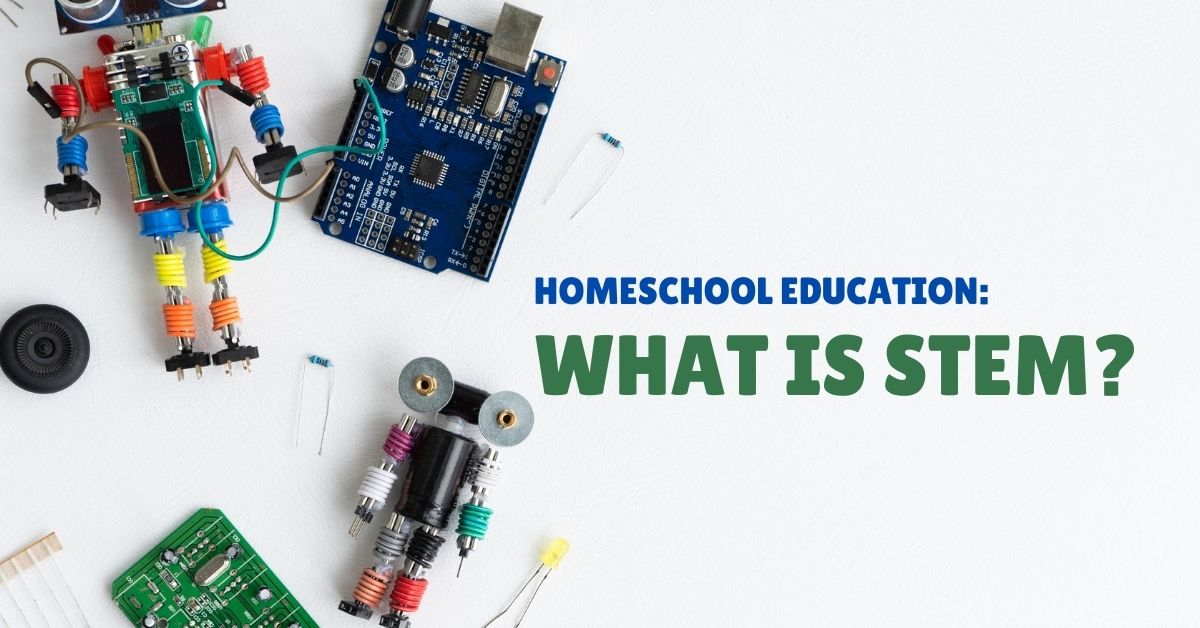
Homeschool Education: What Is STEM?

Homeschooling gives you the freedom to design an education tailored to your child’s interests, strengths, and needs. One educational approach that’s gaining traction is STEM, which stands for Science, Technology, Engineering, and Mathematics. With its focus on exploration and critical thinking, STEM can completely transform your homeschooling curriculum into an exciting, hands-on adventure.

This post dives into the importance of STEM in education, provides ideas for hands-on STEM activities for homeschoolers, and highlights STEM projects for elementary homeschool kids. By the end, you’ll have creative tools and inspiration to create a dynamic learning experience that nurtures your child’s curiosity and love of discovery.

Why Is STEM Important in Education?

STEM is far more than just four academic subjects bundled together. It’s an approach to learning that fosters key skills such as critical thinking, creativity, and problem-solving, preparing children to thrive in a fast-changing, technology-driven world.

Fosters Problem-Solving and Innovation

At its core, STEM is about preparing children to think critically and tackle problems with innovative solutions. Activities like designing a paper bridge or building circuits encourage trial and error, teaching kids that failure is part of the process. This equips children with resilience and adaptability as they learn that every challenge is an opportunity to grow.

Sets the Stage for Future Success

Today’s world is increasingly STEM-oriented, with advances in fields like technology and engineering driving global progress. By exposing your child to STEM early on, you’re equipping them with skills that will keep them competitive in future job markets.

Sparks a Love for Lifelong Learning

STEM is naturally engaging because it’s hands-on and focused on discovering answers to real-world questions. Watching baking soda create a “volcanic eruption” or coding their first simple game makes learning not just understandable, but also unforgettable.

When woven into your homeschool curriculum, STEM encourages curiosity about the world and nurtures a growth mindset, setting a solid foundation for lifelong success.

How to Introduce STEM Into Your Homeschool Curriculum

If you’re ready to make STEM a part of your homeschool routine, the good news is you don’t need specialized tools or a science lab to do it. From building simple machines at home to exploring coding apps, small steps can have a big impact.

  1. Incorporate Project-Based Learning

Project-based STEM activities encourage kids to work on solving real-world problems. For example:

  • Build a Boat: Design and test a boat that can float using different household materials.
  • DIY Weather Station: Teach your child about climate by setting up a rain gauge or DIY anemometer to measure wind speed.

These projects teach kids about engineering, physics, and cooperation while giving them room to experiment and get creative.

  1. Use Everyday Materials for Experiments

One of the easiest ways to integrate STEM is through simple experiments using items you already have:

  • Homemade Lava Lamp: Explore density and chemical reactions using oil, water, and Alka-Seltzer tablets.
  • Egg Drop Challenge: See if your child can create a structure to protect an egg when dropped from a height.
    These hands-on STEM activities for homeschoolers are engaging and take abstract concepts into tangible, exciting experiments.
  1. Incorporate Technology and Coding

You can foster a love for technology and problem-solving with free, kid-friendly platforms for coding like Scratch or Tynker. These programs allow children to create games or animations, blending creativity with the foundational principles of computer science.

  1. Explore the Natural World

Take STEM lessons outdoors with nature-based projects:

  • Create a solar oven to understand renewable energy.
  • Observe biology by charting plant growth in your backyard or setting up a simple bird-watching log.

The world around you provides boundless opportunities to connect STEM learning with real-life applications.

  1. Make Math Active

Integrate math into daily activities like baking, where children can measure ingredients, learn fractions, and even explore chemistry through cooking.

By embedding STEM into everyday life, you’re showing children that education doesn’t just happen at a desk. It happens everywhere.

Child holding a handmade cardboard rocket against a sunset background with the words "STEM Education" overhead, symbolizing creativity and innovation in homeschool learning.

STEM Projects for Elementary Homeschool Kids

STEM projects tailored for young learners should spark creativity and approach complex ideas in fun, playful ways. Here’s a list of STEM projects for elementary homeschool kids:

For Science

  • Candy Chromatography: Use coffee filters and candy to teach kids about separating colors into their basic pigments.
  • Plant Maze: Set up a shoebox maze to see if a plant can “find” the light by growing toward it.

For Technology

  • Stop-Motion Animation Videos: Use a free app like Stop Motion Studio to help children create a short animated film.
  • Simple Coding Games: Start with puzzles or coding challenges available on platforms like Kodable or Lightbot.

For Engineering

  • LEGO Bridge Challenge: Challenge your child to build a bridge out of LEGO that can hold a specific weight.
  • Marble Runs: Create paths for marbles by reusing toilet paper rolls or cardboard to explore gravity and engineering principles.

For Math

  • Math with Dice Games: Roll dice to solve math puzzles or explore probability.
  • Create a Budget: Help your child plan the family’s next grocery trip or design a pretend shopping spree using a set budget.

These interactive ideas turn STEM concepts into exciting, practical activities they’ll love.

Benefits of Hands-On STEM Activities for Homeschoolers

Hands-on STEM activities encourage children to learn by doing, offering unique advantages beyond traditional curricula.

  1. Encourages Deeper Understanding

When children build or experiment, they gain a better grasp of how things work rather than just memorizing facts. For instance, assembling a small circuit board connects abstract theories of electricity to tangible results.

  1. Builds Social and Emotional Skills

By working on group STEM projects or collaborating with siblings, kids develop problem-solving, negotiation, and cooperation skills. These interpersonal experiences are invaluable for long-term growth.

  1. Makes Learning Fun and Relatable

STEM turns education into play and makes lessons unforgettable. Activities like growing crystals or programming a robot transform school into an adventure rather than a chore.

  1. Inspires Critical Thinking and Innovation

STEM fosters a mentality of “thinking outside the box.” Hands-on activities show kids that trial and error is part of the learning process, inspiring resilience and grit.

By prioritizing these activities, homeschooling families can focus on cultivating excitement, creativity, and the joy of discovery in their STEM curriculum.

Build the Future with STEM Homeschooling

STEM isn’t just about preparing kids for science-based careers; it’s about teaching them to approach the world with curiosity, creativity, and confidence. Whether it’s experimenting with household items or designing their own video games, your child takes their first steps toward a love for learning every time they engage with STEM.

With hands-on STEM activities for homeschoolers and STEM projects for elementary homeschool kids, you can build a curriculum that challenges and excites them. Start small, use what you already have, and watch the magic unfold as your child grows into a confident independent thinker.

The importance of STEM in education cannot be overstated. It’s a way to spark imaginations today while preparing children to tackle the challenges of tomorrow. Together, you can create a homeschooling experience that leads them into a bright, inquisitive future.