The Importance of Art and Creativity in Waldorf Homeschooling

Art and creativity are central to Waldorf homeschooling, serving as vibrant tools for fostering imagination, emotional expression, and holistic development in children. Rooted in the educational philosophy of Rudolf Steiner, Waldorf education emphasizes experiential learning, engaging the whole child—head, heart, and hands. This approach integrates art and creativity not as supplementary activities but as core elements of the curriculum. 

If you’re a homeschooling parent exploring the Waldorf method, understanding the role of art and finding practical ways to incorporate creative projects into your child’s education can enrich the homeschooling experience.

Why Art And Creativity Matter In Waldorf Education

Art in Waldorf homeschooling is not just about teaching children how to paint or draw; it is about nurturing their capacity for free and imaginative thinking. Creativity in Waldorf education plays a significant role in developing problem-solving skills, emotional well-being, and a deep appreciation for beauty.

Cultivating Imagination and Emotional Growth

One of the foundational principles of Waldorf education is that intellectual development must be preceded by robust imaginative training. Artistic activities like painting, drawing, and sculpting encourage children to think in new and dynamic ways. For example:

  • Imagination through storytelling — Waldorf educators often incorporate storytelling paired with drawing or painting, allowing children to illustrate scenes from the story. This blend of narrative and art strengthens creativity and emotional connection.
  • Art as emotional expression — Activities like watercolor painting provide an outlet for children to express complex emotions visually, especially if they find it challenging to articulate feelings verbally.

Balancing Cognitive and Creative Skills

While traditional schooling systems typically emphasize rote memorization and analytical thinking, Waldorf education insists on balancing cognitive growth with creativity. Artistic activities like form drawing and clay modeling stimulate kinesthetic learning, helping children connect their thoughts with physical actions. This balance fosters an intuitive understanding of concepts, enabling students to explore topics like geometry or storytelling through hands-on, artistic expressions.

Building Confidence and Perseverance

The creative process often involves trial and error, teaching children the values of patience and persistence. Whether it’s threading a tapestry, completing a pastel drawing, or building a seasonal craft, every accomplishment builds a sense of pride and faith in their abilities.

Bringing Creativity To Life At Home With Waldorf Homeschool Art Projects

Homeschooling parents often ask how to translate the principles of Waldorf creativity into practical daily routines. The key is to incorporate simple, intentional art projects that align with both your child’s developmental stage and the seasonal rhythm of your curriculum.

Introduction to Seasonal and Nature-Based Art

One of the cornerstones of Waldorf homeschooling is its connection to nature’s rhythm. By focusing on seasonal themes, you can create projects that celebrate the changing of seasons, fostering a child’s bond with nature.

Here are some nature-inspired ideas:

  • Autumn leaf rubbings — Collect vibrant fall leaves, place them under thin sheets of paper, and rub crayons over them to reveal their intricate patterns.
  • Winter beeswax candle making — Introduce your child to beeswax sheets and teach them to roll candles, linking art with a practical craft.
  • Spring flower pressing — Use fresh blooms to create pressed flower bookmarks or cards.
  • Nature weavings — Create small looms with twigs and yarn, and encourage your child to integrate natural elements like feathers, leaves, or grasses into the weaving.

These activities not only inspire creativity but also encourage children to observe and appreciate the natural world.

Bringing Creativity To Life At Home With Waldorf Homeschool Art Projects

Wet-on-Wet Watercolor Painting

This method, quintessential to Waldorf art, emphasizes the process of painting rather than the end result. Here’s how to guide your child:

  1. Prepare the materials — You’ll need watercolor paper, natural pigments, and a jar of water.
  1. Wet the paper — Lightly soak the paper before applying color, allowing the paints to flow and blend smoothly.
  1. Focus on experience — Encourage your child to play with color and observe how the pigments interact, creating a meditative and calming practice.

The beauty of this activity is that it allows for freeform exploration without rigid boundaries. There’s no “right” way to complete the painting.

Form Drawing for Cognitive and Motor Skills

Form drawing is a unique Waldorf art practice aimed at improving hand-eye coordination, inner focus, and spatial awareness. Using simple patterns and symmetrical shapes, like spirals, loops, and waves, children learn how forms connect. These exercises evolve in complexity as your child grows, from simple lines in the early years to intricate geometric designs later.

Here’s how to introduce form drawing into your homeschool routine:

  • Use large sheets of paper on a flat surface or chalk on a chalkboard. This provides plenty of space for expansive movements.
  • Start with basic patterns, such as simple curved lines or waves, and gradually introduce more intricate forms.
  • Encourage movement with the whole arm, which helps integrate motor development with creative focus.

Art As Part Of Everyday Learning In Waldorf Homeschooling

Art in Waldorf education extends far beyond “art class.” It flows seamlessly into other subjects, creating a multisensory learning experience. Whether it’s illustrating a historical timeline, singing songs related to seasons, or turning math lessons into geometric drawings, integrating art across the curriculum deepens understanding and engagement.

For instance:

  • Math through artistic expression — Teach fractions by dividing circles into segments for mandala drawing. The symmetry of these designs builds an appreciation for mathematical patterns.
  • History meets storytelling and painting — Have your child illustrate key historical events as you narrate them. For example, during a unit on ancient Egypt, you might craft hieroglyphs or pyramids.
  • Science with form and texture — Encourage your child to create clay models of animals or plants as part of a botany or zoology unit.

These methods bridge the gap between academic and creative pursuits, making learning both fun and meaningful.

How To Build A Home Art Environment

To fully nurture creativity in your homeschool, it’s helpful to have a well-organized and inspiring space dedicated to art. Here are practical tips to build a Waldorf-inspired art environment:

  • Choose natural materials — Opt for beeswax crayons, watercolor paints made from natural pigments, and cotton or wool yarn for crafts. These materials feel pleasant to touch and align with Waldorf’s emphasis on natural, wholesome experiences.
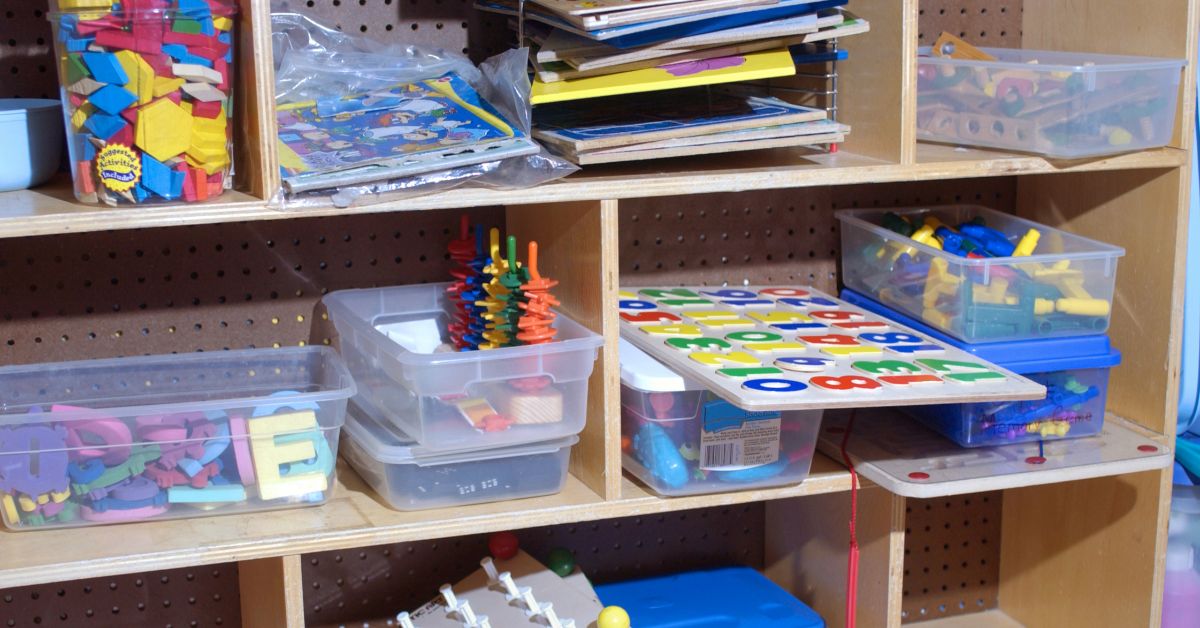
  • Keep tools accessible — Organize supplies in open baskets or on labeled shelves so children can independently choose what they need.
  • Create space for display — Hang a corkboard or designate a wall for showcasing your child’s artwork. This validates their effort and makes the process feel communal and celebratory.

You don’t need a dedicated studio or expensive supplies—just a small, thoughtful corner of your home where creativity can bloom.

Encouraging Open-Ended Artistic Expression

Unlike rigid art programs, Waldorf art encourages open-ended exploration rather than striving for a predetermined result. By giving children control over their art practice, you allow them to take risks, experiment, and find their unique artistic voice. Here are some ways to support open-ended creativity:

  • Offer prompts rather than instructions. For example, instead of saying, “Draw a tree,” suggest, “Use colors to show how you feel about trees in autumn.”
  • Celebrate effort, not outcomes. Praise their creative choices and the time they invested, rather than critiquing final pieces.
  • Allow for imperfection. Part of the creative process is learning that mistakes and accidents can be transformed into something beautiful.

When art becomes a practice of self-expression rather than performance, children develop confidence and originality.

The Lasting Impact of Art in Waldorf Homeschooling

Art in Waldorf homeschooling isn’t simply an aesthetic choice; it’s a deeply intentional way to nurture the whole child. Through creative expression, children learn to engage with the world in a way that is imaginative, thoughtful, and heartfelt. Whether through a morning of watercolor painting, an afternoon of clay modeling, or a science lesson drawn out in geometric forms, Waldorf homeschooling inspires lifelong creativity and a profound appreciation for beauty.

By consistently making room for artistic and creative practices in your homeschool day, you’re giving your child tools that go far beyond academics—tools to connect, explore, and thrive in a creative, mindful way.
The Role of Rhythm in Waldorf Homeschooling: Creating a Daily Flow

Waldorf homeschooling stands out for its integration of creativity, discipline, and a nurturing environment. At its core lies the concept of rhythm—a predictable, harmonious flow of activities that brings structure without rigidity. This rhythm supports children’s emotional, intellectual, and physical growth by balancing moments of focus and relaxation. Establishing a Waldorf homeschooling rhythm helps parents create a daily flow that aligns with their values and family needs, all while fostering a peaceful and engaging learning atmosphere.

Why Rhythm Is Essential In Waldorf Homeschooling

Rhythm in Waldorf education is about much more than simply scheduling; it’s a natural flow that mirrors the rhythms found in life and nature. For children, these predictable patterns are deeply reassuring. They allow for the balance between active and quiet times, providing a framework that supports healthy development and learning.

Here’s why rhythm is key in Waldorf homeschooling:

  • Fosters Emotional Security: Regular patterns create a sense of stability in children’s lives, which fosters confidence and reduces anxiety.
  • Supports Focused Learning: A clear flow for the day helps children transition smoothly from one activity to another, enhancing their engagement during lessons.
  • Balances Energy: Waldorf rhythm integrates periods of “in-breaths” (quiet, focused activities) and “out-breaths” (active, dynamic periods). This alternation prevents overstimulation or boredom.
  • Encourages Family Harmony: A well-planned rhythm reduces daily chaos and tension. Everyone knows what to expect, minimizing arguments or confusion.

Unlike a rigid timetable, the rhythm in Waldorf homeschooling is flexible and responds to the unique tendencies and energies of both individual children and the family as a whole. It serves more as a living guide than as a strict schedule.


Structuring A Daily Flow With Waldorf Principles

Structuring A Daily Flow With Waldorf Principles

Creating a Waldorf homeschooling rhythm begins with understanding its central tenets, such as harmonizing learning, play, and rest. It involves observing your family’s natural dynamics while incorporating the foundational principles of Waldorf education.

Balancing “Breathing” Activities

One of the most distinctive elements of Waldorf rhythm is its focus on the cyclic “breathing” of activities—alternating between periods of focused, calm engagement (inward-focused or “contraction” activities) and moments of dynamic, outward movement (expansion activities).

  • Expansion Activities: These active periods can include outdoor play, gardening, physical movement (e.g., yoga or games), or nature walks.
  • Contraction Activities: These quieter moments involve tasks like reading, painting, handcrafting, or listening to a story.

For a balanced rhythm, these two types of activities should alternate throughout the day. This structure not only prevents fatigue but also cultivates an intrinsic understanding of balance in children.

Example Daily Breathing Flow:

  • Morning nature walk (expansion)
  • Main lesson with storytelling or drawing (contraction)
  • Snack or mealtime (relaxation and socializing)
  • Handcrafting or baking (contraction)
  • Outdoor play or movement games (expansion)
  • Quiet reading session or family story time (contraction)

This breathing cycle adapts naturally to the energy levels of children, ensuring they remain engaged and refreshed.

Anchoring the Day with Meaningful Rituals

Rituals play a prominent role in Waldorf education, acting as gentle markers that structure the day and provide a sense of rhythm that children can rely on. Starting and ending activities with simple rituals conveys intention, grounding children in the present moment.

  • Morning Beginnings: Start the day with a consistent practice like singing a morning song, lighting a small candle, or reciting a favorite verse. This signals the transition from home life to school time.
  • Mealtime Transitions: Pause the day with restful mealtime rituals. These moments become anchor points, resetting the energy in an intentional way.
  • Evening Closure: Rituals at the end of the day can include gratitude journaling, storytelling, or reciting a calming poem. These practices help children wind down and reflect on the day.

Ritual-driven transitions create a steady rhythm, helping children prepare for each activity with a clear sense of closure and continuity.

Blending Academics with Artistic Exploration

Unlike traditional educational models, Waldorf principles intertwine academics with creativity, fostering a holistic approach to comprehension and development. The daily rhythm reflects this philosophy of integration.

  • Main Lesson Blocks: Mornings are usually dedicated to the “Main Lesson,” a period of concentrated academic work. Subjects like math, science, history, or language arts are taught in thematic blocks that span three to four weeks. These lessons often include storytelling, illustrations, and hands-on activities that bring the concepts to life.
  • Afternoons for Creativity: Reserve the latter part of the day for creative endeavors such as music, painting, gardening, or practical life skills like cooking. These activities allow children to express their understanding of academic material in a tactile, deeply personal way.

Integrating academic and creative pursuits helps reinforce concepts while honoring each child’s unique strengths and interests.

Practical Strategies To Introduce Rhythm Into Your Homeschool

Even if you’re new to Waldorf principles, establishing a daily rhythm in your homeschool doesn’t require major upheaval. By starting small and building gradually, you can create a harmonious daily flow that works for your family.

Observe Your Family’s Natural Rhythm

Spend time observing your family’s natural energy ebbs and flows. Identify when your children are most focused and engaged, as well as when they might need restful or high-energy activities. This insight will guide the design of your rhythm, shaping it around your family’s organic patterns.

Use Visual Cues and Tools

Young children respond well to visual representations of time and rhythm. Use a chalkboard, whiteboard, or colorful hand-drawn schedule to outline the day’s flow. Include markers for specific activities using images or symbols, especially for younger children who may not read yet. Visual aids also encourage independence, as children can anticipate transitions on their own.

Create Flexible Weekly Frameworks

Beyond the daily flow, consider designing a consistent weekly rhythm. You can assign specific themes or activities to each day of the week, creating larger cycles that bring even more structure to your homeschooling.

For instance:

  • Monday: Art projects or painting
  • Tuesday: Baking or cooking
  • Thursday: Handcrafts such as knitting or sewing
  • Friday: Music or storytelling sessions

Seasonal themes might also play a role. For example, build fall activities around harvesting, leaf art, and seasonal songs while focusing springtime rhythms on planting or exploring new life emerging in nature.

Be Consistently Flexible

While rhythm provides structure, it shouldn’t be rigid or overly prescriptive. Life is dynamic, and maintaining flexibility ensures your rhythm can adapt to sudden changes, unexpected events, or shifts in energy levels. Start with a loose structure, anchoring your day with a few core activities, and build from there as you identify what works best for your family.

Incorporate Both Activity and Rest

Finally, remember the importance of leaving breathing space in your rhythm. While structured activities are important, unstructured free time is equally critical. Include downtime, outdoor play, or quiet moments where children can simply process their experiences without expectations.

Emotional Benefits for Children and Parents

A structured yet flexible rhythm impacts much more than academic growth; its benefits extend to the emotional well-being of everyone in the household. For children, rhythm builds confidence and emotional security. When they know what’s coming next, they feel safe exploring and trying new things. This sense of predictability reduces stress and encourages self-regulation. The steady balance between work and rest helps children develop resilience and patience over time.

For parents, having a clear rhythm simplifies homeschooling. Fewer arguments arise about the day’s plans when everyone understands what’s expected. Stress reduction is a huge benefit, allowing parents to engage meaningfully with their children rather than constantly micromanaging transitions throughout the day. Seasonal family experiences—like celebrating holidays, cooking traditional meals, or engaging in seasonal crafts—further deepen emotional connections and create cherished memories.

Overcoming Challenges Of Transitioning To Rhythm

Some families may face challenges when initially introducing a rhythm-based system, but these barriers are surmountable with practice and persistence.

Gradual Transition for Children

If your children are accustomed to unstructured or highly varied days, shifting to a rhythm may feel uncomfortable at first. Break the process into small changes—introduce rituals or a single structured period, such as a daily morning rhythm. Slowly add elements as the family adjusts.

Parent Learning Curve

For parents new to Waldorf principles, mastering rhythm can take time. Tap into Waldorf homeschool communities, explore online resources, and read books on Waldorf homeschooling to ease the learning curve. Starting simple and building gradually ensures a smoother adoption process.

Handling Interruptions

Life’s unpredictability often disrupts the best-laid plans. Illness, interruptions, or shifting circumstances can temporarily derail rhythms. Start by holding onto essential rituals, like bedtime routines or morning circles, to anchor your family when everything else feels chaotic. When life settles, reestablish the more detailed aspects of your rhythm.

By working through these challenges, families can unlock the many benefits that rhythm brings, creating a homeschooling experience marked by connection, significance, and a sense of peaceful flow.

Handwork in Waldorf Homeschooling: Knitting, Sewing, and More

Waldorf education emphasizes the integration of creativity, practical skills, and academics. Handwork activities not only nurture a child’s creativity but also strengthen their cognitive and motor skills. For homeschooling families, incorporating Waldorf handwork activities provides both structure and joy in hands-on learning. Knitting and sewing, in particular, are foundational skills that fit seamlessly into the Waldorf homeschooling philosophy.

Below, we explore how to incorporate knitting and sewing into your homeschooling routine while blending them with the principles of Waldorf education.

Why Handwork Matters In Waldorf Homeschooling

Rooted in the educational philosophy of Rudolf Steiner, Waldorf homeschooling values a holistic approach to learning, focusing on the head (intellectual development), heart (emotional development), and hands (practical skills). Handwork, such as knitting and sewing, plays a significant role by allowing children to work with their hands and develop skills that go beyond traditional academics. Here are a few reasons why handwork is essential:

  • Develops Fine Motor Skills: Activities like knitting and sewing require precision and control, helping children build dexterity.
  • Teaches Focus and Patience: Both crafts require children to concentrate and persevere, instilling valuable life skills.
  • Promotes Creativity: From choosing colors and patterns to creating finished projects, kids experience the joy of bringing their ideas to life.
  • Connects to Practical Living: Handwork teaches real-world skills, such as repairing clothes or crafting gifts.
  • Fosters a Sense of Accomplishment: Completing a handwork project builds confidence and a sense of pride in one’s abilities.

By making handwork a central part of your homeschooling routine, you can support your child’s personal growth while keeping their learning process engaging and productive.

Getting Started With Knitting In Waldorf Homeschooling

Knitting is one of the most iconic handwork activities in Waldorf education. Suitable for children as young as six or seven, it introduces them to rhythm, precision, and creativity while reinforcing math and problem-solving skills. Here’s how to bring knitting into your homeschooling routine:

Selecting Materials for Beginners

Start by choosing the right materials to ensure a positive and frustration-free experience:

  • Needles:
    • Use wooden or bamboo needles for their natural grip and warmth. They are less slippery than metal or plastic.
    • Opt for larger sizes, such as US size 8 (5mm), to make it easier for small hands to handle.
  • Yarn:
    • Choose natural fibers, such as wool or cotton, which align with Waldorf principles.
    • Heavier-weight yarns like worsted or chunky are ideal for beginners since they’re easier to see and work with.

Teaching Knitting Basics

Patience is key when teaching children to knit. Focus on foundational skills and provide plenty of time for practice:

1. Finger Knitting:

  • Begin with finger knitting for younger children. It’s a simple introduction to the concept of looping yarn and helps develop muscle memory.

2. Casting On:

  • Teach children the long-tail cast-on method. Demonstrate slowly and guide their hands, if needed.

3. Simple Stitches:

  • Start with the basic knit stitch. Show them how to hold the needles and guide the yarn while maintaining a loose tension.

4. Rhythm Activities:

  • Incorporate rhymes or songs, such as “under the fence, catch the sheep, back we come, off we leap,” to make the process fun and memorable.

5. Practice Projects:

  • Encourage practice with small projects like coasters, small scarves for dolls, or potholders before moving to larger projects.

Knitting Projects for Homeschoolers

Knitting Projects for Homeschoolers

Once your child is comfortable with knitting basics, introduce projects that match their skill level. Use these ideas to spark inspiration:

  • Beginner Projects:
    • Simple washcloths or dishcloths
    • Toy snakes (knit a simple tube)
    • Bookmarks
  • Intermediate Projects:
    • Children’s scarves and hats
    • Small pouches with button closures
    • Doll clothes
  • Advanced Projects:
    • Colorwork designs with simple patterns
    • Stuffed animals or character toys
    • Multi-piece garments like sweaters or vests

Knitting can easily become a meditative, calming activity in your homeschool schedule. It’s an accessible skill that grows with your child and offers endless opportunities for creative expression.

Sewing Projects For Waldorf Homeschoolers

Beyond knitting, sewing is another valuable handwork skill that builds creativity and independence. It allows children to create functional and decorative items while understanding the basics of fabrics and stitching. Sewing aligns with Waldorf principles by encouraging beauty, simplicity, and respect for materials in everyday life.

Materials and Tools for Sewing with Kids

Providing the right tools for young learners makes sewing approachable and safe:

  • Needles:
    • Use embroidery or tapestry needles with blunt tips for safety.
  • Thread:
    • Choose thick, colorful embroidery thread or pearl cotton, which is easier to handle.
  • Fabric:
    • Opt for soft, natural fabrics like cotton or felt. Felt is especially good for beginners as it doesn’t fray or require hemming.
  • Additional Essentials:
    • Small scissors with rounded tips
    • Embroidery hoops for stretching fabric while sewing
    • Fabric markers or chalk for tracing patterns

How to Introduce Sewing to Your Homeschool

Start by teaching your child basic sewing techniques, gradually building their confidence:

1. Threading the Needle:

  • Show them how to thread and knot the needle. You can use pre-threaded needles for younger kids to make the process smoother.

2. Basic Stitches:

  • Begin with simple stitches like running stitches and overcast stitches. Demonstrate how to keep even spacing and depth.

3. Using Patterns:

  • Guide children in tracing patterns onto fabric, then cutting and sewing their designs.

4. Practice Pieces:

  • Provide scraps of fabric for practice. Encourage them to “sew without a goal” to build comfort.

Simple Sewing Projects for Every Skill Level

Once your child is familiar with basic stitches, introduce projects that align with their abilities:

  • Beginner Projects:
    • Felt coasters or bookmarks
    • Stuffed shapes (hearts, stars, etc.) filled with wool
    • Simple sachets for lavender or other dried herbs
  • Intermediate Projects:
    • Fabric pouches or small tote bags
    • Napkins or placemats with decorative edges
    • Pillowcases with buttons or simple embroidery
  • Advanced Projects:
    • Doll clothes with small details
    • DIY clothing repairs and hemming
    • Personalized quilt squares

Sewing provides practical skills and nurtures artistic expression. By starting with manageable projects, your child will gradually gain confidence to tackle more complex creations.

Integrating Handwork Into Your Homeschool Curriculum

While knitting and sewing are wonderful handwork activities on their own, incorporating them into your homeschool curriculum can deepen your child’s learning experience. Here’s how to integrate handwork into other subjects and rhythms of your homeschool day:

  • Math: Use knitting and sewing projects to teach counting, patterns, and geometry (e.g., calculating dimensions for fabric pieces or stitch patterns).
  • Art: Encourage design and color theory by having children select materials and plan their projects.
  • History: Explore the history of textiles, knitting, and sewing in different cultures. Your child could create projects inspired by traditional techniques or patterns.
  • Storytelling: Involve knitting or sewing during read-aloud sessions. This helps children internalize stories while engaging their hands.
  • Seasonal Themes: Create projects that align with seasonal celebrations in Waldorf homeschooling (e.g., knit wool ornaments for winter or sew seed pouches for spring gardening).

Flexibility is key when incorporating handwork into your schedule. Some families may dedicate a specific day of the week to handwork, while others weave it into daily activities as a break from academic lessons.

Supporting Creativity and Independence

Knitting and sewing instill not only practical skills but also a sense of creativity and independence. When children are encouraged to work with their hands, they learn to problem-solve, express themselves, and take pride in their accomplishments. Over time, they gain an appreciation for the value of handmade work and develop a deeper connection to the materials and processes that shape our world.

By fostering an environment where handwork is cherished and celebrated, you’ll create a rhythm in your homeschool that allows your child to thrive. Whether they’re knitting a scarf or sewing a doll’s dress, the lessons learned through Waldorf handwork activities will remain with them for a lifetime.

Waldorf Homeschooling for Different Ages: Adapting the Curriculum

Waldorf education, with its emphasis on holistic, arts-focused learning, provides a unique and enriching approach to homeschooling. However, effectively adapting the Waldorf curriculum to meet the developmental needs of your child at various stages can sometimes feel overwhelming. Knowing how to tailor lessons and activities to suit different ages ensures that your child gets the most out of this educational model. 

Below, we explore practical ways to adapt Waldorf homeschooling by age and provide tips to make the curriculum work seamlessly for your family.

Waldorf Education For Early Childhood (Ages 3–6)

Early childhood within the Waldorf philosophy focuses on imaginative play, sensory experiences, and establishing daily rhythms. At this age, formal academics take a backseat to activities that nurture a sense of wonder and creativity. Here’s how you can adapt the curriculum for your preschooler or kindergartner:

Key Elements to Focus On:

  • Imitation and Example 

Children at this age learn best by imitating adults. Model tasks such as cooking, cleaning, or gardening to teach practical life skills. 

  • Rhythm and Routine 

Establish a consistent daily rhythm with alternating periods of active play and calm activities. For instance, follow a morning of outdoor exploration with quiet indoor tasks like storytelling or drawing. 

Practical Ideas for Early Childhood

  • Nature Play 

Spend time outdoors every day. Encourage children to observe seasonal changes, collect natural materials like pinecones or leaves, and engage in free play. 

  • Handwork and Crafts 

Simple crafts using natural materials are ideal. Think beeswax modeling, finger knitting, or creating seasonal decorations. 

  • Storytelling 

Instead of reading from a book, consider memorizing a short story or using puppets. Incorporate simple folk tales or nature stories to enhance imagination while aiding language development. 

Focusing on imaginative, hands-on activities lays a strong foundation for this stage of development while embodying key Waldorf principles. 

The Waldorf Approach In The Early Grades (Ages 7–9)

The early grades (typically 1 through 3) mark the transition from imaginative play to learning that integrates creativity and academics. Waldorf homeschooling for this age group includes story-driven lessons, artistic expression, and practical tasks. 

What to Prioritize

  • Main Lessons 

Introduce subjects like math and language arts using stories, songs, and visual aids. For example, tell a story about a king and queen to introduce numbers or letters. 

  • Movement and Artistic Expression 

Active learning is vital. Incorporate movement (e.g., clapping games for math) and artistic activities like painting or drawing into lessons. 

  • Connection to Nature and Home 

Continue fostering a relationship with the natural world. Include gardening, simple cooking, and seasonal activities. 

Sample Activities for Grades 1–3

  • Story-based Math 

Create math problems within an enchanting story. For instance, tell a tale of woodland animals gathering acorns to introduce addition and subtraction. 

Encourage children to draw or paint what they observe in nature each week, such as plants or animals. 

  • Seasonal Celebrations 

Incorporate seasonal festivals like a harvest festival by baking bread, making leaf crafts, or lighting candles. These activities bring rhythm and meaning to learning. 

Structure is more defined during these years, but imaginative elements remain central. Tailoring lessons with a balance of activity and focus builds a love of learning. 

Pre-Adolescence And The Waldorf Curriculum

Pre-Adolescence And The Waldorf Curriculum (Ages 10–12)

At this stage, children are ready for more complex subjects and tasks. Pre-adolescents benefit from structured lessons that integrate conceptual understanding with practical applications. Lessons also begin to reflect their growing curiosity about the world. 

During these years, focus on three essential elements of the Waldorf curriculum:

  • Expanding Main Lesson Blocks 

Subjects like geography, history, and science are introduced over multi-week blocks. Instead of textbooks, use storytelling, project work, and hand-drawn illustrations. 

  • Independent Skill Building 

Handwork and artistic tasks grow in complexity. Introduce knitting, woodwork, or advanced painting as outlets for focus and creativity. 

  • Cultural and Global Connections 

Stories now integrate diverse cultural traditions and figures to help children connect with the wider world. Mythology or biographies of notable individuals are particularly effective. 

Suggested Activities for Ages 10–12

  • Botany and Gardening Projects 

Children can maintain their own section of a garden, learning about plant life cycles and ecosystems. 

  • Mythology Studies 

Create a unit on Norse myths or Greek legends, asking students to illustrate scenes or write summaries in their main lesson books. 

  • Geography Activities 

Focus on cultural geography by exploring the music, food, and traditions of various regions. Map-making projects can bring this to life. 

The transition toward more independent learning during these years prepares children for the broader, more academic focus that comes in adolescence. 

Waldorf Homeschooling For Teens (Ages 13 And Up)

Homeschooling teens within the Waldorf framework requires adapting to their increasing need for independence while continuing to nurture creativity and self-expression. Academic rigor increases, but lessons remain immersive and experiential. 

How to Adapt for Teenage Learners

This age group benefits from an interdisciplinary approach that ties diverse subjects together. Integrate Waldorf principles like art, storytelling, and nature, but move toward critical thinking and problem-solving skills. 

Focus on creating an education that transitions them toward real-world applications:

  • Project-Based Learning 

Encourage students to select a topic of interest and design an in-depth project that incorporates research, creative work, and presentation. 

  • Apprenticeship or Skill Development 

Allow teens to explore areas like carpentry, sewing, or digital arts. This could involve local mentorship or online courses alongside their homeschooling. 

  • Reflective Thinking 

Introduce journaling or creative writing on personal and philosophical topics, as this age involves introspection and identity-building. 

Topics That Work Well for Teens

  • Environmental science and sustainability projects 
  • World history told through the lens of social movements and art 
  • Creative writing or literature rooted in classical and modern themes 

For adolescents, teaching with a blend of self-direction and Waldorf-based exploration creates lifelong learning habits. 

Tips For Waldorf Homeschool Success

Regardless of your child’s age, the following homeschooling tips can help you align your lessons with Waldorf principles while creating a nurturing, engaging environment. 

Create a Dedicated Learning Space

Ensure you designate a peaceful, uncluttered area for homeschooling. Use natural light, soft colors, and handmade decorations to inspire calmness and creativity. 

Invest in Quality Materials

Waldorf education values simplicity and craftsmanship. Invest in high-quality tools such as beeswax crayons, watercolor paints, and wooden toys. These materials enrich learning experiences while aligning with the Waldorf aesthetic. 

Follow Seasonal Rhythms

Base your lessons and activities on the changing seasons. Singing seasonal songs, creating art inspired by nature, or crafting decorations related to festivals makes learning meaningful and memorable. 

Focus on Connection 

Your relationship with your child is integral to Waldorf homeschooling. Taking time to connect during shared meals, walks, or creative projects strengthens bonds and creates a supportive learning environment. 

Adapting the Waldorf curriculum for different ages allows families to respond to their children’s unique developmental needs while honoring the essence of this educational philosophy. With its flexibility and focus on imagination, nature, and artistry, Waldorf homeschooling provides a rich and fulfilling pathway for parents and children alike. By focusing on rhythm, creativity, and age-appropriate challenges, you can create a homeschooling environment that nurtures the whole child—body, mind, and spirit.

Storytelling in Waldorf Homeschooling: Fostering Imagination and Learning

Homeschooling offers the flexibility to tailor education to your child’s unique needs. For parents incorporating a Waldorf-inspired curriculum, storytelling is not just a tool but a foundational teaching method. Waldorf storytelling techniques nurture an imaginative, holistic way of learning that blends creativity with academic growth.

Below, we’ll explore how storytelling enriches the Waldorf homeschool curriculum, ways to unlock your child’s imagination through this approach, and practical techniques to integrate storytelling into your daily lessons.

The Role Of Storytelling In Waldorf Education

Storytelling is a core element in the Waldorf philosophy, which emphasizes the integration of head, heart, and hands in learning. Instead of relying on textbooks or rote memorization, this method prioritizes narrative as a means of teaching. Why does this make sense in a homeschooling environment? Because stories are woven into our very nature—they captivate attention, stir emotions, and make concepts memorable.

How Storytelling Enhances Learning

  • Sparks Creativity and Imagination 

By listening to stories, children visualize characters, settings, and events. Through this active imagination process, learning becomes more vivid and engaging. This capacity for creative thinking fosters problem-solving skills that are valuable beyond the classroom.

  • Builds Emotional Connections 

Stories evoke empathy and understanding. For instance, when a character in a story learns a lesson or faces a challenge, it opens up opportunities for discussions about values, resilience, and human behavior.

  • Strengthens Memory Retention 

Research shows that people remember information better when it’s framed within a story. When learning math, history, or science via storytelling, children are more likely to recall and apply the knowledge.

Core Waldorf Approach to Stories

Waldorf education divides learning into developmental stages, and storytelling evolves alongside these stages:

  • Early Childhood (Ages 0–7): Focus on fairy tales, fables, and nature stories that celebrate wonder, rhythm, and repetition.
  • Middle Childhood (Ages 7–14): Bring in myths, legends, and biographies of inspiring figures to align with students’ growing curiosity and reasoning abilities. 
  • Adolescence (Ages 14+): Explore deeper themes with historical narratives, literary analysis, and personal storytelling to encourage critical thinking and introspection.

Practical Ways To Use Waldorf Storytelling In Your Homeschool

Integrating Waldorf storytelling techniques into your homeschool doesn’t require extensive preparation or formal training. Accessible and versatile, these tips will help you make storytelling a key part of your teaching toolkit:

  1. Build a Storytelling Routine

Establish a dedicated storytelling time in your homeschooling schedule. This could be during morning lessons, a quiet afternoon break, or bedtime. Consistency develops anticipation and helps children see storytelling as a valued part of their day.

Here’s how to create structure around your storytelling:

  • Light a candle or play gentle instrumental music to signal the start of storytelling time.
  • Invite your child to create a cozy space with pillows and blankets.
  • Use simple, verbal cues like “Are you ready to listen to a magical tale?”

By building rituals, you foster an atmosphere where children can focus and enjoy uninterrupted imaginative experiences.

  1. Customize Stories to Fit Lessons

Tailor the stories to match the topics you’re teaching. This makes abstract ideas more relatable for children. For example:

  • Math: Tell a story about a merchant solving math puzzles to measure goods or determine fair prices. 
  • Science: Create narratives about plants and animals, explaining ecosystems through their unique perspectives. 
  • History: Introduce historical figures as relatable characters within a narrative, rather than just dates and events.

Aligning stories with lessons strengthens the connection between narrative and subject matter.

  1. Encourage Participation 

Engage your child in the storytelling process for a more interactive experience. Some ideas include:

  • Asking open-ended questions like, “What do you think happens next?” 
  • Inviting them to retell the story in their own words. 
  • Actively involving them in story extensions, such as drawing scenes, creating puppets, or acting out scenarios. 

These techniques boost comprehension and give children a sense of ownership over their learning.

  1. Revisit and Reimagine Stories 

Repetition is central to Waldorf storytelling because it deepens understanding and brings new insights with each retelling. Every time you revisit a story, encourage a new perspective:

  • Focus on a secondary character and explore their motivations. 
  • Change the setting or resolution to help children see alternative possibilities. 
  • Add existing characters to a continuing story for an episodic storytelling experience.

Revisiting stories consolidates learning while giving children creative agency.

Imaginative Learning Through Stories

Imaginative Learning Through Stories

One of the defining features of Waldorf education is its emphasis on imaginative learning. Storytelling acts as the gateway to this type of holistic development by engaging multiple senses—and strengthening intellectual, emotional, and spiritual growth all at once. 

When children visualize stories, they’re encouraged to see beyond the black-and-white facts on a page. For instance, a story about a tiny seed growing into a mighty tree can serve as a metaphor for patience or resilience while also tying into biology lessons. These imaginative connections linger far longer than worksheets or memorized facts.

Additionally, storytelling stimulates curiosity. Children learn to ask “why” and “what if,” naturally inquiring about the world around them. This inquisitive mindset transitions into other homeschool subjects, fueling a lifelong love of learning.

Incorporating Waldorf Storytelling Across The Curriculum

Within the Waldorf homeschool framework, stories aren’t just entertainment—they are a method of teaching nearly every subject in an integrated, meaningful way. Here’s how storytelling manifests across core curriculum areas:

  • Literature: Introduce fables and folktales from global cultures to explore universal themes and values, paving the way for dialogue about diversity. 
  • Natural Sciences: Narratives about the life cycles of plants and animals help abstract lessons become relatable. For instance, you could tell the story of a butterfly who learns to accept change as they transform through metamorphosis. 
  • Social Studies: Frame history as an unfolding story where children are part of the ongoing narrative, fostering a sense of place and responsibility. 
  • Music and Arts: Draw upon stories to inspire creations, such as songs that reflect a tale’s mood or artwork that depicts its setting. 

When storytelling touches all aspects of the curriculum, the experience feels connected and purposeful. 

Tips For Enhancing Your Storytelling Skills 

Some parents worry they “don’t know how” to tell stories, but remember that storytelling is inherently natural. To build your confidence, consider these tips:

  • Use your voice dynamically to convey excitement, fear, or empathy. Experiment with lowering or elevating your tone to match a character’s persona. 
  • Keep your child’s interests at the forefront. If your child loves animals, often feature them as protagonists to increase engagement. 
  • Don’t shy away from silliness when appropriate. Small audiences appreciate playful energy, whether through exaggerated character voices or whimsical sound effects. 
  • Practice improvisation. Although prewritten stories can be helpful starting points, allow yourself to stray and weave spontaneous details into your storytelling sessions. 

With time and practice, storytelling becomes second nature.

How Storytelling Fosters Deep Connections 

Apart from its academic benefits, storytelling nurtures a deeply personal connection between you and your child. A shared oral tradition strengthens bonds by creating warm, relaxed moments of togetherness. Particularly in homeschool settings, where the parent often assumes multiple roles as teacher, caregiver, and guide, storytelling becomes a sacred space that fosters trust and belonging. Additionally, stories help children process and articulate emotions. By exploring themes of bravery, fear, loss, or love through fictional characters, they develop the vocabulary to better understand their own feelings. This emotional literacy supports overall well-being and resilience.

Teaching through storytelling also models an important life lesson—how to see the world’s wonder and complexity, even in ordinary moments. This perspective helps create lifelong learners who approach the world with curiosity and gratitude. By integrating storytelling into your Waldorf homeschool curriculum, you foster imagination, deepen learning, and cultivate enriching connections. These simple techniques transform teaching into an inspiring and joyful experience—both for your child and for you. 

How to Combine Montessori and Waldorf in Your Homeschool

Blending educational approaches is a common practice for homeschooling families looking to tailor learning to their child’s unique needs. Combining Montessori and Waldorf methods can provide a holistic education that nurtures both academic aptitude and creative expression. These two methodologies, while distinct in their philosophies, complement each other beautifully when incorporated thoughtfully. 

Here’s how you can create a Montessori and Waldorf hybrid homeschool.

Understanding the Montessori Approach

The Montessori method emphasizes independence, hands-on learning, and fostering a deep sense of curiosity. Classrooms or learning spaces following this philosophy typically include materials designed for self-guided exploration, allowing children to progress at their own pace. Montessori encourages practical life skills, sensory-based activities, and a structured yet flexible educational framework.

Key principles of Montessori education:

  • Child-led learning through self-correcting materials.
  • Prepared environments that are uncluttered and encourage focus.
  • Practical skills development, such as cooking, cleaning, and organizing.
  • Focus on individualized progress without comparisons to peers.

This approach is particularly effective for developing problem-solving skills and fostering independence in young learners.

The Waldorf Philosophy at a Glance

Waldorf education centers on creativity, imagination, and emotional development through its strong emphasis on the arts, storytelling, and hands-on experiences. A hallmark of Waldorf is its developmental approach, where learning aligns with the child’s physical, emotional, and cognitive stages.

Key features of Waldorf education:

  • Daily rhythms and routines that provide structure and predictability.
  • A focus on nature-based learning through outdoor play and exploration.
  • Delayed formal academics to allow children ample time to develop imaginative thinking.

Waldorf fosters a strong sense of wonder and a love for learning in children, making it the perfect counterbalance to the structured, skill-based elements of Montessori.

The Case for Combining Montessori and Waldorf Methods

The Case for Combining Montessori and Waldorf Methods

Both Montessori and Waldorf take a child-centered approach, but they shine in different areas of learning. By combining Montessori and Waldorf methods, parents can offer an education that supports the whole child—cognitively, emotionally, and socially.

For example:

  • Montessori’s emphasis on independence can help children develop skills that support Waldorf’s creative projects.
  • Waldorf’s focus on storytelling and imagination can enrich the self-directed exploration in Montessori.

The dual focus allows families to create a curriculum that values both academic skills and nurturing creativity, paving the way for well-rounded growth.

Practical Tips for Montessori and Waldorf Hybrid Homeschooling

If you’re ready to merge Montessori and Waldorf philosophies, here are some ways to blend their strengths effectively:

  1. Set Up a Balanced Learning Environment

Create a learning space that reflects both approaches:

  • For Montessori:
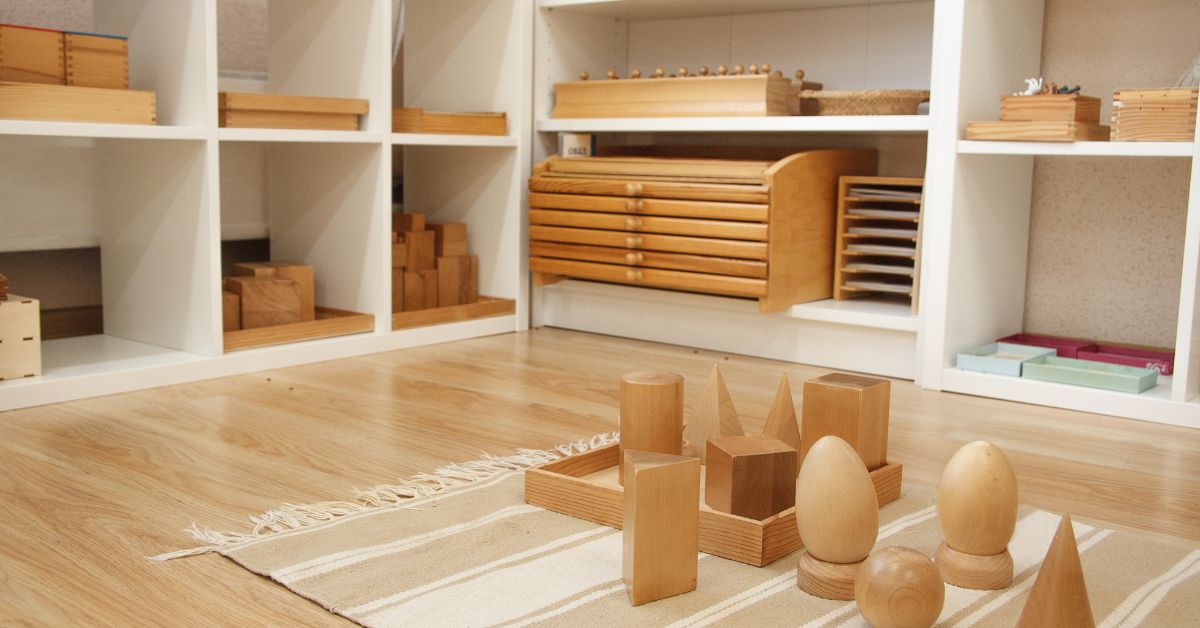
    • Include a low shelf with neatly organized, self-correcting materials for subjects like math and science.
    • Keep tools for practical life activities within your child’s reach.
  • For Waldorf:
    • Add a nature table, filled with seasonal objects (leaves, flowers, pinecones) to reflect the changing seasons.
    • Incorporate art supplies such as beeswax crayons, watercolor paints, and handmade crafts.

This environment balances Montessori’s functionality with Waldorf’s aesthetic appeal, making it welcoming and inspiring for young learners.

  1. Incorporate Daily Rhythms

Waldorf education thrives on predictable rhythms, while Montessori emphasizes child-led learning. You can blend the two by:

  • Establishing a daily flow of activities, such as morning chores, followed by dedicated learning blocks.
  • Allowing your child some flexibility within these blocks to choose Montessori-friendly tasks.
  • Wrapping up the day with Waldorf-inspired storytelling or music.

Having both structure and flexibility ensures productivity while leaving room for creativity.

  1. Combine Nature-Based Learning

Waldorf encourages connecting with nature, and Montessori offers practical ways to explore it. Together, they make outdoor learning truly enriching:

  • Use nature walks for sensory activities, such as identifying different textures, smells, or sounds (Montessori).
  • Follow up by creating seasonal crafts from natural materials, like leaf garlands or pressed flower art (Waldorf).
  1. Support Self-Expression Through Arts

Waldorf’s focus on visual arts, music, and storytelling is a great complement to Montessori’s hands-on, practical life approach. Blend these elements by:

  • Providing daily time for visual and performing arts. For instance, allow children to paint an abstract story they heard earlier in the day.
  • Using Montessori-style sequencing cards to introduce stories, which children can later recreate using Waldorf-style puppetry or drawings.

These activities allow for self-expression, problem-solving, and creativity to flourish harmoniously.

Building a Curriculum That Bridges Both Methods

When crafting a curriculum, it’s important to combine the academic rigor of Montessori with the creative and emotional depth of Waldorf. Here’s how to tackle some core subjects:

1. Language Arts 

  • Montessori suggests phonics-based learning and writing with hands-on materials. You can complement this with Waldorf’s storytelling techniques. For example, introduce Montessori movable alphabet work after narrating a Waldorf-inspired fable.

2. Math 

  • Montessori’s use of manipulatives like golden beads or number rods makes abstract concepts tangible. Apply Waldorf’s rhythmic chants or songs to help memorize multiplication tables or number patterns.

3. Science and Nature 

  • Montessori encourages observation-based experiments. You can pair these with Waldorf’s seasonal focus, such as studying plant growth during spring while documenting findings with Montessori’s scientific approach.

4. Handwork (Crafts) 

  • Waldorf handcrafts like knitting or woodworking can be paired with Montessori’s practical life activities, teaching both artistic skill and functionality.

Nurturing the Best of Both Worlds

When blending Montessori and Waldorf philosophies, flexibility and observation are key. Each child has unique needs and preferences, so don’t hesitate to adapt as you go. One week, your child may gravitate toward Montessori’s methodical materials, while another week, they may prefer the imaginative storytelling of Waldorf. By remaining tuned into their interests, you can achieve a balance that nurtures well-rounded development.

Keep in mind that materials and techniques don’t have to be expensive or time-consuming. Both approaches value simplicity and the beauty of natural resources. Whether your child is measuredly building words with a Montessori movable alphabet or weaving a seasonal wreath in a Waldorf-inspired craft project, the goal remains the same—sparking a lifelong love for learning. 

With this blend of philosophies, you’re equipping your child with academic skills, creative thinking, and a deep-rooted appreciation for the world around them—all from the comfort and intimacy of your homeschool.

Waldorf-Inspired Seasonal Rhythms for Homeschooling

Homeschooling offers the flexibility to craft educational experiences that resonate with your family’s values and needs. For those drawn to a Waldorf-inspired approach, seasonal rhythms provide a beautiful framework to enrich your homeschooling efforts. Following nature’s cycles brings harmony to learning, making it feel more connected to the world around us. 

This post explores how seasonal rhythms can guide your Waldorf homeschool routines and offers actionable ideas to implement throughout the year.

Creating Structure With Seasonal Rhythms

Waldorf education emphasizes rhythm as a core principle for promoting balance and well-being. Seasonal rhythms align learning with the natural flow of the year, helping children feel grounded and connected to their surroundings. Here’s how you can establish a seasonal rhythm at home:

  • Use Festivals as Anchor Points 

Anchor your homeschool calendar around seasonal festivals like Michaelmas, Martinmas, or May Day. These occasions align with Waldorf traditions and integrate elements of nature, crafts, and storytelling. Planning ahead for these celebrations ensures they become meaningful milestones in your homeschool year.

  • Adjust Learning Topics by Season 

Adapt your curriculum to mirror the themes of the changing seasons. For example:

  • Autumn could focus on harvest, gratitude, and preparation for winter. Include activities like leaf rubbings, baking with seasonal ingredients, and discussing cycles of nature.
  • Winter might concentrate on stories of resilience, warm crafts like knitting, and quiet indoor activities.
  • Spring could usher in themes of renewal, life cycles, and planting.
  • Summer offers opportunities for outdoor exploration, hands-on science projects, and creative writing inspired by nature.
  • Daily Rhythms Within Seasonal Frameworks 

Each season might influence the flow of your daily routine. Shorter, quieter days in winter could make space for more reflective work, while long, activity-filled summer days lend themselves to outdoor adventures and exploratory learning.

Create a seasonal display table or corner. Incorporate items like fresh flowers in spring, pumpkins in autumn, or evergreen branches in winter. This visual reminder helps your child stay connected to the current season and its unique qualities.

By anchoring your homeschool routines in seasonal rhythms, you align your family’s learning with the natural pace of the year, creating a deeper sense of harmony.

Seasonal Homeschooling Ideas

Seasonal Homeschooling Ideas

Each season offers a unique opportunity to incorporate Waldorf-inspired activities into your homeschool day. Here are practical ideas for each time of year:

Autumn 

Autumn is a time of harvest, reflection, and preparation. Incorporate these ideas:

  • Nature Walks: Gather leaves, acorns, and pinecones for seasonal crafts. Encourage your child to observe changes in nature and journal their findings.
  • Cooking Projects: Bake pumpkin or apple-based treats with your kids. Use the opportunity to discuss measurements, fractions, and the science behind baking.
  • Crafts: Create leaf garlands, pressed leaf art, or acorn necklaces. These hands-on projects develop fine motor skills and creativity.
  • Storytime: Choose books with autumnal themes such as seasonal folklore or stories about gratitude and harvest.

Winter 

Winter encourages inward reflection and warmth. Here’s how to bring the season into your homeschool:

  • Handicrafts: Focus on warm, meditative activities like knitting, candle-making, or felting. These promote patience and concentration.
  • Storytelling: Choose tales that highlight resilience, light in the darkness, or winter traditions from around the world. 
  • Cooking: Make hearty soups and teach your child about measuring liquids, counting, and working safely in the kitchen.

Spring 

Spring is all about growth, renewal, and life cycles. Include these ideas in your homeschool this season:

  • Gardening: Plant flowers, herbs, or vegetables. Use it as an opportunity to teach responsibility and introduce lessons on plant biology. 
  • Nature Journaling: Bring sketchbooks outdoors to draw blooming flowers, buds on trees, or insects at work. Enhance observational skills while connecting with nature. 
  • Spring Cleaning: Incorporate cleaning tasks into the rhythm of learning. This can teach responsibility while creating a refreshed homeschool space. 
  • Crafts and Stories: Celebrate Easter or May Day with crafts like creating flower crowns or painting eggs while weaving stories of renewal and hope.

Summer 

Summer’s energy invites exploration and play. Make the most of the season with these ideas:

  • Outdoor Exploration: Visit parks, forests, or beaches. Collect sticks and stones for crafts or use them in playful science experiments to study buoyancy or weight. 
  • Water Play: Set up science experiments with water to explore concepts like evaporation, density, or flow. Keep activities hands-on and fun. 
  • Seasonal Recipes: Make homemade ice cream, lemonade, or fruit popsicles while talking about the concept of temperature and freezing. 

Tailoring education to reflect the shifts in the world outside nurtures curiosity and helps children feel the rhythm of nature.

Balancing Academic And Waldorf Rhythms 

A Waldorf homeschool doesn’t mean sacrificing academic learning. Instead, it integrates traditional subjects into a holistic approach. Here’s how to maintain balance with seasonal rhythms while meeting educational goals:

Give each school day a steady structure that includes time for reading, math, and science alongside creative and open-ended activities. For example:

  • Begin each day with a morning circle. Include songs, poems, or verses that reflect the season. 
  • Follow with main lesson time, where you can teach new concepts in reading, math, or a seasonally adapted science unit. For example, study the physics of rainbows in spring or learn about animal adaptations in winter. 
  • Incorporate creative breaks like seasonal crafts, movement games, or music lessons inspired by nature. 
  • End the day with a quieter activity, such as journaling, artistic work, or sharing stories. 

This integration ensures that academic progress happens organically within a holistic framework.

Cultivating Family Connections Through Seasonal Routines

Beyond academics, Waldorf homeschooling emphasizes connection—both to nature and to one another. Seasonal rhythms are a perfect way to nurture family bonds. Meal planning is one way to bring rhythm into your home life. Gathered around the table, meals can reflect the flavors and ingredients of the season. For example:

  • Winter meals could highlight hearty stews or roasted fare. 
  • Spring might bring the first greens of the garden to the table, while summer calls for fresh, light dishes like salads and grilled vegetables. 

Mealtimes also provide opportunities for storytelling or reciting seasonal poetry together. These small, daily acts help children feel secure and connected to family rhythms, supporting their overall sense of well-being.

Encourage an awareness of nature through family traditions. For instance, you can create rituals for the changing seasons, such as making bird feeders in winter, going berry-picking in summer, or hosting an outdoor picnic to welcome spring. These moments foster joy and connection, strengthening the foundation of your homeschool experience.

By blending structure, creativity, and connection, seasonal rhythms make homeschooling feel both intentional and inspired. The ideas shared here will help bring a sense of flow and joy to your Waldorf-inspired homeschooling year.

Creating a Waldorf-Inspired Homeschool Environment

Homeschooling offers a unique opportunity to tailor education to your family’s values, lifestyle, and needs. For parents drawn to creativity, imagination, and a focus on holistic learning, the Waldorf education philosophy provides inspiring guidance. Rooted in nurturing a child’s growth through artistry, nature, and rhythm, Waldorf education principles emphasize a natural learning environment that integrates mind, body, and spirit.

Using these principles in your homeschool allows for a flexible and intentional setup that supports both education and personal connection. Whether you’re new to Waldorf or already incorporating elements, this blog will provide you with practical Waldorf homeschool ideas to create an inviting and enriching environment your kids will love.

Designing a Waldorf-Friendly Space

The foundation of any Waldorf-inspired homeschool is the environment. A warm, inviting space filled with natural elements can make learning feel like an extension of life, rather than a separate task. According to educational studies, harmonious learning environments can lead to stronger concentration and better academic performance.

Here are some natural learning environment tips to design the perfect space for your family:

  • Use natural materials: Choose wooden tables, wool throws, and cotton or linen fabrics. These materials connect children to the organic world around them and create a calming atmosphere.
  • Declutter for creativity: Too many stimuli can overwhelm a child’s senses. Declutter regularly, keeping only the educational tools and toys that spark imagination.
  • Create purposeful zones: Designate corners for different activities, such as a cozy reading nook or a tabletop for art projects.

A clean, comfortable, and aesthetically pleasing space makes learning enjoyable and sets the tone for creativity and focus.

Incorporating Rhythm and Routine

Rhythm is a key aspect of Waldorf education, as it mirrors the natural cycles of daily life and the seasons. Implementing predictable rhythms in your homeschool can foster security and balance for your children. A study by the American Academy of Pediatrics highlights that structured routines help children feel more confident and manage transitions better.

Here’s how to bring rhythm and routine into your day:

  • Morning flow: Start the day with a grounding activity, like singing a song or a short stretching exercise.
  • Balanced schedule: Alternate focused academic periods with creative breaks, physical movement, and relaxation.
  • Seasonal cycles: Incorporate festivals or activities that align with the changing seasons, such as making leaf crafts in the fall or planting flowers in the spring.

For example, your daily rhythm might look like this:

  • 8 a.m.: Breakfast and morning chores
  • 9 a.m.: Main lesson (math, reading, or writing)
  • 10 a.m.: Creative or physical activity (crafts or outdoor play)
  • 11 a.m.: Snack and storytime
  • Noon+: Free play followed by a family meal

This structure ensures that your homeschool stays both productive and joyful, without overwhelming your kids or yourself.

Prioritizing Arts and Handwork

Prioritizing Arts and Handwork

Arts and handwork are integral components of a Waldorf-inspired education. These activities not only nurture creativity but also develop problem-solving skills and fine motor coordination. Research shows that hands-on learning increases student engagement, and Waldorf’s focus on the arts perfectly aligns with this philosophy.

Here are some activities to incorporate into your homeschool:

  • Watercolor painting: Start with simple wet-on-wet techniques to explore color blending.
  • Knitting or crocheting: These crafts build patience and focus while creating something tangible.
  • Woodworking: Simple tools and projects, like carving wooden figurines, are great for older kids.
  • Felting: Soft wool and bright dyes make felting a relaxing and beautiful art form.

Set aside specific days or times for arts and crafts, and showcase your child’s projects around your homeschool space to encourage their confidence and pride in their work.

Fostering a Connection with Nature

Nature and Waldorf education go hand-in-hand. Spending time outdoors helps children develop a sense of wonder and learn to respect the natural world. Plus, studies show that just two hours of time in nature each week can significantly improve mood and focus.

To incorporate nature into your homeschool, try these ideas:

  • Outdoor learning: Take your lessons outside when possible. Reading under a tree or practicing simple math during a nature walk introduces new energy and inspiration.
  • Gardening: Growing flowers, vegetables, or herbs teaches life cycles and responsibility.
  • Foraging: If seasonally appropriate, explore local trails and forage for pinecones, leaves, or wildflowers for seasonal crafts.
  • Nature tables: Dedicate a space indoors to display natural treasures your children find, like colorful leaves or interesting rocks. Update this table as the seasons change.

These activities support children’s physical development while fostering curiosity about the environment. Additionally, they offer an ideal blend of learning and play, rooted in Waldorf education principles.

Using Storytelling and Imaginative Teaching

One of the most charming aspects of Waldorf homeschool ideas is the emphasis on rich storytelling and imagination. Narratives are a captivating way to teach lessons while engaging your child’s sense of wonder.

Here are ways to bring storytelling into your homeschool:

  • Oral tales: Share fables, myths, or original stories aloud. Create a soothing, attentive environment during storytelling by dimming lights or lighting a candle.
  • Character-driven lessons: Use imaginative play to teach concepts—for example, have math problems solved by a “brave knight” or explored through a “fairy quest.
  • Dramatic retellings: Encourage your children to act out parts of a story, using puppets, dress-up clothes, or even handmade props.

By making storytelling a regular feature of your homeschool, you’ll cultivate a love of learning that is fun, memorable, and deeply aligned with Waldorf education principles.

The Joy of a Waldorf-Inspired Homeschool

Creating a Waldorf-inspired homeschooling environment offers more than just academic benefits. It creates a life-enriching space for connection, creativity, and personal growth—for both you and your children. With its emphasis on rhythm, natural elements, and imagination, the Waldorf approach transforms education into a harmonious and joyful experience.

Start with small changes, such as decluttering your homeschool space or adding daily routines. Gradually introduce arts, natural elements, and outdoor learning to build a foundation that supports your family’s unique needs. Most importantly, trust the process and adjust according to what works best for your household.

At Dropkick Homeschool Resource, we’re here to support your homeschooling journey every step of the way. Visit our website for more Waldorf homeschool ideas and resources to create a vibrant and meaningful education for your family.

Ways to Find the Right Homeschool Curriculum for your Family

Homeschooling has become an increasingly popular educational choice for families seeking a tailored learning experience for their children. This approach allows parents to create a personalized learning environment, catering to their child’s unique strengths, interests, and learning styles. As homeschooling gains traction, it is essential for families to understand the importance of selecting the right educational materials. A well-chosen curriculum can make a significant difference in a child’s educational journey, helping to foster a love of learning and facilitate academic success.

Choosing the appropriate homeschool curriculum involves careful consideration of various factors, including educational goals, teaching methods, and the specific needs of the child. There are countless options available, ranging from traditional textbooks to innovative online resources. It is crucial for parents to evaluate each option thoroughly, ensuring that the chosen curriculum aligns with their family’s values and educational objectives. By taking the time to make informed decisions, families can create an engaging and effective learning experience that nurtures their children’s growth and development.

Determine Your Child’s Learning Style

Understanding your child’s learning style is essential for tailoring an effective homeschool curriculum. The three primary learning styles are visual, auditory, and kinesthetic, and each child may identify with one or multiple styles. Visual learners grasp information better when it is presented through images, charts, and videos. This type of learner benefits from colourful diagrams and visual aids that can enhance their understanding of complex subjects.

Auditory learners, on the other hand, prefer listening to explanations and discussions. For these children, incorporating audiobooks and discussions into their curriculum can be highly beneficial. Engaging your child in conversations about what they are learning can help reinforce their understanding.

Kinesthetic learners are those who learn best through hands-on experiences. They may struggle with traditional desk work and can benefit from activities such as experiments, crafts, or outdoor education. Incorporating physical activities and interactive projects into their learning can keep them engaged and help them retain information better.

By determining which learning style resonates with your child, you can choose a curriculum that not only supports their natural inclinations but also maximizes their learning potential. Tailoring your approach to align with their learning style will lead to a more impactful educational experience.

Research Different Types of Curriculums Available

When considering homeschooling, it’s important to explore various types of educational frameworks to find the best fit for your child’s needs. Below are some common approaches to homeschooling:

  • Traditional Homeschool: This approach uses structured lesson plans and textbooks similar to those used in public schools. It often includes subjects like math, science, and literature, following grade-level guidelines. While it offers a familiar structure, it may sometimes lack flexibility and creativity in learning.
  • Online Curriculum: Online programs provide interactive resources that can include video lessons, quizzes, and forums. This option caters to students who are tech-savvy and enjoy digital learning. However, it requires consistent internet access and may not work as well for hands-on learners who thrive with physical materials.
  • Unit Studies: This method integrates multiple subjects around a central theme or topic. For example, studying a historical event might involve reading literature from that era, exploring associated science concepts, and even creating art. Unit studies promote a holistic understanding of subjects and foster enthusiasm for learning, but they require careful planning by parents.
  • Waldorf Education: This philosophy emphasizes creativity, imagination, and hands-on activities. It often includes storytelling, arts, and nature-based experiences, aiming to develop a child’s emotional and social skills alongside academics. While nurturing, it may not align with more traditional academic standards.
  • Unschooling: This is a child-led approach where learning is guided by the child’s interests rather than a set curriculum. Parents support learning experiences through real-life activities and exploration. While it promotes independence, it requires parents to be actively involved in facilitating learning opportunities.

Selecting the right homeschooling approach involves careful consideration of your child’s unique learning style, interests, and educational goals. By exploring various curricular frameworks and understanding their strengths, families can create an enriching and effective learning environment that fosters a lifelong love of learning and supports their child’s development.

Consider Your Family’s Values and Beliefs

When selecting a homeschool curriculum, it’s crucial to consider your family’s values and beliefs, as these will shape the learning experience you provide. Each family has a unique set of principles that guide decisions related to education, ethics, and social interactions. For instance, families who prioritize a specific religious creed may seek materials that align with their spiritual beliefs, ensuring that lessons reflect their worldview. In contrast, those who value inclusivity and diversity might prefer resources that highlight different cultures and perspectives.

Additionally, consider how your values influence your approach to learning. If you believe in experiential learning, you might lean towards hands-on activities and project-based learning that engages children’s curiosity. Alternatively, if your family values structure and discipline, a more traditional approach with defined lessons and measurable outcomes may be appropriate. By reflecting on these core beliefs, you can choose educational materials that not only align with academic standards but also reinforce the values you wish to instill in your children. Ultimately, a curriculum that resonates with your family’s philosophies will create an environment where your children feel supported and understood, fostering a more meaningful educational journey.

Read Reviews and Ask For Recommendations

When choosing a homeschooling curriculum, gathering insights from other families can be invaluable. Reviews provide a glimpse into how well certain materials work in real-world settings, offering perspectives on their strengths and weaknesses. Homeschooling communities, whether online or in-person, often share experiences about different programmes. Joining forums or social media groups dedicated to homeschooling can lead to fruitful discussions, where you can ask for advice tailored to your needs.

Additionally, attending local homeschooling events or co-ops can connect you with families who have tried various curricula. These interactions can reveal practical tips and additional resources that may not be readily available online. Hearing about others’ successes or challenges can help you make an informed decision that best fits your child’s learning style and your family’s goals.

Don’t hesitate to reach out to other homeschooling parents for one-on-one recommendations. Personal endorsements can provide deeper insight into how a particular curriculum might align with your educational objectives. Remember, the journey of learning is unique for each family, and finding the right materials that resonate with your values and needs will create a more effective and enjoyable experience for your child.

Attend Curriculum Fairs or Conferences

Attending curriculum fairs or conferences can significantly enhance your homeschooling journey. These events offer the unique opportunity to see educational materials in person, allowing you to examine the quality and engage with resources before making a purchase. You can explore a wide array of products, from textbooks to hands-on learning tools, tailored for various subjects and age ranges. Additionally, speaking directly with vendors can provide valuable insights about the materials, including instructional approaches and any updates on content.

These gatherings also foster a sense of community among homeschooling families. You’ll have the chance to meet other parents, share experiences, and gather tips to enrich your educational approach. Workshops and presentations at these events often cover various topics, from effective teaching strategies to managing a home classroom. This exposure can ignite new ideas and methodologies that can be integrated into your child’s learning environment. Ultimately, attending curriculum fairs or conferences equips you with the knowledge and resources needed to create a tailored educational experience that meets your family’s needs while empowering your children’s learning journey. Consider checking local listings to find events in your area and make the most of these educational gatherings.

Building a Strong Foundation for Your Child’s Homeschooling Journey

Selecting the right approach to homeschooling is a significant decision that requires careful thought and consideration. By understanding your child’s individual learning style, family values, and educational goals, you can create a well-rounded and effective learning environment. Whether you choose a structured programme or a more flexible, interest-based method, the key is to ensure that the educational resources you select resonate with your family’s philosophies. This alignment not only supports academic growth but also nurtures a love for learning that can last a lifetime.

As you embark on this educational journey, remember to utilize the wealth of resources available to you—be it through reviews, recommendations, or attending useful events. Engaging with the homeschooling community can provide essential support and inspiration along the way. Take the first step today by exploring different materials and approaches, and trust that you are cultivating an enriching learning experience for your children. Let’s work together to build a solid foundation for their future success; start researching and connecting with local homeschooling families to discover the best path for your child’s education!