What Makes A Curriculum Truly Open And Go?

When parents ask us what makes a curriculum truly “open and go,” they’re usually asking something deeper: Will this make my homeschool life easier? The short answer is yes—if it’s designed the right way.

An open and go curriculum is one that requires little to no prep from the parent. It includes clear daily lesson plans, organized materials, built-in assessments, and step-by-step instructions so you can simply open the book and begin teaching without hours of planning.

At DKM Homeschool Resource, we’ve worked with hundreds of families who feel overwhelmed by choices. Many are new to homeschooling. Others are seasoned but burned out. Let’s break this down in a simple, practical way so you can choose wisely.

What Makes A Great Curriculum?

A great curriculum is one that works for your family—not just one with beautiful covers or glowing reviews. It supports your teaching style, fits your child’s learning needs, and doesn’t require you to reinvent the wheel every night.

Here’s what we look for when evaluating a homeschool curriculum:

  • Clear daily lesson plans
  • Minimal parent prep
  • Materials included (or clearly listed)
  • Logical progression of skills
  • Built-in review and assessments
  • Flexible pacing options

Notice what’s not on that list: flashy marketing.

Many parents assume that a curriculum is “open and go” simply because it’s popular or comes in a boxed set. But popularity doesn’t equal usability. A truly open and go program removes decision fatigue. You shouldn’t have to guess what to teach next or spend Sunday night building worksheets.

If you can sit down at 9:00 AM, open the teacher’s guide, and begin within five minutes, that’s open and go.

What Makes A Curriculum Truly “Open And Go”?

Let’s dig deeper into the practical markers.

1. Scripted or Guided Lessons

You don’t have to be a professional teacher. Open and go programs often include scripted prompts or detailed teaching notes. You’re not left wondering, “How do I explain this?”

Example:
Instead of saying “Teach fractions,” it says:
“Say: ‘A fraction shows equal parts of a whole.’ Use the pizza visual on page 12.”

That level of clarity matters.

2. Daily Layout

The best programs break content into daily assignments:

  • Monday: Lesson 1
  • Tuesday: Practice + short review
  • Wednesday: New concept
  • Thursday: Reinforcement
  • Friday: Assessment or project

No guessing. No rearranging.

Choosing Curriculum

3. All-in-One Materials

Open and go should not mean “open and then print 47 PDFs.”

Look for:

  • Student workbook included
  • Teacher guide included
  • Answer key included
  • Tests included

If you need to source five separate books to make it work, it’s not truly open and go.

4. Minimal Outside Planning

Some curricula say “open and go,” but then require you to:

  • Create your own grading rubrics
  • Supplement heavily
  • Add extra reading to make it complete

That’s not open and go—that’s DIY curriculum building.

When we talk to overwhelmed homeschool parents, the biggest stressor isn’t teaching. It’s planning. They lie awake at night wondering if they covered enough, taught it correctly, or forgot something important. An open and go curriculum reduces that anxiety because the roadmap is already built. Instead of constantly second-guessing, you follow the structure and focus on your child.

Common Mistakes Parents Make When Choosing Curriculum

Even experienced homeschoolers fall into these traps.

Mistake #1: Choosing Based on Aesthetic

Beautiful design does not equal effective structure. Instagram-ready pages can still leave you confused.

Mistake #2: Overcomplicating

Some parents piece together five different programs for one subject. That may work for veterans—but beginners often burn out fast.

Mistake #3: Ignoring Your Teaching Style

Are you:

  • Structured and checklist-driven?
  • Relaxed and discussion-oriented?
  • Visual and hands-on?

If you hate reading scripts, a heavily scripted program may frustrate you—even if it’s technically open and go.

Mistake #4: Buying Too Much

You don’t need:

Simple wins.

One mom we worked with bought a full classical education package for her kindergartener because it sounded impressive. Within three weeks, she was in tears every morning. The curriculum wasn’t bad—it just wasn’t realistic for her season of life. Once she switched to a straightforward open and go program with 30-minute lessons, her homeschool rhythm completely changed. Confidence replaced chaos.

How To Tell If A Curriculum Is Right For Your Family

Before purchasing, ask yourself these five questions:

  1. Can I understand the lesson plan in under five minutes?
  2. Does it clearly tell me what to do each day?
  3. Are materials easy to access?
  4. Is prep time under 10 minutes per lesson?
  5. Does it match my child’s current skill level?

If the answer to most of those is yes, you’re likely on the right track.

Quick Test You Can Do This Week

Borrow a sample lesson (many publishers offer free previews).
Set a timer for 10 minutes.

  • Can you prepare confidently?
  • Can you explain the lesson clearly?
  • Do you feel calm—or confused?

Your emotional response is data.

There’s also something powerful about momentum. When your homeschool day begins smoothly, everything feels lighter. Kids sense your confidence. You feel less reactive. An open and go curriculum supports that rhythm because it removes unnecessary friction. Instead of spending energy on planning logistics, you spend it connecting with your child.

Practical Steps To Simplify Your Homeschool Right Now

If you’re overwhelmed, here’s what we recommend at DKM Homeschool Resource:

Step 1: Audit Your Current Curriculum

Write down:

  • What’s working
  • What’s causing stress
  • What you avoid teaching

If you keep skipping it, it may not be truly open and go.

Step 2: Choose One Subject to Simplify

Start with math or language arts. Those are daily subjects and bring the most relief when simplified.

Step 3: Look for These Keywords

When browsing:

  • “Daily lessons included”
  • “No prep required”
  • “Teacher guide included”
  • “All materials provided”

Step 4: Use Free Resources Strategically

If budget is tight:

  • Khan Academy (structured math support)
  • Easy Peasy All-in-One Homeschool
  • Library-based literature programs
  • Printable planners for organization

Open and go doesn’t have to mean expensive.

Step 5: Set a 4-Week Trial Window

Don’t expect perfection. Try it for one month before judging.

We also encourage parents to give themselves permission to change. Curriculum is a tool, not a contract. If something isn’t working, you’re allowed to pivot. That flexibility is one of the biggest advantages of homeschooling in the first place. You are not locked into a system that drains you.

Curriculum Questions!

FAQ: What is the difference between open and go curriculum and traditional curriculum?
Open and go curriculum includes structured daily lesson plans, teacher guidance, and minimal prep. Traditional curriculum often assumes classroom settings and requires more planning or modification for homeschool parents. For busy families, open and go options reduce stress and planning time significantly.

FAQ: Is open and go curriculum good for new homeschoolers?
Yes, especially for beginners. A structured homeschool curriculum gives clear direction and removes decision fatigue. It helps parents build confidence while learning how to manage their homeschool routine without feeling overwhelmed.

FAQ: Can open and go curriculum still be flexible?
Absolutely. Many open and go programs allow flexible pacing while still offering daily structure. You can skip, slow down, or accelerate as needed. The goal is clarity and ease—not rigidity.

Keep Learning With DKM Homeschool Resource

Choosing a curriculum doesn’t have to feel like navigating a maze. The best open and go curriculum gives you clarity, confidence, and breathing room. It supports your homeschool goals without demanding hours of unpaid lesson planning.

You deserve a homeschool rhythm that feels sustainable. You deserve materials that help—not complicate. And most importantly, your child deserves a calm, present parent who isn’t buried under prep work.

At DKM Homeschool Resource, we’re here to walk alongside you with practical homeschool advice, encouragement, and realistic strategies that work in real homes—not just perfect Pinterest spaces.

If this topic helped you, explore our other guides on choosing homeschool curriculum, building a simple homeschool schedule, and avoiding burnout. Your homeschool journey can be joyful, structured, and manageable—and we’re here to help you every step of the way.

Montessori Homeschool: Best Ages + What to Avoid (So It Actually Works)

If you’ve been researching Montessori homeschool, you’ve probably noticed two things: it sounds peaceful and effective… and also a little intimidating. Tiny trays, perfect shelves, expensive materials, kids “choosing their work” without chaos—how does that translate to real life?

The good news: Montessori can be a fantastic fit for homeschool families. The even better news: you don’t need to do it perfectly for it to work. You just need to understand which ages Montessori supports best, how it changes as your child grows, and what to avoid so you don’t accidentally turn Montessori into “Pinterest pressure.”

Let’s break it down.

What Montessori Homeschool Really Means (In Plain English)

Montessori is a child-centered approach built around independence, hands-on learning, and a carefully prepared environment. In a homeschool setting, it usually means:

  • your child has meaningful choices (within clear limits)
  • learning is practical, tactile, and step-by-step
  • you focus on skills and mastery, not busywork
  • you protect attention spans by keeping lessons simple and uncluttered
  • the environment supports independence (so you’re not doing everything for them)

Montessori isn’t “no structure.” It’s structure that’s designed to help your child do more on their own.

Best Ages for Montessori Homeschool (and Why They Work)

Montessori works at many ages, but it shines in specific stages. Here’s what to expect.

Ages 2–6: The Montessori “sweet spot”

If you hear people say Montessori is “best for little kids,” this is why. This stage is all about movement, language, order, and independence. Kids naturally want to copy you and do “real work.”

What Montessori looks like at home:

  • practical life: pouring, spooning, folding, sweeping
  • sensorial play: sorting, matching, building, pattern work
  • early language: sound games, letter tracing, rich read-alouds
  • early math: counting with objects, number rods, simple quantity work

Why it works so well:

  • children learn through their hands
  • attention spans are supported by short, focused activities
  • independence can grow fast when the environment is set up right

If you’re new to Montessori homeschooling, this is the easiest place to start.

Best Ages for Montessori Homeschool

Ages 6–9: Montessori can be powerful (with the right shift)

This is when many families wonder if Montessori still “counts,” because the materials change and academics become more visible.

What Montessori looks like at home:

  • longer work periods (more time to focus)
  • project-based learning tied to real interests
  • hands-on math and grammar (still concrete, but more advanced)
  • lots of reading, storytelling, timelines, maps, and research

Why it works:

  • kids develop reasoning and curiosity
  • they love big questions and meaningful work
  • they can manage independence if routines are consistent

Key tip: At this age, Montessori is less about shelves and more about independence + deep learning.

Ages 9–12: Montessori can still work if you avoid “too much too soon.”

Upper elementary kids often want autonomy, but they still need guidance and accountability.

What works well:

  • weekly plans with daily check-ins
  • projects and presentations (even informal)
  • real-life math and writing connected to goals
  • responsibility in the home (which supports executive function)

Potential challenge:

  • if “choice” becomes “no expectations,” progress can stall

If you’re homeschooling Montessori-style at this age, the goal is freedom within structure.

Ages 12+: Montessori-inspired is often the best approach

True Montessori adolescent programs are typically community-based (farm work, apprenticeships, group projects). At home, most families do best with Montessori principles rather than trying to replicate the full model.

Montessori-inspired homeschool can look like:

  • independent study + mentorship (you as a guide)
  • real-world skills: budgeting, cooking, volunteering, entrepreneurship
  • strong literacy and math habits with clear benchmarks
  • interest-led electives with consistent work expectations

At this age, the biggest win is teaching teens how to learn, not just what to learn.

What to Avoid in Montessori Homeschool (Common Mistakes That Backfire)

Let’s save you time, money, and frustration. These are the mistakes that usually make parents say “Montessori didn’t work for us.”

1) Buying all the materials before you understand the method

You don’t need a full Montessori classroom in your house. Start with a few core activities and build slowly based on what your child uses.

Better approach:

  • choose 5–10 activities max
  • rotate weekly
  • prioritize practical life + language + basic math

2) Confusing Montessori with “letting kids do whatever.”

Montessori is built on limits, routines, and purposeful work. If your child is bouncing from one thing to another, they don’t need more freedom—they need a simpler setup.

Try this:

  • offer 2–4 choices at a time
  • use short lessons, then independent practice
  • keep a predictable work block (even 45–90 minutes)

3) Correcting too much (or rescuing too fast)

A huge Montessori goal is building capability. If you jump in every time something spills or feels slow, your child learns that you don’t trust them to figure things out.

Instead:

  • model once, then step back
  • allow “productive struggle.”
  • teach cleanup as part of the activity

4) Over-focusing on aesthetics

A beautiful shelf isn’t the goal. A functional shelf is.

Montessori-friendly beats Montessori-perfect:

  • materials accessible and uncluttered
  • clear spots for each item
  • child-sized tools when possible
  • simple routines that your child can follow

5) Expecting Montessori to replace explicit teaching forever

Even in Montessori schools, lessons are taught. The difference is that lessons are usually short, precise, and followed by independent work.

If you want to avoid frustration, remember:
You still teach. Your child still practices. Montessori simply changes the “how.”

Do Montessori Kids Do Better Later?

Do Montessori Kids Do Better Later?

This is one of the most common questions parents ask, and the honest answer is: often, yes, especially in certain areas, but it depends on quality and consistency.

Many families notice Montessori kids tend to develop strong:

  • independence and self-management
  • focus and persistence
  • intrinsic motivation (they do work because it matters, not for prizes)
  • problem-solving skills
  • confidence in learning

However, Montessori isn’t a magic label. Outcomes depend on things like:

  • whether the environment supports independence (not overwhelming)
  • whether learning is consistent and progressive
  • whether your child gets the right level of guidance

If Montessori at home becomes “no structure,” kids may struggle later with deadlines and expectations. However, when Montessori is implemented through clear routines and real skill-building, many children transition well because they’ve practiced working independently for years.

Bottom line: Montessori kids can do very well later, especially when the approach builds both freedom and responsibility.

A Simple Montessori Homeschool Setup You Can Start This Week

If you want a realistic starting point, try this:

  1. Choose one workspace (table + small shelf or bin)
  2. Pick 8 activities total
    • 3 practical life
    • 2 language
    • 2 math
    • 1 art/sensory
  3. Set a daily work block
    • Ages 3–6: 30–60 minutes
    • Ages 6–9: 60–120 minutes
    • Ages 9–12: 90–180 minutes (broken into chunks)
  4. Teach one short lesson per day
  5. Rotate materials weekly based on what gets used

This keeps Montessori simple, affordable, and sustainable—without losing what makes it effective.

Montessori at Home: Simple Tips for Every Stage

Montessori homeschool works best when you match it to your child’s developmental stage. Ages 2–6 are the easiest and most naturally aligned, but Montessori principles can support learning well beyond that—especially when you keep routines strong and expectations clear.

Start small. Focus on independence. Avoid overbuying and under-structuring. And remember: your goal isn’t to copy a classroom, it’s to build a home environment where your child can learn confidently and steadily.

When Unit Studies Feel Like Too Much: How To Simplify

Unit studies are a homeschool approach where multiple subjects are taught around one central theme or topic. Instead of separating history, science, language arts, and art into isolated blocks, they’re integrated into one cohesive study.

For example, a unit study on oceans might include:

  • Marine biology (science)
  • Mapping oceans (geography)
  • Writing about sea creatures (language arts)
  • Studying explorers (history)
  • Creating ocean art (fine arts)

The beauty of unit studies lies in connection. Children see how ideas relate rather than learning in isolated silos. Concepts stick because they are explored from multiple angles.

However, that same integration can become overwhelming when parents feel pressure to “cover everything.” What starts as creative quickly becomes complicated.

Why Unit Studies Start To Feel Overwhelming

Unit studies often grow beyond their original intention. Parents begin with one topic and gradually add more layers. Before long, the plan includes multiple books, crafts, field trips, worksheets, documentaries, experiments, and writing assignments—all for a single week.

This overload usually comes from good intentions. You want your child to experience depth. You want learning to feel rich and memorable. But too many moving pieces create stress for both parent and child.

Another factor is comparison. Online homeschool communities showcase beautifully curated unit study setups. It’s easy to believe your homeschool must look equally elaborate to be effective.

The truth is simpler: learning does not require elaborate preparation. Children remember connection, discussion, and experience more than perfect planning.

When you simplify, you preserve the heart of unit studies without drowning in logistics.

How To Simplify Your Homeschool Unit Study

Let’s move into practical steps you can apply immediately. Simplifying does not mean lowering standards. It means clarifying focus.

1. Choose One Core Resource

Pick one strong anchor:

  • One main book
  • One spine text
  • One documentary
  • One audiobook

Everything else supports that anchor, not competes with it.

2. Limit to One Hands-On Activity Per Week

You don’t need daily crafts. Choose:

  • One experiment
  • One art project
  • One model build
  • One field experience

Quality beats quantity.

Define One Clear Learning Goal

3. Define One Clear Learning Goal

Ask:

  • What is the main takeaway this week?
  • What should my child understand by Friday?

Clarity reduces clutter.

4. Simplify Outputs

Instead of multiple projects, choose one:

  • A short summary paragraph
  • A labeled diagram
  • A verbal narration
  • A mini-presentation
  • A one-page notebook entry

Keep it manageable.

5. Trim Your Resource List

If you have more than three books or links per week, cut back. Abundance can dilute focus.

These small shifts dramatically reduce overwhelm.

What Simplified Unit Studies Look Like In Real Life

In many homes, simplified unit studies feel calmer immediately. Imagine studying Ancient Egypt. Instead of juggling five different books and three crafts, you select one engaging read-aloud and one nonfiction resource.

You spend the week reading together, discussing daily life along the Nile, and building a simple pyramid model out of household materials. At the end of the week, your child draws a labeled diagram of a pyramid and explains its purpose.

That’s it. No elaborate timeline notebook. No multi-page research paper. Just focused, connected learning.

In another home, a space unit includes one library book, one documentary episode, and a backyard night sky observation. The child records three interesting facts and shares them with family over dinner.

Learning still happens deeply. Stress decreases significantly.

Simplified unit studies are sustainable long term. And sustainability is what keeps homeschooling joyful.

Common Mistakes That Make Unit Studies Harder Than They Need To Be

Even experienced homeschoolers can slip into complexity.

Here are common pitfalls to avoid:

  • Trying to cover every subject equally every week.
  • Over-scheduling activities.
  • Printing excessive worksheets.
  • Planning weeks too far in advance.
  • Comparing your plans to others.

Another mistake is thinking integration requires perfection. A unit study does not need to tie every subject seamlessly into the theme. Math can remain separate. Spelling can remain separate. Integration is a tool, not a requirement.

Perfectionism often disguises itself as thoroughness. But thoroughness without simplicity leads to burnout.

If your child seems overwhelmed or resistant, it may not be the topic—it may be the volume of expectations.

A 3-Step Reset Plan You Can Start This Week

If your current unit study feels chaotic, pause and simplify.

Step 1: Identify the Core Topic
Write it down in one sentence. If you can’t summarize it clearly, it’s too broad.

Step 2: Eliminate Extras
Remove any activity that doesn’t directly support your core goal.

Step 3: Shorten the Timeline
Instead of a six-week deep dive, try two focused weeks.

You can also:

  • Move some subjects back to independent study.
  • Replace projects with discussions.
  • Use library resources instead of purchasing new materials.

Free and low-cost tools that simplify:

  • Local library book bundles.
  • Free documentaries.
  • Printable notebook pages.
  • Public domain literature.
  • Nature walks tied to the theme.

Remember, unit studies are meant to create connection—not exhaustion.

Balancing Depth Without Burnout

One of the strengths of a homeschool unit study approach is depth. But depth does not require endless activity. Depth comes from discussion, reflection, and revisiting ideas.

If your child can explain what they learned, ask thoughtful questions, and connect concepts, depth has been achieved.

You do not need daily crafts to prove engagement. Sometimes sitting on the couch reading and talking is enough.

Parents often underestimate how much children absorb through conversation alone. Meaningful dialogue strengthens retention far more than extra worksheets.

Keep asking yourself:
Is this adding clarity—or just adding work?

That question alone prevents overwhelm.

Common FAQs About Unit Studies

FAQ: How long should a homeschool unit study last?
Most homeschool unit studies work well between two and four weeks. Longer studies can lead to burnout if not carefully structured. Shorter, focused themes maintain enthusiasm and prevent overload.

FAQ: Can I mix unit studies with a traditional curriculum?
Yes, many families use a hybrid homeschool curriculum. Math and language arts can remain textbook-based while history and science follow unit studies. This balance often reduces stress while preserving creativity.

FAQ: What if my child loses interest mid-unit?
It’s okay to pivot. Homeschool flexibility is a strength. If engagement drops, shorten the unit or adjust activities rather than pushing through unnecessarily.

Keep Learning With DKM Homeschool Resource

Unit studies are meant to inspire—not exhaust. When they start to feel like too much, simplification restores balance. Focus on one topic, one anchor resource, and one meaningful output. That alone can transform your homeschool rhythm.

Homeschooling works best when it’s sustainable. You don’t need elaborate plans to create rich learning experiences. You need clarity, flexibility, and realistic expectations.

For more practical homeschool advice and encouragement, explore additional resources here at DKM Homeschool Resource. We’re here to help you simplify, refocus, and build a homeschool that truly works for your family.

Olympics Unit Study: PE, Geography, and Culture Together

The Olympics make the perfect homeschool unit study because they naturally combine physical education, geography, history, and culture into one exciting theme. With a little planning, you can turn Olympic season into weeks of meaningful learning your kids will actually remember.

At DKM Homeschool Resource, we love unit studies that make learning feel connected instead of scattered. If you’re feeling overwhelmed trying to “cover everything,” this is your permission to simplify. The Olympics can bring multiple subjects together in a way that feels organized and exciting instead of stressful.

What Grades Should Study The Olympics?

Every grade can study the Olympics. From preschoolers learning about countries and movement to high schoolers exploring global politics and cultural impact, an Olympics unit study can be adapted to any level. The key is adjusting expectations, depth, and assignments—not the theme itself.

For younger students (PreK–2nd grade), focus on:

  • Learning about flags and countries
  • Basic map skills
  • Simple Olympic sports
  • Movement-based activities
  • Reading picture books about athletes

For upper elementary (3rd–5th grade):

  • Researching host countries
  • Creating country fact sheets
  • Learning about ancient Greece
  • Tracking medal counts with basic math
  • Writing short reports

For middle school:

  • Studying the history of the modern Olympics
  • Comparing ancient and modern Games
  • Exploring global cultures
  • Calculating statistics and percentages
  • Writing opinion essays about sportsmanship

For high school:

  • Researching global politics and Olympic boycotts
  • Studying economics of hosting the Games
  • Writing research papers
  • Analyzing media coverage
  • Exploring international relations

One of the biggest mistakes parents make is thinking unit studies are only for younger kids. They’re not. The Olympics provide layered learning opportunities that grow with your child. You simply deepen the research, add more writing, and raise expectations as your student matures.

How To Turn The Olympics Into A Complete Homeschool Unit Study

How To Turn The Olympics Into A Complete Homeschool Unit Study

The beauty of an Olympics homeschool unit study is that it naturally covers multiple subjects without feeling forced. Instead of planning separate lessons for PE, geography, and social studies, you wrap them around one theme.

Here’s how to structure it in a simple, manageable way:

1. Choose a Time Frame

Keep it realistic.

  • One week (quick and fun)
  • Two weeks (balanced and meaningful)
  • Four weeks (deep dive)

If you’re new to homeschooling, start small. You can always extend it next time.

2. Pick 3 Core Focus Areas

We recommend:

That’s it. You don’t need 12 subjects. Keep it focused.

3. Create a Weekly Rhythm

Example:

  • Monday: Geography focus
  • Tuesday: Culture study
  • Wednesday: PE challenge
  • Thursday: Writing or research
  • Friday: Family Olympic event

This kind of rhythm helps busy homeschool parents stay organized without overplanning.

The most important thing to remember is that this doesn’t need to look like school. Some of the best learning happens during conversations at the dinner table, while watching an event together, or while your kids try to invent their own backyard “sport.” Give yourself room to enjoy it with them instead of turning it into a checklist.

Geography Through The Olympic Lens

The Olympics are a geography goldmine.

Start with the current host country. Locate it on a world map. Then expand outward.

Practical geography activities:

  • Label the host country on a printable map
  • Identify neighboring countries
  • Learn the capital city
  • Study the flag and its meaning
  • Compare climate to where you live

For older students, go deeper:

  • Research population size
  • Compare GDP statistics
  • Study regional conflicts
  • Examine cultural diversity

You can also track medal counts by country. Have your child:

  • Graph daily medal counts
  • Calculate totals
  • Identify which continents are winning the most medals

Free/low-cost resources:

  • Printable world maps (many free online)
  • Library books about host countries
  • Official Olympic website country profiles
  • YouTube travel documentaries

One common mistake? Overloading your child with too many countries. Instead of studying 25 nations, choose 3–5 and explore them well. Depth beats overload every time.

Physical Education At Home: Olympic-Style

You don’t need professional equipment to bring Olympic PE into your homeschool.

Simple at-home Olympic events:

  • Backyard relay races
  • Long jump (mark distances with chalk)
  • Shot put (use a soft ball)
  • Balance beam (tape line on the floor)
  • Timed obstacle courses

Create scorecards. Let siblings compete or compete against personal bests.

You can also study:

  • Training routines of real athletes
  • Nutrition basics
  • Goal-setting strategies
  • Sportsmanship principles

Instead of just saying “Go run outside,” give it structure. For example:

  1. Warm-up (5 minutes)
  2. Skill practice (15 minutes)
  3. Event challenge (10 minutes)
  4. Cool down and discussion

Ask questions like:

  • What was hardest today?
  • How did you improve?
  • What strategy worked best?

When PE becomes intentional, it stops feeling like filler and starts becoming real education.

There is something powerful about watching your child push through frustration during a timed race or balance challenge. You see resilience forming in real time. Those lessons about perseverance and discipline often stick longer than a worksheet ever could. That’s the quiet strength of combining physical education with meaningful conversation.

Exploring Culture And History Through The Olympics

Exploring Culture And History Through The Olympics

This is where your unit study becomes rich and memorable.

Start with ancient Greece.

Study:

  • The original Olympic Games
  • Greek city-states
  • Mythology connections
  • Ancient athletic events

Then move to the modern Olympic revival.

Learn about:

  • Pierre de Coubertin
  • The Olympic rings and their meaning
  • The opening ceremony traditions
  • The Olympic torch

From there, explore culture through food, music, and traditions.

Try this:

  • Cook a simple dish from the host country
  • Listen to traditional music
  • Watch short documentaries
  • Learn a few basic phrases in the language

For middle and high schoolers, discuss bigger ideas:

  • National pride
  • Political controversies
  • Doping scandals
  • Gender equality in sports

This is where real-world conversations happen naturally.

One practical idea you can implement this week: assign each child a country. Have them create a simple presentation that includes:

  • Flag
  • Map location
  • Famous athlete
  • Traditional food
  • Cultural fact

Keep expectations age-appropriate.

Avoid turning it into a research paper for a 7-year-old. Keep it simple and fun.

A common mistake we see at DKM Homeschool Resource is trying to make every activity “academic.” It’s okay if part of your Olympic study is simply watching an event together and discussing it. Conversations build critical thinking. Not every lesson needs a worksheet attached to it.

Simple Steps To Start Your Olympics Unit Study This Week

If you’re feeling overwhelmed, here’s your simple starting plan:

Step 1: Print a world map.
Hang it somewhere visible.

Step 2: Choose 3 countries to focus on.
Let your kids help choose.

Step 3: Plan one PE challenge.
Keep it easy and fun.

Step 4: Visit the library.
Grab 3–5 books about the Olympics or host country.

Step 5: Watch one Olympic event together.
Pause and discuss.

That’s it. You’re officially doing an Olympics homeschool unit study.

You don’t need fancy curriculum. You don’t need a big budget. You need intention and consistency.

The magic of a themed unit like this is how it brings your family together. Instead of everyone scattered doing separate assignments, you’re sharing experiences. You’re cheering for athletes together. You’re talking about countries you may never have discussed otherwise. That shared excitement builds connection, and connection strengthens your homeschool foundation.

FAQ: How long should an Olympics unit study last in homeschool?
An Olympics unit study can last anywhere from one to four weeks depending on your homeschool schedule. Many families prefer two weeks for a balanced approach that includes physical education, geography lessons, and cultural studies without feeling rushed. Adjust the length based on your child’s age and interest level.

FAQ: Can I use the Olympics unit study for multiple ages at once?
Yes, this is one of the best multi-age homeschool unit studies available. Younger students can focus on maps, flags, and simple PE activities, while older students dive into research, writing assignments, and global history. The theme stays the same, but expectations increase with grade level.

FAQ: What subjects does an Olympics homeschool unit study cover?
An Olympics homeschool unit study can cover physical education, world geography, history, cultural studies, writing, math (through medal statistics), and even economics for older students. It’s a flexible way to combine multiple subjects into one engaging learning experience without overwhelming parents.

Keep Learning With DKM Homeschool Resource

An Olympics unit study is more than a fun seasonal theme. It’s a practical way to combine PE, geography, and culture into something cohesive and memorable. It helps you simplify your planning while giving your children rich, connected learning.

If you’re new to homeschooling or just feeling stretched thin, start small. Choose one country. Plan one activity. Build from there. Progress matters more than perfection.

At DKM Homeschool Resource, we’re here to help you create homeschool days that feel purposeful instead of chaotic. Explore more of our practical guides, encouragement posts, and low-cost resource ideas to keep building confidence in your homeschool journey. You don’t have to figure this out alone—we’re cheering you on every step of the way.

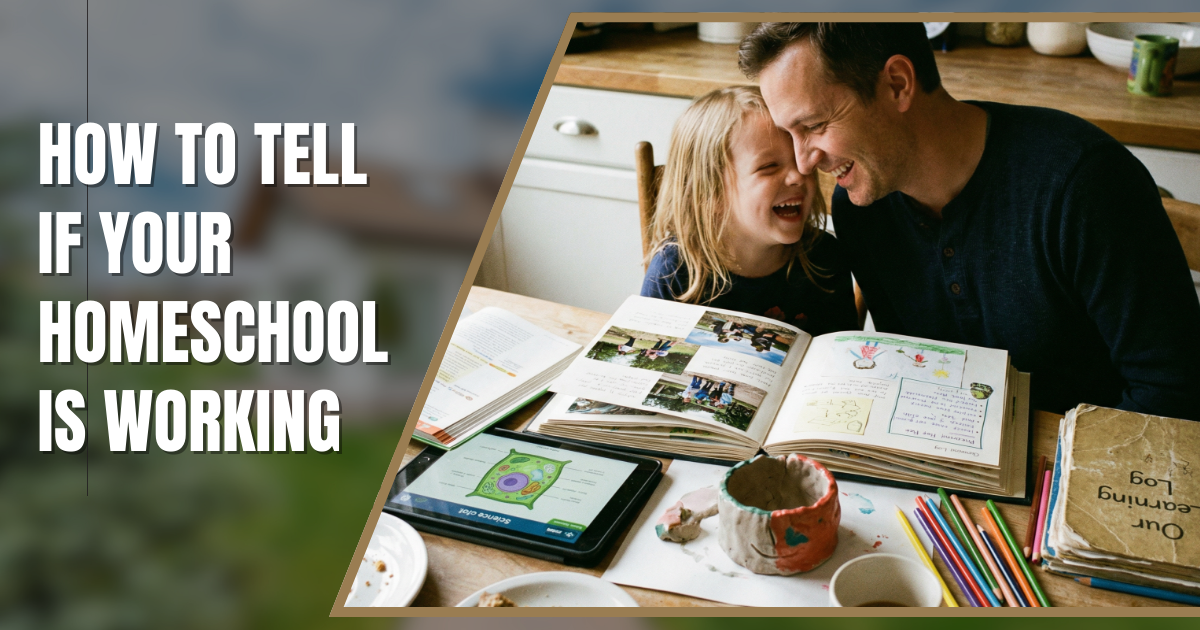
How To Tell If Your Homeschool Is Working – Without Comparing To Public School

Homeschool is working when your child is learning steadily, growing in confidence, and making real progress over time—even if it doesn’t look like a classroom. You don’t need a public-school-style schedule, constant testing, or Pinterest-perfect lesson plans to know you’re doing it right.

At DKM Homeschool Resource, we’ve worked with countless families who worried they were “behind”… only to discover they were actually doing better than they thought.

You can tell your homeschool is working when your child is consistently improving in core skills, staying curious, and recovering well from challenges. Look for progress over months (not days), steady reading and math growth, increasing independence, and a healthy learning attitude. You don’t need to match public school pacing to be successful.

How Do Homeschoolers Test Compared To Public School?

This is one of the first questions parents ask—and honestly, it makes sense. Testing feels like the easiest “proof” that homeschool is working.

Here’s the good news: Homeschool students often perform very well on standardized tests. In many reports, homeschoolers score around 15–25 percentile points higher on exams like the SAT, ACT, and other achievement tests compared to their public school peers. Research from groups like the National Home Education Research Institute (NHERI) and college admissions data suggests that the flexibility of homeschooling—custom pacing, individualized instruction, and more one-on-one attention—can support strong academic outcomes across a wide range of families, regardless of parent income or education level.

But here’s the even better news: you don’t need standardized testing to know your homeschool is working.

Testing can be a helpful tool, but it’s only one snapshot. It’s like taking a single photo and trying to judge an entire year-long journey from it.

When testing can be helpful

Standardized testing can help if you:

  • Need it for state homeschool requirements
  • Want an outside measurement for peace of mind
  • Suspect a learning gap and want clarity
  • Plan to transition to a public/private school later

When testing can cause unnecessary stress

Testing can become unhelpful when:

  • Your child struggles with test anxiety
  • You’re using it to “prove” you’re a good homeschool parent
  • You’re comparing your child to public school pacing
  • You test too often and start teaching to the test

A realistic approach is to use testing as optional data, not a verdict on your homeschool.

The Real Signs Your Homeschool Is Working (That Don’t Require Tests)

If you’re busy, overwhelmed, and wondering, “Is this actually working?”—these signs are the ones we want you to focus on first.

1) Your child is making progress over time

Not perfect progress. Not lightning-fast progress. Just progress.

Ask yourself:

  • Are they reading more smoothly than 3 months ago?
  • Are they solving harder math problems than last season?
  • Are they writing more clearly than they used to?

Progress in homeschool is often sneaky. It shows up in little moments like your child suddenly reading a menu, doing mental math at the store, or explaining something they learned to a sibling.

2) You can see skills stacking

Homeschool success is rarely about a single worksheet.

It’s about skill-building:

  • Letters → sounds → words → sentences → books
  • Counting → addition → subtraction → multiplication
  • Drawing → labeling → writing → paragraphs

If skills are stacking (even slowly), that’s a strong sign your homeschool is working.

3) Your child still likes learning (most days)

Let’s be real: every kid has days where they’d rather be a blanket burrito than do math.

But if your child is still curious, asks questions, and enjoys some parts of learning, that matters.

A child who feels safe and capable will learn faster over the long haul than a child who is constantly pressured and stressed.

4) You’re adjusting instead of quitting

One of the most underrated signs your homeschool is working is this:

You notice what isn’t working, and you change it.

That is a homeschooling superpower.

Public school systems often can’t adjust quickly for individual kids. You can. That flexibility is part of what makes homeschooling effective.

A Quick Weekly “Homeschool Check-In” That Actually Works

This is one of our favorite practical tools at DKM Homeschool Resource because it’s fast, simple, and it stops the mental spiral.

Set a timer for 10 minutes once a week (yes, really). Grab a notebook or notes app and answer these:

1) What improved this week?

Write 3 small wins, like:

  • Finished a chapter book
  • Memorized multiplication facts 2s and 5s
  • Wrote a full paragraph without tears
  • Did science without complaining (a miracle!)

2) What felt hard?

Be honest. Hard doesn’t mean failing.

Examples:

  • Reading lesson took too long
  • Math caused frustration
  • Too many interruptions from younger siblings
  • You felt burnt out

3) What will we adjust next week?

Pick ONE adjustment:

  • Shorter lessons
  • More read-aloud time
  • Change curriculum approach
  • Add a 10-minute independent work block

4) What does my child need more of?

Usually it’s one of these:

  • More practice
  • More breaks
  • More challenge
  • More confidence
  • More sleep (yes, this counts)

Quick tip:

If you do nothing else, do this weekly check-in. It helps you track progress without comparing your homeschool to public school.

Click on the image to download your FREE printable Homeschool Check In!

The “Quiet Progress” Homeschool Parents Often Miss 

A lot of homeschool progress doesn’t show up on paper. It shows up in how your child talks, how they problem-solve, and how they handle frustration. Many parents overlook these changes because they’re watching for something dramatic, like suddenly reading at a higher grade level overnight. But learning usually grows in small, steady steps.

We’ve seen kids who “weren’t improving” suddenly take off after months of slow growth. It wasn’t that homeschool wasn’t working—it was that their brains were building the foundation first. Confidence, maturity, and readiness matter just as much as curriculum. When those pieces click, academic growth often speeds up quickly.

Common Mistakes That Make Parents Think Homeschool Isn’t Working

Sometimes homeschool is going fine… but a few common mistakes can make it feel like a total disaster.

Let’s save you a few months of stress.

Mistake #1: Expecting daily progress

Homeschool progress is not linear.

Some days are:

  • “Wow, they learned so much!”
    Other days are:
  • “Why can’t they remember what we did yesterday?”

That’s normal learning. Especially for younger kids.

Mistake #2: Comparing your child to public school pacing

Public schools often move fast because they have to. They’re managing 20–30 kids, deadlines, and district requirements.

Homeschool can move slower in some areas and faster in others.

Example:
Your child might be “behind” in writing but two grade levels ahead in science knowledge because they’ve spent hours watching documentaries and doing experiments.

That’s not failure. That’s personalized education.

Mistake #3: Doing too much curriculum

This is a big one.

A lot of beginner homeschool parents try to recreate public school at home:

  • Full schedules
  • Multiple subjects daily
  • Busywork worksheets
  • Long seatwork blocks

And then everyone burns out by October.

If your homeschool feels like chaos, the answer is often less, not more.

Mistake #4: Switching curriculum constantly

If you change programs every two weeks, your child never gets traction.

Instead, try this rule:

  • Give a curriculum 4–6 weeks before deciding
  • Adjust how you use it before replacing it
  • Replace only if it’s truly a poor fit

Mistake #5: Using your worst days as evidence

Every homeschool has “that day.”

You know the one:

  • Someone cried
  • The printer jammed
  • The toddler dumped cereal everywhere
  • The math lesson turned into a meltdown

That doesn’t mean homeschool isn’t working. That means you’re a real human homeschooling real children.

Simple Steps You Can Take This Week To Measure Progress

If you want something practical, you can do right now (without creating a 12-tab spreadsheet), start here.

Step 1: Choose 3 “anchor skills”

Pick just three things to focus on:

  1. Reading
  2. Math
  3. Writing (or handwriting for younger kids)

That’s it.

If these three are moving forward, your homeschool is working.

Step 2: Do a 15-minute “before and after” sample

This is so simple and so powerful.

  • Have your child read a short passage out loud
  • Give them 5 math problems
  • Ask them to write 3–5 sentences (or copy a sentence for littles)

Save it in a folder.

Do the same thing again in 6–8 weeks.

The difference will surprise you.

Step 3: Track time spent learning (not pages completed)

Homeschool doesn’t need to look like:

  • “We finished 12 pages today!”

Sometimes it looks like:

  • 20 minutes of solid math
  • 30 minutes of reading
  • A documentary + discussion
  • A nature walk with a notebook

That counts.

Step 4: Watch for independence

Independence is one of the clearest homeschool success markers.

Look for signs like:

  • Starting work without being asked
  • Reading directions independently
  • Fixing mistakes without melting down
  • Asking for help appropriately

These skills matter in life far beyond academics.

Step 5: Use free/low-cost tools when you want extra reassurance

You don’t need expensive testing packages.

Try:

  • Library reading level check-ins
  • Free online math placement tests
  • Printable writing rubrics
  • Educational apps that track mastery

(And yes, we love free. Your homeschool budget deserves peace.)

When You Feel Like You’re Failing (But You’re Not) 

There’s a specific kind of homeschool panic that hits when you’re exhausted and your child is resisting everything. You start questioning your choices, your curriculum, your parenting, and your entire life plan—usually while staring at an untouched workbook page. This is incredibly common, especially for new homeschoolers and parents teaching multiple ages.

What’s tricky is that this feeling often shows up right before things improve. Kids push back when routines change, when work gets harder, or when they’re developing new skills. And parents feel discouraged when they’re working hard but can’t see immediate results. The truth is, homeschool growth is often happening under the surface long before it shows up on paper.

Helpful Resources (And What To Do If You Discover A Gap)

Let’s say you do your check-in and realize something like:

  • Reading is improving, but slowly
  • Math facts are not sticking
  • Writing is a struggle
  • Your child avoids anything challenging

First: breathe. This is not a homeschool failure. This is normal information.

If reading feels behind

Try:

  • Daily read-alouds (even for older kids)
  • Audiobooks + print books together
  • Short phonics review (15 minutes a day)
  • High-interest, low-pressure books

Free/low-cost resource ideas:

  • Library early readers and graphic novels
  • YouTube phonics songs (for littles)
  • Printable phonics games
  • Reading apps with free versions

If math isn’t clicking

Try:

  • Shorter lessons (10–20 minutes)
  • More hands-on practice (coins, blocks, dice)
  • Math games instead of drills
  • Reviewing one skill at a time

Free/low-cost resource ideas:

  • Free math fact games online
  • Printable multiplication charts
  • Flashcards (DIY is totally fine)

If writing is painful

Try:

  • Dictation (you write, they talk)
  • Copywork for 5 minutes a day
  • Sentence starters
  • Typing instead of handwriting

Writing is one of the slowest skills to develop. A lot of kids need more time than parents expect.

If motivation is the issue

Try:

  • More movement breaks
  • Switching the order of subjects
  • Doing hard subjects earlier in the day
  • Using a reward system temporarily

Quick example:
If your child hates math, do 10 minutes, then stop. Build consistency first. Increase time later.

What if there’s a real learning challenge?

If you suspect dyslexia, ADHD, dyscalculia, or another learning difference, you’re not alone—and homeschool can still work beautifully.

Consider:

  • Talking to your pediatrician
  • Seeking a local evaluator
  • Looking into homeschool-friendly tutoring
  • Adjusting curriculum style

Homeschooling doesn’t require your child to fit a system. It allows the system to fit your child.

Frequently Asked Questions About Homeschooling Routines

FAQ: How do I know if my homeschool schedule is working?
If your child is learning consistently, finishing most lessons without constant battles, and you’re not burning out weekly, your homeschool schedule is working. A good homeschool routine feels sustainable, not perfect. Small adjustments (shorter lessons, fewer subjects per day) often make a big difference.

FAQ: Should homeschoolers take standardized tests every year?
Not necessarily. Some families choose yearly standardized testing for peace of mind or state requirements, but many don’t need it. If you want extra reassurance, a simple annual check-in using a homeschool assessment tool or placement test can be enough—especially for reading and math.

FAQ: What if my child is “behind” in homeschool?
Being “behind” usually just means your child is developing at their own pace, which is normal in homeschooling. Focus on steady progress in core skills and use homeschool resources like tutoring, audiobooks, or targeted practice to close gaps. Many kids catch up quickly once confidence improves.

Keep Learning With DKM Homeschool Resource

If you’re wondering whether your homeschool is working, the fact that you’re asking is already a strong sign you’re a thoughtful, intentional parent. Homeschool success isn’t about recreating public school at home—it’s about consistent growth, healthy learning habits, and progress that builds over time.

Focus on the signs that matter most: reading and math improvement, growing independence, a child who’s learning (even imperfectly), and a homeschool rhythm that doesn’t crush your family’s joy. Use simple weekly check-ins, save work samples, and adjust what isn’t working instead of assuming you’ve failed.

And if you want more practical homeschool help, encouragement, and low-cost resource ideas, we’d love for you to explore more posts here at DKM Homeschool Resource. You don’t have to figure this out alone—and you’re doing better than you think.

How To Blend Unit Studies With A Traditional Curriculum

If you’ve ever felt torn between the flexibility of unit studies and the clarity of textbooks, you’re not alone. Many homeschool parents love the depth, creativity, and real-world connections of unit studies but still feel more confident when there’s a clear scope, sequence, and spine to follow. This is where unit studies with textbooks can become a powerful solution instead of a compromise. You don’t have to choose between interest-led learning and academic structure—you can thoughtfully blend the two.

A hybrid approach is especially appealing to families who want both inspiration and reassurance. Textbooks can provide consistency, skill progression, and benchmarks, while unit studies bring subjects to life and help children see how everything connects. When done well, this blend creates a homeschool rhythm that feels both grounded and engaging, without burning you out or overwhelming your child.

Unit Studies With Textbooks: Rethinking The “Either / Or” Mindset

One of the biggest hurdles homeschool parents face is the belief that they must pick a side: either a traditional textbook-based homeschool or a fully unit-study-driven one. In reality, most successful long-term homeschoolers end up somewhere in the middle. Unit studies with textbooks work best when you stop thinking of them as competing approaches and start viewing them as complementary tools.

Textbooks excel at teaching incremental skills. Math, grammar, spelling, and sometimes science benefit from systematic practice and review. Unit studies, on the other hand, shine when it comes to context, integration, and motivation. They help children understand why they’re learning something and how it connects to the real world.

When you combine unit studies and traditional homeschool methods, you’re essentially separating skills from context. Skills can be taught through textbooks, while understanding, application, and curiosity are nurtured through unit studies. This division alone often brings a huge sense of relief to parents who have felt stuck trying to force one method to do everything.

It’s also important to note that a hybrid homeschool curriculum doesn’t have to look the same every year. Some seasons of life call for more structure; others allow more flexibility. Blending approaches gives you room to adapt without feeling like you’re constantly starting over.

How To Combine Unit Studies And Traditional Homeschool Subjects

This is where things get practical. Blending unit studies with a traditional curriculum works best when each approach has a clear role. Instead of trying to merge everything into one giant plan, think in layers.

Here are effective, realistic ways to combine unit studies and traditional homeschool methods:

  • Use textbooks for core skill subjects
    Math, phonics, grammar, and spelling are often best taught with structured programs that build sequentially.
  • Use unit studies for content-heavy subjects
    History, geography, science, literature, art, and music lend themselves beautifully to thematic learning.
  • Let textbooks confirm coverage, not drive curiosity
    Use them as a checklist or reference rather than the centerpiece of learning.
  • Anchor unit studies to textbook topics
    If the science textbook covers ecosystems, build a unit study around forests, oceans, or deserts.
  • Allow unit studies to replace, not add to, busywork
    A strong unit study can replace worksheets, not pile on top of them.

Another helpful strategy is to think in terms of time blocks. Many families do textbook-based work in the morning when focus is highest and unit studies later in the day when creativity flows more easily. This natural rhythm reduces resistance and keeps the day balanced.

You can also rotate emphasis by subject. For example, you might follow a traditional math and language arts program all year, but alternate between textbook science one semester and a deep science unit study the next. This keeps learning fresh while maintaining academic confidence.

What A Hybrid Homeschool Curriculum Looks Like Day To Day

What A Hybrid Homeschool Curriculum Looks Like Day To Day

A hybrid homeschool curriculum often feels calmer than either extreme. Instead of trying to make unit studies carry the weight of every subject, or forcing textbooks to engage reluctant learners, each method does what it does best. This clarity alone reduces decision fatigue for parents and frustration for kids.

A typical day might start with clearly defined expectations: math lesson, short grammar or writing practice, and independent reading. These tasks are predictable and finite, which helps children settle in and focus. Once core skills are complete, the day opens up into richer learning through a unit study—reading aloud, hands-on projects, discussions, and creative work.

This structure is especially helpful for children who crave routine but still enjoy exploration. They know the “must-do” work has an endpoint, and that the more open-ended learning comes afterward. That predictability often improves cooperation and emotional regulation.

Over time, many parents notice that unit studies actually strengthen textbook learning. Vocabulary improves because children encounter words in context. Writing improves because kids have something meaningful to write about. Science concepts stick because they’ve been explored from multiple angles.

A hybrid approach also makes it easier to document learning. Textbooks provide clear records of progress, while unit studies create rich portfolios of projects, writing, and discussions. This combination is especially helpful for families in states with reporting or evaluation requirements.

Common Pitfalls (And How To Avoid Them)

Blending approaches works beautifully—but only if you avoid a few common traps. Most problems arise not from the methods themselves, but from trying to do too much at once.

Here are pitfalls to watch for, along with simple fixes:

  • Trying to do full textbooks and full unit studies in every subject
    Fix: Assign each approach a role instead of doubling up.
  • Letting textbooks dictate pacing for unit studies
    Fix: Use textbooks as references, not deadlines.
  • Turning unit studies into extra work
    Fix: Replace assignments instead of adding more.
  • Feeling guilty for not finishing everything
    Fix: Remember that learning is cumulative, not checklist-based.
  • Constantly switching systems
    Fix: Commit to a plan for at least a term before reassessing.

Another common challenge is perfectionism. Some parents worry that if learning doesn’t look cohesive on paper, it must not be working. In reality, children often make connections internally long before they show up in neat summaries or tests. Trust the process and give learning time to settle.

It’s also okay if your hybrid homeschool curriculum looks different from others’. Some families lean more traditional, others more unit-based. The goal isn’t balance for balance’s sake—it’s effectiveness for your child.

When Unit Studies Support, Not Replace, Traditional Learning

Unit studies don’t need to replace textbooks to be valuable. In many homes, they function best as enrichment and integration rather than the main instructional tool. A unit study can deepen understanding, spark interest, and provide context without carrying the pressure of full content delivery.

For example, a history textbook might provide a timeline and key facts, while a unit study brings that era to life through biographies, historical fiction, primary sources, and projects. The textbook ensures coverage; the unit study ensures meaning. Together, they create a much richer learning experience than either could alone.

This approach is also reassuring for parents who worry about “gaps.” Textbooks act as a safety net, while unit studies allow children to dive deeply into what captures their interest. Over time, this combination often produces learners who are both knowledgeable and curious.

Read More Homeschool Curriculum Tips at DKM Homeschool Resource

Blending unit studies with a traditional curriculum doesn’t mean watering either one down. When done thoughtfully, unit studies with textbooks create a homeschool experience that is both structured and inspiring. You gain the confidence of clear academic progression alongside the joy of meaningful, connected learning. That balance is often what makes homeschooling sustainable long-term.

If you’d like more guidance on creating a hybrid homeschool curriculum that truly works, be sure to read more of our blogs here at DKM Homeschool Resource. We share practical strategies, honest encouragement, and adaptable ideas to help you build a homeschool that fits your family—not someone else’s ideal.

Why Montessori Math Builds Strong Number Sense

If math has ever felt stressful or confusing in your homeschool, focusing on math number sense can completely change the experience. Before children can confidently add, subtract, or solve problems on paper, they need to understand what numbers actually represent. Montessori math begins with this understanding, building meaning first instead of rushing into worksheets or memorization. For many families, this shift alone transforms math from a daily struggle into something calmer and more enjoyable.

Traditional math approaches often introduce abstract symbols before children are developmentally ready. Kids may learn procedures or chants without understanding what those numbers actually mean. Montessori math takes a slower, more intentional path that honors how young children naturally learn. Instead of memorizing steps, children explore numbers with their hands, eyes, and movement.

This hands-on foundation makes math feel logical instead of arbitrary. Children aren’t guessing or hoping they remember the “right” way to do something. They understand why numbers work the way they do. That understanding builds confidence, which is especially important in early math when attitudes toward learning are being formed.

What Math Number Sense Is And Why It Matters

Math number sense is a child’s intuitive understanding of numbers, quantities, and how they relate to one another. It goes far beyond counting or recognizing numerals. Number sense includes knowing which numbers are larger or smaller, understanding that numbers can be grouped and separated, and recognizing patterns and relationships. These skills allow children to think flexibly instead of relying on memorized rules.

In early math, number sense matters far more than speed or accuracy. A child who understands that eight is made up of two groups of four has a stronger foundation than a child who can recite addition facts without understanding them. Number sense allows children to estimate, reason, and solve problems logically. It also helps them catch mistakes because they can tell when an answer doesn’t make sense.

Children with strong number sense tend to approach math with confidence. They’re willing to try, adjust, and experiment because numbers feel familiar instead of intimidating. When children lack number sense, math often feels confusing and frustrating. They may rely heavily on counting fingers or memorized steps, which can slow progress later on.

Montessori math activities are designed specifically to support this foundational understanding. Children consistently work with materials where quantity and number are visually and physically connected. Over time, numbers stop being abstract symbols and become meaningful concepts. This deep understanding supports everything that comes next in math.

Strong number sense also supports learning beyond math. It strengthens problem-solving, logical thinking, and even language development as children explain their reasoning. When children understand numbers deeply, they gain confidence in their ability to think and reason independently.

How Montessori Math Builds Math Number Sense

Montessori math begins with the idea that children learn best through their senses. Instead of starting with numbers on paper, children start with physical materials they can see, touch, and move. These materials are carefully designed so that quantity, size, and number are always aligned. A larger number is physically larger, which helps children internalize the concept naturally.

One of the most important Montessori principles is moving from concrete to abstract. Children first experience numbers through hands-on materials, then through visual representations, and finally through written symbols. This progression ensures that children don’t memorize symbols without understanding their meaning. Each step builds on the one before it.

How Montessori Math Builds Math Number Sense

Another key element of Montessori math is built-in error control. Many materials allow children to see or feel when something doesn’t work. For example, if quantities don’t match or pieces don’t fit correctly, the child knows something needs adjusting. This encourages independent thinking and reduces reliance on adult correction.

Montessori math also respects the child’s pace. Children are encouraged to repeat activities as often as they like. This repetition isn’t boring—it’s comforting and confidence-building. Each repetition strengthens understanding and makes numbers feel familiar and safe.

This approach is especially powerful in early math because it aligns with how young children naturally think. Numbers are explored through movement, repetition, and play rather than pressure. Math becomes something children understand and enjoy instead of something they fear.

Over time, children who learn math this way develop a strong internal sense of how numbers work together. When they later encounter more abstract math, they already have a mental framework to support it. This often leads to greater success and less frustration in later years.

Montessori Math Activities That Support Number Sense In Early Math

Montessori math activities are intentionally designed to make numbers concrete and meaningful. Many of these activities can be used directly at home or adapted using simple household materials, making them accessible for homeschool families.

Here are Montessori-inspired math activities that strongly support number sense in early math:

  • Counting with concrete objects
    Children count real items such as beads, blocks, or stones, reinforcing that numbers represent actual quantities rather than abstract ideas.
  • Quantity before symbols
    Children work with sets of objects before being introduced to written numbers, ensuring they understand quantity before memorizing symbols.
  • Number rods
    These rods increase in length as numbers increase, allowing children to see and feel numerical differences clearly and consistently.
  • Sandpaper numbers
    Tracing textured numbers combines touch and sight, helping children internalize number shapes and prepare for writing.
  • Hands-on addition and subtraction
    Children physically combine or separate quantities, allowing them to see exactly what happens when numbers are added or taken away.
  • Everyday math experiences
    Counting snacks, measuring ingredients, and sorting household items reinforce number sense naturally throughout the day.

These activities emphasize understanding rather than performance. Children are encouraged to explore, repeat, and experiment without pressure to get quick answers. Over time, this leads to deeper comprehension and stronger confidence.

Parents often notice that children who learn math this way talk about numbers more comfortably. They explain their thinking more clearly and are less afraid of making mistakes. Math becomes something they feel capable of understanding rather than something they try to avoid.

Why Montessori Math Works So Well For Homeschool Families

Montessori math fits beautifully into the homeschool environment because it is flexible, child-centered, and adaptable. Lessons don’t need to be long or rigid. Children can explore math in short, focused sessions that feel engaging rather than draining. This flexibility helps families maintain consistency without burnout.

Homeschool families often teach multiple ages at once, and Montessori math supports that naturally. Younger children may work on basic counting while older siblings explore larger quantities or early operations using similar materials. This shared learning environment feels cohesive and supportive rather than divided by grade level.

Montessori math also builds confidence in both children and parents. Children learn that mistakes are part of the learning process, not something to fear. Parents don’t need advanced math knowledge because the materials and sequence guide the learning. The parent’s role becomes one of observation, encouragement, and gentle guidance.

Another important benefit is emotional regulation. When children understand what they’re doing, math lessons tend to be calmer and more peaceful. Frustration decreases because children aren’t pushed ahead before they’re ready. This creates a more positive homeschool rhythm overall.

Some parents worry that Montessori math is too slow or that children won’t “keep up.” In reality, children who develop strong number sense often progress more quickly later because they truly understand concepts. Speed without understanding can create gaps, while deep understanding builds flexibility and confidence.

You also don’t need a full Montessori classroom to use this approach. Many Montessori principles can be applied using everyday materials and intentional conversation. What matters most is respecting the learning sequence and allowing children time to explore.

Supporting number sense doesn’t stop when lessons end. Talking about numbers throughout the day strengthens understanding in meaningful ways. Asking children how they know something, encouraging estimation, and letting them explain their thinking all reinforce learning naturally.

When children develop strong math number sense early, math becomes something they trust themselves to understand. That trust carries forward into higher-level math, problem-solving, and even other academic subjects.

Read More Homeschool Math Tips and Resources at DKM Homeschool Resource

Montessori math builds strong number sense by honoring how children naturally learn—through hands-on exploration, repetition, and meaningful understanding. When numbers make sense early on, math becomes logical instead of intimidating. That foundation supports confidence, independence, and long-term academic success.

If you’d like more homeschool guidance like this, be sure to explore more blogs here at DKM Homeschool Resource. We share practical math strategies, gentle learning approaches, and real-life homeschool support to help you build confident learners—one meaningful lesson at a time.

Using Unit Studies for Writing Projects

If writing feels like one of the most challenging parts of your homeschool, you’re definitely not alone—and unit studies writing can be a game changer. Writing often becomes frustrating when it feels disconnected from what children are learning or interested in. Unit studies naturally solve that problem by giving kids rich topics to explore deeply, which leads to real ideas worth writing about. Instead of asking children to write just to practice writing, you’re inviting them to write because they have something meaningful to say.

Unit studies also take a lot of pressure off parents. You don’t need a separate writing curriculum for every child or a stack of prompts that never quite land. Writing grows out of reading, discussion, projects, and curiosity. Over time, homeschool writing projects feel less forced and more like a natural extension of learning.

Another huge benefit is flexibility. Unit studies allow children of different ages and abilities to work from the same topic while producing very different kinds of writing. One child might dictate a paragraph, another might write a page, and an older student might create a multi-paragraph report. Everyone is learning, and no one is overwhelmed.

Why Unit Studies Writing Works So Well

Writing is hardest when children don’t know what to write about. Unit studies remove that obstacle by immersing kids in a topic long enough for understanding and interest to develop. When children are familiar with a subject, ideas come more easily, and writing feels less intimidating. They aren’t scrambling to invent content while also trying to form sentences.

Another reason writing with unit studies works so well is that it reduces cognitive overload. Children aren’t trying to learn brand-new information and writing mechanics at the same time. The content becomes familiar through books, videos, hands-on activities, and discussion. That familiarity frees up mental energy for organizing thoughts and putting words on paper.

Emotional buy-in also plays a major role. Kids care more about writing when it’s connected to something they chose or enjoyed. Unit studies give children a sense of ownership over their learning, which often leads to better effort and stronger engagement. Writing becomes a way to communicate ideas rather than a task to endure.

Over time, this approach builds real confidence. Children begin to see themselves as capable writers because writing is connected to success and understanding, not constant correction. That confidence becomes especially important as writing expectations increase in later grades.

Practical Ways To Use Unit Studies For Homeschool Writing Projects

One of the biggest strengths of unit studies is how naturally writing fits into the learning flow. Writing doesn’t need to sit in its own box or happen at a specific time every day. Instead, it becomes part of how children interact with what they’re learning.

A great place to start is with oral writing. Before expecting children to write anything down, encourage them to talk about the topic. Ask open-ended questions, invite them to explain ideas in their own words, and let them tell stories related to what they’re studying. For younger children especially, writing down their spoken words and reading them back builds a powerful bridge between oral and written language.

Practical Ways To Use Unit Studies For Homeschool Writing Projects

Matching writing types to the unit study topic also makes writing feel purposeful and engaging. Different subjects naturally lend themselves to different kinds of writing, which keeps things fresh and interesting.

Examples of homeschool writing projects that work especially well with unit studies include:

  • Science units: observation journals, experiment write-ups, explanations of how things work
  • History units: diary entries from historical perspectives, letters, timelines with written descriptions
  • Geography units: travel journals, country reports, postcards, brochures
  • Literature-based units: retellings, character diaries, alternate endings, reflections

Breaking writing into manageable pieces is another key strategy. Long assignments can feel overwhelming when they’re presented all at once. Instead, guide children through the process step by step so writing feels achievable.

A simple, supportive writing process might look like this:

  1. Talk about the topic together
  2. Brainstorm ideas verbally
  3. Jot down a short outline or list
  4. Write one section or paragraph at a time
  5. Revisit the writing later for gentle revision

This approach helps children build skills without feeling buried under expectations.

It’s also helpful to remember that writing doesn’t always need to be the final product. Sometimes writing is simply a tool for thinking. Short responses, notes, captions, and rough drafts all count as valuable writing practice. These low-pressure opportunities often lead to better writing over time than infrequent, high-stakes assignments.

Writing With Unit Studies Across Ages And Skill Levels

For early elementary students, writing within unit studies is mostly about confidence and exposure. Dictation, labeling drawings, copywork, and short sentences connected to the unit topic are more than enough. At this stage, the goal is helping children see themselves as writers and communicators. Frequent, low-pressure practice builds a strong foundation without frustration.

Upper elementary students are usually ready for more structure, and unit studies make that transition smoother. Children can write summaries, short reports, and simple narratives related to what they’re studying. This is a great time to introduce paragraph structure, outlining, and light editing, always tied to content they understand well. Writing skills tend to grow faster when they’re applied to familiar ideas.

Middle school students often thrive with unit studies writing because it finally feels purposeful. They’re ready to research deeper questions, compare viewpoints, and form opinions. Writing with unit studies at this stage prepares students for more formal academic writing later without overwhelming them too early. Research projects, essays, and creative responses all fit naturally into unit-based learning.

Teaching writing skills within unit studies works best when it’s done gently and in context. Grammar, spelling, and sentence structure still matter, but they don’t need to dominate the experience. Short mini-lessons based on what shows up in a child’s writing are often far more effective than isolated drills. Applying skills immediately helps children see their value.

There are also a few common pitfalls to watch for. Assigning writing before children have enough background knowledge often leads to frustration. Expecting polished work too early can discourage effort, and correcting every mistake at once can overwhelm young writers. Focusing on one improvement at a time keeps writing encouraging and sustainable.

If your child dislikes writing, unit studies can be especially helpful. Many kids resist writing because of pressure, perfectionism, or boredom—not because they lack ability. Writing with unit studies removes much of that pressure by grounding writing in curiosity and conversation. Starting small and staying consistent often leads to surprising progress.

Keep Building Confident Writers With Unit Studies

Using unit studies for writing projects allows homeschool families to blend content learning and skill development in a way that feels natural, flexible, and effective. Writing becomes connected to real learning instead of feeling like an isolated requirement. Over time, these small, consistent writing experiences add up to strong communication skills and confident writers.

If you’d like more homeschool ideas like this, be sure to read more of our blogs here at DKM Homeschool Resource. We share practical strategies, encouragement, and real-life guidance to help you build a homeschool that supports both learning and confidence—one unit study at a time.

Gentle Discipline Through Rhythm and Example

If you’ve been drawn to calmer, more connected ways of guiding your children, you may already be exploring gentle discipline rhythm without even realizing it. Many homeschool parents sense that constant correction, warnings, and consequences feel exhausting—and often ineffective. Gentle discipline, especially when paired with rhythm and modeling, offers a different path. Instead of reacting all day long, you shape the environment, the flow of the day, and your own behavior so guidance happens more naturally and with far less friction.

This approach is deeply connected to Waldorf-inspired parenting and homeschooling, but you don’t have to follow Waldorf strictly to benefit from it. Parenting through rhythm and example can work in any home, with any curriculum, and with kids of all ages.

What Gentle Discipline Rhythm Really Means

Gentle discipline is often misunderstood as permissive or hands-off. In reality, it’s very intentional. When rhythm is added, discipline becomes less about correcting behavior and more about preventing chaos before it starts.

Gentle discipline rhythm means:

  • Creating predictable patterns in the day
  • Using repetition instead of reminders
  • Guiding behavior through structure rather than force
  • Modeling the behavior you want to see

In Waldorf discipline parenting, rhythm acts like invisible boundaries. Children don’t need constant verbal instruction when they know what comes next. They feel safe because the day flows in a familiar way.

This doesn’t mean your schedule has to be rigid or timed to the minute. Rhythm is about order, not clocks. Think of it as the steady beat underneath your day.

A gentle discipline rhythm might include:

  • Morning routines that happen in the same order
  • Consistent transitions between activities
  • Regular times for meals, rest, learning, and play
  • Predictable weekly patterns (laundry day, library day, baking day)

Children thrive when they know what to expect. When rhythm is strong, discipline issues often decrease on their own.

Why Rhythm Is So Powerful For Behavior

This section is intentionally just words, because rhythm itself isn’t something you “do” with a checklist. It’s something you live into over time.

Children are sensory beings. Before logic and reasoning fully develop, they understand the world through repetition, imitation, and experience. When days feel chaotic or unpredictable, children often express that stress through behavior. What looks like defiance or resistance is often disorientation.

Parenting through rhythm helps children feel grounded. When they know the flow of the day, their nervous systems can relax. A calm child is far easier to guide than an overstimulated one.

Rhythm also removes many daily power struggles. Instead of saying, “Clean up now!” you simply move into the next part of the rhythm. Over time, children follow because the pattern itself leads them. The parent doesn’t have to be the enforcer every moment.

This is why Waldorf discipline parenting places so much emphasis on rhythm before rules. When the structure is right, discipline becomes quieter, gentler, and far more effective.

Gentle Discipline Rhythm In Daily Homeschool Life

Gentle Discipline Rhythm In Daily Homeschool Life

When homeschooling, discipline and learning are deeply connected. A scattered day often leads to behavior challenges, while a rhythmic day supports both focus and cooperation.

Here are practical ways to bring gentle discipline rhythm into your homeschool:

1. Start With the Same Morning Flow

Mornings set the tone for the entire day. A predictable start reduces resistance and emotional overload.

A simple rhythm might look like:

The key is keeping the order the same, even if the timing changes.

2. Anchor the Day With “Breathing In” and “Breathing Out”

This concept comes from Waldorf education and works beautifully at home.

  • “Breathing in” activities: focused, inward (reading, writing, lessons)
  • “Breathing out” activities: movement, play, outdoor time

Alternating between these keeps children regulated and prevents burnout.

3. Use Transitions Instead of Commands

Transitions are a quiet discipline tool.

Instead of repeated verbal instructions, try:

  • Singing a clean-up song
  • Lighting a candle before lessons
  • Ringing a bell to signal a change
  • Starting an activity yourself and letting the child join

Children respond better to movement and cues than to constant talking.

4. Keep Expectations Consistent

Rhythm only works when it’s reliable.

  • Meals happen around the same time daily
  • Screens (if used) have predictable limits
  • Bedtime follows a familiar routine

Consistency builds trust. Trust reduces resistance.

Discipline Through Example: The Parent As The Model

This section is intentionally all paragraphs, because example is more about being than doing.

Children learn far more from what we do than from what we say. This is a cornerstone of Waldorf discipline parenting and one of the most challenging—and powerful—tools we have.

If we want calm children, we must practice calm ourselves. If we want respectful speech, we must model respectful speech. If we want patience, we must slow down enough to show it.

This doesn’t mean parents must be perfect. It means being aware. Children are always watching how we respond to frustration, how we speak to others, and how we handle mistakes.

When discipline is rooted in example, corrections become fewer because children naturally imitate what they see. Over time, your behavior becomes the guide, not your words.

This approach also shifts discipline away from shame. Instead of pointing out what a child did wrong, you show them a better way—often without saying anything at all.

Practical Gentle Discipline Tools That Support Rhythm

While rhythm and example are the foundation, sometimes we still need gentle tools to guide behavior. These work best when layered on top of a strong daily rhythm.

Here are supportive strategies that align with parenting through rhythm:

1. Fewer Words, More Action

Too much talking overwhelms children.

Try:

  • Showing instead of explaining
  • Guiding hands gently
  • Demonstrating the task alongside them

2. Natural Consequences Over Punishment

When possible, let life teach the lesson.

Examples:

  • Toys left outside get put away for a day
  • Forgotten homework is completed before play
  • Missed sleep leads to an earlier bedtime

These consequences are calm, connected, and logical.

3. Prepare Instead of React

Most behavior issues can be prevented.

  • Give warnings before transitions
  • Set expectations ahead of time
  • Adjust the rhythm if meltdowns happen regularly at the same time

4. Protect Rest and Downtime

Overtired children struggle with self-regulation.

  • Prioritize sleep
  • Build in quiet time
  • Avoid overscheduling

Rhythm only works when there’s space to breathe.

When Gentle Discipline Feels Hard

This section is intentionally paragraph-only, because this part is about encouragement, not instruction.

Gentle discipline through rhythm is not a quick fix. It takes time. At first, it may feel like nothing is changing. Children often test new rhythms before settling into them.

There will be days when you raise your voice or abandon the rhythm entirely. That doesn’t mean you’ve failed. Rhythm is forgiving. You can always return to it tomorrow.

Remember that this approach is as much about supporting the parent as it is about guiding the child. When your day has a flow, you feel calmer too. And a regulated parent is the most powerful discipline tool there is.

Keep Growing With Gentle Discipline and Rhythm

Gentle discipline through rhythm and example offers homeschool families a calmer, more connected way forward. Instead of constant correction, you build a home life that naturally supports cooperation, respect, and emotional balance. Over time, discipline becomes quieter, trust grows deeper, and learning feels less like a battle and more like a shared journey.

If this approach resonates with you, be sure to explore more posts here at DKM Homeschool Resource. We share practical homeschool guidance, gentle parenting insights, and real-life strategies to help you build a peaceful, sustainable homeschool rhythm for your family.

Gardening as Curriculum in Waldorf Education

Have you ever noticed how children are naturally drawn to the earth? Give a toddler a patch of dirt and a spoon, and you have a recipe for at least an hour of focused, joyful play. The Waldorf philosophy understands this innate connection and masterfully weaves it into its educational approach. Instead of just reading about nature in a book, students get their hands dirty, cultivating a deep and lasting relationship with the world around them. For homeschooling families, adopting a Waldorf gardening curriculum offers a beautiful, hands-on way to teach everything from science and math to responsibility and patience. It’s about more than just growing carrots; it’s about growing curious, capable, and connected human beings.

Gardening isn’t just an “extra” activity in Waldorf education; it’s a core component that breathes life into the entire curriculum. It’s the living, breathing textbook that changes with the seasons. Rudolf Steiner, the founder of Waldorf education, emphasized that learning should engage the whole child—the head, heart, and hands. Gardening is the perfect embodiment of this principle. The “head” is engaged in planning the garden, understanding plant life cycles, and observing the intricate web of insects and soil. The “heart” is nurtured through the care and reverence for living things and the joy of seeing a tiny seed sprout into a vibrant plant. The “hands” are busy with the practical work of digging, planting, watering, and harvesting. This holistic approach ensures that learning isn’t just an intellectual exercise but a deeply felt, experiential journey.

This connection to the earth provides a rhythm to the year that screens and indoor schedules simply cannot replicate. Children learn to work with the natural cycles of seasons, understanding that there is a time for planting, a time for tending, and a time for harvesting. This rhythmic work helps develop patience and an appreciation for process. They learn that good things take time and consistent effort, a valuable lesson in a world of instant gratification. 

This nature-based learning fosters a sense of stewardship and responsibility, not just for their small garden plot but for the planet as a whole.

Crafting Your Waldorf Gardening Curriculum At Home

Creating your own Waldorf-inspired gardening plan doesn’t require a huge backyard or a degree in horticulture. It’s about intention and embracing the process. The beauty of a Waldorf gardening curriculum is its adaptability to your child’s age and your specific environment. It can be a few pots on a sunny balcony or a dedicated plot in the yard. The key is to integrate the experience into your homeschooling rhythm.

Crafting Your Waldorf Gardening Curriculum At Home

Here’s a breakdown of how gardening activities can align with different age groups, following the Waldorf developmental model:

Early Childhood (Ages 3-6): The Garden of Wonder
At this age, it’s all about sensory experience and joyful imitation. The garden is a magical place, not a place for formal lessons.

  • Focus on imitation: Let your little one work alongside you. Give them child-sized tools, a small watering can, and simple tasks. They will learn by watching and doing.
  • Sensory exploration: Encourage them to touch the soil, smell the flowers and herbs, and taste the ripe berries. Talk about the fuzzy leaves of a lamb’s ear or the smooth skin of a tomato.
  • Simple, rewarding tasks: Planting large seeds like beans, pumpkins, or sunflowers is perfect for little hands. Watering is another favorite and teaches gentle care.
  • Storytelling: Weave tales about garden fairies, helpful gnomes, and the secret life of plants to enrich their imaginative world.

Lower Grades (Ages 7-10): The Practical Gardener
As children develop, their capacity for practical work and understanding cause and effect grows. The garden becomes a place for purposeful activity.

  • Planning and preparation: Involve them in the process. Look at seed catalogs together, draw a simple map of the garden, and help prepare the soil by clearing weeds and adding compost.
  • Understanding cycles: This is a great time to introduce the concept of the plant life cycle, from seed to sprout to flower to fruit and back to seed. Observe the process and document it in a main lesson book.
  • Integrated learning:
  1. Math: Measure the distance between rows, count seeds, and track the growth of plants in charts.
  2. Language Arts: Write poems about the garden, keep a simple gardening journal, or learn the names of different plants and tools.
  3. Science: Start a compost pile to learn about decomposition. Observe which insects are helpful (pollinators, ladybugs) and which are pests.

Middle Grades (Ages 11-14): The Steward of the Earth
In these years, students are ready for more responsibility and a deeper understanding of the scientific and ecological principles at play.

  • Independent projects: Assign them their own garden bed or a specific set of crops to manage from start to finish. This builds a strong sense of ownership and responsibility.
  • Scientific observation: Introduce more complex concepts. Study soil composition, learn about companion planting, and explore natural pest control methods. A main lesson block on botany would fit perfectly here.
  • Cooking and preserving: The connection from garden to table becomes central. Teach them how to cook with the food they’ve grown. Explore methods of preserving the harvest, like canning, drying herbs, or making pickles.
  • Community connection: Consider sharing the bounty with neighbors or donating to a local food pantry. This extends the lesson of stewardship to the wider community.

The Rhythms Of Nature-Based Learning

One of the most profound aspects of Waldorf education is its emphasis on rhythm. This includes the rhythm of the day, the week, and the year. Gardening is the ultimate teacher of seasonal rhythm. It provides a tangible, living calendar that connects your homeschool to the cycles of the earth. Instead of just noting that it’s the first day of spring, you are actively participating in it by turning the soil and planting the first cool-weather crops.

This alignment with nature helps ground children and provides a sense of security and predictability. They learn to anticipate the hard work of spring planting, the patient tending of summer, the joyful abundance of the fall harvest, and the quiet rest of winter. This rhythm teaches them that effort is followed by reward and that periods of rest are just as important as periods of activity. It’s a lesson that extends far beyond the garden gate, helping them navigate the rhythms of their own lives with greater balance and understanding. By observing and working with these natural cycles, children develop a deep-seated resilience and an intuitive understanding of the world’s unfolding processes.

Read More From Our Homeschooling Hub

We hope this glimpse into the world of Waldorf-inspired gardening has planted a few seeds of inspiration for your own homeschool journey. Bringing these practices into your home can enrich your curriculum in countless ways, fostering a love for learning and a profound respect for the natural world.

The adventure doesn’t have to stop here! Our blog is filled with practical advice, creative ideas, and supportive resources for homeschooling families like yours. Whether you’re curious about different educational philosophies, looking for curriculum reviews, or just need some encouragement for the day-to-day, we’re here to help. Dive into our other posts and discover more ways to make your homeschooling experience vibrant, joyful, and effective.