5 Questions To Ask When Choosing A Tutoring Program For Your Child

Education serves as the cornerstone of a child’s future, laying down the foundation upon which their personal and professional lives will be built. In today’s fast-paced and competitive world, the academic pressures faced by children have escalated significantly. These pressures stem from the desire to excel academically and the need to acquire a diverse skill set that prepares them for the complexities of the future job market. As a result, traditional classroom education, while still crucial, is often found to be insufficient in catering to the individual learning needs of each student. This gap has led to the rise of tutoring programs as critical support systems, transitioning from being considered a luxury to becoming an essential component of the educational ecosystem.

The Benefits Of Tutoring

Tutoring programs offer a range of benefits that can significantly enhance a child’s learning experience. They provide personalized attention and tailored instruction that addresses the specific weaknesses and strengths of the student, something that is difficult to achieve in the more generalized environment of a classroom. Furthermore, these programs can introduce advanced concepts at a pace that suits the learner, fostering a sense of confidence and instilling a love for learning. They also prepare students for various standardized tests, further improving their prospects for higher education and beyond.

However, as the demand for supplementary education grows, so does the complexity of the tutoring landscape. Parents and guardians are now faced with an overwhelming array of options, ranging from one-on-one tutoring and group sessions to online platforms that offer interactive learning experiences. Each of these formats has its unique advantages and caters to different learning styles and needs.

Selecting the ideal tutoring program thus becomes a daunting task, requiring careful consideration of several factors. The following are the top 5 questions we believe are most important to ask when choosing the best tutor for your child.

1. What Type of Academic Support Does Your Child Require?

The initial phase of selecting the most appropriate tutoring program for your child involves a comprehensive assessment of their educational needs. This step is crucial as it lays the groundwork for making an informed decision that would best support your child’s learning journey. Understanding whether your child faces challenges in specific subject areas, such as mathematics, science, English, or history, or whether they require a more holistic approach to their studies, including homework assistance and the development of effective study skills, is essential.

Tailored Support

For children who struggle with particular subjects, tailored tutoring programs can be incredibly beneficial. These programs focus intensely on one subject area, employing specialized tutors who possess a deep understanding and expertise in that field. For instance, if a child finds math concepts difficult to grasp, a math-specific tutor can provide targeted strategies and explanations to help overcome these challenges. This focused approach allows for a deep dive into the subject matter, enabling the child to build a strong foundation and confidence in the subject.

Tailored tutoring is also advantageous for students who excel in their general coursework but seek to advance further in a specific academic field. Whether preparing for competitive exams, pursuing a passion, or aiming for college-level courses, specialized tutoring can offer the rigorous and focused instruction needed to achieve these goals.

Generalized Support

On the other hand, some children might not have trouble with a specific subject but could benefit from a more generalized tutoring approach. This includes students who need help managing their homework across various subjects, developing effective study habits, or improving time management and organizational skills. Generalized tutoring programs are designed to cater to these needs, offering a broader scope of support that encompasses multiple subject areas and essential academic skills.

These programs often employ tutors who are versatile and can guide students through different types of coursework while focusing on improving overall academic performance. They teach valuable study techniques such as note-taking, active reading, test-taking strategies, and critical thinking, which are transferable skills beneficial across all subjects and grade levels.

Assessing Your Child’s Needs

Determining whether your child requires tailored or generalized support involves careful observation and possibly consultations with their teachers. It’s important to identify not just where they are struggling but why. For example, a child struggling in science may actually need help with reading comprehension, which is affecting their ability to understand science texts. In such cases, a more generalized program that improves reading skills could inadvertently boost their performance in science.

Furthermore, consider your child’s learning style and preferences. Some children might thrive under the structure and focused attention of specialized tutoring, while others could benefit more from the variety and holistic approach of generalized support.

2. What Is the Qualification of the Tutors?

The core of any tutoring program’s success lies in the quality and competence of its tutors. The impact a tutor can have on a student’s academic journey is profound, influencing not only their current understanding and grades but also their long-term educational outcomes and attitudes towards learning. Thus, when evaluating tutoring programs, it’s essential to look into the qualifications, experience, and teaching methods of the tutors involved.

Credentials and Experience

Academic Qualifications

A tutor’s academic background provides a foundational understanding of the subject matter they teach. Ideally, tutors should possess a degree in the subject area they are tutoring or in education. This ensures they have a comprehensive grasp of the content and are well-prepared to address complex topics.

Teaching Experience

While academic credentials are critical, practical teaching or tutoring experience is equally vital. Experience equips tutors with the skills necessary to effectively communicate complex concepts in understandable ways and adapt their teaching strategies to meet the diverse needs of students. Inquire about the length and scope of the tutors’ experience, including the age groups and subjects they’ve taught, to gauge their ability to handle the specific educational challenges your child faces.

Assessing Tutor Competence

When considering a tutoring program, don’t hesitate to ask for detailed information about the tutors’ qualifications and experiences. Request references or testimonials from previous students or parents, which can provide insights into the tutors’ effectiveness and the impact they’ve had on other students’ learning outcomes. If available, observing a trial tutoring session can also offer a firsthand look at the tutor’s teaching style and interaction with students.

3. What Methodologies and Technologies Does the Program Employ?

The modern-day tutoring realm is replete with a variety of methodologies and technologies that aim to enhance the learning experience. Be sure to comprehend the instructional approach and the tools used by the program.

Personalized Curriculum and Technology Integration

Does the program use a curriculum that aligns with your child’s school’s curriculum, ensuring continuity and support for in-class concepts? Additionally, consider if the program utilizes effective online platforms, analytics, and AI tools for tracking your child’s progress and improving learning outcomes.

Beyond credentials and experience, a tutor’s method of teaching plays a significant role in their effectiveness. These include:

  • Understanding of Learning Styles: Each student has a unique way of learning, whether it’s visual, auditory, reading/writing-preference, or kinesthetic. Effective tutors are adept at identifying and adapting to individual learning styles, ensuring that their teaching methods resonate with the student.
  • Engagement Strategies: The ability to keep students engaged and motivated is crucial. Look for tutors who employ interactive and dynamic teaching techniques that make learning enjoyable and stimulating.
  • Customization and Flexibility: The hallmark of an excellent tutor is their ability to tailor lessons to the student’s specific needs and be flexible in their approach. They should be capable of adjusting their teaching methods based on the student’s progress and feedback.
  • Empathy and Patience: Tutors should possess a high degree of empathy and patience, creating a supportive and positive learning environment where students feel comfortable asking questions and expressing difficulties.

4. Will the Tutoring Program Fit with Your Family’s Schedule and Budget?

When selecting a tutoring program, logistical considerations such as scheduling and budgeting play a significant role in determining the viability of the commitment. A tutoring program might tick all the boxes in terms of educational quality and tutor competence, but if it doesn’t align with your family’s schedule or financial capabilities, it may not be the right fit. Let’s delve deeper into these practical aspects.

Session Scheduling

Mode of Delivery

The mode of tutoring delivery is one of the first logistical aspects to consider. In today’s educational landscape, tutoring programs often offer a variety of formats, including in-person sessions, online tutoring, or a hybrid approach that combines both. Each of these formats has its advantages and considerations. For instance, online tutoring provides greater flexibility and can save commuting time, while in-person sessions may be more effective for students who benefit from face-to-face interaction. Assessing your child’s learning preferences alongside your scheduling constraints will help you decide on the most suitable format.

Timing and Frequency

Equally critical is the scheduling of the tutoring sessions themselves. This includes not just the time of day the sessions are offered, but also their frequency and duration. It’s important to find a balance that fits within your child’s existing commitments—such as school, extracurricular activities, and family time—without leading to burnout. A tutoring program that offers a range of scheduling options can provide the necessary flexibility to accommodate busy calendars. Additionally, the duration of sessions should be long enough to allow for meaningful progress, yet not so long that they become counterproductive due to diminishing attention spans.

Financial Planning

Understanding Costs

The cost of tutoring is a major consideration for most families. Before committing to a program, it’s crucial to have a clear understanding of all the expenses involved. This includes not only the hourly rate or package pricing for the tutoring sessions but also any additional costs such as registration fees, materials, or supplementary support services. Some programs may include workbooks, online resources, or access to specialized software as part of their fees, which can add value to the service provided.

Budgeting

Once you have a detailed breakdown of the costs, compare them against your budget to assess affordability. Consider the long-term commitment required to see significant academic improvement, as tutoring is often not a quick fix but a gradual process. Some tutoring programs offer payment plans or discounts for purchasing multiple sessions upfront, which can make financial planning easier.

5. What Support Services Does the Program Offer Beyond Tutorials?

In the quest for a tutoring program that aligns with the holistic development of a child, it’s essential to look beyond traditional academic tutoring. Education is a multifaceted endeavor that encompasses not just the mastery of subject matter but also the development of critical thinking skills, emotional intelligence, and lifelong learning habits. Therefore, a comprehensive tutoring program should offer an array of resources and encourage parental involvement to support the student’s overall growth.

Additional Resources

A well-rounded tutoring program will often provide supplementary resources that enhance the learning experience. These can include:

  • Progress Reports: Regular, detailed reports on a student’s progress are invaluable for tracking their academic journey, identifying areas of improvement, and celebrating achievements. These reports can help tailor future tutoring sessions to address specific needs.
  • Access to Libraries or Online Materials: Quality educational materials can significantly enrich a student’s learning. Tutoring programs that offer access to libraries, online databases, e-books, or proprietary learning materials can provide students with a wealth of information that complements their tutoring sessions.
  • Extra Support Services: Certain milestones in a student’s academic career, such as standardized tests or college applications, can benefit from targeted support. Programs that offer specialized services for test preparation, essay writing, or application guidance can be particularly beneficial during these critical times.

Parental Involvement

The role of parents in a child’s education cannot be overstated. A tutoring program that values and facilitates parental involvement can make a significant difference in a student’s success. Consider the following when evaluating a program’s stance on parental involvement:

  • Regular Meetings: Programs that schedule regular meetings with parents to discuss the child’s progress, challenges, and achievements foster a collaborative environment. These meetings are opportunities to adjust tutoring strategies, set goals, and ensure that the tutoring aligns with the child’s needs.
  • Open Communication: Look for programs that encourage open communication between tutors, students, and parents. Being able to reach out to tutors with questions or concerns and receiving timely responses can enhance the support system around the student.
  • Parental Engagement: Some programs may offer workshops or resources to help parents better support their child’s learning at home. This could include strategies for helping with homework, fostering a positive learning environment, or understanding educational psychology.

By prioritizing these aspects, parents and guardians can select a tutoring program that goes beyond mere academic tutorials to support the child’s holistic growth. Such a program not only aids in academic achievement but also equips the child with the skills and mindset needed to navigate future challenges successfully. In essence, by choosing a comprehensive tutoring program, parents invest in their child’s ability to turn the pressures of today’s academic environment into opportunities for tomorrow’s success.

A Significant Decision

Choosing the right tutoring program for your child is a significant decision. By answering these five crucial questions, you can ensure that you pick a program that not only addresses your child’s academic needs but also provides a supportive, enriching, and enjoyable learning experience.

Be diligent in your research, ask for referrals, and involve your child in the selection process where possible. Remember, the right tutoring program should not only help your child through educational challenges but should also inspire a love for learning that extends far beyond the program’s duration.

For more information about tutoring, homeschooling, and homework help, sign up for our FREE Bulletin!

Math Friendly Books For Your Child To Read This Spring

Reinforcing math skills doesn’t always mean sitting down with a textbook or an online course. Sometimes, the most fun and effective methods are embedded within the pages of a captivating storybook. One of the best ways to enhance your child’s mathematical literacy is through the narrative of numbers that unfolds within the pages of a well-crafted book. 

This spring, whether you’re a parent eager to blend education with entertainment or a math lover searching for the perfect gift, we have a list of enchanting math-friendly books that are perfect for children aged 8-12. These resources are excellent for helping a children with math while making it fun and engaging. 

Tips For Engaging Reading

To fully engage young readers with math-friendly books, try incorporating these tips into your reading routine:

  • Create a Reading Schedule: Set aside a specific time each day dedicated to reading. This builds a habit and also signals to your child that reading is an important and enjoyable part of the day.
  • Discuss the Story: After reading, ask your child about their favorite parts of the story or any new math concepts they might have encountered. This encourages critical thinking and helps reinforce their learning.
  • Relate Math to Real Life: Try to find real-world examples of the mathematical concepts covered in their books. Whether it’s cooking measurements, shopping budgets, or timing intervals, showing how math functions in everyday life can spark curiosity and understanding.
  • Use Supplementary Materials: If a book mentions a specific mathematical concept or problem, find worksheets or online games that cover the same topic. This not only helps reinforce what they’ve learned but makes the connection between abstract concepts and practical application.
  • Encourage Creativity: Encourage your child to write their own short stories incorporating math problems or concepts. This not only aids in comprehension but also helps in developing creative writing skills.
  1. The Number Devil: A Mathematical Adventure

Ever wished math could be as exciting as a thriller novel? ‘The Number Devil’ might be the answer. This book immerses readers in the world of math, turning numbers into characters with their own personalities. Through these figures, Robert, the main character, decodes math problems with his Number Devil guide. The book doesn’t just present math rules; it sparks curiosity and offers a pantheon of memorable characters that make numbers and formulas more approachable.

  1. Math Curse

Written by Jon Scieszka and illustrated by Lane Smith, ‘Math Curse’ takes a humorous and relatable approach to the universal feeling of being “cursed” with everyday math problems. After what seems to be an innocuous comment by her teacher launches the protagonist into a whirlwind of mathematical interpretations in her daily life, readers join her in finding the solution to end the supposed spell. This book doesn’t just show readers that math is everywhere; it presents it in a way that encourages them to seek out problems and solutions daily.

  1. The Phantom Tollbooth

A classic book that marries adventure with thought-provoking wordplay and, yes, even math, ‘The Phantom Tollbooth’ follows the young boy, Milo, on an unexpected, numbers-laden adventure. Milo learns what it means to “eat your words,” literally and figuratively, and encounters the divided cities Digitopolis and Dictionopolis. The line ‘you must eat to think you must think to live’ from the book resonates with how understanding numbers and words are both vital for reasoning and expression. It’s a wonderful book for any child exploring the intersection between language and math.

  1. The Adventures of Penrose the Mathematical Cat

This series by Theoni Pappas features Penrose, a cat who introduces the readers to mathematical concepts through whimsical adventures. ‘The Adventures of Penrose the Mathematical Cat’ is anything but a standard math book; it uses narrative and creativity to weave in complex topics in a way that’s digestible and delightful. The illustrations and the cat’s persona are particularly enjoyable for young readers, making these potentially dry concepts come to life.

  1. Math for Smarty Pants

“Boredom is not necessary.” That’s the opening line of ‘Math for Smarty Pants’ by Marilyn Burns, a book that capitalizes on interaction and engagement to teach mathematical concepts. From geometry to probability, this book covers a wide range of math lessons through puzzles, problems, and exercises, all wrapped within a humorous, conversational tone. It’s a book that not only teaches math but also presents it as joyful and exciting, a sentiment often missing from children’s experiences with the subject.

Why Introduce Math Through Stories?

Storytelling has a powerful impact on young minds; it’s a method of education as old as time. When intricate mathematical concepts are embedded within an engaging story, children are more likely to retain and appreciate the subject matter. Math books that captivate the imagination, provide relatable characters, and offer interactive elements can turn a subject feared by many into one embraced with curiosity and enthusiasm.

Incorporating these math-friendly books into your child’s reading routine can be both fun and enriching. Here are a few tips to maximize their impact:

  1. Create a Math Reading Nook: Designate a cozy corner of your home where your child can curl up with their math stories. Make it inviting with comfortable seating, good lighting, and easy access to books. This can be a great way to include a space for mindful for kids too!
  1. Interactive Reading Sessions: While reading, pause to discuss the math concepts presented in the story. Ask questions that encourage your child to think critically and relate the story’s problems to real-life situations.
  1. Math-Themed Book Club: Start a book club with your child’s friends focusing on math books. This encourages social interaction and collaborative problem-solving, making the learning experience even more engaging.
  1. Supplementary Activities: After finishing a book, look for activities or experiments that can complement the concepts learned. For example, after reading “The Phantom Tollbooth,” you might explore fractions with fun cooking activities.
  1. Celebrate Achievements: Set reading goals and celebrate when your child meets them. Whether it’s finishing a book or mastering a new math concept, recognizing their efforts will boost their confidence and enthusiasm for learning.

By weaving these books into the fabric of your child’s educational activities, you’re not just teaching them math; you’re nurturing a love for learning that extends far beyond numbers.

Introducing Your Child To The Magic Of Math Books

These spring days offer countless opportunities to introduce your child to the magic of mathematics through a different medium. Choosing a book from our list can not only strengthen your child’s grasp of mathematical concepts but also show them that math is interwoven into the narratives of our everyday lives. By encouraging them to explore books that blend education with imagination, you’re laying the foundation for a lifelong love of numbers. In a world that’s rapidly evolving with math and technology at its core, nurturing this passion from a young age is incredibly valuable. This spring, pick up a math-friendly book, and watch your child’s world—and their math skills—bloom.

Sign up for our Bulletin to learn more about books and other resources that make a difference when it comes to homework help for your child


Reversing the Decline: Improving Canada’s Student Math Scores Amidst New Global Challenges

As you pour yourself a cup of coffee in the morning, your children are probably grappling with a problem much bigger than a tricky math equation. Let’s face it – the decline in Canada’s math scores is becoming worrisome for us all. Parents, educators, and even politicians stand united in their concern for this unforeseen and unfortunate trend, fearing our young students are losing their competitive edge on the world stage.

Math education lays the foundation for jobs in tech-driven industries such as AI and data science. We cannot allow our emerging workforces to fall behind.

The recent COVID school shutdowns haven’t done our young learners any favours either. Virtual classes may have managed to keep the ship from sinking entirely, but they’ve fallen short in ensuring our children have all the support and resources they need to excel in mathematics. Stick around, dear reader – this blog post will guide you through the necessary steps to help your child maintain their grade and not get left behind.

Behind The Numbers: Why Canada’s Math Scores Are Falling

Canada’s political, educational, and parental circles have been buzzing with concern about the gradual but consistent dip in the nation’s math scores over the years. There is a fear growing in the subtexts of these conversations; a fear that Canada may not be doing enough to cultivate strong mathematical capabilities among its students. This worry stems from understanding today’s hyper-digitized world and where it is moving. We are on the precipice of a technologically-driven era where abilities in math could determine not just personal success but the competitiveness of entire nations.

Consider this: jobs within technology, artificial intelligence (AI), and data science are among the fastest-growing fields globally. Yet, these high-demand sectors are built upon the foundational knowledge of mathematics. It’s an unwelcome reality that if math scores continue to decline, tomorrow’s Canadian workforce may find itself ill-equipped to compete globally within these sectors.

Interestingly enough, the decline in math scores isn’t just an isolated incident but part of an overarching trend witnessed across the globe. And while there are multiple reasons for this, two key factors bear particular note. First, mathematics has evolved from purely numbers-based operations to include more complex problem-solving approaches that many students struggle to grasp. Second, the COVID-19 pandemic and subsequent school shutdowns have exacerbated the situation.

The pandemic necessitated swift transitions to virtual classes, effectively uprooting established learning methods and support systems. Given that mathematics often requires a hands-on teaching approach, many students found themselves bereft of the help and resources necessary to properly understand it in a virtual environment. This lack of support inevitably impacted performance and contributed to further score reductions.

International Ranking

So, how do we know that Canadian students’ math scores are in decline? The most recent data from the Programme for International Student Assessment (PISA), overseen by the Organisation for Economic Co-operation, were unveiled at the end of 2023. They revealed a significant drop in Canada’s overall scores, descending 35 points from 2003 to 2022. Merely 12% of Canadian students managed to achieve high scores in mathematics, landing at Level 5 or 6. This is a stark contrast to some leading Asian countries and economies. For instance, Singapore saw 41% of its students excel at the top level, while Hong Kong had 27%, and both Japan and Korea reported 23%.

The Organisation for Economic Co-operation and Development (OECD) conducts an assessment every three years to evaluate the performance of 15-year-olds in math, science, and reading. The primary focus of this PISA (Programme for International Student Assessment) round was mathematics, although reading and science were also assessed but with fewer questions.

In the 2022 assessment, a total of 81 countries participated, including about 23,000 Canadian high school students. This test has proven influential over time, driving policy decisions and curriculum modifications in many areas. However, it has also brought government inaction to light.

Reversing The Trend: Strategies To Improve Math Scores In Canada

A decline in math scores is a concern that we simply cannot afford to ignore, especially considering the increasing importance of skills in technology, AI, and data science in the global market. So, what can we do about it? The good news is that we can employ a handful of math help strategies to roll back this worrying trend.

Lately, the spotlight of the debate has been on the teaching methodology used in schools for this subject. A group of parents and experts have been pushing for a return to a more traditional approach that emphasizes understanding fundamental concepts. This contrasts with the current inquiry-based model, which encourages students to learn via problem-solving, identifying patterns, and open-ended exploration.

While it may take a while for the curriculum in your child’s school to change to fundamental concepts, there are many strategies that can start at home. Here are some of them:

Personalized Learning

Students learn at their own pace, and this is something a one-size-fits-all math class often fails to accommodate. Personalized learning allows teachers to fine-tune their instruction according to individual students’ needs. Technology platforms and online resources can help facilitate this, with assistive software enabling students to learn at their own pace and level.

Tutoring and Extra Support

Parents, it’s important not to overlook the profound influence that math help, including private tutoring and additional academic support, can have on your child’s educational journey. These resources can be a game-changer, especially when kids struggle to understand complex math concepts. Private tutors, for instance, can offer personalized attention that may not always be possible in a busy classroom setting. They can identify specific areas where your child might be struggling and provide targeted help, thereby enhancing their understanding and boosting their confidence.

Moreover, workshops can provide an interactive platform for learning. They often involve group activities and real-world problem-solving scenarios, which can make learning more relatable and fun. Participating in these workshops can also encourage students to collaborate and share ideas, fostering a supportive learning environment.

Additionally, supplementary resources such as textbooks, online courses, and educational apps can significantly contribute to a student’s learning process. They offer flexible learning opportunities that kids can access at their own pace, anytime and anywhere. These resources can provide additional practice and reinforcement of classroom lessons, further solidifying their understanding of math concepts.

Engagement with Parents

Parents play an integral role in their children’s education. They are not just spectators, but active participants in the learning process. When parents show an interest in their child’s math learning and provide the necessary support, it can significantly enhance the child’s academic performance.

Engaging in your child’s schoolwork doesn’t necessarily mean solving problems for them. It could be as simple as asking about their homework or the concepts they learned in school that day. This shows your child that you value their education and encourages them to open up about any difficulties they might be experiencing. It also provides an opportunity for you to identify areas where your child may need additional help.

Reviewing concepts together is another effective strategy. By revisiting the topics covered in school, parents can help reinforce what the child has learned, aiding in better comprehension and retention of knowledge. This also allows parents to gauge their child’s understanding of the subject matter and address any misconceptions they may have.

Emphasizing Real-World Application

Mathematics isn’t just about solving equations on a blackboard—it’s a practical tool that we use every day. Emphasizing the real-world applications of the math concepts taught in class can make the subject more engaging and more relatable. This can be as simple as relating geometry to architecture or statistics to sports analytics.

While it’s clear we have a challenge on our hands, with these targeted strategies and a community-wide effort, we can ensure that our children are well-prepared to meet future career demands head-on. Let’s reverse this trend, one math problem at a time.

Break The Falling Trend

Now that we have a clearer understanding of the issue at hand, it becomes apparent that an immediate math help solution is required. That’s where your role as parents and guardians becomes vital. You hold the power to break the falling trend by seeking additional, arguably essential, help for your children outside of the traditional classroom. In our upcoming discussion, we will delve further into how you can provide this help and ensure that your child’s math scores—and by extension, future prospects – don’t suffer any further.

For more information about math education and how you can help your child excel in this subject, sign up for our eBulletin today!


Pitfalls To Avoid When Helping Your Child With Fractions

Let’s face it, helping your child with fractions can feel like trying to untangle the world’s toughest knot. Does the phrase, “numerator over denominator” cause more shudders than the thought of a looming math exam? Fret not, dear parents. This isn’t just about learning mathematics. It’s about presenting a positive attitude, nurturing skills, and debunking the myth that fractions are the ‘tough guys’ of elementary school math.

Together, we’ll navigate the daunting world of numerators and denominators, explore beyond the overused ‘pizza model’ and build a solid foundation that will make your child’s math journey smoother and less intimidating. Buckle up, as we delve into the common pitfalls to avoid when helping children with math!

Understanding the Importance of a Positive Attitude in Fraction Teaching

Teaching and learning fractions can indeed be quite a challenge, yet your attitude as a parent can significantly impact your child’s learning experience. Instead of expressing frustration or disdain for math operations, let’s focus on fostering a positive approach.

It’s important to remember that your emotions can easily influence your child’s perspective. If you continuously exhibit a negative attitude toward teaching fractions, it is likely that your child will mirror this sentiment toward learning them. This could potentially hamper their progress, and we certainly don’t want that.

Putting a positive spin on fractions does not necessarily require you to pretend to love them if you don’t. It’s simply about framing them in a more constructive light. Emphasize on the practical application of fractions in everyday life, like when measuring ingredients for a recipe or dividing a stash of candies among friends.

Rather than dwelling on the toughness of the task, show enthusiasm for the learning process. When your child comes across challenges, frame it as an opportunity for growth and learning. Acknowledging their struggles while promoting perseverance will help in maintaining their motivation and confidence.

In sum, cultivating a positive attitude is not about making fractions seem like an effortless task. It’s about fostering resilience, enhancing motivation, and making learning enjoyable for your child.

Defining Numerators and Denominators: Building Blocks for Fraction Comprehension

Numerators and denominators, simply put, are the fundamental components of fractions. The numerator, the number on top, reveals how many parts we have. The denominator, the number beneath, discloses the total number of equal parts. These parts make the core of a fraction; therefore, it’s crucial for kids to understand their functions.

Some parents or tutors may have a tendency to rush in with the direct definitions. However, it’s more beneficial to explain the logic behind these terminologies. For instance, show them a divided piece of paper, and explain numerators and denominators in this real-world context. The children will likely grasp the idea better, making fractions less intimidating and more understandable.

Using manipulatives and interactive activities can also enhance the learning process. Remember, effective learning often occurs through understanding, not memorization. So, help them to relate the numerator and denominator to the physical components of the fractional representations.

Another essential aspect to comprehend is the relationship between the numerator and the denominator. It’s not just about understanding individual terms, but also how these elements function together. Drawing comparisons, sharing stories or analogies, or even using songs, can solidify understanding and create meaningful connections for young learners.

If at first they don’t succeed, try not to get frustrated. But stay calm, patient, and persistent. Every child has a unique learning curve, and it’s perfectly fine if they take a little more time to understand.

In conclusion, teaching numerators and denominators is not about rote learning, but about making the concept intuitive and relatable. Once this base is strong, your child will be better equipped to tackle the more complicated aspects of fractions and other math concepts down the line.

Beyond the Pizza: Innovative Approaches to Teach Fractions

Teaching fractions can often feel as though you’re stuck in a topping-heavy exercise of dividing a pizza. While an undoubtedly effective illustration, this math learning technique is commonly used in schools, and leans heavily on a child’s familiarity. As a helpful parent, you might want to shake things up a bit.

The “pizza model” is a technique of fraction education, owing to its simplicity. Children can easily envision a pizza being divided into smaller, equal parts. However, the sole use of this model may limit a child’s understanding of fractions. Here’s why: the pizza model is used so often, children might mistakenly think fractions only apply to circular objects or food items, rather than seeing them as a pervasive mathematical concept spanning numerous real-life scenarios.

It’s time to take the fraction teaching a notch up and introduce your kids to alternative methods. There is a myriad of other innovative approaches waiting to be explored.

Try using the ‘number line method’ where children can learn about fractions by placing them on a number line. This method visually represents fractions as parts of a whole number, which can help to solidify a child’s understanding.

Similarly, the ‘fraction bar method’ or the ‘pieces of a square’ approach can disrupt the monotony of pizza-cutting and simplify the process of explaining fractions. Here, you show fractions as parts of a bar or square, enabling your child to see fractions in a variety of shapes and contexts. It’s an excellent way to demonstrate fractions’ versatility and wide-ranging applicability.

Also, using real-life objects and examples can make learning fractions more fun and practical – dividing multi-coloured candies, or discussing the chances of rain from a weather forecast, can make fractions come alive!

Remember, the aim is to make your child comfortable with the concept of fractions, not just within the context of pizza slices, but in an array of real-world settings. These innovative methods might just transform your child’s relationship with fractions, making them feel more at ease with not just this, but other daunting math topics they may encounter. After all, fractions are simply another piece of the mathematical puzzle waiting to be solved!

A Shared Journey of Discovery

In conclusion, helping your child grasp the concept of fractions can certainly provide its share of challenges. However, We must not forget that this shared journey of discovery lays the bedrock for a lifelong love of learning. So, let’s strive to keep frustrations at bay and use effective strategies to teach fractions. Remember, we are not just defining numerators and denominators; we’re lighting a spark of curiosity in our little learners that will be fueled throughout their academic journey.

Let’s look beyond traditional means, such as the pizza model and try to bring creativity into the learning environment. In the end, our goal isn’t just to teach fractions—it’s about shaping critical thinkers, problem solvers, and innovators for the future. Let’s venture on, embracing every learning opportunity and avoiding the common teaching pitfalls!

For more resources about math learning techniques or how to help your child with their math homework, sign up for our eBulletin!


Why You Need To Stop Telling Your Child You Are Bad At Math

Ever caught yourself saying, “Sorry kiddo, I’m just not good at math,” when they come to you for homework help? You might think you’re just venting your frustration or making an offhand comment. But the truth is, remarks like these can have serious implications for your child’s mathematical development. Parents often unwittingly pass on their math anxiety to their children, establishing a harmful cycle that’s tough to break. But don’t despair, you have the power to change this narrative.

This blog post, “Why You Need To Stop Telling Your Child You Are Bad At Math,” is all about breaking down this issue and providing you with the tools you need to tackle it head-on.

This post will delve into the concept of math anxiety – what it is, why it happens and how you can help your child overcome any fears they may have about math. So, buckle up and let’s embark on this journey of discovery together!

The Parental Influence: How Your Math Attitude Shapes Your Child’s Perception

You may not realize it, but your attitude towards math greatly influences how your child perceives the subject. When parents frequently express their difficulty with math, children often internalize these attitudes, growing up believing that they are ‘bad’ at math. This can lead to a phenomenon known as ‘math anxiety’ – a fear and dread of math which can hinder their progress in the subject.

Math Anxiety: The Unseen Barrier

Math anxiety is a real psychological condition. It stems from negative experiences or attitudes towards math, often absorbed from parents or teachers. This fear stifles a child’s potential to excel in maths, creating a mental block that is hard to overcome. Children with math anxiety tend to avoid the subject in school and later in life, which creates a cycle of fear and avoidance that can be hard to break.

An important thing to remember is that math anxiety is not about genuine inability, but a learned fear. When parents repeatedly say they are ‘bad at math,’ it teaches children to be afraid of the subject. This fear then translates into avoidance, causing a cycle that reinforces the belief that they can’t do maths.

Overcoming the Fear: You’re the Key

Overcoming this fear starts with you. As a parent, you need to address your own fears and attitudes towards math before helping your child with math. The way parents discuss math, and even the casual comments made about the subject can have profound impacts on their attitude towards math.

It’s not about becoming a math whiz overnight. It’s more about cultivating a positive attitude towards the subject and showing your child that math is not something to be feared, but rather, something that can be understood and mastered with practice and perseverance.

Remember, your child looks up to you. Your words carry weight. So, make sure they are words of encouragement and empowerment when it comes to math. This way, you can help your child break free from math anxiety and set them on the path to success.

The Power of Positivity: Encouraging Your Child in Math

It’s easy to forget the significant impact our attitudes can have on our children’s mindset and propensity to learn. Our perspective and communication around math, in particular, can influence their confidence and comfort when tackling this subject.

Provide Reassurance Not Pressure

Children often perceive math as a rigid subject with one ‘right’ answer. This perception can fuel their math anxiety, as they fear making mistakes and consequently being ‘wrong.’ It’s essential to shift this perspective and reassure them that making mistakes is a natural part of the learning process. Even if their solution doesn’t hit the mark, praise them for the effort and resilience they’ve shown – this can significantly boost their confidence to tackle mathematical problems fearlessly.

The Value of Persistent Effort

Instilling a growth mindset is crucial in cultivating a positive outlook toward math. Explain that mathematical abilities aren’t set in stone and can be improved through perseverance and consistent practice. This perspective helps them break away from viewing math as a daunting subject and encourages consistent learning.

Provide Constructive Feedback

When helping your child with math, it’s essential to provide constructive feedback. Instead of focusing on the mistakes made, highlight the concepts they’ve managed to understand and offer lucid explanations where they seem to falter. This method fosters a positive and constructive learning environment which can elevate their mathematical capabilities.

Encouragement over Discouragement – Practice Positive Reinforcement

Lastly, but no less important, is the application of positive reinforcement. Celebrate their wins, no matter how small. This will help them associate math with positive experiences and outcomes, dispelling any ingrained fears of the subject and further encouraging the development of their skills.

Remember, your attitude and approach to math can significantly influence your child’s probability of success. Be the beacon of positivity and encouragement in their mathematical journey to shape a confident and capable math student.

Overcoming Obstacles: Strategies to Help Your Child Conquer Math Anxiety

Children soak up the attitudes and beliefs from their primary role models – you, their parent. When it comes to overcoming math anxiety when helping your child with math, there are a handful of strategies you can employ to help them replace fear with confidence.

Create a Math-Friendly Environment at Home

Turn math into a regular part of daily life. When cooking, discuss measurements. When shopping, talk about prices and discounts. Making math a routine part of your day helps dissolve any anxiety, helping your child see it as a normal and manageable part of life.

Educate Yourself First

If you’re also grappling with math anxiety, take steps to overcome your own fears. Invest in resources that help you brush up on your skills. Your increased confidence can directly influence your child’s attitude towards math.

Make Use of Fun Learning Tools

From online games to crafted colour-coded flashcards, many educational tools make math fun and engaging for children. These resources can reduce their anxiety and form a positive perception of math, all while improving their skills.

Seek Professional Help When Needed

If your child’s math anxiety seems unusually severe, consider seeking professional help. Trained educators and counsellors can equip your child with effective strategies to manage their fears and boost their confidence.

By incorporating these strategies into your routine, you can help your child overcome any hurdles they may face while learning math. Remember, it’s not about being perfect at math. It’s about overcoming the fear and embracing the journey of learning.

The Influence of Teacher-Parent Communication in Math Anxiety

You may remember the adage “It takes a village to raise a child.” Well, when it comes to math development, it’s no different. The significant influence of teacher-parent communication in math anxiety can be likened to the adage, “It requires a supportive network to raise a mathematically confident child.”

Keeping an open line of communication with your child’s teacher can do wonders in alleviating math anxiety. By doing so, you are proactively assisting in your child’s daily learning journey. This gives you a firsthand insight into their mathematical understanding, shedding light on areas for improvement and spaces wherein they excel.

Teachers can offer useful tips and strategies to cultivate a positive math attitude. They have substantial experience under their belts, making them knowledgeable about various teaching methods tailored to your child’s specific needs. Therefore, their input is extremely invaluable.

Additionally, teacher-parent communication enables you to align your efforts at home with the lessons in school. Consistency is key in any learning process, and math is no exception. With suitable alignment, children can better grasp and absorb mathematical concepts, further boosting their confidence and reducing anxiety.

To quote a well-regarded cliché: ‘Knowledge is power.’ The more you are engaged in your child’s mathematical learning process, the better you can support them to surmount the anxiety that may come their way. Rest assured, every child has the potential to be good at math. It’s up to us, as parents and educators, to guide them towards unlocking that potential.

In conclusion, let’s absorb this profound truth: Each one of us can be proficient at math, ourselves and our children alike. The journey towards overcoming math anxiety begins with ceasing to claim ‘bad-at-math’ status. By baking an atmosphere of positivity around math, practicing constant reassurance, persistence, and providing gainful feedback, we can spread the joy of mathematics.

Remember to always stay in touch with your child’s teachers and never hesitate to seek professional help when necessary. Ultimately, our united front against math anxiety can illuminate the path for our children to walk confidently into a bright future with numbers, logic, and problem-solving.

For more resources on helping your child with math, and homework help support, sign up for our eBulletin!

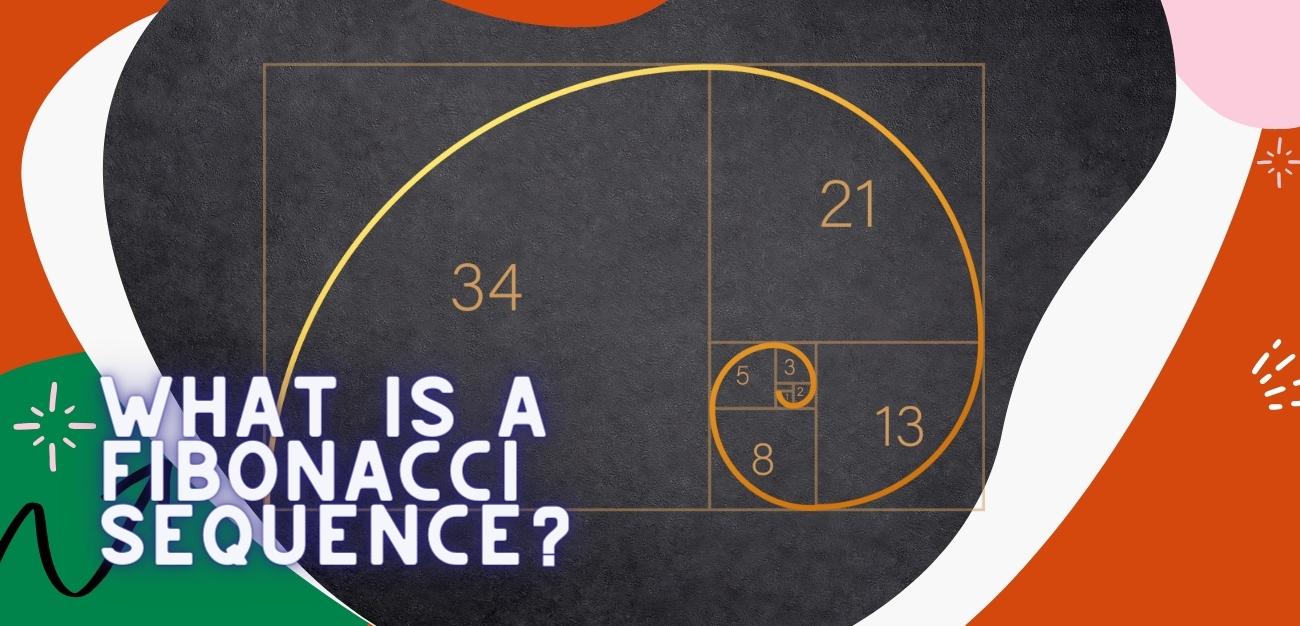
What Is A Fibonacci Sequence?

Have you ever tried to help your child with their math homework and found yourself perplexed, especially when confronted with something as exotic-sounding as a Fibonacci Sequence? You’re not alone. Many parents share your bewilderment when their little ones ask them complex mathematical questions. This blog post is all geared up to make your life a little easier. 

Today, we will delve into understanding one of mathematics’ most interesting and widespread concepts and answer the question, “What is the ‘Fibonacci Sequence?’ We’ll explain it in a way that you can easily grasp and successfully relay to your child when helping with their homework. Furthermore, we will also throw light on other ways you can assist your child in comprehending mathematics better. So shall we dive right in? 

  • What is the Fibonacci Sequence, and how can you explain it to a child?
  • Why do kids need to learn about Fibonacci Sequences?
  • How can you enable your child to better understand math?

Before diving in, let’s get our minds warmed up with a little teaser. If we told you that the Fibonacci Sequence finds its presence in honeybees, sunflower seeds, and even in famous artworks like the Mona Lisa, would you believe us? Let’s find out! 

Breaking Down the Fibonacci Sequence

Imagine in front of you a straightforward sequence of numbers that surfaces in nature, art, and mathematics with a surprising frequency. This trail of numbers is none other than the Fibonacci sequence, but how does it work? Don’t fear, let’s dive into it together. 

In its simplest explanation, the Fibonacci sequence is a series in which each number is the sum of the two preceding ones. Expressed mathematically, this relates to the formula:

F(n) = F(n-1) + F(n-2) 

Are you following? This might all sound a bit complicated, but it essentially means that after starting with 0 and 1, the “next” number in line is always the sum of the previous two numbers. For example, look at this sequence: 0, 1, 1, 2, 3, 5, 8, 13, 21, 34, and so on. 

The first and second numbers (0 and 1) are the starting point of the sequence. After that, 1 is the sum of the first two numbers (0 + 1), 2 is the sum of the two numbers before it (1 + 1), and it continues in this pattern. Next would be 3 (1 + 2), then 5 (2 + 3), and so on. 

Ready for some fun? Try to work out the next number in the sequence. If you said 55, you’re spot on! And that’s because 21 + 34 indeed equals 55. See how it works? Now you can engage your child and make it an exciting game. 

Why Understanding Fibonacci Is Important for Math Homework

You might be wondering, “Why should my child need to understand the Fibonacci sequence? Is this knowledge essential for their day-to-day math homework?” Well, let’s take a closer look. 

The beauty of the Fibonacci sequence lies not only in its unique pattern but also in its prevalence in various aspects of mathematics and beyond. Here are a few reasons why understanding the Fibonacci sequence could be beneficial: 

  1. Pattern Recognition: The sequence is a simple and perfect example of how numbers can create patterns. This might help your children see the math world from a fresh perspective, easing their monotony with number crunching.
  2. Nature Ties: It’s incredible how this sequence is found replicated in nature – ranging from the arrangement of sunflower seeds to the spiral of galaxies. Knowing this can make math appear less abstract and more tangible, associating numbers with real-life phenomena.
  3. Ancillary Learning: Gaining a solid understanding of the Fibonacci sequence can indirectly help with learning other mathematical concepts like sequences, pattern recognition, algebra, and even geometry.

Remember, the ultimate goal is not just for your children to solve their math homework. It is to instill in them a deeper appreciation and understanding of mathematics, moving from memorization of math to truly grasping the beauty and ubiquity of numbers in our world. Understanding the Fibonacci sequence can help to achieve this goal. 

Naturally, there can be some initial hiccups while explaining the sequence to a child. However, you’ll find that with a bit of patience and creativity, simplifying complex mathematical concepts is quite achievable! 

Tips on How to Explain The Fibonacci Sequence to Your Child 

When explaining the Fibonacci sequence, it’s crucial to break it down into digestible chunks. Here are some tips to help you navigate your way through: 

  1. Start Simple: Begin with the simple definition and progress slowly through the sequence. It often helps to write it down and visually illustrate the pattern that’s created.
  2. Use Real World Examples: Discuss how the fibonacci sequence appears in nature. For instance, you could talk about the spirals on a sunflower or a pinecone.
  3. Make It Interactive: Encourage your child to continue the sequence on their own or find the Fibonacci sequence in various scenarios – like art, architecture or even in their own finger count.

Remember, every child learns at their own pace. If at first they don’t grasp the concept, that is perfectly fine. The goal is to nurture curiosity and build a love for mathematics, not to rush comprehension. And who knows, you might even learn something new along the way!

Encouraging Curiosity And Critical Thinking In Math

It’s fundamental for kids to develop an in-depth understanding of math, not just rote memorization of formulas and rules. Curiosity and critical thinking are key components of this understanding. So, how do we foster this? 

Intersection of Mathematics and Everyday Life: Start by connecting math to everyday life. Whether it’s calculating change at the grocery store, or figuring out how long it will take to travel to Grandma’s house, there are countless real-world applications of math.

Remember, the goal is to facilitate connections between what your child learns in school and how it translates to everyday life.

Creating a Math-Friendly Environment: Next, consider creating an environment at home that encourages a love for math. Include math-based games, puzzles, and books in your child’s playtime. This not only reinforces what they are learning in school, but also demonstrates that math can be fun

  • Multiplication War, using a simple deck of cards, can help reinforce multiplication facts.
  • Sudoku puzzles can develop logical thinking and problem-solving skills.
  • Children’s books like The Math Curse or How Much Is a Million? can visualize large numbers and mathematical concepts.

Encouraging Critical Thinking: Finally, encourage your child to question and reason. When they’re working on homework or just playing a game, ask “How did you come to that conclusion?” or “Can you think of a different solution?” These types of questions promote critical thinking and problem-solving skills. 

Remember, the objective is not to overwhelm them but to instill a sense of excitement and engagement with mathematics. The Fibonacci sequence could just be the beginning; there is an entire world of mathematics waiting to be explored!

Using Engaging Tools

Fostering a love for mathematics in your child can seem daunting, but by using engaging tools like the Fibonacci sequence, you’re making math more approachable and interesting for them. Remember, the ultimate goal is not just giving you child homework help, but nurturing their critical thinking and curiosity. In doing so, you equip them with an invaluable skill that will serve them well beyond their school years. This delightful journey may just start with Fibonacci, but who knows where it could lead? The vast universe of math is full of fascinating concepts waiting to be discovered with your child.

For more information on the Fibonacci sequence and other math concepts, sign up for our Bulletin today! 

Get your Child Moving To Help With Their Love Of Math

As a parent, you’re continuously providing your child with opportunities to learn and grow. Whether equipping their tool belt with multiplication tables or calculus concepts, Mathematics can often be a daunting subject. But what if we told you that infusing a bit of children’s exercise could spark your child’s interest in Math, if not transform the way they learn it? That’s right! Movement’ and ‘Mathematics’ can be a delightful duo, immensely benefiting your child’s learning curve. Intrigued? Let’s dive in. 

Creativity is about more than just artistic expression. It involves innovative approaches to problem-solving, synthesizing information in new ways, and thinking ‘outside the box.’ In terms of math education, we can apply this creative mindset by integrating physical activities into our curriculum. If we move beyond the traditional blackboard-and-desk setup, we might just kindle a passion for equations and numbers in our youngsters. Let’s explore how!

Why Movement Matters 

Humans are inherently kinetic. From an evolutionary standpoint, our brains developed to support a physically active lifestyle. In children, physical activity is not only enjoyable but also instrumental in their cognitive development. Here’s why: 

  1. Movement optimizes the child’s mind for learning, preparing it to soak up new information.
  2. Physical activity fosters an environment of ‘active learning’, which is far more engaging than sedentary learning.
  3. Exercise can actually stimulate parts of the brain involved in mathematical thinking.

Now, the question on your mind might be, “How do I promote this active learning?”, “How do I encourage my child to marry mathematics with movement?”. Don’t worry, we’ve got your covered!

Unlocking The Math Genius: How Children’s Exercise Boosts Brain Function

Have you ever wondered why your child seems more focused and centred after physical activity? There’s an explanation for that – physical exercise improves brain function. It seems rather unusual, doesn’t it? Let’s break it down for you: 

When kids engage in physical activity, their heart rates increase which in turn boosts blood flow to all body parts, including the brain. The brain, being a highly vascular organ, thrives on this increased influx of blood. This increased blood flow delivers more oxygen and nutrients to the brain, which provides the necessary materials for the brain to function optimally. This results in improved cognition, focus, and memory – all of which are crucial components for learning math concepts.

Remember, a healthy body cultivates a healthy mind, and a healthy mind is more receptive to learning.

But, that’s not the whole story. Physical activity does more than just improve brain function; it’s also believed to stimulate neurological development by promoting the creation of neural connections. 

  • Improved Memory: Exercise stimulates the production of a protein called brain-derived neurotrophic factor (BDNF). BDNF improves memory and learning by enhancing neural health and promoting the growth of new neurons.
  • Stress Reduction: Physical activity is known to reduce stress levels in the body. Exercise stimulates the release of endorphins, which are chemicals in the brain that act as natural painkillers and mood elevators.
  • Attention and Focus: Regular exercise can help children with attention disorders. By improving blood flow to the brain, physical activity can improve a child’s attention span and concentration.

Indeed, the relationship between physical activity and enhanced cognitive function is so strong that it’s almost impossible to consider them separately. So, let’s come up with a ‘move and learn’ plan for your child.

From Counting Steps To Counting Numbers: How Walking Enhances Math Abilities

Isn’t it fascinating that something as simple as walking can give your child’s math skills a significant boost? Indeed, the art of integrating movement with academic learning is known surprisingly as Kinesthetic Learning. Let’s dive deeper into how you can utilize this little-known but highly effective approach. 

Research indicates that the brain is more receptive to learning when the body is engaged in moderate physical activity. Walking happens to be an excellent activity that fits this criteria. Encouraging your child to recite multiplication tables or solve basic arithmetic problems while taking a stroll around the park can build their mathematical aptitude. 

Turning Practicals into Problems 

Children have a sense of wonder with the world, hence by using everyday objects and occurrences, we can convert their playful walks into mental math-solving expeditions. Ask them to calculate how many steps it will take to reach from one end of the park to the other. Or, they could estimate the number of red cars they might spot during their walk. This way, they would be exercising their math skills without even realizing it. 

Real World Application 

If you think about it, isn’t the real world one big word problem waiting to be solved? By practicing math in this manner, your child won’t just learn formulas or procedures, but they will understand the core concepts and learn to apply math in real-life scenarios. This will significantly help them in their future studies and careers. 

A Healthy Habit 

Let’s not forget the added health benefits of this practice. Walking is a low impact, full-body exercise that not only builds physical stamina, but also helps children to concentrate better and maintain focus. Plus, the fresh air and natural light can help to boost their mood too! 

Engaging in brain-boosting physical activity is like hitting two birds with one stone. You provide your child with a healthy hobby and a unique learning environment at the same time.

So, the next time your child seems stuck or demotivated in their math lessons, do not fret. Add some physical activity to the equation and watch their love for math rekindle!

Active Math Games: Combining Exercise And Learning For Maximum Fun

As parents, we’re always striving to find the perfect balance between learning and fun. But it isn’t just walking that can help your child become more interested in math. So, let’s explore some active math games that don’t just engage the muscles, but also the mind. 

  1. Hopscotch Math 

Classic hopscotch is already filled with math – counting scores, adding, and subtracting as you hop about. But let’s go a notch higher. Instead of ordinary numbers on the squares, use math problems. As your child jumps to a square, they need to solve the problem before advancing. 

  1. Number Line Run 

Draw a long number line on the ground using chalk. Call out a math problem, and your child has to run to the correct answer on the number line. It’s not only a fun exercise but also a practical demonstration of addition and subtraction problems. 

  1. Math Tag 

Turn the classic game of tag on its head. Everyone is ‘it’, and the goal is to solve a math problem. Each player has a number, and when your number is called, you must run to avoid being tagged. If you are tagged before you solve the problem, then you’re ‘it’ next! 

Flexible, engaging, and super fun – physical math games like these aren’t just entertaining. They’re a fantastic tool to make math come alive for your child. Remember, the goal isn’t merely to win — it’s to understand and engage with the beautiful world of mathematics while being on the move! 

Keep mix up the games, keep the rules flexible, and most importantly, have loads of laughter because fun is the ultimate motive. So let’s get our children moving and nurturing their inner math whiz!

Children’s Exercise For Math Help

In closing, integrating physical movement with math education results in a well-rounded, engaging, and beneficial learning experience for your child. The combination of math and exercise not only stimulates their brain but also strengthens the bond between children and math, making this seemingly complex subject much more enjoyable and memorable. 

Start employing these creative means to make math fun and active, and watch your child’s love for numbers soar. When looking for help with your child’s homework, don’t forget to get them moving so they can perform better. 

So let’s cast aside the conventional methods and adopt this innovative approach to learning math. Get set, get moving, and let the math magic begin!

Sign up for our Bulletin and get more tips for help with your child’s homework. 

Chores Around The House Can Help Kids Learn Math

With busy schedules and the amount of screen time, finding engaging ways to help your children learn math might seem challenging. But, how about turning everyday chores into fun math lessons? Yes, it’s entirely possible! In this blog post, we will explore how simple household chores can double-up as interesting math lessons for your children. 

Remember, the key is to make learning math interactive. When children see how math applies in practical situations, it becomes more interesting and significant to them.

The chores for children we are about to list have a twofold benefit. Firstly, they help your children understand and appreciate the importance of contributing to household tasks. Secondly, these chores provide real-life contexts for learning and reinforcing math concepts. 

So, are you ready to embark on this thrilling journey of merging math skills with daily tasks? Let’s dive in and discover how these simple chores around the house can transform your child’s math learning experience.

Learn And Clean: Enhancing Math Skills While Doing Housework

Teaching your children mathematics doesn’t have to be a dull, formal affair. While multiplication charts and long division are essential, they can often seem dry and detached from the reality of everyday life. But what if you could turn daily household chores into fun mathematical challenges? Imagine if your children could learn numbers, counting, measurements, fractions, and even logic while participating in family chores? Let’s explore some ways you can make this happen. 

On Laundry Day: Learning with Loads 

Laundry is a chore almost everyone has to deal with, but for kids, it can be a treasure trove of math opportunities. Consider this: as you sort laundry into piles, you are classifying – a crucial skill in set theory and logic. As you load the washing machine, you adjust for the capacity – this involves understanding quantities and proportions

  • Sorting: Ask your child to sort the laundry by colour or type. Count the number of items in each pile. Discuss greater than, less than, and equals using the piles.
  • Loading the Washer: Discuss the concept of capacity. Explain that the washing machine can only hold a certain amount, and then attempt to estimate how many items it will take to fill.

During Meal Times: Cook Up a Math Lesson 

Meal prep time in your household can easily be transformed into a lab for fractions and measurements. As a bonus, this also allows for lessons in health and nutrition. Here’s how you can employ the magic of math in your kitchen: 

  1. Weighing ingredients: Use a kitchen scale to weigh ingredients. This teaches children the concept of mass and how different items may appear similar in size but can weigh differently.
  2. Measuring volumes: Use measuring cups and spoons to illustrate fractions. A 1/2 cup of sugar helps to teach the fraction 1/2, and so forth.
  3. Counting and Division: Ask your child to set the table. Discuss how every family member needs one plate, one fork, one spoon, etc. Then, let your child distribute these items evenly among the setting places.

Incorporating these activities into your everyday life not only helps your child understand math applicability but reinforces the concept that learning is an ongoing, life-long process. 

Garden Time: Dig into Math 

Gardening can be a hands-on, interactive way to dig into math. Estimation, counting, measurements, and even geometry can sprout from a day of gardening. Consider these activities: 

  • Area measurements: When planning a garden or a flower bed, have your child help you measure the gardening space. It’s a brilliant way to introduce mathematical concepts, such as area and perimeter.
  • Counting seeds: Ask your child to count seeds or plants, introducing cardinal numbers. This can become more complex by asking them to plant in rows and columns, introducing concepts of multiplication.

Why not combine math enrichment with a zen garden session? The beauty of the learning process is that it doesn’t need to be confined to the classroom. Use these tips to make math fun and relevant for your child, and lighten your housework load at the same time. Remember, every chore holds the potential for a math lesson – you just need to discover it!

The Chore Chart Equation: Balancing Tasks and Math Skills

Imagine creating a chore chart that doesn’t just distribute tasks but also lets your child practice their math skills? Interesting, right? Here’s how it can work. 

The first step is to enlist all the chores that need to be done during the week. Leave some room for the number of times each chore needs to be completed and let your child help you fill this in. This is a great way to get them involved and provide a sense of ownership. 

Next, assign each chore a value. The complexity of the chore could determine its value; for instance, a more difficult task could be worth more points. 

  • Washing the dishes – 2 points
  • Cleaning their room – 5 points
  • Washing the car – 10 points

Encourage them to add up the points for the chores they have done each day. This helps them practice their addition skills. But don’t stop there; introducing other math concepts like multiplication, division, and fractions could make the learning more extensive and exciting. 

Tip: To introduce fractions, you could split a big chore into several parts each with its own point. For example, cleaning the room could be divided into: picking up toys, making the bed, and dusting. Each task could represent a fraction of the total points for cleaning the room.

Here’s where it gets interesting. At the end of the week, have your child add up their points and you do the same. Use this as an opportunity to introduce the concept of comparison: which number is bigger? Who did more chores? This initiates a conversation about greater than, less than, and even equal to. 

Hold a weekly session to review and discuss the chore chart. Not only does this improve your child’s understanding of numbers, but it also teaches them responsibility, commitment, and the fruit of hard work. You may consider allowing your child to exchange their points for rewards. This could be staying up past their bedtime, choosing a movie for movie night, or even a small allowance. This introduces the real-world concept of employment and how it relates to income. 

It’s important to make learning math as relatable and as practical as possible. This will not only help your child understand math concepts better, but will also create an interest in the subject which could have long term benefits. Who knew chores could be this fun and educational, right?

Mastering Practical Skills

To wrap it all up, juggling regular chores with hands-on math learning is a great way to make math less daunting and more engaging for your little ones. They not only master practical skills, but also develop stronger number sense and problem-solving abilities. Bring math to life with the humble house chore and let’s turn ‘boring’ into ‘fun’!

To learn more ticks and tips about getting math help for kids, sign up for our Bulletin.

The Difference Between Rational and Irrational Numbers

If you’ve ever felt confused while trying to help your child with their math homework, you’re not alone. Math can often feel like a different language, with its unique terms and rules. But once we break it down, it’s more familiar than we initially think. Two terms that often confuse parents are rational and irrational numbers. Knowing the difference between these two can make a world of difference! 

The Struggle Of Helping Kids With Math Homework

As you watch your child wrangle with fractions, decimals, and these peculiar things called rational and irrational numbers, you most likely can’t help but feel a sense of déjà vu. But here’s some good news: it doesn’t have to be that hard! Understanding mathematical concepts such as rational and irrational numbers can be a breeze if we grasp the basics first. 

Rational and irrational numbers are part of the quicksilver world of mathematics. They seem mysterious, complex, even a little intimidating. But, if we take a few minutes to break them down, you’ll see they’re not as formidable as they appear. With a clear understanding, you’ll not only help your child navigate their math homework with ease, but you may also discover a newfound appreciation for this fascinating language of numbers. 

Diving into the World of Rational Numbers 

As the term implies, rational refers to sensible, orderly numbers and can be expressed as a fraction where both the numerator (the top number) and the denominator (the bottom number) are integers. In other words, you could see them as the ‘reasonable’ members of the number family. 

They include both positive and negative numbers and can be whole numbers, fractions, and even decimals. Remember, if a number can be written as a fraction (where the denominator is not zero), it is rational. Examples of rational numbers include -3, 0, 1/2, 0.75, and so on. 

Losing Ourselves in the Mystery of Irrational Numbers 

If you’ve understood rational numbers, then irrational numbers are quite literally the opposite. As their name implies, these numbers can’t be expressed as simple fractions. They commonly appear as non-terminating, non-repeating decimals. The most popular examples surely you’ve heard of? The infinite, never repeating or terminating, numbers π (pi) and √2 (square root of 2). 

Irrational numbers might seem like a daunting concept, but they’re just as crucial and fascinating as their rational counterparts. Together, these numbers paint a fuller picture of the mathematical world and the real-world applications they embody. 

By helping your child understand these types of numbers, you’re not just aiding in their homework, but also in laying a solid foundation for their future endeavours in mathematics, and perhaps even sparking a lifelong passion for this amazing subject!

Breaking Down Rational Numbers: What Parents Need To Know

Now that we’ve explored what rational numbers are, let’s break down these numbers further to better equip you with the knowledge to assist your child in their math homework. Remember, rational numbers are those that can be expressed as a fraction where the numerator and the denominator are integers, and the denominator is not zero. 

Consider these examples: Numbers like 1/2, 2/3, 5/1, or -3/4 are all rational because they are fractions where the numerator and the denominator are whole numbers (integers), and the denominator is not zero. Even whole numbers, like 5, can be considered rational because they can be expressed as 5/1, meeting our definition of a rational number. 

For a fun and quick way to remember, rational numbers can be thought of as numbers that can be expressed “rationally” as a fraction!

It’s also key to note that rational numbers can have either positive or negative values, and they can also include zero, as zero can be expressed as 0/1. 

Let’s look into this further in a clear, simplified table: 

Number Rational? Reason
5 Yes Can be expressed as 5/1
-3/4 Yes Numerator and denominator are both integers, denominator not zero
0 Yes Can be expressed as 0/1
1.25 Yes Can be expressed as 5/4

It’s important to remember that not all decimals are rational, which we’ll delve into further in our section about irrational numbers. But for now, understanding the concept of rational numbers is a solid foundation to build upon when helping your child with their math homework.

Understanding Irrational Numbers: A Guide For Parents

Let’s now focus on a more abstract aspect of mathematics – irrational numbers. Unlike rational numbers, which you can write as a fraction where both the numerator and denominator are integers, and the denominator is not zero, irrational numbers cannot be expressed in this way. They are unique and a bit mysterious – so much so, they might even seem ‘irrational’ at first! 

While rational numbers either terminate or repeat when changed into decimal form, irrational numbers do neither. Their decimal representation goes on indefinitely without any recurring pattern. Famous examples are numbers like π (Pi, roughly 3.14159) and √2 (the square root of 2, roughly 1.414213). 

Just remember, the essential characteristic that distinguishes rational and irrational numbers is that rational numbers can be written as a fraction, while irrational numbers cannot.

Now, let’s help you understand how to spot an irrational number. Look out for these indicators: 

  • If a decimal representation goes on infinitely without repeating, it’s an irrational number.
  • Non-perfect square roots are usually irrational. For example, √2, √3, √5, etc.
  • Some well-known mathematical constants are irrational, like Pi (π) and Euler’s number (e).

To sum it up, you can’t always predict whether a number is rational or irrational just by looking at it, but being aware of these signs can give you a head start when helping your child with their math homework. 

Remember, the goal isn’t to become a mathematical genius overnight. It’s about gaining enough understanding to be able to support your child with their learning. As their trusted guide, you’re taking complex concepts and making them friendly and approachable. So take your time, ask questions, and embrace the challenge. You’ve got this!

Real-Life Examples Of Rational And Irrational Numbers

Understanding abstract mathematical concepts can sometimes be a challenge, but they certainly become much simpler when applied to real-life examples. Let’s dive in! 

Rational Numbers 

Rational numbers are those that can be expressed as fractions, like 1/2, 3/4, or 7/8. They are all around us, even if we don’t realize it. 

  • We use rational numbers every time we discuss amounts or proportions. For example, if you decide to bake cookies and the recipe calls for 1/2 cup of sugar, you’re dealing with rational numbers.
  • Even school grades apply rational numbers. For instance, a score of 85/100 on a test is a rational number, as it represents a fraction.
  • Rational numbers are involved in telling time too! When it’s half past eight, you can represent this as 8.5 – a rational number.

Irrational Numbers 

Irrational numbers are a little trickier, as they can’t be expressed as simple fractions. They are decimal numbers that go on forever without repeating. 

  • Probably the most famous irrational number is Pi (π), which starts 3.14159 and keeps going, forever. We use it often in mathematics to find things like the circumference or area of a circle.
  • Another example of an irrational number is the square root of any number that is not a perfect square. For example, the square root of 2, commonly shown as √2, is approximately equal to 1.41421356, and it goes on and on without repeating.
  • The Golden Ratio (approximately 1.6180339887…) is another well-known irrational number, seen in various aspects of design, architecture, and even nature itself. It’s considered aesthetically pleasing and is used in creating proportions for art, logos, layouts, and other visual designs.

The world around us is quite literally filled with rational and irrational numbers, functioning as the unseen language of the universe. With this newfound understanding, you’re better equipped to help your child comprehend these exciting concepts.

The Connection Between Rational And Irrational Numbers And Other Math Concepts

Like any other language around the globe, mathematics has unique properties that help it make sense of the world. Your understanding of rational and irrational numbers isn’t merely an isolated concept – it’s linked to other mathematical ideas in many compelling ways. 

Let’s explore those connections to help you better comprehend this for your child’s sake.

Remember one fact: Mathematics is an interconnected subject; no concept stands alone, they are all woven together beautifully!

Connection with Fractions 

Naturally, the first connection of rational numbers that comes to mind is fractions. Essentially, every rational number can be expressed as a fraction, where the numerator and denominator are integers, and the denominator is not zero. Understanding this correlation can enlighten your child as they tackle fractions. 

Linkage with Square Roots 

Irrational numbers are directly linked to the concept of square roots. For example, the square root of any non-perfect square (numbers that can’t be accurately squared like 2, 3, 5, 6, and so forth) is an irrational number. Thus, understanding irrational numbers can boost your child’s grasp of square roots in the mathematical realm. 

Interplay with Decimal Expansion 

Both rational and irrational numbers also significantly correlate with decimal expansion. Rational numbers, when converted into decimals, either terminate or recur. However, an irrational number never ends, nor does it repeat – it goes on indefinitely, making it a never-ending, non-repeating decimal. 

The Role in Pi (π) 

Your child might be familiar with Pi (π), especially if they have dealt with circles in their math class. Here’s a fact: Pi is an irrational number! It’s a non-repeating, non-terminating decimal, and that’s why its approximate value is usually taken as 3.14 or 22/7 for calculations. 

With a better understanding of these connections, you’re undoubtedly one step closer to becoming your child’s at-home math superhero. Keep learning and practicing together to unravel the magic of numbers further!

Math Homework Help For Parents: Resources And Strategies For Learning Alongside Your Child

Mathematics doesn’t have to be intimidating, and there’s excellent news – you don’t have to be a math whiz to teach your child about rational and irrational numbers. Remember, it’s about exploring together and learning alongside your child. Here’s a toolkit of resources and strategies to empower you. 

Books: 

  • Help Your Kids with Math by Barry Lewis: An excellent visual guide for parents that simplifies complex mathematical ideas, including rational and irrational numbers.

Math Apps: 

  • Photomath: Just snap a photo of a math problem, and the app will show you a step-by-step solution. A lifesaver for those tricky math homework questions.

“The important thing is to never dismiss or downgrade a mistake. During the first arithmetic lessons, short and easy as they are, mistakes often occur, and it’s crucial to correct them quickly. A slip in carrying or borrowing can set back progress by weeks.” – Dr. Maria Montessori

Besides these resources, adopting a hands-on approach can be highly beneficial. Engaging in activities that illustrate mathematical concepts in a tangible manner can make learning fun and easier to grasp. For instance: 

Hands-on Activities and Real-world Applications: 

  1. Plan a grocery shopping trip and use it as an opportunity to discuss rational numbers. Discuss prices, quantities, and the concept of change.
  2. Use measuring tools like rulers or measuring tapes to explore the concept of irrational numbers. Talk about the square root of two and how it’s an irrational number.
  3. Use the concept of Pi in real-life situations. For example, measure the circumference and diameter of circular objects and confirm that the ratio is approximately 3.14, a classic example of an irrational number.

Strategies for Successful Learning 

Now that you’re armed with resources, let’s look at some strategies to make the learning process more effective: 

  • Patience is Key: It’s important to remember that learning is a gradual process, and each child learns at their own pace. Patience and consistency are your valuable allies in this journey.
  • Make It Fun: Turn learning into a game whenever possible. Math doesn’t have to be serious all the time.
  • Practice Regularly: Consistency is important for mastering any new concept. Make sure your child practices math regularly, reinforcing concepts like rational and irrational numbers.
  • Combine Resources: Use a combination of resources to cover each concept from different angles, ensuring a well-rounded understanding.

Equipped with these resources and strategies, you’re all set to join your child on this mathematical journey. Remember, the goal isn’t just to teach your child about rational and irrational numbers, but to foster a love for learning and a curiosity about the world. Take comfort in knowing that you’re not alone in this journey, and every struggle, every question, every ‘Aha!’ moment is a step forward in your child’s mathematical growth. 

Rational And Irrational Numbers Can Be Intimidating

In conclusion, the world of rational and irrational numbers can seem intimidating, but it’s a fundamental building block of your child’s mathematical education. It’s about more than helping with homework; it’s about sharing in their academic journey and nurturing a love of learning. When you understand these concepts, you’re in a better position to guide your child, turning those after-dinner homework sessions into powerful, enriching experiences. 

Remember, you’re planting a seed for the future; every bit of knowledge gained enriches your child’s understanding of the world and fuels their curiosity. And the most beautiful thing? In teaching, we learn. So, embrace this journey, not just as a parent, but as a lifelong learner alongside your child.

For more tips and tricks about helping your child with their homework, sign up for our Bulletin. 

Exploring Geometry: Beyond The Basics

If you’ve been finding it a struggle to help your child with their geometry homework, this blog post is your perfect companion. Geometry, as you may recall from your own school days, often feels foreign and perplexing to untrained minds. However, with the right methods and patience, explaining it to your kids can transform into an enjoyable and enlightening experience. 

So, let’s venture beyond the basics, leap over the hurdles, and discover the fascinating world of shapes, angles, lines, and points together. In this blog post, we’ll be journeying through the seemingly complex realms of geometry and breaking them down into bite-sized nuggets that you can use to help your child grasp this essential field of mathematics

Here is a sneak-peak of what we’ll cover: 

  1. Understanding the fundamentals: Points, Lines, and Angles
  2. Unfolding the world of shapes: From simple to complex
  3. Learning the language of geometry: Terms and definitions
  4. Geometry in the real world: Applying the knowledge

Let’s plunge right in and make geometry an interesting and comprehensible subject for your children. 

Shapes: The Building Blocks Of Geometry

Think of geometry as a city, and shapes as the buildings that make up that city. Yes, shapes – they’re absolutely everywhere, and they’re the perfect place to start when explaining geometry to your children. They form the base of many geometric principles and understanding them well can provide a substantial headstart. 

There are two fundamental types of shapes to understand first – 2D (Two-Dimensional) and 3D (Three-Dimensional) shapes. So what’s the difference? 

A 2D shape has only two dimensions – length and width, like the screen display of your phone. A square or a circle is a 2D shape. A 3D shape, on the other hand, has an extra dimension – depth, like an ice cream cone or a box of cereal.

So, how can you teach your children to identify these shapes? Here are some fun and interactive ways: 

  • The ‘I Spy’ Game: You can play the classic ‘I Spy’ game but with a geometrical spin. Spy something that resembles a particular shape and let your child guess. Eg. “I spy with my little eye, something that is round.”
  • Shape Hunt: Arrange a treasure hunt where the clues are based on shapes. This will help in the practical identification of shapes. For example, “Look under the round plate.”
  • Shape Crafts: Making crafts using shapes will not only teach them geometry but also improve their motor skills. Provide them with coloured paper cut-outs and ask them to create a collage or a 3D model.

With shapes under our belt, we can move onto more complex aspects of geometry. But always remember, the aim is not just to memorize but to understand. So take your time, rewind if necessary, and have fun while you’re at it!

Exploring 2D Shapes: Lines, Angles, And Polygons

Stepping up a bit from the world of simple shapes, we delve into the complex and intriguing realm of two-dimensional (2D) shapes. These forms, including lines, angles, and polygons, are integral to the foundation of geometry. 

Lines are more than just straight marks on paper. In geometry, a line is a straight one-dimensional figure that extends indefinitely in both directions. So, how can you explain this to your child? Try this: imagine a never-ending road that goes on in both directions. That, right there, is what a line is in geometry. 

  • Infinite Line: A never-ending straight path is called an infinite line.
  • Line Segment: A portion of a line that has two fixed ends. Think of it as a piece of the ‘infinite line road’ that has a beginning and an end.
  • Ray: A line segment that keeps going on forever in one direction. So imagine that our road has a starting point but never has an end point.

Next up, we encounter angles. Think of an angle as the space or ‘bend’ created when two lines meet at a point. Angles are measured in degrees. 

Angle Type Description
Acute An angle less than 90 degrees
Right An angle that measures exactly 90 degrees
Obtuse An angle that measures more than 90 degrees but less than 180 degrees

Lastly, we focus on polygons, which are 2D shapes with straight sides. Here’s a quick rundown: 

  • Triangle: a shape with 3 sides and 3 angles.
  • Rectangle: a four-sided polygon with opposite sides of equal length and four right angles.
  • Pentagon: a polygon with 5 sides and 5 angles.
  • Hexagon: a polygon with 6 sides and 6 angles, and so on.

While these concepts may seem simple to adults, keep in mind that for children, they are a gateway into a complex new world. Practice these basic geometry concepts with your kids, and reinforce them with drawings, physical objects around the house, or online games to make learning fun and engaging!

Discovering 3D Shapes: Solids And Their Properties

As we dive deeper into the world of geometry, we encounter three-dimensional shapes or solids. These are geometric figures that have length, width, and height. Just like two-dimensional shapes, solids have properties that can be recognized and used to solve problems. But unlike the flat figures, these shapes are tactile and can be held, stacked, and even nested. 

Let’s walk through each solid and their unique properties: 

  1. Cubes: Perhaps one of the easiest 3D solids to recognize, a cube has all sides equal and every angle measures a perfect 90 degrees.
  2. Spheres: These are perfectly round shapes, think of a basketball. Spheres have no edges or vertices.
  3. Cylinders: Imagine a soup can. A cylinder has two parallel, congruent circles (bases) connected by a curved surface.
  4. Cones: A real life example is an ice cream cone. A cone has one circular base that narrows smoothly to a point called the vertex.
  5. Pyramids: Like the pyramids in Egypt, they have a polygon base and triangular sides that meet at a point called the vertex.

Manipulating these shapes and exploring their properties can be a fun and enlightening activity. You can use various household objects to represent these solids and help your child understand them better. For instance, dice can represent a cube, a ball can represent a sphere, a can of soup can represent a cylinder, etc.

Geometry can be found all around us, in the built environment, in nature, and even in outer space. Encouraging your child to recognize these shapes in their surroundings will help reinforce the concepts learned and prove that geometry, far from being an abstract subject, is part of our everyday life

Remember: Understanding and mastering the basics of geometry can open up a world of critical and spatial thinking for your child. With a strong foundation, they’ll be ready for the more complex concepts that come with higher-level mathematics.


Mastering Geometry Vocabulary: Key Terms For Kids

Just like every other field of study, geometry has its own lingo. The vocabulary can be a bit overwhelming at first, but don’t worry. We’ve got you covered. Let’s take a look at some of the key terms your child will encounter in their geometry studies. 

Point: 

A point refers to an exact location in space. It’s named with a single capital letter. On paper, it’s represented by a small dot. 

Line: 

A line is an endless sequence of points extending in two directions. We represent it with a straight line that has arrows on both ends. A line is typically named by two points on it, such as ‘Line AB’. 

Plane: 

In geometry, a plane is a flat, two-dimensional surface that extends infinitely in all directions. 

Angle: 

An angle is formed when two lines meet at a point. There are several types of angles your kids will learn about: acute (less than 90 degrees), right (90 degrees), obtuse (greater than 90 but less than 180 degrees), and straight (180 degrees). 

Polygon: 

A polygon is a 2D shape with three or more straight sides. Some examples include triangles (3 sides), quadrilaterals (4 sides), pentagons (5 sides), and so on. 

Circle: 

A circle is a 2D shape where all points are the same distance from a fixed center point. Key terms include radius (the distance from the center to any point on the circle) and diameter (a straight line passing through the center, connecting two points on the circle). 

There are, of course, a multitude of other terms in geometry, each with its own purpose and meaning. As your child progresses in their studies, they will become more familiar with these terms and their applications. Remember, the goal is to make learning engaging and fun, not stressful or overwhelming.

Geometry In Everyday Life: Real-World Applications

Geometry isn’t just an abstract concept confined to textbooks; it’s everywhere! To help your children see the value in studying geometry, it’s essential to bring out practical and fascinating real-world applications. Let’s explore some of these examples! 

Architecture: Just take a look at any building around you – a house, school, store, or a monumental skyscraper. Geometry helps in designing these constructions. Squares and rectangles influencing room layouts, triangular roofs, cylindrical pillars, semi-circular arches – these are all examples of geometry in the world of architecture. 

Art: Many artists embrace the principles of geometry to create pleasing visuals. Shapes, lines, and angles are widely used in painting, sculpture, and design. For instance, the famous artist Pablo Picasso used simple geometric shapes in his art which can be seen in his works during the Cubist period. 

Sports: Geometry has a role in various sports as well. Consider a basketball arc, the diamond shape of a baseball field, or the trajectory of a golfer’s swing – these are brilliant instances of geometry in sports. 

Mappings: Geometric shapes and concepts are used in mapping and navigation, especially in the use of GPS technology. Co-ordinates on a map are points in geometric space, distances calculated through geometrical formulae make it possible for us to travel accurately. 

Graphic Design: The use of colour and shape to produce visually pleasing and effective designs is a core part of graphic design. Geometry helps designers understand how to manage space and structure their layouts. 

Thus, the understanding of geometric principles supports many aspects of our life and can enhance children’s understanding and appreciation of the world around them. Certainly, there is no shortage of ways to relate geometry homework to everyday life!

We hope you’ll find these examples useful in demonstrating the application of geometry in a way that feels relevant and exciting for your children, making the learning process more fun and relatable!

An Essential Part Of A Child’s Educational Journey

In conclusion, understanding geometry is an essential part of a child’s educational journey. As we’ve explored, geometry is more than just memorizing formulas and the properties of shapes. It’s about learning to see the world differently, discovering patterns, and appreciating how mathematics is interconnected with our everyday lives. With patience, creativity, and the use of real-world examples, parents can make the learning process more enjoyable and relatable for their children. Remember, it’s not about mastering geometric concepts overnight. The goal is to nurture a life-long love of learning, where curiosity and exploration are greatly encouraged. Happy teaching!

For more help with geometry and homework tips for your child, subscribe to our Bulletin today!