Foreign Language: The Montessori Method

In today’s globalized world, learning multiple languages is a valuable skill, and the Montessori approach offers a unique, child-led way to teach foreign languages at home. Instead of rote memorization, this method focuses on immersive, hands-on learning, making language acquisition natural and enjoyable for young learners. By integrating tactile experiences and fostering real communication, the Montessori method helps children truly understand and use a new language.

This approach is adaptable to any language or culture, making it ideal for homeschooling families. By creating a language-rich environment at home, parents can make learning engaging and effective. Whether teaching French, Spanish, Mandarin, or another language, the Montessori method equips children to become confident communicators. With a focus on fun and meaningful learning, it’s a great way to broaden your child’s horizons.

Principles Of Montessori Language Education

Montessori foreign language education is designed to nurture a child’s natural ability to acquire languages. Rooted in principles that emphasize immersion, sensory engagement, and self-paced learning, this approach mirrors the way children instinctively learn their native tongue.

By providing an enriched environment and guided opportunities for exploration, Montessori language teaching fosters both a love for learning and long-term retention.

  • Natural Language Acquisition: Children learn languages organically, much like their mother tongue, through immersion, repetition, and meaningful context.
  • Sensory Experiences: Multisensory tools like sandpaper letters or language cards engage sight, touch, and sound, creating strong neural connections for better understanding and retention.
  • Role of the Educator as a Guide: The educator or homeschooling parent facilitates exploration by incorporating activities like bilingual storytimes, language games, and songs, rather than rigid instruction.
  • Child-Led Learning: The child’s interests and pace dictate the process, reducing pressure and fostering a genuine love for the language.
  • Sensitive Period for Language: From birth to around six years old, children are particularly receptive to language. Introducing a foreign language during this phase leverages their natural ability for effortless learning.

By aligning with the child’s developmental needs and interests, the Montessori approach creates a supportive and engaging environment for language learning. This method not only builds linguistic skills but also instills confidence and a lifelong appreciation for new languages.

Creating A Montessori Language Environment At Home

Implementing Montessori foreign language teaching at home starts with creating a language-rich environment. Instead of relying on textbooks, the Montessori method integrates language into daily life. Label objects around the house in the target language, encourage conversations, and use multimedia resources to expose children to native speakers.

A multilingual home also incorporates cultural experiences. Cook traditional dishes, celebrate cultural holidays, and explore music and art from the region to deepen your child’s connection to the language. Real-world experiences make learning relevant and engaging.
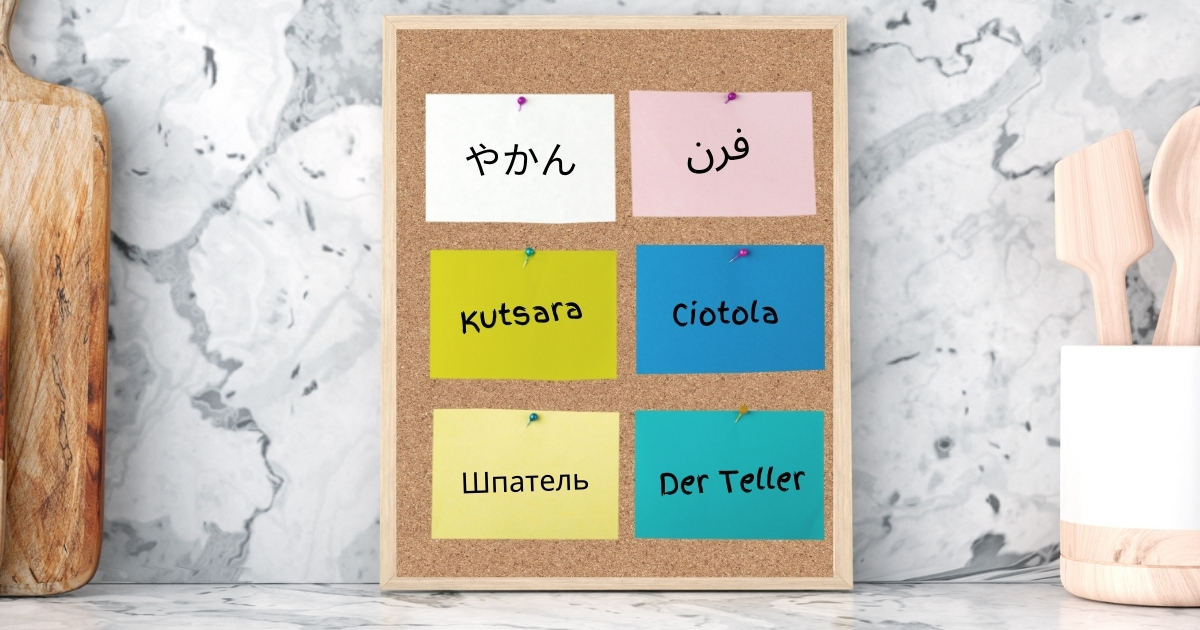
Multilingual word labels pinned on a corkboard for Montessori foreign language learning, featuring words in Japanese, Arabic, German, Italian, Russian, and Filipino.

Parents can use Montessori materials like language cards, matching games, and storybooks to support self-directed learning. These tools help children learn at their own pace while building independence and confidence.

Technology can also support language learning through educational apps and online platforms. These resources provide interactive exercises for listening, speaking, and reading. Just ensure screen time is balanced with hands-on activities for a well-rounded approach.

Practical Tips For Homeschooling With Montessori Language Methods

Homeschooling with the Montessori approach to language learning can feel overwhelming at first, but it doesn’t have to be. By breaking the process into simple steps and creating a supportive, language-rich environment, parents can help their children thrive in acquiring new linguistic skills.

Here’s how to get started with practical, Montessori-inspired strategies:

  • Set clear, achievable goals: Define specific targets, such as learning a set number of vocabulary words or holding simple conversations in the target language.
  • Integrate language into daily routines: Practice during natural moments, like breakfast conversations or bedtime stories, to make learning seamless.
  • Encourage real-world application: Involve your child in practical scenarios like ordering food, writing letters, or asking questions in the target language.
  • Organize social opportunities: Collaborate with other homeschooling families through language playdates or co-ops for peer interaction and motivation.
  • Incorporate storytelling: Use bilingual books, storytelling cards, or encourage children to create their own stories to enhance vocabulary and creativity.
  • Leverage self-correcting tools: Use Montessori-style materials like puzzles and matching activities that encourage children to identify and correct their own mistakes.
  • Adapt to your child’s learning style: Use songs, podcasts, flashcards, or videos based on whether your child learns best through auditory or visual aids.
  • Celebrate milestones: Acknowledge progress with rewards such as certificates, themed movie nights, or other culturally relevant incentives.

By focusing on these manageable steps, parents can make language learning enjoyable and effective.

Incorporating the Montessori approach at home fosters not just language skills, but also independence, creativity, and confidence. Tailoring the process to your child’s preferences and needs ensures a positive learning experience, setting the foundation for a lifelong love of languages.

An Effective Approach To Language Learning

The Montessori foreign language teaching method offers a dynamic and effective approach to language learning, especially suited for homeschooling environments. By focusing on immersion, sensory experiences, and child-led exploration, this method empowers children to become fluent communicators.

Whether you’re just beginning your language teaching journey or looking to refine your approach, implementing the Montessori method can enrich your homeschooling experience and open doors to a world of linguistic and cultural possibilities.

5 Tips For Parents Teaching A Foreign Language

In today’s interconnected world, teaching foreign languages to kids is more than just an academic exercise; it’s a gateway to global opportunities and cultural empathy. For homeschooling parents, adopting effective language learning tips for parents can make this educational endeavor both rewarding and enjoyable.

In this blog post, we will explore five actionable tips that can help parents turn language acquisition into an engaging and fruitful experience for their children. By the end, you’ll be equipped with the parent strategies for language acquisition that will inspire both you and your child on this linguistic adventure.

Creating An Immersive Learning Environment

Introducing foreign language learning at a young age is a powerful tool for homeschooling parents, offering benefits that go far beyond vocabulary acquisition. Young children are naturally adept at absorbing languages, making early childhood the perfect time to introduce new sounds and structures. Research shows that early exposure to multiple languages enhances cognitive skills, improves problem-solving abilities, and boosts creativity.

Why Should Homeschooling Parents Prioritize Foreign Language Learning?

Homeschooling provides a unique opportunity to customize learning experiences based on each child’s interests and strengths. Parents can create an immersive, supportive environment that traditional classrooms may not always provide. This level of direct involvement becomes a key advantage in teaching foreign languages, enabling parents to adopt strategies and resources that complement their child’s learning style.

Benefits of Learning a Foreign Language:

  • Cognitive Development: Enhances memory, critical thinking, and problem-solving skills.
  • Creativity Boost: Encourages innovative thought processes.
  • Cultural Awareness: Promotes empathy and curiosity by exposing children to different cultures.
  • Personalized Learning: Tailors the language-learning experience to match a child’s strengths and interests.

Tips for Creating an Immersive Language Learning Environment:

Immersion is one of the most effective ways to teach a foreign language. This method goes beyond textbooks, integrating the target language into everyday life. Here’s how you can do it:

  • Label Household Items: Use sticky notes to label items around the house in the target language.
  • Daily Language Time: Dedicate specific times of the day to speak exclusively in the foreign language.
  • Utilize Apps and Online Tools: Leverage interactive apps and platforms with games and lessons to make learning fun.

Incorporate Cultural Activities:

  • Cook traditional dishes from the country where the language is spoken.
  • Listen to music or watch cartoons in the target language.
  • Celebrate holidays or traditions associated with the culture.

Use Bilingual Resources:

Having access to bilingual materials can significantly enhance your child’s language learning journey. Structured resources tailored for young learners keep children engaged and motivated. Consider the following:

  • Bilingual Storybooks: These provide context for the language, making it easier to understand and retain. Reading together also strengthens the parent-child bond.
  • Flashcards and Audio Tools: Perfect for reinforcing vocabulary and pronunciation.
  • Bilingual Video Content: Channels designed for language learning combine education with entertainment, ideal for visual and auditory learners.

By embedding language into daily activities and leveraging bilingual resources, parents can create a natural and stimulating learning environment. This approach not only makes foreign language learning effective but also enjoyable, helping children develop vital skills that will serve them for a lifetime.

Encouraging Consistent Practice & Engaging With Native Speakers

Consistency is key in language acquisition. Regular practice solidifies knowledge and improves fluency over time. For homeschooling parents, establishing a routine that includes daily language practice is essential. Short, frequent sessions are more effective than occasional, lengthy ones, as they keep the language fresh in the child’s mind. Interactive exercises play a crucial role in making practice enjoyable.

Consider language games, puzzles, or role-play activities that encourage speaking and listening. These activities can be tailored to your child’s age and skill level, ensuring they remain challenged yet not overwhelmed. Consistency also means celebrating small victories.

Acknowledge your child’s progress and the effort they put into learning. Positive reinforcement boosts their confidence and motivation, making them eager to continue exploring the language. By embedding regular practice into your homeschooling routine, you’re setting a strong foundation for successful language acquisition.

Interacting with native speakers offers an authentic language learning experience that no textbook can replicate. It provides children with real-life context and helps them understand cultural nuances. For homeschooling parents, facilitating these interactions can be a powerful strategy in teaching foreign languages to kids. Consider joining language clubs or participating in online exchanges.

Child watching an animated foreign language show on TV, using cartoons as a fun and immersive way to learn a new language. The image represents language acquisition through media and interactive learning.

Platforms that connect language learners with native speakers for conversation practice are widely available and often free. These interactions improve pronunciation, fluency, and listening skills while also building confidence in using the language. If possible, arrange for your child to participate in cultural events or language camps. These immersive experiences are invaluable in reinforcing language skills and exposing children to different accents and dialects. By engaging with native speakers, children gain practical communication skills and a deeper appreciation of the language’s cultural context.

Overcoming Common Challenges

Language learning is a rewarding process, but it comes with its own set of challenges. Homeschooling parents may encounter periods of frustration or lack of motivation from their children. Recognizing these challenges and preparing solutions is crucial for maintaining momentum.

Here are some common challenges and tips to address them:

Fear of making mistakes:

  • Encourage your child to see mistakes as opportunities to learn, not setbacks. Create a supportive, judgment-free environment where they feel safe to experiment with the language.

Maintaining interest over time:

Keep the learning process engaging with varying activities:

  • Introduce new games or interactive exercises.
  • Switch up resources, such as books, apps, or videos.
  • Explore cultural aspects, like music, food, or traditions, related to the language.

Non-linear progress:

  • Understand that every child learns at their own pace.
  • Celebrate every achievement, no matter how small, to build confidence and keep motivation high.

By addressing these challenges with patience, creativity, and flexibility, homeschooling parents can create a positive and productive language-learning experience.

Cultivating A Life Long Love For Learning

Teaching foreign languages to kids at home can be a fulfilling and enriching experience for both parents and children. By understanding the importance of early language learning, creating immersive environments, utilizing bilingual resources, encouraging consistent practice, and engaging with native speakers, homeschooling parents can effectively guide their children toward language proficiency.

Remember, the goal is not just to learn a language but to cultivate a lifelong love for learning and exploration. With the right strategies and resources, you can unlock a world of opportunities for your child, equipping them with the skills and confidence to thrive in an increasingly interconnected world. Explore more resources and connect with other homeschooling parents to share tips and experiences. Together, you’ll inspire a new generation of multilingual learners ready to take on the world with curiosity and compassion.

Beyond the Textbook: Real-Life Applications for Language Learning at Home

In today’s fast-paced world, homeschooling parents face the unique challenge of making education both effective and engaging for their children. While traditional textbooks play a crucial role in structured learning, there’s an increasing need to incorporate real-life applications into the curriculum, especially when it comes to teaching languages. This approach not only enriches the learning experience but also makes it more relevant and enjoyable for students. In this blog post, we’ll explore how you can go beyond the textbook and implement practical language learning strategies for homeschooled children. By the end, you’ll have a plethora of ideas that will help you provide real-life lessons for kids and make language learning a fun and integral part of your daily life.

Bringing Language Learning Into Everyday Conversations

One of the simplest yet most effective ways to teach languages to kids is by incorporating the target language into everyday conversations. Instead of relying solely on textbooks and flashcards, try using the language during routine activities. For instance, while cooking dinner, you can discuss the ingredients in the target language. This not only helps in vocabulary building but also makes the learning process more natural and less forced. It’s essential to create an immersive environment where the language feels like a seamless part of daily life. Over time, this practice can significantly enhance your child’s speaking and comprehension skills, making them more confident in using the language in various contexts.

Another practical method is to label household items with their names in the target language. This constant exposure helps reinforce vocabulary and makes it easier for children to remember words. You can even turn it into a fun game where your child has to identify and say the names of different objects in a foreign language. This interactive approach keeps them engaged and motivated to learn more. Additionally, consider setting specific times during the day when you and your child only communicate in the target language. These “language hours” can be highly effective in developing fluency and making language learning a consistent part of your routine.

Incorporating songs, rhymes, and stories in the target language can also be incredibly beneficial. Children naturally enjoy music and storytelling, and these activities provide an excellent opportunity to introduce new vocabulary and grammatical structures. Singing along to songs or listening to bedtime stories in the target language can make learning enjoyable and less intimidating. Plus, the repetitive nature of songs and rhymes helps reinforce language concepts, making them easier to retain. By integrating language learning into everyday conversations and activities, you create a rich linguistic environment that fosters natural and effective language acquisition.

Using Multimedia Resources For Language Immersion

In today’s digital age, multimedia resources offer a treasure trove of opportunities for language learning. From educational apps and online games to videos and podcasts, there’s no shortage of tools that can help homeschooled children learn languages in an engaging and interactive way. One of the key advantages of using multimedia resources is that they cater to different learning styles. Whether your child is a visual, auditory, or kinesthetic learner, you can find resources that match their preferences and make learning more effective. Educational apps and online games are particularly popular among younger learners. These platforms often use gamification techniques to make learning fun and rewarding. For example, apps like Duolingo and Babbel offer interactive lessons that cover various aspects of language learning, from vocabulary and grammar to pronunciation and listening comprehension. By turning learning into a game, these apps keep children motivated and eager to progress. It’s a great way to supplement traditional lessons and provide additional practice in a fun and engaging format.

Close-up of a hand writing the word 'HELLO' in chalk on a blackboard, surrounded by greetings in multiple languages such as 'Bonjour,' 'Guten Tag,' and 'Ciao,' symbolizing multilingual education and language learning.

Videos and podcasts are another excellent resource for language immersion. Platforms like YouTube and Netflix offer a wide range of content in different languages, including educational videos, cartoons, movies, and TV shows. Watching shows or listening to podcasts in the target language exposes children to authentic speech and helps improve their listening skills. You can select content that aligns with your child’s interests, making it more likely they’ll enjoy and pay attention to the material. Additionally, consider using subtitles to reinforce reading and comprehension skills. Over time, regular exposure to multimedia content can significantly enhance your child’s language abilities and make learning an enjoyable experience. Don’t overlook the power of music in language learning. Songs in the target language can be a delightful and effective way to introduce new vocabulary and phrases. Create a playlist of catchy tunes and encourage your child to sing along. You can even turn it into a karaoke session, adding an element of fun and excitement to the learning process. The rhythm and melody of music help reinforce language patterns, making them easier to remember. By incorporating multimedia resources into your language lessons, you can create a dynamic and immersive learning environment that caters to your child’s interests and learning style.

Exploring Cultural Activities To Enhance Language Skills

Language and culture are deeply intertwined, and exploring cultural activities can significantly enhance language learning for homeschooled children. By immersing your child in the target language’s culture, you provide them with a richer and more meaningful learning experience. Start by celebrating cultural festivals and holidays associated with the language you’re teaching. This can involve activities such as cooking traditional dishes, crafting cultural artifacts, or participating in cultural rituals. These hands-on experiences not only make learning more engaging but also provide valuable insights into the customs and traditions of the target culture. Cooking traditional dishes is an excellent way to incorporate real-life lessons for kids. It combines language learning with practical skills, making the experience both educational and enjoyable. While preparing a meal, you can introduce new vocabulary related to ingredients, cooking techniques, and kitchen utensils. Encourage your child to follow recipes written in the target language, which helps improve their reading and comprehension skills. Additionally, discussing the cultural significance of different dishes provides a deeper understanding of the target culture and its culinary traditions.

Another effective way to explore cultural activities is through art and music. Encourage your child to learn about traditional art forms, such as painting, sculpture, or dance, from the target culture. You can find instructional videos or online classes that teach these art forms in the target language. Similarly, exploring traditional music and dance styles can be a fun and immersive way to learn about the culture. Encourage your child to listen to folk songs, play traditional instruments, or learn cultural dances. These activities not only enhance language skills but also foster an appreciation for the target culture’s artistic heritage. Traveling, even if it’s virtual, is a fantastic way to introduce your child to the target culture. Use online resources to explore famous landmarks, museums, and historical sites associated with the language you’re teaching. Virtual tours and interactive maps provide a wealth of information and can be a captivating way to learn about different places. Additionally, consider connecting with native speakers or language exchange partners through online platforms. Engaging in conversations with native speakers exposes your child to authentic language use and helps develop their speaking and listening skills. By incorporating cultural activities into your language lessons, you create a holistic learning experience that goes beyond textbooks and fosters a deep connection to the target language and culture.

Incorporating real-life applications into language learning can transform the educational experience for homeschooled children. By going beyond textbooks and integrating language into everyday conversations, using multimedia resources, and exploring cultural activities, you create a rich and engaging environment that fosters effective language acquisition. These strategies not only enhance language skills but also make learning enjoyable and relevant to your child’s life. Remember, the goal is to make language learning a natural and integral part of your daily routine, providing real-life lessons for kids that extend beyond the classroom. As you continue your homeschooling journey, consider incorporating these practical language learning strategies to help your child become a confident and proficient language learner. Happy learning!

Teaching Multiple Languages: Strategies for Homeschool Success

Homeschooling offers a unique opportunity for parents to tailor their children’s education to their specific needs, interests, and learning styles. One of the most enriching aspects of homeschooling is the ability to teach multiple languages, equipping your children with invaluable skills in our increasingly globalized world. This blog post will guide you through strategies that can make teaching multiple languages at home both successful and enjoyable. Whether you’re just starting or looking to refine your approach, these tips will help you create a multilingual learning environment that fosters a love for languages.

The prospect of teaching multiple languages might seem overwhelming, but with the right strategies, resources, and mindset, it can be an incredibly rewarding experience. This post will show you how to set achievable goals, create a structured but flexible learning plan, and utilize a variety of tools and techniques to keep your language lessons engaging. From incorporating daily routines to leveraging technology, these insights will help you seamlessly integrate language learning into your homeschool curriculum. By the end of this post, you’ll have a roadmap for teaching multiple languages that suit your family’s unique dynamics and pave the way for lifelong linguistic skills.

Setting Clear Goals And Expectations

Before diving into language lessons, it’s crucial to set clear goals and expectations. Decide which languages you want to teach and why. Are you focusing on languages that reflect your family’s heritage, or are you choosing languages based on their global significance? Understanding your motivations will help you stay focused and committed. Once you’ve selected your target languages, outline what you hope to achieve in each. Are you aiming for conversational fluency, basic proficiency, or simply exposure to the language? Setting specific, measurable goals will provide a clear direction for your homeschooling efforts. It’s also important to set realistic expectations for both you and your children. Learning a language is a marathon, not a sprint. Be patient and recognize that progress may be slow, especially if you’re juggling multiple languages. Celebrate small victories along the way, whether it’s mastering a new set of vocabulary words or successfully completing a conversation in the target language. Keeping a positive and encouraging attitude will help maintain motivation and reduce frustration.

In addition to setting goals for language proficiency, consider how often and for how long you’ll dedicate time to language lessons each week. Consistency is key, so try to incorporate language learning into your daily routine as much as possible. This might mean dedicating specific times of the day to language study or integrating language activities into everyday tasks like cooking or playing games. The more frequently your children are exposed to the target languages, the more natural it will become for them.

Creating A Structured Learning Plan

With your goals and expectations in place, the next step is to create a structured learning plan. A well-organized plan will help you stay on track and ensure that you’re covering all necessary aspects of language learning, including listening, speaking, reading, and writing. Start by breaking down your overall goals into smaller, manageable milestones. For example, if your goal is conversational fluency, your milestones might include learning basic greetings, mastering common phrases, and engaging in simple conversations. Consider using a variety of resources to keep your language lessons engaging and diverse. Flashcards for homeschool are a great tool for building vocabulary and reinforcing new words. You can create your own flashcards or use digital versions, which are available through various apps and websites. Incorporate games, songs, and stories in the target language to make learning fun and interactive. These activities not only enhance language skills but also help children retain information better.

It’s also beneficial to integrate cultural elements into your lessons. Language is deeply connected to culture, and understanding cultural contexts can greatly enhance language comprehension. Explore the traditions, holidays, and cuisine of the countries where the target languages are spoken. This can be done through cooking traditional dishes, celebrating cultural festivals, or watching documentaries and movies in the target language. By making the language learning experience holistic and immersive, you’ll help your children develop a deeper appreciation and connection to the languages they’re studying.

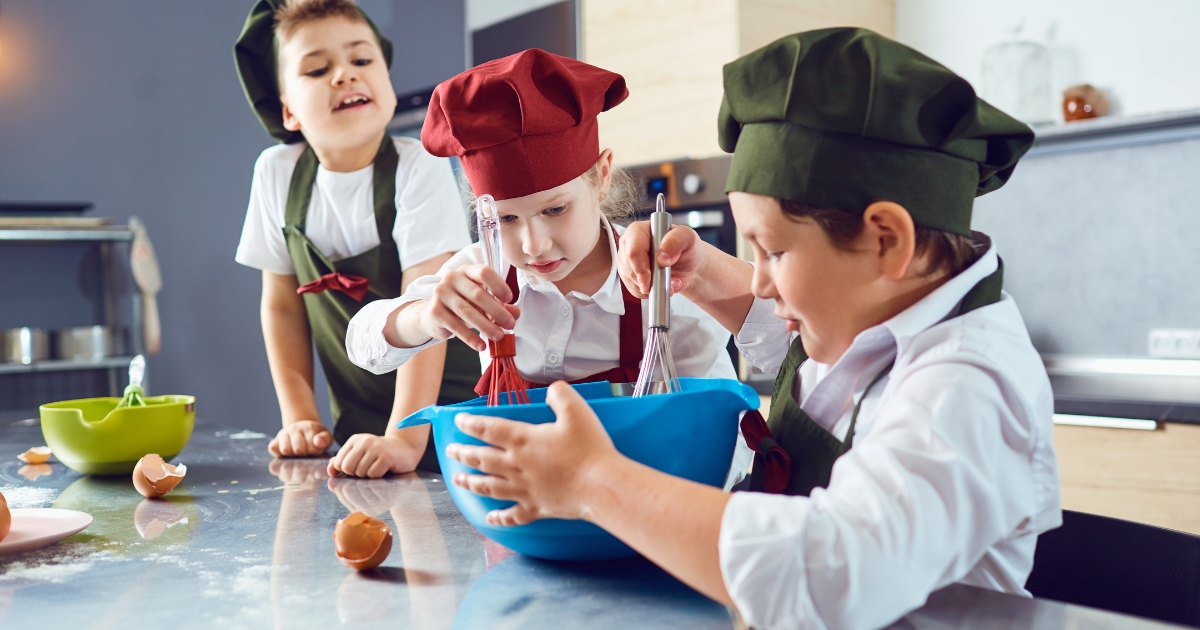
Three children wearing chef hats and aprons working together in a kitchen, mixing ingredients in a large blue bowl, surrounded by baking tools and cracked eggs on a countertop, fostering teamwork and creativity.

Leveraging Technology And Online Resources

In today’s digital age, technology offers a wealth of resources that can enhance your language lessons and make learning more accessible and enjoyable. There are numerous apps, websites, and online platforms designed specifically for language learning, many of which offer interactive lessons, games, and quizzes. Duolingo, Babbel, and Rosetta Stone are popular options that provide structured language courses tailored to different proficiency levels. These platforms often include listening and speaking exercises that can help improve pronunciation and comprehension. In addition to language learning apps, consider using video content to supplement your lessons. YouTube has a vast array of educational channels dedicated to language learning, offering tutorials, vocabulary lessons, and cultural insights. Watching native speakers in action can help your children develop a more natural accent and intonation. Plus, visual and auditory input from videos can reinforce language concepts in a way that’s both engaging and effective.

Another valuable resource for homeschooling parents is online communities and forums. Joining a community of fellow homeschoolers who are also teaching multiple languages can provide support, inspiration, and practical advice. Websites like Homeschool World and Facebook groups dedicated to homeschooling offer a platform to share experiences, ask questions, and exchange resources. These communities can be a great source of motivation and encouragement, especially on challenging days. Finally, make use of digital tools that facilitate communication with native speakers. Language exchange websites like Tandem and HelloTalk connect learners with native speakers for practice and conversation. This real-world interaction can significantly boost your children’s confidence and fluency. Additionally, many homeschooling organizations and language schools offer virtual classes and tutoring sessions, providing personalized instruction and feedback from experienced educators. By leveraging technology and online resources, you’ll have a wide array of tools at your disposal to create a dynamic and effective language learning experience for your children.

Teaching multiple languages at home may seem like a daunting task, but with the right strategies and resources, it can be a highly rewarding endeavor. By setting clear goals, creating a structured learning plan, and leveraging technology, you can provide your children with a rich and immersive language education. Remember to be patient and flexible, adjusting your approach as needed to suit your family’s unique needs and learning styles. Celebrate the small victories along the way and keep the learning experience fun and engaging. Language skills are a valuable asset in today’s interconnected world, and by teaching multiple languages at home, you’re giving your children a gift that will open doors and broaden their horizons. Whether they’re conversing with international friends, traveling to new countries, or exploring diverse cultures, the linguistic skills they develop through homeschooling will serve them well throughout their lives.

If you’re ready to take the next step in your homeschooling journey, consider exploring additional homeschool resources and connecting with language learning communities. There are countless tools and support networks available to help you succeed. Happy teaching, and may your homeschool be filled with the joy of language discovery!

From Flashcards to Fluency: Effective Tools for Homeschool Language Lessons

Navigating the world of homeschooling can be both rewarding and challenging, especially when it comes to teaching a new language. For homeschooling parents, finding effective and engaging tools to facilitate language lessons is crucial. This blog post will guide you through the essential resources and strategies to help your children achieve fluency, from flashcards to interactive software and beyond. By the end of this article, you’ll be equipped with a variety of homeschool resources that will make language lessons both enjoyable and productive for your children.

The Power Of Flashcards In Language Learning

When it comes to language lessons, one of the most tried-and-true methods is the use of flashcards. Flashcards for homeschool settings are especially beneficial because they offer a tactile and visual way for students to engage with new vocabulary. Unlike traditional methods that may rely heavily on rote memorization, flashcards incorporate elements of active recall and spaced repetition, two scientifically backed techniques that enhance memory retention. Active recall involves actively stimulating memory during the learning process, while spaced repetition spaces out the review sessions, so information is more likely to be retained long term.

Consider a typical flashcard. On one side, you have the word in the target language; on the other side, the translation. This simple yet effective tool can be used in various ways to enhance learning. Parents can create custom flashcards tailored to their child’s current lessons, making the learning experience more personalized. You can also gamify the learning process by setting up mini-challenges or timed quizzes using flashcards, adding an element of fun that keeps children motivated. Furthermore, digital flashcard apps offer the advantage of tailoring difficulty levels and tracking progress, making it easier to identify areas that need more attention. In addition to individual study, flashcards for homeschool can be used in group settings. For families with multiple children, group activities involving flashcards can foster a sense of camaraderie and healthy competition.

Siblings can quiz each other or collaborate on building sentences using the words on their flashcards. This collaborative environment not only makes learning more engaging but also allows children to learn from each other, providing multiple perspectives and methods of understanding the language.

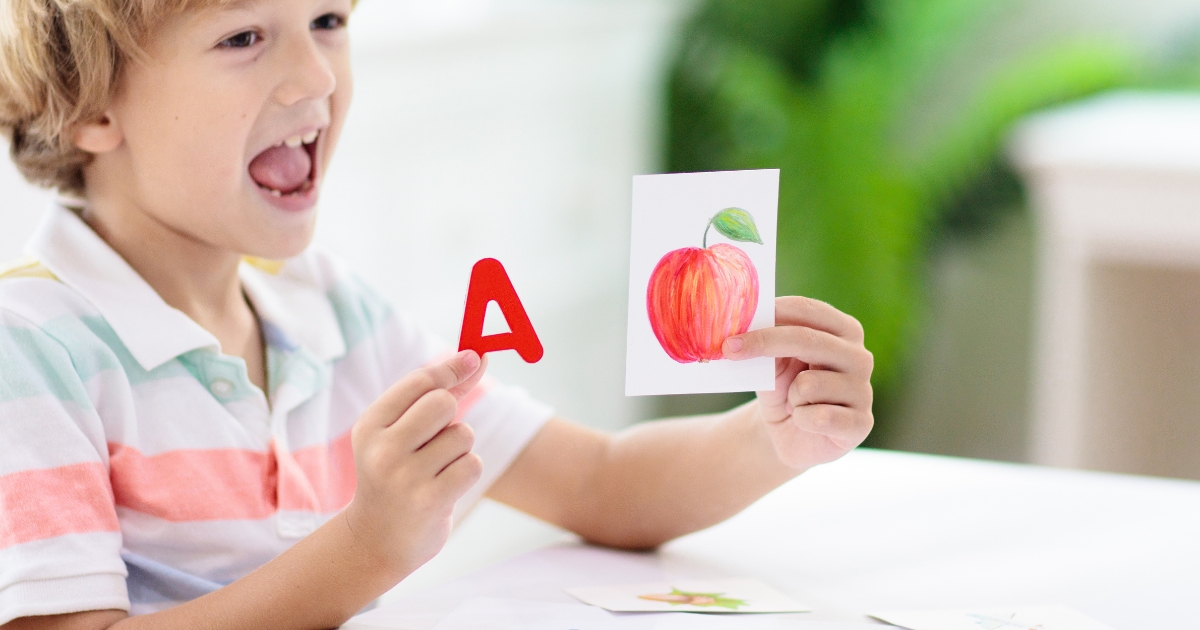
A young child excitedly learning letters and words, holding a red letter 'A' in one hand and a flashcard with a drawing of an apple in the other, sitting at a table with additional cards.

Interactive Software And Apps For Enhanced Engagement

While flashcards provide a solid foundation, interactive software and apps can elevate language lessons to another level. Today, there are numerous educational apps designed specifically for language learning, offering interactive and immersive experiences that traditional methods can’t match. These apps often include games, quizzes, and real-time feedback, making them an excellent addition to your homeschool resources. For example, apps like Duolingo and Babbel use gamified lessons to turn language learning into an adventure, complete with rewards and badges to motivate users. These platforms also allow for tracking progress, making it easy for parents to monitor their child’s development.

One of the key advantages of using interactive software is the ability to practice speaking and listening skills, which are often overlooked in traditional language lessons. Many apps include features like voice recognition and listening exercises, providing an immersive experience that helps children develop their pronunciation and comprehension skills. Some apps even offer live tutoring sessions with native speakers, giving students the opportunity to practice conversational skills in a real-world context. This kind of interaction is invaluable for achieving fluency, as it helps learners adapt to different accents, slang, and colloquial expressions. Furthermore, interactive software provides a wealth of multimedia content, including videos, audio clips, and interactive stories. These resources offer contextual learning opportunities that help children understand how the language is used in various situations. For instance, watching a short video clip in the target language can help students grasp conversational nuances and cultural references that are often missed in textbook learning. Additionally, many apps offer personalized learning plans based on the student’s proficiency level and goals, ensuring that the lessons are both challenging and achievable.

Building A Language-Rich Environment At Home

Creating a language-rich environment is another essential strategy for effective language lessons in a homeschool setting. This involves integrating the target language into daily activities and routines, providing constant exposure that reinforces learning. One simple way to do this is by labeling household items with their names in the target language. For example, you can place labels on the refrigerator, door, and furniture, turning your home into an immersive learning environment. This constant exposure helps children associate words with objects, making it easier for them to remember and use the vocabulary in everyday conversations. In addition to labeling, incorporating the target language into daily conversations can significantly boost fluency. Parents can start by using simple phrases and gradually introduce more complex sentences as the child’s proficiency improves. Mealtime conversations, for instance, can be conducted in the target language, discussing topics such as food preferences, daily activities, or future plans. This practice not only enhances vocabulary but also helps children develop the ability to think and respond in the target language, a crucial step towards fluency.

Another effective technique is to incorporate multimedia resources such as books, movies, and music in the target language. Reading books or watching movies together provides contextual learning opportunities and exposes children to different dialects and accents. Listening to music in the target language can also be a fun and engaging way to learn. Encourage your children to sing along or discuss the lyrics, helping them improve their pronunciation and comprehension skills. Podcasts and audiobooks are other excellent resources that can be integrated into daily routines, such as during car rides or before bedtime. Joining online language communities and participating in virtual language exchanges can also be incredibly beneficial. These platforms provide opportunities to interact with native speakers and other learners, offering real-world practice that is essential for achieving fluency. Many online communities host events such as language challenges, discussion groups, and cultural exchange programs, providing a diverse range of activities that keep learning exciting and dynamic.

Incorporating these tools and strategies into your homeschool language lessons can transform the learning experience, making it more engaging, effective, and enjoyable for both you and your children. From the versatility of flashcards for homeschool to the immersive experience provided by interactive software and apps, there are numerous resources available to cater to different learning styles and preferences. Building a language-rich environment at home further reinforces learning, providing constant exposure and practice that are crucial for achieving fluency. Remember, the key to success in language learning is consistency and practice. By integrating these tools and strategies into your daily routine, you can help your children develop a love for languages and the confidence to use them in real-world situations. Whether you are just starting your homeschooling journey or looking to enhance your existing curriculum, these homeschool resources will equip you with the knowledge and tools to guide your children towards language proficiency.

If you’re looking for more personalized guidance or additional resources, consider reaching out to language learning experts or joining online homeschooling communities. These platforms can provide valuable insights, support, and motivation to help you and your children succeed in your language learning endeavors. Happy teaching, and here’s to many successful language lessons ahead!

Bilingual Beginnings: Starting Foreign Language Education at Home

Imagine the world of possibilities that open up when your child speaks more than one language. From enhanced cognitive abilities to greater cultural awareness, raising bilingual children can be incredibly rewarding. For homeschooling parents, this endeavor can seem daunting, yet it is entirely achievable with the right strategies and resources. This blog post will guide you on how to start a foreign language education at home, making the process both effective and enjoyable for you and your child.

Teaching languages to kids can be one of the most enriching aspects of homeschooling. Not only does it provide them with practical skills, but it also fosters a lifelong love for learning and exploration. Your home can become a vibrant classroom where different cultures and languages come alive. By the end of this blog post, you’ll have a comprehensive understanding of how to make bilingual education a seamless part of your homeschooling routine.

Children have an incredible capacity to learn new languages, especially at a young age. Their brains are naturally wired for language acquisition, making it much easier for them to pick up new sounds, vocabulary, and grammar rules. Starting early can set the stage for lifelong bilingualism and give them a competitive edge in future academic and professional pursuits. Research has shown that bilingual children often have improved problem-solving skills, better multitasking abilities, and heightened creativity. These cognitive benefits can translate into higher academic performance across all subjects. Consequently, including foreign language education in your homeschool curriculum can be a stepping stone to a well-rounded and versatile education.

Another compelling reason to start early is the cultural exposure and empathy that comes with learning a second language. Children who grow up speaking more than one language often have a deeper appreciation for different cultures and perspectives. This can cultivate open-mindedness and social awareness, qualities that are invaluable in today’s globalized world.

Choosing The Right Language & Crafting A Curriculum

One of the first decisions you’ll need to make is selecting the language you want to teach. Consider factors such as your family’s background, the community you live in, and your child’s interests. Do you have family members who speak another language? Is there a foreign language that aligns with your cultural heritage? Or perhaps there’s a language that piques your child’s curiosity due to their favorite movies, books, or hobbies? It’s also essential to consider the resources available to you. Some languages have more readily accessible learning materials than others. For instance, Spanish and French often have a wealth of books, games, and online resources designed for young learners. Ensure you pick a language that you can support with ample teaching materials to make the learning process as smooth as possible. Once you’ve chosen a language, it’s time to immerse your child in it. Create a multilingual environment at home by incorporating foreign language materials into your daily routines. Label household items with their names in the target language, and use simple phrases to describe daily activities. Over time, these small but consistent efforts will accumulate, leading to significant language proficiency.

When it comes to homeschool language education, flexibility is your ally. There is no one-size-fits-all approach, and you have the freedom to design a curriculum that suits your child’s unique learning style. Start with basic vocabulary and phrases, gradually introducing more complex grammar and sentence structures. Make sure to include a mix of listening, speaking, reading, and writing activities to cover all aspects of language learning. Incorporate multimedia resources to make lessons more engaging. Educational videos, language apps, and interactive websites can provide a fun and varied learning experience.

Music is another fantastic tool; children’s songs in the target language can help reinforce vocabulary and improve pronunciation. Singing along to catchy tunes can make the learning process feel more like play than study. Consistency is key when teaching languages to kids. Dedicate specific times of the day to language learning and stick to this schedule as much as possible. Short, frequent sessions are often more effective than long, sporadic ones. Remember, the goal is to make bilingual education a natural and enjoyable part of your child’s daily routine.

A group of children standing outdoors, holding sheets of paper and singing together in a chorus. The focus is on a girl in a pink shirt and denim overalls, with other children visible in the background, creating a vibrant and collaborative scene.

The Role Of Play & Incorporating Culture Into Language Learning

Play is a powerful tool in teaching languages to kids. Through play, children can practice new vocabulary and phrases in a context that feels natural and enjoyable. Role-playing games, for instance, can be an excellent way for children to use their language skills. You can set up scenarios like grocery shopping, visiting a doctor, or going on a treasure hunt, all conducted in the target language. Board games and card games can also be adapted to include foreign language elements. Games like memory matches, bingo, and charades can be customized with vocabulary words in the target language. These activities not only make learning fun but also help reinforce language skills through repetition and context. Don’t underestimate the power of storytelling. Reading books in the target language, whether they are picture books for younger children or chapter books for older ones, can significantly enhance language acquisition. Encourage your child to retell the stories in their own words or even come up with their own tales. This not only boosts their language skills but also sparks creativity and imagination.

Language and culture are deeply intertwined. To provide a well-rounded language education, incorporate cultural studies into your curriculum. Explore the history, traditions, and customs of the regions where the target language is spoken. This can give your child a deeper understanding and appreciation of the language they are learning. Plan cultural immersion days where you dedicate an entire day to exploring the culture of the target language. Cook traditional foods, listen to music, watch films, and engage in crafts or activities related to the culture. These immersive experiences can make learning more engaging and memorable. Reading about famous figures, historical events, and cultural landmarks in the target language can also provide valuable context. Encourage your child to research and present on a cultural topic, combining language practice with history and social studies. This interdisciplinary approach can enrich their learning experience.

Involving The Whole Family & Tracking Progress

Language learning can be a family affair. Encourage everyone in the household to participate, even if they are not fluent in the target language. Simple activities like greeting each other in a foreign language, using it during meals, or playing language-based games together can create a supportive learning environment. If possible, plan cultural immersion activities that align with your language learning goals. This could include cooking traditional dishes, celebrating cultural holidays, or attending local cultural events. These experiences can make the language come alive and provide meaningful context for your child’s learning. Consider setting family language goals. For instance, designate a day of the week where everyone speaks only the target language at home. This can be a fun challenge that encourages everyone to use their language skills and learn new phrases together. Celebrate milestones and progress to keep motivation high.

Monitoring your child’s progress is crucial to ensure they are on the right track. Keep a language learning journal where you can track new vocabulary, phrases, and grammar concepts they have mastered. Regularly review past lessons to reinforce learning and identify areas that may need additional practice. Celebrate successes, no matter how small. Positive reinforcement can boost your child’s confidence and motivation. Create a reward system where they earn stickers, small treats, or privileges for reaching language milestones. Celebrating achievements together can make the learning process enjoyable and rewarding. Don’t be discouraged by setbacks or slow progress. Language learning is a gradual process, and every child learns at their own pace. Stay patient and supportive, and remind your child that making mistakes is a natural part of learning. The most important thing is to keep moving forward and maintain a positive attitude.

The Balance Between Independent Learning & Seeking Professional Guidance

Fostering a sense of independence in language learning can empower your child to take ownership of their education. Provide them with age-appropriate resources and encourage them to explore on their own. This could include language learning apps, books, videos, and websites that cater to their interests and learning styles. Set up a dedicated language learning space at home. Stock it with dictionaries, flashcards, workbooks, and other materials that your child can use independently. Having a designated space can create a focused learning environment and signal to your child that language learning is an important part of their day. Encourage your child to set their own language learning goals and track their progress. This can teach them valuable skills in goal-setting, time management, and self-assessment. Celebrate their efforts and achievements, and provide guidance and support when needed. Promoting independence can make language learning a more personalized and fulfilling experience.

While homeschooling provides the flexibility to tailor education to your child’s needs, seeking professional guidance can enhance the learning experience. Consider hiring a language tutor who can provide specialized instruction and support. A tutor can offer personalized lessons, correct pronunciation, and address specific challenges your child may face. Many online tutoring platforms offer language lessons with native speakers. These virtual sessions can provide real-time interaction and cultural insights that go beyond textbook learning. Look for platforms that offer trial sessions so you can find a tutor who is a good fit for your child’s learning style and needs. If hiring a tutor is not feasible, explore online language courses and programs designed for homeschoolers. These courses often include structured lessons, interactive activities, and assessments to track progress. Enrolling in a formal course can provide a comprehensive curriculum and ensure your child receives a well-rounded language education.

Starting foreign language education at home can be a rewarding and enriching experience for both you and your child. By incorporating teaching languages to kids into your homeschool curriculum, you open up a world of opportunities for bilingual children. Remember, the key to successful homeschool language education is consistency, engagement, and support. With the right strategies and resources, you can create a stimulating and enjoyable language-learning environment. Encourage play, leverage technology, and celebrate progress to keep your child motivated and excited about their language journey. Don’t hesitate to seek professional guidance or connect with other homeschooling families for additional support.