
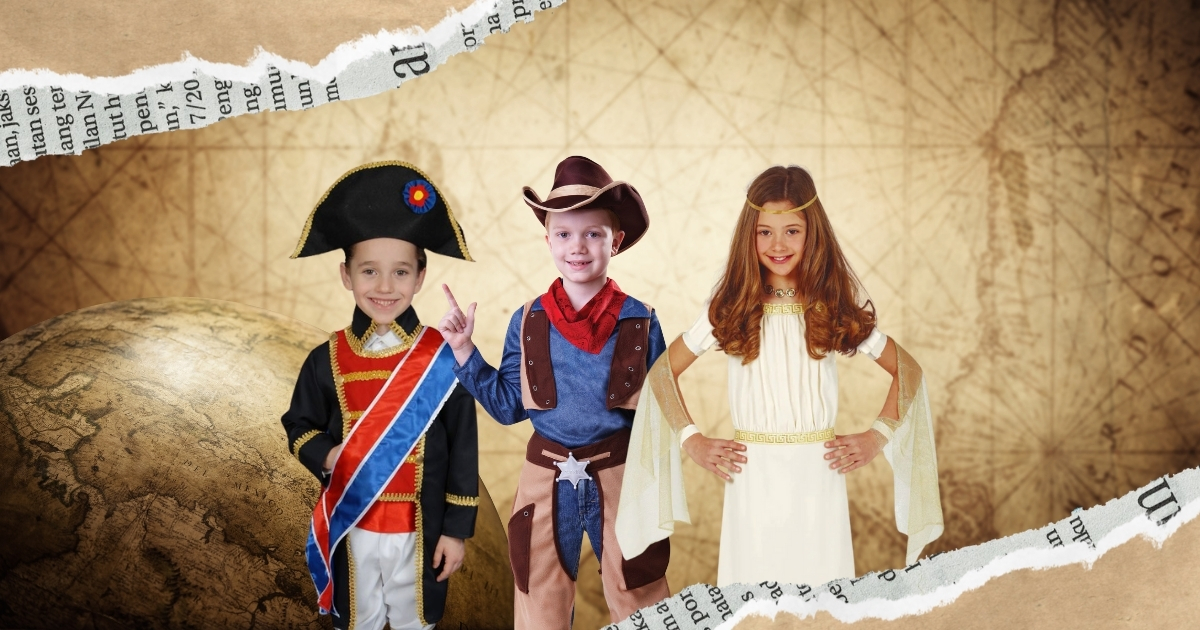
Using HIstorical Costumes To Teach Your Homeschool Child

Imagine transforming a typical history lesson into an exciting, hands-on adventure. Historical costumes don’t just bring the past to life—they immerse your child in it. Through dressing up and role-playing, children can step into historical moments, better understand characters from history, and create lasting learning memories. Here’s how you can use historical costumes to enhance homeschool learning, along with practical tips to get started.

Why Use Historical Costumes in Homeschooling?

Historical costumes offer many benefits that go beyond traditional textbooks and worksheets:

  • Deeper Engagement: Wearing a costume grabs a child’s attention immediately. When they dress as a knight or an ancient Roman, they become part of the history they’re studying. It feels less like “school” and more like play, which opens the door for active learning.
  • Supports Different Learning Styles: Costumes cater to visual and kinesthetic learners. Children who thrive on hands-on experiences or seeing things visually will benefit greatly from this approach.
  • Boosts Retention: Immersive activities make information stick. Dressing up lets kids actively experience history instead of just passively hearing about it. They’re more likely to remember lessons when they’ve “lived” them through costumes.
  • Develops Empathy: Putting themselves in the shoes of people from a different era fosters understanding and compassion for other cultures and perspectives. This creates a connection to history that textbooks alone can’t deliver.
  • Encourages Creativity: Whether role-playing historical figures or designing costumes, kids flex their creative muscles while learning. Creativity developed through hands-on learning can transfer to other school subjects.
  • Makes Tough Topics Accessible: Dressing up can help simplify complicated topics. For example, wearing a colonial costume may make the concepts of early American government easier to grasp.

By helping children connect on a personal level with historical events and figures, costumes make the past vivid, relatable, and exciting.

Steps to Incorporate Costumes in Homeschool Learning

Adding costumes to your homeschool routine doesn’t have to be overwhelming or expensive. Here’s how you can get started:

  1. Pick Your Focus
    • Start with the historical period, event, or figure you’d like to study.
    • Look for eras that naturally capture your child’s interest, such as Ancient Greece, Medieval Europe, or the American Revolution.
    • Align the costume activity with your current curriculum for a seamless connection.
  2. Create Budget-Friendly Costumes
    • You don’t need museum-quality outfits. Focus on the essentials—a few key accessories or basic clothing items are often enough.
    • Use what you already have at home. For example:
      • A bedsheet can become a Roman toga.
      • Paper hats or cardboard shields are simple to craft.
    • Check thrift stores or online marketplaces for inexpensive costume pieces.
    • Explore DIY tutorials for homemade costumes. Not only are these cost-effective, but creating them can also be part of the learning process.
  3. Schedule Costume Time Regularly
    • Dedicate a specific day or lesson to dressing up. Knowing costume days are coming can motivate your child and keep them excited about history.
    • Rotate through different figures, events, or time periods to introduce variety.
  4. Encourage Historical Reenactments
    • Have your child act out significant events, such as the signing of the Declaration of Independence or a famous debate.
    • Create scripts based on actual historical texts whenever possible.
    • Role-playing not only reinforces history but also builds presentation and critical thinking skills.
  5. Pair Costumes With Activities
    • Plan activities that complement the costumes. For example, dress as a medieval artisan and try a simple craft like weaving, or dress as an Ancient Egyptian and write in hieroglyphs.
    • Use costumes to inspire writing assignments. Ask your child to write a diary entry from the perspective of their historical character.
  6. Include the Whole Family
    • Encourage parents or siblings to join in by dressing up as additional characters.
    • Turn costume days into group activities to make them even more engaging.

Creative Ideas for Bringing History to Life with Costumes

There are countless ways to use costumes to create fun and educational experiences for your child. Here are some ideas to inspire you:

  • Host a Living History Museum
    • Have your child choose a historical figure to represent.
    • Create “exhibits” in different parts of your home where your child stands “in character” and explains their figure’s life and significance.
    • Invite family members or homeschool friends to visit your museum.
  • Themed History Days
    • Dedicate an entire day to immersing yourselves in a particular era.
    • Plan costumes, food, and hands-on activities to reflect that time period. For instance:
      • Ancient Egypt: Wear a pharaoh’s headdress, build a small pyramid with sugar cubes, and write names in hieroglyphs.
      • Victorian Era: Dress up in lace or top hats, enjoy tea and biscuits, and discuss famous Victorian inventors.
      • Revolutionary War Era: Dress as soldiers or civilians, learn a colonial-era dance, and discuss major events like the Boston Tea Party.
  • Storytelling in Costume
    • Create a storyline around a historical event. Your child can play a character, and you can narrate the scene.
    • Add props like maps or period-appropriate tools to make the reenactments even more engaging.
    • Encourage children to share their character’s perspective and emotions, building empathy and understanding.
  • Debates or Speeches
    • Assign your child the role of a historical figure and host a debate or discussion about an event they were involved in.
    • Costumes will help set the tone and make the experience memorable.

How Costumes Build Lifelong Skills

Using historical costumes goes beyond simply teaching the past. It equips children with skills they’ll carry through life:

  • Critical Thinking and Analysis: Acting as a character from history requires children to consider motivations, challenges, and outcomes from that person’s perspective.
  • Presentation Skills: Whether presenting as a historical figure or narrating events, being “in costume” gives children a platform to practice speaking and storytelling.
  • Collaboration and Problem-Solving: Working on costume projects or reenactments teaches children to work as part of a team, develop creative solutions, and think outside the box.

Costumes also encourage curiosity. Asking questions like “Why did people dress this way?” or “Why were these tools important?” can inspire deeper research. This natural interest can help children explore a topic far beyond what’s covered in a lesson.
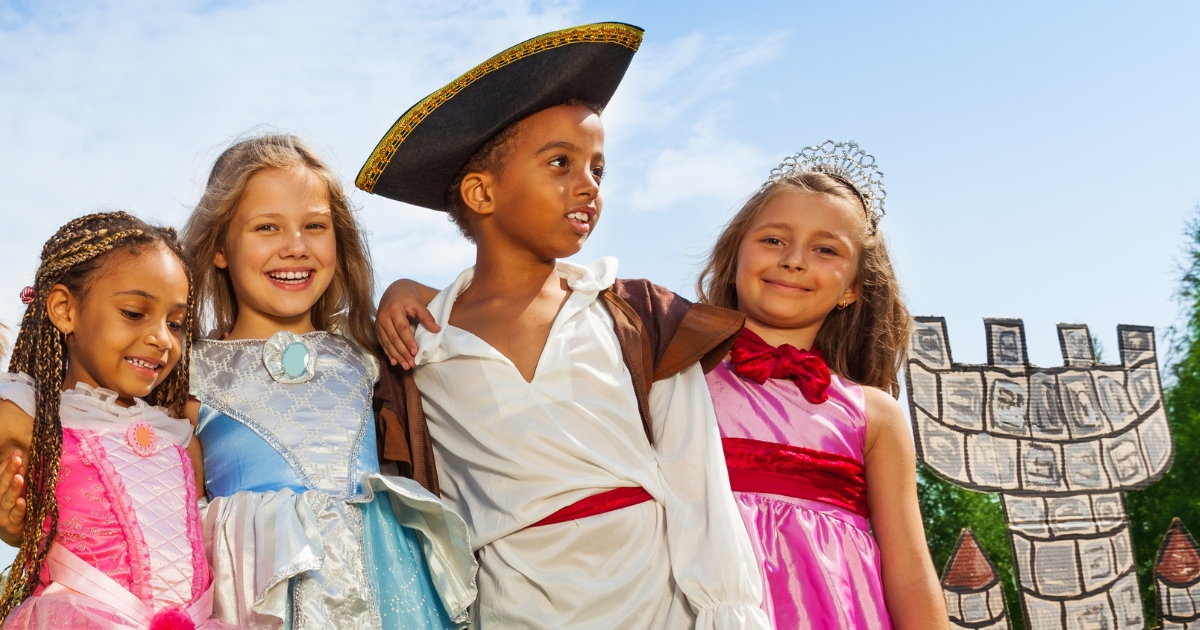
Group of happy children dressed in historical costumes, including a pirate and princesses, standing outdoors with a castle backdrop. A fun and engaging homeschool history lesson using role-playing and dress-up.

Tips for Managing Common Challenges

Some parents may worry about the time, effort, or cost involved in incorporating costumes. Here are practical solutions to overcome common concerns:

  • Limited Budget:
    • Focus on simplicity. A single accessory, like a hat or sash, can set the tone without requiring a full outfit.
    • Use recyclables or fabric scraps to craft costumes.
  • Time Constraints:
    • Plan easy activities and costumes for busy weeks. Small steps, like wearing a hat or scarf, can still create excitement.
    • Make costumes ahead of time and reuse them for multiple lessons.
  • Finding Age-Appropriate Content:
    • For younger learners, stick to simple and positive aspects of history, such as everyday life, clothing, and celebrations.
    • Gradually introduce more complex topics as your child’s maturity and understanding grow.

By starting small and building on your efforts, you can turn costume-based learning into an effective and sustainable part of your homeschool routine.

Making History Come Alive

Historical costumes are tools that make history lessons memorable, engaging, and meaningful. They promote greater understanding, foster creativity, and equip children with lifelong skills. Whether through living history museums, themed days, or role-playing, costumes turn a typical homeschool day into an adventure your child will remember.

Dive into different eras, experiment with new teaching techniques, and have fun exploring history together. By unlocking your child’s creativity and curiosity, you’ll inspire a lifelong love of learning in a way textbooks can’t match. The possibilities for exciting, costume-enhanced lessons are endless.
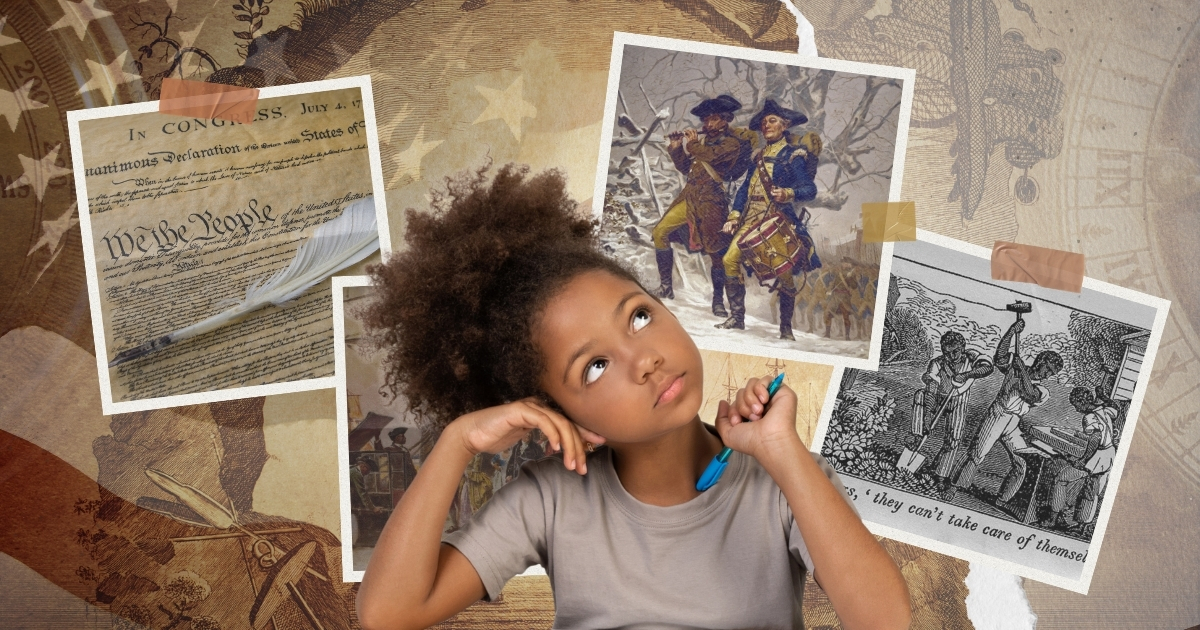

American History Resources To Help You Teach Your Child

Teaching American history at home can be one of the most fulfilling aspects of homeschooling. It allows you to guide your child through the rich and complex story of America’s past, but it can also come with challenges. With so many resources available, you might wonder where to start or how to keep lessons engaging. The good news is that there are plenty of effective, affordable, and even free options to suit any homeschool approach.

Here, we’ll cover the best resources to teach American history at home and share practical strategies for creating an interactive and rewarding learning experience.

Tailor Your Approach to Your Child’s Learning Style

Before jumping into specific resources, it’s helpful to start by understanding your child’s learning preferences. A personalized approach can go a long way in making history lessons enjoyable and effective.

  • Visual learners: Use maps, timelines, and illustrations to help them visualize historical events. Color-coded timelines or videos are especially useful.
  • Auditory learners: Use podcasts, audiobooks, and discussions. Storytelling podcasts or documentaries with narration are great options.
  • Kinesthetic learners: Incorporate hands-on activities such as building models of historical landmarks, crafting projects, or reenacting historical events.

Once you know how your child learns best, it becomes easier to customize lessons and choose the right tools.

Use Storytelling to Bring History to Life

History can sometimes feel like a jumble of dates and facts, but storytelling can transform these details into meaningful narratives. Focus on the experiences of real people who shaped or lived through historical moments.

  • Biographies and historical novels: Books like The Signers by Dennis Fradin or Carry On, Mr. Bowditch by Jean Lee Latham offer personal stories that resonate with young readers.
  • Documentaries and movies: Choose family-appropriate films or series that showcase key events or figures. For example, Ken Burns’ The Civil War is an excellent way to immerse older children in that time period.
  • Historical journals and letters: Read excerpts from figures such as Abigail Adams, Frederick Douglass, or soldiers from the Revolutionary or Civil Wars to bring a human perspective to history lessons.

This method encourages your child to make emotional connections to the past and fosters critical thinking about motivations, decisions, and consequences.

Explore Primary Sources

Engaging directly with primary sources allows students to step into history as it happened. These firsthand accounts and artifacts reveal the personal experiences and challenges of past generations.

  • Digital archives: The Library of Congress and National Archives websites provide access to photos, letters, speeches, and government documents.
  • Interactive lessons: Use specific examples, such as Martin Luther King Jr.’s “I Have a Dream” speech or diary entries from westward expansion pioneers.
  • Critical thinking exercises: Encourage students to ask questions like, “Who created this document? How might their perspective influence the story it tells?”

Using primary sources not only brings history to life but also helps develop analytical skills, a valuable tool for both historical studies and everyday decision-making.

Books of American History Resources To Help You Teach Your Child

Leverage Technology for Interactive Lessons

Technology can be a powerful ally when homeschooling. Many online platforms make history fun, engaging, and accessible.

  • Khan Academy: Offers free American history courses with video lessons, quizzes, and activities. It’s great for structured learning and easy to follow.
  • iCivics: Founded by former Supreme Court Justice Sandra Day O’Connor, this platform offers games and lesson plans focused on U.S. history and government.
  • Virtual field trips: Explore sites like Independence Hall, the Smithsonian Museums, and Mount Rushmore digitally. Many historical institutions host virtual tours that bring major landmarks into your living room.
  • CrashCourse on YouTube: Tackles U.S. history in digestible, 15-minute segments filled with humor and thought-provoking insights.

By blending traditional resources with technology, you’ll keep your child engaged and excited about learning.

Make Learning Hands-On

For many children, hands-on projects are one of the most impactful ways to deepen their understanding of history.

  • Model-building: Create replicas of historical landmarks like the White House, Liberty Bell, or a Native American longhouse.
  • History-themed crafts: Design colonial-style quilts, paint Revolutionary War flags, or assemble family trees to connect personal history to America’s broader timeline.
  • Mini-documentaries or presentations: Ask your child to research a historical event or figure and present their findings through a short video or a homemade poster.
  • Cooking through history: Prepare dishes that were popular in specific eras, such as Revolutionary War hoecakes or Great Depression-era recipes, for a sensory way to explore the past.

These activities make history tangible while helping develop research, creativity, and problem-solving skills.

Build Community Through Homeschooling

Homeschooling doesn’t have to be a solo adventure. Engaging with other homeschool families or communities can add variety and enrich your child’s experience.

  • Join local homeschool groups: Many groups organize history fairs, debates, or reenactments. Collaborating with other students often sparks different perspectives and deeper discussions.
  • Plan group activities: Consider creating a timeline project or hosting a historical dress-up day to encourage interactive learning.
  • Visit historical sites together: Organize group field trips to local landmarks and museums. Many sites include educators who deliver talks or help organize activities for young learners.

Learning alongside peers can add a layer of fun to history while building social and communication skills.

Top Resources to Teach American History at Home

When it comes to specific tools and materials, there’s no shortage of options. The key is to choose resources that fit your goals, teaching style, and budget. Here are some standouts to consider:

  1. A History of US by Joy Hakim
    • A comprehensive ten-volume series written in a unique narrative style that appeals to young readers.
    • Covers everything from colonization to modern times in storybook form.
  2. Howard Zinn’s A Young People’s History of the United States
  3. Khan Academy
    • Free, flexible lessons that include video lectures, quizzes, and interactive content on U.S. history.
  4. CrashCourse YouTube Channel
    • Engaging, fast-paced video lessons for middle and high school students.
  5. Historical fiction books:
    • Look for titles like Number the Stars by Lois Lowry (World War II) or Bud, Not Buddy by Christopher Paul Curtis (Great Depression).
  6. iCivics:
    • Offers games and activities that explore foundational American government concepts and historical milestones.

These resources span a variety of formats, making it easier to adapt your curriculum to suit your child’s interests and needs.

Connect With Local and Free Resources

Don’t overlook the value of local opportunities and free materials. Libraries, historical societies, and community centers can be treasure troves of American history content.

  • Libraries: Borrow books, documentaries, and access online learning databases for free.
  • Local historical societies: Many are open to homeschool groups and offer tours, lectures, or unique resources about local history.
  • Free public lectures and events: Check if nearby museums or universities host events to commemorate key historical anniversaries.

Connecting learning to your local area can foster a personal sense of how history impacts daily life.

Teaching American history at home isn’t just about covering dates and names; it’s about exploring the ideas, conflicts, and choices that shaped the nation. By using creative tools and tailoring your lessons to fit your child’s needs, you’ll inspire curiosity and critical thinking, laying a strong foundation for lifelong learning. The right resources make all the difference, so mix and match until you find the perfect fit for your family.