How Much Time Should Be Spent On Physical Education Per Day?

One of the best parts about homeschooling is the freedom to customize your child’s education. You get to pick the math curriculum, dive deep into historical periods that spark curiosity, and turn your kitchen into a science lab. But what about gym class? Figuring out the right amount of homeschool physical education can feel like a puzzle. Are you doing enough? Too much? Let’s be honest, some days just getting everyone dressed and fed feels like an Olympic event. 

This guide will help you understand the recommendations, find a rhythm that works for your family, and make fitness a fun and natural part of your homeschool day.

What Are the Official Recommendations?

When you’re trying to build a homeschool schedule, looking at official guidelines can be a great starting point. While homeschool laws vary by state, the fitness recommendations for children are pretty consistent across the country. The U.S. Department of Health and Human Services, along with organizations like the CDC, provides clear goals for physical activity in school-aged children. These aren’t just arbitrary numbers; they are based on extensive research into what kids need for healthy development, both physically and mentally.

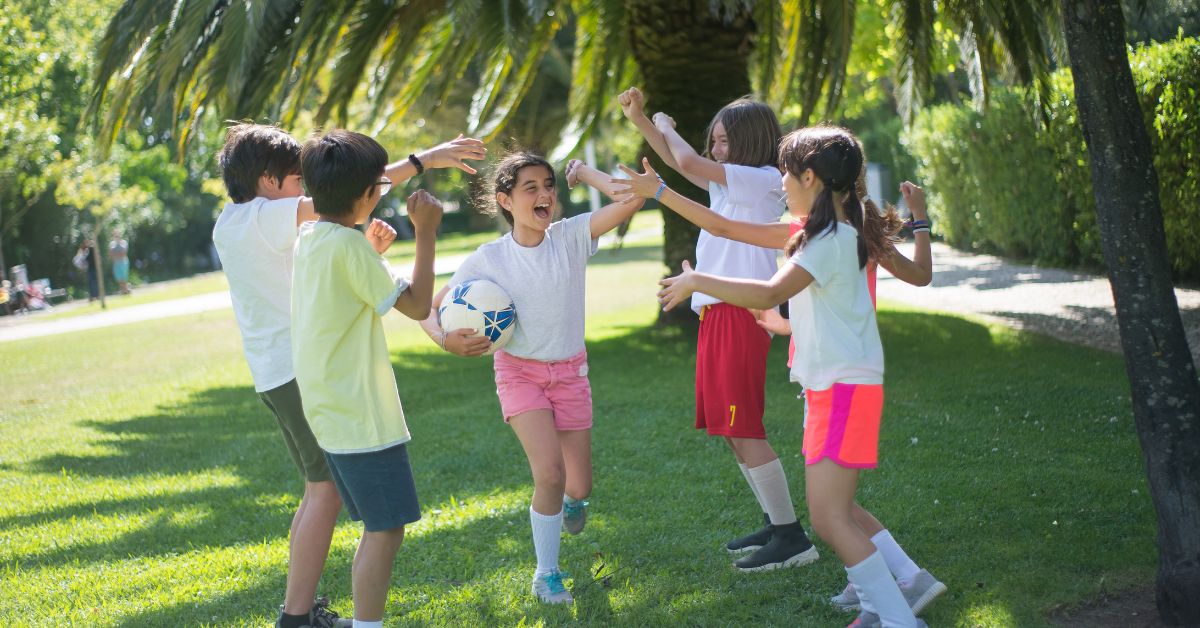
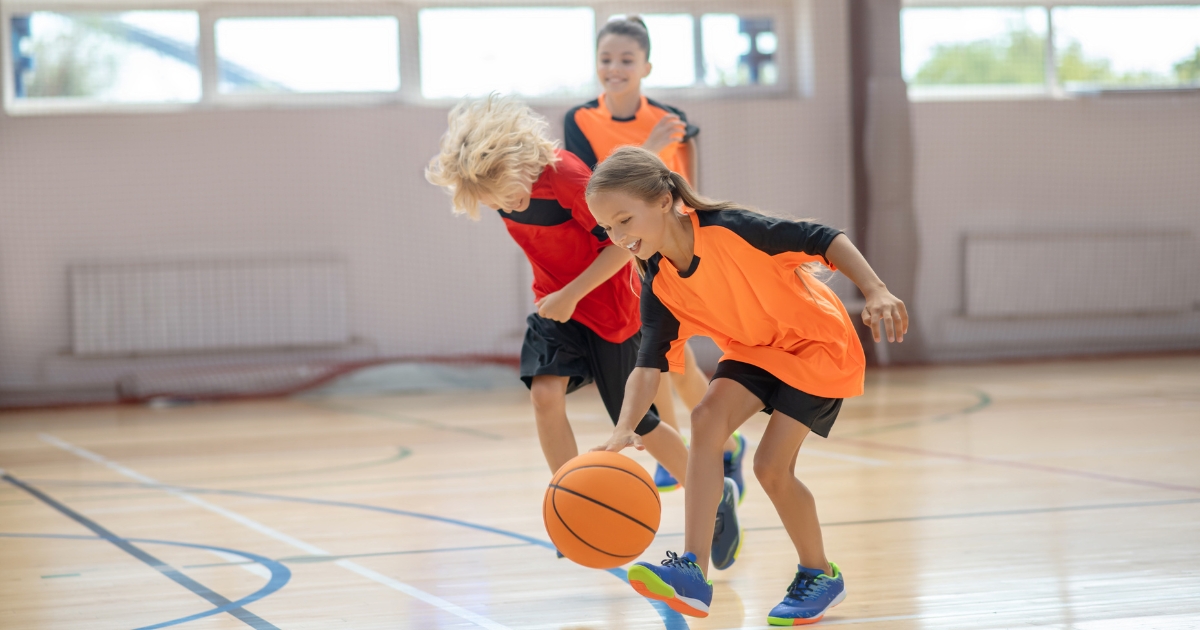
For children and adolescents aged 6 through 17, the recommendation is 60 minutes or more of moderate-to-vigorous physical activity daily. This might sound like a lot, but it doesn’t have to happen all at once. You can break it up into smaller, more manageable chunks throughout the day. A 20-minute morning walk, a 20-minute playground session after lunch, and a 20-minute bike ride before dinner all add up to meet that daily goal. The key is to get their hearts pumping and their muscles working.

It’s also important to understand what “moderate-to-vigorous” activity actually means. Moderate-intensity activity will raise their heart rate and make them breathe harder, but they should still be able to talk. Think of a brisk walk, riding a bike on level ground, or a friendly game of tag. Vigorous-intensity activity will cause heavy breathing, and they’ll only be able to speak a few words at a time. Examples include running, swimming laps, or playing soccer. A good homeschool fitness plan incorporates a mix of both.
Building a Great Homeschool Physical Education Plan

Building a Great Homeschool Physical Education Plan

Creating a plan for homeschool physical education doesn’t need to be complicated. The goal is to make movement a regular and enjoyable part of your routine. Think about your child’s interests and your family’s lifestyle. Do they love being outdoors? Are they drawn to music and dance? Use their passions as a launchpad for your PE activities. A well-rounded plan should include a variety of activities that work on different aspects of fitness.

Here are the three main components the guidelines suggest including each week:

  • Aerobic Activity: This should make up the bulk of that 60-minute daily goal. Most of the 60 minutes per day should be either moderate- or vigorous-intensity aerobic physical activity. You should also aim to include vigorous-intensity physical activity on at least 3 days per week.
  • Examples: Running, skipping, swimming, dancing, bike riding, playing tag.
  • Muscle-Strengthening Activity: These activities make muscles do more work than usual. Include these as part of their 60 minutes of daily activity on at least 3 days a week.
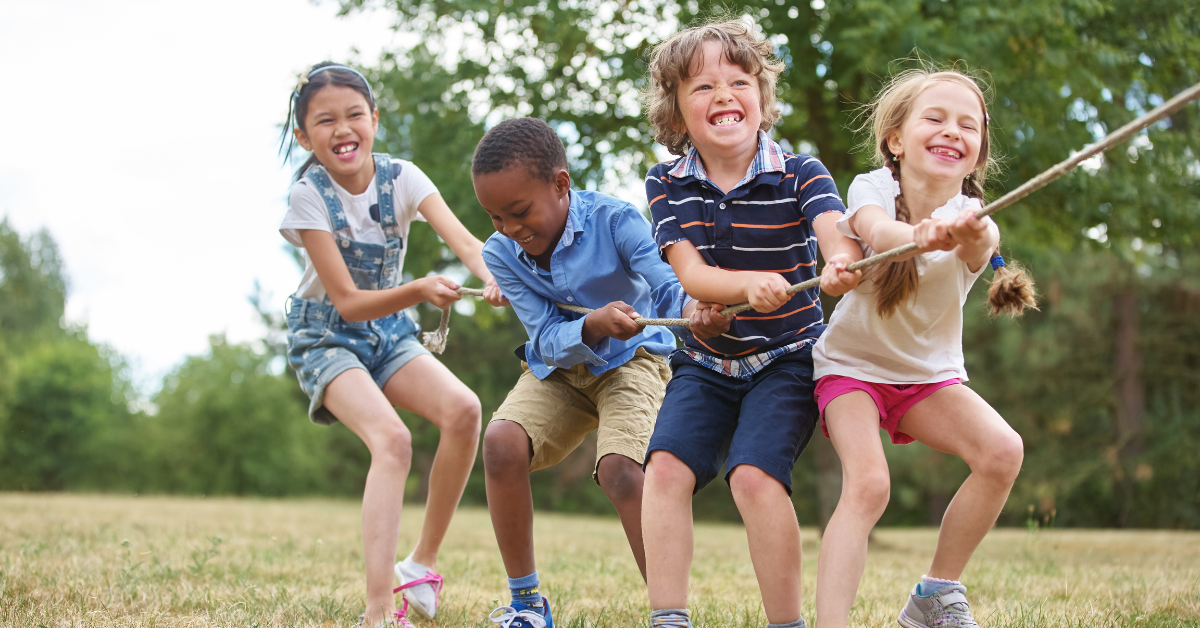
  • Examples: Climbing on playground equipment, gymnastics, push-ups, sit-ups, tug-of-war.
  • Bone-Strengthening Activity: These activities produce a force on the bones that promotes bone growth and strength. Include these as part of their 60 minutes of daily activity on at least 3 days a week.
  • Examples: Jumping rope, running, basketball, tennis, hopscotch.

Notice how much overlap there is! An activity like running or basketball checks all three boxes. You don’t need to plan three separate types of activities each day. Just focus on providing diverse opportunities for movement.

Making Fitness Fun and Engaging

The biggest advantage you have as a homeschool parent is flexibility. You aren’t confined to a gymnasium or a rigid bell schedule. This freedom allows you to tailor physical education to your child’s unique personality and interests, which is the secret to long-term success. When kids enjoy what they are doing, they are more likely to stay engaged and build healthy habits that last a lifetime. Forget boring drills and think outside the box to make fitness a highlight of your homeschool week.

You can turn almost any interest into a physical activity. If your child is obsessed with superheroes, create a “superhero training” obstacle course in the backyard. If they love video games, look for active options on consoles like the Nintendo Switch that involve dancing or virtual sports. A nature lover might enjoy a “biology hike” where you identify plants and animals while getting your steps in. The goal is to connect movement with joy, not to treat it as a chore that needs to be checked off a list. Let your child have a say in planning PE activities to give them a sense of ownership and increase their excitement.

Ideas for Daily Homeschool PE (Grades 1-6)

Stuck in a rut? Sometimes you just need a list of fresh ideas to get the creativity flowing. Remember, you can mix and match these, do them indoors or outdoors, and adapt them for different ages and abilities. The best PE is the PE that actually gets done!

Here are some ideas to get you started:

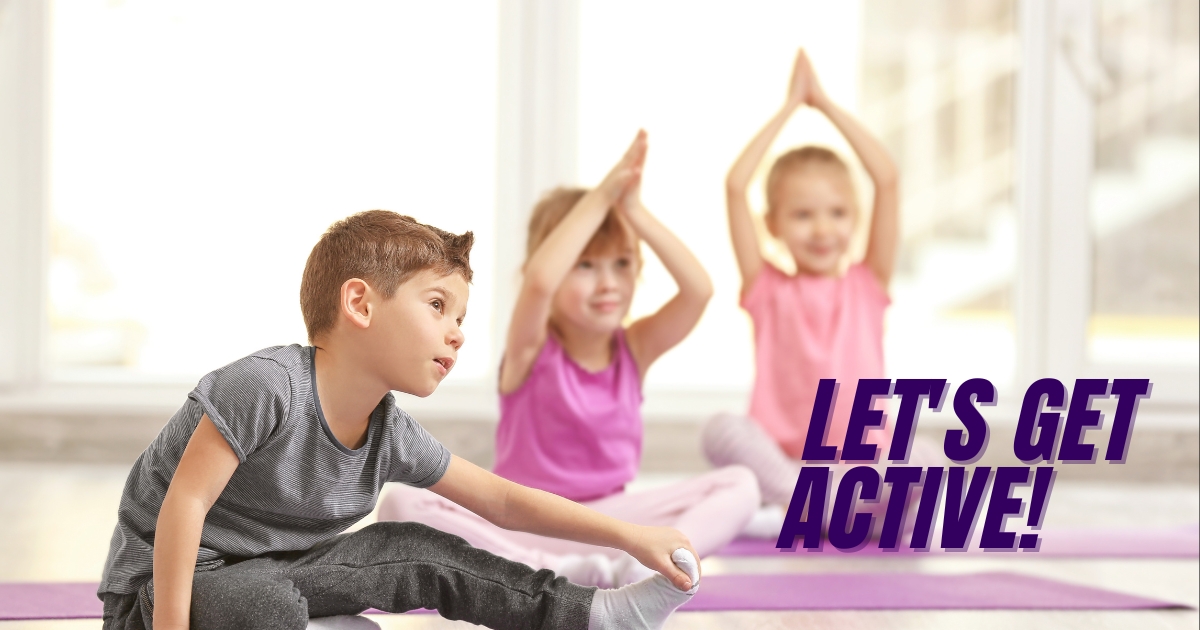
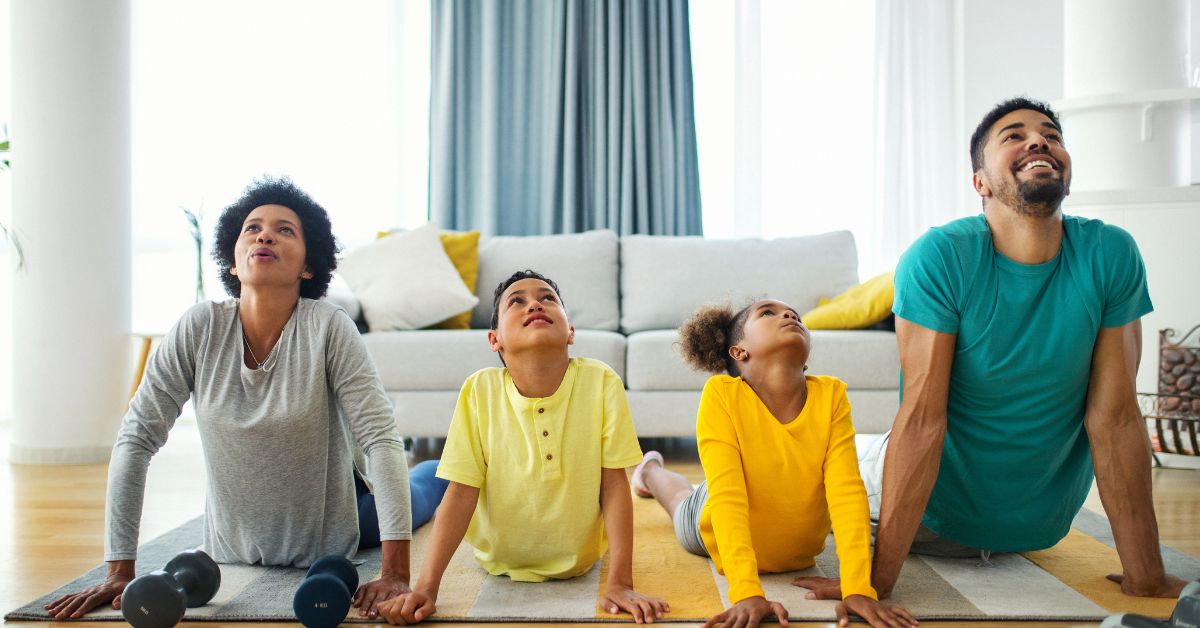
  • Morning Wake-Up: Start the day with 15 minutes of activity. This could be a quick yoga session (plenty of free kid-friendly videos online), a dance party to their favorite songs, or a brisk walk around the block.
  • Skill of the Week: Focus on learning a new skill each week. This could be dribbling a basketball, learning to jump rope, practicing a new yoga pose, or trying to master a cartwheel. It provides a sense of accomplishment.
  • Themed Obstacle Courses: Use pillows, chairs, and blankets to create an indoor course on a rainy day. Outside, use pool noodles, cones, and chalk to design challenges. Time them to add a competitive element!
  • Nature Scavenger Hunts: Give your kids a list of things to find on a walk or hike (a smooth rock, a Y-shaped stick, a red leaf). The focus on finding items keeps them moving without them even realizing it.
  • YouTube Fitness Channels: There are amazing, high-quality channels dedicated to kids’ fitness. Look for channels that offer dance workouts, yoga adventures, and simple exercises designed for children. It’s a great option for a no-prep activity.
  • Backyard Olympics: Plan a mini-Olympics with events like the long jump (into a sandbox), the “discus” throw (with a frisbee), and short sprints. You can even make medals out of cardboard and ribbon.

Beyond the 60-Minute Guideline

While the 60-minute guideline is a fantastic benchmark, physical education in a homeschool setting is about more than just meeting a time requirement. It’s about cultivating an active lifestyle. Look for opportunities to weave movement into your entire day, not just during a designated “PE” block. These small moments can add up and make a big difference in your child’s overall health and well-being. It helps normalize activity, showing them that our bodies are made to move.

For example, you could use a mini-trampoline for bouncing while reciting spelling words. Or, practice math facts while doing jumping jacks—one jump for each part of the equation (2 + 2 = 4 is four jumps!). Taking frequent “brain breaks” for stretching or a quick dance party between subjects can help improve focus and retention. These integrated activities demonstrate that physical health and academic learning are not separate; they are deeply connected and support one another.

This holistic approach also extends to everyday chores and activities. Raking leaves, helping with gardening, washing the car, or carrying groceries are all forms of physical activity. Involving your children in these tasks not only teaches them responsibility but also keeps them moving. The goal is to shift the mindset from “exercising” to simply “living actively.” By embracing this philosophy, you help your kids build a foundation for a healthy, active life long after their homeschool years are over.

Remember that you are their biggest role model. When your children see you enjoying physical activity, whether it’s going for a run, taking a yoga class, or just having a family dance-off in the living room, they are more likely to view it positively. Your enthusiasm is contagious. Make movement a family value, and you’ll be giving your children a gift that supports their health for decades to come.

We hope this guide helps you feel more confident in planning physical education for your young learners. Every homeschool journey is unique, so find the rhythm and routine that brings joy and energy to your family.

For more practical homeschool advice and resources to support you on your educational adventure, be sure to explore more of our blog posts here at DKM Homeschool Resource.
Why Physical Education Is So Important For Homeschoolers

When you’re homeschooling, it can be easy to focus on academics and skip over physical education. After all, you’re not running a traditional school with scheduled gym classes. However, incorporating physical education into your homeschooling routine can be a game-changer for your child’s physical health, mental well-being, and overall development. The benefits of homeschool physical education go far beyond just burning energy or staying fit—they play an essential role in shaping a well-rounded student. 

Below, we’ll explore why physical education is critical for homeschoolers, suggest PE activities that work well in a home setting, and show how fitness integrates seamlessly into homeschooling. 

The Importance Of Fitness In Homeschooling 

Fitness is about much more than running laps or achieving a high score in a fitness test. It’s a foundation for a healthy lifestyle that benefits your child in countless ways—physically, mentally, and emotionally. Homeschoolers, like all other children, need regular physical activity to thrive. 

Unlike traditional schools where kids may have scheduled gym classes, recess, or sports teams, homeschool families must intentionally schedule physical education to reap similar benefits. Regular fitness activities offer the following advantages for homeschoolers:

  1. Improved Physical Health
    Physical activity promotes strong bones and muscles, improves cardiovascular health, and helps maintain a healthy weight. For children who spend much of their day seated during lessons, structured physical education provides a chance to stretch, strengthen, and stay active. 
  2. Better Mental Health
    Exercise releases endorphins in the brain, which help reduce stress, combat anxiety, and improve mood. Homeschoolers, especially teens, also benefit from the mental clarity and focus that comes after a good workout. 
  3. Enhanced Academic Focus
    Physical education isn’t just about physical fitness; it helps the brain function better. Research has shown that kids who get daily physical activity perform better academically because physical movement increases blood flow to the brain and improves concentration. 
  4. Social Benefits
    Homeschoolers can sometimes feel isolated. However, participating in homeschool-specific PE groups, extracurricular sports, or community activities builds teamwork skills, promotes friendships, and teaches cooperation. 
  5. Development of Lifelong Habits
    Teaching regular exercise as part of a homeschooling routine helps children establish healthy habits they can carry into adulthood. Kids learn that fitness is just as important as math, reading, or science—and a critical part of a balanced lifestyle. 

By prioritizing physical education, you’re providing a holistic learning experience that nurtures both body and mind. 

Practical PE Activities For Homeschoolers

Practical PE Activities For Homeschoolers 

One of the best aspects of homeschooling is the flexibility to incorporate personalized activities. Physical education is no different. Below are creative, practical, and fun activities that are perfect for homeschooling families. 

At-Home Workouts 

Even without a gym or dedicated sports equipment, you can create a fun and engaging workout session right at home. 

  • Bodyweight Exercises 
    • Push-ups, sit-ups, planks, and squats require no equipment and strengthen core muscles. 
  • Cardio Workouts 
    • Have your child jog around the yard, jump rope, or follow along with kid-friendly YouTube dance or exercise videos. 
  • Yoga for Kids 
    • Yoga improves flexibility, strength, and focus. Look for programs designed specifically for children. 

Outdoor Adventures 

The great outdoors provides endless opportunities to stay active. 

  • Bike Riding 
    • Biking is excellent for building endurance and leg strength. 
  • Nature Walks or Hikes 
    • Explore local trails, nature reserves, or parks. Turn hikes into educational experiences by identifying plants, animals, or ecosystems. 
  • Obstacle Courses 
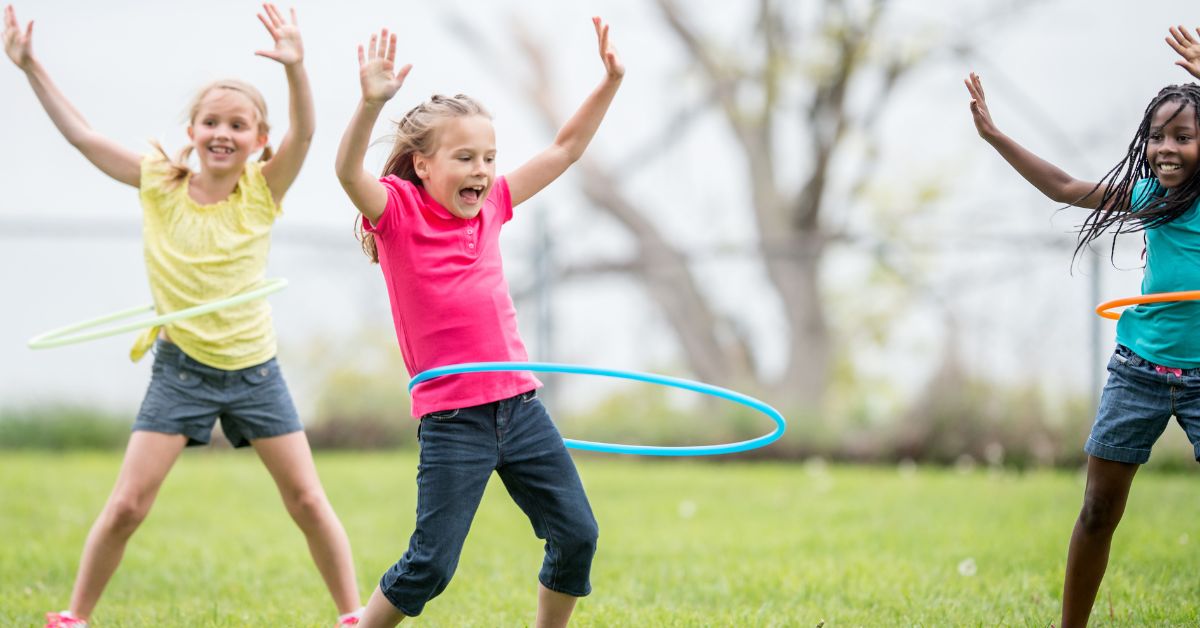
    • Set up a DIY obstacle course in the backyard with pool noodles, cones, hula hoops, and other household items. 

Sports and Games 

Introduce your child to activities that improve coordination, teamwork, and confidence through sports. 

  • Traditional Sports 
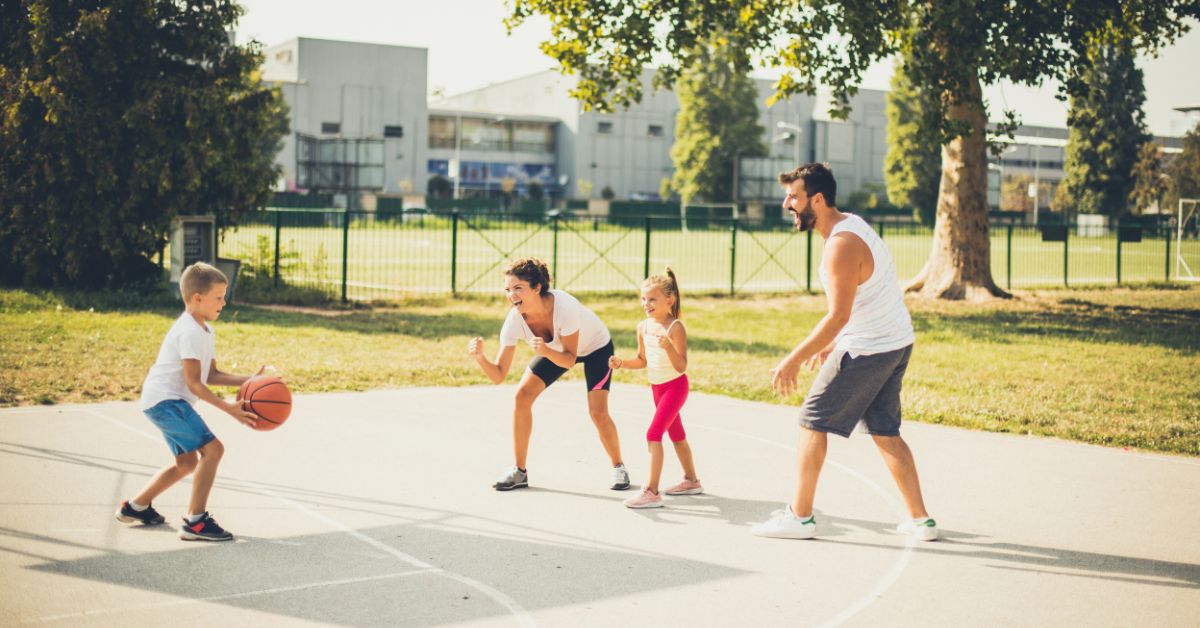
    • Soccer, basketball, tennis, or volleyball can be played with just one or a few other participants. 
  • Non-Competitive Games 
    • Games like freeze tag, flag football, or dodgeball provide all the exercise without the pressure of competition. 
  • Family Challenges 
    • Hold family fitness challenges with rewards for participation, from running races to doing the most jumping jacks. 

Group and Community Activities 

Connect with other homeschool families in your area for group games, classes, or events. 

  • Community PE Groups 
    • Many cities offer PE programs tailored to homeschooling families, including swimming classes, martial arts, and dance lessons. 
  • Sports Leagues 
    • Enroll your homeschooler in local sports leagues for basketball, soccer, or baseball. 
  • Nature Camps or Outdoor Scouting 
    • Such programs combine team skills with physical activity in unique settings. 

By varying activities, you’ll keep your child engaged and excited about staying fit. 

Making Fitness Part Of Homeschool Routines 

Physical education becomes much more meaningful when it’s naturally woven into your homeschooling schedule. Developing a regular routine can help ensure that fitness remains a priority without overwhelming the day. 

Here are some practical strategies to make exercise part of your week without feeling like an added chore: 

  1. Scheduled PE Time
    Dedicate a specific time each day or week for physical activities. For example, after morning lessons, take a 30-minute break for outdoor play or yoga. 
  2. Use Online Tools
    Platforms like GoNoodle or fitness apps tailored to children can provide structure and guidance for families unsure where to start. 
  3. Mix Movement with Lessons
    Incorporate movement into your teaching. For instance, you could create math scavenger hunts outside or teach geography with map-based games in the yard. 
  4. Join Fitness Classes
    If you’re looking for structure and professional guidance, sign up for paid or free classes available locally or online. 

A balanced schedule that incorporates exercise will keep your homeschooler energetic and focused throughout the day. 

Overcoming Challenges In Homeschool PE 

Homeschool physical education benefits are clear, but incorporating them into your routine may come with its challenges. Many parents worry about a lack of space, resources, or direction when it comes to PE. Fortunately, these obstacles have simple solutions. Firstly, space does not need to be an issue. Bodyweight exercises can be done in a small living room, and many cardio exercises like jumping jacks or running in place require no outdoor area. When possible, walks, hikes, or trips to local parks make excellent substitutes for a backyard. 

Secondly, you don’t need fancy equipment to make PE engaging. Common household items like kitchen timers, chairs, brooms, and balloons can become valuable workout gear. For example, you can set up relay races inside using pillows as cones, or play balloon volleyball to improve hand-eye coordination. Lastly, for parents feeling unsure about creating a fitness curriculum, there are plenty of online resources, books, and videos designed for homeschoolers. By partnering with local groups or co-ops, you can also tap into organized programs that offer structure and guidance. 

With creativity and persistence, every homeschool family can experience the many benefits of fun, effective physical education. 

Why Every Homeschool Family Should Prioritize PE 

The benefits of homeschooling go beyond academics. Homeschool physical education offers the opportunity to shape children in ways that a textbook or online course never could. It fosters healthier kids, builds resilience, and teaches self-discipline alongside social and teamwork skills. 

By integrating PE into your homeschool curriculum, you’re providing a unique and essential component to your child’s education. The habit of regular physical activity you establish now will empower your learners to lead healthier, more balanced lives long after they’ve completed their homeschool studies. 

Top 5 Physical Education Practices For Your Elementary School Homeschool Child

Physical education doesn’t just build strong bodies—it also supports better focus, emotional well-being, and lifelong healthy habits. For homeschool families, prioritizing fitness can sometimes seem like an added challenge, but it doesn’t have to be. With thoughtful planning, physical education can become one of the most enjoyable parts of your daily routine. 

Below, we’ve outlined the top five PE practices to help you develop a fun, effective fitness program tailored to your elementary-aged homeschooler. 

1. Build A Flexible And Varied Weekly PE Schedule

Creating a consistent schedule for physical education ensures regular activity and helps your child develop a range of physical skills. A varied routine also keeps kids engaged and less likely to see exercise as a chore. Homeschool physical education ideas should blend indoor and outdoor activities to match your space, resources, and even the weather. 

Suggested Steps for Building a Weekly Routine:

  • Mix Activity Types 

Introduce different forms of movement throughout the week. Examples include stretching, aerobic activities, and strength training. This variety ensures your child works on multiple physical aspects, such as flexibility, endurance, and coordination. 

  • Set Time for Free Play 

While structure is useful, free play is equally important. It allows children to explore physical movement creatively, which can build confidence and motor skills. 

  • Adjust to Age and Skills 

Tailor activities to your child’s current abilities, and always include challenges that push them just the right amount outside their comfort zone.

Here’s a sample beginner-friendly routine you can adapt:

  • Monday: 30 minutes of yoga or stretching in the morning, paired with a 15-minute walk later.
  • Wednesday: Outdoor play at the park for 40 minutes, focusing on games like soccer or tag. 
  • Friday: A mix of indoor dance, skipping rope, and basic strength exercises like squats.

Experiment with different combinations until you find what works best for your child’s energy levels and interests. 

2. Introduce Backyard And Outdoor Games For Dynamic Cardio

Cardio is essential for improving heart health, endurance, and energy levels. Elementary-age kids often respond enthusiastically to activities that feel more like play than structured exercise. Taking fitness outside provides space to move freely, fresh air, and sunshine, which are great for overall well-being.

Ideas for Outdoor Games:

  • Scavenger Hunts with Movement 

Design scavenger hunts using natural elements like leaves, rocks, or flowers if you’re in a park or backyard. Add physical tasks such as running between clue points, hopping before picking up items, or crawling under obstacles for added fun. 

  • Obstacle Courses 

Use items like cones, hula hoops, chairs, or ropes to create an obstacle course. Challenge your child to jump, climb, crawl, and sprint through it. For extra engagement, you can time them and encourage improvement over sessions. 

  • Parachute Games for Groups 

If you have other homeschooling families nearby, incorporate games using a large parachute. These games promote teamwork while ensuring participants continually use their upper body and core muscles.

Outdoor games like these provide a fun way to get essential cardio while also working on motor skills, cooperation with peers, and quick decision-making. Even simple equipment like balls, frisbees, or jump ropes can create hours of movement-filled entertainment. 

Use Reward-Based Fitness Challenges 

3. Use Reward-Based Fitness Challenges 

One of the best ways to maintain your child’s motivation during physical education is by introducing fitness challenges. These create excitement, offer a sense of achievement, and model the importance of setting and reaching goals. Fitness challenges work particularly well when tied to gradual progress or rewards. Plus, they offer measurable outcomes, which can boost a child’s self-esteem. 

Keep the challenges age-appropriate and focused on positive reinforcement. Here are a few you could try:

  • Mini Strength Challenges 

Begin small with tasks like ten push-ups or five minutes of wall sits. Track progress over several weeks and slowly increase intensity. Create a colorful chart to mark milestones, which motivates younger children visually. 

  • Step Counting Goals 

A step tracker (or even an affordable pedometer) can add fun to daily walks or jogs. Set a friendly competition within the family to see who reaches the most steps in a week! 

  • Skill Mastery 

Encourage your child to focus on a specific skill for improvement, such as shooting basketball hoops, achieving cartwheels, or mastering a new yoga pose. Celebrate their achievements with small rewards like a sticker or a trip to the park.

Challenges help instill perseverance and personal accountability, both of which are vital qualities for fitness and life. 

4. Incorporate Activities For Physical And Emotional Balance 

Children need more than just physical movement—they also benefit greatly from activities that foster emotional well-being and mindfulness. Fitness is not solely about intense exercises; it’s also about teaching your child the value of taking care of their mind and body as a unit. 

Free-Form Dance for Joyful Movement 

Free dance sessions can bring a sense of freedom and delight. Play your child’s favorite upbeat songs and allow them to move however they want. Alternatively, work on co-creating simple choreographies to improve rhythm, coordination, and memory. 

Yoga and Stretching for Relaxation and Flexibility 

Yoga is especially effective for elementary-age children. Not only does it enhance flexibility, but it also boosts focus and reduces stress. Start with basic poses like cat-cow, butterfly pose, or tree pose. Select playful, kid-friendly yoga videos to keep them engaged while teaching valuable breathing techniques.

These practices ensure that your child learns early how to reflect, release built-up energy, and return to lessons or other tasks refreshed. Incorporating slower-paced, mindful elements alongside cardio and strength-based efforts teaches balance—essential for both physical and mental harmony. 

5. Connect With Community-Based Sports And Resources 

Although homeschooling allows flexibility, there’s no reason to forgo traditional group sports or social fitness opportunities. Getting involved in community sports programs gives your child essential social interactions while learning teamwork, resilience, and discipline. These activities also provide experience beyond the at-home setting. 

Explore These Community Options:

  • Local Homeschool Leagues 

Many cities now offer homeschool-specific sports leagues for soccer, basketball, or baseball. These leagues operate during school hours, which makes enrollment more flexible for homeschool parents. 

  • Martial Arts or Dance Studios 

Most martial arts or dance studios have lesson options by age and experience. Activities like taekwondo or ballet are fantastic for building discipline, strength, and focus. 

  • Swimming Classes 

Swimming is a life-saving skill and a full-body workout. Consider enrolling your child in swimming lessons at your local pool for benefits ranging from lung capacity improvement to social growth through team swim classes. 

  • Nature Clubs or Outdoor Groups 

Joining a group that focuses on nature hikes, gardening, or outdoor clean-ups will help your child stay physically active while also instilling environmental awareness. 

The sense of inclusion and friendly competition these programs provide will encourage your child to explore recreational interests and develop fitness habits they enjoy. 

Physical education in homeschooling doesn’t have to feel like another daunting task on your to-do list—these homeschool physical education ideas make it accessible, flexible, and enjoyable. By involving kids in a mix of dynamic activities, goal-driven challenges, and mindful movement, you’re setting them up for a lifetime of health and active living.

How to Balance Multiple Subjects in Your Homeschool Schedule

When homeschooling, balancing multiple subjects can feel like a juggling act. However, with the right strategies, you can create a homeschool schedule that works for your household. Whether you’re new to homeschooling or a seasoned educator, juggling multiple subjects and time management can be a challenge, but effective planning can make all the difference. 

Below are some homeschool schedule tips to help you juggle subjects efficiently and manage your time wisely.

Prioritize Subjects And Set Clear Goals

Not all subjects require the same amount of time every day. Some may need more attention due to their complexity, while others can rotate or fit into shorter blocks. Start by identifying priority subjects for your child. For example:

  • Core subjects such as math, reading, and writing often require daily practice to build foundational skills.
  • Science and history may lend themselves better to fewer, longer sessions, such as twice a week.
  • Art, music, or physical education can be flexible and may not need to be scheduled daily, depending on your learning goals.

With priorities in place, set clear learning goals for each subject. Ask yourself these questions:

  • What do I want my child to achieve by the end of the week, month, or semester in each subject?
  • Which subjects are most challenging, and how can I allocate more focused time for those?

Write down these goals and refer to them as you plan. This will help you stay on track and ensure that your schedule reflects your child’s educational needs.

Tips for Setting Priorities and Goals

  • Time of day matters. Schedule challenging subjects during your child’s most focused times of the day (e.g., morning for many kids).
  • Use assessments. Regular quizzes or informal reviews can help you determine which subjects need more time or attention.
  • Stay flexible. If a subject is consistently taking too much or too little time, adjust your approach.

Design A Flexible Daily And Weekly Schedule

Design A Flexible Daily And Weekly Schedule

Creating a clear daily and weekly schedule tailored to your family is essential in balancing multiple subjects. While every family’s routine will look different, a few time management principles apply.

Structure Your Day with Blocks

Instead of creating a minute-by-minute schedule, use time blocks to group similar activities. This approach allows flexibility while still keeping you on track.

Time blocks allow you to shift between activities more naturally without feeling rushed. This method also helps children transition between subjects smoothly.

Plan Weekly Rotations for Non-Daily Subjects

Subjects like history, science, or art don’t always need daily attention. Rotate them into your week strategically:

  • Teach science twice a week, alternating with history.
  • Dedicate Fridays to creative subjects like art or cooking.
  • Incorporate physical education or outdoor learning once or twice per week.

Such rotations prevent overloading your schedule and ensure that every subject still gets adequate focus.

Sample Weekly Schedule

Here’s a simplified homeschool schedule to illustrate:

  • Monday to Thursday:
    • Morning (9–11 AM): Math, Reading, Writing
    • Midday (11:30 AM–1 PM): Science (Mon/Wed), History (Tues/Thurs)
    • Afternoon Options (2–3 PM): Art or independent projects
  • Friday:
    • Morning (9–11 AM): Fun subject review games
    • Midday (11:30 AM–1 PM): Outdoor P.E. or nature experiment
    • Afternoon Options (2–3 PM): Family creative time, like cooking or crafts

This balance of routine and flexibility gives kids structure without making each day feel monotonous.

Make Time Management a Family Activity

Time management isn’t just for parents; it’s a skill that benefits kids, too. By involving your children in the process, you’ll encourage accountability and time awareness.

Create Visual Schedules Together

For younger children, colorful, visual schedules can help them stay engaged with the day’s plan. Options include:

  • Magnetic boards with subject labels they can move as each task is completed.
  • Checklists with simple stickers or markers to track their progress.

Older children may prefer digital tools, such as scheduling apps or printable planners. Their input on when and how they tackle subjects can improve their buy-in and focus.

Teach Time-Tracking Skills

Help your child learn how to manage their own time with these simple practices:

  • Set timers for each activity or subject block to encourage focus.
  • Teach them to use breaks effectively by doing something they enjoy (a favorite game, outdoor time) before moving to the next task.
  • Show them how to reflect at the end of the day. Ask, “What went well today? What could we do differently tomorrow?”

These techniques foster independence, making kids active participants in their education.

Foster Seamless Transitions Between Subjects

Moving between subjects can often disrupt focus, especially for younger children, but smooth transitions can help your schedule flow better. Here are some strategies:

  • Use theme-based transitions. If you’re moving from a reading session to science, try incorporating literature related to your science topic (e.g., reading a story about oceans before a marine biology lesson).
  • Break up monotony with movement. Stand up, stretch, or take a quick walk around after one subject before beginning the next. Physical movement recharges focus.
  • Review what’s done and preview what’s next. For example, after finishing math, casually discuss what you’ll be tackling in the upcoming subject. This preps kids for the shift.

A little planning in this area can help minimize distractions and interruptions, keeping your homeschool day productive.

Avoid Over-Scheduling and Plan for Flex Days

Overpacking your homeschool schedule can quickly lead to burnout for both parents and children. To prevent this, leave room for flexibility.

Build in Buffer Time

Life happens, especially in a homeschool environment. Always plan for extra time:

  • A 15-minute buffer between subject blocks gives kids a chance to cool down or extend work that needs more time.
  • Keep some open time in your week that can be used for catch-up work, extended projects, or simply relaxing.

Schedule Flex Days

Dedicate one day per month (or even per week if it fits) as a “flex day.” Use this time to:

  • Revisit subjects that need extra attention.
  • Explore related topics kids find exciting but you normally don’t have time for.
  • Relax and enjoy unstructured learning activities like nature walks, baking, or creative writing.

These breaks provide breathing room, reduce stress, and can keep learning fun.

Understand When To Adjust Your Schedule

Even the best-laid homeschool schedules require tweaks. Pay close attention to how your children respond to their routine. If frustration, boredom, or overwhelm creeps in, it might be time to reassess.

  • Identify sticking points. Are transitions between subjects too rushed? Is a particular subject dragging on?
  • Adapt instead of starting over. Shift your approach rather than scrapping your entire schedule. For instance:
    • If math practice takes too long, alternate heavy problem-solving days with lighter review days.
    • Experiment with how subjects are grouped. Maybe swapping science to the morning and moving math to mid-morning refreshes energy levels.

Homeschooling works best when it remains flexible and adaptable to your family’s needs.

Balancing multiple subjects in your homeschool schedule doesn’t have to be overwhelming. By setting priorities, organizing manageable blocks of time, and remaining flexible, you can create a structure that supports your child’s growth and reduces stress. Small steps, like using visual planners or involving kids in time management, can make big differences in efficiency. Above all, remember that no two homeschool routines are the same, so craft a strategy that fits your family’s rhythm.

Let’s Get Active: How To Get Your Kids Moving During Phys Ed

Physical education may often take a back seat in homeschooling schedules, but it’s vital for well-rounded child development. Beyond improving physical fitness, movement plays a big role in boosting mental clarity and emotional well-being. Homeschool parents have the unique opportunity to make PE engaging, fun, and adaptable to their family’s needs. From creative games to skill-building exercises, there are countless ways to help kids stay active and energized throughout their homeschooling day.

Including physical education in your homeschool routine isn’t just about meeting a checklist requirement. Regular physical activity can improve your child’s overall health, from building muscle strength to improving heart health. It also sharpens cognitive skills. Many studies show that active kids perform better academically and have longer attention spans.

PE isn’t just beneficial physically and mentally; it helps teach key life lessons. Activities focused on teamwork, perseverance, and goal-setting prepare kids for real-world challenges. Homeschooling gives you the flexibility to tailor PE to your family’s specific goals, creating a program that feels less like a chore and more like an adventure.

How To Set Up A P.E. Routine At Home

Building a routine for physical education doesn’t require expensive gym equipment or a designated sports field. With a little creativity, you can design a program that works perfectly within your home setup and available resources.

  • Consistency Is Key
    Dedicate specific times to PE, such as mornings or afternoons, and stick to the schedule. Whether it’s 20 minutes every day or three longer sessions per week, having a consistent plan will help kids establish fitness as part of their routine.
  • Activities That Evolve Over Time
    Younger kids may enjoy games like tag or hopscotch, while older children might prefer skill-based challenges like basketball or yoga. Adapt as your kids grow and their interests change.
  • Set Mini Goals
    Collaboratively create goals with your kids, like learning a new sport or increasing the number of push-ups they can do. Goals encourage them to stay motivated and track their progress.
  • Monitor Effort, Not Perfection
    Physical activity is about growth and effort, not necessarily achieving athletic perfection. Celebrate milestones, no matter how small.
  • Rotate Activities
    Regularly switching up PE tasks keeps things fresh and fun. Incorporate cardio, strength training, stretching, and games so no two days feel the same.

Fun And Effective Activities For Active Kids

Fun And Effective Activities For Active Kids

Making physical education a highlight of your homeschool day is easy with activities that entertain while keeping kids moving. Here are some practical options suited for any space.

Indoor-Friendly Ideas

  • DIY Obstacle Courses: Arrange pillows, chairs, and other household items into fun obstacles where kids can crawl, jump, or balance. Time them to see if they can beat their own records.
  • Dance Parties: Crank up the music and encourage kids to freestyle or copy choreographed dance moves. Apps like Just Dance offer guided fun.
  • Yoga for Beginners: Use kid-friendly yoga videos to teach your children fun poses. It’s great for calmness, flexibility, and balance.
  • Exercise Challenges: Ask questions like, “How long can you hold a plank?” or “How many sit-ups can you do in two minutes?” and turn physical skills into mini-competitions.

Outdoor Ideas for All Weather

  • Nature Walks and Runs: Take to the local park or trail for a family jog or nature exploration. Incorporate learning by identifying plants or tracking distances.
  • Backyard Sports: Soccer matches, badminton games, and throwing Frisbees are enjoyable ways to improve coordination and get the heart rate up.
  • Hiking Adventures: Choose trails that match your kids’ abilities, and make the experience interactive by finding landmarks or completing a trail checklist.

Solo and Team Fitness Challenges

  • Relay Races: Create a relay-style course where kids pass a baton while completing mini-challenges like jumping rope or dribbling a soccer ball.
  • Wall Ball Games: Encourage coordination by having kids aim for marks on a wall using tennis or rubber balls.
  • Balance and Agility Courses: Use logs, jumping mats, or marked lines to challenge your kids to maintain their balance as they move.

Encouraging Play And Natural Movement 

While structured physical education has its value, free play is equally important. Play allows kids to explore their natural abilities, build creativity, and find joy in movement without the constraints of rules or directions. Regardless of their age, provide your children with daily pockets of unstructured time where they can run, climb, or play pretend outdoors.

Consider investing in some simple backyard equipment like swings, a small trampoline, or a balance beam to encourage additional movement. However, even without equipment, freedom to roam and explore can spark endless fun. Activities like creating chalk obstacle courses on the driveway or building pretend forts in the yard promote active imagination and exercise at the same time. Remember, play doesn’t have to look productive. The goal is simply to keep them active and happy.

Tips for Staying Consistent with PE

Staying consistent with homeschool PE requires motivation and a little bit of planning. Here are tips to help you maintain fitness as a priority for your children:

  • Integrate Movement Breaks
    Add energizing breaks between lessons. Five minutes of jumping jacks, stretches, or silly dancing can help refocus your kids for the next subject.
  • Create Visual Incentives
    Use a whiteboard or chart to track completed PE sessions or milestones. Add stickers or other motivators to reward progress and consistency.
  • Keep It Fun
    Forget the drill-sergeant approach. Spontaneous challenges, varied activities, and plenty of giggles create positive PE experiences.
  • Explore Local Opportunities
    If you’re part of a homeschool network, look into nearby collaborations like fitness groups, swim classes, or community yoga sessions designed for kids.
  • Be Flexible
    If it’s raining, swap the soccer field for an indoor game of Simon Says. If kids are restless, try higher-energy activities like tag or jumping challenges.

Why Movement Is A Long-Term Investment 

Physical education isn’t just about fulfilling a subject requirement; it’s about creating habits that promote wellness for life. When kids learn that movement is fun and rewarding, they’re more likely to pursue active lifestyles as adults. Skills they build during homeschool PE, like discipline, persistence, and goal-setting, also translate into other areas of life, from academics to relationships.

Homeschool parents have the advantage of making this process personal. Tailoring activities to suit your child’s personality means you’re creating a foundation for lifelong health. Teach them that physical education isn’t just another “to-do” item on their schedule. Instead, it’s an opportunity to connect with themselves, challenge their limits, and discover new abilities.

Simple Tools and Resources to Enhance PE

You don’t need a fancy gym setup to make your homeschool PE effective. Here’s a list of simple and affordable tools that offer versatility in physical activities:

  • Jump ropes for cardio and coordination.
  • Hula hoops for fun, energy-burning exercises.
  • Lightweight balls for soccer or kicking drills.
  • Yoga mats for low-impact stretching and flexibility sessions.
  • Resistance bands to introduce light strength training.

Having these on hand ensures that your PE choices adapt to energy levels, space constraints, and varying preferences.

Creating Positive Experiences Around PE

Positive reinforcement and creativity make homeschool PE less about “working out” and more about joyful movement. Setting goals as a family, like completing a nature trail or trying a new exercise together, inspires teamwork. Keeping the tone upbeat ensures your children will approach fitness with laughter rather than reluctance.

Your role as both their educator and workout buddy helps shape their perception of health and activity in the years to come. Whether it’s creating a family kickball league or participating in an online fitness challenge as a unit, the shared experience enriches family relationships while keeping everyone active.

Between structured plans, playful moments, and resourceful tools, homeschool physical education can be as enriching and enjoyable as any academic subject. By exploring multiple ways to keep your kids moving, you’re teaching them one of life’s most important lessons—that staying active can be both fun and fulfilling.

Integrating Physical Education into Your Homeschool Routine

For many homeschooling families, academics often take center stage, but physical education (PE) is just as important. It boosts not only physical health but also mental well-being, focus, and social skills. One of the best parts of being a homeschooler is having the flexibility to tailor PE lessons to your children’s needs and interests. 

Below, you’ll find actionable advice and homeschool PE ideas to keep your kids moving, engaged, and healthy.

Why Physical Education Matters In Homeschooling

Physical education isn’t just about keeping kids active. It’s also a great opportunity to teach them life-long habits related to health and fitness. When kids exercise, they develop better motor skills, improve their coordination, and strengthen their cardiovascular systems. Furthermore, studies show that regular physical activity can reduce anxiety, improve mood, and promote better sleep patterns, all of which are essential for learning.

For homeschoolers, PE adds variety to the day, provides a much-needed break from sitting at a desk, and offers plenty of chances to spend time as a family. Plus, it encourages kids to explore sports, physical challenges, and teamwork on their own terms.

Setting Up a PE Routine at Home

The key to successful PE in a homeschool setting is to make it part of your daily or weekly schedule. Here are some practical tips to get started:

  • Schedule it like any other subject: Dedicate a specific time in your weekly routine for physical activities. It could be daily, two to three times a week, or whatever works best for your family.
  • Set goals: Work with your kids to create specific goals such as running a mile without stopping, mastering a new sport, or simply being active for 30 minutes every day.
  • Track progress: Use a chart or checklist to track your children’s activities and achievements. Seeing their progress will encourage consistency.
  • Provide choices: Engage your kids by offering options for activities. Let them choose between doing a yoga session, riding their bikes, or kicking a soccer ball.

Keep in mind that kids will be more likely to participate if the activities are fun and age-appropriate.

Homeschool P.E. Ideas For All Ages

Indoors Activities

Not every physical activity requires a large backyard or outdoor space. These indoor ideas are great for rainy days or small living areas:

  • Yoga for kids: Yoga enhances flexibility and focus. Use kid-friendly YouTube videos or apps for guidance.
  • Obstacle courses: Set up a simple course using pillows, chairs, and household items. Challenge kids to complete the course as fast or as creatively as possible.
  • Dance parties: Put on your child’s favorite music and have a dance-off in the living room. This is not only a workout but also tons of fun.
  • Exercise videos: Short, engaging workout videos for kids, such as jump rope routines or beginner aerobics, are perfect for burning energy indoors.
  • Fitness challenges: Set goals like doing 10 push-ups or planking for 30 seconds, and increase the challenge gradually over time.

Outdoor Activities

When the weather allows, getting outside enhances both play and physical fitness. Here are some ideas to try in your yard, park, or local community:

  • Backyard sports: Play basketball, soccer, or badminton. These sports develop coordination, teamwork, and endurance.
  • Nature hikes: Walks in parks or nature preserves are great for physical activity and an opportunity to study biology or geography.
  • Biking or scootering: Create a safe route and challenge your kids with timed laps or distant goals.
  • Water play: On warm days, turn on the sprinkler, play with water balloons, or set up an inflatable pool for splashing and swimming.
  • Treasure hunts: Organize a backyard scavenger hunt. Hide objects and provide clues that require running, hopping, or climbing to find them.

Team And Social Activities

Team And Social Activities

Even if you homeschool, physical education can still foster connection with others. Consider these options:

  • Join local sports leagues: Many communities offer youth soccer, basketball, or swim teams. Ask other homeschoolers in your area for recommendations.
  • Meet-ups with other homeschool families: Organize group PE sessions where kids can play relay races, capture the flag, or kickball.
  • Classes at your local gym or recreation center: Yoga, martial arts, or gymnastics are great options for kids who want to learn new skills.

Incorporating Fitness Into Daily Life

Not all physical education has to be a planned session. Sometimes, you can encourage movement simply by weaving fitness into everyday routines. For example, take short walks after lunch, have a family clean-up race where everyone runs to put items back in their place, or set a timer to remind kids to stretch during long study sessions.

Remember, building everyday activity doesn’t have to be complicated. Even small actions like climbing stairs or walking the dog help create an active lifestyle.

Creating a DIY PE Curriculum

Designing your own PE curriculum is easier than it sounds. First, decide on the skills or topics you want to focus on, such as strength, coordination, endurance, or sports techniques. Then, pick activities that build those skills.

For example, if you want to focus on coordination, you could include activities like juggling scarves, balancing on a beam, and bouncing a tennis ball against a wall. If your focus is on cardiovascular fitness, you might schedule jogging, jumping rope, or aerobics. Rotate through these areas to keep things diverse and engaging.

You can also mix in lessons about health and fitness. Take time to teach kids about how their muscles work, the importance of hydration, or eating a balanced diet for energy. Knowledge enhances their motivation to stay healthy.

Making PE Fun with Games and Challenges

Kids love games, and turning physical activity into a fun challenge can keep them invigorated. Here are a few ideas to amp up the fun factor:

  • Relay races: Create a variety of tasks for each “leg” of the race, such as hopping on one foot, balancing a ball on a spoon, or crawling.
  • Animal movements: Challenge your kids to race while pretending to be different animals such as jumping like a frog, waddling like a duck, or crawling like a crab.
  • Minute to win it: Set timers for quick exercise challenges. See how many jumping jacks, sit-ups, or sprints they can do in just 60 seconds.
  • Capture the flag: If you have multiple children or play with another family, this game is an excellent way to combine strategy and movement.
  • Fitness bingo: Create a bingo card with activities like run a lap, do 10 squats, or stretch for five minutes. Kids can check off boxes as they complete them.

By framing activities as games, you encourage kids to participate without feeling like they’re “exercising.”

The Role of Parents in Homeschool PE

Children often look to their parents for guidance, even when it comes to fitness. You can set the tone by being their partner in physical activity. Join in on the yoga session, go for a jog with them, or compete in a push-up challenge. Your involvement not only builds a stronger connection but also sends the message that fitness is for all ages.

It’s also a chance to show them how to set realistic goals, celebrate small wins, and build persistence. Lead by example, and your kids are likely to follow your enthusiasm for staying active.

Your Homeschool PE Journey

Physical education doesn’t have to be complicated or costly. With a little imagination and planning, you can integrate PE into your homeschool routine in a way that promotes health, learning, and fun. Whether it’s a structured curriculum tailored to learning goals or spontaneous backyard activities, the key is to provide consistent opportunities for movement.

With these homeschool PE ideas, you’ll not only keep your kids active but also help them build healthy habits that last a lifetime. Grab your sneakers and start moving!

How to Foster a Love for Literature in Your Homeschooler

Helping your child fall in love with literature is one of the greatest gifts you can give as a homeschooling parent. A love for books not only provides lifelong entertainment but also strengthens critical thinking, imagination, and communication skills. With the right homeschool literature activities and strategies, you can make reading an inspiring, enjoyable, and natural part of your homeschool days.

Cultivating A Reading-Friendly Environment

Creating a space where your child feels comfortable and excited about books is the first step to fostering a love for literature. Here’s how you can build that environment in your homeschool:

  • Create a cozy reading nook
    Dedicate a corner of your home as a reading space. Add comfy cushions, a small bookshelf within your child’s reach, and good lighting to make it inviting.
  • Keep books accessible
    Place books in places where your child spends time, such as the living room, kitchen, or even the car. A basket of books by the sofa or a few fun titles on the breakfast table can subtly encourage daily reading.
  • Build a home library
    Regularly add new titles to your collection, including both fiction and non-fiction. Include classics, graphic novels, poetry, and age-appropriate chapter books.
  • Limit digital distractions
    Schedule dedicated times for reading by minimizing screen time during those periods. Create a balance where technology doesn’t overshadow books.
  • Lead by example
    Show your child that you value reading by letting them see you engaged in a book or talking about something interesting you read recently.

Encouraging Reading with Fun Homeschool Literature Activities

Not every child will naturally gravitate toward books, and that’s okay! The key is to make literature fun and engaging. Here are several homeschool literature activities to try with your child:

  • Act out scenes from books
    Choose a favorite story and act out scenes as a family. This brings the text to life and helps children connect with characters in a deeper way.
  • Create book-inspired art
    After finishing a book, ask your child to draw or paint their favorite character, scene, or moment. Creative expression can help them process and enjoy what they’ve read.
  • Host a “book tasting”
    Set up a “reading café” at home, where you display a selection of short story collections or first chapters of different books. Your child can sample a bit of each to find what piques their interest.
  • Start a family book club
    Pick a book for everyone in the family to read and discuss weekly. Exploring different perspectives on the same story can be a meaningful bonding experience.
  • Introduce ‘reading challenges’
    Set fun goals, like finishing a book by the end of the month or reading books from a specific genre. Rewards like stickers or a special outing can keep motivation high.
  • Pair books with activities
    Reading doesn’t have to end when the last page turns. If your child reads a mystery, create a treasure hunt. After finishing a nature-themed book, head outdoors for a scavenger hunt based on what they learned.

Integrating Books into Other Subjects

One of the advantages of homeschooling is the freedom to cross boundaries between subjects. Using literature to teach other topics helps demonstrate how reading enriches all areas of life.

  • History through historical fiction
    If you’re studying a specific time period, find novels set during that time to help your child better understand the people and culture of that era.
  • Science and nature exploration
    Combine non-fiction books about ecosystems, weather, or animals with hands-on experiments or outdoor activities. For example, reading about butterflies can lead to observing caterpillars and their transformation in real life.
  • Math in literature
    Use books to reinforce math concepts. Titles like The Doorbell Rang by Pat Hutchins introduce counting and division in a story format.
  • Character study and values
    Discuss themes of kindness, courage, and empathy by analyzing characters from classic and contemporary stories. Relating these to real-life situations helps children form their own moral compass.

Building A Love For Books Through Storytime

Building A Love For Books Through Storytime

One of the simplest, yet most effective ways to build a love for literature is through regular read-aloud sessions. Storytime never gets old, no matter your child’s age.

When you read aloud, you’re modeling fluent reading while creating special moments your child will treasure. Select books that align with their age, interests, and reading level. Mix up your library with picture books, chapter books, poetry, and even plays.

Pay attention to your child’s preferences. If they love adventure, try books like The Hobbit. If they’re into humor, consider Diary of a Wimpy Kid. By showing respect for their tastes, you encourage them to take ownership of their reading choices.

Storytime is also an opportunity to share books they might not pick up independently. By reading together, you can expose them to a wider variety of literature while sharing discussions about themes, plot, and characters.

Nurturing Independent Readers

Helping your child transition from read-aloud sessions to independent reading can feel tricky, but it’s an important step in fostering lifelong learners. Here’s how to make that process easier:

  • Offer choice
    Allow your child to choose their books, even if it’s not what you’d prefer. Whether it’s a comic book, fantasy story, or an animal adventure, the fact that they’re reading is what counts.
  • Use audiobooks
    Listening to books can improve vocabulary and comprehension. Audiobooks are particularly helpful for growing readers or those with learning differences.
  • Set realistic reading goals
    Avoid overwhelming your child with long or challenging books. Start with shorter stories and gradually encourage longer ones as their confidence grows.
  • Celebrate progress
    Recognize milestones to keep your child motivated. Praise them for finishing a book or mastering a new genre.
  • Be patient
    Every reader develops at their own pace. Resist the urge to compare your child’s reading level or speed with others, and focus instead on their individual progress.

Using Community Resources to Inspire Reading

You don’t have to tackle this alone. Local libraries, bookstores, and online resources can be your best allies for homeschool literature activities.

  • Join library programs
    Many libraries offer free storytime sessions, summer reading challenges, or craft activities based on books. These events encourage community and excitement around reading.
  • Visit library or bookstore story hours
    Listening to stories read by professional storytellers can bring books to life for your child in new and exciting ways.
  • Explore authors online
    Many authors host virtual events, Q&A sessions, or even give behind-the-scenes glimpses into how books are created. Such connections can make reading feel personal and engaging.
  • Swap books with other homeschoolers
    Start a mini lending library with other homeschooling families. Not only will this give you more book options, but it also fosters a sense of sharing and collaboration in your homeschool community.

Kindling A Lifelong Relationship With Literature

Above everything, remember that building a love for books doesn’t happen overnight. It’s not about how fast your child reads or how many books they finish but about cultivating a lasting relationship with literature.

The goal isn’t to create a perfect reader but a curious and thoughtful one. Even small moments, like laughing over a silly story or discussing a character’s choice, plant the seeds for a lifetime of learning and exploration. Make books a natural, enjoyable part of your homeschool, and most importantly, have fun along the way!

With the tips and homeschool literature activities shared here, you’re well on your way to inspiring a love of reading that will grow with your child, opening doors to endless adventures and opportunities.

How A Field Trip To A Sporting Even Can Be Educational

When you think of sports, what comes to mind? Excitement, competition, athleticism? What if I told you that sports can also be an incredible learning experience for your homeschoolers? A field trip to a sporting event offers so much more than just cheering from the stands. It’s an up-close opportunity to teach lessons that go far beyond the game itself.

How? By harnessing the educational benefits of sports field trips, you can transform a day at the stadium or court into an engaging and memorable part of your homeschool curriculum. Let’s explore how experiential learning through sports works and how you can easily integrate these experiences into your educational plans.

Sports as a Gateway to Experiential Learning

First, let’s talk about experiential learning. This method emphasizes getting hands-on, engaging with the world, and learning by doing. It’s the difference between reading about gravity in a book and dropping objects to see it in action. When kids experience concepts in real-world settings, the lessons stick more deeply.

A field trip to a sporting event is a prime example of experiential learning. It’s not just a game; it’s a microcosm of effort, strategy, teamwork, physics, and culture coming to life in real time. Watching athletes perform at the top of their abilities gives homeschoolers a new lens to view skills like discipline, goal-setting, and persistence—all critical life lessons.

Plus, when kids are immersed in an environment filled with energy and excitement, their enthusiasm to learn skyrockets. The hands-on (or in this case, eyes-and-ears-on) approach fosters curiosity and sparks conversations that can last well after the game is over.

Exploring the Educational Benefits of Sports Field Trips

What makes sporting events such a treasure trove of learning opportunities? The list is long—and that’s what makes them so versatile for homeschool families. Here are a few key benefits:

  1. Real-World Lessons in Teamwork and Leadership

Watching players collaborate on the field is a clear representation of teamwork in action. Whether it’s a point guard setting up a basketball play or a soccer goalie shouting guidance to their defenders, your homeschoolers can observe how communication and shared effort lead to success.

Even leadership comes into focus when you see team captains or coaches steering their groups toward victory. After the trip, you can reflect with your child and ask, “What leadership qualities did you see today? What made a team more successful?”

  1. Math in Motion

Sports are a live demonstration of math concepts in action. From scorekeeping to player statistics, there’s no shortage of numbers to analyze. For older students, you could explore more complex math, like calculating batting averages or figuring out point differentials in basketball. For younger ones, simple tasks like counting goals or comparing scores become meaningful and fun.

Going a step further, physics is baked into every pitch, pass, or shot. Talk about the trajectory of a football, the speed of a baseball pitch, or the angle of a tennis serve—suddenly, physics feels less like theory and more like something exciting.

  1. History and Culture Through Sports

Sports often tell a story about culture, history, and even geography. For instance, attending a baseball game could lead to a discussion about the history of the sport, its cultural significance in America, or even famous figures like Jackie Robinson who paved the way for equality in sports.

Or maybe your family attends a soccer match featuring international players. This opens the door to talking about world cultures, traditions, and even global politics, as young students begin to see how sports can unite or divide people.

  1. Social Skills and Emotional Growth

One unexpected but significant benefit of attending sports events is the growth in social and emotional skills. Your child will observe how fans engage with each other—whether through cheers for the same team or respectful rivalries. Sporting events are also great for learning how to win (or lose) gracefully.

If you encourage your child to interact, they might meet other kids with similar interests, fostering confidence and new friendships. Discussing feelings after a closely-fought match can also help children process emotions like disappointment and joy, teaching valuable lessons in emotional resilience.

  1. Health and Wellness Perspective

Athletics provide a perfect entry point for discussions about physical fitness and health. Watching athletes perform at high levels can serve as motivation for kids to stay active. You can discuss the benefits of regular exercise, proper nutrition, and mental focus. Plus, attending a game could even inspire your kids to pick up a new sport or hobby that helps them stay healthy.

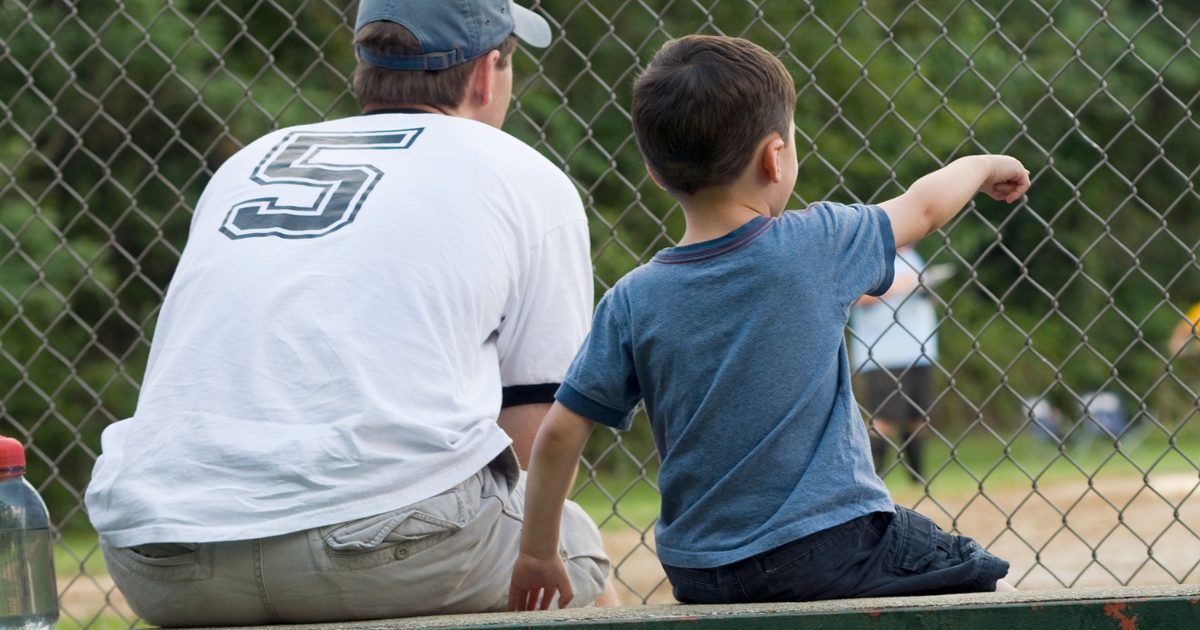
Father and son watching a baseball game at a local field as part of a homeschool outing.

Integrating Sports Field Trips into Your Homeschool Curriculum

Planning an educational sports field trip isn’t difficult, but it helps to think ahead and connect it to your broader learning goals. Here’s a step-by-step guide to make the most of your time:

  1. Pre-Game Prepwork

Before heading to the sporting event, spend some time introducing your homeschoolers to what they’ll see. For instance:

  • Research the sport’s rules and scoring.
  • Discuss the teams that will be playing, including team histories or key players.
  • Explore any connections to your curriculum, like math, physics, or cultural studies.

Create a few questions to guide their focus during the game. For example, “How many times does Player A pass during the first quarter?” keeps them engaged and observant.

  1. During the Game

While at the sporting event, encourage your kids to stay actively involved:

  • Take notes or create a tally of stats.
  • Observe player dynamics, teamwork, or even mistakes.
  • Listen to the announcers as they often share interesting trivia or strategies.

Don’t forget to enjoy the atmosphere with them—part of the experience is soaking up the cheers, the energy, and the thrill that creates lasting memories.

  1. Post-Game Lessons and Activities

Once the game is over, the learning doesn’t stop. This is the perfect time to reflect and expand on what your homeschoolers experienced:

  • Ask reflective questions like, “What was the most exciting part of the game?” or “Did any players show good sportsmanship?”
  • Create projects such as researching a team’s history, designing a math problem using game stats, or writing a story from the perspective of an athlete.
  • Go deeper into topics sparked by the event, such as learning about the physics behind a curveball or the geography of where the athletes come from.
  1. Tie it to Broader Homeschool Goals

Field trips shouldn’t feel like isolated activities. Instead, weave them into your homeschool objectives. For instance:

  • If you’re studying math, focus on sports statistics.
  • If your emphasis is history, research historical moments tied to a sport.
  • Use the trip to explore character education topics like perseverance and respect.

Making Educational Sports Field Trips Affordable

One concern homeschool families often have is the cost of field trips. Sporting events can feel pricey, but there are ways to make it work:

  • Look for local minor-league games, which are typically more affordable.
  • Check if the venue offers student or homeschool group discounts.
  • Consider attending less popular games or off-season events for reduced prices.

Even community-level games, like college sports or neighborhood tournaments, can serve as rich learning experiences—and they’re often free.

An Exciting And Engaging Package

A field trip to a sporting event is more than a day of fun; it’s a powerhouse of educational benefits wrapped in an exciting and engaging package. From observing teamwork on the field to crunching numbers in the stands, sports offer endless opportunities to connect the real world to homeschool lessons.

The best part? Your kids don’t feel like they’re sitting through another lesson. Instead, they’re immersed, inspired, and—most importantly—excited to learn. Next time you’re planning a field trip, consider adding a sporting event to the schedule. You might just discover that the thrill of the game is also the thrill of learning.

How To Keep Your Kids Physically Active During Wet Spring Weather

Spring is a season of renewal, but its wet and unpredictable weather can make it tricky for homeschooling families to ensure kids stay physically active. For children, movement isn’t just a way to burn off energy; it’s essential for their physical health, mental focus, and emotional balance. When outdoor play isn’t an option, parents can turn to creative indoor solutions. Here’s how you can keep your kids active, entertained, and engaged with rainy day physical activities.

Build Indoor Obstacle Courses

One of the most exciting ways to encourage movement is by setting up an indoor obstacle course. This activity is easily adjustable for kids of different ages and energy levels. Plus, it uses items you already have at home.

  • For younger children:
    • Use couch cushions to climb over.
    • Set up tunnels to crawl through using blankets and chairs.
    • Have them wiggle under a mop or broom held across two stools.
  • For older children:
    • Create balancing challenges with tape lines on the floor.
    • Incorporate exercises like squats, jumping jacks, or push-ups at specific “stations.”
    • Add tossing games, such as throwing a ball into a laundry basket.

Adapt the course to include elements like hula hoops, pillows, or yoga mats. Not only does this encourage their motor skills and balance, but it turns your home into a temporary play gym.

For an educational twist, combine learning with movement. Scatter flashcards or trivia questions at different checkpoints in the course. Kids must answer correctly before moving to the next obstacle. This approach helps their minds stay as active as their bodies.

Play Movement-Based Games

Classic movement-based games are perfect for indoor fun. They’re easy to organize and require little to no setup.

  • Simon Says and Red Light, Green Light are timeless options that get kids moving while remaining fun and interactive.
  • Add a twist to charades by having kids act out words with movements like hopping, stretching, or dancing.
  • Spice up scavenger hunts by adding physical challenges at each clue, such as doing five jumps or crab-walking to the next room.

Another great idea is a family dance-off. Play upbeat songs, make space in your living room, and compete to see who dances with the most flair. Dancing not only builds cardiovascular fitness but also improves coordination and rhythm.

For something guided, try dance workout videos made specifically for children. These combine physical activity with entertainment, making exercise feel like a fun break rather than an obligation.

Don’t forget board games! Turn regular games into active versions by assigning physical tasks for certain outcomes. For instance:

  • Landing on a specific space can mean 15 jumping jacks.
  • Rolling a particular number can lead to a 30-second plank challenge.

These simple adjustments transform quiet games into action-packed experiences for the whole family.

Practice Family Yoga and Stretching

Rainy days are a great time to slow down and focus on flexibility, mindfulness, and relaxation through family yoga sessions. Yoga is ideal for introducing your children to stretching, balance, and deep breathing.

  • Begin with simple poses like child’s pose, tree pose, or downward dog.
  • Make it interesting by turning poses into storytelling moments, such as becoming a “stretching cat” or a “strong mountain.”

Yoga not only supports physical health but also enhances concentration and patience. It’s a perfect counterbalance for active play, helping kids recharge their energy and calm their minds.

Consider using online resources like kid-friendly yoga tutorials for additional variety. Some platforms even include imaginative story-based flows that will hold your children’s attention while teaching them valuable skills.

If traditional yoga feels too structured, encourage freeform stretching. Kids can roll out a mat and create their own sequences. Stretching works particularly well as a warm-up for lessons or arts and crafts, keeping kids focused and ready to learn.


Get Creative with Household Items

You don’t need fancy equipment for rainy day physical activities for kids. Household objects can double as exercise tools with a little imagination.

  • Turn a stack of books into hurdles for jumping.
  • Use a broomstick as a limbo bar.
  • Set up bowling pins using empty water bottles.
  • Play balloon volleyball using an inflated balloon and a sofa as the net.

Use masking tape to create lines for indoor hopscotch or grids for tic-tac-toe. These games are simple to set up, make great use of limited space, and keep kids off screens for hours.

Another idea is creating relay races. For example:

  • Have children carry a small stuffed animal from one spot to another.
  • Balance an object like a plastic cup on their head as they race across the room.

Challenge your children to come up with their own games using everyday objects. This not only keeps them active but fosters problem-solving and creativity. It’s a perfect fit for homeschooling since it aligns physical activity with cognitive development.

Try Guided Exercise Videos

Online platforms offer various exercise routines tailored to kids. Guided videos are not only fun but also relieve parents of the task of planning activities.

  • Kid-friendly Zumba classes combine lively music with easy-to-follow dance moves.
  • Fitness channels often have age-appropriate workout sessions, including jumping, stretching, and playful exercises.

Encourage kids to follow along and enjoy these structured video workouts. Not only does this boost their physical health, but it also gives them practice in listening and staying focused.

Incorporate Active Learning Breaks

When kids sit too long for lessons or projects, energy can build up and lead to restlessness. Break up their day with short bursts of physical activity, like:

  • Doing five-minute jump roping.
  • Walking laps around the kitchen.
  • Trying a quick “freeze dance” session.

Use timers to structure active breaks into your schedule. This will result in kids who are more focused when it’s time to sit back down and learn.

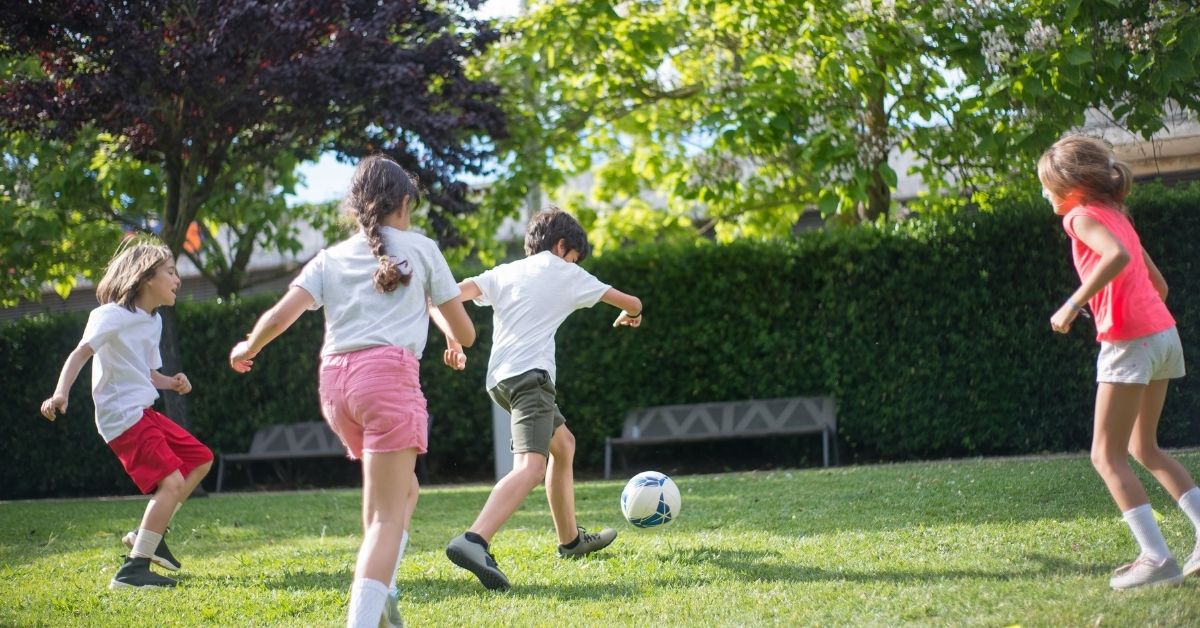
Group of happy children running and playing in the rain on a grassy field during spring, enjoying outdoor physical activity despite wet weather.

Benefits of Rainy Day Physical Activities

Finding ways to stay physically active indoors during spring rains isn’t just about keeping your kids busy. It builds lifelong habits of movement and adaptability. Active indoor days teach kids to enjoy exercise in various settings, showing them that physical health doesn’t depend on perfect outdoor conditions. Creative activities also help them see the value of turning challenging situations, like rainy weather, into opportunities for fun and problem-solving.

Rain doesn’t have to spoil your plans. By turning to creative solutions like obstacle courses, movement-based games, or yoga sessions, your homeschool environment can remain a dynamic and lively space for learning and growth. On the next rainy spring day, try these ideas to keep your kids moving and make the most of your indoor time together.

How To Implement Physical Education In Your Homeschool

Homeschooling offers the chance to personalize your child’s education, blending academic learning with life skills and personal development. But one area that can sometimes get overlooked is physical education. Keeping your kids active isn’t just about burning energy; it’s about fostering lifelong habits that contribute to their well-being.

The good news? Integrating physical education into your homeschool doesn’t have to be daunting. With some creativity and planning, you can make homeschool PE lesson plans fun, engaging, and effective. Below, we’ll explore actionable ideas, fitness routines for homeschooled students, and outdoor physical activities for homeschooled kids to keep your family thriving.

Why Physical Education Matters in Homeschooling

Physical education is about more than just staying active. It plays a vital role in your child’s overall growth and success.

  • Improves physical health by strengthening the heart, building muscles, and boosting overall fitness.
  • Enhances mental well-being by releasing endorphins to reduce stress and improve focus.
  • Promotes better learning through physical activity, which supports cognitive function and academic performance.
  • Teaches life skills like teamwork, persistence, discipline, and goal-setting.

By including fitness in your curriculum, you’re creating a balanced and holistic learning experience for your children.

Creating Homeschool PE Lesson Plans

Effective homeschool PE lesson plans don’t need to be overly complicated. Here’s how to design a program that works for your family.

  • Set Clear Goals: Define what you want to achieve. Whether it’s improving your child’s fitness, introducing a specific sport, or simply ensuring they move more during the day, having clear objectives will guide your lesson planning.
  • Include Variety and Fun: The key to keeping kids engaged is diversity. Mix up your activities to include cardio, strength training, flexibility exercises, and creative games. Examples include jump rope, dance parties, or yoga. Switching things up offers excitement and keeps kids motivated to participate.
  • Celebrate Progress: Acknowledge accomplishments, such as running longer distances or mastering a new skill, to keep them motivated. Tracking their achievements also helps identify areas for improvement and allows you to adjust plans as needed.
  • Maintain Consistency: Make physical education a regular part of your homeschool routine. Dedicating specific times or days to PE ensures it becomes as integral as any other subject in your curriculum.

Fitness Routines for Homeschool Students

Creating fitness routines for homeschooled students can start with a thoughtful schedule that weaves physical activity into daily life. It could be as simple as dedicating 30 minutes to movement every day, whether in the form of stretching, cardio, or light strength activities. This consistency helps reinforce the importance of fitness from an early age.

Individual activities like yoga or jogging are fantastic for solo fitness while incorporating family walks or dance sessions can provide opportunities for group interaction. To keep things varied and engaging, consider blending both approaches. Some days might include creative solo challenges, while other sessions encourage teamwork and bonding through family sports or games.

Another tool to make routines enjoyable and effective is technology. Kid-friendly fitness apps and online workout videos bring fresh energy to exercise sessions. By leveraging these digital resources, homeschool PE lesson plans can remain dynamic and fun. Adding challenges or milestones, like tallying steps or mastering particular skills, can instill excitement and encourage children to set goals.

The ultimate aim is to foster routines that integrate seamlessly into homeschooling life, balancing structure and flexibility to suit your family’s needs.

Homeschool physical education activity — young children engaging in outdoor play with toys and physical games.

Outdoor Physical Activities for Homeschool Kids

Getting outside is one of the best ways to incorporate physical education. Outdoor physical activities for homeschooled kids inspire creativity, build stamina, and give children the chance to explore the world around them.

  • Explore Nature: Take walks, hikes, or bike rides in local parks or trails. These outings double as learning opportunities, where children can study local plants and wildlife while staying active.
  • Play Sports and Games: Backyard frisbee, soccer, or tag are excellent options for movement-packed fun. Simple games like these foster teamwork and refine motor skills in an engaging way.
  • Try Water-Based Activities: Swimming, sprinklers, or water balloon challenges are fantastic for summer days. These activities are physically active and bring a refreshing twist to your outdoor routines.
  • Adapt to Your Space: Whether you have a backyard, a nearby park, or even a small driveway, outdoor activities can be customized to fit your environment and resources. Creativity ensures space limitations never hold you back.

Outdoor activities offer endless possibilities to blend exercise with exploration.

Overcoming Common Challenges in Homeschool PE

Finding time for physical education can feel overwhelming in an already packed homeschool schedule. The key is treating it like any other subject. Short bursts of focused activity can work wonders, even if you only have 15-20 minutes. By making it a consistent part of the daily routine, PE becomes a natural element of your homeschooling day, rather than an afterthought.

Lack of equipment or proper facilities is another common challenge. Fortunately, physical education doesn’t require fancy gym gear. Exercises like push-ups, jump rope, or yoga rely only on body weight or minimal equipment. Items already in your home, like stairs or household objects, can be creatively repurposed for workout sessions. This flexibility means you can create effective lessons regardless of space or resources.

Keeping kids motivated in PE can require a more personalized approach. Allowing your children to contribute to activity planning encourages buy-in. They can choose sports, games, or fitness goals that excite and inspire them. Adding fun elements, like family competitions or milestone rewards, can help sustain their enthusiasm. Flexibility combined with a focus on enjoyment ensures kids stay engaged and energized in their fitness routines.

With a little effort and creative thinking, these challenges can be turned into opportunities for growth and bonding.

Adapting PE for All Ages

Physical education needs to be age-appropriate to keep every student engaged, whether you’re working with preschoolers or teens.

  • Younger Children: Focus on activities that incorporate play, like hopscotch or backyard obstacle courses. These games help develop motor skills, coordination, and balance while keeping things lighthearted and fun.
  • Older Kids and Teens: Introduce more structure with sports, strength-building exercises, or fitness challenges. Empower your teens to set their own fitness goals, like improving their endurance or exploring a specific physical discipline such as martial arts or running.
  • Family-Wide Activities: Engage the whole family in physical education with group workouts, dance-offs, or weekend hikes. Family participation not only makes fitness more enjoyable but also encourages everyone to adopt healthier habits together.

Homeschool PE is most effective when it’s inclusive, adaptable, and enjoyable for all ages.

Encourage Lifelong Healthy Habits

Integrating physical education into your homeschool routine is about fostering lifelong skills. It teaches children the value of movement and well-being beyond academics.

From crafting diverse fitness routines for homeschooled students to exploring outdoor physical activities for homeschooled kids, physical education can be tailored to suit every lifestyle. By getting creative and leading by example, your family can discover the fun and rewards of staying active together.

Start with small steps, prioritize consistency, and enjoy the process. With the right approach, physical education can become a highlight of your homeschooling experience and provide lasting benefits for your family.