
How To Incorporate Fall Themed Projects Into Unit Studies

The air is getting crisp, the leaves are starting to turn brilliant shades of red and gold, and pumpkin spice is officially everywhere. Autumn is a season of change and wonder, making it the perfect time to refresh your homeschool routine. One of the best ways to capture the magic of the season is by weaving it into your lessons. If you’re looking for some fantastic fall unit study ideas, you’ve come to the right place. We’re going to explore how to turn this colorful season into a powerhouse of hands-on learning.

Unit studies are a fantastic way to dive deep into a topic, integrating multiple school subjects around a central theme. Instead of teaching science, history, and language arts as separate, boxed-in subjects, a unit study connects them. The fall season provides an incredibly rich and engaging theme that naturally lends itself to this holistic approach. You can study the science of changing leaves, the history of harvest festivals, the math involved in baking a pie, and the art of a sunset, all under the umbrella of autumn.

Getting Started With Your Fall Unit Study

Before you dive headfirst into a pile of leaves (and lesson plans), it’s helpful to lay a little groundwork. The beauty of a unit study is its flexibility. You can make it as simple or as elaborate as you want, depending on your children’s ages, interests, and your own teaching style. A great starting point is a simple brainstorming session. Grab a cozy blanket, a warm drink, and a notebook, and start jotting down everything that comes to mind when you think of fall.

Your list might include things like:

  • Pumpkins
  • Apples
  • Changing leaves
  • Migration and hibernation
  • Harvest
  • Corn mazes
  • Thanksgiving
  • Spiders
  • Scarecrows
  • Cozy sweaters and bonfires

Once you have your list, circle a few key topics that spark the most excitement for you and your kids. These will become the cornerstones of your unit study. From there, you can start thinking about specific activities and how they connect to different subjects. Don’t feel pressured to cover everything. Pick what works for your family and run with it!

Awesome Fall Unit Study Ideas And Activities

Ready for the fun part? Here are some subject-specific ideas to get your creative juices flowing. Remember to adapt these to fit the age and skill level of your children. The goal is to make learning feel less like a chore and more like an adventure.

Science: The World in Transition

Fall is a biologist’s and botanist’s dream! The natural world is buzzing with activity, providing endless opportunities for scientific discovery right in your backyard.

  • Leaf Chromatography: Why do leaves change color? This simple experiment can show your kids the hidden pigments in a green leaf. All you need are some leaves, a jar, rubbing alcohol, and a coffee filter. Mash the leaves in the jar, add a little alcohol, and place a strip of coffee filter into the mixture. In a few hours, you’ll see the different pigments (like yellow and orange) separate on the paper.
  • Animal Adaptations: Explore how animals prepare for winter. You can create a chart to track which animals migrate (like monarch butterflies and geese) and which hibernate (like bears and groundhogs). Build a “hibernation den” out of pillows and blankets for younger kids or research the incredible journey of a specific migratory bird with older students.
  • Pumpkin Science: Don’t just carve your pumpkin—dissect it!
  1. Estimate & Measure: Before cutting it open, have your kids estimate its weight, circumference, and the number of seeds inside.
  2. Investigate: Use a kitchen scale and measuring tape to find the actual numbers. Compare the results with your estimates.
  3. Sink or Float?: Fill a large tub or your bathtub with water and see if the pumpkin floats. Discuss density and why something so heavy can still float.
  4. Decomposition: Place the pumpkin outside after Halloween and observe its decomposition process over several weeks. Create a journal to sketch or take pictures of the changes.

Math: Numbers in Nature and the Kitchen

Math: Numbers in Nature and the Kitchen

Math is all around us, and fall provides some delicious and tangible ways to practice key skills. From the farmers market to the kitchen, numbers come to life.

  • Apple Orchard Math: A trip to the apple orchard is a classic fall activity. Turn it into a math lesson!
  • Younger kids can practice counting by sorting apples by color or size.
  • Older kids can calculate the cost of a bag of apples based on weight and price per pound.
  • Practice fractions by cutting apples into halves, quarters, and eighths.
  • Baking Fun: Baking a pumpkin or apple pie is a perfect autumn-themed learning activity. Doubling a recipe involves multiplication, measuring ingredients uses fractions, and timing the bake is a practical application of time-telling. Let your kids take the lead on reading the recipe and measuring the ingredients.
  • Geometric Leaf Art: Gather a variety of leaves and have your kids identify shapes within them. Can they find triangles, ovals, or stars? They can also use the leaves to create tessellations or symmetrical patterns, exploring geometric concepts in a creative way.

History & Social Studies: Harvests and Traditions

Autumn is steeped in history, from ancient harvest festivals to more modern traditions. This is a great time to explore how people have celebrated the season throughout time and around the world.

  • The History of Thanksgiving: Move beyond the traditional story of Pilgrims and Native Americans. Research the Wampanoag tribe and their way of life. Learn about Sarah Josepha Hale, the woman who campaigned for decades to make Thanksgiving a national holiday. You could even cook a meal using only ingredients that would have been available at the first Thanksgiving.
  • Harvest Festivals Around the World: Many cultures have celebrations centered around the harvest. Research festivals like the Mid-Autumn Festival in China, Sukkot in Judaism, or Erntedankfest in Germany. Compare and contrast their traditions, foods, and meanings. This is a wonderful way to incorporate geography and cultural studies.
  • Local History: Investigate your own town’s history. Did it start as a farming community? Are there any local legends or historical events tied to the autumn season? A visit to a local historical society or museum can be a great field trip.

Language Arts: Reading, Writing, and Storytelling

The cozy atmosphere of fall is perfect for curling up with a good book or writing a spooky story. The season provides endless inspiration for language arts projects. You can select a few chapter books to read aloud as a family, focusing on autumnal themes. Books like The Little House on the Prairie series have wonderful descriptions of seasonal preparations, while a classic like The Legend of Sleepy Hollow can set a perfectly spooky mood for older readers.

Encourage creative writing by providing fall-themed story prompts. What if a scarecrow came to life? What adventures would a migrating goose have on its journey south? For a fun poetry lesson, have your kids write acrostic poems using words like “AUTUMN,” “PUMPKIN,” or “HARVEST.” This helps them practice descriptive language and vocabulary while being creative. Don’t forget to practice practical writing, too; writing down the steps for your leaf chromatography experiment is great practice for procedural writing.

Art & Music: Capturing the Beauty of the Season

The colors, sounds, and textures of fall are a feast for the senses, making it an ideal muse for art and music projects. Don’t just look at the beauty—create it! Gather natural materials on a nature walk, like colorful leaves, acorns, pinecones, and twigs. Use these to create a beautiful nature collage or build small sculptures. Leaf rubbing is a classic activity for a reason; it’s simple, fun, and reveals the intricate vein patterns of each leaf.

Musically, you can explore Vivaldi’s “Autumn” from The Four Seasons and discuss how the music evokes images of the season. Listen for the energetic harvesting dance or the gentle patter of rain. You could even create your own fall soundtrack by making a playlist of songs that feel “autumnal” to your family, discussing why each song fits the mood. These activities help children express their perceptions of the season in creative, non-verbal ways.

Bringing It All Together

The magic of a unit study happens when you connect all these different threads. As you conduct your pumpkin science experiment, read a book about a pumpkin patch. While learning about the history of Thanksgiving, bake a pie and practice your math skills. The connections are what make the learning stick. A fall unit study doesn’t have to be overwhelming. It can be as simple as a week spent focusing on apples or as complex as a month-long exploration of harvest traditions. The most important thing is to follow your children’s curiosity and have fun together.

Find More Homeschool Inspiration

We hope these ideas have sparked your imagination for creating an unforgettable fall learning experience. By embracing seasonal homeschool projects, you can make education a natural and joyful part of your family’s life.

Looking for more tips, resources, and encouragement for your homeschool journey? Explore the DKM Homeschool Resource blog. We have a wealth of articles designed to support you every step of the way, from curriculum choices to daily scheduling and everything in between.


Top 5 Themes for Unit Study Homeschooling and How to Explore Them

Homeschooling often provides the flexibility to craft your child’s education in a way that is both engaging and personalized. One popular approach among homeschooling families is unit study homeschooling. This method focuses on exploring a single theme or topic across multiple subjects, helping children make connections and learn holistically. 

Below, we’ll explore five of the best unit study themes for homeschool, along with actionable ways to teach and expand upon them.

1. Nature And The Environment 

Nature-based unit studies are a fantastic way to engage children with the world around them. Exploring the environment not only teaches science but also incorporates art, geography, and even history. Themes like ecosystems, the water cycle, or endangered species can be used as central ideas to build lessons across subjects. 

Practical Ways to Explore:

  • Science: Study local ecosystems. Take field trips to nature reserves or nearby parks to observe wildlife and plant life. Help children create a journal of their findings, complete with labeled diagrams and notes. 
  • Geography: Identify where various biomes, such as rainforests, grasslands, and tundras, exist around the globe. Incorporate map reading exercises. 
  • History: Learn about historical figures who worked to protect the environment, such as John Muir or Rachel Carson. Discuss the evolution of environmental policies. 
  • Art and Craft: Encourage your child to make leaf rubbings, paint landscapes, or create a 3D model of a rainforest. 

For younger children, topics like “seasons” or “life cycles” can provide a simpler approach. Meanwhile, older students can explore subjects such as climate change or renewable energy. 

2. Ancient Civilizations 

Ancient civilizations like Ancient Egypt, Greece, or Rome make fascinating unit study themes, offering rich avenues to explore history, literature, art, and science. By linking various subjects to one overarching topic, children gain a deeper and more meaningful understanding of the lives and cultures of those historic times. 

Using this theme, you can pair historical dates with hands-on activities and critical thinking exercises to make the past come alive.

How to Teach and Expand on This Theme:

  • Create timelines to place key events in context. 
  • Build small dioramas of famous structures such as the Pyramids of Giza or the Parthenon. 
  • Encourage creative writing by having children imagine life as a merchant or soldier in Ancient Rome. 
  • Research inventions that originated in ancient times, such as the concept of democracy in Greece or the aqueducts of Rome. 
  • For a culinary twist, try making foods inspired by traditional recipes from these civilizations. Ancient Egyptian bread or Roman honey cakes can make history delicious! 

While this theme is especially suitable for elementary or middle school learners, high school students can add complexity by exploring topics like ancient philosophy, political systems, or even archaeological methods. 

Space Exploration

3. Space Exploration 

Space-themed unit studies are bound to captivate both younger and older children alike. Outer space provides endless opportunities to incorporate science, technology, engineering, art, and math (STEAM). Whether discussing astronauts, planets, or black holes, this theme nurtures curiosity about our universe.

Introducing this topic can pave the way for interactive activities as children connect theory with application.

Teaching Ideas:

  • Astronomy Basics: Teach the names and characteristics of planets. Use apps like star maps to identify constellations at night. 
  • Interactive Models: Build scale models of the solar system using craft materials. 
  • STEM Challenges: Tasks like designing and testing paper rockets can help kids learn about propulsion and aerodynamics. 
  • History of Space Exploration: Introduce famous figures in space history, such as Neil Armstrong, Katherine Johnson, and Mae Jemison. Kids can create timelines of space missions from the Apollo program to today’s Mars Rover expeditions. 
  • Literature Connection: Incorporate books about space or even science fiction stories that inspire imagination and creativity. 

Encourage critical thinking by discussing ethical questions, like the effects of space exploration on the environment or whether Mars colonization is practical and necessary. 

4. Human Body And Health 

Teaching children about the human body not only covers biology and anatomy but also opens discussions on health, fitness, and wellbeing. This theme allows children to better understand how their bodies work while instilling habits for maintaining a healthy lifestyle.

This unit study is highly interactive and lends itself to hands-on exploration, which is perfect for maintaining engagement.

Ways to Explore This Theme:

  • Anatomy: Study the major organ systems, such as the digestive or circulatory system. Visual aids like puzzles or 3D printed organ models make lessons more engaging. 
  • Health Science: Discuss nutrition and the food pyramid. Have kids create meal plans that reflect a balanced diet. 
  • Fitness: Incorporate movement by experimenting with different exercise routines and tracking how they affect heart rate. 
  • Art and Writing Projects: Ask kids to draw diagrams of the human body or write reports on how specific organs work together (e.g., the heart and lungs). 
  • Practical First Aid: Teach basic first aid techniques. Older children can learn CPR or how to create a basic first aid kit. 

Exploring topics such as sleep, the immune system, or mental health is another excellent way to extend this theme. Tailor your content based on what’s developmentally appropriate for your child’s age. 

5. Careers And Community 

Understanding the world of work and the concept of community helps children grasp real-life applications of their learning. This theme can illuminate how people contribute to society through their professions and the services they provide. 

Careers and community studies are incredibly versatile. They can be tailored to spark your children’s aspirations or develop their appreciation for teamwork and social systems.

How to Teach This Theme in Practical Ways:

  • Research Professions: Have your kids choose a career they’re interested in. They can research what skills these roles require, the daily tasks involved, and how these roles benefit society. 
  • Meet the Professionals: Arrange virtual or in-person interviews with community members like firefighters, doctors, or artists. 
  • Community Structure: Learn about local government and how decisions impact neighborhoods. 
  • Service Projects: Engage in community service. Examples could include volunteering at a local food bank or organizing a donation drive, which also ties in lessons about empathy and responsibility. 
  • Real-World Math: Use role-playing activities like running a pretend store to teach budgeting, cost analysis, and basic economics. 

While younger children might explore this theme by learning about simple community helpers like postal workers, older kids can tackle more complex societal structures such as the legal system, engineering, or entrepreneurship. 

Why Unit Study Homeschooling Works 

Unit studies encourage children to see the interconnectedness between different subjects, creating a learning experience that is diverse, deep, and tailored to their interests. They allow students to explore topics with both creativity and critical thinking, leading to better retention and greater enthusiasm for learning. 

For parents, the unit study approach offers flexibility. You can adjust the depth of the topic based on your child’s age and level of readiness, making it possible to teach multiple-aged siblings under the same theme. Additionally, integrating practical, hands-on activities ensures lessons are fun and impactful. 

Getting Started with Unit Studies 

If you are new to using unit studies in homeschooling, start with themes your child is naturally curious about. Build from there by gathering resources such as library books, online videos, or printable activity guides. Don’t be afraid to think outside the box—trips to museums, themed craft projects, or even family movie nights related to a particular topic can enrich your lessons. 

Planning is key. Outline a rough schedule but stay adaptable. Some themes may take weeks to fully explore, while others might only span a few days. Remember, homeschooling is about creating meaningful learning experiences rather than meeting rigid deadlines, so adjust as needed. 

By blending academics with creativity, unit studies can transform your homeschool into a dynamic learning environment where exploration and discovery take center stage. From nature to space and beyond, the possibilities are endless—and so is your child’s capacity to learn.

Unit Study: Why It Is So Popular In Homeschooling

Parents exploring homeschooling options often feel overwhelmed by the sheer number of educational approaches available. Among the most celebrated methods is unit study homeschooling, a dynamic approach that weaves multiple subjects around a central theme or topic. This integrated learning style has captured the hearts of families worldwide, transforming education from isolated subject silos into rich, interconnected learning experiences.

Unit studies offer something traditional classroom education rarely achieves: the natural way children actually learn. When your child becomes fascinated with dinosaurs, ancient civilizations, or space exploration, unit studies harness that enthusiasm and turn it into comprehensive educational gold. This approach doesn’t just teach facts; it creates lasting memories and deep understanding that spans across traditional subject boundaries.

The popularity of unit study homeschooling continues to grow as more families discover its flexibility, effectiveness, and ability to accommodate different learning styles within the same household. Whether you’re a seasoned homeschooling parent or just beginning your journey, understanding why unit studies have become a cornerstone of home education will help you make informed decisions about your family’s learning path.

What Makes Unit Study Homeschooling So Appealing

Unit study homeschooling stands out because it mirrors how children naturally learn and explore the world around them. When a child becomes curious about butterflies, they don’t just want to know about the science of metamorphosis—they’re interested in the math of symmetry in butterfly wings, the geography of migration patterns, the history of butterfly collecting, and the art of nature journals. Unit studies capitalize on this natural curiosity by building entire educational experiences around single themes.

The beauty of unit study homeschooling lies in its organic approach to learning. Instead of forcing children to switch between disconnected subjects every hour, unit studies allow deep dives into topics that capture imagination. This depth creates stronger neural pathways and better retention than surface-level coverage of multiple unrelated topics.

Flexibility represents another major draw for homeschooling families. Unit studies can last anywhere from one week to several months, depending on your child’s interest level and the depth of the topic. You can adjust the complexity for different age groups, making it perfect for families with multiple children. A unit on Ancient Egypt might involve simple pyramid building with blocks for a preschooler, hieroglyphic writing practice for an elementary student, and research projects on Egyptian contributions to mathematics for a middle schooler.

The approach also reduces the stress of curriculum planning. Instead of juggling multiple textbooks and lesson plans across various subjects, parents can focus their energy on one comprehensive theme. This streamlined approach often leads to more engaging and less overwhelming educational experiences for both parents and children.

Unit studies excel at making abstract concepts concrete and relevant. History comes alive when children cook Roman recipes, write with quill pens, or build medieval castles. Science concepts become tangible through hands-on experiments and real-world applications. Literature takes on new meaning when read within historical and cultural contexts that unit studies naturally provide.

Popular Homeschool Methods That Incorporate Unit Studies

Popular Homeschool Methods That Incorporate Unit Studies

Classical Education and Unit Studies

The classical education model, with its emphasis on the trivium (grammar, logic, and rhetoric), pairs beautifully with unit study approaches. During the grammar stage, unit studies provide rich content for memory work and fact absorption. Students might memorize poetry related to their current theme, learn historical timelines, or practice math facts through themed games and activities.

In the logic stage, unit studies offer perfect opportunities for students to analyze relationships between different subjects and time periods. A unit on the Renaissance might involve comparing artistic techniques, analyzing the impact of the printing press on society, and debating the ethics of patronage systems. These cross-curricular connections strengthen critical thinking skills that classical education values.

The rhetoric stage benefits from unit studies through comprehensive research projects, presentations, and written work that demonstrates mastery across multiple disciplines. Students can create documentaries, write historical fiction, or present persuasive arguments about historical events, all while demonstrating their ability to synthesize information from various sources and subjects.

Charlotte Mason Method Integration

Charlotte Mason’s philosophy of education as “an atmosphere, a discipline, a life” aligns perfectly with unit study homeschooling. Unit studies provide the rich atmosphere Mason advocated through immersion in beautiful literature, quality artwork, and nature study connected to themes.

Living books—Charlotte Mason’s alternative to dry textbooks—form the backbone of many unit studies. A unit on American pioneers might center around Laura Ingalls Wilder’s books, supplemented with period poetry, primary source documents, and nature guides from the prairie states. This approach ensures students encounter ideas through engaging narratives rather than sterile fact recitation.

Nature study, a cornerstone of Charlotte Mason education, integrates seamlessly into unit studies. A unit on ecosystems naturally incorporates regular nature walks, nature journals, and outdoor observations. Students develop the Mason-emphasized habit of attention while making scientific observations that support their themed learning.

Montessori-Inspired Unit Studies

Montessori principles of following the child’s interests and providing prepared environments work exceptionally well with unit study approaches. Unit studies can be designed around children’s naturally emerging interests, allowing them to pursue topics with the depth and duration that Montessori education encourages.

The Montessori concept of cosmic education—helping children understand their place in the universe through interconnected learning—is essentially what unit studies accomplish. A unit on water might explore the water cycle (science), ancient irrigation systems (history), water-dependent ecosystems (biology), water poetry (language arts), and measurement through water experiments (mathematics).

Mixed-age learning, common in Montessori environments, works beautifully with unit studies. Older children can mentor younger ones, while each child engages with the material at their appropriate level. The collaborative nature of many unit study activities mirrors the Montessori classroom’s emphasis on peer learning and community building.

Unit Studies in Eclectic Homeschooling

Many homeschooling families adopt eclectic approaches, borrowing elements from various educational philosophies. Unit studies provide an excellent framework for eclectic homeschoolers because they can incorporate diverse teaching methods within single themes.

An eclectic family might combine Charlotte Mason’s living books with Montessori hands-on activities, classical memory work, and modern technology resources—all within one unit study. This flexibility allows parents to customize education to their children’s learning styles while maintaining thematic coherence.

The project-based learning popular in modern education translates well into unit study formats. Students can create websites about their topics, produce videos, design games, or build models—all while covering traditional academic subjects through their projects.

Thematic Learning For Homeschool: The Heart Of Unit Studies

Thematic learning for homeschool represents the core principle that makes unit studies so powerful. When learning revolves around central themes, children see connections between subjects that traditional education often leaves fragmented. These connections create what educators call “transfer learning”—the ability to apply knowledge gained in one context to new and different situations.

Consider a unit study on flight. Science lessons might explore aerodynamics, air pressure, and the physics of lift. Mathematics enters through calculations of speed, distance, and fuel consumption. History lessons could cover the Wright brothers, World War II aviation, and the space program. Literature might include stories about pilots, poetry about birds, and biographies of aviation pioneers. Geography naturally incorporates flight paths, time zones, and the impact of aviation on global connectivity. Art activities might involve designing aircraft, studying bird anatomy, or creating flight-themed artwork.

This interconnected approach helps children understand that knowledge doesn’t exist in isolated compartments. They begin to see how scientists use math, how history influences literature, and how geography affects cultural development. These insights prepare them for real-world problem-solving, where solutions typically require knowledge from multiple disciplines.

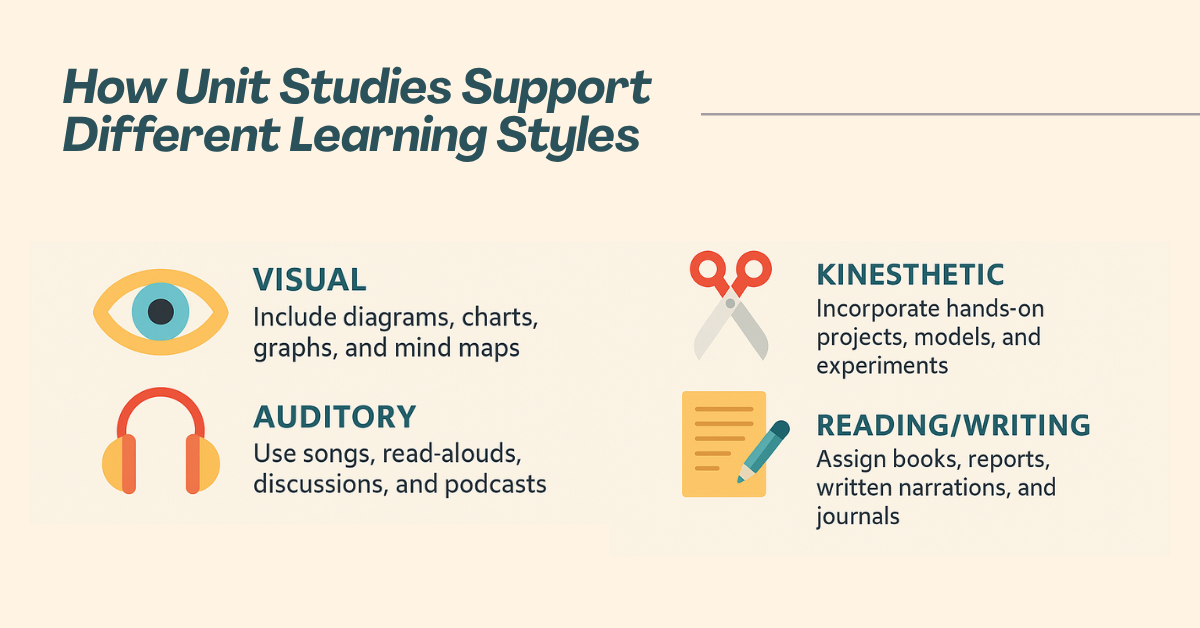
Thematic learning also accommodates different learning styles within single lessons. Visual learners benefit from maps, charts, and artwork related to themes. Auditory learners engage through storytelling, music, and discussions. Kinesthetic learners participate through hands-on experiments, building projects, and role-playing activities. This multi-modal approach ensures every child finds pathways to understanding, regardless of their preferred learning style.

The retention benefits of thematic learning are substantial. When children learn about Ancient Greece through multiple subject lenses, they form numerous mental connections to the material. They might remember Archimedes through his mathematical discoveries, his historical context, the myths and stories of his culture, and the hands-on experiments that demonstrate his principles. These multiple pathways to the same information create robust memory networks that single-subject learning rarely achieves.

Thematic learning for homeschool also provides natural assessment opportunities. Instead of separate tests for each subject, parents can observe learning through integrated projects that demonstrate understanding across multiple areas. A child who creates a medieval feast demonstrates knowledge of history, geography, math (through recipe scaling), reading (through recipe following), and cultural studies (through food traditions).

Making Unit Studies Work: Practical Implementation Strategies

Successfully implementing unit study homeschooling requires thoughtful planning and realistic expectations. The key lies in balancing structure with flexibility, ensuring academic rigor while maintaining the joy of discovery that makes unit studies so appealing.

Choosing Appropriate Topics

  • Select themes that offer rich connections across multiple subjects
  • Consider your children’s current interests and developmental stages
  • Ensure topics have sufficient depth for extended study
  • Balance child-led interests with parent-guided educational goals
  • Look for themes that align with your state’s educational standards

Planning Duration and Scope

  • Start with shorter unit studies (2-4 weeks) to gauge family preference
  • Allow flexibility to extend engaging units or wrap up less interesting ones
  • Plan for natural seasonal connections (studying plants in spring, weather in winter)
  • Create yearly overviews to ensure balanced coverage of different topics
  • Build in review periods to reinforce learning from previous units

Resource Gathering and Preparation

  • Collect living books, documentaries, and online resources before starting
  • Prepare hands-on materials and craft supplies in advance
  • Create lists of field trip opportunities and community resources
  • Establish relationships with librarians who can help locate theme-related materials
  • Set up physical spaces that support themed learning and project work

Balancing Skills and Content

  • Maintain consistent practice in fundamental skills like reading and math
  • Integrate skill practice into themed activities when possible
  • Designate specific times for skills work that doesn’t fit naturally into themes
  • Use themed content as context for practicing writing, research, and presentation skills
  • Track skill development alongside content mastery

Documentation and Assessment

  • Keep portfolios of projects, writing samples, and photos of hands-on activities
  • Use rubrics that evaluate both content knowledge and skill development
  • Encourage children to self-assess their learning through reflection journals
  • Create culminating projects that demonstrate understanding across multiple subjects

The magic of unit study homeschooling emerges when families commit to the process while remaining flexible about the details. Some units will captivate your children beyond your expectations, leading to deeper exploration and extended learning. Others might lose their appeal quickly, requiring graceful transitions to new topics. This ebb and flow is normal and healthy—it reflects the natural learning process that unit studies are designed to honor.

Unit studies also provide excellent opportunities for family bonding and shared learning experiences. Parents often find themselves learning alongside their children, discovering new interests and gaining fresh perspectives on familiar topics. This shared journey strengthens family relationships while modeling lifelong.

How to Balance Structure and Flexibility in Unit Study Homeschooling

Homeschooling offers a unique opportunity for families to craft an educational experience tailored to each child’s interests and learning style. Unit studies, in particular, bridge multiple subjects around a common theme, encouraging deeper understanding and engagement. Yet, a common challenge lies in balancing the structure needed for educational progress with the flexibility that fosters creativity and student-led exploration. 

If you’re navigating how to strike this balance effectively, this expanded guide will help you create a homeschooling experience that maintains both direction and adaptability. We’ll share actionable strategies, practical tools, and inspiring examples to help you and your children thrive with unit study homeschooling. 

Why Is Balancing Structure And Flexibility Important? 

Unit study homeschooling thrives on its versatility. It inherently encourages learners to investigate topics that captivate them while connecting these subjects to broader academic concepts. However, without appropriate structure, this method can feel chaotic or result in unaddressed gaps across essential subjects. 

Conversely, leaning too far into rigid planning can hinder enthusiasm, stifle curiosity, and limit the dynamic nature of a child-led approach. Striking a balance ensures unit studies remain effective, engaging, and fulfilling for students and parents alike. 

By blending structure and flexibility, you can enjoy the best of both worlds:

  • Measurable Progress: Structured planning ensures critical academic milestones are met. 
  • Boosted Engagement: Flexible exploration fosters genuine interest and a lifelong love of learning. 
  • Stress Reduction: Balancing the two minimizes parental overwhelm and helps children feel empowered yet guided. 

Ultimately, homeschooling is about tailoring education to your family, and balanced unit studies enable this customization in a sustainable way. 

1. Establishing Clear Goals As Your Foundation 

Every successful unit study begins with a clear understanding of its objectives. Having defined goals provides a framework to guide your lessons and ensures that essential concepts are addressed while leaving room for adaptability. 

How to Set Effective Goals 

1. Identify the Big Ideas 

Decide on the overarching theme for your unit study. For instance, a theme like “Ocean Ecosystems” might cover science (marine biology), geography (ocean currents), and research skills.

2. Break Goals into Subjects and Skills 

List core academic areas and key skills for focus. For an “Ocean Ecosystems” study, you might aim for:

  • Science: Understanding biodiversity and human impact on oceans. 
  • Language Arts: Researching and writing about marine life. 
  • Math: Measuring sea levels or calculating saltwater density. 

3. Create Measurable Outcomes 

Define how you’ll track progress. Academic outputs could range from completing experiments to presenting mini-reports. Tracking doesn’t need to feel like “testing.” For instance, your child might write a short story from the perspective of a sea turtle, combining creativity with factual knowledge.

Example in Practice 

If the goal is to learn about space exploration, break it into smaller, flexible objectives like building a model rocket (engineering), learning planetary distances (math), and studying famous astronauts (history). Your child might also decide to create a diorama of the International Space Station—turning personal interest into hands-on learning. 

Building Flexibility Around Adaptable Resources 

2. Building Flexibility Around Adaptable Resources 

Modern homeschooling offers a wealth of resources that support both structure and creative exploration. By choosing tools that can easily adapt to tangents or pivots in interest, you create a flexible but purposeful learning flow. 

The Best Resources for Adaptive Unit Studies 

  • Resource-Rich Libraries and eBooks 

Check out books tailored to your chosen theme at public or digital libraries. For younger learners, picture books or interactive readers enhance engagement. For older students, look for academic-level texts or biographies. 

  • Project Kits 

Kits for hands-on activities, such as DIY science experiments or robotics projects, work well as they lead students through structured processes while sparking curiosity about related topics. 

  • Online Learning Platforms 

Websites like Khan Academy allow for discovery at your child’s pace. For example, a unit on dinosaurs could involve designing fossils in Minecraft—a digital, exploratory spin on the topic. 

Supplement your studies with trips to zoos, aquariums, or historical landmarks. A unit on ancient civilizations, for example, could be complemented with a museum outing featuring artifacts or exhibits. 

By leaning on these adaptable resources, you can guide students without confining their natural curiosity. 

3. Designing A Flexible Daily Schedule 

While homeschooling allows for more freedom than traditional schooling, having some semblance of routine keeps studies on track. Flexible scheduling ensures structure without feeling restrictive. 

Tips for Crafting a Balanced Routine 

  1. Set Weekly Goals
    Write a list of must-dos for the week, such as completing a science experiment or visiting a local observatory. Allow your child to prioritize which day to tackle specific tasks. 
  2. Use Time Blocks
    Dedicate specific blocks of time for immersive learning around unit themes. For instance, a morning session might focus on “core” activities like reading, while an afternoon is reserved for hands-on experiments or arts integration. 
  3. Build in Free Exploration
    Encourage independent learning by dedicating time for your child’s projects. For example, they might write a song about photosynthesis or create a board game inspired by ancient Rome during this unscheduled “curiosity hour.” 

Overcoming Scheduling Challenges 

What if your child doesn’t stick to the schedule? Recognize that flexibility is your safety net—if structured plans occasionally fall apart, revisiting the topic later often deepens long-term retention and interest. 

4. Empowering Independence And Creativity 

One of the beauties of unit study homeschooling is its ability to empower self-driven learners who are critical thinkers, creators, and problem-solvers. When you give children a say in their education, they’re more likely to develop a love for learning that extends well beyond the classroom. 

Encouraging Independent Ideas 

Invite your child to brainstorm topics they’re curious about. From there, collaboratively build a unit study. For example:

  • A budding artist might prefer pulling in art history during a “Renaissance” unit by recreating famous paintings. 
  • A tech-savvy student might enjoy programming a simulation of the solar system in an online coding platform. 

Giving them options builds confidence and encourages a sense of ownership. 

Ways to Infuse Creativity Daily 

  • Creative Presentations: Convert research papers into plays, sculptures, or digital videos. 
  • Experimental Learning: Use kitchen science to explore chemical reactions. For instance, while studying acids, you can make homemade lemon volcanoes. 
  • Collaborative Family Projects: Make unit studies social by inviting siblings or parents to contribute. A family tree project, for instance, combines storytelling with history.

Balancing structure and creativity shines most when students surprise you with how enthusiastically they engage with their chosen paths. 

5. Avoiding And Overcoming Common Pitfalls 

Balancing flexibility and structure doesn’t always go smoothly. Here’s how to address common obstacles before they derail your plans. 

Pitfall 1: Planning Too Tightly 

Overplanning can feel overwhelming to children and limits discovery. Try sketching broad weekly outlines, not rigid daily timetables. 

Pitfall 2: Lack of Oversight 

Allowing unstructured learning to rule the day may lead to missed core concepts. Counter this by incorporating “anchored” learning goals into independent exploration. 

Pitfall 3: Ignoring Student Feedback 

If a particular method isn’t working, pivot. When your child seems uninterested, involve them in reworking the studies. 

Pitfall 4: Measuring Success Solely by Outcomes 

Instead of focusing strictly on grades or tangible results, celebrate important milestones like a growing curiosity about math or improved presentation skills. 

Finding Joy in the Homeschool Journey 

The phrase “balanced flexibility” might sound contradictory, but when implemented carefully, it becomes the heart of effective homeschooling. Unit studies offer endless possibilities for exploration, and developing a harmonious blend of structure and adaptability helps students thrive. 

When parents create spaces where children feel free to explore while supported with guidance, they unlock the best of unit studies—mutually rewarding education that fosters lifelong curiosity. Take it one goal, one discovery, and one “aha!” moment at a time, and remember to enjoy the learning process as much as the outcomes.

Your homeschool doesn’t need to be perfect—it just needs to work for your family!


Unit Study Homeschooling for Different Learning Styles

Unit studies are an excellent way to approach homeschooling, especially when you need to cater to diverse learning styles. This method allows you to integrate multiple subjects under a unifying theme, making education both engaging and comprehensive. The beauty of this approach lies in its flexibility—you can adapt it to suit the unique learning needs of your child. 

Below, we’ll explore practical ways to tailor unit studies for different learning styles and how to effectively use this method in your homeschooling setup.

Understanding Learning Styles In Homeschooling 

Before diving into how to adapt unit studies, it’s important to first understand the different types of learning styles. Here are the four primary categories of learners and what they typically need to thrive: 

  1. Visual Learners
    These children process information best when it is presented visually. Charts, graphs, pictures, diagrams, and videos work wonders for them. Visual learners often enjoy activities such as creating mind maps, watching educational documentaries, or illustrating a concept. 
  2. Auditory Learners
    Auditory learners absorb information best through listening. They benefit from discussions, storytelling, audiobooks, and even music as a learning tool. These children tend to remember details from conversations and will often enjoy explaining concepts aloud. 
  3. Kinesthetic Learners
    Often called “hands-on” learners, kinesthetic children learn through movement and tactile experiences. These learners thrive in environments where they can experiment, build, or physically interact with the learning material. 
  4. Reading/Writing Learners
    These learners prefer to process information through written words. They enjoy reading books, writing essays, doing research, and taking notes. 

Understanding which style dominates—while recognizing that most children use a mix of styles—helps to customize unit studies effectively. 

Adapting Unit Studies For Different Learning Styles 

Adapting Unit Studies For Different Learning Styles 

Adapting unit studies to fit children’s preferred learning styles is not as difficult as it seems. The key is to leverage the strengths of the unit study approach—its interdisciplinary nature and flexibility—to include methods and activities that suit those styles. 

  1. Tailoring Activities for Visual Learners 

Visual learners will appreciate any chance to engage with images and visual metaphors. Here are a few ideas to integrate into your unit studies for these learners:

  • Create Visual Organizers and Mind Maps 

Organize information visually using charts, graphs, or mind mapping tools. For example, in a unit on Ancient Egypt, you could create a flowchart of the Egyptian social hierarchy. 

  • Use Video Materials 

Look for documentaries, educational YouTube channels, or even animated videos that relate to the current unit. This could help bring topics such as science or history to life. 

  • Design Visual Projects 

Encourage activities like drawing diagrams, sketching scenes from literature, or crafting visual timelines. For instance, during a unit study on space, you might have your child create a solar system model or draw star constellations. 

  1. Engaging Auditory Learners 

Auditory learners need content delivered in ways that utilize sound and speech. Here’s how to tailor your unit studies to meet their needs:

  • Include Educational Podcasts or Audiobooks 

For units that involve storytelling or historical narratives, audiobooks and podcasts can be incredible tools. This works well for subjects like literature or biographies of historical figures. 

  • Host Group Discussions or Debates 

Organize family discussions around a unit topic. For example, while studying environmental science, you might debate the pros and cons of solar energy. 

  • Leverage Music and Rhymes 

When tackling memorization tasks, try employing songs or rhymes. For example, setting math formulas to music can make them more approachable. 

  1. Hands-On Ideas for Kinesthetic Learners 

Kinesthetic learners thrive when they can actively participate in the learning process. Here are several activities that work well within unit studies: 

  • Science Experiments 

For a science unit, try hands-on experiments. If you are studying chemistry, create a simple volcano eruption using baking soda and vinegar. 

  • Building Models and Crafts 

Encourage activities like building a diorama for a history unit or creating art inspired by a particular artist or culture in an art study. 

  • Physical Games 

Incorporate games where possible. For example, quiz scavenger hunts can tackle history or geography units. Position facts or questions in various spots around the house for children to physically interact with. 

  1. Strategies for Reading/Writing Learners 

If your child thrives on text, implement these methods into your unit studies to create a compelling learning environment for them:

  • Research Assignments 

Assign small research tasks related to the unit and have your child write short reports. For instance, during a unit on marine biology, they might write about different coral species. 

  • Journaling or Creative Writing 

Ask them to keep a journal about what they’re learning or write stories connected to the unit theme. This could be a fictional story inspired by historical events or a “day in the life” account of a scientist. 

  • Read Alouds and Independent Reading 

Incorporate both structured reading-aloud sessions and allow time for independent reading. Select books that correspond with your unit study topic. For example, mythology enthusiasts might enjoy Greek myths while studying ancient civilizations. 

Structuring A Unit Study For Success 

While different activities will suit different learning styles, structuring a unit study ensures that all styles can integrate smoothly within a single framework. Below is an example structure for a unit study framework that balances variety and focus: 

Example Framework 

  1. Introduction to the Unit 

Kick off with something engaging. This could be an introductory video for visual learners or a storytelling session for auditory learners. 

  1. Research and Reading
    Incorporate elements suitable for reading/writing learners. Provide articles, book excerpts, or research prompts tailored to your theme. 
  2. Interactive Project
    Add something creative and hands-on like crafting a model, conducting an experiment, or making a themed art project. 
  3. Discussion or Reflection
    Wrap up with a session for reflection and discussion, which serves auditory and interpersonal learners exceptionally well. 
  4. Final Output
    Create a multi-format project where they can share what they’ve learned. Examples could include a written report, an oral presentation, or a visual art piece. Allow your child to select their preferred method of sharing knowledge. 

What Makes Unit Studies Ideal For Homeschoolers? 

Using unit studies as a primary homeschooling method comes with significant benefits, particularly for parents juggling multiple children or customizing curriculum paths. 

  • Efficiency 

By bundling various subjects under one theme, unit studies save parents the time of juggling unrelated materials. For example, while studying “ocean life,” you can tackle science (marine biology), geography (oceans of the world), art (sea creature drawings), and language arts (stories about sailors). 

  • Engagement 

The thematic approach naturally draws children into the subject. For example, a child interested in dinosaurs may suddenly become invested in science because a unit study ties it to their curiosity. 

  • Customizable Approach 

Unit studies are ideal for tailoring content and method to each child’s needs. As noted earlier, adapting to multiple learning styles at once is a key feature of this method. 

  • Family Collaboration 

Multi-age homes benefit hugely from unit studies. While older kids research advanced topics, younger children can use age-appropriate activities centered on the same theme, creating a cohesive family learning experience. 

Tips For Success 

Here are quick tips to successfully implement unit studies in your homeschool setup:

Start Small: If you’re new to unit studies, begin with a short 2-week topic before progressing to something more elaborate. 

Use a Planner: Outline what you’ll cover, what materials you need, and your child’s goals for the unit before starting. 

Be Flexible: If part of your unit isn’t working, adjust it! Remember that the purpose is to enable meaningful learning, not rigid adherence to a plan. 

Reflect Together: Dedicate time at the end of the unit for everyone to share what they learned, what went well, and what could have been improved. 

With the adaptable, customizable approach of unit studies, it’s easy to create a homeschooling environment where every child thrives, no matter their learning style. Use these tips to start blending fun and education today! 

Incorporating Multiple Subjects into a Unit Study: A Practical Approach

Homeschooling offers a unique opportunity to design flexible, interest-led learning experiences for your child. One of the most effective and engaging teaching strategies is the use of cross-subject unit studies. By integrating multiple subjects around a single theme, you encourage a deeper understanding of concepts, highlight the interconnectedness of knowledge, and make lessons fun and memorable.

Cross-subject unit studies align with how children naturally learn. Just as real-life scenarios involve blending various skills and knowledge areas—cooking dinner, for instance, might require math, science, history, and communication—unit studies mirror this complexity, creating holistic education experiences. 

This guide explains how to plan and implement unit studies successfully in your homeschool.

The Power Of Cross-Subject Unit Studies

Cross-subject unit studies help children see how different subjects build on and complement one another. For example, a unit study on “Rainforests” might cover geography (studying rainforest locations), science (understanding ecosystems and biodiversity), art (drawing rainforest habitats), and language arts (writing a fictional story set in a rainforest). When students learn this way, subjects feel less like isolated boxes and more like pieces of a larger puzzle.

This strategy offers numerous benefits:

  • Enhanced Engagement: Connecting subjects around a central theme sparks curiosity and motivation.
  • Stronger Knowledge Retention: Interrelating ideas helps students remember what they’ve learned over the long term.
  • Efficient Learning: By covering multiple subjects at once, you save time and streamline your planning process.
  • Real-World Skills Development: Your child learns to apply knowledge holistically, simulating how problem-solving works in daily life.

Now, let’s explore how to put this practical and enriching method into action.

A Practical Guide To Designing A Cross-Subject Unit Study

A Practical Guide To Designing A Cross-Subject Unit Study

Creating an effective unit study may feel daunting at first, but a clear process makes it manageable. Here’s a step-by-step system to set you on the right track.

  1. Choose a Central Theme 

Start by selecting a topic that grabs your child’s interest and offers opportunities for cross-subject exploration. Good themes are broad enough to incorporate a variety of disciplines. For example:

  • “Ocean Life” invites study in science (marine biology), geography (ocean currents), art (illustrating sea creatures), and language arts (reading descriptive texts).
  • The Middle Ages” spans social studies (medieval history), art (calligraphy or stained glass), science (armor design), and language arts (reading medieval legends).

Key questions to guide your choice:

  • What topics spark my child’s interest?
  • Does this subject lend itself to exploration across multiple disciplines?
  • Are resources readily available to support learning?
  1. Outline Relevant Subjects 

Once you’ve pinpointed a theme, list the subjects you want to weave into your unit study. While not all themes include every subject, try to touch on core areas, including:

  • Language Arts (reading, writing, vocabulary, and discussion)
  • Math (measuring, analyzing data, or solving real-world problems)
  • Science (conducting experiments or exploring scientific concepts)
  • Social Studies (cultural, historical, or geographical aspects)
  • Art and Music (creating crafts, paintings, or studying relevant compositions)

For example, if the chosen theme is “The Solar System,” you might cover:

  • Language Arts: Writing a creative story from the perspective of a pioneer on Mars.
  • Math: Calculating the distances between planets.
  • Science: Exploring gravity and the moon’s phases.
  • Art: Crafting a model of the solar system.
  1. Gather Resources 

Research and gather all the materials you’ll need. Your collection might include:

  • Books (fiction and nonfiction)
  • Online videos and documentaries
  • Worksheets or guides for hands-on activities
  • Art supplies or science kits for creative projects

Public libraries, homeschooling websites, and educational YouTube channels are excellent starting points. For cost-effective options, look for free printables, museum exhibits, or borrow materials from fellow homeschoolers.

  1. Plan Your Schedule 

Design a weekly or monthly schedule that divides the theme into manageable chunks. Here’s an example of how your week might look for a unit study on “Rainforests”:

  • Monday – Language Arts (reading an article about rainforests and writing a summary)
  • Tuesday – Science (learning about rainforest layers and the water cycle)
  • Wednesday – Geography (mapping out rainforests on a world map)
  • Thursday – Art (making a collage of rainforest animals)
  • Friday – Field Trip (visiting a botanical garden or watching a virtual rainforest tour)

Adjust based on your child’s energy levels and interest. You might dedicate more time to math or art if they particularly enjoy those subjects, or pare back on areas that feel less engaging.

  1. Incorporate Real-Life Applications 

To make lessons more meaningful, tie them to real-world experiences:

  • Plan field trips, like visiting a museum for a history-themed unit or stargazing for an astronomy focus.
  • Build a project, such as creating a model or assembling a scrapbook that wraps up the unit.

This combination of real-life engagement and theoretical study makes learning more interactive and relevant.

Fine-Tuning Your Unit Studies for Success 

While planning lays the groundwork, execution is where the magic happens. The following strategies help ensure your unit study meets your child’s individual needs and learning style.

Encourage Independent Learning 

Older children often enjoy the autonomy of independent tasks. Try:

  • Assigning them to research part of the topic and share findings with the family.
  • Encouraging them to propose project ideas, like designing an infographic or writing an opinion piece.
  • Having them lead a younger sibling through a hands-on activity.

Foster a Blend of Solo and Group Activities 

Some activities, such as reading or writing, are better suited to solo work. Others thrive on collaboration. For example:

  • Work together as a family to construct a diorama or complete an experiment.
  • Hold a family debate or discussion for units involving civics or history topics.

This balance nurtures both independent critical thinking and teamwork skills.

Hands-On Assessments 

Formal tests aren’t a natural fit for every student or family. Instead, measure your child’s understanding through creative projects:

  • Crafting an illustrated book about the topic.
  • Designing and presenting a poster.
  • Conducting a mock interview or presentation.

Choose methods that align with your child’s learning style while showcasing their new knowledge.

Prioritize Flexibility 

Plans often change—especially in homeschooling. Your child may be so fascinated by a particular topic (e.g., rainforest frogs) that you expand that section or, conversely, rush through material they find dull. Adjust timelines and lessons as needed to maintain momentum and interest.

Inspiring Cross-Subject Unit Study Ideas 

Here are more rich themes and integration ideas for unit studies:

  1. Ancient Egypt 
  • Language Arts: Read myths and legends, then write a diary entry from the perspective of an Egyptian farmer. 
  • Math: Calculate the dimensions of a pyramid based on a scale model. 
  • Science: Study mummification and conduct a salt-preservation experiment. 
  • Social Studies: Explore Egypt’s trade routes and cultural exchanges. 
  • Art: Sketch hieroglyphics or paint murals inspired by tomb carvings.
  1. Ecosystems 
  • Language Arts: Write persuasive essays on environmental conservation. 
  • Science: Conduct a water filtration experiment. 
  • Math: Graph climate data and draw statistical comparisons. 
  • Social Studies: Research indigenous groups living in different biomes. 
  • Art: Create visual representations of ecosystem food chains.
  1. World War II 
  • Language Arts: Analyze speeches or letters written during the war. Rewrite one from an alternate perspective. 
  • Math: Chart military logistics and supplies using real data from battles. 
  • Science: Study advancements in technology like radar systems. 
  • Social Studies: Create a timeline showcasing key events. 
  • Art: Recreate wartime propaganda posters as a family project.

These themes offer a snapshot of what’s possible. Tailoring unit studies based on your child’s interests will naturally make them even more compelling.

Crafting the Best Education Through Unit Studies 

Cross-subject unit studies not only bring subjects to life but also empower you to build a curriculum uniquely suited for your child. Whether they thrive in hands-on experiments, appreciate in-depth discussions, or love crafting intricate art projects, unit studies provide the versatility to meet their needs—and fuel their curiosity.

By weaving knowledge seamlessly through a single theme, you’re showing your child how interconnected the world truly is. With practice, planning, and some trial and error, unit studies will quickly become a valuable framework for your homeschooling venture.

Unit Study Homeschooling on a Budget: Tips and Resources

Homeschooling can be one of the most rewarding approaches to education, offering the flexibility to tailor lessons to your child’s unique interests and learning pace. A popular method many homeschooling families choose is unit studies—an immersive learning approach that incorporates multiple subjects into a single theme or topic. However, like any homeschooling plan, costs can quickly add up if you’re not careful.

This guide is here to help you create budget-friendly unit studies that allow you to give your children a rich, engaging education without stretching your family’s finances. Below, we’ll explore actionable tips for unit study success, affordable ideas for resources, and ways to maximize your homeschooling dollars.

What Are Unit Studies, And Why Are They Worth Exploring?

Unit studies focus on a central theme or topic, weaving it across various subjects such as science, history, language arts, and art. For instance, a unit study on “Space Exploration” might include studying the planets (science), reading astronaut biographies (literature), writing a report on the moon landing (language arts), and creating a space-themed art project. This integrated approach deepens understanding and makes learning more engaging for children.

Unit studies are especially helpful for homeschooling families because:

  • They allow you to tailor lessons to your child’s interests.
  • They encourage hands-on, experiential learning.
  • They work well for multi-age homeschooling, allowing siblings to learn together on the same topic at their own levels.

Tips For Creating Budget-Friendly Unit Studies 

Unit studies don’t have to break the bank. Below, you’ll find practical tips to save money while creating personalized lessons for your child.

  1. Start With Free and Low-Cost Resources

There’s a wealth of free and affordable resources at your fingertips if you know where to look. Here’s how you can get started:

  • Libraries Are Your Best Friend 

Most libraries have extensive resources like books, DVDs, audiobooks, and even science kits that you can borrow for free. Many libraries also provide access to digital resources, such as eBooks and research databases. 

  • Use Free Online Resources
  • Websites like Khan Academy and PBS LearningMedia offer high-quality free educational videos and lesson plans.
  • Educational blogs and YouTube channels often provide free unit study ideas or printable materials. 
  • Take Advantage of Community Programs 

Local museums, zoos, and science centers often offer homeschooling days or discounted admission. These can be great opportunities for hands-on learning that ties back to your unit study theme.

  • Find Free Printables and Lesson Plans 

Websites like Teachers Pay Teachers, Homeschool Share, and 123 Homeschool 4 Me provide free or inexpensive printables that complement unit studies.

  1. Create Your Own Materials

One of the best ways to save money is to make custom educational materials yourself. Here are some tips to craft effective, low-cost resources:

  • DIY Workbooks or Journals 

Use basic supplies like lined paper, binders, or recycled notebooks to create themed workbooks. Include sections where kids can write reports, draw illustrations, or take notes. 

  • Homemade Flashcards and Games 

Index cards can be turned into flashcards for vocabulary or trivia games. You can also create board games or card games based on your unit study’s theme.

  • Hands-On Projects Using Everyday Supplies 

Get creative with items you already have at home. For example:

  • Use kitchen ingredients for science experiments (e.g., baking soda and vinegar volcanoes).
  • Construct models with cardboard, LEGO sets, or Play-Doh.
  • Build art projects using scrap paper, fabric, or natural elements like leaves and stones.

Affordable Resources To Enhance Your Unit Studies 

  1. Plan Ahead and Reuse Materials

Being strategic about planning your unit studies can help you save time and money. 

  • Pick Topics With Long-Term Value 

Select themes that have wide-ranging applications, such as animals, U.S. history, or Earth science, since you can revisit these topics as your children grow. 

  • Combine Multi-Age Learning 

By choosing unit study topics that appeal to multiple children in your family, you only need to gather resources once. Tailor activities or assignments based on age and ability. 

  • Adapt and Reuse Materials 

After finishing a unit study, look for ways to repurpose materials for future lessons. For instance, maps used for a geography unit can be incorporated into a history unit later on.

Affordable Resources To Enhance Your Unit Studies 

Sometimes, investing in quality materials can be a wise decision for your homeschooling, but that doesn’t mean you need to overspend. Here are some cost-effective options for boosting your unit studies:

  • Secondhand Books and Curriculum 

Shop at thrift stores, garage sales, or online marketplaces for affordable books and educational materials. Facebook homeschooling groups are another great source for budget-friendly curriculum. 

  • Subscription Boxes for Hands-On Learning 

While subscription boxes like KiwiCo or MEL Science come with a price tag, they can be a cost-effective way to add fun, hands-on projects to your unit studies. Many offer sibling add-ons to make them more economical for larger families. 

  • Free Apps and Educational Software 

Look for free or low-cost apps designed for educational purposes. Apps like Duolingo (for languages) or Star Walk (for stargazing) can complement your themes for little to no cost.

  • Local Swaps and Co-ops 

Join local homeschooling groups where families often exchange books, supplies, and curriculum. Many co-ops also offer group lessons or field trips that tie into unit studies.

The Benefits Of Outdoor And Real-Life Learning 

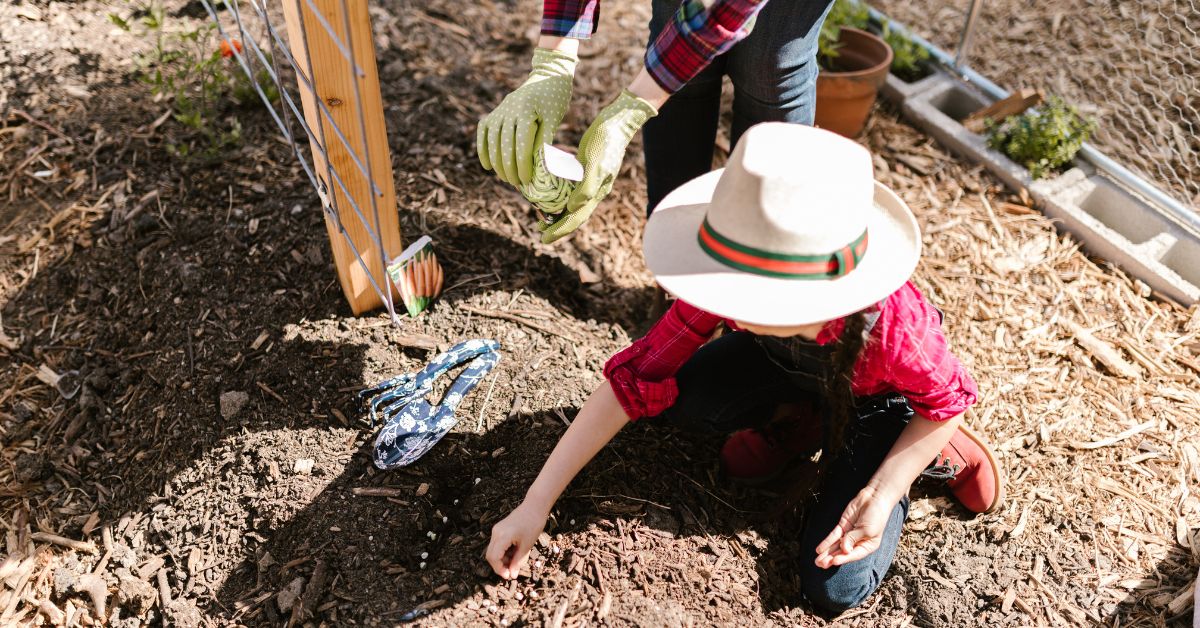
Not every learning activity needs to involve printed worksheets or formal lessons. Outdoor and real-life experiences can be a powerful—and free—way to enrich your unit studies. For example, if your theme is “Gardening,” you could:

  • Visit a community garden to learn about plants firsthand.
  • Observe insects and discuss their role in ecosystems.
  • Measure plant growth over time as part of a math lesson.

Even trips to the grocery store, post office, or nearby park can serve as a learning experience if you plan activities that connect them to your unit study theme. For example:

  • A grocery store trip can involve budgeting and math.
  • A park visit could include nature observation and journaling. 

These outings are not only low-cost but also break up screen time and make learning dynamic.

Overcoming Challenges in Budget-Friendly Unit Studies 

Every homeschool family faces challenges, whether it’s time constraints, limited access to resources, or curriculum overwhelm. However, these hurdles can be managed with a bit of creativity and resourcefulness. First, don’t be afraid to modify or simplify lessons. Unit studies don’t have to be elaborate to be impactful. Instead of planning a week of themed lessons, start with a single day or weekend. Small and focused studies can still spark curiosity and help your child retain knowledge.

Additionally, don’t hesitate to ask for help. Connect with other homeschooling families, either online or in person, to share tips and materials. Collaborating can lighten the workload and broaden your network of resources. Finally, remember that your goal is not perfection but progress. The most important thing is fostering a love of learning in your child, and that doesn’t require expensive tools or elaborate plans.

Bringing budget-friendly unit studies into your homeschool doesn’t have to be complicated. By using free resources, getting creative with DIY materials, and focusing on hands-on activities, you can craft engaging and educational experiences that won’t strain your wallet. The beauty of homeschooling lies in its flexibility, so use this to your advantage as you tailor your lessons to your child’s interests and your family’s budget.

Remember, homeschooling is a marathon, not a sprint. By implementing these practical strategies and gathering inspiration from your local library, online communities, or other families, you’ll be well on your way to creating meaningful and cost-effective unit studies your family will love.

What Is The Difference Between Unschooling And Unit Studies?

For homeschooling families, choosing the right method can feel like a maze, with terms like “unschooling” and “unit studies” popping up frequently. Each approach offers unique benefits and challenges, and understanding their core differences can help parents make informed decisions for their children’s learning. 

Below, we’ll break down the distinctions between unschooling and unit studies to help you determine which best aligns with your family’s educational goals.

Unschooling Vs. Unit Studies: Understanding The Foundations

Homeschooling embraces various methodologies, ranging from structured curricula to child-led learning. Both unschooling and unit studies fall within the spectrum, but their underlying philosophies set them apart.

Unschooling

Unschooling leans heavily into child-led education. This method thrives on the belief that children learn best when they follow their own interests and natural curiosities. Instead of adhering to a fixed curriculum, unschooling allows learning to unfold organically through everyday activities, such as:

  • Household projects like cooking or gardening 
  • Hands-on exploration using tools, experiments, or crafts 
  • Real-world experiences like trips to museums, parks, or volunteer opportunities 

Parents operating within this method act as facilitators rather than traditional teachers. Instead of instructing, they observe their child’s interests and provide resources or opportunities to expand learning in those areas. This could mean providing books on dinosaurs for a young paleontology enthusiast or arranging a nature walk for a budding botanist.

Unit Studies

The unit study approach, in contrast, organizes learning around a specific theme or subject. Instead of dividing lessons by traditional subjects like math or language arts, unit studies integrate multiple disciplines into a single focused theme. For example:

  • A unit study on space exploration might include:
  • Science experiments involving gravity or rocket propulsion
  • Creative writing projects imagining life on Mars 

Unit studies often provide more structure than unschooling, appealing to families seeking a balance between flexibility and guidance. The thematic approach not only encourages deeper engagement but also helps children see connections across various fields of study.

Key Philosophical Differences:

Aspect Unschooling Unit Studies
Structure Minimal to none Organized around themes
Role of Parent Facilitator of curiosity Planner and guide
Pacing Fully determined by the child Timed according to study goals
Relevance to Interests Entirely child-driven Parents often choose the themes
Focus Exploration, curiosity Interdisciplinary learning


Pros And Cons Of Unschooling

Unschooling isn’t for every family, but it offers unique advantages that some parents and children find invaluable.

Benefits of Unschooling:

  1. Fosters self-motivation: Because children choose learning paths on their own terms, they often develop intrinsic motivation. 
  2. Encourages creativity and independence: Kids have the freedom to experiment, make mistakes, and learn at their own pace. 
  3. Flexible environment: Unschooling adapts easily to family life, travel, or unpredictable schedules. 
  4. Personalized learning: Lessons evolve naturally around the child’s passions. 

Challenges of Unschooling:

  • Lack of measurable benchmarks: For parents who value grades or seeing tangible progress, unschooling can feel amorphous. 
  • Requires parental creativity: Providing opportunities for meaningful learning demands flexibility and resourcefulness from parents. 
  • May face social resistance: The concept of unschooling is still misunderstood or questioned by some communities. 

For families willing to trust in a child’s ability to learn independently, unschooling can be incredibly rewarding—though it requires patience and a departure from conventional educational norms.

When Unit Studies Shine

When Unit Studies Shine

The unit study method can serve as a bridge between unstructured learning and formal instruction. Its holistic, theme-based approach resonates with families who prefer a cohesive plan while still nurturing creativity.

Benefits of Unit Studies:

  1. Promotes deep engagement: By focusing on one theme, kids immerse themselves in the topic, spurring richer understanding. 
  2. Encourages connections: Learning across subjects within the same context helps children grasp how concepts interrelate. 
  3. Adaptable to all ages: With minor adjustments, the same unit study can engage siblings of varying grade levels. 
  4. Blends flexibility with structure: Parents can set timelines but still allow children to explore subjects in depth. 

Challenges of Unit Studies:

  • Time-intensive for parents: Researching, planning, and gathering resources for each topic can require significant effort. 
  • Potential rigidity: While unit studies are flexible, they still follow a prescribed path, which could limit spontaneous learning opportunities. 

Which Method Fits Your Family?

There’s no “one-size-fits-all” solution in homeschooling. Choosing between unschooling and unit studies will ultimately depend on your family’s unique situation, goals, and preferences. Below are some practical questions to help you decide which approach may align better with your values and lifestyle:

  • Do you prefer child-led or parent-guided education? 
  • Is your child naturally curious and self-motivated, or do they thrive on structured guidance? 
  • How much time and effort are you willing to dedicate to curriculum planning or resource gathering? 
  • Does your family require maximum flexibility, or do you prefer some structure throughout? 

For families unsure where to start, consider experimenting with both methods. You could allow a child to pursue their interests freely for a season (unschooling) and then pivot to a themed unit study based on their favorite topic. Over time, you’ll gain insights into what works best for your household. 

Blending Methods For Greater Success 

Interestingly, many families don’t limit themselves to just one homeschooling methodology. A blended approach that combines elements of unschooling and unit studies can provide the best of both worlds. For instance, you could observe what topics your child naturally gravitates toward and design themed unit studies based on those interests. This hybrid style not only honors a child’s autonomy but also ensures depth and structure in their learning. 

A practical example might include noticing your child’s fascination with marine life. Unschooling allows them to read books, watch documentaries, and create art about the ocean freely. But once the interest becomes clear, you can develop a marine biology unit study that includes science experiments on water density, history lessons about famous explorers, or math problems related to ocean currents. This balance can satisfy the diverse needs of both parent and child. 

Homeschooling offers unparalleled opportunities to customize education, but deciding on the right method takes thoughtful consideration. Unschooling celebrates the joy of learning through freedom and exploration, while unit studies foster interconnected knowledge through thematic depth. Both methods have strengths and weaknesses, but their value lies in how well they match your child’s needs and your family’s capacity to adapt. 

Ultimately, whether you choose unschooling, unit studies, or a blend of both, remember that the goal of homeschooling is to nurture lifelong learners. Be prepared to experiment, refine your methods, and stay open to changes as your child grows. After all, the greatest advantage of homeschooling is its ability to evolve alongside your family’s learning adventure.

Charlotte Mason Nature Study: Wind

Exploring the natural world is central to the Charlotte Mason method of homeschooling. By immersing children in the beauty and complexity of nature, we can ignite their curiosity and provide invaluable hands-on learning experiences. One fascinating element to study is wind. It’s everywhere—felt on our faces, heard in the trees, and observed in the way it shapes our environment. 

This blog will guide parents on how to incorporate wind into a Charlotte Mason nature study, providing practical and creative activities that can enrich any homeschool curriculum.

Understanding Wind And Its Role In Nature

Wind may seem simple, but understanding it opens the door to exploring interconnected systems in nature. Wind is caused by the movement of air driven by differences in air pressure. These shifts often signal changes in the weather, making wind a great segue into broader topics like meteorology, seasons, and climate. For children, this means connecting the science of wind to real-world observations.

For younger children, start by defining what wind is and discussing its sensory elements. What does it feel like? How does it sound? For older children, you can layer in science concepts, such as:

  • Air pressure and wind currents 
  • The water cycle (how wind moves moisture) 
  • How wind shapes land through erosion 

Questions to Explore with Your Kids 

Encourage curiosity by posing open-ended questions:

  • How do we know wind exists if we can’t see it? 
  • What happens to leaves, trees, or water during strong winds? 
  • Can you find areas in our yard or park where the wind is stronger or weaker? Why might that be? 

Engaging children in this way lets them practice observation and critical thinking from the start of their wind study. 

Hands-On Wind Study Activities

Charlotte Mason emphasized direct observation and the role of nature journaling in science education. Below are some engaging, hands-on activities that emphasize these principles while focusing on wind.

  1. Observing Wind in Motion 

Take a walk in your backyard, at a park, or in another outdoor space and tune into the wind’s effects. Encourage your children to observe:

  • Trees swaying 
  • Leaves being scattered 
  • Grass bending 
  • Clouds moving across the sky 

Ask them to describe what they see and feel. Is the wind gentle or strong? Cool or warm? This is also an excellent time for them to recognize how wind interacts with the environment around them.

Activity Twist: Create paper wind catchers using materials such as ribbons, string, and craft sticks to observe wind direction and force. 

  1. DIY Anemometer 

Introduce your child to the concept of wind speed by building a simple anemometer—a tool meteorologists use to measure how fast the wind blows. Materials needed include paper cups, straws, a pencil, and a thumbtack. There are many step-by-step tutorials online to guide you. Once built, take it outside on a windy day and watch as it measures the speed of the breeze! 

  1. Wind-Powered Experiments 

Demonstrate how wind creates energy by crafting a small windmill using paper, a wooden skewer, and tape. Test it outside during different kinds of weather to see how the wind impacts the blades.

To take it further, connect the windmill to a small weight (such as a paperclip) to lift objects. This introduces concepts about wind as an energy source. 

Exploring Wind In Journals 

Exploring Wind In Journals 

Nature journaling is a hallmark of Charlotte Mason education. It combines science, art, and language skills while allowing children to process and document what they observe. For your wind study, add these elements to their journals:

What to Include:

  • Illustrations of objects blowing in the wind (leaves, trees, etc.) 
  • A drawing of their DIY anemometer or windmill experiments 
  • Descriptions and sensory notes (“The wind was soft today and smelled like rain…”) 

Encourage creativity by inviting them to write poetry or short stories inspired by the wind. This helps expand the lesson beyond science and into language arts! 

Integrating Literature and Mythology 

Wind can become even more intriguing when tied to storytelling. Many cultures have myths, legends, and even poems centered around the wind. Consider adding literature to your wind study that provides a richer context for this natural phenomenon. 

For younger children, consider reading The Wind Blew by Pat Hutchins, where they can see the wind as a playful, imaginary character. With older children, explore selections of poetry like Christina Rossetti’s Who Has Seen the Wind?. 

Discussion Idea: Compare how different cultures personified the wind. Did they see it as a force of destruction or growth? Creative connections like these help kids develop a deeper appreciation for the subject. 

Real Lessons From The Wind 

One of the most valuable aspects of studying wind is the life lessons it naturally imparts. For example, consider its invisible nature. Wind’s impact on the environment reminds children that not all powerful things are visible. It teaches persistence as they observe how wind can erode rocks and shape landscapes over time. Discuss this metaphor with your kids—how persistence in their work can yield results over time, even if they don’t see progress every day.

Wind also teaches us about balance. Too much and it can cause destruction, but in moderation, it spreads seeds, helps plants pollinate, and cools the earth. Children can reflect on balance in their own lives—whether it’s balancing academics with creative play or balancing self-discipline with rest. 

Observing Wind Across Seasons 

A wind study doesn’t have to be limited to one lesson. Since wind appears differently across seasons, it provides a year-round opportunity for observation and learning. 

Spring: Teach your kids about how wind carries seeds far away, enabling plants to grow in new places. 

Summer: Warm breezes and thunderstorms make summer an exciting time to understand how wind works alongside heat and rain. 

Fall: Why do fall winds bring more leaves to the ground? Can your children track the most common wind direction during autumn? 

Winter: Study how wind makes colder temperatures feel even chillier due to the wind chill factor. 

Make note of this throughout the school year by tracking wind patterns in a weather journal. Include observations about how wind changes near trees, hills, or open spaces. 

Activity Tip: Build a homemade weather vane for observing wind direction. 

Wind as a Connection to Faith and Philosophy 

The Charlotte Mason approach often incorporates faith and reflection into everyday lessons. Wind, an unseen yet potent force, provides natural opportunities to discuss deeper philosophical or spiritual ideas. For example, in Christianity, wind is often symbolic of the Holy Spirit, an unseen yet powerful presence in life. You might invite your child to reflect on the ways the invisible has a real and lasting impact, whether it’s spiritual, emotional, or intellectual.

This reflection ties neatly to the idea of reverence for nature. Observing the wind can remind children of their place within a larger creation, encouraging both humility and wonder. These quiet yet enriching moments are a perfect complement to the more hands-on aspects of your wind study. 

Wind is a fascinating subject that sparks curiosity, incorporates many disciplines, and connects children to the natural world. By using the Charlotte Mason method, you’ll give your kids a chance to observe, experiment, reflect, and appreciate the wind’s many roles in life and nature. From science projects to literature, nature sketching to discussions of faith, this is a subject that offers endless opportunities for growth—and, perhaps, a renewed sense of wonder. 

Happy studying! 

Unit Studies for Every Season: Themed Lessons Year-Round

Homeschooling offers parents the flexibility to tailor education to their children’s needs and interests. One of the most engaging ways to keep learning exciting throughout the year is by incorporating seasonal learning activities. These activities bring lessons to life by connecting them to the changes happening in the world around us. Seasonal homeschool unit studies and year-round themed lessons are not only fun but also meaningful, as they ground learning in nature, history, and culture. 

Below, we’ll explore how to approach unit studies by season and offer practical ideas to inspire year-round education.

Why Seasonal Learning Works

Unit studies are a method of teaching that integrates several subjects under one theme, making learning cohesive and immersive. When these studies are linked to seasons, they become even more engaging. Children often relate more easily to lessons when they see the relevance to their everyday life—like exploring botany during a springtime nature walk or studying astronomy on a clear, chilly winter night.

The seasonal approach also supports awareness of natural cycles, cultural traditions, and local events, fostering a connection to the world. It moves learning beyond textbooks, encouraging hands-on activities, research, and discovery.

Ideas for Spring Unit Studies

Spring is a time of growth and renewal, offering countless opportunities for interactive projects and exploration. Here are some themes you can use for spring:

  • Gardening and Botany 
    • Study plant life cycles by growing flowers, vegetables, or herbs. 
    • Learn about pollinators like bees and butterflies and create habitats for them. 
    • Explore types of seeds and test germination rates with a simple experiment.
  • Weather and Atmosphere 
    • Chart rainfall patterns and discuss the water cycle. 
    • Study cloud formations and learn basic meteorology. 
    • Create a DIY barometer to track atmospheric pressure.
  • Spring Holidays Around the World 
    • Explore traditions like Easter, Holi, or Earth Day celebrations. 
    • Incorporate geography by identifying countries where these festivities originate. 
    • Create arts and crafts inspired by cultural symbols or traditions.

Summer-Themed Learning

Summer-Themed Learning

With longer days and warmer weather, summer offers plenty of outdoor learning opportunities. Consider these topics for your summer unit studies:

  • Oceanography and Marine Life 
    • Study the layers of the ocean and the animals that live in each zone. 
    • Take a field trip to a local aquarium or beach and investigate tide pools. 
    • Create an ocean diorama or write reports on favorite sea creatures.
  • Astronomy and Stargazing 
    • Teach constellations and how they change with the seasons. 
    • Discuss the phases of the moon and encourage nightly observations. 
    • Read stories from cultures about the stars and their myths.
  • Local History and Geography 
    • Research the history of your hometown or region. 
    • Visit historical landmarks, parks, or museums. 
    • Create a scrapbook or presentation about what your family discovers.

Summer is also an excellent time for lightweight learning that incorporates travel or vacation themes, making education a seamless part of your adventures.

Fall Learning Themes

Fall is often seen as a fresh start for homeschooling families, coinciding with the beginning of a new school year. It’s a season rich with themes that bridge hands-on activities and in-depth academic content.

One popular fall study topic is harvest and agriculture. Lessons can include learning about crops, studying the parts of a plant, or visiting a local farm. Cooking seasonal recipes like pumpkin muffins can fold in math and science through measurements and chemical reactions.

Tying lessons to fall holidays can also have a broad appeal. For instance, a unit on Thanksgiving can cover topics such as U.S. colonial history, geography (mapping the Mayflower’s route), and Indigenous cultures. Another festive angle might focus on how different cultures celebrate fall and harvests, such as the Chinese Mid-Autumn Festival.

Fall’s cooler weather also makes it ideal for cozy indoor projects. You might explore literature and storytelling, reading autumn-themed books and encouraging kids to write their own short stories about changing leaves or the brisk fall air.

Winter Unit Study Inspirations

Winter brings unique experiences and plenty of indoor activities to complement colder weather. This is a perfect time to center your studies on traditions, science, and art.

  • Winter Weather Science 
    • Study snow and ice by learning about crystallization and conducting fun experiments, like supercooled water turning into ice instantly. 
    • Track temperature changes and create graphs comparing seasonal weather patterns. 
    • Look into how animals adapt to winter environments, like hibernation and migration.
  • Holidays and Cultures 
    • Explore holiday traditions around the world, from Hanukkah to Kwanzaa. 
    • Study the history and symbolism behind seasonal festivals. 
    • Create cultural crafts, such as paper lanterns or ornaments, tied to your lessons.
  • STEM Challenges 
    • Build structures like igloos or sleds using household items, incorporating principles of physics and engineering. 
    • Experiment with insulation by designing a container that keeps hot cocoa warm for the longest time. 
    • Learn the science behind light by studying reflections and making seasonal decorations like snowflake sun catchers.

Wintertime is also ideal for activities like reading classic tales by the fireplace or working on long-term projects, giving kids space to unwind while still learning.

Year-Round Themed Lessons for Ongoing Exploration

While seasonal activities make learning exciting, ongoing themed lessons are an excellent way to cover broad topics that evolve throughout the year. Here are examples:

1. Nature Journaling 

  • Encourage children to observe and document the changing seasons in their journals. 
  • Include sketches, pressed leaves, or written reflections on nature walks. 
  • Teach concepts like ecosystems, weather patterns, and biodiversity over time.

2. Cultural Studies 

  • Select a new country to study each month, focusing on its history, language, art, and cuisine. 
  • Use maps and globes to help kids visualize locations. 
  • Collect works of art or music from each culture to experience their creative traditions.

3. Science Through the Seasons 

  • Focus on one scientific field for an entire year, such as biology, astronomy, or geology, but adapt lessons to fit the seasons. 
  • For instance, study plant biology in the spring, animal behaviors in the summer, rock formations in the fall, and stargazing in the winter.

4. Big Projects or Challenges 

  • Take on a year-long themed project, such as researching family ancestry or writing a novel. 

These ideas keep learning dynamic and ensure that children have a year filled with meaningful, interconnected studies.

Tips for Making Seasonal Learning Activities Effective

To get the most out of seasonal and themed learning, consider these simple strategies:

  • Plan Ahead 
    • Take time before each season starts to outline unit studies and gather supplies. 
    • Whether it’s books, craft materials, or access to field trip locations, preparation ensures your lessons flow smoothly.
  • Be Flexible 
    • While planning is helpful, allow space for curiosity-driven detours. If your child becomes fascinated by something unexpected, lean into it. 
    • Adjust lessons to fit your family’s schedule and preferences.
  • Mix Passive and Active Learning 
    • Provide a mix of hands-on activities, reading time, and creative projects to engage different learning styles. 

By blending structure with spontaneity, your seasonal learning activities can become a powerful tool for delivering a rich, holistic homeschool education.

Homeschooling is a remarkable opportunity to weave your children’s interests into their education. When you bring seasonal and themed elements to your unit studies, you’re not only keeping them engaged, but you’re also cultivating a love for lifelong learning. Consider the ideas above as a starting point, and watch your homeschool take on new energy every season of the year!