
Best Field Trips For Math Class

Let’s be honest, math class doesn’t always have the reputation for being the most exciting subject of the day. Worksheets, drills, and abstract concepts can sometimes feel a bit dry, even for the most enthusiastic learners. But what if you could break out of the textbook and show your kids how math works in the real world? That’s where the magic of math field trips for homeschool comes in. Turning your community into a living classroom not only makes learning more engaging but also helps concepts stick. When kids can see, touch, and experience math in action, those numbers on the page suddenly have a purpose.

These outings transform abstract ideas into tangible, real-world math activities. A trip to the grocery store isn’t just about picking up milk; it’s a lesson in budgeting, unit pricing, and calculating sales tax. A walk through a botanical garden becomes an exploration of symmetry, patterns, and geometric shapes in nature. 

The goal is to move beyond rote memorization and foster a genuine understanding and appreciation for how math is woven into the fabric of our everyday lives. It’s about showing your kids that math isn’t just something you do—it’s something you use.

Real-World Math: The Grocery Store Classroom

One of the most accessible and effective math classrooms is right around the corner: your local grocery store. It’s a place you visit regularly, making it an easy and low-cost option for hands-on learning. The aisles are packed with opportunities to practice everything from basic arithmetic to more complex financial literacy concepts. Before you even leave the house, you can involve your kids in the planning process by having them help create a shopping list and estimate the total cost based on a set budget. This simple step sets the stage for a day of practical math application.

Once you arrive, the learning can begin in earnest. Here are some activities to try on your next shopping trip:

  • The Price is Right (Almost!): Before putting an item in the cart, have your child round the price to the nearest dollar and keep a running tally. This is great practice for estimation and mental math. When you get to the checkout, see how close their estimated total is to the actual bill.
  • Unit Price Detective: This is a fantastic activity for older elementary and middle school students. Show them how to find the unit price on the shelf tag. Challenge them to compare two different sizes of the same product (like cereal or juice) to figure out which one is the better value per ounce or per pound. This is a real-life lesson in division and smart consumerism.
  • Weighty Matters: Head over to the produce section. Let your child pick out a few apples or a bunch of bananas and guess their weight. Then, use the store’s scale to find the actual weight. You can calculate the cost by multiplying the weight by the price per pound. This activity makes concepts like weight, measurement, and multiplication tangible.
  • Percentage Power: When you see items on sale, it’s the perfect time to practice percentages. If a box of crackers is 25% off its original price of $4.00, how much will you save? How much does it cost now? This helps demystify percentages and shows their practical application in saving money.
  • Coupon Clipper Challenge: Give your older kids the weekly circular and any coupons you have. Task them with finding the best deals and calculating the final price after all discounts are applied. This incorporates multiple steps and requires careful reading and calculation.

Fun Math Field Trips For Homeschool Adventures

Fun Math Field Trips For Homeschool Adventures

Ready to venture beyond the grocery store? Your local community is full of exciting places that are secretly math playgrounds. These outings can be tailored to any age and offer a refreshing change of scenery from your usual homeschool routine. The key is to look for the math that is hiding in plain sight. From architecture to nature, numbers and patterns are everywhere.

Here are a few ideas for your next adventure:

  1. The Bank or Credit Union: There is no better place to learn about money. Many banks are happy to give kids a “behind-the-scenes” tour if you call ahead. This is an opportunity to talk about saving, interest, loans, and the importance of financial planning. Younger kids can practice counting money with a teller, while older kids can ask questions about how compound interest works or what it takes to get a mortgage. It brings the abstract concept of money to life.
  2. A Construction Site: While you can’t just wander onto an active site, you can observe safely from the perimeter. Construction is all about measurement, geometry, and engineering. You can discuss angles, square footage, volume (how much concrete is needed?), and the physics of building. Bring a notepad and have your kids sketch the shapes they see or estimate the height of the structure.
  3. The Bowling Alley: Bowling is a blast, and it’s also full of math. Keeping score requires addition. Knocking down 7 pins out of 10 is a great visual for fractions (7/10). You can also discuss angles and trajectories. How does the angle at which you release the ball affect where it goes? It’s a fun, active way to reinforce basic math skills without it feeling like a lesson.
  4. A Local Farm or Orchard: Visiting a place where food is grown offers numerous math connections. If you go apple picking, you can pay by the pound, which involves weighing and multiplication. You can count rows of crops and estimate the total number of plants. Farmers use math every day to plan their fields, manage livestock, and run their business, making them great resources for real-world examples.
  5. A Museum of Science or Natural History: These institutions are designed for learning. Look for exhibits on patterns in nature (like the Fibonacci sequence in a seashell), the physics of motion, or the vast distances in space. Many science museums have interactive exhibits that let kids experiment with gears, levers, and pulleys, all of which are grounded in mathematical principles.

Getting Creative With Math At Home And Around Town

Sometimes, the best field trips don’t require a destination at all. You can find countless opportunities for hands-on math learning right in your own backyard or neighborhood. These informal activities help cultivate a mindset where your children start to see and appreciate the math that surrounds them every day. It’s about fostering curiosity and showing them that math is a tool for understanding the world, not just a subject to be checked off a list. This approach helps build confidence and reduces the anxiety that some children feel toward math.

Think about a simple walk around the block. You can turn it into a data collection exercise. How many red cars do you see versus blue cars? You can create a bar graph when you get home to visualize your findings. You can look at house numbers and identify even and odd numbers or look for patterns. Is every house on one side of the street an even number? Why might that be? These simple observations encourage critical thinking and an analytical eye. A trip to the post office can become a lesson in measurement (weight and dimensions of a package) and budgeting (choosing the most cost-effective shipping option).

Even a family game night can be a powerful math tool. Board games like Monopoly teach financial literacy, addition, and subtraction. Games involving dice are a perfect introduction to probability. Card games like Blackjack or even simple matching games for younger kids reinforce number recognition and quick calculation. The goal is to make math a natural part of your family’s life. When learning is integrated seamlessly into activities you already enjoy, it becomes less of a chore and more of an adventure. It proves that math is not confined to a classroom; it’s a dynamic, useful, and even fun skill that we use all the time.

Explore More Homeschool Resources

Taking learning on the road with field trips can reinvigorate your homeschool and give your kids a powerful new perspective on math. By connecting abstract concepts to concrete, real-world applications, you help them build a stronger, more intuitive understanding of the subject. From the produce aisle to the bowling alley, opportunities for hands-on math are everywhere you look.

We are passionate about helping you find the tools and inspiration you need for a successful homeschooling journey. For more practical advice, curriculum reviews, and creative learning ideas, be sure to explore the other articles on our DKM Homeschool Resource blog.
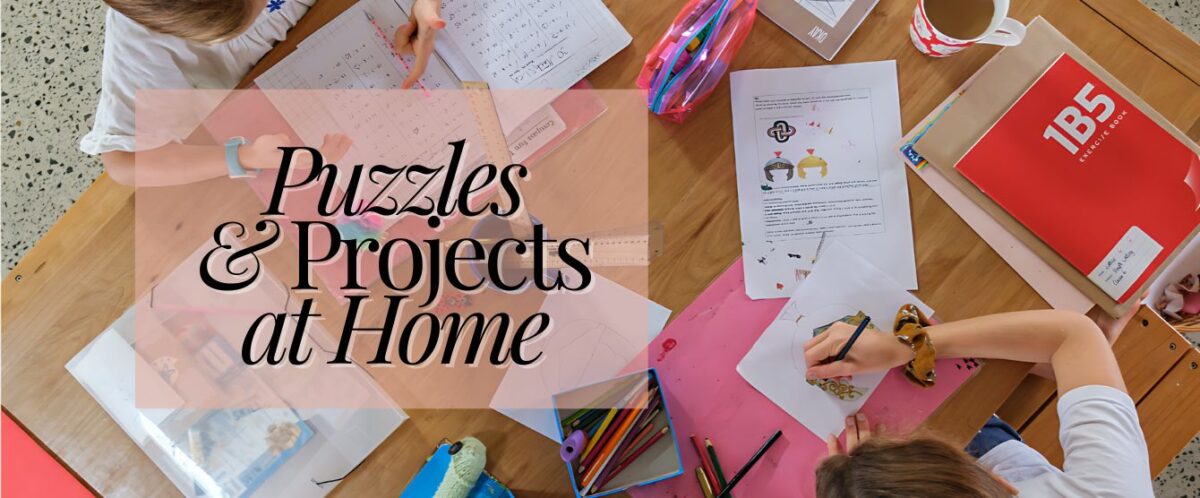

Math Challenges for Advanced Learners: Puzzles and Projects for Gifted Students


Math is more than just numbers and equations; it’s a world of discovery, problem-solving, and creative thinking. For homeschool parents of advanced learners, providing stimulating math activities can be a rewarding way to keep young minds engaged and excited about learning. In this blog post, we’ll explore various math challenges, puzzles, and projects that cater specifically to gifted students. These ideas will not only elevate their math skills but also nurture their curiosity and foster a lifelong love for the subject. You’ll learn how to incorporate these into your homeschool math curriculum effectively and discover why such challenges are essential for intellectually gifted children.

Incorporating Math Puzzles Into Your Homeschool Routine

Advanced learners often find traditional math classes unchallenging. They might quickly grasp concepts and feel bored or unmotivated when forced to repeat material they’ve already mastered. Homeschooling offers the perfect opportunity to tailor learning experiences to meet their unique needs, allowing them to progress at their own pace and explore topics in greater depth. One way to engage gifted students in homeschool math is through enrichment activities that go beyond the standard curriculum. These can include math puzzles for kids, complex problems, and hands-on projects that require critical thinking and creativity. By presenting math in a way that’s interactive and fun, you can help your child see the subject as an exciting adventure rather than a series of rote exercises.

Challenging math activities are crucial for the intellectual development of advanced learners. They provide mental stimulation that fosters problem-solving skills and encourages deeper understanding. When students are presented with puzzles and projects that require them to think critically and creatively, they’re more likely to develop a genuine interest in math. Math challenges also help build resilience and persistence. Gifted students can sometimes avoid difficult tasks because they’re used to finding things easy. Providing puzzles and projects that stretch their abilities helps them learn to persevere through challenges, a valuable skill that will serve them well in all areas of life. Additionally, working on complex math tasks can boost their confidence as they experience the satisfaction of overcoming obstacles and achieving success.

Math puzzles for kids are an excellent way to make learning math fun and engaging. These puzzles can range from simple brainteasers to complex logic problems, catering to different skill levels and interests. By incorporating puzzles into your homeschool routine, you can help your child develop critical thinking skills and enhance their ability to approach problems from multiple angles. Start by introducing puzzles that align with your child’s current math knowledge. This will build their confidence and ensure they enjoy the process. Gradually increase the difficulty level as they become more proficient, encouraging them to tackle more challenging problems. You can find math puzzles for kids in books and online resources, or create your own tailored to your child’s interests and needs. In addition to solving puzzles, encourage your child to create their own. This activity not only reinforces their understanding of math concepts but also stimulates their creativity. Challenge them to design puzzles for family members or friends, fostering a sense of pride and accomplishment in their work.

Engaging Projects For Advanced Learners & Using Technology To Enhance Learning

Projects are another fantastic way to challenge advanced learners in homeschool math. These activities allow students to apply their math knowledge to real-world situations, promoting a deeper understanding and appreciation of the subject. Projects can be as simple or as complex as you like, depending on your child’s interests and abilities. One idea is to have your child plan and budget a trip. This project can include calculating travel expenses, converting currencies, and creating a detailed itinerary. Not only does this activity reinforce math skills, but it also teaches valuable life lessons in financial planning and decision-making. Another engaging project is building geometric structures using everyday materials like toothpicks and marshmallows or LEGO bricks. This hands-on activity helps students visualize geometric concepts and understand the properties of different shapes. You can challenge them to create specific structures, such as bridges or towers, and test their stability and strength. For a more advanced project, consider exploring coding and mathematical algorithms. There are numerous online platforms that offer coding tutorials for kids, allowing them to create their own programs and games. This project not only enhances their math skills but also introduces them to the world of computer science, opening up new avenues for exploration and learning.

Technology offers a wealth of resources to support and enhance your homeschool math curriculum. From interactive apps and games to online courses and tutorials, there are numerous tools available to engage advanced learners and provide additional challenges. Math apps like Khan Academy, Prodigy, and DragonBox offer interactive lessons and exercises that cater to different skill levels and interests. These apps can be a valuable supplement to your homeschool curriculum, providing opportunities for practice and reinforcement in a fun and engaging way.

Online courses and tutorials, such as those offered by Coursera, edX, and Brilliant, provide access to advanced math topics and expert instruction. These resources can help your child explore new areas of math and deepen their understanding of complex concepts. Additionally, virtual math clubs and competitions, like the Math Olympiads and the International Mathematical Olympiad, offer opportunities for gifted students to connect with peers and challenge themselves in a competitive environment. Participating in these events can foster a sense of community and motivate your child to excel in math.

Creating A Supportive Learning Environment

A growth mindset is essential for success in math and other areas of life. This mindset focuses on the belief that intelligence and abilities can be developed through hard work, dedication, and practice. By encouraging a growth mindset in your homeschool math curriculum, you can help your child develop a positive attitude towards challenges and setbacks. Praise your child’s efforts and perseverance rather than their innate abilities. When they encounter difficult problems, remind them that it’s okay to struggle and that making mistakes is part of the learning process. Encourage them to ask questions, seek help when needed, and celebrate their progress and achievements. Additionally, model a growth mindset yourself. Share your own experiences with overcoming challenges and emphasize the importance of continuous learning and improvement. By demonstrating a positive attitude towards difficulties, you can inspire your child to adopt the same mindset.

A supportive learning environment is crucial for the success of advanced learners in homeschool math. This environment should be one that encourages curiosity, creativity, and a love for learning. Provide a dedicated space for math activities equipped with the necessary materials and resources. This space should be free from distractions and conducive to focused learning. Ensure your child has access to a variety of math books, puzzles, and tools, such as calculators, rulers, and manipulatives. Encourage open communication and collaboration. Discuss math concepts and problems together, and encourage your child to share their thoughts and ideas.

Be available to provide guidance and support, but also allow your child the independence to explore and discover on their own. Celebrate your child’s achievements and progress. Recognize their efforts and successes, no matter how small, and provide positive reinforcement. This will boost their confidence and motivation, fostering a positive attitude towards math and learning in general.

While it’s important to provide challenging math activities for advanced learners, it’s equally crucial to ensure they enjoy the process. Striking the right balance between challenge and enjoyment can help maintain their interest and motivation. Incorporate a variety of activities that cater to different learning styles and interests. Mix traditional exercises with hands-on projects, interactive games, and creative puzzles. This variety will keep your child engaged and prevent boredom.

Allow your child to have a say in their learning. Give them the freedom to choose topics and activities that interest them, and encourage them to set their own goals. This autonomy can increase their motivation and investment in their learning. Remember to include breaks and downtime in your homeschool schedule. Advanced learners can sometimes become absorbed in their work, but it’s important to balance focused learning with relaxation and play. Regular breaks can help prevent burnout and keep the learning experience enjoyable.

Ultimately, the goal of providing advanced math challenges is to foster a love for the subject. By creating a positive and engaging learning experience, you can help your child develop a lifelong passion for math. Encourage curiosity and exploration. Allow your child to ask questions, investigate new topics, and pursue their interests. Provide opportunities for them to discover the beauty and wonder of math on their own terms. Promote a positive attitude towards math. Celebrate successes, learn from mistakes, and maintain a growth mindset. Show your child that math is not just about getting the right answers but about thinking creatively and solving problems. Involve the whole family in math activities. Play math games together, solve puzzles, and discuss interesting math concepts. This can create a supportive and enjoyable learning environment, making math a shared and valued part of your family’s life.

Connecting Math To Real-World Applications

Connecting math to real-world applications can make the subject more relevant and interesting for advanced learners. By showing how math is used in everyday life and various careers, you can help your child see the value and importance of the subject. Incorporate real-world examples and problems into your homeschool math curriculum. For instance, use grocery shopping to teach budgeting and percentages or plan a garden to explore geometry and measurement. These practical applications can make math more tangible and meaningful.

Explore the role of math in different professions. Discuss how architects use geometry, engineers rely on calculus, and scientists employ statistics. This can broaden your child’s understanding of the subject and inspire them to consider future careers that involve math. Encourage your child to pursue their own interests and passions through math. Whether they’re interested in sports, music, or technology, there’s always a way to incorporate math into their hobbies and activities. This personalized approach can make learning more enjoyable and relevant.

Challenging advanced learners with engaging math activities is essential for their intellectual development and enjoyment of the subject. By incorporating math puzzles for kids, hands-on projects, and real-world applications into your homeschool math curriculum, you can provide the mental stimulation and enrichment that gifted students need. Encouraging a growth mindset, using technology to enhance learning, and creating a supportive and balanced learning environment will help your child thrive and develop a lifelong love for math. Remember, the goal is not just to teach math but to inspire curiosity, creativity, and a passion for learning. Start exploring these ideas today and watch your child’s math skills and enthusiasm soar.