
How To Keep Track Of Your Child’s Progress: Homeschool Record Keeping

Homeschooling offers a unique opportunity to tailor your child’s education, but it also comes with responsibilities—one of the most important being record keeping. Tracking your child’s progress isn’t just about meeting requirements; it’s a powerful tool to ensure their success. Wondering how to keep things organized without getting overwhelmed? Here’s a guide to building an effective homeschool record-keeping system that works for you.

Why Record Keeping Matters in Homeschooling

Tracking your child’s progress goes beyond ticking boxes for educational authorities. Detailed records give you a window into your child’s growth and areas they may need help with. Plus, these records come in handy when transitioning to formal schooling, applying to college, or showcasing their achievements.

Good record-keeping doesn’t have to be a chore. Think of it as crafting a roadmap for your child’s learning. It helps spotlight their strengths, uncover gaps, and create personalized learning plans. With the right tools and strategies, you can turn record keeping into an essential part of your homeschooling success.

What to Record? Breaking Down the Essentials

1. Attendance

Keeping track of school days and hours is essential for meeting legal requirements in many states or provinces. Use a simple system, like marking school days on a calendar, or create a log with specific hours of study to stay compliant.

2. Grades and Assignments

Documenting how your child performs on tests, projects, and assignments provides clarity on their academic development. Track scores to identify where they’re excelling or struggling. Experiment with different systems—some parents prefer A- F grades, while others focus on qualitative feedback.

3. Extracurricular Activities

Remember, education isn’t just about academics. Sports, music lessons, art classes, and volunteering all contribute to your child’s growth. Record descriptions, dates, and skills learned. These details are also incredibly valuable for future portfolios or college applications.

4. Lesson Plans

Log what your child is learning. Whether it’s daily summaries or an overview of weekly topics, these records help track curriculum completion and ensure no subject is overlooked.

5. Milestones and Achievements

From reading their first chapter book to mastering a science experiment, keeping track of notable milestones can be incredibly motivating—for both child and parent.

By maintaining these records, you’re not just organizing your homeschool; you’re celebrating and safeguarding your child’s educational story.

How to Build a Customized System That Works for You

Every homeschooled family is unique, so your record-keeping system should be, too. Here are practical ways to set up a system tailored to your needs:

Go Digital or Paper-Based?

  • Digital Solutions: Use apps and online platforms for grades, attendance, and lesson tracking. These tools often allow real-time updates and offer features like reminders and report generation. Plus, they declutter your space.
  • Paper-Based Systems: Prefer the tangible feel of folders and binders? Easily organize records with labeled sections for assignments, test scores, and attendance logs.

Stay Consistent

Whichever system you choose, consistency is key. Schedule a dedicated time weekly to update your records. This regular habit ensures your records are reliable and stress-free.
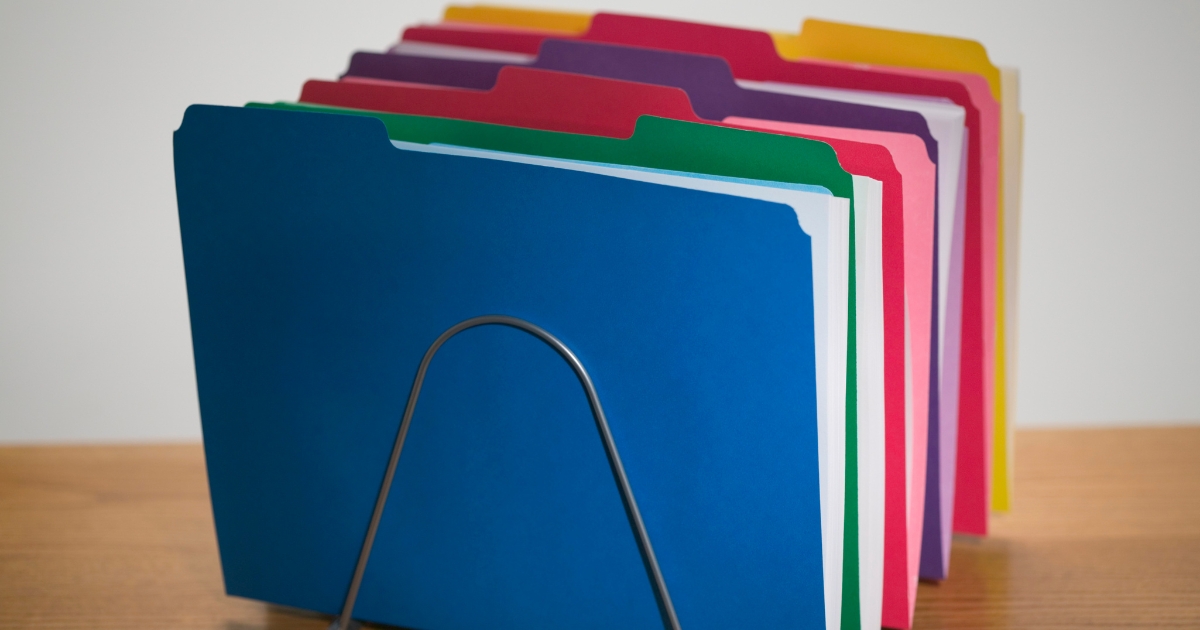
Color-coded file folders in a metal organizer for homeschool record keeping and organization.

Keep It Simple

Don’t overcomplicate it! Focus on capturing the most important details you’ll need down the road, whether it’s for legal compliance, student progress, or personal reflection.

The key is to find what fits your lifestyle, stick with it, and make it a seamless part of your homeschool routine.

Leveraging Technology for a Smoother Process

Technology can be a homeschool parent’s best friend. Apps like Homeschool Tracker or Evernote can simplify documentation and save time. Here’s why you should consider going digital:

  • Accessibility: Cloud-based systems give you access to records anytime, anywhere. Perfect for busy families or while traveling.
  • Time-Saving Features: Digital tools automate tasks like calculating grades or creating transcripts.
  • Reduced Clutter: No more sorting through piles of paper. Every record is just a click away.

For tech-savvy families, these tools can streamline the process while offering powerful insights into your child’s progress.

Tips to Stay Organized and Consistent

Keeping things simple and consistent is the secret to record-keeping success. Here are some tips to get started:

  1. Create a Routine: Pick a weekday to sit down and log your child’s progress, grades, and activities. Make it a no-fail habit.
  2. Choose Tools Wisely: Test a few apps or notebook systems to see which one feels easiest for you to maintain.
  3. Encourage Student Participation: Get your child involved! Whether they keep a journal of their achievements or record their own extracurriculars, this builds their sense of ownership.
  4. Review Regularly: Adjust your methods if things aren’t working. A quick monthly review can pinpoint areas for improvement in both teaching and record keeping.

With these strategies in place, you’ll spend less time stressing over documentation and more time creating joyful learning experiences.

Using Records to Support Your Child’s Growth

The true value of record keeping is that it helps you see your child’s educational path clearly. By tracking their performance, you can identify when they excel or require extra support.

  • Analyze Patterns: Are math grades dropping? Does their test performance slump in a particular subject? Use the data you’ve collected to tackle challenges head-on.
  • Celebrate Wins: Seeing progress builds confidence in your child. Show them tangible proof of how far they’ve come.
  • Adapt Teaching Strategies: Combine feedback with records to adjust your approach and engage their interests.

Homeschooling isn’t one-size-fits-all, and your records ensure you’re always making decisions based on what works best for your child.

Final Thoughts

Proper record keeping is the backbone of a successful homeschool experience. Beyond meeting legal requirements, it provides valuable insights into your child’s development and offers a personalized roadmap for growth. Start small—whether it’s a checklist on a calendar or a new app—and build a routine that fits your family.

By staying organized and consistent, you’re not just documenting progress; you’re creating a meaningful, well-rounded educational experience for your child—one that will set them up for success now and in the future.


Why You Need Homeschool Records: A Guide for New Homeschool Parents

Homeschooling offers families the freedom to customize education according to their children’s unique needs and learning styles. However, as with any form of education, proper documentation is essential. Homeschool records serve multiple purposes—ensuring compliance with state or province regulations, tracking academic progress, and providing essential documentation for future educational transitions. For new homeschooling parents, understanding why and how to keep these records can be pivotal to a smooth and successful homeschooling journey.

The Importance of Keeping Homeschool Records

One of the primary reasons to maintain homeschool records is to comply with state regulations. In the United States and Canada, homeschooling laws vary significantly from state to state – or province to province. Some require detailed records, while others have minimal requirements. Regardless of the level of regulation, maintaining comprehensive records ensures that you can substantiate your homeschooling efforts if challenged by educational authorities.

Keeping thorough records allows you to track your child’s academic progress over time. This can be particularly helpful in identifying areas where your child excels or may need additional support. Regularly reviewing this information can guide your homeschooling curriculum and teaching strategies, ensuring a well-rounded education.

Maintaining homeschool records can also be crucial if you decide to transition your child back into a traditional school setting or use public school services. Schools often require documentation of prior academic work to place students in the appropriate grade level or courses. Additionally, detailed records can be essential for college applications, especially for homeschooled high school students.

Essential Homeschool Records to Keep

Basic Attendance – Documenting the days and/or hours your child spends on their education can be crucial for meeting state requirements and demonstrating consistent instruction.

Subjects Taught – Keep a log of the subjects you cover throughout the year. This helps ensure a balanced education and provides a quick reference for what has been taught.

Curriculum and Resources Used – Maintain a list of the curriculum and educational resources you use. This can include textbooks, online courses, and educational apps. This information can be useful for planning and for record-keeping.

Samples of Work – Collect samples of your child’s work from the beginning, middle, and end of the year. This provides tangible evidence of academic progress and can be especially helpful during assessments or evaluations.

Grades Received – If you assign grades, keep a record of them. This can be important for transcripts and for providing a sense of accomplishment and progress to your child.

List of Books Read – Documenting the books your child reads can showcase the breadth and depth of their education, particularly in subjects like literature and history.

State-Specific Requirements – Ensure you are aware of and comply with any additional record-keeping requirements specific to your state/province. This might include standardized test scores, annual assessments, or specific subjects that must be covered.

Additional Homeschooling Documentation

Copies of Documents Turned Into the State: Keep copies of any forms or reports submitted to your state’s education department.

Standardized Test Scores: Record results from any standardized tests your child takes.

Extracurricular Activities: Document participation in clubs, sports, music, and other extracurricular activities.

Records from Previous Schools: Maintain records from any previous schools your child attended.

Report Cards: If you issue report cards, keep copies for your records.

Correspondence with School Officials: Save any emails, letters, or other correspondence with school or state officials.

Immunization Records: Keep up-to-date immunization records.

Awards and Certificates: Document any awards, certificates, or achievements your child earns.

High School Credit Planning: For high school students, plan and document the credits needed to meet graduation requirements.

Table of Contents from Curriculum Used: Save the table of contents from curriculum materials to provide an overview of covered topics.

Volunteer Work: Record any volunteer work your child does.

Subject or Yearly Learning Summaries: Write summaries of what was learned in each subject or year.

Learning Challenges or Disabilities: Document any learning challenges or disabilities and the strategies used to address them.

Records from Co-ops or Tutorials: Keep records from any co-ops or tutorials your child attends.

Transcripts: For high school students, create and maintain a transcript.

Course Descriptions: Provide descriptions for each course taken in high school.

Dual Enrollment Records: Document any dual enrollment courses taken through community colleges or universities.

When to Keep Homeschool Records

The best time to keep homeschooling documentation is throughout the school year. Regularly updating your records ensures accuracy and reduces the stress of compiling information at the last minute. By making record-keeping a consistent habit, you can stay on top of your responsibilities without feeling overwhelmed.

One of the most crucial aspects of effective homeschool record-keeping is creating a system that works for you. This could be a physical binder where you store printed documents and handwritten notes. Alternatively, you might prefer a digital folder on your computer, where you can organize files electronically. Some people find that a combination of both physical and digital systems provides the most flexibility and security. The key is choosing a method that fits your lifestyle and makes it easy to maintain your records accurately.

Setting a schedule is another important step in staying organized. It’s essential to dedicate time each week or month to update your records. When you make this a regular part of your routine, it becomes less of a chore and more of a manageable task. You’ll ensure that nothing slips through the cracks by consistently setting aside time to review and record your homeschool activities. This regular attention to detail helps you avoid the last-minute scramble to gather information when it’s needed.

Incorporating technology into your homeschool record-keeping can also be incredibly beneficial. There are numerous apps and software designed specifically for this purpose. These tools can streamline the process, making it easier and more efficient. Many of these technologies offer features like automated reminders to help you stay on track and reporting capabilities that can simplify the documentation process. By leveraging these resources, you can save time and reduce the manual effort involved in maintaining your records.

Ultimately, the goal of homeschooling record-keeping is to create a detailed and accurate account of your educational journey. By developing a system, setting a schedule, and using technology, you can ensure that your records are thorough and well-maintained throughout the school year. This approach not only keeps you organized but also provides peace of mind, allowing you to focus more on the learning experience itself.

High Quality Education For Your Child

Keeping thorough homeschool records is not just about compliance; it’s about ensuring a high-quality education for your child. These records provide a roadmap of your child’s academic journey, offering insights into their progress and helping you make informed decisions about their education. By understanding the importance of these records and adopting a consistent record-keeping practice, you can enhance your homeschooling experience and set your child up for success.

Ready to start your homeschool record-keeping journey? Begin with a simple system and gradually build it out as you become more comfortable. Whether you’re documenting attendance or creating a high school transcript, each record you keep is a step toward a more organized and effective homeschooling experience.

Remember, homeschooling is a journey best taken one step at a time. Happy homeschooling!