
Fun Homeschool Activity Ideas Your Kids Will Love!

Homeschooling offers so many opportunities for fun and creativity. But let’s face it — sometimes it’s hard to keep kids excited about learning, especially when the day feels a little too much like… well, school. The good news? With a bit of imagination and some well-planned activities, you can create a homeschool experience that feels fresh, exciting, and something the whole family can look forward to.

If you’re looking for ways to make learning more engaging for your homeschool kids, you’re in the right place. Here are some ideas to add some extra sparks of joy to your homeschool days.

Activities for Ages 7-10

This age range is filled with wide-eyed curiosity and boundless energy. These kids love hands-on projects and anything that feels like play. Here’s how to keep them engaged while sneaking in plenty of learning.

1. Build a Mini Ecosystem

Tap into their inner scientist by creating a small ecosystem in a jar or terrarium. Start with planting small seeds or moss and adding any elements that mimic nature, like rocks, soil, or water. You can even include small critters like ants or snails (be mindful of your kid’s comfort levels with bugs).

This activity can lead to discussions about ecosystems, photosynthesis, biology, and the importance of a balanced environment. Bonus? It’s a long-term project — kids can monitor growth and make observations over time.

2. Themed Cooking Days

Who doesn’t love food, right? Pick a theme for a cooking day — for example, “Around the World Wednesday” — and choose recipes from different countries. While they’re kneading dough or measuring spices (math alert!), you can sneak in history, geography, and even a foreign language lesson.

Give them some ownership by letting them research the country you’ve “traveled” to and present one fun fact during dinner.

3. Create a Time Capsule

This is a hit for kids 7-10 because it feels a little bit like magic. Have them gather items that represent their current life — drawings, letters to their future selves, little toys, or photos. You can talk about the importance of history and how archaeologists uncover the past using similar tools.

Seal the capsule with a date to open it (maybe in 3 years?) and bury or hide it in a special spot. The anticipation will make this unforgettable.

4. Hands-On Math Games

You can turn math into a game by creating activities where they interact with the subject. For example, set up a mini “shop” where they use play money to buy toys, snacks, or crayons from you. They’ll practice addition and subtraction without sitting down to worksheets.

Want something more active? Grab a ball and quiz them on multiplication tables — for every correct answer, they get to throw the ball in the basket. Who says math has to be boring?

5. Backyard Nature Scavenger Hunt

This is one of the easiest ways to get learning outdoors. Create a checklist with items like “find something rough,” “spot three different types of leaves,” or “pick up a stick longer than your hand.” You can even tie this into a science lesson by identifying plant species, discussing insects, or observing animals in their natural habitat.

Give them a journal to draw or write about what they found. It blends science, art, and handwriting practice in one simple activity.

Activities for Ages 11-14

Older kids may be harder to impress, but the trick is to give them responsibilities that feel mature and projects that encourage independence. These pre-teens and early teens crave connection but also love to show off what they can do.

1. Invent Your Own Board Game

Nothing beats the satisfaction of creating something from scratch — especially one they can play with friends or siblings. Challenge them to design and build their own board game. They can come up with the theme, rules, and way to win.

Not only does this boost creativity, but it sneaks in problem-solving and critical thinking. They’ll have to test out rules and make adjustments, so perseverance becomes part of the fun.

2. Start a “Business” Project

If they’ve shown interest in money or entrepreneurship, try creating a mock business. Maybe they sell homemade slime, baked goods, or even curated playlists online.

Teach them about marketing by creating signs or ads, build a budget for supplies, and calculate profits. Math, writing, and creativity all roll into one activity, and they’ll feel proud seeing their “business” come to life!

Happy homeschooled girl learning online with headphones and notebook.

3. DIY Geocaching Adventure

For kids who love a good mystery or a reason to explore outside, geocaching is the ultimate blend of technology and adventure. Use GPS to participate in geocaching near you, or create your own by hiding small treasures around your yard or neighborhood and making a map for them to follow.

This real-world treasure hunt encourages navigation skills and is a great chance to teach about coordinates, maps, and teamwork. Imagine their excitement when they find their first “cache”!

4. Write and Perform a Play or Film

Drama, anyone? Encourage them to write a short skit or even direct a mini film using a smartphone or tablet. They’ll practice creative writing, storytelling, and even editing if they decide to add music or effects.

Invite grandparents or friends for a performance or send the finished video to family members. Kids this age love showing off their creative projects, and you’ll likely be blown away by their ideas!

5. Host a Science Fair at Home

For the kid who’s always mixing things and asking “what if…,” hosting an at-home science fair can be a huge hit. Help them pick an experiment they can demonstrate to the family — maybe it’s making a cloud in a jar, creating a lava lamp, or building a small solar-powered car.

Learning happens naturally when curiosity is the driving force. Plus, the chance to show off their finished experiment? That’s the cherry on top.

Tips to Foster a Love for Homeschooling

Of course, fun activities are just part of the picture. Here are a few tips to keep the spark alive over the long term:

  • Follow Their Interests: If your child is obsessed with dinosaurs, focus history and science lessons there. If their current passion is space, tailor projects to feed that curiosity.
  • Mix Up the Routine: Homeschool doesn’t have to happen at the dining room table every day. Take lessons to the park, the library, or even under a fort made of blankets in your living room.
  • Celebrate Achievements: Whether it’s mastering a tough math concept or completing their first book report, celebrate every milestone. Recognition goes a long way.
  • Be Flexible: Things won’t always go as planned, and that’s okay! The beauty of homeschooling is that you can adapt to your child’s needs and energy levels.
  • Join a Community: Find other homeschooling families for group activities, field trips, or co-ops. Kids love a good playdate, and parents can always use the support.

Wrapping Up

Homeschooling is an incredible adventure, and it’s clear you want to make it one your kids will enjoy. By incorporating creative activities that match their personalities and skill levels, you’re giving them more than just an education — you’re giving them a lifelong love for learning.

Try a few of these fun ideas next week, and watch your kid’s excitement for homeschooling grow. And remember, it’s okay to have days where things feel a little off-track. You’re creating magic for your kids every single day, even when it doesn’t feel like it. You’ve got this!
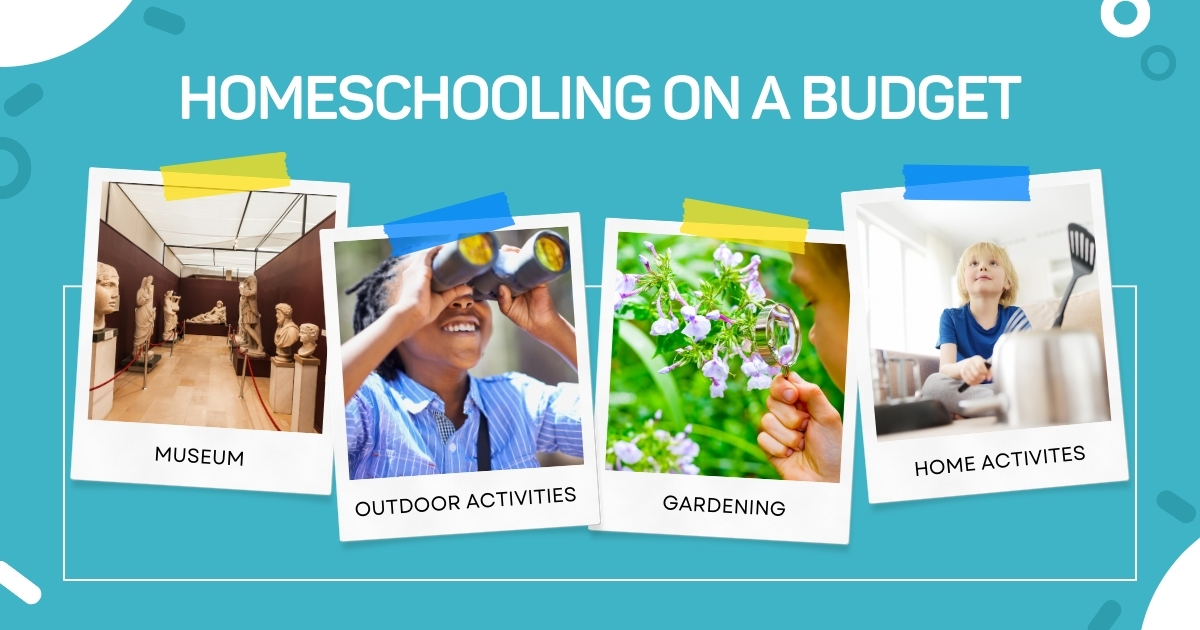
Homeschooling on a Budget: Economical Tips for Successful Learning

Homeschooling is an increasingly popular choice for many families, offering a customizable education tailored to each child’s unique needs. However, one common concern among parents is the cost associated with homeschooling. Balancing quality education while maintaining a homeschool budget can seem daunting, but it is entirely achievable with some planning and creativity. This guide aims to provide you with economical tips for successful learning, ensuring that you can offer your children an enriching educational experience without breaking the bank.

Choosing to homeschool is a significant decision that comes with various benefits, but it’s essential to understand why to homeschool before embarking on this educational path. Homeschooling allows for a personalized learning experience, ensuring that your child receives the attention they need to thrive. It offers flexibility in scheduling, meaning that learning can happen at a pace that suits your family’s lifestyle. Additionally, homeschooling fosters a close-knit family environment, strengthening bonds through collaborative learning experiences. The reasons why to homeschool extend beyond personalization and flexibility. Many parents opt for homeschooling to provide a safer learning environment, free from the distractions and potential issues found in traditional school settings. It also allows for a more in-depth exploration of subjects that interest your child, making learning more engaging and meaningful. With the right approach, homeschooling can be a fulfilling and cost-effective way to educate your children.

Creating A Homeschool Budget & Finding Affordable Curriculum Options

Establishing a homeschool budget is the first step toward managing costs effectively. Begin by listing all potential expenses, such as curriculum materials, supplies, extracurricular activities, and any online subscriptions or memberships. By having a clear understanding of these costs, you can allocate your resources more efficiently. It’s also helpful to set aside a contingency fund for unexpected expenses that may arise throughout the year. One way to keep your homeschool budget in check is by taking advantage of free or low-cost resources. The internet offers a wealth of educational materials, including lesson plans, worksheets, and interactive activities that can supplement your curriculum. Public libraries are another valuable resource, providing access to books, educational DVDs, and sometimes even free classes or workshops. Don’t hesitate to reach out to local homeschooling groups or co-ops, as they often share resources and organize group buys to save money.

Another strategy to consider is repurposing everyday items for educational purposes. Household items like measuring cups, kitchen scales, and even board games can be used to teach various subjects, from math to science. By getting creative with the resources you already have, you can significantly reduce your homeschooling expenses while keeping your child engaged and excited about learning.

Selecting the right curriculum is crucial for a successful homeschooling experience, but it doesn’t have to be expensive. Many affordable curriculum options are available that cater to different learning styles and educational philosophies. Start by researching and comparing different curriculum providers to find one that fits your educational goals and budget. Some companies offer discounts or payment plans, making it easier to manage costs.

One excellent resource for affordable curricula is the Internet. Numerous websites provide free or low-cost curriculum materials, including Khan Academy, which offers comprehensive lessons in various subjects for all grade levels. Websites like Teachers Pay Teachers allow educators to share and sell their lesson plans and teaching materials, providing a wide range of affordable options. Additionally, many educational blogs and forums offer free resources and advice from experienced homeschooling parents.

Another cost-effective approach is to use a combination of different resources to create a customized curriculum. This method allows you to tailor the education to your child’s specific needs and interests while keeping costs low. For example, you can use free online resources for subjects like math and science, supplemented by library books for literature and history. By being resourceful and flexible, you can provide a high-quality education without overspending.

Maximizing Free And Low-Cost Educational Resources & Seeking Out Financial Assistance And Grants

Taking full advantage of free and low-cost educational resources is essential for homeschooling on a budget. Public libraries are a treasure trove of materials, offering books, audiobooks, DVDs, and even access to online databases and learning platforms. Many libraries also host educational events and activities, such as storytimes, science workshops, and book clubs, which can enrich your child’s learning experience at no additional cost. The internet is another invaluable resource for homeschoolers. Numerous websites provide free educational content, including lesson plans, printable worksheets, and interactive activities. Websites like Khan Academy, PBS Kids, and National Geographic Kids offer comprehensive and engaging resources for various subjects. YouTube is also a fantastic platform for educational videos, with channels dedicated to teaching science experiments, history lessons, and art projects.

Local community resources can also play a significant role in your homeschooling journey. Museums, parks, and cultural centers often offer free or discounted admission for educational groups. Many organizations provide free workshops, classes, and events that can enhance your child’s learning experience. By staying informed about the resources available in your community, you can create a rich and diverse educational environment without stretching your homeschool budget.

Two children enjoying an interactive science exhibit at a museum, with a young boy smiling while operating colorful rings and a young girl pointing at a red ball floating in a clear tube.

Many organizations offer financial assistance and grants to homeschooling families, helping to alleviate the costs associated with homeschooling on a budget. Start by researching local, state, and national programs that provide funding for educational materials, extracurricular activities, and other homeschooling expenses. Some organizations, like the Home School Legal Defense Association (HSLDA), offer grants and scholarships specifically for homeschooling families in need. In addition to formal grants and scholarships, consider reaching out to local businesses and community organizations for support. Many companies are willing to donate materials, sponsor events, or offer discounts to homeschooling families. Building relationships with these organizations can provide valuable resources and opportunities for your children. Finally, don’t hesitate to ask for help from your network of friends, family, and fellow homeschoolers. They may have valuable resources, advice, or connections that can support your homeschooling efforts. By seeking out financial assistance and leveraging the support of your community, you can create a successful homeschooling experience without straining your homeschool budget.

Teaching Multiple Age Groups Effectively & Leveraging Community And Support Networks 

Homeschooling multiple age groups can be challenging, but it also offers opportunities for creative and cost-effective teaching solutions. One effective approach is to use unit studies, where a single topic is explored in-depth across multiple subjects. This method allows you to teach different age groups simultaneously, with each child working at their own level. For example, if you choose a unit study on space, younger children can learn about planets through picture books and simple crafts, while older children can explore more complex concepts like gravity and astronomy. Another strategy for teaching multiple age groups is to incorporate hands-on, project-based learning. Activities like gardening, cooking, and building models can be adapted to suit different age levels and learning styles. These projects not only engage children of all ages but also provide practical, real-world applications for their studies. By using everyday materials and resources, you can create enriching learning experiences without adding significant costs to your homeschool budget.

Encouraging older children to take on teaching roles can also be beneficial for both younger and older students. Older children can help tutor their younger siblings in subjects they excel in, reinforcing their own knowledge while providing valuable assistance. This peer-teaching approach fosters a sense of responsibility and collaboration, creating a supportive and inclusive learning environment.

Building a strong support network is crucial for successful homeschooling, and it can also help you manage your homeschool budget more effectively. Joining local homeschooling groups or co-ops allows you to connect with other homeschooling families who can offer advice, share resources, and provide emotional support. These groups often organize group buys for curriculum materials, field trips, and extracurricular activities, allowing you to save money through collective purchasing power. Online communities and forums are another excellent way to connect with other homeschooling parents. Websites like Homeschool World and Facebook groups dedicated to homeschooling offer a wealth of information, resources, and support. Participating in these communities allows you to exchange ideas, ask for recommendations, and stay updated on the latest homeschooling trends and resources.

Don’t forget to tap into your personal network of friends and family. They may have valuable resources, such as books, educational games, or even expertise in a particular subject, that they are willing to share or lend. Building a network of support not only enhances your homeschooling experience but also helps you maintain a balanced homeschool budget by sharing and collaborating with others.

Incorporating Extracurricular Activities On A Budget

Extracurricular activities are an essential part of a well-rounded education, but they can often come with a hefty price tag. However, there are many ways to incorporate these activities into your homeschooling routine without breaking your homeschool budget. Start by exploring free or low-cost community programs, such as sports leagues, music lessons, and art classes. Many local organizations offer scholarships or sliding scale fees based on income, making these activities more accessible. Another cost-effective option is to organize your own extracurricular activities with other homeschooling families. Forming a co-op or activity group allows you to pool resources and share the costs of activities like field trips, science experiments, and group sports. By working together, you can provide your children with a diverse range of experiences while keeping expenses to a minimum.

In addition to community programs and co-ops, consider using online resources for extracurricular activities. Websites like Outschool offer affordable virtual classes in various subjects, from coding and cooking to dance and drama. Many YouTube channels also provide free tutorials and lessons in subjects like music, art, and physical fitness. By leveraging these resources, you can ensure that your child receives a well-rounded education without straining your homeschool budget.

Homeschooling on a budget is not only possible but can also be a rewarding and enriching experience for both you and your child. By understanding why to homeschool and creating a thoughtful homeschool budget, you can provide a high-quality education without overspending. Utilizing free and low-cost resources, building a strong support network, and incorporating technology can further enhance your homeschooling experience. Remember that flexibility, creativity, and adaptability are key to successful homeschooling. Stay open to new ideas, seek out support, and regularly evaluate your progress to ensure that you are meeting your educational goals. With careful planning and resourcefulness, you can create a fulfilling and cost-effective homeschooling experience that fosters a love of learning and helps your child thrive.

If you’re ready to take the next step in your homeschooling journey, consider reaching out to local homeschooling groups, exploring online resources, or seeking financial assistance. By taking advantage of the many resources available, you can create a successful and enjoyable homeschooling experience for your family.