Are There Free Homeschool Science Curriculum Options?

Are there free homeschool science curriculum options? Yes, there are! If you’re a homeschooling parent, you may already know how quickly costs can add up. Between workbooks, lesson plans, lab kits, and supplementary materials, building a comprehensive science curriculum might seem expensive. The good news is there are many quality resources available online at no cost. With a little research and creativity, you can provide your child with an excellent science education without breaking the bank.

This guide will help you explore where to find free homeschool science programs and highlight some of the best options available.

Where to Find Free Homeschool Science Curriculum

The internet is an incredible resource for homeschooling families, offering access to curriculum plans, videos, interactive activities, and more. Here’s how to start looking for free science programs:

1. Educational Websites

There are numerous websites dedicated to providing free educational content. Many of these include comprehensive, ready-to-use science lessons:

  • Khan Academy
    Khan Academy offers free, high-quality lessons for a variety of subjects, including science. Kids can watch videos, review interactive quizzes, and learn at their own pace. Topics range from biology and chemistry to physics and environmental science.
  • CK-12 Foundation
    CK-12 specializes in customizable educational content. Their science program includes full textbooks, videos, simulations (called “PLIX” interactive content), and assessments for free. Kids can explore topics in-depth, and you can tailor the resources for different grade levels.
  • NASA for Educators
    NASA’s website provides amazing science lessons focused on space, Earth science, physics, and engineering. You’ll find videos and downloadable activities as well as instructions for simple at-home experiments.

2. Library Resources

Most local libraries have a wealth of free textbooks, science kits, and DVDs available to borrow. Many libraries also offer access to online databases like Britannica School or Gale in Context, full of educational resources. All you need is a library card!

3. YouTube Channels

Video content can bring science to life. Some fantastic YouTube channels for free science education include:

  • CrashCourse
    These videos cover a huge range of science topics in a fun, engaging way. They’re perfect for middle and high school students who want an entertaining but thorough approach.
  • SciShow Kids
    Younger learners will love SciShow Kids, which explains scientific concepts in simple terms. Each video is short, colorful, and engaging.
  • The Amoeba Sisters
    Biology comes alive with The Amoeba Sisters. Their creative videos use animations and humor to make understanding science easy.

4. Online Curriculum Platforms

Besides websites and videos, there are online platforms that offer organized curriculums for free or with some optional premium upgrades:

  • Easy Peasy All-in-One Homeschool
    Easy Peasy is a complete K-12 curriculum that’s entirely free. Their science lessons cover numerous topics and are well-organized by grade level.
  • The Good and the Beautiful (Science Units)
    While much of their content is available for purchase, The Good and the Beautiful offers several free science units for download. These include beautifully designed lessons, interactive activities, and projects.

5. Educational Apps

Mobile apps can supplement learning and offer interactive science lessons for free. For instance:

  • Kahoot! (free version) has quiz-based learning that can keep science fun and exciting.
  • BrainPOP (free features) includes short, animated videos on various science topics.

Tips for Choosing a Curriculum

When looking for the right free resources, keep the following in mind:

  • Check the Grade Level: Make sure the material aligns with your child’s age and skill level.
  • Focus on Your Child’s Interests: Tailor the science lessons to things your child is curious about, like animals, chemistry, or space exploration.
  • Balance Theory with Experiments: Look for programs that combine reading and videos with hands-on activities to encourage a deeper understanding.
  • Be Flexible: Don’t hesitate to mix and match resources. You can use NASA’s lessons for astronomy and rely on Easy Peasy for biology.

Close-up of the word 'Free' in a dictionary with a dramatic lighting effect, emphasizing the concept of free resources or education.

The Best Free Science Curriculum for Homeschool

If you’re overwhelmed by the options, don’t worry! Here’s a list of standout free homeschool science curriculum options to help you get started. These have been highly rated by homeschooling families:

1. Khan Academy

  • Grade Range: Elementary through high school
  • Key Features:
    • User-friendly lessons divided into bite-sized chunks
    • Covers topics like physics, biology, and chemistry
    • Includes review questions and practical exercises

Everything on Khan Academy is tailored for self-paced learning, making it ideal for older students.

2. Mystery Science

  • Grade Range: Kindergarten through 5th grade
  • Key Features:
    • Offers free starter lessons
    • Includes engaging videos and hands-on projects
    • Introduces concepts through storytelling

Mystery Science is a perfect option for younger students who need simple, fun explanations paired with projects.

3. Easy Peasy All-in-One Homeschool

  • Grade Range: Kindergarten through high school
  • Key Features:
    • Fully free curriculum covering all grade levels
    • Integrates science with other subjects like history
    • Includes reading, videos, assignments, and experiments

Parents praise Easy Peasy for how comprehensive and user-friendly it is.

4. The Good and the Beautiful

  • Grade Range: Elementary to middle school
  • Key Features:
    • Offers free downloadable science units
    • Beautifully designed materials with plenty of visuals
    • Includes hands-on activities and parent guides

It’s a wonderful option if you want ready-to-go lesson plans with minimal prep.

5. National Geographic Kids

  • Grade Range: Kindergarten through middle school
  • Key Features:
    • Free articles, videos, and educational games
    • Focuses on animals, ecosystems, and natural sciences
    • Visually engaging with amazing photos

This is a favorite for kids who love nature and animals.

Budget-Friendly Experiments You Can Do at Home

No science curriculum is complete without experiments! Thankfully, you don’t need a professional lab or expensive kits. Here are a few simple projects you can try:

  • Volcano Eruption (Chemistry): Combine baking soda and vinegar to make an erupting “volcano.”
  • Plant Growing (Biology): Use beans, water, and soil to observe germination and growth.
  • Lava Lamp (Physics): Mix water, oil, food coloring, and an Alka-Seltzer tablet for a fun, bubbly reaction.
  • Magnet Exploration (Physics): Use household magnets to test which materials are magnetic.

Hands-on experiments like these are not only affordable but also help kids grasp scientific concepts in a fun way.

Final Thoughts

With so many free homeschool science curriculum options available, you can create an engaging, enriched education for your child without spending a dime. Use a mix of online resources, library materials, and hands-on activities to tailor a science program that works for your family. Whether you’re investigating space with NASA’s tools, watching biology lessons with The Amoeba Sisters, or downloading units from Easy Peasy, there’s no shortage of ways to make science fun and accessible for homeschoolers.

You don’t have to compromise on quality just because you’re sticking to a budget. All it takes is a little planning and some creative thinking to put together a curriculum your child will love. Start exploring these resources today and discover just how exciting free learning can be!


Teaching Number Sense In Your Homeschool Math Class

In the world of homeschooling, math often stands out as a subject that can either inspire curiosity or incite dread. For many parents, the responsibility of teaching complex concepts like number sense can feel daunting. Yet, fostering a strong sense of numbers in your child’s homeschool education is crucial. It lays the foundation for all future math learning, from basic arithmetic to advanced calculus.

Number sense refers to a student’s ability to understand, relate, and connect numbers in flexible ways. It’s about recognizing quantities, understanding their relationships, and applying this knowledge in problem-solving scenarios. For homeschooling parents, this means creating an environment where numbers are not just abstract symbols but meaningful entities that can be manipulated, compared, and explored.

This blog post will guide you through effective strategies for teaching number sense in homeschool math classes, offering practical tips and homeschool number sense activities to make math both engaging and educational.

Understanding Number Sense In Homeschooling

When we talk about number sense, we’re discussing a child’s innate ability to understand numbers. This concept isn’t just about counting or recognizing numerals; it involves a deeper comprehension of how numbers work together.

For homeschooling parents, nurturing number sense means introducing numbers in a way that makes them relatable and understandable. Children with strong number sense are able to make reasonable estimates, identify patterns, and solve problems more creatively. They see numbers as flexible and dynamic, not static entities.

This flexibility allows them to approach math problems from different angles, fostering critical thinking and problem-solving skills. Teaching number sense in homeschool math becomes an essential part of creating a well-rounded mathematics curriculum.

The beauty of homeschooling is that it allows for personalized learning experiences. This personalization is key when building number sense in math education. You can tailor lessons to fit your child’s unique learning style and pace, ensuring that they grasp the fundamental concepts before moving on to more complex ideas. This personalized approach helps solidify number sense, making it easier for your child to tackle math challenges with confidence.

Educator teaching number sense on a whiteboard, reinforcing math fundamentals in homeschooling.

Importance Of Number Sense In Math Education

Number sense is the bedrock upon which all math education is built. Without it, even simple calculations can become challenging. A strong number sense ensures that children are not just memorizing math facts but actually understanding them. This deep understanding is crucial for success in math and in everyday life.

Developing number sense involves more than just rote memorization. It requires students to engage with numbers in meaningful ways, often through hands-on activities. Homeschool number sense activities play a vital role in this process, providing opportunities for children to experiment with numbers, test hypotheses, and discover patterns. These activities help reinforce mathematical concepts, making them more tangible and easier to comprehend.

Incorporating homeschool number sense activities into your curriculum can significantly enhance your child’s understanding of math. These activities encourage exploration and inquiry, allowing children to learn through experience. By interacting with numbers in a playful and engaging manner, children develop a deeper appreciation for math, which can lead to improved academic performance and a lifelong love of learning.

Practical Strategies for Building Number Sense

Building number sense goes beyond basic counting or memorizing math facts. It’s about understanding numbers, their relationships, and how to manipulate them in various contexts. Here are some streamlined, practical methods to develop this essential skill:

Create a Math-Rich Environment

  • Use real-life activities like cooking to explore fractions or shopping to practice addition and budgeting.
  • Integrate fun math games like puzzles, Sudoku, or board games to build problem-solving skills.
  • Set up a “math corner” with hands-on tools like counting blocks, number lines, and measuring tools for independent exploration.

Encourage Mental Math: Mental calculations strengthen number sense by helping kids understand number relationships. Start simple, like asking them to add or subtract small numbers without paper. Gradually increase difficulty, and make it interactive by integrating it into daily tasks—like estimating distances or calculating time while driving.

Use Visualization Techniques

  • Visualization makes abstract math tangible:
  • Introduce tasks like drawing diagrams to represent dividing objects among friends.
  • Leverage tools such as number lines to illustrate concepts like addition or subtraction.

Explore Patterns and Relationships:  Identifying patterns in math simplifies problem-solving and deepens understanding.

  • Practice skip counting, recognizing odd/even numbers, or sequencing events with colored counters or blocks.
  • Discuss how operations relate, like how subtraction undoes addition, to bolster comprehension.

Leverage Technology: Take advantage of educational math apps and online resources to make learning interactive. Tools with adaptive features can tailor activities to your child’s skill level, while virtual manipulatives help visualize and experiment with number concepts.

Implement Project-Based Learning: Real-world projects make math meaningful. Plan activities like designing a garden, where kids calculate area, perimeter, and costs. Hands-on tasks link math to everyday life while encouraging problem-solving and critical thinking.

Foster a Growth Mindset: Encourage kids to view mistakes as learning opportunities. Praise effort and progress, not just results, and celebrate the persistence they show when solving tough problems. A positive attitude builds resilience and confidence in math.

By combining these strategies with consistent practice, your child will develop a deeper understanding of numbers and how they relate to the world. Number sense becomes not just a skill for academics but a tool for life.

Helping Your Child Build A Strong Foundation

Teaching number sense in homeschool math is a rewarding and essential aspect of your child’s education. By creating a supportive and engaging learning environment, you can help your child develop a strong foundation in number sense, setting them up for success in math and beyond.

By incorporating practical strategies like creating a math-rich environment, encouraging mental math, and using visualization techniques, you can nurture your child’s number sense in meaningful ways. Incorporating technology, exploring patterns, and implementing project-based learning further enhances your child’s understanding and engagement with math concepts.

Fostering a growth mindset is equally important, as it empowers your child to view challenges as opportunities for growth and develop resilience in their mathematical journey. With dedication, creativity, and patience, you can build a homeschool math curriculum that supports your child’s growth and development in number sense.

Remember, the goal is not just to teach math but to inspire a lifelong love of learning and curiosity about numbers. With the right tools and strategies, you can make math an enjoyable and enriching experience for your child.

Traditional Education: How To Teach Essential Multiplication Facts

In the world of homeschooling, teaching mathematics can be a daunting challenge, especially when it comes to essential multiplication facts. Multiplication is a foundational skill that paves the way for more complex mathematical concepts. Ensuring your child understands these concepts early on can set them up for future success in their educational endeavors.

This blog post is dedicated to homeschooling parents seeking effective and traditional methods to make teaching multiplication a breeze. From exploring various teaching strategies to understanding why multiplication skills are crucial, this guide aims to equip you with the tools you need to enhance your child’s math education.

Traditional Methods For Learning Multiplication

Multiplication is a fundamental skill that supports a child’s understanding of more advanced math concepts like division, fractions, and algebra. For homeschooling parents, teaching multiplication effectively not only boosts math confidence but also enhances critical thinking and problem-solving abilities.

By focusing on traditional methods, you can create a structured, engaging, and consistent learning experience that sets your child up for success.

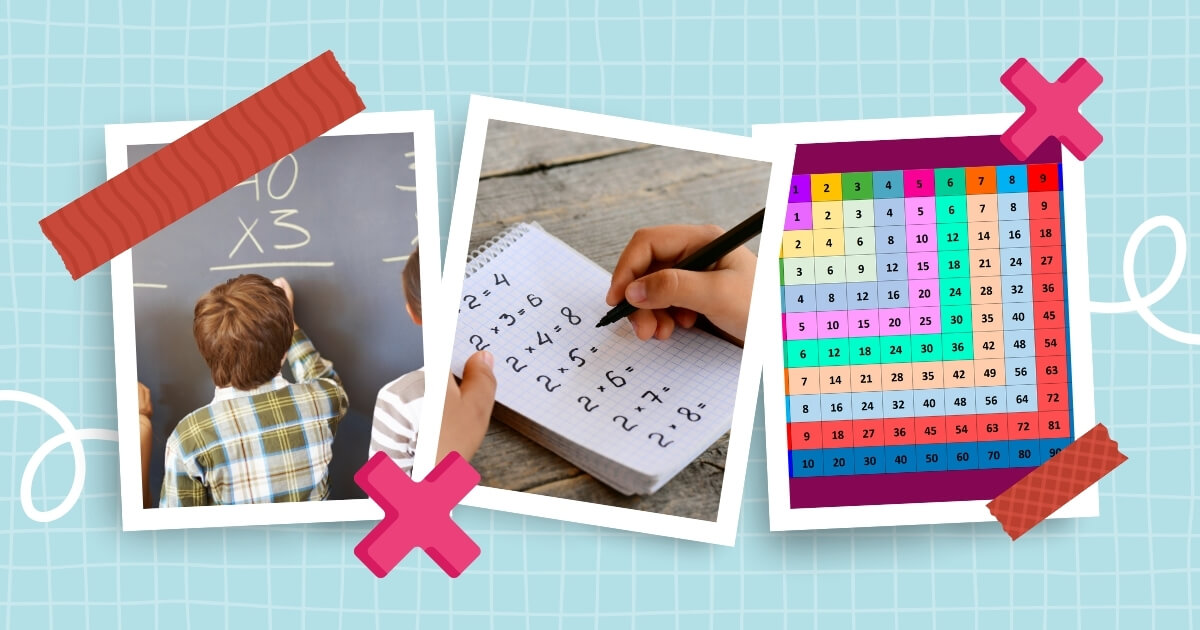
  • Flashcards: A simple and effective tool for memorizing multiplication tables. They provide instant feedback and can be turned into fun games to keep learning interactive and motivating.
  • Multiplication Charts or Grids: Visual aids that help children recognize number patterns and understand how numbers relate to each other. Regular review supports deeper conceptual learning.
  • Rote Memorization: Though sometimes considered old-fashioned, repetition helps embed multiplication facts in long-term memory, allowing children to recall answers quickly and confidently.

By blending these traditional methods, homeschooling parents can offer their children a comprehensive and well-rounded approach to multiplication. This strong foundation not only prepares them for future math challenges but also fosters a positive attitude toward learning as a whole.

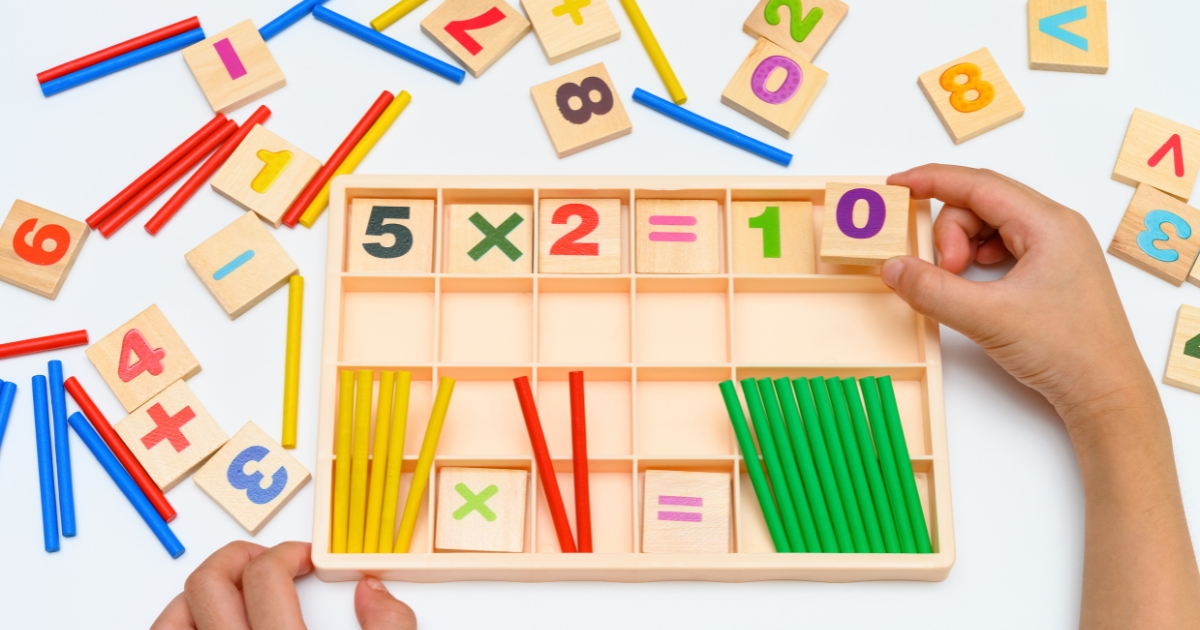
Hands-on multiplication learning activity using wooden number tiles and colorful counting sticks for homeschooling math education.

Essential Multiplication Strategies For Kids

Mastering multiplication is a crucial milestone in a child’s math journey. Introducing creative and hands-on strategies can make the process more enjoyable and less overwhelming for kids. By tailoring these methods to suit a child’s unique learning style, parents can help build both confidence and a solid foundation in multiplication.

  • Skip Counting: Teaches children that multiplication is repeated addition. For example, skip counting by fives (5, 10, 15, 20) helps them see patterns and memorize facts quickly.
  • Using Manipulatives: Tools like counters, blocks, or beads allow kids to visualize multiplication as a grouping, making abstract concepts tangible and easier to understand.
  • Incorporating Storytelling: Framing multiplication problems as relatable stories, such as sharing candies among friends, makes learning more engaging and shows the real-world relevance of math.
  • Real-World Applications: Encourages kids to connect multiplication to everyday scenarios, reinforcing problem-solving skills they’ll use in daily life.

By combining these strategies, parents can demystify multiplication for their children, turning it into an interactive and rewarding experience. With the right tools and approach, kids can develop confidence in math while strengthening critical thinking and problem-solving skills that extend far beyond the classroom.

Overcoming Common Challenges

Learning multiplication can be a challenging journey for many children, often leading to feelings of frustration or anxiety. It’s important to approach this process with patience and positivity to build confidence and make the experience enjoyable. Small celebrations, humor, and well-timed breaks can help ease the pressure, while interactive tools like games and visual aids can turn learning into a fun activity.

Encouraging a growth mindset is another powerful way to support children as they tackle multiplication. Emphasize that mistakes are part of learning and that effort leads to improvement. Simple phrases like “You’re getting better every time!” can inspire perseverance. Sharing examples of people who overcame struggles in learning can also motivate kids to keep trying.

Every child learns at their own pace, so adjusting teaching methods is crucial. Visual learners may benefit from colorful diagrams, while kinesthetic learners often thrive when using physical objects like blocks to count. No matter the approach, celebrating even small steps forward helps maintain motivation and builds confidence.

By creating a supportive environment tailored to each child’s needs, multiplication can feel less daunting and more achievable. With patience and the right strategies, children can develop not only their math skills but also the resilience to tackle future challenges.


Teaching Multiplication Facts Effectively At Home

Teaching multiplication effectively requires a mix of traditional methods and creative strategies. Homeschooling parents can help their children succeed by setting aside daily practice time to reinforce learning through repetition. Creating a consistent routine ensures steady progress.

Encouraging a growth mindset is also key. Help your child see mistakes as part of learning and celebrate small victories to keep them motivated and engaged.

Technology can make learning multiplication more fun. Educational apps and online games provide interactive ways to practice, adapt to skill levels, and offer personalized feedback. Integrating these tools into your homeschooling curriculum can make lessons more dynamic and engaging.

As a homeschooling parent, you can tailor the learning experience to your child’s needs. By combining traditional methods with creative strategies, you can build a curriculum that boosts their understanding and confidence in math.

Effective teaching takes patience, consistency, and creativity. Experiment with different approaches, use available resources and celebrate progress along the way. With the right tools and dedication, you can turn multiplication into a rewarding and enjoyable learning experience.

How To Teach Waldorf Math

Mathematics is often seen as a rigid and structured subject, but what if there was a way to make it alive and vibrant? Enter Waldorf math, a teaching approach that uses storytelling, art, and movement to bring numbers to life. If you’re a homeschooling parent looking to enrich your child’s learning experience, this guide is tailor-made for you.

We’ll explore how Waldorf math teaching methods can transform how you teach, and your child learns. Get ready to discover creative approaches to teaching math in Waldorf and set up your home for a holistic educational experience.

Understanding The Waldorf Approach To Math & Setting Up Your Waldorf Math Environment

Waldorf education takes a unique approach to teaching math, focusing on imagination and creativity. Here’s what sets Waldorf math apart:

  • Real-world connections: Math is linked to everyday experiences, making abstract concepts easier to understand. Instead of relying on rote learning, children explore numbers through storytelling and play.
  • Holistic approach: Waldorf math goes beyond problem-solving. It highlights the beauty and patterns in numbers, encouraging a lifelong love of learning and curiosity.
  • Critical thinking: By engaging multiple senses and expressions, children deeply internalize math concepts. Math becomes relatable, not just a collection of numbers and equations.

Before using Waldorf math strategies, it’s important to understand its philosophy. Based on Rudolf Steiner’s teachings, Waldorf emphasizes learning through the head, heart, and hands—intellectual, emotional, and practical engagement.

Let’s break it down further:

  • The Head: Focuses on intellectual understanding. Children learn the ‘why’ and ‘how’ behind math, not just memorization.
  • The Heart: Emotional connection is built through stories and characters, making numbers relatable and easier to remember.
  • The Hands: Involves practical activities like drawing shapes, playing math games, or counting objects around them.

By integrating these elements, Waldorf math offers a well-rounded, engaging experience that supports all learning styles.

Child using an abacus to solve math problems in a workbook, surrounded by colorful pencils and learning tools. The image represents hands-on and visual learning techniques in Waldorf math education.

Creating the right learning space is key to teaching math in the Waldorf style. Choose a specific area in your home for math activities and stock it with materials like colored pencils, paper, and natural items like stones or shells for counting.

Use natural lighting and warm colors to create a calming atmosphere. Decorate the space with math-related visuals like number lines or geometric designs to spark curiosity.

Waldorf math often includes physical activities, like acting out math stories or using movement to learn multiplication. Make sure the space has enough room for your child to move and interact with these activities.

Visual Arts, Music, Kinesthetic Learning & Incorporating Stories And Characters 

Waldorf education takes a unique and holistic approach to teaching math, integrating creativity, movement, and storytelling to make learning both engaging and meaningful. By combining visual arts, music, physical activity, and narratives, this method transforms math from an abstract subject into an immersive experience that resonates with children on multiple levels.

Here are some key strategies used in Waldorf math education to inspire a love for numbers and patterns:

  • Visual Arts: Use drawing, painting, and color to illustrate mathematical concepts. Activities like form drawing and geometric patterns improve spatial awareness and concentration.
  • Music: Incorporate rhythmic songs, chants, and instruments to teach multiplication tables, fractions, or sequencing. Music connects math with rhythm and melody, making it memorable and fun.
  • Movement: Engage the body with activities like walking number lines, jumping to count, or using yoga poses to explore geometry. Kinesthetic learning helps connect physical actions to abstract concepts.
  • Storytelling: Create math-focused narratives where numbers become characters in adventures. Stories make math relatable, imaginative, and easier to remember.

Waldorf math encourages children to see the beauty and interconnectedness of math in all areas of life. By blending creativity, music, movement, and storytelling, this approach creates a rich and dynamic learning environment.

Whether through vibrant art, rhythmic melodies, or imaginative tales, Waldorf strategies inspire children to approach math with curiosity and joy, fostering a deeper understanding and lifelong appreciation for the subject.

Practical Math Applications & Group Activities 

Waldorf math teaching emphasizes practical applications. Help your child use math in everyday activities like cooking, shopping, or gardening. For example, cooking teaches fractions and measurements, while gardening introduces symmetry and growth patterns. These real-world experiences make math tangible and highlight its usefulness.

Give your child hands-on opportunities, such as managing a small budget or calculating travel distances. This not only reinforces math skills but also fosters independence and responsibility. Practical lessons like these lay a strong foundation for lifelong learning.

Collaboration is another key part of Waldorf math. Group activities build social skills, communication, and teamwork. Try ideas like:

  • Organizing math clubs or group projects
  • Hosting playdates with math-based games
  • Building models or solving puzzles together

These activities encourage cooperation, critical thinking, and problem-solving while making learning fun. Games and friendly competitions can motivate children and boost confidence. Collaborative experiences inspire a love for learning that goes beyond math.

Waldorf math avoids traditional assessments, focusing instead on individual growth. Use alternative methods like portfolios or project-based evaluations to track progress. Offer constructive feedback to highlight strengths and areas for improvement, promoting a growth mindset.

Celebrate milestones to motivate your child and reinforce their achievements. Regularly discuss their learning journey, asking open-ended questions to encourage reflection. This approach creates a supportive environment where your child feels valued and motivated to learn.

Creating A Dynamic Learning Environment

Teaching Waldorf math at home lets you combine creativity and imagination with building strong math skills. Use storytelling, art, music, and movement to create a fun and engaging learning experience that fits your child’s unique needs. Explore different Waldorf math methods and adapt them as needed.

Talk with your child to keep them motivated and supported. Connect with other homeschooling families or join online Waldorf education communities for tips and inspiration. With the right approach, you can make math enjoyable and help your child succeed.

How To Use A Snow Day To Teach Your Child About Science

Snow days are often seen as a break from routine – a time for children to build snowmen, go sledding, and sip hot chocolate by the fire. For homeschooling parents, however, these unexpected days off can be a golden opportunity to engage children in hands-on science lessons. Imagine turning a simple day of snow into an enriching educational experience that not only entertains but also educates.

This blog post will guide you through transforming a snow day into a fun and informative learning adventure. By taking advantage of the natural curiosity that snow brings, parents can introduce concepts in physics, chemistry, and biology in a playful and memorable way. This guide aims to provide homeschooling parents with practical ideas and tips for incorporating science experiments into their children’s days off. From exploring the properties of snow to understanding the science behind freezing and melting, there’s no shortage of lessons tucked within those fluffy flakes.

In the following sections, we will explore the benefits of learning on a snow day, offer creative ideas for science lessons, and provide tips for seamlessly integrating these activities into your homeschool curriculum. Whether it’s a study break or a holiday vacation, snow days present a unique and enjoyable opportunity for winter learning.

The Benefits Of Learning On A Snow Day

Snow days offer a break from the traditional classroom setting, allowing children to engage with their environment in a new and exciting way. This change of pace can invigorate a child’s interest in learning, turning a day off into a productive educational experience. One of the key benefits is the ability to prevent the dreaded “summer slide,” where students lose some of the knowledge gained during the school year due to long breaks.

Engaging in science experiments during a snow day ensures that learning continues in a fun, stress-free environment. Furthermore, when children learn while having fun, they develop a love for knowledge that extends beyond textbooks and classrooms.

Snow days offer the perfect chance to teach children about scientific concepts through real-world applications. By conducting experiments with snow and ice, children gain a deeper understanding of the world around them. This hands-on approach makes learning more engaging and helps children retain information more effectively. Finally, utilizing snow days for learning fosters family bonding. Parents and children can work together to explore scientific principles, creating lasting memories. By spending time conducting science experiments and discussing their findings, families strengthen their relationships and encourage a collaborative approach to education. This shared learning experience reinforces the importance of curiosity and exploration, both essential components of a successful homeschooling education.

Kids playing in the snow: Fun winter learning activities for children

Ideas For Science Lessons On Snow Days

Transforming a snow day into a winter learning adventure requires a touch of creativity and a sprinkle of curiosity. Here are some practical and engaging science experiments that can be conducted using materials you likely already have at home. These activities are designed to be both educational and fun, ensuring that your child remains engaged throughout the day.

  1. Exploring Snowflakes: Begin by examining snowflakes under a magnifying glass. Discuss symmetry, crystalline structures, and how temperature affects their formation. Encourage your child to draw or describe the patterns they observe, fostering observational and artistic skills.
  2. Melting Ice Experiment: Grab a few ice cubes and challenge your child to find the fastest way to melt them. Use salt, sugar, warm water, or even body heat. Discuss the science behind melting points, state changes, and energy transfer, making it a perfect winter learning activity.
  3. Balloon Barometer: Teach your child about air pressure by creating a simple barometer. Attach a balloon to the mouth of a jar and monitor how it inflates or deflates with changes in weather conditions. This experiment introduces concepts of atmospheric pressure and weather forecasting.
  4. Snowball Catapult: Build a snowball catapult using popsicle sticks, rubber bands, and spoons. Challenge your child to experiment with angles and force to launch the snowballs as far as possible. This activity introduces concepts of motion, potential energy, and force.
  5. Pine Cone Science: Take a walk in the snow and collect pine cones of different sizes. Explain how pine cones open and close based on the level of humidity in the air. Encourage your child to explore this concept further by placing pine cones in different environments around the house. This activity introduces the concept of hygroscopic properties.
  6. Frozen Bubbles: On a cold day, blow bubbles and watch them freeze in the air. Discuss the conditions that cause the bubbles to freeze and explore how a liquid turns into a solid at different temperatures. This introduces the concepts of freezing points and states of matter.
  7. Colorful Ice Blocks: Fill different containers with water and add food coloring. Leave them outside to freeze. Once solid, stack the colorful ice blocks to create a sculpture. Discuss the role of temperature in freezing and the science of light reflection and absorption through colored ice.
  8. Icicle Growth: Hang a container filled with water above a surface where water can drip slowly to form icicles. As icicles grow, measure them daily to learn about the effects of temperature and water flow on their growth. This provides lessons in freezing, thawing, and measurement.
  9. Vinegar and Baking Soda Snow Volcano: Build a miniature volcano from snow and fill it with baking soda. Pour vinegar over the top and watch the eruption. Discuss the chemical reaction between baking soda (a base) and vinegar (an acid), making it an exciting introduction to chemistry.
  10. Snow Density Investigation: Collect snow in different containers and measure their weight after they melt. Compare the amount of water each container holds, leading to discussions on density, volume, and water content in snow. This activity promotes critical thinking and hypothesis testing.

These experiments provide a blend of indoor and outdoor activities, perfect for any snow day. Ensure safety and supervision, particularly when handling substances like salt and sugar, which can irritate skin or eyes. Each activity can be adapted to suit the age and understanding of your child, allowing for a customized learning experience.

Tips For Incorporating Science Into The Homeschool Curriculum Over The Holidays

Integrating snow day activities into your homeschool science curriculum can be seamless with a little planning. Start by mapping out your long-term education goals and identifying where these winter learning activities fit into the bigger picture. By aligning snow day lessons with your existing curriculum, you ensure that they reinforce and enhance your child’s overall education. Consider setting aside specific times during the holiday break for structured science activities. Even a short session of focused learning can be highly beneficial.

Use snow days as an opportunity to explore new topics or review previously covered material. This prevents learning gaps and keeps your child’s skills sharp. Lastly, encourage your child to document their findings. Whether through a science journal, photographs, or videos, keeping a record of their experiments helps them reflect on their learning process and progress. This documentation can serve as a valuable resource for revisiting concepts later in the school year, ensuring that the knowledge gained during snow days is not forgotten.

Snow days are more than just a break from routine; they are an opportunity to turn the world into a classroom. By using these unexpected days off to explore science experiments and engage in winter learning, homeschooling parents can create a rich, educational experience that fosters curiosity and discovery. Whether it’s observing snowflakes or conducting melting experiments, these activities can be seamlessly integrated into your homeschool curriculum, contributing to a well-rounded education.

In summary, snow days present a wonderful chance to keep learning alive and thriving, even when regular school schedules are disrupted. By embedding these experiences into your child’s education, you nurture a lifelong love for learning and exploration. Encourage your child to ask questions, seek answers, and enjoy the wonders of science at every opportunity. For those interested in further resources or more detailed lesson plans, many online communities and educational platforms offer additional support for homeschooling parents. Don’t hesitate to explore these avenues to enrich your child’s learning experience. With a little creativity and enthusiasm, every snow day can become a memorable and educational adventure.

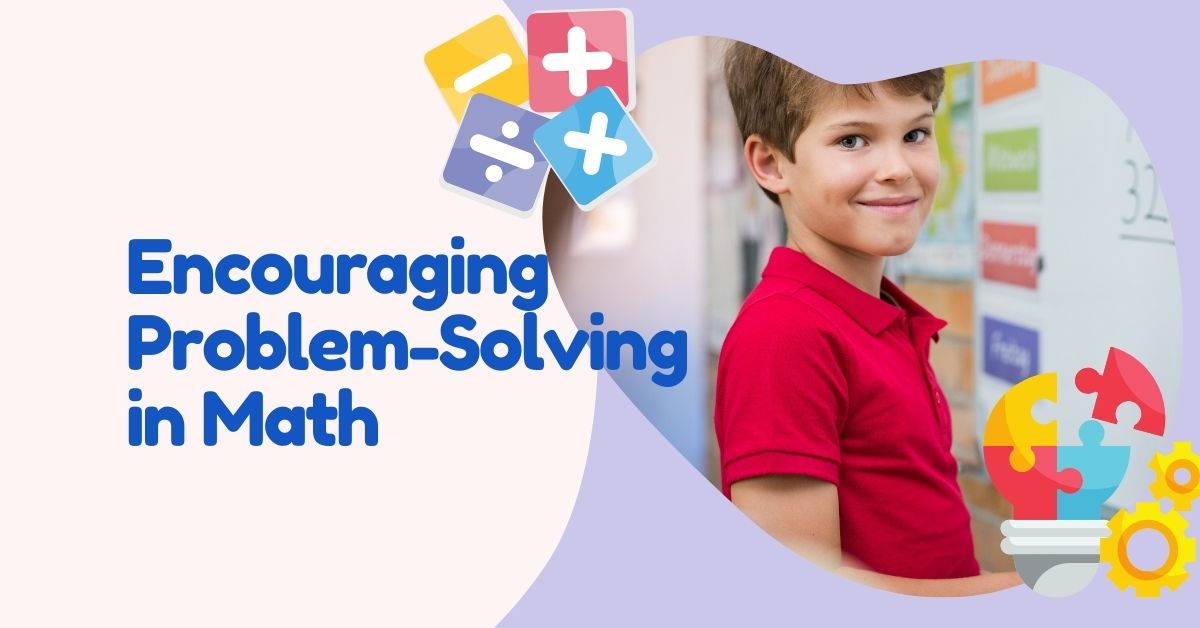
Encouraging Problem-Solving in Math: Strategies and Puzzles for Kids

Math doesn’t have to be a boring list of equations and drills. For homeschool families, math can be a creative, engaging, and even exciting part of the day! By encouraging problem-solving, you help your child develop critical thinking skills that extend far beyond the numbers on a worksheet. Teaching kids to approach math as a series of fun challenges not only deepens their understanding but also builds confidence and perseverance.

But where do you start? That’s where we come in! Today, we’re sharing math puzzles, strategies, and games you can try at home to make math problem-solving a hands-on, brain-boosting adventure.

Why Focus on Problem Solving?

Before we dive into activities, it’s important to understand why problem-solving is such a key component of math education. The beauty of math isn’t just in finding the right answer—it’s in discovering how to get there. Problem-solving encourages kids to think critically, experiment, and collaborate with you as the teacher.

By weaving these skills into your homeschooling routine, you’re not only strengthening their math foundation but also fostering their creativity, logical thinking, and adaptability. These are skills they’ll use for a lifetime, whether they’re calculating grocery budgets or designing the next Mars rover!

Now, let’s get into the fun stuff—here are some ways to encourage problem-solving in your homeschool environment.

Start with Open-Ended Math Questions

One of the best ways to jumpstart problem-solving is to present open-ended math questions without a single correct answer. These questions give your child room to explore creative solutions and explain their thought processes.

For example:

  • “How many ways can you make 10 using addition or subtraction?”
  • “What shapes can you create if you combine 3 triangles and 2 rectangles?”
  • “If you had $5 to spend at a candy shop, what would you buy?”

This kind of math prompts open up opportunities for discussion, trials, and new strategies. Encourage your child to talk through their thinking as they solve each question.

Pro tip: Keep a notebook or whiteboard handy so your kids can jot down their work, circle back to ideas, and tweak their approaches.

Use Hands-On Math Puzzles

Children often learn best when they can touch and manipulate objects. Math puzzles and brainteasers are perfect for inspiring hands-on learning—and the options are endless!

Jigsaw Math Problems

Create or buy puzzles that include missing numbers, patterns, or equations as part of the solution. For younger kids, try puzzles that encourage number recognition or counting. Older kids can tackle algebra-inspired puzzles or Sudoku.

Tangrams

Tangrams are an excellent way to teach geometry and spatial awareness. Give your child a set of seven tangram pieces and challenge them to recreate specific shapes or animals. This promotes problem-solving as they figure out how the pieces fit together.

Pattern Blocks

With a set of pattern blocks, you can explore symmetry, fractions, and more. Challenge your child to create specific designs with limitations (e.g., “Use only triangles to make a hexagon”). The problem-solving required to meet these “rules” can really push their creativity.

Young girl solving a hands-on math puzzle for problem-solving practice.

Build Your Own Math Games

Games are a fantastic way to marry fun and learning. Plus, they keep those math muscles working without the pressure of a traditional worksheet.

Number Scavenger Hunt

Hide numbers (or cards with equations) around the house, then give your child clues to find each one. Once they’ve collected them all, challenge them to arrange the numbers to reach a target sum or solve a larger equation.

Math Card Games

You don’t need fancy materials—your standard deck of cards works wonders. Play “Addition War” by flipping two cards each, and whoever has the higher sum wins the round. For older kids, switch to “Multiplication War” or play “Math Rummy,” where players work to create equations with their cards.

DIY Board Game

Turn math into a family event by making your own board game. Use a large sheet of paper to draw out a path, then write math challenges on some spaces. For example, landing on “Solve 8 x 7” allows a player to roll again. You could even include silly spaces like “Hop like a frog for the next 3 turns.” This is where math meets creativity!

Integrate Real-Life Problem Solving

Math holds so much more meaning when kids can connect it to real-world puzzles. The great news is you don’t need to leave the house to find everyday opportunities for math exploration.

Cooking and Baking

Cooking offers lessons in fractions, measuring, and conversions. Have your child double a recipe or measure out ingredients to see fractions come to life. Making pizza? Challenge them to divide it into equal parts or calculate what’s left after everyone grabs a slice.

Budgeting and Shopping

Turn a grocery store trip into a math adventure! Give your child a budget—say $10—and ask them to keep track of prices while shopping. Older kids can calculate sales tax or compare price-per-ounce values to find the best deal.

Building and Design Challenges

Ask your child to build something using blocks, LEGOs, or recyclables. Projects like designing a bridge that can hold weight or constructing a house with exact dimensions involve measurement, angles, and critical thinking.

Try Online Math Puzzles and Resources

If you’re looking for something quick to set up, there’s a wealth of online tools that make math interactive and fun. Websites like Math Playground or apps like Prodigy Math Game present math in puzzle or adventure formats, allowing kids to practice problem-solving digitally. Interactive games often include rewards and challenges to keep kids motivated, too.

Foster a Growth Mindset

While puzzles and games go a long way in keeping math exciting, your child’s mindset is really the key to lasting success. Problem-solving can sometimes result in frustration, so it’s important to encourage resilience and a positive attitude.

Here are a few ways to nurture a growth mindset during math activities:

  • Celebrate effort over accuracy. Praise your child when they try multiple methods, even if they don’t solve the problem right away.
  • Teach your child to say, “I haven’t figured it out yet,” instead of “I’m not good at this.”
  • Share mistakes you’ve made while solving math problems and explain how you learned from them.

When kids feel supported, they’re more likely to approach math with curiosity instead of fear.

7. Adapt to Your Child’s Skill Level

Not every math challenge will fit every child, so it’s essential to meet them where they are. Here are a few examples of age-specific activities:

  • Preschool (Ages 3-5)
    Use counting games, basic puzzles, and pattern blocks. Try asking questions like, “How many apples do we have if we take away 2?”
  • Elementary (Ages 6-10)
    Bring in harder puzzles like Sudoku or tangrams, card games, and multiplication scavenger hunts. Explore word problems tied to everyday life.
  • Middle School (Ages 11-13)
    Incorporate algebra puzzles, coordinate plane challenges, or strategy-based games like chess. Encourage logical reasoning and discussions about the “why” behind solutions.


Becoming a Curious, Confident Problem-Solver

Encouraging problem-solving in math doesn’t only teach your child to be good with numbers—it teaches them to approach the world as a curious, confident problem-solver. By incorporating puzzles, strategies, and games into your homeschool lessons, math becomes less of a chore and more of an adventure.

The best part about homeschooling is how easily you can tailor these activities to suit your child’s strengths and challenges. The next time math rolls around on the schedule, grab some dice, cook up a recipe, or break out a favorite board game. Together, you’re not just solving problems—you’re building skills, memories, and confidence that will last a lifetime.

Incorporating STEM Activities Across the Curriculum

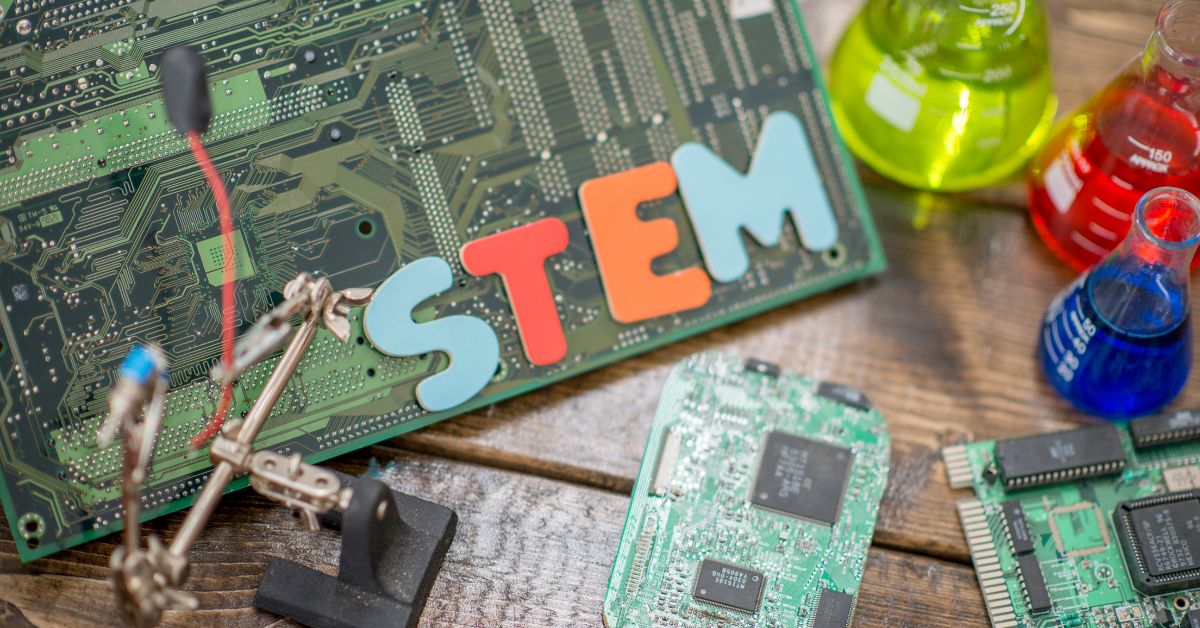
In today’s rapidly evolving world, the importance of STEM—Science, Technology, Engineering, and Mathematics—cannot be overstated. These fields form the backbone of countless innovations and industries, making STEM education essential for preparing students for future challenges and opportunities. For parents, incorporating STEM activities into the homeschool curriculum can be a game-changer, offering unique opportunities to engage children in hands-on learning and real-world problem-solving.

Homeschooling provides flexibility and the freedom to tailor educational experiences to a child’s pace and interests. This makes it an ideal environment to integrate STEM activities naturally and seamlessly across different subjects. By doing so, homeschooling parents can create a rich, interdisciplinary learning experience that not only covers traditional academic bases but also ignites curiosity and passion for discovery. Through this blog post, we’ll explore the numerous benefits of integrating STEM across the curriculum, practical strategies for implementation, and how reading plays a pivotal role in supporting STEM education at home.

Benefits Of STEM Across The Curriculum

Incorporating STEM across the curriculum offers numerous advantages that extend beyond traditional educational boundaries. First and foremost, it significantly enhances critical thinking and problem-solving skills. When students engage in STEM activities, they learn to approach problems methodically, evaluate evidence, and develop solutions. This process encourages a mindset of inquiry and analysis, crucial competencies in both academic and real-world contexts. Furthermore, STEM education fosters improved literacy and numeracy skills. Engaging with STEM subjects requires students to interpret data, comprehend technical texts, and communicate their findings effectively.

These activities naturally enhance their reading and writing abilities while reinforcing mathematical concepts in an applied setting. By incorporating STEM into daily routines, homeschooling parents can help their children make meaningful connections between abstract concepts and practical applications, resulting in a well-rounded education.

Finally, integrating STEM across the curriculum prepares students for the future. With technology advancing at an unprecedented rate, STEM-related skills are in high demand. By nurturing these skills early on, homeschooling parents equip their children with the tools needed to thrive in a dynamic world. This educational approach not only opens doors to diverse career paths but also instills confidence and adaptability in learners, empowering them to pursue lifelong learning and innovation.

Practical Ways To Incorporate STEM In Homeschooling

Incorporating STEM into a homeschool curriculum can be both exciting and rewarding for parents and students alike. One effective strategy is to integrate STEM into daily routines and traditional subjects. For example, math lessons can be made more engaging by incorporating real-life scenarios where students apply mathematical concepts to solve problems. Similarly, homeschool science activities can be conducted using everyday household items, sparking curiosity and demonstrating scientific principles in action. Additionally, homeschooling parents can explore a wide range of engaging STEM activities tailored to different age groups. Younger children might enjoy building simple machines with LEGO bricks, while older students can experiment with coding through online platforms designed for beginners. By offering age-appropriate activities, parents can maintain their children’s interests and gradually increase the complexity of tasks as their skills develop.

Homeschooling parents can also leverage the power of technology to enhance STEM learning at home. There are numerous online resources, apps, and virtual labs available that facilitate interactive and immersive learning experiences. Virtual reality (VR) and augmented reality (AR) tools, for instance, can transport students to faraway places, allowing them to explore ecosystems, architecture, and more without leaving their homes. These technologies not only make learning fun but also offer unique perspectives and insights that traditional classroom settings might not provide. Moreover, collaborative projects can be a great way to integrate STEM into homeschooling.

Encouraging students to work together on group projects, either with siblings or through virtual partnerships with other homeschooling families, helps build teamwork and collaborative skills. Projects can range from creating a simple robot to tackling environmental challenges in a local community. Collaboration allows students to share ideas, learn from one another, and achieve more complex objectives than they might individually, all while reinforcing STEM principles and practices.

A young student wearing a green shirt working on an electronics project at a table, using a multimeter to test circuits on a robotics or engineering board. Various tools, wires, and a tablet are also on the table, representing hands-on STEM learning.

Finally, encouraging a growth mindset in children can significantly enhance their STEM learning journey. By teaching students to view challenges as opportunities for growth and learning, homeschooling parents can nurture resilience and persistence. Celebrating small victories and embracing failures as part of the learning process helps students develop a positive attitude toward STEM and learning in general. This mindset is crucial not only for mastering STEM subjects but also for thriving in an ever-evolving world filled with constant innovation and change.

To further enhance the learning experience, parents can create interdisciplinary projects that combine multiple STEM elements. For instance, designing and constructing a model bridge can involve engineering principles, mathematical calculations, and scientific experimentation. These projects encourage collaboration, creativity, and problem-solving, providing a comprehensive approach to learning that mirrors real-world challenges.

The Role Of Reading In A STEM-Integrated Curriculum

While STEM subjects often involve hands-on activities and technical exploration, reading remains a crucial component of a well-rounded education. Reading enhances comprehension, vocabulary, and critical thinking skills, all of which are essential for success in STEM fields. By incorporating reading materials that support STEM learning, homeschooling parents can reinforce their children’s understanding of complex concepts and foster a deeper appreciation for the subjects. There are numerous resources available that cater to different age groups and interests. For younger children, picture books that introduce scientific concepts and technological wonders can be both entertaining and educational. For older students, biographies of influential scientists, engineers, and mathematicians offer inspiration and valuable insights into the world of STEM.

Additionally, parents can encourage students to explore non-fiction texts related to current scientific discoveries, technological advancements, and engineering marvels. Reading such materials broadens their horizons and helps them connect classroom learning to real-world applications, fostering a lifelong passion for exploration and innovation. Incorporating fiction into a STEM-integrated curriculum also holds value. Well-crafted science fiction novels can ignite a student’s imagination, prompting them to think creatively about the possibilities of future technologies and advancements. These stories not only entertain but also challenge students to consider ethical implications, societal impacts, and the boundaries of scientific exploration.

Discussions following such readings can deepen understanding and lead to thought-provoking debates, encouraging students to articulate their perspectives and refine their critical thinking skills.

Furthermore, reading and writing go hand in hand. Encouraging students to articulate their thoughts through writing allows them to process information more thoroughly and express their understanding of STEM subjects. Creative writing assignments that ask students to invent and describe new technologies or scientific concepts enhance their ability to convey complex ideas clearly and effectively. This practice strengthens communication skills, an essential competence in any field, particularly in STEM, where collaboration and information sharing are crucial.

Ultimately, blending reading and writing with STEM education creates a holistic learning experience. By broadening the scope beyond mere technical skills, homeschooling parents can nurture well-rounded individuals who are prepared to tackle the multifaceted challenges of the future. This integrated approach not only cultivates a passion for learning but also equips students with the skills and mindset necessary to thrive in a rapidly evolving world.

The Benefits Of STEM Are Far-Reaching

Incorporating STEM activities across the curriculum offers homeschooling parents a powerful tool to cultivate curiosity, critical thinking, and problem-solving skills in their children. By seamlessly blending STEM into daily routines and traditional subjects, parents can create an engaging and flexible learning environment that adapts to their children’s unique needs and interests. The benefits of a STEM-integrated curriculum are far-reaching, enhancing literacy, numeracy, and future preparedness. By encouraging students to explore interdisciplinary projects and providing access to quality reading materials, parents can nurture well-rounded learners who are equipped for the challenges and opportunities of tomorrow. We invite homeschooling parents to explore the exciting world of STEM activities and consider incorporating them into their teaching strategies. By doing so, they can provide their children with a holistic and enriching educational experience that fosters a lifelong love of learning and innovation. For those interested in deepening their understanding of STEM integration, numerous resources and communities are available to support this rewarding educational journey.

Encouraging Young Scientists: Tips for Setting Up a Home Science Lab

In today’s world, where technology and scientific discovery progress at lightning speed, nurturing a passion for science in children is more crucial than ever. For homeschooling parents, setting up a home science lab can be a gateway to hands-on learning, transforming theoretical concepts into tangible experiences. Through experiments and explorations, children not only grasp scientific principles but also develop critical thinking skills and a love for inquiry that can last a lifetime.

Creating a home laboratory setup might sound daunting, but with the right guidance and a little creativity, it can become an exciting project for both parents and kids. This blog post will guide you through the essential steps of setting up a science lab at home. From choosing the perfect spot to gathering budget-friendly materials, we’ll cover everything you need to know. You’ll learn how to integrate science lessons seamlessly into your homeschooling curriculum and discover community resources that can enrich your child’s science education journey.

By the end of this post, you’ll have a clear understanding of how to create an engaging and educational space in your home dedicated to scientific exploration. Whether your child dreams of being a biologist, chemist, or engineer, your home science lab could be the launching pad for their future endeavors. Let’s get started on this exciting adventure of encouraging young scientists at home!

Crafting The Ideal Science Lab Space & Equipping Your Lab With Essentials And Ensuring Safety

When it comes to setting up a home science lab, the first step is finding the right space. The chosen area should be safe, easily accessible, and conducive to learning. A spare room, a section of the garage, or even a well-organized corner of a living room can serve as a great location. The goal is to create an environment where children feel comfortable and inspired to experiment. Once you’ve selected the location, it’s time to focus on organization. Effective organization can make all the difference in maintaining a functional home laboratory setup. Invest in shelves, storage bins, and organizers to keep equipment and materials neatly arranged. Labeling containers can also help children learn responsibility while ensuring they can find what they need without assistance. This organized approach not only keeps the lab tidy but also instills good habits in young scientists.

Safety should always be a priority in a home science lab. Ensure that the designated area is well-ventilated, especially if experiments involve chemicals that release fumes. Additionally, make sure electrical outlets are easily accessible for any equipment that requires power. Creating a tidy, safe, and inviting space sets the stage for successful and enjoyable science experiments, fostering a love for learning in children.

Two children conducting a science experiment at home. The older child, wearing safety goggles and a blue shirt, carefully pours red liquid from a test tube into a beaker, while the younger child in a red shirt observes another beaker with orange liquid. A set of test tubes, a microscope, and other lab equipment are arranged on the table, creating a hands-on learning environment for young scientists.

With the space ready, it’s time to equip your lab with essential tools and equipment. A basic home science lab setup doesn’t need to be costly; start with the essentials and build from there. Key items include beakers, test tubes, a microscope, and safety goggles. Gradually add other equipment as your child’s interests evolve. For example, a magnifying glass can be used for various observations, while a digital scale is handy for measuring substances accurately. While gathering equipment is crucial, instilling safety measures is even more important. Teaching children about the importance of safety in science can prevent accidents and create a culture of responsibility. Ensure that safety goggles, gloves, and aprons are kept within reach and are used whenever necessary. It’s also wise to have a first-aid kit nearby, along with a fire extinguisher if experiments involve heat sources. In addition to physical safety measures, emphasize proper lab conduct. Encourage your children to read instructions carefully and never to rush an experiment. Foster an environment where they feel comfortable asking questions and remind them that mistakes are part of the learning process. In doing so, you nurture a safe and positive space where curiosity and discovery can flourish.

Achieving Excellence On A Budget And Integrating Learning

One of the most exciting aspects of creating a home science lab is discovering budget-friendly options. You don’t need to break the bank to offer a rich scientific experience. Consider using household items and DIY alternatives when sourcing equipment. For instance, plastic cups can substitute for beakers, while kitchen ingredients like vinegar and baking soda can be used for chemical reactions. Thrift stores and online marketplaces are also excellent places to find affordable lab equipment. Many sellers offer gently used items at a fraction of the cost, making it easier to build a comprehensive lab over time. Additionally, numerous online communities share creative ideas for repurposing everyday objects into scientific tools, further expanding the possibilities of what your lab can achieve.

Integrating science experiments into your homeschooling curriculum is a fantastic way to reinforce learning across different subjects. For instance, science experiments can effortlessly tie into math lessons by measuring and recording data or complement history units by exploring scientific discoveries from different eras. Adapting experiments to suit your child’s age and interests ensures they remain engaged and motivated, making each lesson both educational and enjoyable. By weaving science into various subjects, you create a holistic educational experience that emphasizes the interconnectedness of knowledge. This approach not only strengthens their understanding of science but also enriches their overall learning experience, preparing them for more complex concepts in the future.

Unlocking Community Resources And Building Connections

Creating a home science lab is a rewarding endeavor, but it doesn’t have to be done in isolation. Numerous community resources are available to homeschooling families, providing valuable support and inspiration. Local libraries, for example, often host science workshops and lend out educational kits that can enhance your experiments. Additionally, some museums and science centers offer homeschool days with specialized programs. Online communities are another excellent resource for sharing ideas and finding support. Platforms like Facebook and Reddit have groups dedicated to homeschooling science, where members exchange experiment ideas, troubleshoot issues, and celebrate successes. Joining these communities allows you to connect with like-minded parents who share your enthusiasm for science education. Engaging with community resources not only enriches your child’s learning experience but also fosters a sense of camaraderie among homeschooling families. By collaborating and sharing experiences, you contribute to a supportive network that benefits everyone involved, ensuring your child’s home science lab is as dynamic and rewarding as possible.

Wrapping Up Your Scientific Journey At Home

Incorporating a home science lab into your homeschooling curriculum opens up a world of possibilities for young learners. Through hands-on experiments, children develop a deeper understanding of scientific principles and cultivate essential skills such as critical thinking, problem-solving, and creativity. By setting up a dedicated space, equipping it with essential tools, and integrating learning across subjects, you lay the groundwork for a rich and engaging educational experience. Encouraging your child to explore science at home fosters a lifelong love for learning and discovery. It empowers them to ask questions, seek answers, and develop a sense of wonder about the world around them. With the support of community resources and online networks, you can continue to expand your lab and enrich your child’s science education.

Now that you’re equipped with the knowledge to create a thriving home science lab, it’s time to take the next step. Join the community of home science educators, share your experiences, and inspire others to embark on this exciting educational adventure. Whether you’re conducting chemistry experiments in the kitchen or exploring biology in the backyard, you’re cultivating a lifelong passion for science in your child—one experiment at a time.

Learning Styles in Science: Tailoring Lessons for Visual, Auditory, and Kinesthetic Learners

In the vibrant world of homeschooling, tapping into each child’s unique learning style can be the key to unlocking their potential. With science as a core subject, it’s crucial that lessons are engaging, accessible, and tailored to meet the needs of visual, auditory, and kinesthetic learners. This comprehensive guide will help homeschooling parents recognize and adapt to these varied learning styles, ensuring that each child can thrive in their scientific explorations.

Homeschool Styles Explained: Understanding Learning Style Diversity 

Learning styles refer to the different ways individuals process information. While some children grasp concepts better with images, others may prefer listening or hands-on activities. By understanding these styles, parents can effectively tailor lessons for optimal absorption and retention. Visual learners absorb information best when it’s presented in a format they can see. This could be through diagrams, charts, and videos. They tend to love color-coding and often visualize concepts in their mind’s eye. Recognizing a visual learner can be as simple as noticing their penchant for doodling during lessons or their ability to recall information they’ve seen written down.

Auditory learners, on the other hand, thrive on spoken words. They remember information by hearing and often excel in discussions and listening activities. If your child prefers listening to explanations over reading or often repeats things out loud to remember them, they might be an auditory learner. Kinesthetic learners learn by doing. They engage with the material through touch and movement, often needing physical activity to truly internalize information. These learners might seem restless during traditional lessons but shine when they can engage hands-on. Identifying a kinesthetic learner involves observing their need to fidget while concentrating or their preference for experiments over lectures.

A young boy wearing a red shirt sits at a desk, smiling while looking at a green smartphone. His study materials, including a notebook, are in front of him, and colorful storage cubes decorate the background. A bright and engaging learning environment.

The first step to tailoring your homeschool science curriculum is to determine your child’s primary learning style. Begin by observing their behavior during different activities. Do they seem more focused when watching a video, listening to a story, or participating in an experiment? Consider involving your child in this discovery process. Ask them how they prefer to learn and what methods they find most enjoyable and effective. Additionally, there are various online assessments designed to pinpoint learning styles, which can offer further insights into their preferences. By understanding these styles, you can create an enriching educational environment that caters to their strengths, ultimately enhancing their love for learning.

Tailoring Science Lessons For Visual, Auditory, & Kinesthetic Learners

  • Visual Strategies and Resources: For visual learners, success lies in the vibrant presentation of information. Incorporate infographics, diagrams, and colorful images into your lessons. Resources like interactive textbooks or educational videos can be invaluable. Platforms like Khan Academy and YouTube offer a plethora of visual content suited for homeschooling. Encourage your child to create mind maps or flashcards. These tools not only aid in memory retention but also allow them to actively engage with the material. Visual learners also benefit from written instructions alongside verbal ones, providing clarity and support as they process new information. Imagine a lesson about the water cycle. Start with a visually appealing diagram illustrating evaporation, condensation, and precipitation. Use a colorful video to further explain the stages, then have your child redraw the cycle from memory, adding their unique touches. To reinforce understanding, they could create a collage using magazine cutouts or digital images depicting each stage. This hands-on engagement ensures they’re not just passive learners but active participants in their education.
  • Auditory Strategies and Resources: Auditory learners flourish when they can hear information. To tailor lessons for them, incorporate audiobooks, podcasts, and verbal storytelling into your daily routine. Discuss concepts out loud and encourage your child to ask questions and engage in lively discussions. Utilize technology like voice recorders, allowing them to listen to lessons repeatedly. Resources such as Audible and LibriVox offer a range of science-related audiobooks that can supplement your curriculum. Take a topic like the rock cycle. Begin with an engaging podcast or audio clip explaining the process. Follow this by having your child narrate what they’ve learned, encouraging them to articulate each stage in their own words. Engage in a dialogue about the differences between igneous, sedimentary, and metamorphic rocks. Play an interactive audio quiz to assess their understanding, making learning both fun and informative.
  • Kinesthetic Strategies and Resources: Kinesthetic learners need movement and hands-on activity. Structure your lessons to include experiments, field trips, and interactive projects. Encourage them to build models or use educational kits that require assembly and manipulation. Use resources like science activity books or online platforms offering virtual labs to allow them to explore concepts experimentally. Keep lessons dynamic, varying activities to maintain their engagement and interest. If you’re teaching about plant biology, consider a hands-on approach. Begin by planting seeds together, discussing the process of germination as you go. Encourage your child to document growth stages with photographs or sketches. Create a simple experiment to show how plants absorb water using colored water and celery. This tangible experience roots theory in practical application, deepening their understanding through direct interaction.

While identifying a child’s primary learning style is beneficial, incorporating elements from all three styles can enrich learning experiences. Multi-modal approaches cater to diverse needs, ensuring a holistic understanding of complex subjects. Combine visuals with auditory explanations and hands-on activities. This flexibility allows children to engage with material in multiple ways, reinforcing concepts and accommodating various preferences. Multi-modal learning ensures no stone is left unturned. It promotes cognitive flexibility, adaptability, and creativity. By exposing children to different methods, you equip them with diverse problem-solving skills, fostering resilience and innovation. Additionally, this approach can reveal untapped strengths in learners, offering a more rounded and fulfilling educational experience.

Finding The Right Homeschool Curriculum

Finding the right homeschool curriculum can be challenging, but many resources offer flexibility to adapt to different styles. Look for programs emphasizing interactive content, such as Time4Learning or Oak Meadow, which provide visual, auditory, and kinesthetic engagement. Today’s digital age offers vast resources, like the “homeschool history video curriculum,” that bring subjects to life. Platforms like Discovery Education and BrainPOP offer a wealth of videos, games, and interactive content that engage all learning styles.

A supportive learning environment is also fundamental to successful homeschooling. Arrange your space to accommodate different activities, ensuring it’s comfortable and inviting. Consider lighting, seating, and storage to enhance focus and organization. Nurture natural curiosity by providing access to diverse materials, books, and tools. Encourage questions and celebrate discoveries. This open-minded approach fosters a lifelong love of learning and empowers children to pursue their interests. Connect with other homeschooling families to exchange ideas, resources, and support. Join local groups or online forums to share experiences and learn from others. Community involvement offers valuable insights and camaraderie for both parents and children.

Incorporating learning styles into your homeschool science lessons is not just an educational strategy—it’s a pathway to deeper understanding and enjoyment. By tailoring your approach to visual, auditory, and kinesthetic learners, you create an environment where every child can thrive. Encourage exploration and experimentation, and don’t hesitate to try new strategies. Remember, every child learns differently, and your adaptability as a parent and educator makes all the difference. Share this guide with fellow homeschooling parents and join us in fostering a community that celebrates diverse learning styles. Let’s make science an adventure for every child, one lesson at a time.

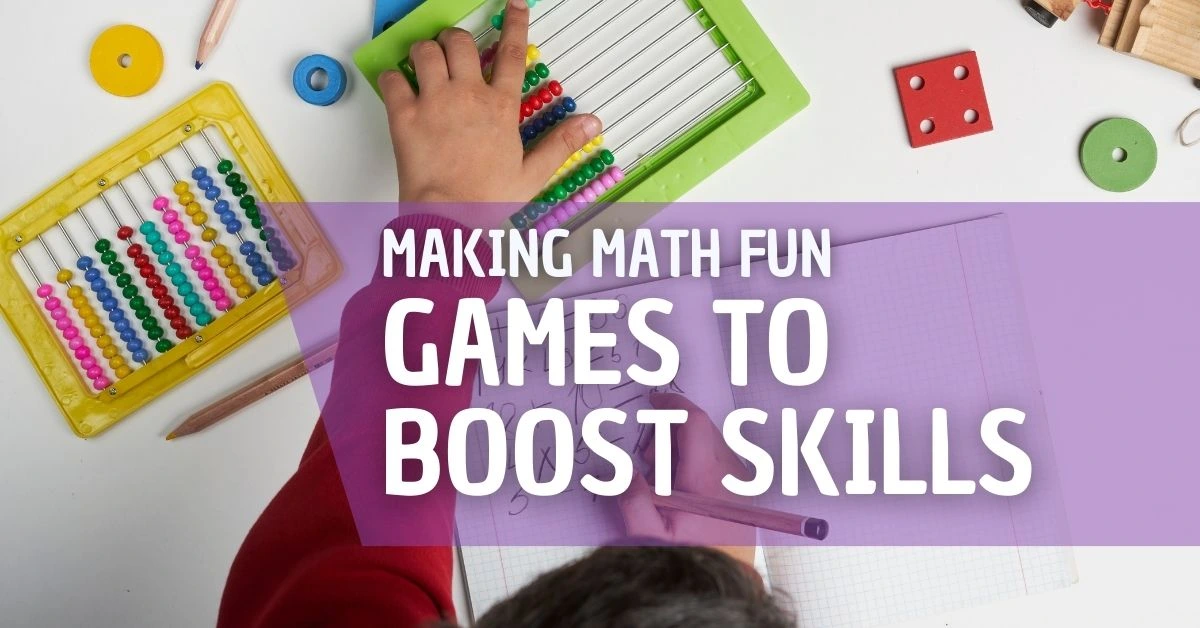
Making Math Fun: Interactive Games and Activities to Boost Skills

Math doesn’t have to be a dreaded subject, especially when it’s taught in a fun and engaging way. For homeschooling parents, making math enjoyable can be a game-changer in their educational approach. Interactive learning not only boosts math skills but also fosters a love for numbers and problem-solving. In this blog post, we’ll explore various strategies and activities that can make math lessons exciting and effective for your child. By the end, you’ll have a toolkit filled with games, DIY projects, and tech resources to create memorable math moments at home.

The Challenge Of Math Homeschooling

Homeschooling presents its own unique set of challenges, especially when it comes to teaching subjects like math. Many parents struggle with keeping lessons engaging and ensuring their children understand core concepts. Math can sometimes seem abstract and disconnected from daily life, making it difficult for children to see its relevance. This can lead to frustration for both the parent and the child. Overcoming these hurdles requires a shift in perspective—seeing math not just as numbers and equations but as an opportunity for creativity and exploration. Creating a fun homeschool math curriculum is essential. By incorporating interactive elements into lessons, parents can capture their child’s interest and make the learning process more dynamic. This approach not only aids in understanding but also helps children develop critical thinking skills.

Making math fun isn’t just beneficial for the child; it also makes teaching more enjoyable for parents. When you see your child’s eyes light up with understanding, the joy is contagious. One of the most effective ways to tackle these challenges is through hands-on learning. Engaging with math through games and activities allows children to experiment and learn at their own pace. By turning lessons into play, parents can help children build confidence in their abilities and instill a lasting appreciation for math.

Interactive Games, DIY Activities, & Incorporating Technology

Interactive games are an excellent way to make math engaging. They combine learning with play, allowing children to absorb concepts without realizing they’re studying. Whether digital or analog, games provide a dynamic environment for math exploration. One popular option is “Math Bingo,” which uses bingo cards filled with math problems. Children solve equations to mark spots, turning problem-solving into a competitive game. Another great game is “Sum Swamp,” which focuses on addition and subtraction within a board game format. Children roll dice to move through a swamp, solving math equations along the way. This interactive approach helps reinforce basic arithmetic skills while keeping the game light and fun. Digital games like “Prodigy Math” offer an online platform where children can tackle math challenges in a fantasy world setting, earning rewards and advancing levels as they progress. For parents looking for more options, websites like Coolmath Games offer a wide range of free math games tailored to different age groups and skill levels. These games encourage strategic thinking and problem-solving in a playful setting. By incorporating these interactive games into your math curriculum, you can create a lively learning atmosphere that motivates children to engage with math concepts.

DIY math activities provide a hands-on approach that can solidify understanding and make learning more tangible. Using everyday items, parents can create activities that reinforce math concepts in a practical manner. One simple activity involves using measuring cups and water to teach fractions. By filling and pouring different quantities, children gain a concrete understanding of fractions and volume. Another DIY project is the “Math Scavenger Hunt,” where children search for items around the house that match certain mathematical criteria, such as shapes or measurements. This activity encourages children to apply math concepts to their surroundings, making learning more contextual and meaningful.

Using crafts can also be an effective teaching tool. For example, creating a “Geometry Art Project” with paper shapes helps children understand geometric concepts. They can explore symmetry, angles, and properties of shapes while expressing their creativity. These DIY activities not only make math fun but also nurture curiosity and innovation.

In today’s digital age, technology offers endless possibilities for enhancing math education. Educational apps and online resources provide interactive and personalized learning experiences. Apps like “Khan Academy” and “IXL” offer comprehensive math lessons that adapt to the child’s pace and level, providing instant feedback and progress tracking. For younger children, apps like “Moose Math” introduce basic concepts through colorful and engaging activities. These apps make learning accessible and enjoyable, offering a variety of exercises that cover different math areas.

Parents can also utilize platforms like “YouTube,” where math educators share creative tutorials and lessons that can supplement homeschooling efforts. Integrating technology into your math curriculum not only keeps lessons current but also helps children become tech-savvy. It provides access to a wealth of resources and learning opportunities that can enhance understanding and offer diverse approaches to problem-solving.

Real-World Applications & Tracking Progress

Connecting math concepts to real-world scenarios helps children understand the practical value of what they’re learning. Integrating math into everyday activities makes lessons more relevant and easier to grasp. For example, cooking is a fantastic way to teach measurements, fractions, and ratios. Involve your child in cooking or baking by having them measure ingredients, which reinforces these concepts in a fun and tasty way. Shopping trips also present opportunities for applied math. Encourage your child to calculate totals, compare prices, or manage a budget. These tasks develop important skills like addition, subtraction, and percentage calculations in a real-world setting. Creating a family budget together can also teach valuable lessons in financial literacy and responsibility. By demonstrating how math is used in daily life, children see its importance beyond the classroom. This connection fosters an appreciation for math as a useful tool, not just an academic subject.

A smiling mother and daughter in a grocery store engaging in a learning activity. The mother, pushing a shopping cart filled with groceries, holds a box while the daughter excitedly writes in a notebook with a pencil. They appear to be enjoying a fun and interactive math or budgeting lesson while shopping.

Monitoring your child’s progress in math is crucial for identifying strengths and areas that need improvement. It also provides an opportunity to celebrate achievements, boosting confidence and motivation. Use a combination of assessments and informal observations to gauge understanding and skill development. Keep track of your child’s progress by maintaining a portfolio of completed work, such as worksheets, projects, and assessments. Regularly review this work together to discuss achievements and set new goals. Consider using tracking tools like progress charts or journals, where children can reflect on their learning and document milestones.

Celebrating successes, both big and small, encourages a positive attitude towards math. Acknowledge achievements with rewards or recognition, such as certificates or a special treat. By creating a supportive environment that values progress, you help your child develop a growth mindset and a love for learning.

Fostering A Lifelong Love Of Learning

Making math fun is not just a strategy; it’s a necessity for fostering a lifelong love of learning. By incorporating interactive games, DIY activities, technology, and real-world applications into your math curriculum, you can transform the way your child experiences math. These approaches not only improve understanding but also make learning a joyful and rewarding experience. Remember, the goal is to create “making math moments” that spark curiosity and engagement. Each interactive element builds a stronger connection to math, empowering your child to explore and excel.

For homeschooling parents, this approach not only enhances education but also strengthens the bond between parent and child as they learn and discover together. Encourage your child to explore the suggested games and activities, and watch as their confidence and skills grow. Your support and involvement are key to their success, making math a magical part of their everyday life.