Studying Plants In Waldorf Style Learning: How To

Exploring plants through Waldorf-inspired learning offers homeschooling parents a chance to teach science in an engaging, nature-focused way. The Waldorf educational approach emphasizes hands-on, experiential learning that invites children to build a deep connection with the natural world. This method cultivates curiosity, observation skills, and a love for nature—all while fostering academic development. 

If you’re looking for ways to incorporate Waldorf plant study activities into your homeschool curriculum, this guide covers practical, actionable strategies. From immersive nature walks to thoughtful seasonal projects, here’s how to approach teaching botany the Waldorf way. 

Nature-Based Learning In Waldorf Education 

At the core of Waldorf education is a philosophy that nature is the ultimate classroom. Instead of relying solely on textbooks or structured instruction, children are encouraged to engage all their senses in exploring the natural world. For plant study activities, this approach inspires kids to observe growth cycles, understand ecosystems, and interact with plants personally. 

Here’s why nature-based learning works so well in the Waldorf approach—and how to implement it at home for plant study lessons. 

  • Hands-On Observation 

Waldorf education prioritizes direct experiences over lectures. For instance, instead of reading about how roots grow, your child will watch a seed sprout in a glass jar at home or observe a plant’s transitions at a nearby garden or park. 

  • Seasonal Rhythms and Cycles 

Understanding nature’s seasons is essential in Waldorf learning. This can be beautifully paired with plant studies, as you and your child observe blooming in spring, growth in summer, harvest cycles in fall, and dormancy in winter. These rhythms help children connect deeply with the environment and track tangible changes. 

  • Aesthetics and Creativity 

Artistic expression is key in Waldorf education. While studying plants, children can sketch leaves, paint seasonal landscapes, and even craft models of flowers or seed pods. Creativity helps children internalize complex scientific ideas naturally without rote memorization. 

  • Connection to the Environment 

Nature-based learning fosters respect for the Earth. Demonstrating the role of plants in ecosystems during these lessons can emphasize sustainability and stewardship while teaching science. Examples include exploring how plants clean the air or how pollinators and plants rely on each other. 

By emphasizing these principles, you can align your homeschool plant study lessons with the rich, experiential nature of Waldorf learning. 
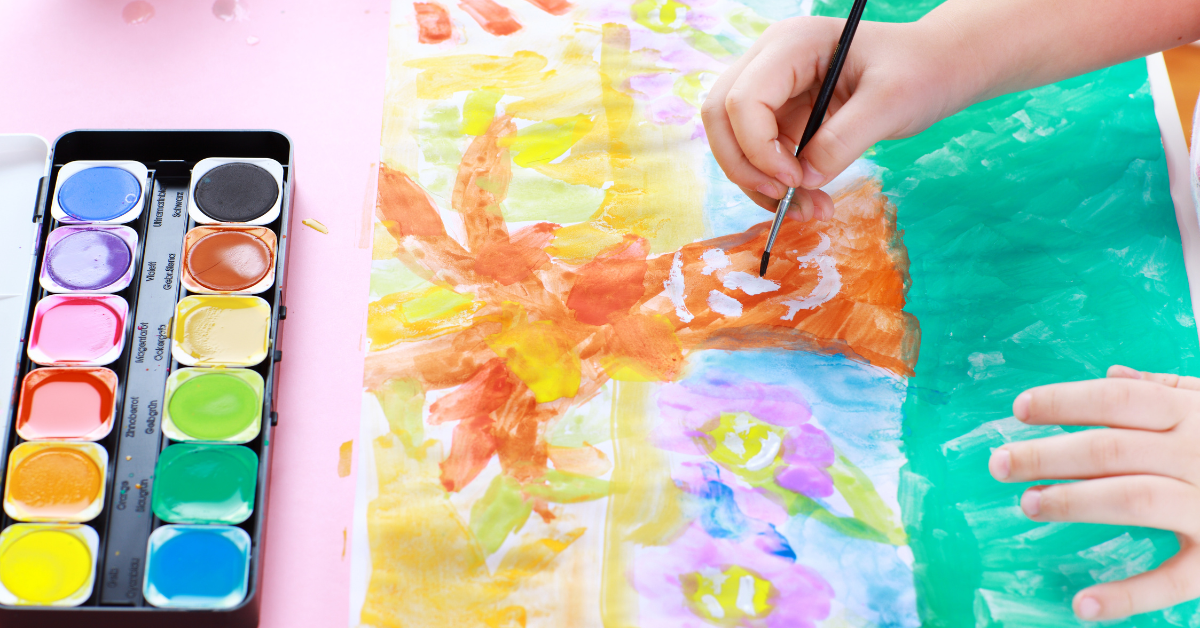
Immersive Waldorf Plant Study Activities 

Immersive Waldorf Plant Study Activities 

Immersive activities can make plant studies come alive for your children. Here are some practical Waldorf-inspired projects and lessons you can start trying today. 

  1. Seed-Sprouting Experiments 

One of the simplest yet most fascinating activities for kids is sprouting seeds. This experiment demonstrates the plant life cycle in a tangible way. 

Here’s how to get started:

  • Gather clear glass jars, cotton wool, and different kinds of seeds (such as beans, lentils, or sunflower seeds). 
  • Place damp cotton wool inside each jar, leaving enough room for seeds to sit near the edge where they’ll be visible. 
  • Position the jars in various indoor spots, such as sunny windowsills or shaded corners. 
  • Keep a daily journal. Encourage your child to draw and describe the changes they observe in each jar. Ask questions like, “What does the seed look like today?” or “How did the light affect the plant’s growth?” 

This simple activity demonstrates germination and encourages curiosity about how different conditions affect plants. 

  1. Nature Walk Plant Scavenger Hunts 

A Waldorf favorite, nature walks offer the perfect opportunity for children to see, touch, and categorize different plant types. Turning your walks into a scavenger hunt can make the experience even more engaging. 

Here’s a step-by-step guide for a plant scavenger hunt:

  • Prepare a checklist of items to find ahead of time, such as a maple leaf, dandelion, acorn, moss, flower petal, or pinecone. 
  • Equip your child with a clipboard, pencil, and magnifying glass to enhance their explorations. 
  • Guide them to spot and identify various plants in their natural environment. Discuss which plants grow in sunny versus shaded areas or why some plants thrive in wetter soil. 
  • Once home, encourage your child to sketch or paint their findings and discuss the unique features of each plant. 

This activity blends basic botany lessons with physical activity, problem-solving, and artistic creativity. 

  1. Creating a Home Herb Garden 

Herb gardening is a hands-on project that introduces children to plant care while sparking an interest in sustainability. This activity doubles as a long-term learning opportunity as children monitor plant growth over weeks or months. 

Steps for starting an herb garden:

  • Choose fast-growing herbs like basil, mint, or parsley. 
  • Allow your child to select pots, decorate them, and help set up a sunny growing area with proper soil and tools. 
  • Teach them daily plant care routines such as watering, pruning, and removing weeds. 
  • Use the harvested herbs in small cooking or tea-making projects to illustrate how plants enrich daily life. 

Overall, this project nurtures both scientific understanding and practical life skills in an engaging, dynamic way. 

Integrating Art, Storytelling, & Mythology Into Botany Lessons 

Storytelling is another hallmark of the Waldorf approach, and it’s an excellent way to make plant lessons memorable and inspiring. Myths, folktales, and cultural stories about plants can help children form emotional connections to the natural world. For example, you might share the story of Daphne, who transformed into a laurel tree according to Greek mythology, or Native American legends about the significance of corn to indigenous cultures.

Through stories, children learn to view plants as more than scientific specimens—they become part of a bigger, interconnected world. You can then encourage children to write their own plant-inspired tales. Perhaps they create a story about a sunflower that journeys across a meadow, or they imagine what a plant “sees” throughout its life. Storytelling fosters empathy, creativity, and a holistic understanding of nature. 

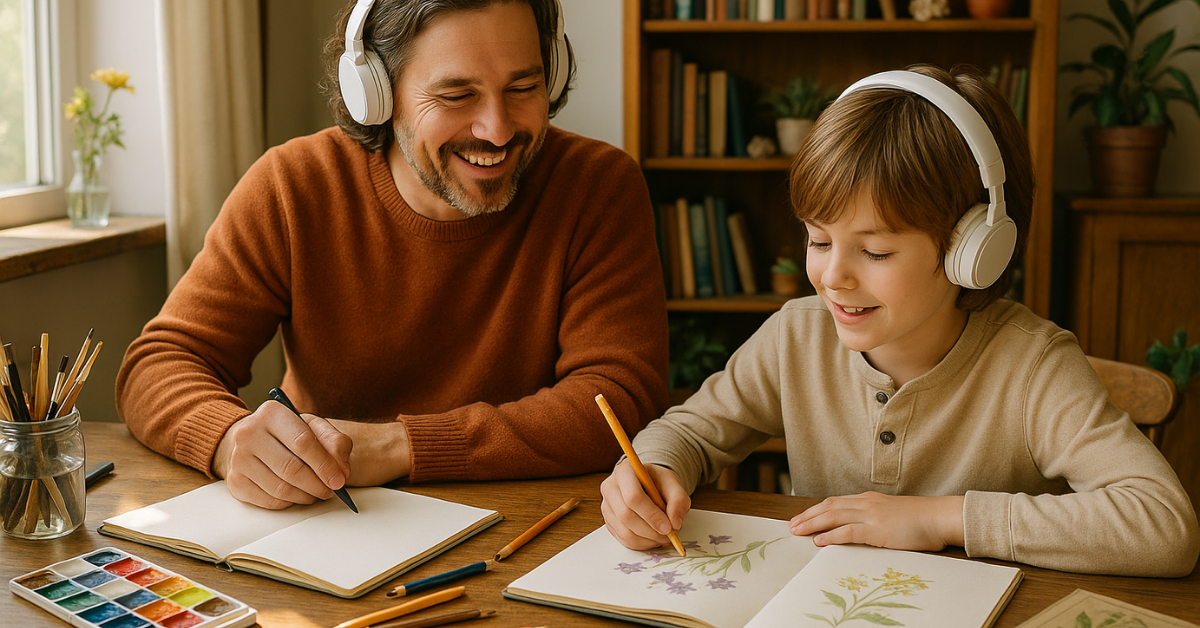
Art is often the centerpiece of any Waldorf curriculum, and incorporating it into your plant study ensures a richer learning experience. Children can explore the intricate beauty of plants while developing essential artistic skills. Begin with observational drawing. Provide your child with fresh flowers, leaves, or seeds to study as they sketch. Encourage them to notice fine details like veins on leaves or the symmetry of petals. 

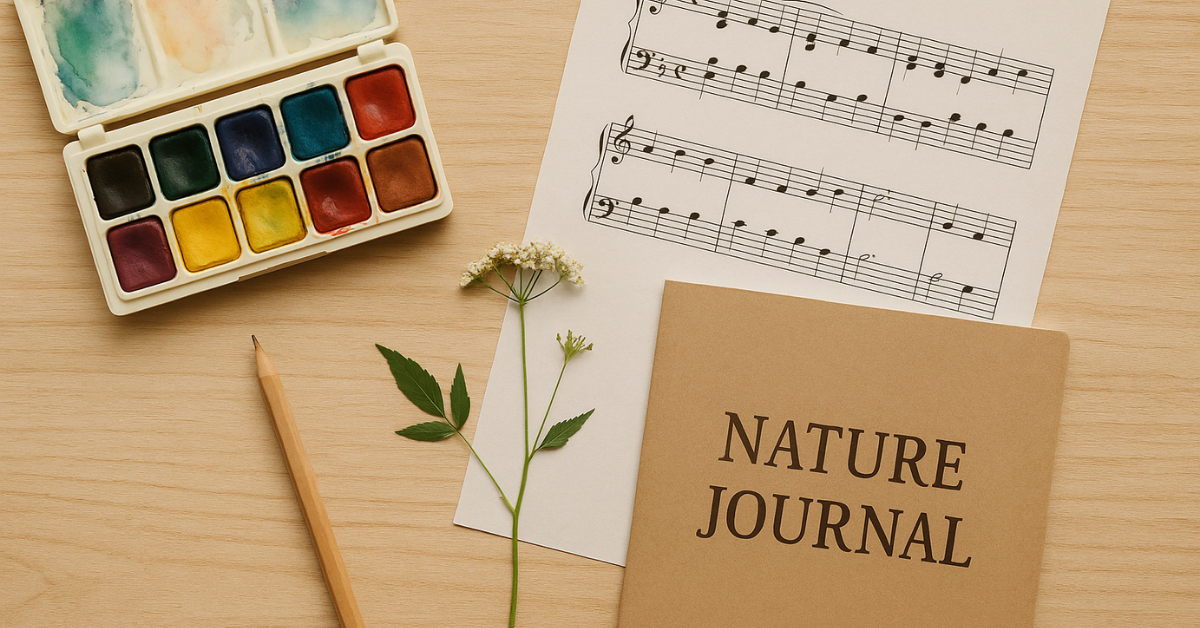
Watercolor painting is another wonderful activity. Children can use soft, natural tones to create pictures of plants in their seasonal settings. Or, have them use handmade paints from natural pigments like flower petals or crushed berries for an eco-conscious twist. Bullet journaling can also be integrated into botany lessons. Encourage your child to keep a “Nature Journal” where they compile plant sketches, pressed flowers, and written observations. This creates a personal nature diary that they can reflect on and build over time. 

Not only do these activities enhance scientific observation, but they also develop creativity, patience, and attention to detail, hallmarks of the Waldorf educational philosophy. 

Cultivating Curiosity Through Seasonal Plant Projects 

Families practicing Waldorf homeschooling can further enhance their plant studies by tying lessons to the seasons. Seasonal projects allow children to see firsthand how nature transforms and adapts throughout the year. 

  • Spring: Study and plant wildflowers, focusing on their pollinators. Create seed balls to scatter in the yard or local park. 
  • Summer: Explore trees and learn their unique features. Collect fallen leaves or create bark rubbings. Study fruits, identifying how they form from flowers on trees and plants. 
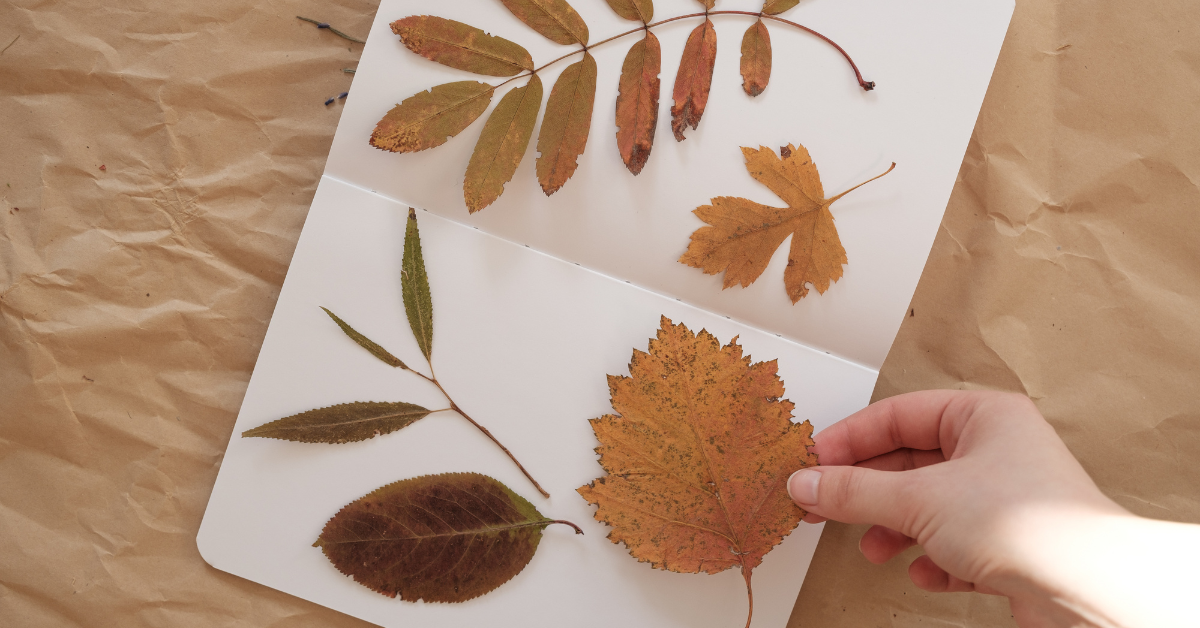
  • Autumn: Examine root vegetables like carrots and beets. Show how these plants store energy for the winter. Press colorful fall leaves and bind them into a seasonal scrapbook. 
  • Winter: Conduct an indoor garden scavenger hunt, identifying dormant plants or taking care of hardy greenery like ferns. Study evergreen trees and their role in ecosystems. 

By aligning activities with nature’s seasons, you reinforce the interconnectedness of Earth’s cycles while helping children develop thoughtful observation skills year-round. 

These ideas serve as powerful methods to introduce botany while engaging with the Waldorf philosophy of experiential, aesthetic, and nature-centered education. By encouraging exploration, creativity, and deep respect for the natural world, Waldorf plant study activities give homeschooling families a rich way to grow both academically and as stewards of the planet.


Easy Science: How To Make A Volcano

Making a DIY volcano science experiment is a classic and exciting activity that brings science to life for homeschooled students. It’s simple to set up, budget-friendly, and teaches key concepts like chemical reactions, geology, and the scientific method. This hands-on project is suitable for kids across a wide range of ages and is guaranteed to spark curiosity about the natural world. 

Below, we’ll guide you through creating your own volcano at home, offer tips for incorporating this activity into lessons, and share ideas for taking the experiment to the next level.

The Materials You’ll Need 

Before you can start the DIY volcano science experiment, you’ll need to gather your materials. The good news is that most of these items are common household products, making this project affordable and easy to pull together on short notice. Here’s what you’ll need:

  • For the Volcano Structure: 
    • A small plastic bottle (like an empty water bottle) 
    • Modeling clay, playdough, or aluminum foil 
    • A tray, plate, or a wide sheet of cardboard for holding the volcano 
    • Optional: Paints or markers for decorating 
  • For the Eruption: 
    • Baking soda (sodium bicarbonate) 
    • Vinegar (you’ll need a generous amount) 
    • Dish soap (optional but adds frothiness) 
    • Red or orange food coloring for lava effect 

Having your materials prepped ahead of time ensures a smoother and more enjoyable experience. 

Safety Tip 

While this DIY volcano science experiment is safe for kids, it’s always a good idea to supervise younger children closely. Consider working on this project in an outdoor space to avoid spills and messes indoors. 

Step-By-Step Instructions 

Homeschool science should feel approachable and interactive, and this volcano project is no exception. Follow these steps to create your first at-home eruption:

Step 1: Build the Volcano Structure 

  1. Place the plastic bottle upright in the center of your tray or cardboard base. 
  2. Use modeling clay, playdough, or aluminum foil to mold a volcano-shaped mountain around the bottle. It should look like a cone with the bottle opening serving as the “volcanic vent.” Make sure the bottle stays exposed at the top so you can add ingredients. 

Tip: If you’re using paints, decorate the outside of the volcano to make it more realistic. Kids can get creative by adding cracks, rocks, and colors like brown, black, or green for vegetation. 

Step 2: Prepare the Lava 

  1. Add a few drops of dish soap into the plastic bottle to make the eruption foamier. 
  2. Include a few drops of red or orange food coloring to mimic lava. 

Step 3: Trigger the Eruption 

  1. Place a tablespoon of baking soda into the bottle. 
  2. Pour about 1 cup of vinegar into the bottle and watch as your volcano erupts! 

This process creates a fun and dramatic eruption as the vinegar (an acid) reacts with the baking soda (a base), forming water and carbon dioxide gas. The dish soap adds froth, while the food coloring makes the “lava” more vibrant and eye-catching. 

Ways to Extend the Lesson 

Ways to Extend the Lesson 

This DIY volcano science experiment is not just about the fun of an eruption—it’s a golden opportunity to teach your kids science concepts and critical thinking. Here are a few ways to make the most of your activity:

Discuss the Science Behind It 

  • Explain the chemical reaction of acids and bases. This can be a great introduction to chemistry. 
  • Compare your DIY eruption to real-life volcanic eruptions. Highlight the difference between effusive eruptions (slow flow of lava) and explosive eruptions (formation of ash clouds). 

Experiment with Variations 

Encourage kids to think like scientists by changing aspects of the experiment and observing the results. For example:

  • Add more baking soda or vinegar: Observe how this affects the size or duration of the eruption. 
  • Try different shapes for your volcano: Does a steeper cone make the eruption shoot higher? 
  • Use warm vinegar: See if temperature changes the speed of the reaction. 

Keep track of your findings together and introduce simple data recording methods, like making charts.

Create a Volcano Research Project 

Older students might enjoy researching real-world volcanoes and presenting a mini-report alongside the experiment. Possible topics include:

  • The most famous volcanoes in history
  • The role of volcanoes in shaping the Earth’s geography. 
  • How scientists predict volcanic eruptions today. 

This ties together geology, history, and even geography into one dynamic learning experience.

Troubleshooting Common Challenges 

Every experiment has its hiccups, but troubleshooting is part of the learning process! If you encounter issues, here are quick fixes:

  • The Eruption is Weak: Make sure you’re using enough baking soda and vinegar. For more foam, increase the amounts slightly. Check that dish soap is added for froth. 
  • The Volcano Collapses: If your kids’ model slumps or falls apart, use a stronger base like cardboard and ensure the materials aren’t too soft. Aluminum foil can provide extra support underneath clay or playdough. 
  • It’s Too Messy: Conduct the activity outdoors, or place the volcano on a tray with raised edges to contain spills. 

Encouraging kids to problem-solve and adjust their methods builds resilience and enhances critical thinking—a key benefit of homeschool science projects. 

Why Science Experiments Like This Matter 

Hands-on projects like the DIY volcano science experiment are essential to nurturing curiosity and a love for discovery. Science comes alive when kids can see, touch, and interact with concepts that are often abstract in books. Take chemistry, for example. A textbook may explain how chemical reactions work, but performing a visible and exciting reaction, such as a foaming volcano, helps kids understand and internalize the concept. 

This activity also supports broader learning objectives like teamwork, creativity, and fine motor skills. Working on the volcano structure requires sculpting, while recording observations introduces basic data collection. The added element of creating their own designs also taps into kids’ artistic abilities. Learning at home doesn’t have to mean sacrificing interactive, hands-on opportunities. Building and erupting a volcano brings all the excitement of the lab into your living room—or backyard. 

Additional Science Activity Ideas 

If your kids loved this experiment, there are plenty of other simple, engaging science projects to try. Here are some ideas to expand your homeschool activity roster:

  • DIY Lava Lamps: Teach density with a fun demonstration using oil, water, and food coloring. 
  • Slime Making: Explore polymers by creating stretchy, gooey slime. 
  • Rainbow in a Jar: Layer different liquids of varying densities to create a colorful rainbow effect. 
  • Plant Growth Observation: Teach biology by planting seeds and tracking their growth over time. 

Each of these projects uses everyday materials and makes science both accessible and enjoyable for children. 

The DIY volcano science experiment is much more than a fun homeschool activity. It’s an opportunity to make science an exciting, memorable part of your child’s education. From learning about chemical reactions to discussing geology to experimenting with variations, this project offers endless possibilities for engaging your little learners. 

When homeschooling, it’s important to incorporate activities that blend education with hands-on, joyful experiences. This volcano experiment does just that while teaching your kids scientific concepts and reinforcing the value of exploration. Don’t be surprised if, after this, your kids are eager for their next science adventure!

Why Physical Education Is So Important For Homeschoolers

When you’re homeschooling, it can be easy to focus on academics and skip over physical education. After all, you’re not running a traditional school with scheduled gym classes. However, incorporating physical education into your homeschooling routine can be a game-changer for your child’s physical health, mental well-being, and overall development. The benefits of homeschool physical education go far beyond just burning energy or staying fit—they play an essential role in shaping a well-rounded student. 

Below, we’ll explore why physical education is critical for homeschoolers, suggest PE activities that work well in a home setting, and show how fitness integrates seamlessly into homeschooling. 

The Importance Of Fitness In Homeschooling 

Fitness is about much more than running laps or achieving a high score in a fitness test. It’s a foundation for a healthy lifestyle that benefits your child in countless ways—physically, mentally, and emotionally. Homeschoolers, like all other children, need regular physical activity to thrive. 

Unlike traditional schools where kids may have scheduled gym classes, recess, or sports teams, homeschool families must intentionally schedule physical education to reap similar benefits. Regular fitness activities offer the following advantages for homeschoolers:

  1. Improved Physical Health
    Physical activity promotes strong bones and muscles, improves cardiovascular health, and helps maintain a healthy weight. For children who spend much of their day seated during lessons, structured physical education provides a chance to stretch, strengthen, and stay active. 
  2. Better Mental Health
    Exercise releases endorphins in the brain, which help reduce stress, combat anxiety, and improve mood. Homeschoolers, especially teens, also benefit from the mental clarity and focus that comes after a good workout. 
  3. Enhanced Academic Focus
    Physical education isn’t just about physical fitness; it helps the brain function better. Research has shown that kids who get daily physical activity perform better academically because physical movement increases blood flow to the brain and improves concentration. 
  4. Social Benefits
    Homeschoolers can sometimes feel isolated. However, participating in homeschool-specific PE groups, extracurricular sports, or community activities builds teamwork skills, promotes friendships, and teaches cooperation. 
  5. Development of Lifelong Habits
    Teaching regular exercise as part of a homeschooling routine helps children establish healthy habits they can carry into adulthood. Kids learn that fitness is just as important as math, reading, or science—and a critical part of a balanced lifestyle. 

By prioritizing physical education, you’re providing a holistic learning experience that nurtures both body and mind. 

Practical PE Activities For Homeschoolers

Practical PE Activities For Homeschoolers 

One of the best aspects of homeschooling is the flexibility to incorporate personalized activities. Physical education is no different. Below are creative, practical, and fun activities that are perfect for homeschooling families. 

At-Home Workouts 

Even without a gym or dedicated sports equipment, you can create a fun and engaging workout session right at home. 

  • Bodyweight Exercises 
    • Push-ups, sit-ups, planks, and squats require no equipment and strengthen core muscles. 
  • Cardio Workouts 
    • Have your child jog around the yard, jump rope, or follow along with kid-friendly YouTube dance or exercise videos. 
  • Yoga for Kids 
    • Yoga improves flexibility, strength, and focus. Look for programs designed specifically for children. 

Outdoor Adventures 

The great outdoors provides endless opportunities to stay active. 

  • Bike Riding 
    • Biking is excellent for building endurance and leg strength. 
  • Nature Walks or Hikes 
    • Explore local trails, nature reserves, or parks. Turn hikes into educational experiences by identifying plants, animals, or ecosystems. 
  • Obstacle Courses 
    • Set up a DIY obstacle course in the backyard with pool noodles, cones, hula hoops, and other household items. 

Sports and Games 

Introduce your child to activities that improve coordination, teamwork, and confidence through sports. 

  • Traditional Sports 
    • Soccer, basketball, tennis, or volleyball can be played with just one or a few other participants. 
  • Non-Competitive Games 
    • Games like freeze tag, flag football, or dodgeball provide all the exercise without the pressure of competition. 
  • Family Challenges 
    • Hold family fitness challenges with rewards for participation, from running races to doing the most jumping jacks. 

Group and Community Activities 

Connect with other homeschool families in your area for group games, classes, or events. 

  • Community PE Groups 
    • Many cities offer PE programs tailored to homeschooling families, including swimming classes, martial arts, and dance lessons. 
  • Sports Leagues 
    • Enroll your homeschooler in local sports leagues for basketball, soccer, or baseball. 
  • Nature Camps or Outdoor Scouting 
    • Such programs combine team skills with physical activity in unique settings. 

By varying activities, you’ll keep your child engaged and excited about staying fit. 

Making Fitness Part Of Homeschool Routines 

Physical education becomes much more meaningful when it’s naturally woven into your homeschooling schedule. Developing a regular routine can help ensure that fitness remains a priority without overwhelming the day. 

Here are some practical strategies to make exercise part of your week without feeling like an added chore: 

  1. Scheduled PE Time
    Dedicate a specific time each day or week for physical activities. For example, after morning lessons, take a 30-minute break for outdoor play or yoga. 
  2. Use Online Tools
    Platforms like GoNoodle or fitness apps tailored to children can provide structure and guidance for families unsure where to start. 
  3. Mix Movement with Lessons
    Incorporate movement into your teaching. For instance, you could create math scavenger hunts outside or teach geography with map-based games in the yard. 
  4. Join Fitness Classes
    If you’re looking for structure and professional guidance, sign up for paid or free classes available locally or online. 

A balanced schedule that incorporates exercise will keep your homeschooler energetic and focused throughout the day

Overcoming Challenges In Homeschool PE 

Homeschool physical education benefits are clear, but incorporating them into your routine may come with its challenges. Many parents worry about a lack of space, resources, or direction when it comes to PE. Fortunately, these obstacles have simple solutions. Firstly, space does not need to be an issue. Bodyweight exercises can be done in a small living room, and many cardio exercises like jumping jacks or running in place require no outdoor area. When possible, walks, hikes, or trips to local parks make excellent substitutes for a backyard. 

Secondly, you don’t need fancy equipment to make PE engaging. Common household items like kitchen timers, chairs, brooms, and balloons can become valuable workout gear. For example, you can set up relay races inside using pillows as cones, or play balloon volleyball to improve hand-eye coordination. Lastly, for parents feeling unsure about creating a fitness curriculum, there are plenty of online resources, books, and videos designed for homeschoolers. By partnering with local groups or co-ops, you can also tap into organized programs that offer structure and guidance. 

With creativity and persistence, every homeschool family can experience the many benefits of fun, effective physical education

Why Every Homeschool Family Should Prioritize PE 

The benefits of homeschooling go beyond academics. Homeschool physical education offers the opportunity to shape children in ways that a textbook or online course never could. It fosters healthier kids, builds resilience, and teaches self-discipline alongside social and teamwork skills. 

By integrating PE into your homeschool curriculum, you’re providing a unique and essential component to your child’s education. The habit of regular physical activity you establish now will empower your learners to lead healthier, more balanced lives long after they’ve completed their homeschool studies. 

The Best Geography Resources For Your Homeschool

Homeschooling offers the flexibility to customize your child’s education, and geography is one subject where creative and interactive resources can make a huge difference. From hands-on tools to digital platforms, there’s no shortage of ways to bring geography to life in your homeschool. 

Here are the top homeschool geography resources, including effective tools and the best maps to enhance your geography curriculum.

Essential Geography Tools For Homeschooling

To create an engaging and comprehensive geography experience, it’s helpful to have a mixture of physical materials and digital resources. Here are some of the best tools for enhancing your homeschool geography lessons:

  • Globes 

A globe is an essential geographic tool for every homeschool. It provides a three-dimensional perspective of the world and helps students understand global scales, distances, and relationships between continents and oceans. Look for interactive globes like the LeapFrog Magic Adventures Globe, which includes touch technology and multimedia lessons.

  • Atlases 

Atlases are perfect for exploring detailed maps of different continents, countries, and cities. Kid-friendly atlases, such as National Geographic Kids Beginner’s World Atlas, are colorful and full of engaging facts that make geography exciting for younger learners.

  • Mapping Kits 

Mapping kits allow kids to learn by doing, which is key to retaining information. Products like Rand McNally Schoolhouse Intermediate Map Kit come with blank maps, activity ideas, and dry-erase markers for a hands-on experience.

  • Digital Geography Software 

Apps and online tools are great for immersive geography learning. Try Google Earth for exploring the world in 3D, or use education-focused apps like Stack the States for interactive map-based games. Digital platforms like Seterra include map quizzes to test your child’s knowledge of countries, capitals, and more.

  • Compass and Navigation Tools 

A compass teaches the fundamentals of cardinal directions and navigation. Pair it with outdoor activities like orienteering to reinforce geography skills while engaging in physical activity.

  • Puzzle Maps 

Puzzle maps are educational and fun, helping younger children develop spatial awareness and learn about state and country locations. Montessori Puzzle Maps are particularly effective because they separate countries and continents into unique pieces.

Interactive Learning Through Geography Activities

Interactive Learning Through Geography Activities

Homeschooling allows you to think outside the box, and geography offers countless opportunities for interactive and memorable activities. Here are a few ideas that combine fun and learning:

  • Country Studies 

Choose a country each month for an in-depth study. Include research on its history, culture, landmarks, and natural features. You can incorporate cooking (to make a traditional dish), music, or crafting national symbols to create a full sensory experience.

  • Map-Making Projects 

Encourage children to create their own maps, whether it’s of their home, neighborhood, or an imaginary land. This helps them grasp concepts like scale, legends, and map coordinates.

  • World Landmark Detective Game 

Use pictures or virtual tools to showcase famous world landmarks. Have your kids figure out their location on the globe or a map. For instance, can they point to the Eiffel Tower’s location on a world map?

  • Travel Geography Journal 

Create a “travel journal” based on countries or regions your family wants to explore. Include drawings, descriptive entries, or printed images from the internet.

  • Geography-Themed Board Games 

Games like Ticket to Ride or Where in the World? teach strategy while helping kids learn geography facts.

The Best Maps For Homeschoolers

Maps are the foundation of geography education in any learning environment. They cultivate spatial thinking and provide a broader understanding of the world. While many digital resources exist, there’s something particularly engaging about physical maps that allows learners to interact with geography in a tactile way. 

Wall maps are a must-have. Consider a world map with laminated surfaces, so your children can mark locations with non-permanent markers during lessons. Some maps, such as the Rand McNally World Wall Map for Kids, incorporate vivid colors and visuals to keep learning fun and dynamic. You may also find value in topographic maps, which teach children about elevation and physical landforms.

For a more focused study of countries, regional or continent-specific maps are ideal. For example, detailed maps of the United States showcase state boundaries, capitals, and major landmarks. Brands like National Geographic produce high-quality maps that are educational and visually appealing. Don’t overlook interactive magnetic maps, which are particularly effective for younger learners to identify states, countries, and continents in a hands-on way.

Maps with QR codes or augmented reality features can merge physical and digital learning, providing a modern layer of exploration. These maps often link to videos or additional geographic content to enhance the educational experience.

Practical Tips For Teaching Geography At Home

Homeschooling parents face challenges in maintaining structure, but these practical tips will set you off on the right path when teaching geography:

  • Start with Your Child’s Interests 

Every child learns differently, so tailoring lessons to their interests can keep them engaged. For example, if they’re fascinated by animals, design a lesson around where various species live across the globe.

  • Establish a Routine for Geography Lessons 

Setting aside specific times each week for geography will ensure consistency. Having a designated “Map Monday” or “World Friday” builds anticipation for the subject.

  • Combine Subjects for Deeper Learning 

Geography pairs naturally with subjects like history, science, and even math. When studying ancient civilizations, include their geographic contexts. When teaching ecosystems, overlay a map showing their global locations.

  • Utilize Real-World Events 

The news provides plenty of opportunities to connect geography to current events. For instance, learning about the locations of international teams during the Olympics reinforces map skills while connecting to real-world contexts.

  • Focus on Problem-Solving 

Present your child with questions that require critical thinking, such as “Why do you think this desert is located here?” or “What might happen to this coastline if sea levels rise?”

  • Resource Sharing with Local Groups 

Many homeschooling communities share physical and digital resources, allowing you to explore new tools without the upfront expense. Look for geography kits, maps, or globes available through loan programs.

Online virtual tours of museums, national parks, and historical locations can offer plenty of learning opportunities from the comfort of your home.

Building Long-Term Geography Skills 

When teaching geography, it’s easy to focus on memorizing capitals and country locations, but true geographic understanding goes beyond rote learning. Building long-term skills sets the foundation for critical thinking about our interconnected world. Encourage your children to develop spatial reasoning by practicing mental mapping. This can start small, like sketching their schoolroom or neighborhood and identifying its main features. Over time, expand these activities to tracing larger areas on blank maps without looking at a reference. 

Fostering interest in cultural geography is also vital. Learning about human-environment interactions, such as how people in different parts of the world adapt to weather, natural resources, or transportation challenges, helps kids make connections between geography and everyday life. This can be expanded into lessons about sustainability, global trade, or migration patterns. Finally, geographic literacy isn’t just about maps—it’s about understanding the “why” behind geographic patterns. Encourage your kids to ask questions like, “Why are mountains often found along tectonic plate boundaries?” or “What makes river valleys fertile?” These deeper inquiries ensure that geography becomes a subject they’re curious about for years to come.

By carefully selecting resources and taking advantage of hands-on learning opportunities, geography lessons in your homeschool can go far beyond textbooks, providing your child with valuable skills and a greater understanding of the world around them.

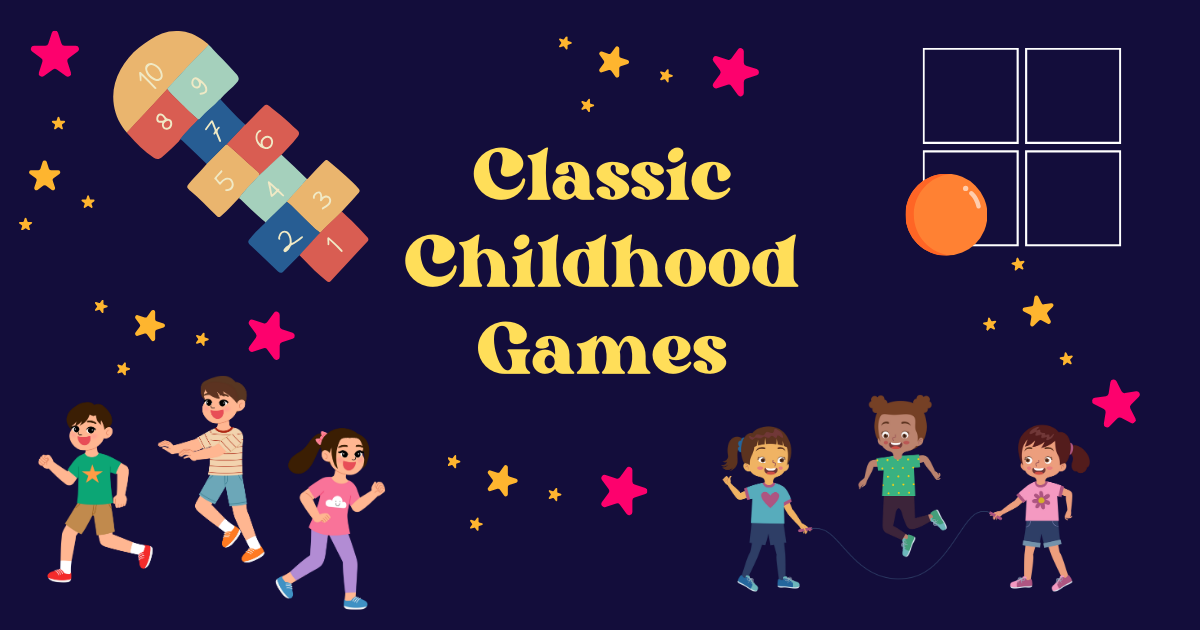
Recess Then vs. Now: Classic Childhood Games to Bring Back in Your Homeschool

Do you remember what recess was like when you were a kid? The bell would ring, and in seconds the playground was alive with kickball games, chalked hopscotch grids, jump rope rhymes, and the ever-competitive four square court. For many of us who grew up in the ’80s and ’90s, recess wasn’t just a break from schoolwork—it was the highlight of the day.

Today, kids’ free time looks a lot different. Screens, structured extracurriculars, and busy schedules often take the place of unstructured outdoor play. But here’s the thing: those classic playground games we grew up with aren’t just fun—they’re also fantastic for learning, social skills, and physical activity. And if you’re homeschooling, you have the perfect opportunity to bring some of that recess magic back.

Let’s take a trip down memory lane and rediscover the games that made our childhood recess so special—and how you can easily reintroduce them into your homeschool routine.

Kickball: The King of the Playground

If there was one game that could unite an entire playground, it was kickball. The rules were simple: a big rubber ball, four bases, and lots of excitement. Whether you were the star kicker sending the ball flying or the kid praying you wouldn’t get tagged out, everyone found a place on the kickball field.

Kickball wasn’t just about exercise—it taught teamwork, strategy, and good old-fashioned sportsmanship. And best of all, it required almost no equipment.

How to Bring It Back:

  • All you need is a rubber ball and a bit of outdoor space (backyard, park, or even a quiet street).
  • Create simple rules and keep the teams small if you have fewer players.
  • For homeschool groups, kickball makes a perfect activity for co-ops or playdates.

Four Square: Fast, Fun, and Competitive

Four Square: Fast, Fun, and Competitive

Do you remember the painted square on the blacktop where recess legends were made? Four square was the ultimate test of quick reflexes, hand-eye coordination, and, let’s be honest, a little playground drama. Players rotated through the four squares, aiming to defend their spot as “king” while bouncing the ball strategically to eliminate others.

It was fast-paced, competitive, and incredibly addictive. Four square taught kids how to think on their feet, adapt quickly, and accept the occasional “you’re out!” with a smile (or maybe a little protest).

How to Bring It Back:

  • Use chalk or tape to create a four-square grid on your driveway, patio, or sidewalk.
  • A playground ball or rubber ball works perfectly.
  • Teach kids a few variations of the game to keep things fresh.

Hopscotch: Jumping Through Numbers and Fun

Few sights are as nostalgic as a hopscotch board drawn in chalk across the blacktop. With nothing more than a handful of chalk and a small stone, kids could entertain themselves for hours.

Hopscotch wasn’t just fun—it built balance, coordination, and counting skills without kids even realizing it. Jumping from square to square while trying not to step on the lines was a challenge that never got old.

How to Bring It Back:

  • Draw a hopscotch board in your driveway or on the sidewalk with chalk.
  • Use small toys, coins, or stones as markers.
  • For variety, create themed boards with letters, shapes, or even sight words for younger learners.

Jump Rope Rhymes: Sing, Skip, Repeat

“Cinderella, dressed in yellow,
Went upstairs to kiss her fellow,
Made a mistake and kissed a snake,
How many doctors will it take? 1…2…3…”

If you just caught yourself chanting along, you know the magic of jump rope rhymes. These weren’t just silly songs—they were a blend of rhythm, laughter, and playful competition. The goal was simple: keep the rhyme going as long as you could without tripping on the rope.

Jump rope was never just about exercise. It was about memory (trying to keep up with the verses), creativity (kids constantly invented new rhymes), and pure joy. Whether you were solo jumping, double-dutching with friends, or daring to leap into a spinning long rope, the energy was contagious.

Why Classic Recess Games Still Matter Today

It’s tempting to think of these games as “just for fun,” but they actually carry powerful benefits for kids—especially in a homeschool environment where physical activity and social learning can look different from traditional school.

Here’s why bringing back these games is worth it:

  • Exercise without pressure – Running, jumping, and skipping keeps kids active in a way that feels like play, not PE.
  • Social skills – Even with siblings or neighborhood kids, games like kickball and four square teach teamwork, fairness, and conflict resolution.
  • Brain breaks – Short bursts of movement help kids return to lessons focused and refreshed.
  • Motor skills – Jump rope and hopscotch build coordination, balance, and rhythm.
  • Memory and creativity – Rhymes and chants exercise memory while sparking creativity.

Other Playground Favorites Worth Revisiting

While kickball, four square, hopscotch, and jump rope were big stars, recess had plenty of other gems. Do you remember these?

  • Red Rover – A test of strength and strategy (though maybe a little rough at times).
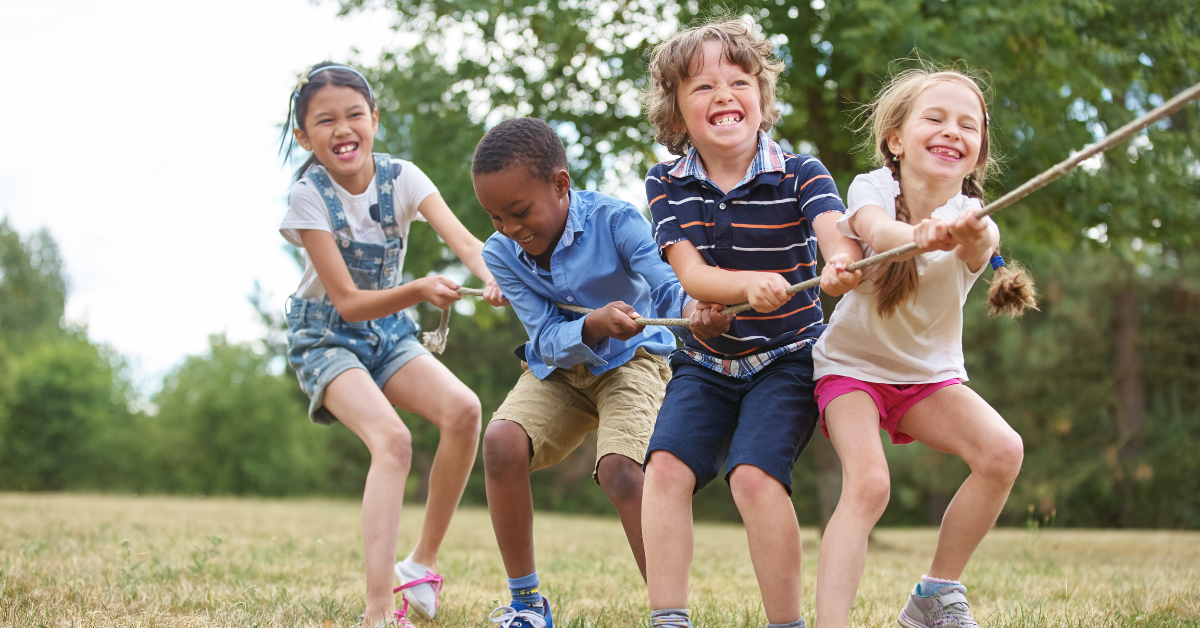
  • Tug of War – A classic game where two teams compete by pulling opposite ends of a rope, testing their strength to see which side prevails.
  • Freeze Tag – A playground classic that got everyone running.
  • Marbles – Small but mighty, marbles encouraged patience and precision.
  • Chalk Art – Not exactly a game, but entire sidewalks became colorful masterpieces.
  • Wall Ball – A simple ball, a wall, and endless variations of rules created hours of fun.

These games required almost nothing in terms of supplies—just imagination, a ball, and maybe a stick of chalk. That’s what made them so magical.

How to Incorporate Classic Recess Games into Homeschool

As homeschool parents, we have the freedom to shape our kids’ days—and that includes making space for recess, even if there’s no official bell to signal it.

Here are some simple ideas to bring recess nostalgia into your homeschool routine:

  • Schedule recess breaks – Build short outdoor play sessions between subjects.
  • Make it family time – Play kickball or hopscotch together for bonding and exercise.
  • Use it as a group activity – Invite other homeschool families to join in for co-op recess days.
  • Tie in learning – Use chalk games to practice math facts, spelling words, or even geography by turning hopscotch squares into “countries.”
  • Let kids lead – Encourage them to come up with their own variations of the games.

Recess Is Still Essential

Recess in the ’80s and ’90s wasn’t just about burning energy—it was about freedom, laughter, and building connections. Those classic games we loved weren’t complicated, but they left a big impact.

Homeschool parents can revive that spirit today by bringing kickball, four square, hopscotch, jump rope rhymes, and other playground favorites back into daily life. They provide the perfect mix of movement, learning, and joy—exactly what kids (and parents) need in a homeschool setting.

So grab a ball, a jump rope, and a stick of chalk. Call the kids outside. And relive the magic of recess—because sometimes the simplest games are the ones that create the best memories.

How To Incorporate Economics In Your Homeschool Curriculum

Homeschooling allows you to tailor your curriculum to align with your child’s unique interests, strengths, and future goals. A subject often overlooked in homeschool programs is economics—a versatile and life-enriching discipline that equips students with skills in budgeting, critical thinking, and problem-solving. By incorporating economics, you’re not just teaching theory, but preparing your children to better understand personal finance, make sound life decisions, and grasp the workings of the greater economy.

This guide expands on how to seamlessly include economics in your homeschooling curriculum. From foundational principles to advanced topics, you’ll gain the insight and actionable steps needed to create an engaging, hands-on program your kids will love.

Why Teach Economics In Your Homeschool?

Economics may seem daunting, but its benefits are profound. At its core, economics is the study of choices, resources, and human behavior. By introducing this field in your homeschool curriculum, your children will develop:

  • Financial Responsibility: They’ll learn how to manage money, create budgets, and save for the future.
  • Global Awareness: Understanding economic principles helps them make sense of current events such as inflation, trade agreements, and market trends.
  • Critical Thinking: They’ll become adept decision-makers, evaluating trade-offs and consequences in various aspects of life.
  • Educated Career Planning: Exposure to economics can inspire interest in fields like business, public policy, or finance.

While initially intimidating, economics comes to life with the right tools, creativity, and everyday examples. Whether your child dreams of opening their own business, campaigning for government reform, or simply managing their personal budget efficiently, a strong foundation in economics sets the stage for future success.

Building An Engaging Homeschool Economics Curriculum

Building An Engaging Homeschool Economics Curriculum

Creating a well-rounded homeschool curriculum for economics starts with thoughtful planning. Here’s a step-by-step approach to help you design lessons that are accessible, engaging, and aligned with your child’s learning level.

  1. Start with the Basics of Economics

A solid understanding of economic fundamentals is crucial for grasping more advanced topics later. Focus initially on easy-to-understand concepts:

  • Scarcity and Choices 

Explain how limited resources influence decision-making. For example:

    • “If given only $5, would you spend it on food, a toy, or save it? Why?”
  • Supply and Demand 

Demonstrate how these forces influence pricing and availability. A practical way to teach this:

    • Set up a hypothetical lemonade stand where prices rise or fall based on how thirsty people are or how scarce lemons become.
  • Opportunity Cost 

This principle teaches decision-making by evaluating trade-offs. Prompt discussions like:

    • If you spend an hour creating art instead of doing homework, what are you gaining, and what are you giving up?

Teaching Tips:

  • Use visual aids like colorful graphs and charts to demystify abstract ideas.
  • Incorporate everyday comparisons such as family grocery shopping trips.

Real-Life Scenarios to Reinforce Learning 

Hands-on exercises transform abstract theories into practical knowledge. Integrate activities such as:

    • Budget Balancing: 

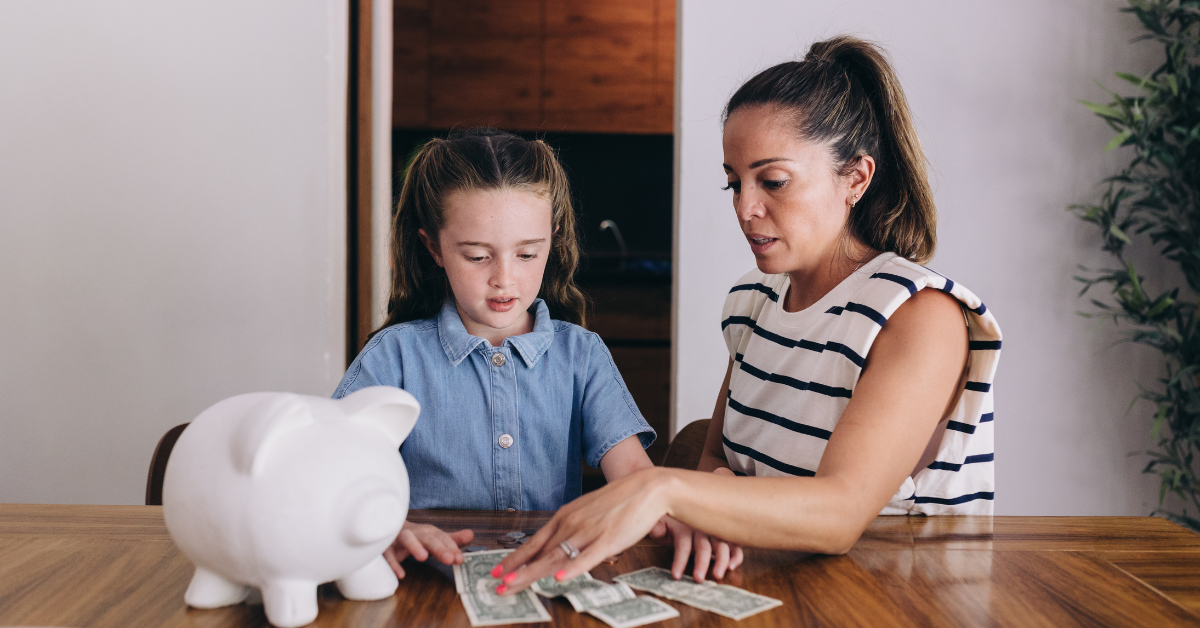
Give your children a small allowance and present realistic financial scenarios. Ask them to allocate spending across categories like savings, donations, and entertainment. 

Example: “You have $40 to spend this month. What will you buy if your sports gear costs $30, your favorite book costs $20, and you want $15 to spend on pizza?”

    • Mock Shopping 

Take your child on a budgeted grocery trip. Give them a $20 hypothetical budget and challenge them to choose items that satisfy both nutritional needs and their preferences. This exercise teaches about priorities and trade-offs.

    • Home Market Day: 

Host a mini marketplace where your kids sell handmade crafts or goods to learn about pricing strategies, negotiation, and profit margins.

  1. Explore Personal Finance Management

Personal finance lessons are the ultimate way to make economics feel relevant. They provide children with life skills they’ll use long after high school. Focus on these key topics:

Budgeting 

  • Collaboratively create a monthly family or personal budget. Include “income” (weekly allowance, chore payments) and expenses like entertainment or savings. 

Saving and Investing 

  • Set savings goals—for instance, saving up for a new bicycle or a special family outing. 
  • Introduce simple investment concepts through platforms like stock market games or even piggy banks that “earn interest.” 

Taxes 

  • Demonstrate in action how taxes impact income using real examples from grocery receipts or simplified versions of tax brackets.

Debt and Avoiding Pitfalls 

  • Role-play scenarios about using credit wisely and avoiding common financial pitfalls.

Gamified Learning Tools:

  • Use board games and apps such as:
    • Monopoly or The Game of Life: Teach long-term decision-making and resource management.
    • Lemonade Tycoon: This app allows children to run a virtual lemonade stand and learn about profit strategies.
  1. Teach Economics Through Real-world Case Studies

Using relatable and current examples makes economics exciting. Try these ideas:

Entrepreneurship Projects

Guide your kids to establish small businesses. Activities like baking cookies to sell to neighbors or offering pet-sitting services teach entrepreneurial skills, including:

  • Cost management
  • Marketing strategies
  • Calculating profits vs. expenses

Current Events Discussions

Review news topics directly tied to economics:

  • Inflation and price changes
  • Import/export scenarios
  • Major world financial crises

Everyday Family Finance Tasks

Use teachable moments from regular life:

  • Planning a vacation and discussing the trade-offs of budget-friendly choices
  • Reviewing household utility bills, drawing connections between energy consumption and costs

Simulate Workforce Scenarios

Create hands-on micro-simulations, like assigning roles for running a family “business” and what stresses might arise between production demands and inventory shortages.

Advanced Topics For Older Students

For middle and high schoolers, you can introduce more complex economic concepts as their understanding deepens:

Microeconomics vs. Macroeconomics 

Use relatable examples:

  • Microeconomics explores small-scale issues like how a single company decides pricing for new products. 
  • Macroeconomics examines large-scale trends, such as regional unemployment or a nation’s inflation rates.

The Role of Governments 

Guide conversations on taxation policies and budgeting decisions governments face. Use online tools or simulations about setting national priorities during a fiscal deficit.

Global Trade 

Explore how global markets impact local living costs through examples of imported goods that fluctuate in value. Use world maps and import-export trend charts.

Investments and Long-term Planning 

Older kids can experiment with mock investment simulations and learn basic terms like dividends, mutual funds, or compounded interest.

Expert Resources And Tools For Homeschool Economics

When building your program, leverage the following curated tools to save time and add value:

  • Books and Guides:
    • “Economics for Children” by Jane Smith
    • “Rich Dad Poor Dad for Teens” by Robert Kiyosaki
  • Learning Apps:
    • Lemonade Stand Simulator: A tool that combines economics and fun.
    • Savings Spree: Designed for children to learn the impact of financial decisions.
  • Websites/YouTube Tutorials:
    • Khan Academy’s microeconomics lessons.
    • Blogs written by family finance professionals.

Practical Applications for Long-term Impact

The goal of teaching economics in a homeschool setting is to empower children with transferable life skills:

  • Establish Good Saving Habits Early:

Encourage short-term goals like saving up for a toy, and long-range goals like attending summer camps.

  • Critical Thinking and Decisions:

Use accessible scenarios to discuss which priorities matter most during unexpected family expenses.

Encourage participation in regular moments affecting family finances. For instance, ask for their opinions on cost-benefit trade-offs when buying subscriptions or electronics.

Homeschool Economics Sets Kids Up for Life

By integrating economics into your homeschool curriculum, you’re not just meeting educational standards—you’re equipping your children with essential life tools. Whether it’s learning to save, analyzing market trends, or exploring career paths in economics, your efforts lay the groundwork for curiosity, responsibility, and success. With hands-on learning strategies and engaging projects, economics becomes a lively subject that resonates well beyond the classroom!

Art and Music Appreciation in Charlotte Mason Homeschooling

Fostering a love for beauty through art and music forms a key pillar of the Charlotte Mason philosophy. Known for its holistic approach to education, this method highlights the importance of enriching children’s minds with great works of art and music to cultivate both creativity and character. For homeschooling families, this can seem like a daunting task at first. However, with the right resources and strategies, introducing Charlotte Mason art appreciation and music appreciation into your homeschool curriculum becomes a rewarding experience—for both you and your child. 

This blog will explore practical ways to integrate art and music appreciation into your Charlotte Mason homeschool, provide curriculum tips, and discuss how these subjects nurture emotional and intellectual growth. 

The Role Of Art And Music In The Charlotte Mason Philosophy 

Charlotte Mason emphasized the value of “feasting upon ideas,” and the arts are a crucial part of that feast. Introduced early, they awaken a sense of wonder in children and help them form connections with beauty and creativity. From leafing through picture books of famous paintings to listening to classical symphonies, these experiences foster lifelong habits of paying attention to detail, feeling deeply, and thinking critically. 

Why Art Appreciation Matters 

Charlotte Mason believed that exposure to art improves observation skills, widens cultural understanding, and nurtures imagination. Art appreciation teaches children to notice patterns, colors, and stories within paintings. Over time, they come to respect and enjoy works by great masters like Monet, Van Gogh, or Rembrandt. 

For homeschool families, this process doesn’t require expensive classes. Instead, it’s about creating regular opportunities to enjoy art together. For instance:

  • Picture Study: Select a single painting and observe it for an extended period. Encourage your child to absorb the details and later describe it from memory. 
  • Art History Context: Share the backstory of the artist and the era in which the painting was created. 
  • Museum Visits: If possible, visit local art museums to see these masterpieces in person. This brings historical context alive and enriches the experience. 

The Importance of Music Appreciation 

Music appreciation is equally significant within the Charlotte Mason approach. According to this method, studying the works of great composers like Bach or Mozart enhances children’s capacity for concentration, deep thought, and creativity. Music connects auditory learning with pattern recognition, emotional expression, and a sense of rhythm. 

Much like art, music should be a joyful, immersive experience. Charlotte Mason emphasizes the enjoyment of great music over formal technical training in the beginning. Families can incorporate composer studies, live performances, or at-home listening sessions to help children connect with music at a personal level while building their knowledge base. 

How To Integrate Charlotte Mason Art Appreciation Into Your Homeschool 

How To Integrate Charlotte Mason Art Appreciation Into Your Homeschool 

If you’re wondering how to build Charlotte Mason art appreciation into your homeschool day, here are practical tips to get started. 

Picture Study – A Core Practice 

Picture study is a mainstay of the Charlotte Mason approach. It’s simple, effective, and requires minimal materials. Follow these steps to begin this practice with your child:

  1. Select a Single Artist for a Term: This could be someone like Picasso, Vermeer, or Cassatt. Ideally, choose six works from the artist to study over six weeks. 
  2. Observe Without Judgment: Have your child observe one painting at a time for several minutes, guiding them to notice as much as possible without critique. 
  3. Set Aside Weekly Time: Commit to spending one short session per week on picture study. 
  4. Narration: Ask them to tell what they observed after viewing. This further promotes their attention to detail. 
  5. Art Recreation: Allow your children to recreate parts of the painting in their own style. This not only ignites creativity but deepens their connection to the artwork. 

Setting an Ambience 

Creating an environment that supports art appreciation doesn’t mean redesigning your home. Small touches can make a big difference:

  • Rotate prints of famous paintings around your house. 
  • Use books like Discovering Great Artists to introduce new masters and their techniques. 
  • Keep sketching materials like pencils and paper within easy reach for spontaneous creative expression. 

Teaching Beyond the Paintings 

Include age-appropriate discussions about artistic movements, innovations in technique, or specific moments in art history. You could explore the Italian Renaissance one semester, Impressionism another, and so on. By linking this to other subjects like history, your children gain a well-rounded view. 

Creating A Homeschool Music Appreciation Program 

Unlike formal music lessons, music appreciation is about learning to love music organically. Here’s how to weave it easily into your curriculum

Composer Study 

Charlotte Mason homeschoolers often choose one composer to study over several weeks or months. This allows children to gradually become familiar with their unique style and contributions. Here’s a practical approach:

  • Six Weeks per Composer: Select works by Beethoven, Handel, or Chopin, dedicating one term to each. 
  • Listen Weekly: Spend 10-15 minutes listening to a piece, encouraging quiet attentiveness. 
  • Story Context: Research a few anecdotes from the composer’s life to share with your child. This can include events that inspired specific compositions. 
  • Music Narration: After listening, encourage children to narrate their impressions of the piece or describe what emotions the music inspired in them. 

Build a Listening Schedule 

Music appreciation thrives with consistency. Consider creating a simple schedule to ensure it becomes a daily or weekly habit. For example:

  • Mondays can focus on lyrical classical music (e.g., Vivaldi’s “Four Seasons”). 
  • Fridays may involve exploring modern instrumental works or jazz-infused classics to diversify exposure. 

Live Music Experiences 

Whether it’s an outdoor concert or a local symphony, live performances offer an unforgettable way to connect with music. They allow children to witness the dynamics of real instruments, ensemble cooperation, and the impact of acoustics. 

Tools and Resources for Music Study 

Several resources make it easier to integrate music into your day:

  • Streaming Services: Platforms like Spotify, YouTube, or Apple Music often have curated playlists dedicated to specific composers or periods. 
  • Books: Lives of the Musicians by Kathleen Krull provides engaging stories about famous composers. 
  • Apps: Tools like “Classics for Kids” bring interactive music education directly to your homeschooling toolbox. 

Encourage Hands-On Musical Creativity 

While music appreciation focuses on listening, experiment with hands-on creativity to deepen the connection. Simple activities like playing percussion, composing tunes, or experimenting with basic instruments can unlock musical potential. 

The Benefits Of Incorporating Art And Music Appreciation 

While both art and music appreciation nurture a love for beauty, they also teach discipline, sharpen intellect, and deepen emotional intelligence. The benefits go far beyond the classroom and enrich your children’s development. 

Emotional Growing Points 

Art and music give children access to deep, universal emotions. For example, observing the swirling skies of Van Gogh’s Starry Night or hearing the emotional highs of Beethoven’s symphonies teaches empathy. These lessons on human values and feelings can build compassion and self-awareness. 

Developmental Advantages 

  • Improved Focus: Both art and music teach children to observe or listen deeply, which translates to better attention spans in other academic areas. 
  • Cultural Literacy: Exposure to famous works helps children understand and appreciate global history and culture. 
  • Enhanced Critical Thinking Skills: When analyzing art or music themes, kids develop the ability to notice nuance and interpret broader meanings. 

Cultivating Lifelong Learners 

Both fields encourage curiosity. A child engaged in art or music asks questions, seeks inspiration from the world around them, and continues to grow. This unquenchable thirst for learning becomes a lifelong gift. 

By introducing Charlotte Mason art appreciation and music appreciation into your homeschool, you open a world of beauty, emotion, and creativity for your family to share. These practices teach children that education is not limited to books or lectures—it’s found in the vivid brushstrokes of a painting and the harmonious chords of a piano.

How To Get Kids Interested In Music

Music is an incredible, enriching way to engage your child’s creativity and boost their overall development. For homeschooling parents, incorporating music education into daily routines opens up fun and engaging opportunities for kids to explore rhythm, melody, and self-expression. 

Whether you’re looking to teach music actively or simply inspire an interest in it, this guide provides practical tips you can apply at home. By fostering interest through enjoyable activities and hands-on experience, you’ll be helping your child build a strong connection to music. 

Create A Musical Space At Home 

One of the most effective ways to introduce kids to music is by creating a home environment where music feels natural and accessible. Kids are naturally curious, and when music is woven into their day-to-day lives, it can help stimulate their interest and make learning enjoyable. 

Play a Wide Range of Music 

Expose your child to a variety of musical genres to spark their curiosity and broaden their minds. Building musical knowledge starts with exploration, and the more types of music your child encounters, the more opportunities they’ll find to connect with styles they enjoy. 

  • Classical melodies: Introduce calm, soothing pieces during study or reading times. Composers like Mozart, Bach, or Beethoven can help kids focus while stimulating their creativity. 
  • Energetic tunes: Play lively music to accompany activities like cleaning, dancing, or crafting. Songs with catchy beats make movement fun and show the joy music can bring. 
  • World music: Highlight cultural diversity by playing traditional music from various regions, such as African drumming, Indian sitar tunes, or Latin American samba rhythms. 

Some streaming platforms and apps offer curated playlists specifically for kids, making it easy to provide diverse options for listening. 

Make Instruments Accessible 

Having instruments prominently displayed at home plants the seed for spontaneous exploration. Accessible, kid-friendly instruments encourage curiosity and give children tactile ways to experiment with sounds. 

  • Start with beginner-friendly options like maracas, tambourines, hand drums, or ukuleles. 
  • Budget-conscious families can invest in toy versions of instruments without losing educational value. 
  • Keep instruments in common areas where kids naturally spend their time, such as living rooms or playrooms. 

The simple act of providing tools for experimentation allows children to develop their natural musical instincts while playing. 

Be a Musical Role Model 

Children mirror the behaviors they see, so showing your personal enjoyment of music can inspire their interest. It doesn’t matter if you’re a professional musician or someone who sings off-key—enthusiasm is contagious! 

  • Sing songs together during daily routines like cooking or bath time. 
  • Share your own favorite songs or childhood tunes that have special meaning to you. 
  • Play an instrument yourself, even if it’s just for fun—they’ll see it’s okay to make mistakes and just enjoy the process. 

By modeling happiness and confidence in musical activities, you’ll teach your kids that music is something to be explored without fear or pressure. 

Engage Kids With Hands-On Musical Activities 

Engage Kids With Hands-On Musical Activities 

Music education for kids thrives on interactive, playful approaches. Rather than teaching music as an abstract subject, focus on hands-on experiences that make learning fun and relatable. Transforming lessons into activities helps build enthusiasm while introducing basic concepts effortlessly. 

Weave Music Into Everyday Learning 

Integrating music with other subjects can keep lessons engaging while reinforcing academic concepts. Creativity comes alive when you combine music with areas like math, science, or language arts. 

  • Explore language through music: Use rhyming songs or sing spelling words to strengthen vocabulary. Lyrics help with memorization while improving pronunciation. 
  • Science experiments with sound: Demonstrate pitch by plucking rubber bands stretched over boxes or study vibrations using a tuning fork and water. 

By fusing music with everyday learning, students can discover how music connects to other areas of life in practical ways. 

Make and Play DIY Instruments 

Engaging kids in creating their own instruments is not only fun but also introduces foundational concepts about sound. Load up on household items to organize your own DIY instrument-making session. 

  • Rice-filled containers become shakers. 
  • A shoebox or tissue box acts as the base for a rubber-band guitar. 
  • Glass jars filled with varying amounts of water transform into a glass xylophone that teaches about pitch. 

Kids can decorate their creations, combining art and music into a single hands-on project. It’s a memorable way to introduce children to instrument families and sound production while strengthening problem-solving skills. 

Use Technology as a Music Tool 

Modern tools like apps and online platforms have revolutionized how kids learn music. Interactive games and programs create an engaging space for kids to explore music theory while having fun. 

  • Explore apps like “GarageBand” for creating music or “Simply Piano” for piano tutorials. These apps often feature game-like interfaces that reward progress. 
  • For younger children, apps like “Baby Mozart” or “Kids Music Factory” introduce sounds and instruments in age-appropriate methods. 
  • Online video content, such as kid-friendly tutorial channels, provides interactive lessons on rhythms, singing, or beginner-level instruments. 

Technology complements traditional learning techniques by offering an interactive approach, perfect for engaging modern learners. 

Promote Imaginative Storytelling 

Combine music and creativity by encouraging your kids to use soundtracks in storytelling activities. Whether it’s recreating the sound of a storm using drums or interpreting the rustle of leaves with shakers, kids love merging imagination and auditory expression. 

Ask them to write a short story first and compose accompanying sounds, or propose improvisational scenarios where music tells the tale on its own. This fuels both creative thinking and hands-on music exploration. 

Foster Participation Through Music-Making 

Active participation is one key to making music exciting. When kids have roles to play—whether they’re humming along enthusiastically or leading a song—they feel connected and inspired. Participation blurs the line between fun and education while cultivating collaboration and confidence. 

  • Family sing-alongs: Singing together, even for simple nursery rhymes or karaoke, strengthens bonds and boosts memory. 
  • Clap along to rhythms: Drumming out beats using body percussion introduces foundational rhythm skills while keeping things playful. 
  • Family band nights: Set aside one evening per week to jam together. Assign each family member an instrument and rotate playing roles. Silly, spontaneous music sessions often become cherished traditions. 

If you’re not musically trained, don’t worry. The goal is to foster fun and connection while encouraging kids to actively engage in the creation of music. 

Introduce Formal Music Lessons 

If your child shows deeper interest in music, structured lessons can take their learning to the next level. While exploration and play spark passion, developing advanced skills may eventually involve lessons in music theory or specific instruments. 

Start With Age-Appropriate Lessons 

Younger children benefit from casual, playful approaches rather than strict practice routines. Introduce rhythm exercises, simple note reading, or familiar songs they can master easily. Rhythm games like clapping or using drumsticks are also great for younger learners since they focus on foundational skills. 

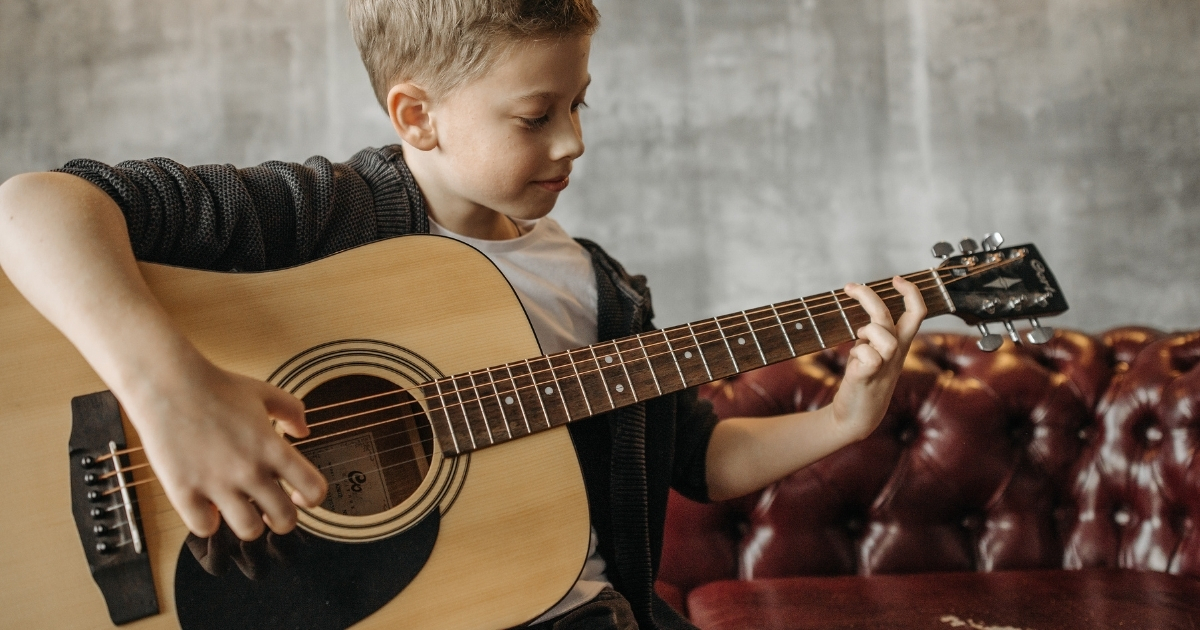
Older kids, on the other hand, may be ready for more structured instruction. Instruments like keyboards, guitars, or violins are excellent entry points. Helping them choose an instrument that excites them is crucial for maintaining long-term motivation. 

Explore Teaching Resources 

Parents without musical backgrounds still have many ways to facilitate music education. Accessible resources allow even homeschooling families with no prior experience to give their children high-quality musical instruction. 

  • YouTube provides countless beginner-level tutorials for instruments and voice training. 
  • Online platforms like “Outschool” host live, interactive group lessons for kids. 
  • Music apps and software can teach concepts ranging from piano to composition. 

Whether through self-guided online resources or private tutors, customizing instruction ensures deeper engagement with whatever resonates most with your child’s interests. 

Encourage Consistency 

Structured learning thrives on practice and patience. Dedicate time weekly for lessons and set manageable goals. Create a lighthearted schedule—ten minutes daily will suffice for young kids. Avoid overwhelming them early on, and mix structured sessions with unstructured doodling or freestyle composition time. 

Homeschooling music education is an opportunity to nurture your child’s creative development while providing essential life skills like discipline, coordination, and confidence. Whether through making homemade instruments, hosting jam sessions, or introducing formal lessons, there’s no shortage of ways to encourage musical exploration. By creating a supportive environment, offering hands-on activities, and sparking curiosity, you’ll transform your child’s early encounters with music into a lifelong appreciation filled with growth, learning, and joy.

Homeschool History Curriculum: How To Choose The Best For Your Family

Choosing the best homeschool history curriculum can feel like a monumental task when faced with the wide range of choices available. Parents want a curriculum that not only aligns with their educational goals but also holds their child’s attention and fosters a genuine interest in history. With so many factors to consider—learning styles, historical perspectives, budget, and more—it can be hard to know where to begin.

This guide will provide practical insights to help you make an informed decision and explore some popular homeschool history curriculum options. Whether you’re homeschooling a curious kindergartener or a high schooler preparing for college, these tips will help you choose a program that complements your family’s unique needs.

Understand Your Family’s Needs And Goals 

Before you start comparing programs, it’s essential to understand what you’re looking for in a history curriculum. Homeschooling offers incredible flexibility, and your choice of curriculum can reflect your values, priorities, and your child’s learning style. Consider these factors when evaluating your family’s needs:

  1. Your Educational Philosophy
  • Ask yourself what kind of approach you prefer for homeschooling.
  • Do you favor a traditional, textbook-based method that closely resembles public school? 
  • Are you more interested in creating a relaxed, interest-led learning environment? 
  • Do you follow philosophies like Charlotte Mason, classical education, or unit studies? 

Each philosophy may align better with certain types of history programs, and clarifying your approach can help narrow your search.

  1. Grade Level and Comprehension Ability
  • Choose programs that match not just your child’s age but also their current comprehension level.
  • Younger children often benefit from engaging storytelling and broad historical overviews. 
  • Older students can handle more complex themes, primary source materials, and in-depth analysis of historical events. 

Many curricula come with suggested grade ranges, which is a helpful starting point.

  1. Your Child’s Learning Style

Homeschool history programs vary widely in the way they approach learning. Consider how your child learns best:

  • Visual learners may benefit from curricula with maps, timelines, and illustrations. 
  • Auditory learners might enjoy lectures, audiobooks, or group discussions. 
  • Hands-on learners will likely engage more with projects like recreating artifacts, conducting experiments, or building dioramas. 
  1. Time Commitment
  • Some programs are thoroughly planned and require a parent or teacher to guide each lesson. 
  • Other options focus on independent study, offering self-paced materials for busy parents or older children. 

Evaluate how much time you can personally dedicate to teaching.

  1. Budget
  • Decide what fits your budget while providing a robust learning experience. 

Many homeschool parents find creative ways to mix free resources like library books with paid curriculum for a balanced experience.

Tips for Getting Started:

  • Check reviews from other homeschool parents before purchasing. 
  • Look for sample lessons or trial versions to get a feel for each program. 
  • Don’t be afraid to adapt materials to suit your needs—homeschooling allows for customization! 

Popular Styles Of Homeschool History Curriculums 

Popular Styles Of Homeschool History Curriculums 

Homeschool history curriculums come in a variety of formats, each with unique strengths. Deciding which format works best depends on your child’s preferences and your teaching style. Below are some of the most popular approaches:

Textbook-Based Curriculums

Textbook-based programs offer a structured, comprehensive approach that many parents find reassuring. These programs often include:

  • Chronological timelines to give kids a sequential understanding of history. 
  • Suggested student activities like chapter quizzes and written assignments. 
  • Teacher guides with discussion questions and assessment tools for parents. 

Examples: Notgrass History, Story of the World, and Harcourt Horizons

These materials are ideal for families who value consistency and a clear progression through historical events.

Literature-Based Curriculums

For families following the Charlotte Mason or classical approach, literature-based curriculums weave historical narratives through engaging books. Instead of focusing solely on textbooks, this method uses:

  • Historical fiction or biographies. 
  • Companion guides with discussion questions and project ideas. 
  • Integration with other subjects like geography, art, and writing. 

Examples: Sonlight, Beautiful Feet Books, and Build Your Library.

This style appeals to children who connect with history through storytelling and character-driven narratives.

Unit Studies

Unit studies focus on in-depth exploration of a specific topic, such as the American Revolution or Ancient Egypt. These programs typically include:

  • Projects that combine history with science, art, and math
  • Hands-on activities like crafting, reenactments, and primary source studies. 
  • Flexibility in tailoring lessons to different ages within the same unit. 

Examples: Konos and Trail Guide to Learning.

Unit studies offer an excellent solution for large families teaching multiple children at the same time.

Online and Audiovisual Programs

Digital history curriculums often include engaging media to bring history to life. These options work well for tech-savvy learners and parents looking for self-guided resources. Features include:

  • Video lectures, animations, and interactive timelines. 
  • Quizzes and assignments hosted online. 
  • Digital resources that allow mobile learning. 

Examples: The Good and the Beautiful (History) and Compass Classroom’s Modern History.

This method is especially helpful for visual and auditory learners.

Religious vs. Secular Options

Decide whether your curriculum should include a religious perspective. Some of the most popular programs, such as Notgrass History and My Father’s World, incorporate religious teachings alongside historical content. Secular options like Curiosity Chronicles or History Quest focus on facts and cultural diversity.

How To Evaluate History Curriculum Reviews

Once you’ve narrowed down potential options, reading reviews helps ensure you’re making the best choice. Experienced homeschoolers share invaluable feedback on what works and what doesn’t. Here’s how to dig into reviews effectively:

  • Look for Detailed Experiences 

Skip overly general testimonials. Instead, seek out reviewers who clearly explain how the curriculum worked in their household. 

  • Pay Attention to Challenges 

Note what issues families encountered, whether it’s heavy teacher preparation, gaps in content, or an overly fast pace. This feedback can help you decide if the program complements your family’s preferences. 

  • Pay Attention to Learning Outcomes 

Look for indications that children retained knowledge, developed critical thinking, or gained enthusiasm for history.

  • Find Reliable Sources 

Trust user forums, homeschooling blogs, and Facebook groups, which often have more nuanced insights than product descriptions on retail sites. 

Making The Right Choice For Your Family 

The key to selecting the best homeschool history curriculum is finding one that supports your family’s unique goals while fostering curiosity and critical thinking. Whether your child thrives on literature, hands-on projects, or digital resources, there’s a curriculum out there that can turn history class into an engaging and inspirational experience.

By carefully evaluating your family’s needs, exploring different styles of curriculums, and seeking feedback from experienced homeschool parents, you can chart a course through history that you and your children will love. Transitioning to homeschooling or revamping your approach feels far easier when you’ve done your homework—pun intended!

Remember, the right curriculum isn’t necessarily the flashiest or most expensive; it’s the one that works for your family.

How To Incorporate Learning A Foreign Language In Your Child’s Everyday Life

Homeschooling is a flexible and personalized way to tailor your child’s education, and incorporating foreign language learning into this environment can be both enriching and practical. Language acquisition thrives when it’s integrated into regular life, so homeschooling offers countless opportunities for immersive and meaningful practice. With the right strategies, tools, and creativity, you can help your child learn a foreign language in a way that feels natural and enjoyable.

Below, you’ll find practical foreign language homeschool tips to seamlessly include language learning in your child’s day-to-day life. These insights will cover strategic daily practices, effective curriculum options, and fun activities to encourage learning.

Infuse Language Learning Into Daily Life

One of the best ways to teach a foreign language is by weaving it into your child’s routine. This approach not only makes learning feel less formal but also ensures consistent exposure to the new language without needing additional time carved out daily. Here are some simple, actionable ways to get started:

  • Label Common Objects: Use sticky notes to label everyday items in your home, such as “table,” “mirror,” and “refrigerator.” Every time your child passes the labeled object, they’ll connect the name with the item and reinforce their vocabulary. 
  • Switch Up Routine Greetings: Replace English greetings with phrases from your target language. Instead of “Good morning,” try “Buenos días” (Spanish) or “Bonjour” (French). This can also extend to phrases like “How are you?” or “Goodnight.” Over time, these phrases will become second nature. 
  • Make Mealtime Multilingual: During breakfast or dinner, introduce foreign words related to food, utensils, or even sentence-length expressions like, “Can you pass the butter?” in the target language. 
  • Household Activities as Teaching Moments: While cleaning, cooking, or gardening, include vocabulary words for tools and actions. For example, while folding clothes, you can teach your child the words for “shirt,” “pants,” or “socks” in the new language. 

These simple strategies not only expose your child to new vocabulary but also strengthen retention by associating the language with tangible, everyday experiences.

Opt For Curriculums That Fit Your Child’s Needs

While natural exposure is essential, structured learning through a homeschool foreign language curriculum ensures steady progress. Selecting the right program can significantly enhance your child’s understanding of grammar, pronunciation, and practical usage. Here are some ways to choose and utilize effective curricula:

Matching Learning Styles 

Identify the learning style that resonates most with your child. If they are visual learners, search for curricula that feature charts, flashcards, and video demonstrations. Auditory learners will benefit most from programs emphasizing listening exercises and spoken language practice. For active, kinesthetic learners, consider interactive apps or programs that include hands-on activities, such as role-playing conversations.

What to Look for in a Curriculum 

A high-quality language program should include several key elements that effectively teach foundational and advanced skills over time:

  1. Audio Components: Regularly listening to native speakers helps children mimic accurate pronunciation and tone. 
  2. Cultural Contexts: Language acquisition becomes more compelling and relatable when tied to its culture. The best curricula include details about traditions, customs, and cultural idioms. 
  3. Interactive Grammar Support: Workbooks or app-based resources that gradually introduce more complex grammar concepts allow learners to progress steadily without feeling overwhelmed. 
  4. Built-In Assessments: Regular end-of-lesson quizzes or writing tasks give parents a clear sense of their child’s progress and skills they may need to revisit. 

Some families find digital tools like Duolingo, Babbel, or Rosetta Stone to be convenient. Others prefer workbook-based programs like the “Easy Peasy Homeschool Spanish” or “French for Beginners.” Many parents also experiment with hybrid options—pairing a curriculum with apps or live online tutors.

Within structured lessons, consistency is paramount. Aim for 20 to 30 minutes of foreign language study a day, broken up throughout the day if necessary, to gradually improve fluency.

Turn Language Learning Into A Game

Turn Language Learning Into A Game

Keeping kids engaged is crucial, especially when it comes to learning a second language. Injecting creativity and laughter into your homeschool language lessons can help ensure your child stays motivated and looks forward to practice sessions.

  • Start Simple Games in the Target Language: Activities like “Simon Says” or “I Spy” can be translated and performed in your chosen foreign language. For example, in “Simon Says,” your child might learn words for body parts, like “hands” or “legs,” while following the instructions. 
  • Engage With Bilingual Flashcard Games: Use flashcards for vocabulary-based games, such as memory matching or speed challenges. Many downloadable flashcards can be printed and adapted for your child’s level. 
  • Language Treasure Hunts: Create scavenger hunts around the house using a list of clues written in the target language. Kids will actively engage with reading comprehension while having fun. 
  • Cooking and Baking Time: Choose recipes written in the foreign language, then decipher instructions collectively as you prepare the dish. This activity teaches food-specific vocabulary while also introducing sentence structure. 

By introducing an element of play, children are more likely to remain enthusiastic, even as they encounter challenges in learning the language.

Give Kids Real-World Practice Opportunities

Learning how to use a foreign language is greatly enhanced when children get opportunities to apply it authentically. Exploring avenues for real-world interaction allows your child to internalize their studies and build confidence.

Community and Online Engagement 

Seek out opportunities for your child to connect with other speakers of your chosen language, whether locally or online. For example:

  • Visit food markets or restaurants where the target language is spoken—it’s a great way to practice ordering, requesting, or asking questions. 
  • Opt into interactive opportunities on language exchange platforms such as HelloTalk. 

Immersive Family Field Trips 

Plan outings to cultural festivals, art museums, or relevant community events. Children naturally absorb aspects of a culture and its language when they explore its environment—whether through live performances, exhibits, or informal conversations in the field.

These opportunities increase meaningful engagement with the lessons learned at home, fostering organic language application.

Consistency Drives Long-Term Success 

For homeschool parents, it’s common to feel unsure about teaching a foreign language if you’re not fluent in it yourself. It’s important to remember that consistency, not perfection, is the key to success. 

Learning an additional language is a cumulative process. Even if you dedicate just 15 to 20 minutes per day, the regular practice will build over time into fluency. For younger learners, short, frequent sessions are typically more effective than extended lessons. Additionally, actively participating in the process with your child shows them that learning is a lifelong endeavor. Use online dictionaries, language guides, or basic conversation tools to assist during moments when you’re unsure about the correct word or phrasing. It’s okay to learn alongside them! 

By setting realistic expectations and fostering a growth-oriented attitude, you’ll make the language-learning experience stress-free for both you and your child. With time and continued effort, you’ll notice progress that goes beyond vocabulary into confidence and practical communication skills. Homeschool families have a unique advantage when it comes to teaching foreign languages. By strategically blending language into daily routines, choosing the right structured curriculum, making learning enjoyable, and creating real-world exposure, you’re providing your child with a skill that will benefit them for life.