Teaching English To Grades 7 – 8: The Best Approach

Navigating the world of middle school can feel like learning a new language, both for you and your student. When it comes to homeschooling, this stage brings its own unique set of challenges and triumphs. If you’re wondering how to make language arts engaging for your 7th or 8th grader, you’ve come to the right place. We’re going to dive into some practical middle school English teaching tips that will help you build a curriculum that inspires a lifelong love of language, literature, and communication.

Middle school is a pivotal time. Students are moving beyond basic reading and writing and are ready to tackle more complex ideas. They are developing their own opinions, and English class is the perfect place to help them learn how to articulate and defend those thoughts. The goal is to shift from simply understanding texts to critically analyzing them. This means exploring themes, understanding author’s intent, and recognizing literary devices. It’s less about just reading a story and more about understanding how that story is constructed and what it says about the world.

This transition requires a curriculum that is both structured and flexible. You need a plan, but you also need the freedom to follow your child’s interests. A great English curriculum for grades 7-8 balances classic literature with contemporary works, formal grammar with creative writing, and structured essays with lively discussions. It’s about creating a rich, dynamic learning environment right in your own home.

Building Your English Curriculum For Grades 7-8

Crafting a curriculum can feel like a daunting task, but you can think of it as creating a custom learning adventure for your teen. Instead of being bound by a rigid, one-size-fits-all plan, you have the flexibility to choose materials that will genuinely excite and challenge your student. A well-rounded curriculum for this age group should cover four main pillars: Literature, Writing, Grammar and Vocabulary, and Speech and Communication.

Here’s a breakdown of what to include in each area:

  1. Literature and Reading Comprehension:
    The goal here is to expose your student to a variety of genres and authors while deepening their analytical skills.
  • Novels: Aim for a mix of classic and modern literature. Think The Giver by Lois Lowry, The Outsiders by S.E. Hinton, or even dipping into foundational texts like simplified versions of Shakespeare or Greek myths. Don’t be afraid to include young adult (YA) novels that tackle relevant, contemporary issues.
  • Short Stories: These are perfect for teaching specific literary elements like plot structure, character development, and theme in a shorter format. Edgar Allan Poe is a classic choice for a reason!
  • Poetry: Explore different forms of poetry, from sonnets to free verse. Help your teen analyze imagery, metaphor, and rhythm. Encourage them to write their own poems to better understand the craft.
  • Non-Fiction: This is a crucial and often overlooked area. Include biographies, articles, essays, and historical documents. This helps students learn to read for information, identify bias, and evaluate arguments.
  1. Writing Skills:
    This is where your student learns to express their own ideas clearly and persuasively.
  • Essays: Start with the basic five-paragraph essay structure. Teach them how to write a strong thesis statement and support it with evidence from the text. Cover different types of essays: persuasive, expository, narrative, and descriptive.
  • Creative Writing: Give them opportunities to write their own short stories, poems, or even a play. This fosters creativity and helps them appreciate the author’s craft from a writer’s perspective.
  • Research Papers: Introduce the basics of research. Teach them how to find credible sources (and what makes a source credible), take notes, create an outline, and cite their sources properly. This is a foundational skill for high school and beyond.
  1. Grammar and Vocabulary:
    While some find it dry, a solid grasp of grammar is the bedrock of clear communication.
  • Grammar Rules: Focus on practical application. Instead of endless worksheets, use their own writing to identify and correct errors in sentence structure, punctuation, and usage.
  • Vocabulary Building: Move beyond simple memorization. Use vocabulary-in-context strategies. When they encounter a new word in their reading, have them try to define it based on the surrounding text before looking it up. Encourage the use of a thesaurus to find more dynamic words in their writing.

Essential Middle School English Teaching Tips

Essential Middle School English Teaching Tips

Alright, you have the “what,” but what about the “how”? Keeping a teenager engaged requires a bit of strategy and a lot of connection. This isn’t about lecturing from a podium; it’s about facilitating discovery. The key is to make English feel relevant to their lives. They need to see that the characters in a 100-year-old book felt the same confusion, joy, and frustration they do. They need to understand that writing a persuasive essay is the same skill they use to convince you to let them stay out later.

One of the most effective ways to do this is by connecting literature to the real world. When reading a historical novel, pull up documentaries or articles about that time period. If a book deals with social justice, find current events that mirror its themes. This transforms the reading from a passive activity into an active exploration of the world around them. It shows them that literature is not just a collection of old stories but a continuous conversation about the human experience.

Another powerful tool is discussion. Don’t just quiz them on plot points. Ask open-ended questions that don’t have a single right answer. Questions like, “Why do you think the character made that choice?” or “Do you agree with the author’s message?” can spark incredible conversations. This is your chance to really listen to your child’s developing worldview. You’re not just teaching them English; you’re teaching them how to think critically and articulate their own unique perspective.

Creating Effective English Lessons For Teens

So, what does a great lesson actually look like? It’s all about variety and engagement. Staring at a textbook for an hour every day is a surefire way to kill any passion for the subject. Instead, mix things up! You have the freedom to be creative and make learning an experience.

Here are some ideas for lessons that go beyond the book:

  • Host a “Literary Salon”: After finishing a novel, have a special snack and a discussion. Prepare some thought-provoking questions and let the conversation flow. You can even have your teen “host” the salon, taking charge of leading the discussion.
  • Create a Movie Poster or Book Trailer: For a creative project, have them design a movie poster for the book they just read. They’ll need to think about the key themes, characters, and mood to represent it visually. Or, they could create a short video trailer, which involves scriptwriting, storyboarding, and editing.
  • Put a Character on Trial: This is a fantastic activity for analyzing character motivation. Choose a controversial character from a book and hold a mock trial. Your student can act as the prosecution or defense, using evidence from the text to build their case.
  • Rewrite a Scene: Have them take a pivotal scene from a novel and rewrite it from a different character’s point of view. This is an excellent exercise in understanding perspective and narrative voice.
  • Connect with Authors: Many authors have websites, blogs, or social media accounts. Help your student find their favorite author online. They could read interviews or even write a respectful email with a question about their work. This makes the world of literature feel immediate and accessible.

The real magic happens when you let your teen’s interests guide the learning. If they love fantasy, lean into that genre with books like The Hobbit or the Percy Jackson series. If they are passionate about a particular social issue, find non-fiction texts and novels that explore it. When a student feels that their interests are valued, they become a partner in their own education, not just a passive recipient of information. This is the heart of creating effective English lessons for teens—making it personal, making it relevant, and making it fun.

The Power Of Choice

One of the greatest advantages of homeschooling is the ability to give your child a voice in their education. This is especially important during the middle school years when they are striving for more independence. When it comes to English, providing choices can be transformative. Instead of assigning a single book, why not offer a list of three or four pre-approved novels and let them choose the one that interests them most?

This simple act of providing choice does several things. First, it gives them a sense of ownership over their learning. The book becomes “their” book, not just another assignment. Second, it increases their motivation to read. They are far more likely to engage with a story they selected themselves. Finally, it teaches them how to make informed decisions. You can have them read the back cover summaries or even the first chapter of each option before they decide. It’s a small but powerful way to foster both responsibility and a love of reading.

This principle of choice can extend beyond book selection. Let them choose their essay topic from a list of prompts. Let them decide whether they want to write a poem or a short story for a creative writing assignment. The more you can involve them in the planning process, the more invested they will become in the outcome.

Explore More Homeschooling Resources

Teaching middle school English is a journey of discovery for both you and your student. It’s about exploring new worlds through books, finding your voice through writing, and learning to communicate ideas with clarity and confidence. By building a flexible curriculum, incorporating your teen’s interests, and making learning an active experience, you can create an English course that is not only educational but also deeply inspiring.

For more advice, curriculum ideas, and support on your homeschooling adventure, be sure to check out our other articles. We have a wealth of resources designed to help you succeed at every stage of your child’s education.

How To Incorporate Learning A Foreign Language In Your Child’s Everyday Life

Homeschooling is a flexible and personalized way to tailor your child’s education, and incorporating foreign language learning into this environment can be both enriching and practical. Language acquisition thrives when it’s integrated into regular life, so homeschooling offers countless opportunities for immersive and meaningful practice. With the right strategies, tools, and creativity, you can help your child learn a foreign language in a way that feels natural and enjoyable.

Below, you’ll find practical foreign language homeschool tips to seamlessly include language learning in your child’s day-to-day life. These insights will cover strategic daily practices, effective curriculum options, and fun activities to encourage learning.

Infuse Language Learning Into Daily Life

One of the best ways to teach a foreign language is by weaving it into your child’s routine. This approach not only makes learning feel less formal but also ensures consistent exposure to the new language without needing additional time carved out daily. Here are some simple, actionable ways to get started:

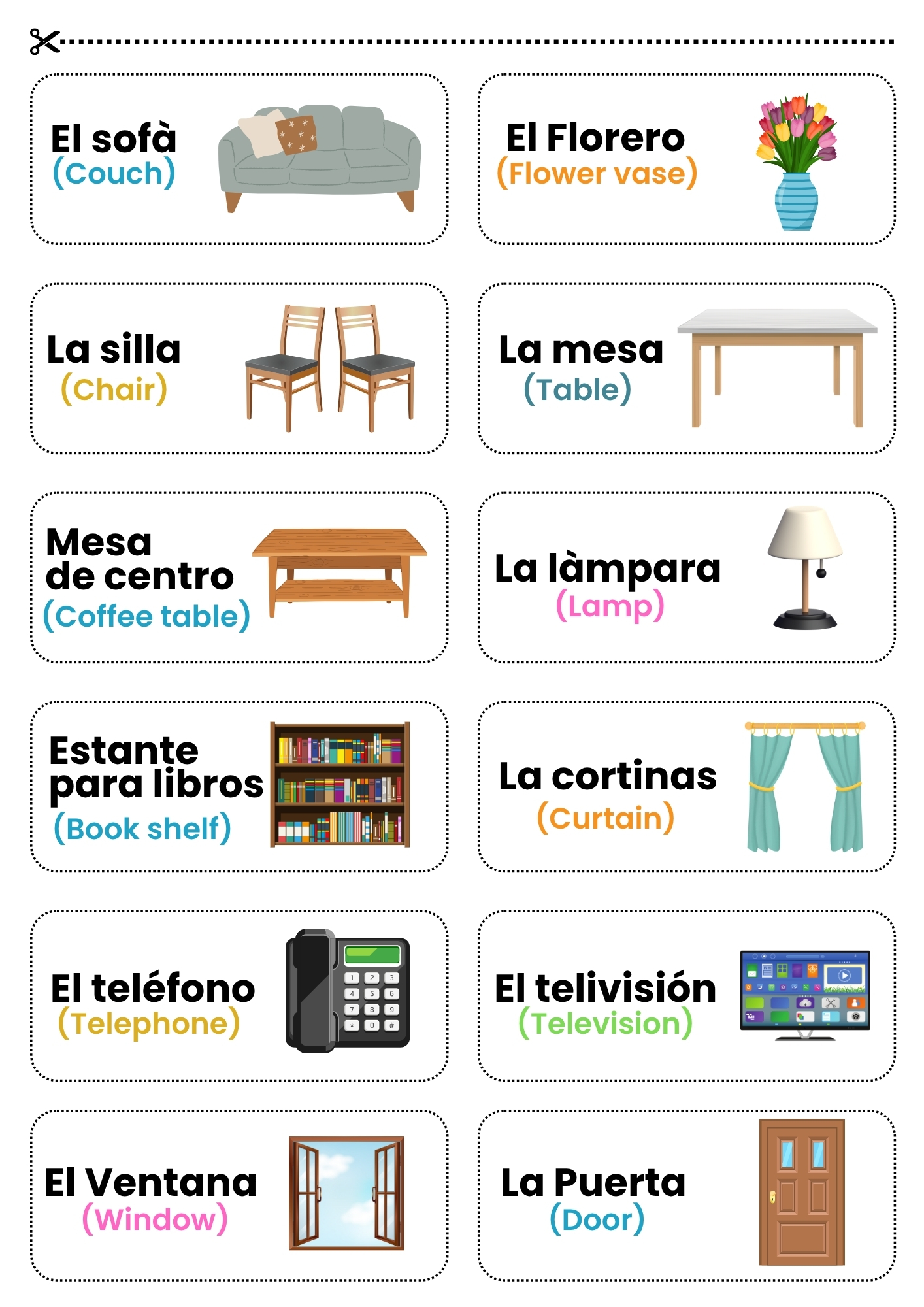
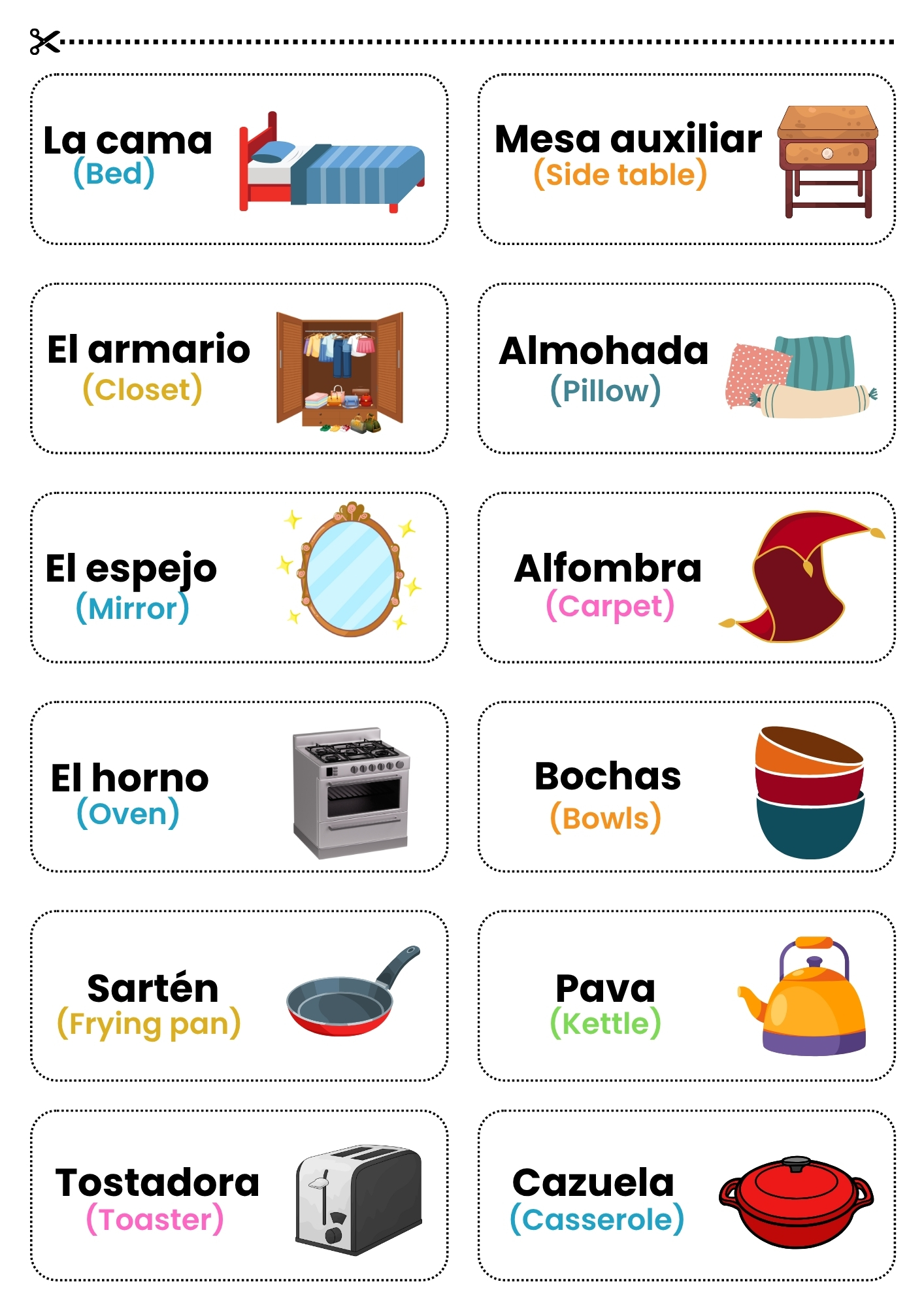
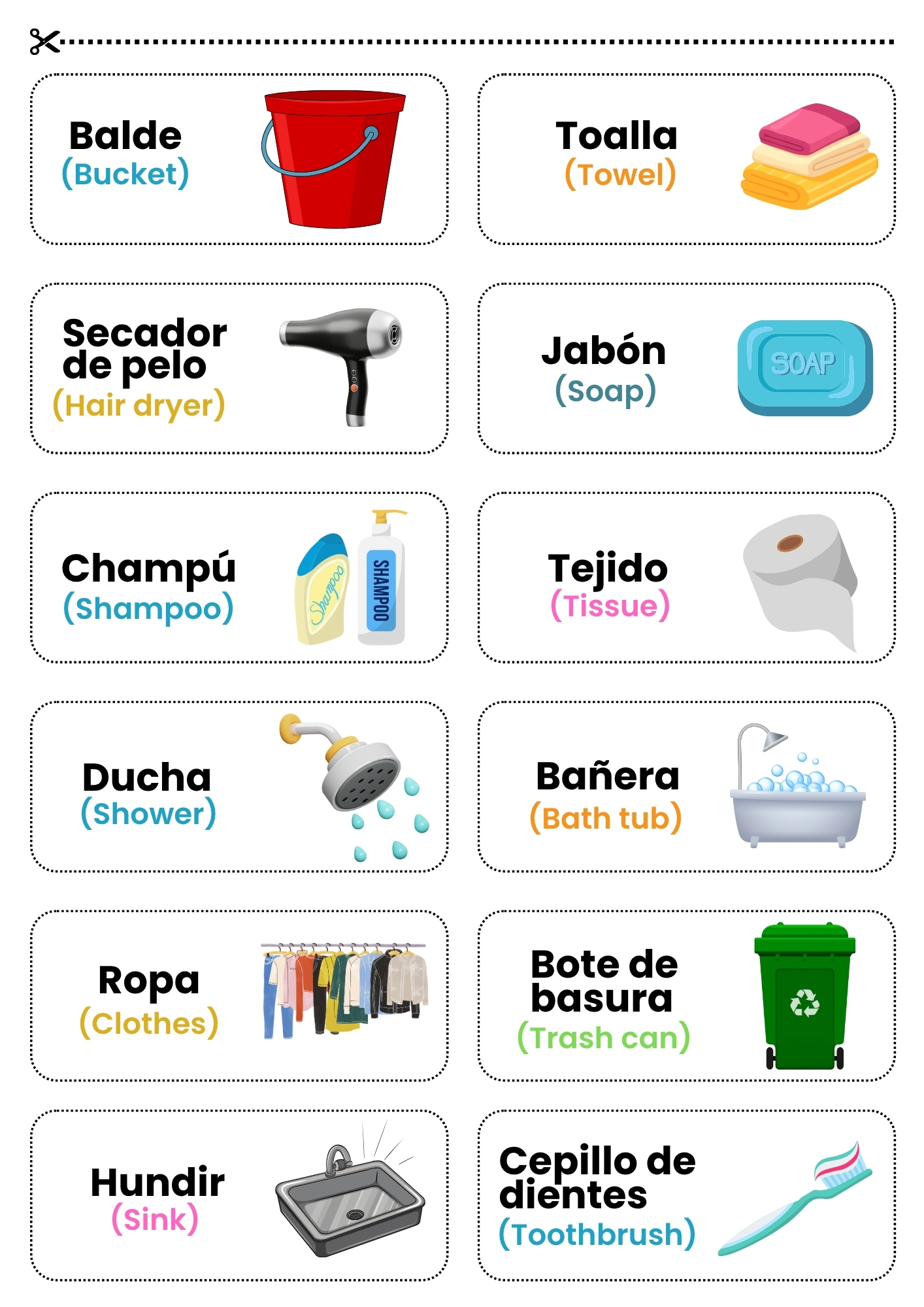
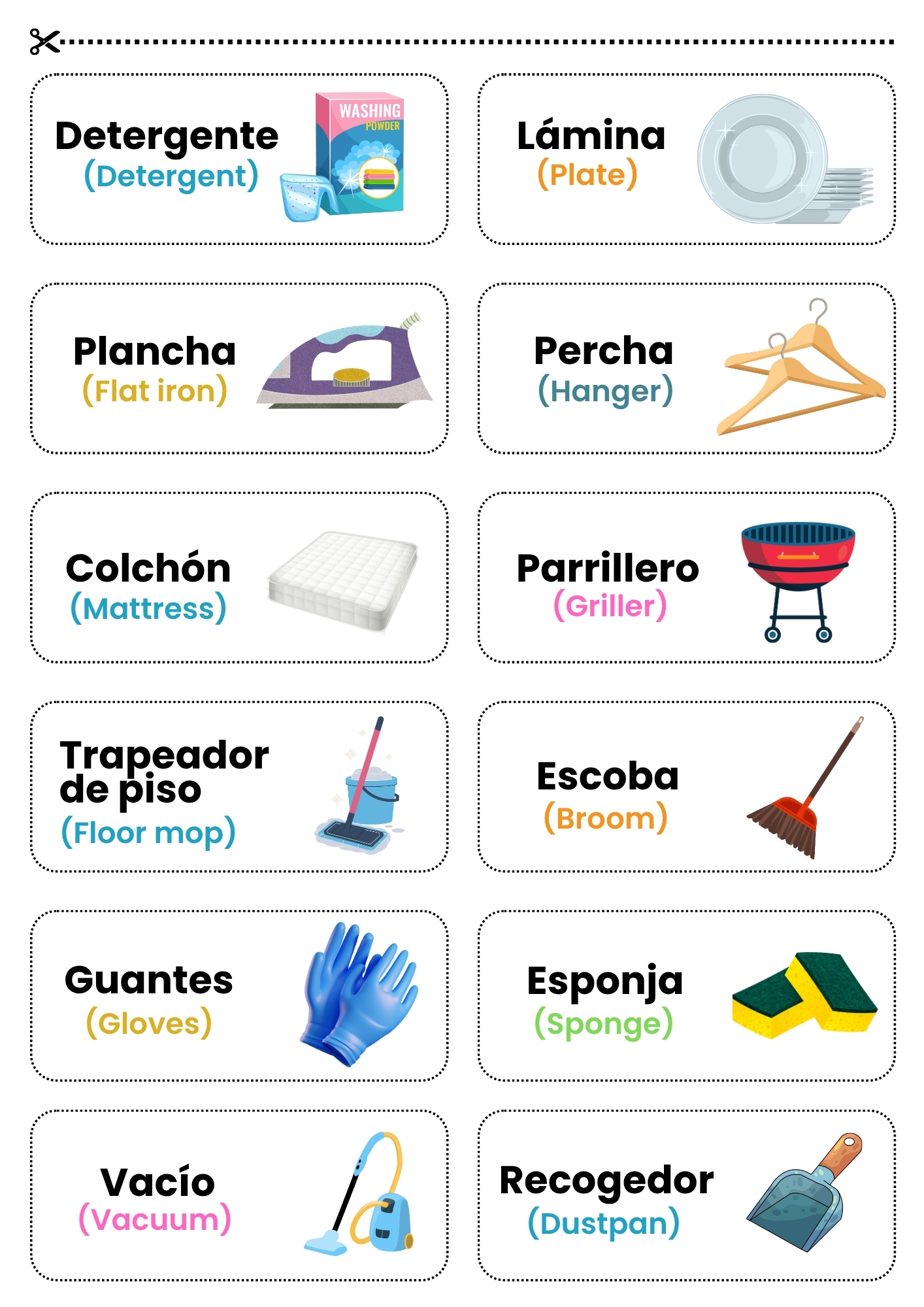
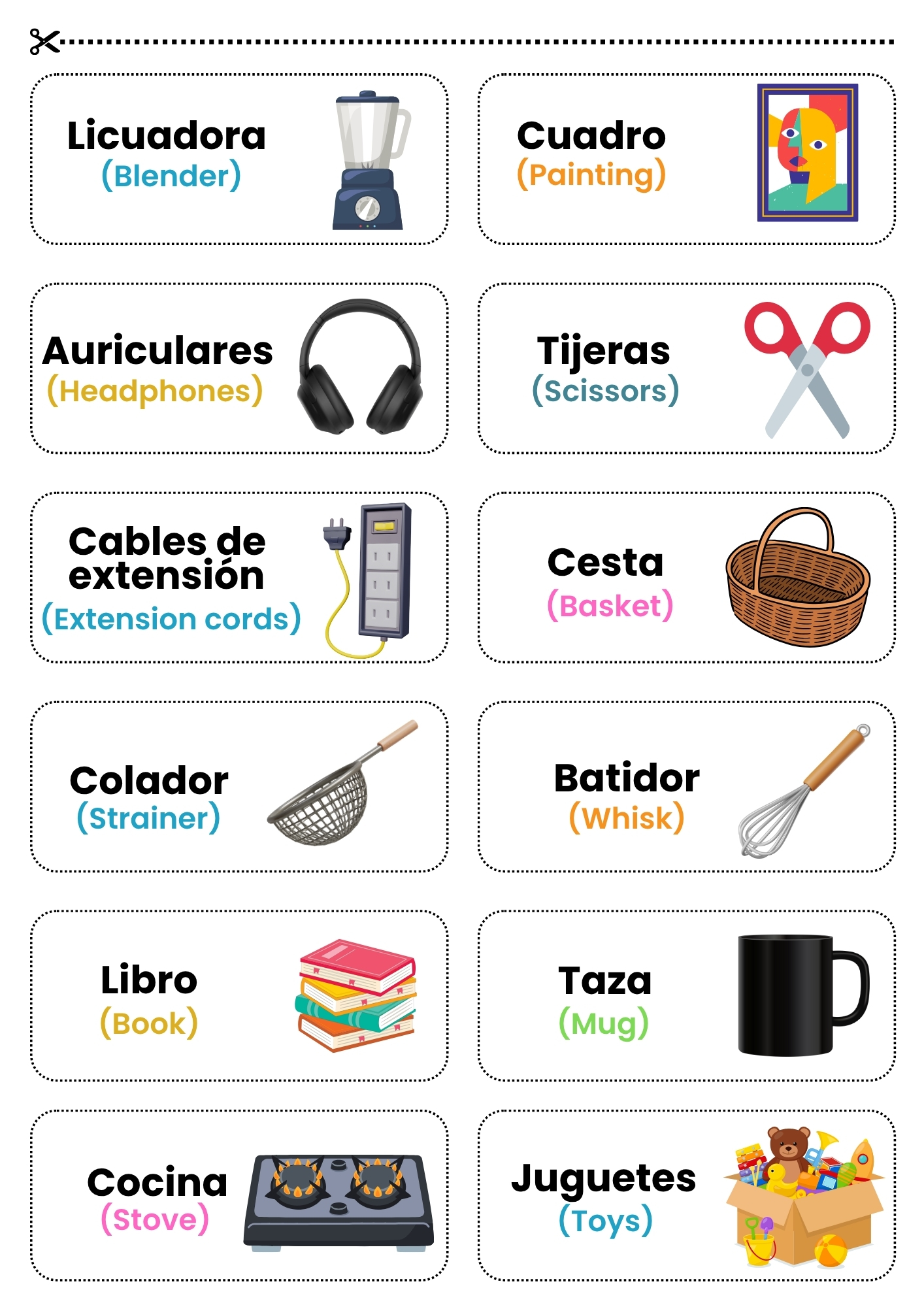
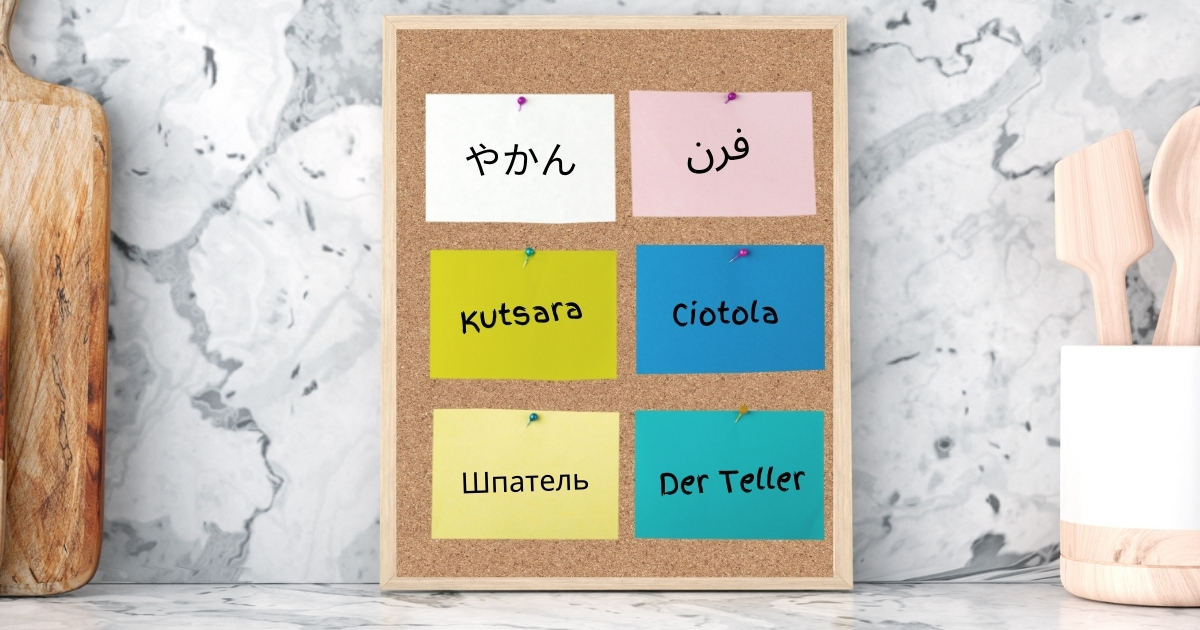
  • Label Common Objects: Use sticky notes to label everyday items in your home, such as “table,” “mirror,” and “refrigerator.” Every time your child passes the labeled object, they’ll connect the name with the item and reinforce their vocabulary. 
  • Switch Up Routine Greetings: Replace English greetings with phrases from your target language. Instead of “Good morning,” try “Buenos días” (Spanish) or “Bonjour” (French). This can also extend to phrases like “How are you?” or “Goodnight.” Over time, these phrases will become second nature. 
  • Make Mealtime Multilingual: During breakfast or dinner, introduce foreign words related to food, utensils, or even sentence-length expressions like, “Can you pass the butter?” in the target language. 
  • Household Activities as Teaching Moments: While cleaning, cooking, or gardening, include vocabulary words for tools and actions. For example, while folding clothes, you can teach your child the words for “shirt,” “pants,” or “socks” in the new language. 

These simple strategies not only expose your child to new vocabulary but also strengthen retention by associating the language with tangible, everyday experiences.

Opt For Curriculums That Fit Your Child’s Needs

While natural exposure is essential, structured learning through a homeschool foreign language curriculum ensures steady progress. Selecting the right program can significantly enhance your child’s understanding of grammar, pronunciation, and practical usage. Here are some ways to choose and utilize effective curricula:

Matching Learning Styles 

Identify the learning style that resonates most with your child. If they are visual learners, search for curricula that feature charts, flashcards, and video demonstrations. Auditory learners will benefit most from programs emphasizing listening exercises and spoken language practice. For active, kinesthetic learners, consider interactive apps or programs that include hands-on activities, such as role-playing conversations.

What to Look for in a Curriculum 

A high-quality language program should include several key elements that effectively teach foundational and advanced skills over time:

  1. Audio Components: Regularly listening to native speakers helps children mimic accurate pronunciation and tone. 
  2. Cultural Contexts: Language acquisition becomes more compelling and relatable when tied to its culture. The best curricula include details about traditions, customs, and cultural idioms. 
  3. Interactive Grammar Support: Workbooks or app-based resources that gradually introduce more complex grammar concepts allow learners to progress steadily without feeling overwhelmed. 
  4. Built-In Assessments: Regular end-of-lesson quizzes or writing tasks give parents a clear sense of their child’s progress and skills they may need to revisit. 

Some families find digital tools like Duolingo, Babbel, or Rosetta Stone to be convenient. Others prefer workbook-based programs like the “Easy Peasy Homeschool Spanish” or “French for Beginners.” Many parents also experiment with hybrid options—pairing a curriculum with apps or live online tutors.

Within structured lessons, consistency is paramount. Aim for 20 to 30 minutes of foreign language study a day, broken up throughout the day if necessary, to gradually improve fluency.

Turn Language Learning Into A Game

Turn Language Learning Into A Game

Keeping kids engaged is crucial, especially when it comes to learning a second language. Injecting creativity and laughter into your homeschool language lessons can help ensure your child stays motivated and looks forward to practice sessions.

  • Start Simple Games in the Target Language: Activities like “Simon Says” or “I Spy” can be translated and performed in your chosen foreign language. For example, in “Simon Says,” your child might learn words for body parts, like “hands” or “legs,” while following the instructions. 
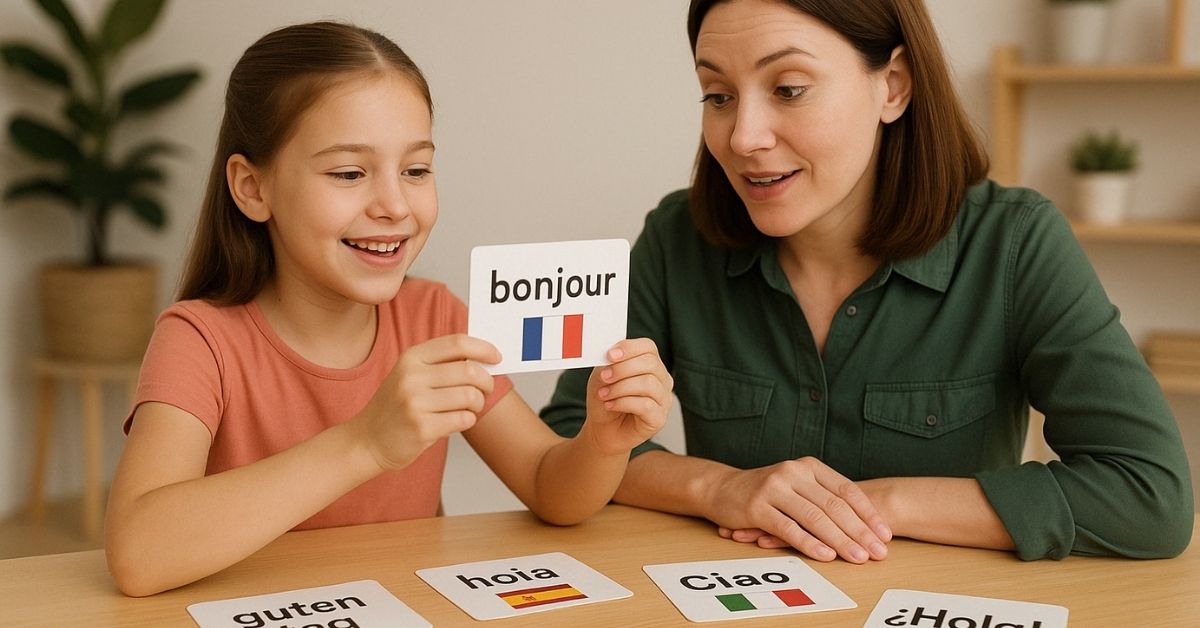
  • Engage With Bilingual Flashcard Games: Use flashcards for vocabulary-based games, such as memory matching or speed challenges. Many downloadable flashcards can be printed and adapted for your child’s level. 
  • Language Treasure Hunts: Create scavenger hunts around the house using a list of clues written in the target language. Kids will actively engage with reading comprehension while having fun. 
  • Cooking and Baking Time: Choose recipes written in the foreign language, then decipher instructions collectively as you prepare the dish. This activity teaches food-specific vocabulary while also introducing sentence structure. 

By introducing an element of play, children are more likely to remain enthusiastic, even as they encounter challenges in learning the language.

Give Kids Real-World Practice Opportunities

Learning how to use a foreign language is greatly enhanced when children get opportunities to apply it authentically. Exploring avenues for real-world interaction allows your child to internalize their studies and build confidence.

Community and Online Engagement 

Seek out opportunities for your child to connect with other speakers of your chosen language, whether locally or online. For example:

  • Visit food markets or restaurants where the target language is spoken—it’s a great way to practice ordering, requesting, or asking questions. 
  • Opt into interactive opportunities on language exchange platforms such as HelloTalk. 

Immersive Family Field Trips 

Plan outings to cultural festivals, art museums, or relevant community events. Children naturally absorb aspects of a culture and its language when they explore its environment—whether through live performances, exhibits, or informal conversations in the field.

These opportunities increase meaningful engagement with the lessons learned at home, fostering organic language application.

Consistency Drives Long-Term Success 

For homeschool parents, it’s common to feel unsure about teaching a foreign language if you’re not fluent in it yourself. It’s important to remember that consistency, not perfection, is the key to success. 

Learning an additional language is a cumulative process. Even if you dedicate just 15 to 20 minutes per day, the regular practice will build over time into fluency. For younger learners, short, frequent sessions are typically more effective than extended lessons. Additionally, actively participating in the process with your child shows them that learning is a lifelong endeavor. Use online dictionaries, language guides, or basic conversation tools to assist during moments when you’re unsure about the correct word or phrasing. It’s okay to learn alongside them! 

By setting realistic expectations and fostering a growth-oriented attitude, you’ll make the language-learning experience stress-free for both you and your child. With time and continued effort, you’ll notice progress that goes beyond vocabulary into confidence and practical communication skills. Homeschool families have a unique advantage when it comes to teaching foreign languages. By strategically blending language into daily routines, choosing the right structured curriculum, making learning enjoyable, and creating real-world exposure, you’re providing your child with a skill that will benefit them for life.

The Benefits of Learning a Foreign Language in Homeschool

When you think about the advantages of homeschooling, customization often comes to mind. One area where this flexibility shines is foreign language instruction. Language learning for homeschoolers not only meets academic benchmarks but also opens the door to a lifetime of benefits. From boosting cognitive abilities to fostering cultural appreciation, teaching a second language at home is a gift that keeps on giving. 

Let’s explore how you can implement effective practices and make language learning a cherished part of your homeschool routine.

Why Learning A Foreign Language Matters

Foreign language instruction goes beyond just memorizing new vocabulary. Bilingual education helps children develop mental and social skills that serve them in nearly every field of life. For homeschoolers, these lessons can extend far beyond the classroom.

Cognitive Benefits of Being Bilingual

  • Improved Memory: Studies show that learning a second language strengthens the brain’s memory capabilities. Children practicing vocabulary, sounds, and grammar engage their brains in unique ways.
  • Enhanced Problem-Solving Skills: Switching between languages encourages mental flexibility, making bilingual students better at solving complex problems.
  • Better Academic Performance: Research has consistently found that bilingual children perform better in areas like reading comprehension, math, and standardized testing.
  • Delayed Brain Aging: Speaking more than one language has been shown to slow cognitive decline later in life, offering a long-term benefit.

Social and Cultural Advantages

  • Cultural Awareness: Learning a new language often involves learning about the culture where it’s spoken, promoting empathy and broadening your child’s worldview.
  • Communication Skills: Being bilingual makes it easier to connect with a wider range of people. This can lead to fulfilling friendships or professional advantages later in life.
  • Confidence Boost: Accomplishing the challenge of becoming conversational in another language builds self-esteem and motivation in children.

For homeschoolers, these perks represent a significant opportunity to educate beyond the basics. Adding a foreign language to your curriculum introduces subjects like geography, literature, and global history from fresh perspectives.

How To Teach Foreign Language In Your Homeschool

How To Teach Foreign Language In Your Homeschool

If foreign language learning feels intimidating, you’re not alone. Many parents worry they lack the expertise or resources to teach languages. However, there are plenty of tools and strategies available to make the process manageable and enjoyable for your family.

Homeschool Foreign Language Tips

  1. Start Young
    Younger children absorb languages more easily because their brains are primed for language learning. Even if your kids are older, beginning as soon as possible will set them up for progress.
  2. Choose the Right Language
    Consider which language will benefit your child the most. Spanish, French, and Mandarin are popular options because of their widespread use. Your family’s cultural background or personal interest can also help narrow down the decision.
  3. Use Multiple Learning Tools
    Keep the lessons engaging by mixing resources. Combine textbooks with apps like Duolingo or Rosetta Stone. Use storybooks, flashcards, or even YouTube channels for interactive activities. Tailor the materials to your child’s learning style.
  4. Immerse Your Child in the Language
    Immersion creates the most effective language-learning environment. Try incorporating the target language into everyday life:

    • Label household items in the language.
    • Watch cartoons, movies, or TV shows in the language with subtitles.
    • Listen to songs or audiobooks.
    • Host “language days” where you only speak and write in the foreign language for a few hours.
  5. Set Realistic Goals
    Break down your child’s progress into achievable steps. Whether it’s learning 10 new vocabulary words a week or mastering key phrases, realistic goals make the process less overwhelming.
  6. Practice Daily
    Consistency is key to language acquisition. Dedicate 15–30 minutes each day to learning. Encourage regular speaking and listening practice to build fluency over time.
  7. Leverage Online Community Classes
    Platforms like Outschool or iTalki offer affordable classes taught by native speakers. These are helpful for building pronunciation and conversational skills.
  8. Make It Fun
    Gamify the process. Create challenges, quizzes, or vocabulary scavenger hunts. Turning learning into play keeps kids engaged and motivated.

Flexibility Is Your Advantage

Homeschooling allows for the ultimate tailored education. If something isn’t working, change directions. Some children thrive with structured curricula, while others prefer using games or informal conversation.

The Benefits Of Bilingual Education In Homeschool

Bilingual education provides a unique edge when compared to traditional single-language instruction. For homeschool families especially, it becomes a tool for enriching both academic and personal growth.

Opens Career Possibilities

Globalization has made fluency in multiple languages a valuable professional asset. Whether your child grows up to work in international business, travel, healthcare, or the arts, knowing a second language can provide a distinct advantage. Employers are often more eager to hire bilingual candidates due to their communication skills and proven ability to learn.

Enriches Family Education

Homeschooling a language doesn’t mean only the student learns. Parents often end up brushing up their skills or learning alongside their children. This collaborative approach deepens family bonds and creates shared goals. For families with diverse ethnic or cultural backgrounds, teaching a heritage language is an opportunity to connect with family traditions.

Adapts to Diverse Learning Styles

Some children are visual learners, while others excel through auditory or kinesthetic instructions. Language learning has the flexibility to cater to every preference. Flashcards appeal to visual learners, while audiobooks can support auditory learners. Kinesthetic learners might find drama or role-play exercises especially helpful.

Encourages Lifelong Learning

Once children master the mindset and methods for learning a new language, they tend to apply those habits to other areas of study. This fosters an intrinsic love for learning that lasts a lifetime. Bilingual education doesn’t only teach grammar or pronunciation; it develops discipline and adaptability.

Making Language Learning a Family Affair

One of the most rewarding aspects of teaching a language at home is how the experience can bring the whole family together. Younger kids, teens, and even parents can participate. There’s no need for formal fluency either. Simply practicing greetings, songs, or basic phrases as a family helps to reinforce lessons in an organic, low-pressure way.

By scheduling family “language nights,” you can:

  • Cook a traditional meal from a country where the language is spoken.
  • Watch family movies with subtitles in the second language.
  • Play games with translated vocabulary cards or storytelling prompts.

These activities create a fun, shared environment where children can see the practical joys of speaking another language. They emphasize how even small steps toward fluency can be rewarding.

Overcoming Common Challenges

Homeschooling a foreign language isn’t without its hurdles, but most challenges can be addressed with planning and creativity.

  • Parent Confidence: If you’re unsure of your own language skills, lean on resources like online tutors or apps to fill the gaps.
  • Retaining Motivation: When kids lose interest, mix up the routine with new formats like games or multimedia tools.
  • Time Management: A busy homeschool schedule can make daily language practice difficult, but even short bursts of practice are effective if done consistently.

The goal isn’t perfection. It’s progress. Keep that in mind as you tailor your approach to fit your family’s needs.

Teaching a foreign language in your homeschool isn’t just about academics. It’s a way to foster open-mindedness, creativity, and personal growth in your child. Language learning for homeschoolers is an opportunity to go beyond books and textbooks, exploring the world from home. With a little patience and consistent effort, these lessons can transform your children’s education and provide them with skills that will last a lifetime.

Try it out with your family. Start simple, stay consistent, and watch as a whole new world of communication and connection opens for your homeschoolers.

Teaching Strategies for Spanish Homeschooling

Teaching your children Spanish at home is an exciting opportunity to introduce them to a new language and culture. Whether you’re fluent in Spanish or a beginner yourself, you can create a dynamic and meaningful learning experience. By using a mix of structured curriculum, daily practice, and cultural activities, your homeschool environment can become an engaging place for Spanish language learning.

Below are some practical strategies for teaching Spanish at home that will help your child learn effectively and enjoy the process.

Making Spanish Part of Your Homeschool Routine

Consistency is key to language learning. Incorporate Spanish into your daily homeschool routine in ways that feel natural and practical. Here’s how you can get started:

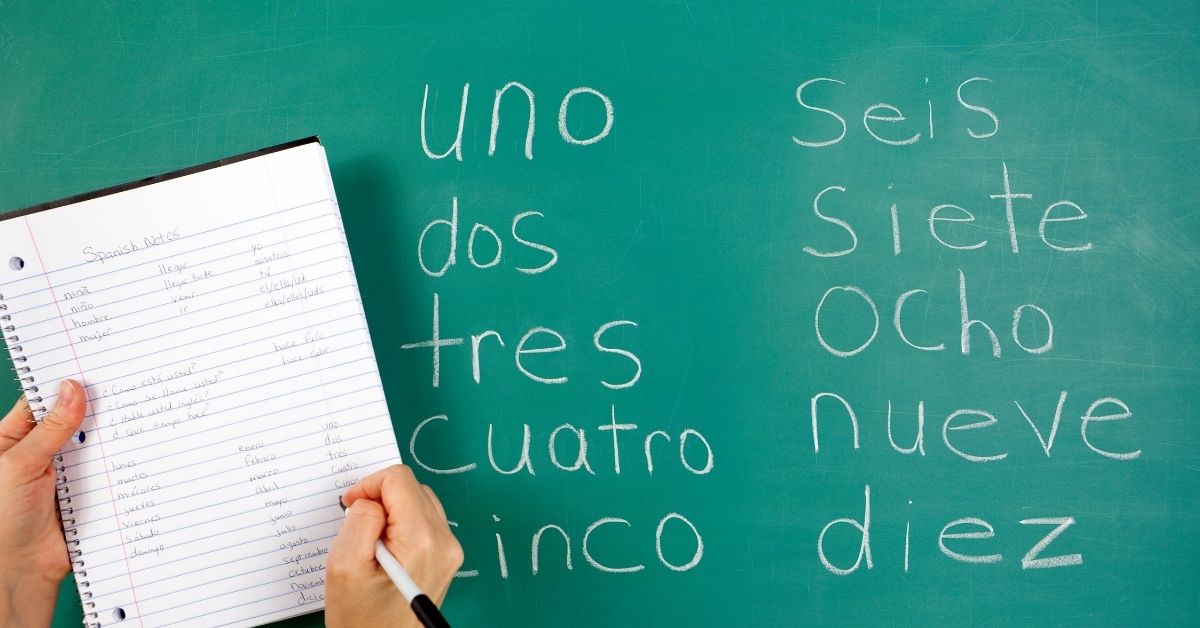
  • Use Labels Around the House: Label items like “la puerta” (door), “la mesa” (table), or “el refrigerador” (refrigerator) with their Spanish names. Seeing these reminders daily reinforces vocabulary effortlessly.
  • Introduce Spanish at Mealtimes: Use common phrases during meals, such as “¿Qué quieres comer?” (What do you want to eat?) or “Pásame el pan, por favor” (Pass the bread, please).
  • Play Games in Spanish: Games like matching cards, word searches, or trivia quizzes in Spanish make learning feel like playtime. Apps and websites also offer interactive Spanish games tailored to different age groups and skill levels.
  • Schedule a Spanish Hour: Dedicate one hour daily to immersed Spanish learning, where you try to communicate only in Spanish with your child.

By adding these small habits to your routine, learning Spanish becomes a natural and consistent part of your child’s life.

In_Content_Teaching Strategies for Spanish Homeschooling

Using Structured Lessons

If you’re looking for a more organized approach, a structured curriculum can be a fantastic starting point. Materials are available for every age and skill level.

  • Choose an Age-Appropriate Curriculum: There are plenty of homeschooling Spanish resources online, from beginner books for young learners to advanced grammar guides for teens.
  • Leverage Interactive Online Resources: Websites and programs like Duolingo, Rockalingua, and Babbel offer guided lessons, activities, and pronunciation practice.
  • Set Learning Goals: Define specific objectives, such as learning 10 new vocabulary words each week or mastering past-tense verbs by the end of the month. Goals provide motivation and a clear sense of achievement.
  • Track Progress with Assessments: Periodically review your child’s understanding through quizzes or simple assessments. It encourages accountability and provides an opportunity to celebrate milestones.

While structured lessons help establish a foundation, supplementing them with creative activities can boost engagement.

Combining Fun and Learning

Language acquisition works best when it’s enjoyable. Beyond lessons, you can incorporate fun, immersive activities into your teaching strategy.

  • Sing Spanish Songs Together: Music aids memory retention. Check out songs like “La Bamba” or children’s tunes like “Los Pollitos Dicen” to make learning engaging.
  • Watch Spanish-Language Content: Movies, TV shows, or YouTube videos in Spanish help with listening comprehension. Choose options with subtitles so children can follow along while building vocabulary.
  • Read Spanish Books: Begin with simple picture books and move on to short stories or novels as your child progresses. Reading out loud also helps improve pronunciation.
  • Encourage Writing in Spanish: Have your child keep a daily journal where they write a few sentences or stories in Spanish. This enhances grammar skills while fostering creativity.
  • Practice Speaking Out Loud: Engage in real-life role-playing activities like ordering food in a restaurant or shopping at a market—entirely in Spanish.

By mixing these creative techniques with your lessons, you’ll keep your children excited about learning while helping them use Spanish practically.

Tailoring Lessons to Your Child’s Learning Style

Every child learns differently, so identifying their style can make all the difference.

  • Visual Learners: Use flashcards, diagrams, and colorful charts to teach vocabulary and concepts.
  • Auditory Learners: Focus on listening exercises, audiobooks, and conversations. You could even play Spanish podcasts or radio shows in the background.
  • Kinesthetic Learners: Incorporate movement through activities like acting out scenarios or playing physical games that use Spanish vocabulary.
  • Text-Based Learners: Tap into textbooks, workbooks, or written exercises for those who prefer studying in text form.

When your teaching approach aligns with your child’s strengths, their engagement and confidence grow, leading to better retention of the material.

Turn everyday items into learning tools! Grab our Spanish labels and stick them on household objects to make language learning fun for your child!

Exploring Spanish Culture

Language learning isn’t complete without cultural context. Understanding where the language comes from adds depth and interest for your child.

  • Learn About Different Countries: Assign your child a project on a Spanish-speaking country. They can research facts, traditions, and famous landmarks and present their findings in Spanish.
  • Celebrate Spanish-Speaking Holidays: Explore holidays like Día de los Muertos or La Tomatina. Create crafts, prepare authentic dishes, or listen to traditional music to make lessons interactive and fun.
  • Cook Spanish Recipes Together: Get in the kitchen and cook meals like empanadas or paella while learning new vocabulary for ingredients and actions.
  • Be Part of a Community: Find local Spanish-speaking events or online groups where your child can interact with native speakers. Real-world use builds confidence and fluency.

Exposing your child to Spanish-speaking cultures enhances their understanding and serves as inspiration to continue learning.

Teaching Spanish When You’re Not Fluent

If you’re not fluent in Spanish, don’t worry—it’s still possible to teach the language effectively. Plenty of resources exist to guide parents who are learning alongside their children.

  • Language Apps and Platforms: Programs like Rosetta Stone or LingQ provide extensive language learning resources for beginners.
  • Use Spanish Tutors or Coaches: Hire a tutor for advanced expertise and individual guidance. Platforms like Preply and iTalki connect students with native speakers.
  • Join Online Courses: Enroll in a family-friendly online Spanish class. Many programs cater specifically to homeschooling families and combine interactive lessons with community learning.
  • Partner With Other Homeschooling Families: Join or create a co-op group where parents can share teaching duties. Having peers to practice with also adds a social component for your children.

Even if you’re learning as a beginner, modeling curiosity and effort will send a powerful message to your kids about perseverance and growth.

Building Confidence in Your Child

Confidence is a vital ingredient in language learning. Encourage your child to make mistakes and remind them it’s all part of the process.

  • Praise Efforts and Achievements: Celebrate every new word learned, every sentence formed, and every misstep turned into progress.
  • Set Realistic Goals: Focus on small, attainable goals instead of overwhelming tasks. Success builds momentum.
  • Provide Plenty of Practice: The more your child uses Spanish, the more confident they’ll feel. Help them practice speaking, writing, and listening whenever possible.
  • Create a Supportive Environment: Make your homeschool a judgment-free zone where your child feels free to try new things without fear of failure.

Confidence grows with time, practice, and encouragement. A supportive approach ensures your child feels capable and motivated to continue learning Spanish.

Expanding Your Resources

Leveraging a wide range of tools enriches the homeschooling experience.

  • Textbooks and Workbooks: These provide structure and cover essential language skills. Start with beginner books like Easy Spanish Step-By-Step.
  • Language Apps and Games: Interactive platforms bring variety to learning. Look for apps that reward progress, such as Duolingo or Quizlet.
  • Audiovisual Tools: Audiobooks, movies, and music create immersive moments that help sharpen listening skills.
  • Community Resources: Many communities have Spanish classes, cultural events, or native speakers who can support your child’s learning.
  • Webinars and Articles for Parents: Stay informed with up-to-date tips and strategies from educational websites and homeschooling blogs.

With so many accessible tools, teaching Spanish at home becomes much simpler and more enjoyable.

By using these strategies for teaching Spanish at home, you can create an educational experience that is both effective and inspiring. Whether you’re tailoring lessons to your child’s style, tapping into cultural activities, or relying on user-friendly resources, the possibilities are endless. With consistency and creativity, you’ll help your child not only learn Spanish but fall in love with the process.

The Role of Interactive Games and Activities in Learning French

Teaching French at home is a rewarding experience, but keeping it engaging can be tricky. For homeschooling parents, finding exciting and effective methods to teach a new language is often key to success. Interactive games and activities are fantastic tools that can transform learning into a fun adventure. Instead of simply memorizing vocabulary, learners can immerse themselves in active play, making the process enjoyable and impactful.

Here’s why these methods work so well, practical ways to incorporate them at home, and how they can make French lessons both effective and exciting.

Why Interactive Games Work

Interactive activities turn learning into an engaging experience. They captivate children’s attention and encourage active participation, which helps make the material stick. Here’s how interactive games offer fun ways to learn French for beginners:

  • Enhanced Engagement: Games foster curiosity and participation, making students more excited to learn. For example, a scavenger hunt using French vocabulary gets kids moving and keeps them immersed in the lesson. They practice pronouncing and recognizing words while enjoying the thrill of the game.
  • Natural Repetition: Games incorporate repetition naturally, helping children memorize vocabulary and phrases without the boredom of rote learning. Memory games, for instance, involve matching French and English vocabulary cards, providing repeated exposure that builds retention.
  • Instant Feedback: Most games offer quick results or outcomes, such as earning points for correct answers. This sense of achievement provides instant feedback, boosting confidence and motivating kids to practice more.
  • Multi-sensory Learning: Games engage multiple senses—seeing, hearing, and interacting—which is ideal for language learning. Kids are more likely to recall information when it’s tied to both movement and sound.

By gamifying lessons, parents can create an environment where children not only learn French but also develop a love for it.

Smiling young girl wearing a blue beret and holding a baguette, representing French culture and learning French at home.

Establishing a Routine That Incorporates Games

Consistency is critical. Integrating games and activities into a structured homeschooling schedule ensures that French becomes a natural part of daily life. Here’s how to do it:

  • Designate Time for French Lessons: Pick specific days and times for learning French. For example, dedicate mornings two or three times a week for language practice using games.
  • Start with a Warm-Up Activity: Begin each French session with a short, engaging activity like singing a French song or playing a quick vocabulary game. This sets a positive tone and puts children in the right frame of mind.
  • Use Themed Days: Consider assigning themes to different learning days. For example:
    • Monday – French Vocabulary Games
    • Wednesday – French Grammar or Sentence Construction Activities
    • Friday – Cultural Exploration (songs, stories, or cooking)
  • Gradual Progression: Start with simple tasks and increase the challenge as your child’s skills grow. For example, you could progress from basic vocabulary matching games to building sentences using flashcards.

Organizing lessons into predictable routines provides structure while still leaving plenty of room for creativity and exploration.

Examples of Games and Activities

Interactive games and activities provide endless opportunities for teaching French. Here are several fun and practical ways to engage beginners:

1. Outdoor and Active Learning

  • French Scavenger Hunt: Hide objects around the house or yard and provide clues in French. For example, ask your child to “trouver la pomme rouge” (find the red apple).
  • Simon Says in French (“Jacques a dit”): Kids follow commands like “Jacques a dit, saute!” (Simon says, jump!) to practice action verbs.
  • Flashlight Tag: Write French words or phrases on sticky notes and scatter them around a dark room. Call out a word in English, and your child has to find the French translation using a flashlight.

2. Vocabulary Games

  • Memory Game: Create a deck with French vocabulary words and matching pictures, then play a memory matching game.
  • Charades: Act out everyday actions or objects while players guess the French word.
  • Bingo: Use a grid with French words for things like animals or food. Call out the words in English, and children mark the correct French translations.

3. Creative Play

  • Storytelling with Visual Aids: Provide images or props and have the child create a short story in French. Begin with simple phrases, and build complexity over time.
  • Art Time with Vocabulary: Give your child drawing or craft tasks that require learning or using French words. For example, they could label their drawing with French names for colors, shapes, or objects.

4. Online Resources

  • Explore digital platforms offering French games tailored to kids:
    • Duolingo and Babbel for interactive lessons
    • Apps like Gus on the Go or Lingokids for younger learners
    • French language YouTube channels with sing-alongs and videos
  • Many of these platforms integrate gamification, making the learning process fun and rewarding.

Customizing Games to Fit Your Child’s Interests

Every child learns differently. One of homeschooling’s greatest advantages is the ability to tailor lessons to fit a child’s unique learning style or interests.

  • Animal Lovers: Create a matching game with animal pictures and French names (e.g., un chat for cat or un chien for dog).
  • Sports Enthusiasts: Organize games with sports themes, teaching phrases like “Jouer au football” (play soccer).
  • Cooking Together: Try a French recipe as a family and learn the names of ingredients while cooking. For example, “lait” for milk and “pain” for bread.

By personalizing the games, children feel more connected to the material and are more likely to stay engaged.

Benefits Beyond Language Learning

Interactive games bring more than language skills to the table. They nurture critical thinking, problem-solving, and cultural awareness.

  • Independence and Decision-Making: Many games challenge children to solve problems or strategize, fostering independence and intellectual growth.
  • Exposure to Culture: Using French music, cartoons, or books as part of games helps children appreciate the culture behind the language. For example, listening to a song like “Frère Jacques” introduces them to authentic French expressions in a fun way.
  • Building Confidence: Whenever a child progresses in the games or achieves milestones, their confidence grows. This in turn encourages them to tackle other challenges eagerly.

By incorporating games into language lessons, parents provide their children with valuable life skills alongside French proficiency.

Tracking Progress and Celebrating Milestones

Monitoring achievements and celebrating successes is essential to maintaining excitement about learning:

  • Create Visual Trackers: Use charts or digital trackers to note completed games, mastered vocabulary sets, or milestones reached.
  • Celebrate Achievements: Mark special accomplishments, like learning 20 new words or passing a game level, with small celebrations. This could be a sticker, a certificate, or a themed reward like a French meal together.
  • Encourage Reflection: Ask your child what they enjoy most about the games or how they feel about their progress. This helps them take ownership of their language learning.

These small steps keep motivation high and help children see tangible results from their efforts.

Incorporating Family in Learning

Learning a language is even more fun with others. By involving the family, parents can create a rich and supportive environment:

  • Play Together: Siblings and parents can join in on interactive French games. Group activities such as charades or French board games can become enjoyable family traditions.
  • Daily Practice Opportunities: Speak French during meals or family outings. Ask for items at the table in French or play a quick guessing game while on the move.
  • Cultural Family Nights: Immerse the whole household in French culture by cooking French dishes, watching a French movie, or learning a traditional French dance.

Making French a family affair fosters teamwork and provides more opportunities for practice.

Interactive games and activities are some of the best ways to introduce fun ways to learn French for beginners. These tools transform language lessons into lively, rewarding experiences that children look forward to. By keeping the learning process engaging through games, routines, and personalized activities, parents can spark a lasting interest in French and inspire confidence in their child’s abilities. With consistency, creativity, and the right resources, teaching French at home becomes a joyful and fulfilling adventure for the whole family.

What Languages Shoud You Teach Your Homeschooled Child?

When you homeschool, the freedom to design a curriculum tailored to your child’s needs is one of the greatest advantages. Deciding what languages to introduce, however, can feel like a daunting task. With so many options to choose from, a little planning can go a long way. Whether you’re focusing on cognitive development, career readiness, or personal interests, teaching languages can enrich your homeschool program in countless ways.

Here’s a guide to consider which languages for homeschooled children will bring the most benefit and practical tips to help make language learning at home a success.

Why Language Learning Is Worthwhile in Homeschooling

Teaching your child a new language—or even multiple languages—offers a range of benefits that extend far beyond academics. Some of these advantages include:

  • Cognitive Development
    Research shows that learning a second language can boost problem-solving, critical thinking, and creativity. Bilingual children often demonstrate better memory and multitasking skills as well.
  • Better Academic Performance
    Exposure to more than one language can actually improve your child’s overall performance across subjects. For example, language learning often strengthens reading and comprehension skills in their native tongue.
  • Cultural Awareness and Empathy
    Learning a language helps children connect with other cultures, fostering understanding and a broader perspective on the world.
  • Career Opportunities
    Many employers seek candidates who can speak one or more world languages. Proficiency in a second or third language opens doors to careers in business, international relations, healthcare, and beyond.

With these benefits in mind, language learning can play a key role in shaping your child’s future. But how do you decide which ones to teach?

Factors to Consider When Choosing a Language

Not all languages may suit your child’s or your family’s situation. Here are some points to keep in mind while deciding:

  • Your Child’s Interests
    If your child already loves a particular culture or country, lean into that interest. For instance, if they’re fascinated by European history or dream of visiting Paris, French might be a great fit. Likewise, a passion for anime could make Japanese a natural choice.
  • Practicality of the Language
    Some languages are more widely spoken or offer more career opportunities. Spanish, for instance, is the second-most spoken language in the world, while Mandarin and Arabic are highly sought after for their global significance in business and diplomacy.
  • Ease of Access to Resources
    Certain languages have plenty of resources, including books, apps, and online courses, making them easier to teach at home. Spanish and French, for example, come with numerous free and paid learning tools. Less common languages might require more effort to find materials or class support.

Take time to weigh these elements. Every family is different, so the perfect language for one homeschooler may not be the best choice for another.

Languages for Homeschooled Children to Consider

If you’re unsure where to start, here’s a closer look at some popular and practical languages for homeschoolers:

1. Spanish

  • Why It’s Beneficial:
    With over 460 million native speakers, Spanish is one of the easiest and most useful languages for children in the United States to learn.
  • Easy to Teach:
    Spanish resources are everywhere—from apps like Duolingo to language immersion programs. You might also find local Spanish-speaking communities for conversational practice.
  • Real-World Usefulness:
    Spanish is widely spoken across North and South America and parts of Europe, making it a valuable skill for travel and communication.

2. Mandarin Chinese

  • Why It’s Beneficial:
    With over a billion speakers, Mandarin is the most spoken language in the world. Learning Mandarin could prepare your child for opportunities in international business or technology.
  • Challenges:
    Mandarin uses a tonal system and character-based writing, which may require more dedication to master. However, younger children often adapt quickly to these differences.
  • Rewarding Opportunities:
    Proficiency in Mandarin can be a unique and highly valuable skill in a competitive job market.

3. French

  • Why It’s Beneficial:
    French is spoken on five continents and remains one of the most influential languages in politics, diplomacy, and culture.
  • Connections to Other Languages:
    Learning French can form a foundation for other Romance languages like Italian, Spanish, and Portuguese.
  • Fun Extras:
    French culture—think food, music, and art—can provide additional enthusiasm for study.

4. American Sign Language (ASL)

  • Why It’s Beneficial:
    ASL not only bridges communication with the Deaf community but also builds empathy and awareness for different types of communication.
  • Unique Advantage:
    ASL learners develop strong visual and spatial awareness, skills that benefit careers in fields like teaching, interpreting, and healthcare.

By starting with one (or more) of these options, you can be confident that your child is learning something meaningful and relevant.

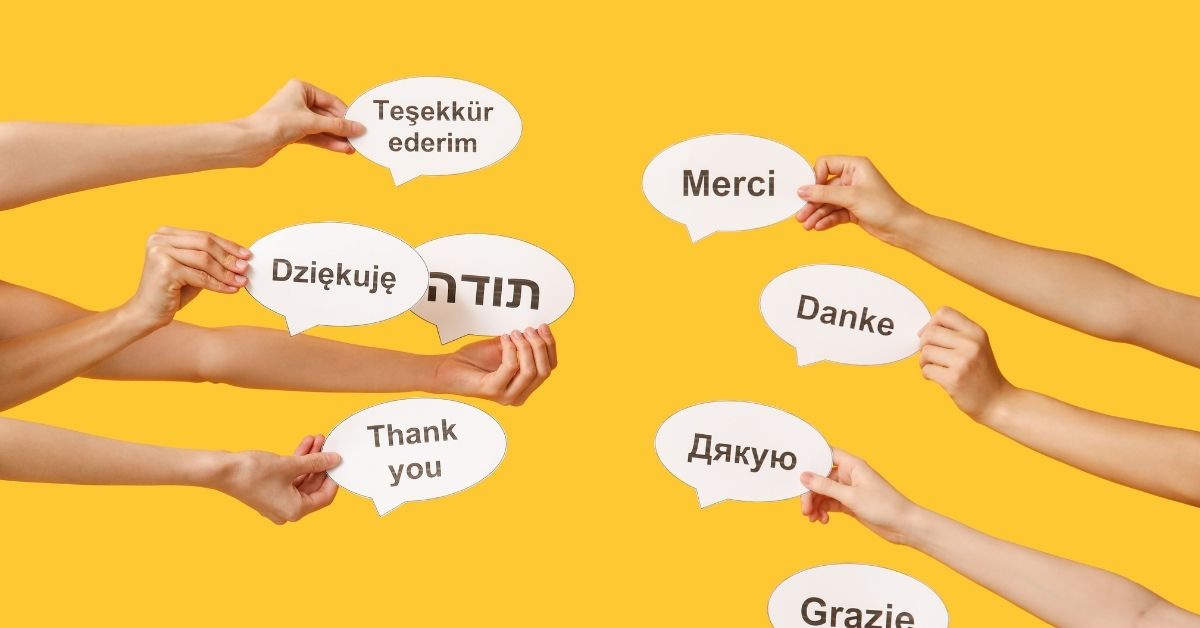
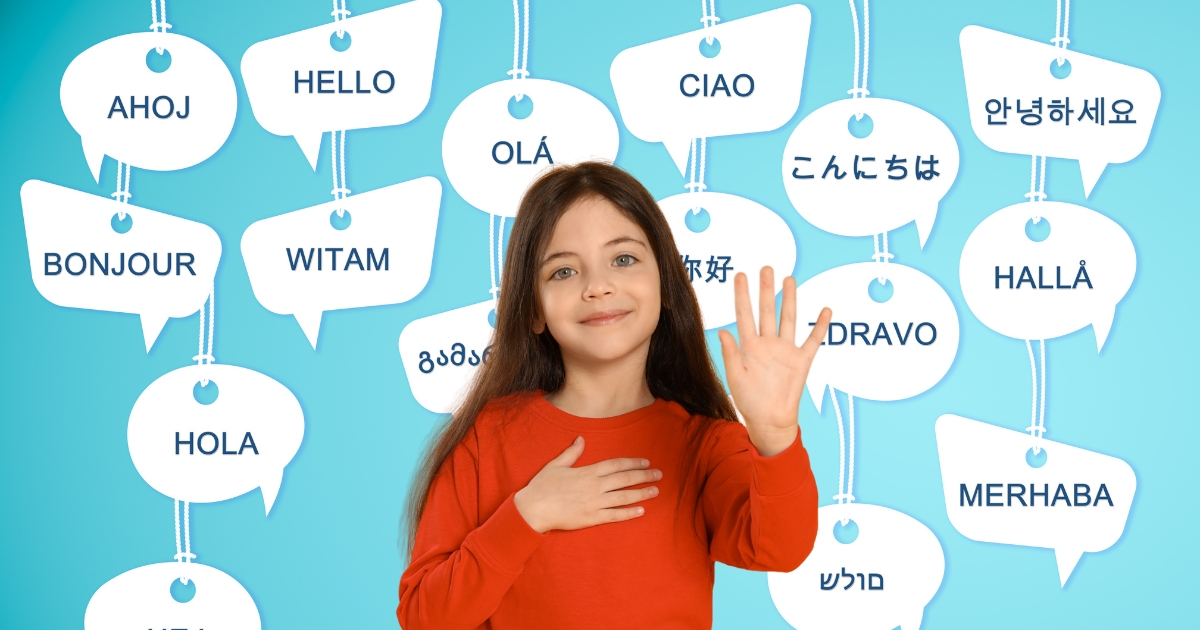
Hand writing 'Hello' on a chalkboard with multiple greetings in different languages, including French, German, and Spanish. A representation of multilingual learning and language education.

Tips for Teaching Multiple Languages at Home

Teaching languages for homeschooled children doesn’t need to be overwhelming. With these strategies, you can effectively incorporate new languages into your homeschool routine:

  • Start Small and Build Routine
    Dedicate short, focused blocks of time each day to language practice. Consistency is far more important than cramming long lessons sporadically.
  • Integrate Language into Daily Life
    Use labels for household items, try speaking the language during mealtimes, or watch TV shows and listen to music in the target language.
  • Use Variety in Learning Tools
    Combine traditional resources like textbooks with modern tools such as mobile apps, YouTube videos, or language games. The mix keeps your child engaged and reinforces learning in different ways.
  • Set Achievable Goals
    Break down learning into small, definite steps. For instance, focus on mastering basic phrases before tackling complex grammar rules.
  • Leverage Local Resources
    Libraries, cultural centers, and language groups in your community can provide books, classes, and opportunities to interact with native speakers.
  • Find Online Communities
    Virtual exchanges or pen pal programs can help your child practice their skills with native speakers or other students.
  • Be Flexible
    Every child learns differently. If something isn’t clicking, experiment with different methods or scale back the pace to match your child’s progress.

Creating a Language-Friendly Home Environment

The environment at home can make a huge difference in your child’s success with language learning. Here are a few ways to improve it:

  • Design a Dedicated Study Space
    Set up a language corner with books, flashcards, and visuals like posters or charts to help your child stay focused and organized.
  • Celebrate Milestones
    Recognize small achievements, whether it’s completing a first conversation or learning 10 new words in a week. Positive reinforcement keeps motivation high.
  • Immerse the Whole Family
    Get everyone involved! Practice speaking together as a family or cook a meal featuring recipes from cultures where the language is spoken.
  • Encourage Real-World Practice
    Attend cultural festivals, pair up with neighborhood language clubs, or travel to regions where the language is commonly spoken. Immersion accelerates learning and brings it to life.

Final Thoughts on Language Learning for Homeschoolers

Teaching your child a second or even third language is an invaluable gift. It enriches their cognitive abilities, connects them to the wider world, and equips them with skills that last a lifetime. By choosing the right language based on their interests and future needs, as well as fostering a supportive learning environment, you’ll set them up for success.

With the right resources and a little creativity, your homeschool can be a place where language learning thrives. Take the leap and start exploring languages for your homeschooled children—you’ll open up a world of possibilities.

How To Choose A Spanish Homeschool Curriculum

Teaching Spanish at home can be an incredibly rewarding experience for both you and your child. However, with so many curriculum options available, finding the right Spanish homeschool curriculum can feel overwhelming.

This guide will help you break down the process into manageable steps, so you can confidently choose a curriculum that fits your child’s needs, your teaching style, and your goals.

Define Your Goals and Assess Resources

Before jumping into curriculum options, it’s important to identify your goals and evaluate the resources available to you. Taking the time to understand these factors will lay a solid foundation for effective decision-making.

Questions To Ask Yourself

  • What does success look like? Determine whether you want your child to gain basic conversational skills, achieve fluency, or focus on reading and writing in Spanish.
  • How comfortable are you with teaching Spanish? If you’re fluent, you may want a program that offers parent-led guidance. If not, a self-guided or teacher-supported program might work better.
  • What’s my budget? While some programs may require a financial investment, there are free or low-cost alternatives available online.
  • What’s my child’s learning style? Is your child a visual learner who thrives with videos and diagrams? Do they respond well to music or prefer hands-on activities? Knowing this will help you select a curriculum your child will engage with.

Evaluate Available Resources

  • Digital vs. Physical Products: Decide if you want to use online programs and apps or stick to textbooks and workbooks.
  • Time Commitment: Be realistic about how much time you can devote to teaching Spanish. Some programs require daily involvement, while others are more flexible.
  • Family Preferences: Consider whether your family values a more traditional, academic approach or a dynamic, interactive learning experience.

Review Types of Spanish Homeschool Curricula

Once you have clarity on your goals and resources, explore the different types of Spanish homeschool curricula. No single solution is perfect for everyone, so it’s helpful to weigh the pros and cons of each type.

Comprehensive Digital Programs

Programs like Rosetta Stone or Duolingo are popular for their all-in-one features. These platforms emphasize immersive, interactive lessons that focus on listening, speaking, reading, and writing skills.

  • Pros:
    • Structured design with clear progression
    • Interactive features like quizzes and speech recognition
    • Suitable for self-paced learning
  • Cons:
    • Requires consistent internet access
    • Limited opportunities for deeper cultural learning

Traditional Textbook-Based Programs

Textbook-based programs like Avancemos or ¡Así Se Dice! offer a more formal, academic approach. These typically include textbooks, workbooks, and teacher editions for guidance.

  • Pros:
    • Comprehensive resources for structured learning
    • Ideal for parents who prefer clear lesson plans
    • Often includes assessments to track progress
  • Cons:
    • Can feel less engaging for younger or kinesthetic learners
    • May require significant parent involvement

Blended or Flexible Options

Some families prefer combining multiple resources to create a customized curriculum. For example, pairing bilingual books with language apps, videos, and even music.

  • Pros:
    • Tailored to your child’s interests and preferred learning style
    • Great for families with diverse or limited resources
    • Can include free tools like YouTube channels and podcasts
  • Cons:
    • Requires more planning and coordination by parents
    • May lack structured milestones

Online Classes and Native Speakers

Programs like Homeschool Spanish Academy provide live, one-on-one lessons with native-speaking instructors.

  • Pros:
    • Personalized instruction tailored to your child’s level
    • Strong focus on conversational skills
    • Builds confidence through real-time interaction
  • Cons:
    • Higher cost compared to self-guided programs
    • Scheduling may be less flexible

Evaluate Popular Options for Your Homeschool

Here are some noteworthy Spanish homeschool curricula and resources that many families find effective. Use this list as a starting point to compare options and decide what might work best.

1. Rosetta Stone Homeschool Edition

  • Focus on speaking and pronunciation through speech recognition
  • Tracks student progress for accountability
  • Great for auditory learners

2. Duolingo for Schools

  • Gamified lessons for a fun and engaging experience
  • Adaptive to your child’s skill level
  • Free to use, making it a budget-friendly option

3. Homeschool Spanish Academy

  • Live, online lessons with native instructors
  • Offers personalized teaching and direct feedback
  • Encourages conversational fluency

4. Living Language Spanish

  • Includes books, audio CDs, and online practice tools
  • Covers speaking, reading, writing, and listening
  • Comprehensive option for well-rounded learning

5. Bilingual Books and Audio

  • Promotes reading and listening comprehension
  • Flexible for independent study or interactive activities
  • Combines well with other curriculum resources

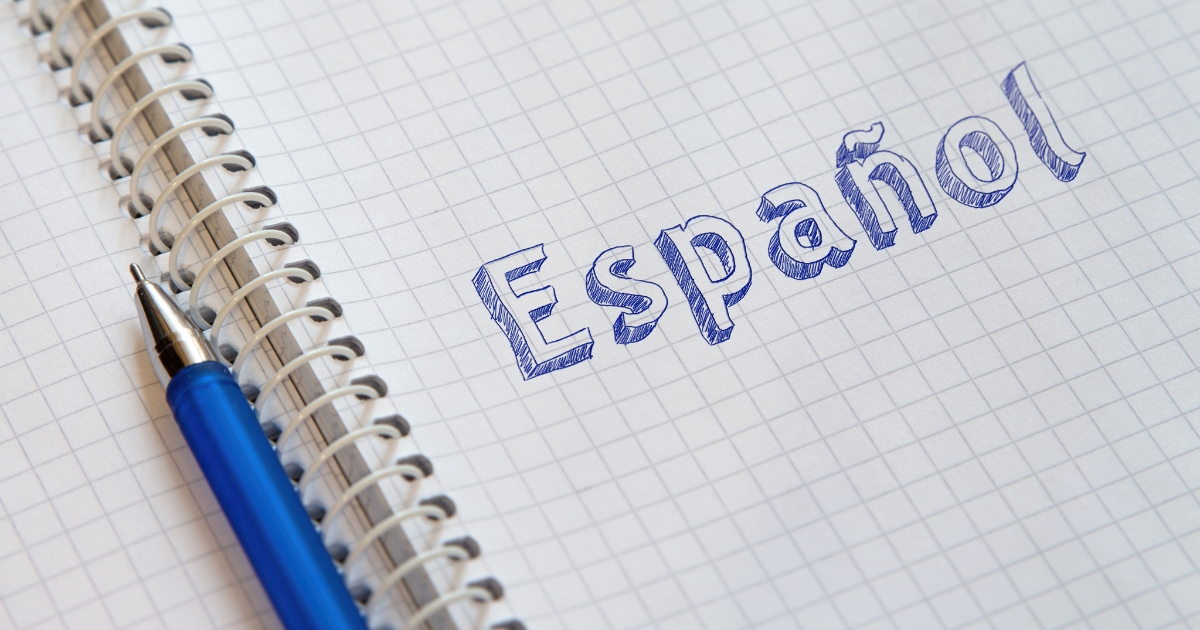
Notebook and pen-How To Choose A Spanish Homeschool Curriculum

Incorporate Spanish Into Everyday Life

Selecting the right Spanish homeschool curriculum is a critical step, but daily practice brings the subject to life. Immersing your child in Spanish beyond formal lessons will help reinforce the language.

Ideas for Everyday Integration

  • Label Objects: Place sticky notes with Spanish vocabulary on common household items.
  • Use Music and Songs: Play Spanish music or sing along to songs.
  • Watch Spanish Media: Choose Spanish-language cartoons or shows with subtitles for family viewing.
  • Practice Conversations: Start with simple greetings or phrases and build complexity over time.

Make It Part of Other Subjects

Turning other parts of your homeschool day into opportunities for Spanish practice can solidify what your child is learning:

  • Math: Solve math problems using Spanish words and numbers.
  • Science: Label parts of the body, plants, or anything studied in Spanish.
  • History: Learn about the histories of Spanish-speaking countries.

Engage With The Community

  • Attend local festivals or cultural events to expose your child to the language in real-life settings.
  • Find Spanish-speaking playgroups or language exchange partners online.
  • Participate in pen pal programs to connect with native Spanish speakers.

Tips for Long-Term Success

To ensure steady progress, keep the following tips in mind as your child continues their Spanish studies:

  • Prioritize Consistency: Short, daily practice sessions are more effective than larger, infrequent blocks of time.
  • Track Progress: Use journals or charts to celebrate achievements and identify areas for improvement.
  • Stay Flexible: Adapt the curriculum as needed. Your child’s learning style may change, and it’s okay to try new approaches.
  • Encourage Curiosity: Use resources like cultural books, recipes, or virtual museum tours to spark interest.

Finding the Right Solution for Your Family

The right Spanish homeschool curriculum is one that aligns with your family’s goals, resources, and your child’s learning preferences. Whether you choose a structured program, take a blended approach, or explore informal teaching tools, flexibility and engagement are key. By thoughtfully selecting materials and creating a language-rich environment, you can help your child develop a lifelong appreciation for Spanish while achieving their goals.

How to Choose the Right French Curriculum for Your Homeschool

Understanding Your Homeschooling Needs And Goals

The first step in choosing a French curriculum is understanding your specific homeschooling needs and goals. These vary from family to family and can significantly influence your decision. Start by considering your child’s current level of French proficiency. Are they beginners with no prior experience, or do they have some foundational skills that need further development? Understanding their starting point will help you tailor the curriculum to suit their needs and ensure they are neither overwhelmed nor under-challenged.

Next, think about your homeschooling philosophy and teaching style. Do you prefer a structured, textbook-based approach, or are you inclined toward a more flexible, eclectic method of teaching? Some parents may favor curricula that offer immersive experiences with interactive activities and multimedia resources, while others might be drawn to traditional, workbook-based programs. Your teaching style will play a crucial role in determining how you deliver lessons and engage your child in the learning process.

It’s also essential to set clear objectives for what you hope to achieve with your French curriculum. Consider whether your primary goal is to develop conversational skills, improve reading and writing abilities, or prepare your child for standardized language exams. Having well-defined goals will guide your curriculum choice and ensure that the program aligns with your educational aspirations. Furthermore, consider the amount of time you can dedicate to teaching French in your homeschool schedule.

Some curriculums require daily lessons, while others offer more flexibility with weekly or bi-weekly sessions. Be realistic about your availability and ensure that the curriculum you choose can be adapted to fit seamlessly into your routine.

Lastly, explore your budget for acquiring a French curriculum. While some programs offer free or low-cost resources, others may require a significant financial investment. Your budget will likely influence your decision, but it’s important to remember that a higher price doesn’t always equate to a better fit for your homeschool. Instead, focus on finding a curriculum that delivers value and meets your educational goals within your budget constraints.

Evaluating French Curriculum Options

Selecting the best French curriculum for homeschooling can feel overwhelming with so many options available. However, by focusing on your homeschooling needs and goals, you can simplify the process and find a program that fits your child’s unique learning style. Here are key factors to consider as you evaluate potential resources:

Evaluate the Curriculum’s Content and Scope

  • Choose a program that teaches all key language skills—listening, speaking, reading, and writing.
  • Ensure it offers a balanced approach to language learning with activities for building vocabulary, practicing grammar, and understanding French culture.
  • Look for engaging, age-appropriate content to keep your child interested and motivated.

Review Materials and Resources

  • Check if the curriculum includes textbooks, workbooks, audio CDs, or online tools.
  • Consider whether these materials suit your teaching preferences and your child’s learning style.
  • Look for interactive options like language apps or online games, which can make lessons more enjoyable and engaging.

Support for Parents

  • Some programs provide comprehensive teacher guides, lesson plans, and assessment tools to help track progress.
  • Explore curriculums that include access to online communities or support groups where you can connect with other homeschooling families.
  • If you prefer a less formal approach, some resources can help you teach effectively without needing a structured curriculum.

Flexibility and Adaptability

  • Opt for a curriculum that allows you to customize lessons and adjust the pacing to suit your child’s learning speed.
  • Consider programs that offer flexibility to incorporate external resources or focus on your child’s specific interests.

Seek Reviews and Recommendations

  • Speak with other homeschooling parents to learn about their experiences with specific programs.
  • Read online reviews to see if the curriculum works well for different learning styles or age groups.
  • Trusted recommendations from experienced parents can offer valuable insights to guide your decision.

By assessing the curriculum options with these factors in mind, you can create a personalized and effective learning experience for your child that fosters both confidence and enthusiasm for the French language.

Implementing And Adapting Your Chosen Curriculum

Once you’ve selected the right French curriculum, the next step is implementing it effectively in your homeschool. Start by familiarizing yourself with the curriculum’s structure, resources, and suggested timelines. Develop a lesson plan or schedule that aligns with your homeschooling routine and ensures consistency in your child’s language learning. Incorporate a variety of teaching methods and activities to keep lessons engaging and diverse.

Combine traditional exercises, such as grammar drills and vocabulary quizzes, with interactive elements like language apps, French songs, and cultural projects. Encourage your child to practice speaking French regularly, whether through conversations with family members, language exchange partners, or online language clubs.

Continuously assess your child’s progress and adapt the curriculum as needed. If certain aspects of the program aren’t resonating with your child, feel free to make adjustments and introduce supplementary resources or activities. Remember that flexibility is one of the advantages of homeschooling, allowing you to create a tailored learning experience that best supports your child’s development.

Additionally, it fosters a positive and encouraging learning environment. Celebrate your child’s achievements and milestones in their language learning journey, and offer praise and motivation to keep them engaged and inspired. If you find that you need additional support or resources, don’t hesitate to reach out to online communities or forums for homeschooling parents, where you can exchange ideas and gain valuable insights.

Finally, revisit your original goals and objectives periodically to ensure that the curriculum continues to align with your homeschooling vision. Reflect on your child’s progress, the effectiveness of the curriculum, and any adjustments you’ve made along the way. Regular evaluation will help you stay on track, address any challenges, and continually optimize your child’s language education experience.

French language and culture representation – young woman in a beret and striped shirt with a French flag backdrop.

Enhancing Language Learning With Extracurricular Activities

Extracurricular activities can play a vital role in enhancing your child’s French language learning experience. These activities provide practical contexts for using the language, helping to reinforce skills and build confidence. Here are some effective ways to supplement your structured French curriculum:

Join French Language Clubs or Groups

  • Enroll your child in a local or online French language club.
  • These settings encourage peer-to-peer interactions, fostering social engagement while practicing speaking and listening skills.
  • Conversations with others learning French create a supportive and collaborative learning environment.

Leverage Multimedia Content

  • Encourage your child to watch French films or shows, listen to French music, or read books in French that match their proficiency level.
  • Diverse media improve listening skills and expose them to cultural nuances in a relatable and enjoyable way.
  • Personalizing exposure based on their interests can make learning more engaging.

Explore French Culture Through Culinary Activities

  • Cook French recipes together as a fun and hands-on way to teach vocabulary and traditions.
  • Discuss the origins of dishes and terminology used in recipes to deepen cultural appreciation.
  • This activity doubles as a practical and immersive language lesson.

Participate in Language Exchange Programs

  • Facilitate interactions with native French speakers through video calls or pen pal arrangements.
  • These exchanges offer real-time communication practice, familiarizing your child with authentic expressions and accurate pronunciation.
  • Regular interaction builds confidence in speaking French and enhances conversational skills.

By integrating these extracurricular activities into your homeschooling routine, you create opportunities for meaningful engagement with the French language and culture. These practices complement formal learning, motivate your child, and foster a deeper connection to the language, ensuring a well-rounded and enjoyable educational experience.

Finding The Right French Curriculum

In conclusion, choosing the right French curriculum for your homeschool involves a thoughtful assessment of your family’s needs, goals, and preferences. By understanding the available options and carefully implementing your chosen program, you can create a rewarding language learning experience for your child.

Whether you’re wondering, “Can I teach French at home without a formal curriculum?” or seeking the best approach for your homeschooling philosophy, this guide provides a roadmap to help you make informed decisions and support your child’s success in learning French.

Foreign Language: The Montessori Method

In today’s globalized world, learning multiple languages is a valuable skill, and the Montessori approach offers a unique, child-led way to teach foreign languages at home. Instead of rote memorization, this method focuses on immersive, hands-on learning, making language acquisition natural and enjoyable for young learners. By integrating tactile experiences and fostering real communication, the Montessori method helps children truly understand and use a new language.

This approach is adaptable to any language or culture, making it ideal for homeschooling families. By creating a language-rich environment at home, parents can make learning engaging and effective. Whether teaching French, Spanish, Mandarin, or another language, the Montessori method equips children to become confident communicators. With a focus on fun and meaningful learning, it’s a great way to broaden your child’s horizons.

Principles Of Montessori Language Education

Montessori foreign language education is designed to nurture a child’s natural ability to acquire languages. Rooted in principles that emphasize immersion, sensory engagement, and self-paced learning, this approach mirrors the way children instinctively learn their native tongue.

By providing an enriched environment and guided opportunities for exploration, Montessori language teaching fosters both a love for learning and long-term retention.

  • Natural Language Acquisition: Children learn languages organically, much like their mother tongue, through immersion, repetition, and meaningful context.
  • Sensory Experiences: Multisensory tools like sandpaper letters or language cards engage sight, touch, and sound, creating strong neural connections for better understanding and retention.
  • Role of the Educator as a Guide: The educator or homeschooling parent facilitates exploration by incorporating activities like bilingual storytimes, language games, and songs, rather than rigid instruction.
  • Child-Led Learning: The child’s interests and pace dictate the process, reducing pressure and fostering a genuine love for the language.
  • Sensitive Period for Language: From birth to around six years old, children are particularly receptive to language. Introducing a foreign language during this phase leverages their natural ability for effortless learning.

By aligning with the child’s developmental needs and interests, the Montessori approach creates a supportive and engaging environment for language learning. This method not only builds linguistic skills but also instills confidence and a lifelong appreciation for new languages.

Creating A Montessori Language Environment At Home

Implementing Montessori foreign language teaching at home starts with creating a language-rich environment. Instead of relying on textbooks, the Montessori method integrates language into daily life. Label objects around the house in the target language, encourage conversations, and use multimedia resources to expose children to native speakers.

A multilingual home also incorporates cultural experiences. Cook traditional dishes, celebrate cultural holidays, and explore music and art from the region to deepen your child’s connection to the language. Real-world experiences make learning relevant and engaging.

Multilingual word labels pinned on a corkboard for Montessori foreign language learning, featuring words in Japanese, Arabic, German, Italian, Russian, and Filipino.

Parents can use Montessori materials like language cards, matching games, and storybooks to support self-directed learning. These tools help children learn at their own pace while building independence and confidence.

Technology can also support language learning through educational apps and online platforms. These resources provide interactive exercises for listening, speaking, and reading. Just ensure screen time is balanced with hands-on activities for a well-rounded approach.

Practical Tips For Homeschooling With Montessori Language Methods

Homeschooling with the Montessori approach to language learning can feel overwhelming at first, but it doesn’t have to be. By breaking the process into simple steps and creating a supportive, language-rich environment, parents can help their children thrive in acquiring new linguistic skills.

Here’s how to get started with practical, Montessori-inspired strategies:

  • Set clear, achievable goals: Define specific targets, such as learning a set number of vocabulary words or holding simple conversations in the target language.
  • Integrate language into daily routines: Practice during natural moments, like breakfast conversations or bedtime stories, to make learning seamless.
  • Encourage real-world application: Involve your child in practical scenarios like ordering food, writing letters, or asking questions in the target language.
  • Organize social opportunities: Collaborate with other homeschooling families through language playdates or co-ops for peer interaction and motivation.
  • Incorporate storytelling: Use bilingual books, storytelling cards, or encourage children to create their own stories to enhance vocabulary and creativity.
  • Leverage self-correcting tools: Use Montessori-style materials like puzzles and matching activities that encourage children to identify and correct their own mistakes.
  • Adapt to your child’s learning style: Use songs, podcasts, flashcards, or videos based on whether your child learns best through auditory or visual aids.
  • Celebrate milestones: Acknowledge progress with rewards such as certificates, themed movie nights, or other culturally relevant incentives.

By focusing on these manageable steps, parents can make language learning enjoyable and effective.

Incorporating the Montessori approach at home fosters not just language skills, but also independence, creativity, and confidence. Tailoring the process to your child’s preferences and needs ensures a positive learning experience, setting the foundation for a lifelong love of languages.

An Effective Approach To Language Learning

The Montessori foreign language teaching method offers a dynamic and effective approach to language learning, especially suited for homeschooling environments. By focusing on immersion, sensory experiences, and child-led exploration, this method empowers children to become fluent communicators.

Whether you’re just beginning your language teaching journey or looking to refine your approach, implementing the Montessori method can enrich your homeschooling experience and open doors to a world of linguistic and cultural possibilities.

5 Tips For Parents Teaching A Foreign Language

In today’s interconnected world, teaching foreign languages to kids is more than just an academic exercise; it’s a gateway to global opportunities and cultural empathy. For homeschooling parents, adopting effective language learning tips for parents can make this educational endeavor both rewarding and enjoyable.

In this blog post, we will explore five actionable tips that can help parents turn language acquisition into an engaging and fruitful experience for their children. By the end, you’ll be equipped with the parent strategies for language acquisition that will inspire both you and your child on this linguistic adventure.

Creating An Immersive Learning Environment

Introducing foreign language learning at a young age is a powerful tool for homeschooling parents, offering benefits that go far beyond vocabulary acquisition. Young children are naturally adept at absorbing languages, making early childhood the perfect time to introduce new sounds and structures. Research shows that early exposure to multiple languages enhances cognitive skills, improves problem-solving abilities, and boosts creativity.

Why Should Homeschooling Parents Prioritize Foreign Language Learning?

Homeschooling provides a unique opportunity to customize learning experiences based on each child’s interests and strengths. Parents can create an immersive, supportive environment that traditional classrooms may not always provide. This level of direct involvement becomes a key advantage in teaching foreign languages, enabling parents to adopt strategies and resources that complement their child’s learning style.

Benefits of Learning a Foreign Language:

  • Cognitive Development: Enhances memory, critical thinking, and problem-solving skills.
  • Creativity Boost: Encourages innovative thought processes.
  • Cultural Awareness: Promotes empathy and curiosity by exposing children to different cultures.
  • Personalized Learning: Tailors the language-learning experience to match a child’s strengths and interests.

Tips for Creating an Immersive Language Learning Environment:

Immersion is one of the most effective ways to teach a foreign language. This method goes beyond textbooks, integrating the target language into everyday life. Here’s how you can do it:

  • Label Household Items: Use sticky notes to label items around the house in the target language.
  • Daily Language Time: Dedicate specific times of the day to speak exclusively in the foreign language.
  • Utilize Apps and Online Tools: Leverage interactive apps and platforms with games and lessons to make learning fun.

Incorporate Cultural Activities:

  • Cook traditional dishes from the country where the language is spoken.
  • Listen to music or watch cartoons in the target language.
  • Celebrate holidays or traditions associated with the culture.

Use Bilingual Resources:

Having access to bilingual materials can significantly enhance your child’s language learning journey. Structured resources tailored for young learners keep children engaged and motivated. Consider the following:

  • Bilingual Storybooks: These provide context for the language, making it easier to understand and retain. Reading together also strengthens the parent-child bond.
  • Flashcards and Audio Tools: Perfect for reinforcing vocabulary and pronunciation.
  • Bilingual Video Content: Channels designed for language learning combine education with entertainment, ideal for visual and auditory learners.

By embedding language into daily activities and leveraging bilingual resources, parents can create a natural and stimulating learning environment. This approach not only makes foreign language learning effective but also enjoyable, helping children develop vital skills that will serve them for a lifetime.

Encouraging Consistent Practice & Engaging With Native Speakers

Consistency is key in language acquisition. Regular practice solidifies knowledge and improves fluency over time. For homeschooling parents, establishing a routine that includes daily language practice is essential. Short, frequent sessions are more effective than occasional, lengthy ones, as they keep the language fresh in the child’s mind. Interactive exercises play a crucial role in making practice enjoyable.

Consider language games, puzzles, or role-play activities that encourage speaking and listening. These activities can be tailored to your child’s age and skill level, ensuring they remain challenged yet not overwhelmed. Consistency also means celebrating small victories.

Acknowledge your child’s progress and the effort they put into learning. Positive reinforcement boosts their confidence and motivation, making them eager to continue exploring the language. By embedding regular practice into your homeschooling routine, you’re setting a strong foundation for successful language acquisition.

Interacting with native speakers offers an authentic language learning experience that no textbook can replicate. It provides children with real-life context and helps them understand cultural nuances. For homeschooling parents, facilitating these interactions can be a powerful strategy in teaching foreign languages to kids. Consider joining language clubs or participating in online exchanges.

Child watching an animated foreign language show on TV, using cartoons as a fun and immersive way to learn a new language. The image represents language acquisition through media and interactive learning.

Platforms that connect language learners with native speakers for conversation practice are widely available and often free. These interactions improve pronunciation, fluency, and listening skills while also building confidence in using the language. If possible, arrange for your child to participate in cultural events or language camps. These immersive experiences are invaluable in reinforcing language skills and exposing children to different accents and dialects. By engaging with native speakers, children gain practical communication skills and a deeper appreciation of the language’s cultural context.

Overcoming Common Challenges

Language learning is a rewarding process, but it comes with its own set of challenges. Homeschooling parents may encounter periods of frustration or lack of motivation from their children. Recognizing these challenges and preparing solutions is crucial for maintaining momentum.

Here are some common challenges and tips to address them:

Fear of making mistakes:

  • Encourage your child to see mistakes as opportunities to learn, not setbacks. Create a supportive, judgment-free environment where they feel safe to experiment with the language.

Maintaining interest over time:

Keep the learning process engaging with varying activities:

  • Introduce new games or interactive exercises.
  • Switch up resources, such as books, apps, or videos.
  • Explore cultural aspects, like music, food, or traditions, related to the language.

Non-linear progress:

  • Understand that every child learns at their own pace.
  • Celebrate every achievement, no matter how small, to build confidence and keep motivation high.

By addressing these challenges with patience, creativity, and flexibility, homeschooling parents can create a positive and productive language-learning experience.

Cultivating A Life Long Love For Learning

Teaching foreign languages to kids at home can be a fulfilling and enriching experience for both parents and children. By understanding the importance of early language learning, creating immersive environments, utilizing bilingual resources, encouraging consistent practice, and engaging with native speakers, homeschooling parents can effectively guide their children toward language proficiency.

Remember, the goal is not just to learn a language but to cultivate a lifelong love for learning and exploration. With the right strategies and resources, you can unlock a world of opportunities for your child, equipping them with the skills and confidence to thrive in an increasingly interconnected world. Explore more resources and connect with other homeschooling parents to share tips and experiences. Together, you’ll inspire a new generation of multilingual learners ready to take on the world with curiosity and compassion.