Unit Studies for Every Season: Themed Lessons Year-Round

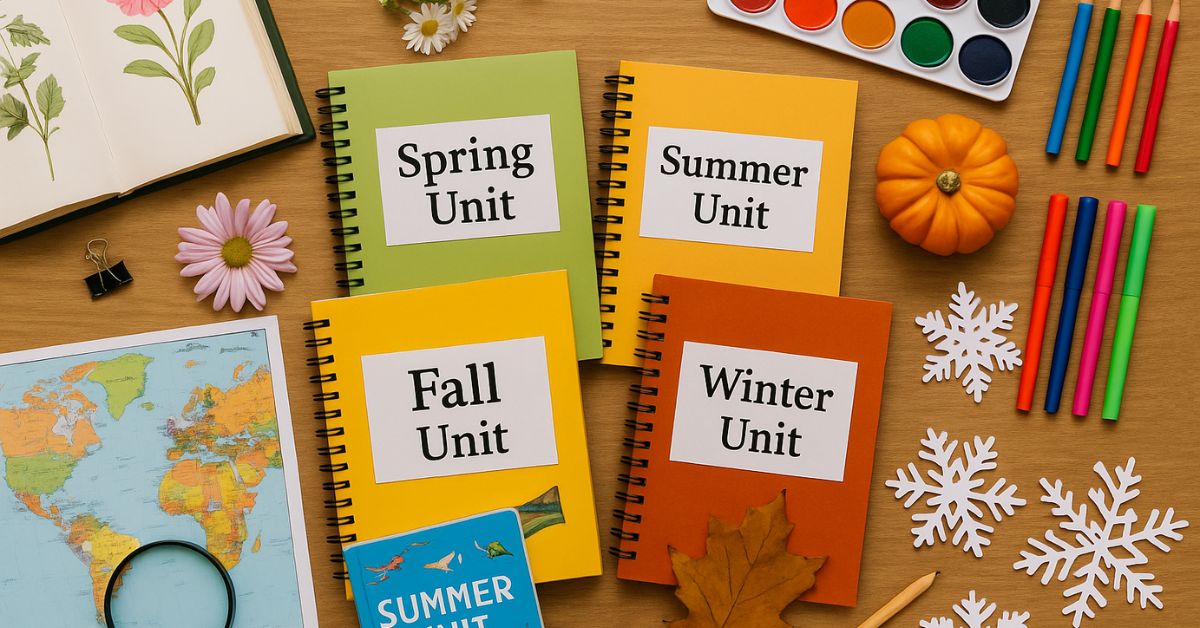
Homeschooling offers parents the flexibility to tailor education to their children’s needs and interests. One of the most engaging ways to keep learning exciting throughout the year is by incorporating seasonal learning activities. These activities bring lessons to life by connecting them to the changes happening in the world around us. Seasonal homeschool unit studies and year-round themed lessons are not only fun but also meaningful, as they ground learning in nature, history, and culture. 

Below, we’ll explore how to approach unit studies by season and offer practical ideas to inspire year-round education.

Why Seasonal Learning Works

Unit studies are a method of teaching that integrates several subjects under one theme, making learning cohesive and immersive. When these studies are linked to seasons, they become even more engaging. Children often relate more easily to lessons when they see the relevance to their everyday life—like exploring botany during a springtime nature walk or studying astronomy on a clear, chilly winter night.

The seasonal approach also supports awareness of natural cycles, cultural traditions, and local events, fostering a connection to the world. It moves learning beyond textbooks, encouraging hands-on activities, research, and discovery.

Ideas for Spring Unit Studies

Spring is a time of growth and renewal, offering countless opportunities for interactive projects and exploration. Here are some themes you can use for spring:

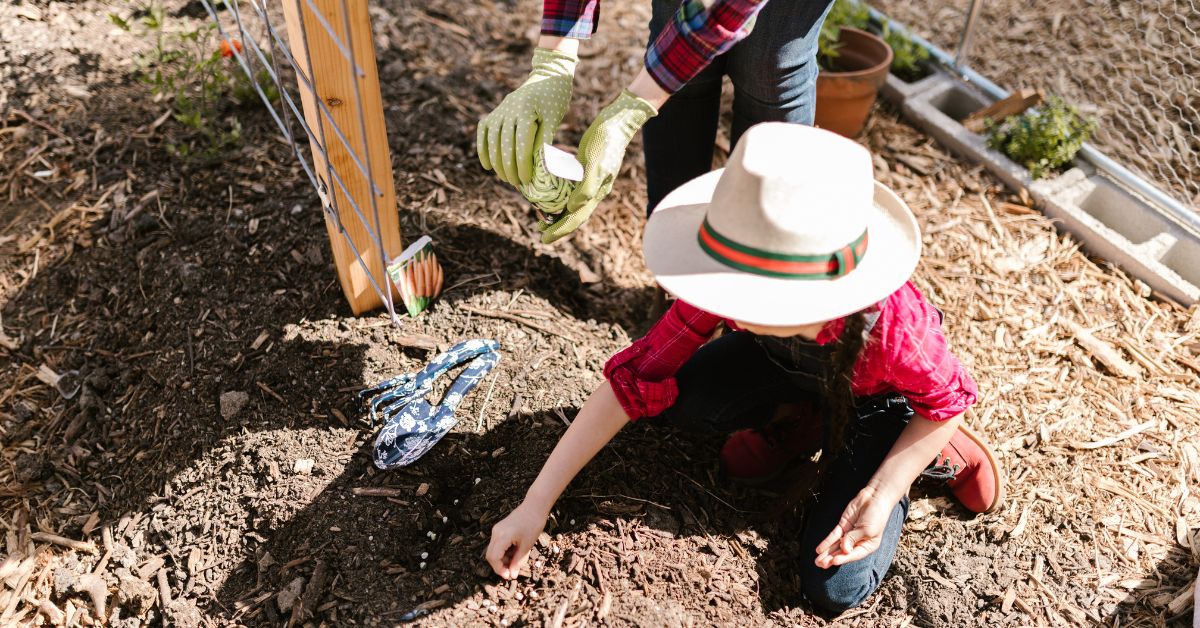
  • Gardening and Botany 
    • Study plant life cycles by growing flowers, vegetables, or herbs. 
    • Learn about pollinators like bees and butterflies and create habitats for them. 
    • Explore types of seeds and test germination rates with a simple experiment.
  • Weather and Atmosphere 
    • Chart rainfall patterns and discuss the water cycle. 
    • Study cloud formations and learn basic meteorology. 
    • Create a DIY barometer to track atmospheric pressure.
  • Spring Holidays Around the World 
    • Explore traditions like Easter, Holi, or Earth Day celebrations. 
    • Incorporate geography by identifying countries where these festivities originate. 
    • Create arts and crafts inspired by cultural symbols or traditions.
Summer-Themed Learning

Summer-Themed Learning

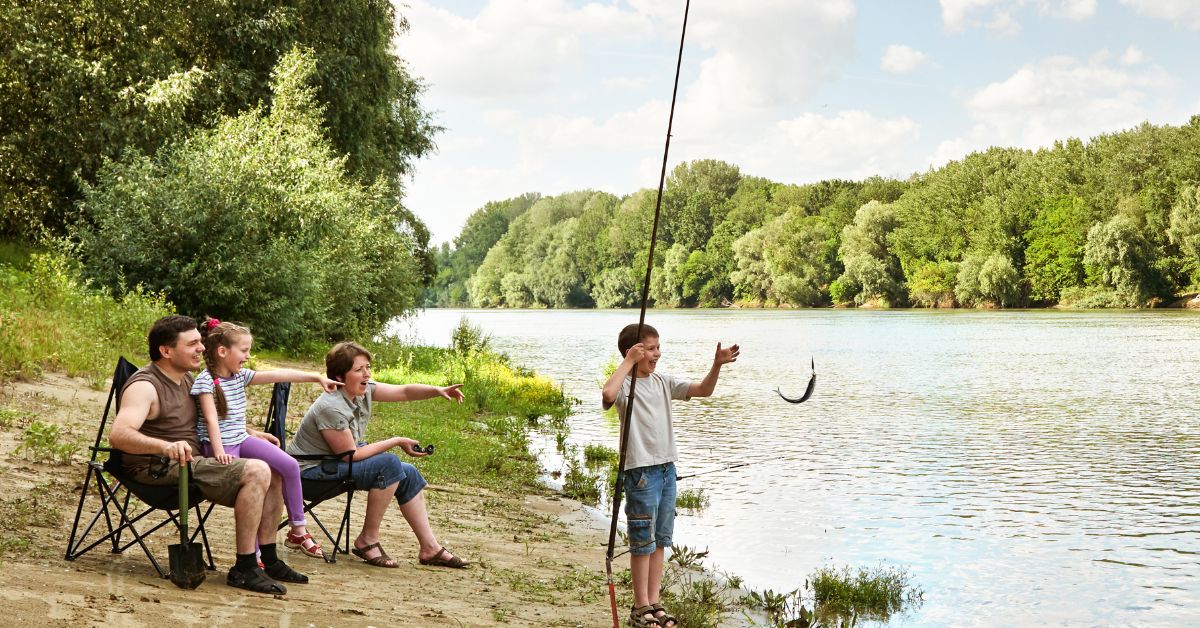
With longer days and warmer weather, summer offers plenty of outdoor learning opportunities. Consider these topics for your summer unit studies:

  • Oceanography and Marine Life 
    • Study the layers of the ocean and the animals that live in each zone. 
    • Take a field trip to a local aquarium or beach and investigate tide pools. 
    • Create an ocean diorama or write reports on favorite sea creatures.
  • Astronomy and Stargazing 
    • Teach constellations and how they change with the seasons. 
    • Discuss the phases of the moon and encourage nightly observations. 
    • Read stories from cultures about the stars and their myths.
  • Local History and Geography 
    • Research the history of your hometown or region. 
    • Visit historical landmarks, parks, or museums. 
    • Create a scrapbook or presentation about what your family discovers.

Summer is also an excellent time for lightweight learning that incorporates travel or vacation themes, making education a seamless part of your adventures.

Fall Learning Themes

Fall is often seen as a fresh start for homeschooling families, coinciding with the beginning of a new school year. It’s a season rich with themes that bridge hands-on activities and in-depth academic content.

One popular fall study topic is harvest and agriculture. Lessons can include learning about crops, studying the parts of a plant, or visiting a local farm. Cooking seasonal recipes like pumpkin muffins can fold in math and science through measurements and chemical reactions.

Tying lessons to fall holidays can also have a broad appeal. For instance, a unit on Thanksgiving can cover topics such as U.S. colonial history, geography (mapping the Mayflower’s route), and Indigenous cultures. Another festive angle might focus on how different cultures celebrate fall and harvests, such as the Chinese Mid-Autumn Festival.

Fall’s cooler weather also makes it ideal for cozy indoor projects. You might explore literature and storytelling, reading autumn-themed books and encouraging kids to write their own short stories about changing leaves or the brisk fall air.

Winter Unit Study Inspirations

Winter brings unique experiences and plenty of indoor activities to complement colder weather. This is a perfect time to center your studies on traditions, science, and art.

  • Winter Weather Science 
    • Study snow and ice by learning about crystallization and conducting fun experiments, like supercooled water turning into ice instantly. 
    • Track temperature changes and create graphs comparing seasonal weather patterns. 
    • Look into how animals adapt to winter environments, like hibernation and migration.
  • Holidays and Cultures 
    • Explore holiday traditions around the world, from Hanukkah to Kwanzaa. 
    • Study the history and symbolism behind seasonal festivals. 
    • Create cultural crafts, such as paper lanterns or ornaments, tied to your lessons.
  • STEM Challenges 
    • Build structures like igloos or sleds using household items, incorporating principles of physics and engineering. 
    • Experiment with insulation by designing a container that keeps hot cocoa warm for the longest time. 
    • Learn the science behind light by studying reflections and making seasonal decorations like snowflake sun catchers.

Wintertime is also ideal for activities like reading classic tales by the fireplace or working on long-term projects, giving kids space to unwind while still learning.

Year-Round Themed Lessons for Ongoing Exploration

While seasonal activities make learning exciting, ongoing themed lessons are an excellent way to cover broad topics that evolve throughout the year. Here are examples:

1. Nature Journaling 

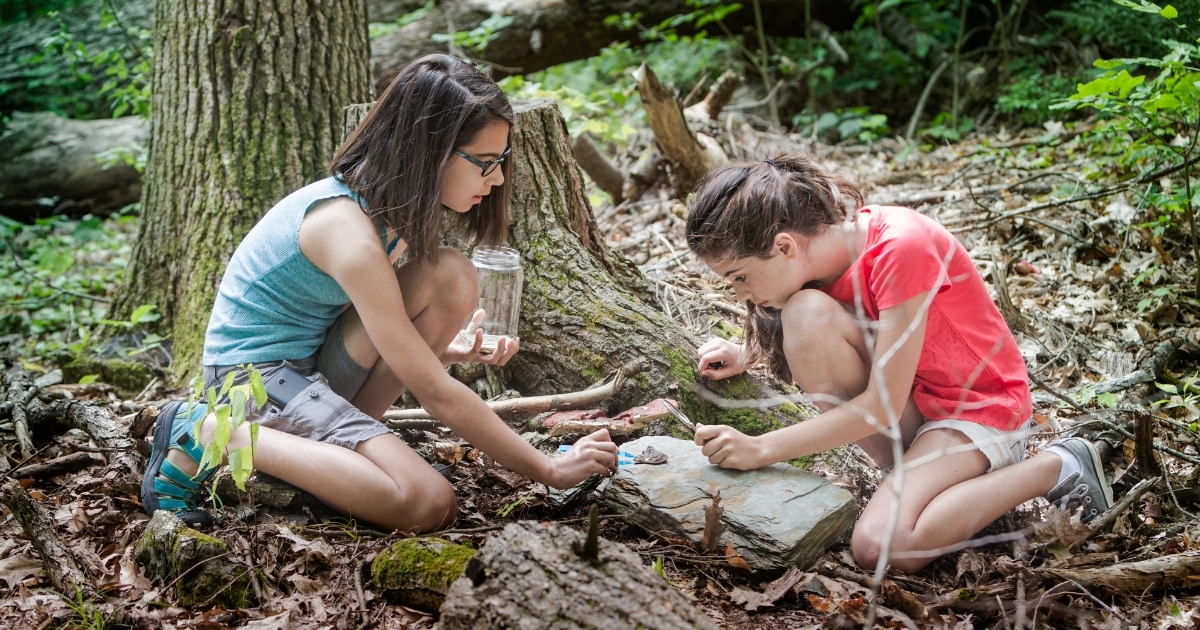
  • Encourage children to observe and document the changing seasons in their journals. 
  • Include sketches, pressed leaves, or written reflections on nature walks. 
  • Teach concepts like ecosystems, weather patterns, and biodiversity over time.

2. Cultural Studies 

  • Select a new country to study each month, focusing on its history, language, art, and cuisine. 
  • Use maps and globes to help kids visualize locations. 
  • Collect works of art or music from each culture to experience their creative traditions.

3. Science Through the Seasons 

  • Focus on one scientific field for an entire year, such as biology, astronomy, or geology, but adapt lessons to fit the seasons. 
  • For instance, study plant biology in the spring, animal behaviors in the summer, rock formations in the fall, and stargazing in the winter.

4. Big Projects or Challenges 

  • Take on a year-long themed project, such as researching family ancestry or writing a novel. 

These ideas keep learning dynamic and ensure that children have a year filled with meaningful, interconnected studies.

Tips for Making Seasonal Learning Activities Effective

To get the most out of seasonal and themed learning, consider these simple strategies:

  • Plan Ahead 
    • Take time before each season starts to outline unit studies and gather supplies. 
    • Whether it’s books, craft materials, or access to field trip locations, preparation ensures your lessons flow smoothly.
  • Be Flexible 
    • While planning is helpful, allow space for curiosity-driven detours. If your child becomes fascinated by something unexpected, lean into it. 
    • Adjust lessons to fit your family’s schedule and preferences.
  • Mix Passive and Active Learning 
    • Provide a mix of hands-on activities, reading time, and creative projects to engage different learning styles. 

By blending structure with spontaneity, your seasonal learning activities can become a powerful tool for delivering a rich, holistic homeschool education.

Homeschooling is a remarkable opportunity to weave your children’s interests into their education. When you bring seasonal and themed elements to your unit studies, you’re not only keeping them engaged, but you’re also cultivating a love for lifelong learning. Consider the ideas above as a starting point, and watch your homeschool take on new energy every season of the year!


Is Unit Homeschooling Right For Your Family? How It Can Help Some Children Thrive

Homeschooling offers families the flexibility to tailor education to their children’s needs. One popular method that stands out is unit homeschooling, a highly customizable and engaging approach that centers learning around themed units. From building excitement about learning to fostering deeper knowledge, unit homeschooling offers unique benefits worth considering.

Below, we explore the benefits of unit homeschooling, offer a practical unit study homeschooling guide, and address its effectiveness to help you determine if it’s the right fit for your family.

What Is Unit Homeschooling?

At its core, unit homeschooling—or unit studies homeschooling—is a teaching method that integrates multiple subjects around a single topic or theme. For example, a unit on “space exploration” might include the following:

  • Science topics like the solar system, gravity, and rockets. 
  • Math concepts like calculating distances between planets or learning measurements. 
  • History by exploring the space race or notable astronauts. 
  • Language arts by reading and writing about space missions or creating your own sci-fi stories. 
  • Art by designing spacecraft or drawing constellations.

Instead of traditional teaching where each subject operates in isolation, unit studies encourage a holistic understanding of a topic. This approach appeals to many parents, especially those with children who benefit from hands-on and connected learning experiences.

Benefits Of Unit Homeschooling

Benefits Of Unit Homeschooling

The benefits of unit homeschooling go beyond simply making lessons more engaging. It’s an approach that can encourage critical thinking, foster creativity, and cater to diverse learning styles. Here’s why many families thrive using this method:

  1. Engages Different Types of Learners

Every child learns differently. Some are visual learners who grasp concepts better when they see them, while others are hands-on learners who thrive through activities and tactile experiences. Unit studies incorporate various teaching methods, ensuring all learners have a way to connect with the material.

Examples:

  • A visual learner might create colorful charts or watch videos related to the unit.
  • A kinesthetic learner could build a model or engage in experiments tied to the theme.
  1. Encourages Deeper Learning

Instead of skimming the surface of many unrelated topics, unit studies allow you to explore subjects in depth. Spending not days, but weeks, investigating the components of a single theme creates opportunities for mastery and meaningful understanding. 

For instance, a unit on ecosystems allows children to truly grasp how various habitats function, the animals they support, and how environmental changes affect these delicate systems.

  1. Promotes Collaboration Among Siblings

Multi-age families can tackle units together, making teaching simpler for parents and collaborative for siblings. Each child can focus on activities suited to their individual skill level but still participate in group discussions and projects. For example:

  • Younger children might color animals of a rainforest, while older ones write reports on rainforest threats like deforestation.
  1. Sparks Creativity and Joy in Learning

Unit studies break away from monotonous textbook lessons. Kids have opportunities to:

  • Join interactive field trips, such as visiting museums or nature reserves.
  • Work on creative projects like building dioramas or writing skits around the theme.
  • Engage in cooking or crafting activities inspired by what they’re learning (e.g., baking bread while studying pioneers).

With this approach, learning becomes an interactive, joyful process that kids look forward to.

  1. Builds Connections Across Subjects

By weaving multiple disciplines into a single theme, children begin to see how subjects relate in the real world. This not only makes learning more cohesive but also helps them develop critical thinking. For example, studying ancient civilizations naturally integrates history and geography, while math concepts come into play when measuring structures from the era.

Unit Study Homeschooling Guide

If you’re considering trying unit homeschooling, it may feel overwhelming at first. How do you start? How do you ensure it’s effective? Here’s a simple guide to help you design and execute a unit study tailored to your family’s needs.

  1. Choose a Theme

Pick a theme that captures your child’s interests or aligns with upcoming educational goals. Think about your family’s priorities, whether that’s covering specific school standards or expanding on extracurricular interests. Popular themes include:

  • Dinosaurs
  • Space exploration
  • The Civil War
  • Oceans and marine life
  • Famous inventors and their creations
  1. Map Out the Subjects

Decide how you’ll incorporate core subjects into the theme. Here’s an example layout for a “Cooking Around the World” unit:

  • Math: Converting measurements or calculating recipe costs.
  • History: Exploring the historical context of different cuisines.
  • Geography: Mapping countries and learning about their climates and natural resources.
  • Science: Investigating the chemistry behind baking or the nutritional value of certain foods.
  • Language Arts: Reading cultural folktales or writing reflections on meals you’ve prepared.
  1. Develop Activities

Create a mix of activities to engage your child’s curiosity. You can include:

  • Writing tasks (e.g., essays, creative stories, research projects)
  • Visual learning tools (e.g., documentaries or online videos)
  • Experiential learning (e.g., museum visits, hikes, or simulations)
  1. Gather and Organize Resources

Look for books, websites, workbooks, and videos that fit your chosen theme. Having these resources ready before starting the unit will help you maintain momentum. Local libraries and online homeschooling communities are invaluable tools for resource hunting.

  1. Set a Schedule

Unit studies can vary in length depending on the topic and your goals—from a week to a couple of months. Set a timeline and break the unit into manageable chunks, allowing for both planned activities and impromptu explorations sparked by your child’s curiosity.

  1. Review and Reflect

After completing the unit, take time to assess what worked well and what didn’t. Encourage your child to share their favorite parts and discuss what they learned. This reflection helps fine-tune future units.

Is Unit Homeschooling Effective?

Many parents and educators advocate for unit homeschooling because it aligns with how children naturally learn. When children engage with material that captivates their interest, they’re more likely to focus, retain information, and develop a love of learning.

Effectiveness for Different Learners 

Unit homeschooling works well for various students:

  • Reluctant learners: The engaging, hands-on activities often appeal to children resistant to traditional methods.
  • Gifted learners: The interdisciplinary approach can challenge advanced students and deepen their understanding of complex subjects.
  • Children with special needs: Units can be adapted to fit different paces and learning styles, creating opportunities for individualized success.

However, unit homeschooling may not work as effectively for families wanting a more rigid curriculum or for parents uncomfortable with creating lessons from scratch. It requires planning and creativity, which can feel time-consuming or challenging for those new to homeschooling.

Flexibility Drives Effectiveness 

One of the strongest advantages is how flexible unit homeschooling is. Parents can tweak themes and lessons as needed. For example:

  • If your child shows unexpected interest in a certain aspect of the current unit, you can pivot to explore it further.
  • Units can be lengthened or shortened based on your child’s engagement with topics.

Ultimately, the effectiveness of unit homeschooling depends on how well it aligns with your child’s personality and learning needs as well as your willingness to experiment and adapt.

How to Decide if Unit Homeschooling is Right for Your Family

If this method intrigues you but you’re still unsure, consider these questions:

  • Does your child have specific interests you want to nurture?
  • Does your family enjoy hands-on projects, field trips, or collaborative learning?
  • Are you willing to invest time into planning or gathering resources?
  • Does your current homeschooling method feel overly rigid or uninspiring?

If you find yourself answering “yes” to most of these questions, unit homeschooling might be worth trying. Start small—experiment with a one-week unit and observe how your child responds. Sometimes, all it takes is one exciting, well-structured unit to see the positive impact homeschooling can have on your child’s educational experience.

For families who appreciate creativity and flexibility, unit homeschooling offers ample opportunities for children to thrive. It’s more than just a way to teach—it’s a way to make learning come alive.

What Does A Typical Day In Radical Unschooling Look Like

Radical unschooling is a lifestyle centered on trust, freedom, and self-directed learning. Families who follow this approach often find joy in veering away from rigid schedules and curricula, allowing their children to explore their interests deeply in ways that feel authentic to them. 

This article dives into what a typical day in radical unschooling might look like, exploring lifestyle examples and key routines to inspire parents considering this unique educational path.

The Foundation Of Radical Unschooling

Before understanding the practicalities, it’s vital to grasp the principles that guide radical unschooling. This educational philosophy goes beyond traditional homeschooling. While homeschooling typically involves structured, parent-led lessons, radical unschooling emphasizes a child’s autonomy, trust, and intrinsic motivation. It extends this philosophy to all aspects of life, encompassing not only academics but also other areas like chores, screen time, and bedtime routines.

For families following this path, life is learning, and learning is life. Days aren’t segmented into “study” and “leisure” because children are trusted to learn from everything they do, whether that’s baking cookies, playing video games, or helping a neighbor. To help parents understand how this philosophy unfolds in daily life, let’s examine detailed examples and insights into radical unschooling daily routines.

A Morning Without Alarms or Pressure

Mornings in a radical unschooling household typically don’t start with frantic wake-up calls or strict routines. Here’s how mornings might look:

  • Waking Up Naturally: Families prioritize rest, often allowing children to wake up when they feel ready. This fosters a positive mood and better energy for the day ahead.
  • Child-Led Breakfasts: During breakfast, kids might make their own meals, with help as needed. Preparing food can become an opportunity for learning—whether it’s reading recipes, measuring ingredients, or experimenting with new cooking methods.

Activities often emerge organically after breakfast, with children driven by their interests. For example:

  • One child might pick up a book about dinosaurs, engaging in a deep-dive study without even realizing it’s “learning.”
  • Another might head outside to collect leaves and rocks, sparking conversations about nature or science.

Without a structured start to the day, families rely on flexibility. The key here is responding to a child’s energy and curiosity rather than enforcing predetermined schedules.

Unstructured Learning Through Exploration

Unstructured Learning Through Exploration

Unschooling doesn’t mean a lack of activities—it means children direct how and what they learn. Here’s how learning happens throughout the day in a radical unschooling household:

  • Hands-On Projects:
    • Building LEGO sets or creating intricate models can promote problem-solving and fine motor skills.
    • Science experiments, like making slime or growing crystals, are initiated organically as kids explore their curiosity.
  • Real-Life Learning Scenarios:
    • Grocery shopping turns into a lesson on budgeting, nutrition, and basic math.
    • Helping a parent fix something around the house might transform into an impromptu engineering lesson.
  • Screen Time as a Learning Tool:
    • Contrary to traditional beliefs, unschoolers see immense value in technology. Video games like “Minecraft” might teach geometry, engineering, or collaboration skills.
    • Documentaries and YouTube videos are powerful tools for sparking interest in topics like history, wildlife, or current events.

Children are trusted to pace themselves. They may cycle quickly through different projects or spend hours deeply immersed in one topic, following their natural rhythms.

Socializing and Life Skills

Socialization and the development of life skills are important aspects often overlooked when people first learn about radical unschooling. These elements are integrated organically into everyday life.

Instead of segregation by age or grade, kids in radical unschooling communities frequently interact with people of all ages. Some examples include:

  • Community Engagement:
    • Joining community events like library story hours, clean-up days, or local group meet-ups.
  • Group Activities:
    • Co-op meet-ups with other unschooling families give kids the chance to play, create, and collaborate.
    • Volunteering opportunities, such as helping at an animal shelter or food pantry, teach compassion and teamwork.

Chores and household responsibilities complement this. Instead of being assigned tasks with rigid demands, children might offer to assist with laundry or meal prep when they feel ready. Their motivation comes from seeing themselves as contributing members of the family, rather than from imposed duties.

Evening and Family Time

Evenings in a radical unschooling household are characterized by connection and relaxation. While there’s no “official” wrap-up to the day, families often use this time to wind down together.

Here’s what evenings might look like:

  • Shared Activities:
    • Gathered around a board game, laughing and learning to strategize.
    • Watching a movie or television series that sparks questions or thoughtful discussion.
  • Independent Pursuits:
    • Children might choose to continue working on a project or hobby during quiet evening hours. For example, they could write stories, sketch, or research more about a favorite subject like astronomy.
  • Open Conversations:
    • Family sit-downs at dinner can be a space for everyone to share their experiences, thoughts, and ideas. Parents show interest in their children’s passions, further supporting self-direction.

Bedtimes aren’t enforced in radical unschooling. Children are encouraged to listen to their bodies and decide when they need to rest. This flexibility teaches them to respect their own limits and trust their instincts.

The Diversity Of Radical Unschooling

Radical unschooling doesn’t have a one-size-fits-all routine. Daily experiences vary greatly depending on the child’s interests, the family’s values, and the environment. Below are a few ways unschooling can adapt to different lifestyles:

1. For Outdoorsy Families:

    • Day trips to nature reserves, beaches, or hiking trails offer endless opportunities for both play and learning.
    • Observing wildlife, identifying plants, or simply splashing in a creek can spark curiosity and scientific exploration.

2. For Urban Dwellers:

    • Visits to museums, cultural festivals, and bustling markets help children soak in art, history, and diverse perspectives.
    • Parks and playgrounds provide spaces for physical activity and socializing with peers.

3. Travel Proponents:

    • Road trips and international travel serve as immersive learning experiences.
    • Exploring historical landmarks or new cuisines stirs a sense of wonder and cultural appreciation.

The magic of unschooling is its adaptability—it fits seamlessly with nearly any lifestyle.

Common Myths About Radical Unschooling Routines

Radical unschooling is often misunderstood, so it’s worth addressing some misconceptions about daily life in this educational approach:

  • Myth: Kids will lack structure and discipline. 

Truth: Families often create a rhythm rather than rigid structure, with children learning self-regulation naturally over time.

  • Myth: Kids won’t learn essential skills. 

Truth: Children develop critical thinking, problem-solving, and communication skills in contexts they care deeply about.

  • Myth: It’s solitary and isolating. 

Truth: Radical unschooling families frequently form community ties, with ample interaction between children, peers, and mentors.

Practical Tips For Starting Radical Unschooling

For parents intrigued by radical unschooling, transitioning to this approach can feel daunting. These practical tips can help:

  • Observe and Trust:
    • Take time to watch your child’s interests and learning preferences.
    • Build trust in their innate curiosity and ability to grow.
  • Encourage Exploration:
    • Create a home environment filled with resources like books, art supplies, science kits, and access to the internet.
    • Allow children to venture beyond the home—visit libraries, cultural events, or friends’ houses.
  • Connect with Communities:
    • Join local unschooling groups or online forums to gain inspiration and support.
    • Meeting like-minded families can help normalize the experience for both parents and children.
  • Adjust Slowly:
    • If you’re easing out of traditional schooling or homeschooling, minimize structure bit by bit while observing how your child responds.
    • Be patient as both you and your children unlearn conventional routines.

Radical unschooling routines come alive through flexibility, trust, and the belief that children are naturally driven to learn. With time, families often discover that the freedom to explore opens up opportunities for growth far beyond what could have been planned.

Waldorf-Inspired Seasonal Rhythms for Homeschooling

Homeschooling offers the flexibility to craft educational experiences that resonate with your family’s values and needs. For those drawn to a Waldorf-inspired approach, seasonal rhythms provide a beautiful framework to enrich your homeschooling efforts. Following nature’s cycles brings harmony to learning, making it feel more connected to the world around us. 

This post explores how seasonal rhythms can guide your Waldorf homeschool routines and offers actionable ideas to implement throughout the year.

Creating Structure With Seasonal Rhythms

Waldorf education emphasizes rhythm as a core principle for promoting balance and well-being. Seasonal rhythms align learning with the natural flow of the year, helping children feel grounded and connected to their surroundings. Here’s how you can establish a seasonal rhythm at home:

  • Use Festivals as Anchor Points 

Anchor your homeschool calendar around seasonal festivals like Michaelmas, Martinmas, or May Day. These occasions align with Waldorf traditions and integrate elements of nature, crafts, and storytelling. Planning ahead for these celebrations ensures they become meaningful milestones in your homeschool year.

  • Adjust Learning Topics by Season 

Adapt your curriculum to mirror the themes of the changing seasons. For example:

  • Autumn could focus on harvest, gratitude, and preparation for winter. Include activities like leaf rubbings, baking with seasonal ingredients, and discussing cycles of nature.
  • Winter might concentrate on stories of resilience, warm crafts like knitting, and quiet indoor activities.
  • Spring could usher in themes of renewal, life cycles, and planting.
  • Summer offers opportunities for outdoor exploration, hands-on science projects, and creative writing inspired by nature.
  • Daily Rhythms Within Seasonal Frameworks 

Each season might influence the flow of your daily routine. Shorter, quieter days in winter could make space for more reflective work, while long, activity-filled summer days lend themselves to outdoor adventures and exploratory learning.

Create a seasonal display table or corner. Incorporate items like fresh flowers in spring, pumpkins in autumn, or evergreen branches in winter. This visual reminder helps your child stay connected to the current season and its unique qualities.

By anchoring your homeschool routines in seasonal rhythms, you align your family’s learning with the natural pace of the year, creating a deeper sense of harmony.

Seasonal Homeschooling Ideas

Seasonal Homeschooling Ideas

Each season offers a unique opportunity to incorporate Waldorf-inspired activities into your homeschool day. Here are practical ideas for each time of year:

Autumn 

Autumn is a time of harvest, reflection, and preparation. Incorporate these ideas:

  • Nature Walks: Gather leaves, acorns, and pinecones for seasonal crafts. Encourage your child to observe changes in nature and journal their findings.
  • Cooking Projects: Bake pumpkin or apple-based treats with your kids. Use the opportunity to discuss measurements, fractions, and the science behind baking.
  • Crafts: Create leaf garlands, pressed leaf art, or acorn necklaces. These hands-on projects develop fine motor skills and creativity.
  • Storytime: Choose books with autumnal themes such as seasonal folklore or stories about gratitude and harvest.

Winter 

Winter encourages inward reflection and warmth. Here’s how to bring the season into your homeschool:

  • Handicrafts: Focus on warm, meditative activities like knitting, candle-making, or felting. These promote patience and concentration.
  • Storytelling: Choose tales that highlight resilience, light in the darkness, or winter traditions from around the world. 
  • Cooking: Make hearty soups and teach your child about measuring liquids, counting, and working safely in the kitchen.

Spring 

Spring is all about growth, renewal, and life cycles. Include these ideas in your homeschool this season:

  • Gardening: Plant flowers, herbs, or vegetables. Use it as an opportunity to teach responsibility and introduce lessons on plant biology. 
  • Nature Journaling: Bring sketchbooks outdoors to draw blooming flowers, buds on trees, or insects at work. Enhance observational skills while connecting with nature. 
  • Spring Cleaning: Incorporate cleaning tasks into the rhythm of learning. This can teach responsibility while creating a refreshed homeschool space. 
  • Crafts and Stories: Celebrate Easter or May Day with crafts like creating flower crowns or painting eggs while weaving stories of renewal and hope.

Summer 

Summer’s energy invites exploration and play. Make the most of the season with these ideas:

  • Outdoor Exploration: Visit parks, forests, or beaches. Collect sticks and stones for crafts or use them in playful science experiments to study buoyancy or weight. 
  • Water Play: Set up science experiments with water to explore concepts like evaporation, density, or flow. Keep activities hands-on and fun. 
  • Seasonal Recipes: Make homemade ice cream, lemonade, or fruit popsicles while talking about the concept of temperature and freezing. 

Tailoring education to reflect the shifts in the world outside nurtures curiosity and helps children feel the rhythm of nature.

Balancing Academic And Waldorf Rhythms 

A Waldorf homeschool doesn’t mean sacrificing academic learning. Instead, it integrates traditional subjects into a holistic approach. Here’s how to maintain balance with seasonal rhythms while meeting educational goals:

Give each school day a steady structure that includes time for reading, math, and science alongside creative and open-ended activities. For example:

  • Begin each day with a morning circle. Include songs, poems, or verses that reflect the season. 
  • Follow with main lesson time, where you can teach new concepts in reading, math, or a seasonally adapted science unit. For example, study the physics of rainbows in spring or learn about animal adaptations in winter. 
  • Incorporate creative breaks like seasonal crafts, movement games, or music lessons inspired by nature. 
  • End the day with a quieter activity, such as journaling, artistic work, or sharing stories. 

This integration ensures that academic progress happens organically within a holistic framework.

Cultivating Family Connections Through Seasonal Routines

Beyond academics, Waldorf homeschooling emphasizes connection—both to nature and to one another. Seasonal rhythms are a perfect way to nurture family bonds. Meal planning is one way to bring rhythm into your home life. Gathered around the table, meals can reflect the flavors and ingredients of the season. For example:

  • Winter meals could highlight hearty stews or roasted fare. 
  • Spring might bring the first greens of the garden to the table, while summer calls for fresh, light dishes like salads and grilled vegetables. 

Mealtimes also provide opportunities for storytelling or reciting seasonal poetry together. These small, daily acts help children feel secure and connected to family rhythms, supporting their overall sense of well-being.

Encourage an awareness of nature through family traditions. For instance, you can create rituals for the changing seasons, such as making bird feeders in winter, going berry-picking in summer, or hosting an outdoor picnic to welcome spring. These moments foster joy and connection, strengthening the foundation of your homeschool experience.

By blending structure, creativity, and connection, seasonal rhythms make homeschooling feel both intentional and inspired. The ideas shared here will help bring a sense of flow and joy to your Waldorf-inspired homeschooling year.

How to Create a Unit Study Around Your Child’s Passion

When you choose to homeschool, the beauty lies in crafting an educational experience tailored to your child’s unique interests and skills. Personalized homeschool unit studies are a fantastic way to do just that. Instead of following a rigid curriculum, these studies give you the flexibility to build a learning plan centered on your child’s passions. Whether your child is fascinated by space exploration, wildlife, or graphic design, unit studies can turn that interest into an engaging, interdisciplinary learning experience.

Below is a step-by-step guide to creating effective passion-based unit studies, along with practical examples and tips that will help you put this into practice.

What Are Personalized Homeschool Unit Studies? 

A personalized homeschool unit study focuses on integrating various subjects—like math, science, writing, and art—into a central theme inspired by your child’s passion. Unlike traditional learning approaches that separate subjects into isolated lessons, unit studies allow you to merge topics into a cohesive, meaningful project. 

For example, if your child has a love for dinosaurs, the unit study could incorporate: 

  • Science: Study fossils and prehistoric ecosystems. 
  • Math: Calculate the size or weight of various dinosaurs. 
  • History: Explore how paleontology developed as a field. 
  • Art: Build clay models of dinosaurs or create sketches. 
  • Writing: Write a “day in the life” journal from the perspective of a dinosaur. 

Unit studies offer flexibility and creativity, transforming education into a dynamic and personalized experience that nurtures curiosity and passion.

What Are Personalized Homeschool Unit Studies? 

Step 1: Identify Your Child’s Passion 

The first step is to figure out what excites your child the most. Observe what topics captivate their interest during playtime, conversations, or movies. Asking open-ended questions can also help you uncover their preferences. 

  • “If you could learn about anything, what would it be?” 
  • “What do you always want to talk about or explore more?” 
  • “Which books, toys, or TV shows do you love the most?” 

Some potential areas of interest might include robotics, baking, marine life, sports, or even superheroes. Once you’ve identified their passion, you’re ready to start designing the unit study. 

Step 2: Break The Theme Into Subtopics 

Now that you know your child’s passion, break it into smaller subtopics to guide your study plan. This ensures the learning is well-rounded and touches on different academic areas. Here’s a breakdown for a few popular themes:

Space Exploration 

  • Science: Learn about planets, stars, and rockets. 
  • Math: Practice distance calculations between celestial bodies. 
  • History: Study famous astronauts or the space race. 
  • Arts & Crafts: Build a paper model of the solar system. 

Baking 

  • Science: Study chemistry through the role of ingredients (e.g., yeast). 
  • Math: Measure ingredients and calculate cooking times. 
  • Social Studies: Explore cuisines and traditions from different cultures. 
  • Writing: Write a recipe book or food blog

Creating subtopics in this way helps organize your study and ensures all major educational areas are addressed.

Step 3: Create a Curriculum Framework 

Once you’ve decided on the major subtopics, draft a framework for what you aim to cover in a week or month. This doesn’t need to be rigid; instead, think of it as a flexible outline. 

Weekly Framework Example 

Week 1 

  • Theme: Discovering Dinosaurs 
  • Activities:
    • Read a book about the Jurassic period. 
    • Watch a documentary on fossil excavation. 
    • Visit a natural history museum if possible. 

Week 2 

  • Theme: Dinosaur Math and Science 
  • Activities:
    • Measure toy dinosaurs to calculate their scale. 
    • Discuss how paleontologists use tools to determine the age of fossils. 
    • Experiment with creating a “fossil” using salt dough. 

Outlining activities ahead of time ensures you’re prepared with resources and keeps learning structured yet fun.

Step 4: Gather Resources 

With your framework in mind, it’s time to gather learning materials. These can include books, documentaries, podcasts, hands-on kits, and more. Here are some suggestions to get you started:

  • Books & Magazines: Borrow from your local library or invest in subject-specific guides. 
  • Documentaries & Videos: Platforms like YouTube or educational streaming services are excellent for visual learners. 
  • Hands-On Kits: DIY model kits, science experiments, or themed puzzles cater to tactile learners. 
  • Field Trips: Museums, science centers, and parks provide enriching real-world context. 

Online Tips 

You can also explore online learning platforms, many of which offer specialized mini-courses or resources tailored for specific subjects.

Step 5: Incorporate Different Learning Styles 

Children learn in various ways; some excel in hands-on activities, while others thrive with visual or auditory input. To keep lessons engaging, incorporate diverse learning strategies into your unit study. 

  • Visual Learners: Use diagrams, colorful posters, and slide decks. 
  • Auditory Learners: Listen to podcasts, audiobooks, or engage in interactive discussions. 
  • Kinesthetic Learners: Conduct experiments, work on craft projects, or act out historical events

Blending these styles ensures your child stays motivated and retains information more effectively.

Fostering a Love for Learning 

One of the key benefits of passion-based homeschooling is that it fosters a deeper love for learning. When children see their favorite topics woven into their education, they become more eager to explore, ask questions, and engage. 

For instance, a child who enjoys animals might create a photo journal documenting local wildlife or interview someone who works at a shelter. Through this, they’re not only learning academic skills but also developing empathy, creativity, and adaptability. 

Homeschooling also allows you to move at your child’s preferred pace. If they’re fascinated by one particular subtopic, you can dig deeper without worrying about deadlines or skipping ahead to another subject prematurely. 

Tips to Keep Unit Studies Fun and Effective 

While unit studies are naturally engaging, here are a few additional tips to make them even more successful:

  • Work Together: Act as a co-learner and explore alongside your child. 
  • Be Flexible: If one activity isn’t working, try an alternative approach. 
  • Celebrate Milestones: Highlight their accomplishments, whether big or small. 
  • Include Play: Gamify lessons with board games, trivia, or scavenger hunts. 

These steps allow you to turn even the most challenging topics into opportunities for excitement and discovery. 

Transitioning Back to Traditional Lessons 

After completing a unit study, transitioning back to a broader homeschool curriculum can help round out your child’s education. Reflect on what worked during the unit study and incorporate those insights into your daily routine. 

For example, if your child particularly enjoyed hands-on math through the baking study, include similar methods in future math lessons. The transition doesn’t have to be abrupt. You can ease back into traditional lessons while keeping passions alive through smaller ongoing projects or themed assignments. 

By blending personalized homeschool unit studies with a standard curriculum, you create a balance between structured education and passion-fueled exploration.

Unit studies are more than just a customized approach to homeschooling—they’re a gateway to unlocking your child’s enthusiasm for learning and helping them uncover new skills and interests. With this guide, you now have the tools to create impactful, personalized experiences that meet your child exactly where they are.


Creating a Charlotte Mason Booklist for Your Homeschool

When incorporating the Charlotte Mason method into your homeschool, crafting a thoughtful booklist can transform learning into a rich and enjoyable experience. Focusing on living books—those engaging and vibrant narratives that spark curiosity—can be game-changing for parents opting for this approach. These Charlotte Mason book recommendations will help you foster a deep connection with learning, nurture critical thinking, and cultivate a lifelong love for books. 

Below, you’ll find practical tips and ideas for selecting books, organizing your homeschool booklist, and examples across key subject areas to help you get started. 

What Are Living Books? 

Living books are central to the Charlotte Mason philosophy. Unlike textbooks filled with dry facts, living books are written by authors passionate about their subject, providing vivid imagery and engaging language that captivates readers. These books draw children into the story or topic, teaching lessons in an organic and meaningful way. 

For instance, instead of assigning a science textbook to learn about nature, you might pick The Burgess Bird Book for Children by Thornton Burgess. This enchanting book introduces different bird species through imaginative stories, offering both scientific knowledge and literary charm. 

Here’s what to look for when identifying living books for your homeschool: 

  • Engaging narrative: Does it make the subject come alive? 
  • Author’s expertise and passion: Is the author knowledgeable and enthusiastic? 
  • Rich language: Is it well-written, providing vocabulary growth? 
  • Timeless appeal: Does it offer value across generations? 

Choosing living books doesn’t just make homeschooling more enjoyable—it helps your children retain what they learn because they connect with the material on a deeper level. 

How to Create a Charlotte Mason Booklist 

How to Create a Charlotte Mason Booklist 

Building a homeschool booklist might feel daunting at first, but it doesn’t have to be. Following a few simple steps can help you organize and tailor a booklist that works for your family’s unique needs. 

1. Break the Year into Terms 

Divide your homeschool year into three terms, as per Charlotte Mason’s method. Each term can cover a specific selection of books for literature, history, science, and other subjects, keeping the year structured and manageable. 

2. Choose Core Texts for Each Subject 

Focus on one or two high-quality books per subject per term. Avoid trying to cover too much—depth is more important than breadth when following Charlotte Mason’s philosophy. Examples include:

  • History: Our Island Story by H.E. Marshall (for British history) 
  • Science: Secrets of the Woods by William J. Long 
  • Literature: Robin Hood by Howard Pyle 
  • Include Variety Across Genres 

Ensure you’re including a mix of biographies, historical fiction, poetry, and nonfiction. Variety helps keep lessons fresh while catering to different interests and learning styles. 

3. Consult Charlotte Mason Reading Lists 

There are abundant resources online and in books devoted to Charlotte Mason book recommendations. Popular websites, blogs, and homeschool communities can provide curated reading lists to make the process easier. 

4. Tailor to Your Child’s Interests and Abilities 

While Charlotte Mason’s method offers a framework, your booklist should reflect your child’s personal interests and reading level. Adjust suggestions as necessary to ensure learning feels both challenging and enjoyable. 

Essential Books for Each Subject Area 

  1. History and Geography 

Charlotte Mason emphasized a narrative-driven approach to history. Instead of rote memorization of dates, children explore the lives and events that shaped history. Some excellent options include:

  • This Country of Ours by H.E. Marshall 
  • D’Aulaires’ Book of Greek Myths by Ingri & Edgar Parin D’Aulaire 

For geography, living books can weave imaginative stories around distant places. Try:

  • Tree in the Trail by Holling Clancy Holling 
  • Seabird by Holling Clancy Holling 
  1. Science and Nature Study 

Nature-focused living books help children develop curiosity about the world around them. Beyond The Burgess Bird Book, these titles are hugely enriching:

  • Handbook of Nature Study by Anna Botsford Comstock 
  • Pagoo by Holling Clancy Holling 
  • Among the Forest People by Clara Dillingham Pierson 

Don’t forget to incorporate field guides and journals for hands-on exploration of your local environment. 

  1. Literature and Poetry 

The Charlotte Mason method encourages exposure to classic works from an early age to nurture an appreciation for beauty in written language. Introduce your children to timeless classics such as:

  • The Wind in the Willows by Kenneth Grahame 
  • Alice’s Adventures in Wonderland by Lewis Carroll 
  • A Bear Called Paddington by Michael Bond 

For poetry, consider these collections:

  • A Child’s Garden of Verses by Robert Louis Stevenson 
  • Now We Are Six by A.A. Milne 
  1. Character Building and Faith-Based Books 

If you incorporate character development or faith-based learning into your homeschool, living books can be powerful tools to explore these concepts. Some options include:

  • Parables from Nature by Margaret Gatty 
  • Beautiful Stories from Shakespeare for Children by E. Nesbit 
  • Little Pilgrim’s Progress by Helen L. Taylor 

Practical Tips for Managing Your Booklist 

Balancing multiple subjects and books can feel overwhelming, but these tips will help keep everything on track. 

  • Use a Binder 

Keep a physical or digital binder with your term plans, reading lists, and any notes. This allows for easy reference throughout the year. 

  • Stick to Short Lessons 

Remember that Charlotte Mason advocated for short but focused lessons, especially for younger children. Breaking reading sessions into manageable chunks can prevent burnout. 

  • Rotate Subjects Weekly 

If juggling several topics feels too chaotic, assign specific subjects to different days of the week. For example:

  • Monday/Wednesday for history and geography 
  • Tuesday/Friday for science and literature 
  • Check Progress Regularly 

Build reflection time into your routine to review progress. Adjust book choices or pacing as needed to match your child’s changing interests or comprehension. 

Nurturing a Love for Reading at Any Age 

The secret to curating a successful Charlotte Mason booklist lies in making reading an integral, enjoyable part of life. When children are presented with rich, thought-provoking texts, they develop not only academic skills but also empathy, creativity, and a love for lifelong learning. 

Many parents who adopt this approach note a shift in how their children connect with stories and knowledge—you might find them recounting historical events as if they lived through them or observing nature with newfound fascination. These moments are signs of deep, engaged learning rooted in meaningful connections. 

Above all, remember that you don’t need to do it all at once. Building your Charlotte Mason booklist is a gradual process, and every thoughtful choice you make brings you one step closer to an inspiring homeschool experience. 


Montessori at Home: Setting Up a Learning Environment

Creating a Montessori homeschool setup can be a rewarding way to foster independence, curiosity, and a love of learning in your child. The Montessori method is rooted in the idea that children thrive in environments that are both structured and supportive of their natural development. With thoughtful planning and a practical approach, you can design a Montessori learning space at home that brings out the best in your child’s abilities. 

Below, we’ll explore key aspects of Montessori learning at home and provide actionable tips to help you create a nurturing environment.

Understanding The Principles Of Montessori Learning

Before you start setting up your learning environment, it’s essential to grasp the core principles of Montessori education. This understanding will guide your choices and ensure the space you create supports the Montessori method

  • Child-Centered Learning 

Montessori emphasizes that children learn best when they have control over their activities within a prepared environment. Instead of dictating lessons, parents act as guides while children explore at their own pace.

  • Hands-On Activities 

Experiential learning is at the heart of Montessori. Children engage with materials they can touch, manipulate, and explore to grasp concepts like math, language, and science.

  • Order and Simplicity 

A hallmark of Montessori spaces is cleanliness and order. A clutter-free, organized area helps children focus and fosters a sense of calm.

  • Independence Development 

The Montessori approach is deeply committed to cultivating independence. This means encouraging kids to make choices, solve problems, and complete tasks on their own.

  • Respect for the Child 

Respecting children’s individuality and natural development is key. This means providing them with choices and trusting their ability to learn when given the right tools and environment.

Incorporating Montessori Principles at Home

To weave these principles into your home, plan thoughtfully and focus on simplicity, functionality, and your child’s particular needs. Everything about the environment should invite exploration and learning.

Setting Up A Montessori Homeschool Space

Setting Up A Montessori Homeschool Space

Designing an effective Montessori homeschool setup doesn’t require a separate classroom or large budget. What matters most is that the space reflects Montessori values and supports your child’s development.

Choosing the Right Space

The first step is to designate an area in your home for learning. Think of this space as your child’s hub for discovery and growth.

  • Natural Light 

Choose a room or area where your child has access to ample daylight. Natural light creates a calm and welcoming atmosphere, crucial for sustained focus.

  • Accessibility 

Ensure that shelves, materials, and furniture are at your child’s level. By making everything accessible, you encourage autonomy and help them develop confidence.

  • Quietness 

Opt for an area with minimal distractions. A quiet, serene space helps children concentrate and fully immerse themselves in activities.

Essential Elements of a Montessori Setup 

Here are some key components you should include when building your Montessori homeschool environment:

  • Low Shelves: Open, low shelves make it easy for children to access and return materials. They also foster a sense of order.
  • Child-Sized Furniture: Tables and chairs should be appropriately sized for your child. This allows them to sit comfortably while working on activities.
  • Work Rugs or Mats: Montessori activities often take place on the floor. A soft rug or mat gives children a defined workspace.
  • Natural Materials: Choose wooden toys and tools over plastic whenever possible. Natural materials provide a sensory richness that aligns with Montessori’s hands-on approach.
  • Organized Materials: Use trays, baskets, and containers to neatly organize each activity. An organized space encourages focus and responsibility.

The Layout of the Space 

Think about creating zones within your Montessori homeschool. For example:

1. Practical Life Area 

Here, children can practice day-to-day tasks like pouring, cleaning, and food preparation. Provide child-friendly tools such as a small broom, washcloths, and dishes so they can engage in real-world learning

2. Sensorial Area 

Include materials that tap into your child’s senses, such as puzzles, texture boards, and color-matching games. Sensorial activities develop cognitive and motor skills while fostering mindfulness. 

3. Reading Nook 

Set up a small library or cozy corner with books displayed on low shelves. Rotate the books frequently to maintain interest. 

4. Math and Language Area 

Provide hands-on learning tools like counting beads, sandpaper letters, and number rods. These materials help children grasp abstract concepts more concretely. 

Designing versatile zones allows your child to explore different subjects without feeling confined. Keep these zones fluid and adjust them as your child’s interests evolve.

Practical Tips For Creating A Montessori Environment 

One of the most powerful ideas in Montessori philosophy is the concept of “freedom within limits.” This means creating parameters that allow children to explore safely and independently. For example, when choosing materials, focus on quality over quantity. Instead of an overwhelming number of toys and activities, include purposeful items that truly engage your child. Rotate these regularly to keep the environment fresh and stimulating.

Additionally, avoid overly colorful or flashy decor. The Montessori environment thrives on simplicity. Neutral tones and natural elements—like wooden furniture or houseplants—help create a calming backdrop that allows learning materials to shine. Encourage children to take ownership of their space by teaching them to tidy up and care for their belongings. This fosters responsibility and respect for their environment, reinforcing key Montessori principles.

Patience is essential when making adjustments to your Montessori space. Take your time observing how your child interacts with the environment. Pay attention to their preferences, energy levels, and the types of activities that captivate their attention. This understanding will help you refine the setup to better suit their needs.

Supporting Montessori Learning At Home 

Your role as a parent isn’t limited to creating the space; it also involves being an active guide within it. Here are some ways to enhance the Montessori experience at home:

  • Model Behavior 

Children absorb what they see. By modeling tasks like cleaning or organizing, you demonstrate the value of focus and dedication.

  • Encourage Open-Ended Play 

Provide opportunities for activities that don’t have a strict end goal. Examples include building blocks, art projects, or exploring nature.

  • Ask Open-Ended Questions: 

Instead of providing answers, ask questions like, “What do you think will happen if…?” This encourages problem-solving and critical thinking.

  • Foster Curiosity Through Nature 

If possible, extend learning beyond the indoor environment and into nature. Activities like growing plants, observing insects, or collecting leaves help children connect with the world around them.

  • Limit Screen Time 

While learning apps have their place, traditional Montessori education emphasizes tangible engagement. Minimize screens and focus on hands-on experiences.

The Importance of Routine

A daily routine is critical in any Montessori homeschool setup. Predictability gives children a sense of security and helps them use their time productively. For example, you can start each day with practical life activities like making snacks or tidying the space. Follow this with focused time on academic materials and leave room for creative play or outdoor exploration. Consistency doesn’t mean rigidity. Be flexible when needed, but try to maintain a stable rhythm that aligns with your child’s developmental stages and energy levels.

Observing Growth and Progress 

A Montessori homeschool setup evolves continuously, shaped by your child’s interests and developmental milestones. By observing your child closely, you’ll gain insights into how their abilities, preferences, and behaviors shift over time. For example, you might notice that they show a preference for certain activities like sorting or building. Use these observations to introduce more challenging variations. When they succeed at an activity, encourage them to tweak or refine it. This builds confidence and a sense of accomplishment.

Remember, Montessori isn’t about hitting arbitrary milestones. Each child develops at their own pace, and your role is to nurture that unique growth. Celebrate their inquisitiveness rather than focusing solely on academic performance. Creating a Montessori homeschool is as much about following your child’s lead as it is about structuring the environment. When you do, you’ll find that their potential unfolds naturally.

Charlotte Mason Homeschooling: A Gentle Approach to Education

The Charlotte Mason homeschool method has gained a devoted following for its gentle yet effective approach to education. Rooted in the idea that children are individuals deserving of respect and a rich education, this method focuses on cultivating a love for learning in a nurturing environment. For parents considering homeschooling or those seeking alternatives to rigid curriculums, Charlotte Mason’s philosophies can offer a refreshing perspective.

This blog will explore the core principles of the Charlotte Mason method, practical applications of gentle homeschooling techniques, and specific curriculum ideas you can implement right away.

Understanding the Charlotte Mason Homeschool Method

Charlotte Mason, a British educator from the late 19th and early 20th centuries, believed in educating the whole child—mind, body, and spirit. Her philosophy centers around three key tenets:

1. Education Is an Atmosphere 

The home environment plays a critical role in learning. Surrounding children with beauty, meaningful experiences, and good books creates an atmosphere conducive to growth.

2. Education Is a Discipline 

Charlotte Mason emphasized the importance of good habits, like attentiveness, diligence, and kindness, as a foundation for lifelong learning.

3. Education Is a Life 

Learning should go beyond rote memorization. Education is about feeding the mind with living ideas found in literature, art, music, and nature.

Her approach is often described as holistic and child-centered, making it adaptable for families looking to create a peaceful and meaningful homeschooling experience.

Gentle Homeschooling Techniques Inspired by Charlotte Mason

Gentle homeschooling isn’t about being lax; it’s about respecting your child’s natural rhythms and creating a supportive learning environment. Here are some practical ways to incorporate Charlotte Mason-inspired principles into your routine:

1. Short, Focused Lessons 

Children thrive in environments that respect their attention span. Charlotte Mason advocated for lessons that are short—typically lasting 15 to 20 minutes for younger children and gradually increasing to 30-45 minutes for older ones. 

This approach prevents burnout, keeps learning enjoyable, and teaches children to focus on their tasks with intention.

2. Habit Training 

Developing character and good habits is central to the Charlotte Mason homeschool method. Start with one habit at a time, such as tidiness, kindness, or punctuality. 

For instance, if you want your child to practice attentiveness, gently guide them to focus during storytime by pausing to ask engaging questions. Consistency is key, so model the habit you wish to instill and gently correct mistakes without criticism.

3. Narration for Retention 

Narration is a technique where children retell what they’ve learned in their own words. After reading a passage from a book or encountering a learning experience, ask your child to explain it back to you. 

This method helps develop comprehension, communication skills, and memory while avoiding the stress of formal testing.

Key Components of a Charlotte Mason Curriculum

Key Components of a Charlotte Mason Curriculum

At the heart of the Charlotte Mason homeschool method is an appreciation for quality over quantity. Instead of relying heavily on traditional textbooks, the method favors living books, real-world experiences, and artful exploration. Here are some elements to include in your curriculum:

  • Living Books 

Living books are written by passionate authors who bring subjects to life. Instead of dry encyclopedic entries, these books tell stories that spark curiosity and imagination. For history, consider works like “The Story of the World.” For science, books like “The Burgess Bird Book for Children” can ignite interest in nature.

Spending deliberate time outdoors is a staple of this method. Encourage your children to observe, sketch, and write about what they see in a nature journal. Start small—ask them to record the colors of the changing leaves or the different types of birds in your backyard.

  • Fine Arts 

Rotating through key figures in art, music, and poetry allows children to enjoy culture without being overwhelmed. For example:

    • Study one artist per term, like Claude Monet, and display a few of their works.
    • Listen to compositions by classical musicians like Vivaldi or Beethoven.
    • Memorize and recite poetry from classic authors such as Robert Frost.
  • Handicrafts 

The curriculum encourages practical, hands-on creativity. Activities like knitting, woodworking, or creating clay sculptures not only teach craftsmanship but also build patience and attention to detail.

What a Typical Charlotte Mason Day Looks Like

A day following the Charlotte Mason method is flexible yet balanced. Here’s an example:

1. Morning Lessons 

Begin with short lessons in core subjects like math, reading, and handwriting. Incorporate narration exercises as part of these subjects.

2. Outdoor Time 

Spend mid-morning exploring nature or engaging in free play outside.

3. Lunch with Read-Alouds 

Gather as a family to read from a living book during lunch. This can be a time to bond over adventure-filled stories or historical tales.

4. Afternoon Exploration 

Focus on fine arts, music, or nature studies in the afternoons. Allow children to work on their handicrafts or make entries in their nature journals.

5. Evening Quiet Time 

Wind down the day by reciting poetry or enjoying a quiet moment of reflection together.

Consistency is more important than covering every subject every day. Allow space for children to lead their learning through curiosity.

Practical Tips for Getting Started with Charlotte Mason Homeschooling

1. Start Slowly 

If Charlotte Mason’s approach feels overwhelming, begin with just one or two elements like reading living books or incorporating short lessons. Build your routine gradually.

2. Create a Home Library 

Invest in high-quality living books. Libraries and second-hand shops can also be great sources for rich literature, enhancing your child’s learning experience without breaking the budget.

3. Keep Records Creatively 

Replace traditional workbooks with creative alternatives like journals, portfolios of artwork, or photographed projects. These not only serve as wonderful keepsakes but also offer a deeper insight into your child’s progress.

4. Join a Community 

Many families have embraced the Charlotte Mason homeschool method. Search for local or online groups where you can exchange ideas, resources, and encouragement.

5. Respect Your Child’s Pace 

The method thrives on a child’s natural curiosity, so be patient if progress seems slow at times. Trust that meaningful learning will happen without unnecessary pressure.

Why Parents Love This Approach

One of the most appealing aspects of the Charlotte Mason method is its gentle and adaptable nature. Parents who follow this philosophy often report less stress, more fulfilling family relationships, and a stronger sense of purpose in their homeschooling journeys. 

It’s a method that emphasizes quality education while respecting the individuality of each child. By focusing on character, curiosity, and creativity, Charlotte Mason’s ideals help families build an enduring love for learning.

Charlotte Mason herself once said, “Education is an atmosphere, a discipline, a life.” By applying her gentle techniques, you can craft a homeschooling experience that feels meaningful and joyful, both for you and your children.

Unit Studies: How to Create Themed Lessons for Your Homeschool

Creating engaging and comprehensive homeschool lessons can feel like a challenge. However, unit studies are a fantastic approach to making learning immersive and fun for kids. By centering your homeschool lessons on a single theme, you can tie together multiple subjects like math, science, history, and art into one cohesive experience. 

Let’s explore a step-by-step guide to creating themed lesson plans for homeschool and discover fun unit study ideas your kids will love.

What Are Unit Studies?

A unit study focuses on a particular theme, topic, or subject and integrates multiple academic disciplines into that theme. For example, a unit study about space might include science lessons on planets, reading assignments about astronauts, math problems about distances in the solar system, and art projects of creating colorful galaxies.

Unit studies work well for all age groups and can easily be tailored to meet the unique learning styles of your children. They encourage deep exploration of topics, making learning memorable and meaningful.

Here’s what makes unit studies effective for homeschooling:

  • They promote interdisciplinary learning by connecting subjects.
  • They cater to your child’s interests, keeping them engaged.
  • They allow for flexibility in how you use materials and structure lessons.

How To Create Themed Lesson Plans For Homeschool

How To Create Themed Lesson Plans For Homeschool

Developing a unit study doesn’t have to be overwhelming. With the right planning and creativity, you can build lessons that are enjoyable, educational, and organized. Below is a guide to help you create your own themed lesson plans for homeschool.

  1. Choose a Theme That Sparks Interest

Begin by selecting a theme or topic your kids are excited to learn about. This could be based on their hobbies, current interests, or something they’ve been curious about. Some popular themes include:

  • Animals (e.g., Rainforest Wildlife, Ocean Creatures)
  • Historical Events (e.g., Ancient Egypt, World War II)
  • Science Topics (e.g., Robotics, Weather Patterns)
  • Literature (e.g., Myths and Legends, Famous Authors)
  • Careers (e.g., Doctors, Architects, Artists)

Consider involving your kids in the decision-making process; their enthusiasm will fuel the success of the unit study.

  1. Plan Learning Objectives

What do you want your child to know by the end of the unit study? Create clear learning objectives that are specific and measurable. For instance:

  • “Understand the water cycle and its stages” for a weather unit study.
  • “Learn to calculate distances and use percentages” for a unit on space exploration.

Write these objectives at the start of your planning to keep the lessons focused and purposeful.

  1. Gather Your Resources

Now that you have your theme and goals, it’s time to gather materials. This can include books, videos, online resources, and hands-on activities. You don’t need to spend a fortune! Many resources, like library books, printable worksheets, and educational YouTube channels, are free or affordable.

Here’s a checklist of useful resources:

  • Books: Check your local library for books related to your theme.
  • Websites: Use educational platforms like National Geographic Kids and BrainPOP for videos and lesson ideas.
  • Games: Use themed board games or educational apps.
  • Printables: Download free worksheets and craft templates online.
  1. Divide the Unit Study Into Sections

Structure your unit study into weekly or daily activities to make it manageable. Break larger topics into smaller pieces—for example, if the theme is dinosaurs, you could create sections like “Types of Dinosaurs,” “The Jurassic Period,” and “Fossils.”

  1. Integrate Different Subjects

One of the most enriching aspects of unit studies is how they incorporate multiple subjects. Here’s how you can weave various disciplines into a single theme:

  • Language Arts: Write essays, read books, and create stories about the theme.
  • Math: Solve word problems or puzzles related to the topic.
  • Science: Conduct experiments or explore scientific concepts tied to your theme.
  • History: Research historical events or timelines connected to the subject.
  • Art: Design crafts or paintings inspired by the theme.

This method helps reinforce knowledge across subjects while keeping lessons exciting.

  1. Include Hands-On Activities

Kids learn best when they can interact with the material. Here are activity ideas for a variety of unit study themes:

  • For a space theme: Build a model solar system with craft supplies.
  • For a bird theme: Create a DIY bird feeder and observe local species.
  • For a weather theme: Conduct a rain-making experiment in a jar.

Simple projects like these provide tactile learning experiences that reinforce concepts.

Homeschool Unit Study Ideas

Coming up with a fresh and engaging unit study idea can take some brainstorming. If you’re looking for inspiration, here are some creative themes to try:

Nature and Animals

  • Life Cycles: Study the stages of a butterfly’s life or a frog’s metamorphosis. Pair this with stories like The Very Hungry Caterpillar or Frog and Toad.
  • Ocean Exploration: Learn about sea creatures, undersea ecosystems, and famous ocean explorers like Jacques Cousteau. Experiment with saltwater science projects.
  • Rainforests: Focus on the layers of the rainforest, its biodiversity, and conservation efforts.

Science and Technology

  • Rockets and Space: Build a baking soda rocket, chart the phases of the moon, and explore NASA’s missions.
  • Robotics: Learn how robots work, create a basic robot using kits, and explore coding with tools like Scratch.
  • Weather Watching: Keep a weather journal, observe cloud types, and make a homemade barometer.

History and Geography

  • Pioneers and Exploration: Study the Lewis and Clark expedition and recreate the route on a map.
  • Ancient Civilizations: Focus on Ancient Greece or Rome by discussing their daily lives, architecture, and mythology.
  • World Cultures: Learn about the traditions, foods, and languages of other countries.

Literature-Based Themes

  • Famous Authors: Choose books by Roald Dahl, Dr. Seuss, or C.S. Lewis and pair them with creative activities.
  • Fairy Tales Around the World: Compare versions of Cinderella from different cultures and write your own fairy tale.

Seasonal and Holiday Themes

  • Fall Harvest: Study pumpkins, apples, and autumn leaves. Visit a farm or orchard for real-world learning.
  • Winter Holidays: Explore how various cultures celebrate winter holidays and create themed crafts or recipes.

Troubleshooting Challenges in Unit Studies

While unit studies are fun and effective, they can come with unique challenges. Here’s how to address common issues:

  • Feeling Overwhelmed With Planning: If the idea of creating a whole unit is daunting, start with a pre-made outline. Many websites and books offer lesson plans that you can tweak to fit your needs.
  • Keeping Kids Engaged: If your child shows signs of boredom, switch up the activities. Incorporate videos, field trips, or games to bring the topic to life.
  • Balancing Different Ages: If you teach multiple kids, scale the material up or down based on their abilities. Older children can take on independent research projects, while younger kids do hands-on crafts.

Bring Learning to Life With Unit Studies

Unit studies open up a world of possibilities for homeschoolers. By focusing on themes that ignite curiosity and incorporating various subjects into those themes, you can create deeply rewarding educational experiences. Start with your child’s interests, structure the lessons thoughtfully, and mix in active, hands-on learning to keep it fun. 

Whether you’re exploring the depths of outer space or uncovering the mysteries of ancient civilizations, unit studies offer a dynamic way to spark your child’s love for learning.

Unschooling 101: Letting Your Child Lead the Way

Homeschooling opens up a range of educational approaches, and one of the most flexible and personalized options is unschooling. At its heart, unschooling embraces child-led learning, where children dictate the subjects, pace, and methods of their education. It focuses on nurturing curiosity, creativity, and a love for lifelong learning. For parents new to this concept, understanding unschooling basics can help you confidently support your child’s unique educational path.

Understanding Child-Led Learning

Child-led learning is the foundation of unschooling. Unlike traditional classrooms with rigid lesson plans, this approach entrusts children to follow their natural interests and curiosity. Parents take on a supportive role, creating an environment rich in opportunities to explore and learn organically. Unschooling doesn’t mean children are left to their own devices but rather that they play an active role in guiding and directing their educational experiences.

Benefits of Child-Led Learning

Child-led learning goes beyond academics, fostering personal growth and critical life skills in several ways:

  • Encourages independence: Children learn to set goals, solve problems, and make decisions for themselves.
  • Deepens engagement: Kids are naturally more invested in learning about topics they find exciting, making the process enjoyable and memorable.
  • Boosts creativity: With fewer restrictions on how learning occurs, children are free to explore ideas in new and imaginative ways.
  • Builds confidence: Following their passions and succeeding in self-directed tasks helps children trust their abilities.
  • Promotes lifelong learning: By cultivating curiosity, this approach encourages a mindset of continuous discovery.

For example, a child fascinated by marine life might read books about the ocean, watch documentaries, visit an aquarium, or create their artwork inspired by sea creatures. This single interest opens doors to exploring biology, geography, art, and more.

Real-Life Applications of Child-Led Learning

Real-Life Applications of Child-Led Learning

Child-led learning often integrates naturally into everyday life. Here are some examples:

  • A child interested in space builds a model of the solar system while learning science and math concepts like dimensions and scaling.
  • A future entrepreneur hosts a lemonade stand, learning about marketing, budgeting, and public interaction in the process.
  • A child passionate about storytelling creates their comic book, organically exploring language arts, design, and even physics if they experiment with motion.

This approach works by recognizing that every child is naturally curious and giving them the tools to pursue their interests.

Essential Unschooling Tips For Parents

As parents, transitioning to unschooling requires a shift in mindset and some planning to create the right environment. Here are some practical tips to help ease the process and ensure success:

  1. Be Open to New Perspectives

To fully embrace unschooling basics, parents must reimagine what learning looks like.

  • Trust in natural curiosity: Children are natural learners who will seek out knowledge when they’re interested. Allow them the freedom to explore without a rigid structure.
  • Redefine success: Instead of tracking grades or milestones, observe your child’s growth in terms of their curiosity, problem-solving, and enthusiasm for new discoveries.
  • Be flexible: Interests evolve. Today’s fascination with insects might turn into tomorrow’s interest in gardening. Adapt to these changes without resistance.
  1. Establish an Inspiring Learning Environment

A thoughtfully designed environment enhances your child’s ability to follow their passions. Focus on these elements:

  • Accessible resources: Keep books, art supplies, scientific tools, and other materials where children can easily reach them. Rotating these items regularly keeps things fresh and exciting.
  • Designated spaces: Create activity zones, such as a reading corner, workshop area, or outdoor exploration zone, equipped with tools for specific interests.
  • Interactive outings: Museums, libraries, outdoor trails, and community workshops provide hands-on learning opportunities that you can’t always replicate at home.
  1. Play the Role of Facilitator

Unschooling isn’t about leaving children to learn entirely on their own. Parents play an active role as facilitators. Here’s how:

  • Provide exposure: Suggest activities that align with your child’s interests. If they’re fascinated by history, you could explore historical reenactments or online archives.
  • Ask guiding questions: Prompt discussions with open-ended questions like, “What excites you about this subject?” or “How can we learn more about that?”
  • Research opportunities: Stay on the lookout for local classes, online groups, or community events that could supplement your child’s passions.
  1. Address Common Parent Concerns

Unschooling comes with its share of worries. Parents often ask how children will develop key academic or social skills without a structured curriculum. Here’s how to overcome these concerns:

  • Academics: Basic subjects often surface naturally within a child’s passions. A child interested in photography will learn math through adjusting focus and exposure, or science through understanding light and color.
  • Social skills: Many unschoolers form friendships through homeschool groups, clubs, or shared extracurricular activities like sports or performing arts. Real-world interactions often replace the artificial social environment of traditional schooling.
  • Future readiness: Unschooling cultivates independence, adaptability, and resourcefulness, qualities highly valued in college and the job market. Many unschoolers pursue higher education by preparing for placement exams or demonstrating their self-driven learning portfolios.

Creating A Productive Daily Rhythm

Unschooling thrives on flexibility, but having some structure can ensure that both exploration and progress happen naturally.

A balanced daily rhythm often includes:

  • Morning time for outdoor exploration or brainstorming: This sparks curiosity and provides inspiration for focused activities later in the day.
  • Project-based learning sessions: Allocate blocks of time for specific projects, whether that’s building a birdhouse, researching a historical period, or designing a board game.
  • Family collaboration: Cooking, gardening, or even running errands together can turn into rich, teachable moments about teamwork, problem-solving, and various life skills.
  • Downtime for free play or relaxation: Free play is vital for rest and creativity. Encourage activities that allow your child to recharge or daydream.

Keep your rhythm fluid. On some days, your child might spend most of their time engrossed in a single project. On others, they might bounce between topics or take time to reflect. Flexibility allows the learning process to unfold naturally.

Cultivating a Lifelong Love for Learning

Unschooling isn’t just a method of education; it’s an approach to life that inspires exploration and joy in discovering the unknown. When children direct their learning, they become more self-aware, confident, and resilient.

Here’s how unschooling basics contribute to long-term growth:

  • Encourages curiosity: Unschoolers see learning as something exciting rather than a chore.
  • Supports innovation: The freedom to experiment fosters innovative thinking, a skill that’s crucial for the modern world.
  • Builds adaptability: Unschoolers learn to adjust when challenges arise, navigating uncertainty with confidence.
  • Creates empowered learners: By choosing what and how they learn, unschoolers enter adulthood with a clear sense of agency and motivation.

This approach doesn’t just prepare children for academic or career achievements; it empowers them to approach life with curiosity, creativity, and confidence.

Overcoming Challenges in Unschooling

Like any educational method, unschooling has its hurdles, but these challenges often lead to new growth and understanding.

Common Challenges:

  • Ensuring academic balance when certain essential skills (like math or writing) don’t naturally rise to the surface.
  • Managing concerns from family members or friends who may not understand the untraditional nature of unschooling.
  • Balancing freedom with age-appropriate guidance to ensure your child feels supported, not overwhelmed.

Solutions:

  • If gaps emerge, address them through online courses, tutors, or pairing skills with interests (e.g., cooking to teach fractions).
  • Build a supportive network of other unschooling families who can offer reassurance and advice.
  • Always keep communication open with your child. Ask for their input on what’s working and what’s not. This collaborative approach ensures that both their needs and yours as a parent are being met.

Unschooling is about progress, not perfection. Through trial and error, you’ll find ways to adapt and evolve this approach to fit your family’s needs.

Unlocking the Potential of Unschooling Basics

Understanding and implementing unschooling basics can lead to a deeply fulfilling and personalized educational experience. By empowering your child to follow their natural curiosities, you foster a lifelong love of learning, creative problem-solving, and independence. 

Each child’s unschooling path will look different, and that’s what makes it so powerful. For parents, the key is to trust in the process, offer tools and guidance, and celebrate the unique spark within your child.