Waldorf Homeschooling for Different Ages: Adapting the Curriculum

Waldorf education, with its emphasis on holistic, arts-focused learning, provides a unique and enriching approach to homeschooling. However, effectively adapting the Waldorf curriculum to meet the developmental needs of your child at various stages can sometimes feel overwhelming. Knowing how to tailor lessons and activities to suit different ages ensures that your child gets the most out of this educational model. 

Below, we explore practical ways to adapt Waldorf homeschooling by age and provide tips to make the curriculum work seamlessly for your family.

Waldorf Education For Early Childhood (Ages 3–6)

Early childhood within the Waldorf philosophy focuses on imaginative play, sensory experiences, and establishing daily rhythms. At this age, formal academics take a backseat to activities that nurture a sense of wonder and creativity. Here’s how you can adapt the curriculum for your preschooler or kindergartner:

Key Elements to Focus On:

  • Imitation and Example 

Children at this age learn best by imitating adults. Model tasks such as cooking, cleaning, or gardening to teach practical life skills

  • Rhythm and Routine 

Establish a consistent daily rhythm with alternating periods of active play and calm activities. For instance, follow a morning of outdoor exploration with quiet indoor tasks like storytelling or drawing. 

Practical Ideas for Early Childhood

  • Nature Play 

Spend time outdoors every day. Encourage children to observe seasonal changes, collect natural materials like pinecones or leaves, and engage in free play. 

  • Handwork and Crafts 

Simple crafts using natural materials are ideal. Think beeswax modeling, finger knitting, or creating seasonal decorations. 

  • Storytelling 

Instead of reading from a book, consider memorizing a short story or using puppets. Incorporate simple folk tales or nature stories to enhance imagination while aiding language development. 

Focusing on imaginative, hands-on activities lays a strong foundation for this stage of development while embodying key Waldorf principles. 

The Waldorf Approach In The Early Grades (Ages 7–9)

The early grades (typically 1 through 3) mark the transition from imaginative play to learning that integrates creativity and academics. Waldorf homeschooling for this age group includes story-driven lessons, artistic expression, and practical tasks. 

What to Prioritize

  • Main Lessons 

Introduce subjects like math and language arts using stories, songs, and visual aids. For example, tell a story about a king and queen to introduce numbers or letters. 

  • Movement and Artistic Expression 

Active learning is vital. Incorporate movement (e.g., clapping games for math) and artistic activities like painting or drawing into lessons. 

  • Connection to Nature and Home 

Continue fostering a relationship with the natural world. Include gardening, simple cooking, and seasonal activities. 

Sample Activities for Grades 1–3

  • Story-based Math 

Create math problems within an enchanting story. For instance, tell a tale of woodland animals gathering acorns to introduce addition and subtraction. 

Encourage children to draw or paint what they observe in nature each week, such as plants or animals. 

  • Seasonal Celebrations 

Incorporate seasonal festivals like a harvest festival by baking bread, making leaf crafts, or lighting candles. These activities bring rhythm and meaning to learning. 

Structure is more defined during these years, but imaginative elements remain central. Tailoring lessons with a balance of activity and focus builds a love of learning. 

Pre-Adolescence And The Waldorf Curriculum

Pre-Adolescence And The Waldorf Curriculum (Ages 10–12)

At this stage, children are ready for more complex subjects and tasks. Pre-adolescents benefit from structured lessons that integrate conceptual understanding with practical applications. Lessons also begin to reflect their growing curiosity about the world. 

During these years, focus on three essential elements of the Waldorf curriculum:

  • Expanding Main Lesson Blocks 

Subjects like geography, history, and science are introduced over multi-week blocks. Instead of textbooks, use storytelling, project work, and hand-drawn illustrations. 

  • Independent Skill Building 

Handwork and artistic tasks grow in complexity. Introduce knitting, woodwork, or advanced painting as outlets for focus and creativity. 

  • Cultural and Global Connections 

Stories now integrate diverse cultural traditions and figures to help children connect with the wider world. Mythology or biographies of notable individuals are particularly effective. 

Suggested Activities for Ages 10–12

  • Botany and Gardening Projects 

Children can maintain their own section of a garden, learning about plant life cycles and ecosystems. 

  • Mythology Studies 

Create a unit on Norse myths or Greek legends, asking students to illustrate scenes or write summaries in their main lesson books. 

  • Geography Activities 

Focus on cultural geography by exploring the music, food, and traditions of various regions. Map-making projects can bring this to life. 

The transition toward more independent learning during these years prepares children for the broader, more academic focus that comes in adolescence. 

Waldorf Homeschooling For Teens (Ages 13 And Up)

Homeschooling teens within the Waldorf framework requires adapting to their increasing need for independence while continuing to nurture creativity and self-expression. Academic rigor increases, but lessons remain immersive and experiential. 

How to Adapt for Teenage Learners

This age group benefits from an interdisciplinary approach that ties diverse subjects together. Integrate Waldorf principles like art, storytelling, and nature, but move toward critical thinking and problem-solving skills. 

Focus on creating an education that transitions them toward real-world applications:

  • Project-Based Learning 

Encourage students to select a topic of interest and design an in-depth project that incorporates research, creative work, and presentation. 

  • Apprenticeship or Skill Development 

Allow teens to explore areas like carpentry, sewing, or digital arts. This could involve local mentorship or online courses alongside their homeschooling

  • Reflective Thinking 

Introduce journaling or creative writing on personal and philosophical topics, as this age involves introspection and identity-building. 

Topics That Work Well for Teens

  • Environmental science and sustainability projects 
  • World history told through the lens of social movements and art 
  • Creative writing or literature rooted in classical and modern themes 

For adolescents, teaching with a blend of self-direction and Waldorf-based exploration creates lifelong learning habits. 

Tips For Waldorf Homeschool Success

Regardless of your child’s age, the following homeschooling tips can help you align your lessons with Waldorf principles while creating a nurturing, engaging environment. 

Create a Dedicated Learning Space

Ensure you designate a peaceful, uncluttered area for homeschooling. Use natural light, soft colors, and handmade decorations to inspire calmness and creativity. 

Invest in Quality Materials

Waldorf education values simplicity and craftsmanship. Invest in high-quality tools such as beeswax crayons, watercolor paints, and wooden toys. These materials enrich learning experiences while aligning with the Waldorf aesthetic. 

Follow Seasonal Rhythms

Base your lessons and activities on the changing seasons. Singing seasonal songs, creating art inspired by nature, or crafting decorations related to festivals makes learning meaningful and memorable. 

Focus on Connection 

Your relationship with your child is integral to Waldorf homeschooling. Taking time to connect during shared meals, walks, or creative projects strengthens bonds and creates a supportive learning environment. 

Adapting the Waldorf curriculum for different ages allows families to respond to their children’s unique developmental needs while honoring the essence of this educational philosophy. With its flexibility and focus on imagination, nature, and artistry, Waldorf homeschooling provides a rich and fulfilling pathway for parents and children alike. By focusing on rhythm, creativity, and age-appropriate challenges, you can create a homeschooling environment that nurtures the whole child—body, mind, and spirit.
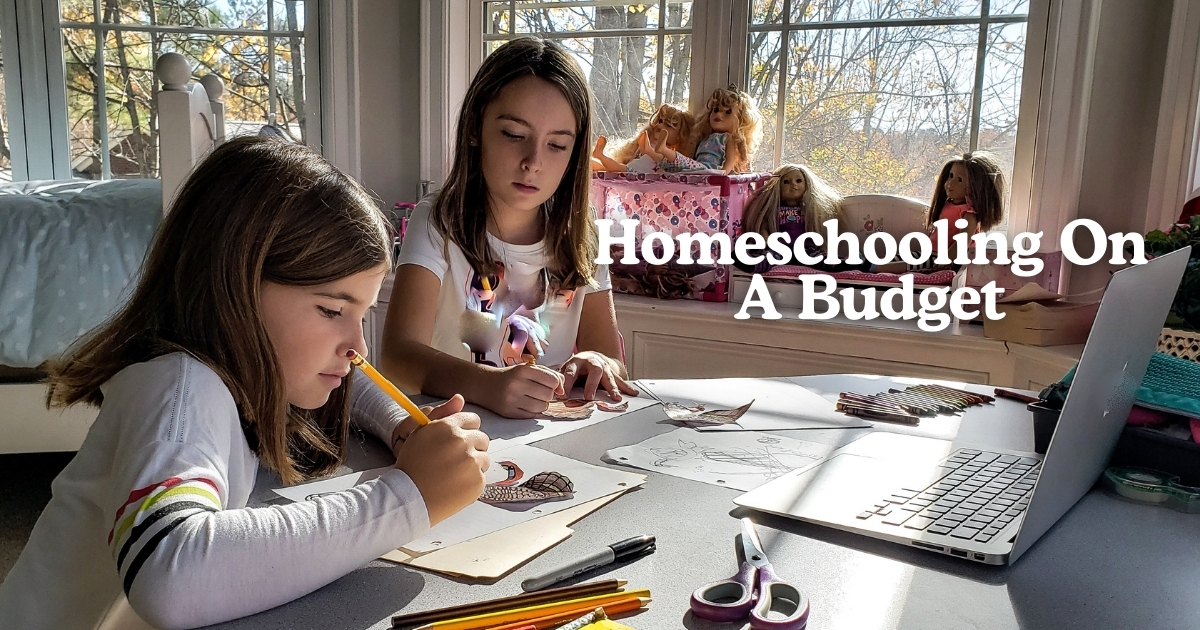

Unit Study Homeschooling on a Budget: Tips and Resources

Homeschooling can be one of the most rewarding approaches to education, offering the flexibility to tailor lessons to your child’s unique interests and learning pace. A popular method many homeschooling families choose is unit studies—an immersive learning approach that incorporates multiple subjects into a single theme or topic. However, like any homeschooling plan, costs can quickly add up if you’re not careful.

This guide is here to help you create budget-friendly unit studies that allow you to give your children a rich, engaging education without stretching your family’s finances. Below, we’ll explore actionable tips for unit study success, affordable ideas for resources, and ways to maximize your homeschooling dollars.

What Are Unit Studies, And Why Are They Worth Exploring?

Unit studies focus on a central theme or topic, weaving it across various subjects such as science, history, language arts, and art. For instance, a unit study on “Space Exploration” might include studying the planets (science), reading astronaut biographies (literature), writing a report on the moon landing (language arts), and creating a space-themed art project. This integrated approach deepens understanding and makes learning more engaging for children.

Unit studies are especially helpful for homeschooling families because:

  • They allow you to tailor lessons to your child’s interests.
  • They encourage hands-on, experiential learning.
  • They work well for multi-age homeschooling, allowing siblings to learn together on the same topic at their own levels.

Tips For Creating Budget-Friendly Unit Studies 

Unit studies don’t have to break the bank. Below, you’ll find practical tips to save money while creating personalized lessons for your child.

  1. Start With Free and Low-Cost Resources

There’s a wealth of free and affordable resources at your fingertips if you know where to look. Here’s how you can get started:

  • Libraries Are Your Best Friend 

Most libraries have extensive resources like books, DVDs, audiobooks, and even science kits that you can borrow for free. Many libraries also provide access to digital resources, such as eBooks and research databases. 

  • Use Free Online Resources
  • Websites like Khan Academy and PBS LearningMedia offer high-quality free educational videos and lesson plans.
  • Educational blogs and YouTube channels often provide free unit study ideas or printable materials. 
  • Take Advantage of Community Programs 

Local museums, zoos, and science centers often offer homeschooling days or discounted admission. These can be great opportunities for hands-on learning that ties back to your unit study theme.

  • Find Free Printables and Lesson Plans 

Websites like Teachers Pay Teachers, Homeschool Share, and 123 Homeschool 4 Me provide free or inexpensive printables that complement unit studies.

  1. Create Your Own Materials

One of the best ways to save money is to make custom educational materials yourself. Here are some tips to craft effective, low-cost resources:

  • DIY Workbooks or Journals 

Use basic supplies like lined paper, binders, or recycled notebooks to create themed workbooks. Include sections where kids can write reports, draw illustrations, or take notes. 

  • Homemade Flashcards and Games 

Index cards can be turned into flashcards for vocabulary or trivia games. You can also create board games or card games based on your unit study’s theme.

  • Hands-On Projects Using Everyday Supplies 

Get creative with items you already have at home. For example:

  • Use kitchen ingredients for science experiments (e.g., baking soda and vinegar volcanoes).
  • Construct models with cardboard, LEGO sets, or Play-Doh.
  • Build art projects using scrap paper, fabric, or natural elements like leaves and stones.

Affordable Resources To Enhance Your Unit Studies 

  1. Plan Ahead and Reuse Materials

Being strategic about planning your unit studies can help you save time and money. 

  • Pick Topics With Long-Term Value 

Select themes that have wide-ranging applications, such as animals, U.S. history, or Earth science, since you can revisit these topics as your children grow. 

  • Combine Multi-Age Learning 

By choosing unit study topics that appeal to multiple children in your family, you only need to gather resources once. Tailor activities or assignments based on age and ability. 

  • Adapt and Reuse Materials 

After finishing a unit study, look for ways to repurpose materials for future lessons. For instance, maps used for a geography unit can be incorporated into a history unit later on.

Affordable Resources To Enhance Your Unit Studies 

Sometimes, investing in quality materials can be a wise decision for your homeschooling, but that doesn’t mean you need to overspend. Here are some cost-effective options for boosting your unit studies:

  • Secondhand Books and Curriculum 

Shop at thrift stores, garage sales, or online marketplaces for affordable books and educational materials. Facebook homeschooling groups are another great source for budget-friendly curriculum

  • Subscription Boxes for Hands-On Learning 

While subscription boxes like KiwiCo or MEL Science come with a price tag, they can be a cost-effective way to add fun, hands-on projects to your unit studies. Many offer sibling add-ons to make them more economical for larger families. 

  • Free Apps and Educational Software 

Look for free or low-cost apps designed for educational purposes. Apps like Duolingo (for languages) or Star Walk (for stargazing) can complement your themes for little to no cost.

  • Local Swaps and Co-ops 

Join local homeschooling groups where families often exchange books, supplies, and curriculum. Many co-ops also offer group lessons or field trips that tie into unit studies.

The Benefits Of Outdoor And Real-Life Learning 

Not every learning activity needs to involve printed worksheets or formal lessons. Outdoor and real-life experiences can be a powerful—and free—way to enrich your unit studies. For example, if your theme is “Gardening,” you could:

  • Visit a community garden to learn about plants firsthand.
  • Observe insects and discuss their role in ecosystems.
  • Measure plant growth over time as part of a math lesson.

Even trips to the grocery store, post office, or nearby park can serve as a learning experience if you plan activities that connect them to your unit study theme. For example:

  • A grocery store trip can involve budgeting and math.
  • A park visit could include nature observation and journaling. 

These outings are not only low-cost but also break up screen time and make learning dynamic.

Overcoming Challenges in Budget-Friendly Unit Studies 

Every homeschool family faces challenges, whether it’s time constraints, limited access to resources, or curriculum overwhelm. However, these hurdles can be managed with a bit of creativity and resourcefulness. First, don’t be afraid to modify or simplify lessons. Unit studies don’t have to be elaborate to be impactful. Instead of planning a week of themed lessons, start with a single day or weekend. Small and focused studies can still spark curiosity and help your child retain knowledge.

Additionally, don’t hesitate to ask for help. Connect with other homeschooling families, either online or in person, to share tips and materials. Collaborating can lighten the workload and broaden your network of resources. Finally, remember that your goal is not perfection but progress. The most important thing is fostering a love of learning in your child, and that doesn’t require expensive tools or elaborate plans.

Bringing budget-friendly unit studies into your homeschool doesn’t have to be complicated. By using free resources, getting creative with DIY materials, and focusing on hands-on activities, you can craft engaging and educational experiences that won’t strain your wallet. The beauty of homeschooling lies in its flexibility, so use this to your advantage as you tailor your lessons to your child’s interests and your family’s budget.

Remember, homeschooling is a marathon, not a sprint. By implementing these practical strategies and gathering inspiration from your local library, online communities, or other families, you’ll be well on your way to creating meaningful and cost-effective unit studies your family will love.

Habit Training in Charlotte Mason Homeschooling

Developing good habits is a key principle of Charlotte Mason’s educational philosophy. Mason believed that education is more than acquiring knowledge—it’s about shaping character. For homeschooling parents, applying Charlotte Mason habit training offers a framework for nurturing both life skills and values in children. This method emphasizes consistency, modeling, and the deliberate cultivation of habits to build a strong foundation for lifelong learning and personal growth.

Below, we’ll explore actionable ways to incorporate Charlotte Mason habit training into homeschooling. By focusing on practical habits, maintaining a nurturing environment, and instilling principles of personal responsibility, you can integrate habit-building into your daily homeschooling routine.

The Core Principles Of Charlotte Mason Habit Training

At the heart of Charlotte Mason’s philosophy is the idea that “habit is ten natures.” Mason viewed habits as a second nature that shapes our behavior and choices over time. The foundational principles of her habit training approach involve:

  • Intentionality: Habits are deliberately formed through repetition and clear expectations.
  • Consistency: Daily practice and reinforcement help habits become almost automatic.
  • Environment: A child’s surroundings, including family dynamics, play a key role in fostering positive habits.
  • Modeling: Children learn through imitation. Parents and educators must embody the behaviors they wish to instill. 

Understanding these principles makes it easier to integrate habit training into your homeschooling routine, ensuring that it aligns with your educational values and goals for your child. Below, we’ll break this down into actionable strategies.

Habits To Focus On In Homeschooling

Every family is unique, which means the habits you prioritize as part of your homeschooling will depend on your specific needs. However, the following categories are universally beneficial and align with Charlotte Mason’s philosophy:

  1. Personal Discipline Habits 

Discipline is the backbone of effective homeschooling, and encouraging self-discipline allows kids to take ownership of their daily tasks.

  • Time management: Teach children to organize their day by building consistent routines. Create a visual schedule they can refer to, helping them learn planning and prioritization.
  • Focus and attention: Use short bursts of concentrated effort followed by breaks, as Mason advocated for focused lessons. Gradually increase the time spent on tasks to strengthen their attention span.
  • Task completion: Instill the habit of finishing one task before starting another. Use small, manageable steps to show progress and build a sense of accomplishment.
  1. Learning-Related Habits 

Developing a love of learning is essential to homeschooling success.

  • Curiosity and inquiry: Encourage your child to ask questions and explore ideas through open discussions. 
  • Reading and narration: Implement “narration,” a Charlotte Mason hallmark, whereby children retell what they’ve read to improve comprehension and retention.
  1. Responsibility and Character Habits 

Teaching responsibility transforms how children approach not only schoolwork, but life in general.

  • Chores and household contributions: Assign age-appropriate chores to instill a sense of responsibility and teamwork. For younger children, this can start with small duties like tidying their learning space.
  • Kindness and empathy: Teach children to recognize and respond to others’ emotions through role-playing scenarios or sharing books that explore moral themes.
  • Honesty and accountability: Reinforce the importance of owning up to mistakes and seeing them as opportunities for growth. Celebrate honesty with positive reinforcement.
  1. Healthy Lifestyle Habits 

Developing routines for healthy living ensures that your child thrives physically and emotionally.

  • Nutrition and meal prep: Include kids in meal preparation to promote healthy eating and teach them valuable life skills. 
  • Physical activity: Build movement into your day with planned breaks, family yoga sessions, or outdoor play.
  • Rest and mindfulness: Prioritize rest with regular bedtimes and encourage daily mindfulness practices, like deep breathing or quiet moments of reflection.

By focusing on these categories, you can foster habits that not only support homeschooling success but also set your child up for success in life.

Action Steps For Habit-Building In Homeschooling

Action Steps For Habit-Building In Homeschooling

Integrating habit training into everyday life doesn’t have to feel overwhelming. Here are strategies you can implement today:

  • Start small: Focus on one habit at a time to create meaningful change without overwhelming your child. For example, begin by reinforcing daily reading before moving on to organizational habits.
  • Use positive reinforcement: Praise effort and celebrate small victories to motivate children and help them associate good habits with positive outcomes.
  • Connect lessons to daily habits: Incorporate habit training into the curriculum. For instance, during a science lesson, emphasize observation skills while studying plants or animals.
  • Leverage natural consequences: Avoid nagging or micromanaging. Instead, allow natural consequences to teach lessons. If a child forgets to pack their art supplies for a project, experiencing the inconvenience can motivate better preparation in the future.
  • Be patient: Habits take time to form. Maintain a supportive attitude, even when progress feels slow.
  • Visual tools: Make use of charts, checklists, or habit trackers for younger children. These tools help them see their progress and stay motivated.

Building A Habit Training Plan

Having a structured plan for habit training can ensure consistency and reduce stress for homeschooling parents. Here’s how to design one:

  1. Identify key habits: Start by choosing 2-3 specific habits you want to cultivate. Be clear about the desired behavior.
  2. Set clear expectations: Define what success looks like for each habit. Explain this to your child in simple terms.
  3. Establish routines: Add the habit to your daily schedule. For example, dedicate the first 15 minutes of your morning to practicing mindfulness or setting goals for the day. 
  4. Model behaviors: Remember that “actions speak louder than words.” Demonstrate the behaviors yourself to reinforce their importance.
  5. Evaluate progress together: At the end of each week, take time to review. Use this opportunity to celebrate successes and set goals for improvement.
  6. Reward consistency: Build in small rewards, like extra free time, to recognize consistent effort.

This ongoing process ensures that habit training becomes a natural part of your homeschooling structure.

The Role of the Homeschooling Environment in Habit Training

Creating a supportive environment is essential to successful habit-building. Practical changes in your homeschooling space can make a significant difference in forming habits over time. 

Start by making homeschooling areas organized and free of distractions. Clutter not only makes it hard to focus but can also hinder the development of personal responsibility in keeping spaces tidy. For younger children, providing visuals like labeled bins can encourage organizational habits. 

Additionally, time management habits thrive in a predictable environment. Designate areas for specific activities—reading corners, art tables, or outdoor learning spots. Consistency in the use of these spaces reinforces habits linked to specific tasks, such as reading in the morning or completing nature journaling before lunch. 

Lastly, cultivate an atmosphere of encouragement and warmth. Habits grow best in an environment where children feel safe to try, fail, and try again. Gentle reminders and enthusiasm will help your child associate habit training with positive experiences.

Navigating Challenges In Habit Training

Despite your best efforts, you may encounter setbacks during the habit-training process. Resistance, forgetfulness, and inconsistency are common hurdles. Here’s how to manage them:

  • Address resistance gently: If your child resists forming a certain habit, empathize with their frustration rather than forcing compliance. Explain how the habit will benefit them in the long run, and aim to make it more engaging or interactive.
  • Break tasks down: Sometimes, children avoid habits because they seem overwhelming. Simplify habits into smaller, more manageable steps your child can feel confident tackling. 
  • Stick to routines: Disruptions to your daily schedule can throw off progress. Try to maintain consistency even during busy times with simplified versions of your habits.
  • Revisit habits regularly: Many habits require maintenance. Revisit established habits occasionally to ensure they remain strong—especially after vacations or long breaks in routine.

Overcoming these challenges is part of the process. Approach setbacks with patience and flexibility to maintain long-term success.

By applying the insights above, you can use the Charlotte Mason method of habit training to foster structure, responsibility, and joy within your homeschooling routine.

The Power of Narration in Charlotte Mason Homeschooling

Homeschooling allows parents to weave their teaching philosophies into their children’s education. For those inspired by Charlotte Mason’s methodologies, narration stands out as one of the most effective teaching tools. Rooted in simplicity yet delivering profound results, the Charlotte Mason narration method fosters comprehension, critical thinking, and communication skills in young learners. 

Here, we’ll explore what narration is, why it’s a game-changer for homeschoolers, and how you can integrate it into your routine. 

Understanding Narration In The Charlotte Mason Method 

Charlotte Mason’s educational philosophy emphasizes the whole child—mind, heart, and spirit. Narration is a pivotal technique in this approach, enabling students to internalize and express what they’ve learned. 

Put simply, narration involves having your child recount what they have read or heard. Unlike traditional methods, such as quizzes or worksheets, narration doesn’t promote rote memorization. Instead, it encourages children to actively engage with the material. By retelling the information in their own words, your child processes and retains it more effectively. 

Key benefits of narration include: 

  • Enhancing Understanding: Recalling details forces children to focus deeply on what they’re reading or listening to, which improves comprehension. 
  • Promoting Expression: Narration strengthens oral and written communication skills as children consistently practice organizing and articulating ideas. 
  • Fostering Critical Thinking: Children learn to identify key points, make connections, and analyze material—all vital critical thinking skills. 

Charlotte Mason believed that narration wasn’t just an academic exercise but a way to develop attentiveness, curiosity, and intellectual independence. 

How To Introduce Narration Into Your Homeschool 

Getting started with narration doesn’t require advanced tools or years of expertise. The process is delightfully simple, but consistency is key. Here’s a step-by-step guide to help you incorporate this method into your homeschool practice. 

Start Small and Build Gradually 

  • Begin With Short Passages: Start with short, engaging excerpts from high-quality literature. This will make the narration process less intimidating for beginners. 
  • Adjust for Ages: Younger children, such as kindergarteners, may struggle to retell long stories. Choose picture books or brief tales for them to narrate. Older kids can handle longer chapters or complex texts. 
  • Work on Listening First: For younger children, it may be helpful to practice listening comprehension before expecting full narrations. 

Ask Open-Ended Questions 

Prompt your child’s narration with open-ended questions to spark their memory and curiosity. Some examples include: 

  • “Can you tell me what happened in the story?” 
  • “How would you describe the main character?” 
  • “What part did you like best, and why?” 

Experiment With Narration Styles 

Narration doesn’t always have to be verbal. To keep things engaging, explore different styles, such as: 

  • Written Narration: Once your child is comfortable with oral narration, encourage them to write their retellings. 
  • Artistic Narration: Ask them to draw scenes or key moments from the story and describe what they’ve drawn. This is particularly effective for visual learners. 
  • Acting It Out: Encourage dramatic reenactments for hands-on learners who thrive with movement. 

Model Narration Yourself 

Demonstrate what narration looks like. After reading a short story together, take a turn retelling it in your own words. Modeling shows your child how to summarize the story effectively while emphasizing interesting or important details. 

Create a Narration-Friendly Environment 

  • Limit Interruptions: Choose a quiet, comfortable space for narration. 
  • Avoid Overcorrecting: Resist the urge to interrupt or critique their narration. Encourage them to share confidently, even if it’s not perfect. 

Practical Examples Of Narration In Daily Lessons 

Practical Examples Of Narration In Daily Lessons 

Now that you know the basics, here are practical ways to integrate the Charlotte Mason narration method across subjects in your homeschool.

Literature and History 

Reading living books, which are engaging and well-written, is essential to the Mason approach. After reading aloud (or after your child reads independently), ask them to narrate the chapter. Encourage them to focus on the main storyline and significant characters. 

  • Interactive follow-up: Once they’ve narrated, discuss the historical context, key themes, or moral lessons presented in the story. Add depth by asking critical thinking questions like “What do you think the character should have done differently?” 

Science 

Science concepts often come alive through hands-on experiments or nature observations. After reading a lesson about a specific topic, like plant growth, ask your child to narrate what they learned. 

For example, you might say, “Can you explain in your own words how plants get food from sunlight?” Use drawings and diagrams to reinforce the lesson. 

  • Nature Journaling: Combine narration with nature journaling. After a walk in the park, children can narrate their observations of insects or plants and then draw or describe them in detail.

Bible or Moral Studies 

For scripture or moral reflections, narration can deepen spiritual or ethical understanding. Ask your learner to retell parables or moral lessons. After narration, discuss how those principles apply to their lives. 

For example, after reading The Good Samaritan, you might ask, “Can you tell me the story in your own words? Why do you think the Samaritan acted kindly?” 

Math Word Problems 

Yes, you can even apply narration to math. After working through a complex math story problem, have your child summarize their thinking process. For example, “How did you figure out the answer?” This reinforces problem-solving strategies. 

Overcoming Narration Challenges 

Like any technique, narration may come with challenges. Here’s how to handle common hurdles so your homeschool can enjoy all the benefits this method offers. 

1. Reluctant or Shy Narrators 

Not all children feel eager to speak up. Encourage reluctant narrators by starting with casual conversations. Allow them to narrate during playtime or while engaged in activities they enjoy. 

2. Trouble Retelling 

Some children may struggle to remember details, especially early on. Help them cultivate attentive listening by gradually increasing the text length as their skills improve. You can also reread passages together to solidify their understanding. 

3. Distracted Kids 

For children who rush through narrations or miss key points, lovingly redirect them. Ask specific questions like, “What happened after she entered the castle?” to hone their focus. 

4. Parental Patience 

Teaching narration requires patience. Avoid expecting polished narrations right away—progress often comes gradually. With consistent practice, you’ll witness remarkable growth in your child’s comprehension and creativity. 

Why Narration Works 

At its core, narration activates the mind. When a child listens to or reads a passage, they are required to process information, prioritize details, and express ideas in their own words. This method develops vital life skills like attention, analysis, and communication. 

Additionally, narration shifts the focus from passive learning to active engagement. Instead of relying on worksheets or multiple-choice tests, children transform into active participants in their education. They connect deeply with the material they encounter, making learning authentic and meaningful. 

A significant advantage of narration is its adaptability. It can grow with your child, starting with simple retellings for young learners and evolving into complex analyses for older students. Narration fits seamlessly into various subjects, enriching your homeschool with Charlotte Mason’s timeless principles. 

A Rich, Engaging Learning Environment

Implementing the Charlotte Mason narration method opens doors for a more interactive and fulfilling homeschooling experience. By giving children the opportunity to retell, reflect, and relate to their lessons, you’re fostering lifelong skills that extend far beyond academics. Whether your child is narrating stories, sparking conversations, or sharing their creative interpretations, they’ll thrive in this rich, engaging learning environment. 

The Benefits of Montessori Homeschooling: Why It Works for Kids

Homeschooling is a growing trend among families seeking personalized and effective education for their children. Among the numerous approaches that parents explore, Montessori homeschooling stands out as a method that nurtures independence, fosters creativity, and promotes a lifelong love of learning. 

This blog explores the benefits of Montessori homeschooling and why it works so well for kids. It also provides an overview of foundational Montessori homeschool methods, offering actionable insights for parents who want to incorporate this approach into their daily routines.

Why Montessori Works For Kids

The Montessori method, developed by Italian educator Maria Montessori, is rooted in understanding how children learn best. Unlike more traditional, one-size-fits-all teaching styles, Montessori focuses on meeting children where they are developmentally and helping them progress at their own pace. Here are the reasons why this method works so effectively for kids:

  1. Child-Centered Learning

Montessori education emphasizes the uniqueness of each child. Instead of teaching every child in the exact same way, it allows kids to choose from a variety of activities within a prepared environment. This approach respects natural learning rhythms, enabling children to follow their interests and work on skills when they feel ready.

  1. Promotes Independence

A key principle of Montessori is fostering independence. From a young age, children are encouraged to make choices about their learning and take responsibility for completing tasks. Montessori classrooms (or homeschool spaces) are designed so children can access materials, clean up after themselves, and function independently. This builds confidence and gives kids the skills they need to transition into adulthood.

  1. Hands-On, Experiential Learning

Montessori prioritizes hands-on learning materials that engage all the senses. For example:

  • Math concepts are taught using bead chains or wooden number blocks.
  • Geography lessons incorporate globe hands-on activities and puzzle maps.

These tangible tools make abstract ideas more concrete, helping kids gain a deeper understanding of the material.

  1. Focus on Intrinsic Motivation

Instead of external rewards like grades or gold stars, Montessori emphasizes intrinsic motivation. Children learn to value the process of discovery and take pride in their accomplishments. This helps kids develop a genuine love for learning and ensures they stay curious and engaged throughout their education.

  1. Supports Emotional Development

Montessori doesn’t just focus on academics; it’s concerned with emotional and social growth as well. By encouraging respect for others, collaboration, and kindness, this method prepares children to develop healthy relationships and emotional intelligence. The multi-age group settings, which are also effective for homeschooling, allow younger kids to learn from older peers while older children practice leadership skills.

Real-Life Example:

Imagine a seven-year-old learning multiplication through traditional rote memorization versus using Montessori-style beadwork. The hands-on material allows the child to physically group items into sets, making the math process not just easier to understand but also more enjoyable. This kind of practical, sensory-based learning is a hallmark of why Montessori connects with kids.

Montessori Homeschool Methods

Montessori Homeschool Methods

Integrating Montessori education into a homeschooling environment can feel daunting at first, but it’s entirely doable with preparation and the right materials. Here’s how parents can bring Montessori principles into their home classrooms effectively:

  1. Prepare a Montessori-Friendly Environment

Creating the right environment is foundational to Montessori homeschooling. Unlike standard at-home setups, Montessori spaces are designed to encourage independence and exploration.

  • Organize Materials Thoughtfully 

Store educational materials in accessible locations. Use low shelves so kids can grab what they need without assistance. Bins, baskets, or trays can help keep activities tidy and organized.

  • Keep It Minimalist 

Avoid clutter by limiting available toys and tools to those that align with your child’s current developmental stage. Rotating materials regularly keeps things fresh and engaging.

  • Prioritize Natural Materials 

Montessori emphasizes using natural, high-quality learning tools like wood, metal, or fabric. These materials are not only more durable but also offer a sensory-rich experience for children.

  1. Implement Montessori Daily Rhythms 

Structure plays a significant role in Montessori homeschooling. While it’s important to allow flexibility, establishing predictable daily rhythms can help kids thrive. Here’s a suggested approach:

  • Morning Work Period 

Dedicate the morning to uninterrupted “work.” Allow your child to choose activities they’re drawn to, whether it’s practicing math skills, reading, or working on puzzles.

  • Outdoors and Physical Activity 

Integrate time for nature walks, gardening, or playing outdoors. Physical activity helps reset focus and enhance learning.

  • Afternoon Practical Life Tasks 

Montessori emphasizes teaching life skills like baking, sewing, or cleaning in fun and engaging ways. Use the afternoon for practical lessons that also develop motor skills and independence.

  1. Employ Montessori Materials and Lessons

Invest in resources designed specifically for Montessori education:

  • Math Tools: Bead chains, sandpaper numbers, and number rods make math concepts hands-on.
  • Language Materials: Moveable alphabets and sandpaper letters support reading and writing. 
  • Practical Life Activities: Incorporate everyday tasks that encourage learning and help children feel connected to their environment. Examples include setting the table or watering plants.

Tip for parents on a budget:

You don’t need to purchase every Montessori material. Many items, like counting beads or sensory trays, can be made at home. Pinterest and Montessori homeschool communities online offer countless DIY ideas.

Unlocking Creativity And Critical Thinking

Montessori homes nurture not just academic knowledge but also creativity and problem-solving skills. These aspects are woven seamlessly into the approach through open-ended exploration and freedom of choice. Children, for instance, might encounter puzzles they must solve or art projects they must complete without predefined outcomes. Working independently yet thoughtfully reinforces critical thinking.

Furthermore, Montessori methods encourage interdisciplinary studies. For example, a lesson on plants may combine science (learning about photosynthesis), geography (discussing ecosystems), and art (drawing flowers). This holistic way of teaching enables children to see connections across subjects, which boosts both creativity and comprehension.

Why This Matters:

Imagine your child building a model bridge out of wood blocks. They experiment, fail, and try again until success. This hands-on, trial-and-error process isn’t about finding the “right” result but building resilience and adaptive thinking—an invaluable life skill.

Common Challenges (and How Montessori Homeschooling Overcomes Them)

Homeschooling parents often face challenges like motivating their children, balancing structure with freedom, or teaching multiple subjects at once. Montessori methods offer practical solutions:

Solution: Montessori materials are inherently engaging because they’re self-correcting. For instance, if a child misplaces a number bead, the “error” is immediately visible to them without adult intervention. This builds problem-solving skills and keeps activities exciting.

  • Challenge: Juggling kids of different ages. 

Solution: The Montessori multi-age approach thrives in homeschools. Younger children often mimic older siblings’ good habits, while older kids develop leadership skills by mentoring.

  • Challenge: Maintaining order in homeschool spaces. 

Solution: Montessori’s emphasis on organization and tidy habits makes it easier to maintain a productive workspace.

Getting Started With Montessori Homeschooling

For parents interested in transitioning to Montessori homeschooling, here are some steps to help you begin:

1. Research and Educate Yourself

Read books on Montessori philosophy like The Montessori Method by Maria Montessori or explore online homeschooling resources.

2. Start Small

Begin by implementing a few Montessori principles, such as allowing your child to make choices about what they learn or encouraging practical life skills.

3. Join Supportive Communities

There are thriving online groups and forums dedicated to Montessori homeschooling. Engaging with these communities can provide ideas, encouragement, and troubleshooting tips.

4. Be Patient

Transitioning to a Montessori homeschool takes time and experimentation. Observe your kids to see what works best and make adjustments as needed.

By applying these steps and gradually incorporating Montessori ideals, parents can create a rich, engaging home learning environment that benefits their kids academically and emotionally.

Montessori homeschooling isn’t just a teaching philosophy—it’s a mindset that recognizes and respects the individuality of each child. With its unique blend of hands-on learning, child-led exploration, and focus on life skills, this approach empowers kids to grow into confident, capable learners.

Living Books: The Heart of Charlotte Mason Homeschooling

The Charlotte Mason method of homeschooling emphasizes living books as a core component of its philosophy. These books are engaging, inspiring, and written by authors passionate about their subject matter. Unlike dry textbooks that list facts, living books bring subjects to life, spark curiosity, and leave a lasting impression. For parents exploring the Charlotte Mason approach, incorporating living books can transform the homeschooling experience, making it more enriching and enjoyable for both children and parents.

Below, we’ll explore the role of living books in homeschooling, provide tips for choosing the right ones, and share a curated list of books ideal for the Charlotte Mason method.

Understanding Living Books And Their Role In Homeschooling

Living books are an integral part of the Charlotte Mason method because they go beyond merely sharing information. They aim to engage both the mind and heart of the reader. A good way to identify a living book is by asking this simple question: Does the book make the subject come alive? Here are the key characteristics of living books and why they are so effective:

Defining Features of Living Books

  • Narrative Style: Living books are often written in a conversational tone, as if the author is speaking directly to the reader. This makes them more relatable and engaging.
  • Authorship by Experts: The authors of these books are deeply passionate and knowledgeable about their subjects, allowing their enthusiasm to engage young minds.
  • Rich in Ideas: Instead of focusing solely on facts, living books deal with ideas, presenting them in a way that inspires reflection and imagination.
  • Timeless Appeal: Many of the best living books are considered classics because they capture universal truths and enduring themes.

Benefits of Using Living Books

  • Personal Connection: Because living books are so engaging, children develop a personal connection with the material, retaining knowledge better than they might with a traditional textbook.
  • Encourages Independent Thinking: Living books foster curiosity, critical thinking, and an appreciation for learning.
  • Holistic Learning: Subjects like history, science, and literature become deeply integrated, offering a fuller understanding rather than isolated facts.

For example, instead of memorizing dates and events from a dry textbook, children reading a book like The Story of the World gain a vivid sense of history through stories that connect them to the past.

Practical Tips For Homeschooling With Living Books

Homeschooling with living books can be overwhelming at first because the options are endless. Here are some practical tips to make the process smoother and more effective.

Create a Book Rotation Schedule

Organizing your living books into a manageable schedule is key. Here’s how to approach it:

  1. Divide Books by Subject: Start by grouping books into categories like history, geography, nature study, literature, and the arts.
  2. Balance Reading Time: Allocate time throughout the week for reading from each subject. For instance, history might be read twice per week, while nature study can be done daily.
  3. Use Short Lessons: Stick to short, focused lessons. Charlotte Mason emphasized the importance of maintaining a child’s attention by keeping lessons brief and stimulating.

Incorporate Narration

Narration is another signature Charlotte Mason technique that complements living books. After your child reads or listens to a book, ask them to narrate what they’ve learned. This is simple but highly effective:

  • Oral Narration: Young children can explain a passage in their own words as a way to process and remember.
  • Written Narration: Older children might write a brief summary or reflection to develop their analytical skills.

Combine with Hands-On Activities

Engage other senses and bring living books to life with creative activities:

  • Map Work: After reading a history or geography book, have your children locate relevant countries, regions, or landmarks on a map.
  • Nature Journals: After exploring a living book on nature, encourage journaling with drawings and notes on observed plants, animals, or phenomena.
  • Art Experiments: Pair a book about an artist’s life with craft projects inspired by their techniques or themes.

Build a Home Library

Collecting living books doesn’t have to break the bank. Use these strategies:

  • Public Libraries: Many classics recommended in Charlotte Mason circles can be found in local libraries.
  • Thrift Stores and Used Book Sales: Look for gently used copies of well-loved books at a fraction of the price.
  • Digital Libraries: Explore free digital libraries like Project Gutenberg for public domain works.

A Charlotte Mason Living Book List

A Charlotte Mason Living Book List

To help you get started, here’s a curated list of beginner-friendly living books that align with the Charlotte Mason philosophy. These are grouped by subject and offer something for children of various ages.

History

  • Our Island Story by H.E. Marshall – A beautifully narrated history of England that reads like a collection of captivating stories.
  • The Story of the World series by Susan Wise Bauer – An accessible introduction to world history written as narrative stories for children.
  • Across Five Aprils by Irene Hunt – A compelling novel that brings the American Civil War to life through the eyes of a young boy.

Nature Study and Science

  • The Burgess Bird Book for Children by Thornton W. Burgess – A charming storybook packed with engaging facts about bird species.
  • Pagoo by Holling Clancy Holling – Follows the fascinating life of a hermit crab while teaching about marine biology.
  • Seedfolks by Paul Fleischman – An inspiring tale about gardening and community, perfect for encouraging outdoor exploration.

Geography

  • Paddle-to-the-Sea by Holling Clancy Holling – Tracks the adventures of a small wooden canoe as it journeys through the Great Lakes.
  • Children Just Like Me by Barnabas and Anabel Kindersley – Introduces children to global cultures by profiling kids from different countries.

Literature

  • Aesop’s Fables – Timeless moral tales that are short yet full of meaning for young readers.
  • Heidi by Johanna Spyri – A heartwarming story about a young girl’s life in the Swiss Alps and her connection with nature.
  • Little Women by Louisa May Alcott – A classic story of family life, courage, and the value of personal growth.

Art and Music

  • Lives of the Artists by Giorgio Vasari – A collection of stories about renowned artists, perfect for older students.
  • The Annotated Mona Lisa by Carol Strickland – A visual exploration of art history.
  • Beethoven Lives Upstairs by Barbara Nichol – A moving tale of Beethoven’s life told through imaginative storytelling.

Why Parents Love Living Books

Parents are often surprised by how quickly children respond to living books, and the change is almost always positive. Kids who previously dreaded certain subjects suddenly find themselves intrigued. Here’s why: Living books captivate children because they tap into their natural curiosity and desire to explore ideas. When kids feel connected to the material, they’re more likely to invest their attention and energy into learning. And because these books are often written in a memorable, story-driven style, they stick with readers long after the lessons are over.

Parents also love how versatile living books can be. Whether you’re teaching multiple ages or accommodating various learning needs, living books provide flexibility. Younger children can gain exposure by listening, while older kids might engage with deeper reflections and projects stemming from a single book. Adding living books to your homeschool also deepens the parent-child bond. Reading meaningful stories together can spark conversations that go beyond academics, fostering mutual understanding and enjoyment.

Transform A Lesson Into An Unforgettable Experience

Charlotte Mason homeschooling with living books is so much more than an academic formula—it’s a way of nurturing a love for lifelong learning. By choosing books filled with passion and meaning, incorporating thoughtful practices like narration and hands-on activities, and curating a rich home library, parents can build a homeschooling experience that isn’t just educational but also joyful and inspiring. 

Consider the power of one thoughtfully chosen living book to transform a lesson into an unforgettable experience. That’s the beauty of homeschooling done the Charlotte Mason way. Why settle for rote memorization when you can share the gift of living ideas with your children?

How To Choose A Homeschool Math Curriculum

Choosing the best homeschool math curriculum is a critical decision for many parents. Mathematics forms the backbone of various academic disciplines and real-world problem-solving skills, so finding the right program for your child can make a profound difference. With so many homeschool math programs available, it’s easy to feel overwhelmed. 

This guide will help you explore practical factors, review popular programs, and make informed choices that fit your family’s unique needs.

Factors To Consider When Choosing A Math Curriculum

When selecting a math curriculum, several important points should guide your decision. Rather than simply picking what’s highly rated, consider your child’s specific learning needs, your teaching preferences, and your overall homeschooling goals. Below are some essential factors to keep in mind:

  1. Learning Style

Every child has a unique way of understanding and retaining mathematical concepts. Does your child excel with visual aids? Do they benefit from hands-on activities? Or are they quick learners who thrive with structured, textbook-based approaches? Matching the teaching style of the homeschool math program to your child’s preferred learning style can accelerate progress and reduce frustration.

  • For tactile or kinesthetic learners: Look for programs that incorporate manipulatives, such as blocks or counting rods, to make abstract concepts more concrete. 
  • For visual learners: Choose curricula with colorful diagrams, videos, and plenty of visual explanations. 
  • For auditory learners: Focus on programs that include audio lessons or rely heavily on verbal instruction. 
  1. Parent’s Role in Teaching 

Homeschool math programs vary significantly in how much they depend on parental involvement. Are you looking for a self-paced program where your child works independently, or do you prefer a curriculum that requires active teaching from you? Consider your own comfort level and availability. 

  • High parental involvement needed: Textbook-based curricula or hands-on programs often require parents to guide lessons. 
  • Low parental involvement needed: Digital programs and online platforms often allow for independent learning with minimal intervention.
  1. Alignment with Educational Goals 

What are your long-term academic goals for your child? For example, if you plan to transition them to traditional schooling at some point, it’s crucial to choose a curriculum that aligns closely with national or state academic standards. 

  • For younger learners, focus on establishing a strong foundation in numeracy and basic problem-solving.
  1. Budget 

Homeschool math programs span a wide range of price points. Before making a decision, evaluate your budget and weigh the benefits of costly versus economical options. Keep in mind that some free or low-cost options can still be very effective if they meet your child’s needs.

  1. Online vs. Offline Curriculum 

Technology-based math programs can offer engaging, interactive learning experiences, while offline, traditional approaches may better suit families seeking a screen-free environment. Hybrid systems that combine both options are also available. Consider which method works best for your homeschool schedule and personal preferences.

  1. Adaptability and Progress Tracking 

The best homeschool math curriculum allows for flexibility in pacing and comprehensive tracking of your child’s progress. Many programs are designed with built-in assessments and customized pathways to help learners excel without overwhelming them. Look for curricula with pre-tests or diagnostic tools that adapt lessons based on performance.

Top Recommended Homeschool Math Programs 

Top Recommended Homeschool Math Programs 

Picking from the best homeschool math curriculum options involves understanding what sets specific programs apart. Here are a few standout options along with their main attributes:

  1. Math-U-See 

Overview: Math-U-See uses a hands-on, visual approach to reinforce foundational math concepts. It emphasizes mastery before moving on to new topics, ensuring students truly grasp the material. 

Best For: Tactile and visual learners, students needing a slower, mastery-focused pace. 

What Parents Say: Many parents appreciate the manipulatives included with this program. However, it may not be ideal for families looking for fast-paced progression.

  1. Teaching Textbooks 

Overview: Designed as a self-directed program, Teaching Textbooks offers engaging, interactive lessons online. It provides automatic grading, which is a time-saver for parents. 

Best For: Families seeking a balance between technology and independence. 

What Parents Say: The animated lessons and humorous approach generally keep kids interested. However, some advanced learners may find the program too basic at higher levels.

  1. Saxon Math 

Overview: Known for its rigorous, spiral approach, Saxon Math focuses on incremental learning with frequent reviews to reinforce retention. 

Best For: Students who thrive with repeated practice and traditional textbook methods. 

What Parents Say: Saxon is a go-to for many families who value structure. However, parents should anticipate a significant role in teaching younger levels.

  1. Life of Fred 

Overview: A highly unconventional program, Life of Fred teaches math concepts through storytelling. Each book presents scenarios where characters apply math lessons in real-world contexts. 

Best For: Students who prefer creative, narrative-based learning and dislike repetitive drills. 

What Parents Say: Families enjoy the humor and unique delivery. However, its playful tone may not appeal to everyone, and supplemental work is often required.

  1. Khan Academy 

Overview: A completely free, online resource, Khan Academy provides video tutorials, practice exercises, and progress tracking for a range of math topics. 

Best For: Independent learners and families on a tight budget. 

What Parents Say: It’s easy to use and comprehensive, but parental guidance can be necessary to build a structured routine for younger kids.

Benefits And Limitations Of Various Resources 

Evaluating all available homeschool resources requires understanding their benefits and drawbacks. Digital platforms such as Khan Academy shine in their flexibility and affordability. Parents can easily introduce advanced concepts at their child’s pace, leveraging interactive quizzes to assess skills. However, the absence of tactile elements may be a drawback for younger children who benefit from using physical objects to develop an intuitive sense of numbers. 

On the other hand, textbook-based programs like Saxon Math excel in providing a well-rounded, traditional experience. These materials often align closely with school curricula, ensuring a solid academic foundation. For some families, however, the rigidity of this method and the time commitment it demands may make it an impractical option. Story-driven approaches like Life of Fred break away from conventional methods, bringing joy to learning, but these methods often require additional resources to address gaps in structured practice. 

Practical Tips For Selecting The Right Math Program

Here are a few actionable steps to help narrow down your options and choose the best homeschool math curriculum.

  • Step 1: Reflect on your child’s strengths, challenges, and learning preferences. Take note of their reactions to past math lessons or activities—this can guide you toward appropriate teaching styles.
  • Step 2: Research and compare curricula by reading detailed reviews, watching program demonstrations, or requesting sample materials where available. 
  • Step 3: Set a realistic budget, factoring in potential additional expenses like manipulatives, online subscriptions, or print materials. 
  • Step 4: Consider blending resources. For instance, you might rely on a rigorous textbook approach while supplementing with educational apps or videos. 
  • Step 5: Stay flexible. If a chosen curriculum doesn’t work well, don’t hesitate to pivot to something that better meets your child’s needs.

Why Flexibility Matters in Homeschooling Math 

One of the greatest advantages of homeschooling is the ability to customize lessons to suit individual needs. Unlike traditional classrooms where rigid schedules govern progress, homeschooling offers room to switch curricula when necessary. Flexibility also allows parents to integrate real-world experiences into math lessons, such as budgeting during shopping trips or measuring ingredients during cooking. 

However, with this freedom comes responsibility. Monitoring progress and adjusting the curriculum requires consistent effort, communication, and adaptability from parents. If one method isn’t working, another approach can be tried without disrupting the overall flow of learning. Ultimately, maintaining a growth mindset allows both parents and children to remain motivated, ensuring a positive and productive homeschooling experience. 

By keeping these factors in mind, parents can confidently choose the best homeschool math curriculum tailored to their child’s success. With so many excellent options available, there’s a solution for every type of learner and family dynamic.

Storytelling in Waldorf Homeschooling: Fostering Imagination and Learning

Homeschooling offers the flexibility to tailor education to your child’s unique needs. For parents incorporating a Waldorf-inspired curriculum, storytelling is not just a tool but a foundational teaching method. Waldorf storytelling techniques nurture an imaginative, holistic way of learning that blends creativity with academic growth.

Below, we’ll explore how storytelling enriches the Waldorf homeschool curriculum, ways to unlock your child’s imagination through this approach, and practical techniques to integrate storytelling into your daily lessons.

The Role Of Storytelling In Waldorf Education

Storytelling is a core element in the Waldorf philosophy, which emphasizes the integration of head, heart, and hands in learning. Instead of relying on textbooks or rote memorization, this method prioritizes narrative as a means of teaching. Why does this make sense in a homeschooling environment? Because stories are woven into our very nature—they captivate attention, stir emotions, and make concepts memorable.

How Storytelling Enhances Learning

  • Sparks Creativity and Imagination 

By listening to stories, children visualize characters, settings, and events. Through this active imagination process, learning becomes more vivid and engaging. This capacity for creative thinking fosters problem-solving skills that are valuable beyond the classroom.

  • Builds Emotional Connections 

Stories evoke empathy and understanding. For instance, when a character in a story learns a lesson or faces a challenge, it opens up opportunities for discussions about values, resilience, and human behavior.

  • Strengthens Memory Retention 

Research shows that people remember information better when it’s framed within a story. When learning math, history, or science via storytelling, children are more likely to recall and apply the knowledge.

Core Waldorf Approach to Stories

Waldorf education divides learning into developmental stages, and storytelling evolves alongside these stages:

  • Early Childhood (Ages 0–7): Focus on fairy tales, fables, and nature stories that celebrate wonder, rhythm, and repetition.
  • Middle Childhood (Ages 7–14): Bring in myths, legends, and biographies of inspiring figures to align with students’ growing curiosity and reasoning abilities. 
  • Adolescence (Ages 14+): Explore deeper themes with historical narratives, literary analysis, and personal storytelling to encourage critical thinking and introspection.

Practical Ways To Use Waldorf Storytelling In Your Homeschool

Integrating Waldorf storytelling techniques into your homeschool doesn’t require extensive preparation or formal training. Accessible and versatile, these tips will help you make storytelling a key part of your teaching toolkit:

  1. Build a Storytelling Routine

Establish a dedicated storytelling time in your homeschooling schedule. This could be during morning lessons, a quiet afternoon break, or bedtime. Consistency develops anticipation and helps children see storytelling as a valued part of their day.

Here’s how to create structure around your storytelling:

  • Light a candle or play gentle instrumental music to signal the start of storytelling time.
  • Invite your child to create a cozy space with pillows and blankets.
  • Use simple, verbal cues like “Are you ready to listen to a magical tale?”

By building rituals, you foster an atmosphere where children can focus and enjoy uninterrupted imaginative experiences.

  1. Customize Stories to Fit Lessons

Tailor the stories to match the topics you’re teaching. This makes abstract ideas more relatable for children. For example:

  • Math: Tell a story about a merchant solving math puzzles to measure goods or determine fair prices. 
  • Science: Create narratives about plants and animals, explaining ecosystems through their unique perspectives. 
  • History: Introduce historical figures as relatable characters within a narrative, rather than just dates and events.

Aligning stories with lessons strengthens the connection between narrative and subject matter.

  1. Encourage Participation 

Engage your child in the storytelling process for a more interactive experience. Some ideas include:

  • Asking open-ended questions like, “What do you think happens next?” 
  • Inviting them to retell the story in their own words. 
  • Actively involving them in story extensions, such as drawing scenes, creating puppets, or acting out scenarios. 

These techniques boost comprehension and give children a sense of ownership over their learning.

  1. Revisit and Reimagine Stories 

Repetition is central to Waldorf storytelling because it deepens understanding and brings new insights with each retelling. Every time you revisit a story, encourage a new perspective:

  • Focus on a secondary character and explore their motivations. 
  • Change the setting or resolution to help children see alternative possibilities. 
  • Add existing characters to a continuing story for an episodic storytelling experience.

Revisiting stories consolidates learning while giving children creative agency.

Imaginative Learning Through Stories

Imaginative Learning Through Stories

One of the defining features of Waldorf education is its emphasis on imaginative learning. Storytelling acts as the gateway to this type of holistic development by engaging multiple senses—and strengthening intellectual, emotional, and spiritual growth all at once. 

When children visualize stories, they’re encouraged to see beyond the black-and-white facts on a page. For instance, a story about a tiny seed growing into a mighty tree can serve as a metaphor for patience or resilience while also tying into biology lessons. These imaginative connections linger far longer than worksheets or memorized facts.

Additionally, storytelling stimulates curiosity. Children learn to ask “why” and “what if,” naturally inquiring about the world around them. This inquisitive mindset transitions into other homeschool subjects, fueling a lifelong love of learning.

Incorporating Waldorf Storytelling Across The Curriculum

Within the Waldorf homeschool framework, stories aren’t just entertainment—they are a method of teaching nearly every subject in an integrated, meaningful way. Here’s how storytelling manifests across core curriculum areas:

  • Literature: Introduce fables and folktales from global cultures to explore universal themes and values, paving the way for dialogue about diversity. 
  • Natural Sciences: Narratives about the life cycles of plants and animals help abstract lessons become relatable. For instance, you could tell the story of a butterfly who learns to accept change as they transform through metamorphosis. 
  • Social Studies: Frame history as an unfolding story where children are part of the ongoing narrative, fostering a sense of place and responsibility. 
  • Music and Arts: Draw upon stories to inspire creations, such as songs that reflect a tale’s mood or artwork that depicts its setting. 

When storytelling touches all aspects of the curriculum, the experience feels connected and purposeful. 

Tips For Enhancing Your Storytelling Skills 

Some parents worry they “don’t know how” to tell stories, but remember that storytelling is inherently natural. To build your confidence, consider these tips:

  • Use your voice dynamically to convey excitement, fear, or empathy. Experiment with lowering or elevating your tone to match a character’s persona. 
  • Keep your child’s interests at the forefront. If your child loves animals, often feature them as protagonists to increase engagement. 
  • Don’t shy away from silliness when appropriate. Small audiences appreciate playful energy, whether through exaggerated character voices or whimsical sound effects. 
  • Practice improvisation. Although prewritten stories can be helpful starting points, allow yourself to stray and weave spontaneous details into your storytelling sessions. 

With time and practice, storytelling becomes second nature.

How Storytelling Fosters Deep Connections 

Apart from its academic benefits, storytelling nurtures a deeply personal connection between you and your child. A shared oral tradition strengthens bonds by creating warm, relaxed moments of togetherness. Particularly in homeschool settings, where the parent often assumes multiple roles as teacher, caregiver, and guide, storytelling becomes a sacred space that fosters trust and belonging. Additionally, stories help children process and articulate emotions. By exploring themes of bravery, fear, loss, or love through fictional characters, they develop the vocabulary to better understand their own feelings. This emotional literacy supports overall well-being and resilience.

Teaching through storytelling also models an important life lesson—how to see the world’s wonder and complexity, even in ordinary moments. This perspective helps create lifelong learners who approach the world with curiosity and gratitude. By integrating storytelling into your Waldorf homeschool curriculum, you foster imagination, deepen learning, and cultivate enriching connections. These simple techniques transform teaching into an inspiring and joyful experience—both for your child and for you. 

How Do Radical Unschooled Children Turn Out?

Radical unschooling turns traditional education on its head, empowering children to direct their own learning. Parents exploring this bold homeschooling method often wonder about its long-term effects. How do these children fare as adults? Do they thrive without conventional schooling? This blog breaks down radical unschooling outcomes, focusing on real success stories and life after radical unschooling.

What is Radical Unschooling?

Radical unschooling builds on the philosophy of unschooling by extending its principles beyond academics. Parents allow children to make choices in all areas of life, trusting them to develop skills, interests, and values at their own pace. Unlike traditional schooling, where learning follows a fixed curriculum, radical unschooling focuses on fostering natural curiosity and intrinsic motivation.

Children in this approach learn through experience instead of formal lessons. For example:

  • A child interested in animals might volunteer at a wildlife sanctuary, read books about zoology, or watch nature documentaries.
  • A teen drawn to coding could learn to program by experimenting with software development and collaborating on online projects.

The goal is to nurture adaptable, autonomous individuals who excel in areas they are passionate about. But does this method deliver long-term benefits? To answer that, we’ll explore inspiring stories and the paths many radical unschoolers take in adulthood. 

Inspiring Radical Unschooling Success Stories

Radical unschooling success stories often highlight people whose unconventional learning paths led to impressive outcomes. Here are a few remarkable examples that demonstrate the potential of this approach:

  • Tara Westover 

Tara, author of the best-selling memoir Educated, grew up in an extreme form of unschooling. Despite little formal education, her self-directed learning led her to academic success. She earned a doctorate from the University of Cambridge and became a celebrated writer.

  • Leanna Archer 

Leanna began running a successful hair care business at age nine, sparked by her curiosity about natural hair products. By her mid-teens, Leanna’s company had generated six-figure profits, all while being homeschooled.

  • Abigail Falkner 

Abigail skipped high school entirely due to her radical unschooling upbringing. Instead, she worked on her own theater productions and developed strong public speaking skills. Today, she’s an accomplished director and advocate for arts in education, having carried her passions into adulthood.

  • Aaron Swartz 

Before his passing, Aaron made significant contributions to the internet, including co-creating the RSS feed and co-founding Reddit. Much of his brilliance stemmed from his unschooling environment, which encouraged him to pursue coding and information sharing as a child.

These examples showcase a diverse range of outcomes. Each individual’s path reflects their unique interests and commitment to pursuing knowledge outside conventional education systems.

How Radical Unschooled Kids Fare As Adults

How Radical Unschooled Kids Fare As Adults

Every child is different, but certain trends emerge among adults who experienced radical unschooling. Many demonstrate traits that are valuable in the workplace, relationships, and personal well-being. Here’s what that typically looks like:

Unschoolers often learn to problem-solve and think independently. Whether navigating a career or addressing challenges in personal life, they rely on adaptable and creative solutions rather than seeking external guidance. 

  • Self-Motivation 

Having grown up setting their own goals, unschoolers tend to be highly motivated. They are skilled at finding meaningful work or creative pursuits that align with their strengths.

  • High Emotional Intelligence 

Radical unschooling fosters communication and self-awareness. These individuals are more likely to view mistakes as opportunities to learn and can approach conflicts with calm, constructive perspectives.

  • Strong Network Building 

Without traditional schooling’s social structure, unschoolers often develop social networks outside their age group, interacting with people from diverse backgrounds. This skill helps them in professional networking and community-building as adults.

  • Entrepreneurial Tendencies 

Many unschoolers grow up experimenting actively in projects, side businesses, or social movements, making them more inclined toward entrepreneurial thinking. They lack reliance on rigid systems and are comfortable with forging their own paths.

However, there are also challenges. Adults unschooled in radical environments sometimes face gaps in structured environments, such as test-taking or adhering to formal deadlines, areas where practice is rare in this lifestyle.

What Careers Are Common For Unschoolers?

Radical unschooling doesn’t just prepare children for any one type of career. Instead, it equips them to excel in fields where creativity, adaptability, and self-direction are valued. Some common careers associated with unschoolers include:

  • Entrepreneurship: Since radical unschoolers often start pursuing their interests early, their hobbies or projects may naturally evolve into successful businesses. 
  • Creative Arts: Talents in music, writing, acting, and visual arts often develop freely in unschooling environments. 
  • Technology and STEM: Natural curiosity and access to open-source educational tools can lead unschoolers toward innovations in science, programming, or engineering. 
  • Social Work or Advocacy: Many unschoolers grow into thoughtful individuals who feel strongly about helping communities or challenging traditional norms. 

While degrees aren’t mandatory for many careers, those seeking higher education tend to handle it well, as they are already accustomed to independent study and self-motivation. 

Do Radical Unschoolers Struggle Without College?

There’s no denying some careers, like medicine or law, require formal degrees. However, many radical unschoolers bypass traditional degrees and still thrive. How? Here’s what makes that possible:

  • Alternative Certifications: From coding bootcamps to specific industry certifications, many professionals never set foot in college but prove their expertise through targeted learning. 
  • Portfolio-Based Careers: Freelancers, creators, and tech professionals build portfolios showcasing expertise, turning concrete results into career opportunities. 
  • Strong Networks: Without college, unschoolers tap into networking groups, meetups, or apprenticeships to find opportunities. 

This doesn’t mean unschoolers avoid college entirely. Many enter as adults when they feel ready or if it aligns directly with their career goals.

Practical Tips For Parents Considering Radical Unschooling

If you’re contemplating radical unschooling, consider these tips to create a supportive environment that encourages long-term success:

  • Trust the Process 

Radical unschooling requires patience and belief in your child’s ability to learn naturally. Be an active participant by providing resources, materials, and time to explore.

  • Model Lifelong Learning 

Show kids that education is a continual process. Explore new interests alongside them. From learning a new hobby to exploring books together, your engagement reinforces the love of learning.

  • Foster Integrity and Accountability 

Without external rules, children need guidance on accountability. Create an environment where responsibility is celebrated, and actions have consequences.

  • Provide Social Opportunities 

Since children won’t have classmates, encourage them to mix with different groups. Join homeschool co-ops, clubs, or interest-based communities to ensure they’re building social skills.

  • Encourage Passion Projects 

Support any budding interests, no matter how niche. This keeps children motivated and may lead to long-term accomplishments, such as a business idea, creative project, or specialized expertise.

  • Consider Mentorship or Apprenticeships 

Seek mentors in areas your child is interested in. Apprenticeships can offer hands-on experience that builds confidence and practical skills. 

The Lifelong Impact of Radical Unschooling

Parents who choose radical unschooling often share stories of their children growing into thoughtful, driven adults who excel in areas like art, tech, or entrepreneurship. Yet, the real legacy of this approach lies in shaping children who love learning. They become adaptable thinkers who don’t view education as something tied to a classroom or a diploma.

Ultimately, whether or not radical unschooling is the right path depends on your family’s values and flexibility. But one thing is certain—this method allows children’s natural talents and curiosity to flourish, often leading to unique and fulfilling life paths.

How To Teach History Without A Curriculum

Teaching history without a structured curriculum or textbooks opens the door to creative and personalized learning experiences. For homeschooling families, this flexible approach transforms history into an engaging exploration rather than a monotonous list of dates and events. 

By shifting the focus to stories, hands-on activities, real-world exploration, and independent research, parents can provide a rich and immersive understanding of history.

1. Center History Lessons On Stories And Narratives

At its core, history is about people, their lives, decisions, and the events that shaped civilizations. Stories make history relatable and memorable, offering a perfect starting point for teaching without a set curriculum.

Storytelling Strategies:

  • Biographies and Memoirs 

Introduce your child to key historical figures through age-appropriate biographies and memoirs. For example, younger children might enjoy books on Harriet Tubman or Abe Lincoln, while teenagers could explore autobiographies such as The Diary of Anne Frank to understand the human impact of historical periods.

  • Historical Fiction 

Blend learning with entertainment using novels set in significant historical eras. Books like Chains by Laurie Halse Anderson, set during the American Revolution, or Esperanza Rising by Pam Muñoz Ryan, depicting life during the Great Depression, teach cultural and historical context through compelling stories.

  • Myths and Folklore 

Ancient cultures often captured their history through myths and folklore. Learn about Norse myths, Greek legends, or Native American oral traditions, which reveal not only historical elements but also the values and beliefs of the time.

Incorporating Family History:

  • Genealogy Projects 

Family roots can provide a deeply personal connection to history. Look into ancestry resources or interview older relatives to trace your family’s migration patterns or involvement in major historical events. This can lead to discussions about immigration, cultural heritage, and historical changes.

  • Oral Histories 

Record or write down stories from grandparents or family friends who experienced monumental periods of change, such as the civil rights movement, World War II, or even technological revolutions like the advent of the internet. 

Stories connect facts to emotions, creating a vivid and lasting impression. Podcasts like Little Stories for Tiny People and audiobooks of classics such as Anne of Green Gables can also enhance history lessons through auditory storytelling.

2. Hands-On Projects That Bring History To Life

Adding hands-on activities allows children to physically interact with historical concepts. This method transforms abstract information into something concrete and easier to understand.

Ideas for Interactive Learning:

  • Timelines 

Build timelines using large paper rolls or digital tools. Allow your child to choose a historical theme—such as scientific inventions or major revolutions—and add key events. Supplement with images and short descriptions for visual appeal.

  • Historical Art and Crafts 

Reimagine the past by creating art or crafts from specific eras. For example:

    • Paint cave art inspired by prehistoric humans
    • Fashion Egyptian death masks from papier-mâché
    • Sew simple garments from colonial America or Viking times
  • Recreate Famous Objects 

Build replicas of famous artifacts or landmarks. A simple salt-dough map of Europe during World War I, a model of the Eiffel Tower, or a replica of a medieval castle made out of cardboard can enhance historical comprehension.

  • Cook Recipes From the Past 

Food is an essential part of any culture. Prepare medieval stews, bake Victorian-era treats, or experiment with Indigenous American recipes. This helps connect culinary practices to geographic and cultural histories.

  • Acting and Reenactment 

Encourage children to stage a short play or skit about events like the signing of the Declaration of Independence or life on the Oregon Trail. Dressing the part and acting out scenes reinforces understanding in a way that passive reading cannot.

Interactive activities like these cater to tactile and kinesthetic learners, making it easier for them to grasp complex topics.

Leverage Local Resources Through Field Trips And Digital Exploration

3. Leverage Local Resources Through Field Trips And Digital Exploration

Exploring history outside the house enriches the learning experience and offers opportunities to engage all the senses. 

Local Adventures:

  • Museums and Historic Sites 

Visit museums, historic houses, or forts. Many institutions now offer child-friendly programs or interactive exhibits. A local Revolutionary War battlefield or a preserved plantation, for instance, can vividly depict life in specific eras.

  • Walking Tours 

Many cities and towns offer local history or architecture walking tours. These excursions often point out details about the people, politics, and industries that built the area.

  • Libraries and Archives 

Public libraries typically house historical documents, local newspapers, and primary sources that your child can explore for projects or research. Some even have archives of oral histories or old photographs.

For families unable to explore in person, virtual field trips broaden historical understanding. Online platforms grant access to global landmarks, such as:

  • The Pyramids of Giza through Google Earth 
  • Virtual reenactments hosted by institutions like Colonial Williamsburg 
  • Online collections of famous artifacts from museums worldwide 

Combining on-site visits with online deep dives lets kids explore the historical world from multiple angles.

4. Inspire Independent Research And Engage In Thematic Discussions

One of the best aspects of homeschooling is allowing your child’s curiosity to guide the learning process. Without the constraints of a fixed curriculum, you can tailor topics to their individual interests. For instance, if they’re captivated by medieval knights, investigate the culture of feudal Europe. If they’re fascinated by outer space, tie in lessons about the Cold War and the space race.

Create research challenges suited to their age and skill level. Younger children can focus on collecting basic facts about an event or person, while older students can study primary sources, analyze conflicting perspectives, and present their findings to the family. For children who enjoy writing, encourage essay-style assignments; for visual learners, suggest creating an illustrated report or infographic. 

Encourage conversations about history through what-ifs and ethical dilemmas. For example, “What might have happened if the United States lost the Revolutionary War?” or, “Was it right to drop the atomic bomb during World War II?” Asking open-ended questions strengthens critical thinking and invites kids to engage deeply with complex issues.

History becomes meaningful when students understand how different events interconnect. Present historical themes like conflict, innovation, migration, or human rights as overarching narratives that weave together various times and places. Highlight cause-and-effect relationships to show how one era influences the next. For instance, discuss:

  • The role of trade routes in cultural exchange, from the Silk Road to the Atlantic slave trade
  • The domino effect of events leading up to major conflicts like World War I
  • The interplay between technological advances, such as the printing press, and cultural revolutions like the Reformation 

By focusing on larger ideas rather than isolated events, you can give children a holistic view of history as an ongoing story of humanity.

Encouragement for Your Homeschool Journey

Teaching history without textbooks empowers parents and children to explore the past in unique and creative ways. From storytelling and hands-on projects to real-world exploration and individual research, the possibilities are endless. This approach not only fosters a greater appreciation for history but also equips kids with critical thinking, problem-solving, and curiosity that extend far beyond their homeschooling years. 

By following your child’s interests and making history an interactive adventure, you can create a learning experience that sticks with them for a lifetime.