
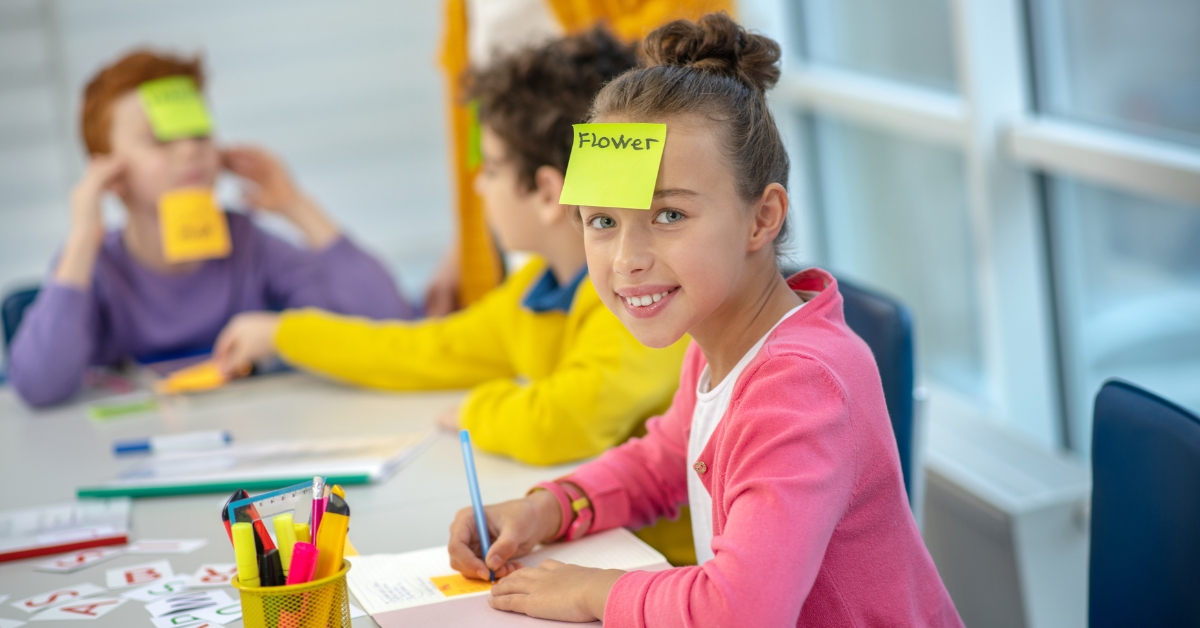
Enhancing Vocabulary the Fun Way: Techniques and Tools for Expanding Language Skills

Ever find yourself marveling at how quickly children can pick up new words? It’s like magic, isn’t it? For homeschool parents, building a rich and expansive vocabulary for their children is not just a goal; it’s a joyful adventure. In this blog post, we’ll explore creative techniques and innovative tools to make vocabulary development an exciting part of your homeschooling curriculum. From engaging games to digital resources, get ready to discover how you can transform your child’s language skills in a fun and effective way.

Why Enhancing Vocabulary Matters

Imagine trying to read a book or write a story without knowing enough words. It sounds frustrating, right? That’s how important vocabulary is for academic success and beyond. A rich vocabulary isn’t just about knowing fancy words; it’s about understanding and expressing ideas clearly and effectively. This foundation impacts reading comprehension, writing skills, and even critical thinking. Research shows that children with a strong vocabulary perform better in school. They can grasp complex concepts more easily and articulate their thoughts with confidence. For homeschool parents, focusing on vocabulary can give your child an edge not only academically but also in everyday interactions.

In addition, a broad vocabulary enhances a child’s ability to understand and enjoy reading. When children come across new words in their reading, they are more likely to infer the meaning from context if their existing vocabulary is robust. This leads to better reading comprehension and a more enjoyable reading experience overall.

Techniques For Expanding Vocabulary

Let’s start with some tried-and-true techniques for expanding your child’s vocabulary. These methods are not only effective but also enjoyable, ensuring that learning new words feels more like an adventure than a chore. One of the most natural ways to learn new words is through context. When children encounter new words in their reading or conversations, they can often deduce the meaning based on the surrounding text or dialogue. Encourage your child to read a variety of books, from fiction to non-fiction, and discuss new words they come across. Ask them to use the new words in sentences, which helps reinforce their understanding and retention. To make this process more engaging, consider creating a “word wall” in your homeschool space. Every time your child learns a new word, write it on a card and add it to the wall. This visual reminder can help them recall and use the words in different contexts.

Who says learning new words can’t be fun? Word games and activities are excellent ways to make vocabulary building enjoyable. Games like Scrabble, Boggle, and Bananagrams not only introduce new words but also encourage strategic thinking and spelling skills. You can also create your own word-based activities. For example, try a “word scavenger hunt” where your child has to find objects around the house that match a list of new vocabulary words. Or play “20 Questions” using new words they’ve learned. These activities turn vocabulary practice into a playful challenge, making it more likely that your child will engage and remember the words. For younger children, picture books with rich illustrations can be a great resource. Discuss the images and introduce new words related to what they see. This method combines visual learning with language development, making it easier for younger minds to grasp new concepts.

Tools For Vocabulary Building

In today’s digital age, there are countless tools available to help enhance your child’s vocabulary. These resources can complement your homeschooling efforts and provide additional support and variety. Online platforms and apps offer interactive and engaging ways to build vocabulary. Websites like Vocabulary.com and Merriam-Webster’s Word Central provide games, quizzes, and challenges designed to reinforce new words. Apps like Quizlet allow you to create custom flashcards and practice sets tailored to your child’s learning needs. For a more comprehensive approach, consider using educational software like Rosetta Stone or Duolingo, especially if you’re teaching languages to children. These programs offer immersive experiences that go beyond vocabulary, incorporating grammar and conversational skills as well. Many of these digital resources also track progress, giving you insights into your child’s vocabulary development. This can help you identify areas where they need more practice and adjust your teaching strategies accordingly.

Books, movies, and TV shows are fantastic tools for introducing new words and phrases. Encourage your child to read a variety of genres and authors to expose them to different styles of writing and vocabulary. Classic literature, contemporary novels, and even comics can all contribute to a richer vocabulary. Watching movies and TV shows with subtitles can also be beneficial. Subtitles help reinforce the connection between spoken and written language, making it easier for children to pick up new words. After watching, discuss the plot and characters and highlight any new words they encountered. Podcasts and audiobooks are another great resource. Listening to stories read aloud can improve comprehension and introduce new vocabulary in a context that’s easy to understand. Choose age-appropriate content that aligns with your child’s interests to keep them engaged.

Creating A Vocabulary-Rich Environment

To truly enhance vocabulary, it’s important to create a learning environment that encourages and supports language development. Here are some tips for homeschool parents to foster a vocabulary-rich environment at home.

  • Make reading a daily habit. Set aside dedicated time for independent reading, and provide a diverse selection of books that cater to your child’s interests and reading level. Discuss the books they read and encourage them to share their thoughts and opinions.
  • Create a cozy reading nook in your home with comfortable seating and good lighting. This space should be inviting and free from distractions, making it a place where your child looks forward to spending time with a good book.
  • Engage your child in meaningful conversations throughout the day. Discuss current events, family plans, or topics they’re passionate about. Use these opportunities to introduce new words and encourage them to express their thoughts clearly.
  • Ask open-ended questions that require more than yes or no answers. This encourages your child to think critically and articulate their ideas. For example, instead of asking, “Did you like the book?” you could ask, “What did you think about the main character’s decision?”
  • Encourage your child to ask questions as well. Curiosity is a powerful driver of learning, and asking questions helps them explore new concepts and vocabulary.
  • Incorporate interactive learning experiences into your homeschooling routine. Field trips to museums, zoos, or historical sites provide opportunities for experiential learning and vocabulary building. Discuss what you see and learn during these outings, and encourage your child to use new words they encounter.
  • Cooking together is another fun way to introduce new vocabulary. Following a recipe involves reading and understanding instructions, measuring ingredients, and discussing the cooking process. This practical application of language skills for children makes learning relevant and enjoyable.

Measuring Progress And Adjusting Strategies

Tracking your child’s vocabulary development is crucial to ensure they are making progress and to identify areas where they may need additional support. Encourage your child to keep a vocabulary journal where they can write down new words they learn, along with their meanings and example sentences. Review the journal regularly and discuss any challenges they may be facing in understanding or using certain words. A vocabulary journal helps reinforce learning and provides a tangible record of progress. It also encourages your child to take ownership of their learning and to be proactive in expanding their vocabulary. Incorporate regular vocabulary assessments into your homeschooling routine. These can be informal quizzes, word games, or writing assignments that require the use of new vocabulary. Assessments help you gauge your child’s understanding and retention of new words.

Use the results of these assessments to adjust your teaching strategies. If your child is struggling with certain words or concepts, spend more time reviewing and practicing those areas. On the other hand, if they are excelling, challenge them with more advanced vocabulary and activities. Be flexible and open to adapting your techniques and tools based on your child’s progress and interests. What works for one child may not work for another, so it’s important to tailor your approach to meet their individual needs. For example, if your child prefers digital learning, incorporate more online resources and apps into your routine. If they enjoy hands-on activities, focus on interactive games and real-world applications of vocabulary.

Building a rich and expansive vocabulary is a rewarding and essential part of your child’s education. By incorporating a variety of techniques and tools, creating a supportive learning environment, and regularly tracking progress, you can help your child develop strong language skills for children. Remember, the goal is to make learning vocabulary enjoyable and engaging. The more fun and interactive the process, the more likely your child will be to retain and use new words. By following these strategies, you are not only enhancing your child’s homeschool vocabulary but also equipping them with the tools they need for academic success and beyond. Happy learning!

For more tips on teaching languages to children and enhancing language skills for children, subscribe to our newsletter or join our online community of homeschool parents. Let’s continue this exciting journey together!


The Power of Poetry: Simple Steps to Introduce Poetry Writing and Appreciation

Poetry is more than just an art form; it’s a tool for cognitive and emotional development. Teaching children poetry in a homeschool setting offers multiple benefits, ranging from enhancing literacy skills to fostering creativity and critical thinking. If you’re looking to enrich your homeschool curriculum, poetry could be the key to opening up a world of imaginative and intellectual growth.

The Benefits Of Teaching Poetry To Children

One of the primary benefits of incorporating poetry into your teaching is the enhancement of literacy skills. Poems expose children to varied vocabulary, syntax, and grammatical structures. The rhythmic and often repetitive nature of poetry helps children remember new words and phrases more easily. Moreover, reading and understanding poetry involves deciphering complex ideas and emotions, thus encouraging advanced reading comprehension skills.

Poetry is a creative outlet that allows children to express their innermost thoughts and feelings. This can be incredibly freeing and can encourage children to explore their thoughts and emotions in a safe and structured way. When you teach poetry, you’re giving them a medium to convert their abstract thoughts into concrete words. This process can be both therapeutic and intellectually stimulating, serving as a form of emotional release and cognitive exercise. Analyzing poetry requires a child’s mind to interpret metaphors, similes, and various literary devices. This analysis helps them understand complex ideas and emotions. Through discussions about poems, children practice articulating their thoughts and defending their interpretations, thereby honing their analytical skills. These skills are not just applicable to language arts but also enhance their academic prowess overall, preparing them for future academic endeavors and critical thinking challenges.

Getting Started With Poetry

Introducing poetry to your homeschool curriculum can be a delightful experience for both you and your children. Here’s how to get started.

Start your poetic journey by reading a variety of poems together. Choose age-appropriate poems that resonate with your child’s interests. Classic poets like Shel Silverstein and Dr. Seuss are excellent choices for younger children, while older kids might find joy in the works of Robert Frost or Langston Hughes. Reading poetry aloud can enhance this experience by making the rhythm and musicality of the words come alive. Engage your children in discussions about the poems you read. Ask them what they think the poem is about and how it makes them feel. Encourage them to interpret the poem and share their perspectives. This conversation will deepen their understanding and appreciation of poetry while also teaching them how to articulate their thoughts. Once your children are comfortable with reading and discussing poetry, it’s time to encourage them to write their own. Begin with simple forms like acrostic poems or haikus, which have clear structures that can boost confidence. Encourage them to write about subjects they are passionate about, whether it’s a favorite animal, a memorable experience, or their feelings. Remind them that there is no right or wrong way to write a poem; it’s all about expressing themselves.

Incorporating Poetry Into The Curriculum

Poetry can be seamlessly integrated into various subjects beyond language arts, enriching your homeschooling experience.

  • History – Use poetry to bring historical events and figures to life. Read poems from different eras to give children a sense of the cultural and emotional context of the times. Discuss how historical events influenced the poets and their works, and encourage your children to write their own poems about historical topics. This approach can make history more engaging and relatable.
  • Science – Science lessons can be enlivened by the exploration of natural phenomena through poetry. Poems about seasons, animals, or the cosmos can underscore scientific concepts in a creative way. Writing nature poems can be a fun exercise for children to express what they’ve learned about the world around them. You might also have them write from the perspective of a plant or animal, merging scientific knowledge with creative expression.
  • Mathematics – Even math can benefit from the inclusion of poetry. Poems with numerical patterns, such as haikus or limericks, help children see the beauty in numbers and patterns. Challenge them to write their own math-themed poems, incorporating concepts like symmetry, patterns, or mathematical operations. This can make learning math both fun and artistic.

Numerous resources are available both online and offline to support your efforts in teaching poetry. Websites like Poetry Foundation and Poets.org offer a wealth of poems, lesson plans, and activities tailored for young readers. These platforms provide access to a diverse range of poets and styles, ensuring you can find something to suit every child’s taste. Use these websites to discover new poems and teaching strategies. Anthologies such as “The Random House Book of Poetry for Children” or “A Child’s Introduction to Poetry” by Michael Driscoll are excellent starting points. These collections offer a wide variety of poems, providing a comprehensive overview of the genre. Having a physical book can make exploring poetry a more tangible and intimate experience. Joining a community of homeschool parents can be incredibly beneficial. Online forums, social media groups, and local homeschool co-ops provide support, inspiration, and resources. Sharing experiences and ideas with other parents can help you discover new ways to teach poetry and keep your lessons fresh and engaging.

Practical Tips For How To Teach Poetry To Children

Implementing poetry into your curriculum doesn’t have to be challenging. Below are some practical tips to help you introduce poetry to your homeschool setup.

Setting the right atmosphere can significantly influence your child’s engagement with poetry. Create a cozy reading nook or an inviting space where children feel comfortable delving into poetry. Soft lighting, comfortable seating, and some background music can set the stage for a poetic adventure. Combine poetry with art to make the experience more enriching. After reading a poem, encourage your children to illustrate it. This practice helps in deepening their understanding and allows them to express their interpretation through another medium. Visuals can also create a more immersive experience when introducing new poems. Poetry’s musical and rhythmic qualities lend themselves well to performance. Encourage your children to recite poems aloud, either individually or as a group. You can even host a family poetry slam where everyone gets to perform their favorite poems. This practice will not only make poetry more exciting but also improve public speaking skills.

Leverage technology to make poetry lessons more engaging. Various apps and online platforms offer interactive poetry activities, including writing prompts, poetry generators, and even virtual poetry readings. Using technology can add another layer of interaction and excitement to your poetry curriculum. Celebrate your children’s progress and milestones in their poetry journey. Whether it’s completing their first poem, mastering a new form, or making an insightful interpretation, acknowledging these achievements can motivate them and boost their confidence.

Overcoming Common Challenges

Every educational journey comes with its own set of challenges. Here are some common hurdles you might encounter while teaching poetry and how to overcome them.

Children might initially be indifferent or resistant to poetry. To combat this, choose poems that align with their interests and passions. Incorporate humor and relatable themes to make poetry more appealing. Gradually introduce more complex poems as their interest and confidence grow. Some children may struggle with expressing their thoughts and feelings through poetry. Encourage them to start with simple forms like haikus or limericks, which have clear guidelines and structure. You can also provide prompts or sentence starters to help them get started. Children might find it challenging to understand the meaning of a poem. Help them break down the poem into smaller parts, such as identifying similes, metaphors, or imagery. You can also discuss the historical context or author’s background to give insight into the poem’s meaning.

Introducing poetry into your homeschooling curriculum has numerous benefits for your children, including developing creativity, critical thinking skills, and emotional intelligence. By incorporating poetry into your lessons and utilizing the resources and tips mentioned above, you can make this journey enjoyable and rewarding for both you and your children. So don’t be afraid to explore the world of poetry with your homeschoolers – who knows what beautiful words they’ll create! So next time, when it comes to teaching history, science or even math, why not add a touch of poetry to make learning more fun and engaging? With these resources and tips at hand, you can easily incorporate poetry into your homeschooling curriculum and watch your children develop a love for this beautiful art form. Happy homeschooling!

Innovative Tools and Technologies for Enhancing Homeschool Education

Homeschooling has become increasingly popular over the past decade, and for good reason. With the shift towards personalized education and the flexibility it offers, more parents are opting to take control of their children’s learning experiences. However, homeschooling comes with its own set of challenges, particularly when it comes to keeping up with the latest educational tools and technologies. This blog post aims to explore the innovative tools and technologies available for enhancing homeschool education, offering homeschooling parents practical tips and insights to make the most of these resources.

The Growing Importance Of Homeschooling

The world of education is changing, and homeschooling is at the forefront of this transformation. Parents have various reasons for choosing to homeschool their children, from dissatisfaction with traditional schooling systems to the desire for a more personalized education. Homeschooling allows parents the flexibility to tailor the curriculum to their child’s unique learning style and pace, making it an appealing option for many families.

One of the significant advantages of homeschooling is the ability to integrate innovative tools and technologies that can enhance the learning experience. With the plethora of resources available today, homeschooling parents can create an engaging and effective educational environment for their children. From educational apps to interactive learning tools, the possibilities are endless. In this blog post, we will explore some of these innovative tools and technologies, offering practical tips and examples to help you incorporate them into your homeschool curriculum.

Overview Of Innovative Tools And Technologies Available For Homeschooling

Educational apps and online platforms have revolutionized the way we approach homeschool education. These tools offer a wide range of resources, from interactive lessons to virtual classrooms, making it easier than ever to teach children various subjects. Apps like Khan Academy, Duolingo, and Prodigy provide comprehensive curricula in subjects like math, science, and languages, catering to different age groups and learning styles. Online platforms like Coursera and edX offer courses from top universities, allowing homeschooling parents to access high-quality educational content. These platforms often include quizzes, assignments, and interactive elements to keep learners engaged. By incorporating these educational apps and online platforms into your homeschool curriculum, you can ensure that your children receive a well-rounded education that meets their individual needs.

Interactive learning tools are another valuable resource for homeschooling parents. These tools use technology to create engaging and immersive learning experiences, making it easier for children to grasp complex concepts. Virtual reality (VR) and augmented reality (AR) are two examples of interactive learning tools that are gaining popularity in homeschool education.VR and AR can transport students to different worlds, allowing them to explore historical events, scientific phenomena, and geographical locations in a way that traditional textbooks cannot. For example, Google Expeditions offers VR tours of famous landmarks, while apps like Anatomy 4D provide interactive 3D models of the human body. By incorporating interactive learning tools into your homeschool curriculum, you can make learning more exciting and memorable for your children.

Keeping track of your child’s progress is essential for ensuring that they are meeting their educational goals. Fortunately, there are several technologies available that can help homeschooling parents monitor and assess their children’s progress. Learning management systems (LMS) like Canvas and Schoology offer tools for tracking assignments, grades, and attendance. Additionally, there are apps like Homeschool Tracker and MySchoolYear that are specifically designed for homeschooling families. These apps allow parents to create lesson plans, record grades, and generate progress reports, making it easier to stay organized and on top of their child’s education. By using technology to track progress, homeschooling parents can ensure that their children are on the right track and identify areas where additional support may be needed.

In-Depth Look At Each Category With Examples And Reviews

  • Khan Academy is one of the most popular educational apps for homeschooling families. It offers free courses in subjects like math, science, history, and more, with interactive lessons and quizzes that cater to different learning styles. The app’s user-friendly interface and comprehensive curriculum make it an excellent resource for teaching children at home.
  • Duolingo is another fantastic app for homeschooling families, particularly for teaching children new languages. With its gamified approach to language learning, Duolingo makes it fun and engaging for kids to practice their language skills. The app offers courses in over 30 languages, allowing children to explore different cultures and expand their linguistic abilities.
  • Prodigy is a math-focused educational app that uses game-based learning to teach children math concepts. With its interactive gameplay and adaptive learning algorithms, Prodigy ensures that children stay engaged and challenged at an appropriate level. The app also provides detailed progress reports, allowing parents to monitor their child’s progress and identify areas for improvement.
  • Google Expeditions is a virtual reality app that allows students to take immersive field trips to famous landmarks, historical sites, and natural wonders. With its vast library of VR tours, Google Expeditions offers a unique way to teach children about history, geography, and science. The app’s interactive features and detailed descriptions make it an excellent tool for enhancing homeschool education.
  • Anatomy 4D is an augmented reality app that provides interactive 3D models of the human body. By using a smartphone or tablet, students can explore the intricacies of human anatomy in a way that traditional textbooks cannot. The app’s detailed visuals and interactive features make it an invaluable resource for teaching children about biology and health.
  • Osmo is an educational tool that combines physical play with digital learning. By using tangible pieces and an interactive app, Osmo creates a hands-on learning experience that is both fun and educational. The tool offers various games and activities in subjects like math, reading, and coding, making it a versatile resource for homeschooling families.
  • Canvas is a learning management system that offers a range of tools for tracking assignments, grades, and attendance. With its user-friendly interface and comprehensive features, Canvas makes it easy for homeschooling parents to stay organized and monitor their child’s progress. The platform also includes communication tools, allowing parents to stay connected with other homeschooling families and educators.
  • Schoology is another learning management system that is popular among homeschooling families. It offers tools for creating lesson plans, recording grades, and generating progress reports. Schoology’s interactive features and customizable settings make it an excellent resource for managing homeschool education.
  • Homeschool Tracker is an app specifically designed for homeschooling families. It allows parents to create lesson plans, track assignments, and record grades, making it easier to stay organized and on top of their child’s education. The app’s user-friendly interface and detailed reporting features make it an invaluable tool for homeschooling parents.

Tips For Integrating Technology Into Homeschool Curriculum

While technology offers numerous benefits for homeschool education, it’s essential to balance screen time with traditional learning methods. Excessive screen time can lead to issues like eye strain and reduced physical activity, so it’s crucial to create a well-rounded curriculum that includes both digital and hands-on learning experiences. One way to achieve this balance is by setting specific times for using educational apps and interactive tools, ensuring that children also have ample time for activities like reading, outdoor play, and creative projects. By incorporating a variety of learning methods, you can create a more engaging and effective homeschool curriculum.

One of the significant advantages of homeschool technology is the ability to personalize education to meet your child’s unique needs and learning style. By using adaptive learning algorithms and customizable settings, educational apps and online platforms can tailor lessons to your child’s strengths and weaknesses, ensuring that they stay challenged and engaged. For example, apps like Prodigy and Khan Academy use adaptive learning algorithms to adjust the difficulty of lessons based on your child’s performance. This personalized approach ensures that your child receives the right level of support and challenge, helping them achieve their educational goals more effectively.

Staying informed and engaged as a homeschooling parent is essential for ensuring that your child receives the best possible education. Fortunately, there are several resources available that can help you stay up-to-date with the latest homeschooling trends and technologies. Online communities like forums and social media groups provide a platform for homeschooling parents to share tips, resources, and support. Additionally, websites like Homeschool.com and TheHomeSchoolMom offer valuable information on curriculum planning, educational tools, and homeschooling strategies. By staying connected with other homeschooling families and accessing reliable resources, you can ensure that you remain informed and engaged in your child’s education.

Future Trends In Homeschooling Technology

Artificial intelligence (AI) and virtual reality (VR) are set to play a significant role in the future of homeschool education. AI-powered educational apps and platforms can offer personalized learning experiences, adapting to each child’s unique needs and learning style. VR can create immersive and interactive learning environments, making it easier for children to grasp complex concepts and retain information. Staying technologically current is essential for homeschooling parents to ensure that their children receive the best possible education. By keeping up with the latest trends and innovations in educational technology, parents can create a more engaging and effective homeschool curriculum. This not only helps children achieve their educational goals but also prepares them for the future.

We hope this blog post has provided you with valuable insights and practical tips for integrating innovative tools and technologies into your homeschool curriculum. If you have any questions or feedback, please feel free to reach out. We’d love to hear about your experiences and how you’re using technology to enhance your homeschooling journey. Thank you for reading, and happy homeschooling!

Celebrating Diversity: Incorporating Multicultural Education into Homeschooling

In today’s interconnected world, understanding and appreciating cultural diversity is more important than ever. For homeschooling parents, the concept of multicultural education presents a unique opportunity to broaden their children’s horizons right from their own living rooms. But what does multicultural education in homeschooling truly entail, and why is it so vital?

Multicultural education refers to an inclusive approach to teaching that incorporates perspectives, texts, and voices from diverse cultural backgrounds. Unlike traditional curriculums that may emphasize a singular cultural viewpoint, multicultural education ensures that learners receive a comprehensive understanding of the world’s rich tapestry. For homeschooling parents, this means introducing lessons that celebrate various cultures, traditions, and histories.

The importance of integrating multicultural education into homeschooling cannot be overstated. By exposing children to diverse perspectives, parents can foster an environment of empathy, respect, and global awareness. Children who are educated in this manner are not only better prepared to thrive in diverse environments but also become more open-minded and tolerant individuals. This blog post will explore how homeschooling parents can effectively incorporate multicultural education into their teaching, providing resources, strategies, and practical advice to overcome challenges.

The Role Of Parents In Multicultural Education

Parents play a pivotal role in shaping their children’s educational experiences, especially in a homeschooling setting. When it comes to teaching diversity, parents must first recognize the importance of cultural competence. Cultural competence involves understanding one’s own cultural identity and being aware of and respectful of the cultural identities of others. This foundational knowledge will help parents create a balanced and inclusive curriculum.

One effective strategy is to start with the concept of cultural self-awareness. Encourage your children to explore their own cultural backgrounds, traditions, and family histories. This can be a fun and engaging way to introduce the broader concept of multiculturalism. Once children understand their own cultural identity, they will be better equipped to appreciate the diversity around them. Another strategy for incorporating multicultural education is to use thematic units that focus on different cultures. For example, dedicate a month to studying the culture, history, and traditions of a specific country or region. Include activities such as cooking traditional meals, listening to music, and reading stories from that culture. This immersive approach can make learning about different cultures more engaging and memorable. Lastly, integrate discussions about current events into your curriculum. Use news articles, documentaries, and other resources to explore how cultural diversity impacts societies today. Discussing current events not only helps children understand the relevance of cultural competence but also encourages critical thinking and empathy. These discussions can be seamlessly woven into subjects like social science for homeschooling, making the curriculum both relevant and comprehensive.

Resources For Multicultural Homeschooling

One of the most exciting aspects of homeschooling is the vast array of resources available to parents. When it comes to teaching diversity, the options are plentiful. Online tools and platforms offer a treasure trove of materials designed to make multicultural education accessible and enjoyable. Websites like National Geographic Kids, BBC Bitesize, and Scholastic offer interactive lessons, videos, and activities centered around global cultures. These platforms are excellent for visual and auditory learners who thrive on multimedia content. Additionally, many educational websites provide lesson plans and worksheets that parents can easily incorporate into their teaching.

Books, movies, and documentaries are invaluable resources for bringing multicultural education to life. Reading stories from different cultures can expose children to diverse narratives and perspectives. Consider incorporating books like “Children Just Like Me” by Barnabas and Anabel Kindersley, which showcases the lives of children from various cultures around the world. Movies and documentaries, such as “He Named Me Malala” and “The Boy Who Harnessed the Wind,” offer powerful stories that highlight resilience, ingenuity, and the richness of cultural diversity. Local community engagement is another fantastic way to enrich your multicultural curriculum. Attend cultural festivals, visit museums, and participate in community events that celebrate diversity. These experiences provide children with firsthand exposure to different cultures and foster a sense of community and belonging. Engaging with local cultural organizations can also lead to valuable connections and resources for your homeschooling journey.

Challenges And Solutions

While the benefits of multicultural education are clear, homeschooling parents may encounter certain challenges along the way. One common obstacle is the lack of diverse resources and materials. Many traditional textbooks and curricula may not adequately represent diverse perspectives. To overcome this, parents can seek out supplementary materials from specialized publishers and online platforms dedicated to multicultural education. Another challenge is addressing sensitive topics and cultural differences. Discussions about race, religion, and historical injustices can be complex and emotionally charged. It’s essential for parents to approach these topics with sensitivity and openness. Create a safe space for your children to ask questions and express their thoughts. Use age-appropriate language and be honest about the complexities of these issues. Encouraging open dialogue will help children develop a nuanced understanding of diversity and empathy for others.

Time management can also be a hurdle for homeschooling parents. Balancing a comprehensive multicultural curriculum with other subjects can be daunting. To address this, consider integrating multicultural perspectives into existing lessons. For instance, when teaching history, include narratives from various cultural viewpoints. When studying literature, select works by authors from diverse backgrounds. This approach ensures that multicultural education is woven into the fabric of your child’s learning experience without overwhelming your schedule.

One additional challenge that homeschooling parents might face is resistance from children who are accustomed to a different approach to learning. Children may initially be hesitant to engage with unfamiliar cultures and perspectives. To address this, parents can gradually introduce multicultural elements into the curriculum and connect them to the child’s existing interests. For example, if a child enjoys music, start by exploring musical genres from around the world. By relating new information to areas of established interest, parents can foster curiosity and openness to learning about different cultures. Additionally, it highlights the similarities and differences between cultures to create a sense of connection and understanding. This strategy can help ease the transition and make multicultural education a more integral and enjoyable part of the homeschooling experience.

Incorporating multicultural education into homeschooling is a rewarding endeavor that equips children with essential skills for navigating today’s diverse world. By celebrating cultural diversity, parents can foster empathy, respect, and global awareness in their children. The resources and strategies discussed in this blog post provide a solid foundation for creating an inclusive and engaging curriculum. Remember, the goal of multicultural education is not only to teach children about different cultures but also to instill a lifelong appreciation for diversity. Encourage your children to be curious, ask questions, and seek out new experiences. By doing so, you are nurturing open-minded individuals who will contribute positively to our global community.

If you’re ready to take the next step in your homeschooling journey, consider booking a call with one of our experienced educators. Our team is here to help you refine your curriculum, recommend resources, and provide personalized support. Together, we can create a homeschooling experience that celebrates diversity and empowers your children to thrive.

Multicultural education is an essential component of a well-rounded homeschooling curriculum. By integrating diverse perspectives, using a variety of resources, and addressing challenges with sensitivity, parents can create a rich learning environment that prepares their children for the future. Let’s celebrate diversity and make learning an inclusive and enriching experience for all.

Building a Homeschool Library: Essential Reads for Different Age Groups

Homeschooling is an incredible adventure, filled with opportunities for personalized learning and growth. Yet, the success of homeschooling hinges on the resources available to both parents and students. One of the most vital resources in this educational journey is a well-rounded homeschool library. Building a library at home isn’t just about collecting books; it’s about curating a selection that inspires, educates, and engages young minds across various age groups.

In this blog post, we will explore essential reads for different stages of a child’s development, from preschool to high school. We’ll also provide tips on how to build your homeschool library on a budget and incorporate digital resources like eBooks and audiobooks. Whether you’re just starting your homeschooling journey or looking to enrich your existing collection, this guide will offer valuable insights tailored to meet your needs. Let’s set sail on this literary adventure and discover how to create a treasure trove of knowledge right within your home!

The Importance Of A Homeschool Library

A homeschool library is more than just a collection of books; it’s a gateway to knowledge, creativity, and critical thinking. In a traditional school setting, students have access to libraries filled with diverse resources. For homeschoolers, building a library at home becomes essential in providing equivalent, if not superior, educational opportunities. Homeschool reading is the foundation of any good education. It fosters a love for learning and helps children develop essential skills such as comprehension, vocabulary, and critical thinking. A well-stocked library can cater to various subjects and interests, making it easier for parents to design a comprehensive curriculum. Additionally, it encourages self-directed learning, allowing children to explore topics that intrigue them and develop a lifelong passion for reading.

Building a library that caters to different age groups ensures that your children have access to age-appropriate materials that grow with them. From picture books that captivate young minds to complex novels that challenge older students, a diverse library supports continuous learning and development. Now, let’s explore the essential reads for each age group, starting with the youngest learners.

Essential Reads For Preschool And Early Elementary Homeschoolers

Early literacy is the bedrock upon which all future learning is built. For preschool and early elementary homeschoolers, selecting books that are both engaging and educational is crucial. Picture books, with their vibrant illustrations and simple narratives, are perfect for capturing the attention of young readers and sparking their imagination. One must-have for this age group is “The Very Hungry Caterpillar” by Eric Carle. This classic book not only entertains but also teaches counting, the days of the week, and the life cycle of a butterfly. Another gem is “Brown Bear, Brown Bear, What Do You See?” by Bill Martin Jr. and Eric Carle, which introduces colors and animals through repetitive, rhythmic text that’s easy for children to memorize and recite.

Interactive books like “Press Here” by Hervé Tullet are also fantastic additions. This book invites children to press dots, shake pages, and tilt the book to see what happens next, making reading a hands-on experience. These types of books are great for developing fine motor skills and keeping little ones engaged. Incorporating books that address emotions and social skills is equally important. Titles like “The Feelings Book” by Todd Parr and “Have You Filled a Bucket Today?” by Carol McCloud help children understand and express their feelings, fostering emotional intelligence from a young age.

Must-Have Books For Upper Elementary And Middle School Homeschoolers

As children progress to upper elementary and middle school, their reading needs evolve. They begin to explore more complex narratives and require books that challenge their growing minds. Chapter books, educational reference guides, and historical fiction become essential components of their homeschool reading. One outstanding chapter book series is “Harry Potter” by J.K. Rowling. While these books are universally loved, they also offer rich language, intricate plots, and memorable characters that encourage critical thinking and imagination. Another great series is “Percy Jackson & The Olympians” by Rick Riordan, which blends modern adventure with ancient mythology, making learning fun and engaging.

Educational reference guides such as “The Kingfisher History Encyclopedia” provide comprehensive overviews of world history, helping students understand historical contexts and significant events. These guides are invaluable for research projects and general knowledge. Historical fiction offers a unique way to learn about the past through compelling stories. Titles like “Number the Stars” by Lois Lowry and “The War That Saved My Life” by Kimberly Brubaker Bradley bring history to life, allowing students to empathize with characters and understand different time periods more deeply.

High School Homeschool Library Essentials

High school students require a library that not only supports their academic pursuits but also prepares them for college and personal growth. Books that offer in-depth learning, college prep, and personal development are crucial for this stage of education. For comprehensive learning, “The Great Gatsby” by F. Scott Fitzgerald and “To Kill a Mockingbird” by Harper Lee are must-reads. These classics provide profound insights into human nature, society, and moral dilemmas, making them excellent for literature studies and discussions.

College prep books like “The Princeton Review’s College Admission 101” offer valuable tips and strategies for navigating the college application process. They cover everything from writing personal statements to acing interviews, giving students a competitive edge. Personal development books are equally important. Titles like “7 Habits of Highly Effective Teens” by Sean Covey provide practical advice on goal setting, time management, and building positive relationships. These books help students develop life skills that are essential for success beyond academics.

How To Build Your Homeschool Library On A Budget

Building a library doesn’t have to break the bank. There are numerous ways to acquire quality books without spending a fortune. One of the best strategies is to look for affordable books at thrift stores, garage sales, and online marketplaces like eBay and ThriftBooks. These places often have a wide selection of gently used books at a fraction of the cost of new ones. Book swaps are another excellent way to expand your library. Organize a swap with other homeschooling families or join community groups where members exchange books they’ve finished reading. This not only saves money but also fosters a sense of community among homeschoolers. Library sales are a goldmine for finding cheap books. Many public libraries hold annual sales to clear out older inventory, offering books at very low prices. Additionally, don’t forget about the library itself! Borrowing books is a cost-effective way to provide a steady stream of new reading material without the need for permanent storage.

In the digital age, eBooks and audiobooks have become indispensable resources for homeschoolers. They offer convenience, accessibility, and a vast selection of titles that can be accessed with just a few clicks. Platforms like Amazon Kindle, Audible, and OverDrive provide extensive digital book libraries suitable for all age groups. eBooks are particularly beneficial for older students who may need specific texts for research or coursework. The ability to search within the text, highlight important passages, and take digital notes makes studying more efficient. Additionally, eBooks are often cheaper than their physical counterparts, making them a budget-friendly option. Audiobooks are an excellent tool for auditory learners and can make long car rides or daily chores more educational. Listening to books read by professional narrators can enhance comprehension and pronunciation skills. Titles like “The Chronicles of Narnia” by C.S. Lewis and “Charlotte’s Web” by E.B. White are beautifully narrated and can captivate listeners of all ages. Incorporating digital books into your homeschool library not only expands your collection but also introduces children to different formats of reading, preparing them for the diverse ways they’ll consume information in the future.

Building a homeschool library is a dynamic and ongoing process. As your children grow and their interests evolve, so too should your collection of books. By thoughtfully curating a selection of essential reads for different age groups, you ensure that your homeschool library remains a vibrant and valuable resource. From captivating picture books for preschoolers to in-depth literature for high school students, each stage of homeschool reading has its unique requirements. Incorporating both physical and digital books adds variety and flexibility, catering to different learning styles and preferences. Remember, a well-stocked library is not just about the number of books but the quality and relevance of the content. Keep exploring new titles, make use of affordable resources, and continuously engage with your local homeschool community to create a library that inspires and educates.

Ready to take your homeschool library to the next level? Start building a library that will support your children’s educational journey and foster a lifelong love of learning. Happy reading!

Balancing Homeschooling with Work and Family Life

Balancing homeschooling with work and family life may seem like an insurmountable challenge, but with the right strategies and mindset, it’s entirely achievable. The global pandemic has accelerated the shift towards homeschooling, prompting many parents to adopt the roles of educators overnight. Dining tables have turned into classrooms, and living rooms have transformed into offices. In this dynamic environment, finding a rhythm that suits both homeschooling and working parents is crucial. Every family’s situation is unique, and what works for one might not work for another, but with trial and error, you can find a balance that fits your family’s needs. Let’s explore various aspects of this balancing act in detail.

Navigating The New Normal

The imposition of lockdowns and the transition to remote work effectively dismantled the traditional separation between home, school, and workplace. Parents have had to adapt to a situation where the lines blur, and flexibility becomes mandatory. For many, this has involved creating multipurpose spaces that can accommodate learning and professional needs. It is important to understand that what you’re experiencing, while unprecedented, is a widespread issue that countless families are also navigating.

One effective strategy is to establish a flexible yet structured daily schedule balancing family life and work. Flexibility helps accommodate sudden changes, while structure provides a sense of predictability and organization. Allocate specific blocks of time for work, homeschooling, and family activities. Remember, homeschooling allows you to adapt your schedule based on your children’s needs and your work commitments. Prioritizing tasks and setting realistic goals are key to maintaining balance. Planners or digital apps can be invaluable tools for tracking your activities. Consistency in your routine, adjusted for flexibility, can significantly ease the strain of balancing varied responsibilities.

Effective time management is crucial for successfully balancing homeschooling with work and family life. Start by developing a detailed yet flexible daily schedule. Identify peak productivity times for both you and your children and plan your high-priority tasks around these periods. Having a consistent routine helps children understand what to expect, which can reduce resistance and improve their focus on learning tasks. Implementing specific time blocks for distinct activities can also help. For example, allocate the morning hours for focused homeschooling sessions while assigning later parts of the day to your professional tasks. Utilize your lunch break for family interaction or personal time. This can segment your day into manageable parts and prevent overwhelm. Engaging children with activities that require minimal supervision during your work hours can also provide some uninterrupted time to accomplish your work tasks effectively.

Prioritizing your daily activities is essential. Determine which tasks are most important and tackle them first. This approach ensures that even if you can’t complete everything on your to-do list, the most critical activities have been addressed. Breaking down large tasks into smaller, manageable parts can make them less daunting and more achievable. Utilize planners or digital tools to keep track of assignments, deadlines, and schedules, providing a clear visual of the day’s structure.

Engaging Your Children In Learning And Setting Boundaries

The success of homeschooling largely depends on keeping children engaged and interested in their learning activities. One way to achieve this is by incorporating interactive and resourceful activities into your curriculum. Hands-on projects, educational games, and outdoor explorations can transform learning into a fun and effective endeavor. Tailoring activities to your child’s interests and learning style can significantly enhance their engagement. For instance, if your child displays a keen interest in science, consider including experiments, nature walks, or virtual science museums in their daily routine. Literature lovers might enjoy reading sessions, storytelling activities, or creative writing exercises.

In today’s digital age, countless online resources can enrich your homeschooling curriculum. Educational apps, virtual field trips, and interactive websites can provide diverse and stimulating learning experiences. These tools can supplement traditional learning materials and offer different perspectives on various subjects. Introducing a mix of online and offline activities can keep the learning process dynamic and engaging. Remember, the objective of homeschooling is not only to achieve academic milestones but also to foster a love for learning. Encouraging curiosity, critical thinking, and creativity can help children develop a lifelong passion for education. Don’t hesitate to think outside the box and incorporate unconventional activities into your lessons—learning can happen anywhere and at any time.

Balancing multiple roles within the same physical space requires clear boundaries to maintain productivity and harmony. Establishing distinct spaces for work, learning, and relaxation can help differentiate between these activities and minimize distractions. For instance, setting up a specific area for homeschooling in your home can create a classroom-like environment, helping children focus on their studies. Similarly, having a dedicated workspace can reduce work-related interruptions. Communicate your schedule and expectations with your children to help them understand when it’s time to study and when it’s time to play. Clear communication ensures that everyone is on the same page, reducing potential conflicts and misunderstandings. Use visual aids like charts or calendars to make the routine easily comprehensible for younger children.

Setting boundaries with work is equally important. Inform your employer and colleagues about your homeschooling commitments and negotiate flexible working hours if possible. Establishing clear guidelines about your availability can help manage expectations and prevent work from encroaching on personal or family time. This separation is vital to maintaining a healthy work-life balance. Additionally, set aside specific times for family activities and relaxation. These moments can serve as a break from the structured routine and provide opportunities for bonding and unwinding. Disconnecting from work and school responsibilities during these times can help recharge your energy and improve your overall well-being.

Leveraging Support Systems

The adage “it takes a village to raise a child” is particularly relevant when navigating the complexities of homeschooling while balancing work and family life. Leveraging support systems can significantly ease your load and provide valuable assistance. Reach out to family and friends for help. They can offer practical support, such as babysitting or emotional support, offering a listening ear and understanding. Sharing experiences, strategies, and resources with other homeschooling parents can also be invaluable. Online communities, forums, and local homeschooling groups or co-ops can provide much-needed encouragement and practical advice.

Consider splitting teaching responsibilities with your partner or family members. For instance, one person can manage morning lessons while another tackles afternoon activities, allowing everyone a balanced approach. Co-teaching can also introduce children to different teaching styles and methods, enhancing their learning experience. Exploring community resources such as libraries, museums, and educational organizations can provide additional support and enrichment opportunities. Many institutions offer online resources, virtual tours, and educational programs that can supplement your homeschooling efforts. Don’t hesitate to ask for help when needed—leveraging these resources can reduce stress and improve the overall homeschooling experience.

Prioritizing Self-Care in Homeschool Life

Amidst the demands of balancing homeschooling, work, and family life, it’s easy to overlook your well-being. However, prioritizing self-care is crucial for maintaining your physical, mental, and emotional health, allowing you to effectively manage your responsibilities. Schedule regular breaks and personal time into your daily routine. These moments can be used to engage in activities that rejuvenate you, such as reading, exercising, meditating, or pursuing hobbies. Physical activity, in particular, can relieve stress, boost your mood, and improve your overall health. Incorporating some form of exercise into your routine, whether it’s a daily walk, yoga, or a home workout, is highly beneficial.

Engage in practices that promote mental well-being, such as mindfulness or journaling. Reflecting on your experiences, thoughts, and emotions can help you process them and reduce stress. Prioritizing sleep is also crucial for recharging your energy levels and maintaining good physical and mental health. Finally, don’t hesitate to seek professional support if needed. Balancing multiple responsibilities can be overwhelming, and it’s important to recognize when you need additional help. Seeking therapy or counseling can provide a safe space to express your feelings, explore coping strategies, and improve your overall well-being.

Homeschooling while balancing work and family life may seem daunting at first, but with the right mindset, resources, and support systems in place, you can make it a fulfilling and successful experience. Remember to prioritize your child’s education, set boundaries, leverage support systems, and prioritize self-care to maintain a healthy balance and foster a love for learning in your children. With dedication, creativity, and flexibility, you can provide your child with a well-rounded education that prepares them for the future while nurturing their individual interests and strengths. So keep exploring new ways to make the most out of this unique journey and embrace the joys of homeschooling!

Mastering Grammar Without the Grind: Innovative Games and Activities for Learning Grammar

Grammar might not be the most exciting subject for kids, but it is essential for developing strong writing and communication skills. If you’re a homeschooling parent looking for innovative ways to teach grammar to your children, you’re in the right place. This post is designed to make teaching grammar enjoyable for both you and your kids. From interactive games to creative activities, these strategies will transform grammar lessons into fun and engaging experiences. By the end of this post, you’ll have a toolkit of ideas to help your children master grammar without the grind.

Grammar is the foundation of effective communication. It enables us to convey our thoughts clearly and understand others. For homeschooling parents, teaching grammar can sometimes feel like a daunting task. However, it’s important to remember that grammar doesn’t have to be boring. By incorporating games and activities into your lessons, you can make learning grammar enjoyable and effective. Plus, when children are engaged and having fun, they’re more likely to retain what they’ve learned. This is crucial for kids’ grammar, as it lays the groundwork for their future writing and reading skills.

Transforming Grammar Lessons With Innovative Activities

One way to make grammar lessons more engaging is by using activities that encourage active participation. For instance, you can create a grammar scavenger hunt where children search for specific parts of speech in a book or around the house. This not only reinforces their understanding of grammar concepts but also makes learning interactive. Another idea is to use storytelling to teach grammar. By writing stories together and highlighting different parts of speech, children can see how grammar plays a role in creating meaningful sentences. These activities provide homeschool help by making grammar lessons less about rote memorization and more about practical application.

Incorporating technology can also be a game-changer in teaching grammar. There are numerous educational apps and online games designed specifically for grammar practice. These tools often include interactive exercises and quizzes that make learning grammar fun and engaging. Additionally, you can use video lessons and tutorials to reinforce grammar concepts. Visual aids and multimedia resources can help children better understand abstract grammar rules. By leveraging technology, you can provide a diverse range of learning experiences that cater to different learning styles.

The Power Of Games In Grammar Education

Games are a powerful tool for making grammar lessons fun and engaging. One popular game is “Grammar Bingo,” where each square on the bingo card represents a different grammar concept. As you call out examples, children mark off the corresponding square. This game not only reinforces grammar knowledge but also adds an element of competition and excitement. Another fun game is “Mad Libs,” where children fill in the blanks with different parts of speech to create funny and nonsensical stories. This game helps children understand the importance of word choice and sentence structure in a playful way. Board games and card games can also be adapted for grammar practice. For example, you can create a grammar-themed version of “Scrabble,” where children earn extra points for using specific parts of speech or grammatical structures. You can also design a “Grammar Jeopardy” game with categories such as nouns, verbs, adjectives, and sentence structure. These games provide a fun and interactive way to review grammar concepts and keep children engaged. By turning grammar lessons into games, you can make learning more enjoyable and memorable.

Another effective strategy is to use role-playing and drama activities to teach grammar. For instance, you can create grammar skits where children act out scenes using specific grammar rules. This not only reinforces their understanding of grammar but also encourages creativity and collaboration. You can also use puppets or stuffed animals to act out grammar lessons. By giving children the opportunity to teach grammar concepts to their toys, they can reinforce their own understanding in a fun and imaginative way. These activities help homeschool by making grammar lessons more dynamic and interactive.

Integrating Grammar Into Everyday Activities

One of the best ways to teach grammar is by integrating it into everyday activities. For example, you can use cooking and baking as opportunities to practice grammar. Have your children read recipes aloud and identify different parts of speech. You can also ask them to rewrite the recipe instructions using different grammatical structures. This not only reinforces grammar concepts but also teaches practical life skills. Another idea is to use gardening or nature walks as opportunities for grammar practice. Have your children describe what they see using specific parts of speech or create sentences about their observations. These activities make grammar lessons more relevant and meaningful.

Reading is another powerful tool for teaching grammar. By reading books together and discussing the grammar used by the author, children can see how grammar rules are applied in real-life writing. You can also use reading comprehension exercises to reinforce grammar concepts. For instance, ask your children to identify the subject and predicate in a sentence or find examples of different parts of speech in a paragraph. These exercises provide valuable practice in analyzing and understanding the structure of sentences. By incorporating reading into your grammar lessons, you can help children develop a deeper appreciation for the written word. Writing activities are also essential for reinforcing grammar concepts. Encourage your children to write stories, poems, or journal entries using specific grammar rules. Provide feedback and guidance to help them improve their writing skills. You can also use peer review sessions where children review each other’s work and provide constructive feedback. This not only reinforces their understanding of grammar but also teaches important skills such as editing and revising. By making writing a regular part of your grammar lessons, you can help children develop strong writing skills and a love for self-expression.

Creating A Supportive Learning Environment

Creating a supportive and encouraging learning environment is key to successful grammar instruction. Provide positive reinforcement and praise for your children’s efforts and progress. Celebrate their achievements and milestones, no matter how small. This helps build their confidence and motivation to learn. Additionally, be patient and understanding when they make mistakes. Use mistakes as learning opportunities and provide gentle guidance to help them improve. A positive and supportive learning environment fosters a love for learning and helps children feel more comfortable and confident in their abilities.

It’s also important to tailor your grammar lessons to your children’s individual needs and learning styles. Some children may learn best through visual aids and hands-on activities, while others may prefer auditory or kinesthetic learning methods. Observe your children’s learning preferences and adapt your teaching strategies accordingly. Provide a variety of learning resources and materials to cater to different learning styles. By personalizing your approach, you can make grammar lessons more effective and enjoyable for your children. Finally, don’t forget to involve your children in the planning and decision-making process. Ask for their input and feedback on the types of games and activities they enjoy. Involve them in setting learning goals and milestones. This not only makes them feel more invested in their learning but also helps you understand their interests and preferences. By involving your children in the process, you can create a more engaging and collaborative learning experience.

It Doesn’t Have To Be A Chore

Teaching grammar doesn’t have to be a chore. With innovative games, activities, and strategies, you can make grammar lessons fun and engaging for your children. By incorporating interactive activities, leveraging technology, and integrating grammar into everyday experiences, you can help your children master grammar without the grind. Remember to create a supportive learning environment, tailor your lessons to your children’s needs, and involve them in the process. With these tips and strategies, you can provide effective homeschool help and make grammar an enjoyable and rewarding experience for kids. Happy teaching!

Understanding Your Child’s Learning Style for More Effective Homeschooling

Homeschooling is an incredible opportunity to provide a tailored education for your child, allowing you to cater to their unique strengths and interests. However, it also comes with its own set of challenges, one of the most significant being understanding and accommodating your child’s learning style. Recognizing how your child absorbs and processes information can make homeschooling more effective and enjoyable for both of you. In this comprehensive guide, we’ll explore various learning styles, how to identify your child’s, and practical tips for incorporating these insights into your homeschool activities.

The Importance Of Understanding Learning Styles

Understanding your child’s learning style is crucial to creating an effective homeschooling environment. Every child is unique, with distinct ways of processing information. Some children might grasp concepts quickly through reading, while others need hands-on activities to understand the same material. By tailoring your teaching approach to align with your child’s learning style, you can make learning more engaging and less frustrating. This leads to better retention of information and a more positive educational experience. In today’s era of online learning, it becomes even more critical to adapt your teaching methods. Online learning offers a plethora of resources, but not all of them will be suitable for every child. Knowing your child’s learning style will help you sift through the vast array of online learning tools to find the ones that will be most effective. Additionally, understanding learning styles can foster a love for learning. When children feel understood and see that their educational needs are being met, they are more likely to enjoy their studies and develop a lifelong love for learning.

Identifying Your Child’s Learning Style

Identifying your child’s learning style can feel like a daunting task, but it doesn’t have to be. The key is to observe and interact with your child regularly, paying close attention to how they respond to different teaching methods. Visual learners, for example, may prefer reading and looking at pictures, while auditory learners might benefit more from listening to explanations and discussions. Kinesthetic learners, on the other hand, need to engage in physical activities and hands-on experiences to grasp concepts effectively. You can also use various assessment tools and quizzes available online to help determine your child’s learning style. These tools can provide valuable insights and give you a starting point for adapting your teaching methods. However, keep in mind that learning styles can be fluid. A child may exhibit traits from multiple learning styles, and their preferences may change over time. Flexibility is key; don’t be afraid to experiment with different approaches to see what works best for your child.

Once you’ve identified your child’s learning style, you can start incorporating it into your homeschool activities. For example, if your child is a visual learner, you might use more diagrams, charts, and videos in your lessons. If they are an auditory learner, you could incorporate more discussions, audiobooks, and oral presentations. For kinesthetic learners, consider adding more hands-on activities, experiments, and physical movement into your lessons. The goal is to create a learning environment that feels natural and enjoyable for your child.

Practical Tips For Incorporating Learning Styles Into Homeschooling

Now that you’ve identified your child’s learning style, it’s time to put that knowledge into action. Start by integrating techniques that align with their learning preferences into your daily homeschool activities. For visual learners, colorful charts, flashcards, and video tutorials can be incredibly effective. Create a visually stimulating learning environment by decorating your homeschool space with educational posters and diagrams. Encourage your child to take notes using different colors and to draw mind maps to organize information.

For auditory learners, consider incorporating more verbal interactions into your lessons. Read aloud together, discuss new concepts, and encourage your child to explain what they’ve learned in their own words. Audiobooks and educational podcasts can be excellent resources. You could also try using songs and rhymes to help your child remember important information. Creating a quiet, distraction-free environment is essential for auditory learners to focus and absorb information effectively. Kinesthetic learners who thrive on hands-on experiences will benefit from activities that involve movement and touch. Incorporate physical activities into your lessons, such as building models, conducting science experiments, or acting out historical events. Allow your child to take frequent breaks to move around and burn off energy. Interactive learning tools, such as educational games and puzzles, can also be very effective. Providing a variety of textures and materials for your child to manipulate can further enhance their learning experience.

Online learning platforms offer a wealth of resources that can be tailored to different learning styles. For visual learners, platforms that provide interactive videos and infographics can be very useful. Auditory learners can benefit from platforms that offer audio lectures and discussions. Kinesthetic learners will enjoy interactive simulations and virtual labs. The key is to find the right balance and mix of resources that cater to your child’s unique needs. Another important aspect of effective homeschooling is to foster a sense of community among your child and other homeschoolers. This can be achieved by joining local homeschool groups or participating in online forums and social media groups. Sharing experiences, ideas, and resources with other homeschooling parents can provide valuable support and inspiration. It also gives your child the opportunity to interact with peers and develop social skills, which are essential for their overall development.

Additionally, creating a structured but flexible homeschooling schedule can greatly enhance your child’s learning experience. While it’s important to have a routine, allowing for some flexibility can accommodate your child’s learning style and keep them engaged. For example, if your child is particularly interested in a certain subject, allow them more time to explore it in depth. Conversely, if they seem to be struggling with a particular topic, consider breaking it into smaller, more manageable chunks or approaching it from a different angle. Lastly, don’t forget to celebrate your child’s achievements, no matter how small they may seem. Positive reinforcement can boost their confidence and motivation. Keep track of their progress and take the time to acknowledge their hard work and accomplishments. This will not only make them feel valued but also encourage them to continue putting in effort and striving for excellence in their studies.

Understanding Your Child’s Learning Style

In conclusion, understanding your child’s learning style is the key to creating a more effective and enjoyable homeschooling experience. By observing your child, identifying their learning preferences, and incorporating those insights into your homeschool activities, you can help them thrive academically and develop a love for learning. Remember to be flexible, experiment with different approaches, and make use of the vast array of available online learning resources. With patience, dedication, and the right strategies, you can unlock your child’s full potential and set them on the path to lifelong success. For those who wish to explore more, consider reaching out to homeschooling communities, online forums, or educational consultants who specialize in personalized learning approaches. They can offer valuable resources, support, and guidance to help you on your homeschooling journey. Remember, the goal is not just to educate your child but to inspire a lifelong love for learning and curiosity about the world around them. Happy homeschooling!

Creative Ways to Teach Science at Home

In a world where the boundaries between learning and play are increasingly blurred, finding innovative ways to teach science at home is more important than ever. For homeschooling parents, the challenge lies in making science both educational and exciting for their kids. This blog post is designed to offer you creative strategies to infuse your science lessons with wonder and excitement, ensuring that your children not only grasp scientific concepts but also develop a lifelong love for the subject. Whether you’re a seasoned homeschooling parent or just starting out, our tips and activities are tailored to suit your needs. You’ll discover how to turn everyday moments into teaching science opportunities, learn about the most engaging experiments, and get insights into effective homeschooling tips.

Creating A Science-Friendly Environment

Creating a science-friendly environment at home sets the stage for successful learning experiences. Start by designating a specific area in your home where science activities can take place. This space doesn’t have to be large; a small corner with a table and some storage for supplies will suffice. The key is to make it inviting and stocked with basic materials like magnifying glasses, measuring tapes, and jars. Keeping a science journal in this space allows children to document their observations and experiments, fostering a sense of ownership over their learning process. Science for kids should be an adventure, and having a dedicated space can make it easier to transition into “science mode.”

One way to enhance this environment is by incorporating visual aids such as posters of the solar system, the water cycle, or human anatomy. These visuals not only decorate the space but also serve as constant learning tools that can spark curiosity and prompt questions. Additionally, having a bookshelf filled with age-appropriate science books can provide a wealth of information and inspiration. When children have easy access to resources that answer their questions and stimulate their thinking, they are more likely to engage deeply with the subject matter. Teaching science becomes more manageable when the environment itself encourages exploration and discovery. Incorporating technology into your science-friendly environment can also be beneficial. Educational apps, online simulations, and science-themed videos can supplement hands-on activities and offer diverse ways to explore scientific concepts. For example, virtual reality apps can take your children on tours of the galaxy or inside the human body, providing immersive experiences that are both educational and unforgettable. By creating a multi-faceted, resource-rich environment, you are setting the stage for a holistic and engaging science education.

Everyday Science Activities

Science doesn’t always require a lab coat and a formal setup; in fact, some of the most effective lessons can happen through everyday activities. Cooking, for instance, offers countless opportunities for teaching science. When baking bread, you can explain the role of yeast and the chemical reactions that cause dough to rise. Measuring ingredients provides a practical application of math skills, and observing changes in state—from solid to liquid to gas—can introduce basic principles of chemistry. Science for kids can be seamlessly integrated into daily routines, making it both practical and relatable.

Gardening is another activity rich with scientific learning opportunities. From understanding plant life cycles to exploring soil types and the role of sunlight and water, gardening can teach children about biology and ecology in a hands-on way. Encourage your children to keep a gardening journal where they can record their observations, make predictions, and document the growth of their plants. This not only reinforces scientific concepts but also instills a sense of responsibility and patience. Teaching science through gardening connects children to the environment and helps them appreciate the interconnectedness of life. Another everyday activity that can be turned into a science lesson is cleaning. Discussing which cleaning agents work best and why can introduce basic chemistry concepts like acidity and alkalinity. You can also explore the effectiveness of natural versus synthetic cleaners, conducting experiments to compare their results. These activities not only make science tangible but also teach practical life skills. By integrating science into everyday tasks, you show your children that science is not just a subject in school but a way of understanding the world around them.

Engaging Experiments And Projects

When it comes to making science memorable, nothing beats the thrill of hands-on experiments and projects. One classic experiment that never fails to amaze me is the baking soda and vinegar volcano. This simple yet dramatic reaction can be used to teach about chemical reactions, gases, and the scientific method. To add an educational twist, encourage your children to make predictions, conduct multiple trials with varying amounts of ingredients, and document their results. This approach not only makes teaching science fun but also introduces important concepts like hypothesis testing and data analysis. Science for kids should be interactive and dynamic, and experiments like these perfectly fit the bill. Building a homemade weather station is another project that combines creativity with scientific learning. By constructing simple tools like a rain gauge, barometer, and wind vane, children can learn about meteorology and the factors that influence weather patterns. Tracking weather data over time can lead to discussions about climate, seasons, and the importance of accurate weather forecasting. This project not only teaches scientific principles but also fosters critical thinking and analytical skills. Homeschooling tips often emphasize the importance of interdisciplinary learning, and a weather station project can integrate science, math, and even geography.

For a more long-term project, consider starting a small home-based science fair. Encourage your children to choose a topic that interests them, conduct research, and design an experiment to test their hypotheses. This comprehensive approach covers multiple aspects of the scientific method, from forming a question to presenting findings. Hosting a mini-science fair at home can be a fun family event and a great way to celebrate your children’s hard work and curiosity. Teaching science this way not only deepens their understanding but also builds confidence and presentation skills.

Doesn’t Have To Be A Daunting Task

Teaching science at home doesn’t have to be a daunting task. With creativity, everyday activities, and engaging projects, you can instill a love for science in your children while providing them with a solid educational foundation. A dedicated science-friendly environment, combined with practical applications and hands-on experiments, makes science both accessible and exciting. Remember, the goal is to make science for kids an adventure that stimulates curiosity and fosters a lifelong love of learning. By integrating these homeschooling tips into your routine, you can transform your home into a vibrant learning space where science comes alive. Whether you’re discussing the chemical reactions in your kitchen, observing plant growth in your garden, or building a weather station, every moment is an opportunity for discovery. The world is full of wonders waiting to be explored, and with the right approach, you can guide your children on a fascinating journey through the realms of science.

If you’re looking for more resources or personalized advice on how to enhance your homeschooling experience, consider reaching out to homeschooling communities or educational consultants. They can offer additional support and ideas tailored to your specific needs. Teaching science at home can be a rewarding and enriching experience for both you and your children, creating memories and knowledge that will last a lifetime.

Around the World in 80 Books: A Literature-Based Approach to Learning Global Cultures

Imagine taking a journey around the world without leaving your home. That’s the magic of a literature-based approach to learning global cultures, perfect for homeschoolers. Picture your children exploring the bustling streets of Tokyo, the sandy dunes of the Sahara, and the ancient ruins of Rome, all through the pages of a book. This blog post is your ultimate guide to making literature an integral part of your homeschool curriculum, offering a window to the world and fostering a deeper understanding of global cultures.

Books have an unmatched ability to transport us to different worlds, times, and cultures. For homeschoolers, literature isn’t just about reading—it’s a gateway to understanding diverse ways of life. When it comes to teaching culture to children, books offer a unique blend of storytelling and education that captures young minds and hearts. Think about how much more engaging it is for a child to read a story set in Mexico while learning about its customs and traditions compared to simply reading a textbook. Literature brings cultural studies to life, making abstract concepts tangible and relatable. It’s an invaluable tool for homeschooling help for parents seeking to broaden their children’s horizons. Furthermore, literature can introduce complex social issues in a way that’s accessible and age-appropriate. Through stories, children can explore themes of empathy, resilience, and justice, gaining not just academic knowledge but also emotional intelligence. By integrating global literature into your homeschooling, you’re setting the foundation for well-rounded, culturally aware individuals.

Choosing the right books for your cultural exploration is also crucial. Start by considering the diversity of your selection. Aim to include a range of books that represent different continents, countries, and communities. This diversity ensures that your children are exposed to a variety of perspectives and experiences. When selecting books, it’s important to consider the age and reading level of your child. Younger children might enjoy picture books like “The Name Jar” by Yangsook Choi, which tells the story of a Korean girl adjusting to American culture. Older kids and teens might be more captivated by novels like “The Kite Runner” by Khaled Hosseini, which offers a deep look into Afghan culture and history.

Don’t forget to read reviews and seek recommendations from other homeschoolers or educational resources. There’s a wealth of homeschool help for parents available online, where you can find curated lists of culturally rich books. Additionally, many public libraries and online platforms offer book lists categorized by age and cultural theme, making it easier to build your global reading itinerary.

Destinations: A Journey Through Select Countries And Cultures

Now, let’s get specific. Here’s a sample itinerary of books that will take your children on a literary tour around the world, grouped by region:

  • Asia

Start with “A Single Shard” by Linda Sue Park, a beautiful story set in 12th-century Korea. This book not only dives into Korean culture but also teaches values like perseverance and artistry. Another excellent choice is “Snow Flower and the Secret Fan” by Lisa See, which provides a glimpse into the lives of women in 19th-century China.

  • Africa

For a taste of African culture, “One Hen” by Katie Smith Milway tells the inspiring story of a boy in Ghana who starts a business with a single hen. Another powerful read is “Things Fall Apart” by Chinua Achebe, which explores traditional Igbo society in Nigeria and the impact of colonialism.

  • Europe

Travel to France with “The Little Prince” by Antoine de Saint-Exupéry, a timeless classic that offers philosophical insights alongside cultural elements. In addition, “Number the Stars” by Lois Lowry presents a gripping narrative set in Denmark during World War II, highlighting themes of bravery and friendship.

  • Americas

Explore the United States through “Esperanza Rising” by Pam Muñoz Ryan, a story of a Mexican girl who immigrates to California during the Great Depression. In South America, “The Dreamer” by Pam Muñoz Ryan and Peter Sís takes you into the life of Chilean poet Pablo Neruda, providing rich cultural context along the way.

  • Middle East

Dive into the rich history and culture of the Middle East with “Habibi” by Naomi Shihab Nye, a touching story about a Palestinian-American girl’s experiences in Jerusalem. Another compelling read is “Persepolis” by Marjane Satrapi, a graphic novel memoir that offers a vivid portrayal of life in Iran during and after the Islamic Revolution.

The Journey Begins With Implementing The Reading Plan

Now that you have your itinerary, it’s time to incorporate these books into your homeschool curriculum. Start by setting a reading schedule that fits your family’s pace. You might choose to focus on one book per month, allowing ample time for discussion and related activities. Integrate the books into various subjects. For instance, use “The Kite Runner” to discuss Afghanistan’s geography and history or “One Hen” to explore economic concepts and social entrepreneurship. This multidisciplinary approach ensures a richer learning experience. Enhance the reading experience with related activities. After reading “The Little Prince,” consider a simple art project where your child draws or paints their favorite scene. For “Habibi,” you might cook a traditional Palestinian dish together. These activities make learning more interactive and memorable, reinforcing the cultural lessons from each book.

Every educational journey does come with unique challenges, though. One common hurdle is finding age-appropriate books that accurately represent different cultures. Not all books are created equal, and some may perpetuate stereotypes or offer a narrow view of a culture. To overcome this, rely on trusted sources and reviews, and don’t hesitate to preview books before sharing them with your children. Another challenge is keeping your child engaged, especially if they are reluctant readers. Make the reading sessions interactive by discussing the characters and plot, asking open-ended questions, and encouraging your child to express their thoughts and feelings. You can also use multimedia resources like audiobooks or films to complement the reading material. Balancing the reading schedule with other homeschool activities can also be tricky. Flexibility is key. If a book is particularly engaging or prompts a lot of discussion, allow more time to explore it fully. Conversely, if a book isn’t resonating, it’s okay to move on to the next one. The goal is to make learning about global culture enjoyable and enriching, not a chore.

Broadening Horizons And Fostering Global Awareness

Incorporating a literature-based approach to teaching culture to children offers numerous benefits. It broadens their horizons, fosters empathy, and builds a deeper understanding of the world. By embarking on this literary journey, you’re not just filling your homeschool curriculum with quality content; you’re laying the foundation for lifelong learning and global awareness. Encourage your children to ask questions, think critically, and appreciate the diversity that makes our world so rich. The stories they read today will shape their perspectives and values, preparing them to be thoughtful, informed global citizens.

Ready to start your own literary adventure? Begin by exploring the suggested books and see where the stories take you. And remember, the best journeys are shared ones. Invite other homeschool families to join you in this endeavor, share your experiences, and exchange book recommendations. Together, we can create a vibrant community of young learners eager to explore the world through literature.