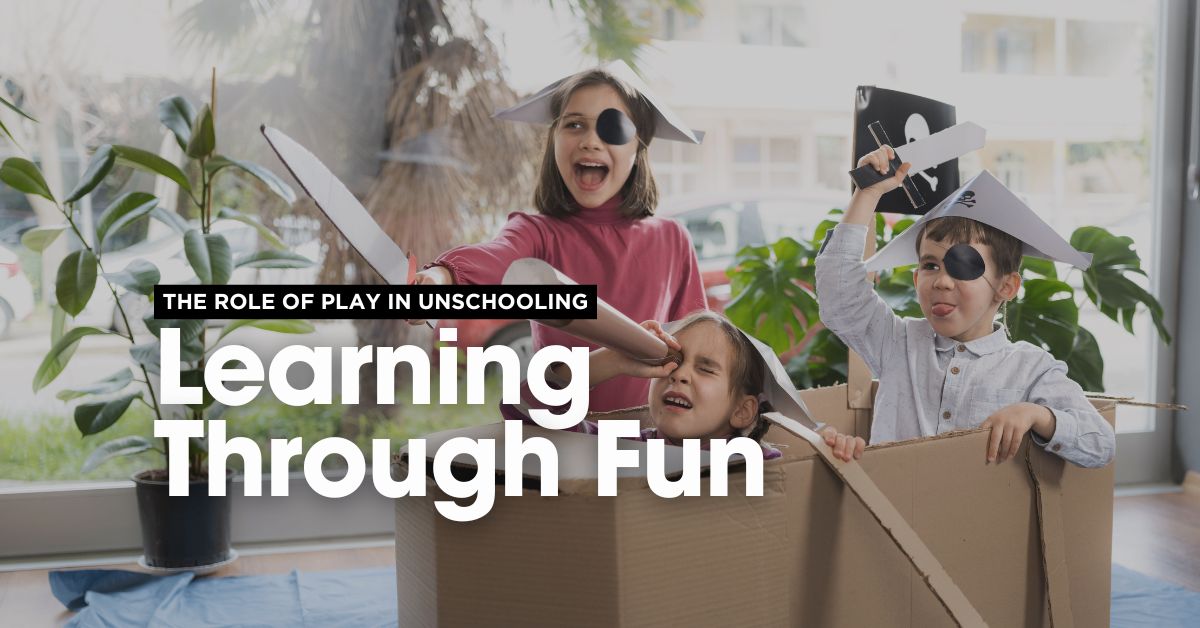
The Role of Play in Unschooling: Learning Through Fun

Unschooling is a unique approach to education, relying on a child’s natural curiosity and interests to guide their learning. Play plays a huge role in this model, as it merges joy with discovery, fostering meaningful growth. Incorporating fun unschooling activities into your child’s day supports this idea, proving learning doesn’t have to come from textbooks alone. 

Below, we’ll explore methods and actionable ways to use play as a platform for education in unschooling environments.

Why Play Is Integral to Unschooling

Play forms the foundation of unschooling’s success because it empowers kids to explore, experiment, and learn at their own pace. Unlike structured educational approaches, play encourages intrinsic motivation. When children are given the freedom to follow their interests, they develop independence, problem-solving skills, and emotional resilience.

Research supports the critical link between play and brain development. Activities such as building with blocks, role-playing, and outdoor exploration enhance cognitive, social, and physical skills. Play also helps kids make real-world connections. For instance, a game of pretend “restaurant” teaches them math through pricing items or managing payments while also nurturing creativity and collaboration. Such hands-on experiences are invaluable in unschooling.

Types of Fun Unschooling Activities 

Integrating play into unschooling can be seamless and tailored to your child’s interests. Below are some ideas to get you started:

  • Outdoor Adventures: 

Nature walks turn into science lessons as kids observe plants, birds, and insects. You could add scavenger hunts to reinforce learning in a fun way.

  • Board Games and Puzzles: 

Games like Scrabble strengthen vocabulary, while strategy games improve critical thinking. Look for educational board games that reinforce specific skills like math or geography.

  • Creative Art Projects: 

Encourage painting, clay sculpting, or even DIY inventions. Art connects children with history, culture, and self-expression.

  • DIY Science Experiments: 

Simple experiments, like making a baking soda volcano or testing how different objects float, seamlessly incorporate principles of chemistry and physics.

  • Cooking Together: 

Cooking involves math (measuring ingredients), science (chemical reactions when baking), and teamwork. Plus, experimenting with recipes empowers kids to be self-sufficient.

  • Role-Playing Games: 

Games like setting up a pretend store involve math, negotiation, and social skills. Similarly, role-playing historical moments builds understanding of history.

  • Building Challenges: 

Give your kids open-ended materials like LEGOs, magnet tiles, or recycled objects to build their imaginative creations. These encourage engineering and structural thinking.

These activities prove that even playtime can embed valuable lessons for kids.

The Organic Nature of Learning Through Play

The Organic Nature of Learning Through Play

Play-based learning in unschooling is more adaptable and less rigid than traditional methods. Organic, informal experiences—such as observing animals in the backyard—can teach children about biology without formal curriculum constraints. Many unschooled children also find opportunities to pursue deeper knowledge in areas of passion through play. A child fascinated by space, for example, may build model rockets, play space exploration games, and gradually learn about propulsion systems.

True learning flourishes when it happens naturally rather than being forced, and play creates a relaxed atmosphere where children feel free to engage and explore. This often leads them to unexpected discoveries, sparking further interest in areas they might not have explored in a formal schooling environment.

How Play Promotes Lifelong Skills 

One of the most significant benefits of unschooling through play is how it equips kids with essential skills they’ll carry throughout life. For example, cooperative games or group play teach teamwork and problem-solving, while solo pursuits like puzzles cultivate persistence and focus. By tinkering with toys or conducting DIY experiments, children learn to hypothesize, troubleshoot, and adapt when their plans don’t work out as expected—an essential mindset in any career or discipline.

Additionally, play builds emotional intelligence. Games that involve decision-making help children process emotions like frustration or excitement. Learning to lose gracefully or empathize with others during play fosters interpersonal skills that prove vital in adulthood.

This skill-building goes beyond mere “playtime”; it demonstrates how deeply learning and play are intertwined in unschooling.

Tips for Encouraging a Play-Based Unschooling Environment 

To maximize the benefits of play in unschooling, create an environment that promotes curiosity and spontaneity. Below are some tips for fostering play-based learning:

  • Design a Flexible Space: 

Dedicate an area in your home to imaginative play and creativity. Include items like art supplies, building blocks, musical instruments, and open-ended toys.

  • Be a Facilitator: 

Offer suggestions or provide tools when needed, but allow your child to lead the play. Resist the urge to manage or over-direct.

  • Follow Their Interests: 

Support ideas or games your child gravitates toward. If they love animals, help them set up a pretend vet clinic or zoo.

  • Encourage Multi-Age Play: 

Encourage siblings or neighborhood kids of different ages to play together. Older children model skills for younger ones, while younger kids help older ones practice patience and leadership.

  • Integrate Learning Sneakily: 

Turn routine activities into playful learning moments. For instance, convert household chores into games like “beat the timer” to teach responsibility and time management.

  • Rotate Activities: 

Keep things fresh by rotating toys and activities. This prevents monotony and sparks renewed curiosity.

Creating an environment where play is prioritized doesn’t require elaborate planning—it only takes attentiveness to your child’s needs and the opportunities around you.

Balancing Freedom and Structure 

Unschooling often prioritizes freedom, but that doesn’t mean structure can’t exist within a play-based framework. A balanced approach ensures children feel secure, while also leaving room for exploration. You might establish a daily rhythm rather than a rigid schedule, for example. Allow your child to select which activities interest them but provide guidance by curating options that are engaging yet educational

It also helps to create traditions or routines around certain types of play. Maybe Tuesdays become “science experiment afternoons,” or evenings are reserved for family board games. These light structures provide predictability without limiting a child’s creativity.

Remember, the focus in unschooling is always on the child’s agency. Even when structures are introduced, they should always reflect the child’s interests and aspirations.

The Social Aspect of Play

Unschooling sometimes raises concerns about lack of socialization, but play can bridge this gap beautifully. Playdates, community meetups, or group activities connect unschoolers with peers while teaching collaboration and communication skills. Games like soccer, theater improvisation, or group coding challenges offer children a chance to learn from others in a non-competitive, cooperative environment.

Furthermore, incorporating mentors or experts into play-based projects exposes children to diverse perspectives. A local artist might guide your child in a painting session, or a family friend could host a baking workshop. These interactions provide deeper experiences while showing children how lifelong learning often stems from connection.

Closing Thoughts 

Unschooling thrives on the simplicity of play, where curiosity, discovery, and joy take center stage. By weaving fun unschooling activities into your child’s daily life, you can nurture a love for learning that is free of pressure and constraints. The lessons learned through play stretch beyond academic goals, fostering adaptable, confident, and inquisitive individuals who view the world as their classroom. Making space for play isn’t just about lighthearted fun—it’s about creating an enriching, meaningful, and lifelong educational experience


Could Radical Homeschooling Help Tame Your Wild Child?

Parenting a high-energy child can feel like riding a rollercoaster without a seatbelt. Traditional education systems often struggle to meet the needs of kids who learn best while moving, exploring, and engaging hands-on with their environment. This is where the radical homeschooling benefits come into play, providing an alternative approach that focuses on freedom, flexibility, and a personalized curriculum. For parents of “wild” children with boundless energy and curiosity, radical homeschooling could be a game-changer. 

Below, we’ll explore strategies tailored to these energetic learners.

Understanding Radical Homeschooling

Unlike mainstream homeschooling, radical homeschooling emphasizes child-led learning. Here, children have the freedom to explore topics that excite them, unrestrained by rigid schedules or strict lesson plans. It’s about fostering a love of learning by nurturing each child’s unique interests and allowing them to thrive at their own pace. For high-energy kids, who may struggle in conventional classrooms, this flexibility can be the key to unlocking their potential.

Key principles of radical homeschooling include:

  • Autonomy: Children take the lead in deciding what and how they want to learn.
  • Real-World Education: Learning happens not just from textbooks but through real-life experiences.
  • Non-linear Progression: Kids progress in various subjects at their own speed, without being confined by grade levels.

This model recognizes that high-energy kids often learn best when their natural rhythms and inclinations are respected. Rather than sitting quietly at a desk, radical homeschooling allows them to channel their energy into productive, meaningful activities.

Signs Your Child Could Thrive with Radical Homeschooling

#image_title

Signs Your Child Could Thrive with Radical Homeschooling

Not every child fits into a one-size-fits-all education model, and some thrive in unique, individualized settings. If you’re wondering whether radical homeschooling is a good fit, consider whether your child:

  • Has difficulty sitting still for long periods.
  • Shows intense curiosity in specific subjects.
  • Loses focus in large group settings but thrives in one-on-one learning moments.
  • Displays high energy that often feels out of place in traditional classrooms.

Children with these traits often benefit from the liberty radical homeschooling provides. It doesn’t suppress their natural energy but redirects it into meaningful learning experiences.

Strategies for High-Energy Learners

With the right tools, radical homeschooling can transform challenging behaviors into strengths. Here are some practical strategies:

  1. Create a Dynamic Learning Space

Forget a traditional classroom setup—design a space your child can thrive in:

  • Include areas for sprawling out with projects, building, or experimenting.
  • Add tools for sensory input, like balance balls, trampolines, or fidget devices.
  • Keep shelves stocked with hands-on materials, like art supplies, science kits, and manipulatives.
  1. Prioritize Movement-Based Learning

For kids who struggle to sit still, incorporating physical activity into lessons is crucial:

  • Use sidewalk chalk for spelling practice or math games.
  • Turn history lessons into skits with costumes.
  • Map out physical geography with scavenger hunts or mapping exercises in the backyard.

Movement makes learning stick while allowing kids to burn off energy.

  1. Adapt Schedules to Fit Energy Levels

Recognize when your child’s energy and focus peaks during the day. High-energy children often concentrate better in short bursts:

  • Break lessons into smaller chunks with frequent movement breaks.
  • Allow high-energy activities—like dancing, running, or climbing—during breaks to prevent frustration.

When children are allowed to recharge through movement, they return to tasks more focused and ready to learn.

  1. Encourage Interest-Driven Projects

The core of radical homeschooling is letting kids dig deeply into what excites them. If your child loves dinosaurs, for example, lessons can include:

  • Researching different species and creating a dinosaur fact book.
  • Building models or dioramas of their natural habitats.
  • Watching documentaries or visiting museums.

By tailoring education to their passions, kids stay engaged and energized while developing critical thinking skills.

Social Opportunities for High-Energy Homeschoolers

A common concern is whether homeschooled children get enough social interaction. Radical homeschooling communities often solve this by encouraging active, peer-based learning through:

  • Co-ops: Group learning programs where families share resources and responsibilities.
  • Sports and Extracurriculars: Classes like martial arts, gymnastics, or team sports provide energy outlets while instilling teamwork.
  • Field Trips and Playdates: Museums, parks, and community events provide opportunities for collaborative, hands-on learning.

Proactively seeking social outlets tailored to your child’s personality will foster friendships while allowing them to interact in a setting that matches their energy.

The Role of the Parent in Radical Homeschooling

Radical homeschooling shifts parents from being “teachers” to facilitators or guides in their child’s educational adventure. For parents of high-energy kids, this means:

  • Observing energy patterns: Pay attention to when your child is most focused or restless.
  • Providing freedom within limits: While children may direct their own learning, structure and accountability still have a place.
  • Modeling curiosity: Share your enthusiasm for discovering new things with your child—your energy will often mirror theirs.

Parents act as partners in learning, creating opportunities for their children to flourish in ways that align with their individual needs.

Benefits of Radical Homeschooling for High-Energy Kids

The radical homeschooling benefits extend far beyond academic outcomes. High-energy learners often struggle in traditional schools because their needs are misunderstood or overlooked. Radical homeschooling transforms these same traits into assets, giving children:

  • Confidence in their abilities: When a child thrives in their preferred learning style, their self-esteem soars.
  • A love of learning: Education becomes a joy rather than a source of frustration.
  • Tools for self-regulation: By teaching kids to pace their learning and understand their energy, they become more self-aware and manage their behaviors better.
  • Greater family connection: Shared learning fosters deeper family bonds through collaboration and understanding.

For many high-energy kids, radical homeschooling doesn’t just work—it unlocks their full potential.

Getting Started with Radical Homeschooling

Transitioning to radical homeschooling might seem overwhelming at first, but it doesn’t have to be. Start with these steps:

  1. Research your state’s homeschool laws: Requirements vary, so make sure you’re compliant.
  2. Identify your child’s strengths and needs: Customize the approach to suit their interests and energy level.
  3. Build a support network: Seek out radical homeschooling communities, both online and locally.
  4. Experiment with different strategies: Flexibility is key—try new tools and techniques often to see what resonates.
  5. Celebrate progress over perfection: Focus on small wins, and adjust as you learn more about what works for your family.

Radical homeschooling is a mindset shift, but one that leads to rewarding outcomes for both parents and children.

By rethinking education and letting children’s energy guide the way, families can overcome the struggles of traditional schooling and discover the joys of personalized, passion-fueled learning.

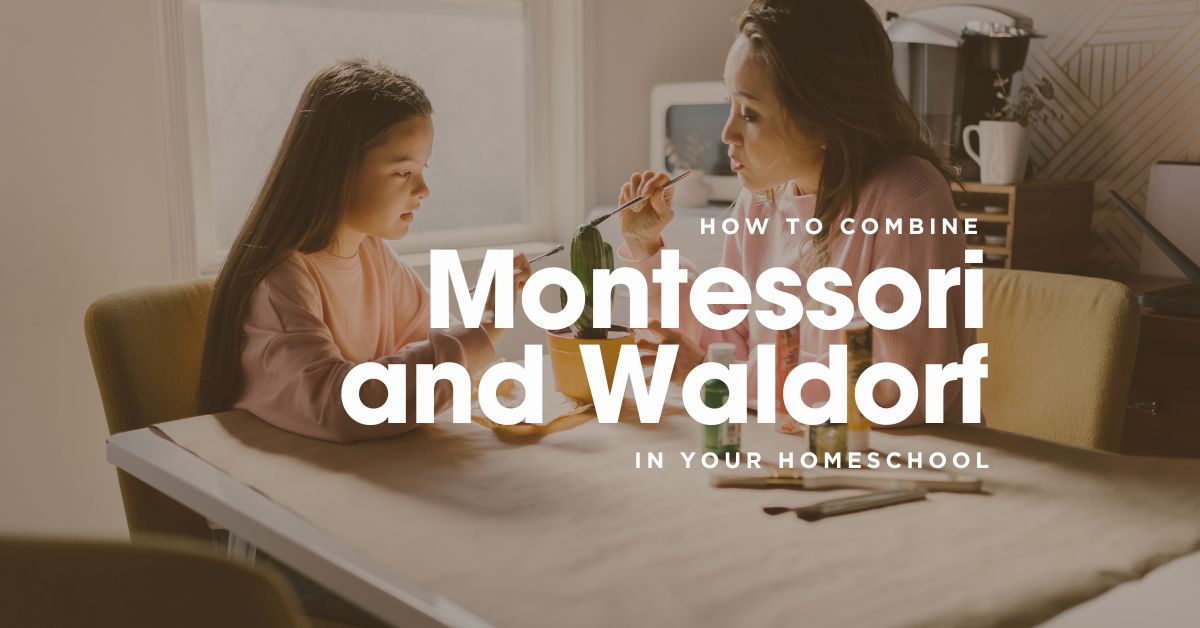
How to Combine Montessori and Waldorf in Your Homeschool

Blending educational approaches is a common practice for homeschooling families looking to tailor learning to their child’s unique needs. Combining Montessori and Waldorf methods can provide a holistic education that nurtures both academic aptitude and creative expression. These two methodologies, while distinct in their philosophies, complement each other beautifully when incorporated thoughtfully. 

Here’s how you can create a Montessori and Waldorf hybrid homeschool.

Understanding the Montessori Approach

The Montessori method emphasizes independence, hands-on learning, and fostering a deep sense of curiosity. Classrooms or learning spaces following this philosophy typically include materials designed for self-guided exploration, allowing children to progress at their own pace. Montessori encourages practical life skills, sensory-based activities, and a structured yet flexible educational framework.

Key principles of Montessori education:

  • Child-led learning through self-correcting materials.
  • Prepared environments that are uncluttered and encourage focus.
  • Practical skills development, such as cooking, cleaning, and organizing.
  • Focus on individualized progress without comparisons to peers.

This approach is particularly effective for developing problem-solving skills and fostering independence in young learners.

The Waldorf Philosophy at a Glance

Waldorf education centers on creativity, imagination, and emotional development through its strong emphasis on the arts, storytelling, and hands-on experiences. A hallmark of Waldorf is its developmental approach, where learning aligns with the child’s physical, emotional, and cognitive stages.

Key features of Waldorf education:

  • Daily rhythms and routines that provide structure and predictability.
  • A focus on nature-based learning through outdoor play and exploration.
  • Delayed formal academics to allow children ample time to develop imaginative thinking.

Waldorf fosters a strong sense of wonder and a love for learning in children, making it the perfect counterbalance to the structured, skill-based elements of Montessori.

The Case for Combining Montessori and Waldorf Methods

The Case for Combining Montessori and Waldorf Methods

Both Montessori and Waldorf take a child-centered approach, but they shine in different areas of learning. By combining Montessori and Waldorf methods, parents can offer an education that supports the whole child—cognitively, emotionally, and socially.

For example:

  • Montessori’s emphasis on independence can help children develop skills that support Waldorf’s creative projects.
  • Waldorf’s focus on storytelling and imagination can enrich the self-directed exploration in Montessori.

The dual focus allows families to create a curriculum that values both academic skills and nurturing creativity, paving the way for well-rounded growth.

Practical Tips for Montessori and Waldorf Hybrid Homeschooling

If you’re ready to merge Montessori and Waldorf philosophies, here are some ways to blend their strengths effectively:

  1. Set Up a Balanced Learning Environment

Create a learning space that reflects both approaches:

  • For Montessori:
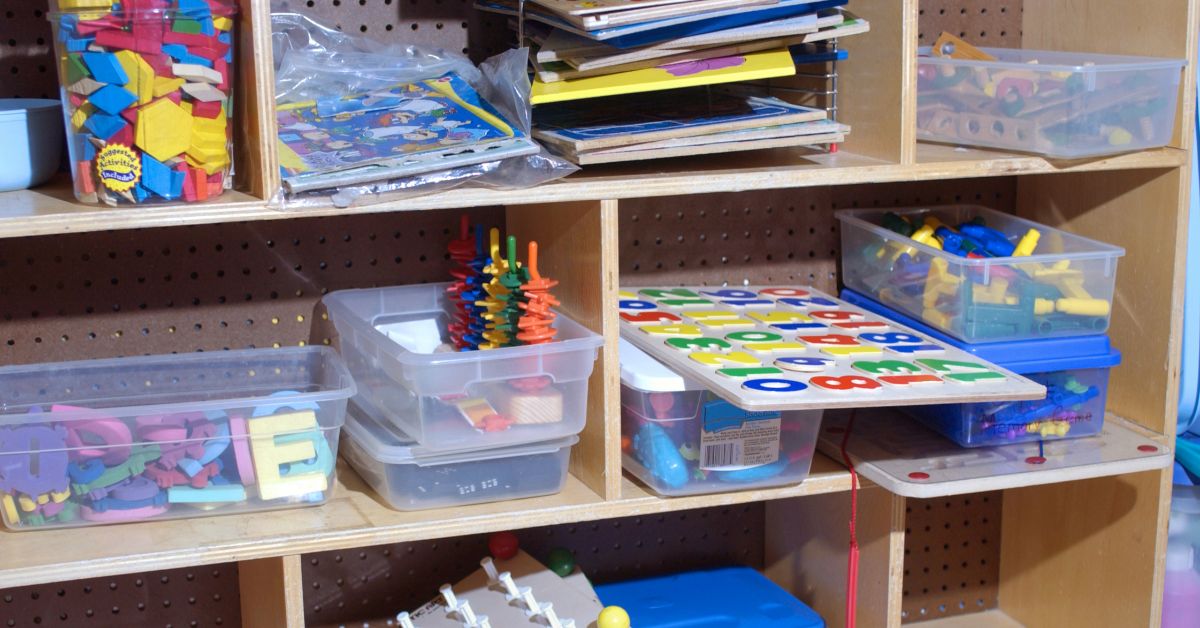
    • Include a low shelf with neatly organized, self-correcting materials for subjects like math and science.
    • Keep tools for practical life activities within your child’s reach.
  • For Waldorf:
    • Add a nature table, filled with seasonal objects (leaves, flowers, pinecones) to reflect the changing seasons.
    • Incorporate art supplies such as beeswax crayons, watercolor paints, and handmade crafts.

This environment balances Montessori’s functionality with Waldorf’s aesthetic appeal, making it welcoming and inspiring for young learners.

  1. Incorporate Daily Rhythms

Waldorf education thrives on predictable rhythms, while Montessori emphasizes child-led learning. You can blend the two by:

  • Establishing a daily flow of activities, such as morning chores, followed by dedicated learning blocks.
  • Allowing your child some flexibility within these blocks to choose Montessori-friendly tasks.
  • Wrapping up the day with Waldorf-inspired storytelling or music.

Having both structure and flexibility ensures productivity while leaving room for creativity.

  1. Combine Nature-Based Learning

Waldorf encourages connecting with nature, and Montessori offers practical ways to explore it. Together, they make outdoor learning truly enriching:

  • Use nature walks for sensory activities, such as identifying different textures, smells, or sounds (Montessori).
  • Follow up by creating seasonal crafts from natural materials, like leaf garlands or pressed flower art (Waldorf).
  1. Support Self-Expression Through Arts

Waldorf’s focus on visual arts, music, and storytelling is a great complement to Montessori’s hands-on, practical life approach. Blend these elements by:

  • Providing daily time for visual and performing arts. For instance, allow children to paint an abstract story they heard earlier in the day.
  • Using Montessori-style sequencing cards to introduce stories, which children can later recreate using Waldorf-style puppetry or drawings.

These activities allow for self-expression, problem-solving, and creativity to flourish harmoniously.

Building a Curriculum That Bridges Both Methods

When crafting a curriculum, it’s important to combine the academic rigor of Montessori with the creative and emotional depth of Waldorf. Here’s how to tackle some core subjects:

1. Language Arts 

  • Montessori suggests phonics-based learning and writing with hands-on materials. You can complement this with Waldorf’s storytelling techniques. For example, introduce Montessori movable alphabet work after narrating a Waldorf-inspired fable.

2. Math 

  • Montessori’s use of manipulatives like golden beads or number rods makes abstract concepts tangible. Apply Waldorf’s rhythmic chants or songs to help memorize multiplication tables or number patterns.

3. Science and Nature 

  • Montessori encourages observation-based experiments. You can pair these with Waldorf’s seasonal focus, such as studying plant growth during spring while documenting findings with Montessori’s scientific approach.

4. Handwork (Crafts) 

  • Waldorf handcrafts like knitting or woodworking can be paired with Montessori’s practical life activities, teaching both artistic skill and functionality.

Nurturing the Best of Both Worlds

When blending Montessori and Waldorf philosophies, flexibility and observation are key. Each child has unique needs and preferences, so don’t hesitate to adapt as you go. One week, your child may gravitate toward Montessori’s methodical materials, while another week, they may prefer the imaginative storytelling of Waldorf. By remaining tuned into their interests, you can achieve a balance that nurtures well-rounded development.

Keep in mind that materials and techniques don’t have to be expensive or time-consuming. Both approaches value simplicity and the beauty of natural resources. Whether your child is measuredly building words with a Montessori movable alphabet or weaving a seasonal wreath in a Waldorf-inspired craft project, the goal remains the same—sparking a lifelong love for learning. 

With this blend of philosophies, you’re equipping your child with academic skills, creative thinking, and a deep-rooted appreciation for the world around them—all from the comfort and intimacy of your homeschool.

Struggling to Homeschool Your Child? Here’s What to Do

Homeschooling can feel overwhelming, especially when you’re responsible for every aspect of your child’s education. From lesson planning to ensuring progress, the challenges can pile up quickly. If you’ve found yourself in need of homeschooling help, you’re not alone. Many parents encounter roadblocks along the way, but the good news is that every challenge has a solution. 

Here’s how you can address common homeschool struggles and find ways to make the process enjoyable for you and your child.

Identify the Root of the Problem

Homeschooling struggles often stem from specific issues, so solving them requires identifying what’s at the core. Take time to reflect on the challenges—are they academic, behavioral, or practical? 

For instance:

  • Lack of structure can lead to frustration. Without routines, kids might resist learning or lose focus.
  • Curriculum confusion creates stress. Choosing or sticking with an ill-fitting curriculum can dampen enthusiasm for learning.
  • Parental burnout is common. Juggling homeschooling with other commitments can leave you feeling depleted.
  • Child resistance to lessons might signal boredom, frustration, or a different learning need.

Once you know what’s causing the struggle, you can create a strategy tailored to fix it.

Create a Realistic Schedule for Learning 

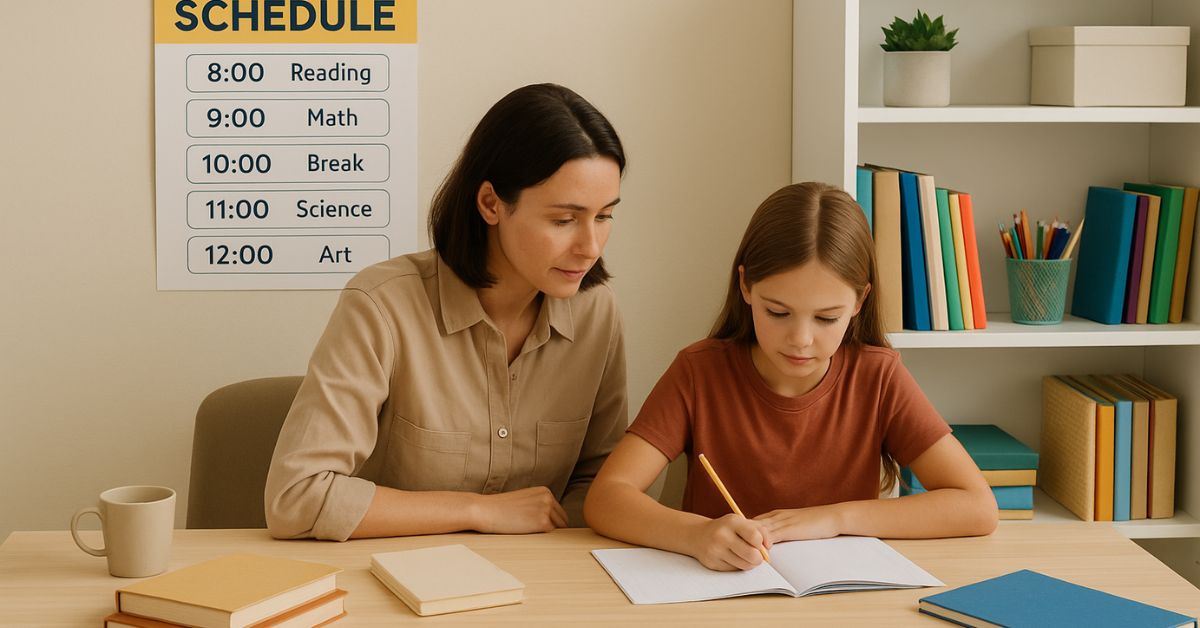
An effective daily routine can be a game-changer in homeschooling. Children thrive on structure, knowing what to expect each day.

Here’s how to build a child-friendly schedule:

  • Prioritize shorter sessions. Instead of long lessons, opt for shorter, focused blocks of time (20–30 minutes), especially for younger kids.
  • Mix up subjects. Follow a challenging subject like math with something engaging like art or science experiments.
  • Include breaks. Breaks are essential to help kids recharge their focus. A snack, free-play time, or 15 minutes outside can work wonders.
  • Keep afternoons flexible. Use the afternoon for hands-on activities, reviewing earlier lessons, or working on projects.

A predictable schedule can reduce power struggles and foster a sense of accomplishment for both you and your child.

Rethink Your Approach When Lessons Stall

Rethink Your Approach When Lessons Stall

When your child resists lessons or doesn’t grasp concepts, take it as an opportunity, not a failure. Flexibility is one of the greatest perks of homeschooling. If something isn’t working, you can adjust.

Here are some strategies to overcome stalled lessons:

  1. Change the teaching method. If your child struggles with lectures, try hands-on or visual learning techniques. Use videos, games, or manipulatives to make concepts stick.
  2. Slow down. Resist the urge to rush through material. Homeschooling allows you to take the time your child needs to master subjects.
  3. Focus on their interests. Gear lessons toward subjects they already enjoy. For instance, a dinosaur-loving student might enjoy reading, researching, or spelling using dinosaur-themed content.
  4. Use real-life examples. Linking lessons to everyday situations—shopping for math, cooking for science—can make learning more relatable and fun.

Avoid Parental Burnout

Burnout affects even the most dedicated homeschooling parents. However, avoiding burnout starts with caring for yourself as much as you care for your child’s education.

Practical self-care tips for homeschooling parents:

  • Lean on your support system. Whether it’s a spouse, a friend, or a homeschooling cooperative, ask for help when you need it.
  • Adjust your expectations. Not every day will be perfect. Make peace with setbacks and focus on progress, not perfection.
  • Set boundaries. Homeschooling shouldn’t take over your entire day. Set specific hours for schooling and stick to them.
  • Dedicate personal time. Spend at least 30 minutes daily on something you enjoy, whether it’s reading, exercising, or simply relaxing.

Remember, a calm, refreshed parent is essential for a successful homeschool environment.

Build Confidence in Your Teaching Abilities

Doubt in your ability to teach effectively can undermine your efforts. You don’t need to be a certified teacher to homeschool successfully. Instead, focus on fostering a love of learning and growth in your children.

Here’s how to instill confidence in your homeschooling:

  • Know it’s okay to learn alongside your child. If you’re unfamiliar with a topic, use resources like books, online tutorials, or teaching guides to build your knowledge.
  • Celebrate small victories. Whether it’s mastering a tricky math concept or completing a book, take time to acknowledge wins.
  • Seek professional resources when necessary. Tutors, local programs, or online platforms can support you in areas where you feel unprepared. 

Your willingness to adapt and learn as you go makes you a truly effective educator.

Harness the Power of Homeschooling Communities

You don’t have to tackle homeschooling challenges alone. Homeschooling communities are full of fellow parents ready to share advice, resources, and encouragement.

Ways to connect with other homeschoolers:

  • Join local co-ops. These are groups of homeschool families who often meet for lessons, field trips, or activities.
  • Participate in forums or online groups. These spaces are excellent for exchanging curriculum suggestions, troubleshooting issues, and finding emotional support.
  • Attend homeschooling conferences. Meet other families in-person, hear expert speakers, and discover new teaching tools.

Your community can provide both emotional encouragement and practical homeschooling help.

Make Learning Interactive and Enjoyable

Homeschooling doesn’t need to mimic traditional schooling. Revamp your teaching style to make lessons come alive.

Interactive teaching ideas:

  • Use project-based learning. Encourage kids to explore topics using creative projects like building models, conducting experiments, or making presentations.
  • Explore the world beyond textbooks. Visit museums, historical sites, or nature preserves to gain hands-on experience.
  • Start a unit study. Choose a topic your child loves (space, history, animals) and build math, reading, writing, and science lessons around it.
  • Leverage technology. Educational apps, videos, and interactive quizzes can help keep learning exciting.

When kids enjoy lessons, they’re more likely to stay engaged and motivated.

Focus on the Big Picture

Remember, homeschooling is a marathon, not a sprint. It’s okay if every day isn’t perfect, as long as you’re moving forward.

Homeschooling struggles can teach valuable lessons about problem-solving, adaptability, and perseverance—for both you and your child. Celebrate the unique opportunity you have to really tailor education to your child’s needs, interests, and learning pace. By staying flexible and resilient, you can overcome challenges and create a thriving homeschool environment. 

Homeschooling help doesn’t have to come only from books or resources. Leaning on your natural teaching instincts and focusing on progress will yield more growth than perfectionism or comparison will. Every parent has the potential to turn around their challenges into successes with the right tools and mindset.

Unit Studies for Every Season: Themed Lessons Year-Round

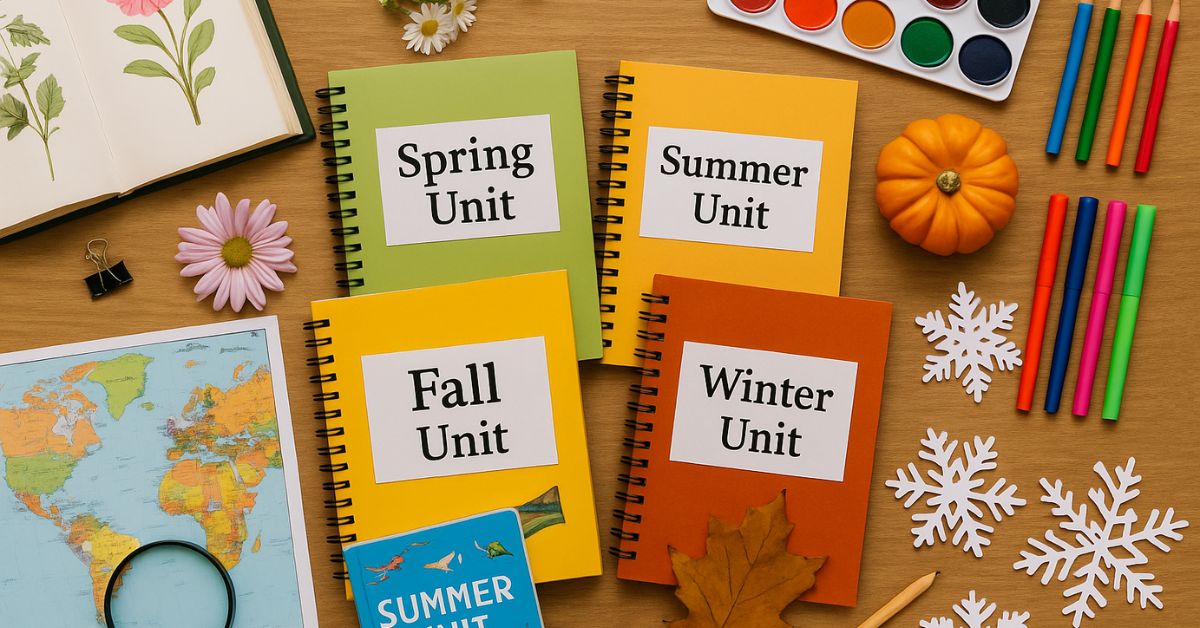
Homeschooling offers parents the flexibility to tailor education to their children’s needs and interests. One of the most engaging ways to keep learning exciting throughout the year is by incorporating seasonal learning activities. These activities bring lessons to life by connecting them to the changes happening in the world around us. Seasonal homeschool unit studies and year-round themed lessons are not only fun but also meaningful, as they ground learning in nature, history, and culture. 

Below, we’ll explore how to approach unit studies by season and offer practical ideas to inspire year-round education.

Why Seasonal Learning Works

Unit studies are a method of teaching that integrates several subjects under one theme, making learning cohesive and immersive. When these studies are linked to seasons, they become even more engaging. Children often relate more easily to lessons when they see the relevance to their everyday life—like exploring botany during a springtime nature walk or studying astronomy on a clear, chilly winter night.

The seasonal approach also supports awareness of natural cycles, cultural traditions, and local events, fostering a connection to the world. It moves learning beyond textbooks, encouraging hands-on activities, research, and discovery.

Ideas for Spring Unit Studies

Spring is a time of growth and renewal, offering countless opportunities for interactive projects and exploration. Here are some themes you can use for spring:

  • Gardening and Botany 
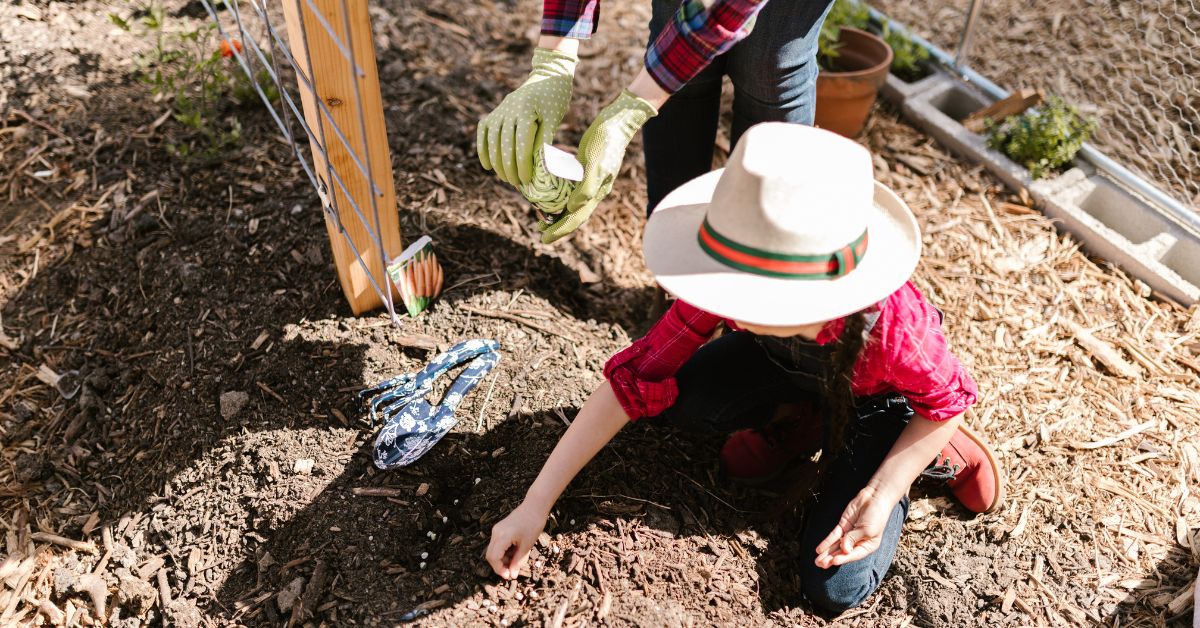
    • Study plant life cycles by growing flowers, vegetables, or herbs. 
    • Learn about pollinators like bees and butterflies and create habitats for them. 
    • Explore types of seeds and test germination rates with a simple experiment.
  • Weather and Atmosphere 
    • Chart rainfall patterns and discuss the water cycle. 
    • Study cloud formations and learn basic meteorology. 
    • Create a DIY barometer to track atmospheric pressure.
  • Spring Holidays Around the World 
    • Explore traditions like Easter, Holi, or Earth Day celebrations. 
    • Incorporate geography by identifying countries where these festivities originate. 
    • Create arts and crafts inspired by cultural symbols or traditions.

Summer-Themed Learning

Summer-Themed Learning

With longer days and warmer weather, summer offers plenty of outdoor learning opportunities. Consider these topics for your summer unit studies:

  • Oceanography and Marine Life 
    • Study the layers of the ocean and the animals that live in each zone. 
    • Take a field trip to a local aquarium or beach and investigate tide pools. 
    • Create an ocean diorama or write reports on favorite sea creatures.
  • Astronomy and Stargazing 
    • Teach constellations and how they change with the seasons. 
    • Discuss the phases of the moon and encourage nightly observations. 
    • Read stories from cultures about the stars and their myths.
  • Local History and Geography 
    • Research the history of your hometown or region. 
    • Visit historical landmarks, parks, or museums. 
    • Create a scrapbook or presentation about what your family discovers.

Summer is also an excellent time for lightweight learning that incorporates travel or vacation themes, making education a seamless part of your adventures.

Fall Learning Themes

Fall is often seen as a fresh start for homeschooling families, coinciding with the beginning of a new school year. It’s a season rich with themes that bridge hands-on activities and in-depth academic content.

One popular fall study topic is harvest and agriculture. Lessons can include learning about crops, studying the parts of a plant, or visiting a local farm. Cooking seasonal recipes like pumpkin muffins can fold in math and science through measurements and chemical reactions.

Tying lessons to fall holidays can also have a broad appeal. For instance, a unit on Thanksgiving can cover topics such as U.S. colonial history, geography (mapping the Mayflower’s route), and Indigenous cultures. Another festive angle might focus on how different cultures celebrate fall and harvests, such as the Chinese Mid-Autumn Festival.

Fall’s cooler weather also makes it ideal for cozy indoor projects. You might explore literature and storytelling, reading autumn-themed books and encouraging kids to write their own short stories about changing leaves or the brisk fall air.

Winter Unit Study Inspirations

Winter brings unique experiences and plenty of indoor activities to complement colder weather. This is a perfect time to center your studies on traditions, science, and art.

  • Winter Weather Science 
    • Study snow and ice by learning about crystallization and conducting fun experiments, like supercooled water turning into ice instantly. 
    • Track temperature changes and create graphs comparing seasonal weather patterns. 
    • Look into how animals adapt to winter environments, like hibernation and migration.
  • Holidays and Cultures 
    • Explore holiday traditions around the world, from Hanukkah to Kwanzaa. 
    • Study the history and symbolism behind seasonal festivals. 
    • Create cultural crafts, such as paper lanterns or ornaments, tied to your lessons.
  • STEM Challenges 
    • Build structures like igloos or sleds using household items, incorporating principles of physics and engineering. 
    • Experiment with insulation by designing a container that keeps hot cocoa warm for the longest time. 
    • Learn the science behind light by studying reflections and making seasonal decorations like snowflake sun catchers.

Wintertime is also ideal for activities like reading classic tales by the fireplace or working on long-term projects, giving kids space to unwind while still learning.

Year-Round Themed Lessons for Ongoing Exploration

While seasonal activities make learning exciting, ongoing themed lessons are an excellent way to cover broad topics that evolve throughout the year. Here are examples:

1. Nature Journaling 

  • Encourage children to observe and document the changing seasons in their journals. 
  • Include sketches, pressed leaves, or written reflections on nature walks. 
  • Teach concepts like ecosystems, weather patterns, and biodiversity over time.

2. Cultural Studies 

  • Select a new country to study each month, focusing on its history, language, art, and cuisine. 
  • Use maps and globes to help kids visualize locations. 
  • Collect works of art or music from each culture to experience their creative traditions.

3. Science Through the Seasons 

  • Focus on one scientific field for an entire year, such as biology, astronomy, or geology, but adapt lessons to fit the seasons. 
  • For instance, study plant biology in the spring, animal behaviors in the summer, rock formations in the fall, and stargazing in the winter.

4. Big Projects or Challenges 

  • Take on a year-long themed project, such as researching family ancestry or writing a novel. 

These ideas keep learning dynamic and ensure that children have a year filled with meaningful, interconnected studies.

Tips for Making Seasonal Learning Activities Effective

To get the most out of seasonal and themed learning, consider these simple strategies:

  • Plan Ahead 
    • Take time before each season starts to outline unit studies and gather supplies. 
    • Whether it’s books, craft materials, or access to field trip locations, preparation ensures your lessons flow smoothly.
  • Be Flexible 
    • While planning is helpful, allow space for curiosity-driven detours. If your child becomes fascinated by something unexpected, lean into it. 
    • Adjust lessons to fit your family’s schedule and preferences.
  • Mix Passive and Active Learning 
    • Provide a mix of hands-on activities, reading time, and creative projects to engage different learning styles. 

By blending structure with spontaneity, your seasonal learning activities can become a powerful tool for delivering a rich, holistic homeschool education.

Homeschooling is a remarkable opportunity to weave your children’s interests into their education. When you bring seasonal and themed elements to your unit studies, you’re not only keeping them engaged, but you’re also cultivating a love for lifelong learning. Consider the ideas above as a starting point, and watch your homeschool take on new energy every season of the year!

The Role Of Structure In Homeschooling

Homeschooling provides families with the flexibility to customize education based on their child’s needs. While this freedom is empowering, it also necessitates a well-organized framework to ensure success. Without structure, it can be hard to maintain focus, achieve goals, or create an atmosphere that fosters learning and growth. Introducing a structured approach to homeschooling doesn’t just enhance academic outcomes but also nurtures essential life skills like time management and self-discipline.

Below, we’ll explore the key benefits of structured homeschooling, share practical tips for creating routines, and offer solutions to common challenges.

Why Structure Matters In Homeschooling

Establishing structure transforms a homeschooling setup from chaotic to intentional. It serves as a roadmap, guiding families through their educational journeys. Here are some of the top reasons why structure is indispensable:

1. Boosts Learning Efficiency 

A predictable schedule helps children anticipate what’s coming next. They’re better prepared to focus on their lessons without the guesswork of what the day may hold. This leads to more engaged learning and improved retention of information.

2. Promotes Emotional Stability 

Children thrive when they know what to expect. A structured environment fosters emotional security by providing consistency. This stability allows children to approach their work calmly and confidently.

3. Encourages Accountability 

When children follow a routine, they start to understand the concept of responsibility. Knowing they have allocated times for studying, presenting projects, or reviewing assignments instills accountability at a young age.

4. Supports Parental Organization 

Structured homeschooling isn’t just helpful for kids—it’s a game-changer for parents. A defined routine ensures you can balance educational responsibilities with household duties, personal errands, and self-care.

5. Facilitates Academic Progress 

Structure ensures that essential subjects like math, reading, and science get the attention they require. It keeps long-term goals within sight and prevents academic stagnation.

By emphasizing structure, homeschooling families can create an environment where productivity, emotional health, and learning intersect seamlessly.

Tips For Creating Homeschool Routines

Tips For Creating Homeschool Routines

Adopting structure doesn’t mean turning your home into a copy of a conventional school. Instead, it’s about crafting routines that suit your family’s unique style while maintaining order and purpose.

  1. Prioritize Goal Setting 

The foundation of any good homeschooling routine is having clear objectives.

  • Define Academic Goals 

Identify what subjects or skills you want your child to develop. For instance, if problem-solving is a priority, schedule activities that challenge critical thinking, like puzzles or STEM projects. 

  • Include Personal Development Goals 

Homeschooling is the perfect opportunity to emphasize traits like resilience, communication, and collaboration. Integrate tasks that nurture these areas, such as group projects or independent research time.

  1. Establish a Flexible Daily Schedule 

Structure doesn’t mean rigidity. A well-balanced daily plan includes set activities but leaves room for spontaneity and creativity. 

  • Morning Routine 

Kickstart the day consistently. Whether it’s breakfast followed by a quick read-aloud story or a few minutes of light exercise, start with activities that signal it’s time for learning. 

  • Organized Learning Segments 

Divide the day into blocks for focused academic study. Incorporate timers to help children stick to these blocks without feeling overwhelmed.

  • Recess and Refresh 

Breaks are essential. Schedule short intervals for outdoor play, snack time, or free drawing to recharge before moving to the next task. 

  • End-of-Day Reflection 

Spend a few minutes discussing accomplishments or challenges from the day. This habit builds introspection and helps children prepare for tomorrow.

  1. Mix Play and Learning 

Balance is key. Injecting fun activities ensures homeschooling doesn’t feel monotonous. 

  • Weekly board game sessions can reinforce subjects like math or vocabulary. 
  • Hands-on projects, like building a model volcano or making bread, connect theoretical lessons to real-world applications
  • Include extracurriculars like dance, painting, or singing—the holistic benefits of fun cannot be ignored.
  1. Use Visual Aids 

Having a visible schedule not only provides structure but also lets kids track progress. 

  • Try color-coded charts for younger children to make the process engaging. 
  • For tech-savvy teens, apps or digital planners can help them manage their routines independently.

Emotional And Social Benefits Of Structure

Establishing routines isn’t just about academics—it extends to emotional and social development as well. 

Children thrive emotionally when they feel safe within a dependable system. Predictable schedules limit uncertainty, which can often lead to anxiety, especially for younger children still learning how to manage their emotions. A child who knows they’ll tackle math first, followed by an art project they’re excited about, feels secure and motivated to breeze through the day.

Social skills also benefit significantly from a structured approach. Activities like group learning sessions with peers or cooperative projects teach valuable interpersonal skills such as teamwork, communication, and problem-solving. Scheduling park visits, art workshops, or even virtual meetups with other homeschooling families can provide essential peer interaction opportunities.

Ultimately, a well-structured homeschool promotes not only intellectual growth but also emotional maturity and social adaptability.

Addressing Common Challenges In Structured Homeschooling 

Starting a structured homeschool routine may come with a few bumps along the way. Addressing these hurdles effectively can ensure long-term success.

Challenge 1: Resistance to Change 

Shifting from unstructured activities to a defined schedule might feel overwhelming for children. The key is to introduce the new structure gradually: 

  • Start with just one consistent habit, such as reading every morning after breakfast. 
  • Allow your child to have input in the planning process to create a sense of ownership.

Challenge 2: Parent Burnout 

Keeping up with structured homeschooling while juggling other responsibilities can lead to parental fatigue. Combat this by dividing the workload within the family:

  • Encourage older children to help younger siblings with simple tasks. 
  • Include moments of independent work in the schedule, giving parents time to recharge. 

Challenge 3: Adjusting for Learning Styles 

Children learn in diverse ways, and a one-size-fits-all schedule rarely works. Use a trial-and-error approach to figure out what suits your child best:

  • Hands-on learners thrive with experiments or practical tasks over textbook exercises. 
  • Auditory learners often benefit from tools like narrated lessons or audiobooks. 

By addressing these challenges head-on, you’ll create a smoother experience for both you and your child.

Turn Everyday Chaos Into Intentional Productivity

Creating structure in homeschooling may seem daunting at first glance, but its lasting benefits make it a worthwhile commitment. A thoughtfully designed routine provides children with stability and parents with clarity, resulting in shared growth and harmony in the home. 

From building schedules tailored to your goals to encouraging both academic and emotional progress, the possibilities are endless when structure forms the backbone of your homeschool. Structured homeschooling doesn’t mean rigidity, but intentionality—an approach that provides the consistency needed to turn every day into an opportunity for learning and discovery.

Mapping the World Geography Activities for Visual Learners

Creating engaging geography lessons can feel like a challenge, especially if you’re teaching visual learners. These children thrive when learning involves seeing, observing, and creating. Traditional textbook-based teaching methods might not capture their full attention, but incorporating “visual geography activities” into your homeschool plan can make geography both exciting and effective. 

Below, we’ll explore practical strategies, map-based exercises, and creative activities that are perfect for visual learners and help bring the world into your classroom. 

Understanding The Needs Of Visual Learners In Geography 

Visual learners interpret information best when it is presented in a visual way. Maps, charts, videos, photographs, and diagrams all help them grasp complex ideas. When teaching geography, focusing on visuals will improve their ability to understand spatial relationships, cultural landmarks, and geographic data. 

Here are some signs your child may be a visual learner in geography classes:

  • They enjoy maps, atlas books, and globes.
  • They absorb information better when it’s paired with images or visual aids.
  • They find it easier to remember places when they can “see” them in their mind. 
  • They enjoy drawing or mapping out ideas instead of writing lengthy descriptions. 

If this sounds like your child, tailoring your lessons toward visual learning will likely enhance their understanding and retention of material. Fortunately, geography as a subject naturally lends itself to visual teaching methods. 

Why Maps Are Powerful Tools for Visual Learners 

Maps serve as both practical tools and excellent teaching aids for visual learners. From simple paper maps to interactive digital maps, the sheer variety of formats offers limitless possibilities. Studying maps allows kids to visualize where people, countries, and physical features exist in relation to each other. 

Using maps for teaching provides:

  • Contextual learning – Students see where historical events occurred, how populations are distributed, and how geography impacts culture. 
  • Practice with spatial thinking – Kids can measure distances, analyze elevations, and grasp the relationships between regions. 
  • Hands-on engagement – Coloring, labeling, or annotating maps taps into creative and active learning styles. 

Now, let’s look at actionable ideas for integrating visual geography activities into your homeschool program. 

Hands-On Map Activities For Homeschooling

Hands-On Map Activities For Homeschooling 

Maps are more than tools; they are gateways to imagination and discovery. These hands-on activities can help your visual learner explore the world in creative and memorable ways. 

  1. Create and Customize Personal Maps 

Instead of simply studying pre-made maps, encourage students to craft their own. This helps them actively engage with geographical data and think critically about the relationships between different regions. 

  • Blank World Maps – Start with an outline of the continents and ask your child to color-code regions by climate, population density, or language groups. 
  • Local Area Maps – Have them draw a map of your neighborhood or city, marking significant landmarks like schools, parks, and stores. 
  1. Interactive Map Tracing 

Using tracing paper allows children to practice geography in a simple, hands-on way. 

  • Overlay tracing paper on printed maps and ask them to trace the outlines of continents, countries, and major oceans. 
  • For a challenge, they can add rivers, mountains, and capitals. 
  • Tracing helps students understand the size, shape, and placement of places without overwhelming them with details. 
  1. DIY Geography Puzzles 

Turn geography into a fun puzzle game. Take a printed map and cut it into pieces to create a puzzle. 

  • For beginners, try something simple like dividing a state or country into four or five pieces. 
  • For advanced learners, use a global map and increase the number of puzzle pieces. 
  • This activity is excellent for developing spatial reasoning and making geography feel like a game rather than a chore. 
  1. Map Pinning and Labeling 

Set up a large world map on a wall and encourage your child to pin locations based on specific categories, such as:

  • Birthplaces of famous authors, scientists, and politicians. 
  • Countries mentioned in current events or books. 
  • Wildlife habitats or points of natural interest (e.g., volcanoes, coral reefs). 

This activity reinforces their knowledge of where places are located and the broader context that makes those places significant. 

Incorporating Technology Into Visual Geography Activities 

Visual learners often respond positively to technology, and there are incredible tools available to bring geography to life in your homeschool routine. 

Virtual Explorations and Digital Maps 

Interactive platforms like Google Earth or online atlas applications allow children to explore regions of the world virtually. 

  • Google Earth Tours – Take guided tours of landmarks, track migrations, or measure distances in real time. 
  • Interactive Activities – Websites like National Geographic Kids offer games, challenges, and quizzes specifically tailored for young learners. 
  • Satellite Imagery – Modern mapping software often includes real-world satellite images, giving kids a bird’s-eye view of urban developments, deserts, forests, and more. 

Exploration through technology bridges the gap between abstract classroom concepts and tangible, real-world knowledge. 

Online Geography Games and Apps 

Many educational apps gamify geography lessons, making learning enjoyable. A few examples include:

  • GeoGuessr – Players guess the location of a random place based on images from Google Street View. 
  • Stack The States – Perfect for U.S. geography, this app teaches kids about state shapes, capitals, and landmarks. 
  • World Geography Games – A web-based platform with quizzes focused on continents, bodies of water, and flags. 

Introducing these tools adds variety to your lesson plan while tapping into the strengths of visual learners. 

Exploring Geography Through Creative Projects 

Beyond maps and technology, creative endeavors give visual learners opportunities to thrive. By blending art with geography, you can make lessons feel personal and lasting. 

Cultural Collages 

Choose a country or culture to study. Gather photos, flags, and images showcasing its traditions, food, landscapes, and architecture. Using these, your child can create a collage or scrapbook page. 

  • Be sure to include maps and a small timeline to tie the visuals back to geography. 

Building Physical Models 

If your child is learning about topographical features, building 3D models can illustrate ideas effectively. 

  • Use clay or playdough to create mountains, rivers, and valleys. 
  • Label the model and compare it to a map. 
  • This hands-on approach enhances their grasp of concepts like elevation, tectonic plates, or river systems. 

Making Geography Come Alive With Narratives 

Sometimes, the best way to teach geography is through stories. For visual learners, narratives accompanied by illustrations provide a multi-sensory experience. 

Illustrated History 

Pair history lessons with geography by focusing on important journeys or explorations. Visual learners can create illustrated timelines or maps that track events like the voyages of Christopher Columbus or the Silk Road trade route. Diaries or letters from historical travelers can supplement these lessons and place historical events in a meaningful context. 

Picture-Driven Travel Logs 

Imagine every lesson as a virtual trip. Choose a different country or city each month, and spend time exploring facts, foods, traditions, and visual landmarks. Keep track of “travels” using a scrapbook or large poster with images, maps, and notes about the places you’ve “visited.” 

This approach expands your child’s global perspective while giving them something tangible to look back on later. 

Wrapping Geography Into Everyday Learning 

Geography doesn’t have to stay confined to 45-minute lessons. Encourage your child to notice geography in their daily life. 

  • When cooking, show them where ingredients, like rice or spices, originate on a map. 
  • During a local hike, discuss how terrain features like hills, valleys, or rivers relate to maps. 
  • While watching documentaries or movies, pause to locate featured places or landmarks on a globe. 

By weaving geography naturally into everyday moments, you’ll help visual learners see it as an integral and exciting part of life. 

Injecting creativity and visual tools into geography lessons transforms homeschooling into an adventure. For visual learners, maps, illustrations, and engaging activities bring the world into focus—one colorful, interactive lesson at a time.

Can Children With ADHD Be Homeschooled?

Homeschooling is growing in popularity, and for many families, it offers a flexible and personalized approach to education. For parents of children with ADHD (Attention Deficit Hyperactivity Disorder), the idea of homeschooling might seem either like an ideal solution or an overwhelming challenge. The good news is that homeschooling kids with ADHD can be highly effective when approached with the right strategies. By understanding the unique needs of ADHD learners and tailoring the learning environment to them, parents can set their children up for academic success and personal growth.

Below, we explore practical ADHD-friendly homeschool strategies, how to teach children with ADHD at home, and offer actionable advice for parents navigating this path.

Why Homeschooling Can Be Great For Kids With ADHD

The traditional classroom setting often doesn’t cater well to the needs of children with ADHD. Crowded classrooms, rigid schedules, and standardized instruction can all pose challenges for these students. Homeschooling, on the other hand, provides the freedom to:

  • Adapt learning methods to match the child’s strengths and learning style.
  • Create a flexible schedule, allowing for breaks as needed.
  • Eliminate unnecessary distractions by offering a controlled environment.
  • Build self-esteem through individualized attention and positive reinforcement.

By homeschooling, parents can nurture their child’s unique abilities and allow their strengths to shine in ways that might not be possible in a one-size-fits-all classroom.

Effective Strategies For Homeschooling Kids With ADHD

Effective Strategies For Homeschooling Kids With ADHD

When crafting a homeschooling plan, it’s essential to create an ADHD-friendly structure. Here are some tried-and-true strategies to help your child thrive:

  1. Establish a Consistent Routine (But Stay Flexible)

Children with ADHD often benefit from having predictable daily routines, as it helps reduce anxiety and keeps them focused. However, flexibility is also key. Here’s how to approach this:

  • Set a daily schedule: Break the day into manageable chunks with clear starting and ending times for each activity. Visual schedules using charts or timers can be particularly effective.
  • Allow buffer time: Build in wiggle room between activities so your child doesn’t feel rushed.
  • Offer flexibility when needed: If your child is having a bad day or feeling overwhelmed, adapt the schedule to meet their energy and focus levels.
  1. Incorporate Movement into the Day

Kids with ADHD often struggle to sit still for extended periods. Homeschooling allows you to integrate movement into learning, which can help them stay focused.

  • Frequent breaks: Use a timer to remind your child to take a 5-10 minute break every 30-40 minutes. Encourage physical activities like stretching, walking, or jumping jacks.
  • Active learning: Incorporate movement into lessons whenever possible, such as using manipulatives in math or acting out historical events.
  • Outdoor activities: Take lessons outside. Fresh air and exercise can do wonders for focus and mood.
  1. Customize the Learning Space

Creating a dedicated, distraction-free learning environment can make a significant difference for children with ADHD. Keep it simple yet stimulating by:

  • Setting up a quiet, comfortable workspace free from toys or electronics.
  • Providing tools like noise-canceling headphones or study carrels if your child is sensitive to outside noises.
  • Allowing access to fidget toys or stress balls that can help them channel their energy while maintaining focus.
  1. Break Lessons into Bite-Sized Chunks

Long lessons or lectures can lead to frustration and a loss of focus. Instead, break down subjects into small, manageable units. For example:

  • Teach one concept at a time.
  • Engage your child in short, interactive activities like quizzes, flashcards, or videos.
  • Follow up with hands-on practice to reinforce understanding.

By dividing lessons into smaller pieces, you make the material more accessible and easier to digest.

Teaching ADHD Children At Home

Teaching a child with ADHD requires creativity, patience, and understanding. While every child is unique, the following approaches have proven effective for many families:

Focus on Strengths, Not Weaknesses

Children with ADHD often face criticism for their challenges, but they also possess incredible strengths, such as creativity, curiosity, and problem-solving skills. When teaching at home:

  • Identify what your child is good at and incorporate those activities into lessons (e.g., art, building, storytelling).
  • Use strengths-based teaching to boost confidence and encourage a growth mindset.

Choose a Curriculum That Works for Your Child

There’s no one-size-fits-all curriculum for homeschooling. Consider your child’s interests, learning style, and abilities when selecting a program. Some tips include:

  • Hands-on curricula: Choose options with project-based activities or experiments.
  • Multi-sensory materials: Opt for curricula that incorporate visuals, audio, and tactile learning tools.
  • Flexible pacing: Look for programs that allow you to speed up or slow down as needed to match your child’s attention span.

Leverage Technology to Engage Learners

Educational apps, games, and online tools can be highly engaging for children with ADHD. Some popular tools include:

  • Interactive science and math apps
  • Audiobooks for reluctant readers
  • Brain-training games to develop focus and memory skills

These tools can complement traditional lessons and keep your child motivated.

Support Emotional Regulation

Helping kids with ADHD manage their emotions is just as important as academic success. Strategies to support emotional regulation include:

  • Mindfulness exercises: Teach deep breathing or guided meditation techniques.
  • Daily check-ins: Talk about their feelings and help them identify triggers for stress or frustration.
  • Positive reinforcement: Praise effort, not just outcomes, and celebrate small wins.

Overcoming Common Homeschooling Challenges 

Homeschooling a child with ADHD isn’t without its hurdles. Parents often experience burnout or struggle with balancing teaching and household responsibilities. Here are some tips to stay on track:

  • Don’t aim for perfection: Understand that some days will be tough, and that’s okay. Focus on progress instead of perfection.
  • Take care of yourself: Prioritize self-care to maintain your own mental health and avoid feeling overwhelmed.

Additionally, if certain topics or teaching methods aren’t working, it’s okay to pivot and try a new approach. Homeschooling is all about finding what works best for your family.

Building A Strong Parent-Child Relationship Through Homeschooling

Homeschooling offers a unique opportunity to strengthen your bond with your child. Unlike traditional school settings, teaching at home allows you to play a more active role in your child’s education and understand their unique needs on a deeper level. Use this time to connect by:

  • Actively listening to your child’s thoughts, emotions, and ideas about learning.
  • Incorporating activities that you both enjoy, like baking, crafting, or playing educational games.
  • Celebrating achievements, no matter how small, to build trust and mutual respect.

This strengthened connection can improve not only the learning experience but also the overall family dynamic.

Homeschooling can be a highly effective and rewarding option for children with ADHD, as it allows parents to tailor education to their children’s needs. By crafting a structured yet flexible routine, incorporating movement and hands-on learning, and building a supportive environment, parents can help ADHD learners thrive academically and emotionally. While challenges are inevitable, the benefits often far outweigh the hurdles. 

Whether you’re just beginning your homeschool journey or looking to refine your approach, remember that every step you take is helping your child succeed.

The Role Of Discipline in Homeschooling

Discipline plays a crucial role in building a successful homeschooling experience. Setting clear boundaries and adopting effective strategies create a structured environment where learning can thrive. Unlike traditional schools, homeschooling offers a flexible approach, but without the right discipline strategies, that flexibility can lead to chaos rather than creativity. 

This article explores actionable homeschool discipline strategies, focusing on boundaries and practical tips to help parents maintain a productive and peaceful learning environment.

Setting Boundaries In Homeschooling

When learning happens at home, the line between “school time” and “home time” can blur, making it essential to set clear boundaries. Establishing what is acceptable during homeschool hours helps align expectations for both parents and children.

Design a Dedicated Learning Space

One of the first steps in setting boundaries is carving out a specific area for homeschooling. When parents define a physical space as the “learning zone,” it helps children associate that area with focus and study. The benefits include:

  • Reduced Distractions: A dedicated space limits interference from toys, games, or household chores.
  • Clear Expectations: Children know when they’re in this space, it’s time to learn.
  • Organization: Supplies like books, notebooks, and stationery stay in one place, minimizing chaotic searches.

Establish a Daily Schedule

Even with homeschooling’s flexibility, a reliable routine is critical. Children thrive when they know what to expect. A consistent schedule helps balance schoolwork, breaks, and family time. To create an effective routine:

  • Map out school hours and designate fixed start and end times.
  • Include breaks for meals, snacks, and unstructured free play.
  • Be consistent but flexible enough to adapt when necessary.

For example, you might set up a schedule where lessons run from 9 AM to 12 PM, followed by a lunch break, and then finish the day with hands-on activities or independent study.

Create and Communicate Rules

Create and Communicate Rules

Rules provide a framework for mutual respect and shared responsibility during homeschooling. Work with your child to develop a set of simple, easy-to-follow rules that cover:

  • Behavior: Discuss attitudes like listening to instructions and respecting learning time.
  • Work Habits: Address tasks such as completing assignments and staying on schedule.
  • Technology Use: Outline when and how devices like tablets or laptops can be used for educational purposes.

When children are involved in creating these rules, they’re more likely to follow them because they feel a sense of ownership.

Define Boundaries Between Parent and Teacher Roles

Homeschooling parents often juggle multiple roles, which can create tension if boundaries aren’t clear. Children need to understand when their parent is in “teacher mode” versus “mom or dad mode.” Tips to establish these boundaries:

  • Wear a specific “teacher hat,” literally or figuratively, during school hours to differentiate the roles.
  • Avoid talking about school concerns during family time unless absolutely necessary.
  • Use language like, “Teacher time is over. Now I’m just mom/dad.”

Discipline Tips For Homeschool Parents

Discipline in homeschooling doesn’t just mean punishment. It involves fostering self-control, encouraging accountability, and nurturing a love for learning. Here are tried-and-true strategies tailored for homeschool settings.

Use Positive Reinforcement

Recognizing and rewarding positive behavior can be one of the most effective ways to maintain discipline. Simple acts of praise or tangible incentives for finishing tasks promote good habits. Examples include:

  • Verbal Praise: Acknowledge effort with words like, “I’m proud of how you worked through that problem today.”
  • Stickers or Charts: Visual reminders like sticker charts motivate younger learners to stay on track.
  • Privileges: Offer small perks, such as extra playtime, for completing work on time.

Make Discipline Age-Appropriate

Discipline strategies should evolve as your child grows. Younger children may respond better to short, clear instructions, while teens might prefer detailed explanations. Consider these approaches by age group:

  • Preschoolers and Early Learners: Keep rules simple, such as “no running during lessons,” and use fun methods like songs or stories to teach self-regulation.
  • Elementary School Students: Allow them to take ownership of tasks with checklists or timers to keep them accountable.
  • Teens: Discuss consequences for not meeting expectations and provide a balance between freedom and responsibility.

Be Consistent, Yet Flexible

Consistency is key to effective discipline. If a child faces consequences for skipping work one day but not the next, they receive mixed signals. At the same time, be flexible. Life happens, and some days won’t go according to plan. Strike a balance by:

  • Keeping rules intact but adjusting timelines, if needed.
  • Addressing issues on the spot rather than delaying consequences.
  • Acknowledging when flexibility is appropriate without setting a precedent.

Teach Emotional Regulation

Discipline extends beyond actions—it includes guiding children to understand and manage their emotions. To help your child develop emotional self-regulation:

  • Use role-playing to practice handling frustration or disappointment.
  • Introduce mindfulness techniques or breathing exercises to calm during tense moments.
  • Be a role model by managing your own stress in a controlled manner.

Guiding Children Through Challenges

Even with the best strategies, homeschooling comes with its fair share of challenges. Discipline helps children learn perseverance, even when faced with difficulty. As a parent, it’s important to stay calm and supportive to guide them through tough situations.

For instance, if a child feels overwhelmed by a complicated math problem, avoid stepping in to solve it immediately. Instead, encourage them to break the task into smaller pieces and tackle them one at a time. Celebrate their effort as much as their success to show that trying is just as important as achieving.

Sometimes, children will resist homeschool lessons outright. Instead of escalating the situation, take a moment to understand why. Are they tired, hungry, or frustrated? Once you identify the root cause, you can adjust your approach accordingly. A mid-morning snack break or a hands-on activity to pivot their focus can work wonders.

Being patient and empathetic can transform challenging situations into learning opportunities. Remember that homeschooling is as much about character-building as it is about academics.

Building Accountability Through Self-Discipline

One valuable long-term goal of homeschool discipline is fostering self-discipline in children. By teaching them to take responsibility for their own actions and choices, homeschool parents can prepare them to face future challenges independently.

Encourage Goal-Setting

Help your child set achievable goals for their schoolwork. Start with small, manageable tasks and gradually move toward bigger objectives, such as completing an entire workbook unit or acing an essay project. Whether short-term or long-term, goals teach accountability and perseverance.

Provide tools like planners or journals to help children monitor their own progress. Review these goals together regularly to track improvement and adjust as needed.

Promote Independence

While it’s tempting to hover over your child during lessons, step back and allow them to work independently whenever possible. This builds confidence and encourages problem-solving skills. Strategies to foster independence:

  • Provide clear instructions before an activity and then step away.
  • Choose age-appropriate assignments that challenge but don’t overwhelm them.
  • Resist the urge to interrupt unless assistance is truly needed.

Encourage Reflection and Growth

Teaching children to reflect on their successes and mistakes fosters personal growth. After completing an assignment, ask questions like:

  • “What do you think went well here?”
  • “Is there anything you’d do differently next time?”
  • “How can I support you better?”

Reflection helps children evaluate their actions and motivates improvement.

The role of discipline in homeschooling is multifaceted, blending structure, boundaries, and flexibility to create a positive and effective learning environment. By setting physical and emotional parameters, remaining consistent, and empowering children to manage their own learning, homeschool parents can cultivate both academic excellence and essential life skills. Above all, homeschool discipline strategies should aim to inspire a love of learning while ensuring a peaceful, cooperative home life.

Unschooling Myths Debunked: What It Really Looks Like

Homeschooling is a growing trend, and within it lies a broad spectrum of approaches. One of the most misunderstood and often controversial methods is unschooling. To many, the concept of setting aside traditional education formulas and letting children lead their learning feels unorthodox. Critics have labeled it as aimless and unstructured, perpetuating a range of myths about what unschooling is—and isn’t. 

This post dives into common unschooling misconceptions, explains the truth about this child-led learning approach, and provides insight into how unschooling actually works for families who fully adopt it. 

Myth #1: Unschooling Is Just Educational Neglect

One of the biggest assumptions about unschooling is that it’s simply an excuse to avoid education altogether. Skeptics often conflate unschooling with unstructured days where children are left to “do whatever they want” without any direction, goals, or purpose. Parents are sometimes accused of being neglectful in their duties to educate their kids.

The Reality

Unschooling is far from educational neglect. At its core, this approach is rooted in the belief that children have an innate curiosity and a natural drive to learn—when given the freedom to explore their interests, they flourish intellectually and emotionally. Unlike the image of aimless days, unschooling often involves intentional and meaningful activities led by curiosity and supported by parents who serve as guides. Here are a few ways learning happens in an unschooling household:

  • Interest-led projects 

Unschoolers often focus on deep dives into subjects they find fascinating. A budding scientist might spend days conducting experiments, while a young historian might watch documentaries, read books, and create timelines of events that intrigue them. 

  • Everyday learning opportunities 

Unschooling thrives in the real world. For example, a visit to the grocery store can spark lessons in math (budgeting, percentages) or nutrition. Home improvement tasks can become physics experiments, and a small backyard garden may lead to biology lessons.

  • Parental facilitation 

While the child drives the subject matter, parents are far from passive observers. They provide tools, materials, and opportunities that help deepen their child’s experiences, such as enrolling them in a local art program if they’re passionate about drawing. 

Unschooling embraces learning in its most organic and authentic forms. It’s less about following a prescribed curriculum and more about empowering children to think, explore, and engage with their surroundings. 

Unschooling Is Chaotic And Ineffective

Myth #2: Unschooling Is Chaotic And Ineffective

Another common misconception is that without a set schedule or structure, unschooling spirals into chaos. Doubters worry that removing strict schedules and lesson plans means children won’t retain necessary knowledge or develop effective work habits, leading to poor outcomes in the long run. 

The Reality

While unschooling doesn’t follow the traditional 8-to-3 school day with its rigid structure, this does not translate to chaos. The difference lies in the type of structure used. With unschooling, structure is molded to suit the family’s and child’s needs rather than enforcing an external system.

Here’s how unschooling maintains focus without becoming disorganized:

  • Individualized routines 

Families may establish gentle daily rhythms rather than strict timetables. For instance, mornings might be dedicated to independent exploration, while afternoons focus on hands-on activities or interactive learning. 

  • Progress pacing 

Children are free to spend longer periods on projects they find particularly compelling, which enables deeper comprehension. For instance, a child researching dinosaurs may independently explore paleontology for weeks without the interruption of subject changes. 

  • Tools for accountability 

Progress isn’t measured by grades or standardized tests but by real achievements. A child creating a model of their neighborhood while learning geography demonstrates applied knowledge better than test answers might.

Far from being ineffective, unschooling often results in self-motivated learners who develop the tools to adapt seamlessly in settings requiring creative thinking and resourcefulness. Many adults who benefited from unschooling report that these methods taught them how to direct their learning well into adulthood. 

Myth #3: Unschooling Leaves Kids Unprepared For Higher Education And Careers 

A primary concern for many parents is how unschooled children will transition into structured college programs or the working world. Without standardized tests, GPAs, or written curriculums, how can these children measure up to traditional students in academia or professional life? 

The Reality 

This notion underestimates the skills and maturity gained through unschooling’s focus on self-directed education. Many unschoolers have proven their readiness for university and careers by highlighting their knowledge and life skills in unconventional but equally valid ways.

  • Building portfolios instead of resumes 

Since daily learning is practical and immersive, unschoolers frequently build portfolios that showcase their projects. For example, a teen interested in graphic design could demonstrate career readiness through freelance work or a detailed work sample rather than relying on grades alone. 

Because of its emphasis on exploration and problem-solving, unschooling cultivates independent thinkers who ask questions and seek answers beyond memorization.

Rather than being underprepared, unschoolers actively practice responsibility and initiative, which leads to an impressive ability to transition seamlessly into future opportunities. 

Myth #4: Unschooling Kids Won’t Be Properly Socialized 

Socialization—or the lack thereof—is a topic that homeschooling families know all too well. Unschooling gets an extra dose of skepticism on this front, as people believe the flexible nature of the method leaves children more isolated than their traditionally schooled peers. 

The Reality 

Unschooling provides plenty of opportunities for meaningful, thoughtful, and age-varied interactions, which build excellent socialization skills. Unlike traditional schooling setups, often limited to same-age peer groups, unschooling creates a more natural social network through diverse environments.

Here’s how unschoolers engage socially:

  • Community connections 

Unschoolers typically join hobby groups, sports leagues, or even specialized classes that align with their interests. These activities provide consistent interaction with people of various ages and backgrounds. 

  • Collaborative learning 

Many unschooling families form co-ops for combined projects or group learning. For instance, several families may partner for a nature-based learning adventure or participate in fieldwork together. 

  • Volunteering and part-time jobs 

Since unschooling children learn through real-world activities, volunteering or helping in community roles often becomes a major part of their curriculum, preparing them to thrive in group settings.

Instead of being isolated, unschoolers often enjoy deeply rich and diverse social networks that allow them to interact confidently and form genuine connections.

Why Consider Unschooling?

Unschooling may not fit every family, but for those looking for alternatives to rigid educational systems, it offers something unique. If you’re questioning whether unschooling fits your family, here are some points to reflect on:

1. Your child’s temperament 

Does your child show strong curiosity or prefer exploring ideas independently? These qualities are often good indicators that unschooling might work well. 

2. Your role as a parent 

Are you ready to take a facilitator role, assisting your child with resources and guidance while letting them set the pace of their learning? 

3. Your family schedule 

Unschooling allows for flexibility in daily life. If you feel your family operates outside the conventional 40-hour workweek cycle, this adaptability might be ideal. 

Families adopting unschooling often discover profound growth in both their children’s academic abilities and their confidence as learners. 

Key Benefits Seen in Unschooling Families 

For parents still weighing pros and cons, these practical advantages of unschooling might help guide your decision:

  • Custom pacing: Whether your child learns quickly or needs more time in specific areas, they can develop at a pace that works for their individual needs. 
  • Passion-driven focus: If your child excels in arts, engineering, or writing, unschooling ensures less time wasted on irrelevant subjects while honing their passion early. 
  • Learning independence: Because trial-and-error is celebrated, children grow comfortable approaching problem-solving independently instead of constantly waiting for external approval.

By debunking common misconceptions, it becomes clear that unschooling is anything but chaotic or directionless. Rather, it is a loving, thoughtful, and responsive approach to teaching that embraces children’s natural abilities, turning their interests into practical knowledge. While unschooling bucks the traditional mold, it produces lifelong learners prepared to adapt, thrive, and excel in a global and constantly changing world.