
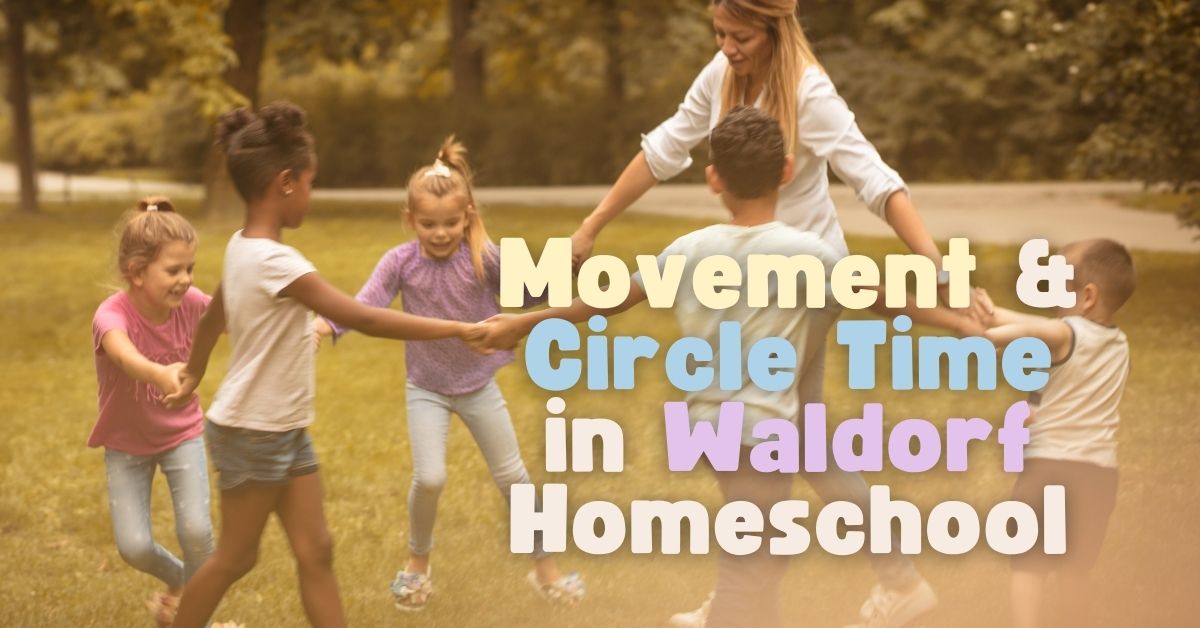
When learning about bringing rhythm and movement into your homeschool day, you may picture yourself gracefully leading your children in serene verses while birds chirped on your windowsill. The reality? Often a bit more chaotic, with someone usually tripping over the dog. But through the mess and the giggles, you will find that gathering together for movement is the single best way to start your learning day.
If you are hunting for practical Waldorf circle time ideas to bring that same sense of connection and energy into your home, you have come to the right place. We are going to explore how getting bodies moving can wake up sleepy brains and set a positive tone for everything that follows.
Why Movement Matters Before Math
It might seem counterintuitive to spend twenty minutes singing, clapping, and stomping around the living room when you have a pile of math worksheets staring you down. You may think you need to rush straight to the “serious” work to make sure you are being productive. However, you will quickly learn that asking a child to sit still and focus immediately after breakfast is like trying to start a car in fourth gear. It just stalls out.
Movement acts as the bridge between sleep (or morning cartoons) and focused academic work. When children engage in rhythmic movement, they are not just burning off excess energy; they are actually organizing their nervous systems. Cross-lateral movements, like touching your right hand to your left knee, help integrate the left and right hemispheres of the brain. This integration is crucial for reading, writing, and problem-solving. By dedicating time to movement first, you aren’t delaying the learning process; you are priming the engine so the learning can actually stick.
Think of it as setting the table before you serve the meal. You wouldn’t just throw spaghetti on a bare table, right? Circle time prepares the “table” of the mind. It allows children to transition from their inner world of play and dreams into a shared space of learning and attention. Plus, it creates a dedicated container for the day—a clear signal that says, “We are together now, and we are ready to begin.”
Crafting Your Rhythm: Waldorf Circle Time Ideas

Building a circle time that actually works for your family doesn’t require a degree in eurhythmy or a perfect singing voice. It just requires consistency and a little bit of creativity. The goal isn’t performance; it’s participation. Here are some concrete ways to structure your circle time to include movement and seasonal connection.
Start with a Verse or Song
Begin every circle time the same way. This signals to your children that school is starting.
- Morning Verse: Recite a traditional Waldorf morning verse or choose a poem that resonates with your family’s values.
- Candle Lighting: Many families light a beeswax candle to mark the beginning of the circle. The act of striking the match and watching the flame grow brings immediate focus to the room.
- Seasonal Songs: Choose one or two songs that reflect the current season. In autumn, sing about falling leaves and squirrels; in spring, focus on sprouting seeds and rain.
Incorporate Rhythmic Movement
This is where the “Waldorf” magic really happens. Use rhythm to get bodies moving in sync.
- Bean Bag Tossing: Use small bean bags for passing games. Start simple—pass to the right on the beat. As they get older, introduce patterns (toss, clap, catch). This builds hand-eye coordination and rhythm.
- Stomping and Clapping: create patterns with your body. Stomp-stomp-clap, stomp-stomp-clap. Have your children echo the rhythm back to you.
- Balance Beam Walks: If you have space, lay down a piece of masking tape or a wooden plank. Have children walk across it while reciting a poem. Walking backward or sideways adds difficulty for older kids.
Finger Plays and Fine Motor Work
After the big, whole-body movements, bring the energy down slightly with finger plays. These are excellent for younger children but can be adapted for older ones with more complex dexterity games.
- Nursery Rhymes: Use classic rhymes like “Itsy Bitsy Spider” but emphasize the finger movements.
- String Games: Cat’s cradle isn’t just a pastime; it’s brilliant for developing fine motor skills and spatial awareness.
- Counting Rhymes: Use fingers to count up and down, integrating early math concepts into the physical body.
Active Math and Language Games
Circle time is the perfect place to practice academic skills without looking at a piece of paper.
- Times Tables Stomp: Recite multiplication tables while stomping or jumping rope. The rhythm helps memorize the facts.
- Spelling Toss: Toss a ball back and forth. With each catch, the person adds the next letter to spell a word.
- Mental Math: Ask simple math questions while balancing on one foot. If the foot goes down, they have to answer quickly!
Movement Activities For Homeschool When You Have No Space
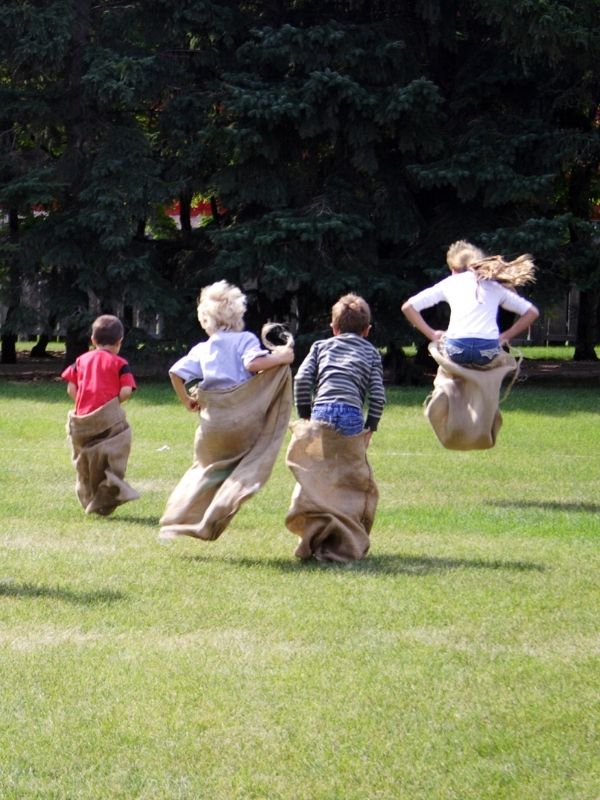
Let’s be honest—not everyone has a dedicated schoolroom with ample floor space for a grand circle. I have done circle time in a tiny kitchen, a cramped living room, and even outside on the porch when the house was just too messy to function. The beauty of movement is that it is adaptable. You don’t need a gymnasium to get the benefits of physical integration.
If you are working in a small space, focus on vertical movements and “heavy work.” Heavy work involves pushing or pulling against resistance, which is incredibly regulating for the sensory system. Wall push-ups are a great example. Have your children stand arm’s length from a wall and do push-ups against it while reciting a poem. It takes up zero floor space but provides deep proprioceptive input.
You can also utilize “chair yoga” or seated movements. Simple stretches where you reach for the sky and then touch your toes can be done right at the kitchen table. Hand-clapping games are another fantastic low-space option. They require intense focus, cross the midline of the body, and build rhythm, all while sitting knee-to-knee. Don’t let a lack of square footage become an excuse to skip movement. Even just marching in place behind a chair can reset a child’s focus.
The Power Of Seasonal Connection In Circle Time
One of the pillars of Waldorf education is a deep connection to the natural world and the changing seasons. Circle time is your daily opportunity to anchor your family in the present moment of the year. This prevents the days from blurring together and gives your children a sense of time and progression that is grounded in nature rather than just dates on a calendar.
When you align your circle time with the seasons, the content stays fresh. You aren’t doing the same songs and verses for 180 days straight (which would drive any parent crazy). Instead, you shift every four to six weeks. In October, your movement might mimic the swirling wind or heavy pumpkins. In December, you might focus on stillness, stars, and light.
This connection helps children feel secure. They know what to expect from the rhythm of the year. It also provides endless inspiration for your activities. If you are stuck on what to do, just look outside. Is it raining? Do a rain dance where you tap your fingers on the floor (light rain) and then stomp your feet (thunder). Is it blooming? Act out the life cycle of a seed, curling up tight on the floor and slowly stretching upward to the sun. Nature does the planning for you.
Keep Reading for More Homeschool Advice and Resources
Bringing movement and a dedicated circle time into your homeschool isn’t about perfection; it’s about presence. It is about taking fifteen minutes to look your children in the eye, laugh together, and sync up your rhythms before tackling the hard stuff.
If you found these ideas helpful, we have plenty more waiting for you. Dive deeper into our blog archives at DKM Homeschool Resource to find curriculum reviews, organizational tips, and more strategies to make your homeschooling journey smoother and more joyful. Whether you are a Waldorf veteran or just dipping your toes in, we are here to support you every step of the way.