
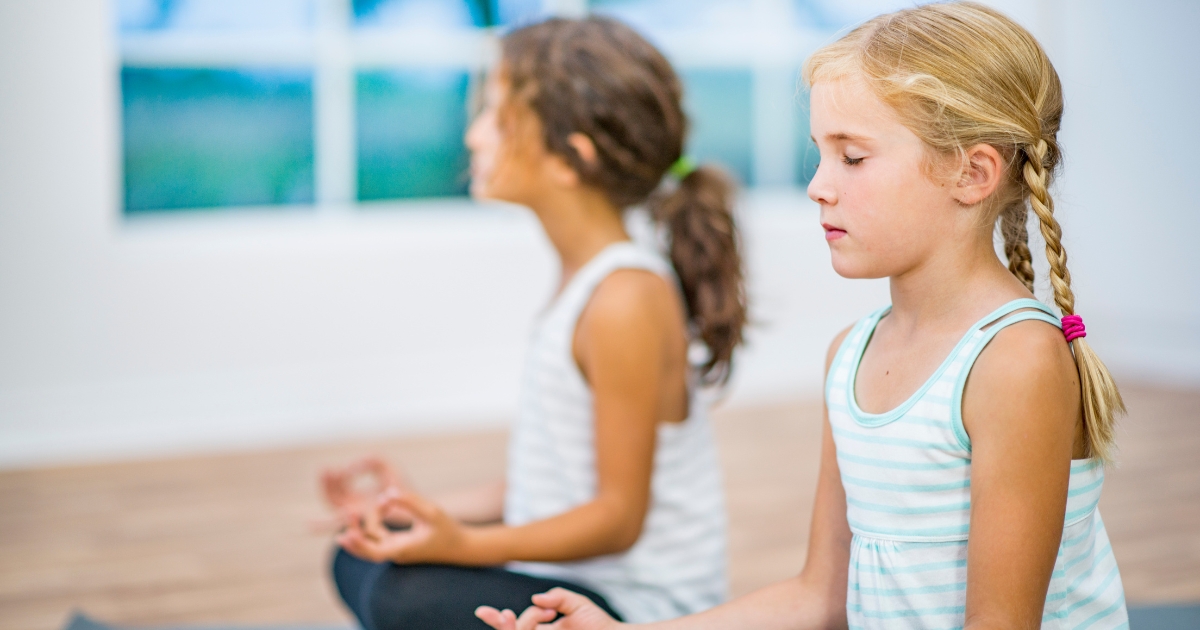
Let’s be real for a second: mornings in a homeschool household can sometimes feel like you’re herding cats through a laser tag arena. You’ve got the math books stacked, the science experiment (hopefully) not exploding in the kitchen, and a pot of coffee that isn’t brewing fast enough. We’ve all been there, staring at the chaos and wishing for a reset button before the day even begins. That’s where the magic of meditation for school children comes in. It’s not about turning your living room into a silent monastery or expecting your seven-year-old to achieve nirvana before breakfast.
It’s about giving your kids—and let’s be honest, yourself—a tool to start the day with intention, focus, and a little less “mom, where’s my pencil?” panic.
Why We Need Calm In The Classroom (Even If It’s Just The Dining Table)
It is easy to think of meditation as an adult activity. We picture stressed executives or yoga instructors breathing deeply on a beach. But kids carry their own kind of stress. They worry about understanding long division, they get frustrated when they can’t master a new skill, and they absorb the energy of the household. When we introduce stillness into their morning routine, we aren’t just helping them calm down; we are teaching them emotional regulation.
Think about the transition from sleep to “school mode.” For kids who go to a traditional school, the bus ride or car line serves as a transition period. For homeschoolers, the commute is often just walking from the bedroom to the kitchen table. That lack of transition can sometimes make it hard for their brains to switch gears. A short meditation practice acts as that mental commute. It signals to the brain that playtime is paused and learning time is beginning.
This doesn’t mean you need to invest in expensive cushions or gongs. The goal is accessibility. We want to create a soft landing into the school day, allowing brains to wake up gently rather than being jolted into action. When a child learns to observe their thoughts without judgment, they build resilience. They learn that feeling frustrated by a math problem is just a feeling, not a permanent state of being. That is a life skill that goes way beyond the curriculum.
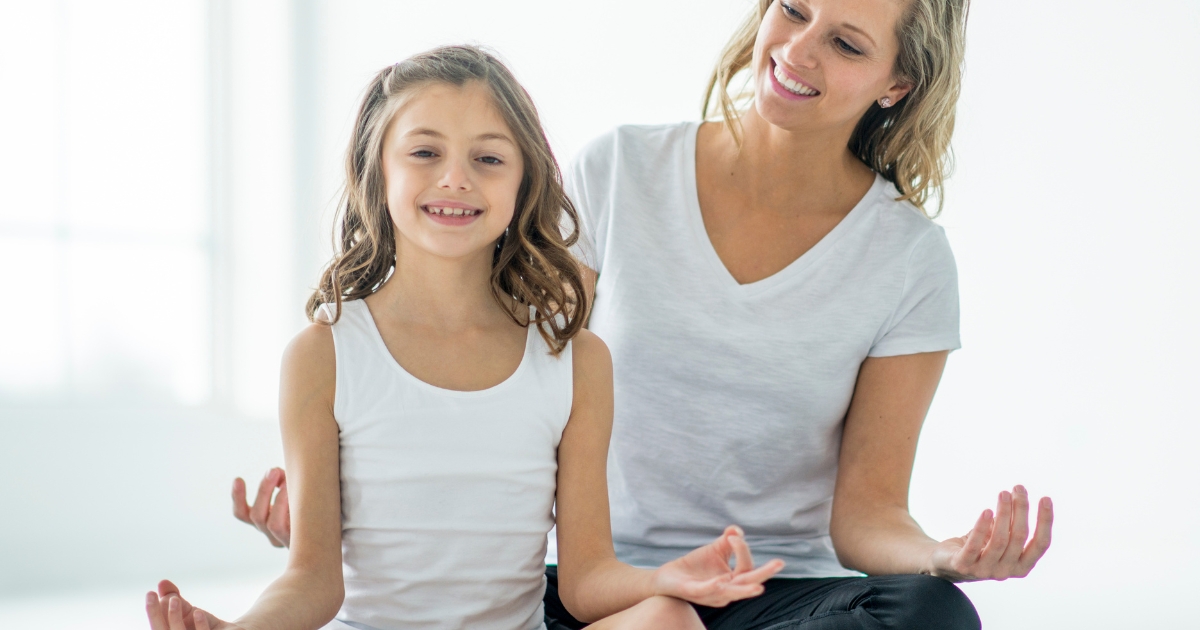
Building The Ultimate Zen Morning Routine
So, how do we actually make this happen without it becoming “one more thing” on the to-do list? The key is integration, not addition. You don’t need a 30-minute sit-down session. We are aiming for micro-moments of mindfulness that slot perfectly into your existing schedule.
Here is a simple, flexible framework for a mindful morning routine that works for various ages:
- The “Wake Up” Stretch: Before screens or books, start with physical movement.
- Have them reach for the sky to “grab the sun.”
- Touch their toes to “plant their roots.”
- Shake out their hands and feet to release sleepy energy.
- The Breakfast Check-In: Use mealtime for gratitude, not just eating.
- Ask: “What is one thing you are looking forward to today?”
- Ask: “How does your body feel this morning? Tired? Energetic? Wiggly?”
- The Transition Minute: This is the golden moment right before the books open.
- Set a timer for 60 seconds.
- Ask everyone to close their eyes and listen for the farthest sound they can hear (a car, a bird).
- Then, listen for the closest sound (breathing, the fridge humming).
- Intention Setting: Pick a word for the day.
- Examples: “Focus,” “Kindness,” “Patience,” or “Creativity.”
- Write it on a whiteboard or sticky note where everyone can see it.
- The Breath Bridge: Take three deep collective breaths together before opening the first textbook.
This routine does a few things simultaneously. It wakes up the body, engages the mind, connects the family, and sets a clear boundary between “home mode” and “school mode.” Plus, it helps you gauge where your kids are emotionally before you try to teach them complex subjects. If the “Breakfast Check-In” reveals they are grumpy or anxious, you know to adjust your expectations or start with a lighter subject.
Fun Mindfulness Activities Your Kids Will Actually Like
Let’s face it, telling a ten-year-old to “just breathe” is a recipe for eye-rolls. To make mindfulness stick, it has to be engaging. It needs to feel like a game or an experiment rather than a chore. We want them to be curious about their own minds.
Here are some kid-tested, parent-approved activities that sneak mindfulness in through the back door:
- The Glitter Jar Galaxy: This is a classic for a reason. Fill a jar with water, clear glue, and glitter. Have your child shake it up like a snow globe. Explain that the swirling glitter is like their busy thoughts when they are upset or excited. Then, watch the glitter settle. As it settles, have them practice slow breathing. It’s a powerful visual metaphor for how the mind calms down if we just give it a moment.
- The Spidey-Senses Challenge: Tell your kids to turn on their “Spiderman senses.” For one minute, they have to be hyper-aware of everything around them.
-
- What do they smell? (Maybe the toast you burned?)
-
- What do they hear? (The dog snoring?)
-
- What do they feel? (The texture of the rug, the hardness of the chair?)
-
- This grounds them immediately in the present moment.
- Buddy Breathing: This is great for younger kids. Have them lie on their backs and place a small stuffed animal (a “breathing buddy”) on their belly. Ask them to rock the buddy to sleep by moving their belly up and down with their breath. It teaches deep, diaphragmatic breathing without using complicated terms.
- The “Weather Report” Check: Ask your child to give you an internal weather report.
-
- “Is it sunny and clear in your brain?”
-
- “Are there storm clouds of frustration?”
-
- “Is it a bit foggy and tired?”
-
- This helps them label their emotions without judgment. It’s okay if it’s raining; we just put on rain boots (coping strategies) and keep going.
- Mindful Eating: Give them a single raisin or a piece of chocolate. Ask them to eat it as slowly as possible.
-
- Look at it closely.
-
- Smell it.
-
- Feel it on the tongue before chewing.
-
- Notice the burst of flavor.
-
- This slows down the rush of snacking and trains focus.
Meditation For School Children: Troubleshooting The Wiggles
Okay, you tried the breathing buddy, and your kid threw the teddy bear across the room. Or you tried the Glitter Jar, and they just asked if they could drink it. Don’t panic. Mindfulness is a practice, not a performance. It is perfectly normal for kids to be fidgety, giggly, or resistant at first. The goal isn’t perfect stillness; it’s awareness.
When you encounter resistance, the best approach is often to join them rather than correct them. If they have the wiggles, don’t force them to sit still. Do a “waking up the wiggles” meditation where they shake every part of their body vigorously for ten seconds and then freeze like a statue. The contrast between the movement and the stillness helps them feel what relaxation actually is. If they are giggling, laugh with them! Laughter is a great release of tension. You can say, “Okay, let’s get all the giggles out in three giant ha-ha-has!”
Another common hurdle is the “I’m bored” complaint. This usually means the session is too long. For a six-year-old, one minute is an eternity. Start with thirty seconds. Literally. build up tolerance slowly. You wouldn’t ask them to run a marathon on their first day of PE, so don’t ask them to meditate for ten minutes on day one. Also, consider the timing. If they are hungry or bursting with energy right after lunch, that might not be the best time for quiet reflection. Try doing it after a high-energy activity to help them cool down, or right before a subject they find difficult to help them center themselves.
Remember, you are the model. If you are stressed out screaming “RELAX AND BREATHE!” at your kids, the irony will not be lost on them. They learn more from watching you than listening to you. Let them see you taking a deep breath when you burn dinner. Let them see you pausing before reacting to a spilled drink. When you narrate your own mindfulness—”I’m feeling frustrated right now, so I’m going to take three deep breaths”—you are giving them a live demonstration of how to use these tools in the real world.
The Long-Term Benefits For Your Homeschool Journey
When we consistently implement these small moments of pause, the cumulative effect on our homeschool environment is profound. It’s not about having a perfect day every day; it’s about having a toolkit for the imperfect ones. Over time, these practices reshape the atmosphere of your home.
You begin to notice that transitions become smoother. The meltdown over the lost eraser happens a little less often, or it’s resolved a little faster. Your children start to develop a vocabulary for their emotions. Instead of just acting out, they might say, “I need a minute,” or “My brain feels foggy.” That level of self-awareness is huge. It empowers them to take ownership of their learning and their mood.
Furthermore, this practice fosters a deeper connection between you and your children. In the hustle of checking off curriculum boxes, grading papers, and managing household chores, it’s easy to lose that heart-to-heart connection. Starting the day with a shared moment of breath or gratitude reminds everyone that you are a team. It prioritizes the relationship over the academic output. And we all know that when the relationship is strong, the learning happens much more naturally.
Ultimately, we are raising humans, not just students. We want them to be smart, yes, but we also want them to be emotionally intelligent, resilient, and capable of finding peace in a chaotic world. By dedicating just a few minutes each morning to mindfulness, you are planting seeds that will grow well into their adulthood. You are teaching them that their mental well-being matters just as much as their multiplication tables. And that, dear homeschool parent, is a lesson worth teaching every single day.
Craving More Homeschool Wisdom?
If you loved these tips on bringing a little Zen to your den, don’t stop here! The DKM Homeschool Resource blog is packed with practical advice, curriculum reviews, and sanity-saving strategies for parents just like you. Whether you need help with high school transcripts, ideas for field trips, or just a little encouragement on the tough days, we’ve got you covered.
Head over to our main blog page now to explore more articles and make this your best homeschool year yet!