Homeschooling in the TikTok Era: Finding Balance Between Fast Content and Slow Learning
It’s easy to notice how quickly content moves today. A quick scroll through TikTok or similar platforms delivers an endless stream of short, engaging videos

It’s easy to notice how quickly content moves today. A quick scroll through TikTok or similar platforms delivers an endless stream of short, engaging videos

Art and music aren’t extras in Waldorf homeschooling—they’re essential tools that help children understand, remember, and enjoy what they learn. When used intentionally, they support

Teaching the scientific method to a kindergartener doesn’t have to be complicated—you can do it through simple questions, everyday observations, and fun experiments. At this

Art and music documentaries can absolutely inspire creativity in kids—and they’re one of the easiest tools homeschooling parents can use. When children see real artists,

Parents can absolutely build confidence as educators without formal training. Confidence grows through consistent action, simple routines, and learning alongside your child. With the right

Teaching history doesn’t have to mean dry textbooks and memorizing dates. The best way to teach history is by bringing it to life—through stories, hands-on

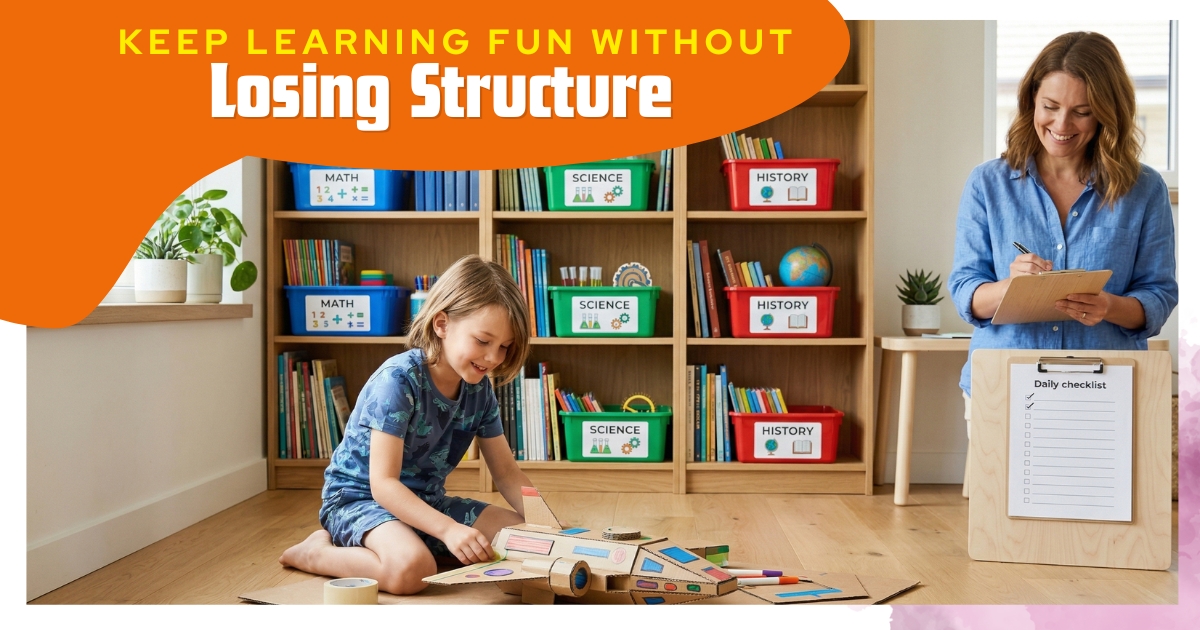
Keeping learning fun without losing structure is one of the biggest challenges homeschooling parents face. The good news is that it’s absolutely possible to balance

Teaching reading comprehension without worksheets is not only possible—it’s often more effective. When children interact with stories through conversation, real-life reading, and curiosity-driven learning, comprehension

Homeschooling works best when learning feels natural rather than forced. Curiosity and interest-led learning allow children to explore subjects that genuinely excite them, turning everyday

If you’re homeschooling, you might eventually wonder: How do I know my child is actually learning if we’re not giving grades or tests? The good