

There’s a growing number of parents who feel that the modern world moves a little too fast—screens everywhere, overscheduled days, and less time for meaningful connection. If you’ve been craving something quieter and more grounded, you’re not alone. Many families are choosing a simple living family lifestyle to slow things down, reconnect, and give their kids the kinds of experiences that build strong character and lifelong skills.
Old-fashioned family values may sound like something out of a black-and-white movie, but the truth is, they’re surprisingly relevant today—especially for homeschooling families looking to raise confident, capable, and caring kids.
Let’s look at how you can bring a little vintage charm (and a lot of wisdom) into your home.
What “Old-Fashioned” Really Means for Today’s Families
Being “old-fashioned” doesn’t mean giving up modern conveniences or pretending it’s 1952. It’s more about embracing meaningful traditions and values that help your family grow closer and your children develop important life skills.
These values often include:
- Responsibility and work ethic
- Respect for elders and family roles
- Time together without constant digital noise
- Hands-on learning as part of daily life
- Self-sufficiency and practical skills
- Faith, gratitude, and purpose
Old-fashioned family living is less about aesthetics and more about intention—choosing what matters, building a strong family foundation, and giving children the chance to learn through real experiences.
How Modern Kids Miss Out—and Why It Matters
Children today are incredibly smart and capable, but they’re growing up in a world that often expects less from them. A lot of kids rarely do chores, rarely interact with adults outside of their immediate family, and rarely get to problem-solve without a device nearby telling them how.
When moments of challenge or boredom arise, they often reach for a screen before their brains have the chance to stretch, adapt, or imagine.
Here are some valuable lessons many modern kids are missing:
- How to manage household responsibilities
- How to entertain themselves without electronics
- How to communicate face-to-face with confidence
- How to help younger siblings or assist parents
- How to use basic tools or cook a simple meal
- How to appreciate the slower pace of life
This doesn’t mean we need to ditch technology entirely. But a traditional, hands-on approach can help kids grow into grounded, capable adults who feel confident navigating both digital and real-world situations.
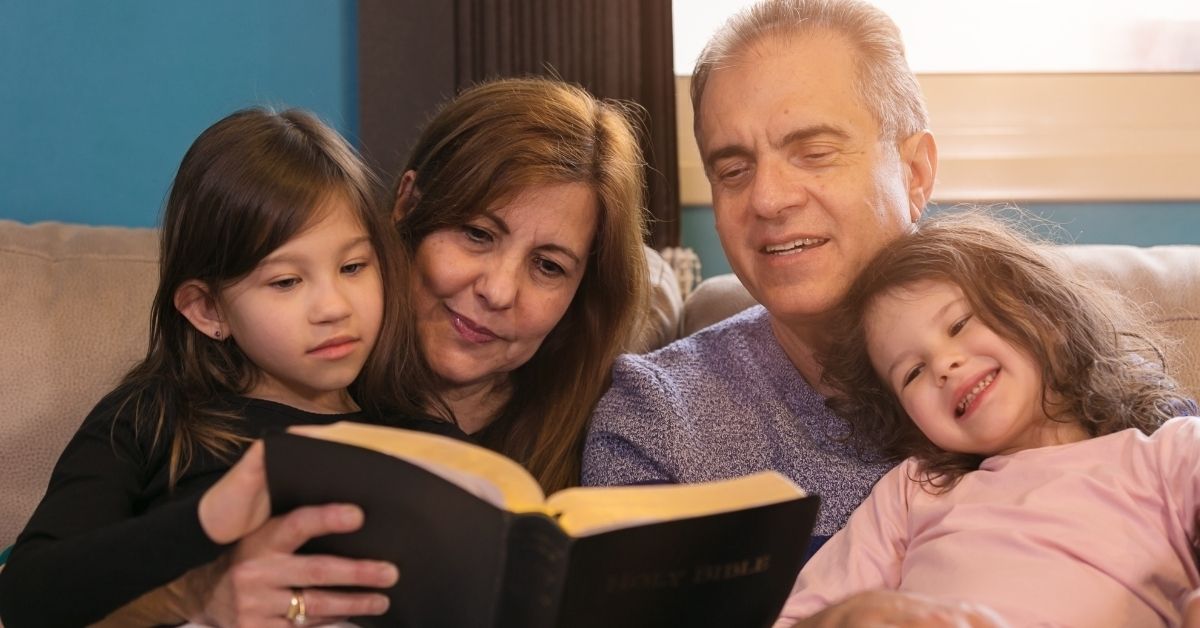
Bringing Back Vintage Family Values in a Modern Homeschool
One of the easiest places to revive old-fashioned family traditions is inside your homeschool routine. Homeschooling already allows for flexibility and creativity, which means you can integrate meaningful tasks and responsibilities right alongside math and reading lessons.
In old-fashioned households, children learned by doing—shadowing their parents, helping with cooking, taking care of animals, fixing things, tending to younger siblings, and developing practical skills early. Your homeschool can embrace that same approach. Think of it as raising children who are not only well-educated on paper but also resourceful human beings.
When kids participate in household tasks, they see themselves as contributors rather than spectators. They learn motivation, teamwork, and patience in ways no worksheet can replicate. And the best part? These lessons naturally blend into your daily rhythm, so you don’t need extra time or complicated curriculum to make it happen.
Creating a Simple Living Family Lifestyle at Home
- Start with Daily Rhythms, Not Strict Schedules
Old-fashioned families often followed natural rhythms—morning chores, meals together, work time, quiet time, evening routines.
Try establishing rhythms such as:
- Morning: breakfast, quick tidy, a couple of core school subjects
- Midday: outdoor break, chore time, practical skill activity
- Afternoon: reading, projects, personal interests
- Evening: family meal, slow conversation, light cleanup, early wind-down
These rhythms create predictability without the pressure of “falling behind.”
- Add Practical Skills to Your Homeschool Week
You can label them as “life skills lessons,” but honestly, they can blend in with everyday activities.
Try including:
- Cooking or baking one meal per week
- Gardening or plant care
- Sewing, mending, or simple handcrafts
- Basic carpentry or tool handling
- Budgeting or small money tasks
- Taking care of pets or helping with livestock
These skills build confidence, responsibility, and independence.
- Make Storytelling Part of Your Home Culture
Families used to pass down wisdom through stories—funny stories, life lessons, family history, and faith traditions.
You can bring it back by:
- Telling bedtime stories you remember from your own childhood
- Reading aloud classic books
- Sharing family memories around the dinner table
- Listening to grandparents tell stories about “when they were young”
Storytelling strengthens connection, boosts language skills, and gives kids a sense of identity.
Old-Fashioned Family Traditions Your Kids Will Love
Traditions give children roots, and many vintage traditions fit beautifully into a homeschool lifestyle.
Here are some simple ideas to start:
- Weekly family dinner with real conversation and no devices
- Baking days—kids can measure ingredients, practice math, and enjoy the results
- Sunday rest days with quiet hobbies and family time
- Seasonal traditions like berry picking, canning fruit, or making handmade holiday decorations
- Family read-aloud evenings with blankets and cocoa
- Game nights with old-fashioned board games or puzzles
Traditions don’t need to be expensive or fancy—just consistent and meaningful.
The Homeschool Advantage: Hands-On Learning the Old-Fashioned Way
Homeschooling gives parents a unique opportunity to incorporate old-fashioned values without fighting against a rigid school structure. You can weave meaningful tasks into your lessons, turn chores into learning opportunities, and let your children experience boredom long enough to spark imagination. Many homeschool families already notice that when kids spend less time on screens and more time doing real things, behavior improves, focus increases, and relationships strengthen.
Hands-on learning also helps kids retain information. A child who helps cook dinner learns fractions without even realizing it. A child who helps plan a garden learns science through experience. A child who helps repair something learns problem-solving naturally. These are the kinds of education moments that stick for life.
Teaching Respect, Gratitude, and Responsibility
Values aren’t just taught—they’re modeled. Old-fashioned families emphasized character as much as skills.
Here are some simple ways to teach these values:
Respect
- Model calm communication
- Encourage kids to greet visitors politely
- Teach them to listen before responding
Gratitude
- Keep a gratitude journal
- Thank each other for small acts
- Share “best part of the day” moments at dinner
Responsibility
- Give children age-appropriate chores
- Teach them to care for their personal spaces
- Let them help with family decisions when possible
When kids feel responsible, they feel capable—and capable children grow into confident adults.
Creating a Calm, Lower-Tech Home Environment
Old-fashioned living naturally involves less screen time and more connection. You don’t have to go completely “unplugged,” but simply creating intentional boundaries around technology can transform the atmosphere of your home. Try having device-free mealtimes, device-free mornings, or tech-free weekends every once in a while. Encourage children to explore boredom, because boredom is the birthplace of creativity. When your home has space for quiet moments, kids have space to think, imagine, and grow.
Why Kids Thrive with Traditional Living
Kids benefit from traditional family rhythms because:
- They get stability
- They feel needed
- They learn emotional resilience
- They develop real-world skills
- They bond more deeply with their parents
- They gain confidence through contribution
Old-fashioned living isn’t about going backward—it’s about creating a childhood worth remembering.
Simple Living Family Lifestyle Tips for Your Everyday Routine
Here’s how to bring simplicity and warmth into your home:
- Declutter your spaces—less stuff means fewer distractions.
- Cook more meals at home—even simple ones count.
- Practice slow mornings—ease into the day together.
- Create a weekly family rhythm—something that anchors everyone.
- Spend more time outside—nature is the oldest classroom.
- Give children meaningful responsibility—even young kids can help.
- Choose quality time over quantity of activities—your kids won’t miss the chaos.
Small shifts add up to a big change in family culture.
Keep Exploring Homeschool Wisdom and Resources
Choosing an old-fashioned family lifestyle isn’t about nostalgia—it’s about giving your children the time, space, and experiences they need to grow into thoughtful, capable adults. If you’re ready to build a homeschool environment rooted in warmth, tradition, and practical skills, you’ll find plenty of inspiration right here.
Read more of our blogs on DKM Homeschool Resource for fresh ideas, helpful tips, and supportive guidance on your homeschooling journey.